
Introduction: Chewable tablets are designed to be chewed instead of swallowed whole, making them user-friendly, especially for children, seniors, and anyone with swallowing difficulties. By breaking down in the mouth, chewables offer the convenience of no-water dosing, pleasant taste, and the stability of a solid tablet. They are widely used for pediatric medicines and nutritional supplements (think of those chewable vitamin C or multivitamin pills), and even in veterinary meds. According to FDA guidance, manufacturers must pay special attention to critical quality attributes (CQAs) when developing chewable tablets. These CQAs include factors like tablet hardness, taste masking, and content uniformity to ensure safety and efficacy. In short, chewables combine the best of tablets (accuracy, shelf stability) with better patient compliance. In this guide, we’ll walk through what chewable tablets are, their benefits, how they’re made, and what packaging machines are used to handle them – all from a friendly, industry-perspective.
Chewable tablets are a type of oral solid dosage form designed to be chewed before swallowing. Unlike conventional tablets (which you swallow whole) or orally-disintegrating tablets (ODTs) that dissolve on the tongue, chewables are broken down in the mouth by chewing. This makes dosing easier for many patients.
According to Pharmaceutical Technology, chewable tablets are defined as tablets “designed to be processed by chewing to facilitate release of the active ingredient(s)”. In practice, this means chewables often contain ingredients like sugar-alcohols (polyols) that add sweetness and bulk. They can also be molded into fun shapes (animals, hearts, etc.) to appeal to kids. Because chewables break into particles in the mouth, they can be made larger or shaped differently than pills you’d swallow, yet still dissolve quickly after chewing.
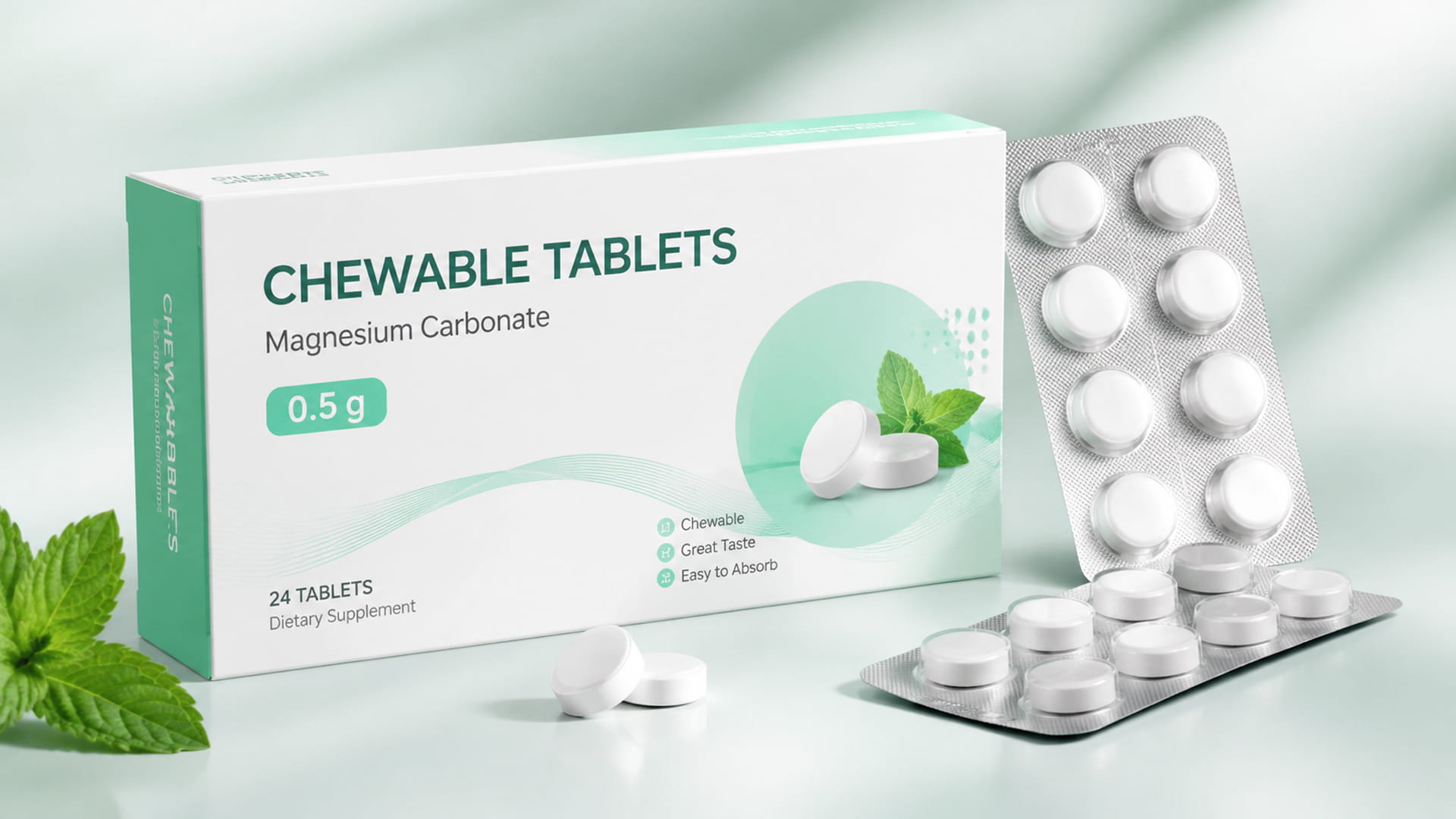
Chewable tablets are popular in several segments of the healthcare market:
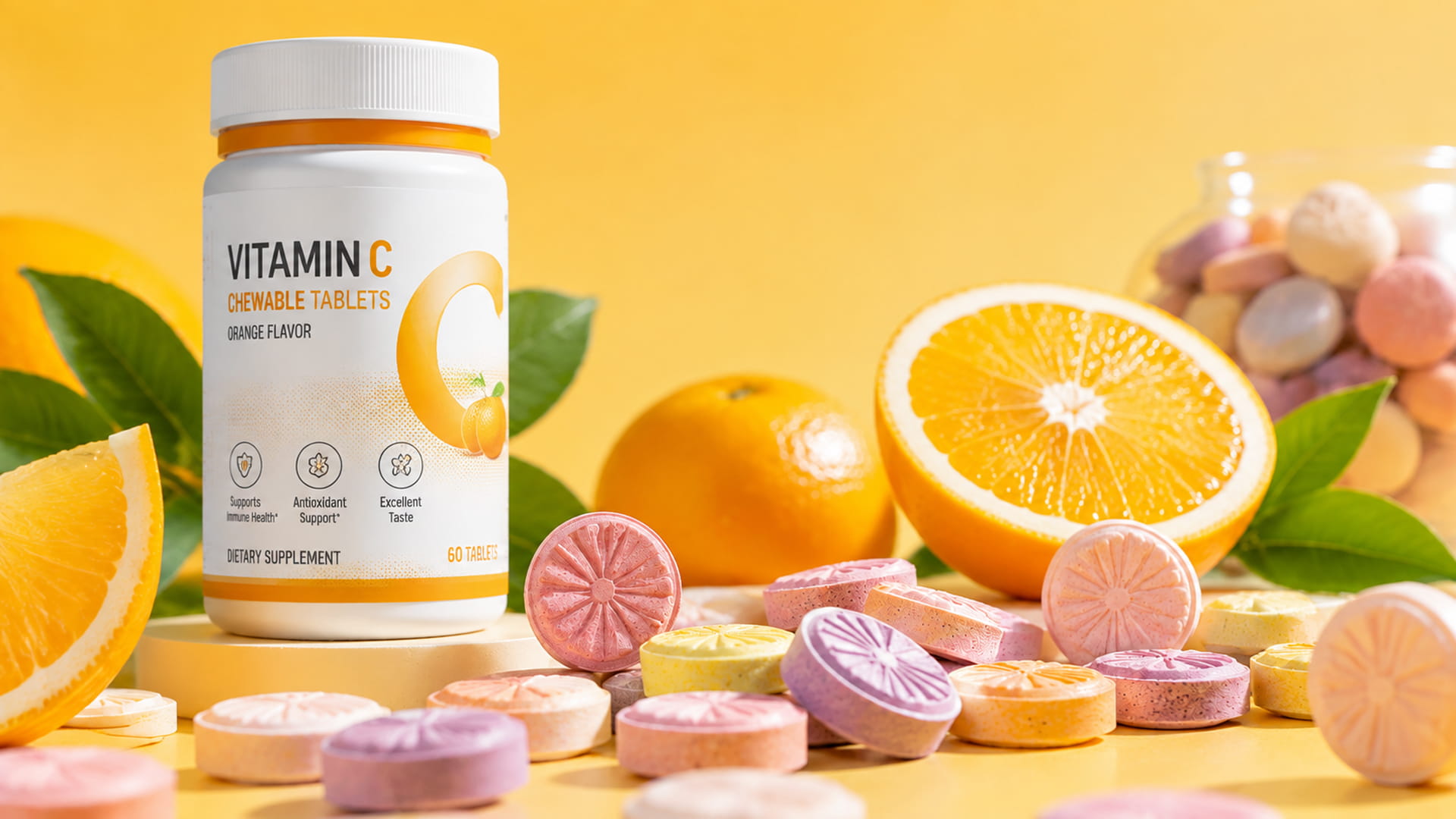
This photo shows vitamins and supplements in chewable tablet form. Chewable vitamin C, multivitamins, and mineral tablets often look like candies with bright colors. Their form factor and taste make them a friendly option for health-conscious consumers and patients alike.
Formulating a chewable tablet is a balancing act. The tablet must be palatable and easy to chew, yet strong and stable enough for handling and storage. This means:
Taste Masking & Palatability: Unlike swallowable tablets, chewables sit in the mouth, exposing drugs to taste buds. Many active drugs are bitter, so formulators add sweeteners (sugars or sugar alcohols) and flavoring agents to make the tablet pleasant. For very bitter APIs, thin coatings or special taste-blocking excipients can be used to prevent the bad taste from reaching the tongue. For example, chewable vitamin tablets often use fruit flavors and sweet bases (like sorbitol or mannitol) to improve taste.
Texture & Mouthfeel: A good chewable tablet should be soft enough to break down smoothly without feeling gritty or too chalky. Particle size and excipient choice matter: finely milled ingredients and “soft” fillers (e.g. mannitol, xylitol) help the tablet crumble gently under chewing. On the other hand, chewables still need some hardness so they don’t fall apart in storage. Industry guidelines suggest keeping tablet hardness relatively low (e.g. below ~12 kiloponds) unless the tablet disintegrates quickly in the mouth. Using highly compressible excipients and binders (like microcrystalline cellulose or certain polymers) helps keep the tablet intact during packaging yet chewable in the mouth.
Disintegration & Drug Release: Chewables must break down and release the drug effectively once chewed. They are usually classified as immediate-release dosage forms, so they must meet the same disintegration and dissolution standards as other immediate-release tablets. In practice, this means testing the chewable tablets to ensure they dissolve within the required time (often under a few minutes) after chewing. Formulators often include disintegrants (e.g. sodium starch glycolate) to aid rapid breakup and ensure consistent bioavailability.
Stability: Like any tablet, chewables can be sensitive to moisture and temperature. Because many chewables (e.g. vitamins or effervescent chewables) use hygroscopic fillers, the formulation must be stable through the product’s shelf life. This involves proper moisture control during manufacturing and packaging. In fact, regulatory guidelines (e.g. FDA stability guidances) require submitting stability data to demonstrate potency and safety over time. For chewable vitamins with high drug loads, additional care is needed to balance flavor with active ingredients while maintaining stability.
Common Excipients: Key ingredients beyond the API include fillers (diluents) for bulk, binders to hold the tablet together, lubricants to prevent sticking, and, importantly, flavorings/sweeteners for taste. Typical fillers in chewables are sugar alcohols like mannitol or sorbitol, or sweeteners like sucrose and lactose. Mannitol, for instance, is popular because it yields a cool, sweet mouthfeel and helps tablets disintegrate quickly. Disintegrants (microcrystalline cellulose, sodium starch glycolate) are used to ensure quick break-up in the mouth. Flavor additives (fruit flavors, mint, etc.) and coloring agents are also common to make tablets attractive to consumers.
By focusing on these factors—taste masking, texture, and disintegration—pharmaceutical developers create chewable tablets that are both effective and patient-friendly. Proper formulation lays the groundwork for smooth manufacturing and packaging.
Producing a good chewable tablet means balancing pharmaceutical quality with patient acceptability. The critical quality attributes include:
Meeting these quality factors isn’t trivial, which is why the FDA published a special guidance on chewable tablet attributes. The guidance emphasizes documenting all development steps and tests in regulatory filings (NDAs/ANDAs). The takeaway: a chewable tablet is still a drug product and must be treated with full quality rigor, just with a patient-friendly twist.
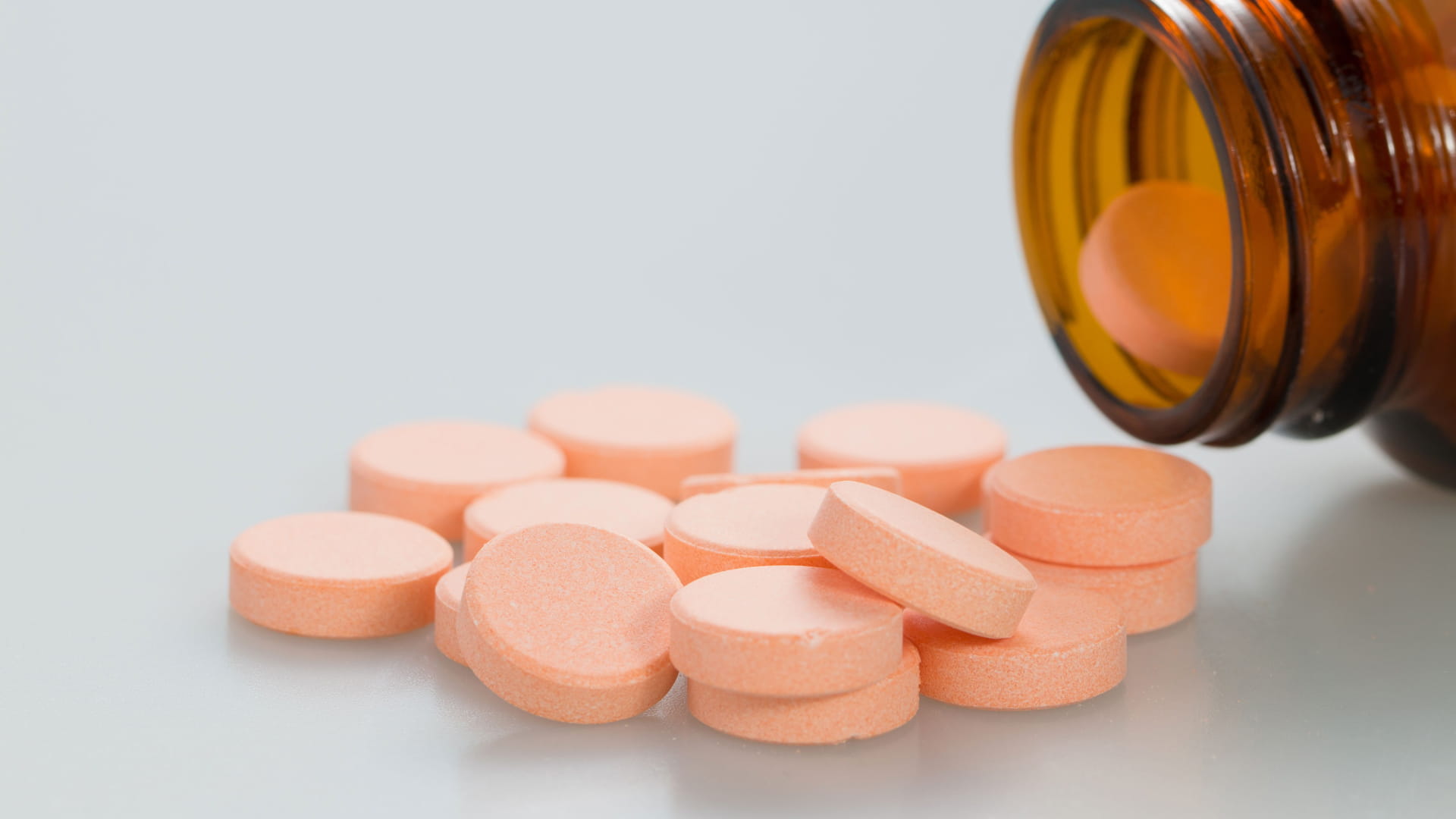
The manufacturing of chewable tablets largely follows the standard tablet production process, with some special tweaks for chewability and taste. Below is an overview of the key steps in producing chewables:
At each stage, manufacturers follow cGMP regulations (e.g. FDA 21 CFR Part 211 in the US) to ensure cleanliness, precision, and traceability. Modern tablet presses often have PLC controls to adjust pressure and speed, and features like force sensors to maintain consistent compression. For chewables, a key is simply “gentle but uniform” pressing.
After production, chewable tablets need the right packaging to stay fresh and effective. Below are common packaging approaches and equipment used:


Cartoners may be fully automatic (no human operator needed) and include sensors to ensure each box has the right inserts and is properly sealed. The benefits of automated cartoning include much higher speed and consistency compared to manual packing. As a packaging engineer once quipped, cartoners give “professional-looking, tamper-resistant cartons” with minimal labor.
Tip: If your chewable tablets go into bottles (e.g. vitamin bottles), there might not be a blister, but those bottles often go into cartons too, following the same cartoning process.
This fully automated bottling line is ideal for chewable products like vitamin D chewables or chewable calcium tablets sold in bottles. It ensures each bottle has the correct count (think precisely 60 chewable vitamin C tablets per jar) and speeds up production.
Quality & Compliance: All these packaging machines must meet pharma standards. For example, blister and cartoning lines are built to cGMP specs (21 CFR 211 in the US) with sanitary design, traceability, and validation protocols. Inline vision systems often check fill-levels and sealing, preventing errors. Good packaging seals in product quality: studies show removing a pill from its package prematurely accelerates degradation. In short, investing in robust packaging (like high-barrier blisters and precise cartoners/counters) is crucial for keeping chewable tablets safe from factory to patient.
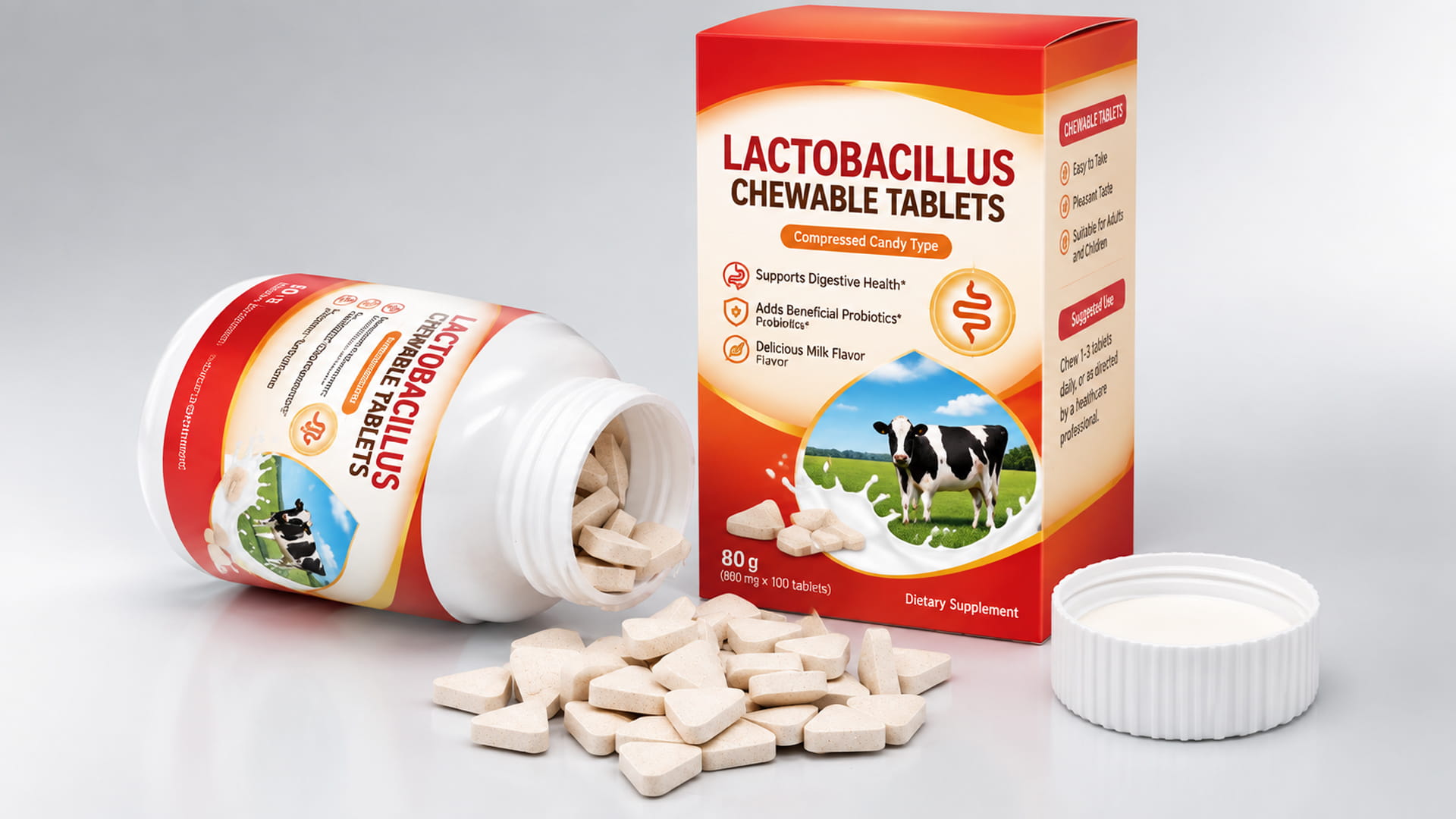
In summary, chewable tablets are a patient-friendly and versatile dosage form in pharma. They improve compliance (no water needed!), and with modern formulation techniques (sweeteners, flavors) they can taste quite nice. Their production uses standard tableting equipment with a few tweaks: low-pressure compression, special punches, and careful quality control. Packaging plays a key role too – blister machines, cartoners, and counting lines ensure each chewable tablet stays fresh and correctly dosed in the final pack.
If you’re in pharmaceutical or nutraceutical manufacturing and exploring chewable tablet production, remember: the right equipment partner can make a big difference. Manufacturers like Jinlu Packing offer customized tablet presses, blister packers, and cartoners built for chewable products. Whether you need a rotary tablet press for thousands of chewable pills per hour or a high-speed blister line to seal your vitamin tabs, quality equipment will keep your production efficient and your tablets patient-friendly.
Ready to enhance your chewable tablet line? Contact the experts at Jinlu Packing for tailored pharmaceutical tablet production and packaging solutions
A chewable tablet is an oral solid dosage form designed to be chewed before swallowing. It provides easier administration compared with traditional tablets and is commonly used for pharmaceutical products, vitamins, and dietary supplements.
Chewable tablets are manufactured through a process that includes material mixing, granulation or direct compression, tablet pressing, quality testing, and packaging. A rotary tablet press machine is commonly used to produce consistent tablet size, weight, and hardness.
The main equipment used for chewable tablet production includes a tablet press machine, powder mixer, tablet deduster, metal detector, blister packaging machine, counting machine, and cartoning machine. The equipment selection depends on production capacity and packaging requirements.
The main difference is how they are taken. Regular tablets are swallowed whole, while chewable tablets are designed to be chewed before swallowing. Chewable tablets usually require specific formulations to achieve better taste, texture, and chewing performance.
Yes. A rotary tablet press can produce chewable tablets by adjusting compression force, tooling design, and production parameters. Proper machine settings help achieve the required balance between tablet strength and chewability.
Common examples include vitamin C chewable tablets, chewable multivitamins, chewable calcium tablets, chewable iron tablets, and vitamin D chewable tablets. These products are widely used in nutritional supplements and pharmaceutical applications.
Not always. Although the compression process is similar, chewable tablets require additional attention to taste, mouthfeel, hardness, and formulation stability. Manufacturers need to carefully control both product quality and user experience.
Common packaging solutions for chewable tablets include blister packaging, bottle counting systems, and cartoning machines. A suitable pharmaceutical packaging machine helps protect tablets from moisture and ensures accurate, efficient production.
Chewable vitamin tablets are becoming popular because they are convenient, easy to take, and more acceptable for children and adults who have difficulty swallowing pills. Products such as chewable vitamin C and chewable multivitamins are widely used in the supplement market.
Choosing a chewable tablet production line depends on factors such as tablet size, production capacity, automation level, and packaging method. Pharmaceutical manufacturers should consider both tablet compression equipment and downstream packaging solutions when selecting machinery.
References:
1.Quality Attribute Considerations for Chewable Tablets Guidance for Industry —— U.S. Food and Drug Administration
2.Chewable Tablets: A Review of Formulation Considerations —— PharmTech
3.Chewable Tablets: A Comprehensive Review —— Asian Journal of Pharmaceutical Research and Development
4.Formulation, Manufacture and Evaluation of Chewable tablets —— pharmapproach.com
5.Soft-Chewable Paracetamol Tablets by Melt Granulation Method: Formulation and Characterization —— National Library of Medicine