
Pharmaceutical packaging (often called drug packaging or pharma packaging) refers to the materials and processes that enclose and protect medicinal products from manufacture through distribution to the end user. Effective packaging is essential: it ensures that medications remain safe, effective, and unaltered by external factors. For example, sealed medicine bottles (image) illustrate primary packaging that shields drugs from moisture, light, and contamination. In other words, pharmaceutical packaging protects drug stability and ensures patient safety throughout the product’s lifecycle. Packaging also provides key information – labels, dosage instructions, and safety warnings – making it an integral part of healthcare communication.

Pharmaceutical packaging can be categorized into primary, secondary, and tertiary packaging layers, each with distinct roles.
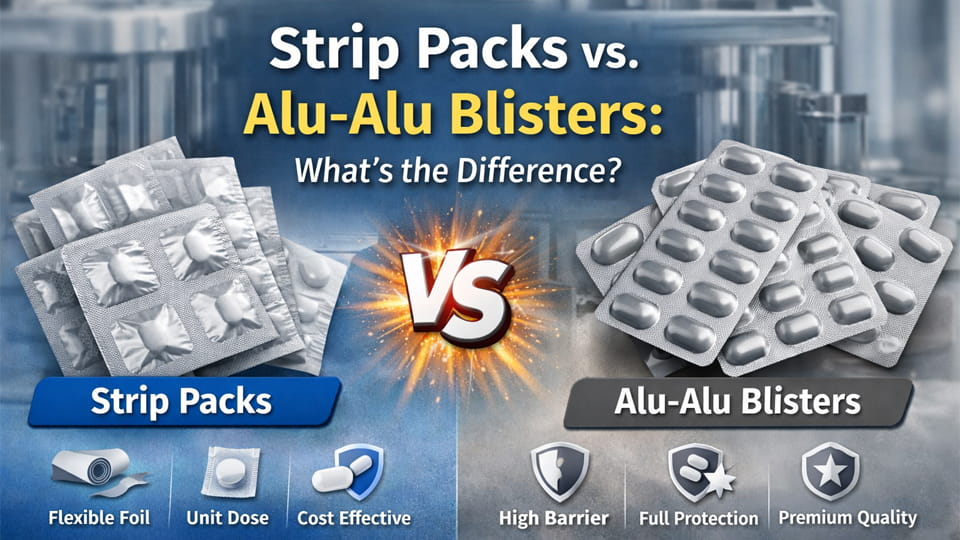
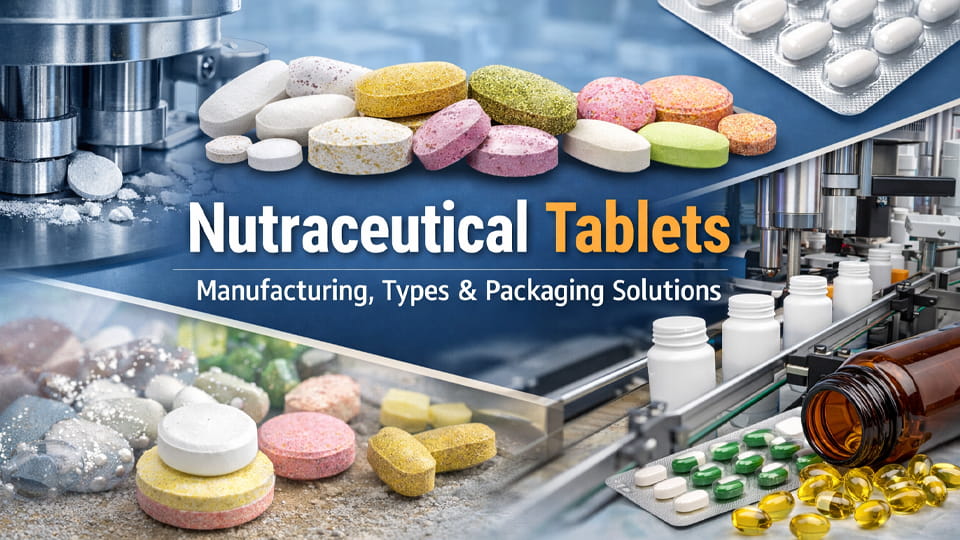
Primary packaging is the immediate container in direct contact with the drug. It must be compatible with the medication and guarantee its integrity. For solid dosage forms (tablets and capsules), common primary packages include blister packs and bottles. Blister packs are sheets of molded plastic pockets sealed with foil or plastic lids; they provide a moisture barrier and are tamper-evident, while also dispensing one dose at a time. Bottles are typically made of glass or FDA-grade plastic and store multiple doses – often with child-resistant caps or light-protective coatings. For example, amber glass pill bottles prevent UV-sensitive drugs from degrading. As noted by packaging experts, these immediate containers “guarantee the integrity of extremely delicate products such as medicines, to protect patients’ health”.
In the image above, blister packs and boxed doses illustrate typical primary packaging for tablets: each pill is individually sealed for safety, and boxes group the blister cards for dispensing.
Liquid pharmaceuticals require sterile, leak-proof primary containers. Vials – small glass or plastic bottles sealed with rubber stoppers – are standard for injectable drugs and vaccines. These vials (often made from borosilicate “Type I” glass) can be single-dose or multi-dose and are usually crimped with an aluminum cap. Ampoules are tiny hermetically sealed glass containers designed for one-dose injections; they have a scored neck that is snapped open to withdraw the medicine. Oral syrups and liquid suspensions come in screw-capped bottles (plastic or glass), sometimes equipped with droppers or pumps for dosing.
Semi-solid drugs like creams, gels, and ointments are packaged in tubes or jars. Tubes (often aluminum or plastic) allow controlled dispensing through a nozzle and usually include tamper-evident seals. Creams in wider jars (glass or plastic) provide easy access for the patient but offer somewhat less protection than sealed tubes.
Inhalable medications and aerosols use specialized containers: metered-dose inhalers (MDIs) are pressurized aluminum canisters fitted with actuators to deliver a fine spray of drug when the patient inhales. Dry powder inhalers (DPIs) often use individual blistered doses or capsules that are pierced within the device when used. Aerosol sprays (e.g. asthma relief) use stainless steel or aluminum spray cans with valves to dispense a mist or foam. Each of these primary packaging forms is chosen based on the drug’s formulation and administration route, to maintain efficacy and ease of use.
Secondary packaging is the outer layer that groups one or more primary packages. It serves to protect the primary container during handling and shipping, and to provide branding and information. For example, multiple blister cards or bottles might be placed in a folded carton box. These cartons (often paperboard) carry detailed product labels, usage instructions, and batch information. They make handling and storage easier – a pharmacist or consumer grabs a box rather than loose blisters – and help with merchandising on shelves. JinluPacking notes that secondary packaging’s “purpose goes beyond simple containment”: it also facilitates transport and protects the product from shocks or pressure during logistics. Secondary packages are often vividly printed for branding, and include space for leaflet inserts, UPC labels, and regulatory data. In retail or clinical settings, the secondary pack is the first thing seen and thus critical for compliance and marketing.
Tertiary packaging refers to bulk packaging used for shipping and distribution. This might include large corrugated shipping boxes, wooden crates, or wrapped pallet loads that hold multiple secondary cartons. The goal is to safely deliver large quantities of product from the manufacturer to distributors, hospitals, or warehouses. These containers must withstand rough transport conditions. For example, products might be shrink-wrapped together on pallets or packed in sturdy fiber drums for overseas shipment. By protecting against damage and making bulk handling efficient, tertiary packaging ensures that the medicine arrives undamaged, ready to be broken down into secondary and primary packs for final dispensing.
The choice of material is critical because it directly affects drug stability and safety. Glass and plastic dominate primary packaging materials due to their barrier properties and inertness. Glass is especially valued for its chemical resistance and impermeability. High-grade borosilicate glass (Type I) is used for most injectable vials, as it has very low ion exchange and can be sterilized without reacting with the drug. Cheaper soda-lime glass (Types II and III) may be used for oral liquids or pills at lower risk of incompatibility. Amber-colored glass bottles protect light-sensitive formulations.
Plastics offer light weight and moldability. Common choices include polyethylene (PE) and polypropylene (PP) for bottles and caps. For example, HDPE bottles resist breakage and moisture transfer, while PP parts (caps, containers) tolerate higher temperatures and steam sterilization. PET (polyethylene terephthalate) is often used for transparent bottles due to its clarity and good barrier properties. PVC (polyvinyl chloride) is a standard blister film material: it is easily thermoformed around pills and then heat-sealed to aluminum foil. Other engineering plastics like cyclic olefin copolymers (COC, COP) are used for very sensitive biologics as they have excellent clarity and chemical resistance. Bormioli notes that manufacturers evaluate compatibility of each plastic with the specific drug to prevent degradation or leaching.

Metals and paper are also important. Aluminum foil is widely used as a lidding layer for blister packs, tubes, and the bodies of aerosol cans. Its excellent barrier to moisture and oxygen preserves product shelf life. Paperboard and cardstock are the norm for secondary boxes – they are lightweight, printable for branding, and recyclable. Even closures involve materials: tamper-evident caps may include aluminum seals, and pharmaceutical-grade rubber is used for vial stoppers (neoprene or bromobutyl) to maintain an airtight seal without contaminating the drug. Each material is selected to balance protection, cost, manufacturability, and regulatory compliance.
Pharmaceutical packaging must comply with stringent regulations to protect patients. Materials must be non-toxic and inert (pharmaceutical grade) so they do not interact with or contaminate the drug. Packaging must provide an effective barrier against environmental factors: it should exclude moisture, light, and oxygen that could degrade the medicine. For sterile products (injectables), the container must maintain sterility throughout its shelf life.
Legislation also mandates safety features. Packages often must be tamper-evident (e.g. foil seals, shrink bands) so that any unauthorized opening is obvious. Many over-the-counter and prescription products require child-resistant closures to prevent accidental ingestion by children. Labelling and inserts are heavily regulated: packaging must carry clear information on drug identity, strength, dosage instructions, expiration date, storage conditions, and safety warnings. Global bodies like the FDA (US) and EMA (EU) set standards for these features, and manufacturers must demonstrate compliance through testing and documentation. In sum, regulatory requirements mean that packaging design is not just functional, but a key aspect of patient safety and quality assurance.
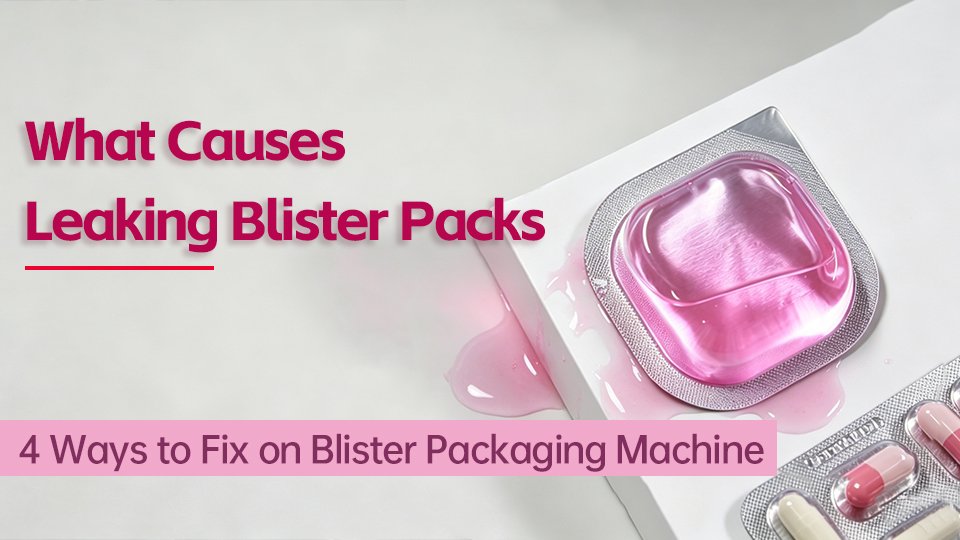
Modern pharmaceutical operations rely on automated packaging machinery to achieve high throughput and precision. Blister packaging machines automatically form blister pockets in PVC or PET film, fill them with tablets/capsules, and seal them with foil. These machines also often print batch numbers and dates on each pack as they run. As one packaging FAQ notes, such equipment “forms cavities on formable web materials” and seals products, resulting in tamper-proof individual-dose packs. This automation greatly speeds production and reduces human handling.

Likewise, vial and ampoule filling systems (often vacuum or piston fillers) are used to accurately fill liquid drugs into glass containers and then crimp or cap them under sterile conditions. Robotic filling lines can handle pre-sterilized vials and ampoules, minimizing contamination risk. For oral solids, high-speed tablet or capsule counters automatically portion pills into bottles, and capper machines apply and seal safety caps.
After primary filling, packaging lines use cartoning machines to group primaries: these erect cartons, insert blister cards or bottles, and close the boxes. Case packers and palletizers handle tertiary packing. Labeling machines (print-and-apply) add shipping labels and branding on boxes. Advanced lines often include serialization: cameras or printers encode unique barcodes/QR codes on each package for anti-counterfeiting. In short, integrated packaging solutions encompass blisterers, fillers, cartoners, labelers, and more – all engineered to maintain sterility and accuracy. Such turnkey systems are common offerings from pharmaceutical equipment manufacturers, allowing companies to meet high quality and speed requirements.
Pharma packaging is evolving with technology and environmental awareness. Sustainability is a major trend: companies are designing packages with recyclable or biodegradable materials and reducing excess packaging. For instance, carton papers now often use recycled content, and mono-material films are chosen for easier recycling.
Smart packaging is another innovation. RFID tags, NFC chips, and printed sensors can be embedded in packaging to track a drug’s temperature or location in real-time. This is crucial for temperature-sensitive biologics (cold chain) and for patient adherence: smart packages can even remind patients when to take their medication via connected apps.
Packaging designers are increasingly patient-centric: e.g. easy-open blister cards, large-print labels, unit-dose sachets, and dosing aids for the elderly or visually impaired. This trend improves compliance by making drugs simpler and safer to use.
To combat counterfeit drugs, anti-counterfeiting measures are becoming standard. Serialized barcodes on each unit (track-and-trace systems), tamper-evident seals, holographic labels, and secure inks all help verify authenticity.
Finally, personalized packaging – customizing the dose or format for individual patients – is gaining ground. This could mean personalized pill organizers labeled with patient names or 3D-printed pills in specific doses. Overall, these innovations ensure that pharmaceutical packaging not only protects medicines, but also adapts to new patient and market needs.
Selecting the right packaging solution involves balancing many factors. The most critical is drug stability and compatibility: the container must not react with the medicine and must preserve its efficacy over shelf life. Other factors include the dosage form and administration route – packaging for a tablet differs greatly from that for an injectable or an inhaler.
Regulatory requirements and quality standards also guide packaging choices (e.g. choosing tamper-proof vials for certain drugs). Cost-effectiveness is considered, but not at the expense of safety. Importantly, patient needs are factored in – packaging that is easy for seniors to open or that dispenses pre-measured doses can improve adherence.
Companies also weigh sustainability goals nowadays; packaging engineers design with eco-friendly materials without compromising protection.
By evaluating all these aspects – stability, compliance, user convenience, cost, and environmental impact – manufacturers can choose an optimal packaging design and machinery setup. This careful selection ultimately safeguards the product, ensures regulatory compliance, and enhances patient safety and satisfaction.
Pharmaceutical packaging is a complex, multi-layered system essential for delivering safe, effective medications to patients. From primary containers (blister packs, bottles, vials) to secondary cartons and tertiary shipping cases, each packaging type plays a role in protecting the drug and informing the user. Materials like glass, plastics, and aluminum are chosen for their protective properties, while strict regulations ensure non-toxicity, sterility, and tamper resistance. Advances in packaging equipment and innovation – such as automated blister machines and smart tracking tags – continue to improve the efficiency and safety of drug packaging. By adhering to best practices and leveraging modern packaging solutions, pharmaceutical companies ensure that their products remain stable, high-quality, and easily used by patients. In sum, the right packaging choices (guided by regulatory and practical considerations) are key to successful drug delivery and public health.
Pharmaceutical packaging is the system of containers, materials and protective layers used to hold, protect and deliver drugs safely from manufacture to patient use. It ensures a medication stays effective, uncontaminated and correctly identified.
Good packaging shields drugs from moisture, light, oxygen and mechanical damage, supports correct dosing and labeling, ensures patient safety and regulatory compliance, and preserves product integrity until use.
The main types are:
• Primary packaging — direct contact with the drug (e.g., blister packs, vials, bottles)
• Secondary packaging — groups primary packages and provides branding/label data (e.g., cartons)
• Tertiary packaging — bulk transport packaging (e.g., pallets, large shipping boxes).
Materials include glass (especially for injectables), plastics (HDPE, PET, PP), aluminum foil (for blister lidding), paperboard (for cartons), and pharmaceutical-grade rubber stoppers. Material choice depends on drug compatibility, protection needs, and cost.
You should consider: the drug’s dosage form (tablet, injectable, cream, inhaler), stability and shelf-life, regulatory requirements, patient usability, logistics and sustainability goals. Matching packaging form, material and machinery to the drug helps ensure safe delivery.
Packaging must be non-toxic, inert, evidence tamper-resistant or child-resistant where required, provide accurate labeling (expiry date, batch, instructions), and meet regional regulatory standards (e.g., Food and Drug Administration (FDA) in the U.S.). It also must maintain sterility if required.
Automated systems such as blister-pack forming machines, vial/ampoule fillers, cartoning machines, and serialization labelers improve speed, accuracy, traceability and compliance within the drug-packaging process.
Trends include smart packaging (e.g., RFID/NFC tags, temperature sensors), sustainable materials (recyclable/mono-material films), increased patient-centric design (easy-open, unit-dose formats), and anti-counterfeiting solutions (serialization, holograms).
Packaging influences shipping weight/size, storage conditions (especially cold-chain), material waste footprint and recyclability. Sustainable packaging can optimize cost, reduce waste and meet environmental goals without compromising drug protection.
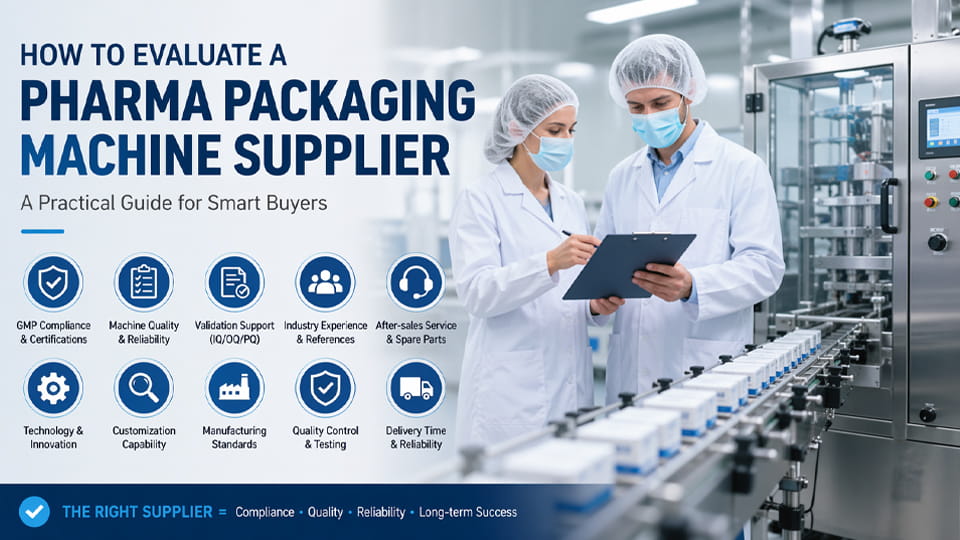
They should evaluate: the provider’s compliance documentation and testing (e.g., cold-chain validation), ability to integrate with existing equipment, training/support availability, scalability for production volumes, and alignment with regulatory and sustainability goals.