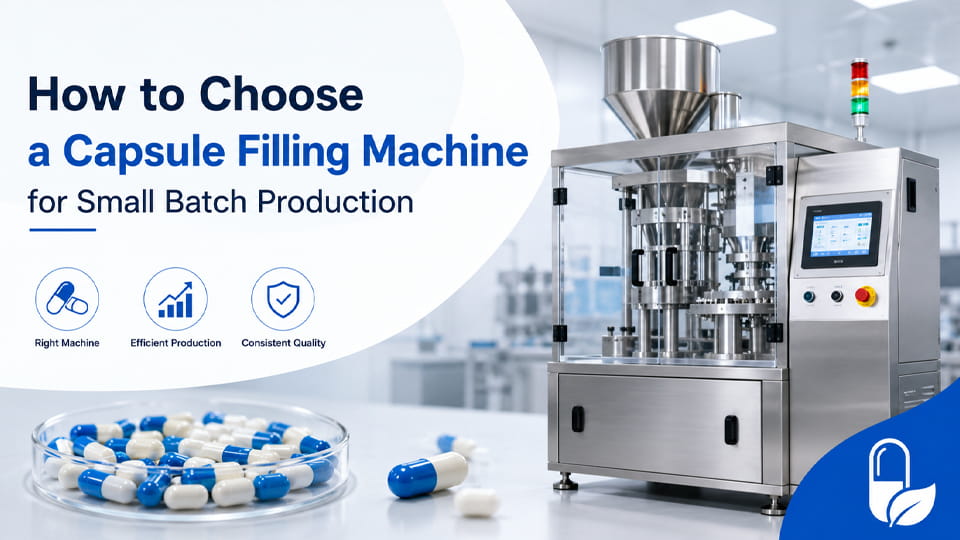

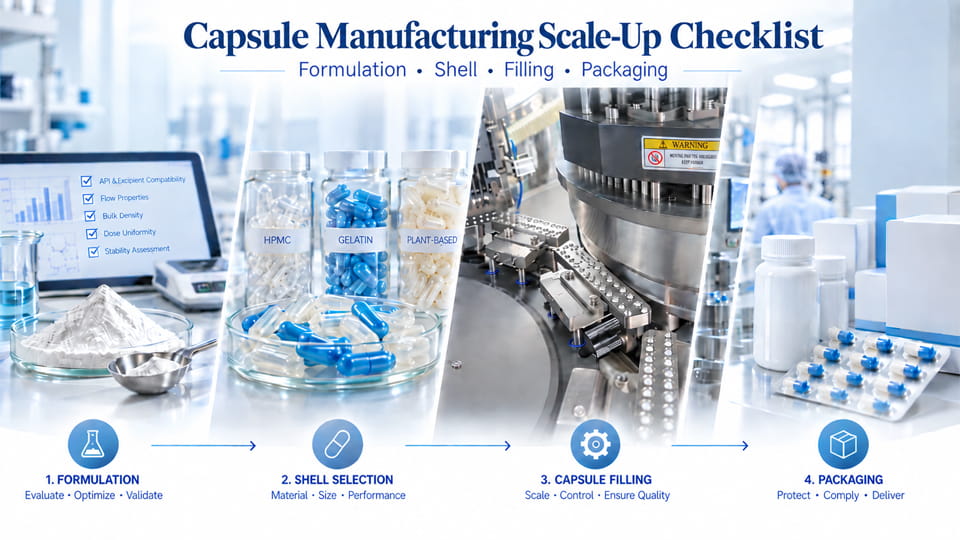
Scaling a capsule product from lab to commercial production requires systematic checks of formulation, پوسته کپسول, filling process, کنترل های حین فرآیند, packaging and stability, and equipment qualification. Key factors include powder flow properties, fill weight and density, capsule material choice (ژلاتین در مقابل HPMC), dosing technology and machine settings. A production-scale trial with the actual formulation is essential to confirm performance at target speed and fill weight. کنترل های کیفیت (capsule gross/net weight, یکپارچگی مهر و موم, IPC charts) and suitable primary packaging (blister vs bottle with moisture/oxygen barriers) safeguard content uniformity and stability. بالاخره, define FAT/IQ/OQ/PQ protocols for the capsule filler, ensuring it meets your specs across speeds and produces consistent batches. Use the checklist below to guide your scale-up and work closely with your capsule-filling equipment supplier to de-risk the transfer to commercial production.
Capsule scale-up is the process of transferring a formulation and filling process from laboratory batches to pilot and full commercial production. It involves verifying that powder blend properties, پر کردن وزن, dosing technology و تنظیمات ماشین can reliably meet product specifications at larger scale. راهنمای FDA (SUPAC-IR) explicitly covers changes like manufacturing scale-up and equipment changes for اشکال دوز خوراکی جامد. در عمل, scale-up means identifying critical process parameters (CPPs) and quality attributes (CQAs) در طول توسعه, and then confirming them in pilot and engineering runs before full production.
Key stages include:
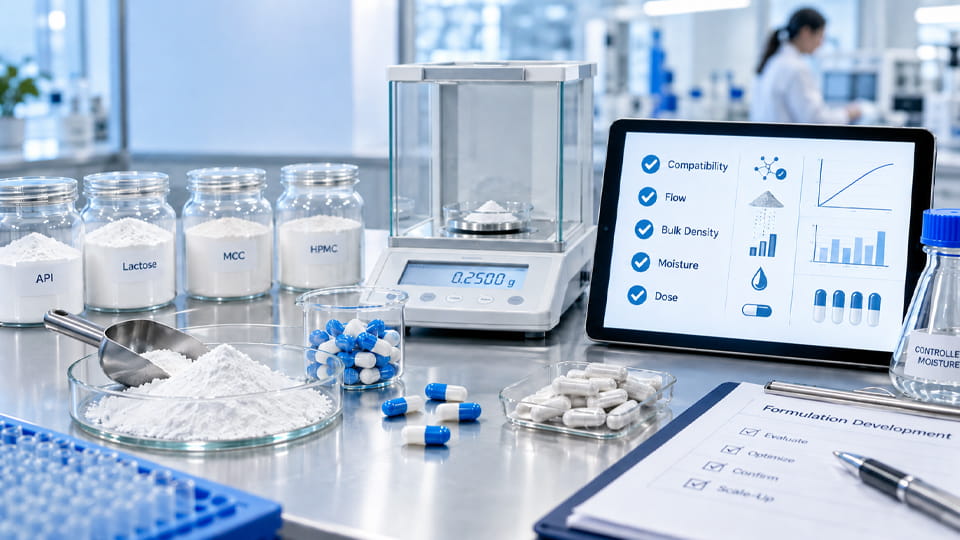
قبل از تولید در مقیاس کامل, review all aspects of your product and process. خلاصه, ensure you:
Each of the above is explained in detail below. After reading, use the Actionable Scale-Up Checklist (at article’s end) to tick off each item.
Powder Flowability: Capsule fill accuracy depends on consistent powder flow. Characterize your blend using multiple metrics — there is no single “flow number”. USP <1174> notes that powder flow is “multifaceted” and requires several tests. Measure bulk/tapped density (to compute Carr’s Index and Hausner Ratio) and simple indices like angle of repose as a first pass. Be alert that fine or cohesive powders may show variable behavior: adhesion and cohesion rise sharply at small particle sizes, and moisture-sensitive powders can cake or stick over time.
Bulk Density and Fill Volume: Always relate capsule weight (مگس) to powder volume. Use the formula:
Required powder volume ≈ Target fill weight / Bulk density
به عنوان مثال, a Size 0 کپسول ژلاتین (≈0.68 mL volume) needs about 0.408 g of a 0.60 g/mL bulk-density powder. If your target fill (به عنوان مثال. 500 میلی گرم) exceeds this loose volume, anticipate that tamping pins or dosator compaction will be required. به طور خلاصه, calculate the volume versus capsule size for each formulation to ensure a feasible match. (If volume is tight, you may need a larger capsule or a more compactible formulation.)
اندازه ذرات & تفکیک: Check particle size distribution of each component. Very fine particles can cause dusting and poor flow; broad size differences risk blend segregation during handling. Use sieve or laser sizing and verify blend homogeneity. For formulations with a very small (به عنوان مثال. <50 µm) جزء, consider granulation or adding glidants.
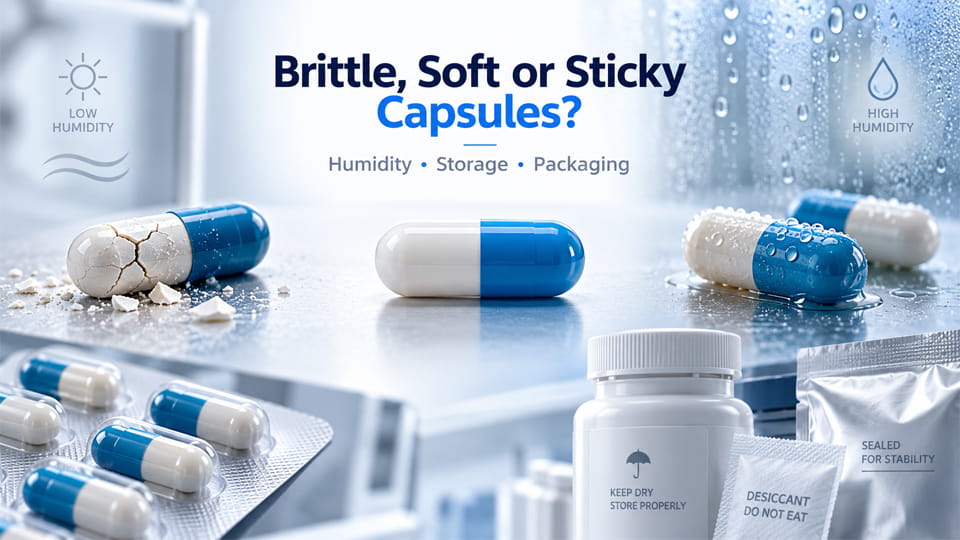
رطوبت / Cohesion: Hygroscopic or sticky powders can cling to the hopper or dosing parts. Perform a short humidity stress test: expose a sample to expected processing RH and see if flow changes (کیک زدن, کلوخه شدن). If moisture is a concern, plan for dehumidified feed hoppers or anti-static devices. Don’t rely on specs alone; small humidity changes can turn a free-flowing powder into a problematic one.
Confirm on-Target Dose: Make sure you know the exact target fill weight (مگس) and desired capsule size. Record these clearly in your development and transfer documents. Bulk density variations between batches can affect the chosen capsule size, so confirm density and fill weight for at least 2–3 representative batches.
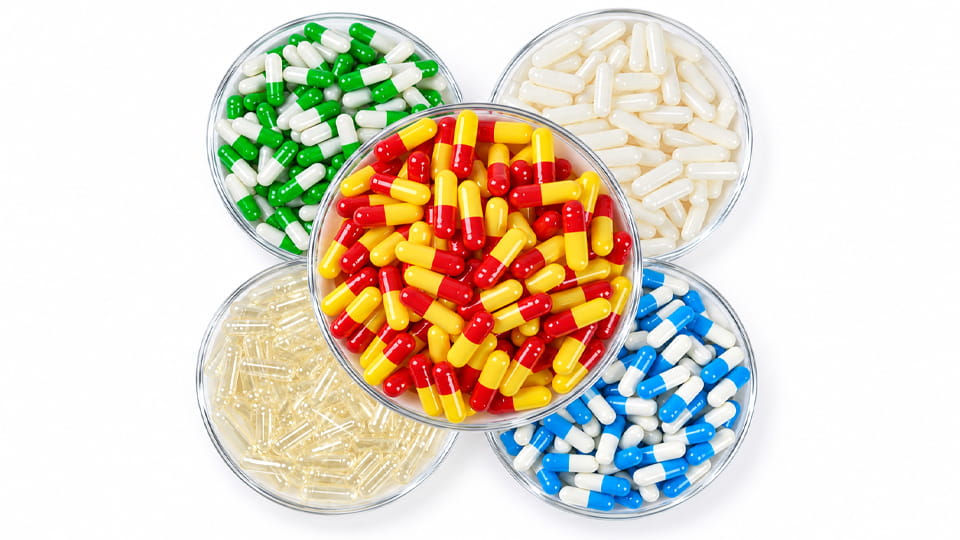
Choosing the capsule material and size is a critical scale-up decision. The table below compares ژلاتین و HPMC کپسول های سخت, the two most common shell types:
| نشان | کپسول ژلاتین | HPMC (Veggie) کپسول |
| مادی | کلاژن حیوانی (ژلاتین) | هیدروکسی پروپیل متیل سلولز (cellulose polymer) |
| Typical moisture content | 12-16٪ | ~4–7% |
| حساسیت به رطوبت | Sensitive – brittle if too dry, sticky if too wet | More stable – lower shell moisture keeps them less brittle |
| Dissolution speed | Dissolve quickly (traditionally preferred) | Slightly slower than gelatin (lacking protease enzymes) |
| Vegetarian/Allergen status | Not گیاهی (animal) | Vegan/vegetarian-friendly |
| هزینه | Generally lower cost | معتاد (usually higher than gelatin) |
| موارد استفاده کنید | Widely used in pharma; okay for moisture-hardiness? | Preferred for moisture-sensitive or strict veg requirements |
| Regulatory monograph | Hard Gelatin Capsule Shells (USP/NF) | Hard Hypromellose (Vegetable) Capsule Shells (USP/NF) |
| Fill capacity vs. اندازه | All sizes available; high fill volume for given size | Similar range; large HPMC capsules are available |
نکات کلیدی: Gelatin is traditional and inexpensive, but it absorbs moisture from air and can become brittle or sticky with humidity changes. HPMC capsules contain much less water and are generally better for moisture-sensitive formulations. If your formulation is hygroscopic or moisture-sensitive, HPMC (گیاهی) capsules are often a safer starting point. از طرف دیگر, if cost is tight and moisture isn’t a problem, gelatin is acceptable for many products. (For special needs, پولولان or other veggie shells exist – pullulan, برای مثال, has excellent oxygen-barrier properties, but this may be beyond initial scale-up scope.)
Also double-check capsule size vs. پر کردن وزن: sizes 000–5 range from ~1.37 mL down to 0.13 mL. Use your powder’s bulk/tapped density to pick a capsule size that accommodates the full dose without excessive compression. جینلو capsule size guide provides capacity charts if needed.
بالاخره, verify shell dimensions and locking mechanism. Capsule suppliers maintain tight tolerances, but it’s good practice to sample and weigh empty shells (کلاه + بدنه) for consistency. Shell-to-shell weight variation can falsely appear as fill-weight drift. In operations, always use a tare weight or weight-based QC rather than relying on an average shell weight.
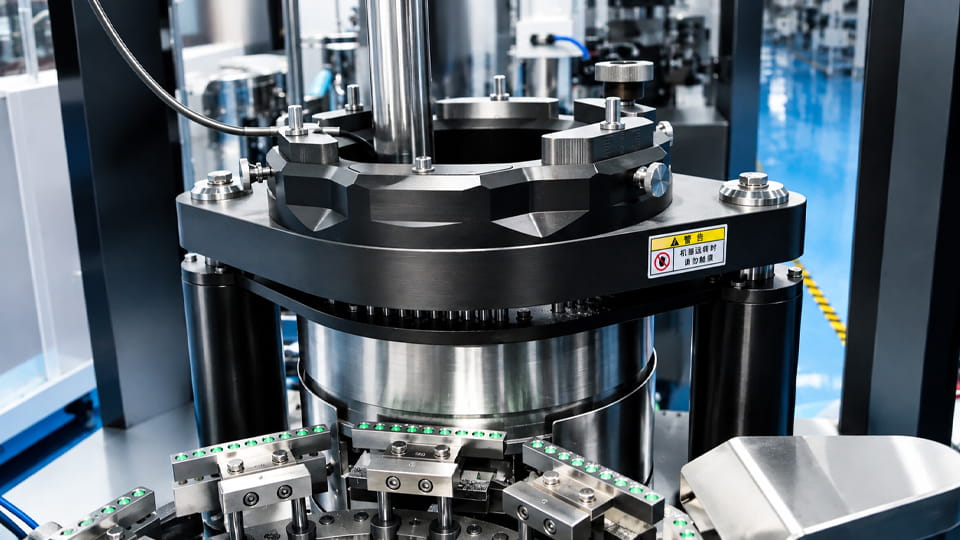
Capsule fillers come in different dosing mechanisms. The two main principles are tamping-disc (piston) filling and توزیع کننده (لوله) پر کردن:
Neither system is categorically better. In comparative tests, dosators needed more compactible (منسجم) پودرها, while tamping-disc fillers were more forgiving to lubricated formulations. When scaling up, match your chosen filling machine’s mechanism to your powder properties: به عنوان مثال. if your blend is very free-flowing, a tamping machine may work well; if it’s sticky or very low-dose, consider a specialized dosator configuration. If switching machines (به عنوان مثال. lab vs plant use different types), expect to re-optimize the formulation or lubrication.
Tips:
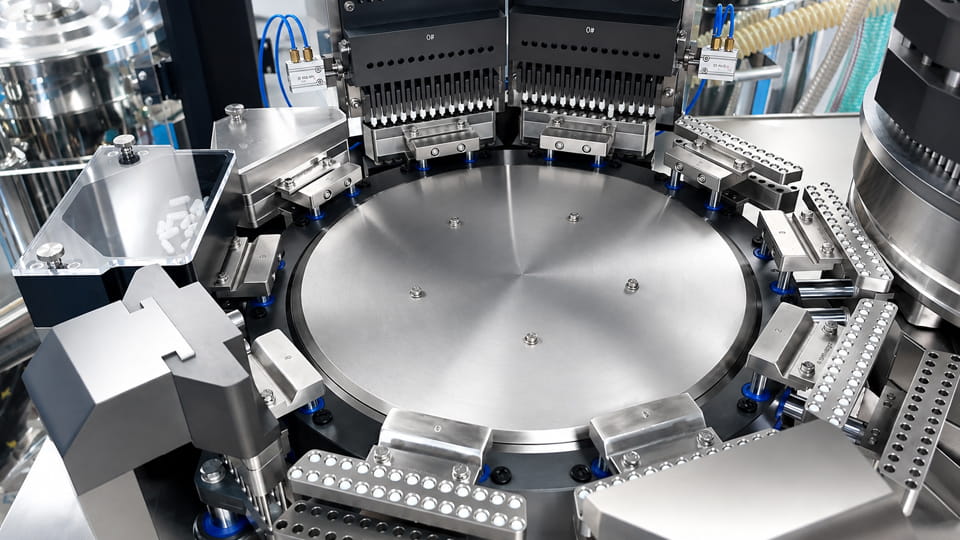
Lab data alone cannot guarantee success at speed. Always run a real formulation trial on the intended capsule filling equipment. Use the actual production blend, target capsule shell and planned fill weight. Schedule time on a production or pilot-scale machine, ideally the model you plan to buy or a representative machine.
Trial steps:
1. راه اندازی: Record everything—formulation batch ID, bulk/tapped density, نوع کپسولی & اندازه, dosing parts, initial hopper level and machine settings.
2. Low-speed trial: Start at a conservative speed to verify basic feeding: check that capsules separate, پر کردن, lock properly, and there are no jams or bridging.
3. Normal-speed run: Increase to your planned operating speed (به عنوان مثال. design output rate). Run for a fixed time or count (به عنوان مثال. 1,000 کپسول ها), sampling capsules throughout.
4. High-speed test: بالاخره, test near the machine’s rated top speed (if required by your plan) to see if performance holds.
Measurements: At each speed step, measure at least 10–20 capsules at start, middle and end. Record gross weight (کپسول + پوسته) and empty-shell tare separately. Calculate net fill weight and its mean/variance. Note reject (underweight/overweight) counts and types (به عنوان مثال. clear capsules vs dust). Also watch for issues: hopper bridging, powder dust escaping, شکستگی کپسول, inconsistent locks, و غیره. All these are recorded in a checklist or log.
به عنوان مثال, one case study found that simply raising the fill speed on a dosator machine increased vibration, که densified the powder bed and significantly changed the average fill weight. به عبارت دیگر, a short demo at low speed does not guarantee identical behavior at full speed.
Output calculation: Don’t just trust the rated speed (کپسول در ساعت) for planning output. Actual hourly output = (سرعت ماشین) × (availability factor) × (good capsule yield). Expect some downtime (تمیز کردن, hopper refills, رد می کند). A simple planning equation is useful:
Effective output (کپسول/ساعت) ≈ Rated speed × 0.85 × Yield
(adjust 0.85 as a typical runtime efficiency, and yield as 1 – reject rate).
Use the trial to collect data for that calculation. به عنوان مثال, if the machine speed is 50,000 سرپوش در ساعت, but you get 2% rejects and 90% زمان کار, your effective output might be ~44,100 caps/hr. This informs equipment sizing for commercial production.
Implement inline and lab controls to catch issues early during scale-up batches:
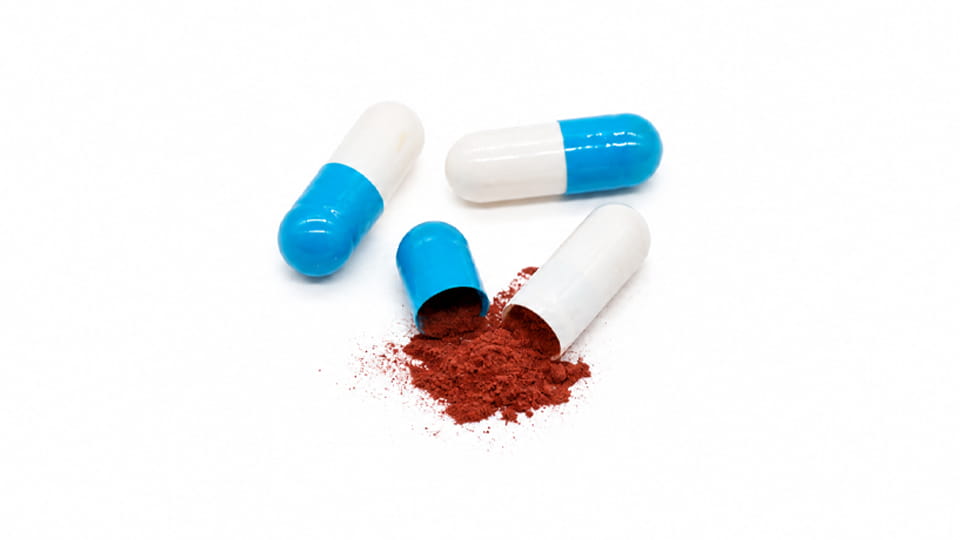
Choosing the right primary packaging is essential for commercial capsules:
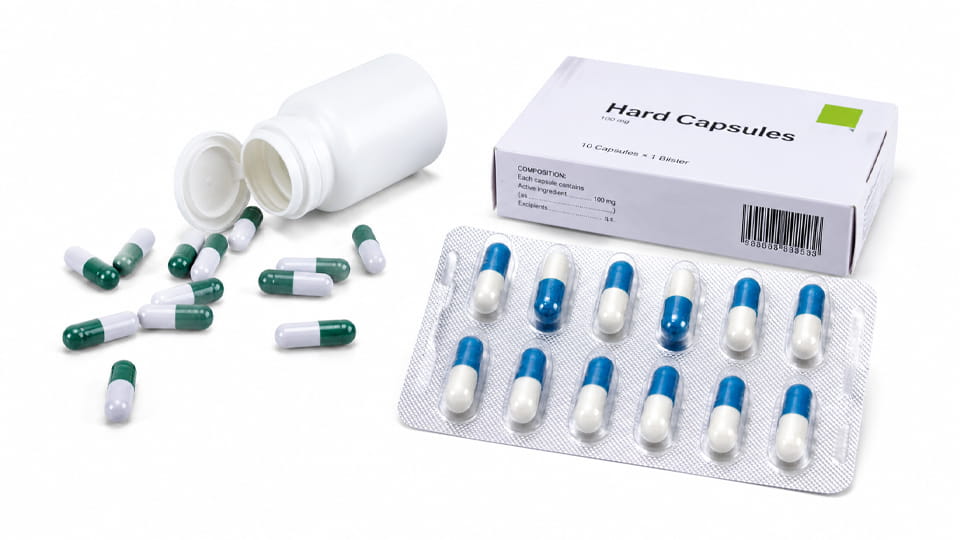
True shelf life depends on the whole system: پودر + کپسول + بسته بندی + شرایط ذخیره سازی. Once packaging is chosen, prepare ICH stability samples (accelerated and long-term) in that final container-closure. Monitor critical attributes: قدرت, انحلال, محتوای رطوبت, capsule integrity and any degradation products. If your product is moisture or oxidation sensitive, test with and without خشک کننده ها or oxygen absorbers to see their impact. به یاد داشته باشید: the stability expiration date is for the finished product in its container, not the empty capsule shell alone. Stability outcomes may prompt adjustments in packaging (به عنوان مثال. adding desiccant, using foil blisters) or even revisiting the shell material choice.
Before commercial batches, qualify your تجهیزات پر کردن کپسول and establish acceptance criteria:
Engage quality and engineering early. Remember FDA/EU regulations (GMP) expect you to validate and document the entire process. طبق دستورالعمل صنعت, a successful scale-up aligns process parameters and QC protocols from the start so the program “scales without deviation”. Work with your equipment supplier to ensure design and validation plans are on track.
Use the following checklist when preparing for commercial capsule production. Check each item as it’s completed:
| پله & دسته بندی | Checklist Task |
| تدوین | ☐ Confirm target dose and capsule size (calculate required fill volume) |
| ☐ Measure bulk & tapped densities (compute Carr’s Index, Hausner Ratio) | |
| ☐ Test powder flow (زاویه استراحت, shear cell or rheometry if needed) | |
| ☐ Evaluate particle size distribution and segregation risk | |
| ☐ Check moisture sensitivity / رطوبت سنجی (small-scale humidity test) | |
| ☐ Ensure blend homogeneity and API content uniformity | |
| Capsule Shell | ☐ Choose shell material (ژلاتین, HPMC, و غیره) based on moisture and regulatory needs |
| ☐ Confirm capsule dimensions, volume and weight consistency | |
| ☐ Verify capsule locking features and compatibility with fill | |
| ☐ Order and test sample capsules from the approved supplier | |
| فرآیند پر کردن | ☐ Select dosing mechanism (tamping pins/disc vs dosator) based on formulation properties |
| ☐ Install correct tooling (جور کپسول, filling pins/discs, و غیره) | |
| ☐ Set preliminary machine parameters (سرعت, tamp depth, feeder height, و غیره) | |
| ☐ Perform pilot runs: start at slow speed, then at planned speed | |
| ☐ Collect fill-weight data (خالص & gross) and calculate variability | |
| Machine Trial | ☐ Run full trial with actual formulation and capsule at low, normal and max speeds |
| ☐ Record speed vs output and note any bridging, dust or feed issues | |
| ☐ Calculate actual throughput (سرپوش در ساعت) considering rejects | |
| ☐ Inspect filled capsules for filling, قفل کردن, و نقص بصری | |
| In-Process QC | ☐ Monitor capsule gross/net weight, fill-weight deviation and trend |
| ☐ Check weight variation against specifications (USP <905> اگر قابل اجرا باشد) | |
| ☐ Implement capsule inspections (قفل کردن, رنگ, خسارت) | |
| ☐ Conduct preliminary dissolution/content-uniformity tests on pilot samples | |
| بسته بندی & ثبات | ☐ Choose primary packaging (تاول, نوار, or bottle) with proper barrier |
| ☐ Include desiccants or oxygen barriers if needed | |
| ☐ Plan and begin stability testing in final pack (ICH protocols) | |
| ☐ Test prototype batches for shelf-life (رطوبت, تنزل) | |
| صلاحیت تجهیزات | ☐ Define acceptance criteria (پر کردن دقت, سرعت, reject rate, و غیره) |
| ☐ Execute FAT on capsule filler with placebo or actual product | |
| ☐ Complete IQ (installation checklists, کالیبراسیون) | |
| ☐ Complete OQ (challenge speed range, آلارم ها, اینترلاک ها) | |
| ☐ Perform PQ (≥3 consecutive batches meeting specs) | |
| مستند سازی | ☐ Finalize batch record templates and tech-transfer SOPs |
| ☐ Compile FMEA / risk assessment and validation protocols | |
| ☐ Train operators and QA on process changes and controls |
If you’ve never used this capsule machine or this formulation on that equipment, plan a formal trial. Jinlu recommends: "test the actual formulation on the proposed capsule filling equipment under realistic operating conditions” to avoid surprises. This can be done as part of FAT with the supplier or as a dedicated R&D session. در طول FAT, insist on using your fill material, کپسول, and speed range. پس از نصب, execute Site Acceptance Testing (SAT) then IQ/OQ before any routine production. Engaging the equipment vendor early (for trial runs, custom tooling or software setup) can significantly de-risk the scale-up.
Scale-up is a team sport. Success requires collaboration between development (تدوین), مهندسی (تجهیزات), quality and production teams. By following this checklist, you ensure no critical factor is missed. The process ultimately leads to سازگار, high-quality capsules at commercial volumes.
Ready to scale up your capsule production? Jinlu’s experts can support every step—from powder trials to FAT. با ما تماس بگیرید to schedule a production-scale test of your formulation on our capsule filling machine. We provide FAT/IQ/OQ services and customized integration to help you reach commercial output smoothly.
Capsule manufacturing scale-up is the process of moving a capsule product from laboratory or pilot batches to commercial production while maintaining consistent formulation performance, پر کردن وزن, کیفیت محصول, ثبات, و راندمان تولید.
Before scale-up, check powder flowability, چگالی حجیم و ضربه خورده, اندازه ذرات, حساسیت به رطوبت, capsule shell compatibility, وزن پر هدف, اندازه کپسول, filling method, سرعت ماشین, کنترل های حین فرآیند, بسته بندی, ثبات, and validation requirements.
اغلب بله, but it should not be assumed automatically. A formulation that works well in a small batch may behave differently at higher production volumes because powder handling, مخلوط کردن, ارتعاش, feeding conditions, رطوبت, and capsule filling speed can change.
Powder flowability affects how consistently material enters the dosing area of a capsule filler. Poor or unstable flow can cause bridging, inconsistent feeding, fill-weight variation, dust generation, and reduced production speed. Flow should therefore be evaluated before commercial-scale filling.
Start with the target dose, powder bulk density, required fill volume, and the filling method. The selected capsule should provide enough usable volume without requiring excessive powder compression. A production-scale filling trial is recommended before the capsule size is finalized.
The choice depends on the formulation, حساسیت به رطوبت, storage environment, regulatory or dietary requirements, and packaging system. Gelatin capsules are widely used, while HPMC capsules are often considered for formulations that require lower shell moisture or plant-based materials.
Higher machine speed can change powder feeding, powder-bed density, ارتعاش, زمان سکونت, and dosing behavior. به همین دلیل, stable fill weight at low speed does not automatically prove that the process will remain stable at normal or maximum production speed.
بله, especially for cohesive, رطوبت سنجی, با چگالی کم, high-dose, or otherwise difficult formulations. A real machine trial using the actual powder, پوسته کپسول, وزن پر هدف, and planned production speed helps verify dosing accuracy, خروجی, reject rate, and process stability.
Neither format is universally better. Blisters are often selected when individual-dose protection and strong moisture barriers are important, while bottles are efficient for larger counts and high-volume production. The final choice should be based on stability data, الزامات مانع, market needs, and production capacity.
The safest approach is to treat scale-up as a controlled process rather than simply increasing machine speed. فرمولاسیون را مشخص کنید, confirm capsule-shell compatibility, establish filling parameters through trials, monitor fill-weight consistency, verify equipment capacity and make sure downstream packaging can match production output. Document the approved process conditions and investigate deviations before full commercial production.
مراجع:
1.خواص جذب و دفع رطوبت ژلاتین, HPMC و کپسول های سخت پولولان —— PubMed
2.TECHNICAL AND REGULATORY CONSIDERATIONS FOR PHARMACEUTICAL PRODUCT LIFECYCLE MANAGEMENT —— ICH Q12
3.اودرالکس – حجم 4 – عمل تولید خوب (GMP) دستورالعمل ها —— کمیسیون اروپا
4.اثرات خواص جریان پودر بر یکنواختی وزن پر کردن کپسول —— PubMed
5.ویژگی های نفوذ رطوبت و نفوذپذیری کپسول های هیدروکسی پروپیل متیل سلولز و ژلاتین سخت —— PubMed
6.اعتبار سنجی فرآیند: General Principles and Practices —— FDA