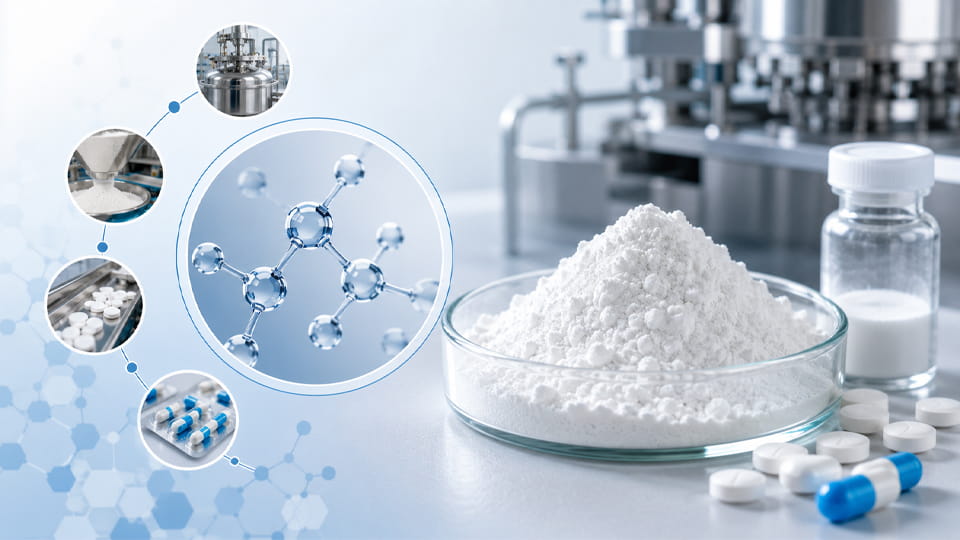
اگر تا به حال فکر کرده اید که چه چیزی باعث می شود یک دارو عمل کند, پاسخ معمولا این است API (ماده فعال دارویی). خواه تبلت باشد, کپسول, تزریق, یا شربت, API جزء مسئول تولید اثر درمانی مورد نظر است. به زبان ساده, این بخشی از دارو است که بیماری را درمان می کند, علائم را تسکین می دهد, یا نتیجه پزشکی مورد نظر را ارائه می دهد, در حالی که سایر مواد - که به عنوان مواد کمکی شناخته می شوند - عمدتاً از فرمولاسیون و تحویل پشتیبانی می کنند. برای تولید کنندگان دارو, تیم های تدارکاتی, و مدیران تولید, درک API ها ضروری است زیرا آنها به طور مستقیم بر کیفیت محصول تأثیر می گذارند, انطباق با مقررات, فرآیندهای تولید, و در نهایت ایمنی بیمار.
API در داروسازی به چه معناست?
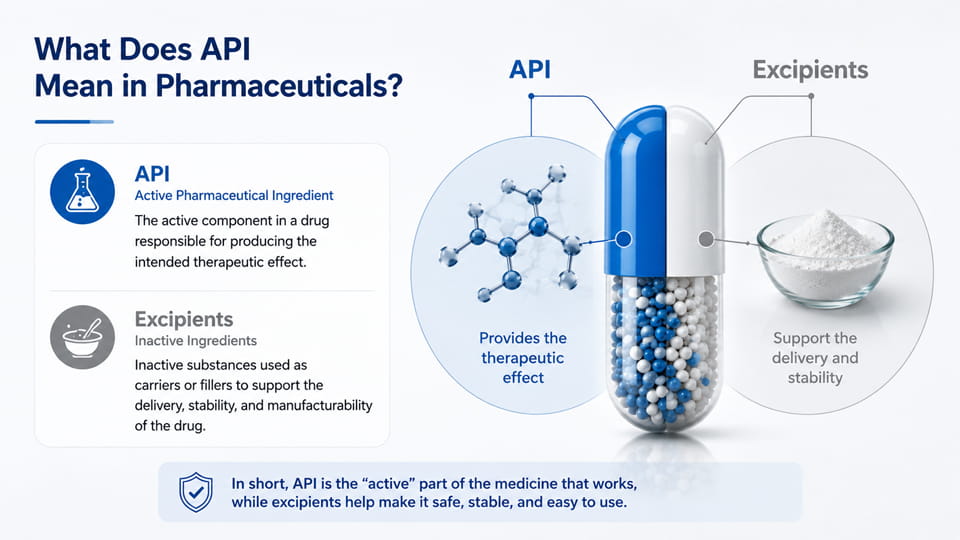
یک API است ماده فعال دارویی - ماده دارویی فعال در دارویی که اثر درمانی آن را فراهم می کند. به زبان ساده, این ماده شیمیایی است (یا بیولوژیکی) جزء که کار را انجام می دهد (به عنوان مثال. کاهش تب, از بین بردن باکتری ها, تسکین درد). به عنوان مثال, در یک قرص استامینوفن, استامینوفن خود API است; مواد دیگر (بنده, پرکننده, پوشش ها) هستند مواد کمکی. ایالات متحده. موسسه ملی سرطان یک API را تعریف می کند به عنوان "مواد اصلی یک دارو که باعث اثر مطلوب دارو می شود".
در عمل, تولید دارو با یک یا چند API شروع می شود و آنها را به محصول نهایی تبدیل می کند (تبلت, کپسول, مایع, و غیره) تحت کنترل های کیفی دقیق. همانطور که یکی از منابع اشاره می کند, تولید دارو اساساً «به معنای تبدیل مواد فعال دارویی است (API ها) و مواد کمکی به اشکال دوز (مثل تبلت ها, کپسول ها, مایع, یا تزریقی) از طریق عملیات واحدهای مختلف (آسیاب, دانه, تراکم, پوشش, پر کردن, و غیره)”. هر مرحله باید دقیق باشد: تنظیمکنندهها میخواهند که هر دسته "مواد تشکیل دهنده و قدرتی که ادعا میشود دارد" داشته باشد.. به طور خلاصه, بدون API, هیچ دارویی وجود نخواهد داشت - آنها هستند ستون فقرات فرمولاسیون دارو.
تعریف ماده فعال دارویی (API)
- API (نیز نامیده می شود ماده دارویی یا جزء فعال دارویی) است ماده ای که در یک دارو موثر است. به عنوان مثال, آموکسی سیلین API در یک قرص آنتی بیوتیک است (باکتری ها را از بین می برد).
- هدف: API ها را ارائه می دهند اثر درمانی. بدون API, یک "دارو" فقط پودر یا مایع بی اثر خواهد بود.
- نمای نظارتی: FDA و EMA API ها را بخشی از برنامه در نظر می گیرند CGMP تنظیم شده است رهنمودهایی مانند من Q7 اطمینان حاصل کنید که APIها تحت استانداردهای کیفیت دقیق ساخته شده اند.
API ها اغلب پودر یا کنسانتره با خلوص بالا هستند; سپس با مواد کمکی مخلوط شده و به صورت قرص در می آیند, کپسول ها, یا سایر اشکال دارویی (زیر را ببینید). نکته کلیدی این است که APIها داروهای فعال هستند, در حالی که هر چیز دیگری در فرمولاسیون به سادگی کمک می کند دارو را ایمن و موثر تحویل دهد.
API در مقابل. تحریک کننده: چه تفاوتی دارد?
| نشان |
API (ماده فعال) |
ماده کمکی (ماده غیر فعال) |
| نقش/کارکرد |
را فراهم می کند اثر درمانی (داروی فعال) |
به عنوان حامل عمل می کند, کلاسور, میله, تثبیت کننده, و غیره, برای API |
| فعالیت فارماکولوژیک |
بله - فعال بیولوژیکی. |
هیچ - از نظر دارویی بی اثر. |
| مقدار معمولی |
معمولا مقدار کم (میلی گرم یا میکروگرم). |
به طور کلی فله از فرمولاسیون. |
| نمونه ها |
پاراستامول (استامینوفن), آموکسی سیلین, آتورواستاتین, و غیره. |
ابله, سلولز میکرو کریستالی, استئارات منیزیم, و غیره. |
| اهمیت |
برای اثربخشی بسیار مهم است; عملکرد دارو را تعیین می کند. |
ثبات قرص را تضمین می کند, قابلیت ساخت, و فراهمی زیستی. |
به عبارت دیگر, API ها بخش های «فعال» هستند, در حالی که مواد کمکی بخش های "حمایت کننده" هستند. همانطور که یکی از منابع صنعتی توضیح می دهد: APIها داروهای حجیمی هستند که از نظر دارویی فعال هستند و یک اثر دارویی مطلوب ایجاد می کنند, در حالی که مواد کمکی مواد غیرفعال دارویی هستند که عموماً به عنوان حامل API استفاده می شوند..
- API ها: فعال, قوی, و معمولا نیاز به رسیدگی دقیق دارند. آنها اغلب تنها چند درصد از وزن یک تبلت را تشکیل می دهند, اما بدون آنها دارو هیچ کاری نمی کند.
- تحریک کننده: غیر فعال, اغلب پودرها/مایعات خوراکی یا بی اثر. حجم اضافه می کنند, کمک به جذب, بهبود ثبات, و ساخت را ممکن می سازد. به عنوان مثال, پودر لاکتوز یک پرکننده رایج است; پوویدون یک اتصال دهنده است; استئارات منیزیم یک روان کننده است; پوشش های مختلف رهاسازی را کنترل می کنند.
هر دو مورد نیاز است: API برای اثر, مواد کمکی برای ارائه آن اثر در گاوصندوق, فرم دوز پایدار. درک تفاوت کلیدی در تولید دارو است.
انواع API های دارویی
API ها وارد می شوند دو دسته گسترده: مولکول کوچک (مصنوعی) داروها و بیولوژیک ها.
- API های مصنوعی (مولکول های کوچک): اینها مواد شیمیایی با وزن مولکولی کم هستند که توسط سنتز شیمیایی. آنها شامل قرص های کلاسیک مانند آسپرین, پاراستامول. سنتز می تواند خطی باشد (واکنش های یک گلدانی) یا چند مرحله ای. APIهای مصنوعی معمولاً پودرهای کریستالی هستند (مقداری رطوبت سنجی) که نیاز به واکنش های شیمیایی و خالص سازی دقیق دارند. اکثر داروهای ژنریک و بسیاری از فیلم های پرفروش در این دسته قرار می گیرند. به عنوان مثال, آنتی هیستامین ستیریزین و داروی فشار خون لوزارتان APIهای مصنوعی با مولکول کوچک هستند. تولید آنها اغلب اجازه کنترل دقیق بر خلوص و قوام را می دهد.
- API های طبیعی (منابع مشتق شده/بیولوژیکی): برخی از API ها از منابع طبیعی استخراج می شوند. این شامل ترکیبات گیاهی می شود (به عنوان مثال. دیگوکسین از دستکش روباهی) یا ویتامین های ساخته شده از تخمیر (به عنوان مثال. ویتامین C از طریق تخمیر میکروبی). تخمیر (استفاده از باکتری یا مخمر) می تواند ترکیباتی مانند آنتی بیوتیک تولید کند (پنی سیلین) یا استاتین های کاهش دهنده کلسترول. API های طبیعی می توانند تنوع بیشتری داشته باشند (به دلیل مطالب منبع) و اغلب نیاز به تصفیه اضافی دارند. آنها معمولاً در داروسازی مدرن متمرکز بر سنتزی کمتر رایج هستند, اما در مواد غذایی و داروهای "گیاه شناسی" در حال رشد هستند.
- APIهای بیوتکنولوژی/بیولوژیک: اینها بزرگ هستند, مولکول های پیچیده ساخته شده توسط فرآیندهای بیولوژیکی (کشت سلولی یا DNA نوترکیب). شامل می شوند آنتی بادی های مونوکلونال (mAbs), پروتئین های درمانی, واکسن ها, و بیوسیملارها. به عنوان مثال, تراستوزوماب (هرسپتین) و انسولین APIهای بیوتکنولوژی هستند. آنها به طور معمول توسط سلول های دستکاری شده ژنتیکی تولید می شوند (به عنوان مثال. باکتری ها, مخمر, یا سلول های پستانداران) و سپس برداشت و خالص شد. بیولوژیک ها به تخمیر استریل و خالص سازی پیچیده نیاز دارند. در حالی که تمرکز ما بیشتر بر روی API های مولکول کوچک است, روند صنعت این است که داروهای بیولوژیک اکنون سهم فزاینده ای از داروهای جدید را تشکیل می دهند.
روشی مفید برای به خاطر سپردن: مولکول های کوچک به صورت شیمیایی سنتز می شوند و معمولاً قرص ها هستند; بیولوژیک مولکولی بزرگ از سیستم های زنده می آیند و اغلب قابل تزریق هستند. هر نوع مسیر تولید و نظارتی خاص خود را دارد, اما هر دو "API" هستند تا زمانی که جزء فعال داروی نهایی باشند.
API ها چگونه ساخته می شوند?
تولید API پیچیده است, فرآیند چند مرحله ای شامل شیمی یا زیست شناسی دقیق. ساده شده نمودار جریان از تولید معمولی API (برای APIهای مصنوعی با مولکول کوچک) در زیر نشان داده شده است:
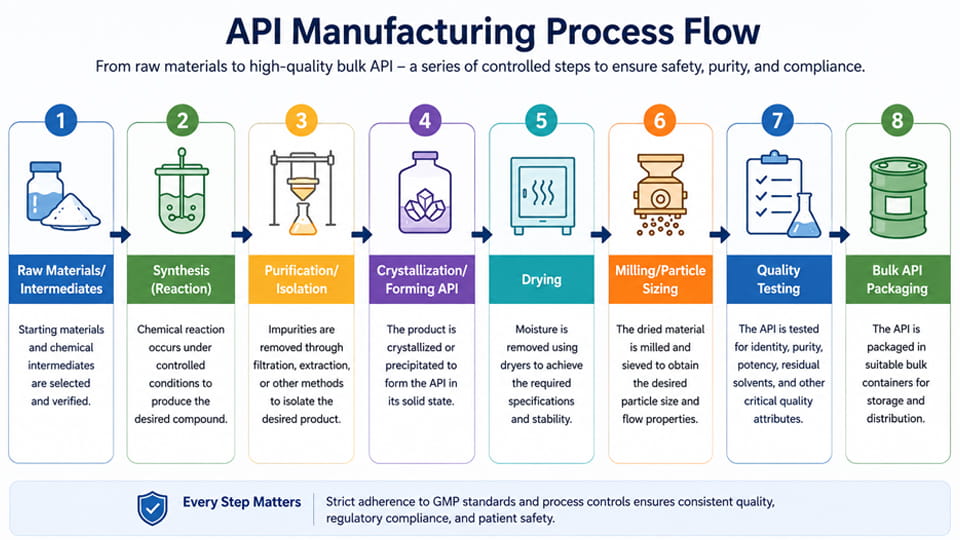
- مواد اولیه/مواد واسطه: این فرآیند با بلوک های ساختمانی شیمیایی خام شروع می شود (معمولاً معرف های تجاری موجود یا واسطه های سنتز شده قبلی). در هر مرحله شیمیایی باید از مواد با کیفیت بالا برای جلوگیری از ناخالصی استفاده شود.
- سنتز (واکنش): شیمیدانان یک یا چند واکنش شیمیایی را انجام می دهند (راکتورهای دسته ای یا راکتورهای جریان) برای ساخت مولکول API. این ممکن است شامل چندین مرحله باشد (به عنوان مثال, گروه های عملکردی را اضافه کنید, حلقه ها را تشکیل می دهند). شرایط واکنش (حلال, دما, کاتالیزورها) به شدت کنترل می شوند. برای API های بیوتکنولوژی, این مرحله با تخمیر بیولوژیکی / کشت سلولی برای تولید مولکول جایگزین می شود.
- تصفیه / انزوا: بعد از هر مرحله واکنش, این مخلوط برای حذف محصولات جانبی ناخواسته خالص می شود. تکنیک ها شامل استخراج مایع-مایع است, فیلتراسیون, کروماتوگرافی, تبلور, و غیره. هدف جداسازی واسطه یا API به شکل خالص است.
- Crystallization/Forming API: API نهایی اغلب از یک محلول متبلور می شود. این باعث ایجاد کریستال های جامد از API با چند شکلی و خلوص مشخص می شود. کریستالیزاسیون خلوص را بهبود می بخشد (ناخالصی ها در محلول باقی می مانند) و خواص فیزیکی خوبی می دهد.
- خشک شدن: کریستال های مرطوب خشک می شوند (به عنوان مثال. در خشک کن) برای حذف کامل حلال. حلال باقیمانده باید محدودیت های قانونی را رعایت کند.
- آسیاب / اندازه ذرات: API خشک شده ممکن است آسیاب یا الک شود تا به اندازه ذرات مورد نظر برسد. اندازه ذرات بر نحوه ترکیب و حل شدن API در محصول نهایی دارویی تأثیر می گذارد.
- تست کیفیت: در هر مرحله اصلی (مخصوصا API نهایی), مواد از نظر هویت آزمایش می شوند, خلوص, قدرت, و حلال های باقیمانده. روش های تحلیلی (HPLC, طیف سنجی, و غیره) تایید کنید که مطابق با مشخصات است.
- بسته بندی انبوه API: پودر API نهایی به صورت کنترل شده بسته بندی می شود (اغلب بی اثر) ظروف برای محافظت از آن در برابر رطوبت, سبک, و آلودگی. اینها برچسب گذاری و ذخیره می شوند الزامات GMP.
هر مرحله باید دنبال شود CGMP (رویه تولید خوب فعلی) قوانین. به عنوان مثال, من Q7 (و WHO GMP) راهنمایی های خاص برای API ها را ارائه دهید. همانطور که WHO اشاره می کند, سختگیری GMP در تولید API باید افزایش یابد، زیرا فرآیند از مراحل اولیه API به مراحل نهایی ادامه می یابد., تطهیر, و بسته بندی”. در عمل این به معنای مستندسازی دقیق است, تمیز کردن معتبر تجهیزات, پرسنل واجد شرایط, و کنترل های حین فرآیند.
فناوری تحلیل فرآیند (PAT) و اتوماسیون به طور فزاینده ای برای نظارت بر واکنش ها در زمان واقعی استفاده می شود. این صنعت نیز به سمتی حرکت می کند ساخت مداوم که در آن مواد خام به جای اجرای دسته ای به طور مداوم از طریق مراحل واکنش و تصفیه جریان می یابد. فرآیندهای مستمر می تواند کارایی و ثبات را بهبود بخشد, اگرچه تولید دسته ای رایج است.
خلاصه: تولید API یک خط تولید بسیار کنترل شده است, از مواد شیمیایی خام یا کشت سلولی تا ماده فعال نهایی, با دروازه های با کیفیت دقیق در هر مرحله. نتیجه یک API انبوه است که ایمن است, قوی, و آماده فرمولاسیون به دارو است.
کنترل کیفیت API و الزامات GMP
کیفیت در تولید API بسیار مهم است. سازمان های نظارتی (FDA, EMA, و غیره) نیاز است که سازندگان API سختگیرانه عمل کنند شیوه های تولید خوب (GMP) تا اطمینان حاصل شود که هر دسته از استانداردهای کیفیت مطابقت دارد. برای API ها, ICH Q7 یک دستورالعمل کلیدی است که GMP را برای مواد فعال مشخص می کند. برخی از جنبه های انتقادی عبارتند از:
- مستند سازی & اعتبار سنجی: همه فرآیندها باید به خوبی مستند شوند. مراحل حیاتی (مانند یک تبلور نهایی) تایید شده اند تا نشان دهند که به طور قابل اعتماد API با کیفیت قابل قبولی تولید می کنند. امکانات و تجهیزات باید واجد شرایط باشند.
- تست خلوص و هویت: هر دسته از API برای تأیید آن آزمایش می شود هویت (این ماده شیمیایی صحیح است), خلوص (عاری از ناخالصی ها یا محصولات جانبی ناخواسته), و قدرت (غلظت صحیح مولکول های فعال). به عنوان مثال, تست های HPLC یا طیف سنجی برای تشخیص حتی ناخالصی ها استفاده می شود. هر گونه آلودگی می تواند در یک محصول دارویی مضر باشد.
- کنترل ناخالصی: تولیدکنندگان محدودیت های قابل قبولی را برای برخی ناخالصی ها تعیین می کنند (فلزات سنگین, حلال های باقی مانده, مواد اولیه واکنش نداده). اگر سطوح از آستانه فراتر رفت, دسته رد می شود یا دوباره پردازش می شود.
- تست پایداری: APIها باید در طول ذخیره سازی پایدار بمانند. مطالعات پایداری (به عنوان مثال. تسریع پیری) اطمینان حاصل کنید که API در طول زمان کاهش نمی یابد یا قدرت خود را از دست نمی دهد. بسته بندی (بخش بعدی را ببینید) این را نیز منعکس می کند.
- قابلیت ردیابی: مواد اولیه و هر مرحله فرآیند باید قابل ردیابی باشد. اگر در داروی نهایی مشکلی پیش بیاید, تولیدکنندگان باید از طریق سوابق تولید ردیابی کنند.
- انطباق CGMP: آژانس ها اغلب کارخانه های API را بازرسی می کنند. همانطور که یک منبع خلاصه می کند: هدف دستورالعمل های GMP این است که اطمینان حاصل شود که هر دارو دارای "مواد تشکیل دهنده و قدرتی است که ادعا می کند دارد". این بدان معناست که تولیدکنندگان API باید ثابت کنند API آنها در هر دسته یکسان است.
- پرونده های نظارتی: سازندگان API داده هایی را در مورد فرآیندهای خود ارسال می کنند (شیمی, تولید, کنترل - بخش CMC در کاربردهای دارویی) به مقامات. هر گونه تغییر در روند (به عنوان مثال. یک ناخالصی جدید) ممکن است نیاز به تایید مجدد داشته باشد.
سازمان بهداشت جهانی (سازمان بهداشت جهانی) راهنمایی بر آن تأکید دارد سختگیری در مراحل نهایی افزایش می یابد. واسطه های اولیه ممکن است کنترل های کمتری داشته باشند, اما زمانی که یک ماده اولیه API تعریف شود (نقطه ای که GMP از آن اعمال می شود), مراحل بعدی (تبلور, تصفیه نهایی) با بالاترین استانداردها برگزار می شوند.
به طور خلاصه, کنترل کیفیت API جامع است: "تضمین کیفیت یک جنبه مهم در ساخت API است" و GMP همه چیز را تحت پوشش قرار می دهد "از منبع مواد اولیه تا آزمایش محصول نهایی". این تضمین می کند که API نهایی در صورت تبدیل شدن به دارو ایمن و مؤثر خواهد بود.
API در مقابل. محصول نهایی دارویی (FPP)
مهم است که API از فرم دوز تمام شده (فینال, داروی آماده برای بیمار).
- API (ماده فعال / ماده مخدر): ماده شیمیایی یا بیولوژیکی فعال خالص, معمولا به صورت پودر یا محلول. تمام مراحل ساخت تا تست خلوص را پشت سر گذاشته است. هست نه معمولا به خودی خود به بیماران داده می شود (به جز در فرم IV), بلکه با مواد کمکی ترکیب شده و بیشتر پردازش می شود.
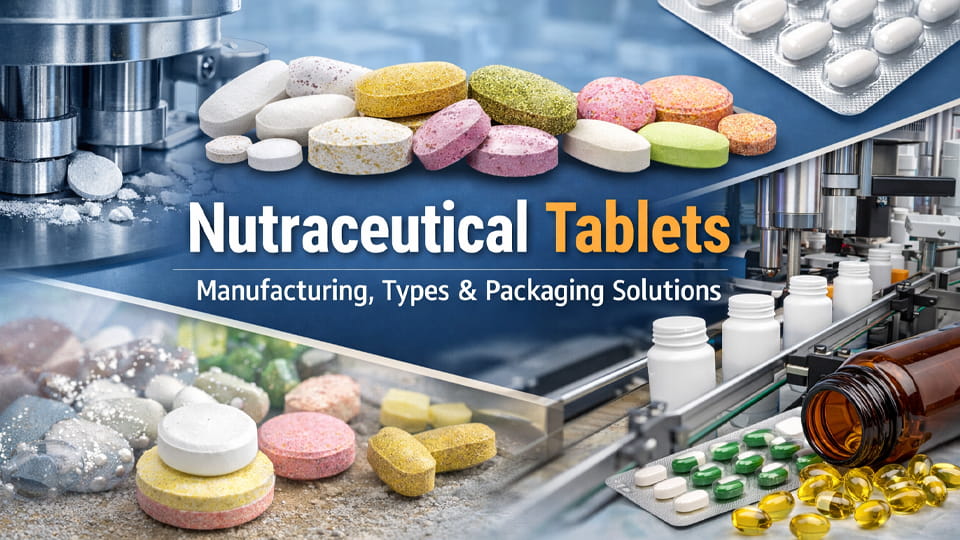
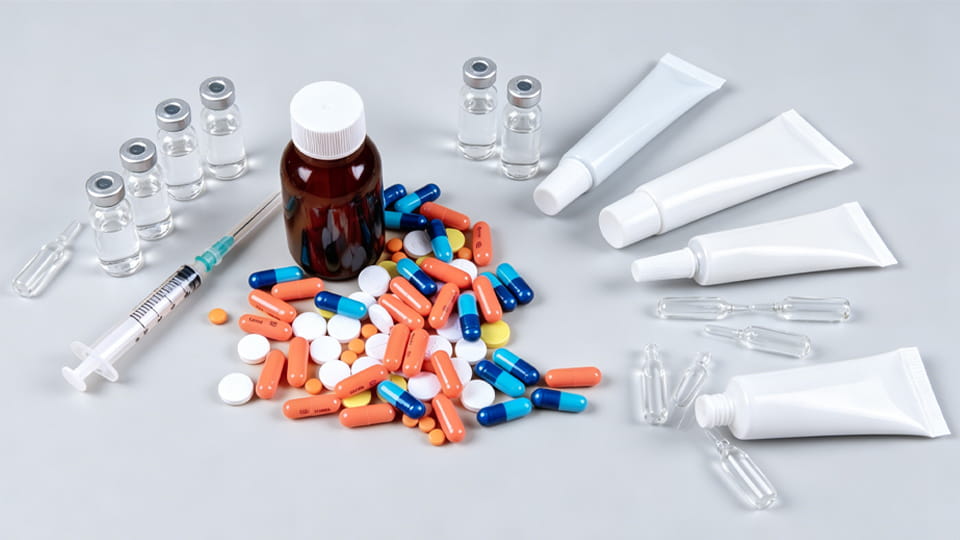
- محصول نهایی دارویی (FPP, یا فرم دوز تمام شده): این داروی نهایی در قفسه است - قرص, کپسول ها, شربت ها, تزریقات, و غیره. این شامل API است به علاوه تمام مواد کمکی مورد نیاز, بسته بندی شده برای مدیریت.
FPP تعیین می کند چگونه API در عمل ارائه می شود. طبق تعاریف نظارتی, فرم دوز نهایی "نهایی است, فرآورده دارویی کاملاً تولید شده که حاوی ماده دارویی و تمام مواد جانبی مورد نیاز است, و در قالب تحویل خاص پردازش می شود, مانند تبلت, کپسول, تزریق, و غیره.».
تفاوت های کلیدی:
- فرم: API معمولا یک پودر یا گرانول خام است; FPP یک تبلت است, کپسول, مایع, و غیره.
- استفاده کنید: API ها در تولید استفاده می شوند; FPP ها توسط ارائه دهندگان مراقبت های بهداشتی و بیماران استفاده می شود.
- برچسب زدن: FPP ها باید دارای برچسب گذاری کامل باشند (مقدار مصرف, دستورالعمل ها, انقضا, و غیره); ظروف API دارای برچسب فنی برای استفاده در تولید هستند.
- مقررات: FPPها به اثبات ایمنی/اثربخشی در بیماران نیاز دارند; APIها باید دارای مشخصات خلوص/قدرت باشند. هر دو باید با cGMP سازگار باشند, اما FPP با موانع نظارتی اضافی نیز مواجه است (آزمایشات بالینی, تایید بازاریابی).
| مرحله |
تعریف/مثال |
| API (ماده مخدر) |
ترکیب دارویی فعال به خودی خود (به عنوان مثال. پودر جنتامایسین). |
| محصول دارویی تمام شده |
فرم دارو (به عنوان مثال. تزریق جنتامایسین) حاوی API به علاوه مواد کمکی. |
بنابراین, API است عامل اصلی دارویی, در حالی که محصول نهایی نحوه فرمولاسیون و بسته بندی آن عامل برای استفاده است. تولید خوب تضمین می کند که "محصول دارویی نهایی حاوی API مناسب با قدرت مناسب است". تجهیزات بسته بندی مانند پرس های تبلت یا پرکننده های کپسول سپس ترکیبات API-اکسیپینت را به FPP تبدیل کنید, که در بسته های بلیستر مهر و موم شده اند, بطری ها, یا ظروف دیگر.
چالش ها در ساخت API
تولیدکنندگان API با چندین چالش صنعتی روبرو هستند:
- انطباق نظارتی: APIها باید قوانین GMP را رعایت کنند (به عنوان مثال. من Q7, دستورالعمل های FDA/EMA). همراهی با قوانین در حال تحول در سراسر جهان می تواند پیچیده باشد. عدم رعایت می تواند تولید را متوقف کند یا منجر به جریمه شود.
- کنترل کیفیت: حفظ کیفیت ثابت دسته ای پس از دسته سخت است. تغییرات کوچک در مواد خام یا شرایط واکنش می تواند ناخالصی ایجاد کند. تست تحلیلی قوی در هر مرحله مورد نیاز است.
- هزینه های تولید بالا: ساخت و راه اندازی تاسیسات GMP (اتاق های تمیز, راکتورها, تصفیه زباله) گران است. هزینه ها شامل سرمایه گذاری است, کارکنان آموزش دیده, و تجهیزات تخصصی (به عنوان مثال. فیلترهایی برای API های استریل). کاهش هزینه ها با حفظ کیفیت یک مبارزه دائمی است.
- خطرات زنجیره تامین: بسیاری از APIها به تامین کنندگان در کشورهای خاص متکی هستند (به عنوان مثال. مواد خام از آسیا). مسائل ژئوپلیتیک, بلایای طبیعی یا بیماری های همه گیر می تواند باعث اختلال در عرضه شود. سال های اخیر شاهد کمبود مواد اولیه اصلی بوده ایم, اجبار تصمیمات فوری برای تامین منابع.
- HPAPI ها (APIهای بسیار قدرتمند): زیرمجموعه ای رو به رشد از API ها (به عنوان مثال. داروهای انکولوژی, هورمون ها) فوق العاده قوی هستند. آنها می توانند در دوزهای بسیار کم سمی باشند, خطرات بهداشتی برای کارگران. ساخت HPAPI نیاز دارد مهار تخصصی: جدا کننده های بسته, اگزوز فیلتر شده, لباس های محافظ, و غیره. همانطور که یکی از بررسی های صنعت اشاره می کند, HPAPI ها برای محافظت از کارکنان و محیط زیست، "مقابله با چالش ها و نیاز به سرمایه گذاری سنگین در مهار تخصصی" را ارائه می دهند.. در واقع, بسیاری از شرکتها اکنون کارخانههای اختصاصی HPAPI را با هزینه «میلیونها فراتر از امکانات GMP معمولی» میسازند.. تجهیزاتی مانند راکتورهای خودکار محتوی و آسیاب های تخصصی مورد نیاز است.
- مقررات زیست محیطی: تولید API می تواند زباله های خطرناکی تولید کند و از حلال ها استفاده کند. قوانین سختگیرانه زیست محیطی، تولیدکنندگان را مجبور به اتخاذ "شیمی سبز" می کند (بازیافت حلال, فرآیندهای کاتالیزوری) یا در تصفیه زباله سرمایه گذاری کنید, افزودن پیچیدگی و هزینه.
- رقابت بازار: انقضای پتنت منجر به رقابت عمومی می شود, کاهش قیمت API. بنابراین سازندگان API باید برای سوددهی کارآمد باشند. برعکس, در حال توسعه جدید API برای داروهای نوآورانه خطرناک و پرهزینه است.
- هزینه مواد اولیه: نوسان قیمت ها (به عنوان مثال. برای معرف های شیمیایی یا معرف های بیوتکنولوژی) می تواند حاشیه ها را فشرده کند.
این چالش ها به این معنی است که سازندگان API باید به طور مداوم در بهینه سازی فرآیند سرمایه گذاری کنند, رعایت, و تاب آوری. همانطور که یک منبع توصیه می کند, پیاده سازی سیستم های کیفیت قوی و به روز ماندن با مقررات استراتژی های کلیدی هستند. خلاصه: حفظ کیفیت بالا تحت فشار هزینه, و تضمین ایمنی (مخصوصا برای HPAPI ها), موانع اصلی در تولید API مدرن هستند.
چرا بسته بندی برای داروهای مبتنی بر API مهم است؟
پس از ساخته شدن یک API و فرموله شدن به دارو, بسته بندی برای محافظت از کیفیت آن محصول و تضمین ایمنی بیمار بسیار مهم است. بسته بندی کاربردی از دارو محافظت می کند (و API آن) از عوامل محیطی و اطمینان از تحویل دوز صحیح. ملاحظات کلیدی بسته بندی شامل:
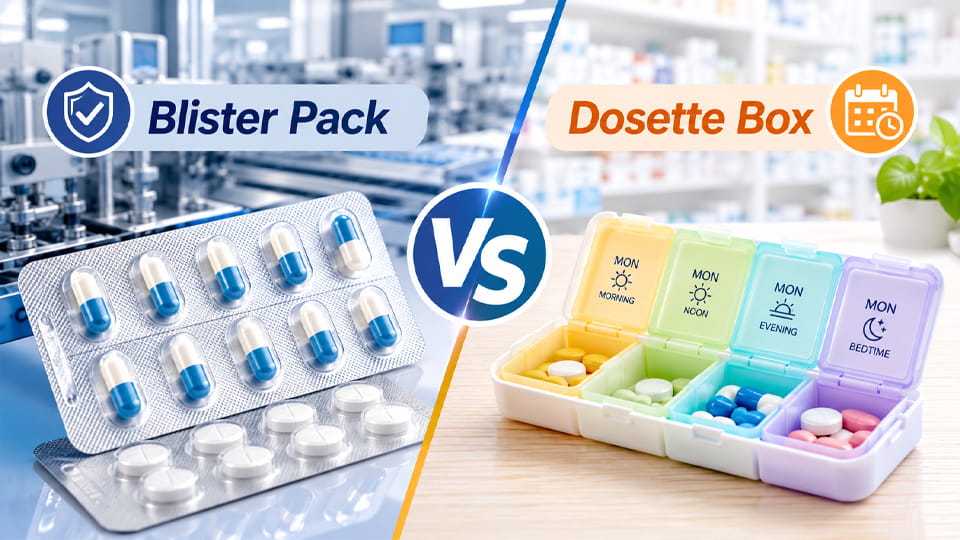
- حفاظت از ثبات: بسیاری از API ها (و فرآورده های دارویی نهایی) حساس هستند رطوبت, اکسیژن, سبک, و دما. به عنوان مثال, رطوبت می تواند باعث تخریب API ها یا انحلال زودرس قرص ها شود. برای مبارزه با این, بسته های تاول زده اغلب از فیلم های با مانع بالا استفاده می کنند. بسته های تاول حفاظت واحد دوز را فراهم می کند: هر قرص/کپسول در جیب خود بسته می شود, محافظت از آن در برابر رطوبت و آلودگی. بطری (ویال) بسته بندی استفاده می کند خشک کننده ها و بطری های مات یا کهربایی برای جلوگیری از رطوبت و نور. به طور خلاصه, ظرف و مواد مناسب API را تا زمان استفاده قوی نگه می دارد.
- جلوگیری از آلودگی: مهر و موم شده, بسته بندی مشهود تضمین می کند که دارو استریل یا بدون آلودگی باقی می ماند. برای APIهای تزریقی, ویال های آسپتیک استفاده می شود. حتی برای قرص, تاول ها و بطری ها باید مهر و موم شوند تا از دستکاری جلوگیری شود.
- دوز دقیق: تاول ها و بسته های دوز می توانند اعمال شوند دوزهای واحد (یک قرص در هر حفره). بطری ها اغلب دارای درپوش های ضد کودک هستند (الزامات نظارتی). ماشین آلات پر کردن/دربندی دقیق (مانند خطوط بطری شمارش جینلو) شمارش صحیح و بسته شدن ایمن را تضمین می کند. قرص های اشتباه شمارش شده یا کلاه های شل می تواند منجر به کاهش وزن شود- یا مصرف بیش از حد.
- رعایت & اطلاعات: بسته بندی برچسب زدن و اطلاعات بیمار را ارائه می دهد (دستورالعمل ها, تاریخ انقضا). ماشین های لیبل زدن برچسب های دقیق را به سرعت اعمال می کنند. برچسب زدن واضح به بیماران کمک می کند تا داروها را به درستی مصرف کنند.
- انطباق نظارتی: بسته بندی خود تنظیم شده است (مواد درجه دارویی, استانداردهای پاکیزگی). تجهیزات برای تاول زدن, بطری کردن, برچسب زدن, و کارتن سازی باید با طراحی بهداشتی GMP مطابقت داشته باشد و دارای اعتبار باشد. به عنوان مثال, یک دستگاه بسته بندی تاول با سرعت بالا باید به طور قابل اعتماد فیلم ها را بدون نشتی مهر و موم کند.
در عمل, ماشین آلات بسته بندی دارویی به طور مستقیم به API ها پیوند می دهد. به عنوان مثال:
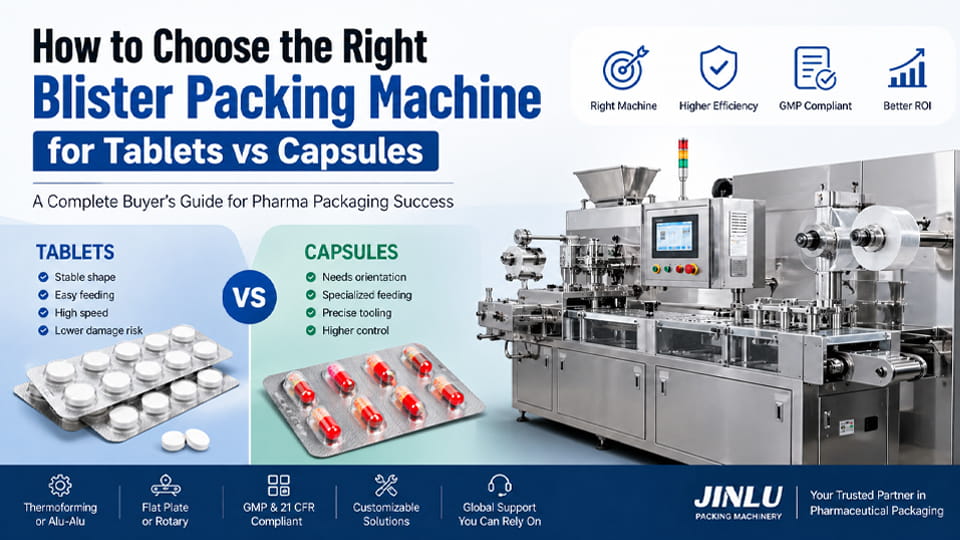
- دستگاه های بسته بندی تاول (مثل جینلو [DPP-180Pro]) فرم, پر کردن, و قرص ها یا کپسول ها را در تاول ها ببندید. هر تاول از API در برابر رطوبت/هوا محافظت می کند.
- خطوط پر کردن و درب بطری (مانند خط بطری شمارش JL-16C) پر کردن خودکار قرص ها در بطری ها, قرار دادن کیسه های خشک کننده, درپوش و آب بندی آنها. اینها از API در برابر رطوبت محافظت می کنند و دوز را تضمین می کنند.
- دستگاه های کارتن سازی (کارتن ساز جینلو) سپس تاول ها یا بطری ها را در جعبه های دارای برچسب بسته بندی کنید. کارتن ها یک مانع اضافی اضافه می کنند, حاوی دستورالعمل های چاپ شده, و دوزهای گروهی برای جابجایی آسان.
- ماشین های لیبل زنی (مثل برچسب زن JL-TBJ-120) برچسب های سازگار را روی بطری ها یا کارتن ها اعمال کنید, ارائه هویت دارویی و قابلیت ردیابی.
با یکپارچه سازی این سیستم ها, کارخانه های داروسازی اطمینان حاصل می کنند که API (ماده فعال) دقیقاً همانطور که در نظر گرفته شده به دست بیمار می رسد. بسته بندی دارویی کاربردی (تاول, بطری ها, بسته های غیرقابل دستکاری) برای محافظت از محصولات در برابر رطوبت "مهم" است, اکسیژن, نور و برای ایمنی بیمار.
برای شرکت هایی مانند بسته بندی جینلو, این به معنای ارائه راه حل های بسته بندی کامل است که با نیازهای API مطابقت دارد: به عنوان مثال, بستهکنندههای تاول و خطوط شمارش برای قرصهای حساس به رطوبت بهینه شدهاند, یا کارتن هایی که برای جابجایی بطری های شربت یا ویال ها طراحی شده اند. به طور خلاصه, ماشین آلات بسته بندی حلقه نهایی این زنجیره است که API ها را تا زمان استفاده پایدار و کارآمد نگه می دارد.
نتیجه گیری
این API (ماده فعال دارویی) جزء اصلی است که به دارو اثر درمانی می دهد. از ساخت و کنترل کیفیت گرفته تا انطباق با مقررات و بسته بندی نهایی, حفاظت از یکپارچگی API برای اطمینان از ایمنی محصول ضروری است, اثر, و ثبات در سراسر زنجیره تامین دارویی.
همانطور که محصولات دارویی پیشرفته تر می شوند, تجهیزات بسته بندی قابل اعتماد نقش مهمی را در محافظت از داروهای مبتنی بر API ایفا می کند. این که آیا در حال بسته بندی تبلت هستید, کپسول ها, پودرها, یا گرانول, راه حل بسته بندی مناسب به حفظ کیفیت محصول و در عین حال بهبود کارایی و انطباق تولید کمک می کند.
به دنبال تجهیزات بسته بندی دارویی قابل اعتماد? Jinlu Packing دستگاه های بسته بندی تاول را ارائه می دهد, خطوط شمارش, سیستم های پر کردن بطری, ماشین های کارتن, و کامل راه حل های بسته بندی کلید در دست متناسب با نیازهای تولیدکنندگان مدرن داروسازی. با تیم ما تماس بگیرید برای بحث در مورد پروژه بسته بندی بعدی خود.
سوالات متداول در مورد API در داروسازی
API در داروسازی مخفف چیست؟?
API مخفف عبارت Active Pharmaceutical Ingredient است. این ماده دارویی فعال در یک دارو است که اثر درمانی خود را ارائه می دهد. به عنوان مثال, API در قرص آنفولانزا ترکیبی است که با ویروس مبارزه می کند یا علائم را تسکین می دهد.
آیا API همان دارو است?
API هسته یک دارو است, اما به خودی خود شکل نهایی دارویی نیست. داروی نهایی (قرص, کپسول, تزریق) محصول نهایی یا فرم دوز نهایی نامیده می شود. API باید با مواد کمکی فرموله شود (مواد غیر فعال) و قبل از تبدیل شدن به داروی واقعی که بیماران مصرف می کنند، به دوز تبدیل می شود.
تفاوت بین API و کمکی چیست؟?
APIها مواد فعالی هستند که اثر فارماکولوژیک مورد نظر را ایجاد می کنند. مواد کمکی مواد غیر فعالی هستند که بر بیماری تأثیر نمی گذارند اما به فرمولاسیون دارو کمک می کنند (حجم اضافه کنید, تثبیت کند, کمک به جذب, و غیره). به طور خلاصه: API ها دارای فعالیت درمانی هستند; مواد کمکی نمی کنند.
API ها چگونه ساخته می شوند?
تولید API به طور کلی شامل سنتز شیمیایی است (یا تخمیر بیولوژیکی), به دنبال آن تطهیر, تبلور, خشک شدن, و آسیاب. هر مرحله به شدت کنترل می شود تا از خلوص و قدرت اطمینان حاصل شود. این فرآیند از شیوه های تولید خوب پیروی می کند (GMP). یک جریان ساده شده است: مواد اولیه → (شیمیایی یا بیولوژیکی) سنتز → خالص سازی → تبلور → خشک کردن → آسیاب → تست کیفیت → بسته بندی (همانطور که در بالا نشان داده شده است).
چرا کیفیت API مهم است?
کیفیت API بسیار مهم است زیرا به طور مستقیم بر ایمنی و اثربخشی دارو تأثیر می گذارد. API های ناخالص یا تخریب شده می توانند اثرات نامطلوب یا کاهش کارایی داشته باشند. تنظیمکنندهها نیاز به تست کیفیت دقیق APIها دارند (هویت, خلوص, قدرت) تحت دستورالعمل های GMP. APIهای با کیفیت بالا به جلوگیری از فراخوانی دارو کمک میکنند و اطمینان حاصل میکنند که هر دوز آنطور که در نظر گرفته شده عمل میکند.
نمونه هایی از API ها چیست؟?
نمونه هایی از API ها شامل مواد دارویی رایج مانند پاراستامول است (استامینوفن), ایبوپروفن, آموکسی سیلین, آتورواستاتین, و متفورمین. در بیولوژیک, نمونه ها انسولین هستند, هرسپتین (تراستوزوماب), آنتی بادی های مونوکلونال, و واکسن ها. اساسا, نام یک API معمولاً نام داروی عمومی است.
الزامات GMP برای تولید API چیست؟?
GMP برای APIها (به عنوان مثال. من Q7) به امکانات واجد شرایط نیاز دارد, فرآیندهای تایید شده, کارکنان آموزش دیده, و تست جامع. تولیدکنندگان باید آلودگی متقابل را کنترل کنند, تمام مراحل را مستند کنید, و هر دسته را از نظر خلوص و قدرت آزمایش کنید. WHO خاطرنشان می کند که سختگیری GMP به سمت مراحل نهایی API افزایش می یابد, اطمینان از مطابقت هر دسته با استانداردهای هویت و کیفیت.
چرا بسته بندی دارویی برای API ها مهم است؟?
بسته بندی مناسب از API های موجود در داروی نهایی در برابر عوامل محیطی محافظت می کند. به عنوان مثال, بسته های تاول و سیستم های بطری رطوبت و اکسیژن را دور نگه می دارند, حفظ ثبات API. تجهیزات بسته بندی (دستگاه های تاول, پرکننده, کلاه ها, برچسب زنی ها, کارتن سازها) اطمینان حاصل می کند که داروی حاوی API به طور دقیق دوز شده است, مهر و موم شده, و برچسب گذاری شده است, حفظ ایمنی و انطباق.
HPAPI چیست و چرا اهمیت دارد?
HPAPI ها (APIهای بسیار قدرتمند) ترکیبات بسیار فعال هستند (اغلب سرطان یا داروهای هورمونی) که در دوزهای بسیار کم سمی هستند. آنها به تجهیزات پردازش خاصی نیاز دارند (جدا کننده ها, سیستم های بسته) برای محافظت از کارگران. تقاضا برای HPAPI با درمان های هدفمند در حال افزایش است, بنابراین تولیدکنندگان باید روی مهار و تخصص سرمایه گذاری کنند.
چگونه API ها با فرم های دوز نهایی مرتبط هستند?
API با مواد کمکی ترکیب شده و برای ساختن فرم نهایی دارو پردازش می شود. به عنوان مثال, یک تبلت با مخلوط کردن API با پرکننده ها و فشرده سازی آن ساخته می شود. سپس محصول نهایی API را به روشی مناسب به بیمار تحویل می دهد. ماشین آلات (از پر کردن تا برچسب زدن) تولید API را به داروی آماده مصرف کننده متصل می کند.
مراجع:
1.Q7 راهنمای عملکرد خوب تولید برای اجزای فعال دارویی راهنمای صنعت - ایالات متحده. سازمان غذا و داروی
2.دستورالعمل های کیفیت: ماده فعال - آژانس دارویی اروپا
3.مواد فعال دارویی - سازمان بهداشت جهانی
4.TRS 957 – ضمیمه 2: شیوه های تولید خوب WHO برای مواد فعال دارویی (مواد دارویی فله) – سازمان بهداشت جهانی