در صنعت داروسازی, کیفیت و ایمنی بیمار در درجه اول اهمیت قرار دارد. هر تبلت, ویال, یا بسته تاول باید تحت کنترل های دقیق برای اطمینان از موثر بودن آن تولید شود, خالص, و امن. آنجاست مطابقت با GxP وارد می شود. GxP یک اصطلاح چتری است به معنای "خوب x تمرین کنید,جایی که "x" می تواند تولید باشد, آزمایشگاه, بالینی, توزیع, و غیره. اساسا, دستورالعمل های GxP نظارتی هستند سیستم های کیفیت که شرکت های داروسازی باید دنبال شود برای مستندسازی و کنترل تمام فرآیندها. با هم, این قوانین تضمین می کند که داروها به طور مداوم در طول توسعه تولید و با استانداردهای با کیفیت بالا کنترل می شوند, تولید, تست, بسته بندی, و توزیع.
تنظیم کننده مانند FDA (ایالات متحده. سازمان غذا و داروی), EMA (آژانس دارویی اروپا), سازمان بهداشت جهانی, و دیگران استانداردهای GxP را اجرا می کنند. به عنوان مثال, روش فعلی تولید خوب FDA (CGMP) قوانین (21 قطعات CFR 210-211) تعیین حداقل الزامات برای تولید, بسته بندی, و نگه داشتن داروها برای اطمینان از بی خطر بودن و داشتن مواد و قدرت صحیح. به همین ترتیب, دستورالعمل های سازمان جهانی بهداشت و اتحادیه اروپا GMP/GLP/GDP/GVP را در سطح جهانی پوشش می دهد. در عمل, شرکت های دارویی توسعه می یابند سیستم های مدیریت کیفیت و رویه های عملیاتی استاندارد (سس) پیرامون اصول GxP. هر دسته از محصول دارای سوابق قابل ردیابی از ابتدا تا انتها است. حتی تجهیزات باید واجد شرایط باشند (با صلاحیت نصب/عملیات/عملکرد – IQ/OQ/PQ) و برای برآوردن الزامات GxP تأیید شده است.
GxP در داروسازی به چه معناست?
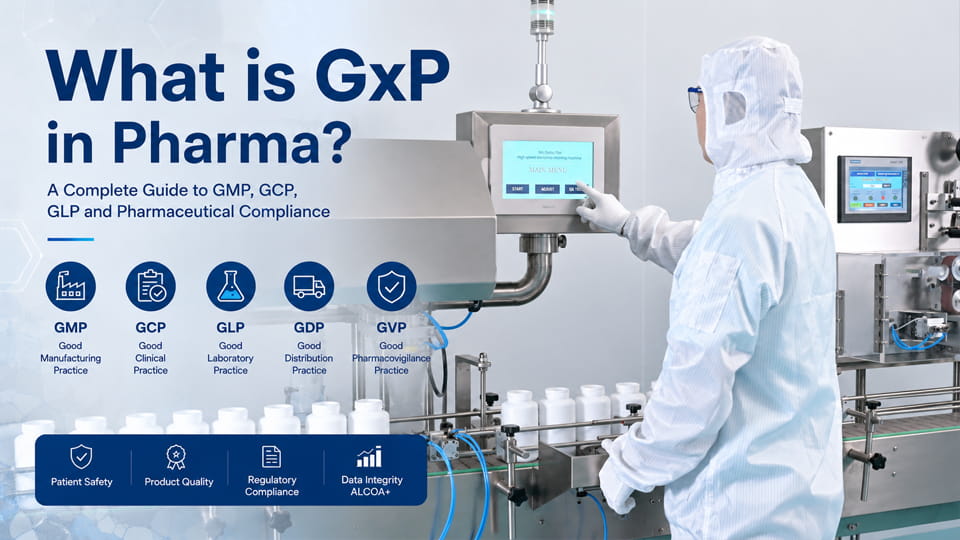
مخفف GxP مخفف تمرین خوب "x"., جایی که "G" "خوب" است و "پ" "تمرین" است. "x" نشان دهنده رشته های مختلف است. GxP یک مقررات واحد نیست بلکه گروهی از دستورالعمل های کیفیت است. رشته های کلیدی GxP شامل:
- عمل تولید خوب (GMP): اطمینان حاصل می کند که محصولات به طور مداوم مطابق با استانداردهای کیفیت تولید و کنترل می شوند. GMP تولید را پوشش می دهد, تجهیزات, امکانات, پرسنل, و مستندسازی برای به حداقل رساندن آلودگی, مخلوط کردن, و خطاها.
- تمرین خوب آزمایشگاهی (GLP): بر انجام مطالعات آزمایشگاهی غیر بالینی نظارت می کند (مانند آزمایشات سم شناسی) برای اطمینان از یکپارچگی و تکرارپذیری داده ها. GLP تضمین می کند که تست های آزمایشگاهی به خوبی مستند شده اند, قابل ممیزی, و قابل اعتماد.
- تمرین بالینی خوب (GCP): استاندارد بین المللی برای طراحی, هدایت, نظارت, و گزارش کارآزمایی های بالینی. GCP از حقوق بیمار محافظت می کند, یکپارچگی داده ها, و اطمینان حاصل می کند که نتایج آزمایشی معتبر هستند.
- تمرین خوب توزیع (تولید ناخالص داخلی): استانداردهای ذخیره سازی را تعیین می کند, دست زدن, و حمل و نقل فرآورده های دارویی. تولید ناخالص داخلی تضمین می کند که کیفیت دارو در سراسر زنجیره تامین حفظ می شود - برای مثال, با کنترل دما, اجتناب از آلودگی, و دسته های ردیابی.
- تمرین خوب مراقبت دارویی (GVP): دستورالعمل هایی برای نظارت بر ایمنی دارو و گزارش عوارض جانبی پس از عرضه محصول به بازار ارائه می دهد. GVP به شرکت های داروسازی و تنظیم کننده ها کمک می کند تا تشخیص دهند, ارزیابی کنید, و از عوارض منفی جلوگیری می کند.
هر منطقه GxP توسط مقررات یا دستورالعمل های خاصی اجرا می شود (به عنوان مثال, FDA 21 CFR برای GMP/GLP/GCP, EU EudraLex برای GMP/GDP/GVP, من راهنمایی می کنم, سازمان بهداشت جهانی, و غیره). در حالی که جزئیات متفاوت است, هدف مشترک است برای اطمینان از ایمن بودن محصولات دارویی, موثر, و در هر مرحله با کیفیت بالا.
جدول: رشته های اصلی GxP(انواع مقررات GxP)
| نوع GxP |
نام کامل |
مرحله چرخه عمر محصول |
تمرکز/هدف |
| GLP |
تمرین خوب آزمایشگاهی |
تحقیقات دارویی |
مطالعات آزمایشگاهی غیر بالینی را اداره می کند (مانند تست سمیت) برای اطمینان از کیفیت داده ها و قابلیت ردیابی. GLP استانداردهایی را برای رویه های آزمایشگاهی تعیین می کند, ثبت داده ها, و گزارش. |
| GCP |
تمرین خوب آزمایشگاهی |
آزمایشات بالینی |
استانداردهای بین المللی برای آزمایشات بالینی (I-GCP). طراحی آزمایشی را پوشش می دهد, رضایت آگاهانه, نظارت, و گزارش دقیق نتایج. |
| GMP |
تمرین بالینی خوب |
تولید |
اطمینان حاصل می کند که داروها به طور مداوم در تولید/بسته بندی ساخته و کنترل می شوند. شامل استانداردهای تسهیلات/تجهیزات است, آموزش پرسنلی, تست QC. |
| تولید ناخالص داخلی |
تمرین خوب توزیع |
انبارداری & لجستیک |
نگهداری و حمل و نقل مناسب داروها را تضمین می کند (به عنوان مثال, دمای صحیح, حمل و نقل امن) بنابراین کیفیت از طریق زنجیره تامین حفظ می شود. |
| GVP |
تمرین خوب مراقبت دارویی |
نظارت پس از بازار |
رهنمودهایی برای نظارت مداوم بر ایمنی داروهای عرضه شده به بازار (گزارش رویداد نامطلوب, مدیریت ریسک, ارتباط با مقامات). |
چرا GxP در صنعت داروسازی مهم است؟?
مطابقت با GxP ضروری است زیرا زندگی به معنای واقعی کلمه به آن بستگی دارد. اهداف اولیه آن هستند:
- ایمنی بیمار: پیروی از GxP خطراتی مانند آلودگی را به حداقل می رساند, مخلوط کردن, یا خطاهای دوز. به عنوان مثال, قوانین GMP (مانند بهداشت مناسب و کنترل فرآیند) کمک به جلوگیری از آلودگی متقابل بین محصولات. بدون GxP, داروهای نامرغوب می توانند به بیماران آسیب برسانند یا اثربخشی نداشته باشند. نهادهای نظارتی بر آن تاکید دارند قوانین GxP به یک دلیل وجود دارد: برای محافظت از بیماران".
- کیفیت و سازگاری محصول: چارچوبهای GxP تضمین میکنند که هر دسته از دارو دارای مشخصات یکسانی است. این شامل قدرت ثابت است, خلوص, و ثبات. با اعمال کنترل های دقیق (به عنوان مثال. کالیبراسیون ابزارها, روش های تایید شده, تست در حین فرآیند), تولید کنندگان می توانند تضمین کنند که هر ویال یا قرص با ادعاهای برچسب مطابقت دارد.
- رعایت مقررات و اعتماد: پایبندی به GxP از نظر قانونی اجباری است. آژانس هایی مانند FDA, EMA, MHRA, PMDA, و WHO بر بازرسی ها و ممیزی های GxP متکی هستند. شرکتهایی که شیوههای قوی GxP را نشان میدهند، با تنظیمکنندهها اعتماد ایجاد میکنند. عدم رعایت می تواند منجر به نامه های هشدار دهنده شود, جریمه, فراخوان محصول, یا بدتر. همانطور که یکی از راهنمای صنعت اشاره می کند, تنظیمکنندهها ممیزی را برای "تأیید انطباق با استانداردهای GxP" انجام میدهند که بر یکپارچگی محصول و ایمنی بیمار تأکید میکند..
- یکپارچگی داده ها: یکی از جنبه های مهم GxP این است که داده ها دقیق و قابل اعتماد هستند. مقررات مدرن (به عنوان مثال. سازمان غذا و دارو 21 قسمت CFR 11, پیوست اتحادیه اروپا 11) نیاز به سوابق الکترونیکی برای ایمن بودن, مهر زمانی, و ضد دستکاری. اصول کلیدی مانند ALCOA+ (قابل انتساب, خوانا, همزمان, اصل, دقیق, به علاوه کامل, سازگار, ماندگار, موجود است) برای قضاوت در مورد کیفیت داده ها استفاده می شود. در عمل, این به معنای پیاده سازی مسیرهای حسابرسی بر روی نرم افزار است, قفل کردن اسناد اصلی, و به طور منظم سوابق دسته ای را بررسی می کند. یکپارچگی داده های قوی سنگ بنای GxP است; بدون آن, حتی محصولات خوش ساخت نیز قابل اعتماد نیستند.
به طور خلاصه, GxP زیربنای مدیریت کیفیت دارویی است. آن را تضمین می کند هر قدم - از آزمایش آزمایشگاهی تا بسته بندی نهایی - تحت کنترل انجام می شود, شرایط مستند. به عنوان مثال, یک راهنما مشاهده می کند که "تطابق با GxP تضمین می کند که داروها و بیولوژیک ها توسعه یافته اند, ساخته شده است, و طبق استانداردهای سختگیرانه تست شده است,” جلوگیری از آلودگی پرهزینه یا خطاهای برچسب گذاری. بنابراین, GxP نه تنها از بیماران محافظت می کند، بلکه از اعتبار برند قابل اعتماد و دسترسی به بازار برای شرکت های داروسازی حمایت می کند..

درک GMP - مهم ترین استاندارد GxP
در حالی که همه مناطق GxP حیاتی هستند, GMP (عمل تولید خوب) اغلب به عنوان پایه ای برای انطباق تولید دارویی دیده می شود. GMP کل فرآیند تولید محصولات دارویی را پوشش می دهد, از جمله مواد اولیه, تجهیزات, امکانات, فرایندها, و خطوط بسته بندی. هدف اصلی آن این است که به حداقل رساندن ریسک آلودگی یا انحراف محصول با اعمال کنترل ها و مستندات دقیق. عناصر کلیدی GMP عبارتند از:
- طراحی تاسیسات و تجهیزات: تجهیزات باید برای عملیات بهداشتی طراحی شوند. این به معنای استفاده از مواد با درجه دارویی است (به عنوان مثال. 316L فولاد ضد زنگ), جوش های صاف, بدون مناطق مرده, و دسترسی آسان برای نظافت. برای ماشین آلات بسته بندی, این ممکن است مستلزم نوار نقاله های کنسولی باشد, قطعات با رهش سریع, و نگهبانان محصور. چیدمان مناسب از اختلاط جلوگیری می کند و اعتبار سنجی تمیز کردن را تسهیل می کند (رویه های تمیز کردن معتبر).
- ابزارهای کاربردی و کالیبراسیون: کلیه امکانات (آب, هوای فشرده, برقی) باید دارای مشخصات کیفی باشد. ابزار و سنسورها (ترازو, جریان سنج, پروب های دما) منظم نیاز دارند کالیبراسیون تحت رویه های کتبی. FDA به صراحت انتظار دارد که سوابق کالیبراسیون برای تجهیزات حیاتی ثبت شود. به عنوان مثال, یک خط بطری پر شده باید پمپ های حجمی خود را برای اطمینان از دقیق بودن هر دوز کالیبره کند.
- اعتبار سنجی و صلاحیت: GMP الزام می کند که تجهیزات و فرآیندها واجد شرایط و اعتبار باشند. این شامل صلاحیت نصب است (IQ), صلاحیت عملیاتی (OQ), و صلاحیت عملکرد (پی کیو) برای اثبات کارکرد سیستم همانطور که در نظر گرفته شده است (در زیر به تفصیل مورد بحث قرار گرفته است). به عنوان مثال, یک دستگاه بسته بندی تاول جدید باید IQ/OQ/PQ تست شود تا دمای آب بندی را تایید کند., یکپارچگی مهر و موم, و سیستم نمایه سازی مشخصات را برآورده می کند. هر ماشین بحرانی (پرکننده های کپسول, کارتن سازها, خطوط پرکننده مایع) باید این چرخه عمر اعتبارسنجی را دنبال کند.
- رویه های عملیاتی استاندارد (سس): به تفصیل, SOPهای نوشته شده برای مراحل ساخت اجباری هستند, تمیز کردن, نگهدار, و کنترل کیفیت. اپراتورها باید در مورد این SOPها آموزش ببینند و هرگونه تغییر باید از طریق یک سیستم کنترل تغییر رسمی کنترل شود.. حسابرسان به دنبال SOPهای به روز و سوابق آموزشی هستند.
- شیوه های مستندسازی خوب: GMP بر آن تاکید می کند «اگر مستند نباشد, این اتفاق نیفتاد.» تمام مراحل, سوابق دسته ای, تمیز کردن سیاهههای مربوط, و تست های QC باید به صورت خوانا و همزمان ثبت شوند. یک رکورد تولید دسته ای تکمیل شده (BMR) باید شامل تطبیق مواد باشد, تنظیمات تجهیزات, چک های در حال انجام, و هرگونه انحراف/اصلاح. روندهای مدرن رکوردهای دسته ای الکترونیکی را افزایش می دهند (eBR) با مسیرهای حسابرسی زیر 21 قسمت CFR 11.
- کنترل کیفیت (QC) و انتشار دسته ای: تست QC (به عنوان مثال. قدرت, عقیمی, شناسایی) بر روی مواد اولیه و محصولات نهایی انجام می شود. تنها پس از بررسی تمام اسناد و نتایج آزمایش توسط بخشهای QA/QC، یک دسته منتشر میشود. این بررسی نهایی بخش کلیدی GMP است.
وبلاگ Jinlu Packing در مورد بسته بندی GMP چندین مورد از این الزامات را برجسته می کند. به عنوان مثال, اشاره می کند که نگهداری و کالیبراسیون پیشگیرانه توسط GMP اجباری شده اند (21 CFR 211.68 به فواصل و رکوردهای تعریف شده نیاز دارد). همچنین تاکید می کند اتهام اتوماسیون & پیشگیری از خطا: خطوط بسته بندی مدرن GMP از بازرسی بینایی استفاده می کنند, اسکن بارکد, و برای جلوگیری از خطاهای انسانی قفل می کند. یکپارچگی داده ها و کنترل های کامپیوتری نیز تحت GMP قرار دارند: تمام سیستم های کامپیوتری روی خط (به عنوان مثال. PLC ها, سیستم های بینایی, HMI ها) باید رعایت کنند 21 قسمت CFR 11 - به معنی لاگین های منحصر به فرد, مسیرهای حسابرسی, امضای الکترونیکی, و ثبت سوابق امن. در عمل, این بدان معنی است که نرم افزار کنترل دستگاه، هر تغییر پارامتر را با مهر زمانی و شناسه کاربر ثبت می کند, و برای تأیید یک دسته به امضای الکترونیکی مدیر نیاز دارد.
چک لیست GMP برای تجهیزات بسته بندی
به مشاهده الزامات GMP در فرم چک لیست کمک می کند. برای ماشین آلات بسته بندی, تولید کنندگان معمولا اطمینان حاصل می کنند:
- طراحی & مواد: ساخت و ساز بهداشتی (قطعات فولادی ضد زنگ, مهر و موم مورد تایید FDA), بدون مناطق "مرده", سطوح شیب دار, جداسازی آسان برای تمیز کردن.
- اعتبار سنجی: IQ/OQ/PQ کامل روی هر دستگاه. تست مستند توابع (آب بندی, پر کردن, وزن کردن) و عملکرد. (بخش صلاحیت تجهیزات را در زیر ببینید.)
- نظافت: روش های تمیز کردن معتبر با آزمایش سواب یا شستشو (معمولاً با استفاده از TOC یا سنجش های خاص) و سوابق.
- نگهدار & کالیبراسیون: برنامه های نگهداری پیشگیرانه با سیاهههای مربوط. کالیبراسیون پمپ های اندازه گیری, ترازو, سنسورها برای اطمینان از دقت.
- کنترل ها & اتهام اتوماسیون: سیستم های بازرسی بینایی (به عنوان مثال, فلزیاب ها, چک وزنه ها) برای تشخیص عیوب, سنسورهایی برای جلوگیری از تغذیه نادرست, در صورت باز شدن درها، قفل ها متوقف می شوند.
- یکپارچگی داده ها: 21 قسمت CFR 11 رعایت - مسیرهای حسابرسی, کنترل های دسترسی کاربر, امضای الکترونیکی, داده های امن. همه رکوردها (سس, داده های دسته ای, انحرافات) بدون تغییر ذخیره می شود.
- قابلیت ردیابی: پشتیبانی از سریال سازی/UID, بارکدینگ, پیوند دادن هر بسته اولیه به سوابق دسته ای, فعال کردن فراخوانی در صورت نیاز. (ماشینهای Jinlu اغلب چاپگرهای لیبل یا کدخوانها را برای قابلیت ردیابی یکپارچه میکنند.)
- زیست محیطی & کنترل های خط: در صورت نیاز استانداردهای اتاق تمیز را رعایت کنید, بررسی های ترخیص خط مستند بین دسته ها, برچسب زدن و جابجایی مناسب مواد برای جلوگیری از اختلاط.
با رعایت این کنترل ها, تولیدکنندگان می توانند مطمئن باشند که تجهیزات بسته بندی آنها مطابق دستورالعمل های GMP عمل می کند. به عنوان مثال, دستگاه های پر کردن کپسول و دستگاه های بسته بندی تاول از Jinlu با ویژگی های آماده GMP ساخته شده است (سطوح GMP صاف, قابلیت CIP, و غیره) برای برآوردن این خواسته ها.
الزامات GxP برای سازندگان تجهیزات دارویی
تامین کنندگان تجهیزات بسته بندی نقشی حیاتی در GxP دارند. خریداران از ماشینهایی انتظار دارند که نه تنها قوی و کارآمد باشند, بلکه برای تسهیل انطباق با مقررات نیز ساخته شده است. الزامات کلیدی شامل:
- پشتیبانی صلاحیت (IR/WH/PQ): فروشندگان باید ارائه دهند پروتکل ها و کمک برای صلاحیت. این به معنای صلاحیت نصب مستند است (IQ) برای نشان دادن اینکه دستگاه به درستی نصب شده است, صلاحیت عملیاتی (OQ) برای اثبات عملکرد آن بر اساس مشخصات, و صلاحیت عملکرد (پی کیو) برای تأیید اینکه به طور مداوم خروجی قابل قبولی تولید می کند. به عنوان مثال, Jinlu Packing هر دستگاه را با کیت IQ/OQ/PQ و پروتکل های FAT/SAT کامل تحویل می دهد.. این الگوها اغلب می توانند توسط تیم QA خریدار تطبیق داده شوند, صرفه جویی در زمان در طول اعتبارسنجی. فروشنده همچنین ممکن است در اجرای صلاحیت شرکت کند یا چک لیست تجهیزات تایید شده را ارائه دهد.
- بسته مستندات: همراه با دستگاه, تامین کنندگان باید مجموعه کاملی از اسناد را تحویل دهند. موارد معمولی عبارتند از راهنمای کاربر, لیست قطعات اصلی, شماتیک های برق, و دستورالعمل های تعمیر و نگهداری. مهم است, چربی (آزمون پذیرش کارخانه) و SAT (آزمون پذیرش سایت) گزارش ها نشان می دهد که دستگاه تست های کارخانه و در محل را گذرانده است. گواهی کالیبراسیون برای هر دستگاه اندازه گیری باید گنجانده شود. در عمل, یک بسته مستندات سازگار نیز مشخصات سیستم را فهرست می کند, SOP های تمیز کردن, ارزیابی های ریسک, و هر گونه سابقه کنترل تغییر.
- ویژگی های یکپارچگی داده ها: تجهیزات مدرن باید کنترل های الکترونیکی را ارائه دهند که با استانداردهای داده GxP همسو باشد. این شامل حساب های کاربری امن می شود (دسترسی مبتنی بر نقش), امضای الکترونیکی اجباری برای اقدامات مهم, و مسیرهای حسابرسی کامل از هرگونه تغییر در پارامترها. به عنوان مثال, یک صفحه نمایش HMI ممکن است برای شروع تولید به ورود سرپرست شیفت نیاز داشته باشد, و هر دستور غذا یا تغییر تنظیمات دارای مهر زمانی است. ماشینها همچنین ممکن است از خروجی ضبط دستهای دیجیتال پشتیبانی کنند, ادغام با سیستم های MES/ERP.
- ابزارهای اعتبار سنجی و تست: برخی از فروشندگان شامل ابزارهای نرم افزاری برای ثبت اطلاعات هستند, کالیبراسیون, یا اعتبار سنجی. این می تواند نرم افزار از پیش نصب شده برای انجام تست های حسگر باشد, یا قابلیت داخلی برای قفل کردن پارامترها در طول اجرای PQ. این ویژگی ها تلاش دستی را در طول اعتبارسنجی کاهش می دهد.
- طراحی بهداشتی و ایمنی: تمیز کردن و نگهداری تجهیزات باید آسان باشد. ویژگی هایی مانند قطعات با آزادسازی سریع, مناطق بدون محصول, و CIP (تمیز در محل) گزینه ها به بررسی اعتبار سنجی تمیز کردن کمک می کنند. مواد در تماس با محصول باید بی اثر باشند (به عنوان مثال. 316L SS, پلاستیک های مورد تایید FDA). حفاظ های ایمنی و اینترلاک ها از اپراتورها محافظت می کنند, بلکه از انطباق نیز اطمینان حاصل کنید (به عنوان مثال. دستگاه هنگام باز کردن متوقف می شود).
- پشتیبانی پس از فروش: انطباق با GxP ادامه دارد. تولیدکنندگان ممکن است نیاز به صلاحیت مجدد یا کالیبراسیون مجدد دوره ای داشته باشند. تامین کنندگان باید خدمات چرخه حیات را ارائه دهند: قطعات یدکی (برای تعویض سریع قطعات معتبر), قراردادهای تعمیر و نگهداری, و به روز رسانی اسناد اعتبار سنجی در صورت بروز تغییرات. تمایل تامین کننده به ارائه خدمات صلاحیت در محل (IR/WH/PQ) می تواند تا حد زیادی تلاش های انطباق را آرام کند.
چک لیست صلاحیت تجهیزات: جدول زیر مراحل و مدارک معمولی برای واجد شرایط بودن یک ماشین دارویی جدید را خلاصه می کند:
| فاز |
فعالیت های کلیدی |
اسناد معمولی |
| الزامات کاربر (URS) |
تعریف مشخصات حیاتی (به عنوان مثال. نرخ خروجی, دقت) |
مشخصات مورد نیاز کاربر |
| صلاحیت طراحی (دی کیو) |
تأیید کنید که طراحی فروشنده مطابق با URS است |
گزارش بررسی مشخصات طراحی |
| پذیرش کارخانه (چربی) |
آزمایشات کارخانه ای عملکردهای اصلی, اغلب آینه تست های IQ/OQ |
گزارش FAT |
| صلاحیت نصب (IQ) |
نصب صحیح را تایید کنید: آب و برق, راه اندازی مکانیکی, مستندات (نقاشی ها, گواهینامه ها) |
پروتکل IQ & چک لیست |
| صلاحیت عملیاتی (OQ) |
تست تمام توابع: عملکرد خالی, کنترل ها, آلارم ها, ویژگی های ایمنی |
پروتکل OQ & نتایج |
| صلاحیت عملکرد (پی کیو) |
تولید کامل را با محصول واقعی اجرا کنید: کیفیت خروجی را بررسی کنید, قوام, شرایط استرس |
پروتکل PQ, رکوردها را اجرا کنید, نمونه نتایج آزمایش |
| انتشار نهایی |
تمام سوابق صلاحیت را بررسی کنید; تایید QA برای قرار دادن دستگاه در تولید GMP |
گزارش خلاصه صلاحیت |
(توجه داشته باشید: ماشین های جینلو همراه هستند الگوهای IQ/OQ/PQ و کامل پذیرش کارخانه بسته مستندات, که مشتریان می توانند در صورت نیاز آن را تطبیق دهند.) این رویکرد ساختاریافته - از الزامات کاربر گرفته تا PQ - توسط مقرراتی مانند مورد نیاز است ضمیمه GMP اتحادیه اروپا 15 و دستورالعمل های FDA. نادیده گرفتن هر مرحله می تواند منجر به شکاف انطباق شود.
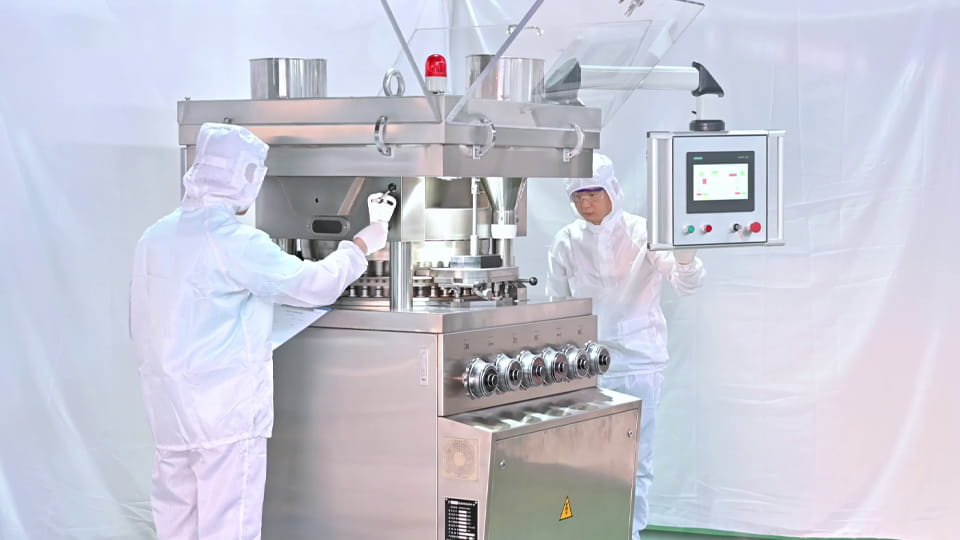
چالش های متداول سازگاری با GxP
حتی با قوانین روشن, شرکت ها اغلب با موانعی در انطباق با GxP روبرو هستند. برخی از چالش های مکرر عبارتند از:
- اعتبار سنجی یا مستندسازی ناقص: یکی از جدی ترین شکاف ها استفاده از تجهیزات بدون سوابق کامل IQ/OQ/PQ است. «رد اعتبارسنجی,” یا داشتن جزئی صلاحیت, الف در نظر گرفته می شود "شکاف کشنده GMP". به همین ترتیب, سوابق دسته ای از دست رفته یا نامرتب و SOP ها انطباق را تضعیف می کند: بازرسان برای جستجوی اسناد آموزش دیده اند. همانطور که یکی از کارشناسان گفته است: «اگر نوشته نشده باشد, این اتفاق نیفتاد.» ثبت سوابق ضعیف (فایل های از دست رفته, یادداشت های ناخوانا, نسخه های قدیمی) یک پرچم قرمز رایج است.
- تعمیر و نگهداری تجهیزات و خطاهای کالیبراسیون: رگولاتورها مکرراً مشکلاتی مانند سررسید کالیبراسیون منقضی شده یا تعمیرات به تعویق افتاده را پیدا می کنند. یک سنسور شکسته یا یک ترازو کالیبره نشده منجر به داده یا محصول مشکوک می شود. (به عنوان مثال, تجزیه و تحلیل سوکول اشاره می کند که کالیبراسیون های فراموش شده و قطعات فرسوده هستند "شکست های ساده" که می تواند باعث توقف دسته ای شود.) اطمینان از سیاهههای مربوط به نگهداری دقیق, استفاده از ردیاب های دیجیتال برای برنامه های کالیبراسیون, و توانمندسازی کارکنان برای نشان دادن سریع مشکلات، بهترین روش برای غلبه بر آن است.
- مشکلات یکپارچگی داده ها: خطوط مدرن GMP بر سیستم های الکترونیکی متکی هستند. خرابی در کنترل های داده می تواند GxP را خراب کند. به عنوان مثال می توان به مسیرهای حسابرسی غیرفعال اشاره کرد, رمزهای عبور ضعیف, داده های کپی/پیست شده به جای ورودی های اصلی, یا عدم بررسی لاگ های الکترونیکی. شرکت ها باید اصول ALCOA+ را اجرا کنند - به عنوان مثال., اطمینان حاصل کنید که تمام ورودی های داده ها هستند قابل انتساب (به یک کاربر پیوند داده شده است), خوانا (روشن), همزمان (در زمان واقعی ثبت شده است), اصلی/دقیق, و کامل/سازگار. آموزش اپراتورها و اتوماسیون در صورت امکان (به عنوان مثال. سوابق قفل شده توسط کامپیوتر) کمک به جلوگیری از بازنویسی یا حذف دستی.
- تغییرات کنترل و کمبودهای CAPA: یک فرآیند مدیریت تغییر قوی برای هر تغییری مورد نیاز است (ارتقاء تجهیزات, SOP های جدید, مواد اولیه جدید). یک اشتباه رایج عدم ثبت تغییر یا عدم تأیید اعتبار مجدد پس از اصلاح است. به همین ترتیب, عدم بررسی صحیح انحرافات (نوشتن مسائل صرفا به عنوان "خطای انسانی" بدون تجزیه و تحلیل علت اصلی) می تواند اجازه دهد مشکلات ادامه پیدا کنند. نهادهای نظارتی انتظار دارند CAPA قوی باشد (اقدام اصلاحی و پیشگیرانه) سیستم هایی برای رسیدگی به هرگونه انحراف.
- مسائل آموزشی و فرهنگی: GxP مستلزم آن است که همه پرسنل آموزش دیده و از رویه های کیفیت آگاه باشند. برنامه های آموزشی ناکافی یا گردش مالی زیاد می تواند منجر به تخلفات غیرعمدی شود. فرهنگ سازی با کیفیت (که در آن کارکنان نسبت به رعایت مسئولیت احساس می کنند و تشویق می شوند تا مسائل را گزارش کنند) حیاتی است اما اغلب به کندی رشد می کند.
خلاصه, چالش ها اغلب سازمانی هستند: مستندات, نگهدار, آموزش, و شیوه های داده. غلبه بر آنها به معنای سرمایه گذاری در سیستم ها است (مانند نرم افزار مدیریت اسناد الکترونیکی یا ردیابی کالیبراسیون), SOPهای منضبط, و ممیزی های داخلی مکرر. شرکتهایی که فعالانه به این حوزهها رسیدگی میکنند، در طول بازرسیهای رسمی، انطباق GxP را روانتر میکنند.
چگونه شرکت های داروسازی به انطباق با GxP دست می یابند
دستیابی به انطباق با GxP یک است پروژه ای که کل سازمان را در بر می گیرد. در زیر یک دنباله معمولی از مراحل است (در فلوچارت نشان داده شده است) که یک شرکت داروسازی برای ایجاد یک سیستم سازگار دنبال می کند:
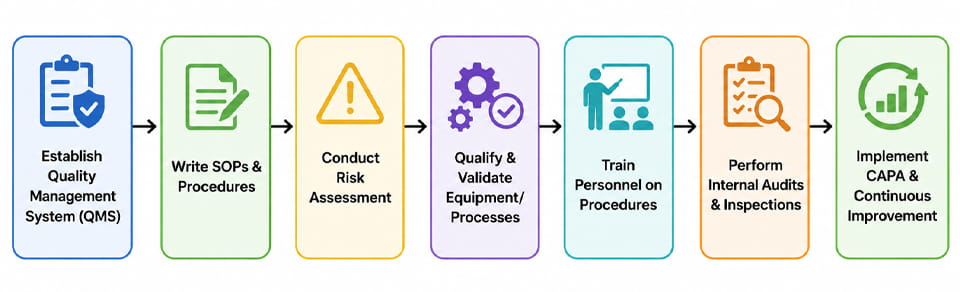
- سیستم مدیریت کیفیت (QMS): با تعریف ساختار سازمانی برای کیفیت شروع کنید (به عنوان مثال. کتابچه راهنمای کیفیت, سیاست ها). این شامل تعیین نقش ها و مسئولیت های با کیفیت می شود.
- SOP ها را توسعه دهید & مستند سازی: پیش نویس و تصویب روش های استاندارد برای تولید, تست, تغییر کنترل, انحرافات, و غیره. اطمینان حاصل کنید که هر فرآیند به وضوح مستند شده است.
- ارزیابی ریسک: ارزیابی های رسمی ریسک را انجام دهید (به عنوان مثال. FMEA) برای شناسایی پارامترها و کنترل های فرآیند حیاتی. این نشان می دهد که کجا باید اعتبار سنجی و نظارت را متمرکز کرد.
- صلاحیت تجهیزات/فرآیند (IR/WH/PQ): مانند بخش قبل, واجد شرایط بودن کلیه تجهیزات و فرآیندهای تولیدی. پروتکل ها و گزارش های اعتبارسنجی دقیق را حفظ کنید.
- آموزش: اپراتورهای قطار, مهندسی, و کارکنان QA/QC بر روی روشهای تایید شده, اصول GxP, و استفاده از تجهیزات.
- ممیزی های داخلی: برای بررسی پایبندی و تشخیص مسائل، بازرسی های معمول خود یا ممیزی های ساختگی انجام دهید (به عنوان مثال. سوابق دسته ای را بررسی کنید, سیاهههای مربوط به محیط زیست, وضعیت کالیبراسیون).
- CAPA: هر گاه انحراف یا یافته ای شناسایی شود (داخلی یا توسط یک تنظیم کننده), علت اصلی را بررسی کنید, اعمال اصلاحی, و به روز رسانی رویه ها برای جلوگیری از عود.
- بهبود مداوم: از داده ها استفاده کنید (به عنوان مثال. تجزیه و تحلیل روند از گزارش های تولید یا گزارش شکایات) برای بهبود کیفیت و بهینه سازی فرآیندها.
هر مرحله در صورت لزوم به عقب برمی گردد - به عنوان مثال., تغییری که در طول ممیزی یافت می شود منجر به به روز رسانی SOP ها و بازآموزی می شود. شرکت ها همچنین از مدیریت ریسک کیفیت استفاده می کنند (QRM) و کیفیت با طراحی (QbD) اصولی برای سیستماتیک کردن این رویکرد. این فلوچارت بالا این روند چرخه ای را نشان می دهد.
رابطه بین GxP و تجهیزات بسته بندی
مدرن دارویی خطوط بسته بندی پیچیده هستند و باید اصول GxP را مستقیماً در بر گیرند. هر دستگاهی که در خط تولید قرار دارد - از دستگاههای حلکننده بطری گرفته تا ماشینهای تاولزنی گرفته تا کارتنسازها - باید بهگونهای طراحی و استفاده شود که GMP را حفظ کند.. در اینجا اتصالات کلیدی وجود دارد:
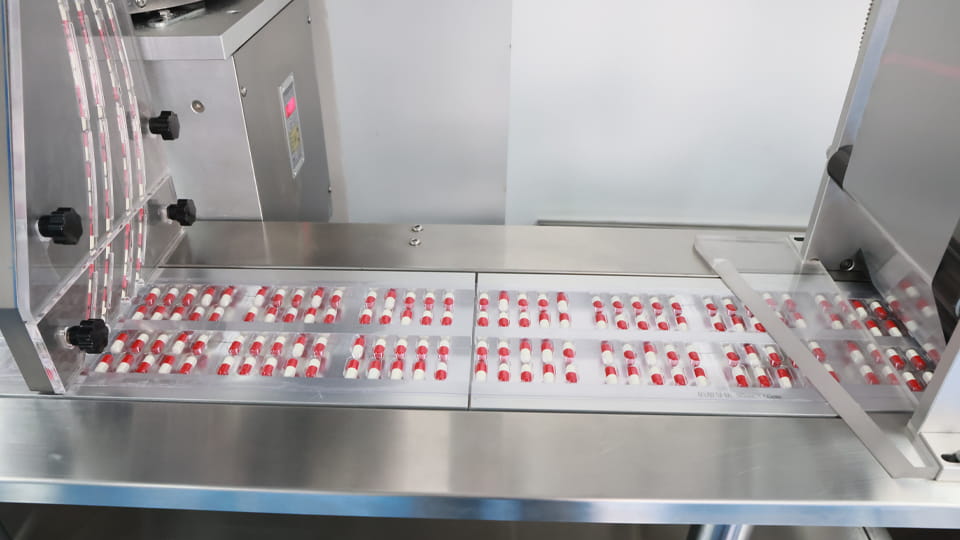
- طراحی بهداشتی: ماشین آلات بسته بندی برای جلوگیری از آلودگی ساخته شده اند. به عنوان مثال, بوها دستگاه بسته بندی تاول یک بخش شکل دهی محصور و مسیرهای تغذیه صاف خواهد داشت, بنابراین محصول با کف یا سطوح گرد و غبار تماس نگیرد. ابزارها و قطعات مربوط به نواحی تماس محصول معمولاً از جنس فولاد ضد زنگ یا پلاستیک درجه پزشکی هستند, مطابقت با الزامات مواد GMP.
- اعتبار سنجی-آماده: تجهیزات بسته بندی باید کاملاً واجد شرایط باشند. تامین کنندگان اغلب ماشین هایی را برای اعتبارسنجی آسان طراحی می کنند: مناطق قابل دسترسی برای سنسورها (برای بررسی کالیبراسیون), توانایی اجرای اجراهای خالی و کامل, و عملکرد پایدار. مشتریان انتظار دارند ماشین ها دارای مشخصات باشند (SOPها و راهنماها) که مستقیماً با فعالیت های IQ/OQ/PQ مرتبط است.
- سوابق دسته ای و قابلیت ردیابی: هر مرحله در خط GMP مستند شده است. ماشینهای بستهبندی خودکار اغلب با نرمافزار ادغام میشوند تا اعداد دستهای را ثبت کنند, سرعت های خط, و خروجی. به عنوان مثال, یک خط بطری ممکن است به طور خودکار هر بطری را با یک کد دسته ای و مهر زمانی برچسب گذاری کند. آن کدها به مرحله تولید مرتبط می شوند. سیستم ها همچنین می توانند وزن را ثبت کنند یا ردها را بشمارند (به عنوان مثال. کپسولهای کمپر که توسط یک چکوزنگر خطی پرچمگذاری شدهاند). این داده ها بخشی از رکورد دسته ای الکترونیکی می شود. به طور خلاصه, ماشین آلات بسته بندی به نگهداری کمک می کند قابلیت ردیابی از هر واحد, که یک الزام قانونی است.
- 21 قسمت CFR 11 رعایت: همانطور که قبلاً ذکر شد, کنترل های کامپیوتری روی تجهیزات بسته بندی (مانند رابط انسان و ماشین و PLC) باید قوانین ثبت الکترونیکی را رعایت کند. این بدان معنی است که اپراتورها با شناسه های منحصر به فرد وارد می شوند, و هیچ پارامتری را نمی توان بدون مجوز تغییر داد. سیاهههای مربوط به داده ها (به عنوان مثال. تنظیمات, نتایج تست) باید ایمن و دارای مهر زمان باشد. بسیاری از ماشین های مدرن اکنون شامل سطوح دسترسی کاربر هستند (اپراتور در مقابل. ناظر) و ویژگی های گزارش حسابرسی برای رفع این نیازها.
- کاهش خطا و اتوماسیون: بسته بندی خودکار لمس دستی را کاهش می دهد, که خطای انسانی را کاهش می دهد (تمرکز GxP). به عنوان مثال, دستگاه های پر کردن کپسول از Jinlu می تواند با سرعت بالا با دوز دقیق اجرا شود, به حداقل رساندن نیاز به تصحیح دستی. به همین ترتیب, کارتن های اتوماتیک از آب بندی مداوم اطمینان حاصل کنید. برای رعایت, این به معنای احتمال کمتر انتخاب اشتباه اجزا یا برچسب های اشتباه است - هنگام بسته بندی محصولات مختلف در کنار هم بسیار مهم است..
- ویژگی های نظارتی: مقررات جدید مانند DSCSA (ایالات متحده آمریکا) یا FMD (اتحادیه اروپا) درخواست شماره سریال در بسته های جداگانه. ماشینهای بستهبندی اغلب به چاپگرهای کد دوبعدی و دوربینهای بینایی برای اعمال/تأیید این کدها مجهز هستند.. چنین ویژگی هایی نشان می دهد که چگونه قوانین بازار (به نام قابلیت ردیابی GxP) عملکرد تجهیزات شکل.
- پشتیبانی انطباق: تجهیزات جینلو, برای مثال, آماده GMP است و اغلب با پشتیبانی از صلاحیت و قابلیت ردیابی همراه است. یک پرکننده کپسول معمولی ممکن است دارای CIP باشد (تمیز در محل) سیستم و یک قیف تغذیه قابل جابجایی برای استریل کردن. بوها خط تاول ممکن است شامل درهای محافظ با قفل های ایمنی برای جلوگیری از عملکرد در هنگام باز شود. این جزئیات طراحی مستقیماً از GMP پشتیبانی می کنند.
با انتخاب ماشین آلات بسته بندی با در نظر گرفتن GxP, شرکت های دارویی انطباق را روان تر می کنند. به عنوان مثال, نصب جینلو دستگاه پرکن کپسول یا دستگاه کارتن سازی به این معنی که خریدار قبلاً یک دستگاه ساخته شده مطابق با استانداردهای دارویی دارد, با مستندات (مانند FAT/SAT) آماده اعتبار سنجی. در نهایت, تجهیزاتی که به خوبی طراحی شده اند، سنگ بنای فرآیند تولید سازگار است.

نتیجه گیری
GxP پایه و اساس کیفیت دارویی است. این فقط مجموعه ای از قوانین نیست, اما یک تعهد کل شرکت برای ایمن کردن, داروهای موثر. در هسته آن, GxP این را تضمین می کند "داروها درست ساخته شده اند." عمل تولید خوب (GMP) برجسته ترین بخش GxP برای تولید دارو است, پوشش طراحی تجهیزات بهداشتی, فرآیندهای تایید شده, و مستندات دقیق. اجزای دیگر مانند GLP, GCP, تولید ناخالص داخلی, و GVP به مراحل مختلف می پردازد (مطالعات آزمایشگاهی, آزمایشات, توزیع, و مراقبت دارویی, به ترتیب), اما هدف همگی محافظت از بیماران مشترک است.
تجهیزات بسته بندی دارویی نقش حیاتی در انطباق با GxP ایفا می کند. ماشین هایی مانند پرکننده کپسول, تاول بسته کننده ها, و کارتنها باید برای مطابقت با استانداردهای GMP ساخته و تأیید شوند - برای مثال, تمیز کردن آسان, پشتیبانی از سوابق دسته ای الکترونیکی, و حفظ قابلیت ردیابی. با انتخاب ماشین آلات آماده GMP و پیروی از پروتکل های صلاحیت (IR/WH/PQ), شرکت ها می توانند اصول GxP را در خطوط تولید خود ادغام کنند.
آماده اطمینان از انطباق GxP در خط تولید شما? تجهیزات بسته بندی پیشرفته Jinlu Packing را در نظر بگیرید, که برای محیط های GMP طراحی شده است. با جینلو تماس بگیرید برای درخواست قیمت یا کسب اطلاعات بیشتر در مورد دستگاه های پرکننده کپسول مطابق با GMP ما, تاول بسته کننده ها, و خطوط کارتن سازی.
سوالات متداول در مورد GxP در Pharma
GxP مخفف چیست?
GxP مخفف "Good Practice" است. این یک اصطلاح کلی برای دستورالعمل های مختلف کیفیت در داروسازی است. "x" می تواند M باشد (تولید), L (آزمایشگاه), سی (بالینی), D (توزیع), و غیره. به عبارت دیگر, عمل تولید خوب (GMP), تمرین خوب آزمایشگاهی (GLP), تمرین بالینی خوب (GCP), و غیره.
آیا GMP بخشی از GxP است?
بله. GMP (عمل تولید خوب) یکی از اجزای اصلی GxP است. GxP چتر است, و GMP به طور خاص به تولید اشاره دارد. بنابراین وقتی در مورد انطباق GxP صحبت می کنیم, GMP اغلب بزرگترین تمرکز است زیرا بر تولید و بسته بندی حاکم است. قطعات دیگری مانند GLP یا GVP نیز در خانواده GxP قرار دارند.
تفاوت بین GxP و GMP چیست؟?
GxP دسته وسیعی از همه «روشهای خوب» در داروسازی است (پوشش توسعه از طریق توزیع). GMP تنها یکی از این روش هاست, متمرکز بر تولید. به GxP به عنوان کل چارچوب کیفیت فکر کنید, و GMP به عنوان بخش مربوط به استانداردهای کف تولید.
چه کسی انطباق GxP را تنظیم می کند?
سازمان های نظارتی GxP را اجرا می کنند. در ایالات متحده آمریکا, FDA بر cGMP و GLP نظارت دارد, و FDA/NIH بر GCP در آزمایشات بالینی نظارت می کنند. در اروپا, EMA (و نهادهای ملی مانند MHRA) دستورالعمل های GMP و GCP اتحادیه اروپا را اجرا کنید. WHO دستورالعمل های بین المللی GxP را منتشر می کند که بسیاری از کشورها اتخاذ می کنند. هر کشور ممکن است نسخه خاص خود را داشته باشد, اما FDA, EMA, WHO مقامات اولیه ای هستند که در سطح جهانی به آنها ارجاع داده شده است.
چیست 21 قسمت CFR 11 و چرا برای GxP مهم است?
21 قسمت CFR 11 یک مقررات FDA ایالات متحده در مورد سوابق الکترونیکی و امضاهای الکترونیکی است. برای GxP, این به معنای هر سیستم کامپیوتری است که رکوردها را تولید می کند (مانند یک ماشین HMI یا نرم افزار LIMS) باید کنترل هایی داشته باشد تا سوابق امن باشند, مهر زمانی, و قابل دستکاری نیست. به عنوان مثال, سیستم کنترل دستگاه بسته بندی تاول به لاگین های ایمن و یک مسیر حسابرسی برای تغییرات پارامتر نیاز دارد. مطابقت با قسمت 11 در ایالات متحده اجباری است و سایر مناطق را راهنمایی می کند (پیوست اتحادیه اروپا 11) در سیستم های الکترونیکی.
آیا ماشین های بسته بندی دارویی باید با GxP مطابقت داشته باشند?
کاملا. هر تجهیزاتی که برای تولید یا بسته بندی دارو استفاده می شود باید معیارهای طراحی و اعتبارسنجی GxP را داشته باشد. این یعنی ماشین های بسته بندی (پرکننده های کپسول, دستگاه های تاول, پرکننده های مایع, کارتن سازها, و غیره) باید طراحی بهداشتی داشته باشد, عملیات تایید شده, و ویژگی های یکپارچگی داده ها. به عنوان مثال, یک خط بسته بندی باید از روش های تمیز کردن مستند پیروی کند (یک الزام GMP) و از سیستم هایی استفاده کنید که داده های دسته ای را ثبت می کنند. در بسیاری از موارد, فروشندگان تجهیزات بسته بندی ماشین های «مطابق با GMP» یا «آماده FDA» را تبلیغ می کنند.. هنگام انتخاب تجهیزات, سازندگان ویژگی هایی مانند قطعات تماس فولادی ضد زنگ را درخواست می کنند, تمیز کردن آسان, و پروتکل های IQ/OQ/PQ کامل. تجهیزات جینلو, برای مثال, با در نظر گرفتن این استانداردها طراحی شده است تا از یک محیط تنظیم شده با GxP پشتیبانی کند.
مراجع:
1.شیوه های تولید خوب -- سازمان بهداشت جهانی
2.TRS 986 – ضمیمه 2: شیوه های تولید خوب WHO برای محصولات دارویی: اصول اصلی -- سازمان بهداشت جهانی
3.دستورالعمل WHO برای تولید دارو -- سازمان بهداشت جهانی
4.راهنمایی در مورد عملکرد خوب تولید و عملکرد خوب توزیع: پرسش و پاسخ - آژانس دارویی اروپا
5.راهنمای MHRA در مورد یکپارچگی داده های GxP —— gov.uk
6.راهنمای تمرین خوب GAMP: بهره برداری از سیستم های کامپیوتری GxP —— ispe.org