اعتبار سنجی بسته بندی در صنعت داروسازی چیست؟? راهنمای کامل برای تولیدکنندگان دارو
اعتبار سنجی بسته بندی در صنعت داروسازی چیست؟? راهنمای کامل برای تولیدکنندگان دارو
آوریل 29, 2026
بدون نظر
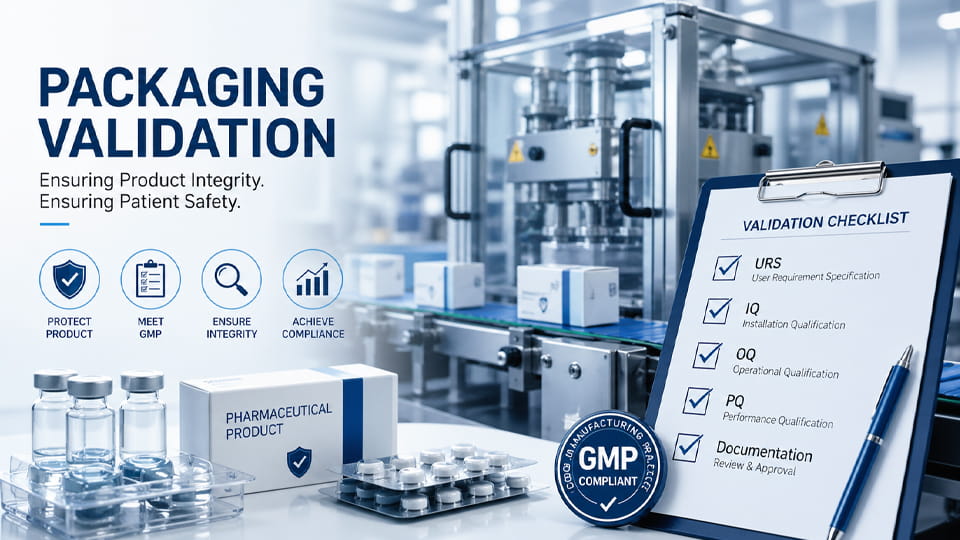
در صنعت داروسازی, اعتبار سنجی بسته بندی زیرمجموعه مهمی از اعتبار سنجی فرآیند تمرکز بر حصول اطمینان از اینکه تجهیزات و فرآیندهای بسته بندی به طور مداوم از کیفیت محصول دارویی محافظت می کنند. این شامل یک برنامه مستند از صلاحیت است (نصب و راه اندازی, عملیاتی, عملکرد) و تست کردن (به عنوان مثال. یکپارچگی در بسته شدن ظرف, ثبات, حمل) برای اثبات اینکه سیستم های بسته بندی مطابق با شرایط GMP عمل می کنند. اعتبار سنجی بسته بندی موثر ایمنی بیمار را تضمین می کند (با جلوگیری از آلودگی, تخریب یا مخلوط شدن) و انطباق با مقررات را تضمین می کند (FDA, EMA, سازمان بهداشت جهانی, من, ISO). این راهنما توضیح می دهد تعریف, مراحل, تست ها, معیارها, و بهترین شیوه ها برای اعتبار سنجی بسته بندی دارویی, و نشان می دهد که چگونه تجهیزات خودکار (مانند ماشین آلات جینلو پکینگ) طراحی شده است تا این الزامات سختگیرانه را برآورده کند.
تعریف اعتبار سنجی بسته بندی
اعتبار سنجی بسته بندی در ابزار دارویی با شواهد مستند نشان می دهد که فرآیند بسته بندی (تجهیزات و مواد) به طور قابل اعتماد بسته ای را تولید می کند که از محصول دارویی محافظت می کند. در عمل, از همان مفاهیم اعتبارسنجی دقیق مورد استفاده در ساخت استفاده می کند (IR/WH/PQ) به اولیه, ثانویه, و بسته بندی درجه سوم عملیات. طبق دستورالعمل GMP WHO, فرآیندها و تجهیزات بسته بندی به همان روشی که هر بخش دیگری از پردازش در یک مرکز دارویی نیاز به اعتبار / صلاحیت دارد.. به عبارت دیگر, اعتبار بسته بندی تضمین می کند سیستم بسته شدن ظروف, برچسب زدن, و خطوط بسته بندی به طور مداوم مشخصات کیفیت و الزامات نظارتی را برآورده می کند. هدف حفظ قدرت دارو است, خلوص و پایداری از طریق بسته بندی, توزیع و ماندگاری, در حالی که از اختلاط جلوگیری می کند, تقلبی ها, یا آسیب.
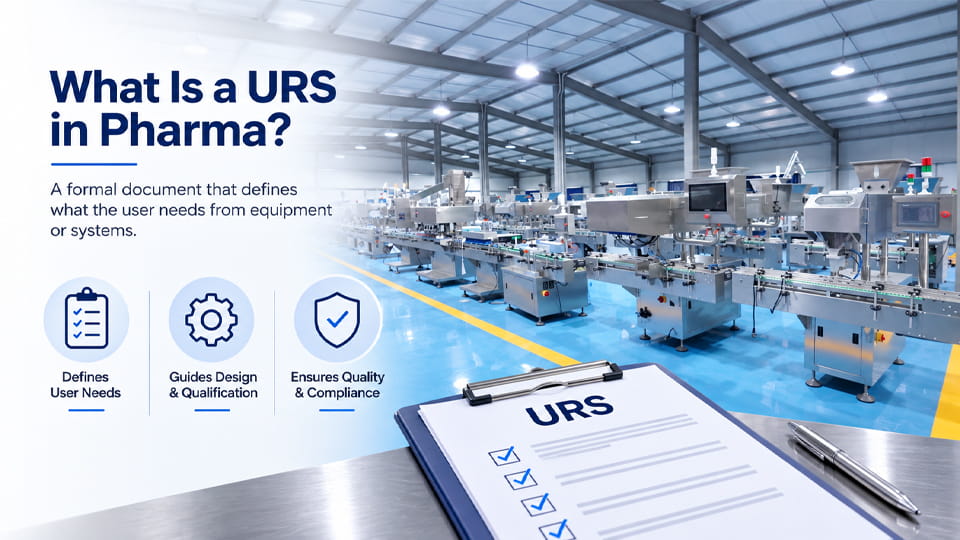
محصولات قابل تحویل معمول در اعتبار سنجی بسته بندی عبارتند از a مشخصات مورد نیاز کاربر (URS) (طراحی & معیارهای کیفیت), پروتکل های صلاحیت نصب/عملیات/عملکرد, و سوابق تست. فرآیند اعتبار سنجی را پوشش می دهد:
بسته بندی اولیه (ظرف یا مانعی که مستقیماً با دارو تماس دارد, به عنوان مثال. ویال, حفره های تاول, ساشه ها)
بسته بندی ثانویه (به عنوان مثال. کارتن, برچسب ها, درج می کند, سریال سازی که بسته های اولیه را گروه بندی می کند)
بسته بندی سوم (کانتینرهای حمل و نقل فله, پالت ها, بسته بندی با زنجیره سرد برای حمل و نقل)
هر سطح باید از محصول محافظت کند. به عنوان مثال, TGA استرالیا تعریف می کند "بسته بندی اولیه" (ظرفی که بلافاصله کالا را می پوشاند) و متمایز می کند بسته بندی ثانویه به عنوان جعبه یا لفاف بیرونی. در نهایت, اعتبار سنجی بسته بندی به GMP بازمی گردد - تضمین آن ظروف و درب ها دارو را تغییر نمی دهند و "ایجاد حفاظت کافی در برابر عوامل خارجی" در طول ذخیره سازی و استفاده.
چرا اعتبار سنجی بسته بندی در داروسازی حیاتی است؟
بسته بندی دارویی آخرین دفاع برای کیفیت دارو است. اعتبار سنجی فرآیندهای بسته بندی حیاتی است زیرا:
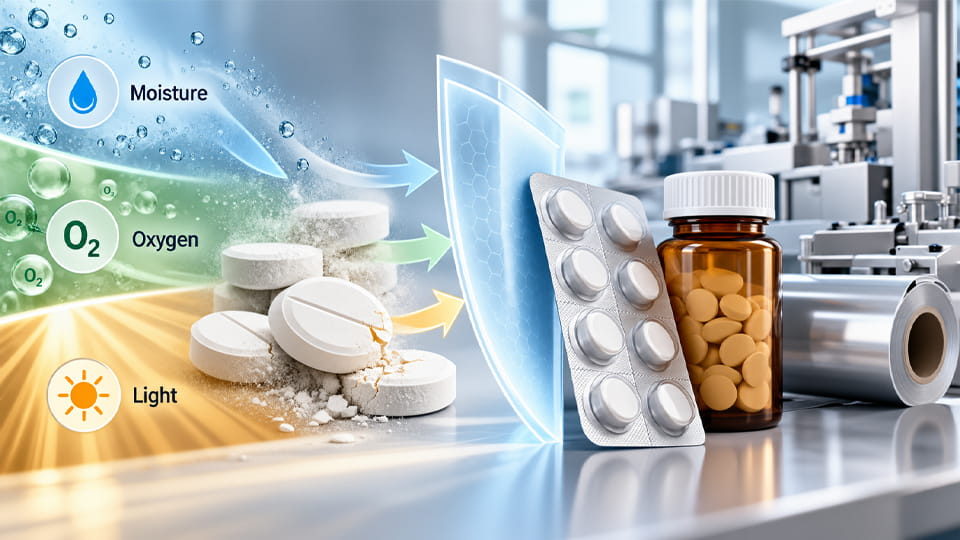
ایمنی و یکپارچگی محصول را تضمین می کند: بسته بندی مناسب از آلودگی جلوگیری می کند, ورود رطوبت, یا قرار گرفتن در معرض اکسیژن که می تواند مواد فعال را تخریب کند. به عنوان مثال, نشت یا خرابی مهر و موم می تواند باعث ورود میکروب ها یا گازها شود, از بین بردن عقیمی یا قدرت.
انطباق نظارتی: آژانس ها (FDA, EMA/I, سازمان بهداشت جهانی) نیاز به بسته بندی معتبر. ایالات متحده. سازمان غذا و دارو 21 CFR 211.94 بستههایی را که کیفیت دارو را تغییر میدهند ممنوع میکند و بستن آن را الزامی میکند "ایجاد حفاظت کافی در برابر عوامل خارجی قابل پیش بینی". ضمیمه GMP اتحادیه اروپا 1 به طور مشابه اصرار دارد که "ظروف باید با روش های معتبر بسته شوند" (با 100% تست یکپارچگی برای محصولات بسته فیوژن). WHO به صراحت اعلام می کند که سیستم های بسته بندی باید مانند سایر فرآیندهای GMP واجد شرایط باشند. عدم رعایت می تواند به معنای به یاد می آورد, استنادات واردات رد یا ممیزی است.
عمر مفید را افزایش می دهد: مواد بسته بندی و مهر و موم های تایید شده در شرایط پایداری به تنظیم ادعاهای ماندگاری دقیق کمک می کند. راهنمای ICH Q1A حتی مشخص میکند که مطالعات پایداری در آن انجام شود "سیستم بسته شدن کانتینر" برای محصول پیشنهاد شده است. اگر بسته بندی شکست خورد, داده های ثبات نامعتبر است.
سریال سازی و مبارزه با جعل: بسته بندی دارویی مدرن اغلب شامل سریال سازی می شود, مهر و موم های آشکار, و ویژگی های ضد جعل. اعتبار بخشیدن به این ویژگی ها (به عنوان مثال. قابلیت اسکن بارکد, یکپارچگی نوارهای دستکاری) به امنیت زنجیره تامین کمک می کند. یک خطا در برچسبگذاری یا سریالسازی میتواند انتشار محصول را مسدود کند.
کیفیت و کارایی هزینه: خطوط معتبر کارآمد عیوب را کاهش می دهد (اشتباه پر می کند, خطاهای برچسب, کارتن های خرد شده) و قراضه. بازرسی های خودکار (سیستم های بینایی برای بررسی مهر/برچسب) اغلب بخشی از کنترل های معتبر هستند. به طور کلی, فرآیندهای بستهبندی معتبر خطر بیمار را به حداقل میرساند و از عرضه مداوم مواد مؤثر اطمینان میدهد, داروهای معتبر.
درایورهای کلیدی برای اعتبارسنجی
ایمنی بیمار: بسته بندی نامناسب می تواند به بیماران آسیب برساند (به عنوان مثال. مواد تزریقی آلوده). اعتبار سنجی مانع ایمنی را مستند می کند.
کاهش ریسک نظارتی: فرآیندهای نامعتبر برای فراخوان یا تحریم خطر بالایی دارند. رگولاتورها انتظار دارند اطلاعات صلاحیت برای هر خط تولید باشد.
توزیع جهانی: مطابق با استانداردهای بین المللی (FDA/EMA/WHO) نیاز به بسته بندی معتبر در سراسر بازار دارد.
تداوم کسب و کار: خرابی بسته بندی در زمان و محصول ضایعات توزیع. اعتبار سنجی تضمین می کند "برای اولین بار" عملیات تحت GMP.
آمادگی حسابرسی: ممیزی توسط مقامات کیفیت یا تنظیم کننده های مشتری، سوابق تایید بسته بندی و صلاحیت تجهیزات را به عنوان بخشی از بازرسی های GMP بررسی می کند..
محدوده اعتبار سنجی بسته بندی دارویی
اعتبار سنجی بسته بندی به تمام مراحل بسته بندی می پردازد. به طور معمول, تمایز می دهیم:
اعتبار سنجی بسته بندی اولیه: بر روی بسته شدن ظرف تمرکز می کند (ویال, آمپول ها, حفره های تاول, بطری ها). آزمایش ها شامل یکپارچگی مهر و موم است, سازگاری مواد (قابل استخراج / قابل شستشو) و عملکرد بسته شدن ظروف. برای محصولات استریل, تست های یکپارچگی بسته شدن ظروف (CCIT) برای اطمینان از حفظ استریلی اجباری هستند.
اعتبار سنجی بسته بندی ثانویه: بسته بیرونی فوری را می پوشاند (کارتن, برچسب ها, جزوات, خشک کننده ها). این شامل بررسی خوانایی/دقت برچسب است, تست های افتادن کارتن, و تست های فشرده سازی جعبه (برای حمل و نقل). تأیید برچسب تضمین می کند که اطلاعات صحیح بیمار به طور مداوم اعمال می شود.
اعتبار سنجی بسته بندی سوم: شامل بسته بندی فله / حمل و نقل است. اینجا, تست های عملکردی مانند ارتعاش, رها کردن, و دوچرخه سواری حرارتی (زنجیر سرد) تنش های حمل و نقل را شبیه سازی کنید تا مطمئن شوید که پالت ها و کارتن های حمل و نقل یکپارچگی و برچسب گذاری محصول را در طول توزیع حفظ می کنند.. پروتکل های استاندارد مانند ASTM D4169 (شبیه سازی حمل و نقل) اغلب استفاده می شوند.
هر سطح نیاز به ارزیابی ریسک و آزمایش مناسب دارد: برای مثال, اولیه بسته بندی ممکن است شامل USP باشد <1207>-تست های یکپارچگی سبک, در حالی که ثانویه تست های بسته بندی ممکن است شامل استحکام کارتن و چسبندگی برچسب باشد, و درجه سوم بسته بندی از پروتکل های تست ISTA/ASTM استفاده می کند. همه باید در طرح اعتبارسنجی مستند شوند.
مراحل کلیدی در فرآیند اعتبار سنجی بسته بندی
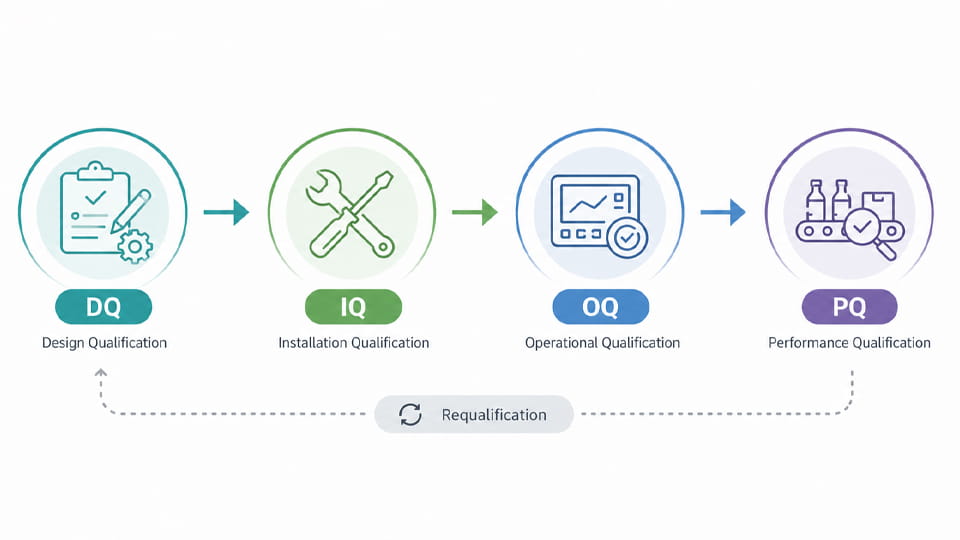
اعتبار سنجی بسته بندی معمولاً از چرخه عمر صلاحیت تجهیزات/فرآیند پیروی می کند, اغلب به عنوان توصیف می شود DQ/IQ/OQ/PQ. این مراحل تضمین میکنند که یک خط بستهبندی جدید یا اصلاحشده الزامات هر مرحله را برآورده میکند.
صلاحیت طراحی (دی کیو): مرحله اولیه که در آن طراحی بر اساس URS ارزیابی می شود (مشخصات مورد نیاز کاربر) و دستورالعمل های GMP. تمام جنبه های طراحی (توابع ماشین, مواد, قابلیت تمیز کردن, سازگاری با محصول/مواد بسته بندی) بررسی می شوند. اسناد شامل URS و مشخصات طراحی است (مشخصات طراحی عملکردی FDS, مشخصات طراحی سخت افزار/نرم افزار). اغلب ارزیابی ریسک (به عنوان مثال. DFMEA) برای پیش بینی حالت های خرابی بسته بندی انجام می شود.
صلاحیت نصب (IQ): تأیید می کند که دستگاه/خط به درستی بر اساس مشخصات فروشنده نصب شده است. IQ شامل چک لیست تأیید مکان صحیح است, آب و برق (قدرت, هوا, آب), شرایط محیطی, و مونتاژ مناسب. تمام اجزا موجود و سالم هستند. کالیبراسیون دستگاه های اندازه گیری بررسی می شود. قابل تحویل: پروتکل های IQ و گزارش, گواهی کالیبراسیون.
صلاحیت عملیاتی (OQ): بررسی میکند که دستگاه تحت تمام شرایط مشخص شده طبق برنامه عمل میکند. پارامترهای حیاتی (محدوده های سرعت, دما, فشارها, سطوح خلاء, گشتاور, و غیره) در تنظیمات حداقل/حداکثر یا بدترین حالت به چالش کشیده می شوند. آزمایشات در OQ ممکن است شامل آب بندی در سرعت های فوق العاده باشد, عملکردهای سنسور/آلارم, سرعت نوار نقاله تغییر می کند, دقت برچسب زنی, دقت پمپ پرکن. پروتکل OQ ثبت می کند که هر آزمون عملکردی با معیارهای پذیرش مطابقت دارد.
صلاحیت عملکرد (پی کیو): این را در شرایط تولید عادی نشان می دهد, این خط به طور مداوم مشخصات کیفی محصول را تولید می کند. PQ بر روی مقادیر / دسته های تولید واقعی انجام می شود. این شامل اجرای خط برای زمان یا کمیت مشخص و نمونه برداری از خروجی است. فعالیت های معمولی: چند کارتن بلیستر را اجرا می کند, بطری یا ساشه ها و انجام تست های QC بر روی نمونه ها (به عنوان مثال, یکپارچگی بسته شدن ظروف (CCIT), بررسی وزن, بازرسی نقص بصری, استحکام مهر و موم). PQ نشان می دهد که خط می تواند به طور مداوم با حفظ کیفیت محصول کار کند.
جدول زیر مراحل DQ–IQ–OQ–PQ را خلاصه میکند:
مرحله
هدف
اسناد کلیدی
نمونه فعالیت ها/آزمون ها
صلاحیت طراحی (دی کیو)
بررسی کنید که طراحی سیستم بسته بندی مطابق با URS/GMP باشد
URS (مشخصات مورد نیاز), مشخصات طراحی (FDS/HDS/SDS), ارزیابی ریسک
بررسی طراحی, بررسی سازگاری مواد, DFMEA
صلاحیت نصب (IQ)
نصب صحیح تجهیزات را تأیید کنید
پروتکل/چک لیست IQ, گزارش نصب, گواهی کالیبراسیون
برنامه های کاربردی را تأیید کنید, مونتاژ تجهیزات, کالیبراسیون
صلاحیت عملیاتی (OQ)
بررسی عملکرد تجهیزات در محدوده های تعریف شده
پروتکل OQ, طرح های تست عملکردی, سس
پارامترهای تست (سرعت, دما, فشار); چک های مهر و موم
صلاحیت عملکرد (پی کیو)
از کیفیت ثابت در طول تولید اطمینان حاصل کنید
پروتکل PQ, سوابق دسته ای, معیارهای انتشار
تولید اجرا می شود; تست نمونه (CCIT, پر کردن وزن, بازرسی بصری)
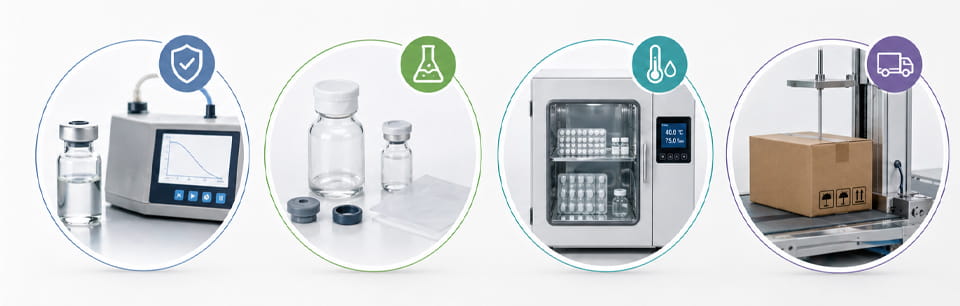
همانطور که نمودار نشان می دهد, اعتبار سنجی بسته بندی یک فرآیند چرخه عمر از طراحی تا عملکرد است. توجه داشته باشید که صلاحیت مجدد ممکن است پس از تغییرات عمده یا دوره ای مورد نیاز باشد.
تست های کلیدی در اعتبار سنجی بسته بندی
چندین آزمایش تخصصی معمولاً در طول اعتبار سنجی بسته بندی انجام می شود:
تست یکپارچگی بسته شدن ظروف (CCIT)
CCIT برای محصولات استریل و حتی غیر استریل ضروری است. این ارزیابی می کند که آیا سیستم بسته شدن کانتینر (به عنوان مثال. ویال + درپوش + درپوش, آمپول, مهر و موم تاول) یک سد کامل را تشکیل می دهد. روش ها شامل فروپاشی خلاء است, پوسیدگی فشار, ورود رنگ, یا چالش میکروبی. همانطور که یکی از منابع صنعتی توضیح می دهد, "تست یکپارچگی بسته شدن ظروف (CCIT) سنجشی است که کفایت سیستم های درب ظروف را برای حفظ یک مانع استریل در برابر آلاینده های بالقوه ارزیابی می کند.. اسناد نظارتی (USP <1207>, FDA, پیوست EMA 1) بر تست یکپارچگی بسته شدن برای اطمینان از عدم نشتی یا نقض تأکید کنید. به عنوان مثال, USP <1207> دستورالعمل هایی در مورد انتخاب روش های تست نشت برای تایید بسته های مهر و موم شده ارائه می دهد.
تست سازگاری مواد (قابل استخراج / قابل شستشو)
مواد بسته بندی (پلاستیک ها, لاستیک ها, جوهرها, چسب ها) نباید با محصول دارویی تداخل نامطلوب داشته باشد. مواد قابل استخراج و قابل شستشو مطالعات ارتباط طولانی مدت را شبیه سازی می کنند: مواد قابل استخراج مواد شیمیایی هستند که تحت شرایط سخت از بسته بندی خارج می شوند, و شستهشوندههایی هستند که در شرایط عادی به داخل محصول مهاجرت میکنند. این آزمایشها تضمین میکنند که بستهبندی ناخالصیهای سمی یا تأثیرگذار بر ثبات وارد نمیکند. راهنمای دارویی و FDA (به عنوان مثال. USP <661>, Q3E) آزمایش E/L برای سیستم های بسته شدن ظروف را تشریح کنید. در عمل, یکی بررسی می کند که پلیمر, پوشش ها, و مواد برچسب مطابق با استانداردهای دارویی هستند (به عنوان مثال. نوع شیشه USP, مشخصات بسته شدن لاستیکی ISO). WHO اشاره می کند که استانداردهای داروسازی برای بسته شدن (مانند درپوش های لاستیکی) هستند "حداقل الزامات" و بر مطالعات پایداری برای اثبات مناسب بودن تاکید می کند.
تست پایداری در بسته بندی
طبق ICH Q1A, مطالعات پایداری باید روی محصول دارویی در پیکربندی بسته بندی نهایی آن انجام شود. در طول اعتبارسنجی, تاثیر بسته بندی بر ثبات ارزیابی می شود: برای مثال, بسته بندی نهایی در معرض پیری سریع قرار می گیرد (دما/رطوبت بالا) و شرایط بلادرنگ برای اطمینان از عدم تخریب (به عنوان مثال. ورود رطوبت در بسته های تاول, نفوذ اکسیژن در بطری ها). سنجش های نشان دهنده ثبات (شیمیایی و میکروبی) انجام می شوند. بسته بندی هایی که از محصول تحت استرس محافظت نمی کنند، ادعاهای ماندگاری را باطل می کند. بنابراین, اعتبار سنجی شامل تأیید این است که بسته بندی انتخابی الزامات ماندگاری را برآورده می کند (این با پروتکل های ثبات نظارتی همپوشانی دارد).
تست حمل و نقل و توزیع
بسته بندی سوم آزمایش ها شرایط واقعی حمل و نقل را شبیه سازی می کنند. تست های استاندارد شامل تست های ارتفاع سقوط است, ارتعاش (شبیه سازی کامیون / راه آهن), تراکم (وزن انباشته), و چرخه دما (مخصوصا برای زنجیر سرد). به عنوان مثال, ASTM D4169 (برای محصولات بسته بندی شده) یا پروتکل های ISTA ممکن است استفاده شود. یک طرح اعتبار سنجی بسته بندی قوی آن کارتن ها را تأیید می کند, کیس ها و جعبه ها از بسته های اولیه در حین جابجایی محافظت می کنند: بررسی عدم شکستگی, لایه برداری برچسب, یا آسیب رطوبت در شرایط توزیع رخ می دهد. برای زنجیر سرد, نقشهبرداری دما و حملکنندههای عایقشده معتبر برای حفظ محدوده دمایی مورد نیاز در طول حمل و نقل آزمایش میشوند.
استانداردها و دستورالعمل های نظارتی
اعتبار سنجی بسته بندی دارویی باید انتظارات نظارتی متعددی را برآورده کند:
مقررات cGMP: در ایالات متحده آمریکا, سازمان غذا و دارو 21 قسمت CFR 211 (فرعی J) کانتینرها و بسته ها را کنترل می کند. بخش 211.94(الف-د) مشخص می کند که ظروف / بسته ها نمی توانند کیفیت دارو را تغییر دهند و باید در برابر آلودگی قابل پیش بینی محافظت کنند..
GMP اتحادیه اروپا: دستورالعمل های اروپایی (EudraLex Vol. 4) آن را ایجاب می کند "ظروف باید با روش های معتبر بسته شوند" (ضمیمه 1) و فرآیندهای بسته بندی از GMP پیروی می کنند (ضمیمه 15 در اعتبار سنجی). ضمیمه GMP اتحادیه اروپا 11 اعتبار سنجی سیستم کامپیوتری را الزامی می کند (از جمله خطوط بسته بندی با کنترل های الکترونیکی).
WHO GMP: مجموعه گزارش های فنی سازمان جهانی بهداشت 902 (ضمیمه 9) به صراحت بیان می کند که تجهیزات بسته بندی مانند هر مرحله پردازش دیگری نیاز به تأیید اعتبار دارد. WHO همچنین راهنمایی هایی در مورد یکپارچگی بسته ارائه می دهد (مشابه EU/ICH).
دستورالعمل های ICH: اگرچه ICH (Q7, Q8, Q9, Q10) سند تأیید بسته بندی خاصی ندارید, آنها مدیریت ریسک را الزامی می کنند (Q9) و کیفیت به طراحی (Q8/Q10) اصولی که اعمال می شود. به عنوان مثال, ارزیابی ریسک (من Q9) باید ویژگی های بسته بندی را پوشش دهد (نوع بسته شدن, کنترل برچسب) که بر CQA محصول تأثیر می گذارد.
استانداردها: برای محصولات استریل, ISO 11607 (برای بسته بندی تجهیزات پزشکی استریل شده نهایی) اغلب با قیاس استفاده می شود; قسمت 2 از ISO 11607 الزامات اعتبار سنجی را برای فرآیندهای شکل دهی/آب بندی تعریف می کند, که مربوط به بسته ها یا آمپول های تاول دارویی تزریقی است. داروسازی ها (USP, Ph. یورو) همچنین شامل فصول تست بسته بندی است (به عنوان مثال. USP <381> برای بسته های لاستیکی, <1207> برای تست نشتی).
خلاصه, هر خط بسته بندی باید با استانداردهای ملی داروسازی و GMP منطقه ای مطابقت داشته باشد. چک لیست های انطباق معمولاً FDA را ذکر می کنند, GMP اتحادیه اروپا, WHO و استانداردهای مربوطه ISO, و اغلب برای SOPهای کاملاً مستند و طرح های اصلی اعتبارسنجی که بسته بندی را پوشش می دهند، درخواست می کنند.
چالش های رایج در اعتبار سنجی بسته بندی
اعتبار سنجی بسته بندی چالش های منحصر به فردی را در مقایسه با فرآیندهای تولید ایجاد می کند:
نوع داده و نمونه گیری: موفقیت خط بسته بندی اغلب توسط نتایج گسسته (به عنوان مثال. عبور / شکست برای مهر و موم, پاره کردن) به جای اندازه گیری های مداوم. همانطور که یکی از کارشناسان اشاره می کند, «نوع دادههای بهدستآمده… چالش مهمی ایجاد میکند. موفقیت یا شکست اغلب با نقص ها تعیین می شود (اشک, سوراخ ها, لکه می کند, یا نشتی مهر و موم)... این فقدان قابل اندازه گیری (متغیر) داده ها اغلب به اندازه های نمونه بسیار بزرگ نیاز دارند تا فرآیند بسته بندی از نظر آماری تأیید شود.. به عبارت دیگر, ممکن است برای نشان دادن قابلیت اطمینان به نمونه های زیادی نیاز داشته باشید.
تنوع فناوری: تکنولوژی های بسته بندی زیادی وجود دارد (تاول ها, کارتن سازها, برچسب زنی ها, بسته بندی های کیس, و غیره) از تامین کنندگان مختلف. هر کدام دارای پروفایل های ریسک متفاوتی هستند, غیرممکن کردن یک طرح اعتبار سنجی یک اندازه.
کنترل را تغییر دهید: خطوط بسته بندی اغلب انواع مختلفی از محصولات را اجرا می کنند (قرص ها, مایع, پودرها) و اندازه های بسته روی همان تجهیزات (با استفاده از تغییر قطعات یا فرمت ها). هر تغییر ممکن است نیاز به اعتبار سنجی مجدد یا براکت گذاری در طرح اعتبار سنجی داشته باشد. مدیریت این (در ماتریس اعتبار سنجی) می تواند پیچیده باشد.
کنترل های محیطی: مقداری بسته بندی (به عنوان مثال. بسته بندی تاولی داروهای حساس به رطوبت) به رطوبت کنترل شده یا جو بی اثر نیاز دارد. اعتبارسنجی این کنترل ها پیچیدگی را اضافه می کند.
ادغام با فرآیند بالادستی: اعتبار سنجی بسته بندی به ثبات بالادست بستگی دارد. اگر اندازه گرانول های دارو متفاوت باشد, تغییر دستگاه بسته بندی ممکن است تحت تأثیر قرار گیرد (به عنوان مثال. مربا را پر کنید). این وابستگی متقابل می تواند تجزیه و تحلیل علت اصلی خرابی بسته بندی را پیچیده کند.
سریال سازی/ردیابی: مقررات مدرن (به عنوان مثال. DSCSA, اتحادیه اروپا FMD) نیاز به سریال سازی و ردیابی دارد. اطمینان از ردیابی صحیح خطوط خودکار هر واحد (و اعتبار بخشیدن به جمع آوری داده ها) یک لایه اضافی از صلاحیت اضافه می کند (اعتبار سنجی نرم افزار, تست های اسکنر بارکد, بررسی های پایگاه داده).
ابهام مقرراتی: به طور متناقض, فقط در مورد "اعتبار سنجی بسته بندی"، دستورالعمل های صریح محدود FDA/EMA وجود دارد,بنابراین شرکتها اغلب باید دستورالعملهای GMP عمومی و تأیید فرآیند بستهبندی را تفسیر کنند. این می تواند باعث عدم اطمینان در مورد دامنه دقیق یا آزمایشات مورد نیاز شود.
با وجود این چالش ها, اصل اساسی باقی می ماند: با بسته بندی مانند هر فرآیند مهم دیگری رفتار کنید, با صلاحیت کامل و بررسی های QC قوی. همانطور که مقاله ISPE نتیجه می گیرد, اعتبار سنجی بسته بندی "متفاوت است(حرف) کمی از تأیید فرآیندهای مورد استفاده برای تولید دارو..
بهترین روش ها برای اعتبار سنجی بسته بندی دارویی
برای غلبه بر چالش ها و اطمینان از اعتبار سنجی موفق, این بهترین شیوه ها را دنبال کنید:
ارزیابی ریسک اولیه: از مدیریت ریسک کیفیت استفاده کنید (من Q9) از مرحله طراحی. ویژگی های مهم بسته بندی را شناسایی کنید (به عنوان مثال. عقیمی, شواهد دستکاری, حفاظت از نور) و بر این اساس تست ها را اولویت بندی کنید. یک حالت شکست & تجزیه و تحلیل اثرات (FMEA) در طول DQ برای برنامه ریزی محدوده اعتبار سنجی توصیه می شود.
مشخصات مورد نیاز کاربر (URS): همه الزامات را از قبل به وضوح ثبت کنید: ظرفیت تولید, فرمت های بسته, نقاط ادغام (به عنوان مثال. اتصال دستگاه تاول زنی به کارتن), شرایط محیطی, الزامات تمیز کردن. یک URS به خوبی تعریف شده اعتبار سنجی را در مسیر خود نگه می دارد.
رویه های عملیاتی استاندارد (سس): SOPهای دقیق را برای عملیات تجهیزات حفظ کنید, تمیز کردن, تغییر, و نگهداری. اعتبارسنجی باید به این SOPها اشاره کند تا از استفاده مداوم اطمینان حاصل شود.
بازرسی و کنترل خودکار: بررسی های کیفی درون خطی را بگنجانید (به عنوان مثال. سیستم های بینایی برای بازرسی چاپ/برچسب, چک وزنه ها, اسکنر بارکد, نشت یاب). اینها فقط ابزارهای QA نیستند، بلکه بخشی از اعتبار سنجی با تشخیص عیوب در زمان واقعی هستند.
مستندات جامع: یک طرح جامع اعتبار سنجی با تشریح استراتژی تهیه کنید, و از تمام پروتکل های صلاحیت اطمینان حاصل کنید (IR/WH/PQ) معیارهای پذیرش واضحی داشته باشند. سیاهههای مربوط به همه اجراها را با جزئیات نگه دارید, انحرافات, و دوباره تست می کند. از چک لیست ها استفاده کنید تا مطمئن شوید که هیچ چیز نادیده گرفته نمی شود.
آموزش و پرسنل: اپراتورها و کارکنان QC باید در مورد تجهیزات و رویه های اعتبار سنجی آموزش دیده باشند. فقط پرسنل واجد شرایط باید تست های اعتبار سنجی را انجام دهند و نتایج را ثبت کنند.
نرم افزار و مدارک الکترونیکی: برای کنترل های کامپیوتری, FDA را دنبال کنید 21 CFR قسمت 11 / ضمیمه GMP 11: اعتبار سنجی نرم افزار, مسیرهای حسابرسی, امضای الکترونیکی (امنیت را تضمین کند, پشتیبان گیری). حتی خطوط بسته بندی غیر استریل اغلب دارای PLC/HMI هایی هستند که نیاز به اعتبارسنجی دارند.
طراحی برای اعتبارسنجی: در صورت امکان, ماشین هایی را با ویژگی هایی انتخاب کنید که اعتبارسنجی را ساده می کند: به عنوان مثال. درایوهای سروو با کنترل دیجیتال (برای دقیق, پارامترهای قابل تکرار), قاب های بهداشتی استیل ضد زنگ (برای تمیز کردن آسان), قطعات با قابلیت تغییر آسان (برای کاهش تلاش تمیز کردن بین فرمت ها), و طراحی مدولار (برای محدود کردن تعداد تنظیماتی که نیاز به آزمایش دارند).
تأیید در حال انجام: اعتبار سنجی بسته بندی "یک بار و تمام" نیست. بازبینی دورهای یا محرکهای اعتبارسنجی مجدد را اجرا کنید (به عنوان مثال. پس از تعمیر و نگهداری عمده, ارتقاء تجهیزات, یا رانش قابل توجه فرآیند). از کنترل فرآیند آماری استفاده کنید (SPC) در معیارهای کلیدی (تغییر وزن پر, میزان نقص) زودتر روندها را پیدا کنید.
یکپارچگی داده ها: اصول ALCOA+ را اعمال کنید: تمام داده های اعتبار سنجی (سوابق تست, گزارش QC, کالیبراسیون ها) باید قابل انتساب باشد, خوانا, همزمان, اصلی, و دقیق. از نوت بوک های صحافی شده یا سیستم های الکترونیکی معتبر استفاده کنید.
با تعبیه تفکر اعتبارسنجی در هر مرحله - از طراحی تا عملیات روزانه - تولیدکنندگان می توانند اطمینان حاصل کنند که خطوط بسته بندی محصولاتی را ارائه می دهند که با کیفیت و انتظارات مطابقت دارد..
نقش ماشین های بسته بندی در اعتبار سنجی
انتخاب و طراحی تجهیزات بسته بندی به شدت بر موفقیت اعتبارسنجی تأثیر می گذارد. ماشین آلات بسته بندی با کیفیت بالا برای برآوردن الزامات GMP و پشتیبانی از صلاحیت آسان مهندسی شده اند. به عنوان مثال, بسته بندی جینلو ماشین های خودکار با ویژگی هایی ساخته شده اند که اعتبار سنجی را ساده می کند:
دقت و سازگاری: جینلو دستگاه های تاول, کارتنها و پرکنندهها از موتورهای سروو و مکانیک دقیق استفاده میکنند تا فشار حرارتی ثابت را تضمین کنند, حجم ها را پر کنید, و نمایه سازی. این تکرارپذیری برای گذراندن تست های OQ و PQ بسیار مهم است (به عنوان مثال. دستگاه تغذیه مبتنی بر سروو فراهم می کند "موقعیت یابی دقیق" روی خط تاول آنها).
طراحی بهداشتی: مواد و سطوح از جنس استنلس استیل یا پلاستیک مطابق با FDA هستند, برای تمیز کردن آسان طراحی شده است. صاف, سطوح شیب دار از تله گرد و غبار جلوگیری می کند. این از انطباق GMP پشتیبانی می کند و اعتبار سنجی تمیز کردن را ساده می کند.
سازگاری با فرمت ها: Jinlu فیدرها و ریل های راهنمای سفارشی را برای انواع بسته بندی ارائه می دهد (ببینید فیدرهای سفارشی در صفحات محصول). داشتن ابزار مناسب تنوع را کاهش می دهد و تغییر قالب را سرعت می بخشد, که نیازهای صلاحیت مجدد را هنگام تغییر فرمت کاهش می دهد.
کنترل های یکپارچه: خطوط مدرن Jinlu دارای کنترلهای PLC/HMI هستند که میتوانند رکوردهای دستهای الکترونیکی تولید کنند. به عنوان مثال, دستگاه پرکن مایع دارای یک هوش مصنوعی زیمنس PLC/HMI برای ساده, عملیات قابل ردیابی. چنین کنترل های دیجیتالی از ثبت داده ها پشتیبانی می کنند (در راستای 21 CFR قسمت 11/ضمیمه 11) - برای اعتبارسنجی اینکه نقاط تنظیم و هشدارها همانطور که طراحی شده اند، بسیار مهم است.
اسناد اعتبار سنجی: جینلو اسناد کامل را ارائه می دهد (دیتاشیت ها, راهنماها, و غیره). به عنوان مثال, لیست صفحات محصولات آنها "مجموعه کامل اسناد فنی" و بر ارائه مستندات طراحی و آزمایش دقیق تاکید دارند. تامین کننده ای که مایل به ارائه تست پذیرش کارخانه است (چربی) پروتکل ها یا کیت های IOQ بار اعتبارسنجی کاربر را تا حد زیادی کاهش می دهد.
گواهینامه های کیفیت: Jinlu حمل ماشین آلات CE, cGMP و سایر گواهینامه ها, نشان می دهد که آنها استانداردهای کیفیت و ایمنی خاصی را دارند (نشان cGMP را روی تصاویر مشخصات محصول ببینید). استفاده از تجهیزات تایید شده می تواند بررسی نظارتی را ساده کند.
در عمل, یک خط بسته بندی معتبر ممکن است شامل شود: یک جینلو دستگاه بسته بندی تاول مرتبط با a دستگاه کارتن سازی و شمارش/پر کردن خطوط. هر یک از تجهیزات باید واجد شرایط باشد (IR/WH/PQ). سیستم های Jinlu طوری طراحی شده اند که به طور یکپارچه با هم کار کنند (به عنوان مثال. "خط کارتن سازی تاول های بسیار خودکار" تا 320 کارتن در دقیقه), کاهش مسائل یکپارچه سازی در طول اعتبارسنجی. ما همچنین مطالعات موردی را ارائه می دهیم (به عنوان مثال. یک کامل شمارش و خط بطری, یا یک کارتن سازی اتوماتیک & خط برچسب زدن) که راه حل های تایید شده سرتاسر را نشان می دهد.
دستگاه بسته بندی تاولر DPH-270MAX
با شراکت با Jinlu یا تولید کنندگان مشابه, شرکت ها از تجهیزاتی که هستند بهره مند می شوند "سازگار با cGMP", از چرخه عمر اعتبار سنجی کامل پشتیبانی می کند, و با پشتیبانی پس از فروش عرضه می شود (راه اندازی, آموزش) برای اطمینان از معتبر ماندن خط.
نتیجه گیری
اعتبار سنجی بسته بندی برای کیفیت و انطباق دارویی ضروری است. با برخورد با عملیات بسته بندی به سختی مراحل ساخت هسته, شرکت ها اطمینان حاصل می کنند که محصولاتشان با خیال راحت به دست بیماران می رسد. این فرآیند تعریف را در بر می گیرد (URS, ارزیابی ریسک), صلاحیت (DQ/IQ/OQ/PQ), تست (CCIT, ثبات, حمل), و نظارت مستمر. توسط مقررات GMP اداره می شود (FDA, EMA, سازمان بهداشت جهانی) و استانداردهای صنعت.
تجهیزات بسته بندی خودکار مدرن - مانند ماشین آلات بسته بندی Jinlu - نقش کلیدی در اعتبار سنجی دارند.. برای دقت طراحی شده است, بهداشت و قابلیت ردیابی الکترونیکی, آنها به تولیدکنندگان کمک می کنند تا معیارهای اعتبار سنجی را به طور موثر برآورده کنند. هنگام انتخاب خطوط بسته بندی, تامین کنندگانی را در نظر بگیرید که مستندات و پشتیبانی کامل را ارائه می کنند.
در نهایت, اعتبار سنجی بسته بندی کامل است تضمین نهایی برای کیفیت محصول و ایمنی بیمار, همسویی با خواسته های نظارتی و اهداف تجاری.
سوالات متداول در مورد اعتبار سنجی بسته بندی در صنعت داروسازی
تفاوت بین اعتبار سنجی بسته بندی و اعتبار سنجی فرآیند چیست؟?
اعتبار سنجی فرآیند معمولاً به مراحل تولید ماده دارویی یا محصول دارویی فله اشاره دارد (به عنوان مثال. مخلوط کردن, دانه, تراکم). اعتبار سنجی بسته بندی به طور خاص اصول اعتبار سنجی را برای عملیات بسته بندی اعمال می کند (آب بندی, برچسب زدن, کارتن پر کردن, و غیره). با این حال, هر دو از یک چرخه عمر DQ/IQ/OQ/PQ و الزامات GMP پیروی می کنند. اساسا, اعتبار سنجی بسته بندی فرآیند بسته بندی را تضمین می کند (نه فقط فرآیند تولید) به طور مداوم الزامات کیفیت را برآورده می کند.
چه آزمایشاتی برای تأیید بسته بندی دارویی لازم است?
تست های کلیدی شامل یکپارچگی بسته شدن ظروف است (CCIT) برای تایید مهر و موم, سازگاری مواد (مطالعات قابل استخراج / قابل شستشو), تست های پایداری (دارو در بسته بندی نهایی تحت استرس), و تست های توزیع (شوک, ارتعاش, دمای حمل و نقل). بررسی های اضافی دقت برچسب را پوشش می دهد, سیستم های بازرسی بصری, وزن / چک وزن, و هر آزمایش خاص قرارداد (به عنوان مثال. استحکام فیلم استریل). تمامی آزمون ها باید دارای معیارهای پذیرش از پیش تعریف شده و مستند باشند.
اعتبار سنجی بسته بندی معمولا چقدر طول می کشد؟?
جدول زمانی به پیچیدگی بستگی دارد (تعداد فرمت ها, تجهیزات, سایت ها). یک IQ/OQ/PQ تک خطی می تواند از چند هفته تا چند ماه متغیر باشد. عوامل: تعداد تست های پارامتر OQ, اندازه های نمونه مورد نیاز در PQ, و زمان برای اجرای تست (به عنوان مثال. ثبات در شرایط شتاب هفته ها طول می کشد). برنامه ریزی فعالیت های موازی (مانند تهیه پروتکل ها در حین ورود تجهیزات) می تواند در زمان صرفه جویی کند.
چه اسنادی بر تأیید بسته بندی حاکم است?
مراجع اولیه مقررات GMP هستند: 21 قسمت CFR 211 (FDA آمریکا), EudraLex Vol. 4 (GMP اتحادیه اروپا, ضمیمه 1 و 15), و پیوست GMP WHO 9. ICH Q7/Q10 اصول اعتبار سنجی کلی را ارائه می کند, ICH Q9 مدیریت ریسک را برای تصمیمات بسته بندی پوشش می دهد, و ISO 11607-2 برای اعتبار سنجی فرآیند بسته استریل اعمال می شود. استانداردهای دارویی (USP, Ph. یورو) و دستورالعمل های محلی (به عنوان مثال. NMPA چینی, برنامه هند M) همچنین بر الزامات بسته بندی تأثیر می گذارد. همیشه با مقررات بازار هدف هماهنگ باشید.
چگونه Jinlu Packing از اعتبارسنجی بسته بندی پشتیبانی می کند?
ماشین های بسته بندی Jinlu برای GMP ساخته شده اند. آنها اسناد طراحی را ارائه می دهند (URS, FDS), گواهی کالیبراسیون, و پشتیبانی OQ/PQ. تجهیزات آنها (دستگاه های تاول, کارتن سازها, خطوط پر کردن) دارای کنترل سروو دقیق و طراحی بهداشتی برای مطابقت با مشخصات اعتبار سنجی. همانطور که در سایت Jinlu نشان داده شده است, ماشینها نشانهای cGMP/CE را حمل میکنند و با مجموعههای مستندات فنی ارائه میشوند. Jinlu همچنین پشتیبانی نصب و تأیید اعتبار را ارائه می دهد, راه حل های سفارشی, و آموزش برای کمک به پیاده سازی خطوط بسته بندی معتبر. برای اطلاعات بیشتر, به صفحات دستگاه بسته بندی تاول یا دستگاه کارتن سازی Jinlu مراجعه کنید.
مد کوچک, بنیانگذار Jinlupacking, به ارمغان می آورد 20 سالها تخصص در بخش ماشین آلات دارویی. تحت رهبری او, جینلو تبدیل به یک تامین کننده قابل اعتماد با طراحی یکپارچه شده است, تولید, و فروش. پتی مشتاق به اشتراک گذاری دانش عمیق خود در صنعت است تا به مشتریان کمک کند تا پیچیدگی های بسته بندی دارو را طی کنند., اطمینان حاصل شود که آنها نه تنها تجهیزات را دریافت می کنند, اما یک مشارکت خدمات یک مرحله ای واقعی متناسب با اهداف تولید آنها.