
انتخاب سمت راست دستگاه بسته بندی تاول یک تصمیم حیاتی برای تولیدکنندگان دارو است. اندازه قرص ها و کپسول ها متفاوت است, شکل, و حساسیت, این بدان معناست که ماشین هایی که آنها را بسته بندی می کنند نیز باید متفاوت باشند. این راهنما تفاوتهای کلیدی بین دستگاههای تاولکننده قرص و دستگاههای تاولکننده کپسولی را توضیح میدهد, پوشش همه چیز از هندسه حفره و فیدرها تا سرعت تولید و انطباق با مقررات. ما ترموفرمینگ را در مقابل سیستمهای شکلدهی سرد و صفحه تخت در مقابل دوار مقایسه میکنیم, مهمترین عواملی که باید در نظر گرفته شوند را مشخص کنید, و به مشکلات رایج در انتخاب ماشین اشتباه اشاره کنید. در پایان, شما دقیقاً متوجه خواهید شد که به دنبال چه چیزی باشید - چه به یک خط تبلت با قلم مو یا یک خط کپسول کاملاً خودکار با فیدرهای جهت یابی نیاز داشته باشید - بنابراین می توانید تصمیم خرید آگاهانه ای بگیرید..
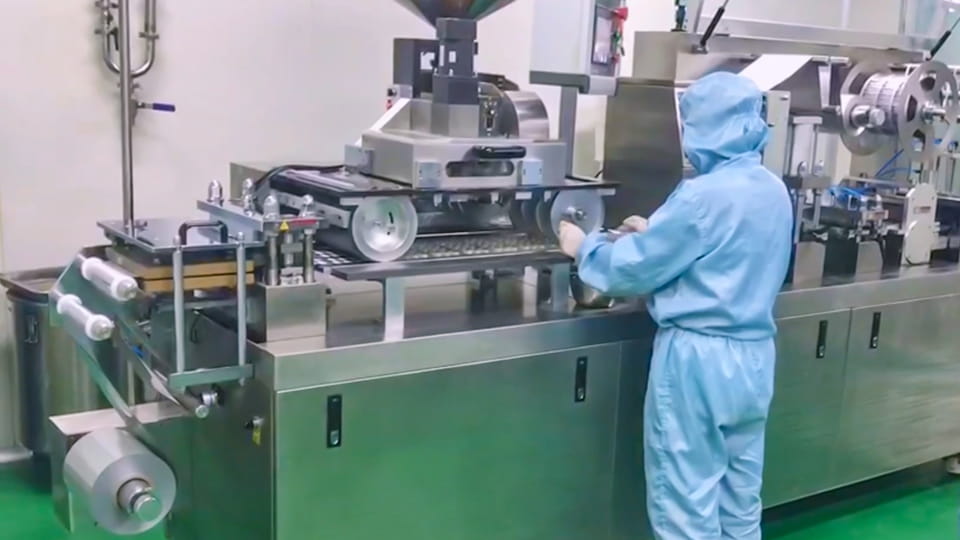
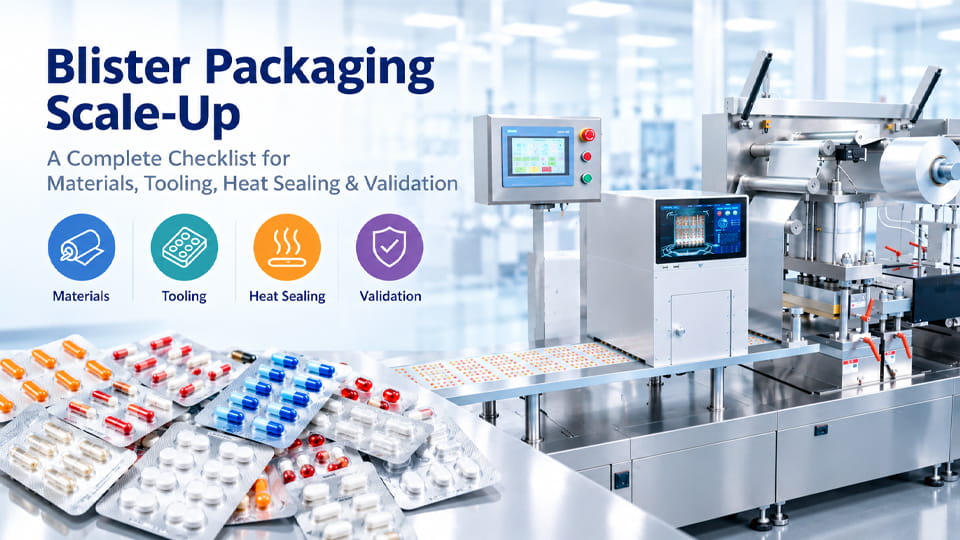
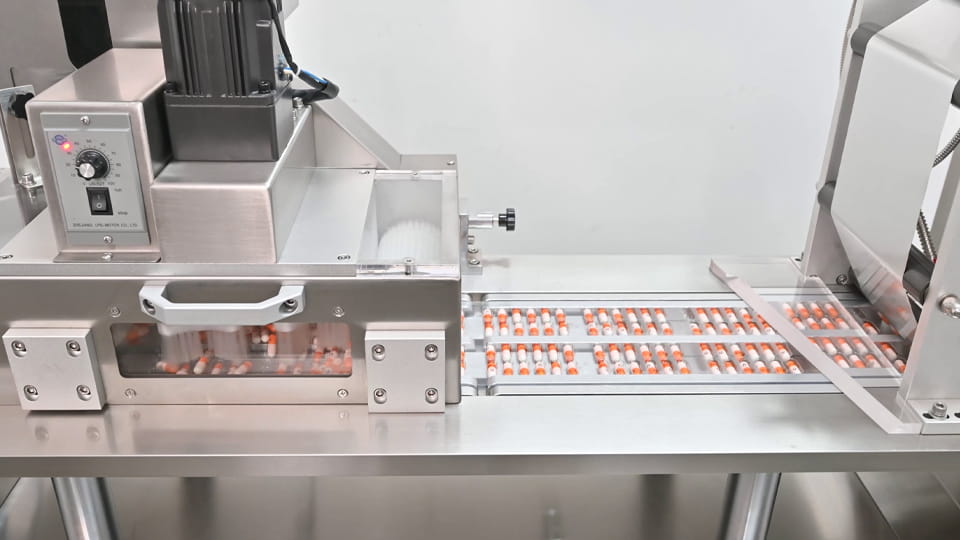
شکل: خط بستهبندی تاولهای قرص/کپسول مدرن در اتاق تمیز GMP. دستگاه های تاول ساز شکل دهی را خودکار می کنند, پر کردن, آب بندی, و برش فیلم PVC یا آلومینیوم برای ایجاد بسته بندی با دوز واحد.
دستگاه های بسته بندی تاول، تجهیزات تخصصی هستند که حفره های فردی را تشکیل می دهند (تاول) از یک فیلم پلاستیکی یا آلومینیومی, آنها را با محصول پر کنید, و سپس آنها را با فویل ببندید. آنها چهار مرحله اصلی را انجام می دهند -تشکیل دهنده, پر کردن, آب بندی, و برش- برای تولید مرتب, بسته های دستکاری شده. این دستگاه ها در داروسازی همه جا وجود دارند: آنها را در تبلت های بسته بندی پیدا خواهید کرد, کپسول ها, یا حتی سیگارهای الکترونیکی و مواد مصرفی کوچک. یک دستگاه بسته بندی تاول با کیفیت بالا با آب بندی دقیق هر واحد، ایمنی و ماندگاری محصول را تضمین می کند., در حالی که مطابق با استانداردهای دقیق GMP / FDA است.
خطوط تاولهای قرص و کپسول دارای ساختار اولیه یکسانی هستند, اما جزئیات متفاوت است. جیب (حفره) هندسه یک تبلت گرد با مدت زمان طولانی بسیار متفاوت است, کپسول دو تکه, و سیستم تغذیه/جهت باید مطابقت داشته باشد. به عنوان مثال, یک قرص گرد استاندارد 10 میلی متری فقط به یک تبلت کم عمق نیاز دارد, جیب دایره ای, در حالی که الف 0# (21.7 میلی متر) کپسول ژلاتین سخت نیاز به عمق دارد, حفره بیضی دراز. در نتیجه, یک خط تاول کپسول معمولاً شامل یک "تغذیه کننده جهت" برای ردیف کردن صحیح کپسول ها است (سر به دم) قبل از اینکه وارد پمپ بنزین شوند. کپسول ها می توانند غلت بخورند یا معکوس شوند, بنابراین یک فیدر کپسول گردان اغلب برای چرخاندن هر کپسول در یک موقعیت یکنواخت استفاده می شود. در مقابل, قرص ها برای تغذیه با a ساده تر هستند فیدر برس یا صفحه ارتعاشی, از آنجایی که اکثر قرص ها متقارن هستند و می توانند به طور تصادفی در جیب های دایره ای قرار گیرند.
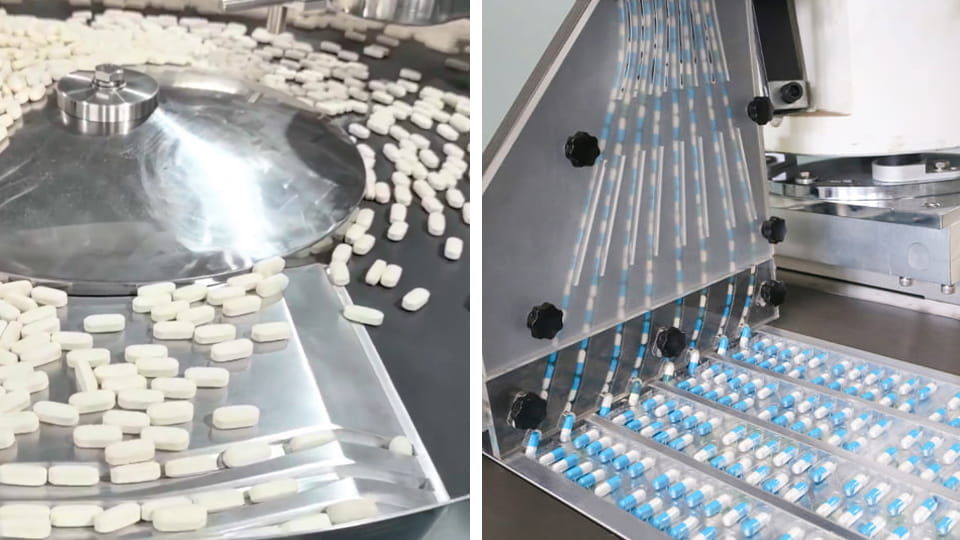
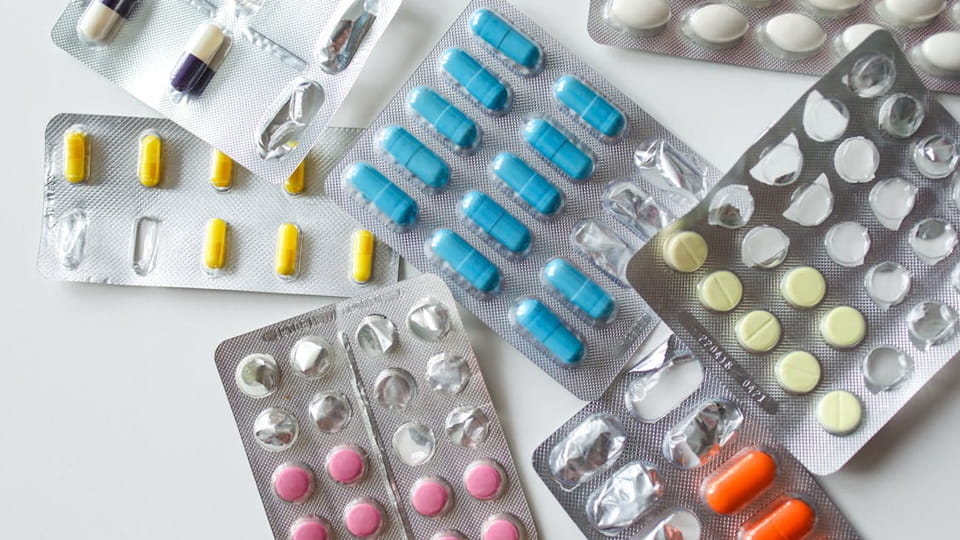
شکل: خطوط تاول برای کپسول. حفره های قرص (دایره ای) در مقابل حفره های کپسولی (بیضی دراز) طراحی های مختلف فیدر و شرایط شکل گیری را دیکته کنید.
بوها دستگاه بسته بندی تاول قطعه ای از تجهیزات دارویی است که بسته بندی با دوز واحد را خودکار می کند. حفره ایجاد می کند (تاول) در یک شبکه پلاستیکی یا آلومینیومی, آنها را با محصول پر می کند, سپس آنها را با فویل یا پشتی کاغذ ببندید. در داروسازی, فیلم تشکیل دهنده به طور معمول است PVC/PVDC یا آلومینیوم (برای شکل سرد), و درب آن فویل آلومینیومی است. دنباله اصلی است: باز کردن فیلم ← ایستگاه شکل دهی ← ایستگاه پر کردن/تغذیه ← ایستگاه آب بندی → پانچ/برش.
[jl_youtube src=”https://www.youtube.com/embed/hC-yo-ToX6s”]
این فرآیند بسته های تاول بسته شده را به دست می دهد دستکاری آشکار, بهداشتی, و استفاده از آن برای بیماران آسان است. یک دستگاه بسته بندی تاول خوب کیفیت شکل دهی و آب بندی ثابت را تضمین می کند, اغلب سیستمهای بینایی را برای شناسایی و رد کردن جیبهای خالی یا واحدهای پر نشده یکپارچه میکنند.
اگرچه خطوط تبلت و کپسول در نگاه اول شبیه به هم هستند, آنها تفاوت های کلیدی به این معنی که نمیتوانید به سادگی محصولات را در هیچ دستگاهی بدون تنظیمات تعویض کنید. سه تفاوت اصلی سخت افزاری عبارتند از: شکل جیب (هندسه قالب), فیدر/جهت, و منطق را رد کنید.
اشتباه گرفتن اینها می تواند تولید را خراب کند: شکل نادرست جیب منجر به خرابی مهر و موم یا تاول های تغییر شکل می شود, و خطاهای تغذیه منجر به قراضه یا به یاد بیاور. همانطور که Jinlupacking اشاره می کند, هندسه ابزار, مکانیسم تغذیه, و منطق رد کردن چیزی است که تعیین می کند که آیا شما به دست می آورید یا خیر 98.5% کارایی یا 84% راندمان در هفته اول تولید.
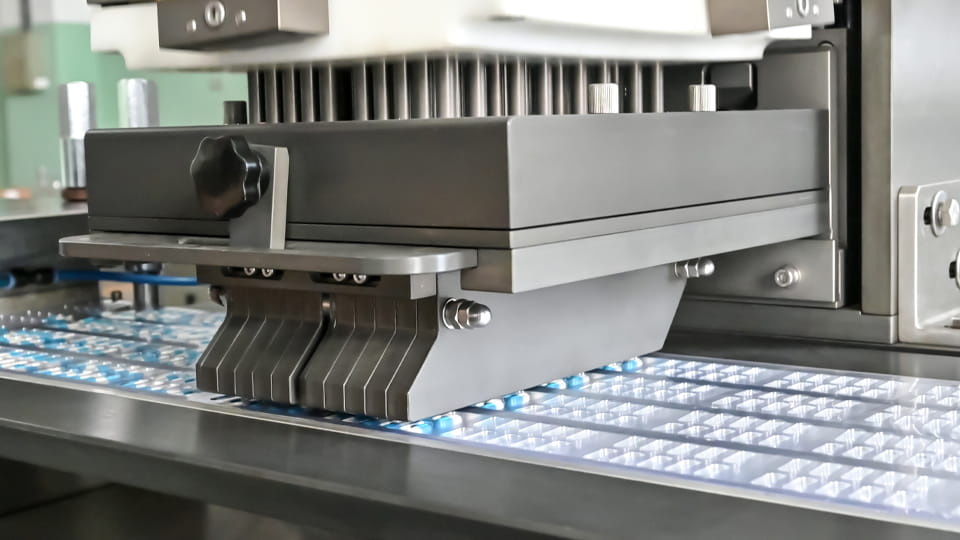
به طور خلاصه در یک مرجع سریع, در اینجا یک نوع معمولی است دستگاه تاول زنی قرص مقایسه می کند با الف دستگاه تاول کپسول:
| نشان | دستگاه بلیستر تبلت | دستگاه تاول کپسولی |
| شکل حفره | دایره ای یا بیضی کم عمق (پایین تخت) | بیضی دراز (قرعه کشی عمیق تر) |
| عمق حفره معمولی | ~ 4-8 میلی متر | ~ 9-14 میلی متر |
| مواد تشکیل دهنده | PVC/PVDC یا PET (برای ترموفرمینگ) | اغلب PVC/PVDC یا آلومینیوم (برای فرم دهی گرما یا شکل سرد) |
| دمای تشکیل | ~120-140 درجه سانتیگراد (پی وی سی) | ~145-165 درجه سانتیگراد (پی وی سی; یا بدون گرما برای Alu-Alu شکل سرد) |
| سیستم تغذیه | فیدر برس یا صفحه ارتعاشی (غیر جهت دار) | فیدر جهت گیری (ناودان جاذبه, ریل های راهنما, یا مداری) |
| جهت گیری محصول | تصادفی (قرص های متقارن) | سر به دم ثابت شد (کپسول ها باید به همین صورت باشند) |
| منطق چشم انداز/رد | تشخیص تبلت های خالی/شکسته | شناسایی گمشده, وارونه, یا کپسول های متقاطع |
| بهره وری سرعت | به طور معمول بالاتر (پر کردن ساده تر) | کمی پایین تر (به دلیل مراحل جهت گیری) |
| هزینه تغییر | پایین (قالب های تخت ساده) | بالاتر (قالب های پیچیده برای شکل کپسول) |
| مدیریت ریسک | کم (تبلت ها قوی هستند) | بالاتر (کپسول ها می توانند تقسیم شوند یا درپوش جدا شوند) |
غذای کلیدی: دستگاه های تبلت از قالب های تخت ساده و فیدرهای استاندارد استفاده کنید, در حالی که ماشین های کپسولی اغلب ناودان های جهت یابی یا فیدرهای چرخان و قالب های عمیق تر را اضافه می کنند. بسیاری از ماشین های سطح بالا (مثل مدل های جینلو) برای رسیدگی به هر دو ساخته شده اند, اما برای انجام این کار به تعویض ابزار/قالب معتبر و گاهی اوقات سوئیچینگ فیدر خودکار نیاز دارید. اگر دستگاه واقعاً دو منظوره است, سیستم تغذیه آن باید از هر دو حالت پشتیبانی کند (به عنوان مثال. یک راهنما قابل تنظیم که می تواند برای تبلت ها غیرفعال شود).
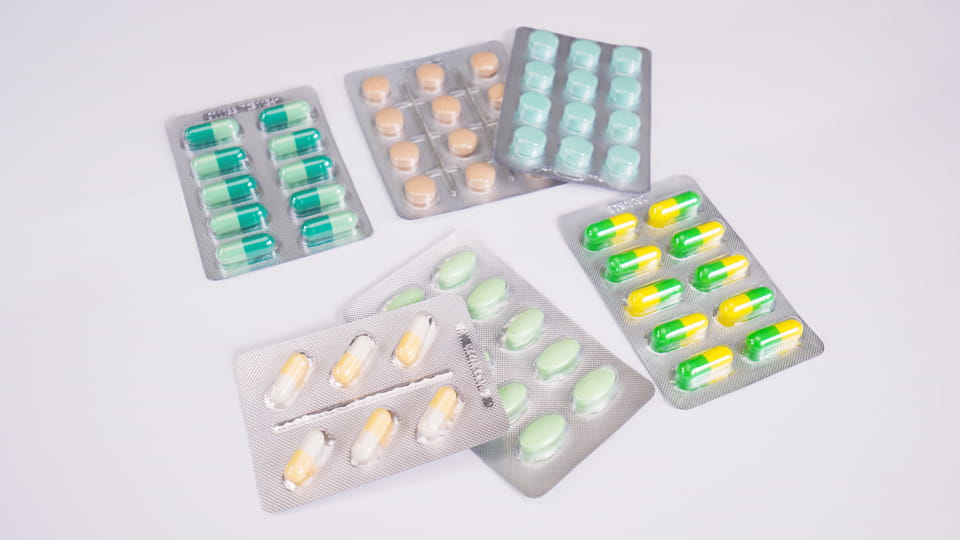
هنگام برنامه ریزی خط بسته بندی خود, در نظر گرفتن تکنولوژی شکل دهی (ترموفرمینگ در مقابل شکل دهی سرد) و سبک ماشینی (صفحه تخت در مقابل چرخشی):
چه زمانی از کدام استفاده کنیم: انتخاب کنید ترموفرمینگ اگر محصولات شما در برابر رطوبت پایدار هستند و به سرعت و دید نیاز دارید (به عنوان مثال. تبلت های OTC, مکمل). انتخاب کنید شکل سرد (الو الو) اگر داروهای شما به اکسیژن/رطوبت حساس هستند یا به ماندگاری بسیار طولانی نیاز دارند. برخی از خطوط از رویکردهای ترکیبی استفاده می کنند (فیلم ترموفرم با پوشش Alu یا پوشش PVDC) برای متعادل کردن هزینه و مانع.
دستگاه های بلیستر نیز در دو فرمت مکانیکی اصلی عرضه می شوند:
کدام را انتخاب کنید? اگر SKU های مختلفی تولید می کنید یا نیاز به کشش عمیق دارید (مانند آلو آلو), بوها صفحه تخت ماشین معمولا بهترین است. اگر دسته های بسیار بزرگی از یک محصول را اجرا می کنید (به عنوان مثال. میلیون ها بسته تاول در ماه), بوها چرخشی ماشین در توان عملیاتی پرداخت می کند. به عنوان مثال, جینلو DPP-180Pro یک مدل صفحه تخت است (حداکثر ~ 4800 بشقاب در ساعت) برای انعطاف پذیری خوب است, در حالی که مدل چرخشی DPH-270Max می تواند ضربه بزند 11,200 تاول در ساعت برای خروجی جرم با سرعت بالا.
| نشان | ماشین صفحه تخت | ماشین دوار |
| سبک شکل گیری | متناوب (صفحه هر چرخه را فشار می دهد) | مستمر (درام چرخان) |
| حداکثر. سرعت | معتاد (ده ها تا 100 برش در دقیقه) | خیلی بالا (اغلب 180+ برش در دقیقه) |
| بهترین برای | دسته های کوچک / متوسط; قرعه کشی عمیق (الو الو) بسته ها | بسته های آلی پی وی سی با حجم بالا (تولید انبوه) |
| هزینه قالب | پایین (صفحات تخت ارزان تر هستند) | بالاتر (قالب های استوانه ای دقیق) |
| زمان تغییر | سریع (تبادل قالب ساده تر است) | آهسته تر (تراز و جایگزینی پیچیده است) |
| ردپای در هر خروجی | بزرگتر (چندین ماشین برای خروجی یکسان مورد نیاز است) | فشرده تر (یک دستگاه برابر است با تعداد زیادی صفحه تخت) |
هنگام انتخاب خط بسته بندی تاول, روی این هفت عامل تمرکز کنید تا از بهترین تناسب اطمینان حاصل کنید و بعداً از اشتباهات پرهزینه جلوگیری کنید:
با ارزیابی دقیق هر عامل, از یک تله مشترک دوری خواهید کرد: خرید ماشین ارزانتری که با نیازهای امروزی مطابقت داشته باشد اما نیازهای فردا را برآورده نمیکند (برای مثال, فاقد فیدر برای SKUهای کپسول جدید یا نیاز به جایگزینی کامل برای سرعتهای بالاتر).
انتخاب دستگاه تاول زنی پیچیده است, تصمیم با ریسک بالا. تیم های تدارکات اغلب این اشتباهات را مرتکب می شوند:
با درس گرفتن از این اشتباهات, شما می توانید ارزش و عملکرد بلندمدت را به جای علامت زدن کادرهای برگه مشخصات، اولویت بندی کنید.
اگر بیشتر تبلت تولید می کنید:
اگر بیشتر کپسول تولید می کنید:
اگر هر دو را انجام دهید:
همه دستگاههای بستهبندی تاولها یکسان ساخته نمیشوند. شما تامین کننده ای می خواهید که نیازهای دارویی را درک کند و پشتیبانی قوی ارائه دهد. بسته بندی جینلو, به عنوان مثال, برجسته می کند:
انتخاب یک سازنده معتبر تقریباً به اندازه مشخصات دستگاه مهم است. به دنبال کسانی باشید که اسناد اعتبار سنجی را منتشر می کنند, ارائه آموزش, و سابقه تاسیسات دارویی را داشته باشند.
انتخاب دستگاه بسته بندی تاول مناسب یک تصمیم استراتژیک است. با تطبیق دقیق نوع ماشین به شما محصول (قرص در مقابل کپسول) و نیازهای تولید, می توانید کارایی و کیفیت را به حداکثر برسانید. به یاد داشته باشید که طراحی فیدر را در نظر بگیرید, فرمت ماشین, سازگاری مواد, و رعایت مقررات. نادیده گرفتن این جزئیات می تواند باعث از کار افتادن محصول و از بین رفتن محصول شود. در عوض, از رویکرد چک لیست خریدار پیروی کنید: الزامات خود را تعریف کنید, هر دستگاه را در برابر آنها تأیید کنید, و تامین کننده مورد اعتماد خود را جذب کنید (با گارانتی و پشتیبانی قوی).
انتخاب حق دستگاه بسته بندی تاول فقط در مورد تجهیزات نیست - بلکه در مورد تضمین تولید پایدار است, کیفیت محصول, و ROI بلند مدت. اگر قصد دارید خط بسته بندی دارویی خود را ارتقا دهید یا هنوز گزینه های قرص را با کپسول مقایسه می کنید, اکنون زمان مناسبی برای اقدام است.
👉 امروز در جینلو پکینگ با تیم ما صحبت کنید
👉 یک راه حل سفارشی بر اساس محصول و ظرفیت خود دریافت کنید
👉 درخواست یک پیشنهاد یا مشاوره فنی - بدون تعهد
ما به شما کمک میکنیم دستگاه بستهبندی بلستر مناسب را با نیازهای تولید واقعی خود مطابقت دهید - نه فقط مشخصات روی کاغذ.
احتمالا, اما به طراحی دستگاه بستگی دارد. یک دستگاه تاول زنی واقعاً دو فرمت باید دارای ابزار قابل تعویض باشد (مجموعه های قالب) و یک سیستم تغذیه با قابلیت تغذیه تصادفی قرص و تغذیه کپسول جهت دار. در عمل, این به معنای هزینه اضافی است (ابزار مخصوص قالب و یک فیدر جهت کپسول). اگر تولید مختلط گهگاهی باشد, یک دستگاه واحد با کیت های تعویض می تواند کار کند, اما برای جابجایی های مکرر, ماشین های اختصاصی ممکن است کاربردی تر باشند.
برای داروهای بسیار حساس به رطوبت یا حساس به نور, شکل سرد (الو الو) بسته های تاول زده ترجیح داده می شود. لمینت آلومینیومی کامل مانعی تقریبا غیرقابل نفوذ ایجاد می کند, افزایش عمر مفید. توجه داشته باشید که دستگاه باید از شکل دهی سرد پشتیبانی کند (فشار بالا, بدون گرما). اگر به سرعت و دید نیاز است, برخی از بسته های هیبریدی استفاده می کنند (حفره های ترموفرم با پوشش های آلومینیومی یا PVDC) برای حفاظت متوسط.
گرمازا (PVC/PET) برای اکثر قرص هایی که به شدت به رطوبت حساس نیستند کار می کند. تولید سریع و شفاف را ارائه می دهد, بسته های قابل بازرسی. با این حال, برای قرص هایی با دانه بندی مرطوب یا محتوای رطوبت سنجی, ممکن است به فیلم روکش شده با PVDC نیاز داشته باشید یا به حالت سرد تغییر دهید. همچنین, برخی از مواد (مانند رتینوئیدها) می تواند با PVC تعامل داشته باشد, بنابراین تست سازگاری عاقلانه است.
خطوط کپسول معمولاً از فیدرهای جهت گیری استفاده می کنند. انواع متداول شامل فیدرهای ریلی راهنما می باشد, لوله های گرانشی, یا دستگاه های کپسول گردان. هدف این است که هر کپسول را ابتدا سر به داخل حفره قرار دهیم. جینلو و دیگران برای رسیدن به این هدف فیدرهای مداری یا کانال های ارتعاشی را ارائه می دهند. همیشه با تامین کننده چک کنید که فیدرهای آنها می توانند اندازه و شکل کپسول شما را کنترل کنند.
• بهینه سازی تغذیه: از صاف بودن اطمینان حاصل کنید, تغذیه بدون مربا. یک فیدر خوب طراحی شده با هم زدن یا جهت گیری مناسب، توقف ها را کاهش می دهد
• سرعت در مقابل ثبات: تطبیق سرعت عملکرد با میزان تحمل محصول. آهستهتر از حداکثر سرعت دویدن میتواند رد و زمان خرابی را کاهش دهد.
• کاهش تغییر: در صورت امکان اندازه تاول ها را استاندارد کنید. از سیستم های تغییر سریع استفاده کنید (مانند تغییر قالب 15 دقیقه ای جینلو).
• نگهداری پیشگیرانه: تجهیزات را کالیبره نگه دارید (دما, فشار) و تمیز. سیستم های بینایی باید به طور مرتب بررسی و تمیز شوند.
• آموزش اپراتور: اپراتورهای ماهری که تفاوت های ظریف را درک می کنند (به عنوان مثال, اصلاحات تغذیه, تنظیم قالب) ارزشمند هستند.
• یکپارچه سازی طرح: جریان مواد را ساده کنید. اتصالات خودکار به پرس های تبلت و کارتن ها زمان بیکاری را کاهش می دهد.
• پایش داده ها: از داده های PLC برای شناسایی روندها استفاده کنید (بیش از حد دما, رد سنبله ها) و زودتر اصلاحشون کن.
با پرداختن به این عوامل, شما بازده و زمان کار را در خط تاول خود به حداکثر می رسانید.
مراجع:
1.بسته تاول —— ویکی پدیا
2.راهنمای کامل دستگاه بسته بندی تاول —— pharmaceutical-tech.com
3.بهینه سازی طراحی بسته بندی تاول برای مواد دارویی به شکل جامد —— ScienceDirect
4.بسته بندی تاول دارویی, قسمت دوم: ماشین آلات و مونتاژ —— ResearchGate
5.تشخیص عیوب بسته بندی تاول دارویی بر اساس تطبیق الگو —— ResearchGate