راهنمای کامل گزینه های بسته بندی کپسول: انواع, مواد, و ماشین آلات بسته بندی دارویی
راهنمای کامل گزینه های بسته بندی کپسول: انواع, مواد, و ماشین آلات بسته بندی دارویی
آوریل 25, 2026
بدون نظر
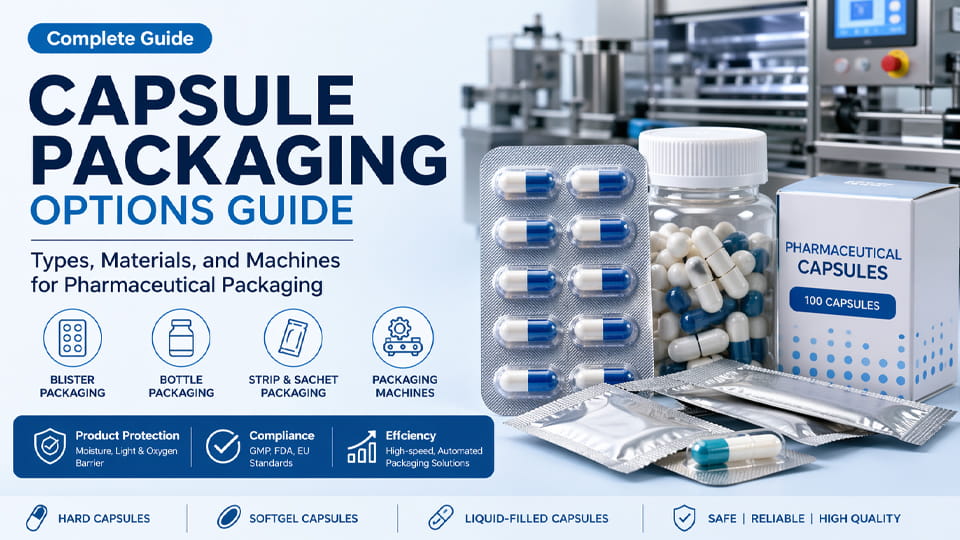
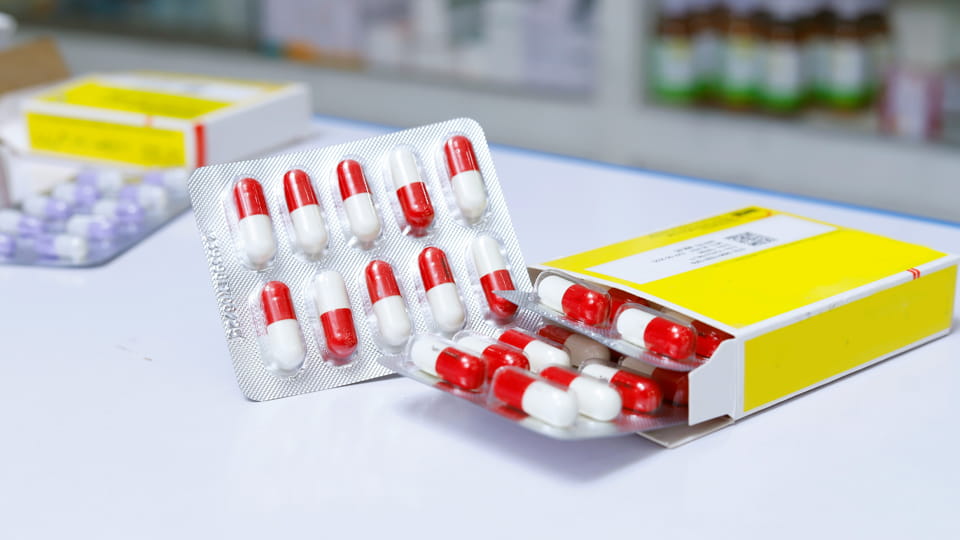
بسته بندی کپسول به نحوه کپسول دارویی اشاره دارد (پوسته سخت یا نرم ژل) برای توزیع و استفاده محصور شده اند. شامل می شود بسته بندی اولیه (ظرف فوری در تماس با کپسول, به عنوان مثال. حفره ها یا بطری های تاول) و بسته بندی ثانویه (کارتن های بیرونی, جعبه, و برچسب هایی که بیشتر از محصول محافظت و شناسایی می کند). بسته بندی خوب کپسول باید از دارو در برابر رطوبت محافظت کند, سبک, و آلودگی, تضمین ثبات از طریق ماندگاری, و الزامات نظارتی را برآورده کند. به عنوان مثال, WHO به آن اشاره می کند اجزای بسته بندی محصول را از زمان تولید تا زمان استفاده احاطه کرده است,” و باید عملکردهایی مانند حفاظت را برآورده کند, ثبات, و شناسایی. مقررات GMP FDA (21 CFR 211) نیاز به روش های کتبی برای بازرسی و آزمایش مواد بسته بندی پس از دریافت, و برچسب زدن ایمن و کنترل های دستکاری را الزامی کنید. در عمل, ما باید مطابقت داشته باشیم محصول کپسولی (فرم دوز, حساسیت, مقدار مصرف, و غیره) به فرمت و مواد بسته بندی مناسب.
بسته بندی اولیه کپسول های دارویی - برای آن بسیار مهم است حفاظت از محصول, رعایت, و ایمنی بیمار: کپسول ها را خشک نگه می دارد, غیر آلوده, و به وضوح برچسب گذاری شده است. به عنوان مثال, بسته های تاول و بطری های کهربایی برای داروهای حساس به رطوبت ایده آل هستند. بسته بندی مناسب نیز از تبعیت بیمار پشتیبانی می کند (دوز واحد تاول, بطری های ضد کودک, برچسب زدن واضح) و نیازهای زنجیره تامین (سریال سازی, تدارکات). در زیر هر گزینه را به تفصیل بررسی می کنیم.
انواع بسته بندی کپسول
بسته بندی تاول برای کپسول
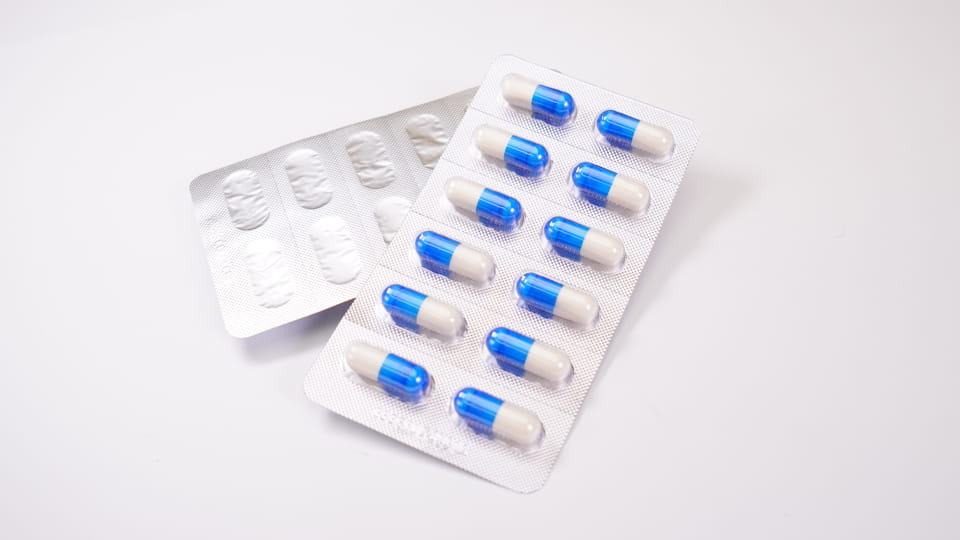
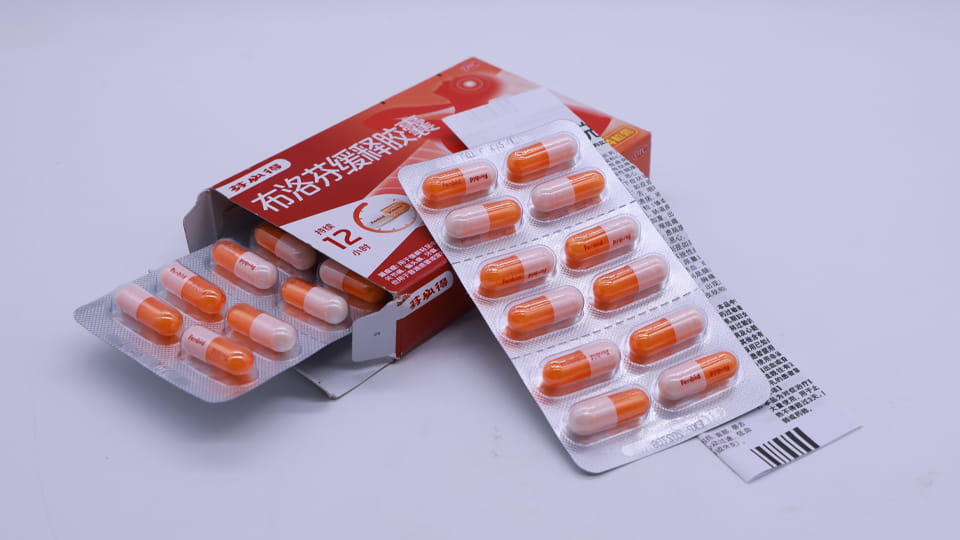
بسته های تاول از حفره های پلاستیکی از پیش ساخته شده تشکیل شده است ("تاول") که کپسول های جداگانه را نگه می دارد, مهر و موم شده با پشتیبان (فویل یا پلاستیک). این بسته بندی اولیه ارائه می دهد حفاظت از واحد دوز. تاول فراهم می کند مانع عالی خواص: آنها را می توان با موادی مانند PVC/PVDC یا فویل (آلی پی وی سی, الو الو) برای جلوگیری از رطوبت, اکسیژن و نور. به عنوان مثال, دستگاه تاولزن DPP-180Pro Jinlu میتواند تشکیل و مهر و موم شود 4,800 تاول کپسول در ساعت در لمینت های Alu-PVC یا Alu-Alu. ویژگی های کلیدی بسته بندی کپسول بلیستر عبارتند از:
حفاظت: هر حفره به صورت هرمتیک مهر و موم شده است, محافظت از کپسول در برابر رطوبت, اکسیژن و نور. همانطور که یک مطالعه اشاره می کند, تاول "ایجاد محافظت عالی در برابر رطوبت و نور" (بهتر از بطری). فویل های با مانع بالا (به عنوان مثال. الو الو) عمر مفید کپسول های رطوبت سنجی یا حساس به اکسیژن را افزایش دهید.
دستکاری شواهد: یک تاول به وضوح نشان می دهد که آیا یک دوز برداشته شده یا مهر و موم آن شکسته شده است. این یکپارچگی محصول و ایمنی بیمار را تضمین می کند.
راحتی: تاولهای با دوز واحد به بیماران اجازه میدهند هر بار یک کپسول مصرف کنند, کاهش خطاهای دوز و ضایعات. آنها به ویژه برای برنامه های دوز کوتاه یا فرمولاسیون های کودکان مفید هستند.
سفارشی سازی: بسته های تاول را می توان در شکل ها و اندازه های مختلف حفره ای ساخت تا متناسب با ابعاد مختلف کپسول باشد. ماشین آلات مدرن (مانند ماشینهای ترموفرمینگ یا پلاگین کمکی) به راحتی با اندازه کپسول سازگار می شود.
بهره وری فضایی: تاول ها جمع و جور و قابل انباشته شدن هستند. آنها فضای خالی را در مقایسه با بطری ها به حداقل می رساند, صرفه جویی در حمل و نقل و فضای قفسه.
شکل:دستگاه بسته بندی تاول Jinlu JL-180Pro تاول های کپسولی را تشکیل می دهد (آلی پی وی سی), 4,800 حفره ها / ساعت.
دستگاه های تاول زن جینلو (به عنوان مثال. DPP-180Pro) می تواند به طور خودکار حفره ایجاد کند, کپسول های تغذیه, مهر و موم, برش صفحات, و حتی کدهای لات را چاپ کنید. آنها معمولاً با سرعت متوسط به بالا کار می کنند (هزاران حفره در ساعت), ایده آل برای تولید انبوه. فرمت های مختلف تاول (Alu-PVC در مقابل Alu-Alu) بر اساس محصول انتخاب می شوند: الو الو (فویل فویل) بالاترین مانع را ارائه می دهد (بهترین برای داروهای بسیار حساس به رطوبت), در حالی که PVC/PVDC برای کپسول های استاندارد رایج است. بسته بندی بلیستر نیز شمارش و بازرسی را ساده می کند: اکثر خطوط به راحتی دستگاه های بازرسی دوربین یا شمارش تبلت را برای تأیید پر شدن کپسول یکپارچه می کنند.
بطری (شیشه بطری/کپسول) بسته بندی
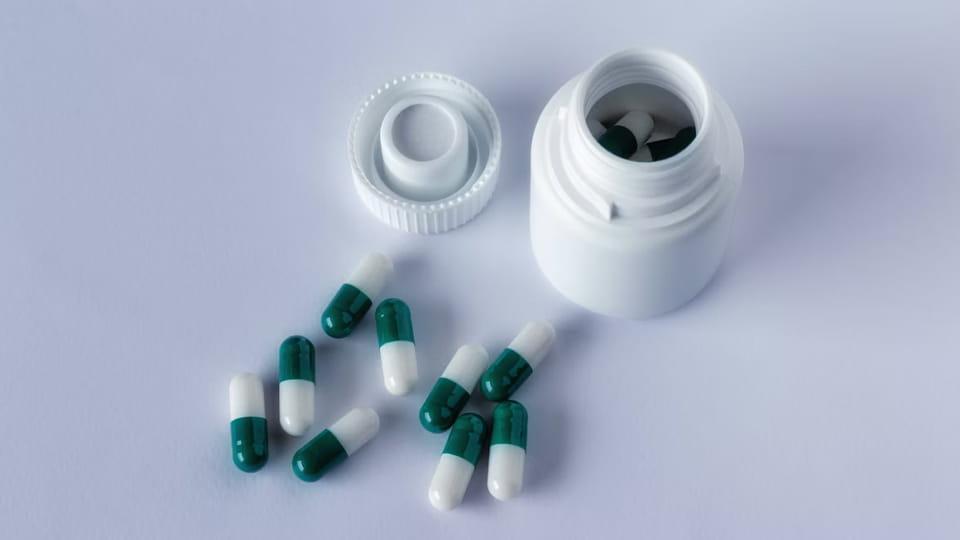
بطری ها ظرف چند دوز کلاسیک هستند. کپسول ها در بطری ها پر می شوند (پلاستیک یا شیشه) که سپس درپوش قرار می گیرند. این فرمت برای ویتامین ها به خوبی شناخته شده است, مکمل, و بسیاری از قرص های تجویزی. ویژگی های کلیدی:
تطبیق پذیری: بطری ها می توانند مقادیر زیادی را در خود جای دهند (50– 1000+ کپسول) و انواع محصولات (قرص ها, کپسول ها, پودرها, حتی مایعات). آنها معمولا از پلاستیک HDPE یا PET ساخته می شوند, یا شیشه (برای بی اثری شیمیایی قوی).
بسته بندی فله: برای کپسول هایی که قرار است به طور مکرر مصرف شوند (ویتامین های روزانه, درمان های طولانی مدت), بطری ها راحت هستند. بیماران می توانند چندین دوز را به طور همزمان تجویز کنند.
راندمان هزینه: خطوط پر کردن بطری نسبتا ساده هستند. ماشینها دوزها را سریعتر شمارش یا وزن میکنند (به عنوان مثال. جینلو JL-16H می تواند تا 100 بطری / دقیقه). هزینه مواد در واحد اغلب کمتر از تاول است, به خصوص در مقیاس.
جابجایی آسان: مصرف کنندگان می دانند چگونه بطری ها را باز کنند. ممکن است برای بیماران مسن باز کردن بطری آسانتر باشد (به خصوص با کلاه هایی که به راحتی باز می شوند یا مقاوم در برابر کودکان هستند) نسبت به تاول های پوستی.
بسته بندی ثانویه: بطری ها امکان گنجاندن اقلام کمکی مانند بسته های خشک کن (برای کنترل رطوبت) یا پنبه. آنها همچنین برچسب های کامل محصول را در اطراف بدنه بطری جای می دهند, و می تواند در کارتن بسته بندی شود.
شکل: خط بطری کپسول/قرص Jinlu JL-16H (100 بطری در دقیقه) با unscrambler, میله, درپوش, و برچسب زن.
خطوط بطری کپسول چندین ماشین را یکپارچه می کند: بوها بطری unscrambler (یا قیف خوراک), بوها دستگاه پرکن شمارش (که کپسول های X را در هر بطری می ریزد), بوها دستگاه درپوش / آب بندی (درپوش ها را اعمال و سفت کنید), و الف دستگاه لیبل زنی. به عنوان مثال, خط JL-16H Jinlu می تواند کپسول های 3-40 میلی متری را تحمل کند, دستیابی به 100 بطری در دقیقه با >99.8% دقت شمارش. بطری ها را می توان به سرعت پر کرد. برای رعایت مقررات, خطوط بطری اغلب شامل یک ایستگاه برای قرار دادن مواد خشک کن است (به عنوان مثال. بسته های سیلیسی) و یک ایستگاه مهر و موم آشکار. کلاه های مقاوم در برابر کودکان یکی دیگر از ویژگی های رایج برای داروهای کودکان است.
در انتخاب بسته بندی بطری, حجم و ثبات محصول را در نظر بگیرید: محصولات با حجم بالا (به عنوان مثال. ویتامین های روزانه) بطری های کت و شلوار, در حالی که کپسول های کم حجم یا بسیار حساس ممکن است تاول ها را ترجیح دهند. بطری های یادداشت به طور کلی ارائه می دهند محافظت ذاتی کمتر از رطوبت/اکسیژن نسبت به تاولهای با مانع بالا. ظروف شیشه ای کهربایی یا مات می توانند محافظت در برابر نور را افزایش دهند, و مهر و موم های داخلی (آستر فویل آلومینیومی) می تواند مانع را بهبود بخشد.
ساشه ها & بسته های استیک (کیسه های تک دوز)
ساشه ها (و بسته ها را بچسبانید) هستند بسته های انعطاف پذیرکه یک دوز پودر را نگه می دارد, گرانول یا مایع. در حالی که برای کپسول ها معمول نیست, آنها برای اشکال دارویی مرتبط مرتبط هستند (به عنوان مثال. کپسول های مغذی که به پودر تبدیل می شوند, یا خود فیلر پودری). با این وجود, کیسه ها و بسته های چوبی شایسته ذکر در راهنمای بسته بندی کپسول است:
ساشه ها معمولا بسته های مسطح یا بالشی شکل بسته می شوند 3 یا 4 طرفین. آنها اغلب برای پودرهای تک دوز استفاده می شوند (به عنوان مثال. گرانول های جوشان) یا کپسول های خیلی کوچک (برخی از داروخانه ها کپسول ها را در ساشه ها برای دوز اطفال توزیع می کنند). دستگاههای مدرن فرم پرکننده میتوانند ساشهها را با حجمهای دقیق پر کنند. از مزایای آن می توان به قابلیت حمل و نقل اشاره کرد (در جیب جا می شود), راحتی, و دوز دقیق (بدون ضایعات جزئی). ساشه ها نیز آب بندی خوبی دارند: مهر و موم هرمتیک عمر مفید را افزایش می دهد و از آلودگی جلوگیری می کند. بسیاری از داروها (پودرها, ژل, پماد, قرص های تک دوز) از ساشه ها استفاده کنید; برای مثال, محلول های آبرسانی تزریقی اضطراری یا پودرهای آنتی بیوتیک یکبار مصرف.
بسته های استیک طولانی هستند, ساشه های باریک (اغلب در امتداد یک درز بلند به اضافه یک درز انتهایی مهر و موم می شود). آنها برای مکمل های پودری محبوب هستند (به عنوان مثال. مخلوط نوشیدنی های فوری) و برای پودرهای کپسولی قابل استفاده است. بسته های استیک معمولاً از مواد کمتری نسبت به ساشه ها استفاده می کنند و توان عملیاتی دستگاه بیشتر است (30-50% سریعتر). آنها به دلیل باز شدن باریک برای پودرهای با جریان آزاد ایده آل هستند.
هر دو ساشه و استیک پک توسط فرم-پر-مهر عمودی (Vffs) یا ماشین های افقی FFS. سری JL-VP Jinlu, به عنوان مثال, یک دستگاه FFS چوبی/کیسه ای چند لاین است (40 کیف/دقیقه/خط, دقت 0.02 گرم) برای پودرها, گرانول ها, مایعات یا ژل ها. اگر قرار بود خود کپسول ها در ساشه بسته بندی شوند, یک کیسه را برای بازیابی دوز باز می کند - اما معمولاً, کپسول ها دست نخورده در تاول یا بطری بسته بندی می شوند, در حالی که ساشه ها/بسته های چوبی محتویات پودری را کنترل می کنند.
تبصره مقررات: ساشه ها و بسته های چوبی برای داروهای جامد و نیمه جامد مجاز هستند (طبق تعاریف WHO). اگر مستقیماً حاوی محصول باشند، بسته بندی اولیه محسوب می شوند. مثل تاول, ساشه ها را می توان مقاوم در برابر کودکان یا دارای بریدگی های پارگی طراحی کرد.
بسته بندی نواری
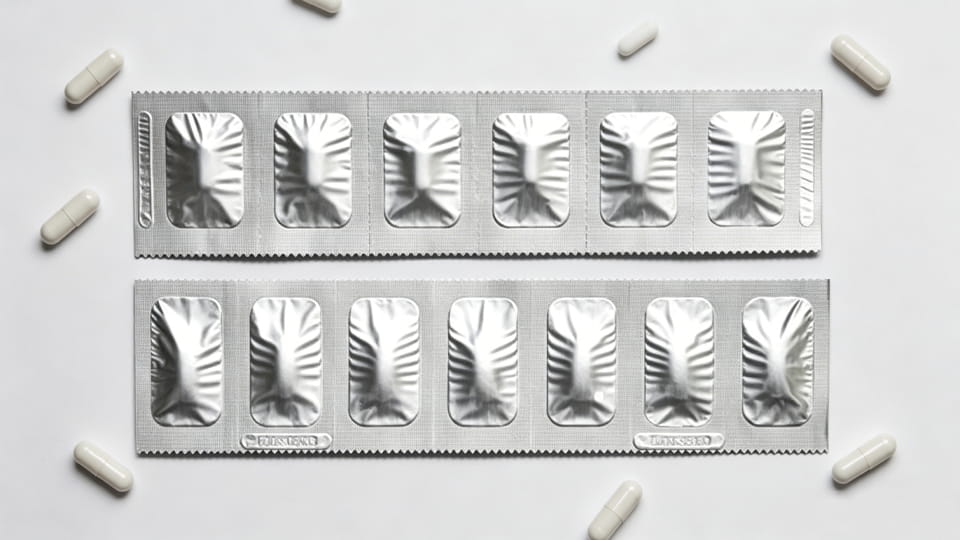
بسته های نواری (نوارهای فویل یا "باند دوز" نیز نامیده می شود.) شکل دیگری از بسته اولیه واحد دوز هستند. یک نوار معمولاً یک شبکه باریک از مواد است (اغلب آلومینیوم یا لمینت چند لایه) تا شده و مهر و موم شده است, با سوراخ های بین دوز. بر خلاف تاول ها, بسته های نواری حفره های عمیق ایجاد نمی کنند - در عوض, کپسول بین دو لایه فیلم قرار می گیرد. بسته های نواری به طور گسترده در آسیا و برای محصولاتی استفاده می شود که محافظت در برابر رطوبت بالا مورد نیاز است اما تاول ها خیلی حجیم هستند.. نکات کلیدی:
مانع عالی: بسته های نواری اغلب از فویل آلومینیومی استفاده می کنند که در برابر رطوبت و اکسیژن نفوذ ناپذیر است. این باعث می شود آنها برای کپسول های حساس به رطوبت یا داروهای اطفال که ماندگاری طولانی مدت مورد نیاز است ایده آل باشند.. WHO حتی بسته های نواری را برای "تک دوز ... آماده سازی جامد یا نیمه جامد" مناسب تعریف می کند..
فشرده & واحد دوز: مثل تاول, بسته های نواری امکان استفاده یک دوز در یک زمان را می دهند. آنها سبک تر و صاف تر از تاول ها هستند, صرفه جویی در فضا.
تجهیزات: دستگاه های بسته بندی نواری فویل را در اطراف هر کپسول تشکیل داده و مهر و موم می کنند. Jinlu دستگاه های بسته بندی نواری را نیز ارائه می دهد. به عنوان مثال, بستههای نواری Rich Packing Notes از لمینیت آلومینیومی یا پلاستیکی استفاده میکنند و میتوانند دوزهای زیادی داشته باشند..
شکل:دستگاه بسته بندی نواری
از دیدگاه انتخاب, بسته های نواری یک حد وسط بین بطری را اشغال می کنند (فله) و تاول (سفتی). آنها اغلب زمانی انتخاب می شوند که مانع رطوبت بسیار بالا مورد نیاز است اما در یک نازک, فرم سبک وزن. (توجه داشته باشید: بسته های نوار ممکن است به وضوح تاول ها شواهد دستکاری ارائه نکنند مگر اینکه از مهرهای اضافی استفاده شود.)
بسته بندی ثانویه & برچسب زدن
پس از انتخاب بسته اولیه, کپسول ها معمولا در داخل قرار می گیرند بسته بندی ثانویه مانند جعبه های کارتن یا بسته بندی شده موارد. کارتن ها محافظت بیشتری در هنگام حمل و نقل ایجاد می کنند, اجازه برچسب زدن اضافی را بدهید (اطلاعات دارو, برندسازی, مهر و موم های آشکار), و به سازماندهی محصولات چند بسته کمک می کند. ملاحظات کلیدی برای بسته بندی ثانویه:
کارتن & درج می کند: کارتن های پزشکی باید شامل درج محصول باشد (بروشور با دستورالعمل دوز, شماره دسته, انقضا, اطلاعات سازنده, و غیره). اینها اغلب جزوات کاغذی هستند که در جعبه قرار می گیرند.
مهر و موم دستکاری: بسته بندی ثانویه معمولاً دارای مهر و موم های غیرقابل تغییر است (به عنوان مثال. نوارهای امنیتی, باندهای کوچک) برای نشان دادن اینکه آیا جعبه باز شده است یا خیر.
سریال سازی / آهنگ & ردیابی: در بسیاری از بازارها (DSCSA ایالات متحده, اتحادیه اروپا FMD), بسته های فردی باید دارای کدهای سریال منحصر به فرد باشند (بارکد/QR) برای مبارزه با جعل. یک راه حل بسته بندی قوی شامل چاپگرهای لیبل یا کدهای جوهرافشان برای چاپ اعداد لات/دسته و کدهای دوبعدی روی کارتن است..
مقاوم در برابر کودکان و ویژگی های ایمنی: برای داروهای خاص, مقررات (به عنوان مثال. 21 CFR 211) بسته بندی مقاوم در برابر کودکان را الزامی کنید. این می تواند شامل فیلم های تاولی باشد که باز کردن آنها برای کودکان سخت است, یا درپوش های مخصوص روی بطری ها. جعبه های ثانویه نیز ممکن است قفل داشته باشند یا در صورت نیاز نیاز به باز شدن دو مرحله ای داشته باشند.
ثبات و انطباق: سیستم ترکیبی اولیه + ثانویه باید محصول را تحت شرایط نگهداری برچسب ثابت نگه دارد. به عنوان مثال, مطالعات پایداری ICH به صراحت نیاز به آزمایش فرم دوز بسته بندی نهایی دارد.
خلاصه, بسته بندی ثانویه محصول را برای توزیع نهایی بسته بندی می کند و اطمینان حاصل می کند که تمام ویژگی های برچسب گذاری و مطابقت در جای خود قرار دارند.. طراحی خوب در اینجا تصویر برند و راحتی کاربر را افزایش می دهد (کارتن های آسان باز, برچسب زدن واضح).
مواد برای بسته بندی کپسول
انتخاب مواد بسته بندی مناسب برای محافظت از کپسول ها بسیار مهم است. مواد باید با دارو سازگار باشد, رفع نیازهای مانع, و مقررات را رعایت کنید (ISO 15378 GMP برای مواد بسته بندی, و غیره). مواد متداول شامل:
فیلم های تاول:
پی وی سی (پلی وینیل کلراید): کم هزینه, پلاستیک شفاف اغلب برای تاول استفاده می شود. پی وی سی نفوذپذیر در برابر رطوبت است (نه به عنوان محافظ) مگر اینکه پوشش داده شود.
PVC/PVDC: PVC با روکش PVDC (پلی وینیلیدین کلراید) به طور چشمگیری نفوذ رطوبت را کاهش می دهد (تاول معمولی Alu-PVC از یک سد PVDC استفاده می کند).
Alu-PVC یا Alu-Alu: فویل آلومینیومی با روکش PVC یا PET. Alu-PVC مانع خوبی برای رطوبت / اکسیژن ایجاد می کند (مشترک), در حالی که Alu-Alu (فویل فویل) را فراهم می کند بالاترین مانع (برای کپسول های بسیار مرطوب یا حساس به نور استفاده می شود).
پلی پروپیلن (PP): ظهور به عنوان یک جایگزین پایدار. تاول های PP (یک ماده) می تواند به طور کامل بازیافت شود, مانند لاینر PharmaGuard Südpack, و همچنان در خطوط خودکار عملکرد خوبی دارد.
مواد بطری:
HDPE (پلی اتیلن با چگالی بالا): پلاستیک معمولی برای بطری های دارویی; نسبتا بی اثر و مقرون به صرفه است.
PET (پلی اتیلن ترفتالات): شفافیت و استحکام بهتری را ارائه می دهد; سد خوب در مقابل گازها. اغلب برای مواد مغذی / مکمل ها استفاده می شود.
شیشه ای (بوروسیلیکات نوع I): برای محصولات بسیار حساس به رطوبت یا تزریقی استفاده می شود; شیشه مانع بسیار خوبی در برابر رطوبت و بی اثری شیمیایی است. شیشه کهربایی نور UV را نیز مسدود می کند.
فیلم های دیگر: برای کیسه ها و بسته های چوبی, فیلم های چند لایه چند لایه (به عنوان مثال. PET/Go/PE) برای کنترل رطوبت و آب بندی استفاده می شود.
به طور کلی, بالاترین مانعی را که برای کپسول شما منطقی است انتخاب کنید. به عنوان مثال, یک کپسول ژلاتین حساس به رطوبت ممکن است حاوی تاول Alu-Alu یا یک بطری شیشه ای کهربایی با ماده خشک کننده باشد.. در مقابل, کپسول های غیر حساس ممکن است از تاول PVC استاندارد یا بطری HDPE استفاده کنند. مدت زمان ماندگاری را نیز در نظر بگیرید: محصولات درازمدت نیاز به سد قوی تری دارند.
نکات ایمنی/بازیافت: روندهای پایدار به نفع بسته های تک ماده ای هستند (به عنوان مثال. تاول های PP, بطری های PET قابل بازیافت). آزمایش مواد برای مواد قابل استخراج, سازگاری, و رعایت محدودیت های FDA/EU (به عنوان مثال. USP <661> برای نرم کننده ها) بخشی از انطباق با بسته بندی است.
انواع کپسول و تاثیر بسته بندی
کپسول ها انواع مختلفی دارند و فرمولاسیون آنها نیازهای بسته بندی را تعیین می کند:
کپسول های ژلاتین سخت: رایج ترین پوسته های دو تکه. آنها حاوی پودر / گرانول خشک هستند. پوسته های ژلاتین کمی رطوبت را نگه می دارند و اگر خیلی خشک شوند شکننده می شوند, یا نرم اگر خیلی مرطوب باشد. به طور کلی, کپسول های ژلاتین سخت نیاز دارند متوسط کنترل رطوبت. شرایط ذخیره سازی به طور گسترده ذکر شده است 15-25 درجه سانتی گراد و رطوبت نسبی 35-65٪. بسته بندی باید این محیط را حفظ کند: برای مثال, بسته های تاول با آسترهای PVDC یا Alu-Alu, یا بطری هایی با مواد خشک کننده, کمک به تثبیت کپسول ها.
HPMC (گیاهخواری) کپسول: ساخته شده از سلولز گیاهی, این پوسته ها معمولاً رطوبت ذاتی کمتری نسبت به ژلاتین دارند و تا 70% RH را تحمل می کنند.. آنها اغلب برای API های حساس به رطوبت استفاده می شوند. با این حال, حتی کپسول HPMC برای پرهای بسیار مرطوب یا حساس به نور به بسته بندی سدی نیاز دارید. در عمل, کپسول HPMC + تاول های PVC اغلب کافی است, اما مانع بالا همچنان ایمنی را اضافه می کند.
کپسول سافت ژل (مایع پر شده):ژل های نرم یک ژلاتین داشته باشید (یا ژلاتین اصلاح شده) پوسته پر از روغن یا مایعات دیگر. آنها حاوی آب قابل توجهی هستند (اغلب ~ 5-10٪) در پوسته قرار می گیرد و می تواند رطوبت خود را از دست بدهد یا اکسید شود. سافت ژل ها به رطوبت بسیار حساس هستند: آنها معمولاً به بطری های شیشه ای کهربایی نیاز دارند (با خشک کننده) یا بسته های تاولی با مانع بالا برای جلوگیری از اتلاف آب و حفظ قدرت. زیرا پوسته های سافت ژل در حین ساخت به دما/رطوبت حساس هستند, گاهی اوقات نیاز به بسته بندی با زنجیره سرد و تخصصی است.
کپسول های Enteric/Modified-Release: اینها دارای پوشش های ویژه ای برای به تاخیر انداختن انتشار در دستگاه گوارش هستند. پوشش لایه دیگری از حساسیت را اضافه می کند (می تواند حساس به pH یا شکننده تر باشد). چنین کپسول هایی باید همچنان خشک نگهداری شوند و معمولاً مانند هر کپسول دیگری در تاول یا بطری بسته بندی شوند.. پوشش به شرایط ثابت نیاز دارد; از این رو بسته بندی که کنترل دما/RH را در طول توزیع تضمین می کند مهم است.
به طور خلاصه, در جنس پوسته کپسول و نوع پر بر انتخاب بسته بندی تاثیر می گذارد. فرمولاسیون های بسیار حساس به رطوبت همیشه به نفع محکم ترین سد هستند (تاول Alu-Alu, ساشه فویل, یا بطری مهر و موم شده با ماده خشک کننده). فرمولاسیون های کمتر حساس گزینه های بیشتری دارند. همیشه پایداری را تست کنید کپسول بسته بندی نهایی (ICH Q1A به ثبات در ظرف پیشنهادی نیاز دارد).
انتخاب بسته بندی مناسب (نمودار جریان تصمیم)
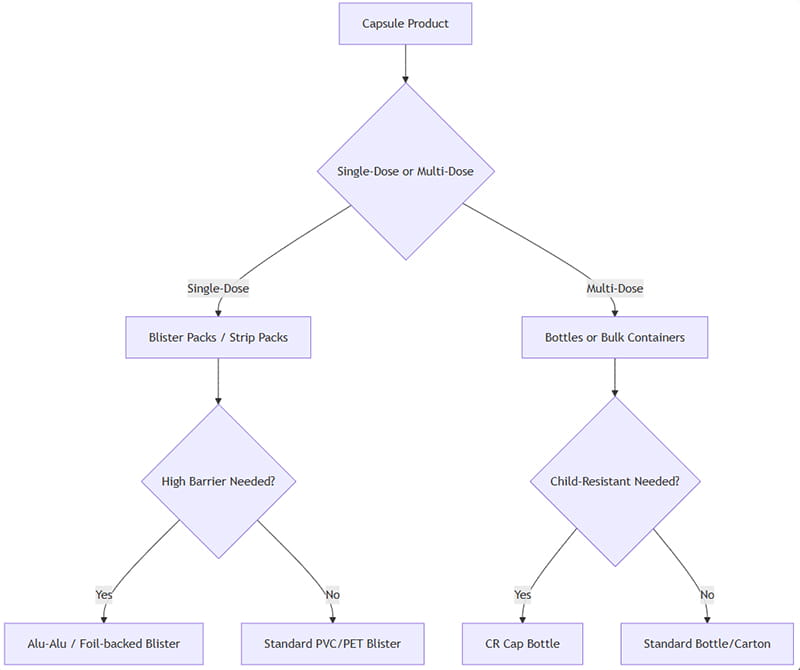
انتخاب یک بسته بندی بهینه کپسول شامل ارزیابی عوامل متعددی است: فرم دوز, انطباق بیمار, حساسیت محصول, ماندگاری, الزامات نظارتی, و هزینه. در زیر یک چارچوب تصمیم گیری ساده شده است:
نحوه اعمال این: اگر کپسول ها به صورت تک واحدی در نظر گرفته شده باشند (به عنوان مثال. دوز محکم یا کارت های تاولی خرده فروشی), تاول ها / نوارها ترجیح داده می شوند. برای چند دوز (به عنوان مثال. مکمل ها یا داروهای پرمصرف), بطری ها کارآمدتر هستند. اگر حفاظت از رطوبت/نور حیاتی است, گزینه های با مانع بالا را انتخاب کنید (الو الو, بطری کهربا). اگر ایمنی کودکان مورد نیاز است, از درب بطریهای مقاوم در برابر کودکان یا طرحهای تاولهای غیرقابل دستکاری استفاده کنید.
حساسیت محصول: برای داروهای حساس به رطوبت, از تاول های Alu-Alu یا کیسه های فویل استفاده کنید. برای حساس به نور, از بطری های کهربایی یا فیلم های مات استفاده کنید.
انطباق بیمار: فرمت های دوز واحد (تاول / نوار) کمک به پایبندی. بطری های آسان باز به سالمندان کمک می کند.
نظارتی: شامل شواهد دستکاری و پیروی از دستورالعمل های بسته بندی FDA/EMA.
ماندگاری: ماندگاری طولانی تر به مواد با مانع بالاتر نیاز دارد (الو الو, فیلم های چند لایه).
مقیاس تولید: دستگاه های تاول زنی سرعت بالایی دارند (حجم متوسط), خطوط بطری در دسته های بزرگ برتری دارند, ماشینهای ساشه نرخهای خط انعطافپذیر را مدیریت میکنند.
هزینه: تعادل مواد در مقابل هزینه های ماشین. به عنوان مثال, بطری ها ممکن است در هر واحد کار کمتری داشته باشند اما هزینه پلاستیک بالاتری داشته باشند; بسته های چوبی در هر دوز از فیلم بسیار کمی استفاده می کنند.
در نهایت, آزمایش خلبانی (مطالعات پایداری, مطالعات مصرف کننده) و تجزیه و تحلیل هزینه کل تصمیم نهایی را هدایت خواهد کرد. فلوچارت بالا نقطه شروعی برای سناریوهای معمولی است.
تجهیزات بسته بندی کپسول
بسته بندی کپسول نیاز به ماشین آلات تخصصی دارد. پس از پر شدن کپسول ها (توسط پرکننده های کپسول), اینها به خطوط بسته بندی منتقل می شوند:
ماشین آلات تاول: ما قبلاً به جینلو اشاره کردیم DPP-180Pro, یک دستگاه تاول ساز حرارتی با سرعت بالا. حفره ایجاد می کند (فیلم PVC یا PET), کپسول ها را تغذیه می کند (یا تبلت ها), و با فویل مهر و موم می کند, همه به صورت خودکار. Jinlu ماشین آلات را ارائه می دهد (به عنوان مثال. DPP-180, DPP-270Max) تا 4800-11200 حفره در ساعت. دستگاه های تاول زنی با فیدرهای شمارش جفت می شوند تا دقیقاً یک کپسول در هر جیب بریزد, و اغلب دارای پانچ برش برای جدا کردن تاول ها به کارت است. ماژول های اضافی (چاپ / بازرسی) اطمینان حاصل کنید که هر تاول خوانا و صحیح است.
شمارش & پر کردن خطوط (خطوط بطری): اینها کپسول های شل را به بطری تبدیل می کنند. یک خط معمولی دارد: یک بطری unscrambler (بطری های خالی را سازماندهی می کند), شمارنده قرص/کپسول (کاسه ارتعاشی یا سیستم نوری که شمارش می کند و یک عدد تنظیم شده را در هر بطری می ریزد), یک ماشین درپوش / آب بندی, و یک ایستگاه برچسب زنی. جینلو JL-16H خط, برای مثال, بطری ها را به هم می زند, کپسول های 3 تا 40 میلی متری را در آنها می شمارد, کلاه ها را اعمال می کند, و برچسب ها تا 100 بطری در دقیقه با 99.98% دقت. برای حجم بالا (بسته بندی فله) عملیات, خطوط مدولار با سر شمارش های متعدد یا پرکننده های مارپیچ می توانند به سرعت های بالاتری برسند. همچنین ممکن است برای درپوش های فویل، سیلرهای القایی یا شرینک سیلر اضافه شوند.
ماشین آلات ساشه/استیک پک: اینها هستند فرم-پر-مهر (FFS) ماشین آلات. جینلو JL-VP سری یک سیستم VFFS چند لاین است که می تواند 30 تا 40 ساشه یا بسته های چوبی در دقیقه در هر خط تولید کند.. دقیقاً پودر یا مایع را دوز می کند (پیچ های مارپیچ برای پودر, پمپ های مایع) و مهر و موم 3- یا ساشه های 4 طرفه یا بسته های چوبی 3 طرفه. ماشینها شامل کنترلهای PLC برای طول کیسه هستند, فیدرهای سروو برای دقت (± 0.02 گرم), و آب بندی حرارتی هرمتیک. چنین ماشین هایی برای محصولات تک دوز ایده آل هستند, اگرچه خود کپسول ها به ندرت دست نخورده در بسته بندی کیسه ای قرار می گیرند.
ماشین آلات بسته بندی نواری: بستههای نواری بر روی ماشینهای تخصصی ساخته میشوند که فویل یا فیلم روی هم قرار گرفتهاند. اینها اغلب شبیه ماشینهای تاول زنی هستند اما از فیلم تخت استفاده می کنند. (اگر جینلو بسته بندی های نواری را پیشنهاد می دهد, ادغام مشابه ماشین های ساشه.)
ماشین آلات بسته بندی ثانویه:دستگاه های کارتن سازی می تواند کارتن نصب کند, تاول ها یا بطری ها و بروشورها را وارد کنید, و جعبه ها را ببندید. کارتنسازهای دارویی معمولاً از تختههای تاول فویلی یا کیسههای کپسول استفاده میکنند. بسته بندی کیس (برای موارد بیرونی) و پالت سازها خط تولید انبوه را تکمیل می کنند.
انطباق با تجهیزات: همه ماشینهای بستهبندی برای داروها باید طراحی GMP را داشته باشند (فولاد ضد زنگ, سطوح قابل تمیز کردن, عملکرد تایید شده). ماشین های Jinlu دارای گواهینامه CE/cGMP هستند, اغلب با محافظ های قابل تنظیم و سیستم های رد برای قرص های خارج از مشخصات. ادغام کلید است: برای مثال, یک دستگاه تاولپز میتواند مستقیماً به کارتنری وارد شود که جعبهها را نصب میکند و هر کارت تاول را بستهبندی میکند.. سیستم های جامع (از پر کردن تا جعبه نهایی) امکان اتوماسیون سرتاسر بسته بندی کپسول را فراهم می کند.
ملاحظات نظارتی و انطباق
بسته بندی کپسول برای داروها باید از مقررات سختگیرانه پیروی کند. نکات کلیدی شامل:
الزامات GMP: سازمان غذا و دارو 21 CFR 211 بخش G به روش های کتبی برای دریافت و آزمایش نیاز دارد همه مواد بسته بندی قبل از استفاده. این یعنی تاول, بطری ها, برچسب ها, کارتن و غیره. باید مشخصات را رعایت کند (بدون نقص). نگهداری جداگانه مواد بسته بندی توسط محصول برای جلوگیری از اختلاط الزامی است. پیوست GMP WHO 9 به همین ترتیب جزئیات کنترل های بسته بندی. عملکرد خوب تولید نیازمند قابلیت ردیابی است (تعداد زیادی روی بسته بندی) و تمیز کردن.
رهنمودهای ثبات و ICH: من Q1A(R2) تصریح می کند که مطالعات پایداری روی محصول در مرحله نهایی آن انجام شود سیستم بسته شدن ظروف. در عمل, این بدان معنی است که شما باید بسته های آزمایشی کپسول ها را دقیقاً همانطور که برنامه ریزی کرده اید بسته بندی کنید (همان فویل تاول, همان نوع بطری) و آنها را در معرض شرایط پایداری واقعی/زمان قرار دهید. هر گونه تغییر در بسته بندی ممکن است نیاز به آزمایش پایداری جدید داشته باشد.
سریال سازی & قابلیت ردیابی: در بسیاری از بازارها, شناسه های منحصر به فرد (بارکد / کدهای دو بعدی) روی بسته بندی ثانویه (و گاهی اوقات تاول های اولیه) باید داروها را از طریق زنجیره تامین ردیابی کنند. خطوط باید شامل چاپگر یا اعمال کننده برای این کدها باشد. طراحی بسته بندی نیز اغلب شامل شواهد دستکاری است (طبق قوانین ایالات متحده / اتحادیه اروپا).
بسته بندی مقاوم در برابر کودکان و مناسب برای سالمندان: مواد کنترل شده یا داروهای خاص به ویژگی های مقاوم در برابر کودکان نیاز دارند. این اغلب به معنای درپوش مخصوص روی بطری ها است (به عنوان مثال. فشار و چرخش) یا تاول های سخت پوستی. با این حال, دسترسی به بیمار نیز باید در نظر گرفته شود (آسان برای سالمندان). مشاوره با قانون بسته بندی پیشگیری از سم (ایالات متحده) یا قوانین منطقه ای مشابه ضروری است.
استانداردهای ISO: تامین کنندگان بسته بندی اولیه باید از ISO پیروی کنند 15378 (GMP برای مواد بسته بندی اولیه) برای اطمینان از کیفیت. اگرچه مستقیماً در اینجا ذکر نشده است, این یک استاندارد رایج برای تولید کنندگان بسته بندی است. خود ماشین ها باید با استانداردهای ماشین آلات دارویی مطابقت داشته باشند (CE, ul, و غیره) و 21 قسمت CFR 11 اگر ضبط داده وجود دارد.
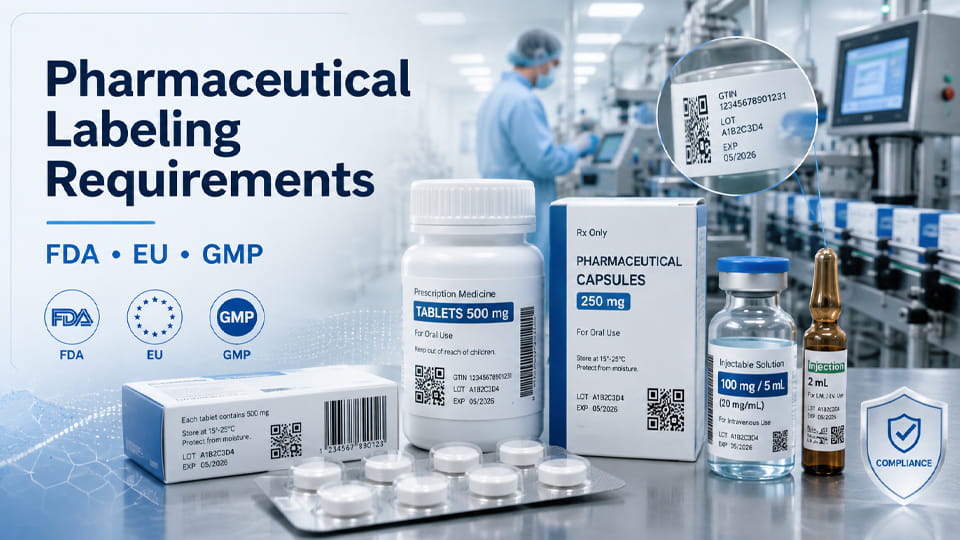
مقررات برچسب زدن: کپسول ها باید دارای برچسب نام محصول باشند, مقدار مصرف, تاریخ انقضا, سازنده, و غیره. این به کارتن ها و تاول ها نیز گسترش می یابد (گاهی اوقات هر بخش تاول حاوی اطلاعات چاپی است). FDA و EMA الزامات خاصی در مورد اینکه چه اطلاعاتی باید بر روی برچسب های اولیه و ثانویه ظاهر شود، دارند.
به طور کلی, نشست FDA, دستورالعمل های EMA و WHO ضروری است. بسیاری از بسته بندی ها با تامین کنندگان تحت نظارت کار می کنند (مثل جینلو) که می تواند ماشین آلات و اسناد معتبر را ارائه دهد (IR/WH/PQ).
نتیجه گیری
انتخاب بسته بندی کپسول مناسب نیاز به محافظت متعادل دارد, قابلیت استفاده, و هزینه. بسته های تاول, بطری ها, ساشه ها, و نوارها هر کدام جای خود را دارند بسته بندی دارویی. عواملی مانند حساسیت به رطوبت, فرم دوز, و بیمار نیاز به تصمیم گیری دارد. در کنار, الزامات مقررات سختگیرانه و GMP باید برآورده شود.
در بسته بندی جینلو, ما در راه حل های بسته بندی دارویی انتها به انتها تخصص داریم. تجهیزات ما - از ماشین های تاول زنی با سرعت بالا به شمارش کاملاً خودکار & خطوط بطری - به شما کمک می کند کپسول ها را به طور موثر و سازگار بسته بندی کنید. ما همچنین از انتخاب های پایدار حمایت می کنیم (به عنوان مثال. ماشینهایی که فیلمهای قابل بازیافت جدید را اجرا میکنند) و ارائه خدمات یک مرحله ای (سفارشی سازی, اعتبار سنجی). تیم ما می تواند به شما کمک کند تا بهترین سیستم بسته بندی کپسول را برای محصول خود ارزیابی کنید.
آماده برای بهینه سازی بسته بندی کپسول شما?امروز با جینلو پکینگ تماس بگیرید برای راهنمایی و نقل قول های تخصصی. راه حل های ما توسط استانداردهای کیفیت جهانی و بالاتر پشتیبانی می شوند 3,000 مشتریان راضی در سراسر جهان. بیایید کپسول های شما را برای موفقیت بسته بندی کنیم!
سوالات متداول در مورد بسته بندی کپسول
بسته بندی کپسول چیست؟?
بسته بندی کپسول به فرآیند محصور کردن کپسول های دارویی در مواد محافظ برای حفظ ثبات اشاره دارد., ایمنی, و انطباق. فرمت های رایج شامل بسته های تاول است, بطری ها, و بسته بندی نواری. در عمل داروسازی, بسته بندی فقط محفظه نیست، بلکه از کپسول ها در برابر رطوبت محافظت می کند, اکسیژن, و آلودگی, که مستقیماً بر کیفیت و ماندگاری دارو تأثیر می گذارد.
بهترین بسته بندی برای کپسول های دارویی چیست؟?
هیچ گزینه "بهترین" واحدی وجود ندارد - این به محصول و بازار شما بستگی دارد. • بسته بندی تاول ← بهترین برای داروهای حساس به رطوبت یا با ارزش بالا • بسته بندی بطری ← بهترین برای ذخیره سازی فله و مکمل ها • بسته بندی نواری → رایج در بازارهای حساس به هزینه بسته بندی بلیستر اغلب ترجیح داده می شود زیرا محافظت با دوز واحد و ایزوله بهتر محیطی را فراهم می کند.
از چه موادی برای محافظت از محصول کپسولی خود استفاده کنم?
از موادی استفاده کنید که تهدیدات کلیدی را مسدود می کند (رطوبت, اکسیژن, سبک). به عنوان مثال, تاول های فویل Alu-Alu یا بطری های شیشه ای کهربایی مانعی عالی برای کپسول های حساس به رطوبت هستند.. تاول های PVC یا PET با پوشش PVDC برای محصولات پایدار رایج و ارزان تر هستند. بطری های HDPE استاندارد هستند، اما اگر کپسول ها حساس باشند، ممکن است به یک کیسه خشک کننده نیاز داشته باشند. نرخ انتقال بخار آب را ارزیابی کنید (WVTR) از فیلم ها. در تولید آگاهانه پایداری, مواد تک بازیافتی را در نظر بگیرید (به عنوان مثال. تاول های PP). همیشه سازگاری بسته بندی را از طریق مطالعات پایداری آزمایش کنید.
بسته بندی کپسول چگونه از پایداری دارو محافظت می کند؟?
کپسول ها به عوامل محیطی مانند رطوبت حساس هستند, اکسیژن, و نور. بسته بندی مناسب: • از جذب رطوبت جلوگیری می کند • اکسیداسیون را کاهش می دهد • پایداری شیمیایی را حفظ می کند بسته بندی تاول, به طور خاص, میکرو محیط های مهر و موم شده برای هر کپسول ایجاد می کند, به طور قابل توجهی عمر مفید را افزایش می دهد.
کدام دستگاه های بسته بندی برای کپسول ها نیاز دارم?
بستگی به فرمت داره. برای تاول, شما به یک دستگاه تاول ساز/آب بندی نیاز دارید (با قالب های حفره ای متناسب با کپسول شما) به علاوه احتمالا کارتن ساز. برای بطری ها, شما به یک خط پر کردن بطری/دربندی نیاز دارید (unscrambler, ضد پرکننده, درپوش, برچسب زنی). برای بسته های چوبی, از یک دستگاه کیسه پرکن عمودی استفاده کنید. جینلو همه اینها را ارائه می دهد: به عنوان مثال. تاول های سری DPP ما, خط شمارش JL-16H, و بسته بندی ساشه JL-VP. انتخاب ماشین مناسب مستلزم ظرفیت است, اندازه کپسول, و ادغام های مورد نیاز (سیستم های بینایی, ایستگاه های رد, و غیره).
چگونه می توانم بین بسته های تاول و بطری برای یک کپسول تصمیم بگیرم?
عواملی مانند دوز را در نظر بگیرید (مجرد در مقابل. چندگانه), نیاز به ثبات, و استفاده بیمار. برای راحتی تک دوز و محافظت بالا (مخصوصاً برای کپسول های حساس به رطوبت/نور), تاول ها اغلب ترجیح داده می شوند. به دلایل اقتصادی یا حجم زیاد, بطری ها معمولا انتخاب می شوند. همچنین, اگر به ویژگیهای مقاوم در برابر کودک یا مناسب برای سالمندان نیاز است, بطری ها ممکن است گزینه های بیشتری ارائه دهند. به عنوان یک قاعده, خواص کپسول خود را با بسته بندی مطابقت دهید: به عنوان مثال. کپسول های بسیار مرطوب → تاول Alu-Alu; مکمل های پر تقاضا → بطری.
مد کوچک, بنیانگذار Jinlupacking, به ارمغان می آورد 20 سالها تخصص در بخش ماشین آلات دارویی. تحت رهبری او, جینلو تبدیل به یک تامین کننده قابل اعتماد با طراحی یکپارچه شده است, تولید, و فروش. پتی مشتاق به اشتراک گذاری دانش عمیق خود در صنعت است تا به مشتریان کمک کند تا پیچیدگی های بسته بندی دارو را طی کنند., اطمینان حاصل شود که آنها نه تنها تجهیزات را دریافت می کنند, اما یک مشارکت خدمات یک مرحله ای واقعی متناسب با اهداف تولید آنها.