

خرید یک دستگاه بسته بندی دارو یک تصمیم مهم برای هر شرکت دارویی است, بنابراین پرسیدن سوالات درست از قبل می تواند در زمان صرفه جویی کند, پول, و بعدا سردرد. مدرن خطوط بسته بندی دارو پیچیده هستند (اغلب در حال ادغام پرکننده های کپسول, دستگاه های تاول, سیستم های شمارش, کارتن سازها, و بیشتر), و آنها باید GMP و استانداردهای نظارتی سختگیرانه را رعایت کنند. در واقع, مطالعات نزدیک به نیمی از همه را نشان می دهد دارو را به یاد می آورد شامل خطاهای بسته بندی یا برچسب زدن است. در این راهنما, ما مهمترین سوالات و ملاحظات را برای خریداران دارو جمع آوری کرده ایم. شما یاد خواهید گرفت که چگونه انطباق را ارزیابی کنید (GMP/FDA/WHO), فرمت ها (قرص ها, مایع, تاول, و غیره), سرعت و سطح اتوماسیون, نیازهای تمیز کردن و اعتبار سنجی, سریال سازی/ردیابی, TCO (کل هزینه مالکیت), و پشتیبانی تامین کننده. ما همچنین شامل یک دستی است چک لیست خریدار و اشتباهات رایج تدارکات را برجسته کنید. چه شما یک بسته بندی کوچک قراردادی دارید یا یک کارخانه تولیدی بزرگ, این به شما کمک می کند تا به طور سیستماتیک ماشین ها را مقایسه کنید و از دام های پرهزینه جلوگیری کنید.
چرا مهم است: در داروسازی, انطباق غیر قابل مذاکره است. تجهیزات باید مطابق با FDA باشد, اتحادیه اروپا, و استانداردهای cGMP WHO قبل از اینکه محصول را اجرا کند. قطعات تماس دستگاه باید از نوع دارویی باشد (به طور معمول فولاد ضد زنگ 316L یا 304) با صاف, سطوح جوش داده شده - بدون زنگ زدگی, چاله ها, یا شکاف هایی که پودر می تواند پنهان شود. طراحی باید بهداشتی باشد (به عنوان مثال. ماژول های کنسولی, سطوح شیب دار) بنابراین تمیز کردن و بازرسی آن آسان است. بپرسید تامین کننده تجهیزات بسته بندی دارویی برای مستندسازی: شما باید پروتکل هایی برای دریافت کنید IQ (صلاحیت نصب), OQ (صلاحیت عملیاتی), و پی کیو (صلاحیت عملکرد). اینها تأیید می کنند که دستگاه به درستی نصب شده است, در تمام تنظیمات مورد نظر اجرا می شود, و به طور مداوم تحت بارهای واقعی تولید عمل می کند. بدون سوابق IQ/OQ/PQ, تجهیزات "واجد شرایط" نیستند استفاده از GMP. همچنین سیستم کیفیت و گواهینامه های تامین کننده را تایید کنید: آیا از ISO پیروی می کنند؟ 9001? آیا آنها می توانند گواهی مواد ارائه دهند (به عنوان مثال. مهر و موم های سیلیکونی مطابق با FDA) و علائم CE/UL در صورت نیاز? بالاخره, اطمینان حاصل کنید که طراحی از یکپارچگی داده ها پشتیبانی می کند (به عنوان مثال. 21 قسمت CFR 11 برای لاگ های الکترونیکی) و در صورت نیاز استریل کنید.
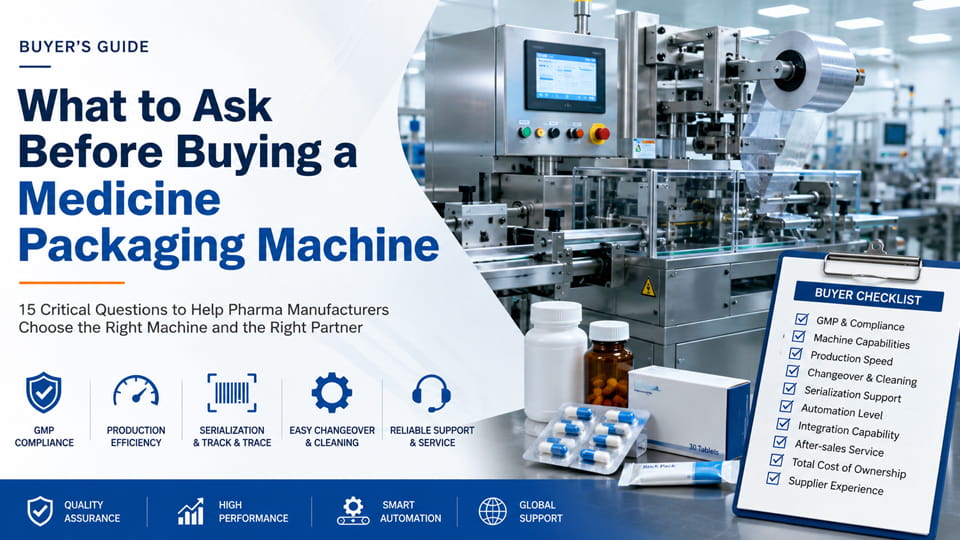
تصویر: خط تولید بسته بندی دارویی مدرن, نشاندهنده نیاز به ماشینهای یکپارچه و طراحی مطابق با GMP.
همه ماشین ها همه محصولات را مدیریت نمی کنند. شما باید در مورد انواع محصول خود کاملاً شفاف باشید. به عنوان مثال, قرص و کپسول اغلب از خطوط شمارش/پر کردن بطری یا بستهکنندههای تاول استفاده کنید, در حالی که داروهای مایع نیاز به ماشین آلات پر کردن و آب بندی مایع اختصاصی دارد. پودر / گرانول ممکن است داخل کیسه ها یا بسته های چوبی برود. در زیر یک راهنمای ساده وجود دارد - نیازهای شما ممکن است چندین ماشین را در یک خط ترکیب کند:
| فرم دوز & قالب | نوع ماشین معمولی |
| قرص جامد (شل, در بطری ها) | شمارش خودکار & خط پر کردن بطری |
| قرص جامد (نوار یا تاول) | دستگاه بسته بندی تاول (PVC/Alu-PVC) |
| کپسول (ژل سخت) | دستگاه پرکن کپسول + (خط تاول یا بطری) |
| مایعات / شربت (ویال ها یا بطری ها) | دستگاه پرکن و درپوش مایع |
| پودر / گرانول (چوب یا ساشه) | دستگاه ساشه یا استیک پک |
| ژل/آدامس های نرم | دستگاه شمارش + تاول یا بطری |
| کارتن (ثانویه) | دستگاه کارتن سازی برای بوکس نهایی |
دستگاه های بسته بندی دارو اغلب به عنوان فروخته می شوند خطوط یکپارچه. به عنوان مثال, یک خط کپسول ممکن است محصول را از یک تغذیه کند میله به یک ماشین شمارش, سپس از طریق الف بسته بندی تاول یا کارتن ساز.
از تامین کننده دستگاه بسته بندی دارو بپرسید: «آیا خط می تواند محصولات من را اجرا کند؟?” برای هر قالب, بررسی سازگاری مواد - به عنوان مثال. یک دستگاه تاول زنی باید فویل و فیلم شما را اجرا کند (پی وی سی, PET, ALU-ALU) در دمای مناسب. خطوط بطری باید برای ارتفاع بطری ها و انواع درپوش تنظیم شوند. اگر چندین محصول را برنامه ریزی می کنید (به عنوان مثال. کپسول ها و قرص ها), شما نیاز به تعویض قطعات یا حتی ماشین های مختلف دارید. برخی از ماشین ها هستند چند فرمتی, اما همیشه تأیید کنید که چه تغییری لازم است (بخش بعدی را ببینید).
سرعت نامی ماشین باید با اهداف خروجی شما مطابقت داشته باشد. دریابید که دستگاه می تواند چند واحد در دقیقه/ساعت بسته بندی کند قابل اعتماد. حتما در نظر بگیرید خالص خروجی (پس از رد) و نه فقط حداکثر. به نیازهای فعلی فکر کنید و رشد آینده. به عنوان مثال, خط تاولهای قرص با اندازه متوسط ممکن است رتبهبندی شود 40,000 تاول در ساعت; یک خط کاملاً خودکار بزرگ می تواند فراتر رود 100,000 در ساعت. با این حال, یک ماشین با سرعت بسیار بالا که اغلب تصادف می کند می تواند بدتر از یک ماشین کندتر باشد, پایدار.
حجم روزانه یا سالانه خود را تخمین بزنید و دستگاهی را انتخاب کنید که بتواند پیک ها را تحمل کند. روندهای صنعت را در نظر داشته باشید: بسیاری از شرکت های داروسازی در حال حاضر دسته های کوچکتری را با تغییرات مکرر اجرا می کنند, بنابراین سرعت بسیار بالای تک SKU نسبت به انعطاف پذیری اهمیت کمتری دارد. اگر چندین شیفت را اجرا می کنید, سرمایه گذاری در توان بالاتر می تواند از طریق پس انداز نیروی کار سریعتر بازپرداخت کند. اما اگر دسته ها کوچک یا سفارشی هستند, دستگاهی که امکان سوئیچ سریع دستور العمل و تعویض بدون ابزار را فراهم می کند (بخش را ببینید 4) ارزشمندتر از سرعت خام خواهد بود.
تصمیم بگیرید که واقعا به چه مقدار اتوماسیون نیاز دارید. ماشین های نیمه اتوماتیک از اپراتورها برای بارگیری کانتینرها نیاز است, شروع چرخه ها, یا کارهای دستی را انجام دهید (به عنوان مثال. ریختن قرص در تاول). خطوط تمام اتوماتیک بسته بندی دارو همه کارها از تغذیه تا آب بندی را با حداقل دخالت انسان انجام دهید. ماشین های نیمه خودکار هزینه اولیه کمتری دارند و می توانند برای کارهای کم حجم یا دسته ای مناسب باشند. خطوط تمام اتوماتیک هزینه بیشتری دارند اما در نیروی کار صرفه جویی می کنند و خطاهای انسانی را کاهش می دهند.
| نشان | نیمه اتوماتیک | کاملاً اتوماتیک |
| مشارکت اپراتور | بله - بارگیری/تخلیه, و غیره. | حداقل - یک نفر بر کل خط نظارت دارد |
| سرعت تولید | معتاد | عالی |
| تغییر | آهسته تر (تنظیمات دستی) | سریعتر (اغلب بدون ابزار, دستور العمل محور) |
| سرمایه گذاری اولیه | پایین | بالاتر |
| پیچیدگی اعتبارسنجی | مشابه (IQ/OQ/PQ هنوز مورد نیاز است) | مشابه |
| ایده آل برای | دویدن های کوچک, خلبانان آزمایشگاه | دویدن های بزرگ, 24/7 تولید |
سیستمهای دارویی کاملاً خودکار اغلب شامل قیفهای خوراک هستند, لیبل های اتوماتیک, کلاه ها, و نقاله ها همه هماهنگ شده اند. آنها همچنین بررسی های خطا را ادغام می کنند (ترازو, سیستم های بینایی) در زمان واقعی. تجهیزات نیمه اتوماتیک ممکن است برای یک سازنده قراردادی که شروع به کار می کند مناسب باشد, اما برنامه های رشد اغلب خریداران را به سمت انتخاب اتوماسیون کامل سوق می دهد.
خطوط دارویی محصولات را بیشتر از آنچه فکر می کنید تغییر می دهند, و هر تغییر نیاز به تمیز کردن کامل دارد (و اغلب اعتبار سنجی مجدد). طراحی خوب ماشین این کار را سریع می کند. جستجو کنید بدون ابزار قطعات قابل جابجایی, اجزای سبک (یک نفر می تواند آنها را اداره کند), و قاب هایی را باز کنید که اجازه QA را می دهند ببینید اگر بقایایی باقی بماند. هیچ حفره پنهانی نباید وجود داشته باشد که در آن قرص ها یا پودرها جمع شوند. فروشنده باید SOPهای شفاف را برای تمیز کردن فراهم کند, جداسازی و مونتاژ مجدد. تایید رویه های تغییر: می تواند محصول دستور العمل ها ذخیره شود تا تمام تنظیمات یک SKU داده شده را به خاطر بیاورید?
در عمل, ماشینی که می تواند به سرعت تمیز و تأیید شود، به طور مستقیم بهره وری را بهبود می بخشد. اگر داروهایی دارید که نیاز به تغییر بین آنها دارند, بگو, یک ماده کنترل شده و یک محصول ویتامین, شما از طریق تمیز کردن و اغلب یک آزمایش اعتبار سنجی تمیز انجام خواهید داد (تست محصول در بدترین حالت) هر بار. درباره تمیز در محل (CIP) گزینه ها یا سایر ویژگی های بهداشتی.
مقررات مدرن (ایالات متحده. DSCSA, اتحادیه اروپا FMD, و غیره) نیاز دارند سریال سازی هر واحد قابل فروش از پزشکی. قبل از خرید, تایید خط می تواند چاپگرهای کدگذاری را ادغام کند (جوهر افشان / لیزر) و اسکنرهای بینایی برای اعمال و تأیید بارکدهای 2 بعدی یا کدهای QR روی بسته ها. سیستم کنترل باید هر شماره سریال را بگیرد و آن را به داده های دسته ای پیوند دهد. در عمل, خریداران اغلب می پرسند: «آیا این دستگاه میتواند هر مورد بدون برچسب یا کدگذاری نامعتبر را رد کند?” و «آیا فضای رزرو شده و سیمکشی برای اضافه کردن کدگذار یا دوربین در فرصتی دیگر وجود دارد؟?”. حتی اگر امروز صادرات ندارید, ساخت یک خط آماده سریال سازی هوشمندانه تر از مقاوم سازی بعدی است.
فراتر از سریال سازی, ادغام دیجیتال را در نظر بگیرید. آیا دستگاه از ارتباطات صنعتی استاندارد پشتیبانی می کند؟ (اترنت/IP, OPC UA, مدباس, و غیره) بنابراین می تواند MES/ERP شما را تغذیه کند? آیا می تواند مسیرهای حسابرسی و سوابق دسته ای الکترونیکی را برای QA ایجاد کند? کارخانه های هوشمند مدرن انتظار داده های زمان واقعی را دارند: زمان کار, رد شمارش, آلارم ها, و غیره. خط داروسازی "هوشمند" به تشخیص زودهنگام مشکلات کمک می کند و از الزامات یکپارچگی داده ها پشتیبانی می کند (بدون لاگ دستی). بپرسید که آیا HMI/PLC را می توان به شبکه متصل کرد, اگر گزارش رویداد وجود دارد, و اینکه آیا خدمات از راه دور (از طریق VPN یا IoT) ارائه می شود. آمادگی دیجیتالی خط شما را ثابت می کند و قابلیت ردیابی را بهبود می بخشد.
قیمت برچسب تازه شروع است. خریداران هوشمند محاسبه می کنند TCO در طول عمر دستگاه. TCO شامل قیمت پایه است به علاوه حمل و نقل, نصب, IR/WH/PQ, آموزش, قطعات یدکی, مصرف انرژی, نگهدار, و هزینه های خرابی. به عنوان مثال, یک مطالعه نشان داد که یک خط بسته بندی داروی گران قیمت اما قابل اعتماد ساخت چین در سه سال بسیار بیشتر از یک خط بسته بندی ارزان تر صرفه جویی می کند, موردی که کمتر پشتیبانی می شود. یک میز درست کنید (مانند زیر) برای مقایسه فروشندگان:
| عامل هزینه | توضیحات | نظرات |
| قیمت خرید | ماشین, لوازم جانبی, تحویل | یک بار (اما ممکن است بسیار متفاوت باشد) |
| نصب و راه اندازی & راه اندازی | آماده سازی سایت, کالیبراسیون, IR/WH/PQ | مراحل از دست رفته در اینجا می تواند هزینه های آینده را افزایش دهد |
| آموزش | اپراتور & آموزش تعمیر و نگهداری | آموزش خوب خطای اپراتور را کاهش می دهد |
| قطعات یدکی & اجزاء | قطعات بپوشید (کمربندها, حسگر, و غیره) | لیست را بخواهید; در دسترس بودن بالا باعث صرفه جویی در زمان خرابی می شود |
| انرژی / آب و برق | برق, هوا, خالی, و غیره. | ماشین های کارآمد می توانند OPEX را برش دهند |
| نگهدار & زمان خراش | نگهداری برنامه ریزی شده & رفع برنامه ریزی نشده | خدمات سریع و طراحی کم شکست این را به حداقل می رساند |
| پشتیبانی/خدمات | عیب یابی از راه دور, بازدید در محل | یک سرویس SLA قوی ارزش وزن خود را دارد |
| مواد مصرفی & ابزار | مهر و موم, روان کننده ها, نازل های یدکی, و غیره. | اغلب نادیده گرفته می شود، اما می تواند اضافه شود |
اگر دو فروشنده ماشین های مشابه را نقل قول کنند, هر فهرست شامل چه مواردی است. یک دستگاه با قیمت بالاتر ممکن است عمر بیشتری داشته باشد, قطعات یدکی ارزان تری دارند, یا از هوای فشرده کمتر استفاده کنید - هزینه واقعی آن را کاهش می دهد. حتماً از هر فروشنده ای در مورد طول گارانتی و مواردی که پوشش می دهد سؤال کنید (قسمت, کار, سفر برای فناوری).
حتی بهترین ماشین هم نیاز به نگهداری دارد. سوابق و تنظیم خدمات تامین کننده دستگاه بسته بندی دارو را بررسی کنید. یک ماشین قابل اعتماد دارای ویژگی هایی مانند کدهای خطای واضح در HMI است, یک کابینت الکتریکی با برچسب, و یک برنامه نگهداری پیشگیرانه آسان. MTBF را بخواهید (میانگین زمان بین شکست) داده ها یا مطالعات موردی. همچنین از نحوه کار با قطعات یدکی مطلع شوید: قطعات خارج از قفسه یا سفارشی هستند? چقدر سریع می توانید اجزای حیاتی را دریافت کنید - روز یا هفته آینده? مخصوصا برای خریداران جهانی, پشتیبانی محلی کلیدی است. مطالعه JinLu Packing نشان داد که تحویل سریع قطعات و خدمات می تواند از ضررهای شش رقمی ناشی از خرابی جلوگیری کند..
[jl_youtube src=”https://www.youtube.com/embed/1Bb_J6rluac”]
ویدیو: یک خط پر کردن و بطری خودکار. ویژگی های قابلیت اطمینان را ارزیابی کنید (سنسورهای خطا, کابینت های شفاف) و سهولت نگهداری در هنگام انتخاب تجهیزات.
همه سازندگان ماشین های بسته بندی دارو تفاوت های ظریف دارویی را درک نمی کنند. در حالت ایده آل, فروشنده ای را انتخاب کنید که دارای سابقه ثابت شده باشد pharma/GMP. در مورد لیست مشتریان و پروژه های اخیر آنها بپرسید. آیا آنها منطقه شما یا بازارهای تنظیم شده را تامین کرده اند (FDA آمریکا, من EMA)? آیا آنها FAT انجام می دهند (تست های پذیرش کارخانه) و گزارشات FAT? آیا آنها می توانند در صورت نیاز فرآیند صلاحیت را انجام دهند? تامین کنندگان معتبر یک QMS مهندسی دارند و ممکن است سفارشی سازی را ارائه دهند (به عنوان مثال. بازرسی های ویژه بینایی برای برچسب گذاری OTC در مقابل RX).
همچنین باید تدارکات را در نظر بگیرید: کارخانه آنها کجاست? اگر خارج از کشور باشد, آیا شرکا یا نصب کننده کانال در کشور شما وجود دارد؟? چه کسی گمرک و حمل و نقل را انجام می دهد? به یاد داشته باشید, ارزان ترین دستگاه اگر به دلیل از دست دادن اسناد روی کشتی بنشیند یا به صورت محلی پشتیبانی نشود ارزش زیادی ندارد..
برای جمع کردن, در اینجا چک لیستی وجود دارد که می توانید از آن در جلسات یا RFQ استفاده کنید:
این سوالات, در حالی که متعدد است, اطمینان حاصل می کند که مهم ترین نقاط را پوشش می دهید و فروشندگان را بر اساس یکسان مقایسه می کنید.
سرمایه گذاری در دستگاه بسته بندی داروی مناسب به معنای متعادل کردن عملکرد است, رعایت, و در طول سالیان متمادی هزینه دارد. با پرسیدن این سوالات, شما نیازهای خود را روشن خواهید کرد و از غافلگیری جلوگیری خواهید کرد. به یاد داشته باشید, بهترین انتخاب همیشه ارزانترین دستگاه نیست, اما اونی که متناسب با روند شما و شما را سازگار نگه می دارد با حداقل زمان خرابی.
اگر نیاز به راهنمایی دارید, برای مثال با کارشناسان اتوماسیون بسته بندی مشورت کنید, بسته بندی جینلو طراحی و پشتیبانی خط دارویی را به صورت انتها به پایان ارائه می دهد, از طرح خط GMP تا اسناد اعتبار سنجی. با ما تماس بگیرید برای بحث در مورد پروژه خود: ما می توانیم یک پیشنهاد سفارشی ارائه دهیم یا یک دمو زنده ترتیب دهیم. بیایید مطمئن شویم که سرمایه گذاری شما هم موفقیت نظارتی و هم کارایی عملیاتی را به همراه دارد.
قبل از خرید دستگاه بسته بندی دارو, شما باید در مورد انطباق GMP بپرسید, سرعت تولید, انواع بسته بندی, پشتیبانی اعتبار سنجی, مواد ماشین آلات, زمان تغییر, در دسترس بودن قطعات یدکی, و خدمات پس از فروش. همچنین مهم است که بررسی کنید آیا دستگاه میتواند از الزامات توسعه تولید و سریالسازی آینده پشتیبانی کند یا خیر.
ماشین مناسب به نوع محصول شما بستگی دارد, حجم تولید, فرمت بسته بندی, و الزامات انطباق. به عنوان مثال, دستگاه های بسته بندی تاول معمولاً برای قرص ها و کپسول ها استفاده می شود, در حالی که دستگاه های ساشه یا استیک پک برای پودر و گرانول بهتر است. خریداران باید سطح اتوماسیون را نیز در نظر بگیرند, هزینه های نگهداری, و قابلیت یکپارچه سازی خط.
یک سازنده ماشین آلات بسته بندی دارویی قابل اعتماد باید اسناد و گواهی هایی مانند:
• گواهینامه CE
• مستندات طراحی مطابق با GMP
• پروتکل های IQ/OQ/PQ
• اسناد FAT/SAT
• گواهی مواد
• 21 قسمت CFR 11 پشتیبانی کنید (اگر قابل اجرا باشد)
این اسناد به کارخانه های داروسازی کمک می کند تا ممیزی ها را انجام دهند و الزامات نظارتی را برآورده کنند.
انطباق با GMP به اطمینان از ایمنی محصول کمک می کند, کیفیت ثابت, و تایید رگولاتوری. یک ماشین سازگار با GMP برای کاهش خطرات آلودگی طراحی شده است, بهبود قابلیت تمیز کردن, و از اسناد و قابلیت ردیابی مناسب پشتیبانی می کند. این امر به ویژه برای تولیدکنندگان دارویی که به بازارهای تنظیم شده صادر می کنند، بسیار مهم است.
تجهیزات بسته بندی دارویی مدرن می توانند بسیاری از فرمت های بسته بندی را پشتیبانی کنند, از جمله:
• بسته های تاول
• بطری ها
• ساشه
• بسته های چوبی
• کیسه ها
• کارتن
بهترین گزینه به شکل دوز شما بستگی دارد, الزامات بازار, و اهداف تولید.
سریال سازی در بسیاری از کشورها به دلیل قوانین ردیابی دارویی مانند DSCSA و EU FMD ضروری است.. ماشینی با قابلیت سریال سازی می تواند کدهای منحصر به فرد را چاپ و تأیید کند, کمک به تولیدکنندگان در جلوگیری از محصولات تقلبی و بهبود ردیابی زنجیره تامین.
ماشینهای نیمه اتوماتیک معمولاً مقرون به صرفهتر و مناسبتر برای تولیدات کوچک یا استارتآپها هستند. دستگاه های بسته بندی دارویی تمام اتوماتیک برای تولید در مقیاس بزرگ بهتر هستند زیرا کارایی را بهبود می بخشند., هزینه های کار را کاهش دهید, و خطای انسانی را به حداقل برسانیم.
قیمت به عوامل مختلفی بستگی دارد, از جمله نوع ماشین, سطح اتوماسیون, سرعت تولید, و الزامات سفارشی سازی. یک دستگاه نیمه اتوماتیک اولیه ممکن است بسیار کمتر از یک خط بسته بندی دارویی کاملاً خودکار با پشتیبانی سریال و اعتبارسنجی هزینه داشته باشد.. خریداران باید به جای قیمت خرید اولیه، روی هزینه کل مالکیت تمرکز کنند.
بله. بسیاری از دستگاه های بسته بندی دارویی مدرن می توانند با دستگاه های شمارش متصل شوند, سیستم های برچسب گذاری, ماشین های کارتن, نوار نقاله ها, و سیستم های ERP/MES. یکپارچه سازی به بهبود اتوماسیون و راندمان کلی تولید کمک می کند.
یک تامین کننده حرفه ای باید ارائه دهد:
• پشتیبانی از نصب
• آموزش اپراتور
• عیب یابی آنلاین
• تامین قطعات یدکی
• راهنمای نگهداری پیشگیرانه
• کمک فنی از راه دور
خدمات پس از فروش خوب می تواند زمان خرابی را به میزان قابل توجهی کاهش دهد و ثبات تولید را در طولانی مدت بهبود بخشد.
مراجع:
1.روش تولید خوب فعلی (CGMP) مقررات —- ایالات متحده. سازمان غذا و داروی
2.شیوه های تولید خوب WHO برای محصولات بیولوژیکی, ضمیمه 2, شماره TRS 999 -- سازمان بهداشت جهانی
3.عملکرد خوب تولید - آژانس دارویی اروپا
4.ده سوال متداول در مورد سریال سازی —— انجمن بین المللی مهندسی داروسازی