بینایی در مقابل شمارنده فوتوالکتریک: که برای بسته بندی دارویی بهترین است 2026?
بینایی در مقابل شمارنده فوتوالکتریک: که برای بسته بندی دارویی بهترین است 2026?
ژوئن 10, 2026
بدون نظر
شمارش دقیق است انتقادی در بسته بندی دارویی. اگر یک بطری می گوید 100 قرص ها, آن را باید دقیقا دارند 100 - یک خطا می تواند منجر شود فراخوان محصول, اقدام FDA, یا بدتر: آسیب به بیماران. شیوه های تولید خوب (GMP) و مقررات (به عنوان مثال. بخش FDA 21CFR 11 روی سوابق الکترونیکی) قابلیت ردیابی تقاضا و نرخ خطای نزدیک به صفر. خودکار شمارنده قرص/کپسول حل مشکل خطای انسانی: آنها به سرعت شمارش هزاران قرص در ساعت با ساب-0.1% نرخ های خطا. پیشخوان های سنتی استفاده می کنند فتو الکتریکی (پرتو نور) حسگر, یک فناوری بالغ از دهه 1980. اخیرا, شمارشگرهای بینایی مبتنی بر هوش مصنوعی (با دوربین و آنالیز تصویر) به عنوان یک جایگزین رده بالا ظاهر شده اند. هر رویکرد دارای معاوضه هایی در سرعت است, دقت, هزینه, و انطباق. ما اصول کار آنها را با هم مقایسه می کنیم, مزایا / معایب, موارد استفاده ایده آل, و پیامدهای نظارتی برای کمک به مدیران عملیات داروسازی برای انتخاب بهترین راه حل شمارش.
شمارنده فوتوالکتریک چیست؟?
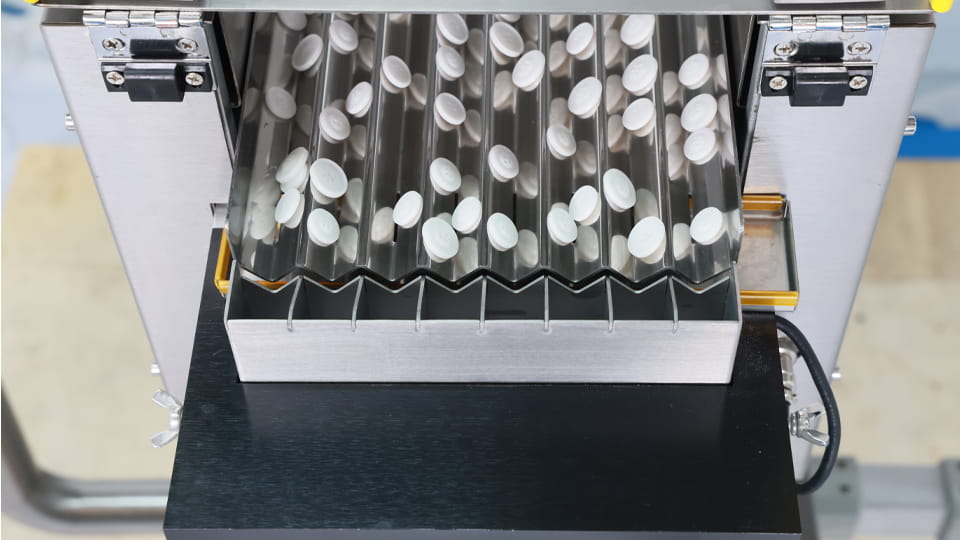
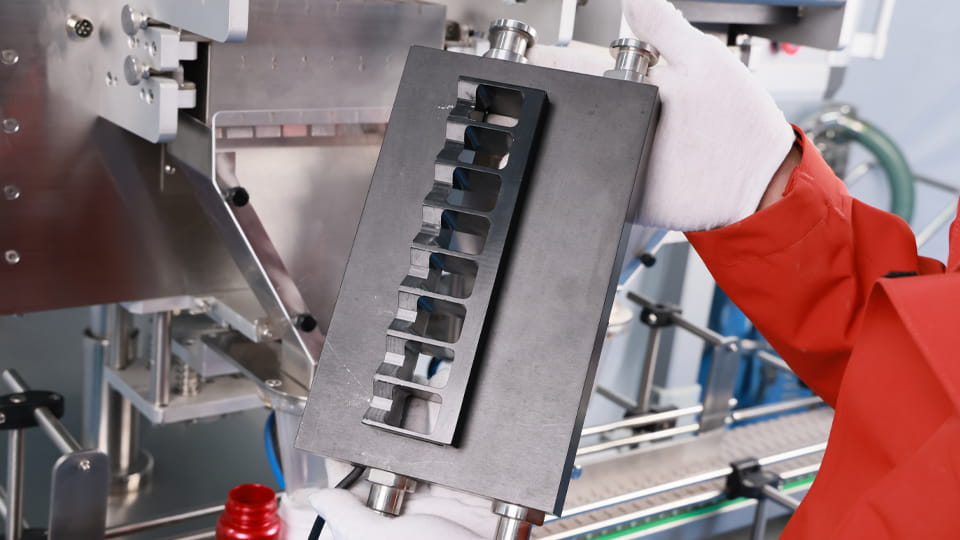
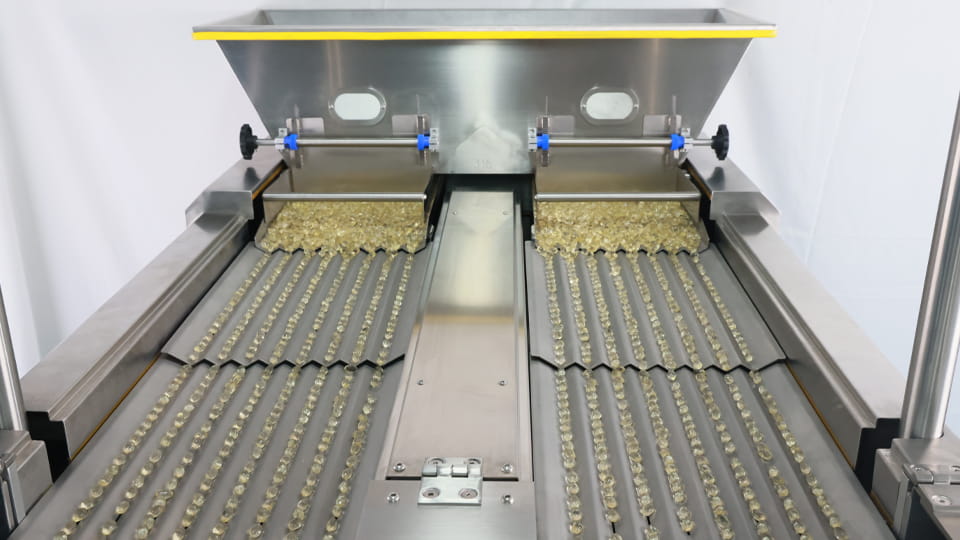
بوها فتو الکتریکی (و) شمارنده از حسگرهای پرتو نور ساده برای تشخیص قرص ها استفاده می کند. در عمل, قرص ها از طریق یک یا چند مسیر ارتعاشی به یک کانال باریک وارد می شوند. بوها پرتو نور مادون قرمز از مسیر عبور می کند. وقتی یک قرص از بین می رود, آن را بلوک ها (قطع می کند) پرتو, تولید پالسی که سنسور به عنوان یک شمارش ثبت می کند. به آن مانند یک فکر کنید سیم تریپ پرسرعت - پرتو را بشکنید, یک قرص ثبت کنید. این شمارنده ها اغلب چند کاناله هستند (8, 12, 16 خطوط, و غیره) برای توان عملیاتی بالا.
چگونه یک شمارنده فوتوالکتریک کار می کند?
قطع شدن پرتو نور: IR (یا لیزر) پروژه های امیتر در سراسر قیف; یک گیرنده در طرف دیگر تشخیص می دهد که آیا نور مسدود شده است. هر وقفه = یک قرص.
پردازش سیگنال: سنسور یک پالس خروجی می دهد (یا حساب می کند) هر زمان که پرتو شکسته شود. الکترونیک ساده پالس ها را محاسبه می کند.
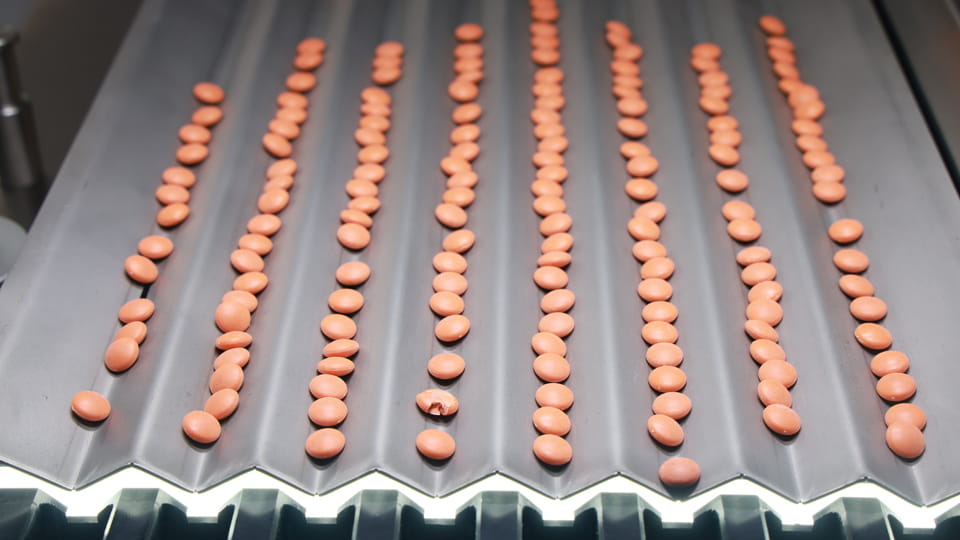
سینگولاسیون مکانیکی: تا به درستی کار کند, قرص ها باید رها شوند یکی یکی. یک فیدر ارتعاشی با مسیرهای چند مرحله ای جدا می شود (منفرد می کند) قرص ها را به یک جریان تک فایلی تبدیل کنید. اگر دو قرص روی هم قرار بگیرند, پرتو یک وقفه طولانی را به جای دو می بیند, باعث کم شماری می شود.
مزایای شمارش فوتوالکتریک
سرعت بالا: حسگرهای فوتوالکتریک در میکروثانیه پاسخ می دهند, هزاران رویداد در دقیقه را فعال می کند. برای ساده, محصولات یکنواخت, آنها به راحتی می توانند با سریع ترین خطوط پرکننده همگام شوند.
اثبات شده است & قابل اعتماد: تکنولوژی بالغ و قوی است. باینری (نور/بدون نور) راه اندازی منطق آسان است و شکست آن سخت است. یک بار کالیبره شد, شمارنده های فوتوالکتریک با حداقل دخالت اپراتور به طور پایدار کار می کنند.
هزینه کمتر: این ماشین ها از قطعات نسبتا ارزان استفاده می کنند (ال ای دی ها, فوتوترانزیستورها). از نقطه نظر مخارج سرمایه ای آنها بسیار مقرون به صرفه تر هستند. این به معنای ROI سریعتر برای خطوط استاندارد است.
تعمیر و نگهداری ساده: قطعات متحرک کمتر و بدون نرم افزار پیچیده به این معنی است که تعمیر و نگهداری آسان است. سنسورها فقط نیاز به تمیز کردن دوره ای دارند (مخصوصا لنزها) برای جلوگیری از تجمع گرد و غبار.
مناسب برای تبلت های مات: آنها برای رنگ های یکنواخت بسیار خوب عمل می کنند, قرص ها یا کپسول های مات. سنسورهای مادون قرمز از طریق پرتو تحت تأثیر رنگ قرص یا بازتابش قرار نمی گیرند, آنها را برای بسیاری از برنامه های شمارنده تبلت ایده آل می کند.
محدودیت های شمارنده فوتوالکتریک
با وجود نقاط قوتشان, شمارنده های فوتوالکتریک دارند معایب ذاتی در محیط های دارویی دنیای واقعی:
خطاهای همپوشانی/مجموعه: اگر قرص ها کاملاً از هم جدا نشده باشند, قطعات همپوشانی حسگر را در یک شمارش فریب می دهند. به عنوان مثال, دو قرص چسبیده به هم یک پالس بلوک پرتو بلند تولید می کنند. اجتناب از این نیاز به سینینگ مکانیکی بسیار خوب دارد, که در سرعت های بالا یا با اشکال نامنظم سخت تر می شود.
محصولات شفاف یا براق: نور مادون قرمز می تواند از آن عبور کند یا منعکس شود روشن/شفاف کپسول ها (نرم ژل ها) یا قرص های با پوشش شدید. یک کپسول ژلاتین شفاف ممکن است به هیچ وجه پرتو را مسدود نکند. این باعث کم شماری های مکرر و نتایج متناقض می شود. حل این مشکل اغلب نیاز به ترفندهای خاصی دارد (مانند تیرهای زاویه دار یا بازتابنده), که پیچیدگی را اضافه می کند.
بدون بازرسی کیفیت: شمارندههای فوتوالکتریک فقط «چیزی را که از کنارش رد شده» تشخیص میدهند.. آنها نمی توانند عیوب سطح را ببینند, ترک ها, چیپس, یا رنگ های اشتباه. یک قرص شکسته یا یک قرص آلوده هنوز به عنوان یک قرص خوب حساب می شود.
حساسیت به گرد و غبار: در محیط های پودری, گرد و غبار روی امیتر/رسیور پرتو را ضعیف می کند. با گذشت زمان, این می تواند به عنوان یک انسداد مداوم اشتباه خوانده شود, ایجاد نقاط کور. تمیز کردن مکرر (یا سنسورهایی با آلارم های خود چک) برای جلوگیری از رانش لازم است.
ثبت اطلاعات محدود: آمارگیری سیستمهای پایه مهم است، اما ذاتاً تصاویر یا مسیرهای حسابرسی دقیق را ثبت نمیکنند. آنها سوابق اولیه پرشمار را برآورده می کنند, اما نمی تواند اثبات دیجیتالی هر قرص فردی را ارائه دهد.
خلاصه, شمارنده های فوتوالکتریک (گاهی اوقات نامیده می شود شمارنده های الکترونیکی یا نوری) عالی هستند راه حل اسب کار برای بسیاری از خطوط معمولی, به خصوص زمانی که انواع محصول یکنواخت و بودجه محدود است. آنها مقرون به صرفه و ساده هستند, اما برای جلوگیری از اشتباهات شمارش، به قرص های مرتب شده و محیطی تمیز نیاز دارید.
شمارشگر بینایی چیست?
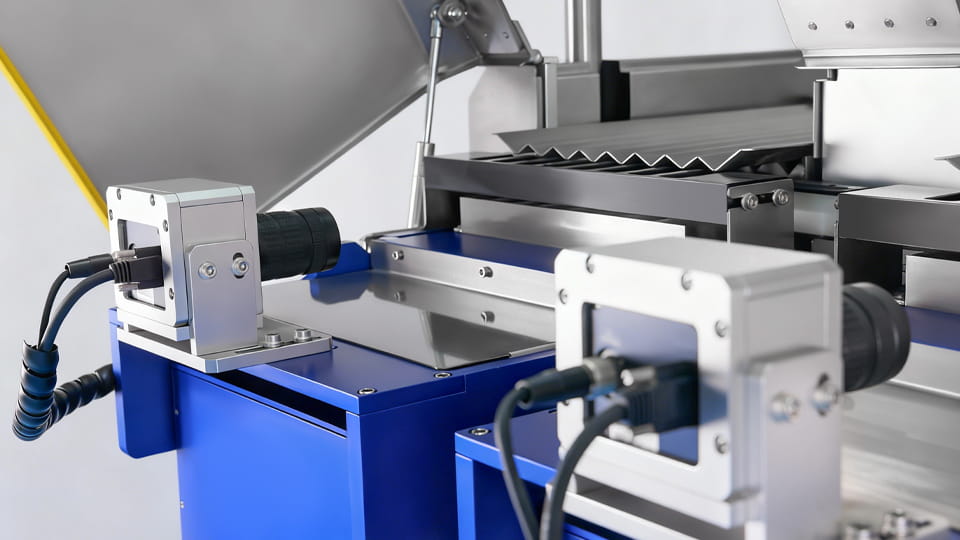
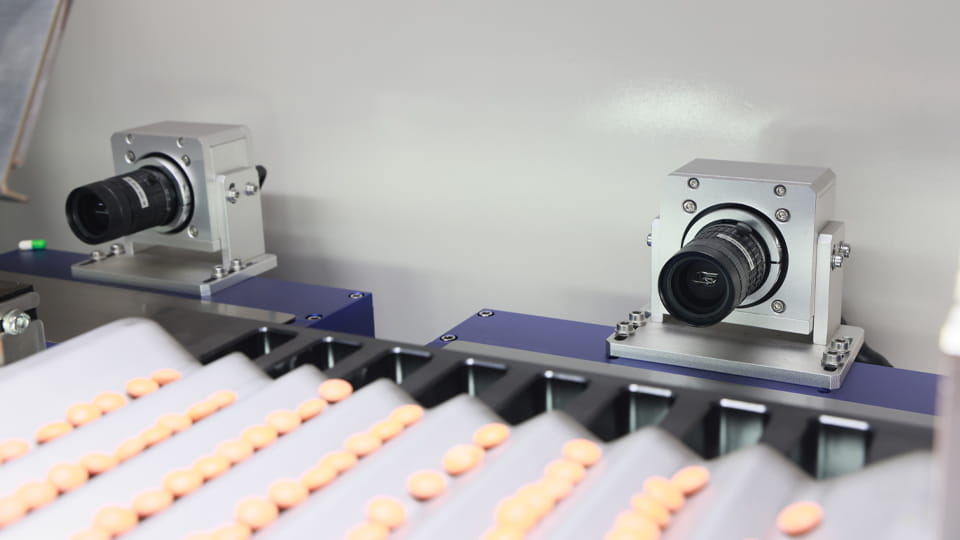
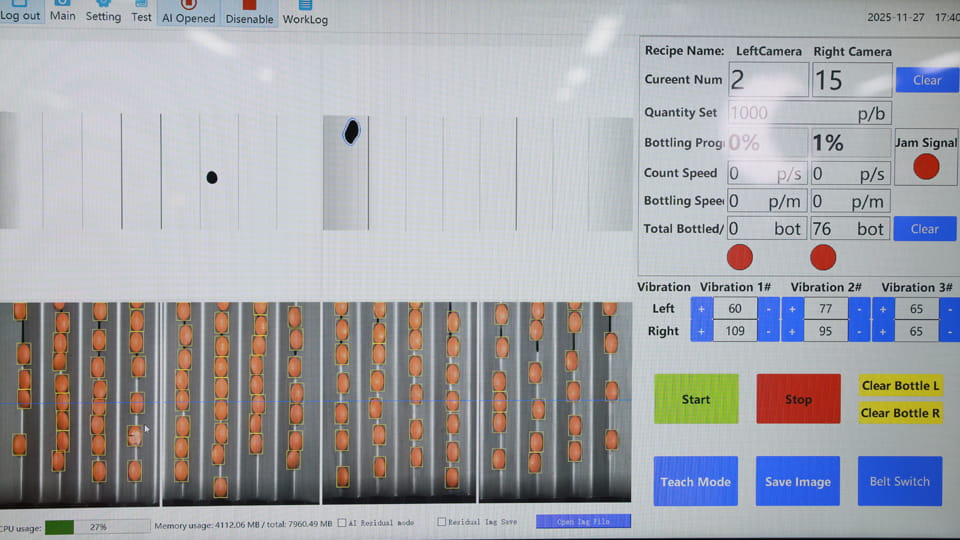
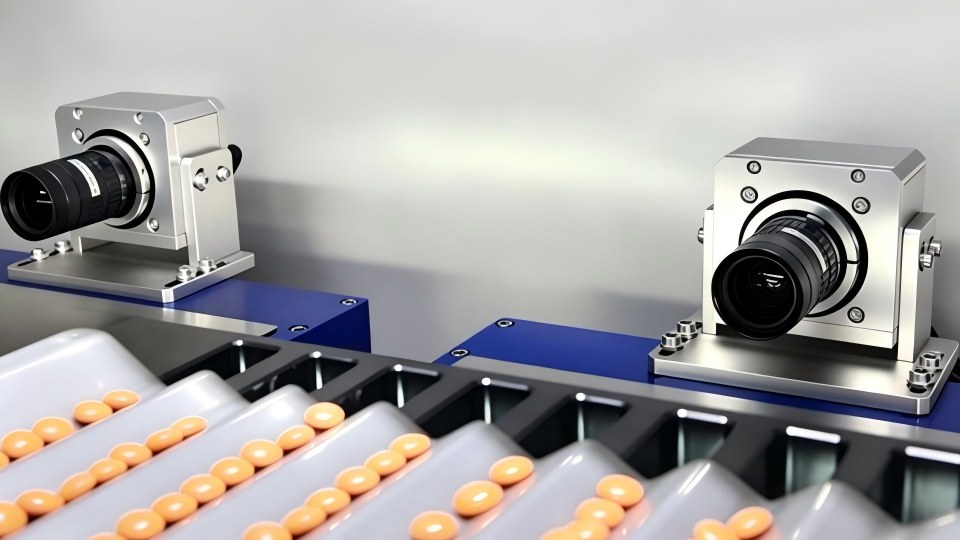
بوها بینایی (مبتنی بر دوربین) شمارنده از نرم افزار تصویربرداری با سرعت بالا به علاوه استفاده می کند ببینید و بشمارید هر قرص. به جای یک پرتو نور, دستگاه دارای یک یا چند دوربین صنعتی است که در بالای کانال های سقوط قرار گرفته اند. این دوربین ها به طور مداوم از قرص ها هنگام ریختن در بطری ها فیلم می گیرند. پشت صحنه, یک سیستم بینایی AI/کامپیوتری هر فریم را تجزیه و تحلیل می کند, شناسایی شکل, اندازه, رنگ, و سایر ویژگی های هر قرص یا کپسول.
چگونه شمارش بینایی کار می کند
تصویربرداری دوربین: دوربین های با وضوح بالا (گاهی اوقات چندتایی برای زوایای مختلف) هزاران تصویر در ثانیه از جریان محصول بگیرید. نورپردازی خوب (از جمله نور پس زمینه یا نورهای زاویه دار) لبه ها و خطوط را برجسته می کند.
پردازش تصویر: الگوریتم های پیچیده (تجزیه و تحلیل لکه, تشخیص لبه, شبکه های عصبی هوش مصنوعی) هر قرص را در تصویر پیدا کنید و آن را طبقه بندی کنید. هر "شی" فردی با امضای بصری خود شناخته می شود (کانتور, منطقه, رنگ).
شمارش و تایید: این سیستم برای هر شکل قرص شناسایی شده یک واحد شمارش می کند. اگر شکل نامنظم یا همپوشانی تشخیص داده شود, نرم افزار می تواند آن را به چند تعداد تقسیم کند ("راه حل همپوشانی" را در زیر ببینید). همچنین هر قرص را با یک الگو بررسی می کند: اگر یک قرص ترک خورده یا اشتباه است, آن را پرچم گذاری می کند.
کنترل کیفیت مداوم: زیرا شمارشگرهای بینایی به معنای واقعی کلمه محصول را می بینند, آنها می توانند بازرسی را در خط انجام دهند. قرص های کرک شده, گرد و غبار روی قرص ها, عدم تطابق رنگ, یا ذرات خارجی را می توان به طور خودکار شناسایی و خارج کرد یا علامت گذاری کرد.
در مقایسه با فوتوالکتریک, شمارش بینایی مانند رفتن از یک حسگر کور به یک دوربین پر سرعت است که "می داند" یک قرص خوب چگونه است.. این یک جهش فنی قابل توجه است.
دقت فوق العاده بالا: سیستم های بینایی به طور معمول به دقت 99.99% می رسند. شمارنده های مادون قرمز بیشتر است 99% دقت, در حالی که مدل های مبتنی بر بینایی، دقت شمارش را به سمت بالا فشار می دهند 99.99%. نقطه اعشار اضافی در داروسازی بسیار مهم است, جایی که حتی چند بطری کم پر غیرقابل قبول است.
شفاف & محصولات نامنظم: بینایی برتر است دید از طریق یک سافت ژل شفاف لبه ها یا سایه های جزئی را تحت نور مناسب ایجاد می کند, که دوربین تشخیص می دهد. همچنین به هر شکل تبلتی - بیضی - رسیدگی می کند, قلبی, پوشش داده شده - بدون تغییر خاصی. سیستم طرح کلی را تشخیص می دهد, بنابراین یک قرص کج شده یا با شکل عجیب هنوز شمارش می شود.
همپوشانی و دسته بندی دسته: وقتی دو قرص به هم می چسبند, نرم افزار ویژن هنوز هم می تواند آنها را از هم جدا کند. الگوریتم اندازه و شکل حباب را اندازه گیری می کند: اگر تقریباً دو برابر مساحت مورد انتظار باشد, آن را به دو بخش تقسیم می کند. به عبارت دیگر, مشکل همپوشانی را به طور خودکار "حل" می کند, کاری که حسگرهای فوتوالکتریک نمی توانند انجام دهند.
بازرسی کیفیت درون خطی: هر قرص تصویری است, بنابراین سیستم می تواند نقص ها را در حین پرواز بررسی کند. به دنبال تراشه می گردد, ترک ها, تغییر رنگ, یا مواد خارجی با مقایسه شکل و سطح قرص با یک الگوی "استاندارد طلایی".. قرصهای بد میتوانند باعث ضربههای پنوماتیک شوند, از رسیدن آنها به محصول نهایی جلوگیری می کند.
قابلیت ردیابی داده ها (21 قسمت CFR 11): شمارنده های بینایی یک رکورد دیجیتالی از فرآیند ایجاد می کنند. سیستم های پیشرفته می توانند تصاویر یا ویدیوهای هر بطری را در زمان پر شدن ذخیره کنند. این مسیرهای حسابرسی قطعی را فراهم می کند: در صورت نیاز می توانید تصویری از هر قرص را در یک بطری بیاورید. تنظیمات (تغییرات دسته ای, تنظیمات کالیبراسیون) با مُهر زمان و شناسههای کاربری ثبت میشوند. این از اصول +ALCOA پشتیبانی می کند (قابل انتساب, اصل, و غیره) مورد نیاز قوانین FDA.
تحمل گرد و غبار بالا: سیستم های دید هوشمند می توانند گرد و غبار ساکن یا خراش ها را فیلتر کنند. آنها یک "مدل پس زمینه" را زمانی که خالی هستند می گیرند, سپس آن را در حین شمارش کم کنید تا فقط قرص های متحرک ثبت شوند. این به این معنی است که گرد و غبار روی لنزها یا مسیرها شمارش را قطع نمی کند; تا حد زیادی توسط نرم افزار نادیده گرفته می شود.
ارزش بلند مدت: زیرا آنها به عنوان سیستم های بازرسی دو برابر می شوند, شمارشگرهای بینایی می توانند یادآوری و هدر رفتن را کاهش دهند. آنها کنترل کیفیت را در مرحله پر کردن تعبیه می کنند, که کیفیت کلی خروجی را افزایش می دهد. با گذشت زمان این می تواند قیمت بالاتر آنها را توجیه کند.
معایب ویژن شمارنده
هزینه بالاتر: سیستم های بینایی به دوربین های با سرعت بالا نیاز دارند, پردازندههای گرافیکی/تراشههای عصبی, و نرم افزارهای پیچیده. یک شمارنده هوش مصنوعی چند کاناله می تواند چندین برابر گرانتر از یک سیستم حسگر IR اصلی باشد. سرمایه گذاری اولیه قابل توجه است, بنابراین خریدارانی که از بودجه آگاه هستند ممکن است تردید کنند.
پیچیدگی: راه اندازی دوربین ها و روشنایی برای محصولات مختلف می تواند بیشتر از تنظیم یک پرتو IR نقش داشته باشد. نورپردازی باید بهینه شود (زاویه ها, نور پس زمینه, و غیره) برای هر شکل/رنگ محصول. همچنین نیاز به نگهداری سخت افزار و نرم افزار محاسباتی دارد.
محدودیت های سرعت: در حالی که شمارنده های دید مدرن بسیار سریع هستند, آنها تصاویر را به جای پرتوهای آنی پردازش می کنند. ماشینهای بینایی پیشرفته از دوربینهای چند خطی برای نزدیک شدن به توان عملیاتی سیستمهای IR استفاده میکنند, اما برخی از معاوضه وجود دارد. (با این حال, توجه داشته باشید که بینایی بدون وقفه است; یک قاب دوربین چندین قرص را به طور همزمان پوشش می دهد, و می توان از چندین دوربین به صورت موازی استفاده کرد.)
نگهدار: دوربین ها و لنزها نیز باید تمیز بمانند (گرد و غبار می تواند روی تصویر لکه دار شود, اگر چه همانطور که اشاره شد نرم افزار می تواند مقابله کند). اما هرگونه خرابی یا ناهماهنگی دوربین ممکن است به پشتیبانی فنی ماهرتری نسبت به یک سنسور IR ساده نیاز داشته باشد.
خلاصه, ماشین های شمارش مبتنی بر بینایی پیشنهاد الف سوپرشارژ شده راه حل شمارش: آنها قرص ها را می شمارند و همزمان آنها را بررسی می کنند, ارائه تضمین دیجیتالی که هر بطری درست است. مبادله هزینه و پیچیدگی راه اندازی است. برای ارزش بالا, با سرعت بالا, یا خطوط تولید پیچیده (به عنوان مثال. صادرات به بازارهای سخت), دقت بیشتر و قابلیت ردیابی اغلب سرمایه گذاری را توجیه می کند.
بینایی در مقابل شمارنده فوتوالکتریک: مقایسه کنار هم
نشان
شمارنده فوتوالکتریک
شمارنده بینایی
اصل شمارش
قطع شدن پرتو IR/نور
تصویربرداری با سرعت بالا + تجزیه و تحلیل تصویر هوش مصنوعی
دقت
تا 99.9٪ (اگر قرص ها کاملا منفرد شوند)
تا 99.99٪ (حتی با همپوشانی)
انواع محصول (ایده آل)
مات, قرص/کپسول یکنواخت
شفاف, ژل نرم, محصولات نامنظم یا پوشش داده شده
قرص های همپوشانی
نمی تواند تشخیص دهد (قرص های همپوشانی را یکی می شمارد)
الگوریتم حباب ها را تقسیم می کند - هر کدام را جداگانه می شمارد
بررسی سطح/کیفیت
بدون بازرسی (فقط حضور به حساب می آید)
هر قرص را از نظر نقص بررسی می کند, رنگ, نشانه گذاری
محیط گرد و غبار
تحمل کمتر (گرد و غبار روی لنز = شمارش غلط)
تحمل بالا (تفریق پس زمینه کثیفی های ساکن را فیلتر می کند)
بازگشت سرمایه از طریق خطاهای کمتر, به یاد می آورد, و مزایای انطباق
داده ها از منابع صنعت و ادبیات سازنده گردآوری شده است.
کدام محصولات توسط Vision Systems بهترین شمارش می شوند?
شمارشگرهای بینایی هنگام شمارش می درخشند محصولات چالش برانگیز که حسگرهای پرتو نور ساده را شکست می دهند. اینها شامل:
کپسول سافت ژل شفاف:روغن ماهی یا نرم ژل های روغن گیاهی شفاف یا کم رنگ هستند. پرتوهای فوتوالکتریک اغلب از آن عبور می کنند یا پراکنده می شوند, اما دوربین های بینایی لبه ها و سایه های خود را می بینند.
قرص دو رنگ و روکش دار: محصولات دو رنگ, نشانه های چاپ شده, یا پوشش های غیر معمول (به عنوان مثال. دارای پوشش روده ای) می تواند حسگرهای IR را گیج کند. دوربین تمام جزئیات رنگ را می بیند و می تواند یک قرص را از قرص دیگر تشخیص دهد.
اشکال عجیب و غریب: قلب, بیضی شکل, هشت ضلعی, یا قرص های دایکاتور به طور غیرقابل پیش بینی سقوط می کنند. الگوریتم های بینایی خطوط خود را تشخیص می دهند. حتی اگر یک قرص بیضی شکل در پرواز کج شود, طرح کلی آن هنوز مشخص است.
داروهای با ارزش یا بحرانی: برای داروهای انکولوژی, تزریقی های بیوتکنولوژی (در صورت مصرف بطری), یا دسته های پرخطر, تولیدکنندگان خواهان خطای صفر هستند. بازرسی اضافی ویژن این تضمین را فراهم می کند.
محصولات استریل / قابل دوام: برخی از خطوط تخصصی (ویال های استریل, بیولوژیک) ادغام تصویربرداری برای بررسی آلودگی; شمارنده های بینایی به خوبی در چنین خطوط اتاق تمیز قرار می گیرند.
خطوط فلکس دسته ای کوچک: خطوط تولید SKU های مختلف (مانند یک بسته بندی قرارداد) از پیکربندی مجدد سیستم های بینایی بهره مند شوید - دستور العمل ها را می توان در هر محصول بارگذاری کرد.
مکمل های غذایی (به عنوان مثال. مردانه, روغن ماهی): حتی اگر لثه ها مات باشند, آنها توده می شوند. شمارش بینایی با قیف های لرزشی ضد توده (مثل پیشخوان صمغی جینلو) اطمینان حاصل می کند که هر صمغ شمارش می شود. (ببینید دستگاه شمارش صمغی جینلو برای طراحی تخصصی)
به طور خلاصه, شمارنده های بینایی ایده آل هستند برای کپسول ها و قرص های غیر استاندارد: شفاف, چند شکل, یا محصولات درجه یک. اگر عملیات شما به خوبی انجام شود نرم ژل ها, دو لایه, یا اغلب دستور العمل ها را تغییر می دهد, سیستم بینایی پیشرفته تضمین می کند که هر آیتم به درستی محاسبه و بازرسی شده است.
کدام محصولات هنوز هم می توانند از شمارنده های فوتوالکتریک استفاده کنند?
شمارنده های فوتوالکتریک باقی مانده اند بسیار موثر برای موارد ساده:
تبلت های استاندارد: قرص های سفید یا رنگی بدون شفافیت یا پوشش. برای ژنریک در مقیاس بزرگ, فوتوالکتریک اثبات شده و کافی است.
کپسول های ژلاتین سخت (مات): اگر کپسول ها رنگی/رنگی هستند, پرتو به خوبی مسدود می شود.
تک SKU, خطوط با حجم بالا: اگر در اصل یک محصول را اجرا می کنید (بدون تغییر) و این یک قرص مات است, سنسورهای فوتوالکتریک سرعت تاول زدن را با هزینه کم ایجاد می کنند.
عملیات بودجه-آگاهانه: برای خطوط در مقیاس آزمایشگاهی یا کوچکتر (نمونه های اولیه ارزان تر, قرص های ژنریک, داروهای دامپزشکی کشاورزی, و غیره) جایی که بودجه محدود است, شمارنده های IR به نقطه ای شیرین برخورد کردند.
محیط های پاک: اگر منطقه پر شده به خوبی نگهداری شود (گرد و غبار کمی) و قرص ها همیشه به خوبی ترکیب می شوند, سیستم های فوتوالکتریک "چراغ ها را خاموش می کنند" با کمترین سر و صدا.
محصولات تحت نظارت کم خطر: اگر مسیرهای حسابرسی دقیق در اولویت نباشد (به عنوان مثال. برخی از مواد مغذی یا بازارهای داخلی), فوتوالکتریک برای دقت پر کردن با cGMP ملاقات می کند.
خلاصه, وقتی محصولات هستند از شمارش فوتوالکتریک استفاده کنید یکنواخت, مات, و محیط کنترل می شود, یا زمانی که هزینه اولیه یک نگرانی بزرگ است. این "اسب کار" مقرون به صرفه بسیاری از خطوط داروسازی باقی می ماند.
GMP و ملاحظات نظارتی
شمارنده های دارویی باید با CGMP الزامات (21 CFR 210/211) و به طور فزاینده ای با 21 قسمت CFR 11 (در صورت نگهداری سوابق الکترونیکی). عوامل مهم عبارتند از دقت شمارش, پاکیزگی, و یکپارچگی داده ها.
پر کردن دقت (210/211): مقررات نیاز به رویه های مکتوب برای اطمینان از برچسب زدن و بسته بندی صحیح دارند. شمارندههای خودکار که بهطور قابلاطمینانی به شمارش دقیق میرسند، از این دستور پشتیبانی میکنند. همانطور که یکی از وبلاگ جینلو اشاره می کند, شمارشگرهای خودکار قرص "با تضمین تعداد ثابت بطری به بطری به برآوردن الزامات FDA و cGMP برای دقت پر کردن کمک می کنند".
نظافت و بهداشت: هر دو نوع شمارنده از مسیرهای محصور شده استفاده میکنند و میتوانند شامل دستگاههای غبارگیر برای مطابقت با استانداردهای بهداشتی GMP باشند.. (طرح های Jinlu اغلب دارای کانال های مهر و موم شده و ماژول های تمیز کننده سریع هستند.)
یکپارچگی داده ها (قسمت 11 & ALCOA+): سیستم های بینایی ذاتا داده های دیجیتال را تولید می کنند (تصاویر, سیاهههای مربوط) که به راحتی قابل دستکاری هستند. به عنوان مثال, یک شمارنده بینایی سطح بالا می تواند a را بایگانی کند عکس فوری از هر بطری در زمان پر شدن. این تصاویر دارای مهر زمانی "اثبات غیرقابل تغییر یکپارچگی محصول" در طول ممیزی هستند. هر اقدام نرم افزاری (تغییر دستور غذا, تنظیم سرعت) با شناسه کاربری وارد شده است, ایجاد یک مسیر حسابرسی کامل. این از اصول +ALCOA پشتیبانی می کند: رکوردها قابل انتساب هستند, اصل (تصاویری از محصول واقعی), همزمان, و غیره.
قابلیت ردیابی فوتوالکتریک: شمارنده های IR می توانند تعداد و رویدادهای خطا را ثبت کنند, اما فاقد اثبات بصری هستند. هیچ راه بومی برای ورود وجود ندارد هر قرص چه شکلی بود. ارتقاء سیستم IR برای Part 11 انطباق ممکن است به حسگرها یا دوربین های خارجی برای مسیرهای ممیزی نیاز داشته باشد. در مقابل, شمارنده های بینایی از همان ابتدا با کنترل های کامپیوتری ساخته شدند.
صلاحیت & اعتبار سنجی: هر سیستمی نیاز خواهد داشت IQ/OQ (صلاحیت نصب/عملیات) و مستندات بر اساس استانداردهای دارویی. سیستمهای Vision ممکن است به دلیل نرمافزار به اعتبارسنجی دقیقتری نیاز داشته باشند, اما بسیاری از ماشینهای مدرن دارای پشتیبانی اعتبارسنجی هستند.
روندهای نظارتی: تنظیم کننده های جهانی به سمت انتظارات داده های سخت گیرانه تر حرکت می کنند. توانایی نشان دادن "هر قرص شمارش شده" با تصاویر و گزارشها به یک تمایز تبدیل میشود.. در واقع, برخی در حال حاضر با دیجیتالی کردن فرآیند، سیستمهای بینایی را «آینده پر کردن نقص صفر» مینامند.
در عمل, هر دستگاه شمارش در داروسازی باید دارای گواهینامه cGMP باشد (ISO, CE, و غیره) و مستندات خوب (سیاهههای مربوط به نگهداری, سس). یک سیستم را انتخاب کنید (فوتوالکتریک یا بینایی) که با رکورد دسته ای الکترونیکی شما ادغام می شود (EBR) یا سیستم اجرایی ساخت (MES). شمارشگرهای بینایی به طور طبیعی خود را به یکپارچگی کامل دیجیتال وامی دارند, ممیزی را ساده تر و کمتر خطا می کند.
تجزیه و تحلیل هزینه: آیا یک شمارنده چشم انداز ارزش سرمایه گذاری را دارد?
سرمایه گذاری اولیه: شمارنده های فوتوالکتریک از قبل به طور قابل توجهی ارزان تر هستند. همانطور که قبلا ذکر شد, یک شمارنده IR بالغ از اپتیک و الکترونیک ساده استفاده می کند. در مقابل, یک سیستم بینایی ممکن است به اپتیک سفارشی نیاز داشته باشد, دوربین های متعدد, و پردازنده های هوش مصنوعی (اغلب بر روی تراشه های NVIDIA یا موارد مشابه اجرا می شود). یک شمارنده IR 8 خطی ممکن است در پنج رقم پایین تا متوسط هزینه داشته باشد, در حالی که یک ماشین دید 8 لاین سطح بالا می تواند ده ها هزار دلار یا بیشتر باشد.
هزینه های عملیاتی: سیستم های فوتوالکتریک هزینه نگهداری پایینی دارند (گاهی اوقات سنسورها را تمیز کنید, LED های IR را جایگزین کنید). سیستم های ویژن قطعات بیشتری دارند (دوربین ها, کامپیوترها) اما بسیاری از آنها برای خدمات طولانی طراحی شده اند و دارای واحدهای قابل تعویض مدولار هستند. هر دو نوع از واحدهای جمع آوری گرد و غبار بهره می برند و به قطعات یدکی نیاز دارند (لوله های بطری, لوله ها, و غیره).
ریسک فراخوان محصول: در داروسازی, در هزینه خطا می تواند هزینه تجهیزات کوتوله. یک بطری اشتباه شمارش شده در یک دسته میتواند باعث فراخوانی شود که میلیونها هزینه در فروش از دست داده و به برند آسیب وارد میکند. سیستم های بینایی با اجتناب از پر شدن/زیاد پر شدن ناشناخته به طور چشمگیری این خطر را کاهش می دهند. آنها همچنین قرص های خارج از مشخصات را می گیرند (اجتناب از حوادث با کیفیت). در طول سالها, فراخوان های اجتناب شده و جریمه های انطباق می تواند هزینه سرمایه بالاتر چشم انداز را توجیه کند.
پس انداز نیروی کار: سیستم های بینایی کاملاً خودکار نیاز به بازرسی دستی پس از بسته بندی و کار مجدد را کاهش می دهند. یک اپراتور می تواند یک خط بزرگ شمارش بینایی را به جای چندین بطری بازرسی دستی کارکنان نظارت کند. این کاهش نیروی کار یک ROI پنهان است.
ROI بلند مدت: برای خطوط تولید ثابت, یک ماشین فوتوالکتریک ممکن است به سرعت جواب دهد (ROI قابل پیش بینی). برای خطوط متنوع یا با کیفیت بالا, بازگشت سرمایه ویژن از کیفیت بهبود یافته ناشی می شود. از نظر آماری, هل دادن دقت از 99.90% به 99.99% (یک "9" دیگر) به معنی 90% خطاهای کمتر. این می تواند به رد یا فراخوانی بسیار کمتری بیش از هزاران بطری ترجمه شود.
خلاصه هزینه ها: شمارنده های فوتوالکتریک با هزینه اولیه و سادگی برنده می شوند. پیشخوان های ویژن هزینه بیشتری دارند, اما آنها قابلیت هایی را اضافه می کنند (بازرسی, قابلیت ردیابی) که اغلب بعداً در هزینه ها صرفه جویی می کند. همانطور که یکی از کارشناسان گفته است, سیستم های فوتوالکتریک یک نقطه ورود کم خطر با ROI قابل پیش بینی را برای عملیات استاندارد ارائه می دهند. در ضمن, سیستمهای بینایی «هوش کیفی» را ارائه میکنند که میتواند با محافظت از برند، درآمد را افزایش دهد.
توجه داشته باشید: اگر بودجه کم است, در نظر بگیرید که با یک ماشین فوتوالکتریک شروع کنید و مسیر ارتقا را برنامه ریزی کنید. به عنوان مثال, جینلو دستگاه شمارش تبلت JL-8C یک شمارنده IR 8 لاین اقتصادی است (99.8%+ دقت) مناسب برای بسیاری از خطوط کپسول/قرص. برای نیازهای سطح بالاتر, جینلو دستگاه شمارش بینایی CCD JL-8Pro ارائه می دهد >99.99% دقت با بازرسی کامل بصری. (به «چگونگی انتخاب» در زیر مراجعه کنید.)
دستگاه شمارش بینایی CCD JL-8Pro
نحوه انتخاب بین فناوری شمارش بینایی و فوتوالکتریک
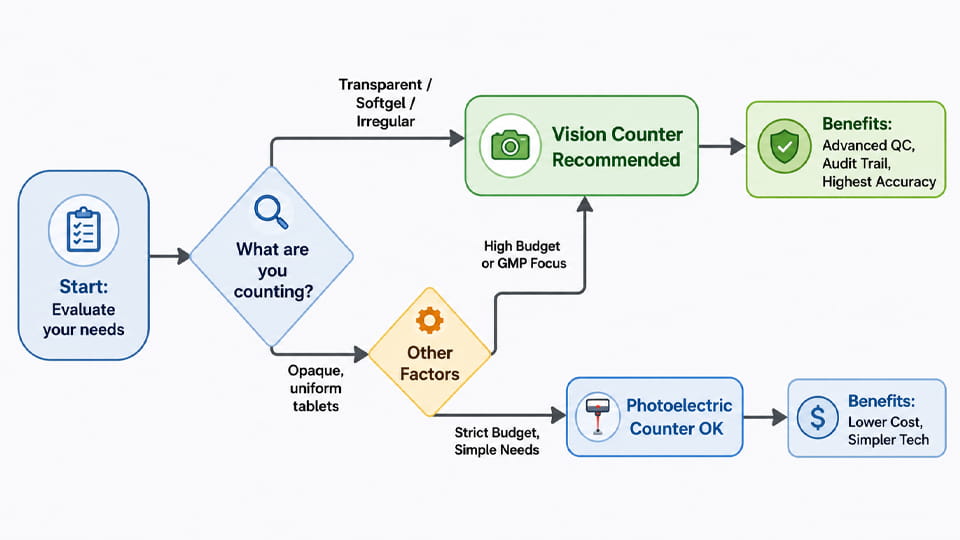
انتخاب فناوری شمارش مناسب به تطابق با شما ختم می شود ترکیب محصول, بودجه, و اهداف کیفی. در اینجا یک راهنمای تصمیم گیری ساده است:
Photoelectric را انتخاب کنید اگر:
محصولات شما همه مات هستند, قرص/کپسول یکنواخت. (به عنوان مثال. ژنریک های تولید انبوه)
محدودیت های بودجه غالب است. (ماشین های فوتوالکتریک می توانند 30 تا 50 درصد کمتر از مدل های بینایی معادل قیمت داشته باشند.)
محیط شما بسیار تمیز است و خط شما به خوبی تنظیم شده است (حداقل گرد و غبار, یکسان سازی عالی).
شما فقط به یک اسب کار برای توان عملیاتی بالا بدون بررسی کیفیت اضافی نیاز دارید.
Vision if را انتخاب کنید:
شما انواع SKU ها را اداره می کنید: کپسول های شفاف, تبلت های چند رنگ, اشکال عجیب و غریب.
GMP/قابلیت حسابرسی بسیار مهم است: به سوابق دیجیتال نیاز دارید, 21 CFR 11 رعایت, و یکپارچگی داده ALCOA+.
بودجه و فضای شما این اجازه را می دهد: ماشین های ویژن یک سرمایه گذاری هستند اما ارزش بیشتری به همراه دارند.
شما می خواهید عیب داخلی را تشخیص دهید: گرفتن قرص های شکسته یا مواد خارجی در اولویت است.
شما در حال ارتقاء یک خط پرسرعت هستید: ویژن میتواند در حین افزودن QC، توان عملیاتی چند خطی را تحمل کند.
در عمل, بسیاری از خطوط دارویی مدرن به سمت شمارنده های بینایی حرکت می کنند, به ویژه در بازارهای توسعه یافته. اگر کیفیت "صفر نقص" هدف شماست, هزینه اولیه بینایی به طور فزاینده ای ارزش آن را دارد. با این حال, ماشینهای شمارش فوتوالکتریک یک انتخاب معقول برای کاربردهای استاندارد باقی میمانند که در آن کارایی هزینه کلیدی است.
نتیجه گیری
خط پایین: سنتی شمارنده های فوتوالکتریک مقرون به صرفه باقی بماند, انتخاب قابل اعتماد برای ساده, خطوط با کارایی بالا با قرص های یکنواخت در شرایط تمیز. شمارنده های بینایی, هر چند, به سرعت در حال تبدیل شدن به مدرن راه حل برای بسته بندی دارویی. آنها هزینه بیشتری دارند اما دقت بی نظیری را ارائه می دهند, بازرسی, و ویژگی های انطباق - کلیدی برای محصولات پیچیده یا با ارزش بالا. همانطور که مقررات سخت تر می شود و کیفیت "صفر نقص" به یک هنجار تبدیل می شود, بسیاری از گیاهان دارویی در حال ارتقاء به سیستم های شمارش و بازرسی مبتنی بر بینایی هستند.
مهم نیست که کدام فناوری را انتخاب می کنید, Jinlu Packing هر دو را ارائه می دهد: از شمارنده های IR ناهموار 8 خط گرفته تا شمارنده های بینایی هوش مصنوعی پیشرفته. کارشناسان ما می توانند به شما در انتخاب تجهیزات مناسب برای تبلت کمک کنند, کپسول یا خط لثه. با ما تماس بگیرید برای بحث در مورد راه حل شمارش سفارشی که تضمین می کند هر بطری به درستی پر شده است, به طور موثر, و با رعایت کامل استانداردهای دارویی.
سوالات متداول در مورد ویژن در مقابل شمارنده فوتوالکتریک
1. تفاوت بین شمارشگر بینایی و شمارنده فوتوالکتریک چیست؟?
شمارشگر فوتوالکتریک با تشخیص وقفه در پرتو نور هنگام عبور محصولات از کانال شمارش، قرص ها یا کپسول ها را شمارش می کند.. یک شمارنده بینایی از دوربین های صنعتی و نرم افزارهای پردازش تصویر برای شناسایی و شمارش هر محصول بر اساس شکل آن استفاده می کند, اندازه, و ویژگی های بصری.
تفاوت اصلی این است که سیستم های بینایی می توانند شمارش و بازرسی را به طور همزمان انجام دهند, در حالی که سیستم های فوتوالکتریک در درجه اول بر شمارش تمرکز می کنند.
کدام فناوری شمارش برای بسته بندی دارویی دقیق تر است?
در اکثر کاربردهای دارویی, فناوری شمارش بینایی دقت بالاتری را ارائه می دهد, به خصوص هنگام استفاده از کپسول های شفاف, نرم ژل ها, قرص های نامنظم, یا محصولاتی که ممکن است در طول شمارش با هم همپوشانی داشته باشند.
زیرا سیستم های بینایی به جای اینکه صرفاً بر قطع پرتو تکیه کنند، تصاویر را تجزیه و تحلیل می کنند, آنها می توانند محصولات فردی را بهتر تشخیص دهند و خطاهای شمارش را کاهش دهند.
آیا شمارنده های فوتوالکتریک می توانند کپسول های ژل نرم را با دقت بشمارند?
شمارشگرهای فوتوالکتریک ممکن است هنگام شمارش کپسول های ژل نرم شفاف یا نیمه شفاف با چالش هایی مواجه شوند زیرا نور می تواند از اطراف محصول عبور کند یا شکست بخورد..
سیستمهای شمارش بینایی عموماً برای کاربردهای نرمافزاری مناسبتر هستند، زیرا بهجای وابستگی به انسداد نور، مشخصات بصری محصول را تشخیص میدهند..
آیا دستگاه های شمارش بینایی با GMP مطابقت دارند؟?
بله. ماشینهای شمارش بینایی مدرن را میتوان برای پشتیبانی از الزامات GMP با ارائه سوابق الکترونیکی طراحی کرد, قابلیت ردیابی دسته ای, مسیرهای حسابرسی, و عملکردهای بازرسی کیفیت.
بسیاری از تولیدکنندگان داروسازی سیستمهای بینایی را انتخاب میکنند زیرا به حمایت از یکپارچگی دادهها و ابتکارات انطباق با مقررات کمک میکنند..
آیا دستگاه بینایی سنج می تواند قرص های شکسته یا ذرات خارجی را تشخیص دهد?
بله. یکی از بزرگترین مزایای فناوری شمارش مبتنی بر دید، توانایی آن در بازرسی محصولات در حین شمارش است..
سیستم های پیشرفته می توانند تبلت های تراشه شده را شناسایی کنند, کپسول های شکسته, تنوع رنگ, و برخی مواد خارجی, کمک به بهبود کیفیت محصول و کاهش خطر ورود محصولات معیوب به بازار.
آیا یک ماشین شمارش چشم انداز ارزش هزینه سرمایه گذاری بالاتر را دارد?
اگرچه هزینه خرید اولیه معمولاً بالاتر است, بسیاری از تولیدکنندگان دارو متوجه می شوند که سیستم های بینایی بازده سرمایه گذاری بلندمدتی قوی را ارائه می دهند.
مزایا ممکن است شامل بهبود دقت شمارش باشد, فراخوان کمتر محصول, کاهش بازرسی دستی, نرخ رد پایین تر, و قابلیت های انطباق افزایش یافته است.
چه زمانی باید یک دستگاه شمارش فوتوالکتریک انتخاب کنم?
یک ماشین شمارش فوتوالکتریک اغلب انتخاب خوبی است که: • محصولات قرص استاندارد یا کپسول سخت هستند • الزامات تولید نسبتاً ساده است • بودجه یک نگرانی اولیه است • شفافیت محصول مسئله ای نیست • هیچ عملکرد بازرسی اضافی مورد نیاز نیست برای بسیاری از محصولات دارویی ژنریک, شمارش فوتوالکتریک یک راه حل قابل اعتماد و مقرون به صرفه است.
آیا شمارشگرهای بینایی روی خطوط بسته بندی دارویی با سرعت بالا کار می کنند?
بله. سیستمهای شمارش بینایی مدرن برای محیطهای تولید دارویی با سرعت بالا طراحی شدهاند و میتوانند حجم زیادی از قرصها و کپسولها را با حفظ دقت شمارش پردازش کنند..
بسیاری از سیستم ها دوربین های پرسرعت را ترکیب می کنند, پردازش تصویر در زمان واقعی, و مکانیسم های رد خودکار برای پشتیبانی از عملیات مداوم.
کدام محصولات برای فناوری شمارش بینایی مناسب هستند?
سیستم های شمارش بینایی به ویژه برای: • کپسول سافت ژل • کپسول های شفاف • قرص های دو لایه • قرص جوشان • قرص های نامنظم • آدامس های غذایی • محصولات دارویی با ارزش بالا این محصولات می توانند برای سیستم های شمارش فوتوالکتریک سنتی چالش برانگیز باشند, تبدیل فناوری بینایی به یک گزینه ترجیحی.
چگونه بین یک شمارنده دید و یک شمارنده فوتوالکتریک انتخاب کنم؟?
بهترین انتخاب به ویژگی های محصول شما بستگی دارد, اهداف تولید, الزامات انطباق, و بودجه.
اگر به یک راه حل مقرون به صرفه برای قرص ها و کپسول های استاندارد نیاز دارید، یک شمارنده فوتوالکتریک انتخاب کنید. اگر به دقت بالاتری نیاز دارید، بینایی شمار را انتخاب کنید, قابلیت های بازرسی محصول, پشتیبانی از اشکال دارویی پیچیده, و قابلیت ردیابی داده های قوی تر.
برای شرکت های دارویی که قصد ارتقای اتوماسیون بلند مدت دارند, فناوری شمارش بینایی به طور فزاینده ای به راه حل ترجیحی تبدیل می شود.
مد کوچک, بنیانگذار Jinlupacking, به ارمغان می آورد 20 سالها تخصص در بخش ماشین آلات دارویی. تحت رهبری او, جینلو تبدیل به یک تامین کننده قابل اعتماد با طراحی یکپارچه شده است, تولید, و فروش. پتی مشتاق به اشتراک گذاری دانش عمیق خود در صنعت است تا به مشتریان کمک کند تا پیچیدگی های بسته بندی دارو را طی کنند., اطمینان حاصل شود که آنها نه تنها تجهیزات را دریافت می کنند, اما یک مشارکت خدمات یک مرحله ای واقعی متناسب با اهداف تولید آنها.