
دانه بندی یک مرحله کلیدی است تولید تبلت که پودرهای ریز را به بزرگتر تبدیل می کند, گرانول های یکنواخت. بدون دانه بندی, بسیاری از پودرها (API ها و مواد کمکی) جریان پذیری و تراکم پذیری ضعیفی دارند, منجر به مشکلاتی مانند جداسازی می شود, پر کردن قالب ناهموار, و قرص های ضعیف. در عمل, اکثر فرمولاسیون ها نمی تواند به طور مستقیم فشرده شود زیرا پودرهای خام بسیار ریز و ناسازگار هستند. دانه (مرطوب یا خشک) جریان پودر را بهبود می بخشد, کنترل گرد و غبار, یکنواختی و اتصال, که به نوبه خود قرص هایی با وزن ثابت تولید می کند, سختی و توزیع فعال. اگرچه فشرده سازی مستقیم ساده تر است (قدم های کمتر, هزینه کمتر), خواص مواد خام استثنایی را می طلبد. این مقاله توضیح می دهد چرا قبل از قرص کردن معمولاً به دانه بندی نیاز است, مزایا و مبادلات را پوشش می دهد دانه بندی مرطوب در مقابل خشک, و راهنمایی عملی برای انتخاب فرآیند مناسب ارائه می دهد.
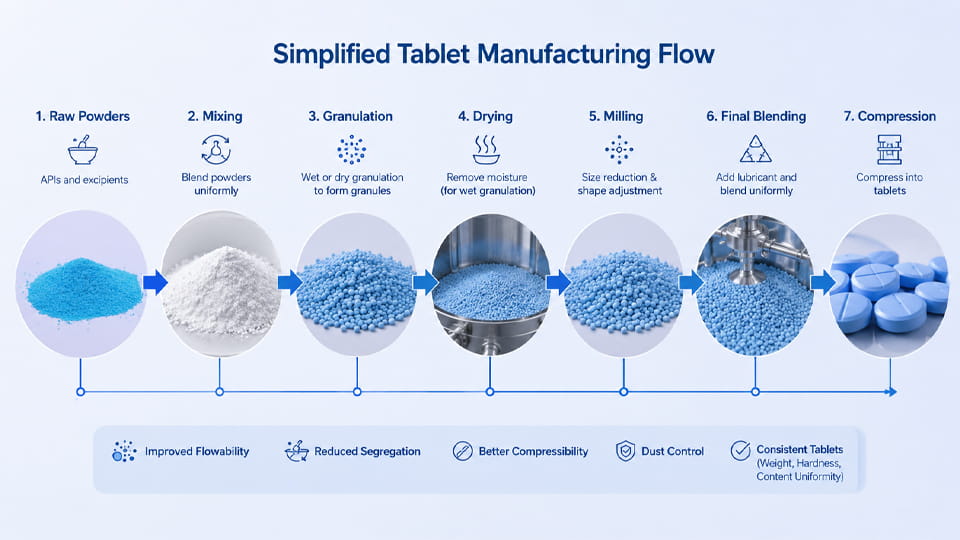
شکل: فلوچارت ساده ساخت تبلت. پودرهای خام + مواد کمکی مخلوط شده اند, دانه بندی شده (مرطوب یا خشک), خشک شده (اگر خیس باشد), آسیاب شده, مخلوط با روان کننده, سپس به قرص فشرده می شود.
دانه بندی یک است مهندسی ذرات فرآیندی که "پودرهای ریز را به بزرگتر تبدیل می کند, ذرات یکنواخت به نام گرانول. در تولید دارو, دانه (مرطوب یا خشک) برای آگلومره کردن پودرها به گرانول با بهتر استفاده می شود جریان پذیری, تراکم پذیری, و یکنواختی. به عنوان مثال, بوها گرانولاتور مخلوط کن با برش بالا (گرانولر خیس) می افزاید کلاسور محلول پودر, تشکیل یک توده مرطوب, که سپس خشک می شود (معمولا در خشک کن بستر سیال) و آسیاب شده به صورت گرانول. به صورت جایگزین, دانه بندی خشک از فشار مکانیکی استفاده می کند (تراکم غلتکی یا شل شدن) برای فشرده سازی و شکستن پودر به گرانول.
هدف هر دو دانه بندی مرطوب و خشک تولید گرانول هایی است که هستند متراکم, جریان آزاد و همگن. این گرانول ها به داخل پرس تبلت قابل اطمینان تر از پودر شل. گرانول ها همچنین گرد و غبار کمتری تولید می کنند و تمایل دارند به قرص های قوی تر فشرده شوند. به طور خلاصه, دانه بندی گامی حیاتی برای اطمینان از اینکه تبلت ها دارای ویژگی های کیفی هستند، است (وزن یکنواخت, قدرت, دقت دوز) زمانی که پودرهای خام به تنهایی برای قرص کردن مستقیم ایده آل نیستند.
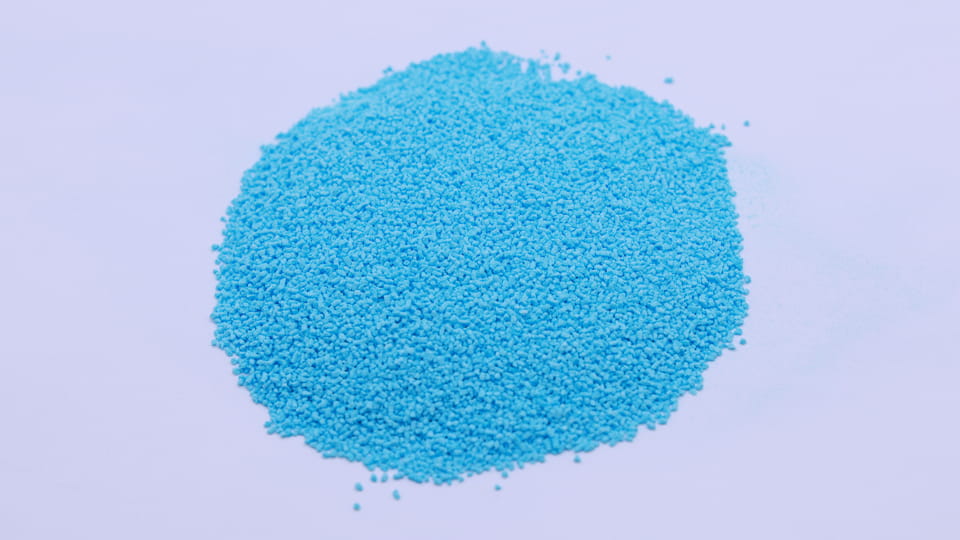
از نظر تئوری بله (برای برخی از فرمولاسیون ها): برخی از APIها و مواد جانبی (به عنوان مثال. سلولز میکرو کریستالی, لاکتوز اسپری خشک شده) عالی دارند ذاتی جریان پذیری و تراکم پذیری. این فرمولاسیون های نادر می تواند باشد فشرده سازی مستقیم (دی سی) قرص بدون دانه بندی قبلی. فشرده سازی مستقیم ساده ترین راه است: پودرها را مخلوط کنید + روان کننده, سپس مستقیماً وارد دستگاه پرس تبلت شوید. از تجهیزات و مراحل اضافی جلوگیری می کند (بدون خشک شدن), صرفه جویی در زمان و هزینه.
اما در عمل, اکثر پودرها نمی توانند: اکثر API های مولکولی کوچک بسیار ظریف و منسجم هستند, با خواص جریان و فشرده سازی ضعیف. اگر پودرها نتوانند به آرامی جریان پیدا کنند, حفره قالب کم یا بیش از حد پر می شود, باعث تغییر وزن تبلت می شود. اگر پودرها به خوبی فشرده نمی شوند, قرص ها نرم خواهند شد, درپوش یا شکستن. دوزهای کوچک (چند میلی گرم API) مخلوط با حجم زیاد مواد افزودنی اغلب دچار تفکیک می شود (fine API از حامل درشت جدا می شود). به طور خلاصه, به جز مواد کمکی فشرده سازی مستقیم بسیار تخصصی, بیشتر ترکیبات دارویی نیاز دارند دانه بندی برای رفع مشکلات جریان/تراکم پذیری.
فشرده سازی مستقیم تنها زمانی قابل دوام است که ترکیب شود در حال حاضر جریان و تراکم بسیار خوبی دارد. به عنوان مثال, مخلوط دوتایی از مواد کمکی با جریان بسیار آزاد با یک قرص با دوز بالا ممکن است موثر باشد. فشرده سازی مستقیم نیز برای داروهایی که بسیار گرم هستند انتخاب می شود- یا حساس به رطوبت, زیرا مراحل خیس کردن و خشک کردن را حذف می کند. با این حال, این امر مستلزم انتخاب دقیق مکمل است (به عنوان مثال, لاکتوز فشرده سازی مستقیم, MCC, مواد کمکی فرآوری شده) و اغلب فرمولاسیون های سفارشی.
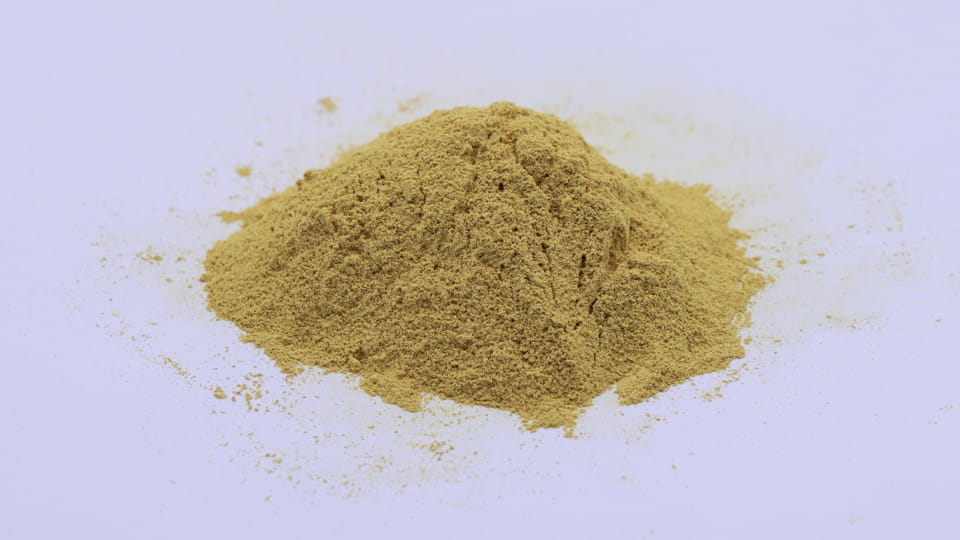
خلاصه, دانه بندی چالش های اصلی جریان/فشرده سازی پودرهای خام را حل می کند. بدون آن, قرص ها دارای تغییرات غیر قابل قبولی در وزن هستند, سختی و دوز. مبادله مراحل اضافی است (مخلوط کردن, خشک شدن, آسیاب), اما برای اکثر محصولات دارویی, دانه بندی روشی قابل اعتماد برای تضمین کیفیت محصول است.
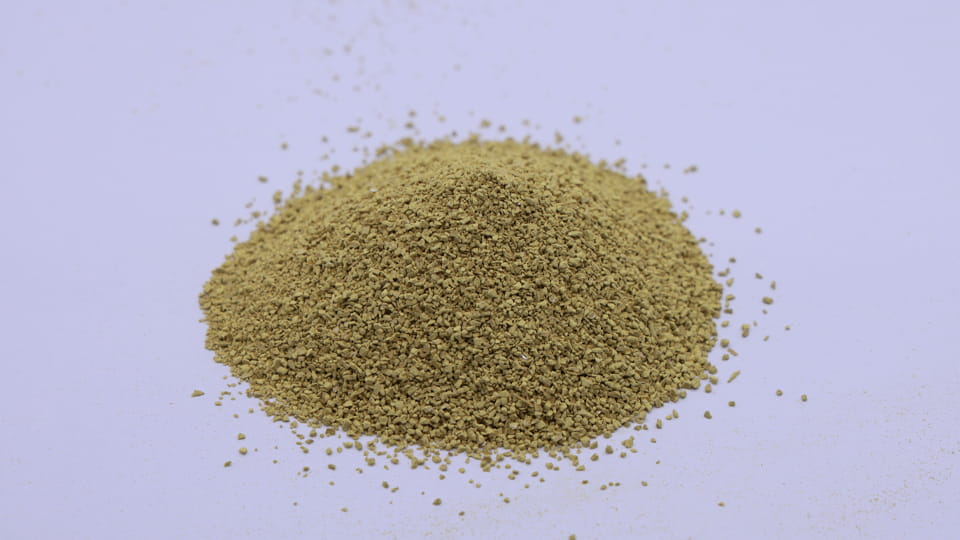
فشرده سازی مستقیم (دی سی) ساده ترین است, مقرون به صرفه ترین فرآیند تبلت, و آن را زمانی که کار می کند ترجیح داده می شود. DC مراحل را به حداقل می رساند (فقط اختلاط و فشرده سازی), به تجهیزات کمتری نیاز دارد (مخلوط کن + را فشار دهید) و از خشک شدن جلوگیری می کند. اگر API و اجزای کمکی در حال حاضر بسیار آزاد باشند، این روش پیشرو است, بسیار تراکم پذیر, و به طور یکنواخت مخلوط کنید. مواد کمکی بسیار محلول مانند لاکتوز یا الکل های شکر خشک شده با اسپری, همراه با یک API با دوز بالا, اغلب به DC اجازه می دهد. همچنین برای داروهای حساس به رطوبت/گرما که در فرآیند مرطوب تخریب میشوند، انتخاب شده است..
با این حال, برآوردن این نیازهای مادی چالش برانگیز است. مواد کمکی برای DC باید به طور "بحرانی" انتخاب شوند تا جریان و تراکم پذیری عالی را نشان دهند. اگر این شرایط رعایت نشود, قرص های DC از تنوع وزن و استحکام پایین رنج می برند. بنابراین, DC واقعا فقط برای حدود 10-20٪ از فرمولاسیون; اکثر آنها به مرحله مهندسی دانه بندی نیاز دارند.
مزایای فشرده سازی مستقیم: عملیات واحد کمتر, هزینه سرمایه/تجهیزات کمتر, بدون مرحله خشک کردن (باعث صرفه جویی در زمان/انرژی می شود), و ساده ترین اعتبار سنجی. همچنین اغلب در محصولات ترکیبی با دوز ثابت با کسر بالایی از پرکنندههای قابل تراکم مستقیم استفاده میشود.. اما برای هر ترکیبی با جریان ضعیف یا ریسک تفکیک, دانه بندی معمولا اجتناب ناپذیر است.
هر دو مسیر می توانند تبلت بسازند, اما آنها از نظر پیچیدگی و عملکرد بسیار متفاوت هستند. جدول زیر تفاوت های کلیدی را خلاصه می کند:
| پارامتر | فشرده سازی مستقیم (دی سی) | دانه (مرطوب/خشک) |
| پیچیدگی فرآیند | کم (مخلوط کنید سپس فشار دهید) | بالاتر (مخلوط کردن, دانه بندی, خشک, آسیاب, سپس فشار دهید) |
| تجهیزات | مخلوط کن, پرس تبلت | گرانول یا متراکم برش بالا, خشک کن, آسیاب, پرس تبلت |
| الزامات جریان پذیری | باید عالی باشه | دانه بندی جریان را به طور قابل توجهی بهبود می بخشد |
| تراکم پذیری | با خواص پودر خام محدود شده است | با اتصال گرانول تقویت می شود |
| یکنواختی محتوا | سخت تر به دست آوردن (خطر تفکیک) | بهتر است (تفکیک به حداقل رسیده است) |
| تولید گرد و غبار | عالی (پودرهای ریز) | کم (گرانول ها, جریمه کمتر) |
| برای اکثر API ها مناسب است | هیچ (چند استثنا) | بله (محدوده وسیع, مخصوصا. API های جریان ضعیف) |
| کیفیت تبلت | معتاد (بستگی به فرمولاسیون دارد) | عالی (وزن ثابت, قدرت) |
به طور کلی, دانه بندی پیچیده تر و پرهزینه تر است, اما خواص پودر برتری را ارائه می دهد. DC ناب و مقرون به صرفه است, اما فقط زمانی که مواد خام ذاتاً معیارهای سختگیرانه را رعایت کنند.
هنگامی که دانه بندی مورد نیاز است, سوال بعدی این است مرطوب در مقابل خشک. هر کدام مزایا و معایبی دارند.


انتخاب مرطوب در مقابل خشک: اگر API شما می تواند رطوبت/گرما را تحمل کند و محصول به یکنواختی درجه یک نیاز دارد, دانه بندی مرطوب ترجیح داده می شود. اگر انرژی و سرمایه محدود باشد یا دارو حساس باشد, دانه بندی خشک جذاب است. در عمل, دانه بندی مرطوب بیشتر برای قرص های سنتی رایج است, در حالی که دانه بندی خشک برای موارد خاص استفاده می شود (به عنوان مثال. متفورمین, آسپرین).
تجهیزات کلیدی در خط تولید تبلت با فرآیند انتخاب شده هماهنگ است. برای دانه بندی مرطوب, بوها گرانولاتور مخلوط کن با برش بالا (دستگاه گرانول مرطوب) برای مخلوط کردن پودر و بایندر استفاده می شود, به دنبال آن a خشک کن بستر مایع برای خشک کردن گرانول ها. برای دانه بندی خشک, بوها فشرده ساز غلتکی (دستگاه دانه خشک) برای فشرده سازی پودر به صورت روبان استفاده می شود. گرانول ها (از مرطوب یا خشک) سپس در صورت نیاز آسیاب می شوند و در نهایت به a وارد می شوند رایانه لوحی دوار, که آنها را به صورت قرص فشرده می کند. بعد از فشرده سازی, قرص ها ممکن است به a لوازم مغزی یا دستگاه بسته بندی.
| تجهیزات (مثال جینلو) | عملکرد اولیه |
| گرانول کننده میکسر برش بالا | پودرها و بایندر مایع را برای تشکیل گرانول های مرطوب مخلوط می کند. (دانه بندی مرطوب) |
| خشک کن بستر مایع | دانه های مرطوب را به طور یکنواخت خشک می کند (اغلب پس از اختلاط با برش بالا). |
| فشرده ساز غلتکی (دانه خشک) | پودر را به صورت روبان یا راب برای دانه بندی خشک فشرده می کند. |
| پرس قرص روتاری | پودر یا گرانول را با سرعت بالا به صورت قرص فشرده می کند. |
هر یک از موارد فوق در بسته بندی Jinlu موجود است (ببینید میکسر گرانولاتور با برش بالا, فشرده ساز غلتکی (دانه خشک), و دستگاه پرس قرص روتاری در کاتالوگ محصولات ما).
امضای فرمول نیاز به دانه بندی دارد: اگر متوجه مشکلاتی مانند وزن ناسازگار شدید, گردگیری از پودر, درپوش تبلت, یا ترکیبات جدا شده در طول آزمایشات, دانه بندی به احتمال زیاد مورد نیاز است. به عنوان مثال, اگر ترکیب API با ماده کمکی بسیار کرکی به دست می آید, مخلوط سبک, اغلب به خوبی فشرده نمی شود. همچنین, APIهای با دوز بسیار پایین (<<50 مگس) معمولاً برای اطمینان از توزیع یکنواخت نیاز به دانه بندی دارند. به طور خلاصه, در صورت وجود اموال عمده (جریان, تراکم) در ترکیب امکان سنجی ضعیف است, برنامه ریزی برای دانه بندی.
نکاتی برای بهبود جریان پذیری/تراکم پذیری: علاوه بر دانه بندی, فرمول نویسان می توانند امتحان کنند: مهندسی اندازه (برای جلوگیری از ریزش بیش از حد، درجه های آسیاب یا درشت تر), رقص سر خوردن (به عنوان مثال. 0.5-2% سیلیس کلوئیدی یا تالک درست قبل از قرص برای کاهش اصطکاک اضافه می شود), یا روان کننده ها (استئارات منیزیم) عاقلانه. گاهی اوقات خشک کردن اسپری یا استفاده از آگلومراهای کروی می تواند کمک کننده باشد. کاهش رطوبت و کنترل رطوبت نیز از کلوخه شدن جلوگیری می کند. مناسب مخلوط کن طراحی (به عنوان مثال. تغذیه با خلاء) می تواند گرد و غبار را کاهش دهد. بالاخره, بهینه سازی پارامترهای پرس تبلت (عمق پر کردن, زمان سکونت) به جبران جریان حاشیه ای کمک می کند.
تولید با سرعت بالا: روی یک پرس چرخشی مدرن, حتی مشکلات جریان کوچک باعث رانش وزن می شود. بازخورد وزن در زمان واقعی و کالیبراسیون مکرر ضروری است. ماشین های پرسرعت اغلب از فشرده سازی دو مرحله ای استفاده می کنند (رول پیش فشرده سازی) و فیدرهای پارویی برای بهبود قوام پر شدن. اگر شما باید قرص پودری با جریان ضعیف, ارتقاء را به دستگاهی با فیدرهای اجباری یا بادامک های پرکننده دوقلو در نظر بگیرید. همیشه تأیید کنید که یکنواختی محتوا با سرعت کامل برقرار است. یک خوراک دانه بندی شده به خوبی اجراهای با سرعت بالا را به شدت ساده می کند - گرانول ها پر شدن ثابت را حتی در 200,000 قرص در ساعت.
خلاصه, "گرانولاسیون قبل از قرص" مورد نیاز است زیرا اکثر APIها و مواد کمکی نمی توانند مستقیماً در قرص های با کیفیت فشرده شوند.. دانه بندی مشکلات اساسی پودر - جریان را برطرف می کند, گرد و غبار, تفکیک و تراکم پذیری - که پودرهای خام قادر به تحمل آن نیستند. در حالی که فشرده سازی مستقیم جای خود را برای فرمولاسیون های بسیار تخصصی دارد, مرحله دانه بندی تضمینی برای کیفیت ثابت تبلت فراهم می کند. با انتخاب تکنیک دانه بندی مناسب (مرطوب در مقابل. خشک) و بهینه سازی پارامترهای فرآیند, تولید کنندگان اطمینان حاصل می کنند که تبلت ها تمام مشخصات را برآورده می کنند (وزن یکنواخت, سختی, انحلال) در مقیاس مورد نیاز. دانه بندی فقط یک هزینه اضافی نیست - کلید قابل اعتماد بودن است, تولید تبلت با سرعت بالا.
این که آیا در حال ساخت یک خط تولید تبلت جدید هستید, ارتقاء تجهیزات موجود, یا ارزیابی بهترین فرآیند برای یک فرمولاسیون خاص, انتخاب تکنولوژی دانه بندی مناسب یک تصمیم مهم است.
در بسته بندی جینلو, ما به تولید کنندگان دارو کمک می کنیم, تولید کنندگان مواد مغذی, و سازمان های تولیدی قراردادی (CMO ها) محلول های مناسب را برای دانه بندی مرطوب انتخاب کنید, دانه بندی خشک, فشرده سازی تبلت, پوشش, و بسته بندی. تیم مهندسی ما می تواند توصیه های عملی را بر اساس ظرفیت تولید شما ارائه دهد, ویژگی های فرمولاسیون, الزامات GMP, و اهداف اتوماسیون. مشخصات مورد نیاز کاربر خود را برای ما ارسال کنید (URS), اهداف تولید, یا جزئیات محصول, و ما به شما کمک می کنیم تا مناسب ترین راه حل تولید دانه بندی و تبلت را برای پروژه خود شناسایی کنید.
دانه بندی قبل از قرص برای بهبود جریان پذیری پودر استفاده می شود, تراکم پذیری, و یکنواختی محتوا. پودرهای ریز اغلب به طور مداوم در قالب پرس قرص جریان نمی یابند, که می تواند منجر به تغییر وزن شود, سختی ضعیف تبلت, و عیوب ساخت. با تبدیل پودرها به گرانول های یکنواخت, تولیدکنندگان می توانند به تولید تبلت با ثبات و کارآمدتری دست یابند.
بله, برخی از فرمول ها را می توان مستقیماً بدون دانه بندی فشرده کرد. این فرآیند به عنوان فشرده سازی مستقیم شناخته می شود. با این حال, فشرده سازی مستقیم تنها زمانی کار می کند که ماده دارویی فعال باشد (API) و مواد کمکی دارای جریان پذیری و تراکم پذیری عالی هستند. بسیاری از پودرهای دارویی برای دستیابی به کیفیت قرص ثابت نیاز به دانه بندی دارند.
مزایای اصلی شامل:
• بهبود جریان پذیری پودر
• تراکم پذیری بهتر
• کاهش تفکیک مواد تشکیل دهنده
• بهبود یکنواختی محتوا
• تولید گرد و غبار کمتر
• افزایش سختی تبلت
• راندمان تولید بالاتر
این مزایا به تولیدکنندگان کمک می کند تبلت هایی با کیفیت ثابت و مشکلات تولید کمتر تولید کنند.
جریان پذیری ضعیف می تواند باعث پر شدن ناهماهنگ قالب در طول فشرده سازی شود. در نتیجه, قرص ها ممکن است وزن های متفاوتی داشته باشند, محتوای ناسازگار دارو, و نرخ رد بالاتر. جریان ضعیف پودر همچنین می تواند کارایی پرس تبلت را کاهش دهد و زمان از کار افتادگی را افزایش دهد.
دانه بندی شامل تبدیل پودرها به گرانول قبل از فشرده سازی است, در حالی که فشرده سازی مستقیم مرحله دانه بندی را حذف می کند و پودر مخلوط را مستقیماً فشرده می کند.
دانه بندی به طور کلی جریان پذیری بهتری را فراهم می کند, تراکم پذیری, و یکنواختی محتوا, در حالی که فشرده سازی مستقیم زمانی که فرمولاسیون مناسب باشد، فرآیند ساده تر و مقرون به صرفه تر را ارائه می دهد.
دانه بندی مرطوب معمولاً زمانی استفاده می شود که پودرها ویژگی های جریان ضعیفی دارند, تراکم پذیری ضعیف, یا تمایل به جداسازی. همچنین معمولاً زمانی انتخاب می شود که سازندگان نیاز به بهبود سختی تبلت و یکنواختی محتوا دارند. دانه بندی مرطوب یکی از پرکاربردترین روش ها در تولید قرص های دارویی است.
دانه بندی خشک برای فرمولاسیون هایی که به گرما یا رطوبت حساس هستند ترجیح داده می شود. از آنجایی که از چسب مایع استفاده نمی شود, این به محافظت از APIهای حساس به رطوبت یا از نظر حرارتی ناپایدار کمک می کند و در عین حال جریان و تراکم پذیری پودر را بهبود می بخشد..
بله. دانه بندی می تواند پیوند ذرات را در طول فشرده سازی بهبود بخشد, در نتیجه قرص های قوی تر با یکپارچگی مکانیکی بهتر ایجاد می شود. مواد دانهبندی مناسب اغلب قرصهایی با سختی بالاتر و شکنندگی پایینتر تولید میکنند و در عین حال عیبهایی مانند پوشش و لمینیت را کاهش میدهند..
دانه بندی به توزیع یکنواخت API در سراسر فرمول کمک می کند و جداسازی را در حین جابجایی و حمل و نقل کاهش می دهد.. این امر به ویژه برای فرمولاسیون های با دوز پایین بسیار مهم است, که در آن حتی تغییرات کوچک در توزیع API می تواند بر کیفیت محصول و انطباق با مقررات تأثیر بگذارد.
تجهیزات رایج دانه بندی دارویی شامل:
• گرانولاتورهای میکسر برشی بالا
• گرانول های بستر مایع
• کمپکتورهای غلتکی
• گرانولاتورهای نوسانی
• خشک کن های بستر مایع
انتخاب تجهیزات به ویژگی های فرمولاسیون بستگی دارد, مقیاس تولید, و اینکه آیا دانه بندی مرطوب یا دانه بندی خشک مورد نیاز است.
مراجع:
1.راهنمای عملکرد خوب تولید Q7A برای مواد فعال دارویی —- ایالات متحده. سازمان غذا و داروی
2.ضمیمه 2 شیوه های تولید خوب WHO برای محصولات دارویی: اصول اصلی -- سازمان بهداشت جهانی
3.بررسی انتقادی بر دانه بندی مواد دارویی و مواد کمکی: اصل, تجزیه و تحلیل و کاربردهای معمولی —— ScienceDirect
4.فشرده سازی مستقیم در مقابل دانه بندی —— www.pharmtech.com
5.مطالعه تراکم پذیری و تراکم پذیری مخلوط های قرص سازی واقعی: تاثیر دانه بندی مرطوب و خشک در مقابل مخلوط قرص دهی مستقیم —— ScienceDirect
6.تأثیر متغیرهای فرآیند گرانولاسیون و فشرده سازی بر سرعت جریان گرانول ها و خواص قرص, با اشاره ویژه به تغییر وزن —— ScienceDirect
7.مهندسی ذرات مواد کمکی برای فشرده سازی مستقیم: درک نقش خواص مواد —— کتابخانه ملی پزشکی