
در محیط کم حاشیه امروزی, سازندگان دارو باید هزینه های بسته بندی را بدون به خطر انداختن کیفیت یا انطباق کاهش دهند. بسته بندی می تواند 10 تا 40 درصد از قیمت یک محصول را تشکیل دهد, بنابراین حتی بازده های کوچک نیز افزایش می یابد. این راهنما به شما کمک می کند 10 استراتژی های عملی - از تجزیه و تحلیل تجزیه هزینه تا اتوماسیون, شیوه های ناب, و طراحی پایدار - برای کاهش هزینه ها. ما بهینه سازی مواد را پوشش خواهیم داد, انتخاب ماشین های هوشمند (مانند ماشین های تاول پر سرعت Jinlu, سیستم های شمارش, کارتن سازها, و پرکننده های کپسول), نگهداری پیشگیرانه, بهبودهای OEE و SMED, کاهش زباله, و نحوه محاسبه ROI. هر بخش از دادههای صنعت و نمونههای ماشین جینلو برای ثابت نگه داشتن آن استفاده میکند. با ادغام این نکات, مدیران داروسازی می توانند بسته بندی را از یک مرکز هزینه به یک مزیت رقابتی تبدیل کنند.
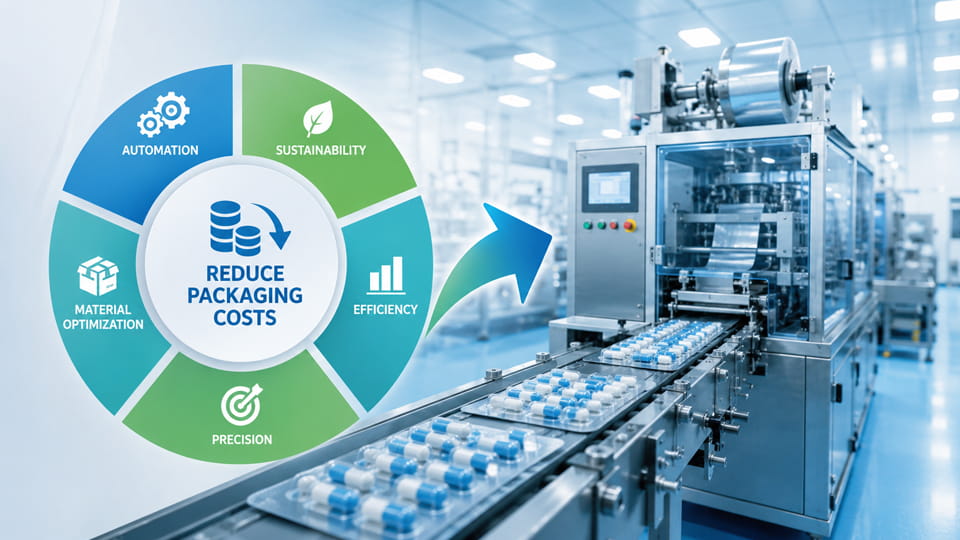
هزینه های بسته بندی تحت فشار شدید از چند جبهه هستند. کاهش حاشیه سود و ابتکارات قیمت گذاری دارو به این معنی است که هر دلار اهمیت دارد, فشار دادن بسته بندی به اتاق هیئت مدیره. تورم مواد خام, تامین کنندگان تلفیقی (انتخاب های کمتر, قیمت های بالاتر), و مقررات پیچیده (مانند سریال سازی و قوانین جدید زیست محیطی) همه به بودجه ها ضربه می زنند. به عنوان مثال, مسئولیت توسعه یافته تولید کننده (EPR) قوانین اکنون تولیدکنندگان را در قبال بازیافت پایان عمر مسئول میسازد, به طور موثر به هر گرم پلاستیک یا فویل هزینه پنهان اضافه می شود. به طور خلاصه, بسته بندی فقط "جعبه و برچسب" نیست - بلکه یک سیستم استراتژیک است که باید هزینه را متعادل کند, رعایت, و تجربه مشتری.
کارشناسان صنعت توافق دارند که هزینه های پنهان مانند کار, خرابی, زباله و کاغذبازی اغلب قیمت برچسب مواد بسته بندی کوتوله است. هر دقیقه اضافه کار باعث پرداخت اضافه کاری و تاخیر در سفارشات می شود. هر بسته تاول ضایعاتی یا اشتباه برچسب از دست دادن محض است. و راه حل های دستی (مانند مرتب سازی دستی یا برچسب گذاری مجدد) مصرف وقت کارکنان. با این همه در خطر, شرکتهای داروسازی باید بستهبندی را از ابتدا با استفاده از ممیزیهای دادهمحور بازنگری کنند, تیم های متقابل (آر&D, کیفیت, تدارکات, تولید), و یک ذهنیت طراحی استراتژیک که بسته بندی را به عنوان ارزش افزوده به جای کاهش هزینه در نظر می گیرد. بخشهای زیر نحوه مقابله با هر محرک اصلی هزینه را نشان میدهد.
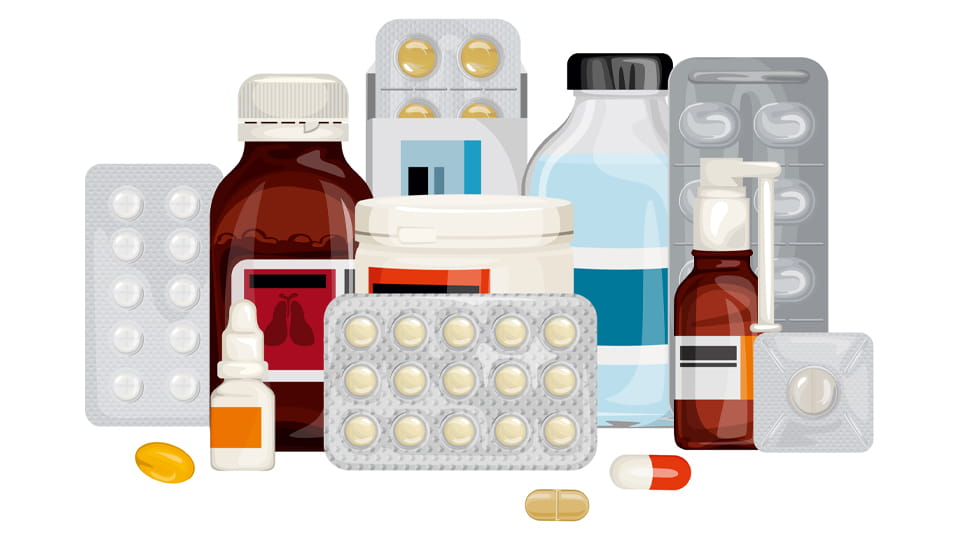
قبل از کاهش هزینه ها, شکستن پول شما کجا می رود. دسته بندی هزینه های بسته بندی معمولی شامل مادی, کار, زمان خراش, زباله, انرژی و نگهدار. به عنوان مثال: مواد (فیلم ها, کارتن, ویال, برچسب ها) اغلب 20 تا 30 درصد هزینه کل را اجرا می کنند; کار (اپراتورهای خط, بسته بندی کنندگان) می تواند 15-25٪ باشد; خرابی تغییر و توقف های برنامه ریزی نشده ظرفیت را از بین می برد; قراضه و رد می کند (محصول یا بسته بندی هدر رفته) یک تکه دیگر اضافه کنید; به علاوه سهام کوچکتر برای آب و برق و نگهداری. ترکیب دقیق به محصولات و فرآیندهای شما بستگی دارد, اما این جدول اجزای مشترک را مشخص می کند:
| دسته هزینه | چه چیزی را شامل می شود | چگونه بهینه سازی کنیم |
| مواد | فیلم های تاول / فویل, کارتن, بطری ها, برچسب ها | از بسترهای سبک تر یا قابل بازیافت استفاده کنید; خرید عمده; بسته بندی با اندازه مناسب برای کاهش مواد. از طریق تجزیه و تحلیل باید بهای تمام شده، مواد ارزان تر اما سازگار را در نظر بگیرید. |
| کار | اپراتورهای خط, بسته بندی کنندگان, بازرسان | کارهای تکراری را خودکار کنید (آب بندی, شمارش), استفاده از تجهیزات ارگونومیک. کارکنان قطار متقابل. (گردش مالی بالا به تنهایی حدود 4000 دلار برای جایگزینی یک کارگر هزینه دارد.) |
| زمان خراش | تغییرات, خرابی ها, تمیز کردن | اجرای تعمیر و نگهداری پیشگیرانه و تغییر سریع (آهنگر) پروتکل هایی برای سرعت بخشیدن به تغییرات. قطعات یدکی را در انبار و خطوط کالیبره نگه دارید. |
| زباله | بسته های معیوب, بیش از حد پر می شود, خراب شدن | از دستگاه های بازرسی بینایی و دقیق برای تشخیص زودهنگام عیوب استفاده کنید. به عنوان مثال, دستگاه های تاول زنی به صورت جداگانه دوزها را برای به حداقل رساندن قرار گرفتن در معرض و فساد مهر و موم می کنند. (فیلرهای کپسول جینلو حتی بهبود می یابند 100% از پودر) |
| انرژی | برق برای ماشین آلات, تهویه مطبوع | موتورها و درایوهای کم مصرف را انتخاب کنید. در صورت امکان فرآیندهای پر انرژی را در ساعات کم مصرف اجرا کنید. تجهیزات بیکار را خاموش کنید. |
| نگهدار | تعمیر قطعات, قراردادهای خدمات, کالیبراسیون | برای نگهداری منظم برنامه ریزی کنید (روانکاری, کالیبراسیون), و از قطعات OEM استفاده کنید. یک برنامه نگهداری پیشگیرانه قوی از قطعی های عمده جلوگیری می کند. |
با کمی کردن هر دسته (حتی تقریبا), شما می توانید بزرگترین زهکشی ها را ببینید. به عنوان مثال, بررسی Jinlupacking از بستهبندیهای دارویی به این نکته اشاره میکند کار, خرابی و اتلاف اغلب قاتلان هزینه های خاموش هستند. مطالعه دیگری نیز اشاره می کند که مواد و نیروی کار در کنار طراحی و تدارکات، محرک های اصلی هزینه هستند. از این تفکیک برای هدف قرار دادن "میوه کم آویزان" استفاده کنید - چه در مورد قیمت مواد بهتر مذاکره کنید, تعویض به یک فیلم قابل بازیافت (کاهش هزینه های EPR), یا سرمایه گذاری در ماشین آلات برای حذف هزینه های نیروی کار.
کاهش هزینه های مواد یک پیروزی سریع است, اما باید هوشمندانه انجام شود. تخفیف انبوه و پیشنهادات تامین کننده کمک می کند, اما پس انداز واقعی اغلب از آن حاصل می شود بهینه سازی طراحی. به طرح های بسته خود نگاه کنید: آیا دیوارهای جعبه می توانند نازک تر باشند? آیا حفره های تاول می توانند اندازه مناسبی داشته باشند? آیا تاول های متعدد در یک کارتن جا می شود? شرکت های داروسازی نوآور فراتر از مشخصات ثابت به سبد مواد پویا حرکت می کنند. آنها نه تنها بر اساس هزینه و عملکرد، بلکه بر اساس قابلیت بازیافت و ریسک نظارتی، مواد را فهرست بندی می کنند, بنابراین آنها می توانند جایگزین های سبک تر یا سبزتر در صورت لزوم جایگزین شوند.
یک مثال معروف کاهش فضای خالی است. بستههای بزرگتر ممکن است «پریمیوم» به نظر برسند,اما هر حجم اضافی هزینه هدر رفته و جریمه در حمل و نقل با وزن بعدی است. با مهندسی بسته های فشرده تر (ضمن حفظ حفاظت از محصول), شرکت ها اغلب هزینه های استفاده از مواد و حمل و نقل را به یکباره کاهش می دهند. در واقع, Packaging Digest گزارش می دهد که طراحی متفکرانه می تواند «حجم مواد را کاهش دهد و همزمان عوامل انسانی را بهبود بخشد.,” به این معنی که شما کمتر هزینه می کنید و بیماران استفاده از بسته بندی را آسان تر می کنند. این رویکرد "زیبا جایگزین بیش از حد" به معنای مرگ کمتر است, تخته کمتر, و مسئولیت EPR پایین - همه خبرهای خوب برای خط نهایی.
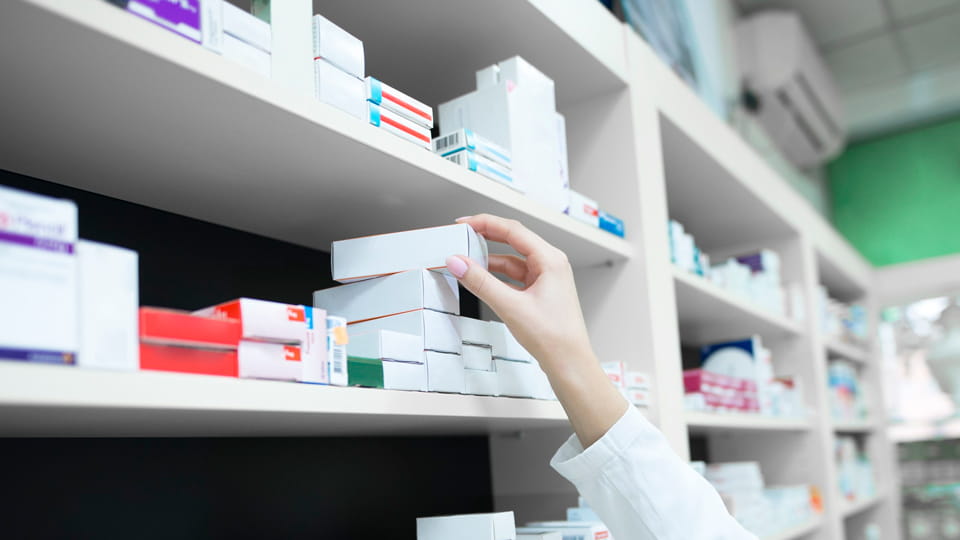
اتوماسیون گام های صحیح اغلب بیشترین کاهش هزینه ها را به همراه دارد. حتی نیمه اتوماسیون (در مقابل کاملا دستی) می تواند خروجی را افزایش دهد 30%+ بدون افزایش تعداد کارمندان. این سود کلیدی پس انداز نیروی کار است: ماشین ها اجرا می شوند 24/7 در صورت نیاز, و کارگران می توانند مجدداً به وظایف با ارزش بالاتر اعزام شوند (کنترل کیفیت, نگهدار, و غیره). به عنوان مثال, ماشین های شمارش خودکار Jinlu به دقت فوق العاده بالایی دست می یابند (>99.98%) و سرعت ها (تا 6,000 بطری/ساعت), عملاً خطاهای شمارش دستی و خرابی ها را از اشتباهات مرتب سازی حذف می کند. به همین ترتیب, ماشین آلات بسته بندی تاول Jinlu تا 4800 تا 11200 تاول در ساعت کار می کنند, شکل دهی, تغذیه, آب بندی و برش در یک مرحله - سطحی از توان و قوام با دست غیرممکن است.
حتی ایستگاه های نیمه خودکار ساده نیز کمک می کنند. یک قاب محافظ ارگونومیک و باریک طراحی شده می تواند سرعت آب بندی کیس را سه برابر کند., صرفه جویی در وقت بسته بندی برای کار با مهارت بالاتر. و کارتنهای مدرن میتوانند کارتنها را تقریباً فوراً تراز و تا کنند. در واقع, شرکت هایی که سیستم های ارگونومیک انتهای خط را نصب کردند پرش توان عملیاتی 30-40% بدون اضافه کردن نیروی کار. به طور خلاصه, اتوماسیون از طریق پرداخت می شود سرعت بالاتر + خطاهای کمتر + هزینه نیروی کار کمتر.
بسیار مهم است, پس انداز در اینجا فقط فرضی نیست. این قانون سرانگشتی را در نظر بگیرید: جایگزینی تنها چند اپراتور با ماشین آلات می تواند ده ها هزار نفر در سال در دستمزد و مزایا صرفه جویی کند. یک تصویر از راهنمای بازگشت سرمایه بسته بندی، یک خط خودکار را نشان می دهد که خروجی را افزایش می دهد 100 به 300 بسته در ساعت (با $2 سود در هر بسته), نجات سه کارگر ($20/هر یک ساعت) و ضایعات مواد برش. نتیجه حدود بود $800 سود خالص در روز, به اندازه کافی برای رسیدن به تقریبا 40% ROI روی تجهیزات. در زیر به محاسبات ROI باز خواهیم گشت.
ماشین آلات Jinlu برتر برای در نظر گرفتن:
در حالی که ممکن است هزینه های ماشین آلات در ابتدا بالا به نظر برسد, پس انداز پنهان را به خاطر بسپار: کیفیت ثابت (رد کمتر), حذف حق بیمه نوبتی و اضافه کاری, و توانایی اعزام مجدد کارکنان. تجهیزات مدرن نیز دارای ویژگی های صنعت هستند 4.0 فناوری - حسگرهایی برای نگهداری پیشبینیکننده و جمعآوری دادهها - که ضایعات و زمان خرابی را بیشتر کاهش میدهد.

حتی بهترین ماشین ها فقط در صورتی سود خود را به دست می آورند به دویدن ادامه بده. توقف های برنامه ریزی نشده بسیار پرهزینه است – نه فقط قسمت تعمیر, اما ارسال با تاخیر, اضافه کاری برای جبران, و حتی رد کل دسته ها در صورت به خطر افتادن کیفیت. همانطور که یکی از راهنمای بسته بندی دارو یادداشت می کند, از کار افتادن «اضافه کاری را آغاز می کند, سفارشات با تاخیر, تغییر برنامه… و کیفیت باقی می ماند”. بنابراین, یک برنامه نگهداری قوی است برای کاهش هزینه های بسته بندی ضروری است.
شیوه های کلیدی شامل:
مشاوره سازنده ماشین اهمیت دارد: Jinlupacking و دیگران بر ضمانت های 3 ساله و شبکه های پشتیبانی جهانی برای خدمات سریع در محل تاکید دارند. تامین کنندگان معتبر همچنین به شما در برنامه ریزی برای نگهداری از قبل کمک می کنند: تعمیر و نگهداری پیشگیرانه و پیش بینی صحیح موجودی قطعات یدکی ضروری است در خطوط خودکار.
هزینه های اسناد را نادیده نگیرید: ثبت سوابق مناسب برای کالیبراسیون و اعتبارسنجی در واقع می تواند باعث صرفه جویی در کار مجدد در طول ممیزی شود. داشتن گزارش تعمیر و نگهداری دقیق (و دسترسی به پشتیبانی OEM) زمان خرابی را به حداقل می رساند و عمر دستگاه را افزایش می دهد. خلاصه, هر دلاری که برای نگهداری پیشگیرانه خرج می شود، چندین دلار پس انداز در توقف های اجتناب شده به همراه دارد.
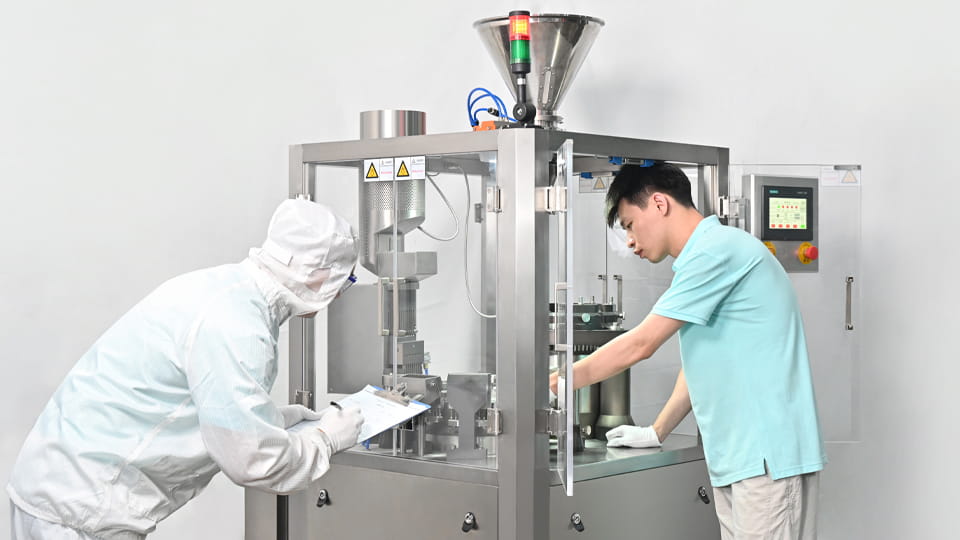
با همه عناصر در جای خود, تمرکز بعدی است بازده کلی خط. یک معیار مفید در اینجا است OEE (اثربخشی کلی تجهیزات), که ترکیبی از در دسترس بودن است (زمان کار), عملکرد (سرعت در مقابل. طراحی), و بازدهی با کیفیت. مشاوران ناب می گویند OEE در بسیاری از خطوط دارویی فقط میانگین است 30% - معنی 70% خروجی بالقوه با توقف از دست می رود, کند می کند یا رد می کند. در واقع, موارد به اندازه 17% در داروسازی مستند شده است. در مقابل, اهداف در سطح جهانی 65-75٪ هستند, و گیاهان برتر فشار می دهند 85%+. این شکاف نشان دهنده یک فرصت بزرگ است: هر امتیاز OEE کسب شده بدون اضافه کردن تجهیزات، سود بیشتری دارد.
چگونه OEE را تقویت کنیم:
اندازه گیری OEE بسیار مهم است. با ایجاد OEE پایه در هر خط شروع کنید (حتی با ردیابی دستی ساده). سپس اهداف واقع بینانه را تعیین کنید 5-10% سود سالانه. سودهای کوچک هنوز هم پول بزرگی هستند: تقویت خط 100000 واحدی در روز از 30% به 40% OEE یعنی 10,000 بسته های قابل فروش بیشتر در روز!
این فلوچارت یک گردش کار ساده شده بسته بندی دارویی را نشان می دهد:

شکل: جریان بسته بندی دارویی معمولی (از تغذیه تا کالاهای نهایی). برای مثال، هر فلش فرصتی برای بهبود کارایی است, اتوماسیون انتقال یا استاندارد کردن رابط های ماشین.
توجه داشته باشید: برای یک راه حل کاملا یکپارچه, جینلو می تواند کل خط را از فیدرها تا بسته بندی کیس نهایی به عنوان یک بسته کلید در دست تامین کند.
ضایعات پول قابل مشاهده است - به معنای واقعی کلمه. در بسته بندی دارویی, زباله می تواند محصول خام باشد (قرص های شکسته, کپسول های اشتباه), بسته های نیمه تمام (کارت های بلیستر اشتباه چاپ شده), یا ضایعات بسته بندی (تکه های ذوب شده, فیلم طولانی, کارتن های خالی). هر بسته معیوب نه تنها مواد را هدر می دهد، بلکه باعث هدر رفتن نیروی کار و هزینه های اضافی نیز می شود.
راهکارهایی برای کاهش زباله:
جینلو یکی از مزایای واضح کاهش ضایعات را برجسته می کند: بسته های تاول به طور جداگانه هر دوز را مهر و موم می کنند, که "با آب بندی جداگانه هر واحد، قرار گرفتن محصول در معرض هوا و رطوبت را به حداقل می رساند, کاهش قابل توجه فساد و ضایعات. در عمل, این بدان معناست که تبلت های کمتری در خط تولید خراب می شوند. حتی می توان خطوط مدرن را برای بهینه سازی ضایعات تنظیم کرد: برای مثال, یک کاتر مبتنی بر سروو میتواند طول کارت تاولها را در حین پرواز تغییر دهد تا تعداد محصولات مختلف را بدون نیاز به مقدار زیاد تغییر دهد..
کاهش ضایعات نیز به هزینه مربوط می شود: ضایعات کمتر به معنای خرید کمتر مواد خام است, دفع و خرابی. هر بسته رد شده ذخیره شده پس انداز به دست آمده است. همانطور که در ROI خواهیم دید, کاهش زباله یکی از موارد است پس انداز سخت در معادله بازپرداخت تجهیزات جدید.
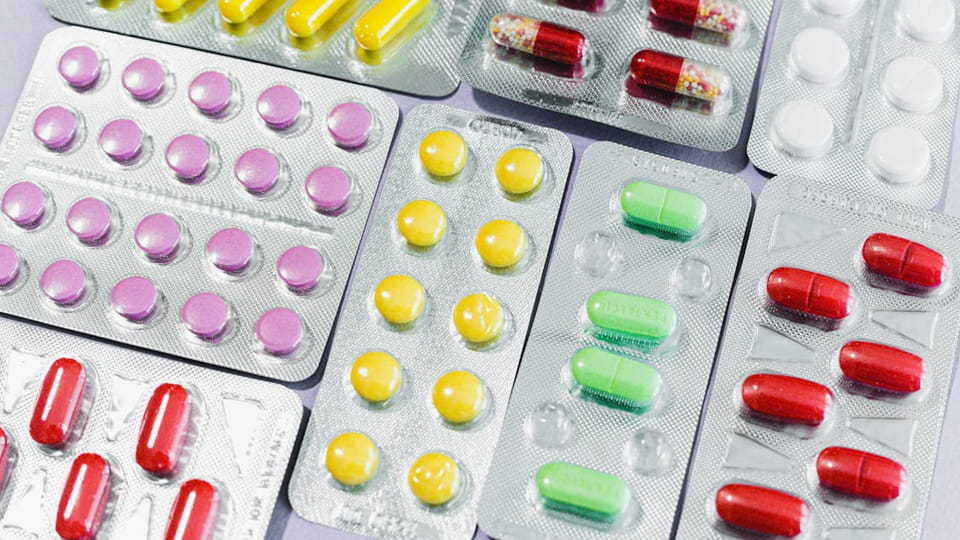
"پایدار" و "کم هزینه" هستند متقابلا منحصر به فرد نیست. در واقع, بسیاری از ابتکارات سبز پایین تر هزینه ها در بلند مدت. به عنوان مثال, با استفاده از بسته های تک ماده ای (به عنوان مثال. تمام مقوا) لمینت های چند ماده ای گران قیمت را کاهش می دهد و بازیافت را ساده می کند. مواد سبک تر هزینه حمل و نقل را کاهش می دهند. هوشمندانه, قوانین "سبز" نظارتی (مانند EPR) در واقع به طرح های ضایعات کمتر پاداش می دهند. همان مقاله Packaging Digest که در بالا نقل شد تأکید می کند که "کاهش هزینه های بسته بندی و توسعه بسته بندی پایدار اهداف متقابل انحصاری نیستند".
رویکردهای کلیدی برای داروسازی:
جینلو حتی به گرایش به بسته های تاول سبز اشاره می کند (به عنوان مثال. با استفاده از کاغذهای قابل بازیافت یا فیلم های نازک تر). در آینده مواد بازیافتی خاص دارویی و طرح های ملایم تری را شاهد خواهیم بود (مانند برچسب هایی که به راحتی پاره می شوند که از پوشش پلاستیکی جلوگیری می کنند).
به یاد داشته باشید: زباله های کوچک اضافه می شود. جعبه کمی ضخیم تر اینجاست, یک درج اضافی وجود دارد, و آنها بودجه بسته بندی شما را به باد می دهند. به طور منظم جریان زباله خود را بررسی کنید (سطل کاغذ, ضایعات پلاستیکی) - یک رویداد کایزن در مورد زباله می تواند نشت های شگفت انگیزی را کشف کند. اغلب فقط برای تعیین هدف «استفاده کنید 10% فیلم کمتر در این سه ماهه میتواند مهندسان را به نوآوری در طرحبندیهای جدید یا اصلاح ضایعات ترغیب کند.
اصول تولید ناب به طور یکسان در مورد بسته بندی اعمال می شود. اصل این است حذف مراحل غیر ارزشی. چند پیشنهاد:
در حالی که ناب یک موضوع گسترده است, حتی بردهای سریع کمک می کند. در یک جلسه مشاوره, استفاده از Lean Six Sigma در یک خط بسته بندی باعث افزایش 15 درصدی خروجی شد.. اغلب موج اول پیشرفت آسان است (بگو, سازماندهی مجدد فضای کاری به طوری که هر ابزار در دسترس بازو باشد), اما داشتن ناب به عنوان یک رشته مستمر از افزایش هزینه ها جلوگیری می کند.
سرمایه گذاری در اقدامات کاهش هزینه نیاز به توجیه دارد. بازگشت سرمایه (بازگشت سرمایه) دوست شماست. فرمول اصلی این است: ROI = (سود خالص / هزینه سرمایه گذاری) × 100%. بیایید با یک مثال ساده بر اساس ارتقای بسته بندی توضیح دهیم:
| سناریو | فرآیند دستی | خط خودکار | تفاوت |
| تولید (pkgs / ساعت) | 100 | 300 | +200 |
| سود خالص به ازای هر کیلوگرم | $2.00 | $2.00 | $0.00 |
| درآمد روزانه (8سخنرانی) | $1,600 | $4,800 | +$3,200 |
| کارگران (ساعتی $20, 8سخنرانی) | 3 × $480 = $1,440 | 1 × $160 = $160 | – 1280 دلار |
| ضایعات مواد (در روز) | $100 | $20 | – 80 دلار |
| کل سود روزانه | – | – | +$1,840 |
| سالانه (250 روز) | – | – | +$460,000 |
| سرمایه گذاری خط جدید | – | $300,000 | – 300000 دلار |
| بازگشت سرمایه | – | – | ~ 153٪ |
(مثال گویا: یک خط خودکار خروجی را سه برابر می کند, از یک اپراتور کمتر استفاده می کند, و ضایعات را بریده می کند. اعداد می توانند بسته به مورد متفاوت باشند.)
در این سناریو, اتوماسیون نتیجه می دهد $460,000 سود خالص سالانه روی یک $300,000 خرج کردن, برای حدود یک 153% بازگشت سرمایه (در مورد 10 بازپرداخت ماهها). حتی اگر دستاوردهای شما کمتر باشد, اکثر سرمایه گذاری ها در عرض چند سال به 20 تا 50 درصد بازگشت سرمایه می رسند.
راهنماهای صنعت محاسبات مشابهی را ارائه می دهند: یک برگه ROI بسته بندی نشان دهنده صرفه جویی در حدود 48 دلار در روز در کار و $80 در زباله های مواد, با یک اضافی $320 سود حاصل از خروجی (با استفاده از حاشیه سود خود). آن مثال خاص به نتیجه رسید 40% ROI بیش از یک سال. درس این است که همه مزایا را جزئی کنید (نیروی کار ذخیره شده است, از زباله اجتناب شود, ظرفیت جدید, بهبود کیفیت) در مقابل هزینه کل (ماشین, نصب, آموزش, تامین مالی).
برای نوک: همیشه شامل شود نرم سود در توجیه بازگشت سرمایه شما. کاهش گردش مالی (و هزینه 4000 دلاری آن برای استخدام جدید), حوادث با کیفیت کمتر, و چابکی استراتژیک (به عنوان مثال. راه اندازی سریع یک خط جدید) ارزش واقعی هستند, حتی اگر تعیین کمیت سخت تر باشد. بسیاری از مدیران عامل به سرعت به بازار و قابلیت اطمینان به اندازه دلار خالص اهمیت می دهند.
حتی با بهترین تکنولوژی, از این دام ها که می تواند پس انداز را تضعیف کند، اجتناب کنید:
با هوشیاری در برابر این اشتباهات رایج - به ویژه خیلی طولانی منتظر عمل کردن و محدوده پروژه ضعیف - اطمینان حاصل می کنید که اقدامات کاهش هزینه شما واقعاً باعث صرفه جویی در هزینه می شود.
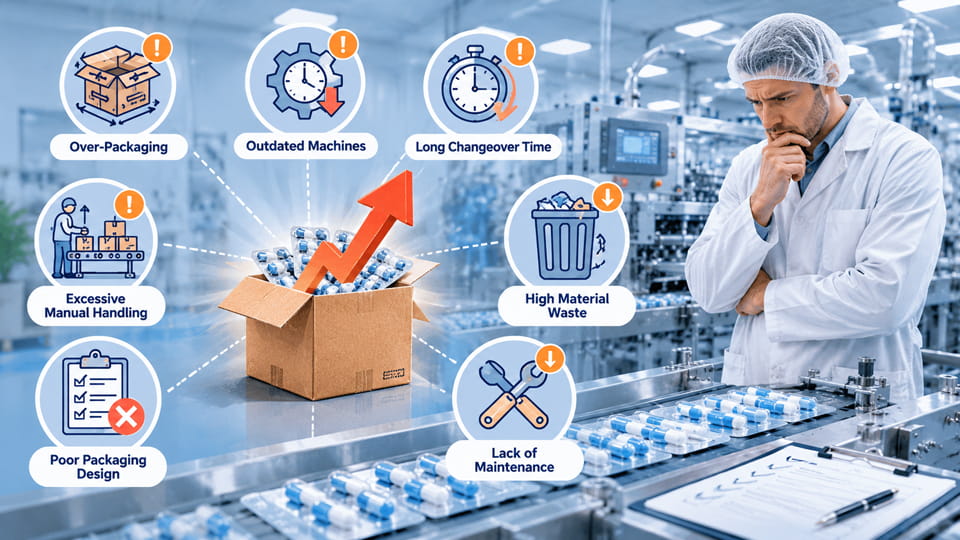
هزینه بسته بندی دارویی کاهش یک چالش چند وجهی است, اما فرصت ها روشن است. با تجزیه و تحلیل ساختار هزینه شما, بهینه سازی مواد, خودکارسازی هوشمندانه, نگهداری تجهیزات, پذیرش اصول ناب, و حتی شامل طراحی پایدار, شما می توانید پس انداز قابل توجهی را باز کنید. ابزارهایی مانند ردیابی OEE و ماشینحسابهای بازگشت سرمایه، قاطعیت را به تصمیمهای مبتنی بر داده تبدیل میکنند. مراقب روندهای نوظهور باشید (برچسب های هوشمند, صنعت 4.0) بنابراین استراتژی شما در طول زمان تغییر می کند.
به یاد داشته باشید: بسته بندی آخرین نقطه تماس قبل از بیمار است. کارآمد, بدون زباله, و بسته بندی ظریف نه تنها باعث صرفه جویی در هزینه می شود بلکه می تواند اعتماد و انطباق برند را افزایش دهد. همانطور که یکی از رهبران صنعت بیان کرد: "کاهش هزینه های بسته بندی و توسعه بسته بندی پایدار اهداف متقابل انحصاری نیستند".
برای شروع عملی, در نظر گرفتن مشاوره با بسته بندی جینلو. ما ارائه می دهیم راه حل های کلید در دست و مدولار (خطوط تاول, کارتن سازها, پرکننده های کپسول, شمارش و بیشتر) طراحی شده برای حداکثر زمان کار و انطباق با GMP. ماشین های ما با پشتیبانی جهانی و گواهینامه های CE/cGMP ارائه می شوند, بنابراین می توانید با اطمینان سرمایه گذاری کنید.
اجازه دهید Jinlu به شما کمک کند خط بسته بندی خود را به یک مرکز سود و یک معیار قابل اعتماد تبدیل کنید - بنابراین امروز کمتر هزینه می کنید و فردا بیشتر به دست می آورید..
با مقابله با مواد و فرآیندها. استراتژی های کلیدی شامل استفاده از اندازه مناسب است, مواد قابل بازیافت; خرید عمده; و استفاده از طرح ناب برای از بین بردن لایه های اضافی. در سمت عملیاتی, خودکار کردن کارهای تکراری (تاول زدن, شمارش, نصب کارتن) نیروی کار و ضایعات را کاهش می دهد. روش های نگهداری پیشگیرانه و تغییر سریع (آهنگر) خطوط را طولانی تر نگه دارید. ردیابی معیارهایی مانند OEE تنگناهایی را نشان می دهد که باید برطرف شوند. در عمل, شرکت ها هزینه ها را از طریق ترکیبی از بهینه سازی مواد کاهش می دهند, اتوماسیون بسته بندی (راه حل های Jinlu می تواند در اینجا کمک کند), و فرآیندهای بهبود مستمر.
بزرگترین عامل معمولاً مواد بسته بندی است, مخصوصا فویل آلومینیومی, پی وی سی, کارتن, برچسب ها, و مواد مانع تخصصی. کار, از کار افتادن دستگاه, محصولات رد شده, و مصرف انرژی نیز تاثیر زیادی بر هزینه کل بسته بندی دارد. در بسیاری از کارخانه های داروسازی, خطوط بسته بندی ناکارآمد به مرور زمان هزینه های عملیاتی را افزایش می دهد.
بسته بندی ناب دارویی بر حذف ضایعات غیر ضروری در طول تولید تمرکز دارد. این شامل می شود:
• کاهش زمان بیکاری دستگاه
• به حداقل رساندن تاخیرهای تغییر
• کاهش نرخ رد
• ساده سازی مواد بسته بندی
• بهبود طرح گردش کار
روشهای ناب به تولیدکنندگان دارویی کمک میکند تا با کاهش هزینههای عملیاتی، کارایی خط بستهبندی را افزایش دهند..
کاملا. یک سیستم کلید در دست - که در آن یک فروشنده یک راه حل سرتاسر ارائه می دهد - از هزینه های پنهان یکپارچه سازی و اعتبار سنجی مربوط به چیدن ماشین ها از تامین کنندگان مختلف جلوگیری می کند.. شما یک مشخصات واحد دریافت می کنید, یک پروتکل اعتبار سنجی واحد, و یک قرارداد پشتیبانی. این باعث صرفه جویی در زمان مهندسی می شود و معمولاً به معنای راه اندازی کوتاه تر است (و در نتیجه هزینه) هنگام آوردن خط آنلاین. خطوط کلید در دست Jinlu با کنترل های یکپارچه "آماده اجرا" هستند, بنابراین سریعتر و با عیب یابی کمتر تولید می کنید. در شرایط بازگشت سرمایه, خط شما سریعتر شروع می شود و در حال اجرا می ماند, هر چه زودتر هزینه ها را بازیابی کنید.
برخی از موثرترین ماشین ها برای کاهش هزینه های نیروی کار عبارتند از:
• دستگاه های بسته بندی تاول اتوماتیک
• دستگاه های شمارش تبلت با سرعت بالا
• دستگاه های کارتن سازی اتوماتیک
• خطوط یکپارچه بسته بندی دارویی
• سیستم های بازرسی بینایی
این سیستم ها حمل دستی را کاهش می دهند و ثبات تولید را بهبود می بخشند.
بله. ماشین های بسته بندی دارویی خودکار می توانند هزینه های نیروی کار را به میزان قابل توجهی کاهش دهند, خطاهای بسته بندی, خرابی, و ضایعات مواد. دستگاه های بسته بندی تاول اتوماتیک, ماشین های شمارش, و سیستم های کارتن سازی نیز ثبات تولید و کارایی کلی تجهیزات را بهبود می بخشد (OEE).
در بسیاری از موارد, شرکتها بازگشت سرمایه طولانیمدت را از طریق تولید سریعتر و بستههای رد شده کمتر میبینند.
بله. بسته بندی پایدار دیگر تنها به اهداف زیست محیطی مربوط نمی شود. مواد سبک وزن, بسته بندی قابل بازیافت, و اندازه های بهینه کارتن می تواند کاهش یابد:
• مصرف مواد
• هزینه های حمل و نقل
• هزینه های انبارداری
• زباله های بسته بندی
بسیاری از تولیدکنندگان دارو در حال حاضر اهداف پایداری را با استراتژی های بهینه سازی هزینه بسته بندی ترکیب می کنند.
هر دقیقه توقف کارایی تولید را کاهش می دهد و هزینه های نیروی کار و عملیاتی را افزایش می دهد. توقف برنامه ریزی نشده همچنین می تواند باعث ضایعات مواد و حمل و نقل با تاخیر شود.
نگهداری پیشگیرانه و آموزش اپراتور دو تا از موثرترین راه ها برای کاهش زمان توقف در عملیات بسته بندی دارویی هستند.. راهنمای GMP همچنین بر رویه های مناسب کنترل تجهیزات و نگهداری تاکید دارد.
الزامات GMP به شرکت های داروسازی کمک می کند تا کیفیت محصول را حفظ کنند و از فراخوان های گران قیمت خودداری کنند, مخلوط کردن, آلودگی, و اشتباهات برچسب زدن.
فرآیندهای بسته بندی سازگار با GMP که به خوبی طراحی شده است، ثبات عملیاتی را بهبود می بخشد و خطاهای تولید پرهزینه را کاهش می دهد.. دستورالعمل بسته بندی FDA همچنین بر کنترل های بسته بندی مناسب تاکید دارد, رویه های برچسب گذاری, و سیستم های ردیابی.
دستگاه های بسته بندی حوله ای مدرن از شکل دهی دقیق استفاده می کنند, آب بندی, و سیستم های برش برای به حداقل رساندن تلفات مواد. سیستم های سروو محور و فناوری بازرسی بینایی می توانند محصولات رد شده و ضایعات راه اندازی را بیشتر کاهش دهند.
بسته بندی بهینه تاول نیز محافظت از محصول را بهبود می بخشد و خطر آلودگی یا خطاهای برچسب گذاری را کاهش می دهد..
مراجع:
1.TRS 986 – ضمیمه 2: شیوه های تولید خوب WHO برای محصولات دارویی: اصول اصلی -- سازمان بهداشت جهانی
2.دستورالعمل های CMC و GMP —- ایالات متحده. سازمان غذا و داروی
3.رویکرد طراحی زیست محیطی برای بسته بندی دارویی بر اساس ارزیابی چرخه زندگی —— ScienceDirect
4.افزایش چرخش بسته بندی در طول زنجیره ارزش دارویی —— MDPI