
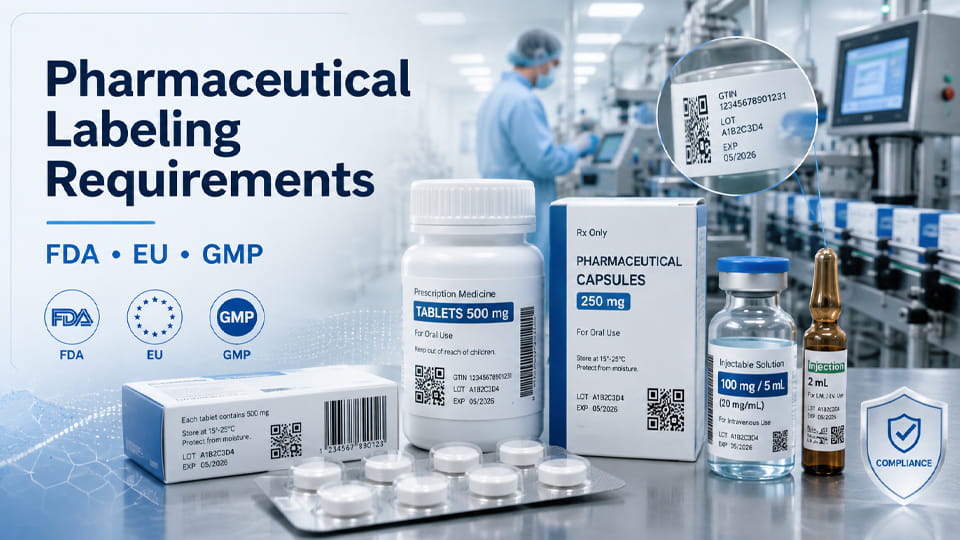
Pharmaceutical labeling requirements define the information that must appear on medicine packaging to support product identification, safe use, regulatory compliance, and traceability. Depending on the market and product type, a pharmaceutical label may include the product name, active ingredient(s), strength, dosage form, quantity, batch or lot number, expiry date, storage conditions, warnings, and manufacturer or marketing authorization information. In the US, requirements are established through FDA regulations such as 21 CFR Part 201, while EU medicinal product labeling is governed by European pharmaceutical legislation, including Directive 2001/83/EC. The exact requirements can vary by drug category, packaging format, and target market, so there is no single label template that works everywhere.
For pharmaceutical manufacturers and packaging teams, compliance is not only about creating the correct artwork. The approved information must also be applied, printed, inspected, and controlled correctly throughout production. This becomes especially important for blister packs, bottles, cartons, and other formats where space is limited or variable data such as batch numbers and expiry dates must be added during packaging. Modern packaging lines may use labeling machines, batch coding systems, barcode or DataMatrix readers, and vision inspection systems to help verify that the right information is applied to the right product. In this guide, we’ll break down the key pharmaceutical labeling requirements, compare major FDA and EU requirements, look at special considerations for different packaging formats, and explain how labeling and coding equipment can support a more reliable pharmaceutical packaging process.
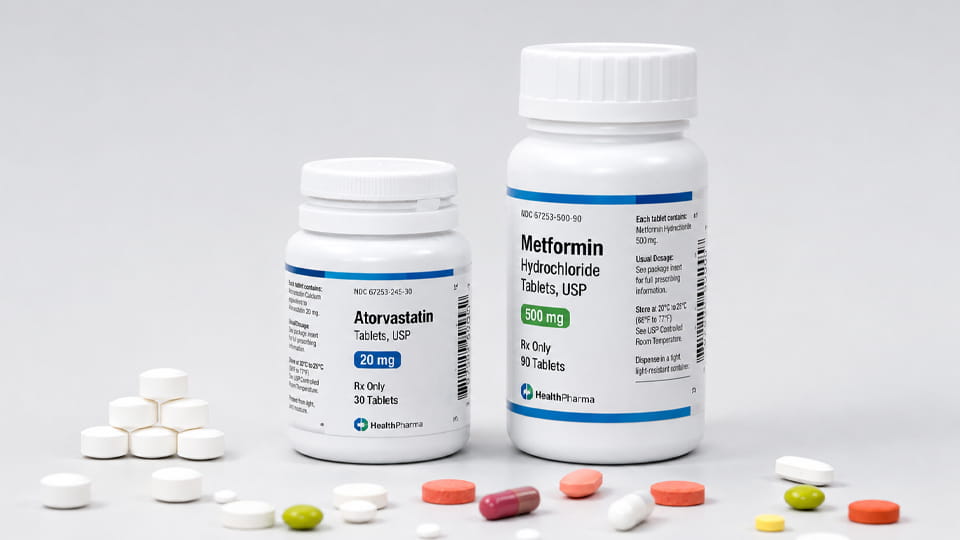
“Pharmaceutical labeling requirements” are the rules that govern what information must be printed on drug packaging. In the US, FDA guidances (and 21 CFR Part 201) define required label statements and format. For example, FDA guidance notes that all prescription drug labeling must comply with 21 CFR 201.56(d) & 201.57, covering content and format. By regulation, “labeling” for prescription drugs spans three components: the professional prescribing information (package insert), the carton and container labels, and patient labeling. In practical terms, labeling requirements ensure each package clearly identifies the medicine and its use: the brand and generic name, active ingredient(s), strength, dosage form, quantity, and manufacturer name/address must appear, along with safety info (warnings, indications) and traceability codes (batch, expiry). These rules protect patient safety and enable product recalls if needed.
In other words, labeling requirements set minimum standards for legible and complete information on drug packaging. They aim to prevent medication errors and ensure that anyone (patient, caregiver or inspector) can verify the product. For example, FDA explicitly lists expiration date and lot code as mandatory (see “The Label Also Tells You” box below), and EU law requires batch and expiry on cartons. Healthcare guidelines (EMA, WHO) and industry standards like GS1 further specify formats (e.g. DataMatrix barcodes) to support global traceability. Overall, compliance means your labels must match the checkboxes in the table below.
| Label Element | Purpose |
| Product name (brand & generic) | Identify the medicine by name, reduce confusion. |
| Active ingredient(s) | Specify drug composition and strengths. |
| Strength (dose) | Indicate dosage (e.g. mg per tablet/mL). |
| Dosage form (tablet, etc.) | Describe formulation (tablet, capsule, liquid). |
| Net contents (count/volume) | Show quantity in package (e.g. 30 tablets). |
| Batch/Lot number | Enable traceability and recall if needed. |
| Expiration (expiry) date | Ensure drug is used before it loses potency. |
| Manufacturer name & address | Identify source for accountability. |
| Storage conditions | Instruct on temperature, light, humidity. |
| Warnings/Cautions | Safety warnings (e.g., “Keep out of reach of children”). |
| Route of administration | Specify use (e.g., oral, injectable). |
| Usage/Indication | (Optional) Indicate what it treats (esp. OTC). |
| Regulatory codes (NDC/MA No.) | U.S. NDC or EU marketing authorization number. |
| Tamper-evident notice | (“Tamper-evident” statement if required). |
| Barcode/DataMatrix | Encodes GTIN, batch, expiry for scanning. |
Each element has a clear reason. For instance, product name and ingredients help patients get the right drug; strength, form and route ensure proper dosing; storage and warnings protect safety; batch/lot and expiry provide traceability; and barcodes (GS1 DataMatrix) let machines scan and verify the package. Regulatory authorities (FDA, EMA, etc.) require essentially all these items. The table above lists common fields and their function. In all cases, labels should be legible (sufficient font size, contrast) and use standard formats (e.g. FDA’s “Drug Facts” layout for OTC drugs).
In the United States, FDA regulations (21 CFR Part 201) and guidances detail label content for drugs. Prescription (Rx) drugs: Key requirements include the established (generic) name of the drug (21 CFR 201.50), dosage form, net content, and directions (21 CFR 201.55). Labels must also display the manufacturer/packer/distributor name and address (201.1), the National Drug Code (201.2), and the statement “Rx Only” if applicable. Critical identifiers like lot number and expiration date are governed by 21 CFR 201.17-18. For example, 201.17 mandates the location of expiration date on the package, and 201.18 requires a control (lot) number for identification. In practice, FDA insists on clearly printing the batch or lot number and expiry on both the immediate container and carton. For instance, FDA’s “Drug Facts” guidance explicitly notes that the lot (batch) code and expiration date must appear on OTC labels, and the same logic applies to Rx drugs.
OTC drugs (Drug Facts panel): All nonprescription medicines must carry FDA’s standardized “Drug Facts” label to help consumers. This panel follows a fixed format with sections like Active Ingredient(s), Purpose(s), Uses, Warnings, Directions, and Inactive Ingredients. The goal is consistency and clarity (the same structure for pain relievers, allergy meds, etc.). For example, the “Active Ingredient(s)” line lists the therapeutic substance and strength, “Purpose” gives its category, and “Warnings/Directions” provide usage guidance. In addition to these sections, every OTC label must show an expiration date (or default 3-year expiration rule) and lot code, along with the manufacturer’s name/address and net quantity. The FDA page on OTC Drug Facts confirms: “The Label also tells you… the expiration date … Lot or batch code … Name and address of manufacturer… Net quantity”. Failure to include these on an OTC label would violate FDA labeling rules.
FDA regulations list many detailed labeling statements. For example, 21 CFR 201.50-201.56 and 201.100-201.128 cover container labels and carton labels. Some highlights include:
Beyond CFR, FDA guidance clarifies these rules. Notably, FDA now defines prescription drug labeling as three parts: the professional prescribing information (package insert), the physical label on carton/container, and any patient-directed leaflet. The container label itself must bear the drug’s established name, strength, dosage form, dosage units, lot number, expiration date, NDC, and business name/address – essentially covering all checkboxes in our table above. These ensure pharmacies dispense the correct product and patients see key safety info.
In the European Union, Directive 2001/83/EC (as amended) and related regulations govern medicinal product labeling. The rules are broadly similar to the US but with some differences (e.g. language requirements, marketing authorization details). Article 54 of 2001/83 specifies what must be on the outer packaging (or immediate packaging if no outer box). It must display the product’s full name, strength, pharmaceutical form, and route of administration. It should state if the product is for adults or children if appropriate, and list any special warnings or precautions (e.g. storage temperature). Crucially, Article 54 requires the expiration date and batch number on the outer pack, along with the address of the Marketing Authorization Holder (MAH) and the EU marketing authorization number. In practice, this means EU cartons must carry essentially the same info as US labels: name, ingredients, strength, quantity, warnings, expiry, and batch, plus MAH contact.
EMA guidance and templates (QRD statements) align with these rules. For centrally authorized products, QRD (Quality Review of Documents) templates standardize the wording of key statements. EMA also recently addressed modern tech: it allows optional QR codes or scanning tech on labels if approved. Braille markings (Article 56a) are required for most medicine cartons (indicating product name, strength, form in Braille) as a safety feature for the visually impaired. Each EU country also requires labeling in its official language(s). The bottom line: EU labels (primary or secondary) must convey all critical drug details in clear terms (often multiple languages), similar to US requirements but with added emphasis on MAH identity, regulatory numbers, and multilingual leaflets.
Primary packaging formats like blisters, bottles and vials pose special challenges.
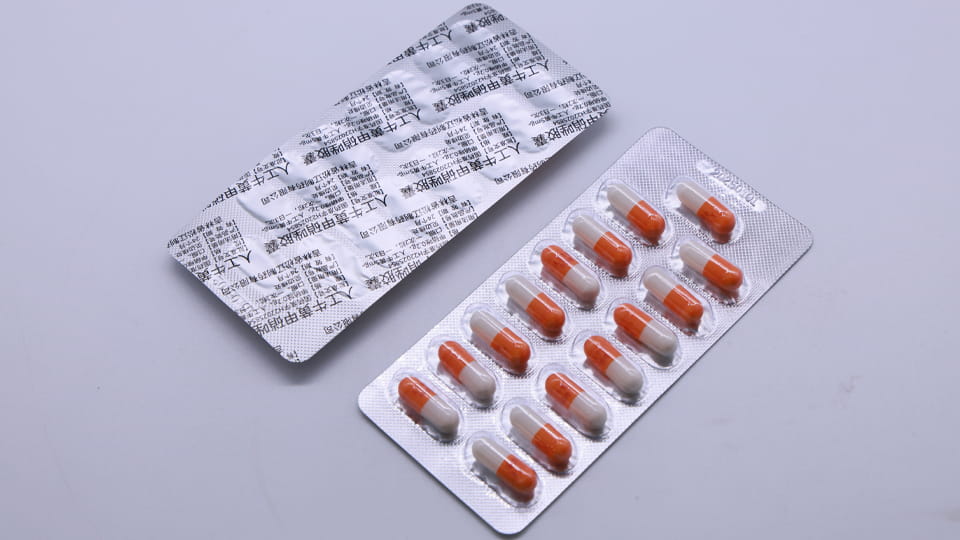
Blister packs: By design, a blister (strip of sealed pockets) has limited space. Regulators recognize this: EU often allows abbreviated labeling on individual blister cavities if full details are on the carton (using a “flag” label or leaflet). In the US, blister labels (e.g. foil backing) must still include the drug name, strength, lot number and expiration date. One industry summary notes: “Blister packaging labels must include proprietary/generic name, strength, lot, expiration… and comply with FDA requirements such as minimum text height and contrast.” In practice, blister foils often have the name and code printed on each cavity or on a paper label that wraps around. Sometimes a blister card will bear a peel-off label that covers multiple doses, but it still needs the same info. Tamper-evidence is inherent in sealed blisters, but if used, a tamper-evident statement (e.g. “do not use if seal is broken”) is required.
Bottles and Vials: Round bottles typically use front-and-back labels. The front label usually shows the product name, strength and quantity for quick ID, and the back label has directions, warnings and regulatory details. On-the-fly labeling machines (see below) apply these labels to bottles. An example from Jinlu Packing’s brochure: the TBJ-120 labeling machine is designed for round bottles (20–110 mm diameter) and includes an in-line ribbon coder for printing batch/expiry. This ensures each bottle’s adhesive label also gets the correct lot number and expiration as required. For both blisters and bottles, font size and color contrast must meet legal standards (e.g. FDA’s 21 CFR 201.15 on legibility). In short, blister and bottle labeling workflows are engineered to meet the same content rules — name, ingredients, lot and expiry — even if the delivery method (peel-off, direct print, or sticker) differs.

Figure: Labeled pharmaceutical bottles on a production line. Bottle labels must clearly display the product identity (name, active ingredient, strength) and essential regulatory data (batch number, expiry, manufacturer) so that each individual vial or bottle can be verified.
Printing batch/lot numbers and expiration dates is a critical part of labeling. In pharmaceutical lines, dedicated coding equipment is used to imprint this information at high speed. Common technologies include Continuous Inkjet (CIJ) printers, Thermal Inkjet (TIJ) printers, Thermal Transfer Overprinters (TTO) and Laser coders.
These printers are typically integrated right after labeling. For example, a bottle may pass under an inkjet coder immediately after label application, which prints the lot and expiry onto the label in line. The Jinlu TBJ-120 machine (above) includes a ribbon coding machine to stamp codes onto each label. Regardless of method, printed data must be highly legible and positioned as required by regulations (e.g. near the bottom of the display panel for expiration date). Human-readable formats (like YYMMDD) must match any barcode data. In any case, whether by inkjet or laser, the key goal is the same: every individual package must carry its batch number and expiration date to comply with GMP traceability. Inspection systems (see below) will verify that each printed code is present and correct.
Modern regulations often require machine-readable codes for traceability and anti-counterfeiting. The global standard is the GS1 DataMatrix 2D barcode, which can encode multiple data elements in a small square symbol. In healthcare, the GS1 standard specifies encoding four key attributes: GTIN (Global Trade Item Number), expiration date, batch/lot number, and serial number. The GTIN uniquely identifies the product, while the other three enable tracking and verification on every package.
In the US, the 2013 Drug Quality and Security Act (DQSA) mandates phased serialization of prescription drugs. By 2023, the Drug Supply Chain Security Act requires a product identifier on each unit (which includes lot and expiration) so pharmacies can verify products at receipt. In the EU, the Falsified Medicines Directive (Directive 2011/62/EU) already requires unique serial numbers on many prescription drug packs. EU packages must carry a GS1 DataMatrix containing the GTIN, the manufacturer-assigned serial number, expiry and batch (application identifiers 17, 10). GS1 guidance explicitly directs manufacturers: “encode your GTIN, lot and expiry date in the GS1 DataMatrix barcode and affix it on the product”. Some markets (Brazil, India, others) are also adopting similar serialization requirements.
Besides DataMatrix, companies may use QR codes or RFID on labels for consumer engagement or stock management, but regulatory focus remains on 2D barcodes for compliance. These codes are printed by specialized labeling machines or coders on the pack. For example, one method is to have a laser or label printer add the DataMatrix after the primary label is applied. Vision systems then scan the DataMatrix to ensure it reads correctly. By encoding batch and expiry in the barcode, scanning at any point (distribution, dispensing) instantly verifies those values. In summary, serialization means each unit-dose package has a unique scannable code linking it to its production data.
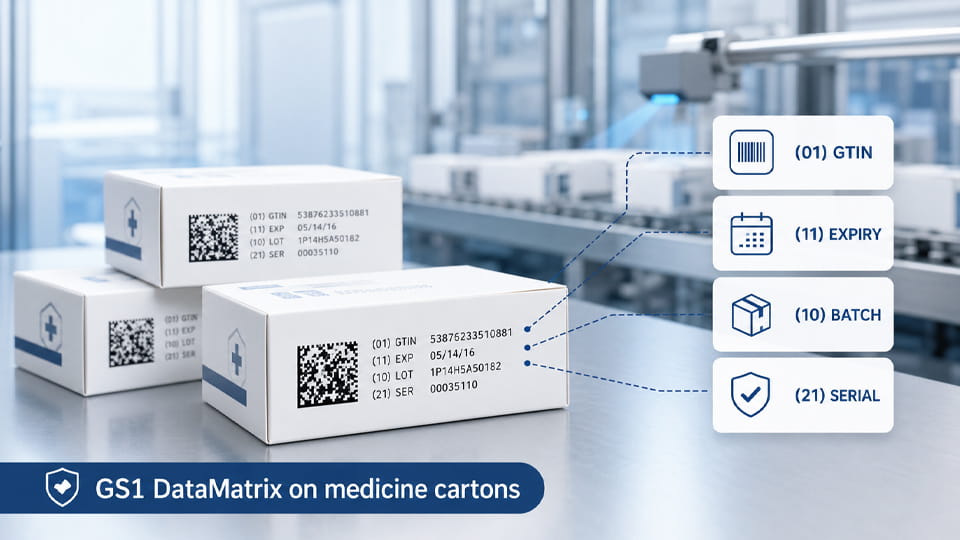
Figure: GS1 DataMatrix code on a medicine cartons containing (01)GTIN, (11)expiry, (10)batch, (21)serial. Pharmaceutical packages often bear a GS1 DataMatrix (2D barcode) with the GTIN, expiration date and batch/lot number encoded. This allows high-speed scanning and verification of all key tracking data.
Automated machinery is essential to apply all the required labels and codes at line speed. A typical pharmaceutical packaging workflow with labeling might look like this:
Filling/Loading Containers → Automatic Labeling Machine → Batch & Expiry Coder → Barcode/Serialization Marking → Vision Inspection Station → Cartoning / Secondary Packaging

Figure: Automatic labeling machine with bottle dividing and coder (Jinlu JL-TBJ-120 Labeling Machine). Automatic labelers apply adhesive labels to bottles, while an integrated printer stamps the batch/expiry. Modern labeling machines can run at high speed (e.g., 120 bottles/minute) with precision, and often include code printers for inkjet/thermal printing of batch and date. These machines ensure labels and codes are applied consistently on every container.
By integrating these steps, a pharma packaging line ensures that from filling through final boxing, every unit is labeled correctly and traceable. Using one linked system (or line of synced machines) minimizes human error. For critical inspection, vision cameras check each pack meets compliance. Ultimately, high-quality labeling equipment (from vial feeders to label applicators to coders) makes meeting FDA/EMA label rules practicable at scale.
Even with care, labeling errors can occur. Common issues include:
Mitigation strategies include: strict changeover protocols (double-check labels when switching products), in-process controls (manual spot checks on line), and 100% vision inspection. Automated code readers verify that every printed code matches the production record. Many lines also have backup barcode scanners to ensure lot/expiry prints are legible. Keeping artwork files up-to-date and following language checklists prevents content errors. Finally, the supply of labels and inks should match the system requirements (e.g. UV-resistant ink if needed). A robust QA process will catch labeling defects early before release.
Use this checklist to ensure every label and package meets requirements:
| Labeling Checkpoint | Completed? |
| Product name (brand & generic) present | ☐ |
| Active ingredient(s) listed (with strength) | ☐ |
| Strength (dosage) clearly stated | ☐ |
| Dosage form (tablet, solution, etc.) included | ☐ |
| Batch/Lot number printed and legible | ☐ |
| Expiration date printed and legible | ☐ |
| Manufacturer (name & address) present | ☐ |
| Storage conditions stated (e.g. “Store <25°C”) | ☐ |
| Warning/caution statements included | ☐ |
| Barcode/DataMatrix (GTIN+expiry+batch) present | ☐ |
| Net contents (quantity or volume) indicated | ☐ |
| Regulatory codes (NDC, license number) included | ☐ |
| Font size/readability meets regulations | ☐ |
| Tamper-evident statement (if required) | ☐ |
Review each point above against your printed labels. For example, FDA explicitly requires the expiration date and lot number, and EU regulations mandate the product’s name, strength and contents. If any item is missing or illegible, the package is not compliant. This checklist can serve as a featured-reference table for quality audits.
Accurate labeling is a non-negotiable part of pharmaceutical manufacturing. By understanding the requirements above, you can design labels and workflows that comply with FDA, EMA and global rules. Remember the key label elements (product identity, ingredients, safety info, and coding) and check them off against the compliance checklist. Modern packaging lines use automated labelers, coders and vision systems to keep error rates near zero.
If you need robust equipment for labeling and coding, consider Jinlu Packing’s solutions. Jinlu offers a range of pharmaceutical packaging machines – from automatic bottle labeling machines (e.g. the TBJ series) to batch/expiry coders and complete cartoning lines – all designed for GMP compliance. Our machines integrate labeling, printing and inspection to help you meet labeling requirements easily. For example, Jinlu’s round bottle labeling machine handles 20–110 mm bottles at up to 120 bpm, applying labels and printing date/lot codes in one pass. Explore Jinlu’s Labeling Machines and Cartoning Machines for more details. By combining good processes with the right equipment, you can ensure every drug package is correctly labeled for safety and compliance.
Pharmaceutical labeling requirements are the rules that define what information must appear on a medicine’s label, container, carton, or package leaflet. They may cover the product name, active ingredients, strength, dosage form, batch number, expiry date, warnings, storage conditions, manufacturer details, and other regulatory information. Requirements vary by country, drug type, and packaging format.
A pharmaceutical label may need to include the product name, active ingredient, strength, dosage form, contents, batch or lot number, expiry date, manufacturer or marketing authorization information, storage conditions, warnings, and other market-specific details. The exact information depends on the applicable regulatory framework and product category.
In the United States, drug labels must comply with applicable FDA labeling regulations, including 21 CFR Part 201. Requirements differ between prescription and over-the-counter drugs. Prescription drug labeling follows requirements such as 21 CFR 201.56 and 201.57, while OTC products generally use the standardized Drug Facts format under 21 CFR 201.66.
EU pharmaceutical labeling requirements generally require key information such as the medicine’s name, strength, pharmaceutical form, active substances, contents, relevant excipients, expiry date, and batch number. Additional requirements can apply depending on the product and market. The EU framework also includes requirements for package leaflets and accessibility features such as Braille on packaging.
Yes, batch or lot identification is an important part of pharmaceutical packaging and traceability. For example, EU rules specifically require the batch number on certain immediate packaging, including blister packs, together with information such as the product name and expiry date. Specific requirements can vary by market and product type.
An expiration date is required on many pharmaceutical packages and is a key element of product identification and safe use. For example, EU requirements specify expiry-date information for immediate packaging such as blister packs and small packaging units. The exact format and placement depend on the applicable market requirements.
Blister-pack requirements depend on the market and packaging configuration. Under EU rules, blister packs placed inside an outer package must carry key information including the medicinal product name, marketing authorization holder, expiry date, and batch number. The information must also be legible, comprehensible, and indelible.
Pharmaceutical serialization is the assignment and management of a unique identifier for an individual saleable drug package to support product identification and traceability. Serialization commonly works with 2D codes and other product-identification systems, but the exact requirements depend on the target market and applicable regulations.
Common pharmaceutical labeling and coding equipment includes automatic labeling machines, bottle labeling machines, batch coding systems, inkjet or laser printers, barcode scanners, vision inspection systems, and serialization equipment. The right setup depends on the packaging format, production speed, label design, variable-data requirements, and required inspection level.
Manufacturers should first identify the requirements for each target market and product, then approve the label artwork and variable data before production. The packaging line should also control label selection, batch and expiry-date printing, barcode or serialization data, label positioning, vision inspection, and rejection of incorrect products. GMP procedures should support documentation, line clearance, changeover control, and traceability.
References:
1.Frequently Asked Questions about Labeling for Prescription Medicines —— U.S. Food and Drug Administration
2.Carton and Container Labeling Resources —— U.S. Food and Drug Administration
3.TRS 902 – Annex 9: Guidelines on packaging for pharmaceutical products —— WHO
4.Product-information requirements —— European Medicines Agency
5.Annex to the European Commission guideline on ‘Excipients in the labelling and package leaflet of medicinal products for human use’ —— European Medicines Agency
6.21 CFR § 201.66 – Format and content requirements for over-the-counter (OTC) drug product labeling. —— Legal Information Institute