
Fiber supplements are booming – driven by gut-health and weight-management trends. In fact, fiber is “one of the most versatile categories” in nutraceuticals and the global market is growing fast (about $10.4B in 2025 to ~$11.3B in 2026). If you make supplements, you know fiber (soluble or insoluble) is a key ingredient. Common examples include psyllium husk, inulin, methylcellulose and wheat dextrin. Soluble fibers (like psyllium or inulin) can gel in water and feed gut bacteria, while insoluble fibers (like cellulose) add bulk. These fibers support digestive and cardiometabolic health, making them popular in prebiotic and gut-health supplements. In this guide we’ll walk through how fiber supplements are formulated, manufactured and packaged – from raw fiber powders to capsule filling and stick-pack machines – so you can plan a smooth production line for 2026.
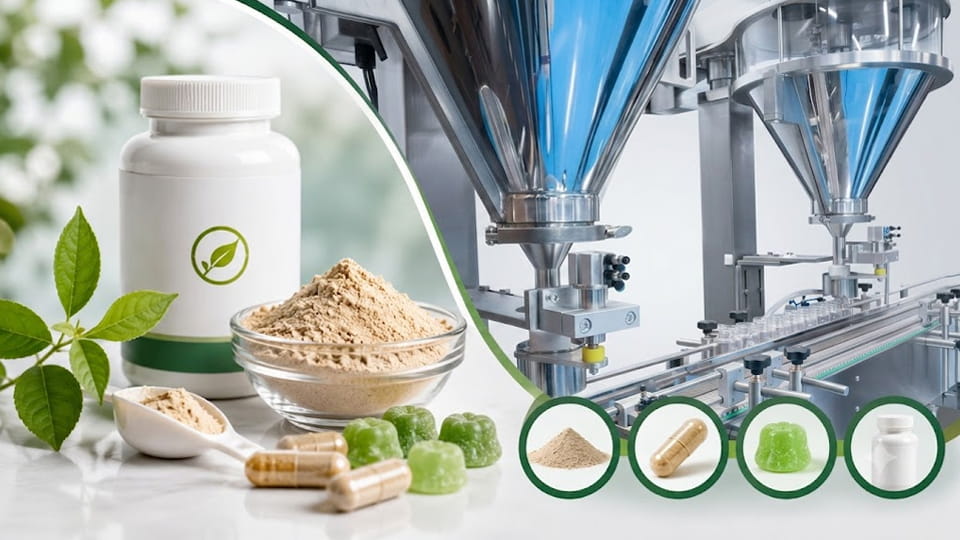
Fiber supplements provide dietary fiber (soluble and insoluble) in concentrated form. Soluble fibers (e.g. psyllium husk, inulin, glucomannan) dissolve in water to form viscous gels that aid digestion, support gut health and help lower cholesterol. Insoluble fibers (e.g. cellulose, wheat bran, flaxseed) add bulk to stool, easing bowel movements. Common supplement ingredients include psyllium and inulin, often marketed for digestive health. The Mayo Clinic notes inulin and psyllium are among the most popular fiber supplements. Fiber intake helps regulate bowel function and can aid weight control by increasing satiety. Most fiber supplements come in one of three formats.
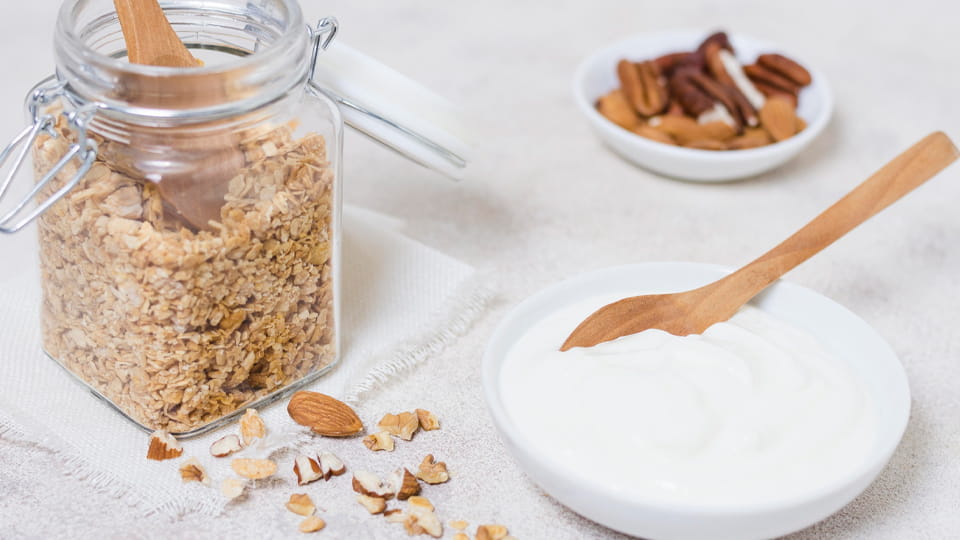
Each format (powder, capsule, gummy) involves different processing and packaging equipment, so brands often specialize by format. Fiber-rich formulas like psyllium husk are hygroscopic and require careful moisture control in packaging.
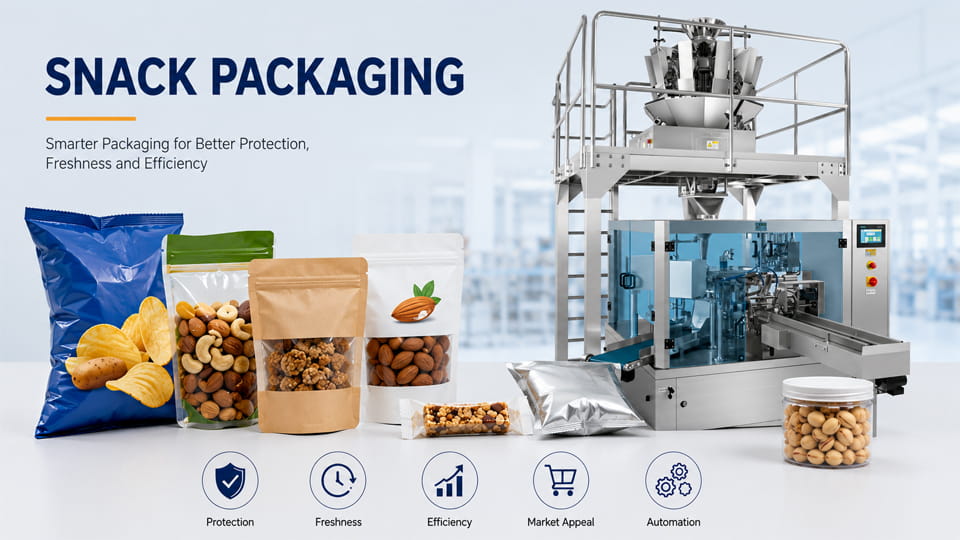
After blending, the fiber powder must be packaged in a consumer-friendly format. The most common powder form factors are single-serve stick packs or sachets, and bulk containers (tubs/jars). Single-serve powders are increasingly popular for on-the-go use (think a psyllium fiber drink mix sachet), while tubs/jars suit high-dose daily supplements.
 Figure: High-speed stick-pack machine producing single-serve fiber powder sachets.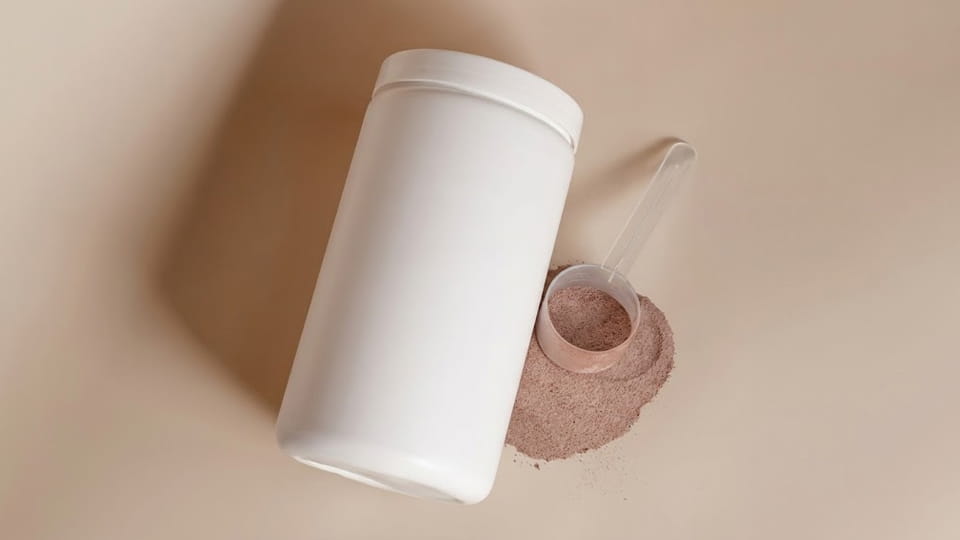
In all cases, material contact parts are usually 316L stainless steel, and changeover is designed to be quick (different packet widths or container sizes). When setting up your line, consider that powders have different flow than tablets: you may need agitators, dispersers or even a vacuum transfer to ensure each sachet or jar gets full fiber dose.
Fiber also comes in capsule or tablet form (e.g. psyllium husk capsules, methylcellulose caplets). The process here is similar to any supplement: after filling, the products are packed for retail.
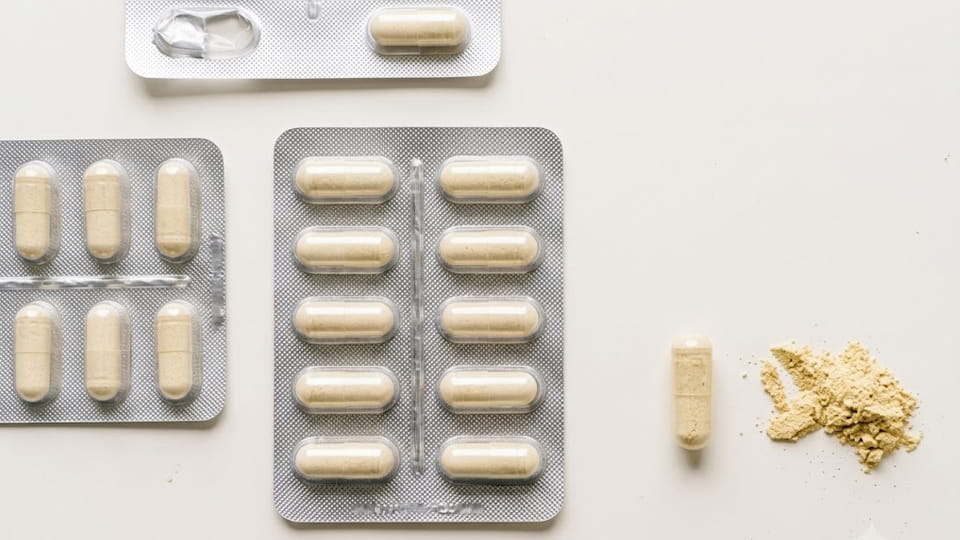
Regardless of form, labels are crucial. Federal law requires Supplement Facts, ingredient list, directions, and lot/expiry on the container. Tamper-evident seals (like foil induction seals under the cap) are standard, and many brands add desiccants inside to guard against moisture. In practice, each bottle or carton will include a barcode and batch code for traceability.
Fiber can also be delivered as gummies (think “fiber gummy vitamins” for kids or adults). The production is similar to candy: a gelatin- or pectin-based fiber mixture is cooked, poured into molds, cooled, then cut. After forming, gummy vitamins are handled by confectionery filler equipment.
For packaging, fiber gummies usually go in jars or blister packs with moisture barriers. Automated counting machines can portion a fixed number of gummies into jars, or blister machines can form cavities and seal each gummy piece in foil-backed cards. Proper packaging is key, since gummies are moist – sealed jars or high-barrier blister cards protect them from humidity. (Many vitamin-C or melatonin gummies use similar equipment.) In either case, labeling and batch coding apply just as for powders and capsules.

Fiber supplements often blend plant-based fibers to hit dosage and functional targets. Psyllium husk (soluble, viscous) is a top seller for digestive relief. Inulin (a chicory-derived prebiotic) and methylcellulose are other common soluble fibers. Wheat dextrin and acacia gum (gum arabic) add soluble fiber with mild flavor. Glucomannan (konjac root) and beta-glucan (from oats/barley) are high-viscosity soluble fibers. Insoluble fibers like cellulose or resistant dextrin are sometimes added as fillers or bulking agents. All are plant-based and often labelled as “digestive health” or “gut health” supplements. In practice, fiber supplements may be labeled “prebiotic fiber” for inulin/FOS blends, or “psyllium husk supplement” on the bottle, highlighting gut and regularity benefits.
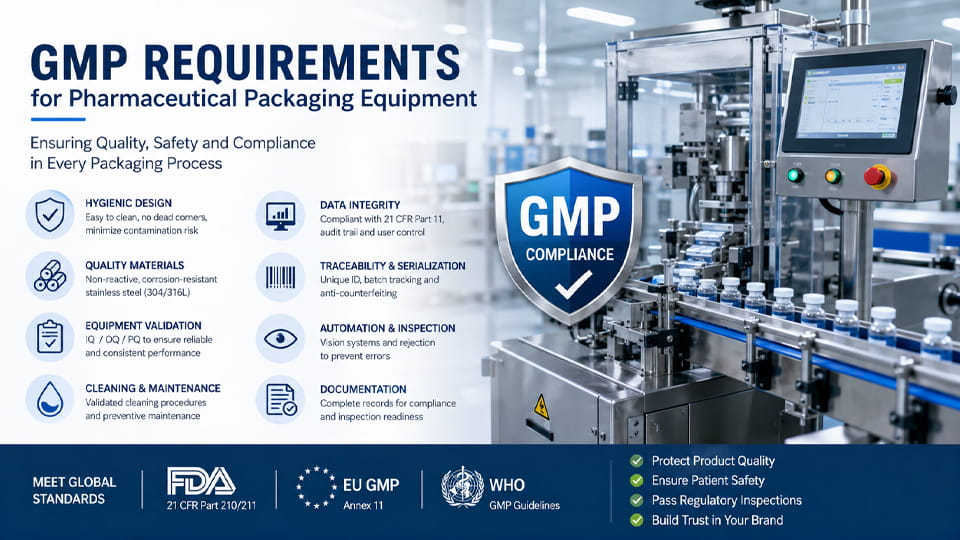
Formulator note: different fibers behave differently. Soluble fibers can clump or gel when wet, so formulas often include anti-caking agents. Finer powders flow better; granulation or blending improves uniformity. Manufacturers blend fiber with bulking agents or flavorings (for taste and mixability) in mixers or ribbon blenders to get a consistent powder. High-quality fiber products also meet cGMP standards; producers perform on-site testing for moisture and purity, and use pharmaceutical-grade processing lines.
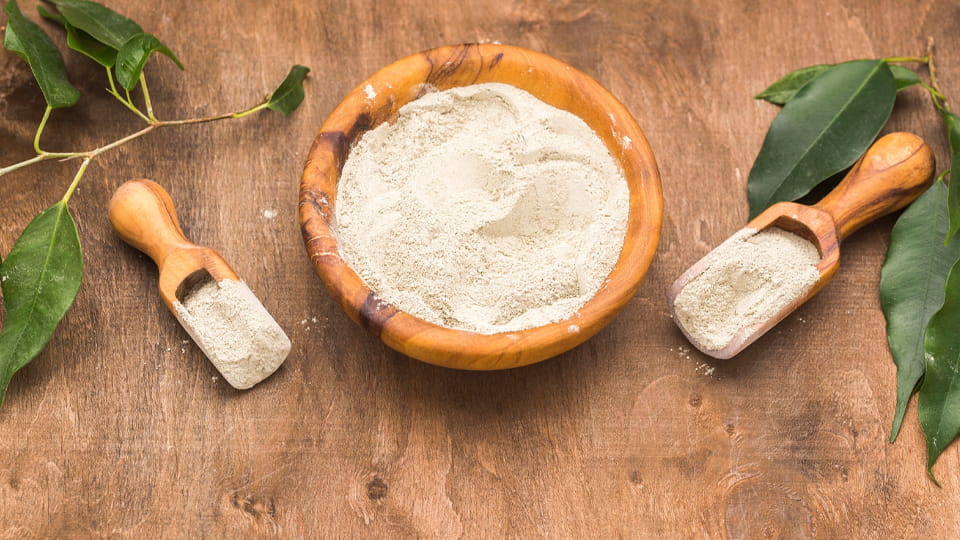
The manufacturing process for fiber supplements follows standard nutraceutical practices but must account for the unique properties of fiber ingredients (e.g. gelatinous solubility, dustiness).
In summary, the flow is: Raw Materials → Pre-Blend → Blending → Form Filling (capsule, sachet, bottle) → Sealing/Capping → Labeling → Secondary Packaging (carton).
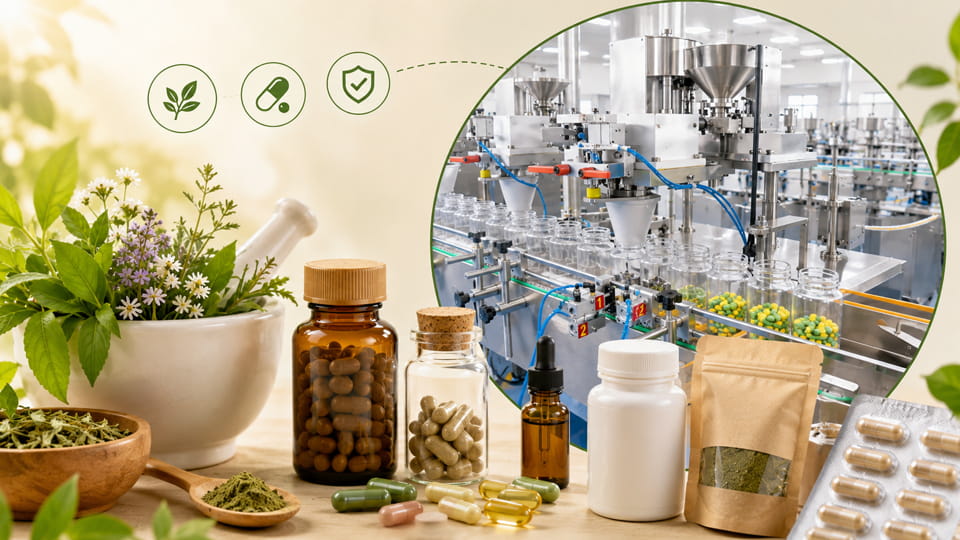
To build a fiber supplement line, you’ll integrate several pieces of equipment. Common machines include:
In practice, a fiber supplement line might look like this: raw powders go into a blender → auger filler → bottle capper → labeler → cartoner. Or, for stick packs: blender → multi-lane stick packer → pouch output. As JinLuPacking notes, supplement lines often use vertical form-fill-seal (VFFS) machines for powder sachets and bottle filling lines for liquids/pills. Advanced production lines also include metal detection and vision inspection for safety.
Key point: Each machine must handle fiber’s flow properties. Many systems include vibration or agitation on hoppers to keep sticky fibers moving. Auger screws or volumetric feeders ensure the right dose; multihead weighers can weigh blends before filling. Equipment materials are food-grade stainless steel, and cleaning in place (CIP) features help meet GMP hygiene.
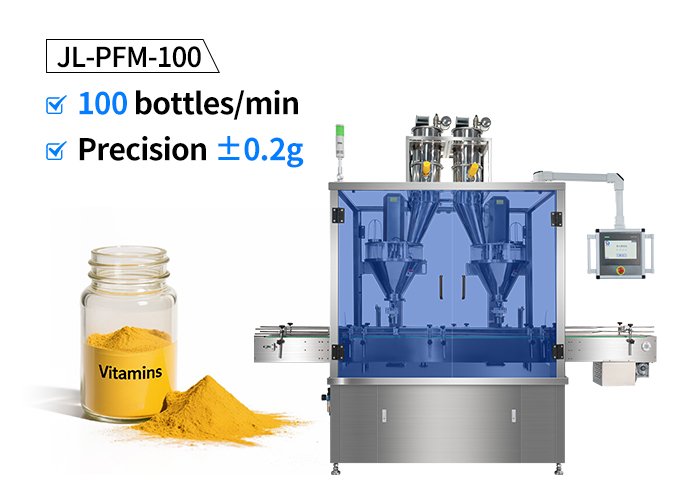
Fiber supplements are a high-value, growing category – but they demand the right processing and packaging approach. From granulating psyllium and inulin powders to filling capsules or stick packs, each step requires specialized equipment (mixers, fillers, capsule machines, stick-packers, etc.) and tight quality controls. Automated packaging lines (bottle fillers, blister machines, labeling stations) ensure consistent dosing and safety for powders, tablets, capsules or gummies.
Ready to scale your fiber supplement line? A complete packaging solution will help you launch on time and meet 2026 quality standards. Contact the experts at Jinlu Packing: we offer turnkey machinery – from powder mixers and auger fillers to stick-pack and blister machines – designed for dietary supplements. Our equipment is built for GMP compliance, high accuracy and fast changeovers. Let us help you produce fiber supplements (fiber powders, capsules or gummies) that stay fresh, safe and on budget. Get a quote or more info on fiber supplement packaging solutions today.
Most fiber supplements are produced using natural or plant-derived fiber ingredients. Common raw materials include psyllium husk, inulin, wheat dextrin, acacia fiber, methylcellulose, and glucomannan. Depending on the product positioning, manufacturers may use a single fiber source or combine multiple soluble and insoluble fibers to create a balanced formula for digestive and gut health.Fiber supplements are available in several forms, including powders, capsules, gummies, tablets, and stick packs.
The fiber supplement manufacturing process typically includes ingredient sourcing, formula blending, mixing, granulation (if required), filling or compression, packaging, and quality testing. Powder products are usually blended before filling into bottles or stick packs, while capsules are filled using automatic capsule filling machines. Gummies require cooking, depositing, cooling, and packaging.
The most common fiber supplement packaging formats include:
• HDPE or PET bottles
• Stick packs
• Sachets
• Pouches
• Blister packs (mainly for capsules)
• Jars
The ideal packaging depends on the dosage form, product positioning, target market, and distribution channel.
For fiber powder packaging, stick packs, sachets, and bottles are the most popular options.
Stick packs are ideal for single-serving convenience and travel, while bottles are commonly used for larger household products. Moisture-proof packaging materials are recommended to help maintain powder stability and shelf life.
Many dietary fiber ingredients are hygroscopic, meaning they absorb moisture from the surrounding environment. Excess humidity can cause powder clumping, reduced flowability, and shorter shelf life. Using suitable packaging materials, proper sealing, and moisture-control solutions such as desiccants helps maintain product quality throughout storage and transportation.
Depending on the product format, manufacturers commonly use:
• Powder filling machines
• Capsule filling machines
• Bottle unscramblers
• Capping machines
• Labeling machines
• Cartoning machines
• Stick pack and sachet packaging machines
Selecting compatible equipment helps improve filling accuracy, production efficiency, and packaging consistency.
When selecting a packaging solution, manufacturers should consider:
• Product format (powder, capsule, gummy, or tablet)
• Production capacity
• Filling accuracy
• Packaging material compatibility
• Automation level
• Regulatory compliance
• Future production expansion
A scalable packaging line can reduce operating costs while supporting long-term business growth.
A reliable equipment supplier should provide:
• Experience with dietary supplement packaging
• Customized production line solutions
• Stable machine performance
• Technical support and training
• Spare parts availability
• After-sales service
• Compliance with GMP-oriented production environments
Choosing an experienced supplier can help reduce downtime and improve overall production efficiency.
Yes. Many modern packaging lines are modular and can be configured to package different product formats, such as fiber powder, capsules, tablets, or gummies. With appropriate change parts and machine adjustments, manufacturers can improve equipment utilization while reducing investment in multiple dedicated production lines.
Soluble fiber supplements, such as psyllium husk and inulin, dissolve in water and are widely used to support digestive health, gut microbiota, and cholesterol management.
Insoluble fiber supplements mainly add bulk to stool and help maintain regular bowel movement. Many modern products combine both types of fiber to deliver broader health benefits.
References:
1.Questions and Answers on Dietary Supplements —— U.S. Food and Drug Administration
2.Dietary Supplements Guidance Documents & Regulatory Information —— U.S. Food and Drug Administration
3.Health benefits of dietary fibers vary —— National Institutes of Health
4.Fiber supplements and clinically proven health benefits: How to recognize and recommend an effective fiber therapy —— National Library of Medicine
5.Inulin and oligofructose as dietary fiber: a review of the evidence —— National Library of Medicine
6.How Do I Choose the Best Fiber Supplement? —— Cleveland Clinic
7.Types of Fiber: Soluble and Insoluble Fiber —— WebMD