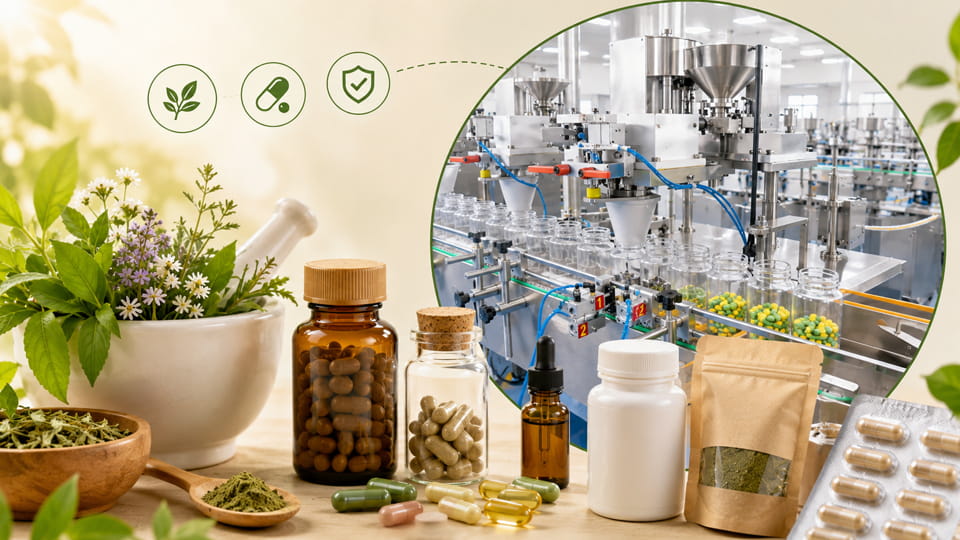

At first glance, dietary supplements and medications can look very similar. Both may be sold as tablets, capsules, powders, gummies, or liquids, and both often use comparable manufacturing and packaging processes. However, the similarities largely end there.
When comparing Dietary Supplements vs Medications, the biggest differences lie in their intended use, regulatory requirements, quality standards, and compliance obligations. Dietary supplements are designed to supplement the diet and support overall health, while medications are intended to diagnose, treat, prevent, or manage diseases. Because of these different purposes, manufacturers must follow different rules for formulation, production, validation, labeling, and packaging.
For supplement and pharmaceutical manufacturers, understanding these distinctions is essential when selecting production equipment, designing packaging lines, and ensuring regulatory compliance. In this guide, we’ll explore the key differences between dietary supplements and medications and what they mean for modern manufacturing and packaging operations.
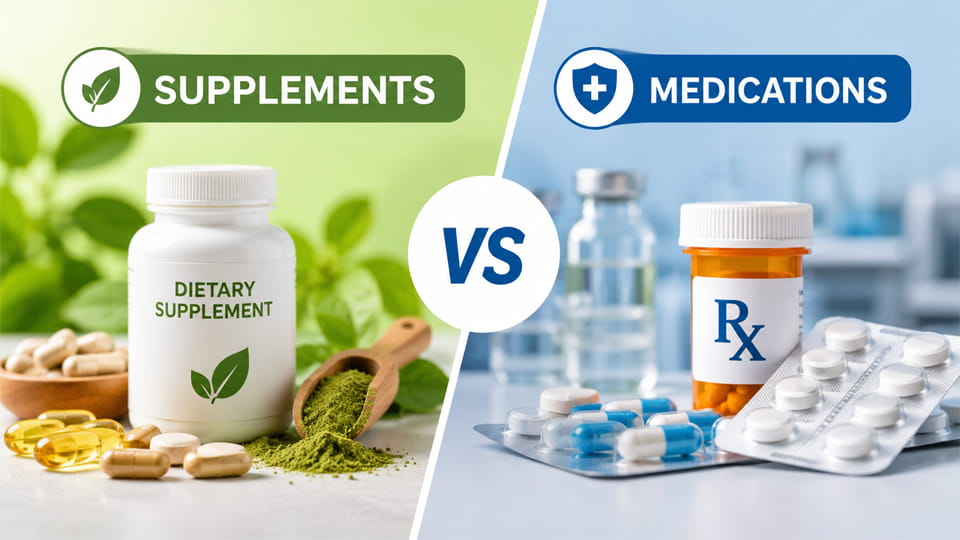
Dietary supplements (also called nutraceuticals or food supplements) are products taken by mouth to add nutritional value. By US law (DSHEA 1994), a supplement must contain one or more “dietary ingredients” such as vitamins, minerals, herbs, amino acids or other botanicals, intended to supplement the diet. Examples include multivitamin tablets, fish oil capsules, herbal extracts, or protein powders. In the EU, the term food supplements is used: they are “concentrated sources of nutrients or other substances” in dose form (capsules, powders, liquids, etc.). Supplements can provide nutrients missing from the diet or support general health, but they are not authorized to claim disease treatment or prevention. Labels typically bear a Supplement Facts panel and disclaimers (e.g. “not intended to diagnose, treat, cure, or prevent any disease”). EU law harmonizes allowable vitamins/minerals in supplements (Directive 2002/46/EC) and requires risk assessment of novel ingredients by EFSA.
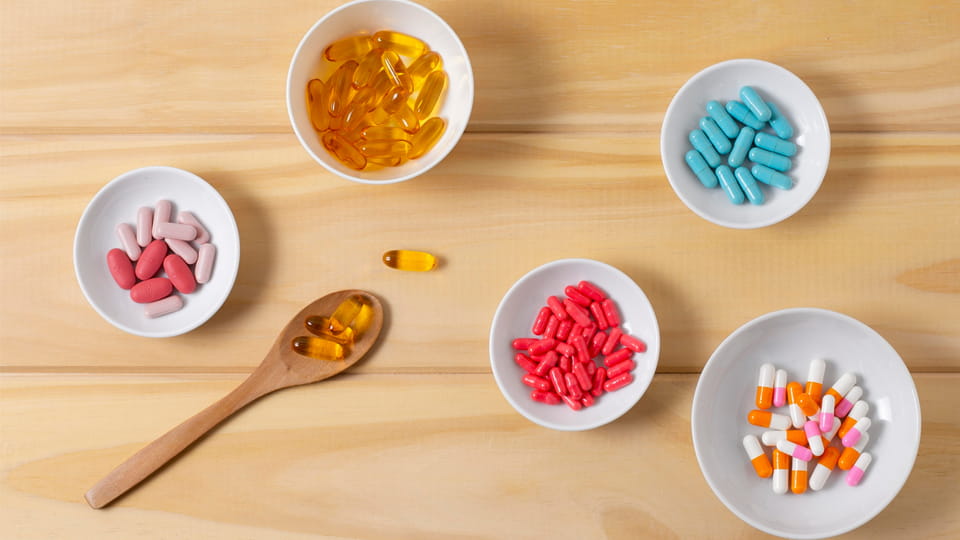
Key points for supplements: no prescription needed; regulated as foods; labeling must list ingredients and suggested use; manufacturers must follow FDA’s dietary cGMP rules (21 CFR 111) to ensure identity, purity, and strength of products. FDA does not review supplements for safety or efficacy before sale, so responsibility rests with the maker (who must notify FDA of any serious adverse events, see below).
Medications (drugs) include prescription drugs and over-the-counter (OTC) drugs used to treat, cure, mitigate or prevent human disease. FDA defines a drug as any substance intended for use in diagnosis, cure, mitigation, treatment, or prevention of disease, or to affect body structure/function. This includes both brand-name and generic pharmaceuticals, biologics, and certain OTC remedies (pain relievers, antacids, cough syrups, etc.). By contrast, dietary supplements specifically exclude substances marketed for disease treatment.
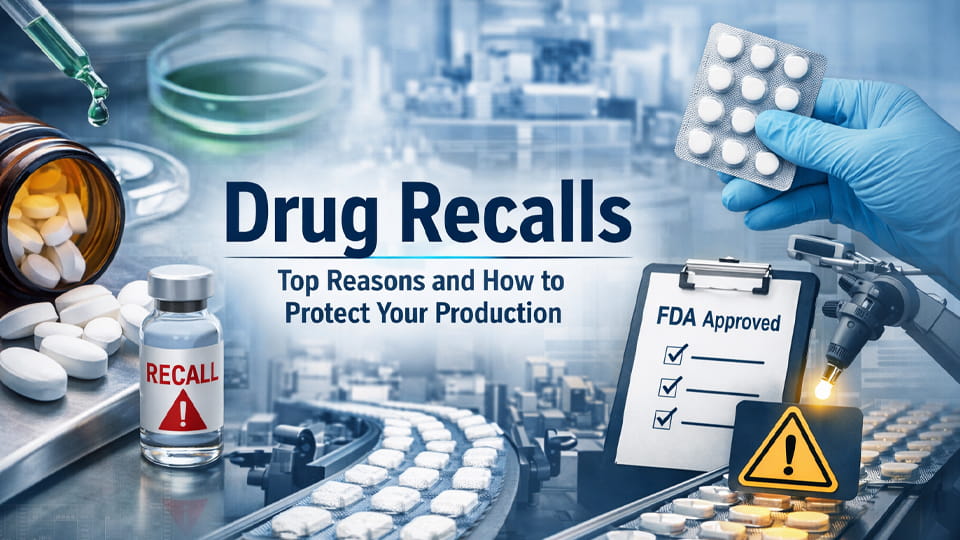
Medications must meet strict regulatory standards. In the US, new drugs require a New Drug Application (NDA) or Abbreviated NDA (for generics), backed by clinical trial data demonstrating safety and efficacy. The FDA’s Center for Drug Evaluation and Research (CDER) monitors ~11,000 marketed drugs, enforcing Current Good Manufacturing Practices (cGMP) for pharmaceuticals (21 CFR 210–211) to ensure consistent quality. In the EU, medicines must be authorized by EMA or national agencies, and manufacturers must comply with EU GMP (as coordinated by EMA) to ensure high quality and compliance with the approved dossier. Drug packaging typically requires features like tamper-evident seals, child-resistant containers (Poison Prevention Act), serialized tracking (DSCSA, EU FMD), and extensive labeling (NDC codes, instructions, expiry) that are more stringent than supplements.
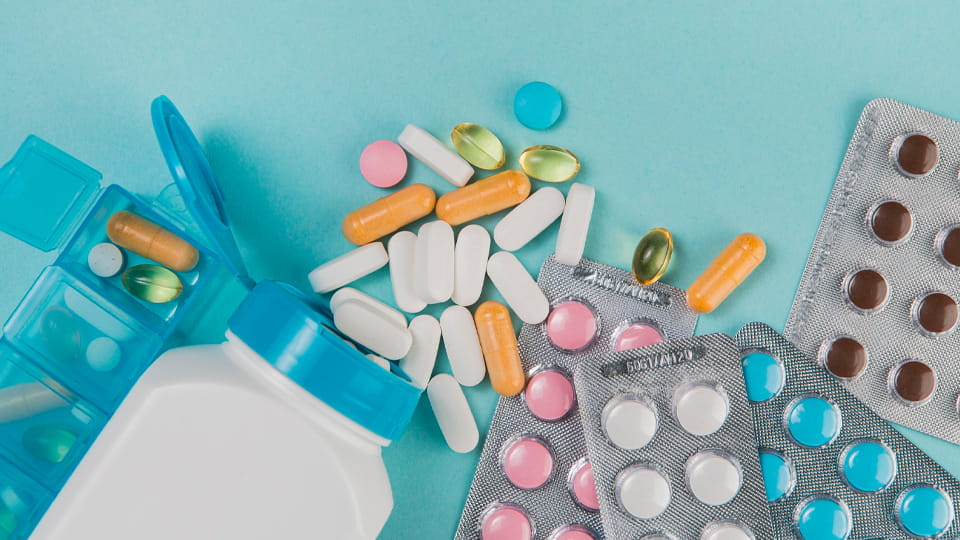
Key points for medications: FDA/EMA approval required before marketing; clinical trials and technical dossiers; strict cGMP compliance; regulated labeling (Drug Facts); and both Rx and many OTC drugs require robust safety/quality controls.
The core difference is intent. Medications are specifically intended to diagnose, treat, or cure diseases. Supplements are intended to supplement the diet. Thus:
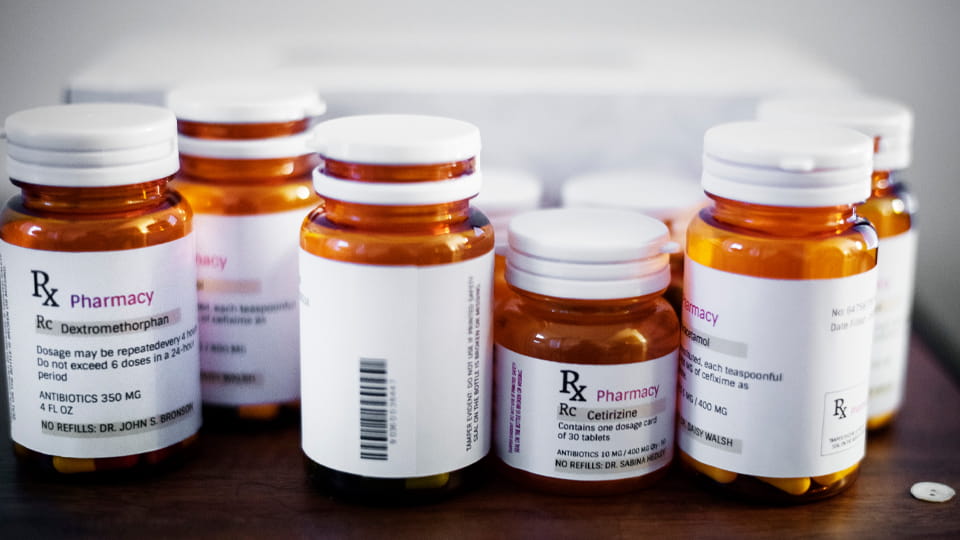
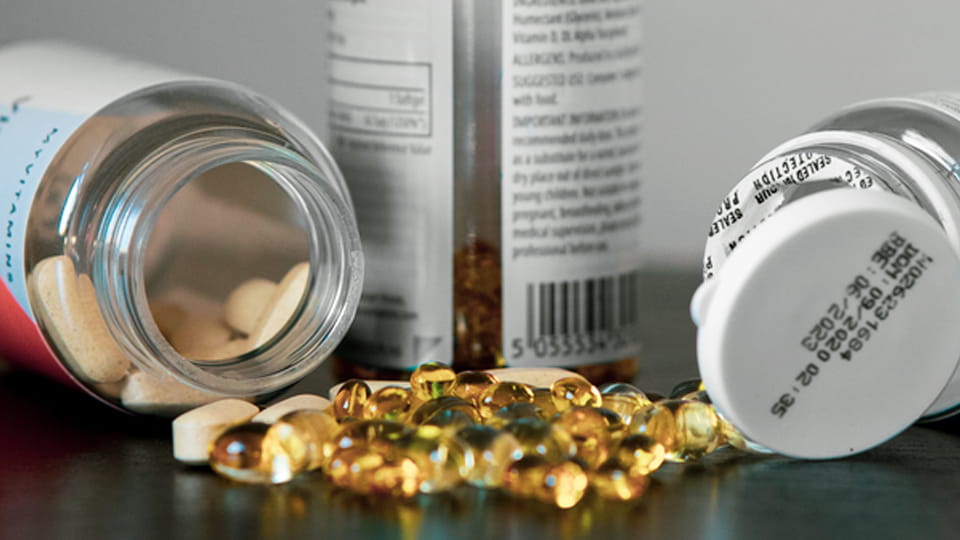
Many dosage forms overlap between supplements and medicines. Both can be:
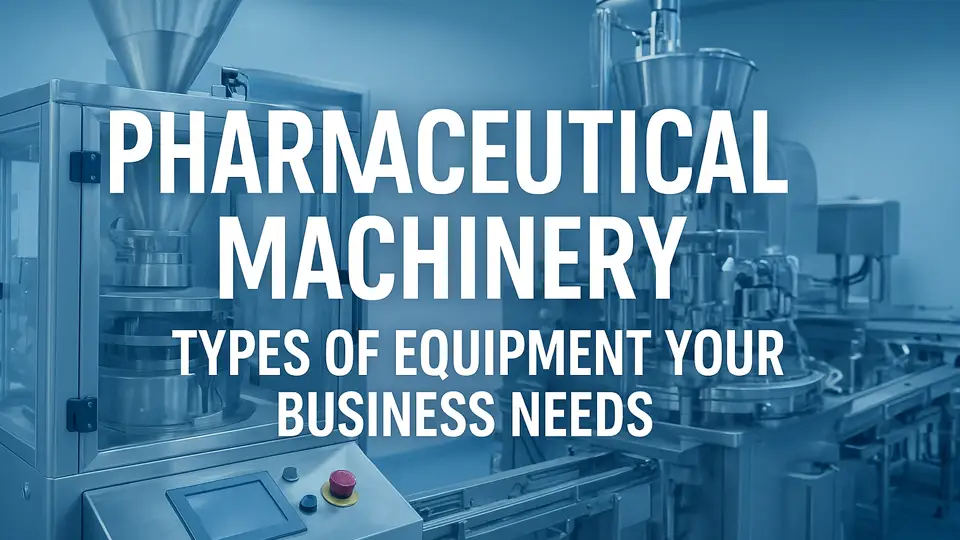
From an equipment standpoint, the machines are very similar. A GMP-compliant counting/filling line that handles 50 mL vitamin bottles can often also fill pharmaceutical bottles of similar size (perhaps with minor adjustments). Blister lines for solid doses handle any pills. Rotating tablet presses or capsule fillers on the upstream side produce the dosage forms; downstream, the lines diverge little until labeling/inspection. The main differences in machinery come from production scale and regulatory features (e.g. more sophisticated inspection cameras on a pharma line).
When choosing equipment, focus on the product’s format, volume, and compliance needs:
Tables below summarize key differences and suggest equipment per product type.
| Attribute | Dietary Supplements | Medications (Drugs) |
| Definition/Use | Nutrients/herbs to supplement diet | Treat/diagnose/prevent disease |
| Approval Required | No FDA pre-approval (DSHEA) | FDA/EMA approval (NDA/ANDA/BLA) |
| Clinical Testing | No mandatory clinical trials | Rigorous trials for safety/efficacy |
| GMP Regime | Dietary GMP (21 CFR 111) | Pharma GMP (21 CFR 210–211, EU GMP) |
| Labeling | Supplement Facts; “not for treatment” disclaimer | Drug Facts; includes indications, dosage, side effects |
| Claims | Structure/function claims only | Specific therapeutic claims allowed |
| Packaging Control | Standard food-grade; child caps if needed | Mandatory tamper-evident/child-resistant closures; serialization |
| Quality Testing | Batch testing by maker (identity, purity) | Comprehensive QC (potency, dissolution, stability) |
| Example Products | Vitamins, minerals, herbs, amino acids | Aspirin, antibiotics, hormones, OTC analgesics |
| Product Form | Typical Packaging Formats | Recommended Machinery |
| Tablets | Bottles (count & cap); Blister Cards | Tablet Press; Coater; Counting Machine; Bottle Filler & Capper; Blister Machine; Cartoner |
| Capsules | Bottles (with desiccant); Blister Cards | Capsule Filling Machine; Counting Machine; Bottle Filler & Capper; Blister Machine; Cartoner |
| Powders/Granules | Sachets/Stick Packs; Stand-up Pouches; Jars (tubs) | Mixers/Granulators; Sachet/Stick-Packer; Premade Pouch Filler; Powder Jar Filler; Sealer; Cartoner |
| Liquids | Bottles (dropper or cap); Ampoules | Liquid Filling Line; Capping Machine (child-resistant if needed); Labeler; Cartoner |
| Gummies/Chews | Blister Packs; Bottles | Gummy Depositor; Blister Packing Machine; Counting Machine; Bottle Filler; Cartoner |
Each cell lists both supplement and drug lines: the same machine can often handle both with minor adjustments. For instance, Jinlu’s blister packing machines can package vitamins, pills or gummy supplements just as they do pharmaceutical tablets.
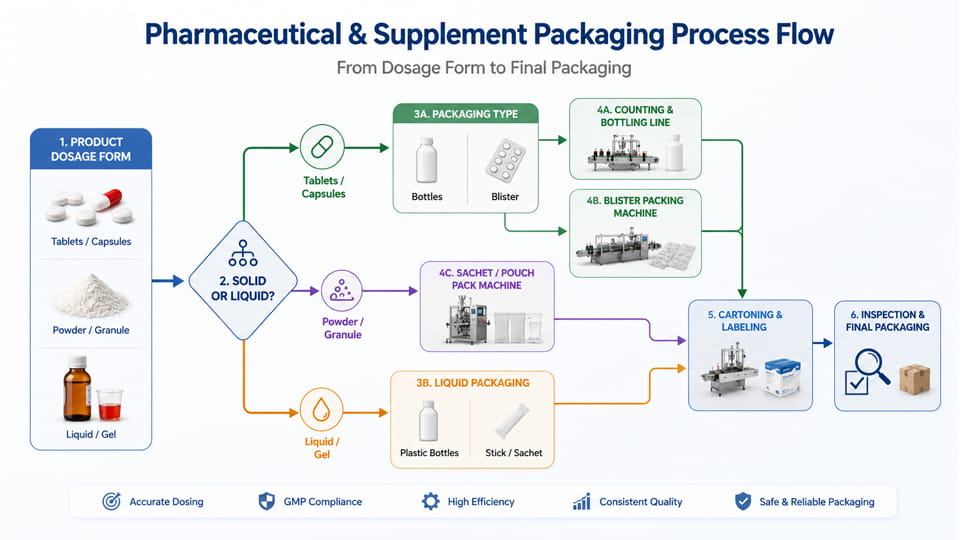
Mermaid Diagram: The flowchart above illustrates a simplified decision process. Start with the product form (solid tablet, capsule, powder, etc.), use the appropriate production equipment (press, filler, mixer), then choose a packaging line. Bottles, blisters, sachets, and cartons are the common endpoints.
Both industries may use similar unit operations (mixing powders, granulation, tablet compression, capsule filling). However, certain steps diverge:
Despite these differences, Jinlu’s expertise in pharma packaging means its equipment is suitable for supplements with minimal change. For example, our capsule counting machine lists “pharmaceutical and medical use, count tablets, capsules, pills, etc., 2-40mm, output 100 bottles/hour, accuracy >99.98%”. That same machine can count gummy vitamins or pet supplements as easily as pills.
A typical tablet/capsule bottle line for supplements might include: bottle unscrambler → tablet/capsule counter → cap placer/torquer → induction foil sealer → labeler → inkjet coder → conveyor. For medications, the line might be very similar but enclosed in a laminar flow hood (for sterile/non-contaminated environments) and will include a vision system to check label and tamper-evidence. Jinlu’s counting line can integrate with capping and labeling equipment for a complete turn-key solution.

For high-speed pharmaceutical production, a blister machine (e.g. JL DPP-270Max) forms and seals blister sheets, which feed directly into a cartoner. The cartoner takes each blister card and inserts it into a printed carton box, then closes and sometimes seals the carton. This entire flow can run at several thousand units per hour. Supplement manufacturers often use similar lines for items like effervescent tablets or vitamins that are blister-packed. The machinery is largely the same (Our blister packing machines can improve productivity in packaging tablets, capsules…), but the cleanroom and inspection features may be scaled to meet GMP.
[jl_youtube src=”https://www.youtube.com/embed/1Bb_J6rluac”]
Understanding the differences between dietary supplements and medications is key for equipment planners and production managers in the health products industry. While the active processing machinery (tablet presses, capsule fillers, blisters, counting lines, etc.) is largely shared, regulatory demands differ: supplements fall under food/Dietary rules and rely on manufacturer-managed safety, whereas medications demand validated processes and regulatory approvals. When selecting packaging equipment, buyers should align machines to product form and regulatory needs: ensure GMP compliance, proper material handling, and any special features (child-resistant, tamper-evident, serialization) required for drugs. A knowledgeable equipment partner can tailor solutions to each case.
By carefully matching product type to equipment—using resources like Jinlu Packing’s Capsule Filling Machines, Tablet Presses, Blister Packagers, Counting Lines, Sachet/Pouch Fillers, and Cartoners—manufacturers can build efficient lines that meet both market demand and regulatory standards. This synergy of process know-how and the right machinery ensures safe, compliant production whether you’re making supplements or medicines.
Dietary supplements are intended to supplement the diet and support overall health, while medications are designed to diagnose, treat, prevent, or manage diseases. Because of these different purposes, medications are subject to stricter regulatory approval, testing, and compliance requirements than supplements.
No. In most jurisdictions, including the United States, dietary supplements are regulated differently from medications. Supplements are generally classified under food-related regulations, whereas medications are regulated as drugs and must meet specific safety and efficacy requirements before entering the market.
Often yes, with adjustments. If a line is built to cGMP (stainless, easy-clean, etc.), it can run either product type. You may need to change molds or settings. The main caution is regulatory: ensure supplements are labeled appropriately, and if switching to a drug, validate any sterilization/cleaning steps. Jinlu’s machines are multi-purpose – for example, a counting filler is said to be ideal for “almost all shapes of tablets and capsules”.
Generally, no – the Poison Prevention Packaging Act (PPPA) covers drugs and certain hazardous substances. Some supplements (e.g. iron pills, which can be toxic to children) may fall under PPPA. Most vitamins and herbal pills do not legally require child-proof caps, but many manufacturers use them as a safety and marketing measure. It’s best practice to follow consumer expectations.
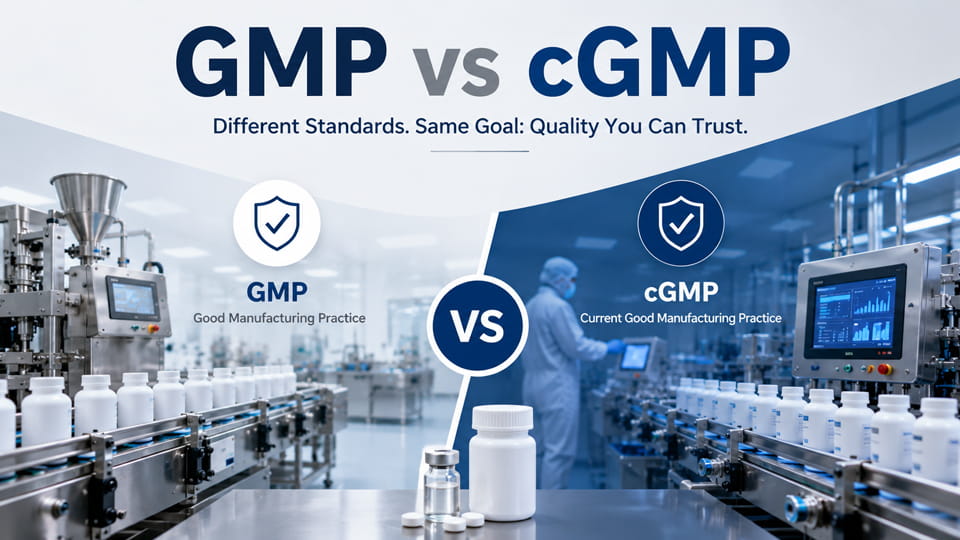
Both have GMP, but supplemental GMP (21 CFR 111) is a subset of pharma GMP (21 CFR 210/211). For example, supplements require identity testing of ingredients and some impurity testing, but do not mandate clinical validation of processes. However, all GMP means you must keep things clean, record production data, and test products to ensure label claims. If FDA inspects a supplement line, they will check for proper cleaning, documented procedures, and test results just as they would in a drug plant. For pharmaceuticals, FDA expects additional layers: validated methods, stability studies, more rigorous environmental controls, etc.
It’s still important. While supplement companies don’t file a report with FDA, they must still prove their product is what they say. This means equipment (like a tablet press or blister machine) should be qualified (IQ/OQ/PQ) to ensure it consistently produces the correct dosage form. At a minimum, USP or company standards would require weighing and content tests. Good Modern Quality Practices (MQP) in supplements increasingly mirror pharma, especially for export markets. Jinlu, for example, mentions compliance with “cGMP, CE, FDA, and EMA” for its pouch machines, indicating they design machines to meet those requirements.
Key factors include: machine speed vs expected volume, flexibility (can it handle different bottle shapes or blister types?), ease of cleaning (stainless parts, CIP), and automation features (like servo controls, HMI, and inspection). Also consider after-sales service and spare parts. Jinlu highlights a 7-day delivery and 3-year warranty on its machines, reflecting strong after-sales support. Buyers should also ask about integration (e.g. can the counting machine easily sync with an existing cartoner?). Finally, compliance: ensure the machine can produce “pharmaceutical-grade” packaging if needed, even for supplements. Jinlu’s packaging lines pass CE and FDA-related standards, and they emphasize using brand-name components (like Omron, Siemens) for reliability.
References:
1.Questions and Answers on Dietary Supplements — U.S. Food and Drug Administration
2.Current Good Manufacturing Practices (CGMPs) for Food and Dietary Supplements — U.S. Food and Drug Administration
3.Dietary and Herbal Supplements — NCCIH
4.Small Entity Compliance Guide: Current Good Manufacturing Practice in Manufacturing, Packaging, Labeling, or Holding Operations for Dietary Supplements – U.S. Food and Drug Administration
5.Dietary Supplements: What You Need to Know — National Institutes of Health
6.Quality guidelines: manufacturing — European Medicines Agency