
متطلبات وضع العلامات الصيدلانية تحديد المعلومات التي يجب أن تظهر على عبوة الدواء لدعم تعريف المنتج, الاستخدام الآمن, الامتثال التنظيمي, وإمكانية التتبع. حسب السوق ونوع المنتج, قد تتضمن العلامة الصيدلانية اسم المنتج, العنصر النشط(ق), قوة, شكل جرعة, كمية, رقم الدفعة أو الدفعة, تاريخ انتهاء الصلاحية, ظروف التخزين, تحذيرات, ومعلومات ترخيص الشركة المصنعة أو التسويق. في الولايات المتحدة, يتم تحديد المتطلبات من خلال لوائح إدارة الغذاء والدواء مثل 21 جزء CFR 201, في حين أن وضع العلامات على المنتجات الطبية في الاتحاد الأوروبي يخضع للتشريعات الصيدلانية الأوروبية, بما في ذلك التوجيه 2001/83/EC. يمكن أن تختلف المتطلبات الدقيقة حسب فئة الدواء, تنسيق التعبئة والتغليف, والسوق المستهدف, لذلك لا يوجد قالب تسمية واحد يعمل في كل مكان.
لمصنعي الأدوية وفرق التعبئة والتغليف, لا يقتصر الامتثال على إنشاء العمل الفني الصحيح فقط. ويجب أيضًا تطبيق المعلومات المعتمدة, مطبوعة, تفتيشها, والتحكم فيها بشكل صحيح طوال فترة الإنتاج. يصبح هذا مهمًا بشكل خاص بالنسبة لعبوات الفقاعة, زجاجات, كرتون, وغيرها من التنسيقات التي تكون فيها المساحة محدودة أو يجب إضافة بيانات متغيرة مثل أرقام الدُفعات وتواريخ انتهاء الصلاحية أثناء التعبئة. حديث خطوط التغليف قد تستخدم آلات وضع العلامات, أنظمة الترميز الدفعي, قارئات الباركود أو DataMatrix, وأنظمة فحص الرؤية للمساعدة في التحقق من تطبيق المعلومات الصحيحة على المنتج المناسب. في هذا الدليل, سنقوم بتفصيل المتطلبات الرئيسية لوضع العلامات الصيدلانية, قارن بين المتطلبات الرئيسية لإدارة الغذاء والدواء والاتحاد الأوروبي, انظر إلى الاعتبارات الخاصة لتنسيقات التغليف المختلفة, وشرح كيف يمكن لمعدات وضع العلامات والترميز أن تدعم عملية أكثر موثوقية عملية التعبئة والتغليف الصيدلانية.
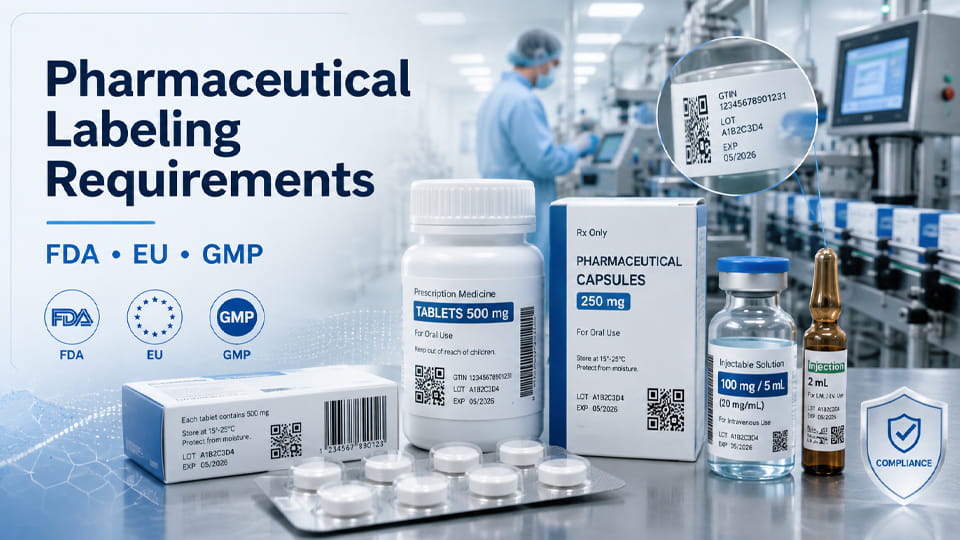
"متطلبات وضع العلامات الصيدلانية" هي القواعد التي تحكم المعلومات التي يجب طباعتها على عبوات الأدوية. في الولايات المتحدة, إرشادات إدارة الغذاء والدواء (و 21 جزء CFR 201) تحديد بيانات التسمية المطلوبة والتنسيق. على سبيل المثال, تشير إرشادات إدارة الغذاء والدواء (FDA) إلى أن جميع ملصقات الأدوية الموصوفة طبيًا يجب أن تمتثل لها 21 CFR 201.56(د) & 201.57, تغطية المحتوى والشكل. بالتنظيم, يشمل "وضع العلامات" للأدوية الموصوفة ثلاثة مكونات: معلومات الوصفة المهنية (إدراج الحزمة), ملصقات الكرتون والحاويات, ووضع العلامات على المريض. من الناحية العملية, تضمن متطلبات وضع العلامات أن تحدد كل عبوة بوضوح الدواء واستخدامه: العلامة التجارية والاسم العام, العنصر النشط(ق), قوة, شكل جرعة, كمية, ويجب أن يظهر اسم/عنوان الشركة المصنعة, جنبا إلى جنب مع معلومات السلامة (تحذيرات, المؤشرات) ورموز التتبع (حزمة, انتهاء الصلاحية). هذه القواعد تحمي سلامة المرضى وتمكنهم يتذكر المنتج إذا لزم الأمر.
بعبارة أخرى, تحدد متطلبات وضع العلامات الحد الأدنى من المعايير للحصول على معلومات واضحة وكاملة عن عبوات الأدوية. أنها تهدف إلى منع الأخطاء الدوائية والتأكد من أن أي شخص (مريض, مقدم الرعاية أو المفتش) يمكن التحقق من المنتج. على سبيل المثال, تدرج إدارة الغذاء والدواء (FDA) بشكل صريح تاريخ انتهاء الصلاحية ورمز الدفعة باعتبارهما إلزاميين (راجع مربع "الملصق يخبرك أيضًا" أدناه), ويتطلب قانون الاتحاد الأوروبي الدفعة وانتهاء الصلاحية على الكراتين. إرشادات الرعاية الصحية (ema, من) ومعايير الصناعة مثل GS1 تحدد التنسيقات بشكل أكبر (على سبيل المثال. الباركود داتا ماتريكس) لدعم التتبع العالمي. إجمالي, الامتثال يعني أن تصنيفاتك يجب أن تتطابق مع مربعات الاختيار الموجودة في الجدول أدناه.
| عنصر التسمية | غاية |
| اسم المنتج (ماركة & نوعي) | التعرف على الدواء بالاسم, تقليل الارتباك. |
| العنصر النشط(ق) | تحديد تركيبة الدواء ونقاط قوته. |
| قوة (جرعة) | الإشارة إلى الجرعة (على سبيل المثال. ملغ لكل قرص / مل). |
| شكل الجرعة (قرص, إلخ.) | وصف الصياغة (قرص, كبسولة, سائل). |
| محتويات صافية (العد/الحجم) | عرض الكمية في الحزمة (على سبيل المثال. 30 أقراص). |
| رقم الدفعة/الدفعة | تمكين إمكانية التتبع والتذكير إذا لزم الأمر. |
| انتهاء (انتهاء الصلاحية) تاريخ | تأكد من استخدام الدواء قبل أن يفقد فعاليته. |
| اسم الشركة المصنعة & عنوان | تحديد مصدر المساءلة. |
| شروط التخزين | إرشاد على درجة الحرارة, ضوء, رطوبة. |
| تحذيرات/تنبيهات | تحذيرات السلامة (على سبيل المثال, "يحفظ بعيدا عن متناول الأطفال"). |
| طريق الإدارة | تحديد الاستخدام (على سبيل المثال, شفوي, قابل للحقن). |
| الاستخدام/الإشارة | (خياري) اذكر ما يعالجه (خاصة. خارج البورصة). |
| الرموز التنظيمية (NDC/MA رقم.) | نحن. NDC أو رقم ترخيص التسويق في الاتحاد الأوروبي. |
| إشعار واضح العبث | (بيان "التلاعب الواضح" إذا لزم الأمر). |
| الباركود/داتا ماتريكس | يشفر رقم GTIN, حزمة, انتهاء صلاحية المسح. |
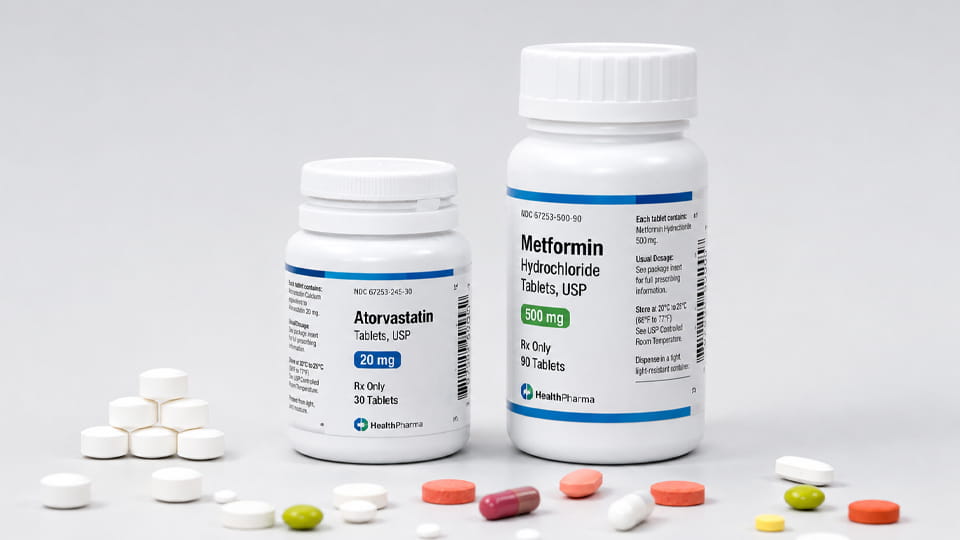
كل عنصر له سبب واضح. على سبيل المثال, يساعد اسم المنتج ومكوناته المرضى في الحصول على الدواء المناسب; قوة, الشكل والطريق يضمنان الجرعات المناسبة; التخزين والتحذيرات تحمي السلامة; توفر الدفعة/الدفعة وانتهاء الصلاحية إمكانية التتبع; والرموز الشريطية (GS1 مصفوفة البيانات) السماح للآلات بفحص الحزمة والتحقق منها. السلطات التنظيمية (ادارة الاغذية والعقاقير, ema, إلخ.) تتطلب أساسا كل هذه العناصر. يسرد الجدول أعلاه الحقول المشتركة ووظيفتها. في جميع الحالات, يجب أن تكون التسميات مقروءة (حجم الخط الكافي, مقابلة) واستخدام التنسيقات القياسية (على سبيل المثال. تخطيط "الحقائق الدوائية" الخاص بإدارة الغذاء والدواء للأدوية التي لا تستلزم وصفة طبية).
في الولايات المتحدة, لوائح إدارة الغذاء والدواء (21 جزء CFR 201) وإرشادات تفصيلية لمحتوى الملصق الخاص بالأدوية. روشتة (آر إكس) المخدرات: تشمل المتطلبات الرئيسية المنشأة (نوعي) اسم الدواء (21 CFR 201.50), شكل جرعة, صافي المحتوى, والاتجاهات (21 CFR 201.55). يجب أن تعرض الملصقات أيضًا اسم الشركة المصنعة/المعبئ/الموزع وعنوانه (201.1), قانون المخدرات الوطني (201.2), والبيان "Rx فقط" إن أمكن. تخضع المعرفات الهامة مثل رقم الدفعة وتاريخ انتهاء الصلاحية لـ 21 CFR 201.17-18. على سبيل المثال, 201.17 يحدد موقع تاريخ انتهاء الصلاحية على العبوة, و 201.18 يتطلب السيطرة (كثير) رقم لتحديد الهوية. في الممارسة العملية, تصر إدارة الغذاء والدواء الأمريكية (FDA) على طباعة رقم الدفعة أو الدفعة وانتهاء الصلاحية بشكل واضح على كل من الحاوية المباشرة والكرتون. على سبيل المثال, تشير إرشادات "حقائق المخدرات" الصادرة عن إدارة الغذاء والدواء الأمريكية (FDA) بوضوح إلى أن الكثير (حزمة) يجب أن يظهر الرمز وتاريخ انتهاء الصلاحية على ملصقات OTC, وينطبق نفس المنطق على أدوية Rx.
أدوية بدون وصفة طبية (لوحة حقائق المخدرات): يجب أن تحمل جميع الأدوية غير الموصوفة علامة "حقائق الدواء" الموحدة الخاصة بإدارة الغذاء والدواء لمساعدة المستهلكين. تتبع هذه اللوحة تنسيقًا ثابتًا يحتوي على أقسام مثل Active Ingredient(ق), غاية(ق), يستخدم, تحذيرات, الاتجاهات, والمكونات غير النشطة. الهدف هو الاتساق والوضوح (نفس الهيكل لمسكنات الألم, أدوية الحساسية, إلخ.). على سبيل المثال, "العنصر النشط(ق)يسرد السطر المادة العلاجية والقوة, "الغرض" يعطي فئته, وتوفر "التحذيرات/التوجيهات" إرشادات الاستخدام. بالإضافة إلى هذه الأقسام, يجب أن يُظهر كل ملصق OTC تاريخ انتهاء الصلاحية (أو قاعدة انتهاء الصلاحية الافتراضية لمدة 3 سنوات) ورمز الكثير, مع اسم/عنوان الشركة المصنعة والكمية الصافية. تؤكد صفحة إدارة الغذاء والدواء الأمريكية حول حقائق الأدوية التي لا تحتاج إلى وصفة طبية: "يخبرك الملصق أيضًا... تاريخ انتهاء الصلاحية... رمز الدفعة أو الدفعة... اسم وعنوان الشركة المصنعة... الكمية الصافية". الفشل في تضمينها على ملصق OTC من شأنه أن ينتهك قواعد وضع العلامات لدى إدارة الغذاء والدواء.
تسرد لوائح إدارة الغذاء والدواء (FDA) العديد من بيانات وضع العلامات التفصيلية. على سبيل المثال, 21 CFR 201.50-201.56 و 201.100-201.128 تغطية تسميات الحاويات وتسميات الكرتون. وتشمل بعض النقاط البارزة:
ما وراء CFR, توضح إرشادات إدارة الغذاء والدواء هذه القواعد. بشكل ملحوظ, تحدد إدارة الغذاء والدواء الأمريكية (FDA) الآن تصنيف الأدوية الموصوفة طبيًا على أنها ثلاثة أجزاء: معلومات الوصفة المهنية (إدراج الحزمة), التسمية المادية على الكرتون/الحاوية, وأي نشرة موجهة للمريض. يجب أن تحمل تسمية الحاوية نفسها الاسم الثابت للدواء, قوة, شكل جرعة, وحدات الجرعة, رقم الكثير, تاريخ انتهاء الصلاحية, NDC, واسم/عنوان النشاط التجاري - يغطي بشكل أساسي جميع مربعات الاختيار في الجدول أعلاه. يضمن ذلك قيام الصيدليات بتوزيع المنتج الصحيح واطلاع المرضى على معلومات السلامة الأساسية.
في الاتحاد الأوروبي, التوجيه 2001/83/EC (بصيغته المعدلة) واللوائح ذات الصلة تحكم وضع العلامات على المنتجات الطبية. القواعد تشبه إلى حد كبير القواعد المعمول بها في الولايات المتحدة ولكن مع بعض الاختلافات (على سبيل المثال. متطلبات اللغة, تفاصيل ترخيص التسويق). شرط 54 ل 2001/83 يحدد ما يجب أن يكون على العبوة الخارجية (أو التغليف الفوري في حالة عدم وجود صندوق خارجي). يجب أن يعرض الاسم الكامل للمنتج, قوة, الشكل الصيدلاني, وطريق الإدارة. يجب أن يذكر ما إذا كان المنتج مخصصًا للبالغين أو للأطفال إذا كان ذلك مناسبًا, وقم بإدراج أي تحذيرات أو احتياطات خاصة (على سبيل المثال. درجة حرارة التخزين). حاسمة, شرط 54 يتطلب تاريخ انتهاء الصلاحية ورقم الدفعة على العبوة الخارجية, بالإضافة إلى عنوان صاحب ترخيص التسويق (ماه) ورقم ترخيص التسويق في الاتحاد الأوروبي. في الممارسة العملية, وهذا يعني أن علب كرتون الاتحاد الأوروبي يجب أن تحمل بشكل أساسي نفس المعلومات التي تحملها الملصقات الأمريكية: اسم, مكونات, قوة, كمية, تحذيرات, انتهاء الصلاحية, والدفعة, بالإضافة إلى اتصال MAH.
إرشادات وقوالب EMA (بيانات QRD) تتماشى مع هذه القواعد. للمنتجات المصرح بها مركزيا, QRD (مراجعة جودة الوثائق) تعمل القوالب على توحيد صياغة البيانات الرئيسية. كما تناولت EMA مؤخرًا التكنولوجيا الحديثة: فهو يسمح برموز QR الاختيارية أو تقنية المسح على الملصقات إذا تمت الموافقة عليها. علامات برايل (المادة 56أ) مطلوبة بالنسبة لمعظم كرتونة الدواء (مع الإشارة إلى اسم المنتج, قوة, النموذج بطريقة برايل) كميزة أمان لضعاف البصر. تتطلب كل دولة من دول الاتحاد الأوروبي أيضًا وضع العلامات بلغتها الرسمية(ق). خلاصة القول: تسميات الاتحاد الأوروبي (الابتدائي أو الثانوي) يجب أن ينقل جميع تفاصيل الدواء الهامة بعبارات واضحة (في كثير من الأحيان لغات متعددة), مشابهة لمتطلبات الولايات المتحدة ولكن مع التركيز الإضافي على هوية MAH, الأرقام التنظيمية, ومنشورات متعددة اللغات.
تنسيقات التعبئة والتغليف الأولية مثل البثور, تشكل الزجاجات والقوارير تحديات خاصة.
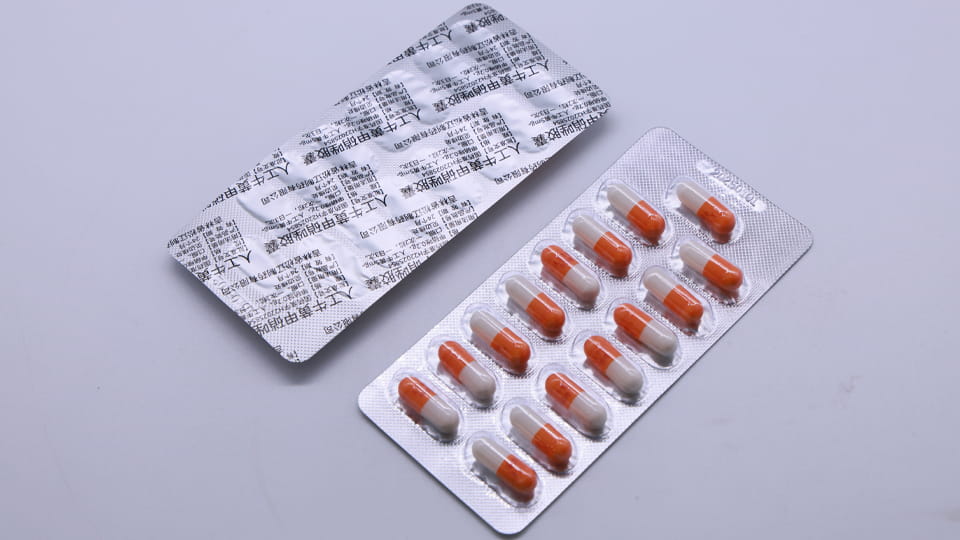
حزم نفطة: حسب التصميم, نفطة (شريط من الجيوب المختومة) لديها مساحة محدودة. ويدرك المنظمون هذا: غالبًا ما يسمح الاتحاد الأوروبي بوضع علامات مختصرة على تجاويف الفقاعات الفردية إذا كانت التفاصيل الكاملة موجودة على الكرتون (باستخدام علامة أو نشرة "العلم".). في الولايات المتحدة, تسميات نفطة (على سبيل المثال. دعم احباط) يجب أن لا يزال يتضمن اسم الدواء, قوة, رقم القطعة وتاريخ انتهاء الصلاحية. ملاحظات موجزة عن صناعة واحدة: "عبوة نفطة يجب أن تتضمن التسميات اسمًا خاصًا/عامًا, قوة, كثير, انتهاء الصلاحية... والامتثال لمتطلبات إدارة الأغذية والعقاقير (FDA) مثل الحد الأدنى لارتفاع النص والتباين. في الممارسة العملية, غالبًا ما يكون لرقائق الفقاعة الاسم والرمز مطبوعان على كل تجويف أو على ملصق ورقي يلتف حوله. في بعض الأحيان، تحمل بطاقة البثرة ملصقًا مقشرًا يغطي جرعات متعددة, لكنها لا تزال بحاجة إلى نفس المعلومات. أدلة التلاعب متأصلة في البثور المختومة, ولكن إذا استخدمت, بيان واضح التلاعب (على سبيل المثال. "لا تستخدم إذا كان الختم مكسورًا") مطلوب.
الزجاجات والقوارير: تستخدم الزجاجات المستديرة عادةً الملصقات الأمامية والخلفية. يُظهر الملصق الأمامي عادةً اسم المنتج, القوة والكمية لمعرف سريع, والملصق الخلفي لديه الاتجاهات, التحذيرات والتفاصيل التنظيمية. آلات وضع العلامات على الطاير (انظر أدناه) تطبيق هذه التسميات على الزجاجات. مثال من كتيب Jinlu Packing: تم تصميم آلة وضع العلامات TBJ-120 للزجاجات المستديرة (20– قطر 110 ملم) ويتضمن برنامج ترميز شريطي مدمج لطباعة الدفعة/انتهاء الصلاحية. وهذا يضمن أيضًا حصول الملصق اللاصق لكل زجاجة على رقم الدفعة الصحيح وانتهاء الصلاحية كما هو مطلوب. لكل من البثور والزجاجات, يجب أن يتوافق حجم الخط وتباين الألوان مع المعايير القانونية (على سبيل المثال. ادارة الاغذية والعقاقير 21 CFR 201.15 على الوضوح). باختصار, تم تصميم سير عمل وضع العلامات على الفقاعات والزجاجات لتلبية نفس قواعد المحتوى - الاسم, مكونات, الكثير وانتهاء الصلاحية - حتى لو كانت طريقة التسليم (تقشر, الطباعة المباشرة, أو ملصق) يختلف.

شكل: زجاجات الأدوية الموسومة على خط الإنتاج. يجب أن تعرض ملصقات الزجاجة هوية المنتج بوضوح (اسم, العنصر النشط, قوة) والبيانات التنظيمية الأساسية (رقم الدفعة, انتهاء الصلاحية, الشركة المصنعة) بحيث يمكن التحقق من كل قارورة أو زجاجة على حدة.
تعد طباعة أرقام الدُفعات/الدفعات وتواريخ انتهاء الصلاحية جزءًا مهمًا من وضع العلامات. في الخطوط الصيدلانية, يتم استخدام معدات تشفير مخصصة لطباعة هذه المعلومات بسرعة عالية. وتشمل التقنيات المشتركة النافثة للحبر المستمر (CIJ) الطابعات, النافثة للحبر الحراري (له) الطابعات, طابعات النقل الحراري (TTO) و مبرمجات الليزر.
عادةً ما يتم دمج هذه الطابعات مباشرة بعد وضع العلامات. على سبيل المثال, قد تمر الزجاجة تحت جهاز تشفير نفث الحبر مباشرة بعد وضع الملصق, الذي يطبع الكمية وانتهاء الصلاحية على الملصق في السطر. آلة جينلو TBJ-120 (فوق) يتضمن أ آلة ترميز الشريط لختم الرموز على كل تسمية. بغض النظر عن الطريقة, يجب أن تكون البيانات المطبوعة واضحة للغاية وموضعة وفقًا لما تقتضيه اللوائح (على سبيل المثال. بالقرب من الجزء السفلي من لوحة العرض لتاريخ انتهاء الصلاحية). صيغ قابلة للقراءة من قبل الإنسان (مثل YYMMDD) يجب أن يتطابق مع أي بيانات الباركود. على أي حال, سواء عن طريق نفث الحبر أو الليزر, الهدف الرئيسي هو نفسه: يجب أن تحمل كل حزمة فردية رقم الدفعة وتاريخ انتهاء الصلاحية للتوافق مع إمكانية تتبع ممارسات التصنيع الجيدة. أنظمة التفتيش (انظر أدناه) سوف يتحقق من أن كل رمز مطبوع موجود وصحيح.
غالبًا ما تتطلب اللوائح الحديثة رموزًا يمكن قراءتها آليًا لإمكانية التتبع ومكافحة التزييف. المعيار العالمي هو GS1 مصفوفة البيانات 2الباركود د, والتي يمكنها تشفير عناصر بيانات متعددة في رمز مربع صغير. في الرعاية الصحية, يحدد معيار GS1 ترميز أربع سمات رئيسية: رقم GTIN (رقم السلعة التجارية العالمية), تاريخ انتهاء الصلاحية, رقم الدفعة/الدفعة, و رقم سري. يحدد رقم GTIN المنتج بشكل فريد, بينما تمكن الثلاثة الأخرى من التتبع والتحقق من كل طرد.
في الولايات المتحدة, ال 2013 قانون جودة الدواء وأمنه (DQSA) يفرض التسلسل المرحلي للأدوية الموصوفة. بواسطة 2023, يتطلب قانون أمن سلسلة توريد الأدوية وجود معرف منتج على كل وحدة (والذي يتضمن الكثير وانتهاء الصلاحية) حتى تتمكن الصيدليات من التحقق من المنتجات عند استلامها. في الاتحاد الأوروبي, توجيه الأدوية المزيفة (التوجيه 2011/62/الاتحاد الأوروبي) يتطلب بالفعل أرقامًا تسلسلية فريدة على العديد من عبوات الأدوية الموصوفة طبيًا. يجب أن تحمل حزم الاتحاد الأوروبي GS1 DataMatrix التي تحتوي على رقم GTIN, الرقم التسلسلي المعين من قبل الشركة المصنعة, انتهاء الصلاحية والدفعة (معرفات التطبيق 17, 10). توجيهات GS1 توجه الشركات المصنعة بشكل صريح: "تشفير رقم GTIN الخاص بك, الكمية وتاريخ انتهاء الصلاحية في الرمز الشريطي GS1 DataMatrix وتثبيته على المنتج". بعض الأسواق (البرازيل, الهند, آحرون) تعتمد أيضًا متطلبات تسلسل مماثلة.
بالإضافة إلى داتا ماتريكس, يجوز للشركات استخدام رموز QR أو RFID على الملصقات لمشاركة المستهلك أو إدارة المخزون, لكن التركيز التنظيمي يظل على الباركود ثنائي الأبعاد من أجل الامتثال. تتم طباعة هذه الرموز بواسطة آلات وضع العلامات المتخصصة أو المبرمجين على العبوة. على سبيل المثال, تتمثل إحدى الطرق في جعل طابعة ليزر أو طابعة ملصقات تضيف DataMatrix بعد تطبيق الملصق الأساسي. تقوم أنظمة الرؤية بعد ذلك بفحص DataMatrix للتأكد من قراءتها بشكل صحيح. عن طريق ترميز الدفعة وانتهاء الصلاحية في الباركود, المسح في أي لحظة (توزيع, الاستغناء) يتحقق على الفور من تلك القيم. في ملخص, التسلسل يعني كل منهما حزمة جرعة الوحدة يحتوي على رمز فريد قابل للمسح الضوئي يربطه ببيانات الإنتاج الخاصة به.
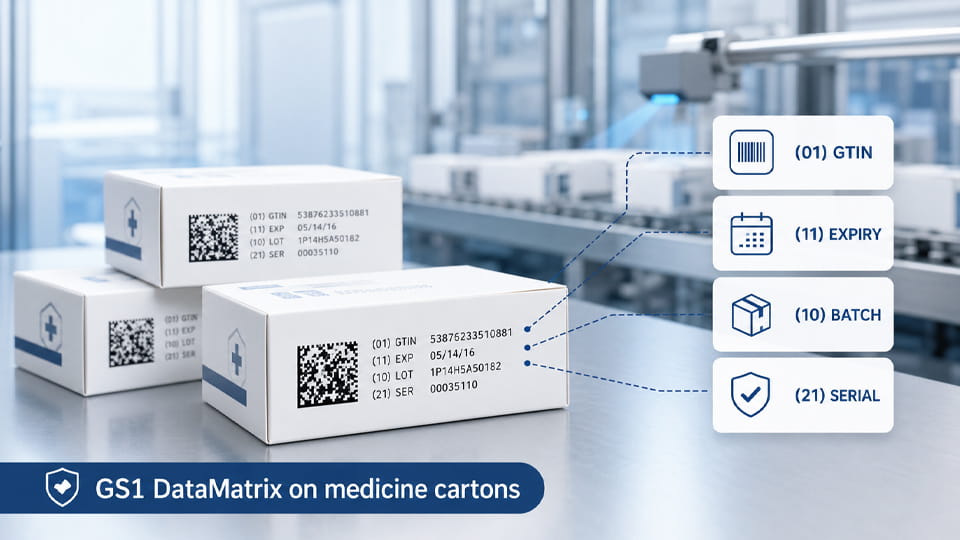
شكل: رمز GS1 DataMatrix الموجود على علب الأدوية التي تحتوي على (01)رقم GTIN, (11)انتهاء الصلاحية, (10)حزمة, (21)مسلسل. غالبًا ما تحمل العبوات الصيدلانية GS1 DataMatrix (2الباركود د) مع رقم GTIN, تاريخ انتهاء الصلاحية ورقم الدفعة/الدفعة مشفر. يتيح ذلك المسح والتحقق بسرعة عالية لجميع بيانات التتبع الرئيسية.
تعد الآلات الآلية ضرورية لتطبيق جميع الملصقات والرموز المطلوبة بسرعة الخط. قد يبدو سير العمل النموذجي لتغليف الأدوية مع وضع العلامات على هذا النحو:
تعبئة/تحميل الحاويات ← آلة وضع العلامات الأوتوماتيكية ← الدفعة & مبرمج انتهاء الصلاحية ← وضع العلامات على الباركود/التسلسل ← محطة فحص الرؤية ← التغليف في الكرتون / العبوة الثانوية

شكل: آلة وضع العلامات الأوتوماتيكية مع تقسيم الزجاجة والتشفير (هم آلة وضع العلامات JL-TBJ-120). تقوم أجهزة التصنيف التلقائية بتطبيق ملصقات لاصقة على الزجاجات, بينما تقوم الطابعة المدمجة بختم الدفعة/انتهاء الصلاحية. يمكن لآلات وضع العلامات الحديثة أن تعمل بسرعة عالية (على سبيل المثال, 120 زجاجات / دقيقة) بدقة, وغالبًا ما تشتمل على طابعات الأكواد للطباعة النافثة للحبر/الحرارية للدفعة والتاريخ. تضمن هذه الآلات تطبيق الملصقات والرموز بشكل متسق على كل حاوية.
من خلال دمج هذه الخطوات, يضمن خط تعبئة الأدوية ذلك بدءًا من التعبئة وحتى التعبئة النهائية, يتم تصنيف كل وحدة بشكل صحيح ويمكن تتبعها. باستخدام نظام واحد مرتبط (أو خط من الأجهزة المتزامنة) يقلل من الخطأ البشري. للفحص النقدي, تتحقق كاميرات الرؤية من أن كل حزمة تلبي الامتثال. أخيرًا, معدات وضع العلامات عالية الجودة (من مغذيات القنينات إلى أدوات وضع العلامات إلى المبرمجين) يجعل تلبية قواعد التسمية FDA/EMA أمرًا عمليًا على نطاق واسع.
حتى مع الرعاية, يمكن أن تحدث أخطاء في وضع العلامات. تشمل القضايا الشائعة:
وتشمل استراتيجيات التخفيف: بروتوكولات التحول الصارمة (تحقق جيدًا من الملصقات عند تبديل المنتجات), الضوابط في العملية (عمليات فحص مفاجئة يدوية عبر الإنترنت), و 100% فحص الرؤية. تتحقق قارئات الكود الآلي من أن كل كود مطبوع يطابق سجل الإنتاج. تحتوي العديد من الخطوط أيضًا على ماسحات ضوئية احتياطية للرموز الشريطية لضمان إمكانية قراءة مطبوعات الدفعة/انتهاء الصلاحية. يؤدي الحفاظ على تحديث ملفات العمل الفني واتباع قوائم التحقق اللغوية إلى منع حدوث أخطاء في المحتوى. أخيراً, يجب أن يتوافق توريد الملصقات والأحبار مع متطلبات النظام (على سبيل المثال. حبر مقاوم للأشعة فوق البنفسجية إذا لزم الأمر). سوف تكتشف عملية ضمان الجودة القوية عيوب التصنيف مبكرًا قبل الإصدار.
استخدم قائمة التحقق هذه للتأكد من أن كل ملصق وحزمة تلبي المتطلبات:
| نقطة تفتيش العلامات | مكتمل? |
| اسم المنتج (ماركة & نوعي) حاضر | ☐ |
| العنصر النشط(ق) المدرجة (بقوة) | ☐ |
| قوة (جرعة) ذكر بوضوح | ☐ |
| شكل الجرعة (قرص, حل, إلخ.) متضمنة | ☐ |
| رقم الدفعة/الدفعة مطبوع ومقروء | ☐ |
| تاريخ انتهاء الصلاحية مطبوع ومقروء | ☐ |
| الشركة المصنعة (اسم & عنوان) حاضر | ☐ |
| ذكرت شروط التخزين (على سبيل المثال. "محل <25درجة مئوية") | ☐ |
| وشملت بيانات التحذير/التحذير | ☐ |
| الباركود/داتا ماتريكس (رقم GTIN+انتهاء الصلاحية+الدفعة) حاضر | ☐ |
| محتويات صافية (الكمية أو الحجم) مبين | ☐ |
| الرموز التنظيمية (NDC, رقم الترخيص) متضمنة | ☐ |
| حجم الخط/سهولة القراءة يتوافق مع اللوائح | ☐ |
| بيان واضح العبث (إذا لزم الأمر) | ☐ |
قم بمراجعة كل نقطة أعلاه مقابل الملصقات المطبوعة. على سبيل المثال, تتطلب إدارة الغذاء والدواء (FDA) صراحةً تاريخ انتهاء الصلاحية ورقم الدفعة, وتفرض لوائح الاتحاد الأوروبي اسم المنتج, القوة والمحتويات. إذا كان أي عنصر مفقودًا أو غير مقروء, الحزمة غير متوافقة. يمكن أن تكون قائمة المراجعة هذه بمثابة جدول مرجعي مميز لعمليات تدقيق الجودة.
يعد وضع العلامات الدقيقة جزءًا غير قابل للتفاوض في تصنيع الأدوية. من خلال فهم المتطلبات المذكورة أعلاه, يمكنك تصميم الملصقات وسير العمل الذي يتوافق مع إدارة الغذاء والدواء, EMA والقواعد العالمية. تذكر عناصر التسمية الرئيسية (هوية المنتج, مكونات, معلومات السلامة, والترميز) والتحقق منها مقابل قائمة التحقق من الامتثال. تستخدم خطوط التعبئة الحديثة آلات وضع العلامات الآلية, المبرمجون وأنظمة الرؤية للحفاظ على معدلات الخطأ قريبة من الصفر.
إذا كنت بحاجة إلى معدات قوية لوضع العلامات والترميز, النظر في حلول Jinlu Packing. تقدم Jinlu مجموعة من ماكينات تعبئة الأدوية - من آلات وضع العلامات على الزجاجات الأوتوماتيكية (على سبيل المثال. سلسلة TBJ) ل مبرمجو الدفعة/انتهاء الصلاحية وكاملة خطوط الكرتونة - كلها مصممة ل الامتثال لممارسات التصنيع الجيدة. أجهزتنا تدمج وضع العلامات, الطباعة والفحص لمساعدتك على تلبية متطلبات وضع العلامات بسهولة. على سبيل المثال, تتعامل آلة لصق العلامات على الزجاجات المستديرة من Jinlu مع زجاجات بحجم 20-110 مم بسعة تصل إلى 120 نبضة في الدقيقة, تطبيق الملصقات وطباعة رموز التاريخ/الدفعة في مسار واحد. استكشف آلات وضع العلامات وآلات التغليف الكرتوني من Jinlu لمزيد من التفاصيل. من خلال الجمع بين العمليات الجيدة والمعدات المناسبة, يمكنك التأكد من تصنيف كل عبوة دواء بشكل صحيح من أجل السلامة والامتثال.
متطلبات وضع العلامات الصيدلانية هي القواعد التي تحدد المعلومات التي يجب أن تظهر على ملصق الدواء, حاوية, كرتون, أو نشرة الحزمة. وقد تغطي اسم المنتج, المكونات النشطة, قوة, شكل جرعة, رقم الدفعة, تاريخ انتهاء الصلاحية, تحذيرات, ظروف التخزين, تفاصيل الشركة المصنعة, وغيرها من المعلومات التنظيمية. تختلف المتطلبات حسب البلد, نوع الدواء, وشكل التعبئة والتغليف.
قد تحتاج العلامة الصيدلانية إلى تضمين اسم المنتج, العنصر النشط, قوة, شكل جرعة, محتويات, رقم الدفعة أو الدفعة, تاريخ انتهاء الصلاحية, معلومات ترخيص الشركة المصنعة أو التسويق, ظروف التخزين, تحذيرات, وغيرها من التفاصيل الخاصة بالسوق. تعتمد المعلومات الدقيقة على الإطار التنظيمي المعمول به وفئة المنتج.
في الولايات المتحدة, يجب أن تتوافق ملصقات الأدوية مع لوائح وضع العلامات المعمول بها لدى إدارة الغذاء والدواء (FDA)., مشتمل 21 جزء CFR 201. تختلف المتطلبات بين الأدوية التي تستلزم وصفة طبية والأدوية التي لا تستلزم وصفة طبية. يتبع وضع العلامات على الأدوية الموصوفة متطلبات مثل 21 CFR 201.56 و 201.57, بينما تستخدم منتجات OTC عمومًا تنسيق حقائق الأدوية الموحد ضمن 21 CFR 201.66.
تتطلب متطلبات وضع العلامات الصيدلانية في الاتحاد الأوروبي عمومًا معلومات أساسية مثل اسم الدواء, قوة, الشكل الصيدلاني, المواد الفعالة, محتويات, السواغات ذات الصلة, تاريخ انتهاء الصلاحية, ورقم الدفعة. يمكن تطبيق متطلبات إضافية حسب المنتج والسوق. يتضمن إطار الاتحاد الأوروبي أيضًا متطلبات منشورات العبوة وميزات إمكانية الوصول مثل طريقة برايل على العبوة.
نعم, يعد تحديد الدفعة أو الدفعة جزءًا مهمًا من التعبئة والتغليف الصيدلاني وإمكانية التتبع. على سبيل المثال, تتطلب قواعد الاتحاد الأوروبي على وجه التحديد رقم الدفعة الموجود على عبوات فورية معينة, بما في ذلك عبوات نفطة, بالإضافة إلى معلومات مثل اسم المنتج وتاريخ انتهاء الصلاحية. يمكن أن تختلف المتطلبات المحددة حسب السوق ونوع المنتج.
تاريخ انتهاء الصلاحية مطلوب على العديد من العبوات الصيدلانية وهو عنصر أساسي في تحديد المنتج والاستخدام الآمن. على سبيل المثال, تحدد متطلبات الاتحاد الأوروبي معلومات تاريخ انتهاء الصلاحية للتغليف الفوري مثل عبوات البثرة ووحدات التعبئة الصغيرة. يعتمد التنسيق الدقيق والموضع على متطلبات السوق المعمول بها.
تعتمد متطلبات العبوة الفقاعية على السوق وتكوين العبوة. بموجب قواعد الاتحاد الأوروبي, يجب أن تحتوي عبوات البثرة الموضوعة داخل العبوة الخارجية على معلومات أساسية بما في ذلك اسم المنتج الطبي, صاحب ترخيص التسويق, تاريخ انتهاء الصلاحية, ورقم الدفعة. ويجب أن تكون المعلومات مقروءة أيضًا, مفهومة, ولا يمحى.
التسلسل الدوائي هو تعيين وإدارة معرف فريد لحزمة أدوية فردية قابلة للبيع لدعم تحديد المنتج وإمكانية تتبعه. يعمل التسلسل عادةً مع الرموز ثنائية الأبعاد وأنظمة تعريف المنتج الأخرى, لكن المتطلبات الدقيقة تعتمد على السوق المستهدف واللوائح المعمول بها.
تشتمل معدات وضع العلامات والترميز الصيدلانية الشائعة على آلات وضع العلامات الأوتوماتيكية, آلات وضع العلامات على الزجاجات, أنظمة الترميز الدفعي, الطابعات النافثة للحبر أو الليزر, ماسحات الباركود, أنظمة فحص الرؤية, ومعدات التسلسل. يعتمد الإعداد الصحيح على تنسيق العبوة, سرعة الإنتاج, تصميم التسمية, متطلبات البيانات المتغيرة, ومستوى التفتيش المطلوب.
يجب على الشركات المصنعة أولاً تحديد متطلبات كل سوق ومنتج مستهدف, ثم قم بالموافقة على العمل الفني للتسمية والبيانات المتغيرة قبل الإنتاج. يجب أن يتحكم خط التغليف أيضًا في اختيار الملصق, طباعة الدفعة وتاريخ انتهاء الصلاحية, الباركود أو البيانات التسلسلية, تحديد المواقع التسمية, فحص الرؤية, ورفض المنتجات غير الصحيحة. يجب أن تدعم إجراءات GMP التوثيق, تخليص الخط, السيطرة على التحول, وإمكانية التتبع.
مراجع:
1.الأسئلة المتداولة حول وضع العلامات على الأدوية الموصوفة —— نحن. إدارة الغذاء والدواء
2.موارد وضع العلامات على الكرتون والحاويات —— نحن. إدارة الغذاء والدواء
3.TRS 902 – الملحق 9: المبادئ التوجيهية الخاصة بتغليف المنتجات الصيدلانية —— من
4.متطلبات معلومات المنتج —— وكالة الأدوية الأوروبية
5.ملحق بالمبادئ التوجيهية للمفوضية الأوروبية بشأن "السواغات في وضع العلامات ونشرة العبوات الخاصة بالمنتجات الطبية للاستخدام البشري"’ —— وكالة الأدوية الأوروبية
6.21 CFR § 201.66 – متطلبات التنسيق والمحتوى المتاحة دون وصفة طبية (خارج البورصة) وضع العلامات على المنتجات الدوائية. —— معهد المعلومات القانونية