
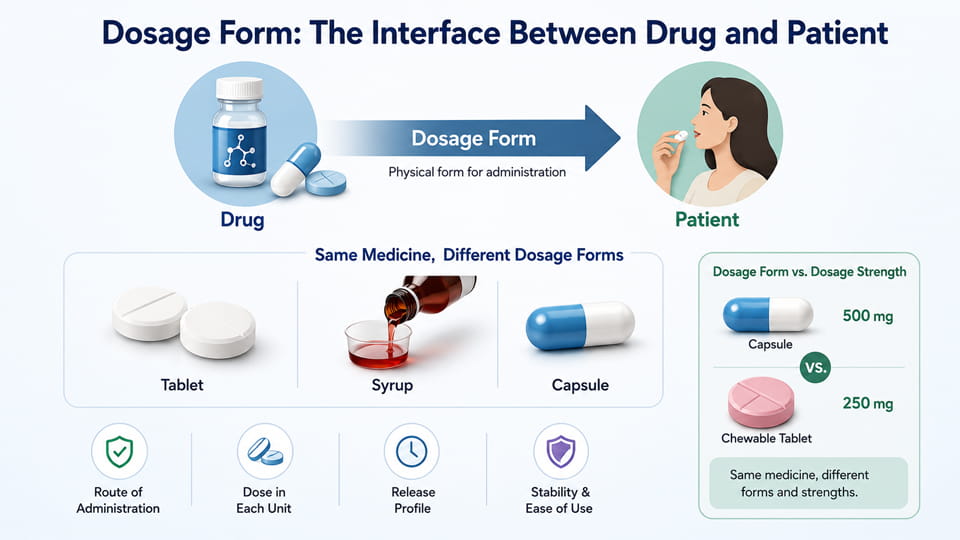
لا يأتي الدواء في زجاجات أو صناديق فحسب، بل يصل أيضًا أشكال الجرعات. أ شكل جرعة هو الجسدي استمارة حيث يتم تحضير الدواء وإدارته. في الصيدلية, وهذا يعني المخدرات العنصر النشط يتم دمجها مع مواد أخرى (سواغ) وتشكل على شكل قرص, كبسولة, سائل, كريم, أو تنسيق آخر. بعبارات بسيطة, ال تعريف شكل الجرعة هو "كيفية صياغة الدواء وتوصيله" بحيث تصل الجرعة المناسبة إلى جسمك بأمان. على سبيل المثال, قد يتم بيع أحد الأدوية الشائعة كـ 500 كبسولة ملغ أو أ 250 ملغم قرص مضغ – نفس الدواء, مختلف شكل جرعة.
يعد فهم أشكال الجرعات أمرًا أساسيًا لأي شخص يعمل في تصنيع الأدوية أو شرائها. يؤثر اختيار النموذج على استخدام المريض, استقرار المخدرات, وطرق الإنتاج. في هذا الدليل, سوف ننهار ماذا يعني شكل الجرعة في الصيدلة, لماذا يهم, و أنواع أشكال الجرعات سوف تواجه. سنتطرق أيضًا إلى كيفية استخدام المعدات الحديثة (مثل مكابس الأقراص وحشو الكبسولات) يجعل إنتاج وتعبئة هذه النماذج أسهل.

حسب التعريف, أ شكل جرعة يكون الشكل المادي للمنتج الصيدلاني. بعبارة أخرى, إنها الطريقة التي يتم بها الجمع بين الدواء النشط وأي مكونات خاملة وتقديمها للإعطاء. يعرّفها لمعان المعاهد الوطنية للصحة ببساطة على أنها "الشكل المادي الذي يتم فيه تصنيع الدواء أو تناوله". يوضح مصدر آخر أن أشكال الجرعات هي منتجات دوائية "مقدمة في شكل محدد للاستخدام," يحتوي على خليط من المكونات النشطة وغير النشطة, تكوينها في شكل معين.
فكر في شكل الجرعة على أنه واجهة بين الدواء والمريض. على سبيل المثال, يأتي الباراسيتامول على شكل أقراص, شراب, وحتى التحاميل; هذه كلها أشكال جرعات مختلفة لنفس العنصر النشط. كل شكل هو صياغة الجرعة – وصفة محددة من الدواء النشط + سواغات على شكل شيء مناسب. كما يقول أحد أدلة JinLuPacking, صنع شكل جرعة صلبة هو على وشك "تحويل جزيئات الدواء إلى شكل صلب مستقر" عن طريق مزج المكونات النشطة مع المجلدات والحشو. يمكن أن يكون النموذج النهائي عبارة عن قرص مستدير, قذيفة كبسولة, أو علبة من المسحوق – كل منها مصمم بحيث يمكن توصيل الدواء بشكل فعال.
في الممارسة العملية, عندما يتحدث عنها الصيادلة أو المصنعون شكل جرعة, إنهم يفكرون في عوامل مثل:
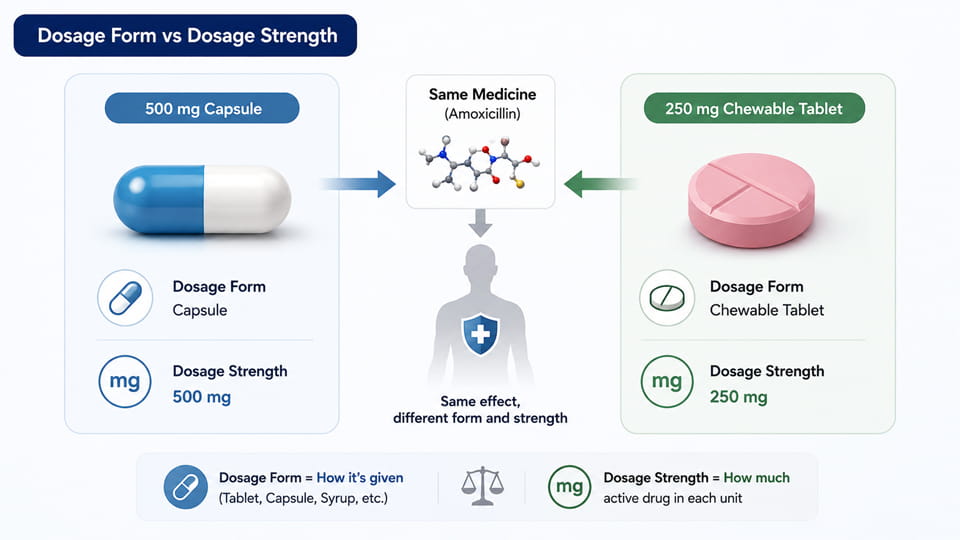
على سبيل المثال, نفس الدواء (يقول, أموكسيسيلين) قد يأتي في "أشكال جرعات" مثل أ 500 ملغ كبسولة أو أ 250 ملغ قرص مضغ". كلاهما يقدم أموكسيسيلين, لكن الشكل والجرعة يختلفان. وهذا يسلط الضوء على الفرق بين شكل الجرعة (كبسولة مقابل الجهاز اللوحي) و قوة الجرعة (500 ملغ مقابل 250 ملغ).
يعد اختيار شكل الجرعة المناسب أمرًا بالغ الأهمية لعدة أسباب:
باختصار, أشكال الجرعات هي أكثر من مجرد "مجرد تعبئة". إنها تلعب دورًا حاسمًا في مدى جودة عمل الدواء ومدى سهولة صنعه واستخدامه بأمان.
يمكن صياغة الدواء في أشكال عديدة, كل مناسبة لأغراض محددة. وفيما يلي الفئات الرئيسية:
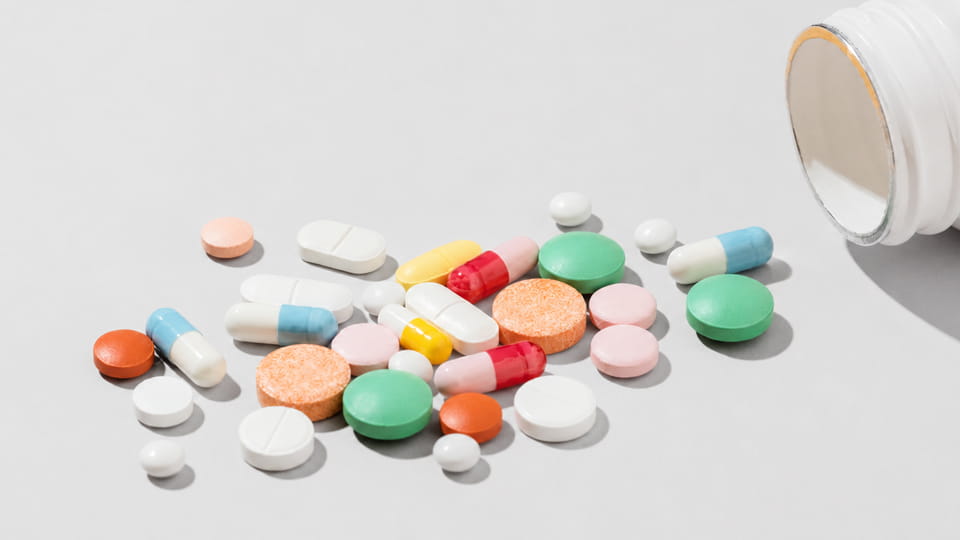
شكل: كبسولات والأقراص هي أمثلة على أشكال الجرعات الصلبة المستخدمة للتسليم عن طريق الفم.
أشكال جرعات صلبة هي الأكثر شيوعا في صناعة الأدوية. وتشمل هذه الأجهزة اللوحية (حبوب البودرة المضغوطة), كبسولات (الجيلاتين أو HPMC قذائف مملوءة بالمسحوق أو الكريات), والمساحيق أو الحبيبات السائبة. يمكن تصميم الأجهزة اللوحية في العديد من الأصناف (على سبيل المثال. مضغ, فوارة, الإصدار الممتد) للتحكم في سرعة إطلاق الدواء في الجسم. غالبًا ما تستخدم الكبسولات غلافًا مذابًا يتحلل في المعدة لتحرير الدواء.
لماذا المواد الصلبة? فهي مستقرة ومريحة. عادةً ما تدوم الحبوب الصلبة لفترة أطول على الرف ولا تحتاج إلى تبريد. تحتوي كل وحدة على جرعة محددة من الدواء, لذلك الجرعات دقيقة. للتصنيع, الأشكال الصلبة فعالة: حديث جهاز الكمبيوتر اللوحي آلات و كبسولة ملء آلات (مثل تلك التي كتبها JinLu) يمكن أن تنتج مئات الآلاف من الحبوب في الساعة. تقوم آلات تعبئة الفقاعات وخطوط تعبئة الزجاجات بتعبئة هذه الأقراص أو الكبسولات في المنتجات النهائية (بطاقات نفطة, زجاجات, شرائط, إلخ.).
أمثلة على أشكال الجرعات الصلبة:
ملاحظة المعدات: يتطلب إنتاج الأشكال الصلبة آلات متخصصة. على سبيل المثال, الصحافة قرص دوار (مثل آلة الضغط على الأجهزة اللوحية من JinLu) يضغط المسحوق في أقراص. ماكينات تعبئة الكبسولات (يدوي أو تلقائي) إسقاط المسحوق في قذائف الكبسولة. بعد التشكيل, قد تمر الأقراص / الكبسولات بالطلاء, عد, ومعدات التعبئة والتغليف.
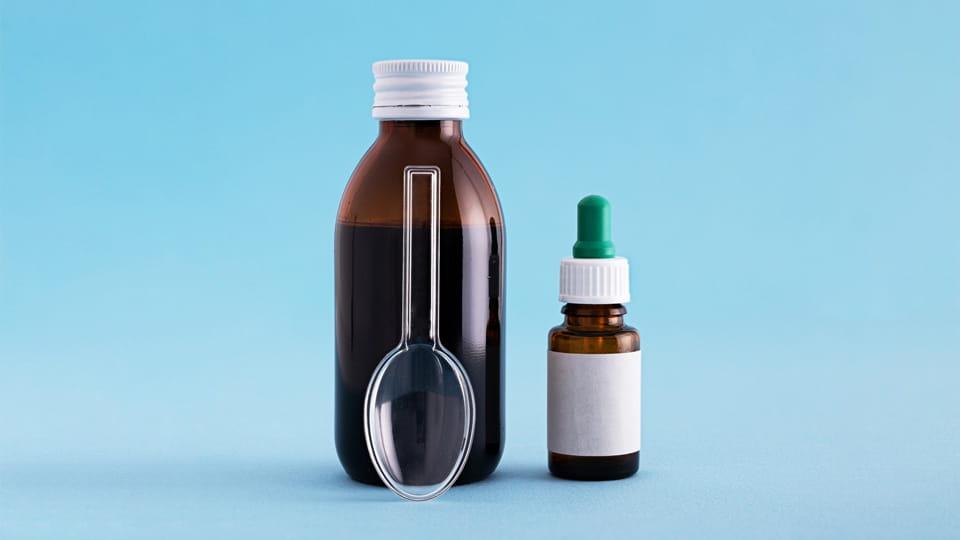
شكل: شراب هو شكل جرعة سائلة شائعة, مفيد للمرضى الذين يعانون من صعوبة في بلع المواد الصلبة.
تشمل أشكال الجرعات السائلة الحلول, تعليق, المستحلبات, والعصائر. هذه مثالية عندما يكون بلع المواد الصلبة صعبًا (مثل الأطفال أو كبار السن) أو عند الحاجة إلى بداية سريعة. ومن الأمثلة على ذلك شراب السعال (محلى لإخفاء طعم الدواء), قطرات عن طريق الفم, والحلول الرابعة.
لماذا السوائل? أنها تسمح جرعات مرنة (يمكنك قياس ملعقة) ويعمل بشكل جيد عند الحاجة إلى الامتصاص السريع. على سبيل المثال, يدخل الدواء في شكل محلول إلى مجرى الدم بشكل أسرع من القرص. تساعد السوائل أيضًا على ضمان ذلك الأصغر يحصل المرضى على جرعات أصغر دقيقة.
ملاحظة المعدات: غالبًا ما تتطلب الأشكال السائلة أحواض الخلط وآلات التعبئة. بعد الخلط (على سبيل المثال. في محبب الخلاط عالي السرعة أو مجفف طبقة السوائل), يتم تعبئة الدواء السائل بواسطة آلات تعبئة الزجاجات أو يتم ضخها في قوارير (مثل الأمبولات). على سبيل المثال, عروض JinLuPacking خطوط تعبئة الزجاجات التي يمكن أن تشطف, يملأ, وقم بتغطية مئات الزجاجات في الدقيقة للشراب أو المحاليل.
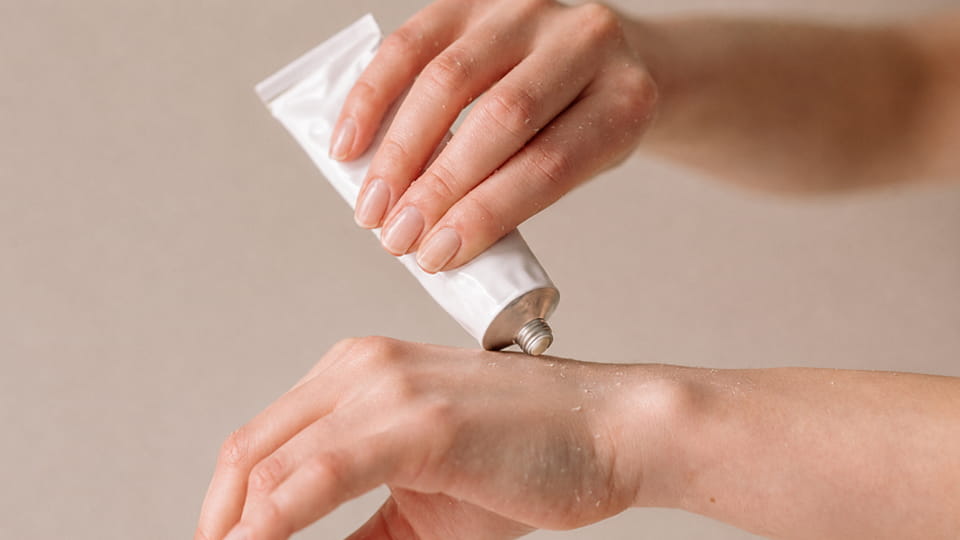
شكل: الكريمات والمراهم هي أشكال جرعات موضعية شبه صلبة يتم تطبيقها على الجلد.
أشكال جرعات شبه صلبة هي في الغالب للاستخدام الموضعي - إنه, يتم تطبيقه على الجلد أو الأغشية المخاطية. وتشمل هذه كريمات, المراهم, المواد الهلامية, المستحضرات, والمعاجين. على سبيل المثال, كريم مضاد للفطريات أو مرهم الهيدروكورتيزون يسمح للدواء بالعمل مباشرة على مشكلة الجلد. العديد من مستحضرات التجميل (مستحضرات الجلد) هي أيضًا أشكال جرعات موضعية للمكونات النشطة.
لماذا المواد شبه الصلبة? يسلمون المخدرات محليا مع الحد الأدنى من التأثيرات النظامية. يصل الدواء إلى المنطقة المصابة دون المرور عبر الجسم كله, تقليل الآثار الجانبية. على سبيل المثال, تبقى كريمات البشرة في الغالب على الجلد.
الصياغة والمعدات: يتطلب صنع الكريمات والمستحضرات خلط مراحل الزيت والماء مع المستحلبات. جينلو خلاط مستحلب فراغ تم تصميمه لدمج هذه السوائل غير القابلة للامتزاج في كريم أو غسول ثابت. بعد الخلط, أ آلة تعبئة الأنبوب أو يقوم خط تعبئة الجرار بتغليف المنتج في أنابيب, زجاجات, أو الجرار. كما يشرح جينلو, مستحلب فراغ "يجمع بين السوائل غير القابلة للامتزاج (زيت & ماء) إلى مستحلب مستقر" تحت فراغ. هذه الخطوة ضرورية للحصول على كريمات ومواد هلامية متناسقة.
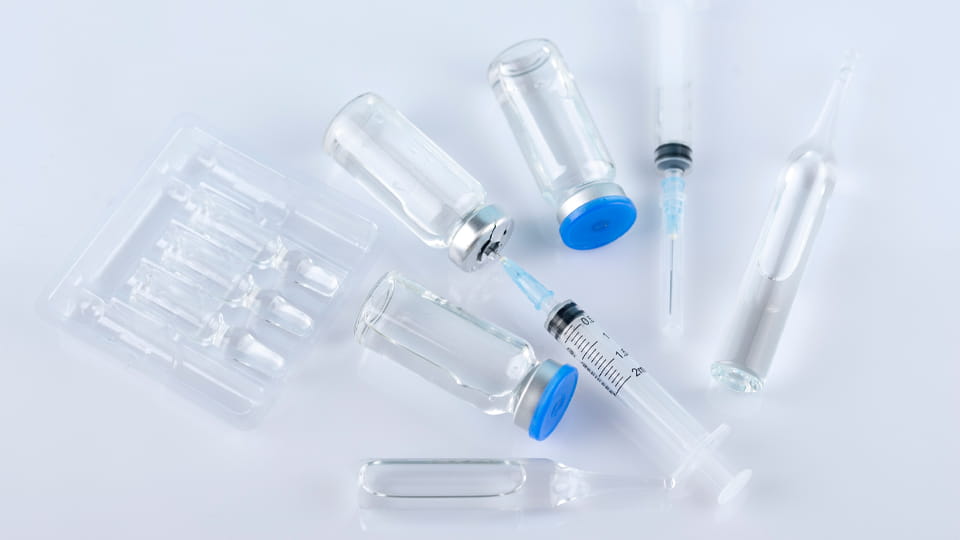
شكل: للحقن محضر في قوارير أو أمبولات.
وبصرف النظر عن الفم والموضعي, بالحقن (قابل للحقن) الأشكال حرجة. تشمل الحقن عن طريق الوريد (رابعا), العضلي (أنا), تحت الجلد (SC) الحقن والحقن. أشكال الجرعات السائلة هذه معقمة ومصممة لتجاوز عملية الهضم من أجل العمل السريع. العديد من الأدوية المنقذة للحياة (على سبيل المثال. اللقاحات, الأنسولين, بعض المضادات الحيوية) استخدام أشكال الحقن.
كل واحدة منها عبارة عن شكل جرعات متخصص تم اختياره لمزايا محددة (سرعة, التأثير المحلي, راحة). يعد التصميم العام لشكل الجرعة جزءًا أساسيًا من التركيبات الصيدلانية - سيقوم المهندسون والصيادلة بتصميم التركيبة (الجرعة والشكل) لتناسب احتياجات المريض وخصائص الدواء.
يأخذ الصيادلة والمهندسون في الاعتبار العديد من العوامل عند اختيار الشكل الدوائي للدواء:
لا عجب أن هناك الكثير من خيارات أشكال الجرعات. كل توازن بين الراحة, فعالية, والجدوى. إن التركيبة الصيدلانية الجيدة تجد "النقطة المناسبة" بين حاجة المريض وخصائص الدواء.
من المهم عدم الخلط شكل جرعة مع قوة الجرعة. ال شكل جرعة يكون كيف يبدو الدواء وكيف يتم تناوله (قرص, شراب, إلخ.), بينما قوة الجرعة يكون ما مقدار الدواء النشط الموجود في كل وحدة. على سبيل المثال, يمكن أن يكون هناك نسختان من المضاد الحيوي أموكسيسيلين: 500 كبسولة ملغ و 250 ملغم قرص مضغ. هنا, الكبسولة/القرص هو شكل الجرعة, والأرقام (500 ملغ, 250 ملغ) هي نقاط القوة الجرعة. كلاهما يسلم الأموكسيسيلين للمريض, ولكن بأشكال ونقاط قوة مختلفة.
في الممارسة العملية, يصنع المصنعون نقاط قوة متعددة لكل شكل حتى يتمكن الأطباء من ضبط الجرعات بسهولة. النموذج (صلب, سائل, إلخ.) يجيب بشكل أساسي على "كيف يتم تقديمه".?" سؤال, بينما تجيب القوة على "كمية الدواء التي تحتوي عليها كل جرعة".
أشكال الجرعة هي الجسر بين تطوير الأدوية واستخدام المريض. في الصيدلية, يقصدون المحدد تركيبات - أقراص, كبسولات, شراب, كريمات, الحقن, وأكثر من ذلك – التي تحمل المكونات النشطة إلى الجسم. اختيار النموذج الصحيح أمر بالغ الأهمية: فهو يؤثر على كيفية امتصاص الدواء, كم هو سهل للمرضى, ومدى كفاءة إنتاجها وتعبئتها.
تتيح المعدات الصيدلانية الحديثة إمكانية تصنيع أي شكل جرعات بشكل موثوق. على سبيل المثال, تقدم JinLuPacking حلولاً كاملة: مكابس أقراص عالية السرعة للمواد الصلبة عن طريق الفم, ماكينات تعبئة الكبسولات للحبيبات, خطوط تعبئة سوائل الشرابات والحقن, وآلات التعبئة والتغليف (تعبئة نفطة, أغطية الزجاجات, آلات العد) لإنهاء المهمة. بالخبرة والآلات المناسبة, يمكن إنتاج أي شكل جرعات – سواء كان قرصًا مستقرًا أو كريمًا مركبًا – بجودة عالية.
ختاماً, فهم تعريف شكل الجرعة في الصيدلة يعني الاعتراف بذلك الشكل مهم. فهو يحدد تجربة المريض, عمل المخدرات, وطرق التصنيع. من خلال تصميم واختيار أشكال الجرعات الفعالة, يساعد مهندسو الأدوية على ضمان أن تكون الأدوية آمنة ومريحة للمستخدمين.
على استعداد لمناقشة احتياجات إنتاج الأدوية الخاصة بك? سواء كنت تصنع الأجهزة اللوحية, كبسولات, كريمات, أو شراب, يمكن لفريقنا المساعدة. اتصال JinLuPacking لاستكشاف خطوط الإنتاج المخصصة وحلول التعبئة والتغليف لأي شكل من أشكال الجرعات. نحن نقدم المعدات الجاهزة بدءًا من مكابس الأقراص عالية السرعة وحتى خطوط تعبئة الفقاعات وتعبئة الزجاجات الآلية - وكلها مصممة لتقديم منتجات متسقة, أشكال جرعات عالية الجودة لمنتجاتك.
شكل الجرعة هو الشكل المادي الذي يتم من خلاله إنتاج الدواء وإعطائه للمرضى. فهو يجمع بين العنصر الصيدلاني النشط (واجهة برمجة التطبيقات) مع السواغات لإنشاء منتجات مثل الأجهزة اللوحية, كبسولات, السوائل, كريمات, الحقن, أو مساحيق. يساعد شكل الجرعة الصحيح على ضمان الجرعات الدقيقة, استقرار المنتج, وتوصيل الدواء بشكل فعال.
كثير من الناس يخلطون بين هذين المصطلحين.
• يشير شكل الجرعة إلى الشكل المادي للدواء, مثل الكمبيوتر اللوحي, كبسولة, شراب, أو كريم.
• تشير قوة الجرعة إلى كمية المادة الفعالة الموجودة في كل وحدة, مثل 250 ملغ أو 500 ملغ.
على سبيل المثال, أ 500 ملغ لوحي و 500 كبسولة ملغ لها نفس قوة الجرعة ولكن أشكال جرعات مختلفة.
تنقسم أشكال الجرعات الصيدلانية عمومًا إلى عدة فئات:
• الأشكال الصيدلانية الصلبة (أقراص, كبسولات, مساحيق)
• أشكال الجرعات السائلة (الحلول, تعليق, شراب)
• الأشكال الصيدلانية شبه الصلبة (كريمات, المراهم, المواد الهلامية)
• أشكال جرعات قابلة للحقن
• أشكال الجرعات الاستنشاقية وعبر الجلد
تم تصميم كل نوع لتلبية الاحتياجات العلاجية واحتياجات المرضى المختلفة.
يؤثر شكل الجرعة الصحيح بشكل مباشر:
• امتصاص الدواء
• امتثال المريض
• دقة الجرعة
• استقرار المنتج
• كفاءة التصنيع
على سبيل المثال, قد يفضل الأطفال أشكال الجرعات السائلة, بينما يختار البالغون غالبًا أشكال جرعات الأقراص أو الكبسولات للراحة.
تتضمن أمثلة الأشكال الصيدلانية الشائعة ما يلي::
• شكل جرعات أقراص
• شكل جرعة كبسولة
• الحل عن طريق الفم
• شراب
• تعليق
• محلول قابل للحقن
• كريم
• مرهم
• جل
• مسحوق لإعادة التشكيل
يتم تطوير كل تركيبة صيدلانية بناءً على خصائص الدواء وطريقة تناوله المقصودة.
الشكل الصيدلاني الصلب عن طريق الفم هو الشكل الصيدلاني الأكثر استخدامًا على نطاق واسع في جميع أنحاء العالم.
تحظى أشكال جرعات الأقراص والكبسولات بشعبية كبيرة لأنها توفرها:
• كفاءة إنتاجية عالية
• مدة صلاحية طويلة
• الجرعات الدقيقة
• سهولة النقل
• تصنيع فعال من حيث التكلفة
ولهذا السبب تم تصميم معظم خطوط إنتاج الأدوية لتصنيع الجرعات الصلبة عن طريق الفم.
قد يتضمن خط تصنيع الجرعات الصلبة الفموية النموذجي:
• معدات تصنيع الأجهزة اللوحية
• آلة تعبئة الكبسولات
• خلاط عالي القص
• مجفف سرير السوائل
• آلة طلاء الأقراص
• آلة عد الأجهزة اللوحية
• آلة تعبئة الفقاعة
• خط تعبئة الزجاجات
• آلة التغليف بالكرتون
تدمج خطوط إنتاج الأدوية الحديثة هذه الآلات لإنتاج آلي ومتوافق مع GMP.
الأشكال تلبي الاحتياجات المختلفة. على سبيل المثال, قد يكون المضاد الحيوي متاحًا على شكل أقراص (للبالغين), تعليق (للأطفال), وشكل للحقن (للمرضى في المستشفى). كل شكل يحسن الاستقرار, راحة, أو الامتصاص للاستخدام المقصود.
الجرعة هي كمية الدواء التي يتم تناولها في وقت واحد (على سبيل المثال. 250 ملغ). شكل الجرعة هو الشكل المادي الذي يحتوي على هذا الدواء (على سبيل المثال. قرص 250 ملغ أو كبسولة 250 ملغ). بعبارة أخرى, الجرعة = كمية الدواء; الشكل الصيدلاني = أقراص, سائل, إلخ.
مدى سرعة ذوبان الدواء. يجب أن تتفكك الأقراص قبل امتصاص الدواء, بينما تعمل السوائل بشكل أسرع. تعمل الأقراص ذات الإطلاق المتحكم فيه على إبطاء الذوبان لتوسيع التأثير. يتم امتصاص المواد الموضعية من خلال الجلد, بينما تتجاوز الحقن الحواجز تمامًا. ويتوافق اختيار الشكل مع خصائص الدواء وهدفه العلاجي.
مراجع:
1.أشكال الجرعات -- نحن. إدارة الغذاء والدواء
2.شكل الجرعة وطريقة الإدارة -- نحن. إدارة الغذاء والدواء
3.أشكال الجرعات الصيدلانية —— usp.org
4.تصميم الصياغة, التحديات, واعتبارات التطوير لتركيبة الجرعة الثابتة (لجنة توزيع الأموال) من أشكال الجرعات الصلبة عن طريق الفم —— tandfonline.com
5.نموذج الجرعة —— ويكيبيديا
6.أشكال جرعات قابلة للتشتت عن طريق الفم: التحسينات الصيدلانية الحيوية والمتطلبات التنظيمية —— ساينس دايركت