
أ خط تعبئة الزجاجات هو نظام آلي شامل يحول الزجاجات الفارغة إلى ملصقات, المنتجات المعبأة. لصانعي الأدوية والمغذيات, تعمل هذه الخطوط على زيادة الإنتاجية, خفض تكاليف العمالة, والتأكد متوافقة مع ممارسات التصنيع الجيدة الإخراج. يشرح هذا الدليل ما هو خط تعبئة الزجاجات, كيف يعمل, والآلات الرئيسية المعنية. نحن نغطي أنواع الخطوط المختلفة (قرص, سائل, مغذي, إلخ.), اذكر الفوائد الرئيسية للأتمتة, وإعطاء نصائح عملية حول اختيار الخط الصحيح. سواء كنت تريد أ حل تعبئة الزجاجات الجاهزة أو يتم مقارنة الدليل مقابل. تلقائي, لقد قمت بتغطية هذه المقالة.
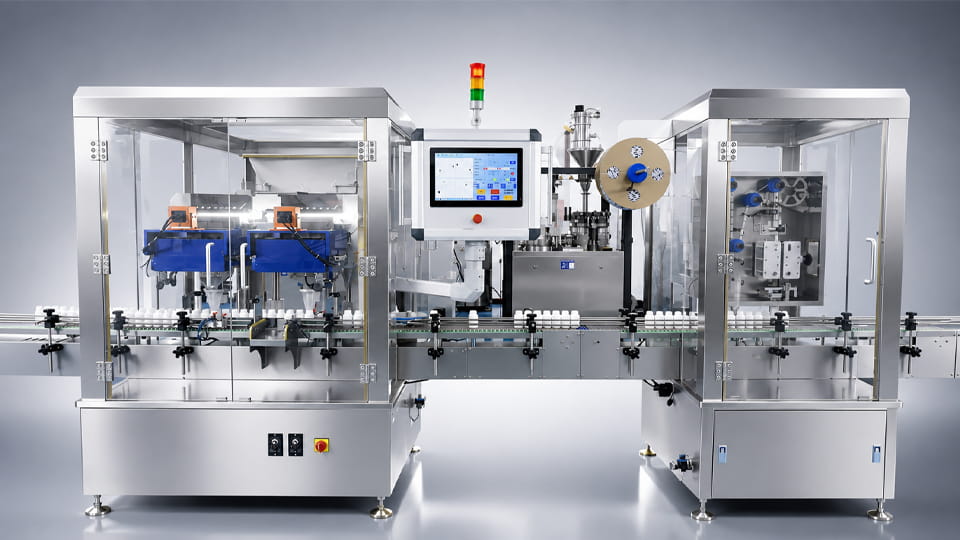
شكل:خط تعبئة زجاجات الأدوية النموذجي.
خط تعبئة الزجاجات هو سلسلة من الآلات والناقلات التي تقوم تلقائيًا بمعالجة الزجاجات الفارغة حتى النهاية, المنتجات المعبأة. في المستحضرات الصيدلانية, وهذا يعني تناول الأقراص الفارغة أو زجاجات السوائل وتنفيذ خطوات مثل العد/التعبئة, السد, الختم التعريفي (ختم احباط), وضع العلامات, والتعبئة النهائية للكرتون. في الممارسة العملية, خط "بأتمتة العملية برمتها بشكل كامل, من تفكيك الزجاجات إلى العد, إدخال المجففات, السد, ختم رقائق الألومنيوم, والتسمية".
بعبارة أخرى, بدلاً من التقاط الزجاجات يدويًا وملئها واحدة تلو الأخرى, آلي خط تعبئة الزجاجات يغذي الزجاجات من خلال كل محطة بالتسلسل. خط نموذجي يبدأ بتفكيك الزجاجة (الذي يوجه الزجاجات بشكل مستقيم على الناقل), ثم يتدفق من خلال التعبئة/العد, إدخال القطن أو المجففة (إذا لزم الأمر), السد, الختم التعريفي, وضع العلامات, وأخيرا التغليف بالكرتون. تعمل هذه الآلات بشكل متزامن تحت تحكم PLC, تشكيل خط تسليم المفتاح الذي يمكن تشغيله بشكل مستمر. على سبيل المثال, يشير أحد موردي المعدات إلى أن خط تعبئة العد "يمكن توصيله بجهاز فك رموز الزجاجات, الواضع المجفف, آلة السد, ماكينة غلق رقائق الألومنيوم وماكينة وضع العلامات", تغطي جميع الخطوات الرئيسية.
ال الزجاجات نفسها يمكن أن يكون من البلاستيك (حيوان أليف, البولي إثيلين عالي الكثافة), زجاج, أو غيرها من المواد (زجاج كهرماني للمنتجات الحساسة للضوء, إلخ.). عادةً ما يتم تصميم الخط للتعامل مع مجموعة من أحجام الزجاجات (على سبيل المثال. 30– قطر 150 ملم, 40– ارتفاع 300 ملم) وأنواع الغطاء (قبعات المسمار, قبعات المفاجئة, إغلاق مقاوم للأطفال). جميع الأجزاء الملامسة للمنتج مصنوعة من الفولاذ المقاوم للصدأ بدرجة GMP مع تصميمات صحية (الأسطح الملساء, لا أرجل ميتة) للوفاء بالمعايير التنظيمية. تشتمل العديد من الآلات على أجهزة استشعار وناقلات لفحص الجودة (على سبيل المثال. التحقق من مستوى التعبئة, عزم الدوران كاب, وجود التسميات) ودعم التسلسل (طباعة الباركود/رمز الاستجابة السريعة) للتتبع.
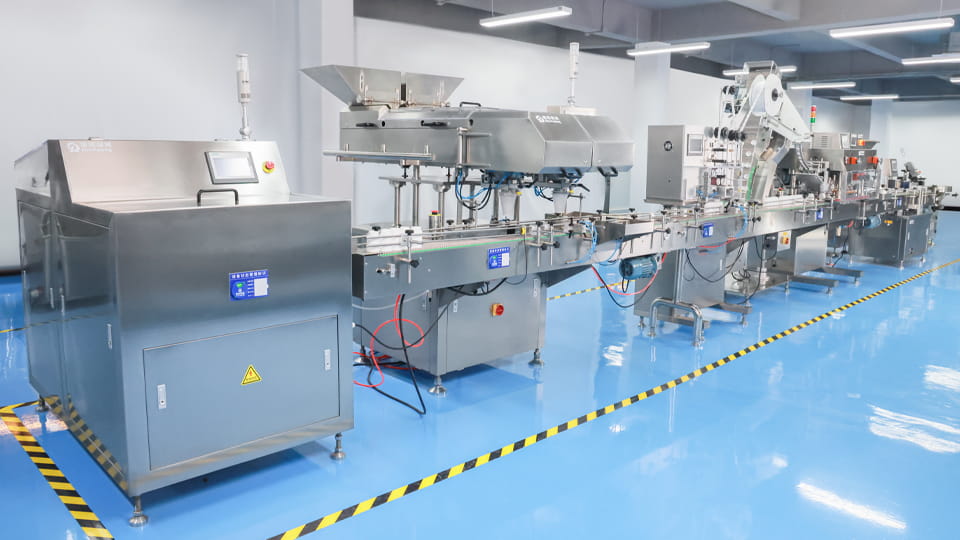
باختصار, أ خط تعبئة زجاجات الأدوية هو متكامل, نظام معتمد يتعامل مع كل شيء بدءًا من تغذية الزجاجات الفارغة وحتى التعبئة النهائية في الكرتون, ضمان سرعة عالية, دقة, والامتثال.
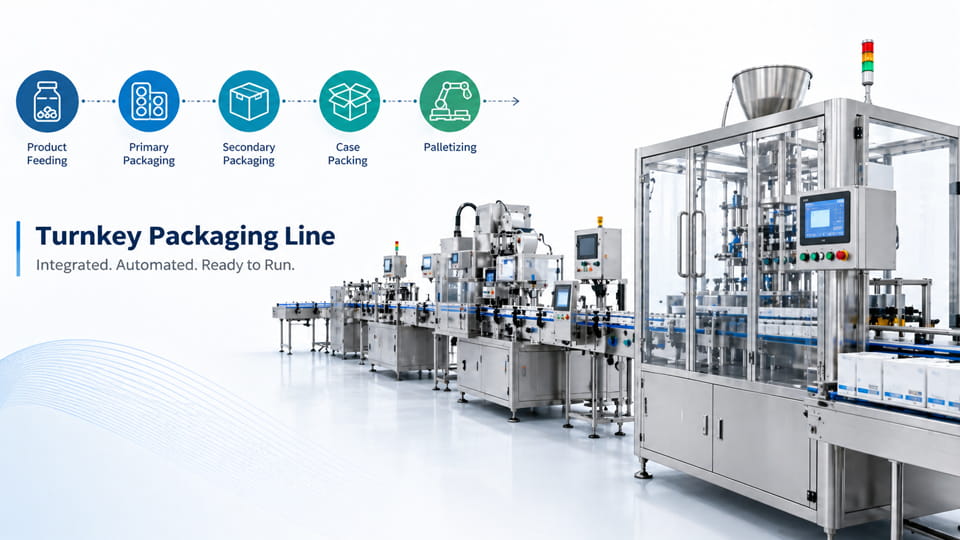
يتضمن سير العمل في خط تعبئة الزجاجات سلسلة من المراحل التي يتم إعدادها, يملأ, ختم, وحزم الزجاجات. يوضح المخطط الانسيابي أدناه تسلسلًا شائعًا للخطوات:
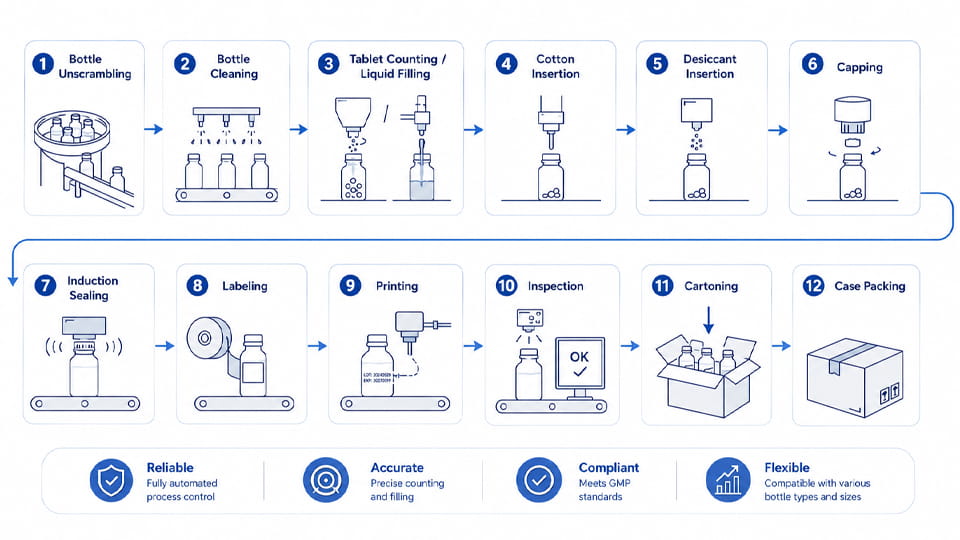
شكل: سير العمل لخط تعبئة الزجاجات النموذجي.
في الممارسة العملية, ليس كل الخطوط لديها كل محطة. على سبيل المثال, قد يتخطى خط المواد الصلبة غير الحساسة للرطوبة إدخال القطن, في حين أن الخط السائل لن يستخدم عداد الأجهزة اللوحية. فيما يلي ملخص موجز لكل خطوة:
ترتبط كل محطة من هذه المحطات بواسطة ناقلات ويتم التحكم فيها بواسطة نظام PLC/HMI مركزي. عادةً ما يتم إعداد الخط بأكمله في بيئة غرفة نظيفة, بني ل CGMP المعايير: إطارات من الفولاذ المقاوم للصدأ (SUS304/316L), أنابيب معتمدة من إدارة الغذاء والدواء, محركات الغسيل, واللحامات الناعمة. أتمتة PLC (سيمنز, باناسونيك, أومرون, إلخ.) مزامنة السرعة والتشغيل عبر الأجهزة.
[jl_youtube src=”https://www.youtube.com/embed/tSrCmYZ-OQ0″]
هنا الآلات الرئيسية ستجده في خط تعبئة الزجاجات النموذجي (مع المواصفات أو الفوائد وجيزة):
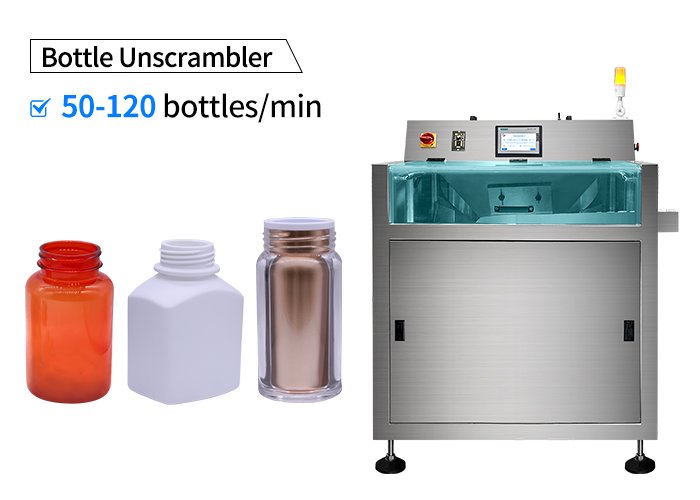
يغذي ويوجه الزجاجات الفارغة على الناقل. ذات جودة عالية أداة فك التشفير يسلم 50-120 زجاجة/دقيقة, التعامل مع الزجاجات البلاستيكية أو PET المستديرة. إنها تستخدم مغذيات ومسارات اهتزازية لتحويل الزجاجات إلى وضع مستقيم. أجهزة فك التشفير الحديثة مغلقة بالكامل (خالية من الغبار, CGMP) ومجهزة بأجهزة تحكم Siemens PLC وأجهزة استشعار بصرية/هوائية, بحيث تصل الزجاجات بشكل صحيح (100% دقة) مع عدم وجود تحميل يدوي. تتيح الأجزاء سريعة التغيير لمشغل واحد تبديل أحجام الزجاجة في دقائق.
للجرعات الصلبة, ان آلة العد التلقائي (ويسمى أيضا عداد الأقراص/الكبسولات أو حشو) يسقط عددًا محددًا من الحبوب في كل زجاجة. تستخدم هذه أجهزة استشعار بصرية عالية السرعة أو رؤوس العد. عدادات JinLu, على سبيل المثال, مقبض 3- المواد الصلبة 40 ملم, تحقيق الناتج يصل إلى 100 زجاجات / ساعة مع >99.98% دقة. (يمكن للإصدارات متعددة الرؤوس والمسارات مضاعفة الإنتاجية.) أنها تتكامل بسلاسة: "من فرز الزجاجات إلى وضع العلامات... يمكن توصيل خط تعبئة الزجاجات بجهاز فك رموز الزجاجات, الواضع المجفف, آلة السد, [و] آلة وضع العلامات ". باختصار, يضمن العداد أن كل زجاجة تحصل على العدد الصحيح من الحبوب.

للعصائر, الحقن, أو سوائل أخرى, ان حشو السائل التلقائي يوزع كل جرعة. تستخدم حشوات Jinlu السائلة مضخة تعمل بمحرك مؤازر فوهة غاطسة تصميم, الذي يتجنب الرغوة والتنقيط مرة أخرى. يركضون في 20– 80 زجاجة في الدقيقة بدقة ±0.2 جرام, ويتكيف مع أحجام الزجاجة من بضعة مل إلى لترات. غالبًا ما تكون محطة التعبئة مجهزة بجدول مؤشر أو مشعب متعدد الفوهات لزيادة السرعة. بشكل حاسم, يتم التحكم في هذه الآلات بواسطة PLC/HMI للتحكم الدقيق في التدفق والتعبئة القائمة على الوصفة.

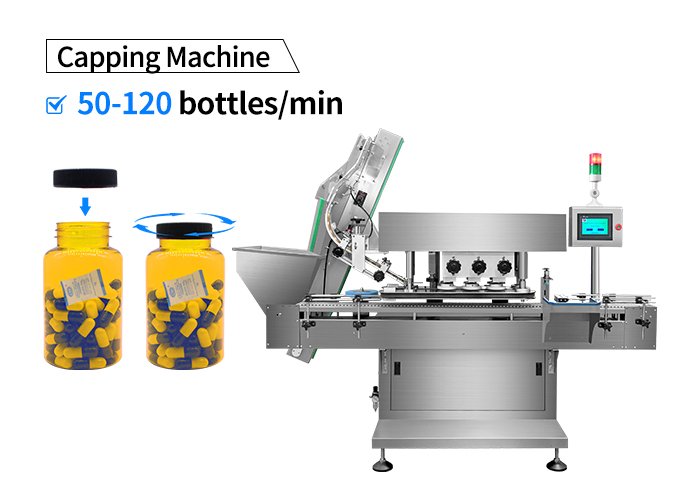
بعد التعبئة, يضع كابر ويؤمن القبعات. جيد آلة السد سوف تتعامل مع أنماط الغطاء المختلفة (قبعات المسمار, قبعات المفاجئة, مقاومة للطفل, إلخ.) باستخدام رؤوس غطاء محددة. يقوم بالفرز تلقائيًا, يغذي, ويطبق الأغطية مع عزم الدوران الصحيح. آلات السد المؤازرة Jinlu (على سبيل المثال. موديل XG-120) التكيف مع الزجاجات والأغطية المتنوعة والتشغيل حتى 120 زجاجات / دقيقة. وتشمل الميزات تعديل عزم الدوران في الوقت الحقيقي (عن طريق عجلة يدوية أو محرك سيرفو) والتحقق من وجود الغطاء. إذا كان الغطاء غير محاذاة أو مفقود, سوف يرفض النظام تلك الزجاجة, ضمان 100% الإخراج المتوافق.
ويسمى أيضًا أن رقائق الألومنيوم السداده. تطبق هذه المحطة بطانة من رقائق معدنية محكمة الغلق بالحرارة أسفل الغطاء لإنشاء ختم محكم. يمكن للسداد التعريفي النموذجي معالجة ما يصل إلى 120 زجاجات / دقيقة. يتم تشغيل الزجاجات على ناقل تحت ملف عالي التردد, التسخين لفترة وجيزة وربط الرقائق. توفر هذه الخطوة دليلاً على التلاعب وتمنع التسربات. تتميز أدوات السداد الحديثة برؤوس ذات وضع مزدوج للتكيف مع أقطار الزجاجات المختلفة ومراوح تبريد مدمجة للتشغيل المستمر.

يطبق الملصقات المطبوعة على الزجاجات. دوارة عالية السرعة ملصقات (مثل سلسلة TBJ الخاصة بـ JinLu) يمكن تسمية ما يصل إلى 120 زجاجات / دقيقة بدقة ±1 مم. وهي تشمل أ مقسم الزجاجة لزجاجات الفضاء بالتساوي و نظام الكشف الذكي لمحاذاة كل تسمية بشكل مثالي. يمكن للملصقات متعددة الأوضاع التعامل مع الغلاف الأمامي, التفاف, ووضع العلامات المتعددة الجوانب. غالبًا ما توجد رؤوس الترميز المدمجة بجانب الملصقات لطباعة الدُفعات/الدفعات. بعد وضع العلامات, قد تتحقق أنظمة الرؤية من الرموز الشريطية والنصوص لتلبية متطلبات التسلسل.

بمجرد تسمية الزجاجات, مجموعات من الزجاجات (مع التعليمات أو المنشورات إذا لزم الأمر) يتم إدراجها تلقائيا في كرتون. ماكينات صناعة الكرتون يمكن إقامة وإغلاق ما يصل إلى 400– 450 كرتونة في الدقيقة. في خطوط الزجاجة, أفقي (تحميل جانبي) آلات تعبئة الكرتون شائعة. بعد تشكيل الكراتين, يمكن لآلات تعبئة العلب أو منصات التحميل تجميع المنتجات بشكل أكبر. تُكمل هذه الآلات النهائية النظام وغالبًا ما يكون لها PLC خاص بها للمزامنة مع المعدات الأولية.

كل من هذه الآلات هو مثال على معدات تعبئة الزجاجات. عندما يتم ربطها معًا على ناقلات ذات تحكم PLC مركزي, إنهم يشكلون خط تعبئة الزجاجات الآلي للغاية.
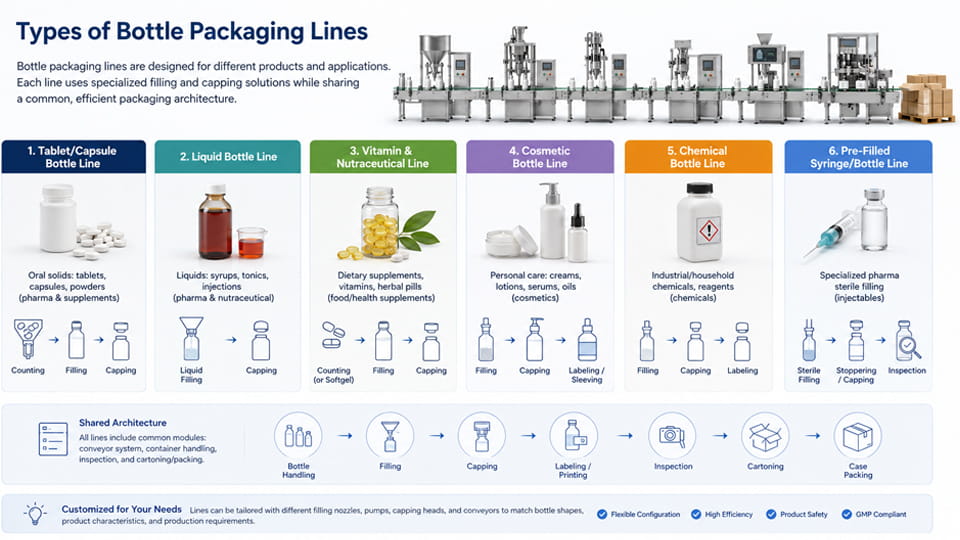
يتم تصنيف خطوط تعبئة الزجاجات عادةً حسب نوع المنتج الأساسي والتطبيق. فيما يلي عينة من أنواع الخطوط الشائعة:
| نوع الخط | المنتج/التطبيق |
| خط زجاجة أقراص / كبسولة | المواد الصلبة عن طريق الفم: أقراص, كبسولات, مساحيق (فارما & المكملات الغذائية) |
| خط زجاجة السائل | السوائل: شراب, شراب, المقويات, الحقن (فارما & مغذي) |
| فيتامين & خط المغذيات | المكملات الغذائية, الفيتامينات, الحبوب العشبية (المكملات الغذائية / الصحية) |
| خط زجاجة مستحضرات التجميل | العناية الشخصية: كريمات, المستحضرات, الأمصال, زيوت (مستحضرات التجميل) |
| خط الزجاجة الكيميائية | المواد الكيميائية الصناعية/المنزلية, الكواشف (المواد الكيميائية) |
| حقنة / بولتل مملوءة مسبقًا | حشوة معقمة دوائية متخصصة (الحقن) |
تشترك هذه الخطوط في بنيات متشابهة ولكنها تستخدم آلات تعبئة/تغطية مختلفة تناسب المنتج. على سبيل المثال, أ خط زجاجة الكمبيوتر اللوحي يستخدم آلات عد الحبوب, بينما أ خط شراب يستخدم مضخات السائل. غالبًا ما تشتمل الخطوط الغذائية على ميزات للمنتجات الحساسة (كبسولات ناعمة, الفيتامينات الصمغية), بينما قد تتكامل الخطوط التجميلية يتقلص الأكمام أو قبعات عالية السرعة. في كل حالة, يمكن تخصيص الخط (أنواع الفوهة, الناقلات) لشكل الزجاجة واحتياجات العملية.
يوفر الاستثمار في خط تعبئة الزجاجات الآلي بالكامل العديد من الفوائد مقارنة بالتعبئة اليدوية. وتشمل المزايا الرئيسية:
في ملخص, توفر خطوط تعبئة الزجاجات الأوتوماتيكية إمكانية التوسع والتحكم. بالآلات المناسبة, الشركات المصنعة تحقق سرعات أعلى, انخفاض العمالة, وجودة منتج أعلى في وقت واحد. كما يلاحظ أحد خبراء التعبئة والتغليف, تسمح هذه الأنظمة للشركات "بالتعامل مع كميات كبيرة من المنتجات في جزء صغير من الوقت" مع تقليل الأخطاء.
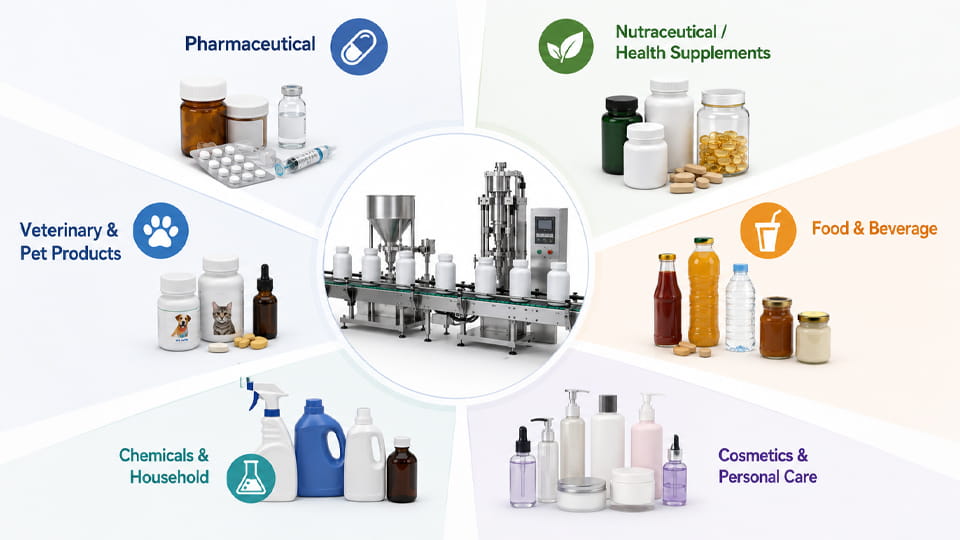
تعتبر خطوط تعبئة الزجاجات ضرورية في العديد من القطاعات:
يمكن لأي صناعة تقوم بتعبئة منتجاتها الاستفادة من الخط الآلي. حتى المنتجات المتخصصة (حبوب شمع العسل, زيت اتفاقية التنوع البيولوجي) استخدام خطوط مخصصة. والمبدأ التوجيهي هو ما إذا كانت الإنتاجية العالية ومراقبة الجودة يمكن أن تحسن الإنتاج - في كل هذه الصناعات, تلعب خطوط الزجاجة الأوتوماتيكية دورًا رئيسيًا.
يعتمد اختيار خط تعبئة الزجاجات المثالي على عدة عوامل. إليك ما يجب مراعاته:
في ملخص, تحديد الخاص بك أنواع الزجاجة, شكل المنتج, أهداف الإخراج, والميزانية. ثم اعمل مع شركة مصنعة موثوقة لتكوين خط مخصص. ينبغي عليهم تقديم تخطيط مفصل, المتطلبات الكهربائية, والمدة المتوقعة. (قد يتم شحن الآلات القياسية شبه الآلية خلال أسابيع; غالبًا ما يستغرق إنشاء الخط المتكامل بالكامل واختباره من 2 إلى 4 أشهر.) تحقق دائمًا من صحة أداء المعدات من خلال تجارب العينات قبل الانتهاء منها.
| التغليف اليدوي | خط التعبئة الآلي |
| بطيء (غالباً <20 بي بي إم) | سرعة عالية (50-120 نبضة في الدقيقة أو أكثر) |
| كثيفة العمالة (العديد من المشغلين) | الحد الأدنى من العمالة (فني واحد) |
| دقة متغيرة (خطأ بشري) | دقة عالية (>99.9% دقة) |
| جودة غير متساوية (ملء غير متناسق) | إخراج متسق (جودة قابلة للتكرار) |
| انخفاض التكلفة الأولية (لكن النفقات التشغيلية عالية) | ارتفاع النفقات الرأسمالية (ولكن انخفاض النفقات التشغيلية) |
| الحد الأدنى من تكامل المعدات اللازمة | التكامل بنظام تسليم المفتاح (الكل في واحد) |
| من الصعب التوسع بسرعة | يمكن تحجيمها بسهولة عن طريق إضافة الممرات/الوحدات |
طاولة: مقارنة بين التعبئة اليدوية والتعبئة اليدوية. خط تعبئة الزجاجات الأوتوماتيكي.
كما يظهر الجدول, توفر الأتمتة إنتاجية واتساقًا أعلى بكثير. كما أنه يسهل التتبع (الباركود كل زجاجة) ويمكنها في كثير من الأحيان أن تغطي تكاليفها في غضون سنوات قليلة من خلال مكاسب الكفاءة.
حديث خط تعبئة الزجاجات هو العمود الفقري للأدوية الفعالة (والمغذيات) تصنيع. عن طريق التعبئة التلقائية, السد, ختم, ووضع العلامات, تعمل هذه الخطوط على زيادة الإنتاجية مع ضمان الجودة والامتثال التنظيمي. عند اختيار الخط, محاذاة التصميم مع نوع المنتج الخاص بك (الكمبيوتر اللوحي مقابل. سائل), احتياجات الإنتاجية, ومعايير الجودة (GMP, التسلسل, إلخ.). ابحث عن مورد حسن السمعة مثل Jinlu Packing الذي يقدم حلولاً متكاملة ودعمًا قويًا.
في ملخص: يقوم خط تعبئة الزجاجات الآلي بتحويل الزجاجات الفارغة إلى علب كرتونية نهائية في عملية واحدة سلسة. يمكنها التعامل مع كميات كبيرة (في كثير من الأحيان مئات في الدقيقة) بدقة استثنائية. لمديري المصانع والمهندسين, الفوائد - إنتاجية أعلى, انخفاض العمالة, اتساق أفضل - واضحة.
على استعداد لأتمتة التعبئة والتغليف الخاصة بك? اتصل بفريق مبيعات Jinlu Packing لمناقشة خط زجاجة مخصص لمنتجاتك. نحن نقدم تصميم تسليم المفتاح, التكليف في الموقع, وضمانات لمدة 3 سنوات. مع أكثر 30 سنوات في تصنيع المعدات الدوائية, يمكن لـ Jinlu مساعدتك في تحديد السرعة المناسبة, شكل, ومستوى الأتمتة – مما يضمن أن خطك الجديد يحقق عائدًا سريعًا على الاستثمار. يزور www.jinlupacking.com أو اطلب عرض أسعار للبدء.
خط تعبئة الزجاجات هو نظام متكامل من الآلات التي تعمل على أتمتة تعبئة المنتجات المعبأة في الزجاجات. يتضمن عادةً جهاز فك رموز الزجاجة, محطة تعبئة أو العد, كابر, السداده, آلة وضع العلامات, وغالبًا ما يكون صانعًا للكرتون. تأخذ هذه المراحل معًا الزجاجات الفارغة وتحولها إلى زجاجات جاهزة, البضائع المعبأة.
يتبع الخط الآلي سير عمل محدد: يتم تغذية الزجاجات الفارغة في وضع مستقيم (غير مشفرة), ثم انتقل إلى حشو (للسوائل) أو آلة العد (للأقراص / كبسولات). التالي, أي عناصر إضافية (القطن أو المجففات) يتم إضافتها. ثم يتم تغطية الزجاجات, مختومة بالحث, والمسمى. أخيراً, مجموعات من الزجاجات معبأة في علب كرتون. تتم مزامنة كل آلة عن طريق التحكم PLC. يمكن أيضًا تعديل الخطوط الحديثة في الوقت الفعلي (على سبيل المثال. تصحيح وزن التعبئة) للحفاظ على الجودة.
ذلك يعتمد على النموذج والشكل. السرعات النموذجية هي 50-120 زجاجة في الدقيقة لكل حارة. على سبيل المثال, يصل خط عد الأجهزة اللوحية الخاص بشركة Jinlu إلى 70 نبضة في الدقيقة تقريبًا, والعديد من آلات السد/وضع العلامات تتعامل معها 120 بي بي إم. يمكن للخطوط متعددة المسارات مضاعفة الإخراج (عداد 6 حارات, على سبيل المثال, يمكن أن تفعل 6 × معدل المسار الواحد). للسوائل, تعتبر السرعات التي تتراوح بين 20-80 نبضة في الدقيقة شائعة. تحقق دائمًا من ورقة مواصفات البائع لمعرفة الأسعار الدقيقة ضمن التكوينات التي اخترتها.
المكونات الرئيسية هي: زجاجة Unscrambler, ماكينة تعبئة/عد, مُدخلات القطن/المجففة, آلة السد التلقائي, السدادة التعريفي, آلة وضع العلامات, محطة التفتيش, والكرتونة/العلبة باكر. يتم توفير كل منها من قبل الشركة المصنعة للمعدات الأصلية (OEM) ويتم دمجها في إطار ناقل مشترك. قد تضيف بعض الخطوط أيضًا طابعة مضمّنة لرموز الدُفعات وفارز الرفض. تعتمد التشكيلة الدقيقة على ما إذا كان منتجك صلبًا أم سائلًا, نوع الزجاجة الخاصة بك, واحتياجات التعبئة والتغليف.
نعم, يمكن لخطوط الزجاجة التعامل مع كل من الأقراص والكبسولات, لأن كلاهما مواد صلبة معدودة. سيتضمن الخط حشوًا لعد الأقراص/الكبسولات, والذي يعمل عادة لأي شكل صلب صغير (كبسولات, الحلوى الصمغية, إلخ.) من نطاق الحجم المحدد. عادة ما يكون التبديل بين الأقراص والكبسولات مسألة ضبط رأس العد والمعلمات. يقوم العديد من المصنعين بتصميم آلات العد الخاصة بهم للتعامل مع كليهما ببساطة عن طريق تغيير الوصفات. وبالتالي يمكن لخط واحد تشغيل وحدات SKU مختلفة (على سبيل المثال. قرص فيتامين في جولة واحدة, كبسولة في اليوم التالي) مع الحد الأدنى من وقت التحول.
نعم - تم تصميم جميع الآلات الموجودة في خط تعبئة زجاجات الأدوية لتلبية معايير cGMP. وهي مصنوعة من الفولاذ المقاوم للصدأ من الدرجة الصيدلانية (SS316L), مع التصميم الصحي (لا الشقوق, تنظيف سهل). أنظمة التحكم تدعم إدارة الغذاء والدواء 21 جزء CFR 11 (السجلات الإلكترونية) وعادة ما تأتي مع وثائق التحقق من الصحة. على سبيل المثال, يذكر الموردون صراحةً أن خطوط الزجاجات الخاصة بهم "تتوافق مع ممارسات التصنيع الجيدة". (GMP) ولوائح إدارة الغذاء والدواء.". عند اختيار المعدات, ابحث عن علامة CE, شهادات الأيزو, والتأكد من أن البائع يوفر بروتوكولات IQ/OQ للامتثال التنظيمي.
تختلف الأسعار بشكل كبير حسب السرعة والتكوين. قد يكلف إعداد العد والحصر البسيط شبه التلقائي بضعة آلاف من الدولارات الأمريكية, في حين أن الخط عالي السرعة المتكامل بالكامل يمكن أن تصل تكلفته إلى عشرات أو حتى مئات الآلاف من الدولارات. وتشمل العوامل عدد المحطات (على سبيل المثال. يضيف رأس وضع العلامات الإضافي التكلفة), الأدوات المخصصة, وإضافات الامتثال (على سبيل المثال. أنظمة الرؤية). اطلب دائمًا عروض أسعار لمتطلباتك الدقيقة. تذكر أن تأخذ في الاعتبار التكلفة الإجمالية للملكية: غالبًا ما يوفر الخط عالي الجودة ذو السعر الأعلى المال بمرور الوقت من خلال تقليل الهدر ووقت التوقف عن العمل.
خطوط الزجاجة الجاهزة معقدة. بعد التصنيع والاختبار في المصنع, يستغرق التثبيت في الموقع عادةً من 2 إلى 7 أيام لكل وحدة جهاز (حسب تحضير الموقع, المرافق, والتدريب). قد تكون الخطوط الصغيرة جاهزة للعمل في غضون أسبوعين, في حين أن الخطوط الكبيرة متعددة الآلات قد تتطلب من 4 إلى 6 أسابيع في الموقع (بما في ذلك التحقق من صحة IQ/OQ). يجب أن يتولى المورد الخاص بك التثبيت الميكانيكي, التوصيل الكهربائي, والتأهيل الأولي. خطط لوقت إضافي لتدريب المشغلين والتحقق من صحة العملية.
قطعاً. أبرز الشركات المصنعة (مثل جينلو) متخصصون في الحلول المخصصة والجاهزة. يمكنك تخصيص كل جانب تقريبًا: أطوال الناقل, تباعد الآلة, لغة PLC, لون اللوحة, مواد الأجزاء (على سبيل المثال. SS304 مقابل SS316), وحتى دمج الإضافات الخاصة بالعميل (أجهزة الكشف عن المعادن, تطبيقات RFID, إلخ.). لأن مساحة كل مصنع وسير العمل تختلف, تم تصميم التخطيطات لتناسب. إذا كنت بحاجة إلى توسيع وحدات (على سبيل المثال. إضافة رأس تعبئة ثانٍ لاحقًا) أو التعامل مع المنتج الفريد (منتجات هشة, قبعات خاصة), ناقش هذا مقدمًا. عادةً ما تقدم الشركة المصنعة للمعدات الأصلية (OEM) تخطيطًا ومحاكاة ثلاثية الأبعاد للمصنع قبل الإنشاء.
نعم - يقدم العديد من الموردين خطوطًا متكاملة متكاملة, وهذا يعني أنها تقدم نظامًا مصممًا بالكامل وجاهزًا للتشغيل. مشروع تسليم المفتاح يشمل التصميم, تصنيع, الاختبار, شحن, تثبيت, والتأهيل النهائي. يعد هذا مثاليًا إذا كنت تريد موردًا واحدًا مسؤولاً عن الخط بأكمله. وفقا لأدلة الصناعة, يعمل خط الزجاجات الجاهز "مرحلة تلو الأخرى" بدءًا من التعامل مع الزجاجات وحتى وضع الأغطية ووضع العلامات. ستعمل شركات مثل Jinlu معك على التخطيط ومن ثم توفر سعر عقد واحد للخط بأكمله. يؤدي ذلك إلى تبسيط عملية التحقق والدعم لأن فريقًا واحدًا يعرف النظام بأكمله.
مراجع:
1.أنظمة إغلاق الحاويات لتعبئة الأدوية البشرية والبيولوجية -- نحن. إدارة الغذاء والدواء
2.دليل الممارسات الجيدة: التغليف, وضع العلامات, & مرافق التخزين —— ispe.org
3.الجزء 211 - ممارسة التصنيع الجيدة الحالية للمستحضرات الصيدلانية النهائية —— ecfr.gov
4.موارد وضع العلامات على الكرتون والحاويات -- نحن. إدارة الغذاء والدواء
5.المبادئ التوجيهية الخاصة بتغليف المنتجات الصيدلانية -- من