×

الخدمة عبر الإنترنت

💬 واتساب: +86 1801179332
💡
  • بيت
  • مدونات
  • ما هو وقت التحول في إنتاج الأدوية؟? كيفية الحد منها بكفاءة

ما هو وقت التحول في إنتاج الأدوية؟? كيفية الحد منها بكفاءة

في التصنيع الصيدلاني, changeover time refers to the downtime when a production line stops to switch from one product (or batch) to another. على سبيل المثال, a tablet line changing from Product A to Product B may require cleaning, die/tool changes, and calibration before production can resume. حسب التعريف, changeover time is “the total time elapsed between the production of the last good product of the previous run and the first good product of the following run.”. Every minute spent on changeover is lost production time (and thus lost profit). في الحقيقة, packaging lines may do 5–15 changeovers per shift, so saving even a few minutes each time can save thousands of production-minutes per year.

Changeovers typically include four phases: shutdown, cleanup, يثبت, و startup. Shutdown stops the line, cleanup removes residue (لمنع التلوث), setup installs the new format (tools, guides, وصفات), and startup tunes the line until quality specs are met. في فارما, strict cleaning and validation make changeovers especially lengthy. On average, roughly 20–30% of time in a pharma facility can be spent on changeover activities. بعبارة أخرى, nearly a third of the day can vanish to cleaning and setup, especially in multi-product plants where “the whole day may be spent on a major cleanup of the production line”.

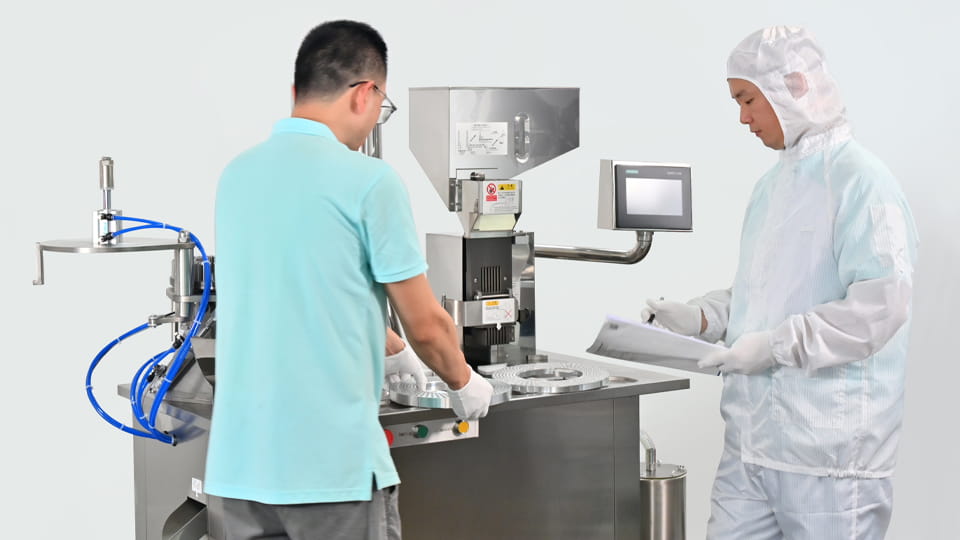
reducing changeover time means more production

لماذا يهم: Long changeovers hurt production efficiency and costs. Each additional minute of downtime reduces Overall Equipment Effectiveness (OEE) and throughput. على سبيل المثال, a study found that a factory doing 10 changeovers a day wastes about 8,000 minutes annually if each change takes just 3–5 extra minutes. That’s hundreds of hours (and thousands of dollars) lost each year. By cutting changeover time, a plant gains more value-added run-time. It also permits smaller batch sizes and more flexible scheduling – critical benefits when pharmaceutical demand shifts quickly. باختصار, reducing changeover time means more production per shift, less idle labor, and better responsiveness to market needs.


Challenges Unique to Pharma Changeovers

Pharmaceutical production faces special hurdles. Unlike many consumer industries, drugs demand the highest quality and purity standards. Before switching products, thorough cleaning and validation are mandatory to avoid cross-contamination. This can involve multi-step تنظيف في المكان (CIP) cycles that take 30–60 minutes (or more for very viscous or potent products). After cleaning, quality systems often require proofs that equipment is sterile and free of the previous drug. All this regulatory overhead naturally extends downtime.

علاوة على ذلك, pharma lines often run a wide variety of products – different molecules, تركيبات, و صيغ التعبئة والتغليف. Switching between tablets of different sizes, or from tablets to capsules, can mean physically swapping dies, molds or feeders on machines. Each adjustment adds minutes. كما يلاحظ أحد المصادر, “In general, facilities that produce a wide variety of products will likely have longer changeover times… as switching between products involves adjusting settings and replacing tooling.”. In fast-moving consumer goods, lines may run only one product per day. في فارما, a line might switch products multiple times in a week, or even per shift, magnifying changeover impact.

أخيراً, operator skill and coordination matter. Inconsistent methods across shifts can make identical product swaps take wildly different times. Without standard procedures and well-trained crews, one team might do a changeover in 15 minutes while another takes 30, introducing further inefficiency.

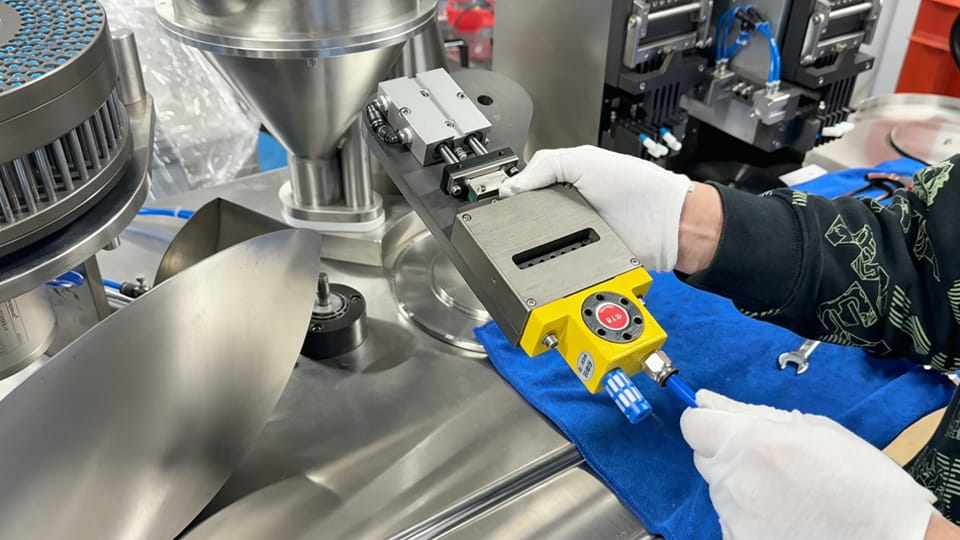
Workers are swapping the capsule machine mold


Lean Tools: SMED and Best Practices

A proven way to tackle changeover time is the SMED (Single-Minute Exchange of Dies) methodology from Lean manufacturing. SMED’s goal is to cut changeover times to single digits (دقائق) by moving as many tasks as possible outside of downtime. في الممارسة العملية, this means preparing and staging work in advance, standardizing steps, and streamlining the actual swap. على سبيل المثال, SMED principles include:

  • Preparation in Advance: Gather all format parts, tools, والمواد before stopping the line. Use color-coded or customized trolleys for each product format so change parts (guides, قوالب, إدراج) are ready at the machine. This prevents wasteful searching for tools during the stop.
  • Externalize Tasks: Convert internal tasks (those that require machine stoppage) into external tasks that can be done while running. على سبيل المثال, move unused parts away or rehearse procedures beforehand.
  • Quick-Release Fixtures: Employ clamps, pins or levers that allow tool-free, fast adjustments. Many modern blister or capsule machines use “quick release” clamps for guides and parts, so operators can undo and set up in seconds, not minutes.
  • تصميم وحدات: Use modular components that can be swapped as units. Instead of fine-tuning a single setting each time, technicians can remove one module and insert another pre-set for the next format. This is like having a “cartridge” for each product that’s pre-adjusted offline.
  • Parallel Teams (Pit-Stop Approach): Just like a racecar pit crew, have multiple people do separate tasks simultaneously. على سبيل المثال, while one operator cleans the feeder, another adjusts the tooling and another aligns sensors. With coordinated teams, total changeover time drops dramatically.
  • Standardized Work: Document the fastest, most efficient changeover procedures, then train every operator to use the same checklist and order of steps. Inconsistent techniques add variability. One case study notes that lack of standardization can cause 30–40% variation in changeover time between operators. Standard methods (possibly aided by electronic work instructions with photos or videos) ensure each shift performs it the best way every time.

By rigorously applying these Lean/SMED tactics, many facilities have slashed their changeovers from hours to minutes. على سبيل المثال, JinLu’s pharmaceutical packaging line redesign (using quick-release parts and synchronized teams) achieved “close-to-zero” changeover time on its machines. Shoplogix reports that best-in-class packagers average ~17 minutes per changeover versus 50 minutes for laggards – a gap that Lean methods can help close.

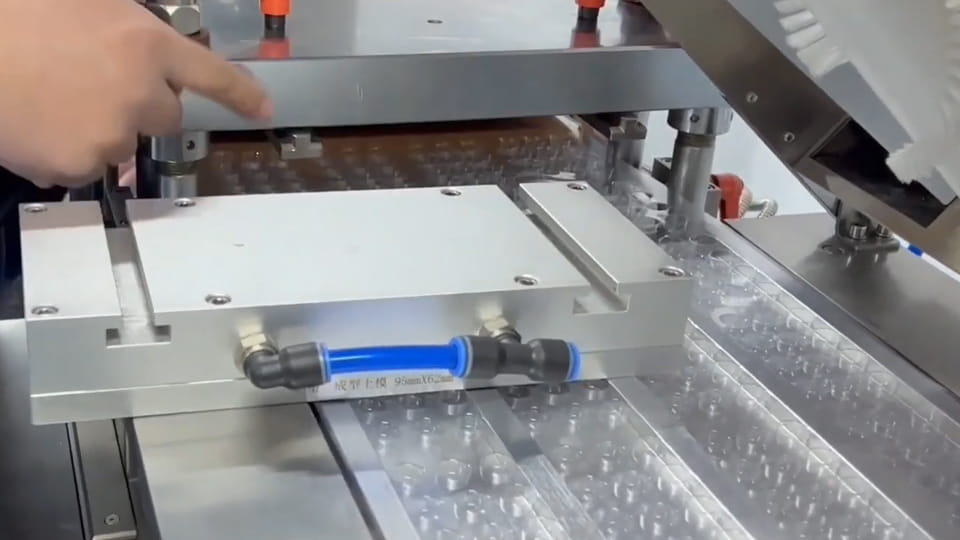
Semi-automatic micro pellet capsule filler mold replacement


Practical Tips to Reduce Changeover in Packaging Lines

Based on industry experience, here are concrete tips that procurement engineers and line operators can implement:

  • Pre-Stage and Organize: كما ذكر, have all new-product items (أجزاء, يموت, التسميات) at the point of use before shutdown. Keep tools organized with shadow boards. Color-code similar parts so operators grab the right component quickly. Use mobile carts specific to each product for instant deployment.
  • Digital Instructions and Checklists: Use tablets or screens at the machine to display step-by-step changeover guides. Digital work instructions (with images/videos) prevent flipping through binders and eliminate “I wonder if I missed a step.” They also let you update procedures quickly when improvements are found.
  • Automate Where Possible: Whenever the budget allows, invest in machines with automated changeover features. Some high-end packaging lines can store “recipes” in PLCs, moving stops and calibrations at the push of a button. على سبيل المثال, servo-driven color-changing conveyors or robotic grippers can shift format changes electronically, cutting manual adjustment time. (Even using modular recipe controls lets a single operator click on the next product instead of manually cranking each handwheel.)
  • Training and Teamwork: Engage all shifts in changeover improvement. Track who is fastest and ask them to train others. Hold short workshops so operators can practice on dummy setups. Reward faster changeovers to encourage participation. يتذكر: well-drilled teams can perform simultaneous tasks without interfering, like a synchronized pit crew.
  • Prepare Tools and Jigs: Use dedicated fixtures or jigs that remove the need for fine adjustments. على سبيل المثال, designing guides with built-in scales or stops ensures consistent positioning. Lin e guides with numeric indicators (like in Figure 2) let an operator dial in a known setting in seconds. Ensure that the most commonly changed parts (على سبيل المثال. folder panels on a cartoner, retorts on a blister machine) are tool-less or on quick-lock mechanisms.
  • Clean Smart: While thorough cleaning is non-negotiable, think how to do it faster. Use CIP cycles where safe instead of manual wipes. إذا كان ذلك ممكنا, run a pre-rinse while parts are removed (على سبيل المثال. spraying tubs before opening). Have cleaning carts and validated wash procedures ready. In counting/bottling lines, design the hopper and chute for tool-free removal and spraying. Some pill counters on the market even highlight their “tool-free changeover” and easy-clean parts to minimize downtime.
  • Color-Coded and Labeled Parts: Tag or color-code parts by product format so there’s no confusion which hopper, nozzle, or plate belongs to which product. This small step cuts errors (wrong part installs waste time) and makes grabbing the right component instant.
  • Plan Batches and Schedule Strategically: Even sequencing products wisely can help. Group similar products together (same capsule size, same blister dimensions, إلخ.) so changeovers require fewer changes. SCW.ai suggests “increasing the number of minor changeovers” – meaning make smaller batches and switch more often to train crews, rather than one huge batch followed by a long changeover. This counterintuitive tactic often reduces the per-changeover التوقف, because the team becomes accustomed to the routine.
  • Measure and Standardize: Keep a log of changeover times and look for bottlenecks. If one step (like calibrating a sensor or cleaning a particular nook) consistently takes too long, focus on that. Set internal targets (even if industry norms don’t exist) and monitor performance. Standardizing components across products – for example using the same cassette for multiple blister formats – also pays off by eliminating parts swaps.
  • Iterate Continuously: After each changeover improvement, note what worked and what didn’t. Apply the lean principle of Kaizen: مستمر, incremental improvements. Over weeks and months, these small gains compound into a much shorter changeover.

بشكل جماعي, these tactics transform changeovers from dreaded slowdowns into quick, almost-routine events. على سبيل المثال, one semi-solid manufacturer slashed its changeover time from 56 minutes down to 10 دقائق (ان 82% reduction) by switching from heavy steel containers (which required cleaning) to single-use fluid bags that eliminate cleaning entirely. While that’s an extreme case, it highlights the idea: if cleaning is your biggest hurdle, find ways to eliminate or simplify it. Even in traditional equipment, every minute you save – whether through quick-releases, parallel work, or prep – is added production time.

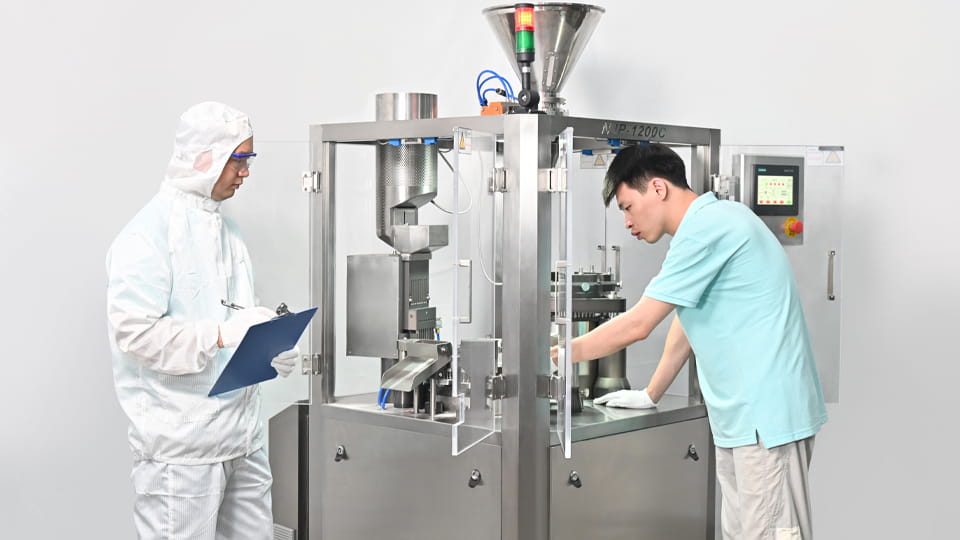
Workers are maintaining tablet press


Packaging Machines Built for Quick Changeovers

حديث ماكينات تعبئة الأدوية increasingly incorporate features to reduce changeover time. على سبيل المثال:

  • آلات التغليف نفطة: لوحة مسطحة (indexed) blister machines are often more flexible than high-speed rotary types when it comes to format changes. They use step-by-step indexing and simple molds, so swapping the cavity plate and lid tooling between pack sizes is straightforward. Some models (like Jinlu’s DPH series) use quick-release clamps on infeed guides and modular tooling, allowing an operator to swap format parts in minutes.
  • ماكينات تعبئة الكبسولات: The best capsule fillers offer “easy changeover” Many use interchangeable mold plates or star wheels. على سبيل المثال, some machines allow you to lift out the dosing turret and drop in a pre-set one for a new capsule size. A guide on capsule fillers notes: “Some machines require a kit change to switch sizes, while others use interchangeable plates or molds… ‘easy changeover systems’ let you switch capsule sizes quickly, reducing downtime.”*. Look for fillers with quick-release cams and minimal fasteners, so that changing capsule size is a matter of hand-tightening a few knobs instead of using screwdrivers.
  • عد & خطوط تعبئة الزجاجات: Automated counters and fillers can also feature fast changeovers. Many tablet counters use tool-free hoppers and funnels – the dosing plates and chutes simply drop out without bolts. Newer designs employ vision systems with automatic calibration, or multiple output lanes with individual sensors, so an operator can switch product lanes instead of re-calibrating the entire system. In bottling lines, quick-disconnect hoses and modular starwheels allow faster size changes. When selecting equipment, prioritize those advertised as “fast format change” or “quick release feeding systems.”
  • Cartoners and Case Packers: These often use servo drives and recipe memory. With servo-driven format stations, an operator can save settings for each carton size; on changeover, the machine moves guides and inserts automatically. In a paper by Balluff (cited by Shoplogix), guided format changeover systems cut setup time by ~65%. Machines that allow side panels to open wide and provide easy access will also reduce the time it takes to place new tooling.

In every case, when you are evaluating آلات التعبئة والتغليف (be it blister, كبسولة, bottling or cartoning equipment), ask about changeover features. Machine spec sheets often list “format changeover time” or “quick release design” if they have it. Vendors will typically say that one of the “key advantages” of their design is shorter downtime between batches. Integrating these machine-level features with good process practices (as listed above) yields the greatest overall reduction.

capsule filler mold replacement


Beyond Changeover: Long-Term Benefits

Reducing changeover time is more than just cutting downtime – it ripples through the whole operation. Shorter changeovers directly increase throughput: more of the scheduled run is spent making product. It also improves quality and consistency: well-documented, frequent changeovers help maintain cleanliness and calibration, lowering the chance of defects due to rushed cleaning or forgotten steps. Smaller batches, enabled by quick changeovers, mean less excess inventory and fresher product, which are important in pharma for expiration and traceability reasons.

في الحقيقة, data-driven approaches to changeover can uncover hidden gains. بواسطة timing each phase (shutdown, تنظيف, يثبت, startup) and comparing against targets, teams can see exactly where time is being lost. Many facilities have found that just setting a target (على سبيل المثال, a 30-minute total changeover) and tracking real times motivates lean improvements. As the saying goes, “If you can’t measure it, you can’t improve it.”

أخيراً, fast changeovers make a plant more customer-responsive. If demand for a particular medicine spikes or a recall forces a rapid line switch, a plant with streamlined changeovers can adapt in hours instead of days. This agility can be a competitive advantage, allowing smaller lot sizes, custom products, and better use of expensive equipment. In the long run, investing effort to cut changeover time is repaid by higher OEE, lower costs per unit, and happier customers.


خاتمة

في ملخص, changeover time in pharma manufacturing is a critical downtime that every packaging operation must manage. By understanding the steps involved and the factors that make pharma changeovers long (strict cleaning, frequent format changes, regulatory checks), manufacturers can target improvements. Adopting Lean/SMED strategies – preparing parts ahead, standardizing procedures, using quick-release and modular designs, training operators, and leveraging automation – can dramatically shrink changeover durations. Modern blister packaging machines, capsule fillers and counting lines often come with quick-change features built-in; choosing the right equipment and using it smartly is part of the solution.

Whether you’re a production manager, packaging engineer, or procurement specialist at a pharmaceutical company, focusing on changeover time can pay big dividends. Cutting just a few minutes off each format swap adds hours of extra run time every week. And as industry insiders have shown, in best-case scenarios changeovers that once took hours can be reduced to mere minutes. By implementing the tips above, your operations can move closer to that goal – keeping lines running smoothly, products flowing, and costs down.


FAQs On Changeover Time in Pharmaceutical Production

What is changeover time in pharmaceutical manufacturing?

Changeover time refers to the period between producing the last good product of one batch and the first good product of the next batch. It includes cleaning, equipment adjustment, material replacement, and validation steps.

Why is changeover time important in pharma manufacturing?

Changeover time directly impacts equipment availability, كفاءة الإنتاج, والتكلفة. Longer changeovers mean more downtime and lower output, while shorter ones improve flexibility and responsiveness to market demand.

What causes long changeover times in pharmaceutical production?

تشمل الأسباب الشائعة:
• Manual cleaning and validation procedures
• Lack of standardized processes
• Equipment complexity
• Poor operator training
• Inefficient material handling
These factors increase downtime and reduce Overall Equipment Effectiveness (OEE).

What is SMED in pharmaceutical manufacturing?

SMED (Single-Minute Exchange of Dies) is a lean manufacturing methodology designed to reduce changeover time to single-digit minutes by optimizing setup processes and minimizing machine downtime.

How does SMED reduce changeover time?

SMED works by:
• Separating internal and external tasks
• Performing preparation while machines are still running
• Standardizing procedures
• Eliminating unnecessary steps
This approach can significantly reduce downtime and improve efficiency.

What are internal and external changeover activities?

• Internal activities: Tasks that require the machine to stop (على سبيل المثال, tool replacement)
• External activities: Tasks that can be done while the machine is running (على سبيل المثال, preparing materials)
Reducing internal tasks is key to faster changeovers.

What are the benefits of reducing changeover time?

وتشمل الفوائد الرئيسية:
• Increased production capacity
• Lower operational costs
• Smaller batch sizes
• Reduced inventory
• Improved product quality
• Greater production flexibility

Which pharmaceutical machines are most affected by changeover time?

Changeover time is critical in equipment such as:
• Blister Packaging Machines
• Capsule Filling Machines
• Counting & خطوط تعبئة الزجاجات
These machines require frequent format changes and cleaning, making optimization essential.

How can automation help reduce changeover time?

Automation improves changeover efficiency by:
• Standardizing procedures
• Reducing human error
• Enabling faster adjustments
• Providing real-time monitoring and data analysis
Digital tools and MES systems can further optimize performance and consistency.


مراجع:
1.The contribution of lean manufacturing tools to changeover time decrease in the pharmaceutical industry. A SMED project – ساينس دايركت.
2.A Changeover Time Reduction through an integration of lean practices: A case study from pharmaceutical sector – بوابة الأبحاث.
3.Time reduction and productivity raise’s SMED implementation: Case of a pharma´s enterprise – ieccmexicoreview.com.
4.Optimization of setup operations through the application of SMED techniques. The Zambon S.p.A. case – thesis.unipd.it.

شارك هذه المقالة:
صورة ل بيتي فو
بيتي فو

بيتي فو, مؤسس شركة Jinlupacking, يجلب 30 سنوات من الخبرة في قطاع الآلات الصيدلانية. تحت قيادته, لقد نمت Jinlu لتصبح موردًا موثوقًا به يدمج التصميم, إنتاج, والمبيعات. بيتي متحمس لمشاركة معرفته العميقة بالصناعة لمساعدة العملاء على التغلب على تعقيدات التعبئة والتغليف الدوائية, ضمان حصولهم ليس فقط على المعدات, ولكن شراكة خدمة متكاملة حقيقية مصممة خصيصًا لأهداف الإنتاج الخاصة بهم.

جدول المحتويات

أرسل استفسارك

ترك الرد

لن يتم نشر عنوان بريدك الإلكتروني. تم وضع علامة على الحقول المطلوبة *

احصل على عرض أسعار مجاني

*نحن نحترم سريتك وجميع البيانات محمية. سيتم استخدام بياناتك الشخصية ومعالجتها فقط لحل JL.