اختيار الحق آلة تعبئة الأدوية أمر بالغ الأهمية لضمان سلامة المنتج, الامتثال التنظيمي, والإنتاج الفعال. يزدهر سوق تغليف الأدوية العالمي، ومن المتوقع أن يتجاوزه $160 مليار بواسطة 2026. في نفس الوقت, يطالب المنظمون بضوابط صارمة على الجودة: على سبيل المثال. إدارة الغذاء والدواء الأمريكية (CGMP). (21 أجزاء CFR 210-211) فرض متطلبات صارمة على التصنيع, يعالج, وتعبئة المخدرات. في الممارسة العملية, تقريبا نصف يتذكر المخدرات تنطوي على أخطاء التعبئة والتغليف أو وضع العلامات, تسليط الضوء على المخاطر. في هذا الدليل, سنتناول جميع الاعتبارات الأساسية – تنسيق المنتج, سعة, امتثال, الأتمتة, دعم البائع, والمزيد – حتى تتمكن بثقة من اختيار معدات التعبئة والتغليف الدوائية المناسبة لاحتياجاتك. نحن نغطي أنواع الآلات (آلات نفطة, حشو كبسولة, عمال التعبئة والتغليف, إلخ.), قارن بين الأنظمة الأوتوماتيكية وشبه الأوتوماتيكية, وتشمل نصائح الخبراء, جدول المقارنة, مخطط انسيابي لخطوات الاختيار, الأسئلة الشائعة, والتوصيات القابلة للتنفيذ.
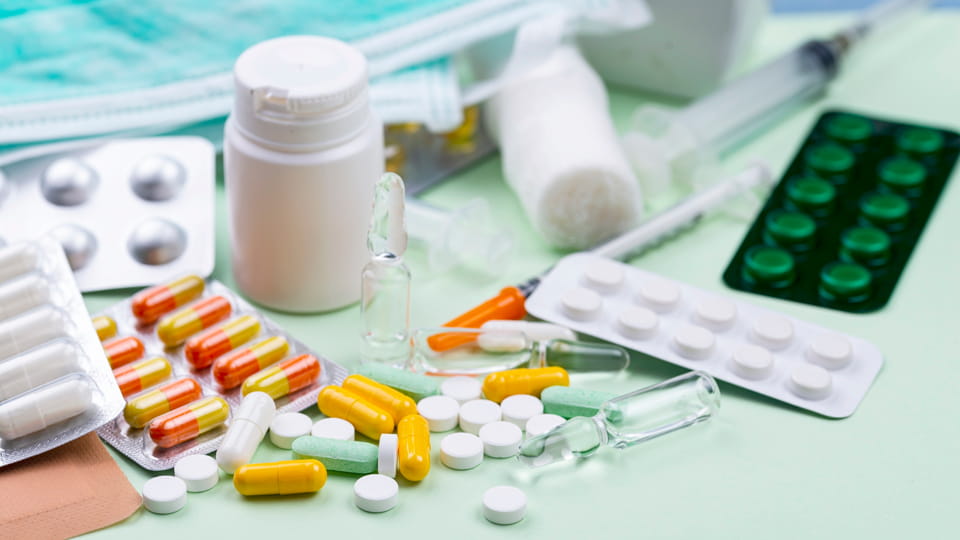
ما أهمية اختيار الماكينة المناسبة؟
التعبئة والتغليف الصيدلانية أكثر أهمية بكثير من التعبئة والتغليف الاستهلاكية العادية. هو - هي يحمي جودة الدواء, يضمن دقة الجرعة, ويحافظ على سلامة المرضى. على سبيل المثال, تؤكد إرشادات منظمة الصحة العالمية على أن التغليف يجب أن يحمي الأدوية من الرطوبة, ضوء, الأكسجين, وغيرها من التأثيرات الضارة طوال مدة صلاحيتها. على نفس المنوال, تنص قواعد CGMP التابعة لإدارة الغذاء والدواء على "الطرق, مرافق, "والضوابط" في المعالجة والتعبئة يجب أن تضمن سلامة الدواء ومكوناته الصحيحة. من الناحية العملية, التغليف السيئ يمكن أن يؤدي إلى تلوث, وضع العلامات غير الصحيحة, أخطاء الجرعة, أو أعطال الجهاز – وحتى الإضرار بالمريض. بالفعل, ويشير تحليل بيانات الاستدعاء حتى 50% من عمليات سحب الأدوية تكون بسبب أخطاء في التغليف أو الملصقات. وهذا يعني سهوًا صغيرًا على ما يبدو (رمز شريطي خاطئ, نفطة تالفة, أقراص خاطئة) يمكن أن يؤدي إلى استدعاء مكلف أو تحذير تنظيمي.
أبعد من السلامة, تعمل الآلة المناسبة على تعزيز الإنتاجية وخفض التكاليف. تدمج خطوط الأدوية الحديثة عملية التعبئة, ختم, العد ووضع العلامات في أنظمة آلية عالية السرعة. يمكن أن يؤدي اختيار المعدات التي تتوافق مع احتياجات الإنتاج لديك ومستوى الأتمتة إلى تحسين الإنتاجية بشكل كبير وتقليل العمالة. على العكس, الاختيار الخاطئ يمكن أن يسبب اختناقات متكررة, تعبئة غير متناسقة, والتوقف عن العمل – الإضرار بالكفاءة. ولأن مصانع الأدوية تعمل في كثير من الأحيان 24/7, الصيانة غير المجدولة يمكن أن تكون كارثية. لهذه الأسباب, يؤكد خبراء الصناعة على الاختيار المتوازن: "يتطلب اختيار معدات تعبئة الأدوية تقييمًا دقيقًا لقدرات الامتثال لممارسات التصنيع الجيدة, جاهزية التحقق من الصحة, والموثوقية التشغيلية على المدى الطويل". في ملخص, الجهاز المناسب يضمن الجودة والامتثال (تجنب العيوب/الاستدعاءات) أثناء التحسين الطاقة الإنتاجية والتكلفة.
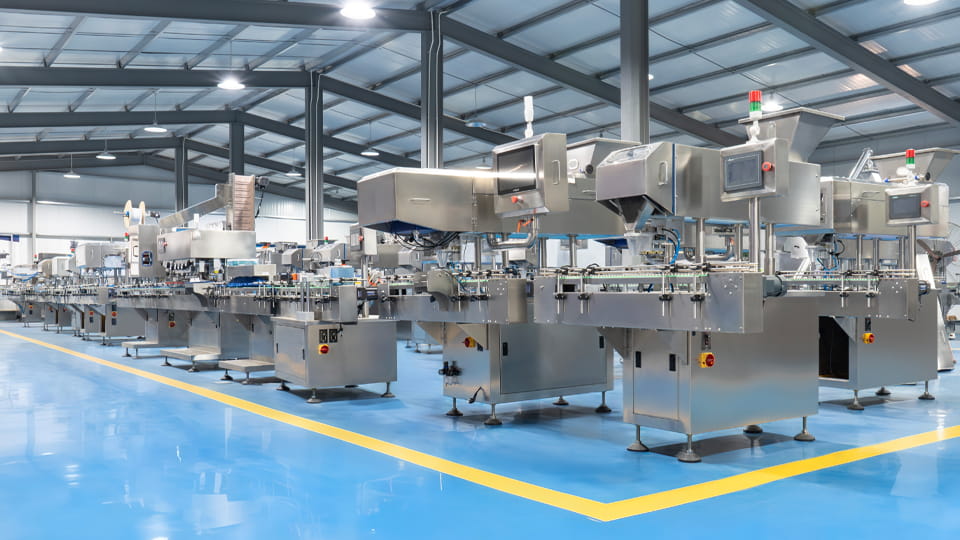
أنواع آلات تعبئة الأدوية
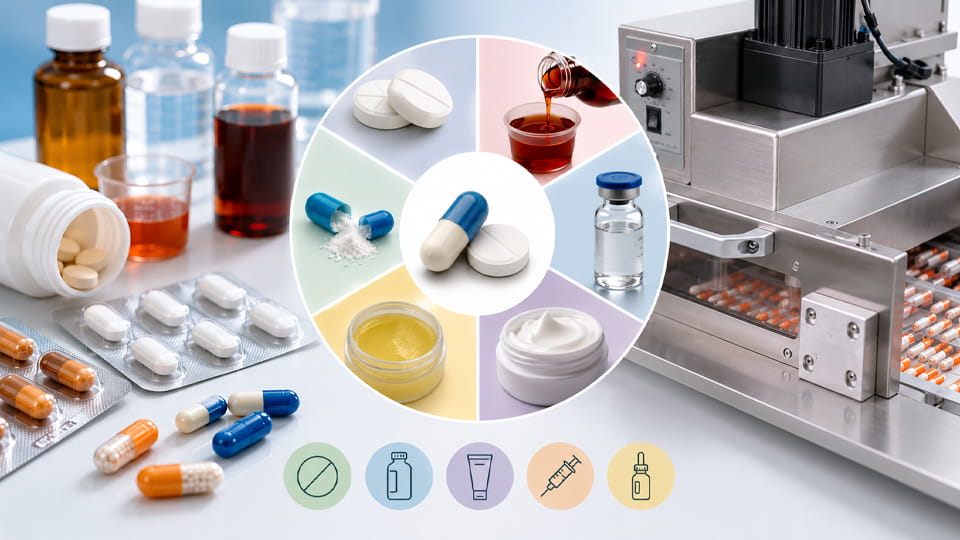
يغطي "تغليف الأدوية" العديد من المنتجات والأشكال. الآلات تقع في التعبئة والتغليف الأولية (الطبقة الأولى في اتصال مع المخدرات) و التغليف الثانوي/الثالثي (كرتون خارجي, حزم, المنصات). وتشمل الآلات النموذجية:
- آلات التعبئة والجرعات: ل السوائل, كريمات, أو مساحيق في قوارير / زجاجات / أكياس. أمثلة: الحشو السائل, ماكينات تعبئة المسحوق, حشو شراب. إذا كان منتجك أ الدواء السائل, اختر آلة مصممة للسوائل (الحشوات التمعجية أو المكبسية). ل مساحيق / حبيبات (على سبيل المثال. يتم تعبئة الأقراص السائبة), تعتبر الحشوات الحجمية أو المثقوبة مثالية.
- معدات الكبسولة/الكمبيوتر اللوحي: ل كبسولات أو أقراص, الآلات الرئيسية هي كبسولة ملء آلات, يضغط الكمبيوتر اللوحي, و آلات العد / التعبئة. يمكن لحشوات الكبسولة الحديثة أتمتة عملية التنسيب, الفصل, تعبئة, وقفل الكبسولات. يقوم الجهاز اللوحي بضغط المسحوق إلى أقراص. آلات العد (عدادات بصرية) تغذية وحساب الجرعات الصلبة في زجاجات أو أكياس. كما يلاحظ JinLuPacking, في جرعة صلبة خطوط "كل شيء يبدأ بالعد الدقيق" - تضمن أجهزة الاستشعار متعددة القنوات عالية السرعة أن كل زجاجة/كيس يحتوي على العدد الصحيح تمامًا.
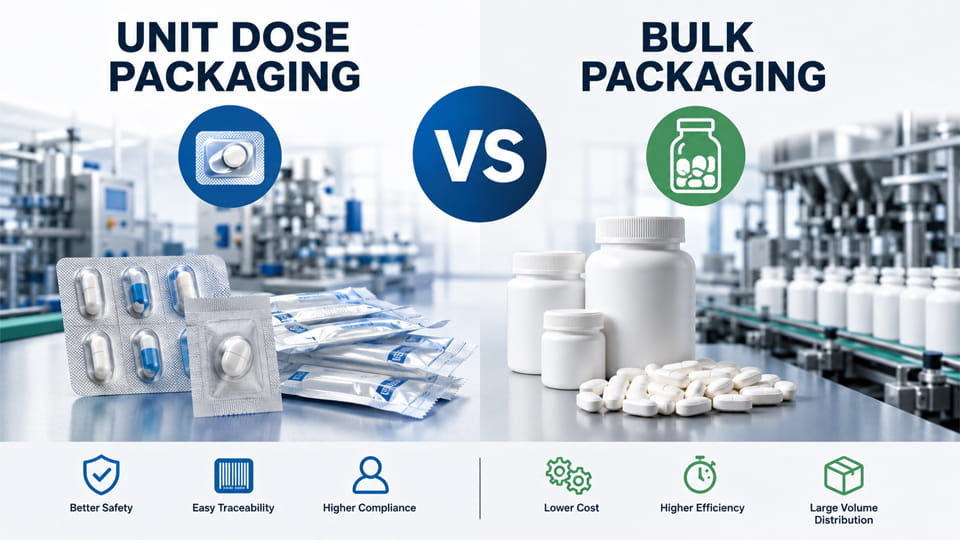
- آلات التغليف نفطة: للأقراص / الكبسولات في عبوات نفطة. هذه الصواني ذات الشكل الحراري التي تغلق الحبوب تحت الرقائق المعدنية. آلات نفطة تأتي كما لوحة مسطحة (مفهرسة) أو دوارة مستمرة أنواع, مع صيغ مختلفة (رقائق على أساس PVC أو على شكل بارد). إنها مثالية لتغليف جرعة الوحدة.
- ماكينات التعبئة والتغليف/الملاكمة: التعبئة الثانوية. صانعو الكرتون أضعاف وختم كرتون, غالبًا ما يتم إدخال عبوات أو زجاجات نفطة بالإضافة إلى منشورات المريض. يمكن أن يكونوا كذلك أفقي (تحميل جانبي) أو رَأسِيّ (تحميل علوي) تقوم شركات تصنيع الكرتون بأتمتة تركيب الصناديق, تحميل المحتويات, والختم - تقليل العمل اليدوي وضمان إغلاق الصندوق بشكل متسق (مهم لتتبع GMP). تستخدم شركات تصنيع الكرتون الحديثة تصميمًا صحيًا من الفولاذ المقاوم للصدأ وأختامًا واضحة للتلاعب للوفاء باللوائح الصارمة.
- العلامات والمفتشين: آلات وضع العلامات قم بتطبيق الملصقات المطبوعة مسبقًا على الزجاجات/الكرتون برموز الدُفعات, تواريخ انتهاء الصلاحية, والرموز الشريطية. أنظمة التفتيش (رؤية الكاميرا, أجهزة الكشف عن المعادن, الأشعة السينية) التحقق من دقة التعبئة, الجسيمات الأجنبية, وجود التسمية, وسهولة قراءة التعليمات البرمجية. للامتثال, ابحث عن المعدات التي تدعم التسلسل (رموز شريطية يمكن تتبعها) ورفض الخطأ.
- خطوط التعبئة والتغليف المتكاملة: في الممارسة العملية, غالبًا ما تستخدم مصانع الأدوية خطوط كاملة الجمع بين الآلات المذكورة أعلاه. على سبيل المثال, قد يشتمل خط النقل من الكمبيوتر اللوحي إلى الكرتون على مكبس الكمبيوتر اللوحي, الواضع المجفف, عداد الكبسولة, زجاجة unccrambler, وحدة التعبئة, آلة السد, الحث السداني, وضع العلامات, كرتون, وناقل التفتيش النهائي. يمكن تجميع هذه الأنظمة الشاملة مسبقًا والتحقق من صحتها كخط, مما يبسط التأهيل والبصمة. .
باختصار, حدد الآلات التي تتوافق مع نموذج الجرعة وتنسيق التعبئة والتغليف الخاص بك. كما ينصح أحد المرشدين, "آلات تعبئة الفقاعات مثالية للأقراص, في حين يتم استخدام أنظمة تعبئة وختم النموذج الأفقية للتعبئة عالية الإنتاجية.. فهم منتجك (قرص, كبسولة, سائل, مسحوق) والحزمة المطلوبة (بثرة, زجاجة, الكيس, الحقيبة المعدة مسبقا, إلخ.) هي الخطوة الأولى في اختيار الجهاز.
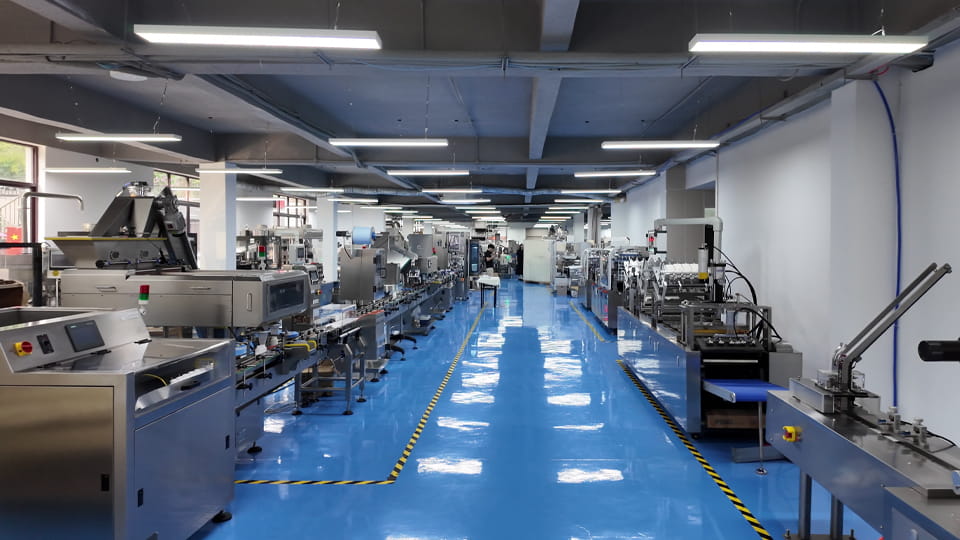
العوامل الرئيسية التي يجب مراعاتها
عند تقييم آلات أو بائعين محددين, ضع هذه العوامل الحاسمة في الاعتبار:
- منتج & توافق تنسيق التعبئة والتغليف: تأكد من أن المعدات يمكنها التعامل مع شكل المنتج والحاوية بالضبط. شكل الجرعة ونوع الحاوية موضوع: أقراص, كبسولات, السوائل, جميع المساحيق لها احتياجات معالجة فريدة. على سبيل المثال, تستخدم المواد الصلبة القابلة للعد أنظمة العد أو الفقاعة, بينما تتطلب السوائل حشوات سائلة ذات سدادات محكمة. تحقق أيضا الحجم والهندسة: يمكن لبعض الآلات التعامل مع أوزان التعبئة المتعددة أو أحجام الحاويات, والبعض الآخر مخصص. تعد المرونة أمرًا أساسيًا إذا كنت تخطط لوحدات SKU متعددة. غالبًا ما تحدد أوصاف الآلة التنسيقات المتوافقة; تحقق من ذلك باستخدام عينات تجارب المنتج إن أمكن.
- سرعة الإنتاج & سعة: قم بمطابقة إنتاجية الماكينة مع طلبك الحالي والمستقبلي. الآلات لديها "السرعة المقدرة" (على سبيل المثال. زجاجات / دقيقة أو بثور / دقيقة) والإخراج العملي (مع الأخذ في الاعتبار التحولات). الإفراط في المواصفات (سرعة عالية جدًا) يهدر المال والفضاء; يؤدي عدم المواصفات إلى حدوث اختناقات. العديد من الشركات المصنعة (مثل جينلو) سرعات الاقتباس: على سبيل المثال. يمكن لبعض خطوط الكبسولات إنتاج مئات الآلاف من الكبسولات في الساعة, آلات العد >99.98% دقيقة عند حوالي 6000 زجاجة/ساعة, وصناديق الكرتون تصل إلى 450 كرتون / دقيقة. لا تضع في الاعتبار الإنتاج الحالي فحسب، بل النمو أيضًا - تنصح شركة JinLuPacking باختيار السعة "التي تناسب الطلب الحالي الخاص بك مع إتاحة مساحة للنمو". ابحث عن الأجهزة المعيارية أو الخيارات متعددة المسارات إذا كنت تتوقع زيادات في الحجم.
- دقة & ضبط الجودة: الدقة العالية غير قابلة للتفاوض في الصيدلة. يجب التأكد من معدات التعبئة والعد لا توجد حبوب إضافية أو مفقودة, الجرعة الصحيحة, وحزمة مختومة بشكل موثوق. تهدف الخطوط العليا إلى "عدم فقدان قطعة إضافية أو فقدان قطعة واحدة" في كل حاوية. تقييم كل آلة مواصفات الدقة: على سبيل المثال. قد يدعي حشو العد 99.98% دقة. نوصي باستخدام أجهزة استشعار بصرية متعددة القنوات أو جرعات مدفوعة مؤازرة للوصول إلى التفاوتات المسموح بها. تحقق أيضًا من ميزات الجودة المضمنة: على سبيل المثال. أنظمة الرؤية للتحقق من التهم, كشف التسرب, أجهزة تدقيق الوزن. يجب أن تتكامل الآلة الضوابط في العملية للقبض على الأخطاء (دفعة ترفض, التنبيهات) لضمان جودة متسقة.
- GMP & الامتثال التنظيمي: يجب أن تستوفي الآلات الصيدلانية المعايير الصحية والتوثيق الصارمة. بحث تصميم متوافق مع cGMP: جميع أجزاء الاتصال بالمنتج في الفولاذ المقاوم للصدأ (SUS316L) أو غيرها من المواد الصيدلانية, الأسطح الملساء (لا يوجد أرجل ميتة أو شقوق), وسهولة التفكيك للتنظيف. يجب أن تقاوم الأسطح التآكل/التلوث. ينبغي أن يكون الجهاز حراس السلامة, لوحات تحكم مختومة, والتغييرات بدون أدوات حيثما أمكن ذلك. نفس القدر من الأهمية هو الامتثال للبرمجيات: غالبًا ما تندرج خطوط الأدوية الحديثة ضمن إدارة الغذاء والدواء 21 جزء CFR 11 (السجلات الإلكترونية) ومرفق برنامج الرصد العالمي للاتحاد الأوروبي 11 (الأنظمة المحوسبة). ننصح بضمان دعم المعدات السجلات الإلكترونية, مسارات التدقيق, والوصول القائم على الدور, ويأتي مع حزمة التحقق الشاملة (مستندات التصميم, بروتوكولات FAT/SAT, قوالب الذكاء/OQ/PQ). باختصار, يجب أن تكون الآلة التحقق من صحة جاهزة. إعطاء الأولوية للآلات التي تحمل علامة CE أو الشهادات المحلية الأخرى في حالة التصدير. تذكر أن المبادئ التوجيهية التعبئة والتغليف (من, ادارة الاغذية والعقاقير, الاتحاد الأوروبي) جميع الضغوط تحافظ على سلامة المنتج من خلال التنظيف, العمليات التي تم التحقق من صحتها.
- المرونة & وقت التحول: غالبًا ما تدير الخطوط الصيدلانية العديد من المنتجات. ابحث عن الآلات ذات قدرات التحول السريع. قد تتضمن الميزات رؤوسًا قابلة للتعديل تعمل بمحرك مؤازر, "وصفات" الذاكرة للإعدادات, واستبدال القوالب أو الأدلة بدون أدوات. تؤكد JinLuPacking على أنها "خالية من الأدوات"., تغييرات سريعة مع تخزين الوصفات" للتعامل مع وحدات SKU المتعددة. آلة يمكنها تبديل التنسيقات في دقائق (مقابل. ساعات) يؤتي ثماره عن طريق تقليل وقت التوقف عن العمل وزيادة OEE. من السهل ضبط الآلات شبه الأوتوماتيكية ولكنها تتطلب مشغلين; عادةً ما تتمتع الآلات الأوتوماتيكية بالكامل بتغييرات أسرع في الأدوات إذا تم تصميمها بشكل جيد. ضع في اعتبارك أيضًا مرونة التخطيط – التغذية الرأسية مقابل التغذية الأفقية, الممرات, إلخ., لاستيعاب هندسة الحزمة المختلفة.
- مستوى الأتمتة: تقرر بين شبه تلقائي (بعض الخطوات اليدوية) و تلقائي تماما أنظمة. تعمل خطوط التعبئة الأوتوماتيكية على تقليل العمالة والأخطاء البشرية, تحقيق متسقة 24/7 الإنتاجية. على سبيل المثال, تركيب آلات تعبئة الكرتون الأوتوماتيكية, تحميل وختم الكراتين بأقل تدخل من المشغل, بينما تحتاج ماكينات التعبئة والتغليف شبه الأوتوماتيكية إلى تحميل الكرتون يدويًا. تعمل خطوط العد/التعبئة الأوتوماتيكية بالكامل على دمج وحدات التغذية الاهتزازية وأذرع الالتقاط والوضع للأقراص, القضاء على العد اليدوي. المقايضة: آلات السيارات تكلف أكثر وتكون معقدة في التثبيت. تكلف الآلات شبه الآلية أقل ولكنها تقيد العمال وتعمل بسرعة أقل. نقوم بمقارنتها في الجدول أدناه:
| ميزة |
آلة أوتوماتيكية |
آلة نصف أوتوماتيكية |
| الإنتاجية |
عالية جدا (مستمر, 24/7) |
معتدل (دفعة أو متقطعة) |
| متطلبات العمل |
قليل (طاقم صغير للمراقبة) |
أعلى (مشغلي التغذية/المناولة) |
| المرونة |
واسطة (تنسيق مخصص; أسرع في الحجم) |
عالي (يتيح التعامل اليدوي تنسيقات متنوعة) |
| وقت التحول |
يمكن أن يكون أطول (الإعداد المعقد) |
عادة أقصر (ميكانيكا أبسط) |
| التكلفة الأولية |
أعلى (ضوابط معقدة & الروبوتات) |
أدنى |
| صيانة |
معقد (يتطلب فنيين مدربين) |
أبسط (الأجزاء التي يمكن للمستخدم صيانتها) |
باختصار, استخدام الآلات الأوتوماتيكية ل عالية الحجم, إنتاج مستقر. إذا كانت عمليات تشغيل الدفعة الخاصة بك صغيرة أو غير متكررة, شبه التلقائي قد يكون كافيا على الميزانية. (على سبيل المثال, لا يجوز لآلة الفقاعة شبه الأوتوماتيكية إلا أن تقوم بإغلاق البثور بالحرارة بينما يقوم المشغل بتحميل الحبوب يدويًا.) مهما كان المستوى الذي تختاره, تأكد من أن الضوابط حديثة (بلك / همي, تشابكات السلامة) وأن واجهة المستخدم بديهية.
- صحة & قابلية التنظيف: يجب أن تكون الآلات الصيدلانية سهلة التنظيف والتعقيم لمنع التلوث المتبادل. تأكد من إمكانية الوصول إلى جميع أجزاء الاتصال للغسيل, ولا توجد زوايا تحبس المساحيق أو السوائل. تستخدم العديد من الآلات الدوائية أجزاء سريعة الفك خالية من الأدوات للتنظيف. النظر في ما إذا كان الجهاز يدعم CIP (نظيفة في المكان) أو دورات التنظيف المسح. يجب أن يسمح التصميم التنظيف الجاف (على سبيل المثال, أجزاء قابلة للتبديل لاحتواء المساحيق). قم أيضًا بتقييم المرشحات والتهوية في حالة وجود مساحيق. بروتوكولات التنظيف الصارمة مطلوبة في البيئات الدوائية, لذا خطط لإجراءات الصيانة اليومية / الأسبوعية. (للنصيحة: اقرأ نصيحة مؤسسة حمد الطبية - تتطلب الخطوط الصيدلانية "بروتوكولات تنظيف صارمة لإزالة البقايا ومنع التلوث المتبادل بين الدفعات".)
- سلامة البيانات & إمكانية التتبع: يجب أن تسهل الآلة إمكانية تتبع الدفعة الكاملة. الميزات التي يجب البحث عنها تشمل الباركود المتسلسل (لحزم جرعة الوحدة), تسجيل البيانات من معلمات العملية, والتكامل مع أنظمة MES/ERP في المصنع. توفر الأجهزة عالية المستوى مسارات تدقيق لجميع المعلمات المهمة (درجات الحرارة, الأوزان, التهم). للتسلسل (مطلوب من قبل العديد من الأسواق مثل DSCSA في الولايات المتحدة الأمريكية أو FMD في الاتحاد الأوروبي), تأكد من أن الخط يمكنه التعامل مع فحص الرؤية للرموز 1D/2D, رفض الرموز السيئة, وتجميع بيانات الوالدين والطفل (على سبيل المثال, ربط العبوات الفقاعية الفردية بالكرتون الخاص بها). أساسًا, يجب أن تساعدك المعدات على تلبية تفويضات التتبع الخاصة بإدارة الغذاء والدواء والاتحاد الأوروبي. غالبًا ما تشتمل الآلات الحديثة على OEE (فعالية المعدات الشاملة) مراقبة لوحات المعلومات كذلك.
- التكلفة الإجمالية للملكية (التكلفة الإجمالية للملكية): انظر إلى ما هو أبعد من سعر الملصق. يعتبر استهلاك الطاقة (عناصر التدفئة, مضخات فراغ, المحركات), التكاليف الاستهلاكية (فيلم, احباط, مساحيق, قطع الغيار مثل الأختام), و متطلبات الخدمة. قد تتطلب الآلة الرخيصة جدًا فترة توقف طويلة أو تستخدم أجزاء غير قياسية. على العكس, قد تستخدم الآلة عالية الجودة المزيد من الطاقة ولكنها تنتج نفايات أقل. تشمل العوامل: عمالة الصيانة (كم مرة ومدى صعوبة الحفاظ عليها), فترات قطع الغيار (مهم للآلات المستوردة), والتمويل/عائد الاستثمار. كما تشير مدونة Jinlu إلى آلات البثرة, "قد تكون للآلات عالية الجودة تكلفة أولية أعلى ولكنها يمكن أن تقلل من الهدر ووقت التوقف عن العمل". في ملخص, احسب تكلفة دورة الحياة: سعر الشراء + تكاليف التشغيل + صيانة. غالبًا ما يوفر الموردون أدوات التكلفة الإجمالية للملكية أو الآلات الحاسبة لهذا الغرض.
- تجربة الموردين & يدعم: أخيراً, اختر شركة مصنعة حسنة السمعة تتمتع بخبرة في مجال الأدوية. معدات التعبئة والتغليف هي استثمار طويل الأجل; تريد شريكا, ليس مجرد بائع. التحقق من سجل تتبع المورد: هل لديهم مصانع مرجعية في منطقتك/صناعتك? هل تم التحقق من صحة أجهزتهم لعملاء الأدوية؟? إعطاء الأولوية للموردين ذوي الخبرة المثبتة في GMP, دعم التحقق الشامل, وسجلات حافله في الصناعات المنظمة. قم أيضًا بتقييم خدمة ما بعد البيع: هل يقدمون دعم التكليف (فات/سات/IQ/OQ), مخزون قطع الغيار, التشخيص عن بعد, والتدريب? سيساعدك المورد الجيد في تحسين تخطيطك, المساعدة في عمليات التدقيق التنظيمية, والتعامل مع الأعطال الطارئة. تجنب البائعين الذين يتنقلون ليلاً – ابحث عن شهادات الصناعة (ISO, م), الضمانات, والشبكات العالمية.
أدناه هو أ مخطط انسيابي يلخص عملية الاختيار:

التلقائي مقابل. التعبئة والتغليف شبه التلقائي: مقارنة
عند تحديد النطاق الخيارات, فهو يساعد على مقارنة الخطوط التلقائية بالكامل بالبدائل شبه التلقائية. الخطوط الأوتوماتيكية تدمج التغذية, تشكيل, تعبئة, والختم في عملية واحدة مستمرة, بينما تتطلب الخطوط شبه الأوتوماتيكية التدخل اليدوي (على سبيل المثال. زجاجات أو كرتونة يتم تحميلها يدويًا). على العموم:
- تلقائي تقدم الأنظمة إنتاجية عالية جدًا (غالبا ما تكون ضرورية ل >100 كرتون / دقيقة, أو دفعات كبسولة كبيرة). يعملون بها الحد الأدنى من العمالة (1– 2 مشغلين للمراقبة), مما يقلل من الخطأ البشري. كما يقومون عادةً بجمع سجلات البيانات الكاملة تلقائيًا. الجانب السلبي هو ارتفاع تكلفة رأس المال والتعقيد. أنها تتطلب فنيين مدربين للصيانة.
- شبه تلقائي الآلات هي تكلفة أقل وأبسط. قد يحتاجون إلى عمال لتغذية المنتجات أو الكراتين, مما يجعلها مناسبة ل أشواط صغيرة إلى متوسطة. تميل التحولات إلى أن تكون أسرع (محاور حركة أقل), والتدريب أبسط. لكن, الخطوات اليدوية تزيد من تكاليف العمالة والتقلب. نادرًا ما تصل الخطوط شبه الآلية إلى نفس سرعة الخطوط الأوتوماتيكية بالكامل.
فيما يلي مقارنة سريعة للسمات الرئيسية:
| ميزة |
الخط التلقائي |
خط نصف آلي |
| الإنتاجية |
عالية جدا (100+ وحدات / دقيقة) |
معتدل (اعتمادا على سرعة المشغل) |
| تَعَب |
قليل (1– 2 شخص, يشاهد في الغالب) |
أعلى (العديد من المشغلين يقومون بتغذية الأجزاء) |
| المرونة |
واسطة (الأمثل لتنسيق معين) |
عالي (يمكن للمشغلين التكيف بسرعة) |
| التحول |
قد تتطلب الهندسة (المزيد من الأجزاء/الأدوات) |
في كثير من الأحيان أسرع (أجزاء أقل للتبديل) |
| التكلفة الأولية |
عالي (PLC, الروبوتات, أجهزة استشعار) |
أدنى (المحركات الأساسية والناقلات) |
| صيانة |
كثيف (المهارات التقنية المتخصصة) |
أسهل (الصيانة الميكانيكية المشتركة) |
في الممارسة العملية, تجمع العديد من خطوط الأدوية بين الاثنين: على سبيل المثال. محطة تعبئة أوتوماتيكية تتغذى في علبة كرتون نصف آلية, أو العكس. المفتاح هو مطابقة المستوى المناسب من الأتمتة لمجلداتك. إذا كنت تخطط لتوسيع نطاق أو 24/7 يجري, الأتمتة الكاملة عادة ما تؤتي ثمارها. بالنسبة للدفعات التجريبية أو قيود الميزانية, قد تكون الآلة شبه الأوتوماتيكية التي توضع على الطاولة أو الطاولة كافية.
المزالق الشائعة التي يجب تجنبها
- تجاهل الامتثال: لا تبخل أبدًا بميزات GMP لتوفير التكلفة. سوف تتسبب الأجهزة غير المتوافقة في فشل عملية التدقيق أو عمليات الاسترجاع.
- شراء الخيار "الأرخص".: قد يفتقر العرض المنخفض جدًا إلى الدقة أو الدعم. فكر في عائد الاستثمار على المدى الطويل, ليس فقط السعر مقدما.
- إهمال الاحتياجات المستقبلية: لا تشتري ل اليوم فقط الإخراج; اترك مجالًا للنمو أو المنتجات الجديدة.
- تخطي اختبارات قبول المصنع: قم دائمًا باختبار الجهاز في المصنع باستخدام العينات الخاصة بك (سمين) قبل الشحن. على نفس المنوال, تنفيذ قبول الموقع (قعد) مع فريقك للتأكد من مطابقته للمواصفات.
- تطل على المرافق & اندماج: التحقق من متطلبات المنشأة (قوة, هواء, ماء) وتأكد من أن الماكينة تناسب مخطط الأرضية الخاص بك. تأكد أيضًا من تكامله بسلاسة مع الناقلات أو أنظمة التحكم الموجودة.
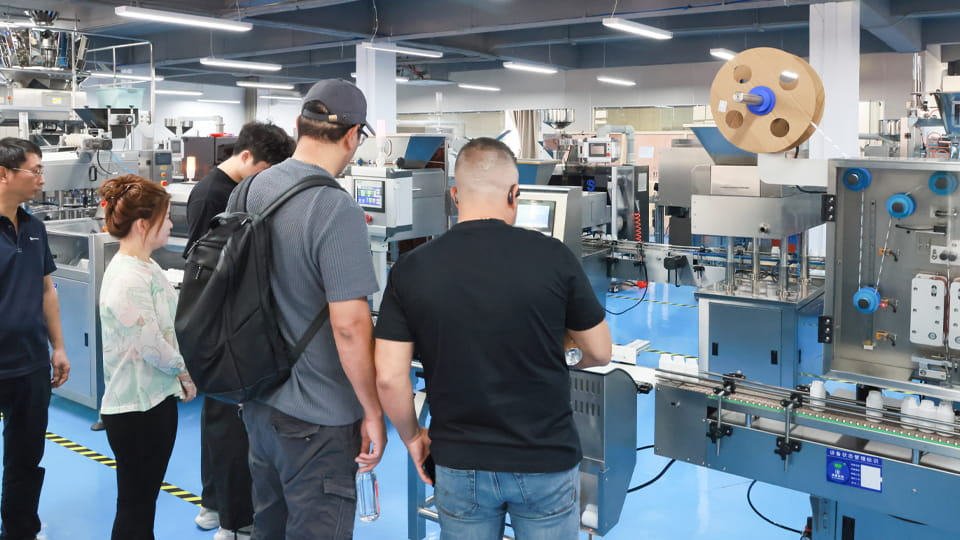
كيفية اختيار المورد المناسب
إن الشراكة مع الشركة المصنعة للمعدات المناسبة لا تقل أهمية عن اختيار الماكينة نفسها. بحث:
- خبرة الصناعة: الموردين المتخصصين في معدات فارما سيكون على اطلاع دائم بمعايير إدارة الغذاء والدواء الأمريكية/وكالة الأدوية الأوروبية/منظمة الصحة العالمية وبروتوكولات التحقق من الصحة. يمكنهم تقديم المشورة بشأن التخطيط وضوابط الجودة. كما يقول أحد الأدلة, "يجب أن يتطابق الجهاز الذي تختاره مع شكل الجرعة الخاص بك, تنسيق التعبئة والتغليف, المتطلبات التنظيمية, والقدرة الإنتاجية", لذا فالخبرة مهمة.
- دعم التحقق: تأكد من أن البائع يقدم الوثائق الكاملة: خطط اختبار قبول المصنع/الموقع, بروتوكولات الذكاء/OQ/PQ, تقييمات المخاطر, وحزم التحقق من صحة البرامج. من الناحية المثالية، سوف يساعدون أيضًا في تنفيذ اختبار SAT.
- خدمة ما بعد البيع: تحقق من شروط الضمان وكيفية تعامل الشركة مع قطع الغيار والخدمة. هل لديهم مكتب محلي أو موزع? هل يتوفر الدعم عن بعد? البائع الذي يمكنه شحن الأجزاء بسرعة أو إرسال الفنيين سيقلل من وقت التوقف عن العمل.
- سمعة & مراجع: اطلب مراجع أو دراسات حالة لمنشآت مماثلة. اختيار الشركات التي تتمتع بدعم فني قوي, فرق الخدمة العالمية, مشاريع صيدلانية معتمدة, وموثوقية الآلة المؤكدة.
- القدرة على التخصيص: قد يكون لإنتاجك احتياجات فريدة (مواد خاصة, مواصفات غرف الأبحاث, إلخ.). سيقوم المورد الجيد بتخصيص الآلات (على سبيل المثال. غرف خاصة, الأتمتة المضافة, لغة واجهة المستخدم) لمتطلباتك. هم, على سبيل المثال, تقدم خطوطًا جاهزة مصممة خصيصًا لتلبية احتياجات المساحة والعملية.
من خلال فحص الموردين بعناية بشأن هذه النقاط, يمكنك تقليل مخاطر المشروع. يتذكر: "يصبح شريك المعدات المناسب امتدادًا لفرق الجودة والهندسة لديك".
مخطط انسيابي للاختيار
من أجل الوضوح, هنا بسيطة مخطط انسيابي لخطوات الاختيار:

الخطوات التالية
يعد اختيار الجهاز المناسب عملية معقدة ولكنها مجزية. نوصي بكتابة مفصلة مواصفات متطلبات المستخدم (URS) لفريقك, سرد كافة الميزات التي يجب أن يكون لديك أعلاه. ثم اطلب عروض الأسعار وأوراق البيانات من الموردين ذوي السمعة الطيبة. قبل الشراء, طلب أ اختبار قبول المصنع و, إذا كان ذلك ممكنا, تجربة موقعية مع منتجاتك الفعلية.
في آلات التعبئة جينلو, نحن متخصصون في خطوط التعبئة والتغليف الدوائية الشاملة. منتجاتنا (حشو كبسولة, تعبئة نفطة, آلات العد, عمال التعبئة والتغليف, إلخ.) تم تصميمها للامتثال لـ GMP والدقة. نحن نشجعك على استكشاف صفحات منتجاتنا (يرى الروابط الداخلية أقل) واتصل بمهندسينا للحصول على حلول مخصصة. سواء كنت بحاجة إلى خط تعبئة كرتوني أوتوماتيكي, آلة نفطة نصف آلية, أو خط زجاجة متكامل تمامًا, يمكننا إرشادك خلال عملية الاختيار والتحقق من الصحة.
الأسئلة الشائعة حول آلة تعبئة الأدوية
ما هي بالضبط "آلة تعبئة الأدوية"؟?
إنها أي معدات آلية تستخدم في صناعة الأدوية لتعبئة الأدوية. يمكن أن يشمل ذلك آلات تعبئة السوائل في قوارير, عد الأقراص في زجاجات, حبوب تقرحات في الصواني, تعبئة المنتجات في صناديق, وهكذا. في الأساس, أي الآلات التي تساعد على احتواء, ملصق, ختم, أو حزمة الأدوية هي جزء من معدات التعبئة والتغليف الدوائية.
لماذا تعتبر معايير GMP مهمة جدًا لهذه الآلات?
ممارسات التصنيع الجيدة (GMP) المعايير (ادارة الاغذية والعقاقير 21CFR, برنامج الرصد العالمي للاتحاد الأوروبي, توجيهات منظمة الصحة العالمية) تأكد من أن منتجاتك ذات جودة عالية باستمرار. الآلات التي تمتثل لها لديها تصاميم صحية (الفولاذ المقاوم للصدأ 316L, الأسطح القابلة للتنظيف), الضوابط التحقق من صحتها (دقيق, عمليات يمكن تتبعها), والتوثيق المناسب. تخاطر المعدات غير المتوافقة بالتلوث أو أخطاء الإنتاج التي قد تؤدي إلى الاستدعاءات أو الاستشهادات التنظيمية.
كم تكلفة هذه الآلات?
تختلف التكاليف بشكل كبير حسب نوع الماكينة وتعقيدها. قد تبلغ تكلفة عداد حبوب منع الحمل البسيط شبه الأوتوماتيكي بضعة آلاف من الدولارات الأمريكية, في حين أن خط البثرة الأوتوماتيكي عالي السرعة أو خط الزجاجة المدمج يمكن أن يكلف عشرات أو حتى مئات الآلاف. ضع في اعتبارك دائمًا التكلفة الإجمالية للملكية (انظر أعلاه). من الأفضل الحصول على عروض أسعار من العديد من البائعين بمجرد تحديد متطلباتك.
ما هي آلة التغليف الأفضل للأقراص؟?
ذلك يعتمد على التنسيق الخاص بك. لحساب الأقراص في زجاجات أو أكياس, تعتبر آلة العد / التعبئة الأوتوماتيكية مثالية. لتغليف جرعة الوحدة, آلة نفطة شائعة. للتغليف بالجملة في زجاجة, خط تعبئة وتغطية الزجاجات الأوتوماتيكي (مع عداد الكمبيوتر اللوحي المنبع) يستخدم. تستخدم بعض الشركات أيضًا آلات التعبئة والتغليف أو الأكياس لتغليف الجرعة الفردية للأقراص. قم بتقييم إيجابيات/سلبيات كل تنسيق (يكلف, حماية, تفضيل المستخدم) قبل اختيار الجهاز.
منتجاتي حساسة للرطوبة. ما الذي يجب أن أفكر فيه؟?
للأقراص أو الكبسولات الحساسة للرطوبة, قد تحتاج إلى شكل بارد (على الإطلاق) آلات نفطة أو أنظمة تجفيف متخصصة. تأكد من أن أختام الماكينة من الدرجة الصيدلانية, والنظر في خيارات التجفيف المتكامل أو خامل النيتروجين. مواد التعبئة والتغليف نفسها (احباط مقابل. فيلم PVC) لا تقل أهمية.
هل يمكنني استخدام جهاز واحد لمنتجات متعددة؟?
العديد من الآلات قابلة للتعديل إلى حد ما, لكن التبديل بين المنتجات المختلفة بشكل جذري قد يكون أمرًا صعبًا. اختر المعدات ذات الوصفات/الإعدادات لتنسيقات مختلفة. خالية من الأدوات, أدوات التغيير السريع تجعل من الممكن التعامل مع العديد من وحدات SKU على نفس الجهاز. لكن, إذا كنت تتوقع مجموعة واسعة من المنتجات, قد تكون الآلات المعيارية أو الخطوط المخصصة المتعددة أكثر كفاءة.
مراجع:
1.المبادئ التوجيهية الخاصة بتغليف المنتجات الصيدلانية(الملحق 9) - من.
2.أسئلة وأجوبة حول المتطلبات الحالية لممارسات التصنيع الجيدة | معدات - نحن. إدارة الغذاء والدواء.
3.التعبئة والتغليف GMP في 2026: متطلبات, المبادئ التوجيهية, الضوابط, والتغليف الأولي مقابل الثانوي – pharmuni.com.
4.لوائح ومعايير التغليف العالمية - متصفح GMP.