
إن شراء معدات دوائية جديدة لا يمثل سوى نصف المهمة، والسؤال الحقيقي هو: يمكن أن تتجاوز معدل الذكاء, أوكيو, و PQ?
في تصنيع الأدوية, الآلة التي لا يمكن تأهيلها بشكل صحيح تشكل خطراً, ليس أحد الأصول. ويتوقع المنظمون وجود دليل واضح على أن المعدات تم تركيبها بشكل صحيح, تعمل ضمن حدود, ويؤدي باستمرار في ظروف الإنتاج الحقيقية . بدون ذلك, حتى خط التعبئة والتغليف الأكثر تقدمًا لا يمكن استخدامه في إنتاج GMP.
لهذا السبب فهم معدل الذكاء, أوكيو, وPQ ليس مجرد تفاصيل فنية، بل إنه يؤثر بشكل مباشر على امتثالك, الجدول الزمني للمشروع, وما إذا كان استثمارك يقدم قيمة بالفعل.
معدل الذكاء, أوك وPQ الوقوف ل مؤهلات التثبيت, التأهيل التشغيلي, و تأهيل الأداء. هذه خطوات متسلسلة في تأهيل المعدات قبل استخدامها في إنتاج الأدوية التي تعتمد ممارسات التصنيع الجيدة. باختصار: معدل الذكاء يتحقق من تثبيت الجهاز بشكل صحيح; أوكيو اختبارات أنه يعمل بشكل صحيح في ظل جميع الإعدادات المطلوبة; PQ يتحقق من أنه يعمل باستمرار أثناء الإنتاج الحقيقي. وفقا لإدارة الغذاء والدواء, "التأهيل" يعني إثبات أن المعدات مناسبة للاستخدام المقصود منها. IQ/OQ/PQ هي الأنشطة الموثقة لإثبات كل مرحلة من الملاءمة والوظيفة. معاً, أنها تشكل جزءا من الإجمالي تصديق عملية لنظام التصنيع, ضمان جودة المنتج والامتثال.
تأهيل المعدات مقابل. التحقق من صحة العملية: التركيز على IQ/OQ/PQ على الجهاز ("تأهيل المعدات"), بينما يغطي التحقق من صحة العملية عملية التصنيع بأكملها. في الممارسة العملية, غالبًا ما يكون تأهيل المعدات خطوة أولى في الخطة الرئيسية للتحقق من الصحة. من خلال استكمال IQ/OQ/PQ على حشو الكبسولة, آلة نفطة, خط الزجاجة, إلخ., تحصل الشركة المصنعة على أدلة موثقة تثبت أن المعدات يفي بالمواصفات وجاهز للإنتاج.
| منصة (الأشعة تحت الحمراء/WH/PQ) | غاية | الأنشطة الرئيسية / الاختبارات | الوثائق النموذجية المنتجة |
| معدل الذكاء | التحقق من التثبيت الصحيح للمعدات | تحقق من الموقع, المرافق (قوة, هواء, ماء), التثبيت لكل دليل; تسجيل الأرقام التسلسلية والملحقات | بروتوكول الذكاء/قائمة المراجعة والتقرير |
| أوكيو | التحقق من الوظائف التشغيلية ضمن الحدود | قم بإجراء الاختبارات في جميع نطاقات التشغيل (السرعات الدنيا/القصوى, درجات الحرارة, الضغوط); اختبار أجهزة الإنذار والتشابك, التحقق من الضوابط | بروتوكول وتقرير OQ |
| PQ | إثبات الأداء المتسق في الإنتاج | تشغيل دفعات إنتاج متعددة بالمنتج الفعلي (أو التظاهر) في أسوأ الظروف; تحقق من المخرجات (أَثْمَر, دقة) | بروتوكول PQ والتقرير |
طاولة 1: مقارنة معدل الذكاء, أوكيو, مراحل PQ (مقتبسة من معايير الصناعة).
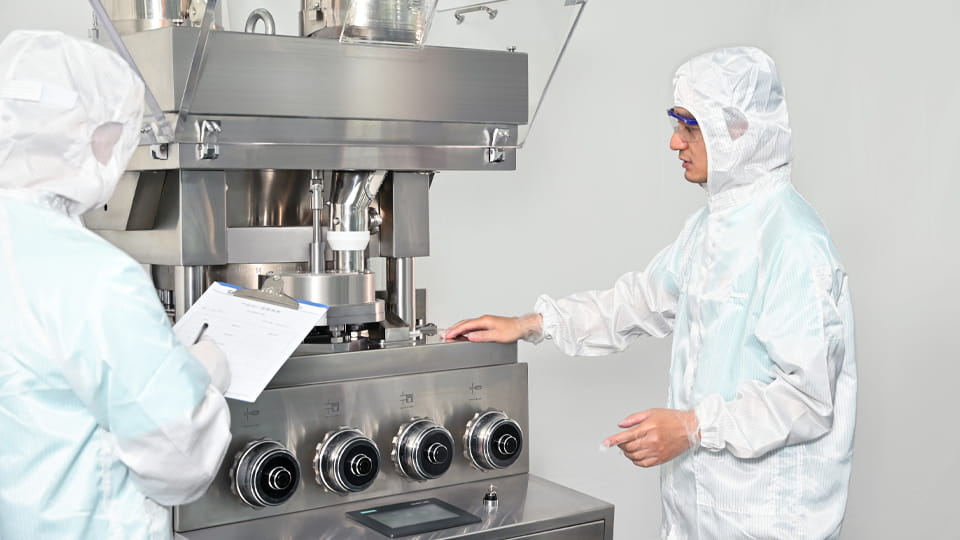
المعدات الصيدلانية يجب أن تمتثل للوائح GMP الصارمة. في الولايات المتحدة, ادارة الاغذية والعقاقير 21 جزء CFR 211 (فارما) و 21 CFR 820 (الأجهزة الطبية) تتطلب صراحة التحقق من صحة أنظمة التصنيع. يشكل IQ/OQ/PQ العمود الفقري لهذا الامتثال. على سبيل المثال, تنص إدارة الغذاء والدواء الأمريكية على أن أنشطة التأهيل "تسبق بالضرورة تصنيع المنتجات على النطاق التجاري". في الاتحاد الأوروبي, ملحق برنامج الرصد العالمي 15 وبالمثل، يتطلب الأمر تأهيل المعدات طوال دورة حياتها. الهدف هو التأكد من أن المعدات ستنتج منتجات آمنة بشكل موثوق.
بدون معدل الذكاء/OQ/PQ المناسب, تواجه الشركات مخاطر جسيمة: عيوب المنتج, يتذكر دفعة, الاقتباسات التنظيمية, ومخاطر السلامة. التأهيل المناسب يبني الثقة في أن الآلة في الحقيقة يفعل ما يفترض أن يفعله - على سبيل المثال, أن يتم إغلاق عبوة التغليف في درجة الحرارة المناسبة أو أن حشو السائل يوزع الحجم الصحيح. في الممارسة العملية, يساعد برنامج التحقق الكامل على تجنب المفاجآت: "عندما يتم ذلك بشكل صحيح, المراحل الثلاث للتأهيل دقيقة وتستغرق وقتًا طويلاً. لكن, فهي ضرورية لضمان تكرار العمليات وجودة المنتج المستقرة.. باختصار, IQ/OQ/PQ إلزامية في إعدادات GMP. لأي خط التعبئة والتغليف (بثرة, زجاجة, كرتون, إلخ.), IQ/OQ/PQ مطلوبة لتلبية متطلبات إدارة الغذاء والدواء والاتحاد الأوروبي. تأتي آلات Jinlu مع قوالب وثائق IQ/OQ/PQ الكاملة, لأن, كما يقول خبراؤنا, "يجب أن يكون الجهاز جاهزًا للتحقق".
في مرحلة الذكاء, نتحقق من تسليم المعدات وإعدادها بشكل صحيح. وهذا يعني فحص الماكينة وبيئتها قبل إجراء أي اختبار للإنتاج. تتضمن فحوصات الذكاء الرئيسية:
إن مخرجات IQ عبارة عن تقرير/بروتوكول IQ مكتوب يوثق كل فحص ويؤكد "التثبيت كما هو متوقع". إذا كان أي شيء خارج المواصفات, ويجب تصحيحه قبل المضي قدمًا. ويعني معدل الذكاء الناجح "تم تركيب المعدات على النحو المنشود" - وهو شرط أساسي لأي اختبار. (في الممارسة العملية, قد تبدأ بعض الاختبارات في معدل الذكاء كعناصر "جاهزة للاختبار"., لكن معايير القبول تأتي في OQ/PQ.)
تقوم OQ باختبار وظائف الجهاز تحت ظروف خاضعة للرقابة. الآن بعد أن تم تثبيت الجهاز بشكل صحيح, نحن نتحقق جميع معلمات التشغيل وأنظمة التحكم. تتضمن OQ عادةً:
ال تقرير باللون الأبيض سيتم عرض نتائج كل اختبار ومقارنتها بمعايير القبول (والتي تأتي من مواصفات التصميم أو URS). فقط بعد مرور OQ يمكننا المضي قدمًا. (في بعض الأحيان قد يتداخل OQ وIQ في تقرير مدمج يسمى IOQ, لكن المنطق يظل متسلسلاً.)
الهدف الرئيسي لـ OQ هو: "في ظل جميع الشروط المحددة, هل تقوم الآلة بما يفترض أن تفعله؟?" إذا فشل أي شيء (على سبيل المثال. جهاز الاستشعار غير محاذاة), تم تصحيحه واختباره مرة أخرى.
PQ هي المرحلة النهائية, حيث نثبت أن المعدات تعمل بشكل صحيح أثناء الإنتاج الفعلي. بينما قد يكون OQ قد تم إجراؤه فارغًا, يستخدم PQ منتجًا حقيقيًا أو مقلدًا. وتشمل الخطوات:
في نهاية PQ, لدينا دليل موثق على ذلك "المعدات المؤهلة تنتج باستمرار منتجًا مطابقًا في ظل ظروف حقيقية." بعبارة أخرى, الآلة جاهزة لإنتاج GMP.
على سبيل المثال, إذا نجح PQ في آلة تعبئة الكبسولة, ونحن نعلم أن دقة الجرعات, إدخال الكبسولة, وتعمل سرعة الدوار عبر الورديات دون انحراف. يؤدي هذا إلى إكمال "مثلث" التحقق ويمنح الثقة لمسؤولي ضمان الجودة/التنظيم بأن الخط لن ينتج دفعات سيئة. ثم يتم تحرير المعدات للتصنيع الروتيني وإدراجها في جداول الصيانة الدورية.
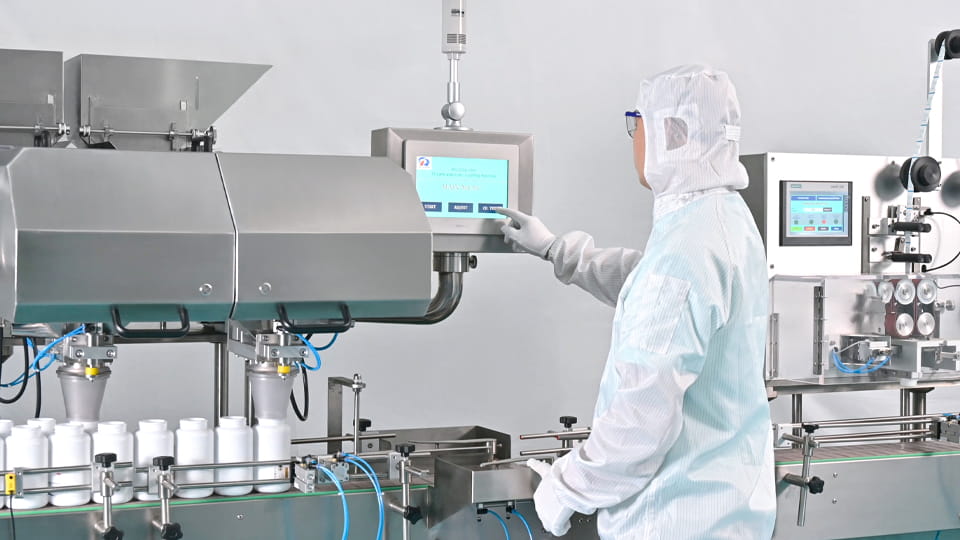
من المهم توضيح المصطلحات. مؤهل يشير عادة إلى المعدات, بينما تصديق غالبًا ما يشير إلى العمليات أو الأنظمة. في العديد من أطر GMP, تعتبر IQ/OQ/PQ أجزاء من التحقق من الصحة من نظام التصنيع. بهذا المعنى:
هكذا, المعدات IQ/OQ/PQ تؤهل الآلات. منفصل التحقق من صحة العملية من شأنه أن يربط تلك الآلات بعملية الإنتاج الفعلية (مثل ضغط الجهاز اللوحي بالإضافة إلى الطلاء, إلخ.). في الحقيقة, يتم استدعاء IQ/OQ/PQ أحيانًا تأهيل المعدات (معادل) خطوات. أ مؤهل التصميم (دي كيو) الخطوة قد تسبق معدل الذكاء, التأكد من أن التصميم يلبي متطلبات المستخدم (URS) قبل بناء أو شراء المعدات.
فيما يلي تدفق بسيط لمراحل دورة حياة المشروع:

كل سهم هو عملية تسليم: يجب عليك الانتهاء من DQ (التحقق من التصميم يلبي URS) قبل معدل الذكاء (التحقق من التثبيت السليم). فقط بعد اكتمال PQ يمكنك المطالبة بالتحقق من صحة المعدات وبدء التحقق من صحة العملية (على سبيل المثال. تشغيل حملات الإنتاج الفعلية).
يعد تأهيل المعدات جزءًا من المعدات الشاملة دورة الحياة:
كل خطوة تنتج الوثائق. على سبيل المثال, يتم تسليم آلات التعبئة والتغليف لشركة Jinlu مع مجموعة التحقق من الذكاء/OQ/PQ وبروتوكولات FAT/SAT. وهذا يعني أنه يمكن للمشتري توفير الوقت باستخدام قوالب الشركة المصنعة أثناء التأهيل. قد يمتد الجدول الزمني النموذجي من أسابيع إلى أشهر اعتمادًا على مدى تعقيده.
وفقا لإدارة الغذاء والدواء / الاتحاد الأوروبي, تدريب فرق ضمان الجودة والهندسة (وأحيانا مستشارين خارجيين) ينبغي إجراء أو مشاهدة هذه الخطوات. خلاصة القول: منضبطة, يضمن التدفق الموثق من التصميم عبر PQ أن يكون خطك متوافقًا.
يحتاج كل نوع من آلات التعبئة والتغليف في مصنع GMP إلى التأهيل. فيما يلي أمثلة شائعة:

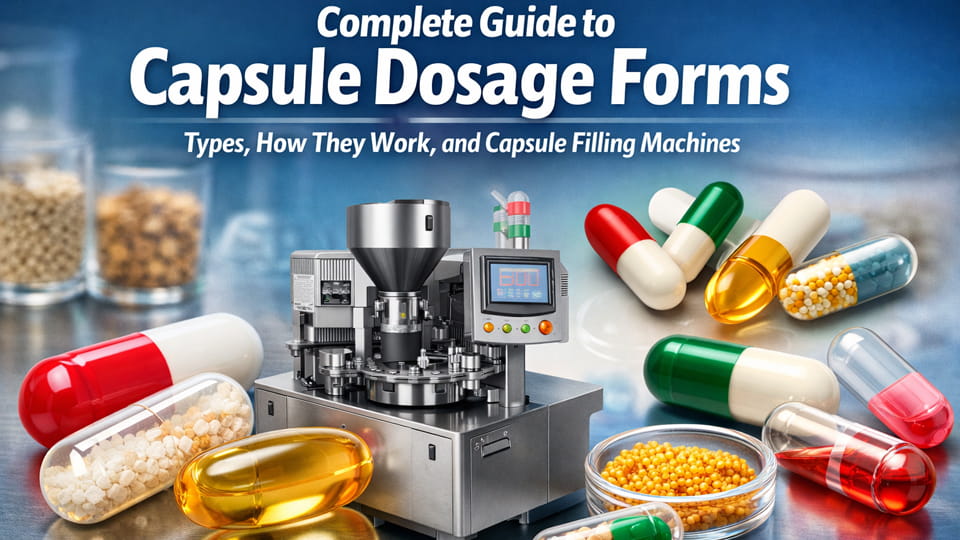
صورة: ماكينة تعبئة الكبسولات نصف أوتوماتيكية (جينلو CGNT-209). يتضمن التحقق من صحة هذه الآلات إجراء فحوصات دقيقة لاتجاه الكبسولة, دقة الجرعات, والختم أثناء IQ/OQ/PQ.
مثال الحالة: آلة تعبئة الكبسولة IQ/OQ/PQ
للتوضيح, تخيل التأهل أ حشو الكبسولة أوتوماتيكي بالكامل للفيتامينات:
عند اكتمال هذه الخطوات مع الحصول على النتائج, حشو الكبسولة هو مؤهلة للإنتاج. إنها جاهزة لبدء تعبئة المنتجات الفعلية بثقة.
على الرغم من أهميته, غالبًا ما يواجه تأهيل المعدات عقبات:
تجربة جينلو هي ذلك وأفضل طريقة للتغلب على هذه التحديات هو التخطيط. ابدأ التخطيط للتحقق مبكرًا, تحديد URS وخطة الاختبار مع البائع, والتأكد من موافقة جميع أصحاب المصلحة على المعايير. يؤدي استخدام القوالب وقوائم المراجعة أيضًا إلى تسريع العملية.
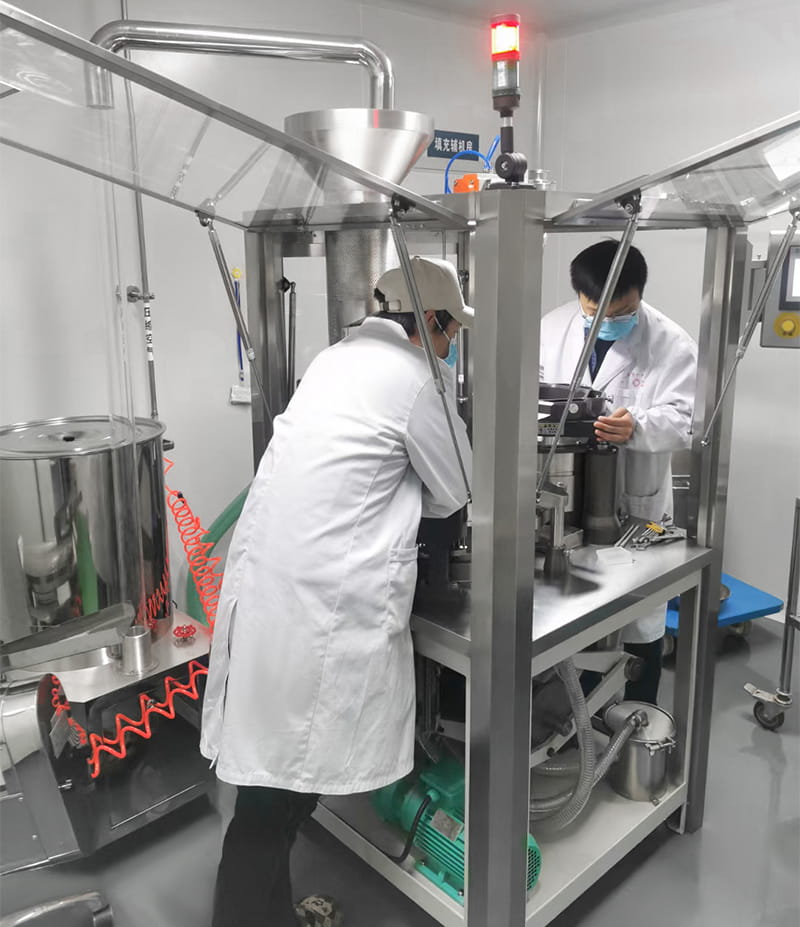
لتبسيط IQ/OQ/PQ وضمان نتيجة متوافقة:
باتباع أفضل الممارسات هذه, يمكن للشركات تقليل المفاجآت أثناء عمليات التدقيق. كما يلاحظ في كثير من الأحيان مؤسس Jinlu Petty Fu: اختيار الآلات من موردي GMP ذوي الخبرة "يضمن أنها تأتي بمخرجات دقيقة, شهادات الامتثال, والدعم المحلي". بعبارة أخرى, قم بالتحقق بثقة واختر شريكًا يتحدث بالفعل عن التحقق من الصحة.
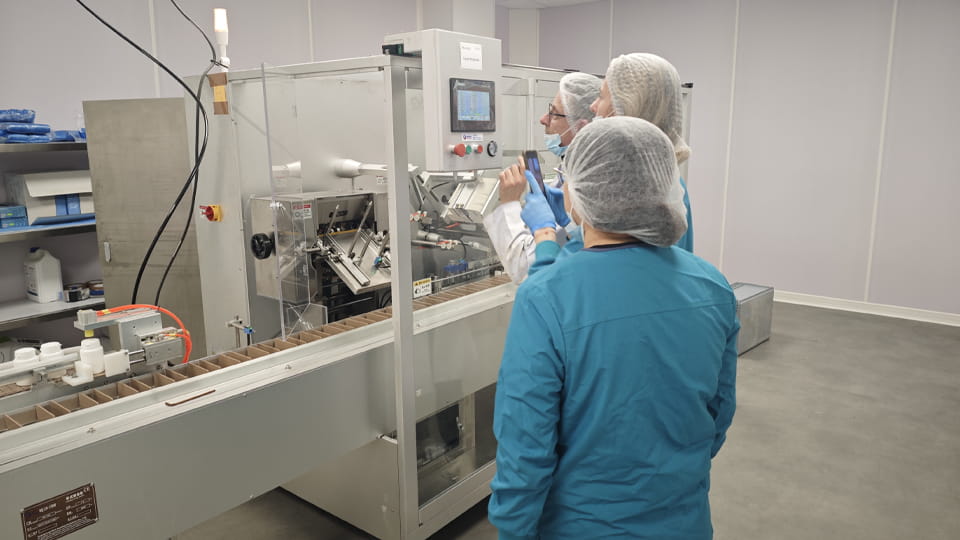
في التصنيع الصيدلاني, معدل الذكاء, أوكيو, و PQ غير قابلة للتفاوض. تثبت خطوات التحقق المنظمة هذه أن معداتك - بدءًا من آلات تعبئة الكبسولات إلى عبوات الفقاعات وحتى خطوط الزجاجات - مناسبة للغرض ومتوافقة مع ممارسات التصنيع الجيدة. يساعد برنامج IQ/OQ/PQ الذي يتم تنفيذه جيدًا على منع الأخطاء المكلفة ويضمن الجودة المتسقة.
يعد اختيار المورد الذي يتمتع بدعم قوي للتحقق أمرًا أساسيًا. آلات تعبئة الأدوية الخاصة بشركة Jinlu Packing تأتي مع تصميم جاهز لـ GMP و توثيق شامل (بروتوكولات FAT/SAT/IQ/OQ/PQ) لتبسيط الامتثال. يمكن لفريقنا مساعدتك في تحديد URS, إجراء اختبار الذكاء/OQ, وإنشاء التقارير المطلوبة.
👉 ابحث عن معدات فارما الذي يبسط الامتثال? اتصل بجينلو اليوم لآلات التعبئة والتغليف مع دعم IQ/OQ/PQ الكامل وخدمات التحقق من صحة تسليم المفتاح. سوف نتأكد من تثبيت الخط الجديد الخاص بك, تم اختباره, وتوثيقها للحصول على شهادة GMP خالية من المتاعب.
بعبارات بسيطة, مؤهلات التثبيت (معدل الذكاء) يضمن تثبيت المعدات بشكل صحيح (الموقع الصحيح, المرافق, والمكونات). التأهيل التشغيلي (أوكيو) يختبر وظائف الجهاز في ظل الإعدادات العادية والمتطرفة (تأكيد جميع الضوابط, إنذار, والحدود). تأهيل الأداء (PQ) يؤكد أن المعدات يمكن أن تعمل بشكل متسق في الإنتاج الفعلي, باستخدام مواد وظروف حقيقية. معاً, وثيقة IQ/OQ/PQ تفيد بأن الجهاز يعمل على النحو المنشود.
نعم. المبادئ التوجيهية التنظيمية (ادارة الاغذية والعقاقير, الاتحاد الأوروبي, من) تتطلب أن تكون جميع المعدات الحيوية في مصنع الأدوية مؤهلة قبل الاستخدام. على سبيل المثال, ادارة الاغذية والعقاقير 21 CFR 211 ومرفق برنامج الرصد العالمي للاتحاد الأوروبي 15 كلاهما يفرض تأهيلًا صارمًا للمعدات. يؤدي تخطي IQ/OQ/PQ إلى المخاطرة بانتهاكات تنظيمية وعمليات سحب محتملة للمنتج. في الممارسة العملية, أي آلة تعبئة جديدة في خط الأدوية (بثور, الحشو, عمال التعبئة والتغليف, إلخ.) يجب التحقق من صحته عبر IQ/OQ/PQ إذا كان يلامس المنتج.
إنه عادة جهد مشترك. غالبًا ما يساعد مورد الماكينة من خلال توفير الوثائق وإجراء اختبارات قبول المصنع. يجري فريق الجودة / التحقق من صحة المشتري (أو شهود) موقع IQ/OQ/PQ. مرارًا, تصنيع المعدات الأصلية (هم, على سبيل المثال) يقدم خدمات التحقق أو التوجيه كجزء من التكليف. أخيرًا, تكون الشركة المشترية مسؤولة عن ضمان اكتمال وتوثيق IQ/OQ/PQ قبل تصنيع المنتج.
يأتي PQ بعد اكتمال IQ وOQ بنجاح. بمجرد تثبيت الجهاز (معدل الذكاء) واجتياز الاختبارات الوظيفية (أوكيو), يتم إجراء PQ أثناء عمليات الإنتاج الفعلية أو المحاكاة. عادة ما تكون الخطوة الأخيرة: على سبيل المثال, قم بتشغيل ثلاث دفعات متتالية أو تجربة إنتاج واسعة النطاق أثناء مراقبة الأداء. يحدث PQ غالبًا خلال فترة التشغيل الأولية, قبل إطلاق الخط رسميًا للإنتاج الروتيني.
قطعاً. على الرغم من أن التغليف يبدو واضحًا, ويعاملها المنظمون كجزء من عملية التصنيع الخاضعة للرقابة. يجب أن تكون كل آلة تعبئة أولية مؤهلة. على سبيل المثال, كما هو مذكور في موقع جينلو, "للمنتجات الخاضعة للتنظيم, إجراء التثبيت, التأهيل التشغيلي والأداء (الأشعة تحت الحمراء/WH/PQ) كما هو مطلوب ". يجب أن تظهر أن آلة التغليف الكرتوني التي تتعامل مع المنتج النهائي الخاص بك تعمل بشكل صحيح (على سبيل المثال. طي الكرتون بشكل موثوق, إدراج التسميات), الذي ينجزه معدل الذكاء/OQ/PQ. في الجوهر, أي معدات يمكن أن تؤثر على جودة المنتج أو إمكانية التتبع تتطلب التأهيل.
مراجع:
1.الوثيقة الرسمية للتأهيل والتحقق من الصحة – ملحق برنامج الرصد العالمي للاتحاد الأوروبي 15.
2.دليل ممارسات التصنيع الجيدة للمنتجات الطبية الملحقات – ملحق دليل PIC/S GMP 15 (معيار GMP العالمي).
3.التاريخ & مستقبل التحقق من الصحة – ispe.org.
4.مؤهل (دي كيو, معدل الذكاء, أوكيو, PQ) – Gempex.com.