

كبسولات صلبة مملوءة بالسائل (LFHCs) هي في الأساس كبسولات قياسية مكونة من قطعتين (الجيلاتين الصلب أو قذائف HPMC) المملوءة بتركيبات سائلة ذات أساس زيتي أو غيرها من التركيبات السائلة غير المائية بدلاً من المساحيق أو الحبيبات. تخيل كبسولة صلبة يمكنك فتحها وتعبئتها بالمزيج الخاص بك - ولكنها مصنوعة على نطاق واسع بواسطة آلات دقيقة. في التصنيع, تقوم المضخة أو المحقنة بحقن جرعة مقاسة من السائل (في كثير من الأحيان زيت أو تعليق) في الجسم المفتوح لكل كبسولة. بعد التعبئة, الغطاء مغلق على الجسم, ويتم إغلاق المفصل على الفور (لذلك لا شيء يتسرب). لتصور ذلك, خذ بعين الاعتبار الصورة أدناه للكبسولات الصلبة المملوءة بالسائل:
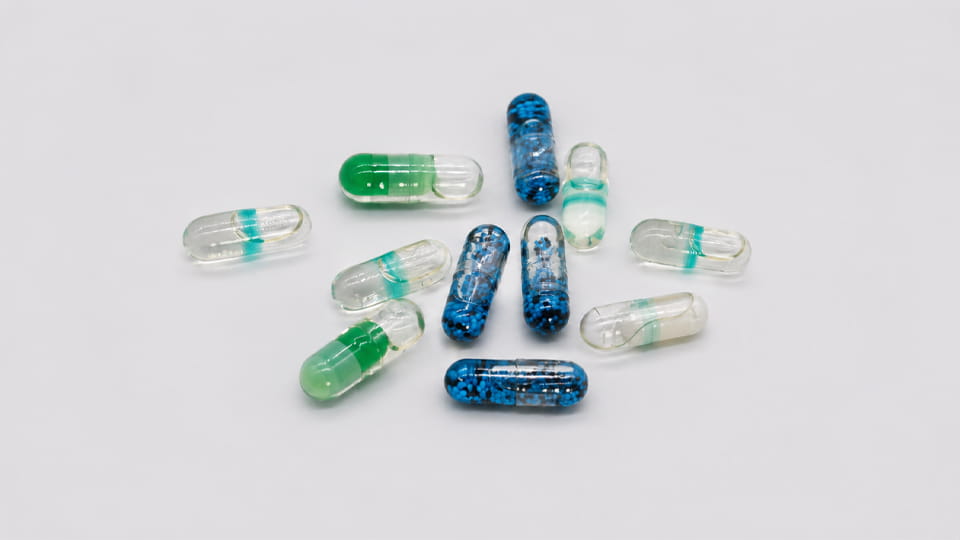
شكل: كبسولات صلبة مكونة من قطعتين مملوءة بالسائل. تحتوي كل كبسولة على غطاء وجسم متصلين ومختومين لحمل تركيبة الزيت أو السائل.
تتطلب الكبسولات المملوءة بالسوائل إغلاقًا خاصًا لأن السوائل يمكن أن تتسرب. تتضمن طرق الختم الشائعة وضع شريط جيلاتيني رفيع حول المفصل (مُسَمًّى "ختم الفرقة") أو باستخدام تقنيات الانصهار. في الحقيقة, حديث حشو الكبسولة السائلة يحب جينلو NJY-1000C يقوم الجهاز تلقائيًا بملء السوائل في أغلفة صلبة قياسية ثم ختمها في شكل هجين يجمع بين سهولة البلع وامتصاص الدواء السريع. باختصار, تتيح لك LFHCs توصيل شكل جرعة سائلة داخل غلاف كبسولة صلب - وهو مزيج مفيد بين المساحيق والكبسولات الطرية.
لتلخيص, ال فوائد الكبسولات الصلبة المملوءة بالسائل يشمل: تحسين الذوبان والتوافر البيولوجي للأدوية القوية; جرعات مرنة وتطوير سهل; أسرع, تصنيع أكثر فعالية من حيث التكلفة; ارتفاع استقرار المنتج; والقدرة على إنشاء منتجات مركبة جديدة. هذه المزايا تجعل LFHCs جذابة لكل من الشركات المصنعة للأدوية والمغذيات.
من الطبيعي أن نتساءل عن كيفية مقارنة LFHCs كبسولات جيلاتينية ناعمة. كلاهما يقدم تركيبات سائلة, ولكن هناك اختلافات رئيسية. يتم تصنيع الكبسولات الطرية في خطوة قولبة واحدة وهي رائعة للزيوت, لكنها تتطلب الجيلاتين الملدن (مع الرطوبة) ومراقبة صارمة للغاية للرطوبة أثناء التصنيع. يتم تصنيع الكبسولات الصلبة بشكل منفصل ويتم تعبئتها في خطوة ثانية, وهو ما يعني معدات أبسط وليس هناك حاجة لصياغة القشرة داخل الشركة. على سبيل المثال, مع LFHC، يمكنك استخدام أغلفة HPMC للمنتجات النباتية أو الحشوات الحساسة للرطوبة - وهو أمر غير ممكن مع الكبسولات الطرية القياسية.
من وجهة نظر التصنيع, غالبًا ما تفوز الكبسولات الصلبة بالتكلفة والسرعة. الكبسولات الطرية تحتاج إلى متخصص آلة التغليف وأيام الإعدادية, في حين أن حشو الكبسولة السائلة يكمل الدورة في ساعات. تهدر عمليات الكبسولات الطرية أيضًا المزيد من الجيلاتين وتتطلب معدات مكلفة لتحضير الجيلاتين. على الجانب الآخر, الكبسولات الطرية تغلق نفسها بطبيعتها عند تشكيلها, لذلك لا يحتاجون إلى خطوة ختم منفصلة. تحتاج LFHCs إلى هذه الخطوة الإضافية (النطاقات أو الانصهار), ولكن كما نوقش, يمكن أن يكون هذا فعالاً للغاية مع آلات الربط الحديثة.
| ميزة | كبسولات صلبة مملوءة بالسوائل | الكبسولات الطرية |
|---|---|---|
| تكلفة التطوير | أدنى | أعلى |
| مرونة الإنتاج | عالي | واسطة |
| التوافر البيولوجي | ممتاز | ممتاز |
| مواد الكبسولة | الجيلاتين/HPMC | في الغالب الجيلاتين |
| خيارات نباتية | متاح | محدود |
| إنتاج دفعة صغيرة | أسهل | صعب |
| استثمار المعدات | أدنى | أعلى |
في ملخص, توفر الكبسولات الصلبة المملوءة بالسائل فوائد مماثلة للمريض (سهولة البلع, الإفراج السريع عن محتويات السائل) على شكل كبسولات هلامية, ولكن مع تصنيع أبسط ومرونة أكبر في الصياغة. إنها تعمل بشكل أساسي على سد الفجوة بين الكبسولات الصلبة والكبسولات الطرية.
يتضمن إنتاج كبسولات صلبة مملوءة بالسائل خطوات تعبئة الكبسولة المألوفة, مع بعض الاعتبارات الخاصة لملء السائل. المراحل الرئيسية هي:
شكل: ماكينة تعبئة الكبسولات السائلة أثناء العمل. تمتلئ الكبسولات الصلبة الفارغة بالسائل ثم يتم إغلاقها (النطاقات أو الانصهار) في عملية واحدة مستمرة.
يجب التحقق من صحة كل خطوة من الخطوات المذكورة أعلاه من أجل الجودة. في الممارسة العملية, يضع المصنعون ضوابط على لزوجة السائل, معايرة المضخة, حل النطاقات, وظروف التجفيف. ويمكنهم أيضًا إجراء اختبارات التسرب على العينات (اختبارات الفراغ أو الفحوصات البصرية) لضمان سلامة الفرقة. ولكن مع خط مصمم جيدًا – يفرغ, عصا, العصابات, والتجفيف – يمكن تشغيل إنتاج الكبسولات المملوءة بالسائل بإنتاجية عالية مثل أي خط كبسولات آخر.
[jl_youtube src=”https://www.youtube.com/embed/jBjWRfpjJ4o”]
نظرة فاحصة على ختم الفرقة جدير بالاهتمام, نظرًا لأنه أساسي في تصنيع الكبسولات السائلة. في هذه العملية, يتم وضع ستارة ضيقة من محلول الجيلاتين الدافئ حول خط الكبسولة المقفل. يمر حزام الكبسولة بعد ذلك عبر منطقة التبريد بحيث يتم ضبط الحزام. هذه الطريقة سريعة, لا يتطلب أي مذيبات, ويجعل الكبسولة واضحة على الفور. يفضل علماء Altasciences وغيرهم من الخبراء ختم الشريط لأنه يتجنب الكحول (لذلك لا يوجد اختبار المذيبات المتبقية) ويوفر أدلة التلاعب المتاحة دون وصفة طبية ونطاقات الألوان القابلة للعلامة التجارية. كما يقول أحد المراجعة, ختم الشريط "يخلق محكمًا, ختم مانع للتسرب يحمي التركيبة ويزيد من ثبات المنتج أثناء النقل".
وتشمل أنواع الختم الأخرى ختم الانصهار, حيث يتم تخفيف التماس الكبسولة (عادة مع خليط مائي كحولي) وتنصهر لفترة وجيزة. يمكن أن تبدو موانع التسرب أكثر نظافة ولكنها تتطلب ضوابط بيئية صارمة. ختم الرش الصغير هو أسلوب مستهدف – يتم رش كمية صغيرة من المادة المانعة للتسرب على المفصل, تليها الحرارة, مما يقلل من نقطة انصهار الكبسولة عند التماس ويربطها. لكن, وهذا يتطلب مراقبة دقيقة لتجنب الفقاعات أو الاعوجاج. في الممارسة العملية, تستخدم معظم الخطوط الغذائية والصيدلانية النطاقات نظرًا لموثوقيتها وبساطتها.
من حيث المعدات, هناك مخصصة آلات ربط الكبسولة التي تتكامل مع خطوط الحشو. تقوم هذه الآلات بتطبيق أشرطة الجل بدقة على آلاف الكبسولات في الدقيقة. لأن الختم مهم جدًا بالنسبة لـ LFHCs, تشتمل آلات التعبئة الرائدة الآن على أشرطة مدمجة. على سبيل المثال, يقوم نظام الختم الحاصل على براءة اختراع من Jinlu بضبط سرعة النطاق تلقائيًا بحيث تحصل كل كبسولة على تساوي, معطف مانع للتسرب.
تشمل الكبسولات الصلبة المملوءة بالسائل مجموعة من الصناعات. في المستحضرات الصيدلانية, يتم استخدامها بشكل متزايد للكيانات الكيميائية الجديدة (NCEs) التي تكون ضعيفة الذوبان أو قوية للغاية. العديد من أدوية خطوط الأنابيب في المراحل المتأخرة تناسب اليوم هذا الوصف, ويمكن أن يؤدي توصيل الكبسولة إلى تبسيط عملية تطوير شكل الجرعة. يمكن لـ LFHCs أيضًا تجديد المنتجات الحالية: تقوم الشركات أحيانًا بإعادة صياغة القرص القديم وتحويله إلى كبسولة سائلة لتحسين بداية التأثير أو الجمع بين مكونات نشطة متعددة في قرص واحد. على سبيل المثال, قد يقدم الدواء المزمن حقنة سائلة سريعة المفعول بالإضافة إلى حبيبات متحررة زمنيًا في كبسولة واحدة.
في المغذيات والمكملات الغذائية مجال, تحظى الكبسولات المملوءة بالسوائل بشعبية كبيرة في احتوائها على الفيتامينات القابلة للذوبان في الزيت والمستخلصات النباتية. يشير دليل الختم الغني بالتعبئة إلى أن المنتجات مثل زيت السمك, أوميغا 3, فيتامين د, ويتم وضع الزيوت العشبية عادة في LFHCs. بالفعل, يتم الآن تصنيع العديد من المكملات الغذائية "على شكل كبسولات هلامية" على شكل LFHCs مع شريط - ولا يزال المستهلكون يحصلون على جرعة سائلة سهلة البلع., لكن الشركات المصنعة تستفيد من معدات التعبئة الأبسط. ل المكملات الغذائية, توفر الكبسولات ذات النطاقات أدلة على التلاعب وأشرطة ألوان جذابة دون تكلفة كاملة حزم نفطة.
سيقدر مديرو العمليات ومهندسو المشتريات أن خطوط LFHC يمكن أن تعمل في كثير من الأحيان على نفس أرضية الإنتاج مثل خطوط الكبسولة القياسية. على سبيل المثال, أ آلة تعبئة الكبسولة التي تتعامل مع المساحيق بالفعل يمكن في بعض الأحيان تكييفها أو تجهيزها للتعامل مع رؤوس جرعات السوائل. وهذا يعني أن النباتات يمكنها إضافة قدرات الجرعات السائلة دون وجود قسم جديد تمامًا من الكبسولات الطرية. (ملاحظة واحدة: تتعامل أغلفة الكبسولات الصلبة القياسية مع السوائل غير المائية جيدًا, لكن التركيبات المائية جدًا تتطلب عادةً كبسولات خاصة.) يمتد تعدد استخدامات LFHCs أيضًا إلى التغليف. بعد الختم, يمكن أن تكون الكبسولات معبأة في نفطة, المعبأة في زجاجات, أو مجمعة بكميات كبيرة مثل أي حبوب أخرى.
أخيراً, أذكر ملخص الفوائد: تعمل LFHCs على تحسين التوافر الحيوي للزيوت والمعلقات, تمكين الجرعات المرنة, وتوفر سرعة التصنيع والاستقرار. فهي مثالية ل جرعة منخفضة أو واجهات برمجة التطبيقات القوية (لأن ملء حجم صغير أسهل من توزيع وزن مسحوق صغير). كما أنها تتيح إنتاجية أعلى للكبسولة: يمكن للآلات عالية السرعة ضخ عشرات الآلاف في الساعة بأحجام كبسولات من 000 (كبير) وصولا الى #5 (صغير). لمدير العمليات الذي يتخذ قرارًا بشأن خط الكبسولة, تعني القدرات السائلة أنه يمكنك تشغيل كل من المنتجات المسحوقة والسائلة على نظام واحد (مع التحولات), توسيع مزيج المنتجات الخاصة بك دون استثمار مزدوج.
الكبسولات الصلبة المملوءة بالسوائل هي شكل جرعات قوي يجمع بين أفضل الحبوب والسوائل. أنها تحل الصداع صياغة (خاصة بالنسبة لمجموعات الأدوية ضعيفة الذوبان أو المعقدة) وإعطاء الشركات المصنعة قابلة للتطوير, طريق الإنتاج فعالة من حيث التكلفة. باستخدام ماكينات تعبئة الكبسولات السائلة وتقنيات الختم, يمكن للشركات أن تنتج بشكل موثوق كبسولات تحتوي على الزيوت, تعليق أو مستحلبات في أنيق, شكل قابل للبلع. في العالم المتنامي لأشكال الجرعات عن طريق الفم, تتميز LFHCs بمرونتها, نداء المريض, والسرعة التجارية. سواء كنت مدير عمليات في مصنع للأدوية أو مهندس مشتريات يبحث عن مصادر لآلات التعبئة والتغليف, استكشاف كبسولات صلبة مملوءة بالسائل يمكن أن تقدم منتجاتك إلى السوق بشكل أسرع وبفعالية أفضل وتكلفة أقل.
أبحث عن حل موثوق لملء الكبسولة السائلة? التعبئة جينلو توفر معدات تعبئة وتغليف الكبسولات المتقدمة لمصنعي الأدوية والمغذيات في جميع أنحاء العالم.
الكبسولات الصلبة المملوءة بالسائل عبارة عن كبسولات مكونة من قطعتين مصنوعة من الجيلاتين أو أغلفة HPMC التي تحتوي على سائل, شبه صلبة, تعليق, أو التركيبات ذات الأساس الزيتي. على عكس الكبسولات التقليدية المملوءة بالبودرة, أنها تسمح للمصنعين بتوصيل المكونات في حالة سائلة, مما قد يحسن مرونة التركيبة وأداء المكونات.
وتشمل الفوائد الرئيسية تحسين التوافر البيولوجي للمكونات ضعيفة الذوبان, إخفاء طعم أفضل, حماية المركبات الحساسة, جرعات دقيقة, والقدرة على تركيب الزيوت, تعليق, وأنظمة الاستحلاب الذاتي داخل غلاف الكبسولة الصلبة.
تتضمن عملية التصنيع عادة إعداد الصياغة, ملء السائل في كبسولات صلبة فارغة, قفل الكبسولة, الختم أو النطاقات, تجفيف, تقتيش, والتغليف النهائي. آلات تعبئة الكبسولات السائلة المتخصصة تضمن الجرعات الدقيقة وتمنع التسرب.
يمكن أن تحتوي الكبسولات الصلبة المملوءة بالسائل على زيوت, التركيبات القائمة على الدهون, مقتطفات العشبية, تعليق, شبه صلبة, أنظمة توصيل الدواء ذاتية الاستحلاب (SEDDS), وغيرها من التركيبات السائلة غير المائية. يتم تجنب التركيبات ذات الأساس المائي بشكل عام لأنها يمكن أن تلحق الضرر بقذائف الكبسولة.
تستخدم الكبسولات الصلبة المملوءة بالسائل غلاف كبسولة مكون من قطعتين يتم ملؤه وإغلاقه بعد التغليف, بينما تتشكل الكبسولات الطرية, مملوء, ومختومة في عملية واحدة. غالبًا ما توفر الكبسولات الصلبة المملوءة بالسائل مرونة أكبر في التركيب, انخفاض تكاليف الأدوات, توسيع النطاق أسهل, وخيار استخدام قذائف HPMC النباتية. الكبسولات الطرية, لكن, نقدم ختمًا محكمًا بالكامل من قطعة واحدة.
نعم. تُستخدم كبسولات HPMC المملوءة بالسوائل على نطاق واسع للمكونات الحساسة للرطوبة, تركيبات نباتية, والمنتجات الغذائية. تحتوي على رطوبة أقل من كبسولات الجيلاتين وغالبًا ما تُفضل للمكملات النباتية.
يمنع إغلاق الكبسولة التسرب أثناء النقل والتخزين, يحسن استقرار المنتج, يعزز مقاومة العبث, ويساعد على حماية المكونات الحساسة للأكسجين. تشمل طرق الختم الشائعة ربط الكبسولة وتقنيات الختم الحراري.
تستخدم الكبسولات الصلبة المملوءة بالسائل على نطاق واسع في صناعة الأدوية, إنتاج المواد الغذائية, المكملات الغذائية, المنتجات العشبية, الطب البيطري, وتركيبات الرعاية الصحية المتخصصة. وهي مناسبة بشكل خاص للزيوت, الفيتامينات, المستخلصات النباتية, والمكونات النشطة ضعيفة الذوبان.
قد يشتمل خط إنتاج الكبسولة الصلبة النموذجية المملوءة بالسوائل على آلة تعبئة الكبسولة السائلة, آلة ختم الكبسولة أو النطاقات, آلة تلميع الكبسولة, كاشف المعادن, فارز الكبسولة, آلة التعبئة والتغليف نفطة, خط تعبئة الزجاجات, وأنظمة التفتيش. يعتمد التكوين الدقيق على الطاقة الإنتاجية والمتطلبات التنظيمية.
عند اختيار آلة تعبئة الكبسولة السائلة, يجب على الشركات المصنعة تقييم دقة التعبئة, سرعة الإنتاج, توافق حجم الكبسولة, التكامل الختم, راحة التنظيف, الامتثال لممارسات التصنيع الجيدة, مستوى الأتمتة, ومتطلبات التوسع المستقبلية. يعتمد الحل الأمثل على خصائص التركيبة وحجم الإنتاج.
مراجع:
1.كبسولات ذات غلاف صلب مملوءة بالسوائل: تأثير توصيل الأدوية الحالي على التكنولوجيا الصيدلانية —— المكتبة الوطنية للطب
2.كبسولة جيلاتينية صلبة مملوءة بالسائل —— jddtonline.info
3.مراجعة على كبسولات الجيلاتين الصلبة المملوءة بالسائل —— merckmillipore.com
4.تقييم نظام آلي لتعبئة السوائل في كبسولات جيلاتينية صلبة —— المكتبة الوطنية للطب
5.كبسولات جيلاتينية صلبة مملوءة بالسائل : دراسات توافق السواغ/الكبسولة —— ساينس دايركت
6.كبسولات جيلاتينية صلبة مملوءة ومختومة بالسائل —— jddtonline.info
7.اختيار السواغات للكبسولات الصلبة المملوءة بالسائل —— فارمتك.كوم