
معدات تعبئة الأدوية يجب أن تلبي معايير الجودة والسلامة الصارمة. يمكن أن يؤدي فشل المورد إلى يتذكر المنتج أو الإجراء التنظيمي. مؤهلات الموردين هي عملية إدارة المخاطر التي توفر "الثقة بأن الموردين... يمكنهم توفير جودة متسقة بما يتوافق مع المتطلبات التنظيمية". في الحقيقة, تنص إرشادات الاتحاد الأوروبي GMP صراحةً على أن اختيار موردي مواد التعبئة والتغليف والحفاظ عليهم يتطلب اهتمامًا "مماثلًا للاهتمام المعطى للمواد الأولية". إن العناية الواجبة – وليس مجرد مقارنة التكاليف – أمر ضروري. يضمن فحص المورد مقدمًا أن تلبي الآلات معايير ممارسات التصنيع الجيدة (cGMP). (الصف المادي, نظافة, دعم التحقق من الصحة) وأن البائع يمكنه دعم مشروعك باستمرار.
وتشمل العوامل الرئيسية الامتثال التنظيمي (ادارة الاغذية والعقاقير, برنامج الرصد العالمي للاتحاد الأوروبي), جودة التصميم والبناء (على سبيل المثال. 316L تصنيع الفولاذ المقاوم للصدأ), أنظمة جودة الموردين (ISO 9001/13485, عملية كابا), الوثائق (بروتوكولات التحقق من الصحة), سعة, خدمة, وقيمة طويلة الأجل. يشرح هذا الدليل كل خطوة:
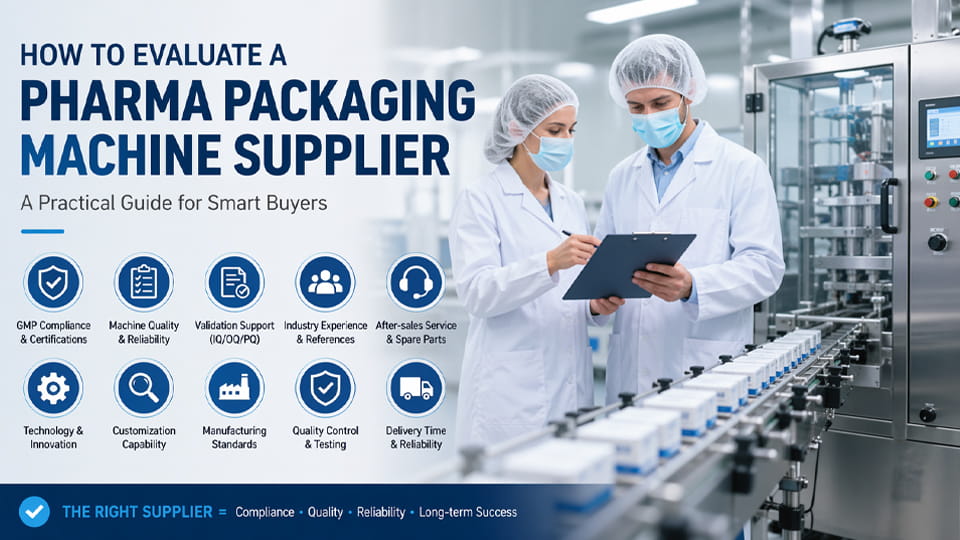
لاختيار موثوقة مورد آلة التعبئة والتغليف الدوائية, اتبع هذه الخطوات:
حدد بوضوح احتياجات العملية الخاصة بك (الإخراج, أنواع التعبئة والتغليف, التنسيقات) ومعايير الجودة (النظافة GMP, توافق غرف الأبحاث). تحديد أي خيارات خاصة (على سبيل المثال. تصميم معقم, تركيب غرف الأبحاث, المواد الصيدلانية). يتيح لك وجود متطلبات دقيقة مقارنة البائعين على أساس التفاح إلى التفاح. النظر في نطاق المشروع: خط كامل أو آلات فردية, شبه مقابل. تلقائي تماما, مواد خاصة (316ل الفولاذ المقاوم للصدأ, المواد البلاستيكية المعتمدة من إدارة الغذاء والدواء), وأي مواصفات الأداء (سرعة, دقة). إشراك ضمان الجودة الخاص بك, فرق الهندسة والإنتاج لتلبية جميع الاحتياجات مقدمًا. غالبًا ما يطلب الموردون متطلبات المستخدم في مقترحاتهم, لذلك، تعد ورقة المواصفات المكتوبة أو حزمة طلب عرض الأسعار أمرًا ضروريًا.
الامتثال التنظيمي غير قابل للتفاوض. تأكد من أن معدات المورد ووثائقه تتوافق مع ممارسات التصنيع الجيدة (ادارة الاغذية والعقاقير) أو معايير الاتحاد الأوروبي-GMP. على سبيل المثال, لائحة نظام الجودة الصادرة عن إدارة الغذاء والدواء (21 CFR 820) و ايزو 11607 (للتغليف المعقم) تتطلب التحقق من صحة عمليات التعبئة والتغليف بموجب بروتوكولات IQ/OQ/PQ. اطلب شهادات المطابقة (علامة CE, ادارة الاغذية والعقاقير 510(ك) إذا كان ذلك مناسبا), وتحقق مما إذا كانت عمليات المورد تتوافق مع معايير مثل ISO 13485 أو ISO 9001. تُظهر شهادة GMP الخاصة بالمورد أو سجله القوي في مجال الأدوية التزامه بالامتثال. تأكد من أن تصميم الماكينة يتبع مبادئ GMP (على سبيل المثال. لا توجد مساحات ميتة, أسطح سهلة التنظيف, التشطيبات الصحية). وفقا لتوجيهات الصناعة, الآلات الصيدلانية يجب استخدام الفولاذ المقاوم للصدأ 316L مع التلميع والتخميل المناسبين لمقاومة التآكل وسهولة التنظيف - وهي تفاصيل يتوقعها المفتشون. (إذا كان المورد يستخدم مواد أرخص, هذا علم أحمر.) تأكد أيضًا من إمكانية تتبع المواد وعمليات التوثيق: يجب توثيق جميع الأجزاء واللحامات وفقًا لتوجيهات ASME BPE أو FDA.
فحص بناء الآلة بالتفصيل. جودة عالية معدات التعبئة والتغليف الدوائية سيكون لها تصميم متين, إطار قوي, حراس صحيين, والمكونات المعيارية. ابحث عن ميزات مثل: المحركات التي تعمل بمحرك مؤازر (للدقة), أقفال أمان تم التحقق منها, ومواد التشحيم الغذائية/الصيدلانية (تمت الموافقة عليه من قبل NSF أو FDA). تأكد من أن أجزاء الاتصال عالية الجودة (316لام غير القابل للصدأ, مصقول بالكهرباء أو تخميله). تقييم هندستهم: هي اللحامات على نحو سلس? هل تتم محاذاة اللحامات وأجهزة الاستشعار؟? قارن بين أجهزة البائعين المتعددة لاكتشاف العيوب الواضحة (مكونات فضفاضة, الناقلات المنحرفة, بقع الصدأ). تقوم العديد من الشركات بإدراج ميزات GMP في الكتيبات; التحقق منها جسديا إذا كان ذلك ممكنا. في هذه المرحلة, تفتيش طرف ثالث أو تشغيل مصنع شاهد (عرض فيديو) يمكن أن تساعد في تقييم جودة البناء.
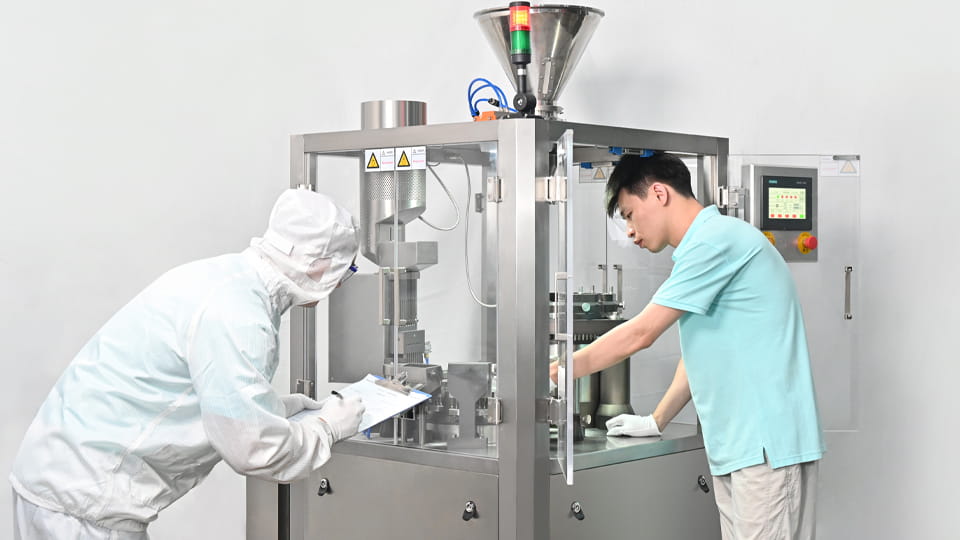
صورة: فحص مراقبة الجودة على آلة صيدلانية.
سيكون لدى المورد ذو السمعة الطيبة نظام إدارة جودة موثق (نظام إدارة الجودة). تفضل البائعين مع ISO 9001 شهادة; إذا كانوا يخدمون الطب / فارما, ISO 13485 هي مكافأة. بالنسبة للايزو 13485:2016, يجب على الشركات المصنعة اختيار الموردين وتقييمهم بعناية للوفاء بمعايير التنظيم والجودة الصارمة. تحقق مما إذا كان المورد يحتفظ بـ "قائمة الموردين المؤهلين" ويقوم بإجراء عمليات تدقيق منتظمة للموردين. اطلب رؤية أدلة الجودة أو الخطوط العريضة للإجراءات. يجب أن يكون لدى المورد CAPA قوي (الإجراءات التصحيحية والوقائية) عملية. على سبيل المثال, إذا كان البائع يسجل المشاكل, يحقق في الأسباب الجذرية وينفذ الإصلاحات, مما يشير إلى وجود نظام إدارة جودة ناضج. تشير إرشادات الصناعة إلى أنه في حالة ظهور مشكلات في الأداء, ومن المتوقع أن يتخذ المصنعون الإجراءات التصحيحية المناسبة,"حتى إلى حد استبدال المورد. اسأل المورد عن كيفية التعامل مع حالات عدم المطابقة أو الفشل الميداني: هل لديهم مراقبة التغيير الداخلي وسجل CAPA? تعتبر العمليات الموثقة للتحكم في قطع الغيار وإمكانية تتبعها أمرًا بالغ الأهمية أيضًا. إذا لم يكن لدى المورد نظام إدارة جودة رسمي أو يتجنب الأسئلة المتعلقة بالجودة, اعتبره مصدر قلق خطير.
ابحث عن الموردين ذوي الخبرة المثبتة في مجال تعبئة الأدوية. اسأل عن المدة التي صنعوا فيها آلات الأدوية، وعلى سبيل المثال (دون انتهاك السرية). دراسات الحالة أو قوائم العملاء يمكن أن تكشف عن الخبرة (راجع شعارات "عملاؤنا" لشركات الأدوية المعروفة). تقييم مجموعة منتجاتهم: شركة مصنعة تركز على الأدوية (بثرة, الكيس, خطوط قارورة) من المرجح أن يفهم احتياجاتك أكثر من بائع التغليف العام. اطلب مراجع أو على الأقل شهادات من العملاء الجدد, خاصة في منطقتك أو صناعتك. الاستفسار عن المشاريع السابقة: هل استوفوا المواصفات? هل كانت وثائق التحقق كاملة? مدى سرعة حل أي مشاكل في التسنين? رغبة المورد في مشاركة النجاحات (والدروس المستفادة) يوضح الشفافية.
يجب أن يتم تسليم أي معدات دوائية مصحوبة بوثائق شاملة لفريق التحقق الخاص بك. تأكد من أن المورد يقدم كاملة بروتوكولات الذكاء/OQ/PQ, أدلة المستخدم, وشهادات المعايرة. مؤهلات التثبيت (معدل الذكاء) يضمن أن الجهاز تم تصنيعه وتركيبه وفقًا للمواصفات; التأهيل التشغيلي (أوكيو) اختبارات المعلمات الوظيفية; تأهيل الأداء (PQ) التحقق من صحة جودة الإخراج. وفقا لتوجيهات ادارة الاغذية والعقاقير, "معدل الذكاء, أوكيو, بروتوكولات PQ هي طرق لإثبات أن المعدات... ستوفر درجة عالية من ضمان الجودة". تأكد من أن البائع سيدعم هذه الخطوات. هل تتضمن قوالب لـ IQ/OQ/PQ? هل سيشهدون عمليات التكليف؟? غالبًا ما يساعد الموردون الجيدون في صياغة البروتوكول أو حتى إجراء الاختبارات في الموقع. تحقق أيضًا من الوثائق مثل BOM (فاتورة المواد), مخططات الأسلاك, وشهادات المواد (للفولاذ المقاوم للصدأ, محركات الأقراص, إلخ.) يتم توفيرها. يجب أن تكون جميع المستندات قابلة للتتبع – ومن الأفضل أن تكون في شكل رقمي – وأن يتم تحديثها باستمرار (خاصة إذا تمت مراجعة التصميم أثناء الإنتاج). بدون وثائق متينة, لا يستطيع فريق التحقق الخاص بك الموافقة رسميًا على الجهاز.
القدرات مهمة. اسأل عن القدرات الإنتاجية للمورد والتراكم الحالي. هل يمكنهم تلبية الجدول الزمني الخاص بك دون قطع الزوايا? كبير, قد يكون للمحطات المزدحمة فترات زمنية طويلة أو تدفع أوامر سريعة. سيقدم البائع الموثوق جدول تسليم واقعي (إتاحة الوقت للأدوات, الاختبار والشحن). تحقق من رأس المال العامل أو ممارسات مخزون الشحنة: هل لديهم أجزاء مهمة جاهزة لتقصير فترة التحول? يحتفظ بعض الموردين بمخزون من النماذج القياسية للتسليم السريع. المقايضات: قد تكون المهلة الزمنية الأطول قليلاً مقبولة للحصول على جودة أعلى. فقط تأكد من أنك تفهم ما يدفع التكاليف – على سبيل المثال, الشحن الخارجي مقابل. الشحن الجوي السريع. قم أيضًا بتأكيد خطة تأمين الشحن والخدمات اللوجستية: الذي يتعامل مع الجمارك, هل هناك فحص ما قبل الشحن?
خدمة يمكنها إجراء العمليات أو كسرها. المورد الجيد يوفر التدريب, قطع غيار, والدعم في الوقت المناسب بعد الشراء. توضيح شروط الضمان (مدة, التغطية) – جينلوباكينغ, على سبيل المثال, يقدم ضمانًا لمدة 3 سنوات على آلات الكرتون. اسأل كيف يتعاملون مع الأعطال: هل هناك دعم محلي أو خدمة في الموقع? 24/7 الخط الساخن? هل يتم تخزين قطع الغيار على المستوى الإقليمي؟? فكر في اتفاقية مستوى الخدمة (جيش تحرير السودان). أيضًا, الاستفسار عن تحديثات البرامج أو نظام التحكم: هل ستكون الخيارات أو التحسينات الجديدة متوافقة مع الإصدارات السابقة? يعد تضمين التكليف والتدريب في الموقع ميزة إضافية. شبكة خدمة البائع (الموزعين أو المكاتب) مهم للعملاء العالميين. أخيرًا, اختر موردًا يظل منخرطًا بعد التسليم - موردًا يستجيب بسرعة للمشكلات الميدانية ويمنع المشكلات المستقبلية بشكل استباقي.
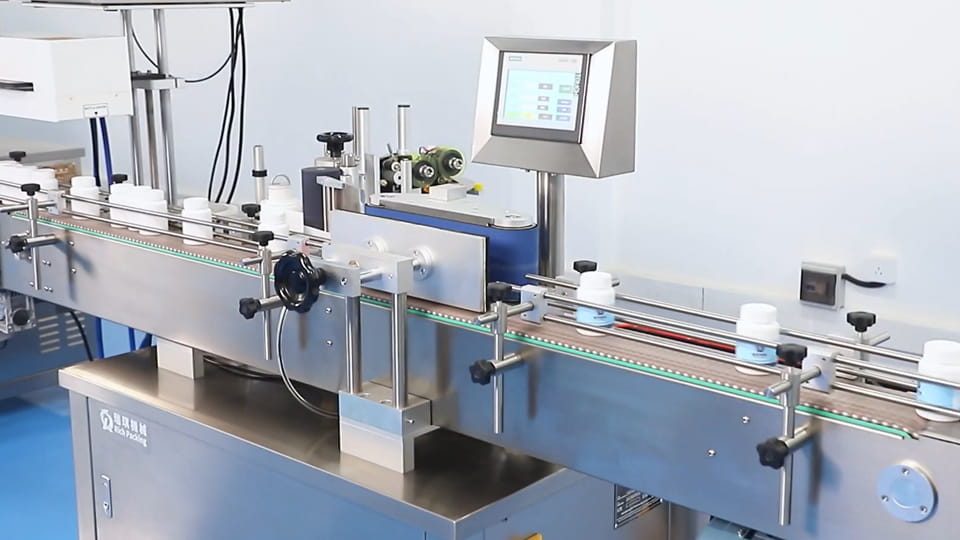
صورة: نظام الناقل في مصنع التصنيع النظيف.
نظرا لصدقه. قم بتدقيق مصنع المورد أو ترتيب جولة افتراضية. نقاط التدقيق الرئيسية: نظافة (وخاصة المجالات الحرجة), تَخطِيط (التدفق المنطقي, فصل التصنيع/التجميع), وممارسات التوثيق (هل إجراءات التشغيل القياسية مرئية?). تحقق مما إذا كانت مختبرات المعايرة وأجهزة الاختبار موجودة في الموقع. تقييم مراقبة المخزون وممارسات الصحة/السلامة. الاستفسار عن تدريب الموظفين ودورانهم; الموظفين ذوي الخبرة علامة جيدة. إذا كان ذلك ممكنا, أحضر قائمة مرجعية وافحص إحدى أجهزتهم على الخط. هل استوفوا فحوصات الجودة الخاصة بهم? راجع أيضًا أي شهادات (شهادات الأيزو, ادارة الاغذية والعقاقير 510(ك), م, إلخ.) على الشاشة. التدقيق يبني الثقة: يُظهر المورد الذي يرحب بزيارتك ثقته في عملياته. تذكر إعداد الأسئلة مسبقًا وتدوين الملاحظات أو الصور (بإذن). يجب أن تؤكد عملية التدقيق اختيارك أو تكشف عن المشكلات التي تتطلب التصحيح قبل المتابعة.
أخيراً, مقارنة المقترحات بشكل كلي. إن أقل عرض سعر ليس هو الأفضل دائمًا - فكر في التكاليف والقيمة على المدى الطويل. حساب التكلفة الإجمالية للملكية (التكلفة الإجمالية للملكية): السعر الأولي + تثبيت + مؤهل + خطر التوقف + قطع غيار + كفاءة الطاقة + صيانة + تمرين. قد تؤدي الآلة ذات الدقة والموثوقية الأفضل إلى تقليل حالات الرفض وتوفير المال عند إعادة العمل. ضع في الاعتبار الفوائد مثل توفير الطاقة من محركات الأقراص الحديثة أو أوقات الدورات الأسرع. ضع في اعتبارك أيضًا التمويل: يقدم بعض البائعين التمويل أو التأجير مما قد يخفف من التدفق النقدي. إذا كان لديك اقتباسات متعددة, وزن كل جانب بشكل منهجي. استخدم قائمة مراجعة تقييم الموردين (أقل) كدليل. ثم اتخذ قرارًا مستنيرًا.
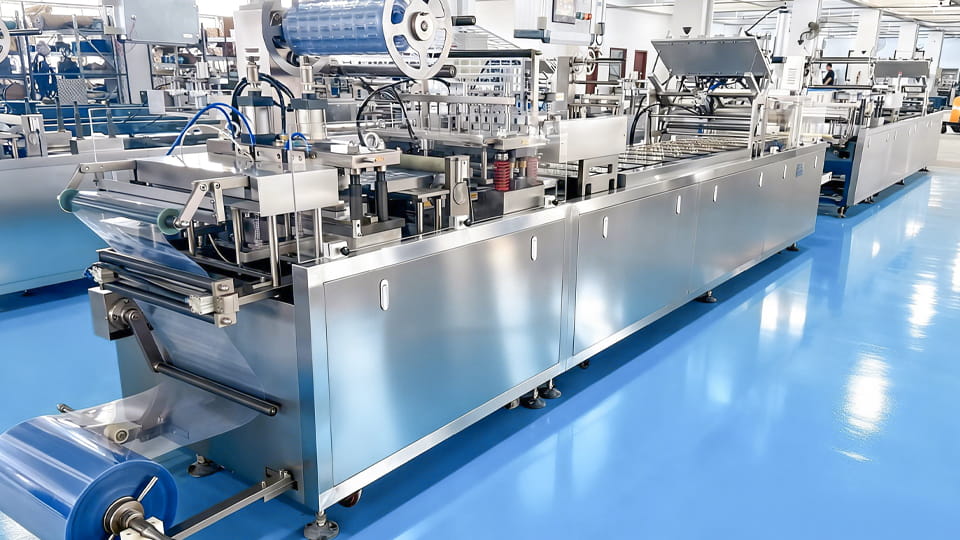
صورة: فحص مراقبة الجودة النهائي على خط تعبئة الفقاعة.
من خلال تجنب هذه المزالق واتباع عمليتنا المنظمة, ستختار موردًا يوفر معدات موثوقة وراحة البال.
استخدم قائمة المراجعة هذه لتسجيل ومقارنة الموردين المحتملين. (◀️ تحميل قائمة المراجعة بصيغة PDF لسهولة الرجوع إليها.)
| معايير التقييم | الأسئلة الرئيسية |
| تنظيمية & الامتثال لممارسات التصنيع الجيدة | هل يفي المورد بمعايير إدارة الغذاء والدواء/الاتحاد الأوروبي GMP؟? هي الآلات المصنوعة من الفولاذ المقاوم للصدأ 316L & الطلاءات المطلوبة (الكهربائية / التخميل)? هي الشهادات ذات الصلة (م, م, ادارة الاغذية والعقاقير 510(ك) إلخ.) في مكانه? |
| نظام إدارة الجودة (نظام إدارة الجودة) | هل المورد لديه ISO 9001 (أو ISO 13485) شهادة? هل هناك عملية موثقة لـ CAPA وإدارة المخاطر? كيف يتحكمون في حالات عدم المطابقة؟ (على سبيل المثال. الإجراءات التصحيحية)? |
| خبرة & مراجع | كم سنة في التعبئة والتغليف الصيدلانية? هل يمكنهم مشاركة دراسات الحالة مجهولة المصدر أو مراجع العملاء? هل قاموا بتسليم خطوط تعبئة مماثلة (بثرة, كرتون, إلخ.)? |
| تصميم الآلة & بناء الجودة | هي المواد والتشطيبات من الدرجة الصيدلانية? (على سبيل المثال. اللحامات على نحو سلس, التصميم الصحي). هل تم التحقق من صحة التسامح والأداء? هي أنظمة السلامة (حراس, المتشابكة) قوي? |
| تصديق & الوثائق | هل سيوفر البائع بروتوكولات IQ/OQ/PQ الكاملة ودعم التحقق من الصحة (توجيهات الخبراء, الاختبار)? هي كتيبات, شهادات المعايرة, والرسومات المقدمة? |
| سعة المصنع & مهلة | هل يمكنهم تلبية الجدول الزمني الخاص بك? هل لديهم القدرة (الموظفين المهرة, موارد التصنيع)? ما هي المهلة المقترحة وهل يمكن ضمانها؟? كيف حددوا الجدول الزمني للتسليم? |
| دعم بعد البيع & تمرين | ما هو الضمان المقدم? هل دعم قطع الغيار متوفر محليا؟? هل يقدمون دعمًا لبدء التشغيل وتدريب المشغلين؟? هل الدعم الفني (الخط الساخن, في الموقع) متاحة بسهولة? |
| التكلفة الإجمالية & قيمة | أبعد من سعر الوحدة, ما هي التكاليف على المدى الطويل? (استخدام الطاقة, صيانة, قطع غيار). هل يشمل الاقتراح جميع الملحقات اللازمة؟? النظر في الكفاءة وتحسينات العائد. |
اختيار الحق مورد آلة التعبئة والتغليف الدوائية يتعلق الأمر بالأشخاص والعمليات بقدر ما يتعلق بالأجهزة. يضمن التقييم الشامل - بدءًا من الامتثال التنظيمي وحتى ما بعد البيع - شراكتك مع مورد يمكنه النمو مع عملك. كما لاحظ خبراء الصناعة, "مؤهلات الموردين...يجب أن تحدد وتخفف من المخاطر المرتبطة بها". اتبع هذا الدليل المكون من 10 خطوات وقائمة المراجعة للتخلص من مخاطر استثمارك.
على استعداد للمضي قدما? طلب عرض أسعار من فريقنا أو قم بتنزيل القائمة المرجعية أعلاه لإعداد التقييم الخاص بك. نحن هنا لمساعدتك في العثور على شريك المعدات المثالي.
مورد آلات تعبئة الأدوية هو شركة تقوم بالتصميم, المصنوعات, وتسليم المعدات المستخدمة لتعبئة المنتجات الصيدلانية مثل الأقراص, كبسولات, السوائل, أو مساحيق. لا يجب على المورد الموثوق به توفير الآلات فحسب، بل يجب عليه أيضًا ضمان الامتثال للوائح GMP, دعم التحقق من الصحة (الأشعة تحت الحمراء/WH/PQ), والخدمة التقنية على المدى الطويل.
يعد تقييم المورد أمرًا بالغ الأهمية لأن التغليف يؤثر بشكل مباشر على سلامة المنتج, دقة وضع العلامات, والامتثال التنظيمي. تشير الدراسات إلى أن المشكلات المتعلقة بالموردين تساهم في نسبة كبيرة من نتائج فحص ممارسات التصنيع الجيدة, جعل تأهيل الموردين جزءًا أساسيًا من ضمان الجودة.
وتشمل العوامل الرئيسية شهادة GMP (ادارة الاغذية والعقاقير / الاتحاد الأوروبي), استخدام المواد الصيدلانية (على سبيل المثال. 316L الفولاذ المقاوم للصدأ), والتوثيق القوي. ابحث عن الامتثال لمعايير مثل ISO 9001/13485 و ادارة الاغذية والعقاقير 21 جزء CFR 820. تأكد من أن الآلات تتمتع بتشطيبات ناعمة وأن جميع الأسطح التي تلامس المنتج قابلة للتنظيف والتحقق من صحتها.
معدل الذكاء, OQ وPQ هما مرحلتان للتحقق من صحة تثبيت الجهاز بشكل صحيح, يعمل على النحو المنشود, ويؤدي باستمرار. فهي مهمة في مجال الأدوية لضمان جودة المخرجات. في الحقيقة, لوائح إدارة الغذاء والدواء وISO 11607 جعل التحقق من صحة التغليف عبر IQ/OQ/PQ أحد المتطلبات.
اسأل عن تفاصيل حول شروط الضمان, أوقات الاستجابة, وشبكة الخدمة. هل يقدم المورد التكليف والتدريب في الموقع؟? تحقق مما إذا كانت قطع الغيار مخزنة محليًا. مراجعة عبر الإنترنت أو ملاحظات العملاء: غالبًا ما يتم تسليط الضوء على الموردين الذين يخدمون شركات الأدوية 24/7 مراكز الدعم والخدمة العالمية (على سبيل المثال, تعلن شركة JinLuPacking عن الخدمة والدعم الهندسي في الموقع في جميع أنحاء العالم).
فحص تدفق الإنتاج, نظافة, تدريب الموظفين, والتوثيق. التحقق من الاحتفاظ بسجلات الجودة وسجلات المعايرة. تقييم كيفية تعاملهم مع السلامة والصرف الصحي. التدقيق الجيد يتحقق أيضًا من أن ما تم الوعد به (ميزات التصميم, مواد) تم بناؤه في الواقع. للسيطرة على المخاطر, يوصى بالتدقيق المنتظم من قبل ISO 13485 والمبادئ التوجيهية GMP.
ليس لمشاريع الأدوية. قد يؤدي عرض السعر المنخفض إلى توفير المال مقدمًا، ولكنه قد يؤدي إلى حدوث مشكلات في الجودة ووقت التوقف عن العمل لاحقًا. النظر في التكلفة الإجمالية للملكية: كفاءة الآلة, مصداقية, قطع غيار, والامتثال التنظيمي يمكن أن يكون له تكاليف خفية. سعر أعلى قليلا, غالبًا ما يقدم المورد المعتمد قيمة أفضل على المدى الطويل. استخدم قائمة المراجعة أعلاه لموازنة التكلفة مع العوامل الحاسمة مثل الجودة والامتثال.
مراجع:
1.السؤال السابع أ: إرشادات ممارسات التصنيع الجيدة للمكونات الصيدلانية الفعالة --نحن. إدارة الغذاء والدواء
2.مؤهلات الموردين في فارما: دليل يركز على GMP لعمليات التدقيق, تقييم المخاطر, وموافقة الموردين في 2026 ——pharmuni.com
3.متطلبات GMP لتأهيل الموردين ——gmp-compliance.org
4.نظرة عامة على التحقق من صحة التغليف للمنتجات الدوائية ——ispe.org