
يعد الالتزام بتناول الأدوية – الدرجة التي يتناول بها المرضى أدويتهم على النحو الموصوف – عاملاً حاسماً في نجاح العلاج. ومع ذلك، تشير الدراسات إلى أن حوالي نصف الوصفات الطبية فقط يتم تناولها بشكل صحيح, القيادة بقدر $100– 300 مليار في تكاليف الرعاية الصحية السنوية في الولايات المتحدة. وحيد. يؤدي ضعف الالتزام إلى تقويض نتائج المرضى ويؤدي إلى إهدار العلاجات. يمكن لتصميم التغليف الذكي أن يلعب دورًا قويًا في سد هذه الفجوة. من خلال تسهيل الوصول إلى الجرعات, المسمى بوضوح, ويتم تنظيمها حسب الوقت أو الغرض, تصبح تنسيقات التعبئة والتغليف الفعالة بمثابة تذكيرات مدمجة تساعد المرضى على متابعة أنظمة العلاج الخاصة بهم. في الحقيقة, وجدت الأبحاث السريرية أن تغييرات التغليف البسيطة يمكن أن تعزز الامتثال بشكل ملحوظ - أفاد أحد التحليلات التلوية أن معدلات الالتزام ارتفعت من 63% تقريبًا إلى 71% تقريبًا عند استخدام تدخلات الفقاعة أو علبة الدواء المنظمة.
على سبيل المثال, زجاجات حبوب منع الحمل التقليدية (انظر الصورة) مريحة للصرف ولكنها لا تقدم أي مساعدة متأصلة في الالتزام. غالبًا ما يفقد المرضى تتبع الجرعات عندما تهتز الحبوب في الزجاجة. على النقيض من ذلك, تعطي التنسيقات التقويمية أو ذات الجرعة الواحدة إشارات مرئية ومادية: البقع الفارغة في بطاقة نفطة أو المقصورات المنظمة في علبة حبوب منع الحمل تظهر في لمحة ما تم أخذه. بالفعل, تؤكد الدراسات أن الزجاجات "لا تقدم أي فائدة في تحسين الالتزام," في حين أن العبوات ذات الجرعة المحددة - على وجه الخصوص حزم نفطة تقويمية - مكافحة النسيان بشكل مباشر. تصبح العبوة بحد ذاتها مطالبة يومية. للمرضى المشغولين أو كبار السن, وهذا يمكن أن يعني الفرق بين الحبوب المنسية وروتين العلاج الصحي.
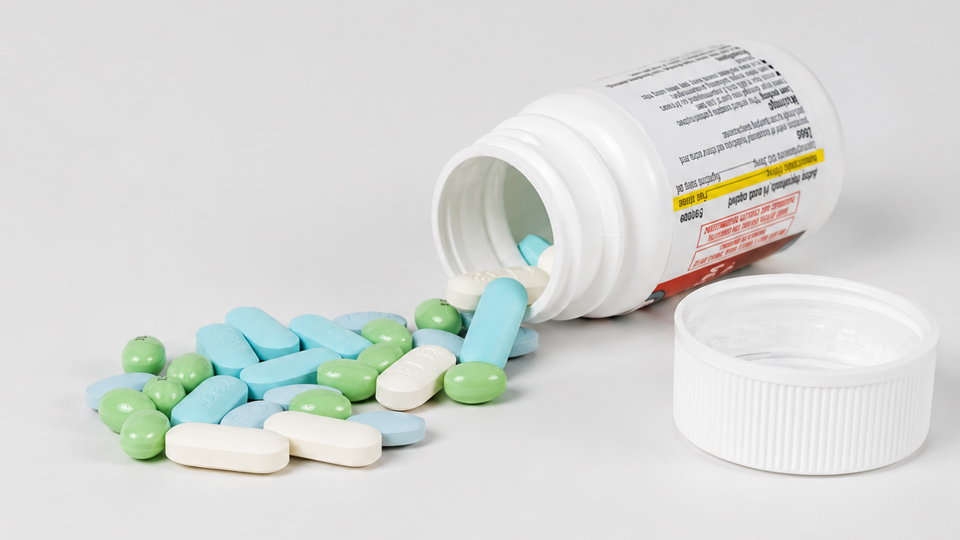
صورة: زجاجة حبوب منع الحمل النموذجية والحبوب السائبة. الزجاجات القياسية شائعة ولكنها تفتقر إلى رسائل تذكير مدمجة للمرضى.
تقوم عملية التغليف بأكثر من مجرد حماية المنتجات الصيدلانية أثناء التخزين والنقل. اليوم, كما أنه يلعب دورًا مهمًا في مساعدة المرضى على تناول الأدوية بشكل صحيح. يمكن لتنسيق التغليف المصمم جيدًا أن يبسط إجراءات الدواء اليومية, تحسين تجربة المريض, ودعم الالتزام بالأدوية بشكل أفضل. وقد أظهرت الأبحاث أن التعبئة والتغليف تذكير, مثل حزم نفطة التقويم وغيرها من تنسيقات الجرعات المنظمة, يمكن أن يؤثر بشكل إيجابي على التزام العديد من المرضى.
التغليف الجيد يدعم الالتزام بالدواء بعدة طرق عملية:
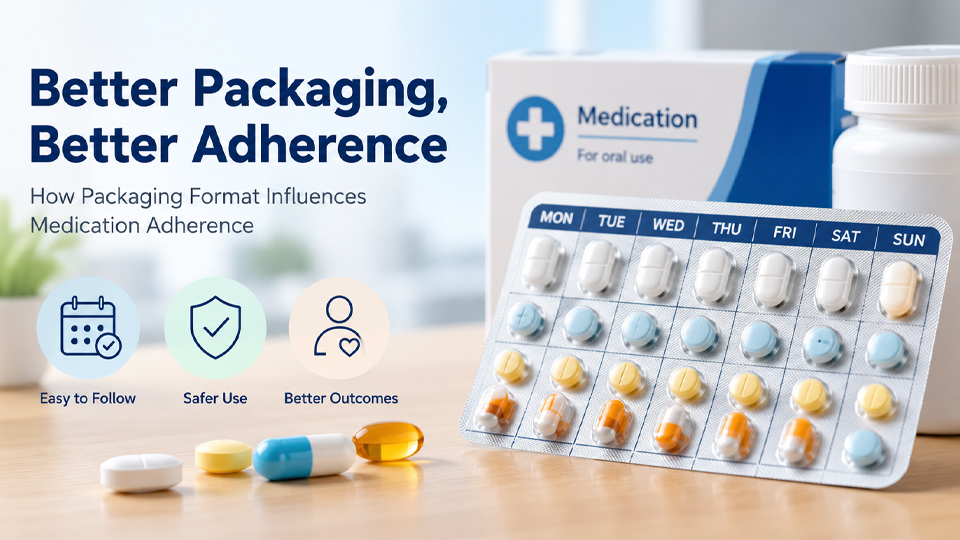
تستفيد المنتجات ومجموعات المرضى المختلفة من تنسيقات التغليف المختلفة. تُستخدم التنسيقات التالية على نطاق واسع في مجال الأدوية والرعاية الصحية لدعم الامتثال:
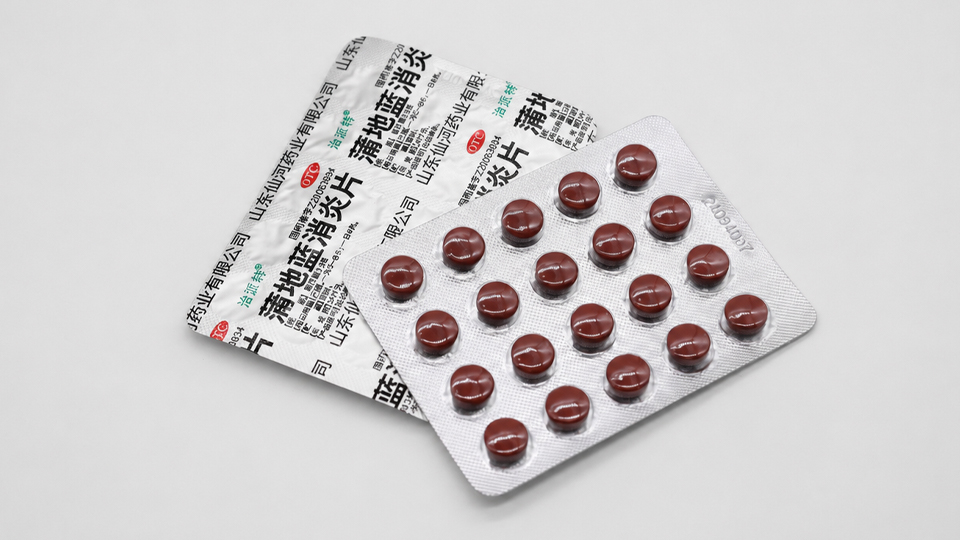
صورة: حبوب فردية مختومة في بطاقة نفطة. بثور جرعة الوحدة (غالبًا ما يتم طباعتها مع معلومات الجرعات) إعطاء المرضى جدولًا يوميًا واضحًا وتسهيل اكتشاف الجرعة المنسية.
يمكن أن يؤثر التغليف على الالتزام بعدة طرق رئيسية:
في أفضل حالاتها, التعبئة والتغليف يسد الفجوة بين الوصفة الطبية وسلوك المريض. يصبح "شريك الالتزام" السلبي من خلال التنظيم والتذكير دون الحاجة إلى جهد إضافي من المريض.
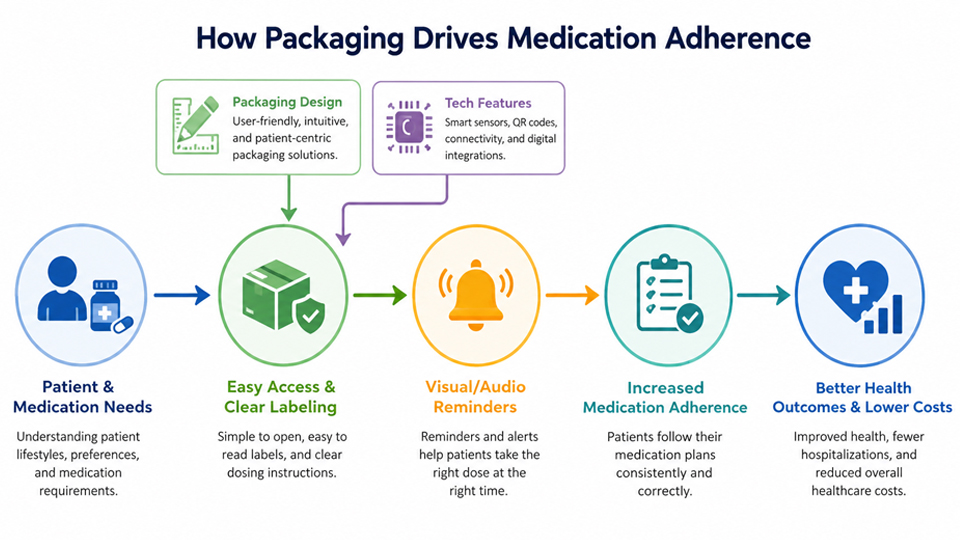
إن مجرد اختيار الشكل الصحيح لا يكفي - يجب أن تكون العبوة مصممة للمريض. يمكن للحزم المصممة بشكل سيء أن تخلق حواجز. ال أفضل التصاميم التي تركز على الالتزام مشاركة عدة سمات:
تتمتع مبادئ التصميم التي تركز على المريض بفائدة إضافية تتمثل في الامتثال للجودة: واضح, إن التغليف الواضح للتلاعب مع التتبع يجعل من السهل على الشركات المصنعة تلبية معايير إدارة الغذاء والدواء الأمريكية/وكالة الأدوية الأوروبية مع الاستمرار في تحسين تجربة المستخدم. لإنتاج الأدوية, الاستثمار في هذه الميزات يمكن أن يؤتي ثماره في الثقة بالعلامة التجارية وانخفاض المسؤولية.
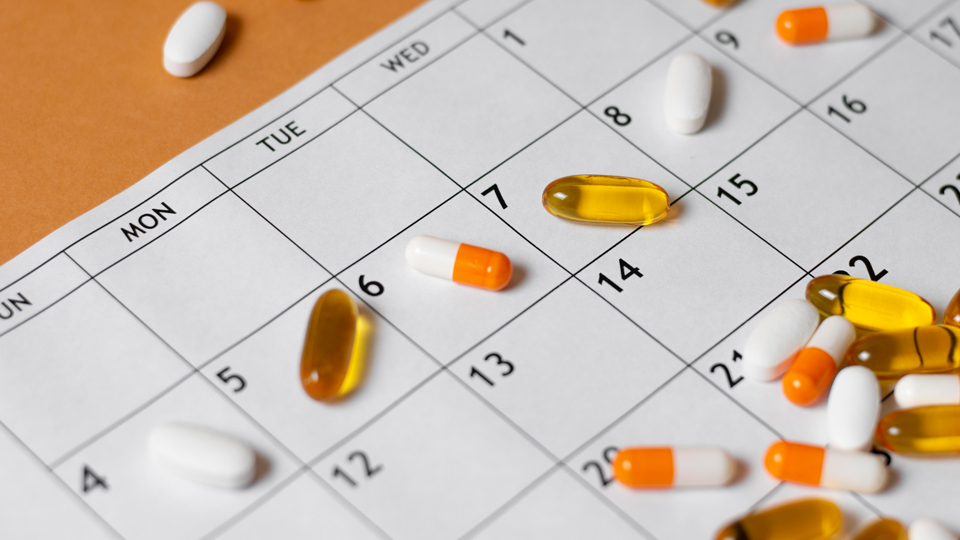
يجب أن تظل التعبئة والتغليف الملتزمة متوافقة مع جميع القيود التنظيمية وقيود التكلفة. في الولايات المتحدة, على سبيل المثال, التعبئة والتغليف المقاومة للأطفال يفرضها القانون بالنسبة لمعظم الوصفات الطبية. غالبًا ما تحقق الحلول الحديثة الامتثال من خلال دمج ميزات السلامة في شكل العبوة (على سبيل المثال. آليات القفل على بطاقات نفطة) بدلاً من الاعتماد فقط على أغطية الزجاجات. في نفس الوقت, تقوم الشركات باستكشاف المواد المستدامة: التقويمات الورقية بدلاً من البثور البلاستيكية, أو الأفلام القابلة لإعادة التدوير, التي يقدرها المرضى والتي غالبًا ما يكون لها هياكل أبسط. تظهر الدراسات أن المرضى يفضلون في الواقع المنتجات الصديقة للبيئة, تغليف مباشر – يبدو أكثر حداثة ومطمئنًا.
من ناحية التكلفة, خطوط التعبئة والتغليف الآلية (على سبيل المثال. نفطة عالية السرعة أو آلات حزمة الشريط) أصبحت فعالة للغاية. يمكن إنتاج جرعة وحدة على نطاق واسع خفض التكلفة لكل وحدة والحد من النفايات من المخزون منتهية الصلاحية. للمصنعين والتعبئة التعاقدية, وهذا يعني استثمارًا كبيرًا في الآلات مقدمًا ولكن من المحتمل أن يؤدي إلى انخفاض التكاليف على المدى الطويل وخسائر المخزون. من وجهة نظر المريض, الراحة والأمان المحسنان يبرران هذه التنسيقات. بعبارة أخرى, غالبًا ما يتم تعويض العناية الإضافية في التغليف بنتائج صحية أفضل وتقليل إهدار الأدوية.
لتقديم تنسيقات التعبئة والتغليف الملائمة للمرضى على نطاق واسع, يحتاج المصنعون إلى آلات موثوقة. التعبئة جينلو تقدم مجموعة من المعدات التي تم ضبطها للحزم التي تركز على الالتزام:


شكل: ماكينة تعبئة العصا متعددة الممرات من Jinlu التعبئة. انها تشكل, يملأ ويغلق الأكياس الضيقة (حزم العصا) بالتوازي. تحتوي كل علبة على جرعة واحدة (مسحوق, سائل, إلخ.), المساعدة في توصيل جرعة الوحدة والالتزام بها.


من خلال الجمع بين هذه الآلات, يمكن لخط الأدوية إنتاج عبوات صديقة للمريض دون التضحية بالإنتاجية أو الجودة. على سبيل المثال, أ خط نفطة جينلو قد تدمج محطة العد, نفطة السابق / السداده, وطابعة تسلسلية في عملية واحدة مستمرة. تحافظ هذه الأتمتة على الامتثال لـ معايير GMP (21 CFR 211, ملحق برنامج الرصد العالمي للاتحاد الأوروبي 15) ويضمن أن كل عبوة تخرج من الخط تتوافق مع الوصفة الطبية المقصودة. بهذه الطريقة, معدات التعبئة والتغليف ذات التقنية العالية تصبح العمود الفقري لـ "حلول التعبئة والتغليف لامتثال المريض" – تمكين الشركات المصنعة من توفير التقويمات بثقة, أكياس جرعة وحدة, والزجاجات الذكية على نطاق واسع.
في ملخص, شكل التغليف له تأثير مثبت على الالتزام بالدواء. تصميمات مدروسة - بدءًا من بطاقات الفقاعات ذات الجرعة الواحدة ومنظمات حبوب منع الحمل الأسبوعية وحتى الذكية, الحزم المتصلة – تسهل على المرضى تناول الأدوية المناسبة في الأوقات المناسبة. تظهر الأدلة الواقعية أن هذه الأشكال تزيد بشكل كبير من معدلات الالتزام مقارنة بالزجاجات العادية. لمصنعي وموزعي الأدوية, إن اعتماد التغليف الصديق للالتزام يعد خدمة صحية عامة وميزة سوقية: إنه يحسن نتائج المرضى ويمكنه تمييز المنتجات في مجال تنافسي.
على استعداد لتعزيز الامتثال لعملائك? شركة Jinlu للتعبئة متخصصة في ماكينات تعبئة الأدوية والحلول المصممة خصيصًا لاحتياجات المرضى. سواء كنت بحاجة إلى خطوط تعبئة الفقاعة عالية السرعة, آلات الحقيبة الشريطية الآلية, أو أنظمة حزمة التقويم المخصصة, يمكن لفريقنا المساعدة في تصميم التنسيقات التي تشجع الالتزام. اتصل بجينلو اليوم لمناقشة كيف يمكن لتصميم التغليف الذكي أن يعزز أداء منتجك ويدعم رعاية أفضل للمرضى.
يشير الالتزام بالدواء إلى مدى دقة اتباع المرضى لخطة العلاج الموصوفة لهم, بما في ذلك تناول الدواء المناسب, بالجرعة الصحيحة, وفي الوقت الموصى به. يمكن أن يؤدي ضعف الالتزام إلى تقليل فعالية العلاج وزيادة تكاليف الرعاية الصحية.
يمكن أن يؤدي تنسيق التغليف إلى تبسيط إجراءات الدواء وتوفير تذكيرات مرئية. ميزات مثل وضع العلامات على التقويم, التعبئة والتغليف لوحدة الجرعة, والمقصورات المنظمة تساعد المرضى على تذكر متى وكيف يتناولون أدويتهم.
تقوم العبوات البلاستيكية بفصل الأدوية في جرعات فردية ويمكن أن تعرض اليوم أو الوقت لكل جرعة. يمكن للمرضى بسهولة معرفة ما إذا كانوا قد تناولوا أدويتهم, مما يساعد على تقليل الجرعات المفقودة والأخطاء الدوائية.
زجاجات حبوب الدواء التقليدية مناسبة للتخزين والتوزيع, لكنها عادة لا توفر نظام تذكير مدمج. قد ينسى المرضى ما إذا كانوا قد تناولوا جرعة ما أم لا, خاصة عند إدارة أدوية متعددة.
عبوات فقاعات التقويم هي أنظمة تعبئة تنظم الأدوية حسب يوم الأسبوع أو وقت تناولها. يقومون بإنشاء جدول مرئي يسهل على المرضى متابعة خطط العلاج والحفاظ على الاستخدام المستمر للأدوية.
التغليف الملتزم مفيد بشكل خاص للمرضى المسنين, الأفراد الذين يعانون من أمراض مزمنة, المرضى الذين يتناولون أدوية متعددة, والأشخاص الذين يعانون من تحديات الذاكرة. يستفيد مقدمو الرعاية أيضًا لأن التغليف المنظم يبسط إدارة الدواء.
نعم. حلول التغليف الذكية, مثل العبوات الفقاعية المتصلة وزجاجات الحبوب الإلكترونية, يمكن أن توفر تذكيرات, تتبع استخدام الدواء, وإرسال إشعارات عند تفويت الجرعات. توفر هذه التقنيات دعمًا إضافيًا لإدارة العلاج على المدى الطويل.
تتضمن عبوات الأدوية الملائمة للمريض عادةً تعليمات واضحة, ملصقات كبيرة وسهلة القراءة, ترميز الألوان, تنظيم التقويم, تصميمات سهلة الفتح, وميزات مقاومة للأطفال والتي تظل في متناول البالغين.
يؤثر الالتزام بالدواء بشكل مباشر على نتائج العلاج ورضا المرضى. يمكن لشركات الأدوية التي تنفذ عبوات صديقة للالتزام تحسين قيمة المنتج, تعزيز سمعة العلامة التجارية, وتمييز أنفسهم في الأسواق التنافسية.
اعتمادا على شكل العبوة, قد تتطلب الشركات المصنعة آلات التعبئة والتغليف نفطة, أنظمة التغليف بالكرتون, ماكينات تعبئة الأكياس الشريطية, وخطوط إنتاج حزمة التقويم المخصصة. تضمن معدات تعبئة الأدوية الأوتوماتيكية جودة ثابتة وإنتاج فعال على نطاق واسع.
مراجع:
1.تدخلات التغليف لزيادة الالتزام بالدواء: المراجعة المنهجية والتحليل التلوي —— المكتبة الوطنية للطب
2.التغليف يحسن الالتزام بالأدوية —— فارمتك.كوم
3.تأثير عبوة تذكير الدواء على الالتزام بالدواء: مراجعة منهجية تكشف عن الفجوات البحثية —— سبرينغر نيتشر
4.أجهزة تعبئة الأدوية الإلكترونية والالتزام الدوائي: مراجعة منهجية —— المكتبة الوطنية للطب
5.هل تعمل الحبوب المركبة ذات الجرعة الثابتة أو عبوة وحدة الاستخدام على تحسين الالتزام? مراجعة منهجية. —— المكتبة الوطنية للطب
6.جولات CDC الكبرى: تحسين الالتزام بالأدوية لإدارة الأمراض المزمنة – الابتكارات والفرص —— مركز السيطرة على الأمراض