
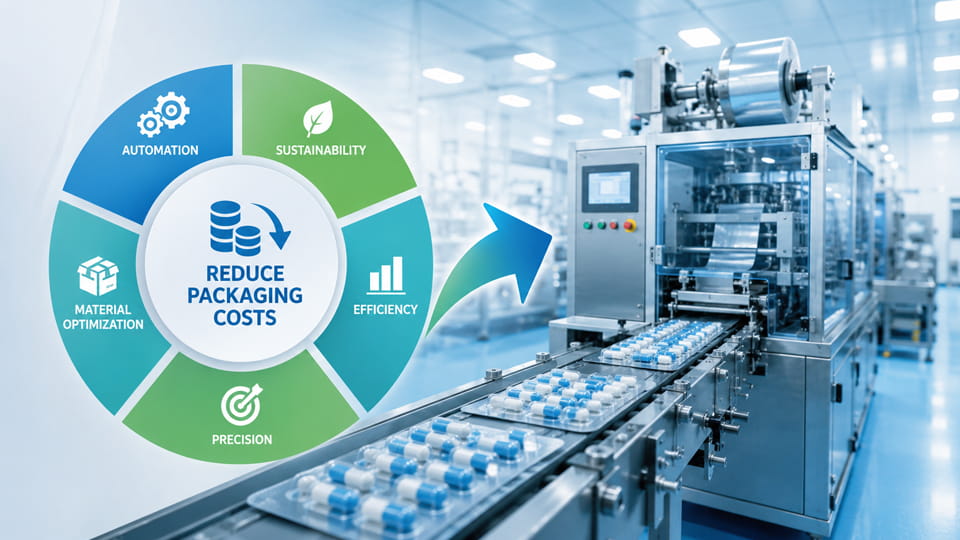
في بيئة الهامش الهزيل اليوم, ويجب على صانعي الأدوية خفض تكاليف التعبئة والتغليف دون التضحية بالجودة أو الامتثال. يمكن أن يمثل التغليف ما بين 10 إلى 40٪ من سعر المنتج, لذلك حتى الكفاءات الصغيرة تضيف ما يصل. هذا الدليل يمشي من خلال 10 استراتيجيات عملية – من تحليل توزيع التكاليف إلى الأتمتة, الممارسات الهزيلة, والتصميم المستدام – لخفض النفقات. سنغطي تحسين المواد, خيارات الآلة الذكية (مثل آلات نفطة Jinlu عالية السرعة, أنظمة العد, عمال التعبئة والتغليف, وحشوات الكبسولة), الصيانة الوقائية, تحسينات OEE وSMED, الحد من النفايات, وكيفية حساب عائد الاستثمار. يستخدم كل قسم بيانات الصناعة وأمثلة لآلات Jinlu لإبقائها ملموسة. من خلال دمج هذه النصائح, يمكن لمديري العمليات الدوائية تحويل التعبئة والتغليف من مركز التكلفة إلى ميزة تنافسية.
تكاليف التعبئة والتغليف يتعرضون لضغوط شديدة من جبهات متعددة. إن تقليص الهوامش ومبادرات تسعير الأدوية تعني أن كل دولار له أهميته, دفع التعبئة والتغليف إلى غرفة الاجتماعات. تضخم المواد الخام, الموردين الموحدين (خيارات أقل, أسعار أعلى), واللوائح المعقدة (مثل التسلسل والقوانين البيئية الجديدة) كل شيء يلدغ في الميزانيات. على سبيل المثال, مسؤولية المنتج الموسعة (إي بي آر) القوانين الآن تجعل الشركات المصنعة مسؤولة عن إعادة التدوير في نهاية العمر, إضافة رسوم مخفية بشكل فعال إلى كل جرام من البلاستيك أو الرقائق. باختصار, التعبئة والتغليف ليست مجرد "صناديق وملصقات" - إنها نظام استراتيجي يجب أن يوازن بين التكلفة, امتثال, وتجربة العملاء.
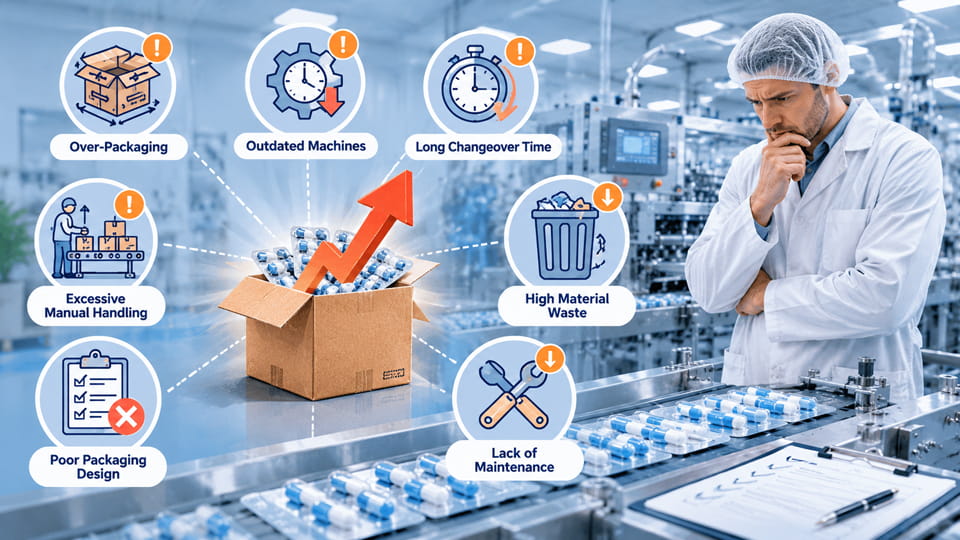
يتفق خبراء الصناعة على أن التكاليف الخفية مثل تَعَب, التوقف, النفايات والأعمال الورقية غالبًا ما يقزم سعر الملصق لمواد التعبئة والتغليف. تؤدي كل دقيقة إضافية من وقت التوقف عن العمل إلى دفع أجور العمل الإضافي وتأخير الطلبات. كل عبوة خردة أو خطأ في الملصق هو خسارة خالصة. والحلول اليدوية (مثل الفرز اليدوي أو إعادة وضع العلامات) تستهلك وقت الموظفين. مع وجود الكثير على المحك, تحتاج شركات الأدوية إلى إعادة التفكير في التعبئة والتغليف من الألف إلى الياء - باستخدام عمليات التدقيق المستندة إلى البيانات, فرق متعددة الوظائف (ص&د, جودة, شراء, إنتاج), وعقلية التصميم الاستراتيجي التي تتعامل مع التعبئة والتغليف على أنها قيمة مضافة بدلاً من كونها مصدرًا للتكلفة. توضح الأقسام أدناه كيفية التعامل مع كل محرك رئيسي للتكلفة.
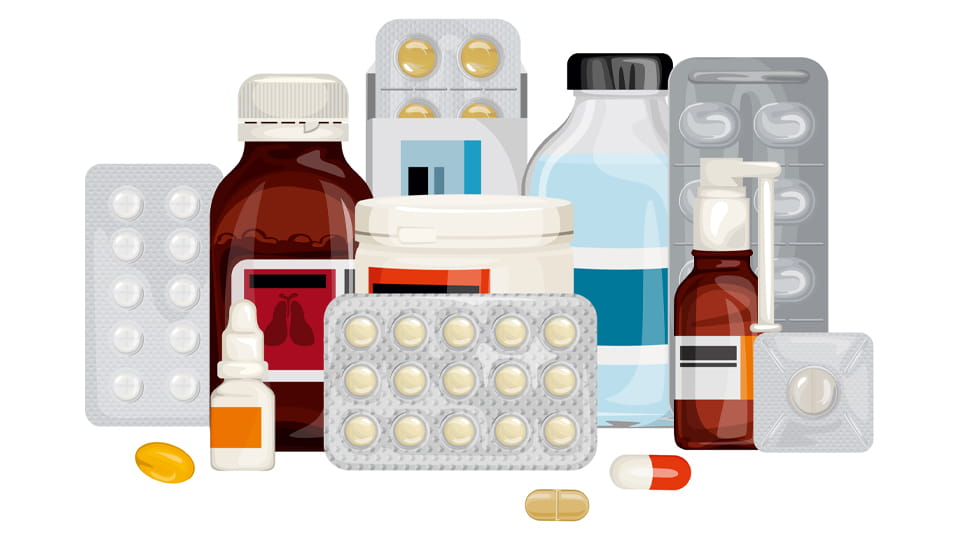
قبل خفض التكاليف, انفصال أين تذهب أموالك. تشمل فئات تكلفة التغليف النموذجية مادة, تَعَب, التوقف, يضيع, طاقة و صيانة. على سبيل المثال: مواد (أفلام, كرتون, قوارير, التسميات) في كثير من الأحيان تشغيل 20-30٪ من التكلفة الإجمالية; تَعَب (مشغلي الخطوط, باكرز) يمكن أن يكون 15-25٪; إن فترات التوقف عن العمل والتوقفات غير المجدولة تلتهم القدرة; خردة وترفض (المنتج أو التغليف الضائع) أضف قطعة أخرى; بالإضافة إلى أسهم أصغر للمرافق والصيانة. يعتمد المزيج الدقيق على منتجاتك وعملياتك, ولكن هذا الجدول يوضح المكونات المشتركة:
| فئة التكلفة | ما يتضمنه | كيفية التحسين |
| مواد | أفلام نفطة / رقائق, كرتون, زجاجات, التسميات | استخدم ركائز أخف أو قابلة لإعادة التدوير; شراء بالجملة; التعبئة والتغليف بالحجم الصحيح لتقليل المواد. خذ بعين الاعتبار المواد الأقل تكلفة ولكنها متوافقة من خلال تحليل التكاليف الواجبة. |
| تَعَب | مشغلي الخطوط, باكرز, مفتشون | أتمتة المهام المتكررة (ختم, عد), استخدام المعدات المريحة. الموظفين عبر القطار. (إن معدل الدوران المرتفع وحده يكلف حوالي 4000 دولار لاستبدال عامل واحد.) |
| التوقف | التحولات, الأعطال, تنظيف | تنفيذ الصيانة الوقائية والتغيير السريع (حداد) بروتوكولات لتسريع التحولات. احتفظ بقطع الغيار مخزنة ومعايرة الخطوط. |
| يضيع | حزم معيبة, يملأ, تلف | استخدم آلات فحص الرؤية والدقة لاكتشاف العيوب مبكرًا. على سبيل المثال, تقوم آلات الفقاعة بإغلاق الجرعات بشكل فردي لتقليل التعرض والتلف. (حتى أن حشوات كبسولة جينلو تتعافى 100% من المسحوق.) |
| طاقة | الكهرباء للآلات, التدفئة والتهوية وتكييف الهواء | اختر المحركات والمحركات الموفرة للطاقة. قم بتشغيل العمليات عالية الطاقة خارج ساعات الذروة إن أمكن. قم بإيقاف تشغيل المعدات الخاملة. |
| صيانة | اصلاح قطع الغيار, عقود الخدمة, معايرة | جدولة الصيانة الدورية (تشحيم, معايرة), واستخدام أجزاء OEM. تعمل خطة الصيانة الوقائية القوية على تجنب الانقطاعات الكبيرة. |
عن طريق تحديد كل فئة (ولو تقريبًا), يمكنك اكتشاف أكبر المصارف. على سبيل المثال, تشير مراجعة Jinlupacking لتعبئة الأدوية إلى ذلك تَعَب, التوقف والنفايات غالبًا ما يكونون هم القتلة الصامتون للتكلفة. وتشير دراسة أخرى أيضا إلى ذلك المواد والعمالة هي محركات التكلفة الرئيسية إلى جانب التصميم والخدمات اللوجستية. استخدم هذا التفصيل لاستهداف "الفاكهة الدانية" - سواء كان ذلك يتعلق بالتفاوض على أسعار أفضل للمواد, المبادلة إلى فيلم قابل لإعادة التدوير (تخفيض رسوم EPR), أو الاستثمار في الآلات للتخلص من تكاليف العمالة.
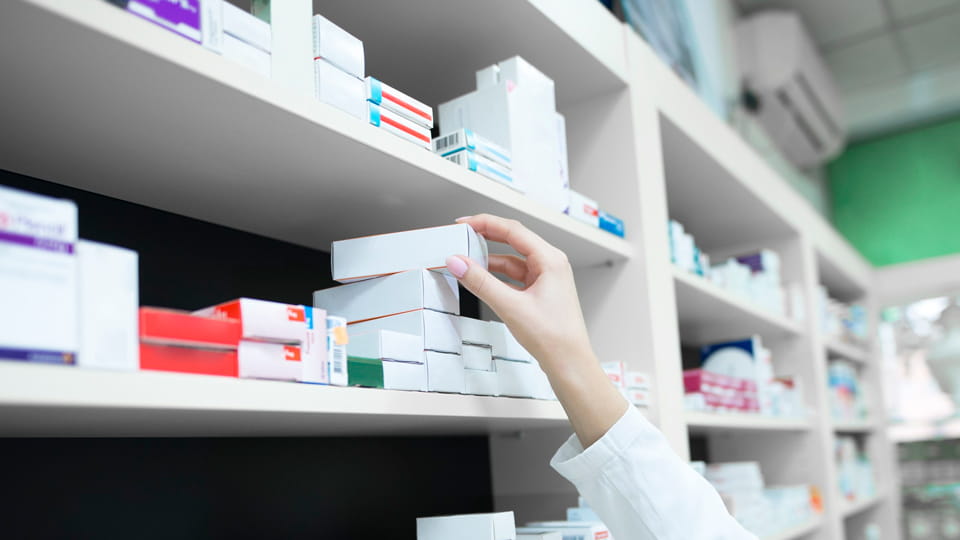
يعد خفض تكاليف المواد مكسبًا سريعًا, ولكن يجب أن يتم ذلك بذكاء. تساعد الخصومات الكبيرة وعروض أسعار الموردين, ولكن المدخرات الحقيقية غالبا ما تأتي من تحسين التصميم. انظر إلى تصميمات حزمتك: هل يمكن أن تكون جدران الصندوق أرق? هل يمكن أن تكون تجاويف الفقاعة بالحجم الصحيح؟? يمكن أن تناسب بثور متعددة في كرتونة واحدة? تنتقل شركات الأدوية المبتكرة إلى ما هو أبعد من المواصفات الثابتة إلى حافظات المواد الديناميكية. إنهم يقومون بتصنيف المواد ليس فقط من حيث التكلفة والأداء ولكن أيضًا من خلال قابلية إعادة التدوير والمخاطر التنظيمية, حتى يتمكنوا من استبدال البدائل الأخف أو الأكثر مراعاة للبيئة حسب الحاجة.
ومن الأمثلة الشهيرة تقليل المساحة الفارغة. قد تبدو الطرود الأكبر حجمًا "ممتازة".,"ولكن أي حجم إضافي يمثل تكلفة مهدرة وغرامة بموجب شحن الوزن الأبعاد. من خلال هندسة حزم أكثر إحكاما (مع الحفاظ على حماية المنتج), غالبًا ما تقوم الشركات بتخفيض رسوم استخدام المواد والشحن في وقت واحد. في الحقيقة, تفيد تقارير "ملخص التغليف" أن التصميم المدروس يمكن أن "يقلل من حجم المواد مع تحسين العوامل البشرية في نفس الوقت,"مما يعني أنك تنفق أقل وسيجد المرضى أن العبوة أسهل في الاستخدام. وهذا النهج "الأنيق يحل محل الفائض" يعني عددًا أقل من الوفيات, لوحة أقل, وانخفاض مسؤولية EPR - كل هذه أخبار جيدة بالنسبة للنتيجة النهائية.
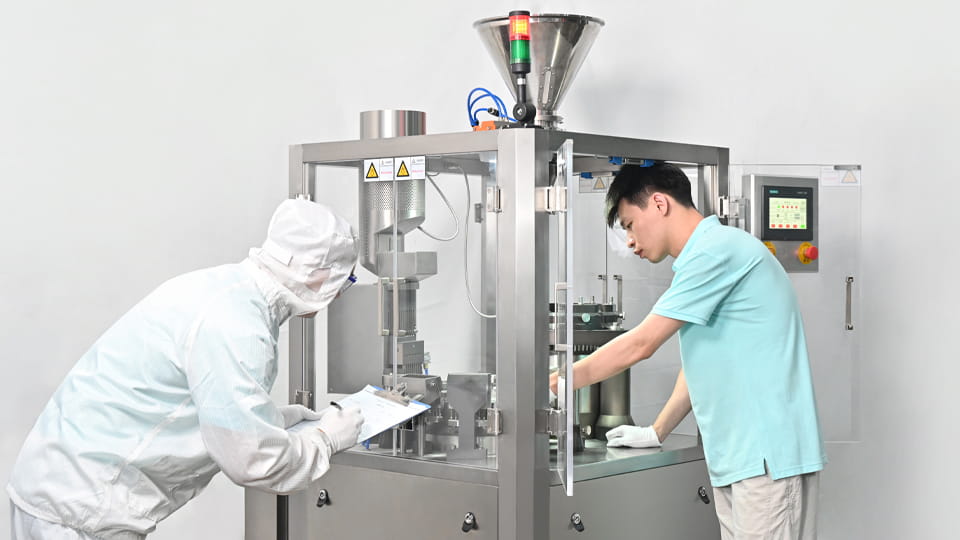
أتمتة غالبًا ما تؤدي الخطوات الصحيحة إلى أكبر تخفيضات في التكاليف. حتى شبه الأتمتة (مقابل دليل كامل) يمكن أن تعزز الإنتاج 30%+ دون زيادة عدد الموظفين. ال فائدة رئيسية هو توفير العمالة: تشغيل الآلات 24/7 إذا لزم الأمر, ويمكن إعادة توزيع العاملين على مهام ذات قيمة أعلى (ضبط الجودة, صيانة, إلخ.). على سبيل المثال, تحقق آلات العد الأوتوماتيكية من Jinlu دقة عالية بشكل لا يصدق (>99.98%) والسرعات (حتى 6,000 زجاجات / ساعة), القضاء فعليًا على أخطاء العد اليدوي ووقت التوقف عن العمل بسبب أخطاء الفرز. على نفس المنوال, تعمل آلات تعبئة الفقاعات من Jinlu على ما يصل إلى 4,800-11,200 بثور/ساعة, تشكيل التعامل, تغذية, الختم والقطع في خطوة واحدة - مستوى من الإنتاجية والاتساق مستحيل باليد.
حتى المحطات شبه الآلية البسيطة تساعد. يمكن لمركب العلبة المريح والمستدق المصمم جيدًا أن يضاعف سرعة إغلاق العلبة, توفير وقت التعبئة للعمل ذي المهارات الأعلى. ويمكن لصانعي الصناديق الكرتونية الحديثة محاذاة الصناديق الكرتونية وطيها على الفور تقريبًا. في الحقيقة, شهدت الشركات التي قامت بتركيب أنظمة نهاية الخط المريحة القفز الإنتاجية من قبل 30-40% دون إضافة العمالة. باختصار, الأتمتة تؤتي ثمارها عبر سرعة أعلى + أخطاء أقل + انخفاض تكلفة العمالة.
حاسمة, المدخرات هنا ليست مجرد افتراضية. النظر في هذه القاعدة الأساسية: إن استبدال عدد قليل من المشغلين بالآلات يمكن أن يوفر عشرات الآلاف سنويًا من الأجور والمزايا. أظهر أحد الرسوم التوضيحية من دليل عائد استثمار التعبئة والتغليف خطًا آليًا يزيد الإنتاج من 100 ل 300 حزم / ساعة (مع $2 الربح لكل علبة), إنقاذ ثلاثة عمال ($20/ساعة لكل منهما) وقطع خردة المواد. وكانت النتيجة حوالي $800 صافي الربح يوميا, بما فيه الكفاية للوصول تقريبا 40% العائد على الاستثمار على المعدات. سنعود إلى حسابات عائد الاستثمار أدناه.
أفضل آلات Jinlu التي يجب مراعاتها:
في حين أن تكاليف الماكينة قد تبدو مرتفعة مقدمًا, تذكر المدخرات الخفية: جودة متسقة (عدد أقل من الرفض), إلغاء أقساط التحول والعمل الإضافي, و القدرة على إعادة توزيع الموظفين. تتميز المعدات الحديثة أيضًا بالصناعة 4.0 التكنولوجيا – أجهزة استشعار للصيانة التنبؤية وجمع البيانات – مما يزيد من الضغط على النفايات ووقت التوقف عن العمل.

حتى أفضل الآلات لا تكسب مكانتها إلا إذا كانت كذلك استمر في الجري. إن التوقف غير المخطط له مكلف للغاية - وليس فقط جزء الإصلاح, ولكن تأخير الشحنات, العمل الإضافي للحاق بها, وحتى رفض دفعات كاملة في حالة المساس بالجودة. كما يشير أحد دليل التغليف الدوائي, التوقف "يؤدي إلى العمل الإضافي, الطلبات المتأخرة, تعديلات الجدول الزمني...وثبات الجودة". هكذا, خطة صيانة قوية ضروري لتقليل تكاليف التعبئة والتغليف.
تشمل الممارسات الرئيسية:
نصيحة الشركات المصنعة للآلات مهمة: تؤكد شركة Jinlupacking وغيرها على ضمانات لمدة 3 سنوات وشبكات الدعم العالمية للخدمة السريعة في الموقع. يساعدك الموردون ذوو السمعة الطيبة أيضًا في التخطيط للصيانة مقدمًا: تعد الصيانة الوقائية والتنبؤ المناسب بمخزون قطع الغيار أمرًا ضروريًا في الخطوط الآلية.
لا تغفل تكاليف التوثيق: إن حفظ السجلات بشكل صحيح للمعايرة والتحقق من الصحة يمكن أن يؤدي في الواقع إلى حفظ إعادة العمل أثناء عمليات التدقيق. وجود سجلات صيانة مفصلة (والوصول إلى دعم OEM) يقلل من وقت التوقف عن العمل ويطيل عمر الماكينة. في ملخص, كل دولار يتم إنفاقه على الصيانة الاستباقية يؤدي إلى توفير عدة دولارات في حالات التوقف التي يتم تجنبها.
مع وجود جميع العناصر في مكانها, التركيز التالي هو كفاءة الخط الشاملة. مقياس مفيد هنا OEE (فعالية المعدات الشاملة), الذي يجمع بين التوفر (وقت التشغيل), أداء (السرعة مقابل. تصميم), وجودة المحصول. يقول المستشارون العجافون أن متوسط OEE في العديد من خطوط الأدوية فقط 30% - معنى 70% من الناتج المحتمل يتم فقده عند التوقف, التباطؤ أو الرفض. في الحقيقة, حالات منخفضة مثل 17% وقد تم توثيقها في الصيدلة. على النقيض من ذلك, الأهداف ذات المستوى العالمي هي 65-75٪, وتدفع النباتات العليا 85%+. وتمثل هذه الفجوة فرصة هائلة: كل نقطة OEE مكتسبة هي ربح أكثر دون إضافة معدات.
كيفية تعزيز OEE:
يعد قياس OEE أمرًا بالغ الأهمية. ابدأ بتحديد خط الأساس لـ OEE في كل سطر (حتى مع التتبع اليدوي البسيط). ثم حدد أهدافًا واقعية لـ 5-10% المكاسب السنوية. المكاسب الصغيرة لا تزال أموالاً كبيرة: تعزيز خط 100000 وحدة / يوم من 30% ل 40% يعني OEE 10,000 المزيد من الحزم القابلة للبيع يوميًا!
يوضح هذا المخطط الانسيابي سير عمل مبسط لتعبئة الأدوية:

شكل: التدفق النموذجي لتعبئة الأدوية (من التغذية إلى السلع التامة الصنع). يمثل كل سهم فرصة لتحسين الكفاءة – على سبيل المثال, أتمتة التحولات أو توحيد واجهات الجهاز.
ملحوظة: للحصول على حل متكامل تماما, يمكن لشركة Jinlu توفير الخط بأكمله بدءًا من وحدات التغذية وحتى تعبئة العلبة النهائية كحزمة واحدة جاهزة.
الهدر هو المال المرئي الذي يضيع في البالوعة - بالمعنى الحرفي للكلمة. في التعبئة والتغليف الصيدلانية, يمكن أن تكون النفايات منتجًا خامًا (أقراص مكسورة, كبسولات خاطئة), حزم نصف منتهية (بطاقات نفطة مطبوعة بشكل خاطئ), أو خردة التعبئة والتغليف (القطع الذائبة, فيلم طويل, كرتونة فارغة). كل عبوة معيبة لا تهدر المواد فحسب، بل تهدر أيضًا العمالة والنفقات العامة التي تدخل فيها.
استراتيجيات خفض النفايات:
يسلط جينلو الضوء على فائدة واحدة واضحة تتمثل في تقليل النفايات: عبوات نفطة تغلق كل جرعة بشكل فردي, الذي "يقلل من تعرض المنتج للهواء والرطوبة عن طريق إغلاق كل وحدة على حدة, الحد بشكل كبير من التلف والنفايات". في الممارسة العملية, وهذا يعني أن عددًا أقل من الأجهزة اللوحية يصبح سيئًا على الخط. ويمكن أيضًا ضبط الخطوط الحديثة لتحسين هدر القطع: على سبيل المثال, يمكن للقاطع الذي يعمل بمحرك مؤازر تغيير أطوال بطاقة البثرة بسرعة لاستيعاب أعداد المنتجات المختلفة دون زيادة.
ويرتبط الحد من النفايات أيضًا بالتكلفة: انخفاض النفايات يعني شراء كميات أقل من المواد الخام, التخلص والتوقف. كل حزمة مرفوضة تم حفظها تعتبر توفيرًا مكتسبًا. كما سنرى في عائد الاستثمار, الحد من النفايات هو واحد من المدخرات الصعبة في معادلة الاسترداد للمعدات الجديدة.
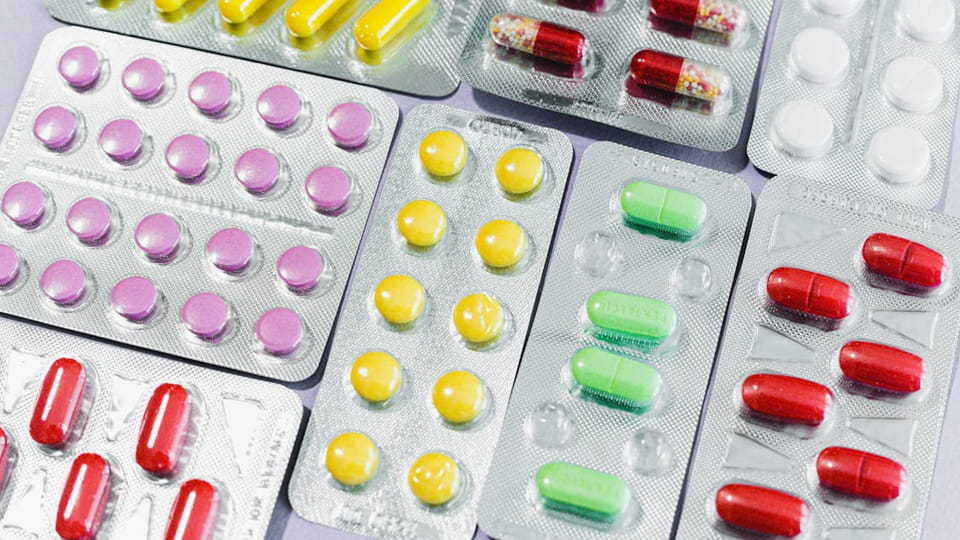
"المستدامة" و"منخفضة التكلفة" هما لا يستبعد بعضها بعضا. في الحقيقة, العديد من المبادرات الخضراء أدنى التكاليف على المدى الطويل. على سبيل المثال, باستخدام حزم المواد الأحادية (على سبيل المثال. كل الورق المقوى) يقلل من استخدام شرائح متعددة المواد باهظة الثمن ويبسط عملية إعادة التدوير. المواد خفيفة الوزن تقلل تكاليف الشحن. بذكاء, القواعد التنظيمية "الخضراء". (مثل إي بي آر) في الواقع، قم بمكافأة تصميمات النفايات الأقل. تؤكد نفس مقالة "ملخص التغليف" المقتبسة أعلاه على أن "خفض تكاليف التعبئة والتغليف وتطوير التغليف المستدام ليسا هدفين متعارضين".
النهج الرئيسية للصيدلانية:
حتى أن جينلو لاحظ الاتجاهات نحو العبوات الفقاعية الخضراء (على سبيل المثال. باستخدام أوراق قابلة لإعادة التدوير أو أفلام أرق). سيشهد المستقبل المزيد من المواد المعاد تدويرها الخاصة بالمستحضرات الصيدلانية وتصميمات أكثر لطفاً (مثل الملصقات سهلة التمزق والتي تتجنب التغليف البلاستيكي).
يتذكر: النفايات الصغيرة تضيف ما يصل. صندوق أكثر سمكًا قليلاً هنا, إدراج إضافي هناك, ويفجرون ميزانية التغليف الخاصة بك. قم بمراجعة تدفقات النفايات الخاصة بك بانتظام (بن الورق, خردة بلاستيكية) – فعالية كايزن حول النفايات يمكن أن تكشف عن تسريبات مفاجئة. في كثير من الأحيان مجرد تحديد هدف "الاستخدام". 10% "فيلم أقل هذا الربع" يمكن أن يحفز المهندسين على ابتكار تخطيطات جديدة أو قطع الخردة.
تنطبق مبادئ التصنيع الخالي من الهدر بالتساوي على التعبئة والتغليف. الجوهر هو إزالة الخطوات غير القيمة. بعض الاقتراحات:
في حين أن العجاف هو موضوع واسع, حتى المكاسب السريعة تساعد. في مهمة استشارية واحدة, أدى تطبيق Lean Six Sigma على خط التعبئة والتغليف إلى زيادة الإنتاج بنسبة 15% تقريبًا. غالبًا ما تكون الموجة الأولى من التحسينات سهلة (يقول, إعادة تنظيم مساحة العمل بحيث تكون كل أداة في متناول اليد), ولكن اعتماد اللين باعتباره نظامًا مستمرًا يمنع التكاليف من الزحف مرة أخرى.
إن الاستثمار في تدابير خفض التكاليف يحتاج إلى تبرير. عائد الاستثمار (العائد على الاستثمار) هو صديقك. الصيغة الأساسية هي: عائد الاستثمار = (صافي الربح / تكلفة الاستثمار) × 100%. دعونا نوضح ذلك بمثال بسيط يعتمد على ترقية العبوة:
| سيناريو | عملية يدوية | الخط الآلي | اختلاف |
| إنتاج (حزمة / ساعة) | 100 | 300 | +200 |
| صافي الربح لكل حزمة | $2.00 | $2.00 | $0.00 |
| الإيرادات اليومية (8ح) | $1,600 | $4,800 | +$3,200 |
| العمال (كل ساعة $20, 8ح) | 3 × $480 = $1,440 | 1 × $160 = $160 | – 1280 دولارًا |
| خردة المواد (يوميا) | $100 | $20 | – 80 دولارًا |
| إجمالي المكاسب اليومية | - | - | +$1,840 |
| سنوي (250 أيام) | - | - | +$460,000 |
| نيو لاين للاستثمار | - | $300,000 | – 300000 دولار |
| عائد الاستثمار | - | - | ~153% |
(مثال توضيحي: يفترض أن الخط الآلي يضاعف الإخراج ثلاث مرات, يستخدم مشغلًا واحدًا أقل, ويقطع الخردة. يمكن أن تختلف الأرقام حسب الحالة.)
في هذا السيناريو, عوائد الأتمتة $460,000 صافي الربح السنوي على أ $300,000 ينفق, لحوالي أ 153% عائد الاستثمار (عن 10 أشهر الاسترداد). حتى لو كانت مكاسبك أكثر تواضعا, تصل معظم الاستثمارات إلى عائد استثمار يتراوح بين 20 إلى 50% في غضون بضع سنوات.
تعطي أدلة الصناعة حسابات مماثلة: تُظهر إحدى أوراق عمل عائد الاستثمار (ROI) للتعبئة توفير ما يقرب من 48 دولارًا أمريكيًا في اليوم في العمالة و $80 في النفايات المادية, مع اضافية $320 الربح من الإخراج (باستخدام هوامش الربح الخاصة بهم). هذا المثال بالذات أسفر عن أ 40% العائد على الاستثمار أكثر من عام. الدرس هو تفصيل جميع الفوائد (تم حفظ العمالة, تجنب النفايات, قدرة جديدة, تحسين الجودة) مقابل التكلفة الإجمالية (آلة, تثبيت, تمرين, التمويل).
للنصيحة: تشمل دائما ناعم المكاسب في مبرر عائد الاستثمار الخاص بك. انخفاض حجم التداول (وتكلفة الاستئجار الجديد تصل إلى 4000 دولار تقريبًا), حوادث الجودة أقل, وخفة الحركة الاستراتيجية (على سبيل المثال. إطلاق خط جديد بسرعة) هي قيمة حقيقية, حتى لو كان من الصعب قياسها. يهتم العديد من الرؤساء التنفيذيين بسرعة الوصول إلى السوق والموثوقية بقدر ما يهتمون بالدولار الخالص.
حتى مع أفضل التقنيات, تجنب هذه المزالق التي يمكن أن تقوض المدخرات:
من خلال البقاء يقظين ضد هذه الأخطاء الشائعة – على وجه الخصوص الانتظار طويلا للعمل و نطاق المشروع الفقراء - أنت تتأكد من أن إجراءات خفض التكاليف التي تتخذها توفر المال فعليًا.
تكلفة تعبئة الأدوية ويشكل التخفيض تحديا متعدد الأوجه, لكن الفرص واضحة. من خلال تحليل هيكل التكلفة الخاص بك, تحسين المواد, الأتمتة بحكمة, صيانة المعدات, تبني المبادئ الهزيلة, وحتى دمج التصميم المستدام, يمكنك فتح وفورات كبيرة. تعمل أدوات مثل تتبع OEE وآلات حاسبة عائد الاستثمار على تحويل الحدس إلى قرارات تعتمد على البيانات. راقب الاتجاهات الناشئة (تسميات ذكية, صناعة 4.0) لذلك تتطور استراتيجيتك بمرور الوقت.
يتذكر: التعبئة والتغليف هي نقطة الاتصال الأخيرة قبل المريض. فعال, خالية من النفايات, والتعبئة الأنيقة لا توفر المال فحسب، بل يمكنها أيضًا تعزيز ثقة العلامة التجارية والامتثال لها. كما قال أحد قادة الصناعة: "إن خفض تكاليف التغليف وتطوير التغليف المستدام ليسا هدفين متعارضين".
لبداية عملية, النظر في التشاور مع التعبئة جينلو. نحن نقدم حلول متكاملة ووحدات (خطوط نفطة, عمال التعبئة والتغليف, حشو كبسولة, العد وأكثر من ذلك) مصممة لتحقيق أقصى قدر من الجهوزية و الامتثال لممارسات التصنيع الجيدة. تأتي أجهزتنا بدعم عالمي وشهادات CE/cGMP, حتى تتمكن من الاستثمار بثقة.
اسمح لـ Jinlu بمساعدتك في تحويل خط التعبئة والتغليف الخاص بك إلى مركز ربح ومعيار موثوقية - بحيث تنفق أقل اليوم وتكسب المزيد غدًا.
من خلال معالجة كل من المواد والعمليات. وتشمل الاستراتيجيات الرئيسية استخدام الحجم الصحيح, المواد القابلة لإعادة التدوير; الشراء بالجملة; وتطبيق التصميم الهزيل للقضاء على الطبقات الزائدة. على الجانب التشغيلي, أتمتة المهام المتكررة (تقرحات, عد, نصب الكرتون) يقطع العمالة والنفايات. الصيانة الوقائية وطرق التغيير السريع (حداد) إبقاء الخطوط تعمل لفترة أطول. تكشف مقاييس التتبع مثل OEE عن الاختناقات التي يجب إصلاحها. في الممارسة العملية, تقوم الشركات بخفض التكاليف من خلال مزيج من تحسين المواد, أتمتة التعبئة والتغليف (حلول جينلو يمكن أن تساعد هنا), وعمليات التحسين المستمر.
العامل الأكبر عادة هو مواد التعبئة والتغليف, وخاصة رقائق الألومنيوم, PVC, كرتون, التسميات, والمواد العازلة المتخصصة. تَعَب, توقف الآلة, المنتجات المرفوضة, ولاستهلاك الطاقة أيضًا تأثير كبير على إجمالي تكلفة التغليف. في العديد من مصانع الأدوية, تؤدي خطوط التعبئة والتغليف غير الفعالة إلى زيادة النفقات التشغيلية بهدوء بمرور الوقت.
يركز التغليف الصيدلاني الخالي من الهدر على التخلص من النفايات غير الضرورية أثناء الإنتاج. وهذا يشمل:
• تقليل الوقت الذي تستغرقه الآلة في وضع الخمول
• التقليل من التأخير في التحول
• خفض معدلات الرفض
• تبسيط مواد التعبئة والتغليف
• تحسين تخطيط سير العمل
تساعد الأساليب اللينة شركات تصنيع الأدوية على زيادة كفاءة خطوط التعبئة والتغليف مع تقليل النفقات التشغيلية.
قطعاً. نظام متكامل - حيث يقدم بائع واحد حلاً شاملاً - يتجنب تكاليف التكامل والتحقق الخفية من تجميع الأجهزة معًا من موردين مختلفين. تحصل على مواصفات واحدة, بروتوكول التحقق واحد, وعقد دعم واحد. وهذا يوفر الوقت الهندسي ويعني عادةً بدء تشغيل أقصر (وبالتالي التكلفة) عند توصيل الخط بالإنترنت. تأتي خطوط Jinlu الجاهزة للتشغيل "جاهزة للتشغيل" مع أدوات تحكم موحدة, حتى تحصل على الإنتاج بشكل أسرع وبأقل قدر من استكشاف الأخطاء وإصلاحها. من حيث العائد على الاستثمار, كلما بدأ خطك بشكل أسرع واستمر في العمل, كلما أسرعت في استرداد التكاليف.
تشمل بعض الآلات الأكثر فعالية لتقليل تكاليف العمالة:
• ماكينات تعبئة الفقاعة الأوتوماتيكية
• آلات عد الأقراص عالية السرعة
• ماكينات التعبئة الكرتونية الأوتوماتيكية
• خطوط تعبئة دوائية متكاملة
• أنظمة فحص الرؤية
تعمل هذه الأنظمة على تقليل المناولة اليدوية وتحسين اتساق الإنتاج.
نعم. يمكن لآلات تعبئة الأدوية الآلية أن تقلل تكاليف العمالة بشكل كبير, أخطاء التعبئة والتغليف, التوقف, والنفايات المادية. ماكينات تعبئة الفقاعات الأوتوماتيكية, آلات العد, كما تعمل أنظمة التغليف الكرتوني على تحسين اتساق الإنتاج والكفاءة الإجمالية للمعدات (OEE).
في كثير من الحالات, ترى الشركات عائدًا على الاستثمار على المدى الطويل من خلال إنتاج أسرع وعدد أقل من الطرود المرفوضة.
نعم. لم يعد التغليف المستدام يتعلق فقط بالأهداف البيئية. مواد خفيفة الوزن, التعبئة والتغليف القابلة لإعادة التدوير, ويمكن أن تقلل أحجام الكرتون المحسنة:
• استهلاك المواد
• تكاليف النقل
• تكاليف التخزين
• نفايات التغليف
تجمع العديد من شركات تصنيع الأدوية الآن بين أهداف الاستدامة واستراتيجيات تحسين تكلفة التعبئة والتغليف.
كل دقيقة من التوقف تقلل من كفاءة الإنتاج وتزيد من نفقات العمالة والتشغيل. يمكن أن يؤدي التوقف غير المخطط له أيضًا إلى هدر المواد وتأخير الشحنات.
تعد الصيانة الوقائية وتدريب المشغلين من أكثر الطرق فعالية لتقليل وقت التوقف عن العمل في عمليات تعبئة الأدوية. تؤكد إرشادات GMP أيضًا على إجراءات التحكم والصيانة المناسبة للمعدات.
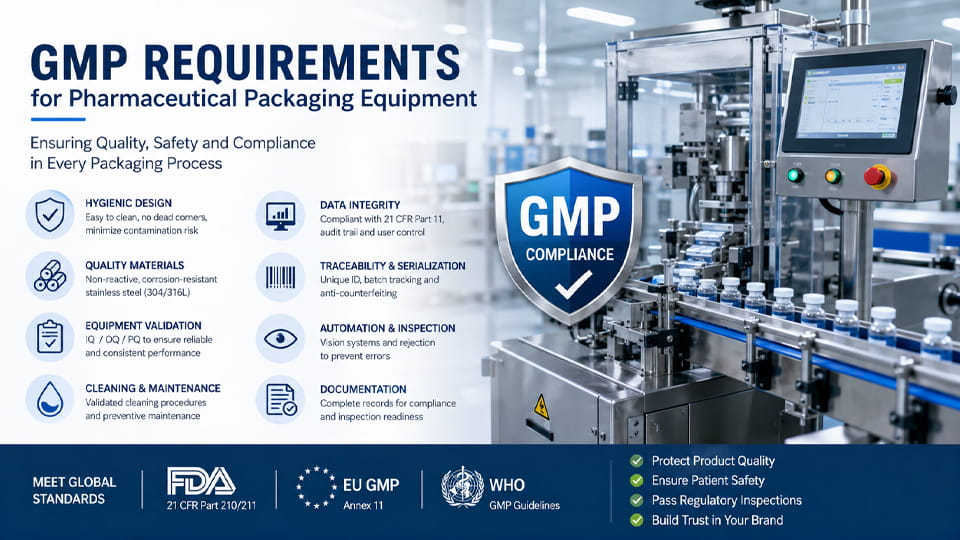
تساعد متطلبات GMP شركات الأدوية في الحفاظ على جودة المنتج وتجنب عمليات السحب الباهظة الثمن, الخلطات, تلوث, وتسمية الأخطاء.
تعمل عمليات التعبئة والتغليف المتوافقة مع GMP المصممة جيدًا على تحسين الاستقرار التشغيلي وتقليل أخطاء الإنتاج المكلفة. تؤكد إرشادات التغليف الخاصة بإدارة الغذاء والدواء (FDA) أيضًا على ضوابط التغليف المناسبة, إجراءات وضع العلامات, وأنظمة التتبع.
تستخدم آلات تغليف الفقاعة الحديثة تشكيلًا دقيقًا, ختم, وأنظمة القطع لتقليل فقدان المواد. يمكن للأنظمة المؤازرة وتكنولوجيا فحص الرؤية أن تقلل من المنتجات المرفوضة وهدر بدء التشغيل.
تعمل تعبئة الفقاعات المُحسّنة أيضًا على تحسين حماية المنتج وتقليل مخاطر التلوث أو أخطاء وضع العلامات.
مراجع:
1.TRS 986 – الملحق 2: منظمة الصحة العالمية ممارسات التصنيع الجيدة للمنتجات الصيدلانية: المبادئ الرئيسية -- من
2.إرشادات CMC وGMP -- نحن. إدارة الغذاء والدواء
3.نهج التصميم البيئي لتغليف الأدوية على أساس تقييم دورة الحياة —— ساينس دايركت
4.زيادة دائرية التعبئة والتغليف على طول سلسلة قيمة المستحضرات الصيدلانية —— مدبي