×

الخدمة عبر الإنترنت

💬 واتساب: +86 1801179332
💡
  • بيت
  • مدونات
  • Blister Pack vs Dosette Box: Which Medication Packaging Solution Is Better?

Blister Pack vs Dosette Box: Which Medication Packaging Solution Is Better?

Medication errors and non-adherence are major concerns in healthcare. Poorly organized doses can lead to missed or double doses, reduced treatment effectiveness, and even safety risks. Packaging plays a crucial role in helping patients take the right pill at the right time. حزم نفطة و dosette (pill organizer) صناديق are two popular packaging systems designed to organize doses and improve adherence. While both aim to help patients take medicines correctly, they work in very different ways. Blister packs are sealed, factory-made, single-dose packets often used in pharmacy dispensing and mass production; Dosette boxes are reusable multi-compartment organizers filled by patients or pharmacists. Each method has advantages and trade-offs in terms of protection, راحة, يكلف, والالتزام.

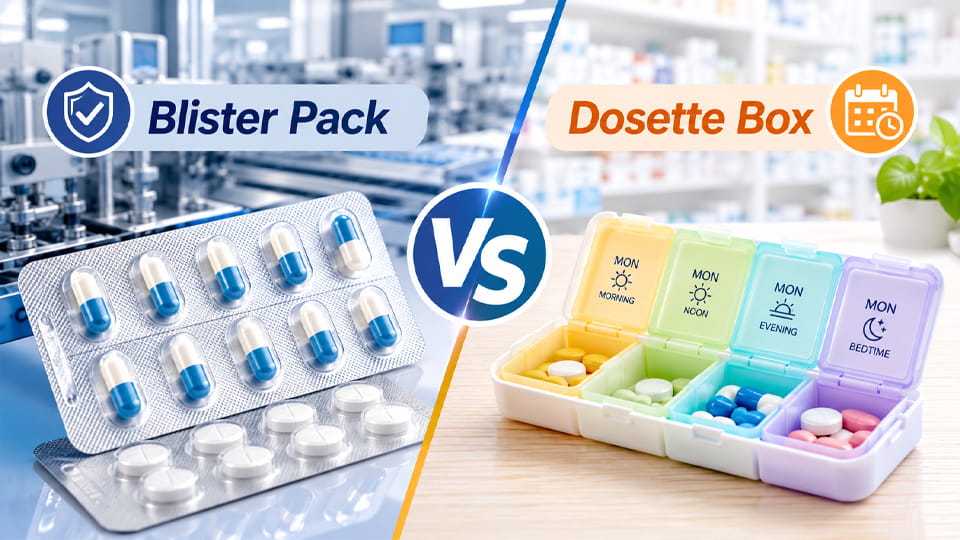
Blister Pack vs Dosette Box

This article explores “Blister Pack vs Dosette Box” in depth. We’ll define each, look at how they’re made, compare their features in a clear table, and review pros and cons. We’ll also examine evidence on medication adherence and safety, guide when to choose one option over the other, and discuss how pharmaceutical manufacturers make these choices. أخيراً, we’ll answer common FAQs about both packaging types. بحلول النهاية, you’ll understand which packaging solution best fits your situation or production need.


ما هي حزمة نفطة?

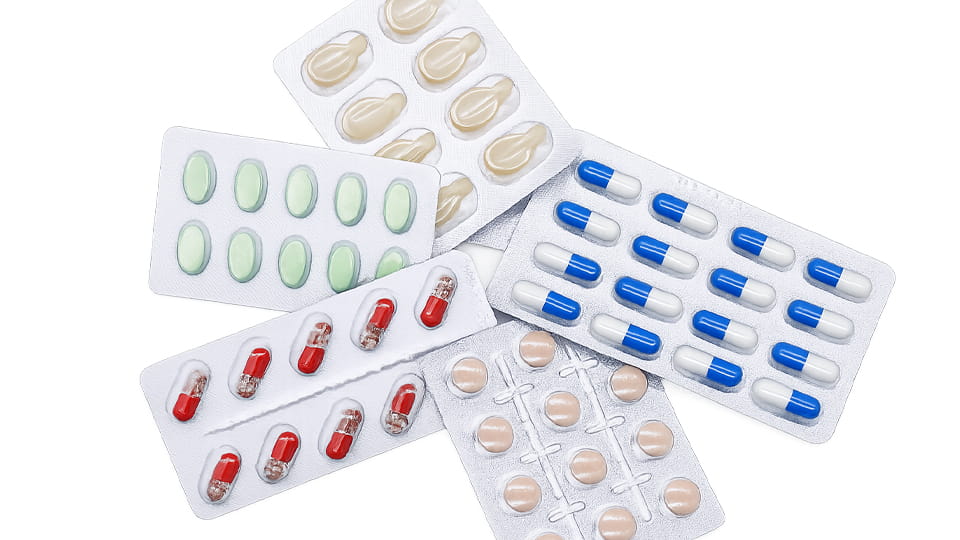
أ حزمة نفطة is a sealed, جرعة واحدة (جرعة الوحدة) package commonly used in the pharmaceutical industry. It consists of individual cavities (بثور) made by thermoforming plastic sheets (often PVC or similar materials) and sealing them with a backing (foil or laminated paper). كل تجويف يحمل جرعة واحدة (قرص, كبسولة, or ampoule), isolating it from the environment. This design offers high protection against humidity, الأكسجين, والتلوث, تمديد العمر الافتراضي.
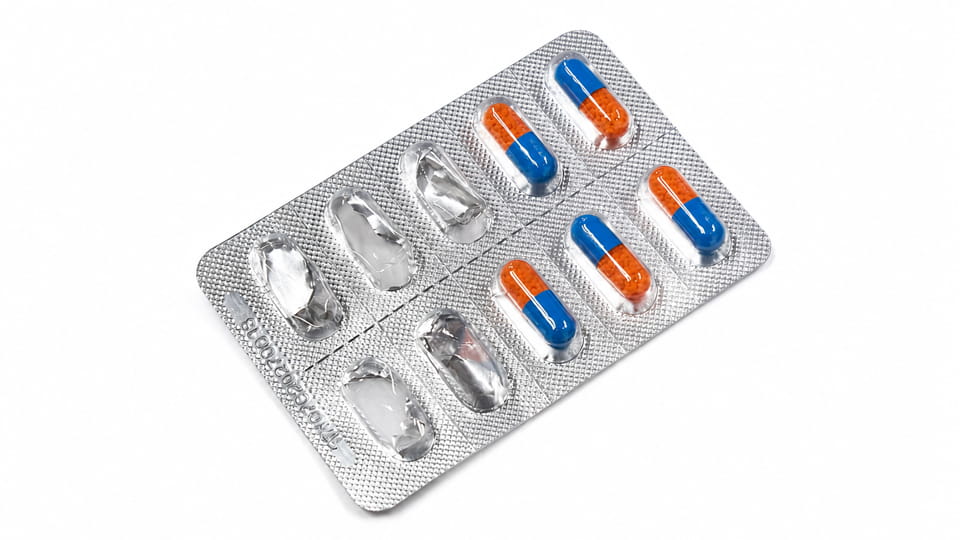
a blister pack with individual capsules sealed in thermoformed plastic pockets

شكل: Example of a blister pack with individual capsules sealed in thermoformed plastic pockets (backed by foil).

Blister packs are essentially small, clear compartments that allow patients and pharmacists to visually see the dosage form while keeping it safely sealed. The plastic blister is often transparent (للرؤية) and the backing may be foil or paperboard printed with dosage information, تواريخ انتهاء الصلاحية, or branding. This labeling helps users follow a medication schedule.

Blister Pack Materials and Construction

  • Plastic Sheet: The blister (dome) is usually formed from rigid PVC, بولي كلوريد الفينيل/PVDC, or newer barrier films (على سبيل المثال. PVC/PCTFE) that resist moisture. These plastics are thermoformed into pockets.
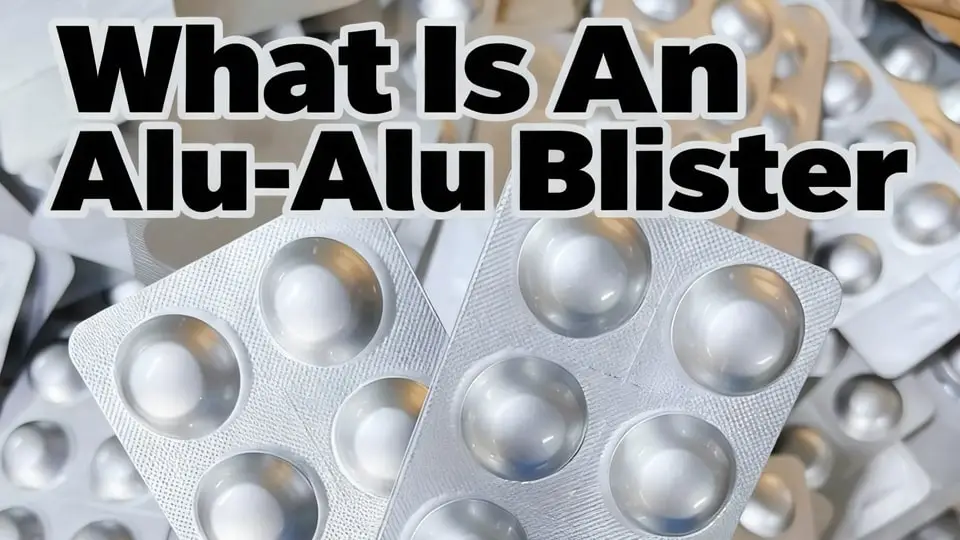
  • Backing/Lid: The blister cavities are sealed by a lidding material, often aluminum foil (for high barrier in alu-alu blisters) or a plastic laminate. Aluminum foil blocks light and moisture almost completely, making ALU/ALU packs ideal for very sensitive drugs. PVC-Al (plastic-Al foil) is common for general use.
  • Additional Materials: Some blister packs use coated paperboard backings (for things like calendars) or include desiccant layers. Child-resistant foils or perforated tear tapes can also be incorporated for safety features.

Blister Pack Production (آلي)

Modern blister packs are typically produced on high-speed machines. ان آلة تعبئة الفقاعة الأوتوماتيكية الأشكال, يملأ, الأختام, and punches the packs in a continuous process. على سبيل المثال, Jinlu’s DPP-270Max flat-plate machine forms cavities, deposits pills or capsules into each cavity, and then heat-seals the foil lid. These machines meet معايير cGMP and can run at 50+ دورات في الدقيقة (or up to 450 plates per minute on the high-speed JL-DPH-270Max model). The result is a tamper-evident, pharmacy-ready pouch of medication. Because production is automated, blister packs are ideal for large batches in pharmaceutical or nutraceutical manufacturing, achieving consistent quality and high throughput.


What Is a Dosette Box?

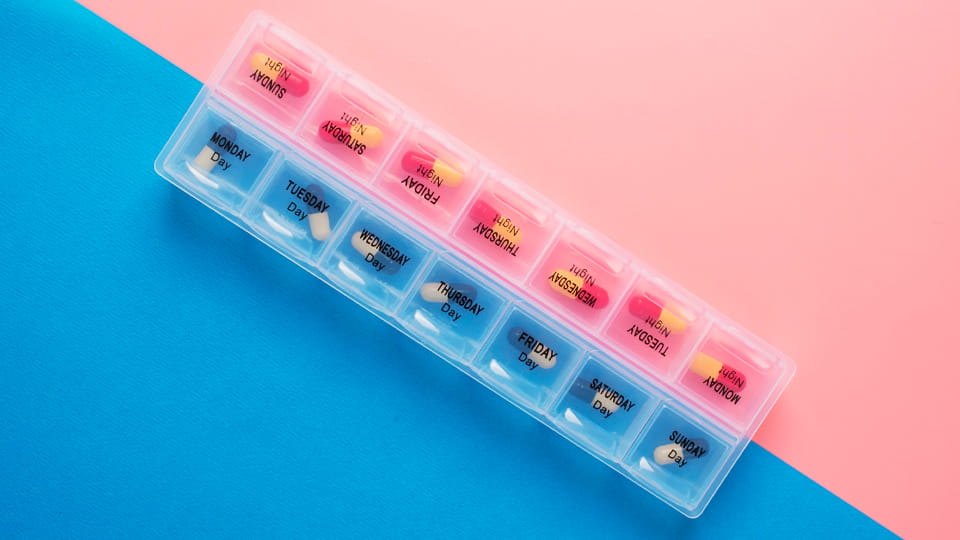
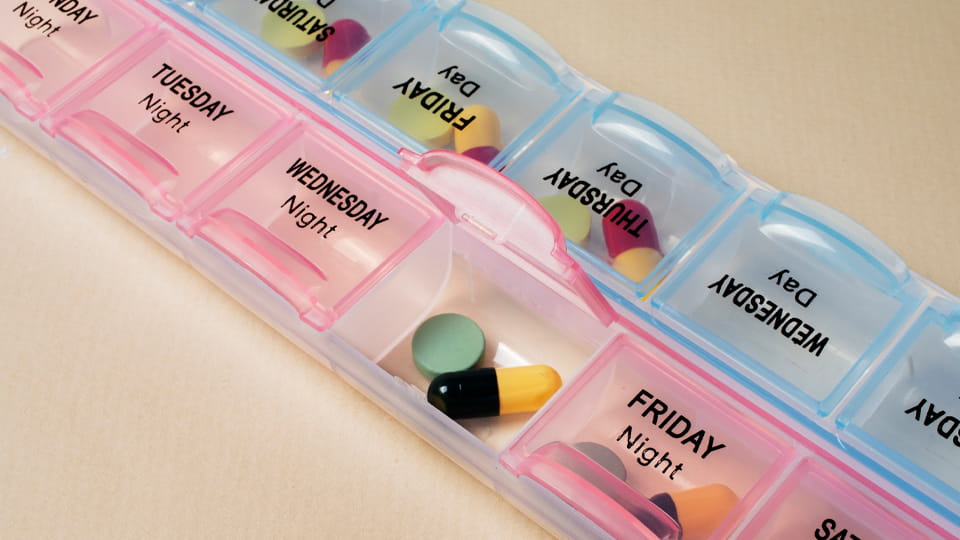
أ dosette box (also called a pill organizer or pill box) is a simple, reusable container with compartments for individual doses. عادة, it is a plastic tray divided into sections by day of week and/or time of day (morning, noon, evening, bedtime). Patients, caregivers, or a dispenser service manually fill each compartment with the required pills for a week or month.

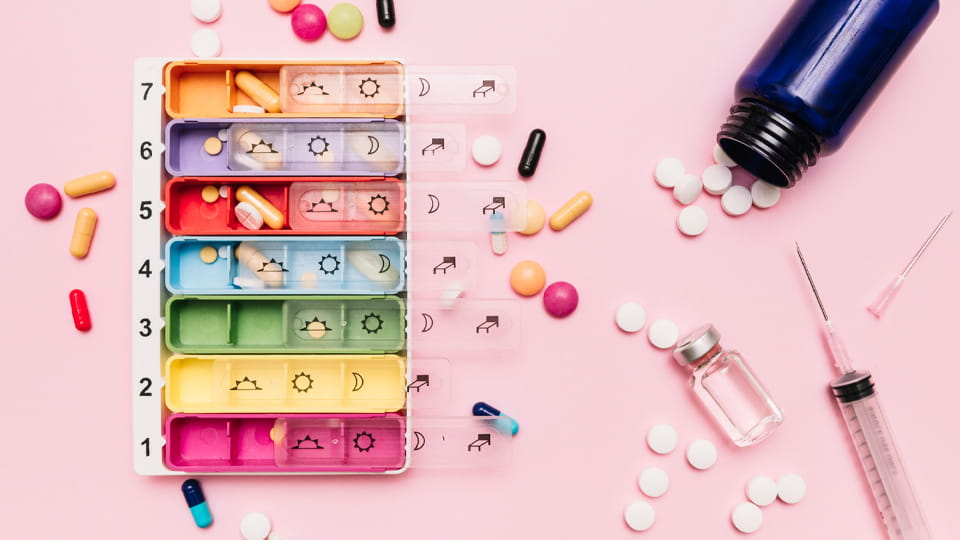
Dosette Box(pill organizer)

Dosette boxes are usually made of injection-molded plastic (such as polypropylene). They have hinged lids or sliding covers labeled for each dosing time. Some dosettes have individual pill-count grooves or snap-in dividers. There is no sealing foil – each dose compartment is open until the patient accesses it.

Design and Usage

  • Compartments: Standard dosettes have 7 أيام, each with multiple slots (على سبيل المثال, 4 times per day). Some designs are smaller (daily trays) or larger (28-day multi-week boxes).
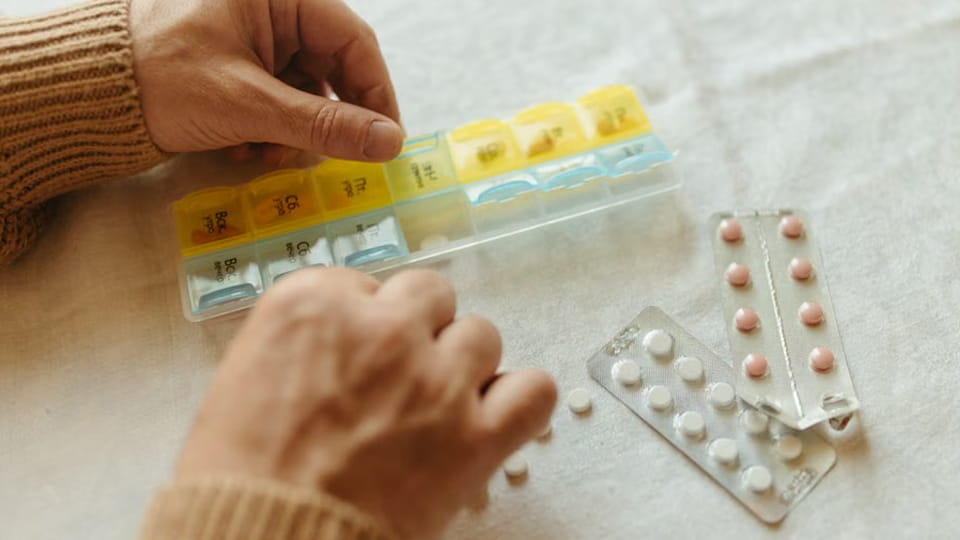
  • Who Fills Them: Since they are reusable, المستخدم (or a family member or caregiver) must fill the correct pills into each compartment. This can be done weekly or as often as needed. Some pharmacies or dispensing centers offer services to pre-fill dosette boxes for patients with stable regimens.
  • المرونة: Because dosettes are filled ad-hoc, they easily accommodate regimen changes. If a prescription changes mid-week, you can simply update the box at home. There is no need to order new packaging. This flexibility is a key advantage.
  • حماية: Dosette boxes offer minimal protection. They are not hermetically sealed, so contents are exposed to ambient humidity and light once placed. Most dosettes lack any moisture barrier or desiccant, so they are not suitable for moisture-sensitive drugs.

Dosette boxes are very common in home and care settings for organizing medications. They are particularly useful for patients who manage their own medications and prefer a simple, low-cost system.


جدول المقارنة: Blister Pack vs Dosette Box

عامل حزمة نفطة Dosette Box (Pill Organizer)
Packaging Type Sealed unit-dose package (plastic/foil) Reusable segmented plastic tray
كيف يعمل Plastic film thermoformed into cavities, then heat-sealed with foil or film, one dose per seal Compartments labeled by day/time; user refills with pills each cycle
Who Fills It Manufacturer or pharmacy (الآلي) مريض, caregiver, or pharmacy service (يدوي)
Reusability Single-use, disposable after consumption Reusable (fill again weekly)
الحياة الافتراضية / حماية Excellent moisture/light barrier, حياة طويلة Limited protection (no seals); contents degrade faster
أدلة العبث عالي (each cavity sealed; foil tear shows opening) لا أحد (open compartments can be lifted or accidentally opened)
Medication Adherence عالي (unit-dose labeling, calendars guide dose) معتدل (organizes doses, but accuracy depends on correct filling)
سهولة الاستخدام Very easy – patients just peel one dose at a time Simple once filled; but filling requires time and care
مثالي ل Complex regimens, elderly or memory-impaired patients, الصيادلة Simple regimens, independent users, limited budgets
المرونة قليل (fixed contents; new pack needed if medication changes) عالي (can update compartments anytime)
Production Method آلي (ماكينات تعبئة الفقاعات) يدوي (no special machinery)
يكلف أعلى عموما (آلة & مواد) أدنى (simple plastic box)
التأثير البيئي More single-use plastic/foil waste Reusable, less waste (except periodic disposal)

طاولة: Key differences between blister packs and dosette (pill organizer) boxes in pharmaceutical packaging.

Blister Packs and Dosette Box


Advantages of Blister Packs

  • حماية متفوقة: كل جرعة مختومة بشكل فردي, protecting medicine from moisture, الأكسجين, والضوء. على سبيل المثال, ان الألومنيوم والألومنيوم (مدقة / مدقة) بثرة offers near-perfect barrier, keeping pills stable on the shelf. This extended shelf life is crucial for many pharmaceuticals.
  • العبث بديه: It’s obvious if a blister has been opened prematurely. The sealed cavities ensure that any interference shows a clear tear. This adds a layer of safety and security.
  • الجرعات الدقيقة & وضع العلامات: Blister packs often use printed backing cards or labels showing days, بلح, or instructions. Patients can “check off” each dose as they go. This visual “calendar” helps prevent missed or double dosing. على سبيل المثال, a study notes that blister packaging creates a clear schedule, making it easier to know if a dose was taken or missed.
  • Prepared by Professionals: Blisters are filled and checked by pharmacists or machines, not by the patient. A licensed pharmacist ensures the right drug and dose go into each cavity. This pharmacy-prepared approach greatly reduces filling errors (unlike dosettes, which rely on patient accuracy).
  • قابلية النقل: Blister cards are compact and lightweight. A week’s worth of medications can be carried easily in a purse or pocket without lugging multiple pill bottles. This convenience encourages adherence when patients travel or leave home.
  • Compliance Aid: Blister packs are a form of “compliance packaging” proven to enhance medication adherence. The organized layout and professional fill reduce confusion. في الحقيقة, systematic reviews and clinical studies have repeatedly shown that patients using blister-packed medications have higher adherence rates than those using loose pills.


Advantages of Dosette Boxes

  • Reusable & فعالة من حيث التكلفة: A dosette box can be refilled every week or month. There’s no need to purchase new packaging for each cycle, making it low cost for patients or care facilities. It also means less packaging waste overall.
  • Flexible Organization: Any change in regimen can be made instantly. If a doctor adds a new medication mid-week, the caregiver can place it in the next slot immediately. This flexibility is difficult with fixed blister cards.
  • Ease for Simple Routines: Dosettes work well for straightforward medication schedules (على سبيل المثال. one pill daily). Filling a few pills into the compartments is quick and intuitive for many users.
  • قابلية النقل (Size Options): Many dosette designs exist, including smaller daily pill boxes or combined weekly units. Users can pick the size that fits their lifestyle. A compact dosette can easily go into a bag for a day out.

Dosette Box with compartments for individual doses


Limitations of Blister Packs

  • Single-Use Waste: Blister packs generate one-time plastic and foil waste. They are not reusable and can be bulkier to dispose of. Recycling blister materials (mix of plastic and metal) is also challenging for many waste systems.
  • Low Flexibility: Once a blister pack is made, its contents are fixed. If a patient’s prescription changes, the pack must be completely redone. This can be inconvenient for evolving regimens.
  • تكلفة أعلى & Equipment Need: Pharmaceutical companies need to invest in specialized ماكينات تعبئة الفقاعات and tooling. Producing blister packs involves advanced equipment and materials, which can mean higher production costs compared to manual methods.
  • Not Suitable for All Medications: Some drugs are extremely moisture-sensitive or volatile. While Alu/Alu blisters help, certain items (like some insulin pills, volatile compounds) might not be recommended for typical blister films. أيضًا, very thick or oddly shaped products may not fit standard blisters.


Limitations of Dosette Boxes

  • Manual Filling Errors: The biggest risk is human error. If a patient or caregiver mis-sorts medications, the entire regimen is compromised. Without a pharmacist’s check, wrong pills or wrong counts can go into the box.
  • No Moisture Barrier: Dosette compartments are not sealed. Pills can degrade from humidity or cross-contamination (على سبيل المثال, the smell of one capsule can affect others). They’re generally not suitable for liquid or particularly delicate medications.
  • No Tamper-Evidence: There’s no way to know if someone (or even the patient themself) has opened a compartment earlier than intended. This can lead to missed doses being unnoticed.
  • Time-Consuming Setup: For someone taking many medicines, filling a dosette is a significant weekly chore. It also places the burden of schedule management on the patient or family rather than a pharmacy.
  • Unsuitable for Cognitive/Dexterity Impairment: Patients with severe dementia, poor eyesight, or hand tremors may struggle to open small compartments or accurately fill them. For such users, a pre-filled blister might be safer and easier.


Impact on Medication Adherence and Safety

Medication adherence (taking medicines correctly as prescribed) is crucial for treatment success. Packaging interventions like blisters and organizers are often used to improve adherence. Research shows blister packs tend to be more effective at boosting adherence than home-filled pillboxes. In one systematic review, interventions using blister packaging had much larger effect sizes (ES ≈ 0.80) on adherence outcomes compared to those using pill organizers (ES ≈ 0.38). Clinically, studies in chronic and psychiatric care found every study with blister-packaged medications saw improved adherence rates.

Why do blisters help more? The key is structure and pharmacy involvement. Blister packs come with clear dosing cues and are filled by professionals, reducing forgetfulness and confusion. كما تلاحظ إحدى مدونات الصناعة, blister packs use labeled compartments so patients “do not have to question or double check what medications are supposed to be taken when”. في المقابل, dosette boxes depend entirely on the patient correctly following instructions. If a patient forgets which pill goes where, the dosette organizer offers no safeguards.

قال ذلك, dosette boxes can still improve adherence for simpler cases. For someone taking one or two pills daily, simply having them sorted by day/time is a helpful reminder. They are “especially helpful for elderly patients, vulnerable patients, people with memory difficulties, and family carers” to maintain a routine. لكن, even in those cases, some pharmacies warn that complex regimens or frequent changes should use blister service instead.

In emergency care situations, blister packs have an advantage: they clearly display all of a patient’s medications and schedule on one card. This can be critical for first responders or hospital staff. في ملخص, if adherence is the priority, blister packaging is generally preferred (especially for polypharmacy or high-risk patients). Dosettes serve as a low-cost fallback or second-tier tool when blister packaging isn’t available or needed.


متى تختار عبوة نفطة

يختار حزم نفطة متى:

  • High Protection Needed: The medication is moisture-sensitive, حساسة للضوء, or requires a tamper-evident seal. Blisters provide a sealed environment and often extend shelf life.
  • Automated Mass Production: You have high volumes to pack (pharma manufacturers, contract packers, or large pharmacies). Automated machines can handle tablets, كبسولات, التحاميل, إلخ., with minimal manual effort.
  • Regulated Products: Prescription drugs or certified over-the-counter products that need cGMP-compliant packaging lines. آلات نفطة (مثل نماذج جينلو) are designed to meet those standards.
  • Patient Demographics: Elderly or memory-impaired patients, or anyone on complex regimens. The structured, labeled layout and pharmacist fill reduce errors.
  • العلامة التجارية & Information Needs: When you want branding or dosage instructions printed on the pack for marketing or clarity. The foil or card backing can be printed with any information needed.
  • Compliance Programs: If your organization (pharmacy or insurer) runs adherence programs that track or subsidize packaging, blisters are often the tool of choice.

Industries and applications: المستحضرات الصيدلانية, المكملات الغذائية, nutritional tablets, some medical devices (like diapers or diagnostic strips), and even non-drug items (البطاريات, إلكترونيات) use blister packs. In all these cases, the investment in an automatic blister packing machine pays off with speed and reliability.

tablets capsules in blister packagings


When to Choose a Dosette Box

استخدم أ dosette box متى:

  • Simple Regimen: The patient takes a small number of pills at fixed times each day (على سبيل المثال, daily vitamin and one prescription pill). Dosettes simplify this without extra cost.
  • Budget or Resource Constraints: No access to a pharmacy blister service or automated packaging. Home or small clinics often rely on reusable pill boxes.
  • Frequent Changes: If medications or dosages change often (titrating drugs, short courses, intermittent meds), a dosette’s refill flexibility is useful. Blister packs would need remanufacturing each time.
  • Home or Care Settings: For independent elderly or assisted-living patients who (or whose caregivers) prefer to manage refills themselves. Community nurses or family members can use dosettes when pharmacy support is limited.
  • Minimal Packaging Waste: In settings emphasizing low-waste solutions (على سبيل المثال, environmentally conscious users), a reusable box is more sustainable than disposable packs.

لكن, even in these cases, it’s important to ensure proper support. Pharmacies often advise patients that if a regimen becomes complex, switching to blister packaging might be safer. Dosettes are most effective for maintaining an already-simple schedule, not for organizing a high-risk one.

When to Choose a Dosette Box


How Manufacturers Choose Packaging Solutions

Pharmaceutical manufacturers and packagers consider several factors when choosing between blister packaging or providing dosettes:

  • خصائص المنتج: Is the drug a pill, كبسولة, or ampoule? Is it sensitive to moisture or oxidation? حزم نفطة (especially foil-based) give superior barrier protection, extending stability. If the product needs special temperature/humidity control, blister may be necessary. على العكس, if the product is stable and the market small, simpler packaging might suffice.
  • حجم الإنتاج: High-volume lines favor automation. If you produce millions of tablets a month, ان automatic blister packaging machine (flat or roller type) can continually run, as Jinlu’s دي بي بي-270 ماكس و DPH-270MAX demonstrate. For very low volumes or hospital trials, manual repackaging (like a small blister press or dosette fill service) might be enough.
  • Regulatory and Quality Requirements: Blister packs allow easier compliance with labeling and traceability. Each pack can be coded with batch numbers and expiration dates. Dosette boxes carry no regulatory label, which is acceptable for at-home use but not for retail products. Regulatory bodies often require child-resistant and tamper-evident features for patient packaging, which blister packs can incorporate.
  • Patient/Market Needs: Who is the end user? In markets with high adherence intervention programs, blister packaging is often demanded by insurers or healthcare systems. في المقابل, markets or segments where self-care is promoted, dosette boxes are popular.
  • اعتبارات التكلفة: The machinery and tooling for blister packs (قوالب, فيلم, احباط) are more expensive upfront, but cost-effective at scale. Dosettes are cheap per unit but have no manufacturing process beyond plastic injection. Manufacturers weigh equipment amortization vs. per-unit material cost.
  • Integration with Existing Lines: Companies also consider how a new packaging line fits. التعبئة جينلو, على سبيل المثال, can customize blister lines that integrate capsule filling, عد, التغليف بالكرتون, وأكثر, offering a turnkey solution. If a plant already has a cartoner and bottle filler, they may opt for bottles or softgel pouches instead of blister, unless packaging adherence is a priority.

في ملخص, التعبئة والتغليف نفطة الصيدلانية is the norm for large-scale, high-adherence products. Dosette boxes are chosen more by healthcare providers and consumers for their flexibility and low cost. Many manufacturers will offer blister-packed products and let patients or pharmacies transfer pills into dosettes if needed at home.

آلة نفطة DPP-180PRO لآلة الكبسولة اللوحي


خاتمة

في Blister Pack vs Dosette Box debate, the “best” option depends on context. Blister packs win for high protection, professional filling, and adherence support – ideal for complex prescriptions and large-scale pharma production. Dosette boxes win for low cost, reusability, and flexibility – best for simple regimens managed at home. Many healthcare systems actually use a combination: pharmacy fills blister packs for dispensing, while allowing repeat prescriptions to go into dosettes at home if the patient prefers.

For pharmaceutical manufacturers or pharmacies aiming to improve safety and compliance, investing in automated blister packaging equipment هو المفتاح. و Jeinlu اختيار, نحن متخصصون في ماكينات تعبئة الفقاعات الصيدلانية that meet global standards. Our advanced machines (flat-plate and roller-plate models) can handle PVC-Al and Alu-Alu blisters, كبسولات, أقراص, وأكثر, at speeds up to 48,000 لوحات في الساعة. By integrating Jinlu blister machines and complete خطوط التغليف, manufacturers can produce high-quality, tamper-evident blister packs that enhance patient adherence and brand trust.

Ready to optimize your medication packaging? اتصل بـ Jinlu Packaging اليوم to discuss our automatic blister packing machines, customization options, و حلول جاهزة for pharmaceutical blister packaging. Let us help you deliver safer, more effective medication compliance with cutting-edge technology.


FAQs on Blister Pack vs Dosette Box

What is the difference between a blister pack and a dosette box?

A blister pack is a sealed, single-use package made of plastic and foil, created industrially. Each pill is in its own sealed cavity, often with printed instructions on the backing. A dosette box is a reusable plastic organizer divided into compartments by day/time. Patients or carers manually place pills in each slot. Blisters are prepared by pharmacies or machines and cannot be reused, while dosettes you fill at home and use repeatedly.

Are blister packs better for medication adherence?

عمومًا, نعم. Blister packs are known to improve adherence because they are pre-sorted and labeled by professionals. Each dose is clearly marked, so it’s easy to see what has been taken. Research shows blister-packaging interventions have higher adherence gains compared to self-filled pill boxes or vials. Dosette boxes also help some patients stay organized, but blisters provide additional safety checks (pharmacist involvement) that reduce errors.

Can dosette boxes protect medicines from moisture?

لا, standard dosette boxes offer minimal moisture protection. Since they are simply open compartments, moisture from the air can reach the pills. They are best used for medicines stable at room conditions. في المقابل, حزمة نفطة (especially with foil backing) seals each pill away from air and humidity, إطالة العمر الافتراضي بشكل كبير.

Which packaging is better for elderly patients?

Blister packs are often more suitable for the elderly, especially those on multiple medications. The structured layout and pharmacy-prepared filling reduces confusion. A dosette can still work for seniors who only take a few pills and have good dexterity. But for safety and convenience, many caregivers prefer blister packaging for older adults with complex regimens.

Why do pharmaceutical manufacturers prefer blister packaging?

Manufacturers favor blister packs because they ensure consistent quality and compliance. Blister machines can meet strict GMP regulations, and the sealed design preserves drug stability. Blister packaging also allows clear labeling, which is essential for prescription control and recalls. أخيراً, blisters support branding and instructions on each package, which bottles or bags do not. All these factors make blister packaging the industry standard for many medications.

What equipment is required to produce pharmaceutical blister packs?

You need a blister packaging machine (forming machine) والمعدات الداعمة. This usually includes a thermoforming unit (to shape plastic into cavities), a dosing/filling station (to place pills into cavities), a heat-sealing station (to seal in foil or film), and a punch station (to cut out individual blisters or strip sections). Modern automatic blister lines (like Jinlu’s DPP-270Max) combine these in one continuous machine. Additional components may include capsule counters feeding the fillers, date-coding printers, and vision inspection systems. باختصار, producing blister packs industrially requires specialized machinery – it’s not a manual process.

Do blister packs improve medication adherence?

نعم. Calendar blister packs can help patients track whether they have taken a dose and reduce the risk of missed or duplicated medication. They are widely used as a medication adherence packaging solution in both retail pharmacies and healthcare settings.

What medicines are commonly packaged in blister packs?

Blister packs are widely used for tablets, كبسولات, كبسولات هلامية, الفيتامينات, المغذيات, over-the-counter medicines, and prescription drugs that require unit-dose packaging and long shelf life.

Are blister packs safer than dosette boxes?

في كثير من الحالات, نعم. Blister packs offer tamper evidence and reduce the chance of medication mix-ups because each dose is separated and clearly identified. Dosette boxes depend on manual filling, which can increase the possibility of human error.

Can blister packs and dosette boxes be used together?

نعم. In some healthcare environments, medicines are first supplied in blister packs and then organized into dosette boxes according to individual patient schedules. The combination can improve medication management while maintaining dose organization and convenience.


مراجع:
1.Pill organizer —— ويكيبيديا
2.Packaging interventions to increase medication adherence: systematic review and meta-analysis —— المكتبة الوطنية للطب
3.الأدوية: التعبئة والتغليف, labelling and patient information leaflets —— gov.uk
4.Understanding packaging definitions for medicines —— tga.gov.au
5.التعبئة والتغليف الصيدلية وإدراجها —— المكتبة الوطنية للطب
6.Dispensing care?: The dosette box and the status of low‐fi technologies within older people’s end‐of‐life caregiving practices —— المكتبة الوطنية للطب
7.Pillbox intervention fidelity in medication adherence research: A systematic review —— ساينس دايركت

شارك هذه المقالة:
صورة ل بيتي فو
بيتي فو

بيتي فو, مؤسس شركة Jinlupacking, يجلب 20 سنوات من الخبرة في قطاع الآلات الصيدلانية. تحت قيادته, لقد نمت Jinlu لتصبح موردًا موثوقًا به يدمج التصميم, إنتاج, والمبيعات. بيتي متحمس لمشاركة معرفته العميقة بالصناعة لمساعدة العملاء على التغلب على تعقيدات التعبئة والتغليف الدوائية, ضمان حصولهم ليس فقط على المعدات, ولكن شراكة خدمة متكاملة حقيقية مصممة خصيصًا لأهداف الإنتاج الخاصة بهم.

جدول المحتويات

أرسل استفسارك

ترك الرد

لن يتم نشر عنوان بريدك الإلكتروني. تم وضع علامة على الحقول المطلوبة *

احصل على عرض أسعار مجاني

*نحن نحترم سريتك وجميع البيانات محمية. سيتم استخدام بياناتك الشخصية ومعالجتها فقط لحل JL.