
GMP مقابل cGMP هو أحد الأسئلة الأكثر شيوعًا في تصنيع الأدوية- ولسبب وجيه. على الرغم من أن المصطلحين مرتبطان ارتباطًا وثيقًا, إنهم ليسوا متطابقين. إن فهم الفرق أمر ضروري لمصنعي الأدوية, مشتري المعدات, مديري الإنتاج, وفرق الجودة لأن هذه المعايير تؤثر على كل مرحلة من مراحل الإنتاج, بدءًا من تصميم المنشأة والتحقق من صحة العملية وحتى اختيار المعدات وجودة المنتج. بخاصة, ال “حاضِر” في ممارسات التصنيع الجيدة الحالية (CGMP) يعكس التوقع بأن الشركات المصنعة تعتمد باستمرار أحدث التقنيات, أنظمة, وممارسات الجودة بدلاً من الاعتماد على الأساليب القديمة.
سواء كنت تستثمر في خط تعبئة الزجاجات الجديد, تحديث خط الإنتاج الحالي, أو التحضير لعمليات التفتيش التنظيمية, فهم GMP مقابل cGMP يمكن أن تساعدك على اتخاذ قرارات أكثر استنارة. في هذا الدليل, سنشرح الاختلافات الرئيسية بين GMP وcGMP, الخطوط العريضة لهم متطلبات الامتثال, وإظهار مدى الحداثة معدات التعبئة والتغليف الصيدلانية يدعم أكثر أمانا, أكثر كفاءة, والتصنيع المتوافق تماما.
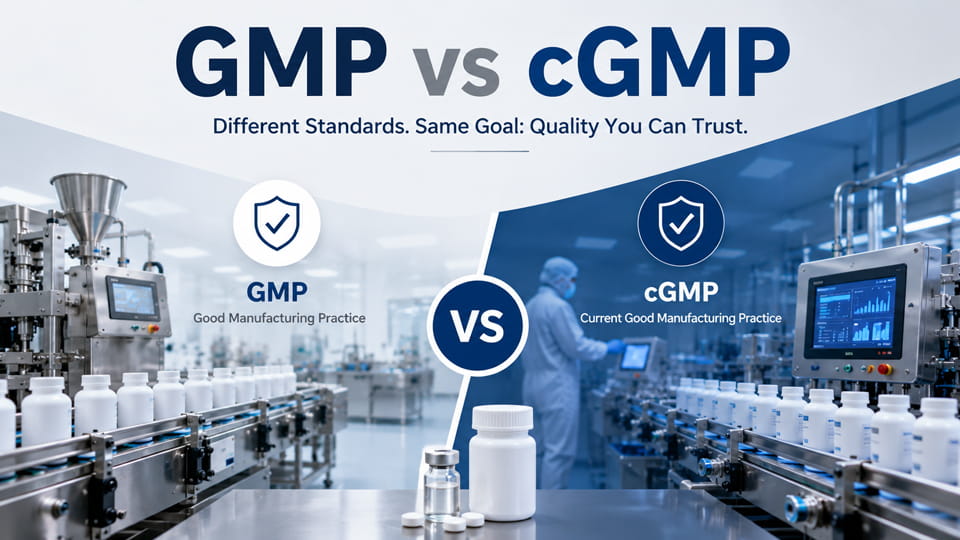
ممارسات التصنيع الجيدة (GMP) هو إطار عالمي لضمان الجودة لصناعة الأدوية. تُعرّف منظمة الصحة العالمية ممارسات التصنيع الجيدة (GMP) على أنها أحد جوانب ضمان الجودة التي تضمن إنتاج المنتجات ومراقبتها باستمرار وفقًا لمعايير الجودة المناسبة. بصورة مماثلة, وكالة الأدوية الأوروبية (ema) يصف GMP بأنه الحد الأدنى المعيار الذي يجب أن يستوفيه صانع الأدوية في الإنتاج. في الممارسة العملية, يغطي GMP تصميم المنشأة, معدات, مواد خام, تدريب الموظفين, إجراءات مكتوبة, والاختبار. الهدف هو التأكد من أن كل دفعة عالية الجودة, مناسبة للاستخدام المقصود, ومطابق لمواصفاته.
بينما منظمة الصحة العالمية, تطلق عليه وكالة الأدوية الأوروبية (EMA) والجهات التنظيمية الأخرى اسم "GMP".,"هذا المصطلح قابل للتبديل بشكل أساسي مع cGMP خارج الولايات المتحدة. في الحقيقة, تشير إرشادات منظمة الصحة العالمية إلى أن ممارسات التصنيع الجيدة "يُشار إليها أيضًا باسم" cGMP "أو ممارسات التصنيع الجيدة "الحالية"" في بعض السياقات. للعديد من الشركات المصنعة العالمية, إن تلبية إرشادات GMP تعني الحصول على نفس نتائج الجودة التي تؤكد عليها إدارة الغذاء والدواء لاحقًا باستخدام cGMP.
ممارسات التصنيع الجيدة الحالية (CGMP) هو مصطلح إدارة الغذاء والدواء الأمريكية لهذه اللوائح في الولايات المتحدة. تُعرّف إدارة الغذاء والدواء الأمريكية cGMP بأنها الأنظمة التي تضمن التصميم المناسب, مراقبة ومراقبة عمليات التصنيع والمرافق. مثل برنامج الرصد العالمي, يهدف cGMP إلى التأكد من أن المنتجات الدوائية لها هويتها, قوة, الجودة والنقاء كما يزعمون. في الحقيقة, تغطي لوائح إدارة الغذاء والدواء (FDA) بشكل صريح كل شيء بدءًا من نظافة المنشأة ومعداتها وحتى مؤهلات الموظفين وحفظ السجلات (21 أجزاء CFR 210 و 211).
والفرق الحاسم هو أن الحرف "C" في cGMP يرمز إليه حاضِر. وهذا يعني أنه يجب على الشركات استخدام التقنيات الحديثة, المعدات والإجراءات. كما تلاحظ إدارة الغذاء والدواء, الأنظمة والمعدات التي كانت "على أعلى مستوى" 10 أو 20 منذ سنوات مضت قد تقصر الآن عن cGMP, لأن معايير الجودة والتكنولوجيا تتقدم مع مرور الوقت. باختصار, يحمل cGMP نفس متطلبات الجودة مثل GMP ولكنه يضيف التركيز على التحسين والتحديث المستمر. يتم فرض الامتثال لـ cGMP من خلال عمليات التفتيش التي تقوم بها إدارة الغذاء والدواء, والفشل في تلبية هذه المعايير قانونيًا يجعل الدواء "مغشوشًا".,حتى لو اجتاز الاختبارات المعملية.
بينما يهدف GMP وcGMP إلى نفس النتيجة (آمن, أدوية عالية الجودة), تكمن الاختلافات في التركيز والاستخدام. ويلخص الجدول أدناه الفروق الأساسية:
| وجه | GMP (ممارسات التصنيع الجيدة) | CGMP (برنامج الرصد العالمي الحالي, ادارة الاغذية والعقاقير) |
| مصطلحات | "ممارسات التصنيع الجيدة" - تستخدمها منظمة الصحة العالمية, ema, الموافقة المسبقة عن علم/س, إلخ. | "ممارسات التصنيع الجيدة الحالية" - مصطلح إدارة الغذاء والدواء |
| السياق التنظيمي | المعيار العالمي المطبق من قبل العديد من البلدان (من, الموافقة المسبقة عن علم/س, برنامج الرصد العالمي للاتحاد الأوروبي) | اللوائح الخاصة بالولايات المتحدة (21 CFR 210-211) |
| ركز | يلبي معايير الجودة المعمول بها باستمرار | يفي بالمعايير و يحافظ على تحديث التكنولوجيا / العمليات |
| متطلبات التكنولوجيا | ثابتة بشكل عام (يفي بالمعايير الأساسية) | يجب استخدام أحدث المعدات والأساليب المعتمدة |
| الوثائق | إجراءات التشغيل الموحدة والسجلات الشاملة المطلوبة | وثائق أكثر صرامة (السجلات الإلكترونية, مسارات التدقيق) |
| تصديق | من المتوقع التحقق من صحة العملية والتنظيف | تأهيل المعدات (الأشعة تحت الحمراء/WH/PQ) والتحقق من صحة العملية إلزامي |
| نظام الجودة | نظام إدارة الجودة القياسي | نظام إدارة الجودة المعزز القائم على المخاطر; دورات التحسين المستمر |
| عمليات التفتيش & التحديثات | عمليات التفتيش الدورية للتحقق من الامتثال لـ GMP | نفس, لكن إدارة الغذاء والدواء تتوقع تحديثات مستمرة; ما كان متوافقًا قد يصبح قديمًا |
| النطاق التنظيمي | ميمي: الامتثال الذي تفرضه EMA & الوكالات الوطنية | نحن: الامتثال الذي تفرضه إدارة الغذاء والدواء; عدم الامتثال يؤدي إلى اتخاذ إجراءات قانونية |
في الجوهر, CGMP هو برنامج الرصد العالمي زائد توقع مواكبة أفضل الممارسات الحديثة. كما يوضح أحد تحليلات الصناعة, يركز cGMP "على التحسين المستمر ويعني أنه يتم استخدام أحدث المعايير والتقنيات لضمان الجودة, في حين تعتبر GMP مجموعة من المبادئ ". من الناحية العملية, يحمل cGMP جميع متطلبات GMP, ولكن مع التركيز الإضافي الذي يجب على الشركات القيام به بنشاط عمليات الترقية والوثائق.
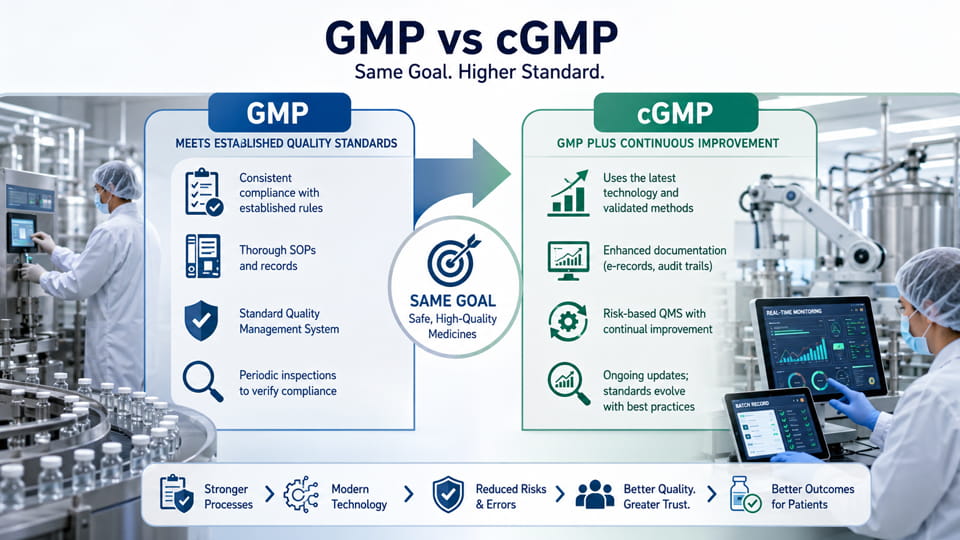
"التيار" في cGMP ليس مجرد كلمة طنانة: فإنه يشير إلى أن المرافق, يجب ألا تصبح الآلات وأنظمة الجودة قديمة أبدًا. على سبيل المثال, إذا تبين أن طريقة إنتاج قديمة أو قطعة من المعدات أقل جودة, تعني معايير cGMP أنه يجب على الشركة تنفيذ حلول أحدث. هذا النهج يدفع الابتكار: الشركات التي تعتمد cGMP تستثمر في سجلات الدُفعات الإلكترونية, أنظمة التفتيش الآلي, مراقبة البيانات في الوقت الحقيقي وغيرها من التطورات التي ترفع الجودة وتقلل من الأخطاء.
يؤكد الحرف "c" في cGMP على نقطة بسيطة ولكنها حرجة: الامتثال يعني استخدام حاضِر المعرفة والتكنولوجيا. وهذا مهم لأن العلوم والمعدات الصيدلانية تتطور بسرعة. ما هي طريقة التنظيف الصالحة 20 منذ سنوات مضت ربما لم تعد تلبي معايير التلوث اليوم, وأدوات جديدة (مثل أنظمة إدارة الجودة الرقمية) توفر إمكانية تتبع أفضل من السجلات الورقية.
ويتوقع المنظمون بشكل روتيني أن الشركات المصنعة سوف تفعل ذلك تحسين بنشاط. على سبيل المثال, تشير إرشادات إدارة الغذاء والدواء الأمريكية (FDA) إلى أنه يجب بناء المعدات وتحديد موقعها لتسهيل عملية التنظيف ومنع التلوث - مما يعني ضمنًا أن التصميمات يجب أن تتكيف عندما نتعلم المزيد عن التحكم في التلوث. إذا توفر تعقيم أو مواد أفضل, يدعو cGMP إلى دمجها. يسلط الضوء على Jinlupacking: "يؤكد ""التيار"" في cGMP على ضرورة استخدام الشركات المصنعة للتقنيات والأنظمة الحديثة," أيّ يعزز التحسين المستمر في عمليات التصنيع.
في الممارسة العملية, وهذا يعني أن المنشآت يجب أن يكون لديها نظام جودة يقوم بمراجعة وتنقيح العمليات عند تحديث اللوائح أو معايير الصناعة. الجزء 21CFR الخاص بإدارة الغذاء والدواء 11 (للأنظمة المحوسبة) هو أحد الأمثلة: تمت إضافته لمعالجة السجلات والتوقيعات الإلكترونية. تحت cGMP, كان على شركات الأدوية دمج عمليات تسجيل دخول فريدة, مسارات التدقيق وميزات الأمان في أجهزتهم وبرامجهم المحوسبة. إذا استمرت الشركة في استخدام السجلات الورقية فقط, لن يفي بالمعايير الحالية.
مجال رئيسي آخر هو سلامة البيانات. يقوم المنظمون الآن بفحص سجلات الدُفعات الإلكترونية, تتطلب أن تكون جميع التغييرات قابلة للتتبع للمستخدمين المصرح لهم. ويشير دليل الامتثال المشار إليه إلى ذلك 21 جزء CFR 11 "يتطلب تسجيلات دخول مستخدم فريدة, مسارات التدقيق والتوقيعات الإلكترونية لضمان سلامة البيانات. ولم يكن هذا جزءًا أصليًا من برنامج الرصد العالمي (GMP) منذ عقود مضت. لذلك, يعني cGMP اليوم ترقية المعدات والضوابط بحيث يتم تنفيذ كل إجراء في خط الإنتاج (تغييرات إعدادات الجهاز, تنبيهات الجودة) يتم تسجيلها وحمايتها.
في ملخص, "الحالي" في cGMP يعني عدم الاستراحة أبدًا على أمجاد قديمة. إنه يدفع الشركات إلى التحقق بانتظام من صحة المعدات الجديدة, إعادة تدريب الموظفين على أساليب أفضل, وتبني أحدث ممارسات الجودة. ويؤدي هذا إلى تحسين سلامة المنتج والامتثال له بشكل مستمر. يشير كواليتيزي إلى أن أحد الأسباب الرئيسية لأهمية cGMP هو أنه كذلك "يعزز التحسين المستمر" – التأكد من أن الشركات تستخدم دائمًا أحدث التقنيات لضمان الجودة.
سواء كان يسمى GMP أو cGMP, تعتبر بعض المتطلبات الأساسية عالمية في تصنيع الأدوية وتعبئتها. هذه العناصر المشتركة ضرورية للامتثال بموجب إدارة الغذاء والدواء, قواعد منظمة الصحة العالمية أو EMA:
تنص الهيئات التنظيمية مثل منظمة الصحة العالمية على أن ممارسات التصنيع الجيدة تحدد "تدابير وأنشطة الجودة لكل من إنتاج الأدوية ومكافحتها,"ويضمن كل شيء من" العمليات " [كون] محددة بوضوح, تم التحقق من صحتها ومراجعتها" للموظفين والمباني "المناسبة للإنتاج". في الممارسة العملية, وهذا يغطي كل ما هو مذكور أعلاه.
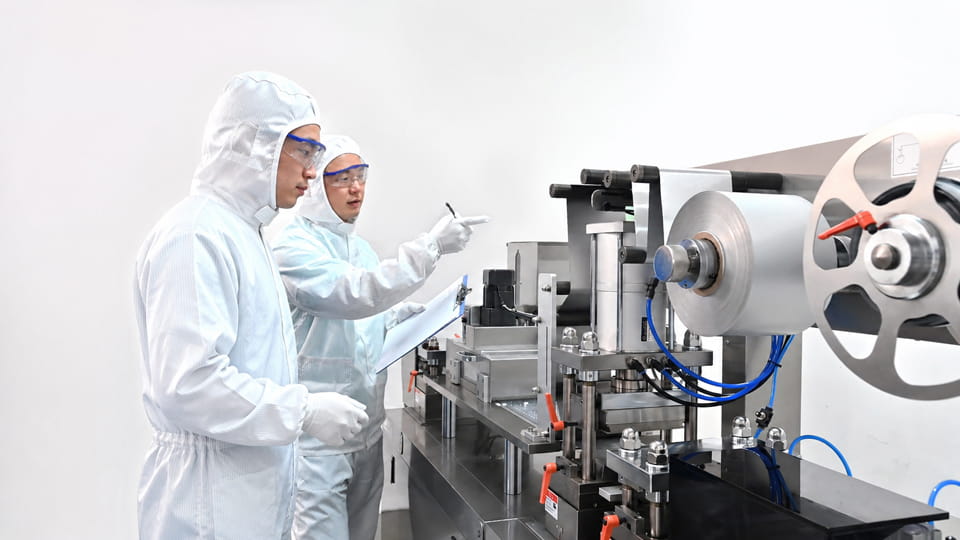
في مناطق التعبئة والتغليف, غالبًا ما تترجم المعايير إلى قواعد تصميم محددة (مثل ملاحظات دليل الامتثال الخاص بـ Jinlu). على سبيل المثال, يجب أن تكون الآلات الموجودة في خط GMP قابلة للتنظيف بسهولة (الفولاذ المقاوم للصدأ على نحو سلس, لا الشقوق أو الساقين الميتة) والتحقق من صحتها بالكامل. وثائق مثل تأهيل التثبيت (معدل الذكاء), التأهيل التشغيلي (أوكيو), وتأهيل الأداء (PQ) مطلوب قبل وأثناء الإنتاج. بدون هذه الضوابط, ومن شأن التدقيق أن يشير إلى عدم الامتثال.
يعتمد المعيار الذي يجب أن تستوفيه على السوق الخاص بك:
على سبيل المثال, توصي إدارة الغذاء والدواء (FDA) صراحةً بأن تمتثل المنشآت التي تبيع منتجاتها عالميًا لمعايير GMP الحالية. على نفس المنوال, تنص EMA على ذلك "يجب على أي شركة مصنعة للأدوية المخصصة لسوق الاتحاد الأوروبي أن تمتثل لممارسات التصنيع الجيدة للاتحاد الأوروبي بغض النظر عن مكان وجودها.". في الممارسة العملية, تقوم شركات الأدوية الكبرى ببناء مرافق لتلبية متطلبات إدارة الغذاء والدواء cGMP كخط أساس ومن ثم تعديلها وفقًا للتغيرات المحلية (مثل وضع العلامات أو لغة التوثيق).
أخيرًا, الخيار ليس إما/أو: من المتوقع أن تلبي المستحضرات الصيدلانية الحديثة نص وروح ممارسات التصنيع الجيدة. سواء كنت تسميها GMP أو cGMP, الممارسات على أرض الواقع – غرف نظيفة, المعدات المعتمدة, مراقبة الجودة الصارمة, والسجلات الشاملة - كلها جزء من نفس ثقافة الجودة.
متى اختيار آلات التعبئة والتغليف الصيدلانية, يجب على المشترين البحث عن الميزات التي تدعم بشكل خاص مبادئ GMP/cGMP:
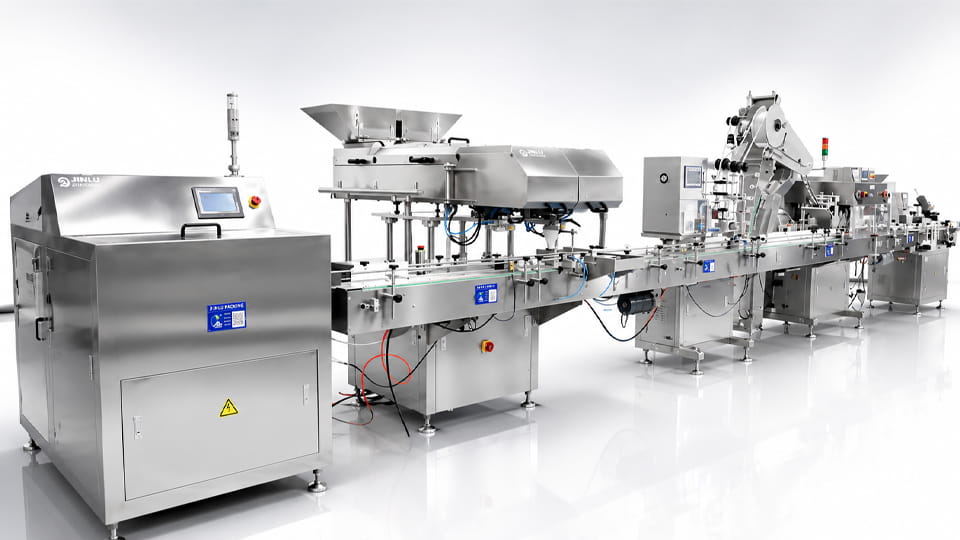
شكل: خط تعبئة زجاجات الأدوية الحديث يتكامل مع عملية فك التشفير, تعبئة, السد, الختم ووضع العلامات مع التفتيش المدمج. تستخدم هذه الآلات بنية صحية من الفولاذ المقاوم للصدأ وأجهزة استشعار لمراقبة الجودة.
من خلال ضمان هذه الميزات, يمكن لمديري المشتريات أن يثقوا في أن خط التعبئة والتغليف الخاص بهم سيدعم الإنتاج المتوافق. ملاحظات جينلو الأصلية, تم تصنيع أجهزتنا بأفضل المواد والبناء المتطور وفقًا لمعايير CE وGMP, وتلبي ماكينة تعبئة الأكياس الخاصة بنا متطلبات الإنتاج الخاصة بـ cGMP.
إن الامتثال لمعايير GMP وخاصة cGMP يجلب فوائد كبيرة:
في ملخص, لا يعد الامتثال لممارسات التصنيع الجيدة/ممارسات التصنيع الجيدة مجرد عبئًا تنظيميًا - فهو يحمي المرضى, يبني الثقة, ويضمن عملاً موثوقًا به. كما أنه يمنح الشركات ميزة من خلال تحسين الكفاءة وتمكين التوزيع العالمي.

GMP وcGMP هما حجر الزاوية في الجودة الصيدلانية, ضمان أن يتم تصنيع كل منتج بشكل آمن ومتسق. في ملخص, GMP يوفر الإطار الأساسي للنظافة, التوثيق والتحقق من الصحة, بينما CGMP ويضيف متطلبات التحسين المستمر والتكنولوجيا الحديثة. لمعدات التعبئة والتغليف, وهذا يعني الاستثمار في الآلي, الآلات المعتمدة المصنوعة من المواد الصحية.
و Jeinlu اختيار, نحن نبني أجهزتنا مع وضع هذه المعايير في الاعتبار. من خلال اختيار معدات Jinlu المتوافقة مع cGMP - مثل منتجاتنا ماكينات تعبئة الكبسولات الأوتوماتيكية, مكابس الكمبيوتر اللوحي, تغليف نفطة, ماكينات صناعة الكرتون و آلات العد – يمكنك بناء التحقق من صحتها بالكامل, خط إنتاج جاهز للتدقيق. تأتي كل آلة مزودة بالوثائق والتصميم الصحي اللازم لعمليات فحص GMP وFDA.
على استعداد لضمان تلبية الإنتاج الخاص بك (ج)معايير GMP? اتصل بخبراء Jinlu اليوم لمناقشة متطلبات خط التعبئة والتغليف الخاص بك أو طلب عرض أسعار. سيساعدك فريقنا في تصميم حزمة المعدات المناسبة للحفاظ على توافق منتجاتك, آمنة وعالية الجودة.
يشير GMP إلى متطلبات "ممارسات التصنيع الجيدة" الأساسية لإنتاج الأدوية. يشير cGMP إلى "GMP الحالي".,"يعني تلك المتطلبات بالإضافة إلى توقع التحسين المستمر. في المركب, يجب على الشركات المصنعة استخدام أحدث المعدات, أساليب وأنظمة الجودة. بعبارة أخرى, يضيف cGMP أن العمليات تتم مراجعتها وتحديثها بانتظام.
يشير الحرف "c" إلى "الحالي".,مشددًا على أن الشركة يجب أن تستوفي دائمًا أحدث اللوائح والمعايير. إنه يضمن عدم اعتماد الشركات المصنعة على ممارسات عفا عليها الزمن. كما يوضح سيليف, يعني cGMP استخدام الأنظمة والتقنيات الحديثة لتلبية التوقعات التنظيمية الحالية, بدلاً من الأساليب القديمة التي ربما لم تعد كافية.
نعم. الولايات المتحدة. لوائح إدارة الغذاء والدواء (21 أجزاء CFR 210 و 211) مكتوبة كـ cGMP. بموجب القانون, أي منتج صيدلاني للولايات المتحدة. يجب أن يتم إنتاج السوق بموجب ممارسات التصنيع الجيدة الحالية. يمكن أن يؤدي عدم الامتثال إلى رسائل تحذيرية أو عمليات إيقاف التشغيل.
إذا تم استخدام ممارسات GMP القديمة فقط, تخاطر الشركة بفشل عمليات التفتيش. ويتوقع المنظمون أدلة على التكنولوجيا الحالية وعمليات التحقق من الصحة. تحت cGMP, إن مجرد تلبية الإرشادات القديمة ليس كافيًا. على سبيل المثال, يمكن الاستشهاد باستخدام السجلات الورقية بدلاً من السجلات الإلكترونية التي تم التحقق من صحتها. في الممارسة العملية, يعني الامتثال لـ cGMP حتى لو كانت العملية لها تاريخ GMP, ويجب مراجعتها مع أخذ معايير اليوم في الاعتبار.
قامت معظم أسواق الأدوية حول العالم بدمج متطلبات تشبه ممارسات التصنيع الجيدة (GMP).. زيادة 100 اعتمدت البلدان معايير ممارسات التصنيع الجيدة الخاصة بمنظمة الصحة العالمية في القانون الوطني. تختلف المصطلحات (يقول البعض GMP, بعض المركب, بعضها ببساطة "GMP"), ولكن تقريبا جميع الهيئات التنظيمية الرئيسية (ادارة الاغذية والعقاقير, ema, من) تتطلب نظام جودة يعادل cGMP.
عادة ما تشير منظمة الصحة العالمية نفسها ببساطة إلى "GMP".,"لكنه يحددها على نطاق واسع. في وثائق منظمة الصحة العالمية, "جي إم بي (يشار إليه أيضًا باسم cGMP أو "GMP الحالي")يصف ضمان الجودة لضمان إنتاج المنتجات باستمرار وفقًا لمعايير الجودة. لذا, وتستخدم منظمة الصحة العالمية المصطلحين بالتبادل. إن مفهوم كونك "حديثًا" مدمج في جميع إرشادات GMP الحديثة, حتى لو لم تستخدم منظمة الصحة العالمية دائمًا الحرف "c".
قطعاً. يعد تصميم المعدات أمرًا بالغ الأهمية لتلبية GMP. على سبيل المثال, يجب أن تكون الآلات سهلة التنظيف (غير القابل للصدأ, لا الشقوق الخفية) ويجب أن يدعم الأتمتة والتقاط البيانات. يمكن أن تؤدي المعدات المصممة بشكل سيء إلى التلوث أو الخلط. على العكس, المعدات المناسبة (مثل آلات جينلو) تم تصميمه باستخدام ميزات GMP لضمان الامتثال.
التحقق من صحة المعدات هو توثيق عمل الآلات على النحو المنشود. معدل الذكاء (مؤهلات التثبيت) التحقق من إعداد الجهاز بشكل صحيح حسب التصميم. أوكيو (التأهيل التشغيلي) اختبارات أن كل وظيفة تعمل في ظل ظروف مختلفة. PQ (تأهيل الأداء) يثبت أن المعدات تحقق باستمرار المخرجات المطلوبة أثناء الإنتاج الفعلي. هذه هي متطلبات GMP القياسية لإظهار أن المعدات صالحة للاستخدام.
تعمل الآلات المتوافقة على أتمتة عمليات مراقبة الجودة وتسجيل البيانات. على سبيل المثال, تقوم حشوات الكبسولات الآلية بوزن الجرعات بدقة وترفض الكبسولات السيئة, القضاء على الأخطاء البشرية والتلوث. تقوم أنظمة البيانات المتكاملة تلقائيًا بتسجيل معلومات الدُفعات من خلال مسارات التدقيق, تلبية قواعد سلامة البيانات. عن طريق اختيار المعدات مع هذه الميزات, تجعل الشركة الامتثال لـ cGMP أكثر قابلية للتحقيق.
تم تصميم آلات Jinlu لإنتاج الأدوية مع المراعاة الكاملة لاحتياجات GMP. أنها توفر قوالب ودعم IQ/OQ/PQ كاملة, هيكل مقاوم للصدأ عالي الجودة, والأتمتة المتقدمة (مثل أنظمة الرؤية المتكاملة والتصميم الصحي) للمساعدة في ضمان بقاء خطك متوافقًا. تتضمن خدمتهم اختبار FAT/SAT في الموقع ودعم التوثيق لتبسيط عملية التأهيل الخاصة بك.
مراجع:
1.س&أ بشأن متطلبات CGMP -- نحن. إدارة الغذاء والدواء
2.إرشادات الجودة: تصنيع —— وكالة الأدوية الأوروبية
3.ممارسات التصنيع الجيدة الحالية (CGMP) أنظمة -- نحن. إدارة الغذاء والدواء
4.ممارسات التصنيع الجيدة -- من
5.TRS 986 – الملحق 2: منظمة الصحة العالمية ممارسات التصنيع الجيدة للمنتجات الصيدلانية: المبادئ الرئيسية -- من
6.يودراليكس – مقدار 4 – ممارسات التصنيع الجيدة (GMP) المبادئ التوجيهية —— المفوضية الأوروبية
7.إرشادات ممارسات التصنيع الجيدة —— ispe.org