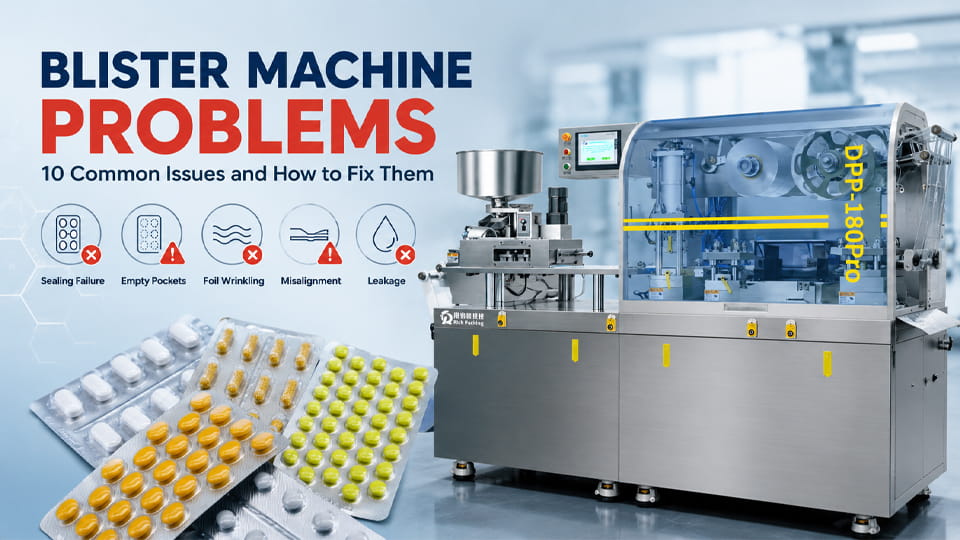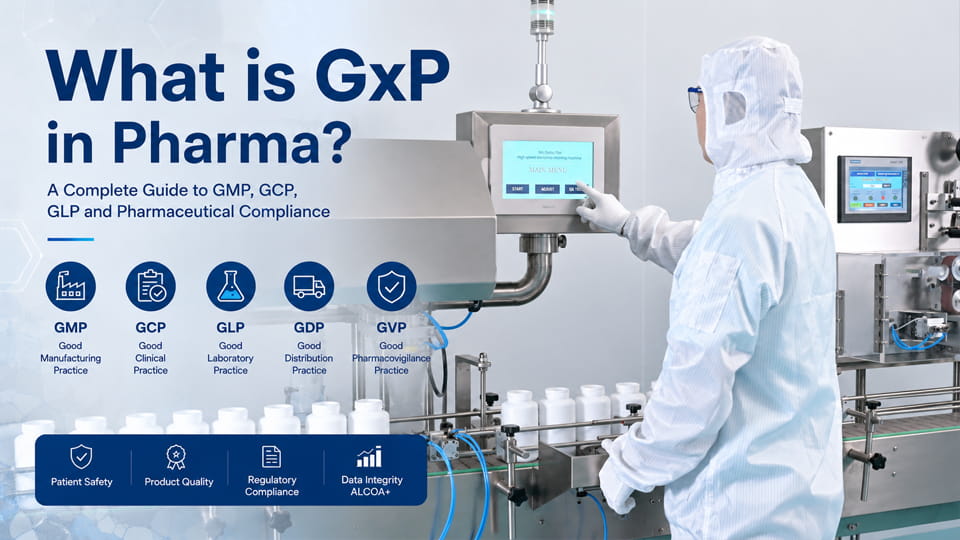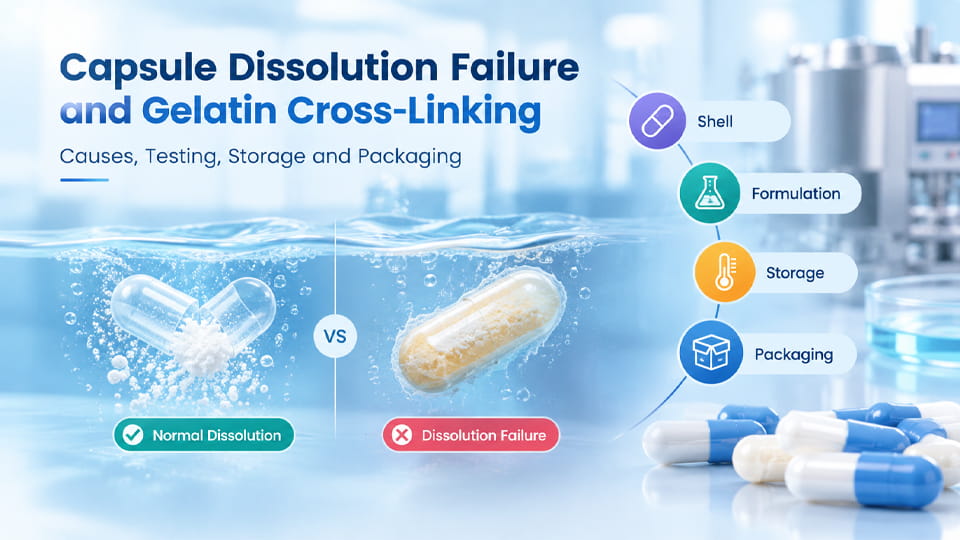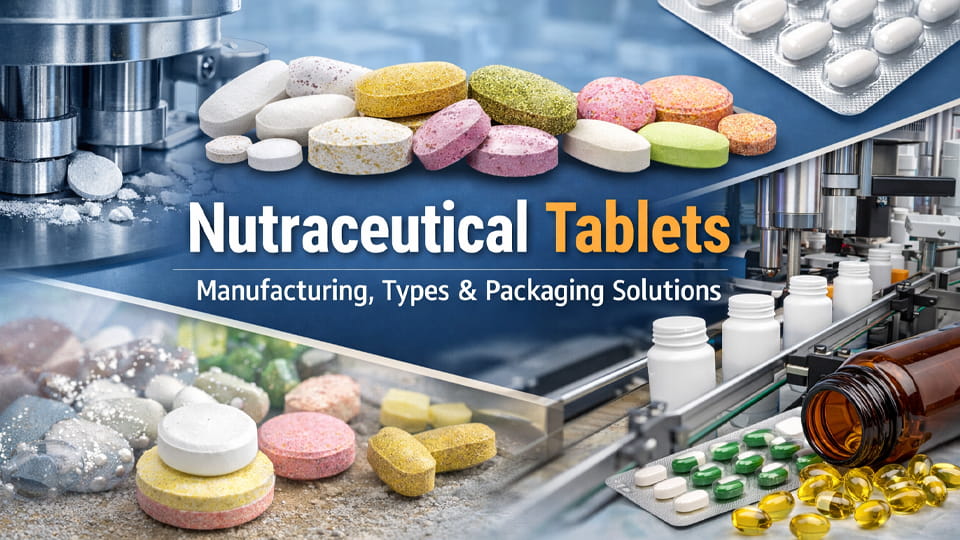

التعبئة والتغليف الصيدلانية يجب منع التلوث وضمان التتبع, وفق معايير عالمية صارمة. ممارسات التصنيع الجيدة (GMP) تتطلب تصميم المعدات الصحية, المواد غير المتفاعلة, والتأهيل الكامل (الأشعة تحت الحمراء/WH/PQ) من الآلات. تشمل اللوائح الرئيسية ادارة الاغذية والعقاقير 21 أجزاء CFR 210/211, والتي تفرض استخدام المعدات القابلة للتنظيف وسجلات الصيانة, برنامج الرصد العالمي للاتحاد الأوروبي (يودراليكس المجلد 4) (الجزء الأول الفصل 3 والملحق 1) للتغليف المعقم, و ISO 15378, معيار QMS لمواد التعبئة والتغليف الأولية. تغطية المتطلبات الأساسية التوافق المادي, التحقق من صحة التنظيف/CIP, التسلسل, و سلامة البيانات (21 CFR الجزء 11/ملحق الاتحاد الأوروبي 11). يشرح هذا الدليل هذه المعايير و كيفية اختيار آلات التعبئة والتغليف المتوافقة مع GMP (بثرة, ملء الزجاجة, التغليف بالكرتون, وضع العلامات, إلخ.) لآمنة, المنتجات الدوائية التي يمكن تتبعها.
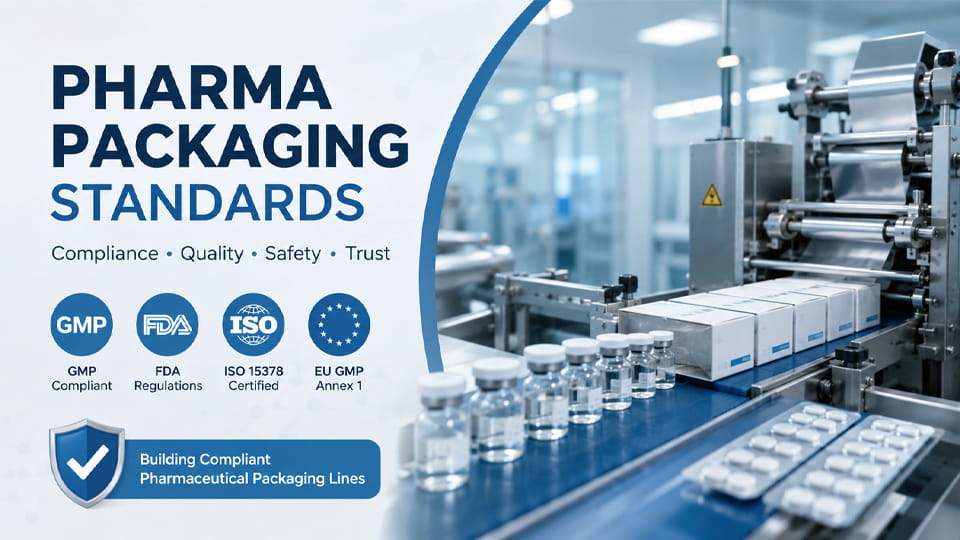
إن التغليف الدوائي لا يقل أهمية عن الدواء نفسه يحمي هوية المنتج, الفاعلية والعقم. وتشير منظمة الصحة العالمية إلى أن التغليف يجب أن يحمي الأدوية من المواد الكيميائية غير المرغوب فيها, التلوث البيولوجي أو الجسدي و, للمنتجات المعقمة, "يجب الحفاظ على العقم". في الممارسة العملية, وهذا يعني كل حزمة نفطة, يجب إنتاج الزجاجة أو العبوة الكرتونية ووضع علامة عليها بشكل صحيح بموجب ممارسات التصنيع الجيدة (GMP) لمنع الخلط أو التلوث. المنظمين العالميين (ادارة الاغذية والعقاقير, ema, من) تتطلب التحقق من صحة عمليات ومعدات التعبئة والتغليف والتحكم فيها تمامًا مثل تصنيع الأدوية. باختصار, معايير التعبئة والتغليف الدوائية موجودة لضمان سلامة المرضى من خلال الحفاظ على الأدوية الصحيحة, نقية ويمكن تتبعها في جميع أنحاء التوزيع.
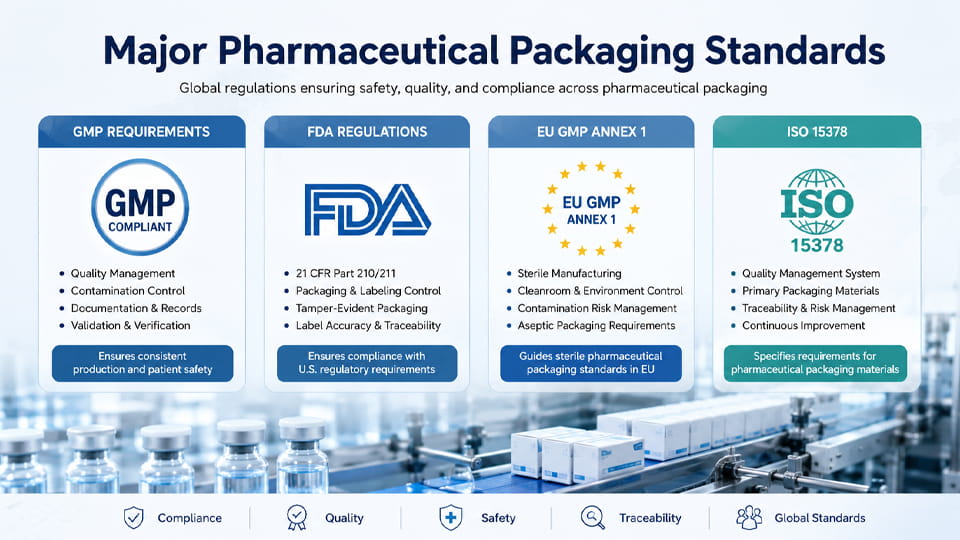
GMP هو الإطار الشامل لجودة الأدوية. للتغليف, ولايات GMP تصميم صحي وضوابط صارمة لمنع التلوث المتبادل والاختلاط. يجب أن تكون المعدات مصممة لتكون “تنظيفها بسهولة ودقة”, كما يقول المنظمون. على سبيل المثال, تحدد إرشادات إدارة الغذاء والدواء تلك المعدات "يجب أن يتم بناؤها وتحديد موقعها لتسهيل عملية التنظيف... ومنع التلوث". تؤكد إرشادات منظمة الصحة العالمية/PIC/S بالمثل على التحقق من صحة المعدات والعمليات ذات التصميم الصحي. في الجوهر, GMP للتغليف يتطلب: الفولاذ المقاوم للصدأ القابل للتنظيف (في كثير من الأحيان SUS316L) معدات, بروتوكولات التنظيف الموثقة, التأهيل الكامل (الأشعة تحت الحمراء/WH/PQ) وسجلات وضع العلامات دقيقة. تحمي هذه الممارسات هوية المنتج وجودته في كل خطوة من خطوات التغليف.
في الولايات المتحدة, ادارة الاغذية والعقاقير 21 أجزاء CFR 210 و 211 تغطية تصنيع الأدوية وتعبئتها. جزء 211 (الجزء الفرعي د/ه) يتضمن قواعد محددة بشأن تصميم المعدات, التنظيف والمعايرة. على سبيل المثال, يجب أن تعمل جميع المعدات ضمن المواصفات وأن يتم تنظيفها وفقًا لإجراءات مكتوبة. جزء 211 يتطلب أيضًا تحديد المكونات ووضع العلامات عليها لمنع الخلط, والحفاظ على سجلات دفعة كاملة أثناء التعبئة والتغليف. الأهم من ذلك, 21 جزء CFR 11 ينطبق على الضوابط المحوسبة على خطوط التغليف: فهو يتطلب تسجيلات دخول مستخدم فريدة, مسارات التدقيق والتوقيعات الإلكترونية لضمان سلامة البيانات. في الممارسة العملية, وهذا يعني أن آلات التغليف الحديثة يجب أن تقوم بتشفير بيانات الدُفعات, تقييد وصول المستخدم, وتسجيل كل تغيير, بما يتوافق مع قواعد إدارة الغذاء والدواء.
دليل الاتحاد الأوروبي GMP (يودراليكس المجلد 4) يتوافق بشكل وثيق مع مبادئ إدارة الغذاء والدواء الأمريكية (FDA) للمعدات. الجزء الأول الفصل 3 (المباني والمعدات) يتطلب أن تكون المعدات ”تنظيفها بسهولة“ مع أجزاء الاتصال غير التفاعلية. الملحق 15 (الاتحاد الأوروبي) يشترط التأهيل الكامل (الأشعة تحت الحمراء/WH/PQ) من جميع الآلات. للأنظمة المحوسبة, ملحق الاتحاد الأوروبي 11 (لا يظهر هنا) ويتطلب بالمثل التحقق من الصحة ومسارات التدقيق الآمنة, مثل جزء إدارة الغذاء والدواء 11. التحديث الرئيسي هو ملحق برنامج الرصد العالمي للاتحاد الأوروبي 1 (المنتجات المعقمة), قابلة للتطبيق بالكامل من 2024. الملحق 1 يرفع مستوى التغليف المعقم: فهو يتطلب استراتيجية موثقة لمكافحة التلوث (احتجاز ثاني أكسيد الكربون) ومعايير غرف الأبحاث عالية الجودة (ISO 5/7 الدرجات), وكذلك تقنيات الحاجز (العوازل/RABS) وطرق التعقيم المعتمدة. سلامة إغلاق الحاوية (CCI) يتم أيضًا التركيز على الاختبارات والضوابط على المواد القابلة للاستخراج/القابلة للترشيح تقليل مخاطر التلوث. يجب أن تستوفي جميع الخطوط الموجودة في الاتحاد الأوروبي أو خطوط التصدير للأدوية المعقمة هذه المعايير.
ISO 15378 هو المعيار الدولي ل مواد التعبئة والتغليف الأولية للمنتجات الطبية. وهي تحدد نظام إدارة الجودة (نظام إدارة الجودة) تتماشى مع ISO 9001, مع الإشارة إلى GMP. بعبارة أخرى, ISO 15378 يركز على التصميم, تصنيع وتوريد مكونات التعبئة والتغليف الدوائية (احباط نفطة, زجاجات, قوارير, إلخ.), التأكد من أنها تلبي متطلبات العملاء والمتطلبات التنظيمية باستمرار. بينما ايزو 15378 يستهدف موردي المواد بدلاً من صانعي المعدات, يجب على الشركات المصنعة للآلات استيعاب المواد المتوافقة (على سبيل المثال. المواد البلاستيكية أو الشرائح المعتمدة) وتقديم الوثائق (شهادات تتبع المواد) بحيث تكون العبوة الأولية النهائية حاصلة على شهادة ISO‑15378. تحقيق الآيزو 15378 تثبت الشهادة الالتزام بمواد التعبئة والتغليف ذات جودة GMP في إنتاجك.
يجب أن تستوفي آلات تعبئة الأدوية معايير فنية صارمة للامتثال للمعايير المذكورة أعلاه. ويلخص الجدول أدناه المتطلبات الأساسية:
| متطلبات | النقاط الرئيسية |
| تصميم صحي | المعدات من الفولاذ المقاوم للصدأ (على سبيل المثال. 316ل), اللحامات على نحو سلس, الأسطح المنحدرة. إطارات ناتئ (محركات معزولة) للقضاء على المناطق المخفية, تمكين التنظيف. |
| توافق المواد | يجب أن تكون جميع الأجزاء التي تلامس المنتج غير تفاعلية/غير ماصة (316إل إس إس, بتف, البلاستيك الصيدلاني) لذلك لا يمكنهم ترشيح أو ربط العناصر النشطة. استخدم مواد التشحيم والأختام المخصصة للطعام (بتف, إبدم) مقاومة لعوامل التنظيف. |
| التحقق من صحة المعدات | ممتلىء الأشعة تحت الحمراء/WH/PQ لكل آلة: مؤهلات التثبيت الموثقة, الاختبار الوظيفي, واختبارات الأداء خلال دفعة محاكاة أو حقيقية. يجب أن تكون كل آلة جديدة أو معدلة مؤهلة قبل الاستخدام. |
| تنظيف & التعقيم | التحقق من صحة إجراءات التنظيف / CIP لكل تغيير في المنتج. يجب كتابة إجراءات التشغيل القياسية الخاصة بالتنظيف, تنفيذها وإعادة التحقق منها بشكل دوري. تتطلب مناطق الاتصال بالمنتج فقط أخذ عينات من التحقق. |
| صيانة & معايرة | الصيانة الوقائية المجدولة لاستبدال الأجزاء البالية. إجراءات المعايرة (على سبيل المثال. للمقاييس, أجهزة قياس التدفق) مع السجلات (لإدارة الغذاء والدواء 21 CFR 211.68) ضمان الدقة. فحوصات منتظمة على أجهزة الاستشعار والمحركات وفقًا لإجراءات التشغيل القياسية (SOP).. |
| الأتمتة & أمان | ميزات منع الأخطاء مثل فحص الرؤية, يعمل مسح الباركود وبوابات الرفض الآلية على تقليل الأخطاء البشرية. المتشابكة (على سبيل المثال. مجسات الباب) إيقاف الآلات على المربيات. لوضع العلامات على الخطوط, تتحقق الكاميرات من تطبيق الملصق الصحيح. |
| سلامة البيانات | يجب أن تتوافق الضوابط مع إدارة الغذاء والدواء 21 CFR الجزء 11/ملحق الاتحاد الأوروبي 11: حسابات المستخدمين الآمنة, مسارات التدقيق غير القابلة للتغيير, والتوقيع الإلكتروني على السجلات. تكامل MES/ERP لأرشفة سجلات الدُفعات. السجلات الرقمية للإعدادات والانحرافات. |
| التسلسل & إمكانية التتبع | يجب أن تدعم المعدات طباعة أو حفر المعرفات الفريدة (على سبيل المثال. 2رموز D DataMatrix) على كل حزمة أساسية. يضمن التكامل مع أنظمة التتبع والتتبع ربط كل رمز بدفعة/دفعة. يجب أن يسمح الخط بعمليات التتبع والاستدعاءات عن طريق الكود. |
على سبيل المثال, بعد تثبيت جديد خط نفطة أو حشو الزجاجة, يتطلب GMP اختبار IQ/OQ/PQ الموثق لإثبات كل وظيفة (حجم التعبئة, جودة الختم, يرفض) يلبي المواصفات. بصورة مماثلة, بعد كل دفعة, يجب تنظيف الجهاز من خلال إجراء تم التحقق من صحته. يطالب المنظمون بإجراء عمليات التنظيف هذه "موثقة, تم التحقق منها, وإعادة التحقق من صحتها بشكل دوري ". التنظيف الآلي في المكان (CIP) تعد أنظمة الحشو السائل أو التنظيف بالمذيبات للمواد الصلبة شائعة. الأسطح الحرجة (النطاطات, الفوهات, الأختام) يتم اختبارها أو قياسها (على سبيل المثال. إجمالي الكربون العضوي) للتأكد من عدم وجود أي بقايا. باختصار, يجب أن تكون قادرًا على إظهار من خلال الوثائق أن كل عملية تعبئة/تعبئة تستخدم ملف مؤهل, آلة صحية.
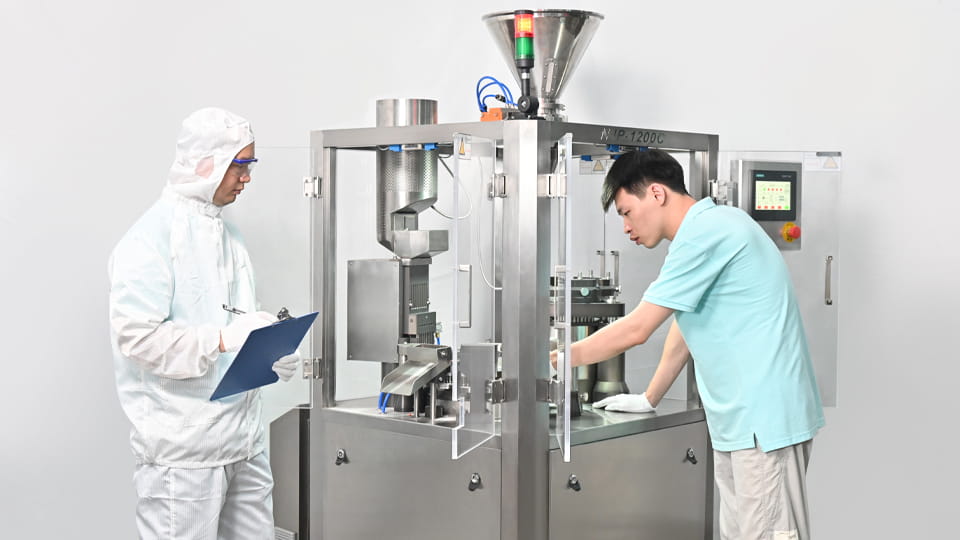
خطوط انتاج فارما استخدام مجموعة متنوعة من الآلات المتخصصة. تشمل الميزات الرئيسية المتعلقة بـ GMP للمعدات الشائعة:
يجب اختيار كل من هذه الآلات مع وضع تصميم GMP في الاعتبار (أسطح ناعمة مقاومة للصدأ, CIP, هواء HEPA إذا لزم الأمر). للحصول على أمثلة مفصلة, راجع صفحات منتجات Jinlu Packing, والتي تسلط الضوء على ميزات الامتثال مثل الإطارات الكابولية وشهادات CE/GMP.
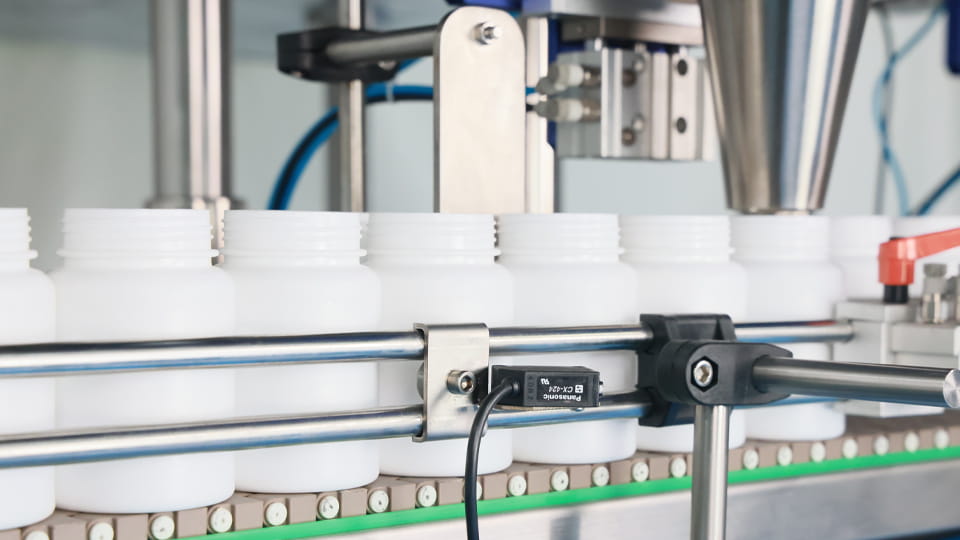
يمثل الوفاء بمعايير التعبئة والتغليف الدوائية تحديات: تختلف المتطلبات التنظيمية حسب السوق, وقد يتطلب كل دواء جديد مواصفات تغليف مختلفة (على سبيل المثال. إغلاق مقاوم للأطفال, طلاءات محددة). يضيف التحقق من الصحة والوثائق الوقت والتكلفة - كل حجم حزمة جديد أو تغيير في المنتج يمكن أن يؤدي إلى إعادة التحقق. قواعد التسلسل (DSCSA في الولايات المتحدة, مرض الحمى القلاعية في الاتحاد الأوروبي, إلخ.) معقدة ومتطورة, تتطلب تحديثات البرامج العادية وتدريب الموظفين. متطلبات غرف الأبحاث (للمنتجات المعقمة) أيضا رفع تكاليف المنشأة. أخيراً, تتبع وإثبات الامتثال (من خلال سجلات الدفعات ومسارات التدقيق) يعني برامج قوية وحفظ السجلات. يتطلب التغلب على هذه التحديات تعاونًا وثيقًا بين المهندسين, ضمان الجودة والموردين, واختيار قابل للتكيف, المعدات المدعومة بشكل جيد.
عند اختيار الآلات ل خط تعبئة الأدوية, اتبع قائمة مراجعة GMP:
مستقبل التعبئة والتغليف الصيدلانية رقمي بشكل متزايد مستمر. التسلسل والمسار & يتعقب سوف تتوسع عالميا, ربما الاستفادة من blockchain لتأمين سلاسل التوريد. التغليف الذكي (علامات RFID, أجهزة استشعار NFC) قد يبدأ في مراقبة ظروف التخزين أو أحداث العبث. المعدات تتجه نحو صناعة 4.0 – خطوط مزودة بأجهزة استشعار IIoT وأنظمة رؤية تعتمد على الذكاء الاصطناعي والتي تتنبأ بالأخطاء أو تحسب الحبوب بشكل أكثر موثوقية. الروبوتات للتغليف النهائي (التعامل مع القضية, منصات نقالة) والحواجز المعقمة المتقدمة (على سبيل المثال. أنظمة معقمة مغلقة) تنمو أيضا. على الجانب المواد, هناك دافع لمكونات التعبئة والتغليف القابلة لإعادة التدوير أو القابلة للتحلل, لذلك يجب على الآلات التعامل مع أنواع الأفلام الجديدة. إجمالي, الأتمتة, يعد اتصال البيانات والسلامة البيئية من الاتجاهات الرئيسية التي تشكل الجيل التالي من عبوات الأدوية.
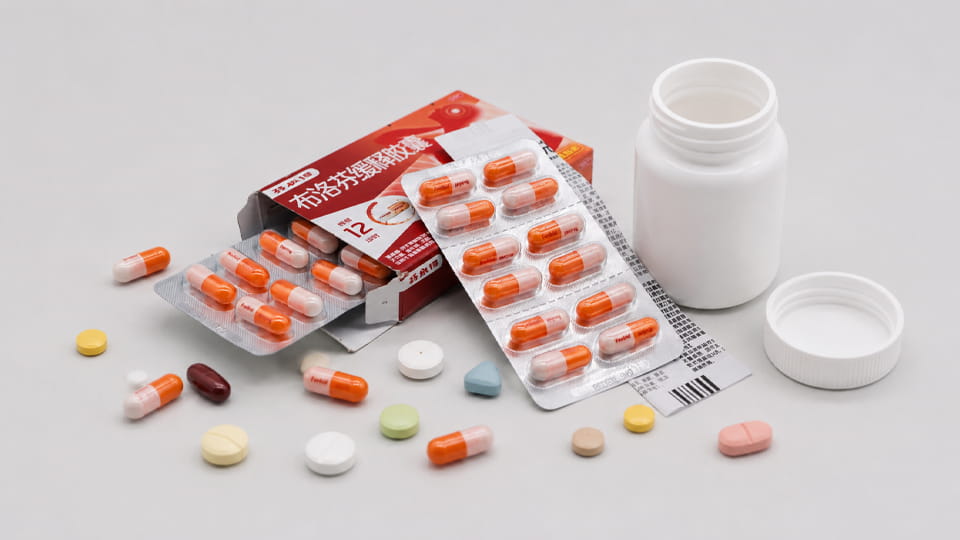
الالتزام بمعايير التعبئة والتغليف الصيدلانية هو غير قابل للتفاوض لمصنعي الأدوية. من خلال فهم GMP, متطلبات إدارة الغذاء والدواء الأمريكية وISO - ومن خلال اختيار الآلات المصممة لتلبية هذه المتطلبات - فإنك تحافظ على جودة المنتج وسلامة المرضى. يتطلب الامتثال تصميمًا صارمًا (أسطح 316L ناعمة, تنظيف CIP/COP), التحقق الكامل (الأشعة تحت الحمراء/WH/PQ) والتوثيق المستمر (سجلات الصيانة والتدقيق). مع لوائح مثل إدارة الغذاء والدواء 21 CFR وملحق الاتحاد الأوروبي 1, لا تستطيع الخطوط الصيدلانية تحمل تكاليف الاختصارات.
ل حلول معدات التعبئة والتغليف, العمل مع الموردين ذوي الخبرة. التعبئة جينلو, على سبيل المثال, متخصصة في آلات نفطة متوافقة مع GMP, خطوط تعبئة السوائل, كرتونة وأكثر من ذلك. تتميز أجهزتنا بتصميمات ناتئة, مواد من فئة إدارة الغذاء والدواء (FDA) ودعم التسلسل خارج الصندوق. الاتصال جينلو التعبئة اليوم للتأكد من أن خط التعبئة والتغليف التالي الخاص بك يلبي معايير GMP العالمية مع دعم التحقق الكامل.
معايير التعبئة والتغليف الصيدلانية هي المتطلبات التنظيمية التي تضمن عدم تلويث عبوات الأدوية أو خلط المنتجات. يتضمن ذلك إرشادات GMP من وكالات مثل FDA وEMA, التي تفرض تصميم المعدات الصحية, التحقق من صحة التنظيف والتوثيق الشامل. معايير مثل ISO 15378 التركيز على إدارة الجودة لمواد التعبئة والتغليف نفسها. ويضمنون معًا أن التغليف يحمي جودة الدواء ويحمل معلومات دقيقة.
ادارة الاغذية والعقاقير 21 جزء CFR 211 يغطي عمليات التعبئة والتغليف. ويتطلب صيانة المعدات, تنظيفها ومعايرتها بحيث لا تؤثر على هوية الدواء أو نقائه. على سبيل المثال, تنص إرشادات إدارة الغذاء والدواء الأمريكية على أن المعدات "يجب تصنيعها لتسهيل عملية التنظيف" وتحذر من أن المواد يجب ألا تتفاعل مع الدواء. يجب أيضًا أن تمتثل أنظمة الكمبيوتر الموجودة على الخط 21 جزء CFR 11 (السجلات الإلكترونية ومسارات التدقيق).
ISO 15378 هو معيار ISO مخصص لمواد التعبئة والتغليف الأولية للمستحضرات الصيدلانية. إنه يزيد من ISO 9001 مع متطلبات GMP, التأكد من أن موردي مواد التعبئة والتغليف لديهم نظام إدارة الجودة الذي يلبي باستمرار معايير العملاء والمعايير القانونية. في حين أنها لا تنظم المعدات بشكل مباشر, يساعد استخدام المواد المعتمدة من ISO 15378 على أجهزة GMP على تلبية التوقعات التنظيمية ومتطلبات العملاء المتعلقة بالجودة.
الملحق 1 يغطي دليل ممارسات التصنيع الجيدة للاتحاد الأوروبي المنتجات الطبية المعقمة. فهو يضع قواعد صارمة للتصنيع المعقم, بما في ذلك التعبئة والتغليف للحقن. وتشمل النقاط الرئيسية تنفيذ استراتيجية مكافحة التلوث (احتجاز ثاني أكسيد الكربون), باستخدام غرف الأبحاث المصنفة (ISO 5/7), تكنولوجيا العزل أو الحاجز, والتحقق من خطوات التعقيم/التطهير. الملحق 1 يضمن الامتثال أنه حتى أثناء التعبئة والتغليف, وتظل الأدوية المعقمة خالية من الميكروبات والجسيمات، وهو أمر بالغ الأهمية لسلامة المرضى.
أولاً, تحقق من تصميمه ومواده: يجب أن يستخدم الفولاذ المقاوم للصدأ 316L في جميع الأجزاء الملامسة للمنتج ولا يحتوي على شقوق مخفية. تأكد من أن البائع يوفر وثائق IQ/OQ/PQ الكاملة. ابحث عن ميزات مثل إمكانية التنظيف المكاني (CIP) أو التنظيف السهل. تأكد من أن لديه القدرة على تسجيل الدُفعات الإلكترونية (21 جزء CFR 11) ودعم التسلسل (2الترميز د). أخيراً, مراجعة أي علامات التصديق (م, GMP) واطلب المراجع أو تقارير التدقيق. ستأتي آلة GMP الحقيقية مع دعم التحقق من الصحة ووثائق الامتثال الكاملة.
قوانين التسلسل (على سبيل المثال. قانون أمن سلسلة توريد الأدوية الأمريكي, توجيهات الاتحاد الأوروبي بشأن الأدوية المزيفة) فرض رمز فريد على كل حزمة على حدة لتتبعها عبر سلسلة التوريد. يجب أن تقوم معدات التعبئة والتغليف بطباعة هذه الرموز أو حفرها (عادة الباركود ثنائي الأبعاد) على كل نفطة أو زجاجة. ويضمن هذا إمكانية اكتشاف المنتجات المقلدة وإمكانية استرجاع الدفعات بسرعة إذا لزم الأمر. في الممارسة العملية, يتم دمج التسلسل في خط التعبئة والتغليف عبر المبرمج وكاميرا التحقق, مع برنامج يربط كل رمز بسجلات الدُفعات من أجل التتبع الكامل.
يجب أن تكون ماكينة التغليف الكرتوني GMP سلسة, أسطح صحية وتغذية كرتونية مغلقة لتقليل الغبار. يجب أن تدمج الماسحات الضوئية للملصقات والأكواد للتحقق من رمز الدفعة ومحتويات كل كرتونة. تأكد من قدرة الجهاز على إجراء مسح الخط (التفريغ/التفتيش بين المنتجات) لكل إرشادات FDA, وأنه يسمح بسهولة تنظيف أدوات تطبيق غراء الكرتون. على سبيل المثال, تشتمل العديد من ماكينات تعبئة الكرتون على مقابض كرتونية مفرغة وأنظمة رؤية لالتقاط انحشار الكرتون أو الإدخالات المفقودة, استيفاء قواعد منع الاختلاط في 21 CFR 211.
مراجع:
1.21 جزء CFR 211 – ممارسات التصنيع الجيدة الحالية للمستحضرات الصيدلانية النهائية —— معهد المعلومات القانونية
2.ISO 15378:2017 مواد التعبئة والتغليف الأولية للمنتجات الطبية —— iso.org
3.ملحق برنامج الرصد العالمي للاتحاد الأوروبي 1: صناعة المنتجات الطبية المعقمة —— gmp-compliance.org
4.قانون أمن سلسلة توريد المخدرات (DSCSA) --نحن. إدارة الغذاء والدواء