

في التصنيع الصيدلاني, يعد التنظيف الفعال للمعدات أمرًا ضروريًا للحفاظ على جودة المنتج ومنع التلوث المتبادل بين الدفعات. مصممة بشكل جيد التحقق من الصحة تساعد هذه العملية الشركات المصنعة على إثبات أن إجراءات التنظيف الخاصة بها يمكنها إزالة بقايا المنتج باستمرار وتلبيتها متطلبات برنامج الرصد العالمي. لفرق الإنتاج ومشتري المعدات, اختيار الآلات الصيدلانية مع التصميمات سهلة التنظيف يمكن أيضًا أن تجعل عملية التحقق أسهل, تقليل وقت التوقف عن العمل, وتحسين كفاءة التصنيع الشاملة.
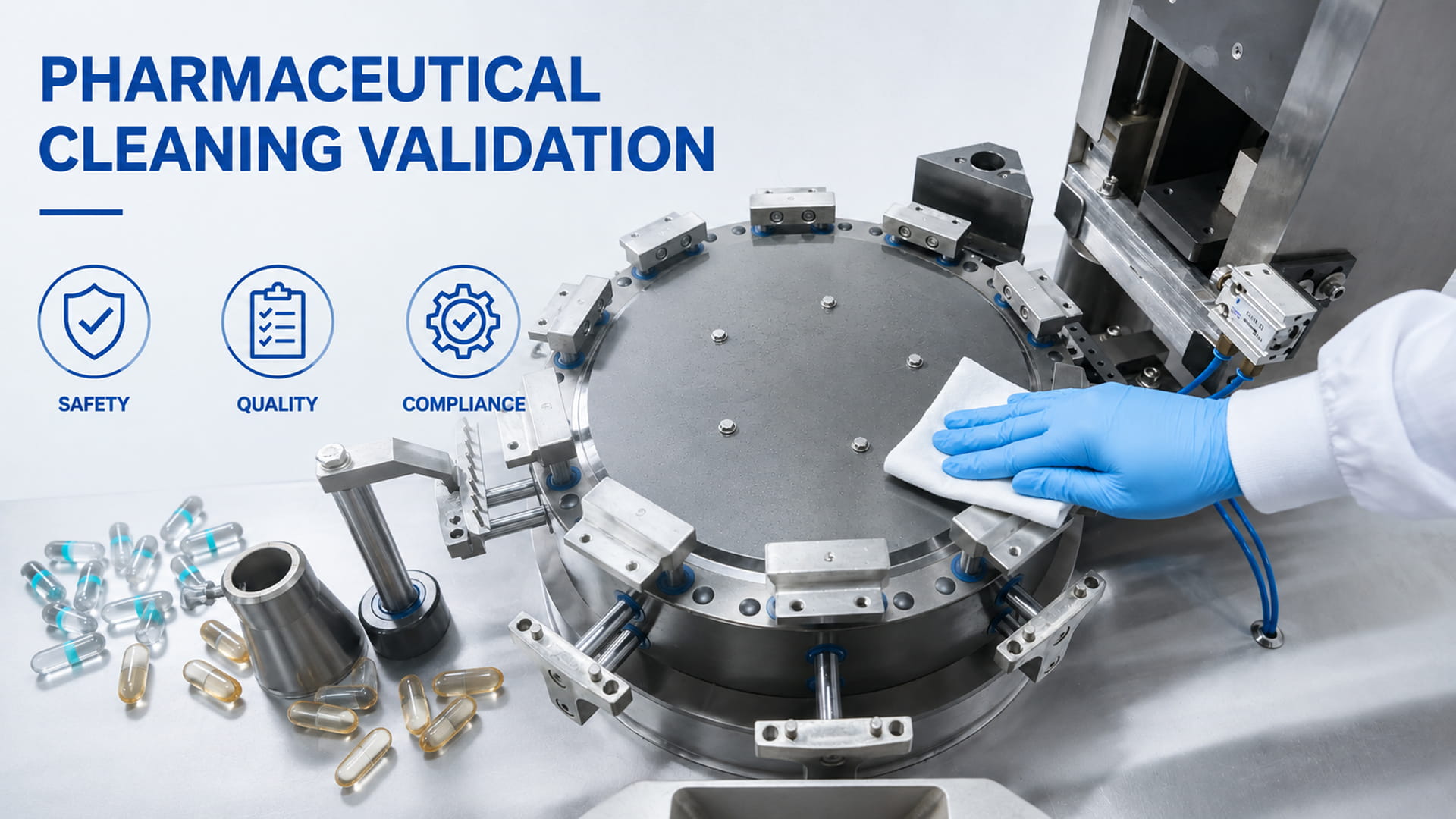
بعبارات بسيطة, التحقق من الصحة يقدم دليلاً موضوعيًا على أن إجراء التنظيف يفي دائمًا بالمعايير المحددة مسبقًا. كما يقول أحد مصادر الصناعة, التحقق من صحة التنظيف هو ""ضمان موثق"" أنه يمكن إجراء التنظيف بشكل موثوق ومتكرر لتحقيق مستوى محدد مسبقًا من النظافة. في الممارسة العملية, وهذا يعني إظهار بقايا المنتجات السابقة, عوامل التنظيف, وتتم إزالة الميكروبات إلى مستويات مقبولة على جميع الأسطح الملامسة للمنتج.
يوافق المنظمون. على سبيل المثال, ادارة الاغذية والعقاقير 21 CFR 211.67(أ) يتطلب كل قطعة من المعدات (مخصصة أو متعددة الاستخدامات) يكون "تنظيف... لمنع... التلوث الذي من شأنه أن يغير السلامة, هوية, قوة, جودة, أو نقاء المنتج الدوائي". تشرح منظمة الصحة العالمية بالمثل أن الهدف من التحقق من صحة التنظيف هو إثبات أن المعدات يتم تنظيفها باستمرار من المنتج, المنظفات, والمخلفات الميكروبية إلى مستوى مقبول لمنع التلوث والتلوث المتبادل. بعبارة أخرى, التحقق من صحة التنظيف يتعلق بسلامة المرضى: ضمان عدم إمكانية "ترحيل" دفعة منتج واحدة وتلويث الدفعة التالية.
يمنح برنامج التحقق الشامل من التنظيف الثقة للمصنعين (وضمان المنظمين) الذي - التي التلوث المتبادل يتم التحكم فيه. بدونها, بقايا قوية واجهة برمجة التطبيقات أو يمكن أن ينتهي الأمر بمسببات الحساسية من دفعة واحدة في المنتج التالي, من المحتمل أن تضر المرضى أو تسبب يتذكر. تنص إدارة الغذاء والدواء صراحةً على أن الشركات "يجب التحقق من أن إجراءات التنظيف كافية لضمان عدم حدوث التلوث المتبادل". وهذا أمر بالغ الأهمية بشكل خاص في مرافق متعددة المنتجات (شائع في منظمات التنمية النظيفة وصناع المكملات). تؤكد إرشادات منظمة الصحة العالمية على أن التحقق من صحة التنظيف له أهمية خاصة في المصانع متعددة المنتجات, وينبغي تطبيقها على جميع معدات الإنتاج وإجراءات الصرف الصحي.
أبعد من التلوث, التحقق من صحة التنظيف يدور حول ضمان جودة المنتج. إذا لم يتم تنظيف المعدات بشكل صحيح, المواد الكيميائية المتبقية أو النمو الميكروبي يمكن أن يعرض للخطر هوية, قوة, والنقاء من الدفعات اللاحقة. باختصار, التحقق من صحة التنظيف يضمن جودة المنتج وصحة المريض. إنها أيضًا ضرورة تنظيمية. سواء كنت خاضعًا لسلطة إدارة الغذاء والدواء (FDA). (21 جزء CFR 211) أو برنامج الرصد العالمي للاتحاد الأوروبي (إيما/أنا), تتطلب السلطات التحقق من صحة التنظيف الموثق كجزء من برنامج GMP الكامل. يمكن أن يؤدي عدم التحقق من صحة التنظيف إلى ظهور رسائل تحذيرية, يحمل المنتج, وحتى يتذكر.
المتطلبات التنظيمية: ادارة الاغذية والعقاقير, ema, من, الموافقة المسبقة عن علم/س. تتطلب جميع الإرشادات الرئيسية التحقق من صحة التنظيف, ولكن مع التركيز مختلفة قليلا. في نحن, إدارة الغذاء والدواء الأمريكية (CGMP). (عنوان 21 CFR 211.67) يحدد المتطلبات الأساسية: يجب تنظيف المعدات لمنع التلوث المتبادل. توصي إرشادات إدارة الغذاء والدواء الأمريكية (FDA) باستخدام طرق فعالة لأخذ العينات والتحليل لإثبات النظافة. بشكل ملحوظ, توضح إدارة الغذاء والدواء الأمريكية ذلك "الشطف وحده... لن يكون مقبولا" للتحقق من صحتها; يجب على الشركات مسح الأسطح مباشرةً عندما يكون ذلك ممكنًا. من الناحية العملية، يعني هذا أنك عادةً ما تقوم بدمج عينات المسحة والشطف لتغطية جميع المناطق.
في الاتحاد الأوروبي, EMA ملحق برنامج الرصد العالمي للاتحاد الأوروبي 15 (2015) وتوجيهات EMA تتطلب التحقق من صحة التنظيف كجزء من التحقق من صحة العملية. الملحق 15 تنص صراحة "يجب إجراء التحقق من صحة التنظيف للتأكد من فعالية أي إجراء تنظيف لجميع معدات الاتصال بالمنتج.". كما تنص أيضًا على أن حدود الترحيل يجب تبريرها من خلال علم السموم (على أساس صحي) تقييم. بعبارة أخرى, حدد معايير القبول الخاصة بك بشكل علمي (انظر أدناه) وتوثيق الأساس المنطقي. يؤكد نهج الاتحاد الأوروبي على أ على أساس المخاطر, على أساس صحي استراتيجية: حساب الحد الأقصى المسموح به للترحيل (لطيف) أو التعرض اليومي المسموح به (PDE) قيم المخلفات النشطة.
منظمة الصحة العالمية والموافقة المسبقة عن علم / S كما نقدم التوجيه. ال منظمة الصحة العالمية GMP TRS 1019 (2019) الملحق عند التحقق من الصحة يوضح التحقق من صحة التنظيف "يقدم دليلاً موثقًا على أن إجراء التنظيف المعتمد سيوفر معدات نظيفة, مناسبة للاستخدام المقصود ". هذه وثيقة منظمة الصحة العالمية (مرجع مشترك في جميع أنحاء العالم) يسلط الضوء على أن التحقق من صحة التنظيف ليس ضروريًا للتنظيف التافه (طوابق, الجدران) لكن يكون اللازمة لمعدات الاتصال الهامة بالمنتج في المصانع متعددة المنتجات. لجنة الموافقة المسبقة عن علم/S (اتحاد من المنظمين) يُعرّف أيضًا التحقق من صحة التنظيف كدليل على إزالة البقايا "أقل من الحد الأقصى المسموح به علميًا لمستوى الترحيل".
معاً, تحدد هذه المصادر العناصر الأساسية: تحديد حدود المخلفات المقبولة, تطوير إجراءات التنظيف القوية, عينة باستخدام طرق التحقق من صحتها, تحليل مع فحوصات مناسبة, وإظهار أنه يمكن تنظيف كل قطعة من المعدات بشكل متسق ضمن تلك الحدود.
التحقق من صحة التنظيف هو في الأساس مشروع. فيما يلي مخطط تفصيلي للعملية النموذجية:
توجيهات ادارة الاغذية والعقاقير واضحة ذلك "الشطف وحده لن يكون مقبولا" باعتبارها طريقة التحقق الوحيدة. في الممارسة العملية, يتم استخدام مزيج من عينات المسحة والشطف. اختر مواقع أخذ العينات التمثيلية لكل قطعة من المعدات (عادة ما تكون البقع الأصعب في التنظيف). قبل الاختبار, التحقق من أن طرق أخذ العينات الخاصة بك تستعيد ما يكفي من المخلفات المستهدفة (المعروفة باسم دراسات الاسترداد).
غالبًا ما يواجه التحقق من صحة التنظيف عقبات. وتشمل التحديات الرئيسية:
إجمالي, أفضل دفاع هو أ النهج القائم على المخاطر (كما شجعت ICH Q9 وتوجيهات الصناعة). تركيز جهود التحقق على المناطق/المنتجات عالية المخاطر (واجهات برمجة التطبيقات القوية, المعدات المشتركة) وتوثيق هذا التركيز.
عامل تمكين كبير للتحقق من صحة التنظيف الناجح هو تصميم المعدات. تتطلب إدارة الغذاء والدواء الأمريكية (FDA) صراحةً تصميم معدات لتسهيل عملية التنظيف. في الممارسة العملية, بحث:
من خلال تحديد ميزات التصميم هذه, يمكنك تقليل وقت التنظيف وجهد التحقق بشكل كبير. على سبيل المثال, آلات تعبئة الكبسولات من Jinlu تم تصميمها باستخدام قواديس قابلة للفصل بسهولة, المزالق غير القابل للصدأ, وواقيات غبار مغلقة - كل ذلك لتقليل تراكم البقايا. بصورة مماثلة, بثرة و ماكينات تعبئة الاكياس مع لوحات وصول بدون أدوات تساعد المشغلين على الوصول إلى جميع الأسطح للتنظيف. يعد اختيار المعدات المناسبة مقدمًا نصف المعركة في التحقق من صحة التنظيف.
تستحق حشوات الكبسولة إشارة خاصة. تتعامل هذه الآلات مع المساحيق والكبسولات, لذا فإن التنظيف الشامل أمر لا بد منه. تشمل النقاط الرئيسية لتنظيف خط تعبئة الكبسولة ما يلي::
غالبًا ما يتم تنفيذ آلات الكبسولة في خدمة GMP البيئات القاسية (مسحوق مغبر). تعالج حشوات الكبسولات من Jinlu هذه المشكلة باستخدام الطلاءات المضادة للكهرباء الساكنة والقواديس المغلقة للحد من تسرب المسحوق, مما يجعل التنظيف أكثر أمانًا والتحقق أسهل.
لربط كل ذلك معا, فيما يلي بعض أفضل الممارسات الشاملة:
صورة: بيئة معملية تحليلية نظيفة (التعبئة والتغليف نفطة أو مختبر ضمان الجودة). يتطلب التحقق من صحة التنظيف الجيد إجراءات التنظيف المناسبة والاختبار الدقيق (على سبيل المثال. HPLC, جدول المحتويات) للتأكد من عدم بقاء أي بقايا. قائمة التحقق من صحة التنظيف: جدول ملخص سريع للعناصر الرئيسية.
| غرض | متطلبات |
| تم تحديد المعدات | قم بإدراج جميع آلات الاتصال بالمنتج |
| إجراء التنظيف | مكتوب, موافقة, وتابع (إجراءات التشغيل القياسية) |
| خطة أخذ العينات | طُرق (مسحة / شطف), المواقع, تكرار |
| معايير القبول | مُعرف (حدود ماكو/PDE) |
| الأساليب التحليلية | اختبارات التحقق من صحتها (HPLC, جدول المحتويات, إلخ.) |
| تقرير التحقق من الصحة | اكتمل البروتوكول, النتائج المعتمدة من قبل ضمان الجودة |
يعد التحقق من صحة التنظيف أمرًا ضروريًا لإنتاج الأدوية GMP. إنه يحمي جودة المنتج وسلامة المرضى عن طريق منع التلوث المتبادل. تعمل المعدات المصممة جيدًا على تقليل مشكلات التحقق بشكل كبير: أجزاء اتصال ناعمة من الفولاذ المقاوم للصدأ, الحد الأدنى من المناطق الميتة, والتفكيك السريع يعني أن التنظيف أسرع وأكثر اتساقًا. و Jeinlu اختيار, نقوم بتصميم حشوات الكبسولة, تعبئة نفطة, وملء الخطوط مع وضع هذه المبادئ في الاعتبار لمساعدة الشركات المصنعة على الامتثال لمعايير GMP العالمية.
في ملخص, التحقق من صحة التنظيف الصيدلاني يدور حول إثبات "ينظف" بالبيانات والوثائق. من خلال اتباع عملية منظمة – اختيار المنتجات الأسوأ, وضع حدود (مثل ماكو), كتابة إجراءات التشغيل القياسية الخاصة بالتنظيف بشكل واضح, أخذ العينات بذكاء, والاختبار باستخدام HPLC/TOC – يمكنك إثبات الامتثال للجهات التنظيمية وفرق الجودة على حدٍ سواء. يتذكر: استثمر في معدات صديقة لممارسات التصنيع الجيدة (GMP). الآن (غير القابل للصدأ, تصميم مريح) لتوفير الوقت للتحقق في وقت لاحق. إذا كنت تبحث عن آلات تعبئة أو تغليف الكبسولات المصممة لسهولة التنظيف والامتثال, فكر في تشكيلة Jinlu Packing كبسولة ملء آلات, تعبئة نفطة, و خطوط تعبئة الأدوية. تم تصميم معداتنا للتغيير السريع والتنظيف الشامل, المساعدة في ضمان سير عملية التحقق بسلاسة.
على استعداد لتبسيط التحقق من صحة التنظيف الخاص بك? الاتصال جينلو التعبئة لمعرفة كيف يمكن لآلات تعبئة وتغليف الكبسولات المتوافقة مع GMP أن تلبي احتياجات تصنيع الأدوية الخاصة بك.
التحقق من صحة التنظيف هو عملية موثقة تستخدم لإثبات أن إجراءات تنظيف المعدات الصيدلانية يمكنها إزالة بقايا المنتج باستمرار, المكونات الصيدلانية النشطة (واجهة برمجة التطبيقات), عوامل التنظيف, والملوثات المحتملة إلى مستوى مقبول.
في التصنيع الصيدلاني, يوفر التحقق من صحة التنظيف دليلاً على أن المعدات مناسبة لإنتاج الدفعة التالية دون التسبب في التلوث المتبادل أو التأثير على جودة المنتج.
يعد التحقق من صحة التنظيف أمرًا مهمًا لأن المعدات الصيدلانية تُستخدم غالبًا لتصنيع منتجات أو دفعات مختلفة. دون التحقق الفعال, قد تؤدي المخلفات المتبقية إلى تلويث المنتج التالي والتأثير على سلامته, هوية, قوة, أو النقاء.
تساعد عملية التحقق من صحة التنظيف التي يتم إجراؤها بشكل صحيح الشركات المصنعة:
• منع التلوث المتبادل
• تلبية متطلبات الامتثال لبرنامج الرصد العالمي
• تحسين سلامة الإنتاج
• الحد من مخاطر الجودة أثناء عمليات تغيير المنتج
تتضمن عملية التحقق من التنظيف عادةً تقييم المعدات, تطوير إجراءات التنظيف, تحديد معايير القبول, أخذ العينات, الاختبار التحليلي, ووثائق التحقق من الصحة.
تحدد معايير قبول التحقق من صحة التنظيف الحد الأقصى لمستويات البقايا المسموح بها بعد التنظيف, بما في ذلك بقايا API, عوامل التنظيف, والملوثات المحتملة.
تتطلب معظم معدات تصنيع الأدوية التي تتصل بالمنتجات التحقق من صحة التنظيف, بما في ذلك آلات ملء الكبسولة, يضغط الكمبيوتر اللوحي, الخلاطات, ومعدات معالجة المسحوق.
الطريقتان الشائعتان لأخذ العينات هما أخذ العينات بالمسحة وأخذ العينات بالشطف. غالبًا ما يختار المصنعون الأساليب بناءً على تصميم المعدات, إمكانية الوصول, وخصائص البقايا.
يؤثر تصميم المعدات بشكل مباشر على كفاءة التنظيف. الآلات ذات الأسطح الملساء, مناطق ميتة أقل, والأجزاء سهلة الإزالة أسهل في التنظيف والتحقق من صحتها.
يعتمد تكرار التحقق من التنظيف على استخدام المعدات, تغييرات المنتج, مخاطر العملية, والمتطلبات التنظيمية. قد تكون هناك حاجة إلى إعادة التحقق بعد إجراء تغييرات كبيرة على المعدات أو إجراءات التنظيف.
يؤكد التحقق من التنظيف أن عملية التنظيف المحددة تلبي المتطلبات, بينما يثبت التحقق من صحة التنظيف أن عملية التنظيف موثوقة وقابلة للتكرار مع مرور الوقت.
يمكن لمصنعي المعدات دعم التحقق من صحة التنظيف من خلال توفير تصميمات آلات صديقة لممارسات التصنيع الجيدة (GMP)., هياكل سهلة التنظيف, مواصفات المواد, والوثائق اللازمة للتأهيل والتحقق من الصحة.
مراجع:
1.التحقق من صحة عمليات التنظيف —— نحن. إدارة الغذاء والدواء
2.أسئلة وأجوبة حول المتطلبات الحالية لممارسات التصنيع الجيدة | معدات —— نحن. إدارة الغذاء والدواء
3.مرشد: دورة حياة التحقق من صحة التنظيف – التطبيقات, طُرق, & الضوابط —— ISPE
4.دليل التحقق من صحة التنظيف (واجهة المستخدم الرسومية-0028) —— الصحة كندا
5.يودراليكس – مقدار 4 – ممارسات التصنيع الجيدة (GMP) المبادئ التوجيهية —— المفوضية الأوروبية
6.التحقق من صحة التنظيف: الدليل الكامل للصحة – النهج القائم على الصليب الكيميائي – تقييم مخاطر التلوث —— المساعد الرقمي الشخصي جي بي إس تي