

يعتمد الإنتاج الدوائي الموثوق به على عمل كل مكون بشكل صحيح, بما في ذلك نظام التشحيم داخل الآلات الخاصة بك. اليمين زيوت التشحيم للمعدات الصيدلانية يساعد على حماية المكونات الهامة, تحسين أداء الآلة, وتقليل مشكلات الصيانة في المعدات مثل آلات تعبئة الكبسولة, يضغط الكمبيوتر اللوحي, وآلات التعبئة والتغليف نفطة.
لمصنعي الأدوية, يتضمن اختيار مواد التشحيم أيضًا أكثر من مجرد أداء الماكينة. متطلبات الامتثال, مراقبة النظافة, توافق مواد التشحيم, وممارسات الصيانة تؤثر جميعها على موثوقية المعدات وسلامة الإنتاج. تتناول هذه المقالة كل ما تحتاج لمعرفته حول مواد تشحيم الآلات الصيدلانية, بدءًا من أنواع مواد التشحيم ومعايير الاختيار وحتى ممارسات الصيانة المتوافقة مع ممارسات التصنيع الجيدة.
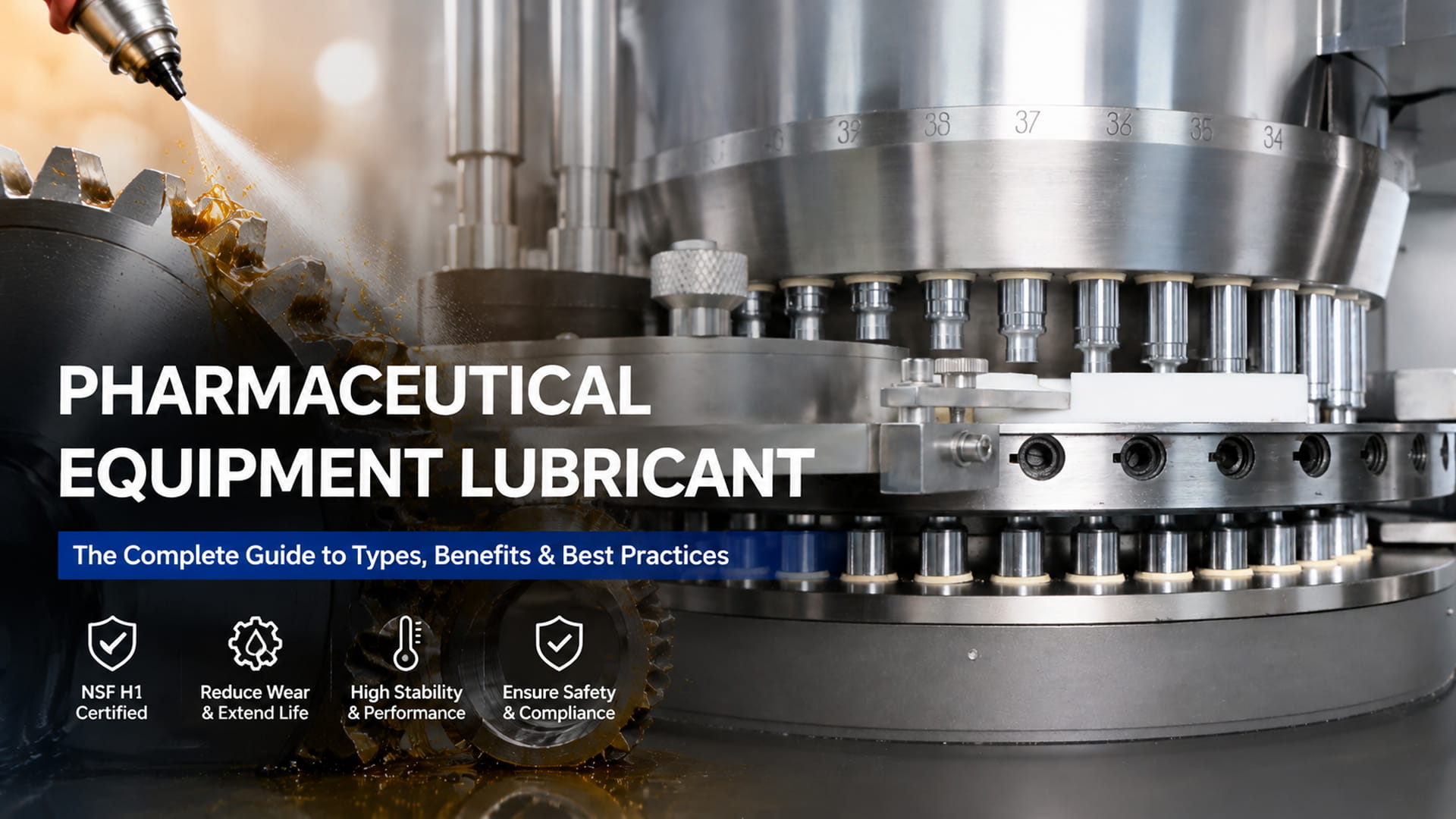
مواد تشحيم المعدات الصيدلانية هي زيوت متخصصة, الشحوم والسوائل المعدة للاستخدام في آلات تصنيع وتعبئة الأدوية. على عكس مواد التشحيم الصناعية العامة, هذه غالبا ما تكون الغذاء الصف أو الصف الصيدلانية لتقليل مخاطر التلوث. وهي تشمل:
تختلف مواد التشحيم الصيدلانية هذه عن الزيوت العادية من حيث أنها كذلك أنظف وأكثر أمانا لبيئات GMP. على سبيل المثال, الدليل البرتقالي (المملكة المتحدة GMP) يوصي صراحة "زيوت التشحيم والزيوت الغذائية" على الآلات المستخدمة مع واجهات برمجة التطبيقات. لذلك يختار العديد من الشركات المصنعة حاصلة على شهادة NSF H1 أو ISO 21469 الزيوت لضمان الامتثال (انظر القسم التالي).
شكل: خط تعبئة الأدوية الآلي عالي السرعة. هذه الآلات (على سبيل المثال. ملء كبسولة, تعبئة نفطة) تحتوي على العديد من الأجزاء المتحركة التي تتطلب التنظيف, مواد تشحيم معتمدة للعمل بشكل موثوق وتلبية معايير GMP.
الآلات الصيدلانية هي أنظمة كاميرات معقدة, التروس, السلاسل والمحامل التي تعمل بشكل مستمر تحت سرعة عالية وفي بعض الأحيان تحت ظروف قاسية. التشحيم المناسب:
لكن, ليست كل مواد التشحيم مقبولة في الأدوية. لأن المعدات غالبًا ما تعمل في غرف الأبحاث أو يمكنها ذلك (حتى عن طريق الخطأ) الاتصال بالمنتج, ولاية المنظمين الغذاء الصف, جبهة الخلاص الوطني H1 أو ما يعادلها من مواد التشحيم في أي منطقة حيث التلوث ممكن. باختصار, الحق مواد التشحيم الصيدلانية ضمان التشغيل السلس و مكافحة التلوث في صناعة الأدوية.
يستخدم تصنيع الأدوية عدة فئات من مواد التشحيم, تم اختياره حسب متطلبات التطبيق والمعدات:
هذه زيوت صافية (المعدنية أو الاصطناعية) المستخدمة في أنظمة الآلات. وتشمل الأمثلة زيوت التروس, الزيوت الهيدروليكية والزيوت ذات الأغراض العامة المعدة للبيئات النظيفة. غالبًا ما تحتوي على إضافات لحياة طويلة, منع الصدأ واستقرار درجة الحرارة.
يجب أن تكون كل هذه الزيوت للصناعة الدوائية الصف الصيدلاني - أي. وضعت لتجنب المكونات السامة أو المعدنية, وعادة ما تلبي معايير NSF H1 أو معايير مماثلة. على سبيل المثال, الزيوت الاصطناعية (باو, باغ) شائعة لأنها تتعامل مع الحرارة/الضغط العالي ولا تزال مؤهلة كـ NSF H1.
جبهة الخلاص الوطني H1 يشير إلى شهادة صناعة الأغذية الأمريكية لمواد التشحيم الآمنة للاتصال العرضي. في المستحضرات الصيدلانية, يتم استخدام مواد التشحيم NSF H1 على الأجزاء حيث يمكن أن يلمس المنتج أو واجهة برمجة التطبيقات (API) جزءًا متحركًا عن طريق الخطأ. يجب أن تكون المكونات ضمن القائمة الآمنة لإدارة الغذاء والدواء (21 CFR 178.3570).
تشمل مواد التشحيم H1 النموذجية:
يساعد استخدام الشحوم/الزيت H1 على الامتثال لمعايير GMP. كما ينص الدليل البرتقالي, للحد من مخاطر التلوث "استخدام مواد التشحيم والزيوت الغذائية" يوصى باستخدام معدات المعالجة. ويلاحظ كلوبر أن معايير GMP "تنص على أن منتجات التشحيم المعتمدة... يجب أن تكون مسجلة في H1, حاصلة على شهادة الأيزو 21469, ومتوافقة مع إدارة الغذاء والدواء" للتأكد من أنها لن تلوث المنتج.
مواد تركيبية عالية الأداء (مثل باو, باغ, سيليكون, PFPE) التفوق في الظروف القاسية الشائعة في معدات الأدوية. إنهم يقدمون:
في حين أن بعض المواد التركيبية متوافقة بطبيعتها مع NSF H1, يجب على المستخدمين دائمًا التحقق من شهادة الجودة الغذائية إذا كان هناك أي خطر على الاتصال.
الشحوم هي مواد تشحيم شبه صلبة (زيت + مثخن) للأجزاء بطيئة الحركة أو المعرضة للرذاذ. في مصانع الأدوية, ترى الشحوم على: محامل, أدلة خطية, محامل المصعد, و مهاوي. أنواع الشحوم الرئيسية:
اختيار لزوجة الشحوم المناسبة والبقاء خالياً من الملوثات (لا الأوساخ في بنادق الشحوم) أمر بالغ الأهمية - سنغطي الأخطاء الشائعة لاحقًا.
تحتوي معدات تصنيع الأدوية على نقاط تشحيم متعددة. فيما يلي أمثلة على الآلات الأساسية لشركة Jinlu Packing:
يوضح الجدول أدناه معدات التغليف الشائعة للأجزاء النموذجية المشحمة والأجزاء الموصى بها الغذاء الصف/H1 مواد التشحيم:
| معدات | الأجزاء النموذجية للتشحيم | نوع مادة التشحيم الموصى بها |
| آلة ضغط الأقراص | كاميرات لكمة, سلايدوايز, محامل | شحم NSF H1 عالي التحميل |
| ماكينة تعبئة الكبسولات | التروس القرص الدوار, محركات الكاميرا, محامل | شحم NSF H1 أو زيت H1 الاصطناعي |
| ماكينة تعبئة الفقاعات | سلاسل الناقلات, القضبان التوجيهية, محطة الختم | سلسلة / زيت التروس NSF H1, الشحوم الخفيفة |
| ماكينة صناعة الكرتون | علب التروس, سيور ناقلة, بكرات التوجيه | زيت تروس مناسب للطعام أو شحم NSF H1 |
| خط تعبئة الزجاجات | سلاسل الناقلات, أسنان العجلة, محامل | زيت سلسلة NSF H1 أو شحم البوليوريا |
طاولة: معدات التعبئة والتغليف الصيدلانية النموذجية والمكونات المشحمة (يوصى باستخدام مواد التشحيم الغذائية أو NSF H1 لتلبية معايير السلامة GMP).
هذه الآلات (كبسولة, قرص, بثرة) هي أمثلة على معدات Jinlu Packing. للحصول على تفاصيل حول نقاط التشحيم في منتجات Jinlu, انظر صفحات منتجاتنا على ماكينات تعبئة الكبسولات, ماكينات تعبئة الفقاعات, و مكابس الأقراص الدوارة.
اختيار مادة التشحيم الصحيحة ينطوي على التوازن احتياجات الآلة مع متطلبات GMP/الامتثال. العوامل الرئيسية:
في ملخص, تحديد الأولويات السلامة والموثوقية. كما يلاحظ تشحيم Klüber, تتطلب معايير GMP "مواد تشحيم قادرة على اجتياز عمليات التدقيق" (حاصل على شهادة H1/ISO). تضمن استراتيجية التشحيم المتوافقة تشغيل أجهزتك بسلاسة و أن تظل منتجاتك غير ملوثة.
حتى الفرق ذات المعرفة يمكن أن تخطئ. هنا قمة 8 أخطاء التشحيم وكيفية تجنبها:
تجنب هذه الأخطاء أمر حيوي. كما يحذر أحد خبراء الصناعة, يمكن أن يكون التشحيم السيئ "اسقاط الآلات" وتعطيل الإنتاج في نهاية المطاف.
يدمج برنامج التشحيم الرسمي الصيانة مع أنظمة الجودة GMP. هنا 8 خطوات لبرنامج تشحيم دوائي قوي:
شكل: الجدول الزمني للصيانة لمهام التشحيم (فحوصات يومية من خلال تغيير الزيت ربع السنوي) لضمان موثوقية المعدات المستمرة.
استخدم قائمة المراجعة هذه لتلخيص المهام الروتينية. علامات الاختيار (✓) الإشارة إلى التردد الموصى به لكل نشاط فحص أو تزييت:
| البند التفتيش | يوميًا | أسبوعي | شهريا | ربع سنوية |
| تحقق من عدم وجود تسرب للزيت/التسرب على الأرض أو حول الآلات | ✓ | |||
| افحص مستويات زيت الحزام/علبة التروس ونظارات الرؤية | ✓ | ✓ | ||
| فحص المحامل (استمع للضوضاء, تشعر بالحرارة) | ✓ | |||
| إعادة تشحيم التركيبات ونقاط الشحوم | ✓ | ✓ | ||
| تشديد التركيبات الفضفاضة / أختام الغطاء | ✓ | |||
| قم بتغيير زيت ناقل الحركة/علبة التروس أو السوائل الهيدروليكية | ✓ | |||
| مراجعة وتحديث سجلات/دفتر التشحيم | ✓ | ✓ | ||
| التحقق من حالة أدوات التشحيم (البنادق, مسارات التحويل) | ✓ |
الاستخدام المنتظم لهذه القائمة المرجعية, جنبا إلى جنب مع التسجيل الرقمي (كمس), يساعد في اكتشاف أنماط التآكل ويضمن الاستعداد للتدقيق. يُظهر استطلاع لمديري صيانة الأدوية أن جداول وسجلات التشحيم الموثقة هي مقاييس الجودة الرئيسية.
شكل: ميكانيكي يضيف الزيت إلى الآلة – مما يشبه خدمة معدات التعبئة والتغليف الصيدلانية. استخدم دائمًا الزيت أو الشحوم الموصى بها من قبل الشركة المصنعة (في كثير من الأحيان NSF H1 من الدرجة الغذائية) ومسح أي فائض لمنع التلوث.
لا يعد التشحيم المناسب مجرد صيانة روتينية - بل إنه جزء مهم من الضمان موثوقية المعدات الصيدلانية, جودة, والامتثال. باستخدام الصحيح مواد تشحيم المعدات الصيدلانية (الزيوت والشحوم المعتمدة من إدارة الغذاء والدواء H1/FDA) مع برنامج صيانة منضبطة تقليل تآكل الآلة, منع التوقف غير المتوقع, وحماية نقاء المنتج. من خلال تجنب الأخطاء الشائعة (انظر القائمة المرجعية) واتباع الخطوات المتوافقة مع GMP, يمكن لفرق الصيانة إطالة عمر المعدات بشكل كبير ودعم الإنتاج دون انقطاع.
لأي معدات التعبئة Jinlu (على سبيل المثال. كبسولة ملء آلات, ماكينات تعبئة الفقاعات, يضغط الكمبيوتر اللوحي), يمكن لفريقنا الفني تقديم المشورة بشأن مواد التشحيم وإجراءات الصيانة المناسبة. إذا كنت بحاجة إلى آلات تعبئة الكبسولة الموثوقة, خطوط تعبئة الفقاعات أو مكبس الأقراص الدوارة عالي السرعة مع إرشادات حول الصيانة, اتصل بـ Jinlu Packaging لحلول الخبراء. نحن لا نقدم آلات عالية الجودة فقط, ولكن الدعم الكامل في إبقائها جيدة التشحيم ومتوافقة مع GMP.
إن مادة تشحيم المعدات الصيدلانية هي مادة تشحيم مختارة خصيصًا تستخدم لصيانة الآلات الصيدلانية ومعدات الإنتاج. يساعد على تقليل الاحتكاك, تقليل تآكل المكونات, تحسين موثوقية الآلة, ودعم عمليات التصنيع المستقرة. بالمقارنة مع مواد التشحيم الصناعية العامة, يجب أن تأخذ مواد تشحيم المعدات الصيدلانية في الاعتبار عوامل مثل التحكم في التلوث, توافق المعدات, ومتطلبات GMP.
تعتبر مواد التشحيم ضرورية للآلات الصيدلانية لأنها تحمي المكونات المتحركة من الاحتكاك, ارتفاع درجة الحرارة, والتآكل المبكر. يساعد التشحيم المناسب على تقليل فترات التوقف غير المتوقعة, تحسين أداء المعدات, وإطالة عمر خدمة الأجزاء الهامة مثل المحامل, التروس, السلاسل, والتركيبات الميكانيكية المستخدمة في آلات تعبئة الكبسولة, يضغط الكمبيوتر اللوحي, وآلات التعبئة والتغليف نفطة.
تشمل الأنواع الشائعة من مواد التشحيم المستخدمة في المعدات الصيدلانية الزيوت الصيدلانية, مواد التشحيم الاصطناعية, مواد التشحيم الغذائية, الشحوم, ومواد التشحيم القائمة على السيليكون. الاختيار الصحيح يعتمد على تصميم الجهاز, درجة حرارة التشغيل, ظروف التحميل, نقاط التشحيم, والمتطلبات التنظيمية.
للمعدات المستخدمة في بيئات الإنتاج الحساسة, غالبًا ما يفكر المصنعون في مواد التشحيم NSF H1 حيث قد توجد مخاطر الاتصال العرضي.
إن زيوت التشحيم NSF H1 هي فئة مواد تشحيم مسجلة من الدرجة الغذائية ومصممة للتطبيقات التي قد يحدث فيها اتصال عرضي بالمنتجات. في بيئات التصنيع الصيدلانية والأغذية ذات الصلة, غالبًا ما يتم اختيار مواد التشحيم NSF H1 لدعم متطلبات النظافة وتقليل مخاطر التلوث عند تطبيقها بشكل صحيح.
لكن, لا تعني شهادة NSF H1 أن مادة التشحيم يجب أن تتصل بالمنتجات عمدًا. لا يزال من المهم تطبيق الحد الأدنى المطلوب واتباع إجراءات الصيانة المناسبة.
نعم, مواد التشحيم الغذائية, وخاصة مواد التشحيم المسجلة NSF H1, يمكن أن تكون مناسبة لبعض تطبيقات الآلات الصيدلانية عندما تسمح الشركة المصنعة للمعدات ومتطلبات الإنتاج باستخدامها. يتم أخذها في الاعتبار عادةً للمناطق التي قد يكون من الممكن فيها الاتصال العرضي بزيوت التشحيم.
يجب أن يأخذ الاختيار النهائي دائمًا في الاعتبار مواصفات الماكينة, التوافق المادي, ظروف التشغيل, والمتطلبات المتعلقة بـ GMP.
يعتمد أفضل مادة تشحيم لآلة تعبئة الكبسولة على هيكل الماكينة ونقاط التشحيم. محامل, كاميرات, التروس, وقد تتطلب آليات النقل حلول تشحيم مختلفة. في كثير من الحالات, يختار المصنعون الزيوت الصيدلانية المناسبة, مواد التشحيم الاصطناعية, أو شحوم NSF H1 بناءً على ظروف التشغيل وتوصيات الصيانة.
يساعد التشحيم المنتظم لآلة تعبئة الكبسولة في الحفاظ على الدقة, تقليل التآكل, وتحسين استقرار الإنتاج.
يعتمد تكرار تزييت المعدات الصيدلانية على عوامل مثل ساعات تشغيل الماكينة, سرعة الإنتاج, بيئة, نوع مواد التشحيم, وتوصيات الشركة المصنعة.
يتضمن برنامج التشحيم الجيد عادةً عمليات فحص منتظمة, مهام التشحيم المجدولة, فحص حالة مواد التشحيم, وسجلات الصيانة بدلاً من الاعتماد فقط على فترات زمنية محددة.
تشمل أخطاء التشحيم الشائعة استخدام مواد تشحيم صناعية غير مناسبة, اختيار اللزوجة الخاطئة, خلط أنواع مواد التشحيم غير المتوافقة, تطبيق الكثير أو القليل جدا من مواد التشحيم, استخدام أدوات التشحيم الملوثة, والفشل في الاحتفاظ بسجلات التشحيم.
هذه الأخطاء يمكن أن تزيد من تآكل المعدات, خلق مخاطر التلوث, ويؤدي إلى توقف الإنتاج غير الضروري.
يجب أن يتضمن برنامج التشحيم المتوافق مع GMP عدة خطوات أساسية:
• التعرف على كافة نقاط التشحيم
• اختر المواد الصيدلانية المناسبة أو مواد التشحيم المعتمدة
• إنشاء جداول التشحيم
• تدريب مشغلي الصيانة
• الاحتفاظ بسجلات التشحيم التفصيلية
• إجراء عمليات تفتيش منتظمة للمعدات
• استبدال مواد التشحيم على أساس ظروف التشغيل
• التحسين المستمر لإجراءات الصيانة
يساعد برنامج التشحيم المنظم على تحسين موثوقية المعدات ويدعم الإنتاج الصيدلاني المتسق.
يستخدم الشحوم الاصطناعية الزيوت الأساسية الاصطناعية التي توفر عادة مقاومة أفضل لدرجات الحرارة, استقرار الأكسدة, وعمر خدمة أطول مقارنة بالعديد من الشحوم المعدنية التقليدية.
للآلات الصيدلانية, الشحوم الاصطناعية مع الشهادات المناسبة, مثل تسجيل NSF H1 عند الاقتضاء, يمكن النظر فيها للتطبيقات بما في ذلك المحامل, السلاسل, والمكونات الميكانيكية التي تتطلب تشحيمًا طويل الأمد.
مراجع:
1.سلامة الآلات - مواد التشحيم عند التلامس العرضي مع المنتج - متطلبات النظافة —— ISO 21469:2006
2.مواد التشحيم الغذائية وISO 21469 شهادة —— جبهة الخلاص الوطني
3.دليل EHEDG 23 – جزء 1, "استخدام H1." & زيوت التشحيم المسجلة HT1’ | المبادئ التوجيهية الجديدة المتاحة —— الهندسة الصحية الأوروبية & مجموعة التصميم
4.كيف تثبت التسجيلات أن مواد التشحيم صالحة للطعام —— جبهة الخلاص الوطني