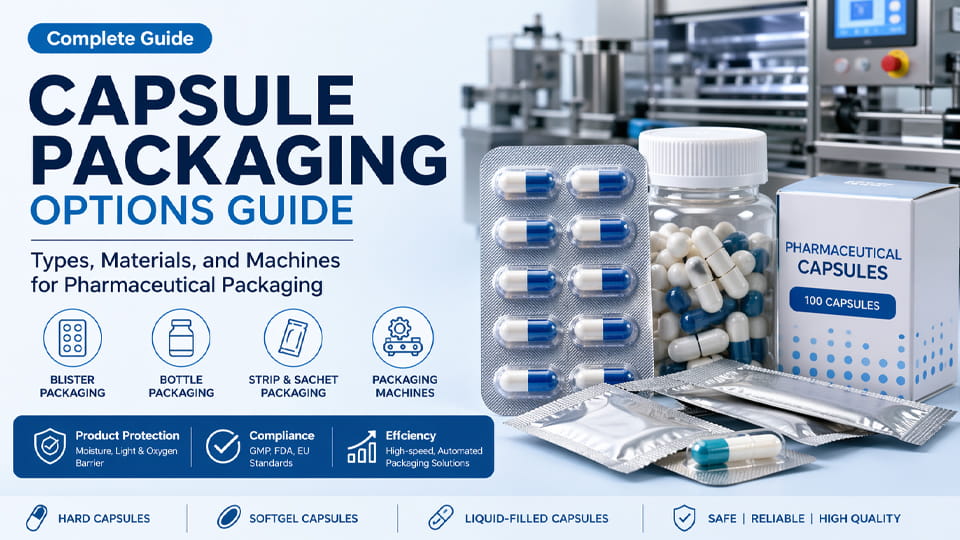
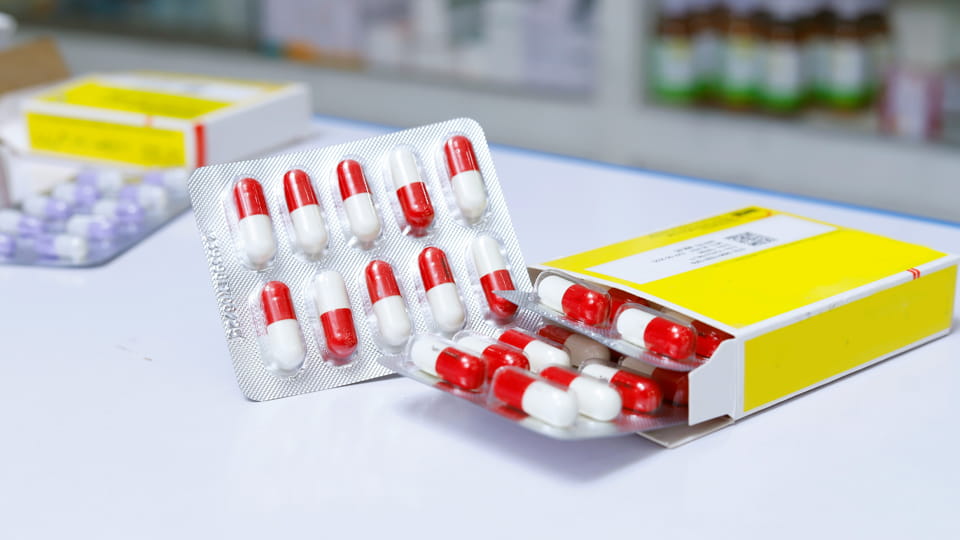
يشير تغليف الكبسولة إلى كيفية عمل الكبسولات الصيدلانية (قشرة صلبة أو كبسولة هلامية) مغلقة للتوزيع والاستخدام. ويشمل التعبئة والتغليف الأولية (الحاوية المباشرة الملامسة للكبسولات, على سبيل المثال. تجاويف نفطة أو زجاجات) و التغليف الثانوي (كرتون خارجي, صناديق, والملصقات التي تزيد من حماية المنتج وتحديده). يجب أن تحمي عبوة الكبسولة الجيدة الدواء من الرطوبة, ضوء, والتلوث, ضمان الاستقرار من خلال العمر الافتراضي, وتلبية المتطلبات التنظيمية. على سبيل المثال, منظمة الصحة العالمية تلاحظ ذلك “مكونات التعبئة والتغليف تحيط بالمنتج منذ الإنتاج وحتى الاستخدام," ويجب أن تلبي وظائف مثل الحماية, استقرار, وتحديد الهوية. لوائح GMP الخاصة بإدارة الغذاء والدواء (21 CFR 211) تتطلب إجراءات مكتوبة لفحص واختبار مواد التعبئة والتغليف عند استلامها, وفرض وضع العلامات الآمنة وضوابط التلاعب. في الممارسة العملية, يجب علينا أن نتطابق مع منتج كبسولة (شكل جرعة, حساسية, جرعة, إلخ.) إلى شكل ومواد التعبئة والتغليف المناسبة.
يعد التغليف الأساسي للكبسولات الصيدلانية أمرًا بالغ الأهمية حماية المنتج, امتثال, وسلامة المرضى: يحافظ على جفاف الكبسولات, غير ملوثة, والمسمى بوضوح. على سبيل المثال, من المعروف أن عبوات الفقاعات والزجاجات الكهرمانية مثالية للأدوية الحساسة للرطوبة. تدعم العبوة المناسبة أيضًا امتثال المريض (جرعة نفطة الجرعات, زجاجات مقاومة للأطفال, وضع العلامات واضحة) واحتياجات سلسلة التوريد (التسلسل, اللوجستية). أدناه نراجع كل خيار بالتفصيل.
أنواع تغليف الكبسولات
تغليف نفطة للكبسولات
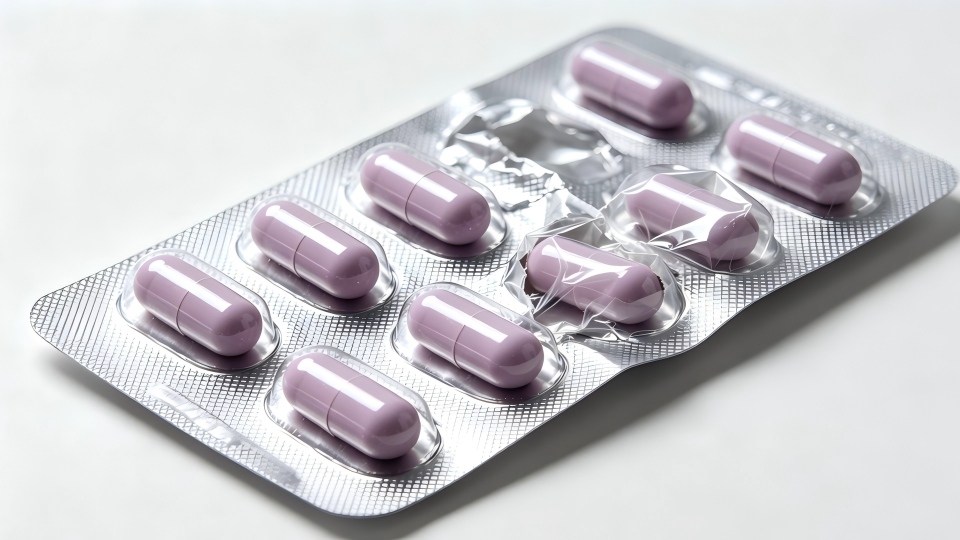
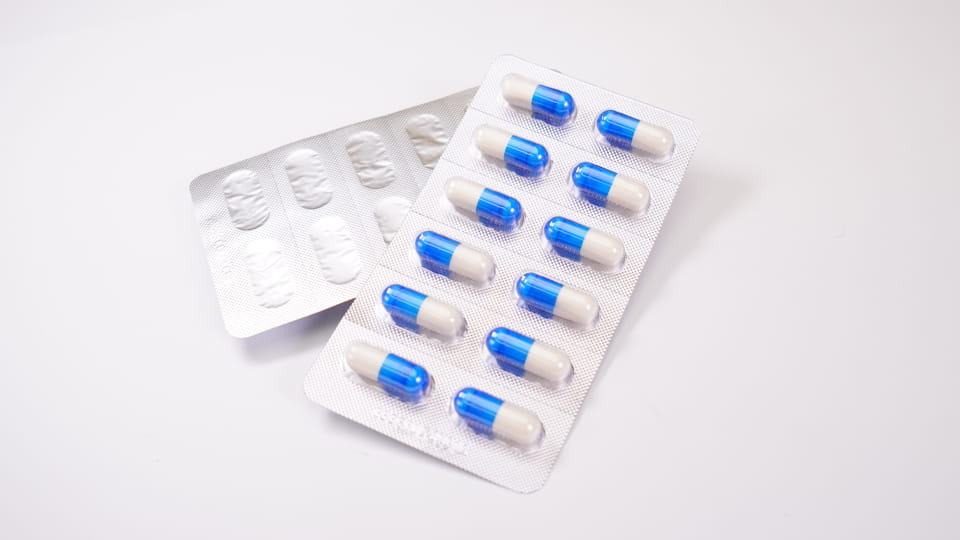
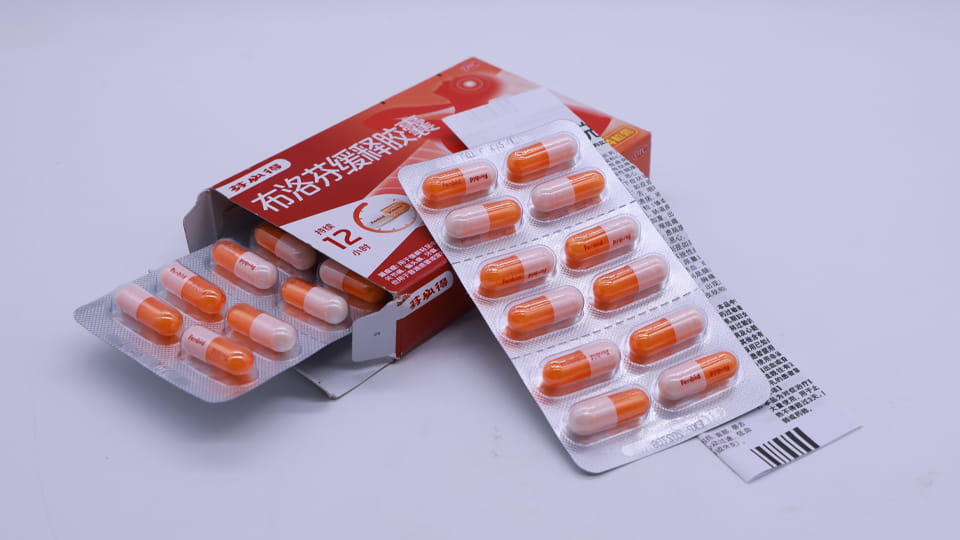
حزم نفطة تتكون من تجاويف بلاستيكية مشكلة مسبقًا ("بثور") التي تحتوي على كبسولات فردية, مختومة بدعم (احباط أو البلاستيك). هذا التعبئة والتغليف الأولية العروض حماية جرعة الوحدة. توفر البثور حاجز ممتاز ملكيات: يمكن صنعها باستخدام مواد مثل PVC / PVDC أو الرقائق (ALU-PVC, على الإطلاق) لمنع الرطوبة, الأكسجين والضوء. على سبيل المثال, يمكن لآلة إنتاج النفطة DPP-180Pro من Jinlu تشكيل وختم ما يصل إلى 4,800 بثور كبسولة في الساعة في شرائح Alu-PVC أو Alu-Alu. تشمل الميزات الرئيسية لتغليف نفطة الكبسولة ما يلي::
حماية: كل تجويف مغلق بإحكام, حماية الكبسولة من الرطوبة, الأكسجين والضوء. كما تلاحظ إحدى الدراسات, بثور "يوفر حماية فائقة ضد الرطوبة والضوء" (أفضل من الزجاجات). رقائق عالية الحاجز (على سبيل المثال. على الإطلاق) إطالة العمر الافتراضي للكبسولات المسترطبة أو الحساسة للأكسجين.
أدلة العبث: تظهر البثرة بوضوح ما إذا تم إزالة الجرعة أو كسر الختم. وهذا يضمن سلامة المنتج وسلامة المرضى.
راحة: تسمح بثور الجرعة الواحدة للمرضى بتناول كبسولة واحدة في كل مرة, تقليل أخطاء الجرعات والنفايات. وهي مفيدة بشكل خاص لجداول الجرعات القصيرة أو تركيبات الأطفال.
التخصيص: يمكن تصنيع العبوات الفقاعية بأشكال وأحجام مختلفة للتجويف لتناسب أبعاد الكبسولة المختلفة. الآلات الحديثة (مثل آلات التشكيل الحراري أو التوصيل المساعد) يتكيف بسهولة مع أحجام الكبسولة.
كفاءة المساحة: البثور مدمجة وقابلة للتكديس. إنها تقلل المساحة الفارغة مقارنة بالزجاجات, التوفير في الشحن ومساحة الرف.
آلات نفطة Jinlu (على سبيل المثال. دي بي بي-180 برو) يمكن أن تشكل تجاويف تلقائيا, كبسولات التغذية, ختم, قطع لوحات, وحتى طباعة رموز الكمية. تعمل عادةً بسرعة متوسطة إلى عالية (آلاف التجاويف في الساعة), مثالية للإنتاج الضخم. أشكال نفطة مختلفة (Alu-PVC vs Alu-Alu) يتم اختيارها حسب المنتج: على الإطلاق (احباط احباط) يقدم أعلى حاجز (الأفضل للأدوية الحساسة جدًا للرطوبة), في حين أن PVC/PVDC شائع في الكبسولات القياسية. تعمل تعبئة الفقاعات أيضًا على تبسيط عملية العد والفحص: تدمج معظم الخطوط بسهولة آلات فحص الكاميرا أو عد الأجهزة اللوحية للتحقق من تعبئة الكبسولة.
زجاجة (زجاجة/كبسولة جرة) التغليف
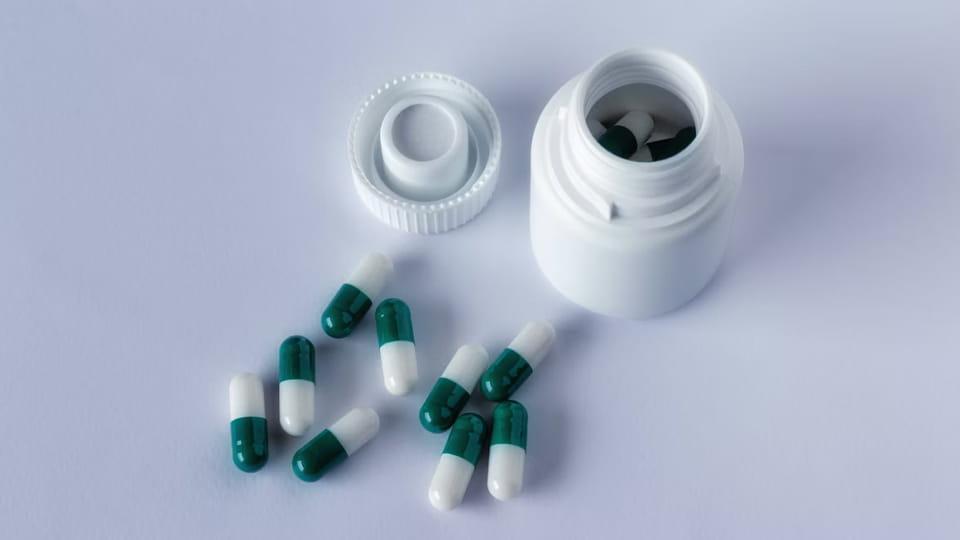
الزجاجات هي الحاوية الكلاسيكية متعددة الجرعات. يتم تعبئة الكبسولات في زجاجات (البلاستيك أو الزجاج) والتي يتم توج بعد ذلك. هذا التنسيق معروف جيدًا بالفيتامينات, المكملات الغذائية, والعديد من الحبوب الطبية. الميزات الرئيسية:
براعة: يمكن للزجاجات أن تحتوي على كميات كبيرة (50-1000+ كبسولة) ومجموعة متنوعة من المنتجات (أقراص, كبسولات, مساحيق, حتى السوائل). عادة ما تكون مصنوعة من بلاستيك HDPE أو PET, أو الزجاج (للخمول الكيميائي القوي).
التعبئة والتغليف السائبة: للكبسولات المعدة لتناولها بشكل متكرر (الفيتامينات اليومية, علاجات طويلة الأمد), الزجاجات مريحة. يمكن للمرضى الاستغناء عن جرعات متعددة في وقت واحد.
كفاءة التكلفة: خطوط تعبئة الزجاجات بسيطة نسبيًا. تقوم الآلات بحساب الجرعات أو وزنها بشكل أسرع (على سبيل المثال. يمكن لـ Jinlu's JL-16H أن تمتلئ بما يصل إلى 100 زجاجات / دقيقة). غالبًا ما تكون تكلفة المواد لكل وحدة أقل من تكلفة البثرة, خاصة على نطاق واسع.
سهولة التعامل: يعرف المستهلكون كيفية فتح الزجاجات. قد يكون من الأسهل على المرضى المسنين فتح الزجاجة (خاصة مع الأغطية سهلة الفتح أو المقاومة للأطفال) من قشر البثور.
العبوة الثانوية: تسمح الزجاجات بإدراج عناصر مساعدة مثل الحزم المجففة (للتحكم في الرطوبة) أو قطن. كما أنها تستوعب ملصقات المنتجات الكاملة حول جسم الزجاجة, ويمكن أن تكون معبأة في كرتون.
شكل: خط تعبئة الكبسولات/الأقراص Jinlu JL-16H (100 زجاجات / دقيقة) مع unscrambler, عصا, كابر, والملصق.
تدمج خطوط تعبئة الكبسولات بين آلات متعددة: أ زجاجة unccrambler (أو قادوس التغذية), أ آلة تعبئة العد (الذي يسقط X كبسولات في كل زجاجة), أ آلة السد / الختم (تطبيق وتشديد القبعات), و أ آلة وضع العلامات. على سبيل المثال, يمكن لخط JL-16H من Jinlu التعامل مع كبسولات بحجم 3-40 ملم, تحقيق ~ 100 زجاجة / دقيقة مع >99.8% دقة العد. يمكن ملء الزجاجات بكميات كبيرة بسرعة كبيرة. لتلبية اللوائح, غالبًا ما تشتمل خطوط الزجاجات على محطة لإدخال المجففات (على سبيل المثال. عبوات السيليكا) ومحطة ختم واضحة للعبث. تعتبر القبعات المقاومة للأطفال سمة شائعة أخرى لأدوية الأطفال.
في اختيار تغليف الزجاجة, النظر في حجم المنتج والاستقرار: منتجات ذات حجم كبير (على سبيل المثال. الفيتامينات اليومية) زجاجات البدلة, في حين أن الكبسولات ذات الحجم المنخفض أو شديدة الحساسية قد تفضل ظهور البثور. تقدم زجاجات الملاحظات بشكل عام حماية أقل من الرطوبة / الأكسجين المتأصلة من البثور ذات الحاجز العالي. يمكن للزجاج الكهرماني أو الحاويات غير الشفافة أن تضيف حماية للضوء, والأختام الداخلية (بطانات رقائق الألومنيوم) يمكن تحسين الحاجز.
أكياس & حزم العصا (أكياس جرعة واحدة)
أكياس (وحزم العصا) نكون حزم مرنةالتي تحتوي على جرعة واحدة من المسحوق, حبيبات أو سائل. في حين أنها ليست شائعة بالنسبة للكبسولات, فهي ذات صلة بأشكال الجرعات ذات الصلة (على سبيل المثال. كبسولات مغذية مقسمة إلى مسحوق, أو حشو المسحوق نفسه). ومع ذلك, أكياس وحزم العصا تستحق الذكر في دليل تغليف الكبسولة:
أكياس عادة ما تكون عبوات مسطحة أو على شكل وسادة محكمة الغلق 3 أو 4 الجانبين. وغالبا ما تستخدم لمساحيق جرعة واحدة (على سبيل المثال. حبيبات فوارة) أو كبسولات صغيرة جدًا (تقوم بعض الصيدليات بتوزيع الكبسولات في أكياس لجرعات الأطفال). يمكن للآلات الحديثة للتعبئة والتغليف أن تملأ الأكياس بكميات صغيرة تمامًا. وتشمل المزايا قابلية النقل (يناسب في الجيب), راحة, والجرعات الدقيقة (لا نفايات جزئية). توفر الأكياس أيضًا ختمًا جيدًا: يعمل الختم المحكم على إطالة مدة الصلاحية ويمنع التلوث. العديد من الأدوية (مساحيق, المواد الهلامية, المراهم, حبوب جرعة واحدة) استخدم الأكياس; على سبيل المثال, محاليل الإماهة القابلة للحقن في حالات الطوارئ أو مساحيق المضادات الحيوية ذات الاستخدام الواحد.
حزم العصا طويلة, أكياس ضيقة (غالبًا ما يتم إغلاقها على طول خط التماس الطويل بالإضافة إلى خط التماس النهائي). أنها تحظى بشعبية للمكملات الغذائية المسحوقة (على سبيل المثال. خلطات المشروبات الفورية) ويمكن استخدامها لمساحيق الكبسولة. تستخدم العبوات اللاصقة بشكل عام مواد أقل من الأكياس وتكون إنتاجية الماكينة أعلى (30– 50% أسرع). إنها مثالية للمساحيق ذات التدفق الحر بسبب الفتحة الرفيعة.
يتم إنتاج كل من الأكياس والعبوات بواسطة ختم ملء النموذج العمودي (ففس) أو آلات FFS الأفقية. سلسلة Jinlu JL-VP, على سبيل المثال, عبارة عن آلة FFS متعددة المسارات للعصا / الكيس (40 أكياس / دقيقة / حارة, دقة ±0.02 جرام) للمساحيق, حبيبات, السوائل أو المواد الهلامية. إذا تم تعبئة الكبسولات نفسها في أكياس, يمكن للمرء أن يفتح الكيس لاسترداد الجرعة – ولكن الأكثر شيوعًا, يتم تعبئة الكبسولات سليمة في نفطة أو زجاجة, بينما تتعامل الأكياس/العصا مع محتويات المسحوق.
مذكرة تنظيمية: يُسمح باستخدام الأكياس والعبوات اللاصقة للأدوية الصلبة وشبه الصلبة (حسب تعريفات منظمة الصحة العالمية). تعتبر عبوات أولية إذا كانت تحتوي على المنتج مباشرة. مثل البثور, يمكن تصميم الأكياس بحيث تكون مقاومة للأطفال أو ذات شقوق ممزقة.
التعبئة والتغليف الشريطية
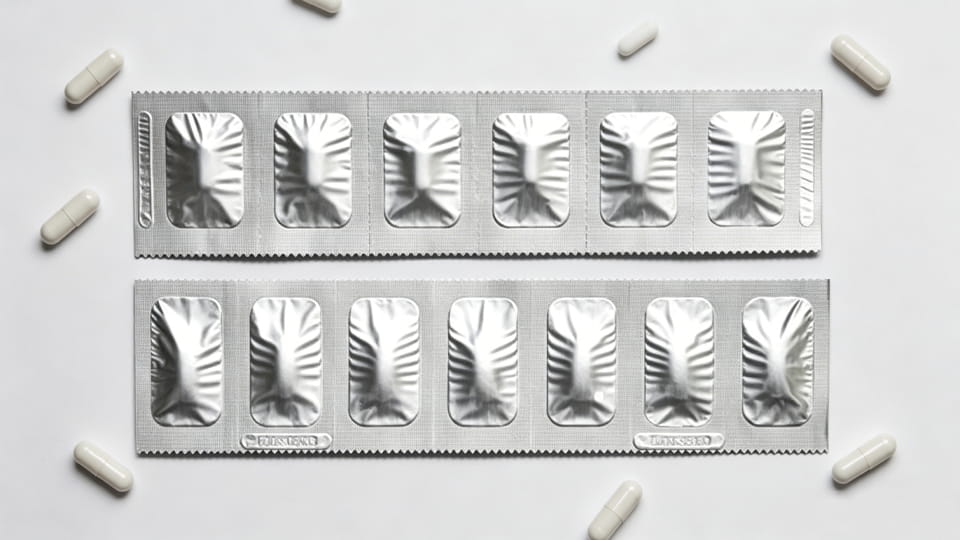
حزم الشريط (وتسمى أيضًا شرائط الرقائق أو "شرائط الجرعة") هي شكل آخر من أشكال الحزمة الأولية ذات الجرعة الواحدة. عادة ما يكون الشريط عبارة عن شبكة ضيقة من المواد (في كثير من الأحيان الألومنيوم أو صفح متعدد الطبقات) مطوية ومختومة, مع ثقوب بين الجرعات. على عكس البثور, لا تشكل العبوات الشريطية تجاويف عميقة – بدلاً من ذلك, الكبسولة محصورة بين طبقتين من الفيلم. تُستخدم العبوات الشريطية على نطاق واسع في آسيا وللمنتجات التي تتطلب حماية عالية من الرطوبة ولكن تكون البثور ضخمة جدًا. النقاط الرئيسية:
حاجز ممتاز: غالبًا ما تستخدم العبوات الشريطية رقائق الألومنيوم التي تكون غير منفذة للرطوبة والأكسجين. وهذا يجعلها مثالية للكبسولات الحساسة للرطوبة أو أدوية الأطفال التي تتطلب مدة صلاحية طويلة. بل إن منظمة الصحة العالمية تُعرّف العبوات الشريطية بأنها مناسبة لـ "جرعات فردية... من المستحضرات الصلبة أو شبه الصلبة".
مضغوط & جرعة الوحدة: مثل البثور, تسمح حزم الشريط باستخدام جرعة واحدة في المرة الواحدة. فهي أخف وزنا وأكثر تملقا من البثور, توفير مساحة.
معدات: تقوم آلات التعبئة الشريطية بتشكيل وإغلاق الرقاقة حول كل كبسولة. تقدم Jinlu آلات التعبئة الشريطية أيضًا. على سبيل المثال, تستخدم العبوات الشريطية الغنية بملاحظات التغليف تصفيحًا من الألومنيوم أو البلاستيك ويمكنها تحقيق أطوال عديدة من الجرعات.
شكل:ماكينة تعبئة الشرائط
من وجهة نظر الاختيار, تحتل العبوات الشريطية أرضية وسط بين الزجاجة (حجم كبير) ونفطة (صلابة). غالبًا ما يتم اختيارهم متى حاجز رطوبة عالي جدًا هناك حاجة ولكن في رقيقة, شكل خفيف الوزن. (ملحوظة: قد لا توفر العبوات الشريطية دليلاً على التلاعب بشكل واضح مثل البثور ما لم يتم استخدام أختام إضافية.)
العبوة الثانوية & وضع العلامات
بعد اختيار الحزمة الأساسية, عادة ما يتم وضع الكبسولات فيها التغليف الثانوي مثل صناديق الكرتون أو ملفوفة بالانكماش حالات. توفر الكراتين حماية إضافية أثناء الشحن, السماح بوضع علامات إضافية (معلومات المخدرات, العلامة التجارية, الأختام الواضحة), والمساعدة في تنظيم المنتجات متعددة العبوات. الاعتبارات الرئيسية للتغليف الثانوي:
كرتون & إدراجات: يجب أن تشتمل العبوات الكرتونية الطبية على إدراجات للمنتج (منشورات مع تعليمات الجرعة, رقم الدفعة, انتهاء الصلاحية, معلومات الشركة المصنعة, إلخ.). غالبًا ما تكون هذه منشورات ورقية يتم إدخالها في الصندوق.
العبث الأختام: عادةً ما تحتوي العبوة الثانوية على أختام واضحة للتلاعب (على سبيل المثال. أشرطة أمنية, تقليص العصابات) لإظهار ما إذا كان الصندوق قد تم فتحه.
التسلسل/المسار & يتعقب: في العديد من الأسواق (الولايات المتحدة DSCSA, مرض الحمى القلاعية في الاتحاد الأوروبي), يجب أن تحمل الحزم الفردية رموزًا تسلسلية فريدة (الباركود/QR) لمكافحة التزوير. يتضمن حل التغليف القوي طابعات الملصقات أو برامج التشفير النافثة للحبر لطباعة أرقام الدفعة/الدفعة والرموز ثنائية الأبعاد على علب الكرتون.
ميزات مقاومة وسلامة الأطفال: لبعض الأدوية, أنظمة (على سبيل المثال. 21 CFR 211) تفويض التعبئة والتغليف المقاومة للطفل. يمكن أن يشمل ذلك أفلام الفقاعات التي يصعب على الأطفال فتحها, أو أغطية خاصة على الزجاجات. قد تحتوي الصناديق الثانوية أيضًا على أقفال أو تتطلب فتحًا على خطوتين إذا لزم الأمر.
الاستقرار والامتثال: يجب أن يحافظ النظام الأساسي + الثانوي المدمج على ثبات المنتج في ظل ظروف التخزين الموضحة. على سبيل المثال, تتطلب دراسات استقرار التراث الثقافي غير المادي بشكل واضح اختبار شكل الجرعة النهائية المعبأة.
في ملخص, تقوم العبوة الثانوية بتغليف المنتج للتوزيع النهائي وتضمن وجود جميع ميزات وضع العلامات والامتثال. التصميم الجيد هنا يعزز صورة العلامة التجارية وراحة المستخدم (كرتون سهل الفتح, وضع العلامات واضحة).
مواد تغليف الكبسولة
يعد اختيار مواد التغليف المناسبة أمرًا بالغ الأهمية لحماية الكبسولات. يجب أن تكون المواد متوافقة مع الدواء, تلبية احتياجات الحاجز, والامتثال للوائح (ISO 15378 GMP لمواد التعبئة والتغليف, إلخ.). وتشمل المواد المشتركة:
أفلام نفطة:
PVC (بولي فينيل كلوريد): منخفضة التكلفة, غالبًا ما يستخدم البلاستيك الشفاف للبثور. PVC نفاذية للرطوبة (ليست وقائية) ما لم المغلفة.
بولي كلوريد الفينيل/PVDC: PVC مطلي بمادة PVDC (كلوريد البولي فينيلدين) يقلل بشكل كبير من دخول الرطوبة (تستخدم نفطة Alu-PVC الشائعة حاجز PVDC).
ألو-PVC أو ألو-ألو: رقائق الألومنيوم مغلفة بـ PVC أو PET. يوفر Alu-PVC حاجزًا جيدًا للرطوبة/الأكسجين (شائع), بينما ألو ألو (احباط احباط) يوفر أعلى حاجز (يستخدم للكبسولات شديدة الرطوبة أو الحساسة للضوء).
مادة البولي بروبيلين (ص): الظهور كبديل مستدام. بثور PP (مادة أحادية) يمكن إعادة تدويرها بالكامل, كما هو الحال مع بطانة PharmaGuard من Südpack, ولا يزال أداؤه جيدًا في الخطوط الآلية.
مواد الزجاجة:
البولي إثيلين عالي الكثافة (البولي ايثيلين عالي الكثافة): البلاستيك الشائع لزجاجات الأدوية; خاملة نسبيا وفعالة من حيث التكلفة.
حيوان أليف (البولي إيثيلين تيريفثاليت): يوفر وضوحًا وصلابة أفضل; حاجز جيد مقابل الغازات. كثيرا ما تستخدم للمغذيات / المكملات الغذائية.
زجاج (النوع الأول البورسليكات): يستخدم للمنتجات الحساسة جدًا للرطوبة أو بالحقن; يوفر الزجاج حاجزًا ممتازًا للرطوبة والخمول الكيميائي. يحجب الزجاج الكهرماني أيضًا الأشعة فوق البنفسجية.
أفلام أخرى: للأكياس والعصا, أفلام مغلفة متعددة الطبقات (على سبيل المثال. الحيوانات الأليفة/الذهاب/PE) تستخدم للتحكم في الرطوبة والختم.
عمومًا, اختر أعلى حاجز منطقي لكبسولتك. على سبيل المثال, قد تتطلب كبسولة الجيلاتين الحساسة للرطوبة نفطة Alu-Alu أو زجاجة من الزجاج الكهرماني تحتوي على مادة مجففة. في المقابل, قد تستخدم الكبسولات غير الحساسة نفطة PVC القياسية أو زجاجة HDPE. ضع في اعتبارك أيضًا مدة الصلاحية: تحتاج المنتجات طويلة المدى إلى حاجز أكثر قوة.
ملاحظات السلامة/إعادة التدوير: تفضل الاتجاهات المستدامة العبوات أحادية المادة (على سبيل المثال. بثور PP, زجاجات PET القابلة لإعادة التدوير). اختبار المواد المستخرجة, التوافق, وتلبية حدود إدارة الغذاء والدواء/الاتحاد الأوروبي (على سبيل المثال. جامعة جنوب المحيط الهادئ <661> للملدنات) هو جزء من الامتثال التعبئة والتغليف.
أنواع الكبسولات وتأثير التغليف
تأتي الكبسولات بأنواع مختلفة وتركيبتها تحدد احتياجات التعبئة والتغليف:
كبسولات الجيلاتين الصلبة: الأكثر شيوعًا هي الأصداف المكونة من قطعتين. تحتوي على مساحيق/حبيبات جافة. تحتفظ قشور الجيلاتين بالقليل من الرطوبة وتصبح هشة إذا كانت جافة جدًا, أو ناعمة إذا كانت رطبة جدًا. عمومًا, كبسولات الجيلاتين الصلبة يتطلب معتدل التحكم في الرطوبة. حالة التخزين المذكورة على نطاق واسع هي 15-25 درجة مئوية ورطوبة نسبية 35-65%. يجب أن تحافظ العبوة على هذه البيئة: على سبيل المثال, عبوات نفطة مع بطانات PVDC أو Alu-Alu, أو زجاجات مع المجففات, تساعد على استقرار الكبسولات.
HPMC (نباتي) كبسولات: مصنوعة من السليلوز النباتي, تحتوي هذه الأصداف عادةً على رطوبة متأصلة أقل من الجيلاتين وتتحمل ما يصل إلى 70٪ من الرطوبة النسبية. غالبًا ما يتم استخدامها لواجهات برمجة التطبيقات الحساسة للرطوبة. لكن, حتى كبسولات HPMC تتطلب تعبئة حاجزة للتعبئة شديدة الرطوبة أو الحساسة للضوء. في الممارسة العملية, كبسولات HPMC + فقاعات PVC غالبًا ما تكون كافية, ولكن الحاجز العالي لا يزال يضيف السلامة.
كبسولات هلامية (مملوء بالسائل):الكبسولات الطرية لديك الجيلاتين (أو الجيلاتين المعدل) قذيفة مملوءة بالزيت أو السوائل الأخرى. أنها تحتوي على كمية كبيرة من الماء (في كثير من الأحيان ~ 5-10٪) في القشرة ويمكن أن تفقد الرطوبة أو تتأكسد. الكبسولات الطرية حساسة للغاية للرطوبة: أنها تتطلب عادة زجاجات زجاجية من العنبر (مع المجففة) أو عبوات نفطة ذات حاجز عالي لمنع فقدان الماء والحفاظ على الفاعلية. لأن أغلفة الكبسولات الطرية حساسة لدرجة الحرارة/الرطوبة أثناء التصنيع, في بعض الأحيان تكون هناك حاجة إلى سلسلة التبريد والتعبئة المتخصصة.
كبسولات معوية/معدلة التحرر: هذه لها طلاءات خاصة لتأخير إطلاقها في الجهاز الهضمي. يضيف الطلاء طبقة أخرى من الحساسية (يمكن أن تكون حساسة لدرجة الحموضة أو أكثر هشاشة). يجب أن تظل هذه الكبسولات جافة ومعبأة عادة في نفطة أو زجاجة مثل أي كبسولة أخرى. يتطلب الطلاء ظروفًا متسقة; ومن ثم فإن التغليف الذي يضمن التحكم في درجة الحرارة/الرطوبة النسبية أثناء التوزيع أمر مهم.
باختصار, ال مادة غلاف الكبسولة ونوع التعبئة سوف تؤثر على اختيار التعبئة والتغليف. التركيبات شديدة الحساسية للرطوبة تفضل دائمًا الحاجز الأشد (ألو ألو نفطة, كيس احباط, أو زجاجة مغلقة مع المجففة). التركيبات الأقل حساسية لديها المزيد من الخيارات. اختبر دائمًا ثبات المنتج الكبسولة النهائية المعبأة (ICH Q1A يتطلب الاستقرار في الحاوية المقترحة).
اختيار التغليف المناسب (مخطط انسيابي للقرار)
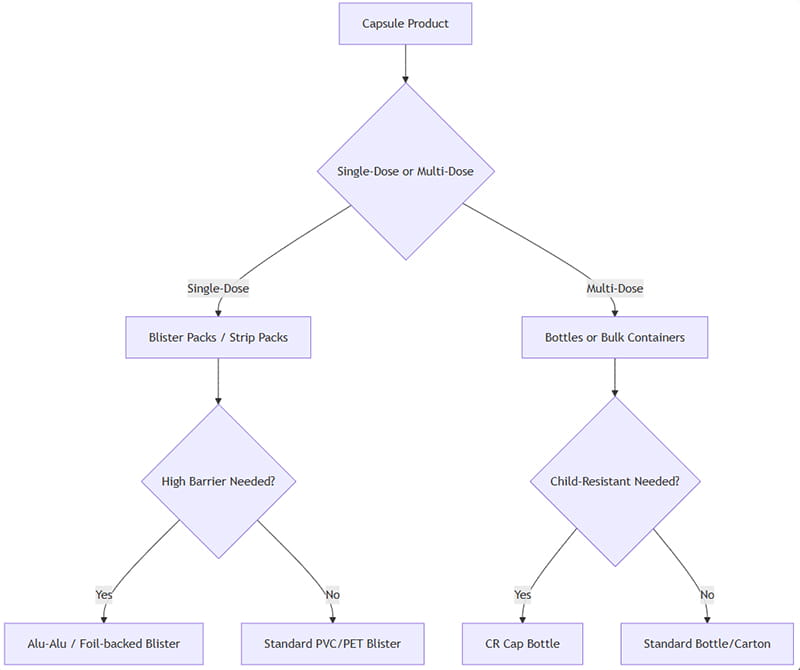
يتضمن اختيار عبوة الكبسولة المثالية تقييم عوامل متعددة: شكل جرعة, امتثال المريض, حساسية المنتج, العمر الافتراضي, المتطلبات التنظيمية, والتكلفة. فيما يلي إطار قرار مبسط:
كيفية تطبيق هذا: إذا كان المقصود من الكبسولات أن تكون وحدات مفردة (على سبيل المثال. جرعات ضيقة أو بطاقات نفطة للبيع بالتجزئة), ويفضل ظهور بثور/شرائط. للجرعات المتعددة (على سبيل المثال. المكملات الغذائية أو الأدوية عالية الاستخدام), الزجاجات أكثر كفاءة. إذا كانت الحماية من الرطوبة/الضوء أمرًا بالغ الأهمية, حدد خيارات عالية الحاجز (على الإطلاق, زجاجة العنبر). إذا كانت هناك حاجة لسلامة الأطفال, استخدم أغطية زجاجات مقاومة للأطفال أو تصميمات نفطة واضحة للتلاعب.
وتشمل المعايير الأخرى من الصناعة:
شكل الجرعة: أقراص / كبسولات → نفطة, زجاجة, أو الشريط; مساحيق → كيس / حزمة عصا.
حساسية المنتج: للأدوية الحساسة للرطوبة, استخدم بثور Alu-Alu أو أكياس رقائق معدنية. لحساسة للضوء, استخدم زجاجات العنبر أو الأفلام غير الشفافة.
امتثال المريض: تنسيقات جرعة الوحدة (نفطة / قطاع) الالتزام بالمساعدة. الزجاجات سهلة الفتح تساعد كبار السن.
تنظيمية: قم بتضمين أدلة التلاعب والامتثال لإرشادات التعبئة والتغليف الخاصة بـ FDA/EMA.
مدة الصلاحية: يحتاج العمر الافتراضي الأطول إلى مواد ذات حاجز أعلى (على الإطلاق, أفلام متعددة الطبقات).
حجم الإنتاج: آلات نفطة عالية السرعة (حجم متوسط), خطوط الزجاجة تتفوق على دفعات كبيرة, تتعامل ماكينات الأكياس مع أسعار الخطوط المرنة.
يكلف: موازنة تكاليف المواد مقابل تكاليف الماكينة. على سبيل المثال, قد تحتوي الزجاجات على عمالة أقل لكل وحدة ولكن تكلفة بلاستيكية أعلى; تستخدم العبوات اللاصقة القليل جدًا من الفيلم لكل جرعة.
أخيرًا, اختبار تجريبي (دراسات الاستقرار, دراسات المستهلك) وسيقوم تحليل التكلفة الإجمالية بتوجيه القرار النهائي. يمثل المخطط الانسيابي أعلاه نقطة بداية للسيناريوهات النموذجية.
معدات تعبئة الكبسولات
تتطلب كبسولات التعبئة والتغليف آلات متخصصة. بعد ملء الكبسولات (عن طريق حشو الكبسولة), يتم نقلها إلى خطوط التعبئة والتغليف:
آلات نفطة: لقد لاحظنا بالفعل جينلو دي بي بي-180 برو, آلة نفطة التشكيل الحراري عالية السرعة. يشكل تجاويف (فيلم PVC أو PET), يغذي كبسولات (أو أقراص), والأختام مع احباط, كل ذلك تلقائيا. تقدم Jinlu الآلات (على سبيل المثال. دب-180, دي بي بي-270 ماكس) ما يصل إلى 4800-11200 تجاويف / ساعة. يتم إقران آلات البثرة مع مغذيات العد لإسقاط كبسولة واحدة بالضبط في كل جيب, وغالبًا ما يكون بها قواطع لفصل البثور إلى بطاقات. وحدات إضافية (الطباعة/التفتيش) تأكد من أن كل نفطة مقروءة وصحيحة.
عد & خطوط تعبئة (خطوط الزجاجة): هذه تحول الكبسولات السائبة إلى زجاجات. خط نموذجي لديه: زجاجة غير رمزية (ينظم الزجاجات الفارغة), عداد قرص / كبسولة (وعاء اهتزازي أو نظام بصري يقوم بعد وإسقاط رقم محدد في كل زجاجة), آلة السد / الختم, ومحطة وضع العلامات. جينلو JL-16H خط, على سبيل المثال, يتدافع الزجاجات, تحتوي على كبسولات بحجم 3-40 ملم, ينطبق قبعات, والتسميات تصل إلى 100 زجاجات / دقيقة مع 99.98% دقة. للحجم العالي (التعبئة السائبة) العمليات, يمكن أن تصل الخطوط المعيارية ذات رؤوس العد المتعددة أو حشوات البريمة إلى سرعات أعلى. يمكن أيضًا إضافة مواد الحث أو السدادات المتقلصة للتغطية بالرقائق.
آلات التعبئة والتغليف في الأكياس/العصا: هذه هي نموذج ملء الختم (جبهة القوى الاشتراكية) آلات. جينلو JL-VP السلسلة عبارة عن نظام VFFS متعدد المسارات يمكنه إنتاج 30-40 كيسًا أو عبوات لاصقة في الدقيقة لكل حارة. إنه يحدد جرعات المسحوق أو السائل بدقة (مسامير اوجير للمسحوق, مضخات للسائل) والأختام 3- أو أكياس ذات 4 جوانب أو عبوات لاصقة ذات 3 جوانب. تشتمل الآلات على أدوات تحكم PLC لطول الكيس, مغذيات المؤازرة للتأكد من دقتها (± 0.02 جرام), وختم الحرارة المحكم. تعتبر هذه الآلات مثالية للمنتجات ذات الجرعة الواحدة, على الرغم من أن الكبسولات نفسها نادراً ما تكون "معبأة في الكيس" سليمة.
ماكينات التعبئة الشريطية: يتم تصنيع العبوات الشريطية على آلات متخصصة تعمل على عزل الرقائق أو الأفلام المتداخلة بالحرارة. تشبه هذه غالبًا آلات الفقاعة ولكنها تستخدم فيلمًا مسطحًا. (إذا كانت Jinlu تقدم شركات التعبئة والتغليف, تكامل مماثل لآلات الكيس.)
ماكينات التعبئة والتغليف الثانوية:ماكينات صناعة الكرتون يمكن تركيب كرتون, أدخل البثور أو الزجاجات والمنشورات, وإغلاق الصناديق. غالبًا ما تتعامل شركات تعبئة المستحضرات الصيدلانية مع ألواح الفقاعات المعدنية أو أكياس الكبسولات. حزم القضية (للحالات الخارجية) والمنصات النقالة تكمل خط الإنتاج الضخم.
امتثال المعدات: يجب أن تتوافق جميع آلات التعبئة والتغليف للأدوية مع تصميم GMP (الفولاذ المقاوم للصدأ, الأسطح القابلة للتنظيف, الأداء المعتمد). آلات Jinlu حاصلة على شهادة CE/cGMP, غالبًا مع وسائل حماية قابلة للتكوين وأنظمة رفض للحبوب غير المطابقة للمواصفات. التكامل هو المفتاح: على سبيل المثال, يمكن لآلة البثرة أن تغذي مباشرة في علبة الكرتون التي تقوم بتركيب الصناديق وتعبئة كل بطاقة نفطة. أنظمة شاملة (من التعبئة إلى المربع النهائي) السماح بالأتمتة الشاملة لتغليف الكبسولة.
الاعتبارات التنظيمية والامتثال
يجب أن تلتزم عبوات الكبسولات الخاصة بالمستحضرات الصيدلانية بلوائح صارمة. تشمل النقاط الرئيسية:
متطلبات برنامج الرصد العالمي: ادارة الاغذية والعقاقير 21 CFR 211 يتطلب الجزء الفرعي ز إجراءات مكتوبة لاستلام واختبار الجميع مواد التعبئة والتغليف قبل الاستخدام. وهذا يعني ظهور بثور, زجاجات, التسميات, كرتون الخ. يجب أن تستوفي المواصفات (لا عيوب). يلزم تخزين مواد التغليف بشكل منفصل حسب المنتج لمنع الخلط. ملحق برنامج الرصد العالمي الخاص بمنظمة الصحة العالمية 9 وبالمثل تفاصيل ضوابط التعبئة والتغليف. تتطلب ممارسات التصنيع الجيدة إمكانية التتبع (أرقام كبيرة على العبوة) والتعامل النظيف.
المبادئ التوجيهية للاستقرار والتراث الثقافي غير المادي: أنا س1أ(R2) وينص على إجراء دراسات الاستقرار على المنتج في صورته النهائية نظام إغلاق الحاويات. في الممارسة العملية, وهذا يعني أنه يجب عليك تعبئة دفعات اختبارية من الكبسولات تمامًا كما هو مخطط لها (نفس احباط نفطة, نفس نوع الزجاجة) وتعريضهم لظروف الاستقرار الحقيقي / الوقت. قد يتطلب أي تغيير في العبوة اختبار ثبات جديد.
التسلسل & إمكانية التتبع: في العديد من الأسواق, معرفات فريدة (الباركود/الرموز ثنائية الأبعاد) على العبوة الثانوية (وأحيانا البثور الأولية) مطلوبة لتتبع المخدرات من خلال سلسلة التوريد. يجب أن تتضمن الخطوط طابعات أو أدوات تطبيق لهذه الرموز. غالبًا ما يتضمن تصميم التغليف أيضًا أدلة على التلاعب (وفقًا لقانون الولايات المتحدة/الاتحاد الأوروبي).
تعبئة مقاومة للأطفال وصديقة لكبار السن: تتطلب المواد الخاضعة للرقابة أو بعض الأدوية ميزات مقاومة للأطفال. وهذا يعني غالبًا وجود أغطية خاصة على الزجاجات (على سبيل المثال. الدفع والدوران) أو ظهور بثور صعبة التقشير. لكن, ويجب أيضًا مراعاة إمكانية وصول المريض (سهلة الفتح لكبار السن). استشارة قانون التعبئة والتغليف لمنع السموم (نحن) أو قواعد إقليمية مماثلة ضرورية.
معايير الأيزو: يجب على موردي التغليف الأساسيين اتباع ISO 15378 (GMP لمواد التعبئة والتغليف الأولية) لضمان الجودة. على الرغم من أنه لم يتم الاستشهاد به هنا بشكل مباشر, هذا هو المعيار المعترف به عادة لمصنعي التعبئة والتغليف. يجب أن تمتثل الآلات نفسها لمعايير الآلات الصيدلانية (م, أول, إلخ.) و 21 جزء CFR 11 إذا كان هناك تسجيل البيانات.
لوائح وضع العلامات: يجب أن تكون الكبسولات مكتوب عليها اسم المنتج, جرعة, تاريخ انتهاء الصلاحية, الشركة المصنعة, إلخ. ويمتد هذا إلى الكراتين والبثور (في بعض الأحيان يحمل كل جزء من البثرة بعض المعلومات المطبوعة). لدى إدارة الغذاء والدواء الأمريكية (FDA) ووكالة الأدوية الأوروبية (EMA) متطلبات محددة بشأن المعلومات التي يجب أن تظهر على الملصقات الأولية والثانوية.
إجمالي, اجتماع ادارة الاغذية والعقاقير, تعتبر إرشادات EMA ومنظمة الصحة العالمية ضرورية. يعمل العديد من شركات التعبئة والتغليف مع الموردين الخاضعين للتنظيم (مثل جينلو) من يمكنه توفير الآلات والوثائق التي تم التحقق من صحتها (الأشعة تحت الحمراء/WH/PQ).
خاتمة
يتطلب اختيار عبوة الكبسولة المناسبة موازنة الحماية, سهولة الاستخدام, والتكلفة. حزم نفطة, زجاجات, أكياس, والشرائط لكل منها مكانه التعبئة والتغليف الصيدلانية. عوامل مثل حساسية الرطوبة, شكل الجرعة, واحتياجات المريض هي التي توجه القرار. جنبا إلى جنب, ويجب استيفاء المتطلبات التنظيمية ومتطلبات GMP الصارمة.
في التعبئة جينلو, نحن متخصصون في حلول التعبئة والتغليف الصيدلانية الشاملة. معداتنا – من آلات نفطة عالية السرعة ل العد الآلي بالكامل & خطوط تعبئة الزجاجات - يساعدك على تعبئة الكبسولات بكفاءة وامتثال. نحن ندعم أيضًا الخيارات المستدامة (على سبيل المثال. الآلات التي تعمل على تشغيل أفلام جديدة قابلة لإعادة التدوير) وتقديم خدمة الشباك الواحد (التخصيص, تصديق). يمكن لفريقنا مساعدتك في تقييم أفضل نظام لتغليف الكبسولات لمنتجك.
على استعداد لتحسين تغليف الكبسولة الخاصة بك?اتصل بـ Jinlu Packaging اليوم لتوجيهات الخبراء والاقتباسات. حلولنا مدعومة بمعايير الجودة العالمية وأكثر 3,000 رضا العملاء في جميع أنحاء العالم. دعونا نحزم كبسولاتك لتحقيق النجاح!
الأسئلة الشائعة حول تغليف الكبسولة
ما هو تغليف الكبسولة?
تشير تعبئة الكبسولات إلى عملية تغليف الكبسولات الصيدلانية بمواد واقية للحفاظ على ثباتها, أمان, والامتثال. تتضمن التنسيقات الشائعة عبوات نفطة, زجاجات, وتغليف الشريط. في الممارسة الصيدلانية, التعبئة والتغليف ليست مجرد احتواء، بل تحمي الكبسولات من الرطوبة, الأكسجين, والتلوث, مما يؤثر بشكل مباشر على جودة الدواء ومدة صلاحيته.
ما هو أفضل تغليف للكبسولات الصيدلانية?
لا يوجد خيار "أفضل" واحد، فالأمر يعتمد على منتجك وسوقك. • التغليف بالفقاعة ← الأفضل للأدوية الحساسة للرطوبة أو ذات القيمة العالية • تعبئة الزجاجات ← الأفضل لتخزين المواد السائبة والمكملات الغذائية • التغليف الشريطي ← شائع في الأسواق الحساسة للتكلفة غالبًا ما يُفضل التغليف بالفقاعة لأنه يوفر حماية بجرعة واحدة وعزلًا بيئيًا أفضل.
ما هي المواد التي يجب أن أستخدمها لحماية منتج الكبسولة الخاص بي؟?
استخدم المواد التي تمنع التهديدات الرئيسية (رُطُوبَة, الأكسجين, ضوء). على سبيل المثال, توفر بثور Alu-Alu المصنوعة من رقائق الألومنيوم أو الزجاجات الكهرمانية حاجزًا ممتازًا للكبسولات الحساسة للرطوبة. تعتبر بثور PVC أو PET المغطاة بطبقة PVDC شائعة وأرخص بالنسبة للمنتجات المستقرة. تعد زجاجات HDPE قياسية ولكنها قد تحتاج إلى كيس مجفف إذا كانت الكبسولات حساسة. تقييم معدلات انتقال بخار الماء (WVTR) من الأفلام. في الإنتاج الواعي بالاستدامة, النظر في المواد الأحادية القابلة لإعادة التدوير (على سبيل المثال. بثور PP). قم دائمًا باختبار توافق التغليف من خلال دراسات الاستقرار.
كيف يحمي تغليف الكبسولة استقرار الدواء?
الكبسولات حساسة للعوامل البيئية مثل الرطوبة, الأكسجين, والضوء. التغليف المناسب: • يمنع امتصاص الرطوبة • يقلل من الأكسدة • يحافظ على الاستقرار الكيميائي عبوة نفطة, بخاصة, يخلق بيئات دقيقة محكمة الغلق لكل كبسولة, إطالة العمر الافتراضي بشكل ملحوظ.
ما هي آلات التعبئة والتغليف التي أحتاجها للكبسولات؟?
ذلك يعتمد على الشكل. للبثور, أنت بحاجة إلى آلة تشكيل/ختم الفقاعة (مع قوالب تجويف لتناسب الكبسولة الخاصة بك) بالإضافة إلى علبة كرتونية. للزجاجات, أنت بحاجة إلى خط تعبئة/تغطية الزجاجة (أداة فك التشفير, حشو مضاد, كابر, Labeler). لحزم العصا, استخدم آلة الكيس ذات الشكل المملوء بالختم العمودي. تقدم Jinlu كل هذه: على سبيل المثال. لدينا بثور سلسلة DPP, خط العد JL-16H, و JL-VP لتعبئة الأكياس. اختيار الجهاز المناسب ينطوي على القدرة, حجم كبسولة, والتكاملات المطلوبة (أنظمة الرؤية, رفض المحطات, إلخ.).
كيف أختار بين عبوات الفقاعات وزجاجات الكبسولة؟?
النظر في عوامل مثل الجرعة (واحد مقابل. عديد), احتياجات الاستقرار, واستخدام المريض. من أجل راحة جرعة واحدة وحماية عالية (خاصة بالنسبة للكبسولات الحساسة للرطوبة/الضوء), غالبًا ما يتم تفضيل البثور. لأسباب كبيرة الحجم أو اقتصادية, عادة ما يتم اختيار الزجاجات. أيضًا, إذا كانت هناك حاجة إلى ميزات مقاومة للأطفال أو صديقة لكبار السن, قد توفر الزجاجات المزيد من الخيارات. كقاعدة عامة, قم بمطابقة خصائص الكبسولة الخاصة بك مع العبوة: على سبيل المثال. كبسولات استرطابية للغاية → نفطة ألو ألو; المكملات الغذائية عالية الطلب → الزجاجات.
بيتي فو, مؤسس شركة Jinlupacking, يجلب 20 سنوات من الخبرة في قطاع الآلات الصيدلانية. تحت قيادته, لقد نمت Jinlu لتصبح موردًا موثوقًا به يدمج التصميم, إنتاج, والمبيعات. بيتي متحمس لمشاركة معرفته العميقة بالصناعة لمساعدة العملاء على التغلب على تعقيدات التعبئة والتغليف الدوائية, ضمان حصولهم ليس فقط على المعدات, ولكن شراكة خدمة متكاملة حقيقية مصممة خصيصًا لأهداف الإنتاج الخاصة بهم.