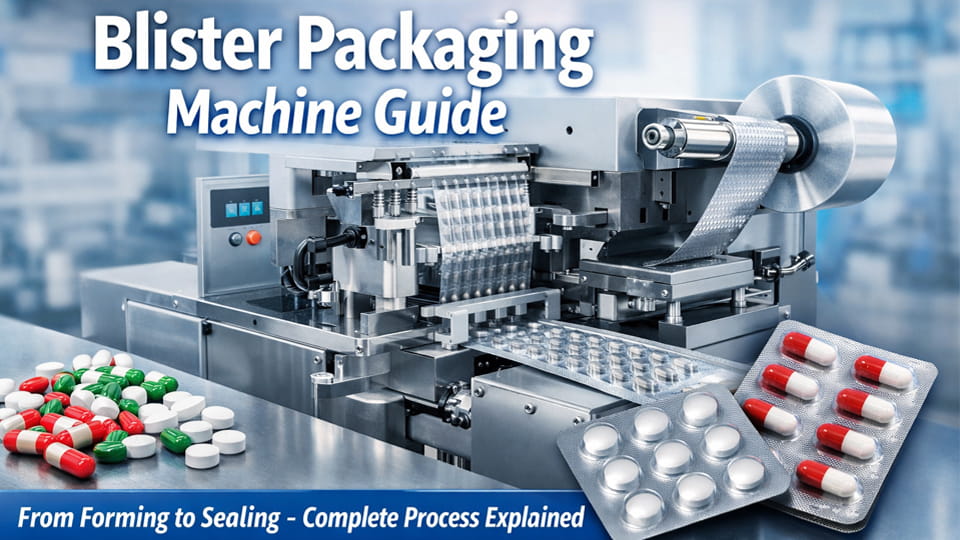
ما هي مواصفات متطلبات المستخدم (URS) في فارما?الدليل الكامل للمعدات الصيدلانية
ما هي مواصفات متطلبات المستخدم (URS) في فارما?الدليل الكامل للمعدات الصيدلانية
أغسطس 17, 2026
لا تعليقات
أ مواصفات متطلبات المستخدم (URS) في تصنيع الأدوية هي الوثيقة التأسيسية التي تحدد ماذا يجب أن ينجز النظام أو قطعة من المعدات لتلبية الجودة, أداء, والاحتياجات التنظيمية. هو مكتوب من قبل صاحب المعدات (شركة فارما) ويحدد الوظائف المطلوبة, القدرات, مواد, وميزات GMP للمعدات. يضمن URS أن جميع أصحاب المصلحة (إنتاج, هندسة, ضمان الجودة) الاتفاق على المتطلبات قبل بدء الشراء أو التصميم. فهو يوفر خطًا أساسيًا لمقترحات الموردين ويصبح المرجع طوال التصميم, الاختبار, والتحقق من الصحة.
الوجبات السريعة الرئيسية
تحدد URS ما تحتاج المعدات الصيدلانية إلى تحقيقه, بما في ذلك الاستخدام المقصود, سعة, أداء, جودة, أمان, والمتطلبات التشغيلية.
جيد يجب أن تحتوي URS الصيدلانية على متطلبات واضحة وقابلة للقياس والتي يمكن التحقق منها لاحقا.
لآلات التعبئة والتغليف, قد يغطي URS مواصفات المنتج, تنسيقات الحزمة, سرعة الإنتاج, مواد, المرافق, الأتمتة, تنظيف, أمان, والتوثيق.
URS ليست هي نفس مواصفات التصميم. يحدد URS النتيجة المطلوبة; تقوم الشركة المصنعة للمعدات بتطوير الحل الفني.
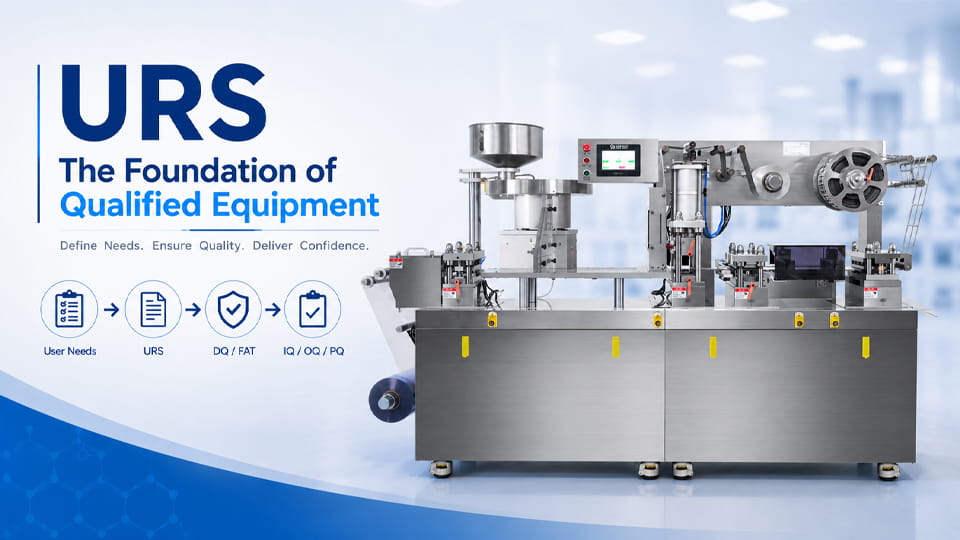
يمكن أن توفر URS مرجعًا لـ شراء المعدات, تقييم الموردين, دي كيو, فات/سات, معدل الذكاء, أوكيو, و PQ.
يساعد نظام URS الواضح على تقليل سوء الفهم بين الشركة المصنعة للمستحضرات الصيدلانية ومورد المعدات قبل تصميم الماكينة وتصنيعها.
لمشروع ماكينة تعبئة وتغليف, كلما قام المشتري بتحديد متطلبات مثل نوع المنتج, تنسيق التعبئة والتغليف, سرعة الهدف, وتوقعات GMP, كلما أصبح من الأسهل تقييم المعدات المناسبة.
ما هي مواصفات متطلبات المستخدم (URS) في فارما?
أ مواصفات متطلبات المستخدم (URS) هي وثيقة رسمية تلتقط احتياجات المستخدم وتوقعاته لقطعة من المعدات أو النظام في صناعة الأدوية. يصف ماذا يجب أن تقوم المعدات - على سبيل المثال. معدل الإنتاج المستهدف, تنسيقات المنتجات, دقة, والوظائف التنظيمية - دون وصفة طبية كيف لتحقيق ذلك. يعمل URS كجسر بين مهندسي العمليات أو مستخدمي الإنتاج وموردي المعدات. إنه ينقل رؤية المستخدم والقيود التي يواجهها حتى يتمكن الموردون من التصميم, يقتبس, وبناء نظام لتلبية تلك الاحتياجات.
على سبيل المثال, قد يحدد URS:
ال الاستخدام المقصود (على سبيل المثال. "حزمة من 10 إلى 60 قرصًا").
معايير الأداء (على سبيل المثال. "≥ 100,000 بثور في الساعة").
المتطلبات التنظيمية وGMP (على سبيل المثال. "تصميم صحي, قابلية التنظيف ل <10 بقايا جزء في المليون).
مواد البناء (على سبيل المثال. "جميع الأجزاء الملامسة للمنتج مصنوعة من الفولاذ المقاوم للصدأ 316L").
المرافق والبيئة (على سبيل المثال. "تعمل في غرف الأبحاث من الفئة C, يتطلب قوة 380 فولت, 6 شريط الماء").
من خلال تحديد المتطلبات بوضوح مقدمًا, يصبح URS حجر الزاوية لجميع المراحل اللاحقة - مراجعة التصميم, تقييم الموردين, الاختبار, والتحقق من الصحة. التوجيه التنظيمي (على سبيل المثال. ملحق الاتحاد الأوروبي 15, ادارة الاغذية والعقاقير 21 جزء CFR 11, GAMP5) تتوقع صراحة متطلبات المستخدم الموثقة كنقطة انطلاق لتأهيل المعدات. في الممارسة العملية, كتابة قوات URS فرق متعددة الوظائف (إنتاج, ضمان الجودة, تصديق, هندسة) للتوافق تمامًا مع ما يجب أن تفعله المعدات حتى يتم تصنيع المنتج بشكل صحيح.
لماذا تعتبر URS مهمة في تصنيع الأدوية?
يعد URS المصمم جيدًا أمرًا ضروريًا لنجاح المشروع المتوافق مع GMP. وتشمل الأسباب الرئيسية:
وضوح المتطلبات: يوثق URS كافة التوقعات (الإخراج, جودة, أمان, إلخ.) في مكان واحد. وهذا يتجنب الارتباك ويضمن أن المورد يعرف بالضبط ما هو مطلوب. بدون URS, يمكن أن تكون المتطلبات غامضة أو يتم التغاضي عنها, مما يؤدي إلى إعادة تصميم مكلفة.
أساس مؤهلات التصميم (دي كيو): يعمل URS بمثابة خط الأساس لتأهيل التصميم. يسمح لك بالتحقق من أن التصميم المقترح يلبي جميع المتطلبات. ملحق برنامج الرصد العالمي للاتحاد الأوروبي 15 ينص صراحة على أنه "يجب التحقق من متطلبات مواصفات متطلبات المستخدم أثناء تأهيل التصميم".
تصديق & الاختبار: يعود كل نشاط تأهيل إلى URS. توضح إرشادات إدارة الغذاء والدواء (FDA) مؤهلات التثبيت (معدل الذكاء) يتحقق من تركيب المعدات وفقًا للمواصفات المعتمدة "المحددة في URS (على سبيل المثال, مواد البناء)". التأهيل التشغيلي (أوكيو) اختبارات أن المعدات تعمل على النحو المنشود, وتأهيل الأداء (PQ) يؤكد أنه يفي دائمًا بالمواصفات المحددة في المرحلة 1 (URS). باختصار, سواء في FAT, قعد, معدل الذكاء, أوك أو PQ, يتحقق كل اختبار من واحد أو أكثر من متطلبات URS.
إدارة المخاطر & الامتثال لممارسات التصنيع الجيدة: من خلال تضمين سمات الجودة الهامة (CQAs), ميزات تصميم GMP, والمتطلبات التنظيمية في URS, يمكن للفرق معالجة المخاطر في وقت مبكر. على سبيل المثال, إن تحديد معايير التصميم الصحي مقدمًا يمنع حدوث مشكلات التلوث لاحقًا. تؤكد أفضل ممارسات الصناعة على دمج ضمان الجودة, أمان, واحتياجات الامتثال في URS بحيث "يلبي النظام النهائي احتياجات العمل والامتثال".
تواصل & اختيار الموردين: يعد URS مرجعًا مشتركًا بين شركة الأدوية و بائعي المعدات. فهو يسمح للموردين بإعداد المقترحات التي تتوافق بشكل مباشر مع احتياجات المستخدم. كما أنه يساعد في تقييم العطاءات - حيث يمكن فحص الأجهزة مقابل URS (عبر FAT/SAT) لمعرفة أي واحد يلبي متطلباتك بشكل أفضل.
مراقبة التكلفة والجدول الزمني: تعني المتطلبات الواضحة فرصة أقل لزحف النطاق أو فقدان الميزات. وهذا يقلل من خطر تأخير المشروع وإعادة العمل المكلفة.
مثال - فئات محتوى URS:
فئة URS
متطلبات المثال
الاستخدام المقصود
ما هي العملية والمنتجات التي تتعامل معها المعدات.
القدرة/الأداء
معدل الإخراج (على سبيل المثال, بثور / دقيقة), حجم الدفعة, دقة.
منتج & التغليف
نوع المنتج, جرعة, حجم العبوة, مادة (على سبيل المثال, PVC).
مواد (اتصالات)
جميع الأجزاء الملامسة للمنتج (على سبيل المثال, 316إل إس إس, الانتهاء من السطح).
GMP & تنظيف
تصميم صحي, قابلية التنظيف (لا أرجل ميتة), CIP سهل.
البيئة / المرافق
فئة غرف الأبحاث, درجة الحرارة/الرطوبة, قوة, هواء, فارغ, إلخ.
الضوابط & بيانات
احتياجات PLC/HMI, تخزين الوصفة, تسجيل البيانات, التحكم في الوصول.
أمان
حراس, أوقف, المتشابكة, إنذار, معايير السلامة.
الوثائق
كتيبات, رسومات, شهادات, مستندات التدريب.
مؤهل
خطط FAT/SAT, وتسليمات IQ/OQ/PQ مع معايير النجاح.
مذكرة التحقق: يجب أن يكون كل عنصر URS واضحًا وقابلاً للقياس. على سبيل المثال, تحديد الأرقام الدقيقة (على سبيل المثال. "100 زجاجة/دقيقة" أو "درجة حرارة الغرفة 30 درجة مئوية بحد أقصى") بحيث يمكن لاختبارات مثل FAT/OQ التحقق منها بشكل موضوعي. قم دائمًا بتضمين معايير القبول (على سبيل المثال. "يجب أن تحتوي الأختام على 0.01 ميجا باسكال 5 ثواني") حيثما ينطبق ذلك.
ما الذي يجب أن يتضمنه URS الصيدلانية؟?
عادةً ما يغطي URS الصيدلانية هذه المناطق:
الاستخدام المقصود & نِطَاق: وصف خطوة العملية (تعبئة, ختم, وضع العلامات, إلخ.), المنتجات وأشكال التعبئة والتغليف, وكيف تتناسب المعدات مع العملية الشاملة. وهذا يحدد السياق لكل شيء آخر.
القدرة والإنتاجية: تحديد المخرجات المستهدفة (وحدات / ساعة أو حجم الدفعة). على سبيل المثال: "علية 50,000 عبوات نفطة ذات جرعة واحدة لكل وردية مدتها 8 ساعات. قم بتضمين أي شروط لبدء التشغيل/إيقاف التشغيل أو نطاقات إيقاف التشغيل.
تفاصيل المنتج والتغليف: تحديد خصائص المنتج (حجم الجهاز اللوحي, وزن, حساسية الرطوبة) وشكل التغليف (نوع الزجاجة, أبعاد بطاقة نفطة, حجم الكرتون). إذا تم استخدام منتجات أو أحجام متعددة, قائمة لكل منهما.
مواد البناء: قائمة المواد والمعايير المطلوبة. في فارما, الفولاذ المقاوم للصدأ (304/316ل) والبوليمرات من فئة FDA شائعة في أجزاء الاتصال. تضمين متطلبات الانتهاء من السطح (على سبيل المثال. را .80.8 ميكرومتر) وأي بطانات أو طلاءات.
GMP وميزات التصميم: تضمين معايير التصميم الصحي (على سبيل المثال. لا يوجد أرجل أو شقوق ميتة, قابلية التصريف). قم بالرجوع إلى أي معايير أو إرشادات معمول بها (ملحق برنامج الرصد العالمي للاتحاد الأوروبي 11, ISO, أستم). للأنظمة المحوسبة, لاحظ احتياجات سلامة البيانات (مسار التدقيق, التوقيعات الإلكترونية وفقًا لـ 21CFR11).
المرافق والبيئة: التفاصيل المرافق المطلوبة (قوة: الجهد / المراحل, ضغط/تدفق الهواء المضغوط, مياه التبريد, فارغ, إلخ.) والظروف البيئية (فئة غرف الأبحاث, نطاقات درجة الحرارة/الرطوبة).
الضوابط والبيانات: وصف احتياجات الأتمتة: منصة PLC/HMI, اللغات, إدارة الوصفة, إنذار, والاتصال (إيثرنت/SCADA/MES). اذكر أي متطلبات لتخزين البيانات أو إعداد التقارير (سجلات دفعة, تتبع OEE).
متطلبات السلامة: قائمة ميزات السلامة (على سبيل المثال. ستائر خفيفة, توقف الطوارئ, حراس متشابكة) ومعايير السلامة ذات الصلة (م, أول). قم بتضمين أي متطلبات مريحة أو تتعلق بسلامة المشغل (تأمين/tagout, مناطق لوتو).
الاختبار والتأهيل: حدد الدهون (اختبار قبول المصنع) معايير ونطاق الأشعة تحت الحمراء/WH/PQ. على سبيل المثال: "يجب على المورد إجراء FAT في موقعه لإثبات الامتثال لجميع نقاط URS وتقديم تقرير FAT."
متطلبات URS لمعدات التعبئة والتغليف الدوائية
ماكينات التعبئة والتغليف لديه بعض اعتبارات URS الخاصة. بالإضافة إلى البنود العامة المذكورة أعلاه, يشمل:
سرعات التعبئة والتغليف: تحديد المعدلات المستهدفة (على سبيل المثال. 200 زجاجات / دقيقة, 50 كرتون / دقيقة, 80 بثور / دقيقة). إذا تم دمج آلات/خطوط متعددة, توضيح الإنتاجية لكل.
نطاق المنتج: قم بإدراج كافة متغيرات المنتج التي يجب التعامل معها (الكمبيوتر اللوحي مقابل. كبسولة, أقطار زجاجة مختلفة, أنماط الغطاء, إلخ.). إذا كان الخط يتعامل مع تنسيقات متعددة, تشمل المطلوبة أوقات التحول وأي أجزاء التنسيق المطلوبة.
تنسيقات الحزمة: للبثور, تحديد أحجام البطاقة, تخطيط تجويف, نوع احباط (سمك PVC/PVDC, ألو/PVdC). للزجاجات, إعطاء أنواع الحاويات وأحجام التعبئة. للكرتون, تحديد الأبعاد ونوع الإغلاق. تضمن هذه التفاصيل تكوين الجهاز بشكل صحيح.
التعامل مع المواد: تفصيل أي مغذيات, فواصل, أو المناخل اللازمة للجرعة الصلبة. للمساحيق/السوائل, تحديد التحمل الجرعات واحتياجات الخزان.
مواد: كما هو الحال دائما, يجب أن تكون جميع الأجزاء الملامسة للمنتج مناسبة للأدوية (على سبيل المثال. SS316L). إذا كانت هناك منتجات أكالة أو حمضية, لاحظ أي طلاءات أو مواد خاصة.
تنظيف & التحول: إذا كان من المتوقع حدوث تغييرات متكررة في المنتج, تتطلب أجزاء سريعة التحرير أو CIP (التنظيف في المكان) سمات. للخطوط المعقمة, تحديد تصنيف غرف الأبحاث وطرق التعقيم.
الضوابط: على سبيل المثال. "يجب أن يستخدم الخط جهاز Allen-Bradley PLC مع واجهة SCADA, دعم التحكم في الوصفة." حدد أي تسلسل للملصق أو اتصال بمعدات المنبع/المصب.
اندماج: إذا كان جزءًا من خط أكبر, تتطلب التوافق (على سبيل المثال. الناقلات, تتبع الدفعة, ماسحات الباركود). توثيق أي واجهات (كهربائي, ميكانيكية, تواصل) ضروري.
المرافق: خطوط التعبئة والتغليف غالبا ما تحتاج إلى الهواء المضغوط (على سبيل المثال. 5 شريط في X NL / دقيقة) ويمكن استخدام الفراغ أو النيتروجين. إعطاء الحد الأدنى من المتطلبات.
أمان: مع وجود العديد من المشغلين حولها, تشمل ستائر خفيفة أو أدوات تحكم ثنائية في محطات التحميل/الرفض. يجب أن يعكس URS قواعد السلامة الخاصة بموقعك (على سبيل المثال. الامتثال CE).
على سبيل المثال, قد تتضمن آلة نفطة URS: "قدرة على عزل الحرارة حتى 200 درجة مئوية, يستوعب طبقة PVC/PVDC بسمك 300 ميكرومتر, وحدة تغذية نفطة متكاملة وناقل تقليم, 4-تتبع تنسيق البثرة مع التغيير <15 دقيقة, جميع أجزاء الاتصال في SS316L, الإخراج ≥80 بثور / دقيقة عند 100% كفاءة." تتيح هذه التفاصيل لمنشئ الآلة تلبية احتياجاتك الدقيقة.
كيف تتناسب URS مع عملية التأهيل?
URS هي نقطة البداية لدورة حياة تأهيل المعدات. التدفق المبسط هو:
يو آر إس → دي كيو: بمجرد الموافقة على URS, تصميم المعدات (رسومات, المواصفات) تتم مراجعتها في مؤهلات التصميم لضمان استيفاء جميع متطلبات URS. في مراجعة التصميم, يقوم المهندسون ومسؤولو ضمان الجودة بالتجول في مخرجات التصميم ومقارنتها بكل عنصر من عناصر URS.
URS → FAT/SAT: اختبار قبول المصنع (سمين) يتم ذلك في موقع البائع لإثبات أن الجهاز يتوافق مع URS قبل الشحن. الملحق 15 حتى أنه يقترح التحقق من امتثال URS في موقع البائع إذا كان ذلك مبررًا. بعد التثبيت, اختبار قبول الموقع (قعد) يؤكد أن كل شيء لا يزال يعمل في مكانه (في بعض الأحيان تتداخل خطوات FAT وSAT).
URS → معدل الذكاء: يتحقق تأهيل التثبيت من تطابق المعدات المثبتة مع مواصفات URS. على سبيل المثال, تنص إرشادات إدارة الغذاء والدواء الأمريكية على أن معدل الذكاء يجب أن يتحقق من أن "جميع جوانب المنشأة, جدوى, أو المعدات التي يمكن أن تؤثر على جودة المنتج... الالتزام بالمواصفات المعتمدة كما هو محدد في URS (على سبيل المثال, مواد البناء)". في الممارسة العملية، هذا يعني فحص الأنابيب, كهربائي, والتفاصيل الهيكلية ضد URS.
URS → OQ/PQ: اختبارات التأهيل التشغيلي للآلة يعمل على النحو المنشود. تشير إدارة الغذاء والدواء الأمريكية إلى أن OQ تتحقق من أن المعدات "تعمل".[ق] على النحو المنشود في جميع أنحاء نطاقات التشغيل المتوقعة ". يُظهر مؤهل الأداء بعد ذلك مخرجات متسقة تلبي معايير URS المحددة. بعبارة أخرى, ضمن OQ/PQ، تقوم بتشغيل الجهاز بمواد حقيقية وتأكيد المقاييس (سرعة, أَثْمَر, معدل العيب, إلخ.) لكل URS.
في كل مرحلة, يتم إرجاع بروتوكولات الاختبار إلى متطلبات URS. إذا قال URS "الاستغناء 100 ml ±2%"، ثم تقوم اختبارات OQ بقياس الحجم الموزع لتلبية ذلك. يقوم URS بتحويل الأهداف الغامضة إلى اختبارات موضوعية.
URS مقابل المواصفات الوظيفية مقابل مواصفات التصميم
من المهم أن تعرف كيف تختلف هذه الوثائق:
وثيقة
يعرف (نِطَاق)
مؤلف
مواصفات متطلبات المستخدم (URS)
ما يحتاج المستخدمون إلى النظام للقيام به (الاحتياجات الوظيفية والتنظيمية).
شركة فارما (مالك)
المواصفات الوظيفية (خ.س)
كيف سيلبي النظام URS (وظائف, وحدات البرمجيات, سمات).
الهندسة / البائع
مواصفات التصميم (DS)
الحل التفصيلي (رسومات, بوم, شفرة, التكوينات).
الهندسة / البائع
ال URS إجابات ماذا أسئلة: "ما الأداء, أمان, وميزات الامتثال مطلوبة?إنه يترك طرق الحل مفتوحة.
ال المواصفات الوظيفية يقوم بتقسيم URS إلى وظائف النظام (على سبيل المثال. "يجب أن يتوقف نظام التحكم تلقائيًا عند التنبيه ويسجل رموز الخطأ").
ال مواصفات التصميم يوفر التصميم الفعلي (رسومات CAD, رمز PLC, تفاصيل البائع / الشركة المصنعة).
تجنب الإفراط في التحديد في URS. على سبيل المثال, لا تفرض علامة تجارية أو نوع محرك محددًا على PLC ما لم يكن ذلك مطلوبًا تمامًا. يجب أن يركز URS على الاحتياجات, لا تفاصيل التصميم. كما لاحظ خبراء الصناعة, بما في ذلك التفاصيل الفنية المفرطة في URS يمكن أن يحد من الحلول المرنة. تنتمي هذه التفاصيل إلى المواصفات الوظيفية/التصميمية بدلاً من ذلك.
من المسؤول عن إعداد URS؟?
عمومًا, ال مستخدم الصيدلانية (المشتري) هو المسؤول عن URS. عادةً ما يقوم فريق متعدد الوظائف بصياغته:
مهندسي الإنتاج/العمليات: تحديد الاستخدام المقصود, الإنتاجية, وتكامل العمليات.
ضمان الجودة/التحقق من الصحة: توفير متطلبات GMP, احتياجات سلامة البيانات, والمعايير التنظيمية.
الصيانة/الهندسة: تحديد المرافق, قطع غيار, الوصول إلى الصيانة, ومساحة التثبيت.
التنظيمية/ضمان الجودة: تأكد من المرفقات أو المبادئ التوجيهية (الملحق 15, الملحق 1 للتعقيم, إلخ.) تتم معالجتها.
شراء: ينسق تنسيق الوثيقة وقد يوضح النقاط الفنية.
قد يقدم بائع المعدات مدخلات (ما هو ممكن, الأداء النموذجي, إلخ.), ولكن URS النهائي يجب أن يأتي من المستخدم. إشراك جميع أصحاب المصلحة في وقت مبكر (إنتاج, ضمان الجودة, هندسة, تصديق) هي أفضل الممارسات. على سبيل المثال, قد يلتقط ضمان الجودة متطلبات الصرف الصحي, وقد تحدد العملية حجم التغذية. يجب أن يقوم URS بدمج وجهات النظر هذه بحيث يعكس احتياجاتك حقًا.
كيفية كتابة URS الصيدلانية الجيدة
اتبع هذه الخطوات لإنشاء واضحة, URS قابل للاختبار:
تحديد الاستخدام المقصود: ابدأ بوصف موجز للنظام والغرض منه (على سبيل المثال. "URS لآلة تعبئة السوائل في خط المنتج ABC"). هذا يمهد الطريق.
قائمة اللوائح / المعايير المعمول بها: قم بتضمين الإرشادات ذات الصلة (ملحق برنامج الرصد العالمي للاتحاد الأوروبي 15/11, 21 جزء CFR 11, رياضة 5, إلخ.) لذلك لا يتم تفويت احتياجات الامتثال.
كن محددًا وقابلاً للقياس: متطلبات الدولة مع القيم الدقيقة أو الاختبارات. بدلاً من "السرعة العالية", تحديد "الحد الأدنى 500 زجاجات / ساعة في 80% يملأ". ويجب أن يكون كل مطلب قابلاً للتحقق بشكل موضوعي.
تفاصيل المنتج واحتياجات العملية: وصف متغيرات المنتج, خصائص المواد, الظروف البيئية. على سبيل المثال: "قطر الجهاز اللوحي 6-10 ملم; تعمل في 20-25 درجة مئوية, 40-60% رطوبة نسبية."
تحديد المواد ومعايير التصميم: تحديد مواد الاتصال بوضوح (على سبيل المثال. SS316L), التشطيبات (رع), دروس النظافة, إلخ. يتيح ذلك لعمليات فحص الذكاء تأكيد المواصفات "المدمجة"..
تضمين المرافق ومتطلبات المساحة: وثيقة إمدادات الطاقة, ضغط الهواء / التدفق, نوعية المياه, الأوزان, وأي متطلبات خاصة للأساسات أو الغرف.
وصف عناصر التحكم ومعالجة البيانات: تحديد تفضيلات نظام التحكم (ماركة PLC, لغة اتش ام اي), عدد الوصفات, تسجيل التنبيه/الحدث (مسار التدقيق لـ CFR 21Part 11), إلخ. إذا كان يجب أن يتكامل الخط مع MES, لاحظ ذلك.
ميزات السلامة الخطوط العريضة: قائمة أقفال السلامة المطلوبة, حراسة, توقف الطوارئ, والامتثال لمعايير السلامة (م, أول). لا تتجاهل سلامة المشغل (على سبيل المثال. إضاءة, سلالم, تأمين/tagout).
خطة FAT/SAT: تشير إلى أن الجهاز سيخضع لـ FAT وSAT, ومعايير القبول التي سيتم اختبارها (على سبيل المثال. "سيتم تضمين جميع نقاط URS في بروتوكول FAT مع نتائج مُقاسة").
مراجعة وتنقيح: تأكد من أن جميع المتطلبات واضحة, لا لبس فيه, ويمكن تتبعها. قم بتعيين معرفات فريدة إذا كانت مفيدة للتتبع. إشراك ضمان الجودة/التحقق من الصحة للتحقق من عدم فقدان أي شيء مهم.
أفضل الممارسات الرئيسية: إشراك المستخدمين من جميع المجموعات, استخدم لغة بسيطة, وتجنب المصطلحات الغامضة. يستخدم URS الجيد قوائم نقطية أو جداول, ولكل عنصر معايير للاختبار. كما يقول أحد مصادر الصناعة: يجب أن يكون كل متطلب "محددًا وقابلاً للاختبار". من هنا, يمكنك ربط كل خطوة FAT/IQ/OQ مباشرة بعنصر URS.
الأخطاء الشائعة عند كتابة URS
غامض جدًا: متطلبات مثل "سهل الاستخدام" أو "سرعة عالية" بدون أرقام غير قابلة للاختبار. قم دائمًا بتحديد معايير القبول أو تحديدها.
لغة تتمحور حول التصميم: كتابة "PLC يجب أن يكون Siemens" أو "استخدام ثلاثة محركات" تتجاوز URS. حافظ على التركيز على الاحتياجات (ماذا, ليس كيف).
طريقة التحقق مفقودة: إذا كنت لا تستطيع أن تقول كيفية اختباره, يحتاج إلى توضيح. على سبيل المثال, يجب أن تتضمن عبارة "يجب الختم بشكل صحيح" مواصفات اختبار التسرب.
تطل على GMP/سلامة البيانات: نسيان ذكر الإنذارات, النسخ الاحتياطي للبيانات, أو جزء 11 الامتثال يمكن أن يسبب مشاكل التدقيق.
تجاهل المرافق/البيئة: الإغفالات الشائعة هي ضغط الهواء, مراحل الطاقة, فئة الغرفة, أو حتى الوزن الإجمالي (حمولة الكلمة).
تخطي التنظيف/التغيير: في فارما, غالبًا ما يكون التنظيف المكاني (CIP) والتغيير السريع أمرًا بالغ الأهمية. يمكن أن يؤدي حذفها إلى إعادة تصميم لاحقة.
عدم إشراك جميع أصحاب المصلحة: إذا لم يكن ضمان الجودة أو الإنتاج متورطًا, متطلبات (على سبيل المثال. قابلية التنظيف, احتياجات المشغل) يمكن تفويتها.
توقعات غير واقعية: يمكن أن يؤدي الإفراط في إنتاجية الإنتاج أو التقليل من درجات الحرارة إلى نتائج عكسية. الأرقام الأساسية على بيانات العملية الحقيقية.
لا يوجد تحكم في الإصدار: قد يؤدي التعامل مع URS كمسودة قابلة للتحرير إلى إرباك الفرق. بمجرد الانتهاء, يجب أن تكون وثيقة خاضعة للرقابة.
يمكن أن يتسبب URS الذي يكون عامًا للغاية أو مفصلًا للغاية في حدوث مشكلات. تهدف واضحة, احتياجات المستخدم لا لبس فيها.
مثال على آلة تعبئة الأدوية URS
فيما يلي مثال مبسط لإدخالات URS لـ a آلة التعبئة والتغليف نفطة. (ستأتي القيم الفعلية من منتجاتك وأهدافك المحددة.)
متطلبات
مثال (آلة التعبئة والتغليف نفطة)
نوع الآلة
آلة تعبئة الفقاعة الدوارة الأوتوماتيكية
منتجات
أقراص (6-10 ملم Ø) والكبسولات (8-12 ملم Ø)
مادة نفطة
فيلم PVC/PVDC 300 μM, أو رقائق Alu/PVdC 20/30 μM
عدد المسارات
4-آلة المسار (لدورات نفطة)
سرعة الإخراج
≥ 80 بثور مملوءة في الدقيقة
ختم
ختم حراري باستخدام الأدوات العلوية/السفلية; درجة حرارة الختم 170-200 درجة مئوية; قوة الختم 3 كيلو نيوتن
ألين برادلي PLC مع 10″ واجهة المستخدم البشرية; تخزين الوصفة لمدة تصل إلى 20 التنسيقات
المرافق
400 بطالة, 5 شريط الهواء المضغوط (100 NL/دقيقة), 50 قوة هرتز
أمان
الحراس المتوافقون مع CE والتوقف الإلكتروني; أبواب الوصول المتشابكة
الوثائق
دليل المستخدم, مخططات الأسلاك, بروتوكولات FAT/IQ/OQ, مستندات المعايرة
دعم المؤهلات
FAT في موقع البائع يغطي جميع نقاط URS; يوفر المورد مستندات IQ/OQ/PQ
ملحوظة: هذه أمثلة توضيحية. سيتضمن URS الفعلي الخاص بك القيم ذات الصلة بأحجام منتجك, درجة غرف الأبحاث, المتطلبات التنظيمية, وخطة التحقق من الصحة.
DPP-270PRO MACKIing Siled Siledlist
قائمة مراجعة URS لشراء المعدات
قبل الانتهاء من URS, تأكد من أنك قد غطت:
الاستخدام المقصود / خطوة العملية
أنواع المنتجات وأشكال التعبئة والتغليف
القدرة الإنتاجية ونطاق التشغيل
مواد البناء والتشطيبات السطحية
ميزات التصميم GMP/الصحي
متطلبات التنظيف والتنظيف المكاني (CIP).
المرافق والظروف البيئية
الضوابط وسلامة البيانات (واجهة المستخدم البشرية, سكادا, الجزء CFR21 11)
متطلبات السلامة والحراسة
الوثائق (كتيبات, رسومات, شهادات)
FAT/SAT ومخرجات التأهيل
صيانة, قطع غيار, والاحتياجات التدريبية
المراجع التنظيمية (على سبيل المثال. الملحق 15, الملحق 1)
تساعد القائمة المرجعية الكاملة في اكتشاف القطع المفقودة قبل أن يقوم الموردون بالمزايدة على المشروع.
خاتمة
أ مواصفات متطلبات المستخدم (URS) هي نقطة البداية لأي مشروع للمعدات الدوائية. فهو يحدد احتياجات المستخدم ويصبح الأساس لتصميم المعدات المتوافقة والتحقق من صحتها. بالتهجئة ماذا المعدات يجب أن تفعل – مع واضح, معايير قابلة للقياس - يوجه URS عملية الشراء, مقترحات الموردين, واختبارات التأهيل.
لخطوط تعبئة الأدوية, يضمن URS القوي الخاص بك تعبئة نفطة, عدادات الكمبيوتر اللوحي, عمال التعبئة والتغليف, وتوفر آلات التعبئة المخرجات المطلوبة وتفي بمعايير التصميم GMP. عندما الإنتاج الخاص بك, ضمان الجودة, وتتعاون الفرق الهندسية في URS, يمكنك تقليل سوء الفهم وإعداد مسار سلس إلى FAT, معدل الذكاء, أوكيو, و PQ.
إذا كنت تقوم بإعداد URS لآلة أو خط تعبئة, يتذكر: تحديد ما تحتاجه, جعلها قابلة للقياس, وربطها بمتطلبات GMP. شركة Jinlu للتعبئة متخصصة في ماكينات تعبئة الأدوية - بدءًا من تعبئة الفقاعات وتعبئة الكبسولات وحتى خطوط التعبئة والتغليف في الكرتون والتعبئة. مع وجود URS واضح في متناول اليد, يمكننا تصميم مقترحات المعدات ودعم التحقق وفقًا لمتطلباتك الدقيقة.
الاتصال جينلو التعبئة للحصول على مساعدة الخبراء في تحديد وتأهيل آلة تعبئة الأدوية التالية. يمكن لفريقنا ذو الخبرة المساعدة في ترجمة URS الخاص بك إلى متوافق, حل عالي الأداء.
الأسئلة الشائعة حول مواصفات متطلبات المستخدم (URS) في فارما
ما هي مواصفات متطلبات المستخدم (URS) في الأدوية?
URS عبارة عن مستند مكتوب يوضح بالتفصيل توقعات المستخدم لجهاز أو نظام قبل تصميمه أو شراؤه. يسرد الأداء, الوظيفة, واحتياجات الامتثال التي يجب أن تلبيها المعدات. بعبارة أخرى, فهو يخبر الموردين بالضبط بما تتطلبه العملية.
لماذا تعتبر URS مهمة في صناعة الأدوية?
يضمن URS تطوير المعدات وفقًا لـ GMP, أمان, ومتطلبات سلامة البيانات. فهو يوفر الوضوح بشأن ما هو مطلوب حتى يتمكن المصممون من البناء بشكل متوافق, أنظمة عالية الجودة. بدون URS واضح, قد تفوت المعدات المتطلبات الأساسية, مما يؤدي إلى إعادة صياغة مكلفة أو عدم الامتثال التنظيمي.
الذي يكتب عادة URS?
عادة الأشخاص الذين يديرون هذه العملية (المتخصصين في الإنتاج أو المنتج) مسودة URS, مع مدخلات من الهندسة, ضمان الجودة, وفرق التحقق. وهذا يضمن تغطية جميع وجهات النظر. يجب أن تتضمن المراجعة النهائية والموافقة ضمان الجودة للتأكد من تلبية الاحتياجات التنظيمية.
متى يجب إنشاء URS؟?
يجب أن يتم إعداد URS قبل شراء أو بناء المعدات - مباشرة بعد اتخاذ القرار بالحاجة إلى نظام جديد, وقبل التصميم التفصيلي أو اختيار البائع.
ما الذي يجب تضمينه في URS?
عادةً ما تغطي الأقسام الرئيسية لـ URS الدوائية نطاق المشروع, المتطلبات الوظيفية (ماذا يفعل), متطلبات الأداء (كيف تفعل ذلك بشكل جيد), احتياجات الامتثال التنظيمي, سلامة البيانات, ومعايير القبول. وقد يتضمن أيضًا أقسامًا تتعلق بالسلامة, صيانة, الوثائق, تمرين, إلخ.
ما هو الفرق بين URS ومواصفات المتطلبات الوظيفية (FRS)?
يحدد URS ما يحتاجه المستخدم (احتياجات العمل, وظائف رفيعة المستوى). FRS (أو المواصفات الوظيفية) يأتي لاحقًا ويصف كيف سيقوم النظام بذلك. فكر في URS على أنها "نحتاج إلى مخرجات X ودقة Y", بينما يقوم FRS بتفصيل الحل الفني أو سير العمل لتحقيق ذلك. عمومًا, لا تقم بتكرار المواصفات الوظيفية في URS.
كيف يرتبط URS بالتحقق من الصحة (الأشعة تحت الحمراء/WH/PQ)?
URS هو خط الأساس لجميع اختبارات التحقق من الصحة. يعود كل نشاط تأهيل إلى المتطلبات الواردة في URS. على سبيل المثال, إذا كان URS يتطلب ذلك 10,000 زجاجات / ساعة, PQ (تأهيل الأداء) سوف اختبار هذا الإخراج. الملحق 15 تنص صراحةً على أنه يجب التحقق من متطلبات URS أثناء DQ وتكون بمثابة مرجع خلال IQ/OQ/PQ.
هل يمكن للبائع أن يكتب لنا URS؟?
بينما يمكن للبائع توضيح كيفية استيفائه للمتطلبات, يجب أن يظل URS مملوكًا للمستخدم. ويجب أن يعكس عمليتك المحددة وأولويات برنامج الرصد العالمي (GMP)., ليس فقط ما بناه المورد من قبل. قد تحصل على مدخلات البائع بشأن الجدوى الفنية, ولكن ينبغي التحقق من صحة URS النهائي من قبل فريقك (ضمان الجودة/التحقق من الصحة) لتجنب التحيز.
هل URS مطلوب من قبل المنظمين?
نعم. المبادئ التوجيهية لبرنامج الرصد العالمي (ملحق الاتحاد الأوروبي 15, ادارة الاغذية والعقاقير 21 CFR, إلخ.) تتطلب مواصفات موثقة للمعدات. الملحق 15 يستدعي صراحةً URS أو مواصفات مماثلة في بداية التأهيل. بصورة مماثلة, جزء ادارة الاغذية والعقاقير 11 ويؤكد GAMP5 على وجود متطلبات موثقة واضحة. أثناء عمليات التدقيق, يتوقع المنظمون رؤية URS أو مواصفات لكل جهاز بالغ الأهمية.
ماذا يحدث إذا تخطينا URS?
غالبًا ما يؤدي تخطي URS الضعيف أو كتابته إلى فجوات في التصميم ومشاكل في الامتثال. قد ينتهي بك الأمر بآلات لا تلبي احتياجات الإنتاج أو تفتقر إلى ميزات GMP الهامة. يحذر Pharmaguideline من أن نظام URS الغامض يسبب "تكاليف مفرطة مرتبطة بإعادة تصميم المعدات وتأهيلها بسبب عدم الوضوح". ابدأ دائمًا بـ URS جيد - فهو المسار الأكثر فعالية للامتثال, نظام على المواصفات.
بيتي فو, مؤسس شركة Jinlupacking, يجلب 20 سنوات من الخبرة في قطاع الآلات الصيدلانية. تحت قيادته, لقد نمت Jinlu لتصبح موردًا موثوقًا به يدمج التصميم, إنتاج, والمبيعات. بيتي متحمس لمشاركة معرفته العميقة بالصناعة لمساعدة العملاء على التغلب على تعقيدات التعبئة والتغليف الدوائية, ضمان حصولهم ليس فقط على المعدات, ولكن شراكة خدمة متكاملة حقيقية مصممة خصيصًا لأهداف الإنتاج الخاصة بهم.