

صيانة المعدات الصيدلانية لا تقتصر فقط على إصلاح الآلة عند توقفها. برنامج الصيانة الجيد يحافظ على نظافة المعدات, موثوق, دقيق, وجاهزة للإنتاج مع تقليل فترات التوقف غير المتوقعة وتجنب مخاطر الجودة. تحت ممارسات التصنيع الجيدة الحالية لإدارة الغذاء والدواء, المعدات المستخدمة لتصنيع, عملية, علية, أو يجب تنظيف المنتجات الدوائية وصيانتها على فترات مناسبة, مدعومة بالإجراءات والسجلات المكتوبة. تلقائي, ميكانيكية, ويجب أيضًا معايرة المعدات الإلكترونية بشكل روتيني, تفتيشها, أو فحصها بموجب برنامج مكتوب.
لمصنع أدوية, الهدف العملي واضح ومباشر: تعرف على الآلات الأكثر أهمية, تحديد المكونات التي من المرجح أن تؤثر على جودة المنتج أو وقت التشغيل, الحفاظ عليها قبل الفشل, توثيق العمل, واستمر في تحسين الخطة من بيانات التشغيل الحقيقية. وبالمثل، يتعامل دليل الممارسات الجيدة للصيانة الصادر عن ISPE مع الصيانة باعتبارها برنامجًا منظمًا لمنطقة GMP بدلاً من مجموعة من مهام الإصلاح المعزولة..

يشرح هذا الدليل كيفية بناء هذا النظام, مع قائمة مرجعية عملية لصيانة المعدات الصيدلانية, جدول الصيانة, نصيحة خاصة بالآلة, واعتبارات GMP الخاصة بمكابس الأجهزة اللوحية, حشو كبسولة, آلات نفطة, آلات العد, وعمال الكرتون.
صيانة المعدات الصيدلانية هو التفتيش المخطط له, تنظيف, تشحيم, تعديل, دعم المعايرة, بصلح, وأعمال الاستبدال المستخدمة للحفاظ على أداء آلات تصنيع وتعبئة الأدوية على النحو المنشود.
إنه يغطي أكثر بكثير من مجرد فني صيانة لديه صندوق أدوات. برنامج الصيانة الصيدلانية الكامل يربط الإنتاج, هندسة, ضمان الجودة, مشغلي, إدارة قطع الغيار, الوثائق, وموردي المعدات.
لماذا يهم هذا؟?
هناك أربع طرق صيانة مفيدة:
| نوع الصيانة | مشغل | أفضل استخدام | القيد الرئيسي |
| الصيانة التفاعلية | لقد فشلت المعدات بالفعل | حرجة منخفضة, مكونات غير مكلفة | يؤدي إلى توقف غير مخطط له وقد يؤدي إلى حدوث أضرار ثانوية |
| الصيانة الوقائية | وقت, دورات, دفعات, أو ساعات العمل | أجزاء التآكل الروتينية, تشحيم, عمليات التفتيش, الخدمة المجدولة | يمكن استبدال الأجزاء في وقت أبكر من اللازم إذا تم ضبط الفواصل الزمنية بشكل سيء |
| الصيانة على أساس الحالة | الحالة المقاسة تتجاوز حدًا محددًا | محامل, المحركات, أنظمة فراغ, مكونات حساسة لدرجة الحرارة | يتطلب قياسات موثوقة وحدود القبول |
| الصيانة التنبؤية | تشير الاتجاهات أو النماذج إلى التدهور المتطور | المعدات الحيوية التي يكون للإنذار المبكر فيها قيمة عالية | يتطلب بيانات كافية, انضباط المراقبة, والقدرات التقنية |
بالنسبة لمعظم الشركات المصنعة للأدوية, أفضل إجابة هي عدم اختيار طريقة واحدة فقط. إنها تستخدم الصيانة الوقائية كأساس, الصيانة التفاعلية للعناصر المناسبة منخفضة المخاطر, والطرق القائمة على الحالة أو التنبؤية حيث تبررها أهمية المعدات.
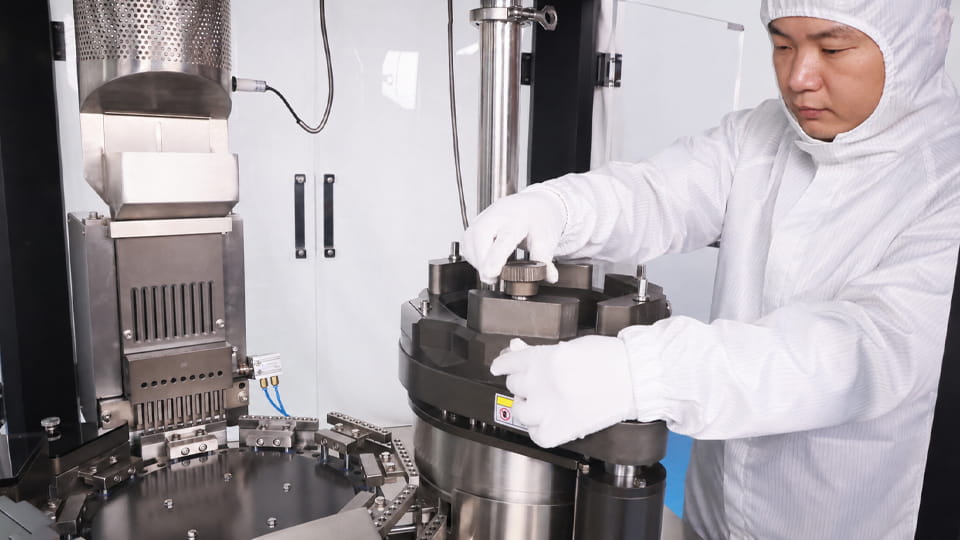
عملي برنامج الصيانة الوقائية في صناعة الأدوية يبدأ بالمعدات، وليس بقائمة مرجعية عامة يتم تنزيلها من الإنترنت.
يبدو سير العمل البسيط هكذا:
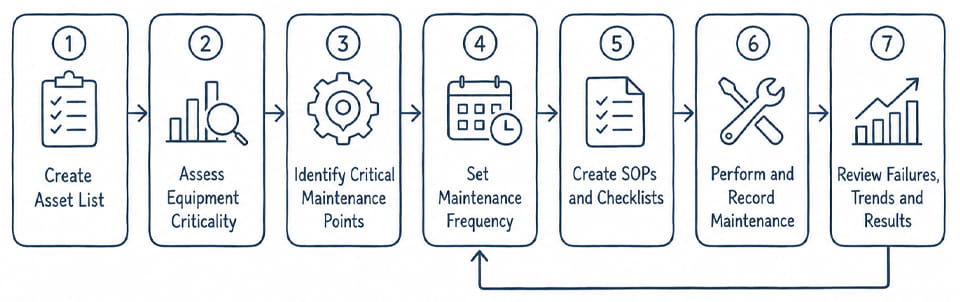
الجزء المهم هو السهم الأخير. يجب أن يتحسن جدول الصيانة الصيدلانية عندما تتعلم كيفية عمل المعدات فعليًا.
الجدول التالي هو أ قالب البداية, ليس التردد التنظيمي. يجب أن تتبع الفواصل الزمنية الفعلية توصيات الشركة المصنعة للمعدات وتقييم مخاطر موقعك, ساعات العمل, مواد, تاريخ الصيانة, وحالة التحقق من صحتها. تتطلب إدارة الغذاء والدواء (FDA) جدولاً للصيانة، ويتوقع برنامج الرصد العالمي التابع للاتحاد الأوروبي (EU GMP) صيانة المعدات بشكل مناسب وفحص معدات القياس والتحكم ذات الصلة على فترات زمنية محددة.
| تكرار | مهام صيانة المعدات الصيدلانية الموصى بها |
| يوميًا / كل تحول | تنظيف مناطق الاتصال بالمنتج التي يمكن الوصول إليها; إزالة الغبار والبقايا; فحص للتسرب, ضجيج غير عادي, اهتزاز, أجزاء فضفاضة, حراس متضررين, إنذارات غير طبيعية, مشاكل الهواء/الفراغ, وارتداء الأدوات الواضح; التحقق من أجهزة السلامة قبل التشغيل |
| أسبوعي | فحص وتنظيف أجهزة الاستشعار, المرشحات, السلاسل, أحزمة, خطوط فراغ, التجهيزات الهوائية, مغذيات, القضبان التوجيهية, الأدوات, ونقاط استخلاص الغبار; قم بتشحيم النقاط المعتمدة عند الاقتضاء |
| شهريا | فحص المحامل, كاميرات, مكونات محرك الأقراص, المحركات, التوصيلات الكهربائية, الأختام, علب التروس, محاذاة الأدوات, أداء الفراغ, سخانات, وارتداء أجزاء; مراجعة تاريخ التنبيه والإصلاح |
| ربع سنوية | إجراء فحص ميكانيكي وكهربائي أعمق; التحقق من الإعدادات والأجهزة الهامة; فحص دوائر السلامة والتجمعات عالية التآكل; مراجعة الأعطال المتكررة واستهلاك قطع الغيار |
| سنوي | قم بإجراء فحص شامل أو إصلاح شامل مخطط له بناءً على حالة الماكينة; استبدال الأجزاء محدودة العمر حيثما كان ذلك مبررا; التحقق من حالة المعايرة وأنظمة السلامة; مراجعة برنامج PM, تاريخ الصيانة, الوثائق, والتدريب |
ل قائمة فحص صيانة المعدات الصيدلانية اليومية, المشغلون هم خط دفاعك الأول. اطلب منهم البحث عن التغييرات: ضجيج جديد, المزيد من المسحوق حول الختم, استجابة فراغ أبطأ, محرك أكثر دفئا, تتبع الفيلم غير مستقر, أو زيادة معدل الرفض. غالبًا ما تظهر التغييرات الصغيرة قبل الانهيار الكامل.
يجب أن يركز العمل الأسبوعي على المكونات التي يتراكم عليها الغبار أو تتفكك تدريجياً, تسد, تجف, أو ارتداء. تتعمق الصيانة الشهرية في أنظمة القيادة, التوصيلات الكهربائية, تنسيق, الأختام, الأدوات, والتجمعات المتحركة.
لا ينبغي أن يصبح العمل ربع السنوي والسنوي طقوسًا يقوم فيها الفنيون ببساطة بوضع علامة على المربعات. قارن حالة الماكينة الفعلية بعمليات الفحص السابقة. التحقق من تكرار الأخطاء. انظر إلى المكونات المستبدلة. اسأل ما إذا كان تردد الصيانة لا يزال صحيحًا.
التشحيم يستحق رعاية خاصة. القليل جدًا من مواد التشحيم يزيد الاحتكاك; إن استخدام مادة التشحيم الخاطئة أو وضعها حيث يكون التلوث ممكنًا يمكن أن يخلق مشكلة أخرى. JinLu لديه منفصلة دليل مواد التشحيم للمعدات الصيدلانية يغطي اعتبارات اختيار مواد التشحيم والصيانة للآلات الصيدلانية.
نصائح صيانة المعدات الصيدلانية العامة لا تذهب أبعد من ذلك. القيمة الحقيقية تأتي من معرفة ما يجب فحصه على كل جهاز.
صيانة جهاز ضغط التابلت. التركيز على اللكمات ويموت, البرج, مسارات الكاميرا العلوية والسفلية, بكرات الضغط, وحدة تغذية القوة, نظام القيادة, نقاط التشحيم, استخراج الغبار, وحماية السلامة. يمكن أن يؤدي تراكم المسحوق حول البرج أو الأدوات إلى تسريع التآكل والمساهمة في حدوث عيوب في الجهاز اللوحي, في حين أن الأدوات التالفة أو سوء المحاذاة تستحق إجراء تحقيق فوري. تستخدم مكابس أقراص JinLu تجميعات مثل الأبراج الدوارة, مغذيات القوة, أنظمة فراغ, أنظمة الضغط, وحماية الزائد, عمل نقاط الفحص المنطقية هذه في برنامج الصيانة الوقائية للضغط اللوحي. انظر جينلو مجموعة ماكينات ضغط الأقراص.
صيانة ماكينة تعبئة الكبسولات. احتفظ بوحدة تغذية الكبسولة, نظام الفصل, دائرة فارغة, مكونات الجرعات, دك أو ملء الجمعيات, محطة القفل, كاميرات, ومناطق التحكم في الغبار نظيفة وقابلة للتعديل بشكل صحيح. راقب بشكل خاص دخول المسحوق إلى المساحات الميكانيكية, انخفاض أداء الفراغ, اختلال الكبسولة, وضجيج الكاميرا غير طبيعي. تستخدم حشوات الكبسولات الأوتوماتيكية من JinLu مجموعات تعبئة معيارية و, على نماذج معينة, محامل خالية من الزيت تهدف إلى تقليل احتياجات الصيانة. للحصول على دليل أعمق على مستوى المكونات, يرى كيفية صيانة آلة تعبئة الكبسولة الأوتوماتيكية و مجموعة آلات تعبئة الكبسولة.
صيانة آلة نفطة. فحص محطات التشكيل والختم, سخانات, لوحات الختم أو بكرات, بكرات التوجيه, التوتر الفيلم, مغذيات, أدوات القطع, تبريد, أجهزة استشعار, مكونات هوائية, وأنظمة الفراغ. الغبار أو البقايا على أسطح الختم, المكونات البالية, محاذاة غير صحيحة, وظروف المعالجة غير المستقرة يمكن أن تظهر بسرعة على شكل أختام ضعيفة أو عبوات مشوهة. آلات نفطة JinLu تجمع بين التشكيل, تغذية, ختم الحرارة, الجر, ووظائف القطع, لذا فإن التوافق بين المحطات له أهمية خاصة. انظر مجموعة آلات تعبئة الفقاعة و جينلو دليل مشاكل آلة نفطة.
ماكينات العد والتعبئة بالكرتون. على عدادات الأقراص والكبسولات, الحفاظ على قنوات الاهتزاز, أسطح التغذية, أجهزة الاستشعار الكهروضوئية أو الرؤية, مناطق إزالة الغبار, التعامل مع الزجاجة, أنظمة الرفض, والمكونات الهوائية نظيفة وموضعة بشكل صحيح. تم تصميم معدات العد الخاصة بـ JinLu لدمجها في خطوط التعبئة, بينما يستخدم منتجها JL-16C نموذجًا, تصميم مغلق يهدف إلى تبسيط الصيانة والحد من مشاكل الغبار. على أ ماكينة صناعة الكرتون, انتبه جيدًا لمكونات التقاط الفراغ, كؤوس الشفط, مجلات كرتونية, السلاسل, أدلة, أجهزة استشعار, أنظمة المنشورات, محطات التشكيل, والكشف عن المنتج/الكرتون لأن العديد من المحطات المنسقة يجب أن تعمل بالتسلسل.

صيانة, تنظيف, وترتبط المعايرة, لكنها ليست قابلة للتبديل.
| نشاط | الغرض الرئيسي | مثال نموذجي |
| تنظيف | إزالة بقايا المنتج, تراب, بقايا عامل التنظيف, والتلوث | تنظيف محطة جرعات الكبسولة بعد الدفعة |
| صيانة | الحفاظ على أو استعادة الأداء الميكانيكي/الكهربائي | استبدال المحمل البالي أو تعديل نظام القيادة |
| معايرة | تأكد من أن جهاز القياس أو التحكم يعمل ضمن دقة محددة | التحقق من درجة الحرارة, ضغط, وزن, أو قياس القوة مقابل مرجع |
إدارة الغذاء والدواء الأمريكية توضح هذه المسؤوليات. قسم 211.67 يتطلب إجراءات التنظيف والصيانة المكتوبة, بما في ذلك المسؤولية, الجداول الزمنية, الأساليب والمواد, التفكيك أو إعادة التجميع عند الحاجة, حماية المعدات النظيفة, فحص النظافة قبل الاستخدام, والسجلات. قسم 211.68 يضيف المعايرة الروتينية, تقتيش, أو التحقق من التلقائي, ميكانيكية, والمعدات الإلكترونية بموجب برنامج مكتوب.
وبالتالي، يمكن لإجراءات التشغيل المعيارية (SOP) الموجهة نحو ممارسات التصنيع الجيدة (GMP) استخدام قائمة التحقق هذه:
| عنصر SOP | ما يجب تحديده |
| الغرض والنطاق | المعدات والأنشطة المغطاة |
| مسؤولية | المشغل, صيانة, هندسة, ضمان الجودة, أو أدوار المقاول |
| تكرار | وقت, ساعة التشغيل, دورة, حزمة, أو المشغل القائم على الشرط |
| السلامة والتحضير | عزل, تأمين, حالة التنظيف, معدات الوقاية الشخصية المطلوبة |
| طريقة الصيانة | تقتيش, تعديل, استبدال, تشحيم, أدوات, المواد المعتمدة |
| التفكيك/إعادة التجميع | التسلسل المطلوب والفحوصات قبل إعادة التشغيل |
| معايير القبول | ما الذي يشكل حالة الآلة المقبولة |
| فحوصات ما بعد الصيانة | نظافة, حراس, إعدادات, التشغيل التجريبي, المعايرة أو إعادة التأهيل حيثما ينطبق ذلك |
| الوثائق | تاريخ, فني, العمل المنجز, الأجزاء المستخدمة, النتائج, الانحرافات, الموافقات |
إن موقف الاتحاد الأوروبي متقارب بشكل وثيق. الفصل الخاص ببرنامج الرصد العالمي (GMP) الخاص بالاتحاد الأوروبي 3 يقول يجب تصميم معدات التصنيع, يقع, والحفاظ عليها للغرض المقصود منها; يجب ألا يشكل الإصلاح والصيانة أي خطر على جودة المنتج; يجب أن تكون المعدات سهلة التنظيف; يجب معايرة معدات القياس والتحكم وفحصها على فترات زمنية محددة مع السجلات; وينبغي إزالة المعدات المعيبة أو تحديدها بوضوح حيثما أمكن ذلك.
تظل هذه مسألة تفتيش نشطة وليست متطلبًا قديمًا موجودًا في كتاب التنظيم. صدرت رسائل تحذيرية من إدارة الأغذية والعقاقير (FDA) في 2025 و 2026 استمرت في الاستشهاد بالشركات لعدم كفاية إجراءات تنظيف وصيانة المعدات أو الفشل المرتبط بها 21 CFR 211.67.
أحد أخطاء الصيانة الأكثر شيوعًا هو تشغيل كل شيء حتى الفشل. ويتضمن البعض الآخر إعطاء كل جهاز نفس الفاصل الزمني للخدمة, تجاهل التغيرات الصغيرة في الضوضاء أو الاهتزاز, باستخدام مواد التشحيم الخاطئة, الإفراط في التشحيم, تأجيل فحص أجهزة الاستشعار, الاحتفاظ بسجلات سيئة, لا تحمل أي قطع غيار حرجة, واستئناف الإنتاج دون إجراء فحص مناسب بعد الصيانة.
يمكن للصيانة التنبؤية أن تأخذ البرنامج إلى أبعد من ذلك. بدلا من السؤال, "هل حان الوقت لاستبدال هذا المحمل?"تسأل, "هل المحمل يتدهور بالفعل?تشمل المدخلات المفيدة الاهتزاز, درجة حرارة, ضغط, تيار المحرك, تاريخ التنبيه, اتجاهات الفراغ, وبيانات العملية الحالية. وجدت دراسة تصنيع الأدوية باستخدام خط تعبئة معقم عامل أن التحولات طويلة المدى في بيانات مراقبة العملية يمكن ربطها بأخطاء المعدات واستخدامها لدعم التدخلات المخطط لها مسبقًا.
الفائدة العملية ليست أن كل مصنع يحتاج إلى الذكاء الاصطناعي. إن معلومات الاتجاه يمكن أن تساعد في نقل الصيانة من التقويم الثابت إلى القرارات القائمة على الأدلة.
لتقليل تكلفة الصيانة, ابدأ بالأساسيات المملة: توحيد قطع الغيار المشتركة حيثما أمكن ذلك, احتفظ بأجزاء التآكل المهمة متاحة, مشغلي القطار لاحظوا التدهور, اتبع ممارسات التشحيم الصحيحة, توثيق حالات الفشل المتكررة, وإشراك OEM عندما يكون النمط غير واضح. جينلو, على سبيل المثال, يوفر الوثائق الفنية, تمرين, الصيانة الوقائية والتصحيحية, استكشاف الأخطاء وإصلاحها عن بعد, والنسخ الاحتياطي للمعلمات/البرامج كجزء من عرض الدعم الخاص بها.
تكلفة الصيانة تبدأ أيضًا من شراء. ادارة الاغذية والعقاقير 21 CFR 211.63 يتطلب على وجه التحديد أن يكون للمعدات الصيدلانية تصميم مناسب, مقاس, والموقع لتسهيل التشغيل المقصود, تنظيف, والصيانة. عند مقارنة موردي الآلات الصيدلانية, ابحث عن نقاط الصيانة التي يمكن الوصول إليها, من السهل تفكيك الاتصال بالمنتج, الأدوات المعيارية, تشخيص خطأ مفهومة, أجزاء ارتداء متاحة بسهولة, أدلة جيدة, الدعم عن بعد, والمهل الزمنية الواقعية لقطع الغيار.
اسأل المورد سؤالاً بسيطًا قبل الشراء: "أظهر لفريق الصيانة لدينا كيف يمكننا الوصول, ينظف, فحص, واستبدال الأجزاء التي تتآكل في أغلب الأحيان. يمكن للآلة التي توفر عشر دقائق في كل عملية تبديل أو تجعل الفحص أسهل أن تكون أكثر قيمة على مدى عمرها الافتراضي من الآلة التي يكون سعر شرائها أقل قليلاً.
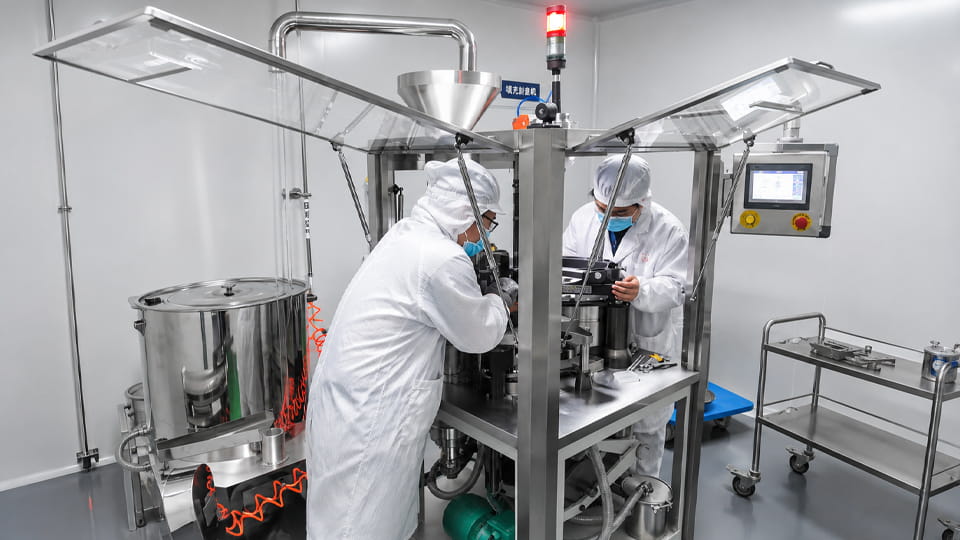
في التصنيع الصيدلاني, الصيانة = الموثوقية + جودة + امتثال. جيد صيانة المعدات الصيدلانية لا يتعلق الأمر بإجراء المزيد من الصيانة بقدر ما يتعلق بإجراء الصيانة المناسبة في الوقت المناسب. اختيار المعدات المناسبة هو الخطوة الأولى; يعد متابعة برنامج الصيانة المنظم أمرًا بالغ الأهمية. من خلال القيام بالفحوصات اليومية, الالتزام بالجداول الزمنية, وتوثيق كل عمل, أنت تمنع المفاجآت, تقليل التكاليف, والحفاظ على سلامة المرضى.
و Jeinlu اختيار, نحن نصمم أجهزتنا (يضغط الكمبيوتر اللوحي, حشو كبسولة, إلخ.) مع مراعاة سهولة النظافة والصيانة. ولكن حتى أفضل الآلات تحتاج إلى TLC. نحن نشجعك على تطبيق النصائح الواردة في هذا الدليل على أجهزتك الخاصة, و دائماً راجع دليل جهازك للحصول على التفاصيل.
إذا كانت لديك أسئلة حول برامج الصيانة أو تحتاج إلى دعم فني لخطك, مهندسونا في Jinlu على استعداد للمساعدة. تحافظ الصيانة المناسبة على تشغيل خطك بسلاسة - وفي النهاية, يحافظ على الجودة العالية والتكاليف المنخفضة.
جاهز لتحسين وقت تشغيل جهازك? اتصل بفريق دعم JinluPacking أو استكشف مجموعتنا الكاملة من معدات تعبئة الأدوية لترى كيف نصممها لسهولة التنظيف والصيانة.
لا توجد فترة صيانة واحدة تناسب كل آلة صيدلانية. يجب أن يعتمد تكرار الصيانة على توصيات الشركة المصنعة للمعدات, ساعات العمل, حمل الإنتاج, أهمية المعدات, خصائص المنتج, وتاريخ الصيانة السابقة. قد تتطلب المعدات عالية الاستخدام أو الحرجة إجراء عمليات تفتيش يومية أو أسبوعية, بينما قد تتم جدولة الصيانة الوقائية الأعمق شهريًا, ربع سنوي, أو سنويا.
الصيانة الوقائية هي الصيانة المخططة التي يتم إجراؤها قبل تعطل المعدات. ويشمل عادة التفتيش, تنظيف, تشحيم, تعديل, استبدال جزء التآكل, فحوصات السلامة, والاختبار الوظيفي على فترات زمنية محددة. يساعد برنامج الصيانة الوقائية الجيد شركات تصنيع الأدوية على تقليل فترات التوقف غير المتوقعة, الحفاظ على أداء ثابت للآلة, وتحديد تآكل المكونات قبل أن يؤثر على الإنتاج أو جودة المنتج.
يجب أن تغطي قائمة فحص صيانة المعدات الصيدلانية الأجزاء الميكانيكية, نقاط التشحيم, أنظمة القيادة, أجهزة استشعار, المكونات الكهربائية, الأنظمة الهوائية والفراغية, أجهزة السلامة, الأدوات, الأختام, المرشحات, وأجزاء تآكل أخرى. ويجب عليه أيضًا تسجيل معرف الجهاز, تاريخ التفتيش, فني, النتائج, تم استبدال الأجزاء, الإجراءات التصحيحية, وتاريخ الصيانة المقرر التالي.
نعم. تتطلب ممارسات التصنيع الجيدة (GMP) صيانة معدات تصنيع الأدوية بحيث لا يؤثر أي خلل أو تلوث على جودة المنتج. تحت ادارة الاغذية والعقاقير 21 CFR 211.67, يجب على الشركات المصنعة إنشاء واتباع إجراءات مكتوبة لتنظيف وصيانة المعدات, بما في ذلك المسؤوليات الموكلة, جداول الصيانة, طُرق, عمليات التفتيش, والسجلات. يجب تحديد الفاصل الزمني الدقيق للصيانة وفقًا للمعدات والعملية بدلاً من استخدام جدول عالمي واحد.
يتم عادةً إجراء الصيانة الوقائية وفقًا لوقت محدد مسبقًا, ساعة التشغيل, دورة, أو جدول الإنتاج. تستخدم الصيانة التنبؤية بيانات حالة المعدات لتحديد الوقت الذي تكون فيه الصيانة مطلوبة بالفعل. على سبيل المثال, اهتزاز, درجة حرارة المحرك, ضغط الفراغ, التيار الكهربائي, أو يمكن أن تساعد اتجاهات الإنذار في تحديد المشكلات النامية قبل الفشل. تستخدم العديد من مصانع الأدوية الصيانة الوقائية كأساس والصيانة التنبؤية للمعدات الحيوية.
يجب على شركات تصنيع الأدوية الاحتفاظ بسجلات توضح بوضوح الصيانة التي تم إجراؤها, عندما تم الانتهاء منه, الذي قام بها, ما هي المشاكل التي تم العثور عليها, وما هي الإجراءات التصحيحية أو استبدال الأجزاء المطلوبة. قد تتضمن سجلات المعدات الرئيسية أيضًا معلومات التنظيف والاستخدام, تحديد المعدات, مراجع الدفعة, عمليات التفتيش, فحوصات المعايرة, الانحرافات, وأنشطة المتابعة. يجب أن تكون السجلات قابلة للتتبع, مرتب زمنيًا, ويسهل استرجاعها أثناء عمليات فحص GMP.
ابدأ بقائمة كاملة من المعدات وقم بتصنيف كل آلة وفقًا لتأثيرها على جودة المنتج, أمان, والإنتاج. ثم قم بمراجعة دليل صيانة OEM, تحديد مكونات التآكل الحرجة, وتحديد فترات الفحص أو الاستبدال بناءً على ساعات التشغيل, كثافة الإنتاج, تاريخ الفشل, والمخاطر. تعيين المسؤوليات, إنشاء قوائم مرجعية خاصة بالمعدات, وثيقة العمل المكتمل, وضبط الجدول بانتظام باستخدام بيانات الصيانة الفعلية.
لا يتطلب كل نشاط صيانة إعادة تأهيل كاملة, ولكن يجب تقييم الإصلاحات أو التغييرات المهمة لمعرفة تأثيرها على أداء المعدات وحالة التحقق من الصحة. قد يتطلب استبدال جزء التآكل الروتيني بمكون مكافئ فقط فحوصات محددة بعد الصيانة. التغييرات التي تؤثر على الإعدادات الهامة, أنظمة التحكم, دقة القياس, برمجة, الأجزاء الملامسة للمنتج, أو قد تتطلب معلمات التشغيل المعايرة, تَحَقّق, السيطرة على التغيير, أو إعادة التأهيل الجزئي قبل استئناف الإنتاج.
النهج الأكثر فعالية هو الجمع بين الصيانة الوقائية القائمة على المخاطر والفحص الجيد للمشغل والوصول السريع إلى قطع الغيار المهمة. يجب على المشغلين الإبلاغ عن الضوضاء غير الطبيعية, اهتزاز, درجة حرارة, تسرب, فقدان الفراغ, أخطاء الاستشعار, أو زيادة معدلات الرفض قبل أن تصبح حالات فشل كبيرة. يجب على فرق الصيانة أيضًا تحليل الأعطال المتكررة, الاحتفاظ بسجلات الخدمة الدقيقة, مراقبة المكونات الهامة, والعمل مع الشركة المصنعة للمعدات عندما لا يمكن حل المشكلات المتكررة داخليًا.
يجب على المشترين تقييم إمكانية الوصول إلى الصيانة قبل التركيز فقط على سرعة الماكينة وسعر الشراء. ابحث عن سهولة الوصول إلى قطع الغيار, التفكيك السريع للاتصال بالمنتج, الأدوات المعيارية, قطع غيار موحدة, نقاط تشحيم واضحة, تشخيصات PLC مفيدة, المكونات الكهربائية والهوائية التي يمكن الوصول إليها, وإجراءات التنظيف البسيطة. يجب على المورد أيضًا توفير أدلة الصيانة, قوائم قطع الغيار, تمرين, الوثائق الفنية, الدعم عن بعد, وخدمة ما بعد البيع موثوقة.
مراجع:
1.دليل الممارسات الجيدة: الصيانة الطبعة الثانية —— ISPE
2.ضمان جودة الأدوية: مجموعة من المبادئ التوجيهية والمواد ذات الصلة: مقدار 2: ممارسات التصنيع الجيدة والتفتيش, 10الطبعة ال —— من
3.21 CFR § 211.182 سجل تنظيف واستخدام المعدات —— eCFR
4.أنا موضوع س 7 ممارسات التصنيع الجيدة للمكونات الصيدلانية الفعالة —— وكالة الأدوية الأوروبية
5.إرشادات بشأن ممارسات التصنيع الجيدة وممارسات التوزيع الجيدة: أسئلة وأجوبة —— وكالة الأدوية الأوروبية
6.الصيانة الوقائية المستهدفة للمعدات الصيدلانية —— بوابة البحث