×
الخدمة عبر الإنترنت
✉️البريد الإلكتروني: 💬واتساب: +86 18011793320
💡
  • بيت
  • مدونات
  • توسيع نطاق التعبئة والتغليف نفطة: قائمة مرجعية كاملة للمواد, الأدوات, الختم الحراري & تصديق

توسيع نطاق التعبئة والتغليف نفطة: قائمة مرجعية كاملة للمواد, الأدوات, الختم الحراري & تصديق

Blister packaging scale-up isn’t just turning up the speed on your machine. It means making sure every part of the process works together when you jump from trial batches to full-rate production. في الممارسة العملية, companies often see new problems arise: seals that used to hold suddenly fail, blister cavities stretch or wrinkle, or foil lids start peeling off. These issues usually trace back to changes in the process – wider machine beds, higher throughput, even minor material variations – that weren’t accounted for at smaller scale. Our checklist cuts through the noise. We’ll show you how to systematically confirm your مواد, الأدوات, process parameters and equipment are ready for commercial production so you maintain consistent quality as you grow output.
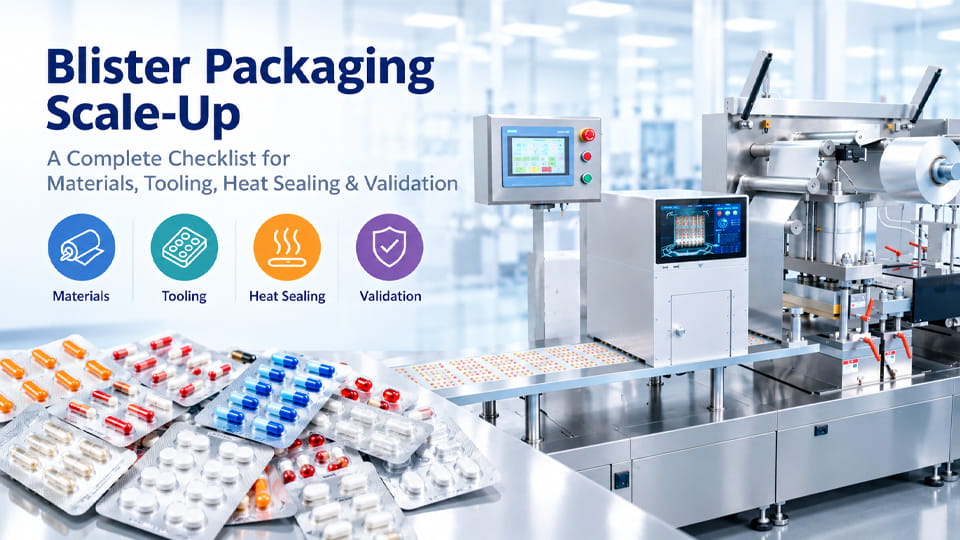
آلة تعبئة الفقاعة مع عبوات نفطة دوائية, كبسولات وأقراص, المواد التوضيحية, الأدوات, الختم الحراري والتحقق من صحة الإنتاج على نطاق واسع.

بحلول نهاية هذا الدليل, you’ll have a clear roadmap – from defining your production goals to final validation – so you can increase your blister line output without compromising unit-dose integrity or throughput. في الحقيقة, the FDA emphasizes that process validation must gather evidence “from the process design stage through commercial production” to ensure a process can “consistently deliver quality product”. بعبارة أخرى, scale-up is part of validation, not an afterthought.


Define the Scale-Up Target and Quality Requirements

Start by setting clear goals. How many blister packs per minute (PPM) do you need? Do you require multi-lane operation? What is the blister format (pocket size, number of cavities, strip length)? Document the product’s dimensions, fill weight and tolerances – for example, tablet diameter/height or capsule length – so tooling can be designed correctly. Also specify your quality targets: allowed defect rate, العمر الافتراضي المطلوب, قوة الختم, and barrier properties needed to meet stability specs.

Think of this as the foundation: What are you scaling up from, and to what? على سبيل المثال, going from a pilot run of 50 PPM single-lane to a commercial line of 200 PPM four-lane means your throughput goal is 800 packs/minute total. Knowing this up front guides every other decision. It’s also a good idea to benchmark your small-scale performance (على سبيل المثال. average dwell time, seal peel force, معدل الخردة) as a baseline. That way you can detect any drift during scale-up.

  • Define production rate:Target packs/minute, الممرات, and shifts. (على سبيل المثال. 4 lanes × 60 PPM = 240 packs/min.)
  • Specify packaging format:Cavity layout, أبعاد, draw depth, web width, إلخ.
  • Set quality specs:Seal integrity, allowable pinholes, dimensional tolerances, مساحة الرأس, إلخ.
  • Align with regulations:يتأكد مواد التعبئة والتغليف and processes meet pharmacopeial and GMP requirements.

This step ensures everyone (هندسة, ضمان الجودة, إنتاج) agrees on what “success” looks like. Only after the target is clear should you move on to verifying that materials and equipment can actually achieve it.
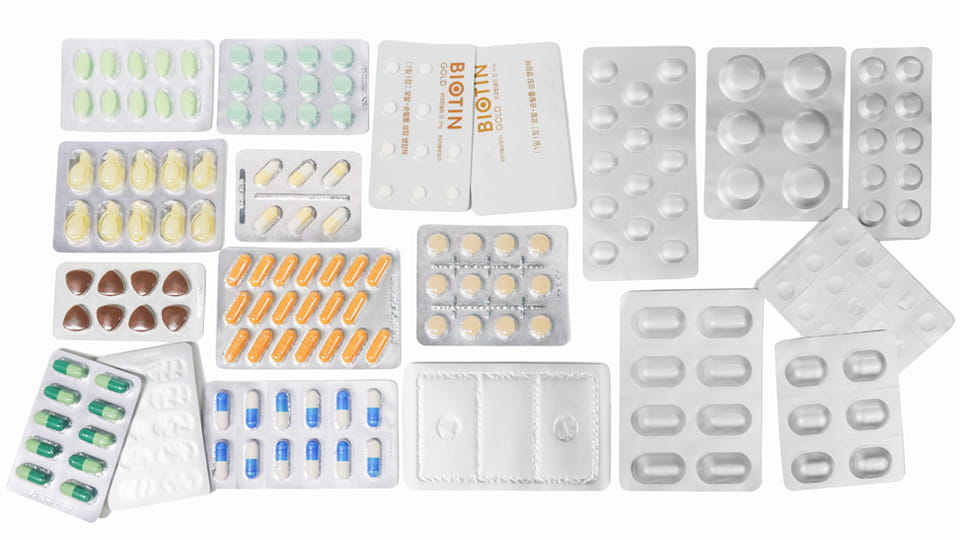
Assorted pharmaceutical blister packs with different tablet and capsule shapes, cavity sizes and packaging configurations.


Confirm Blister Packaging Material Compatibility

Not all films and foils perform the same at high volume. During scale-up, you must double-check that your chosen plastic web and lidding foil work well at the intended production rate and conditions.

  • Forming Web (Bottom Film):تشمل الخيارات الشائعة PVC (كلوريد البوليفينيل), شرائح PVC/PVDC, PCTFE laminates, or other thermoforming films. PVC رخيص وسهل التشكيل, but has limited moisture-barrier. على النقيض من ذلك, أ فيلم PVC/PVDC adds a PVDC coating for much lower permeability. على سبيل المثال, a 250 µm PVC web alone might have a water vapor transmission rate (WVTR) around 3 g/m²·day (38 °C, 90% ر.س), whereas the same thickness with PVDC typically drops to 0.3–0.6 g/m²·day. PCTFE/PVC laminates offer still higher barrier (nearly impervious to moisture) but cost more. على العموم, choose a film that matches your product’s stability needs and process capabilities.
  • Lidding Foil:Most pharma blister uses رقائق الألومنيوم with heat-seal lacquer. Foils range from ~20 µm (رفيع) to 100+ µm (سميك) and can be aluminized PET or plain Alu-Alu. Thinner foil is easier to seal and pierce, but thicker foil gives a stronger moisture/oxygen barrier. For critical moisture-sensitive products, fully احباط على شكل بارد (على الإطلاق) is often used – it provides a “near-complete barrier for water and oxygen” and long shelf life. (Be aware: cold-formed Alu-Alu requires higher forming force and has no transparency.) Check that your chosen foil’s seal lacquer is compatible with the film. Sometimes a foil requires a specific activation temperature. Obtain and review supplier specs: على سبيل المثال. PVDC/PVC film might seal at ~160–170 °C, while foil might need 170–200 °C.

For both web and foil, insist on material lot consistency. A material batch that formed fine on small runs can behave differently in long runs if thickness or coating weight vary. Ask suppliers for data sheets showing thickness tolerances, MVTR/OTR (oxygen transmission), and recommended heat-seal conditions. As one example, a PVC/PVDC film spec might list WVTR of 0.3–0.6 g/m²/24h (much lower than plain PVC) and sealing range 160–180 °C.
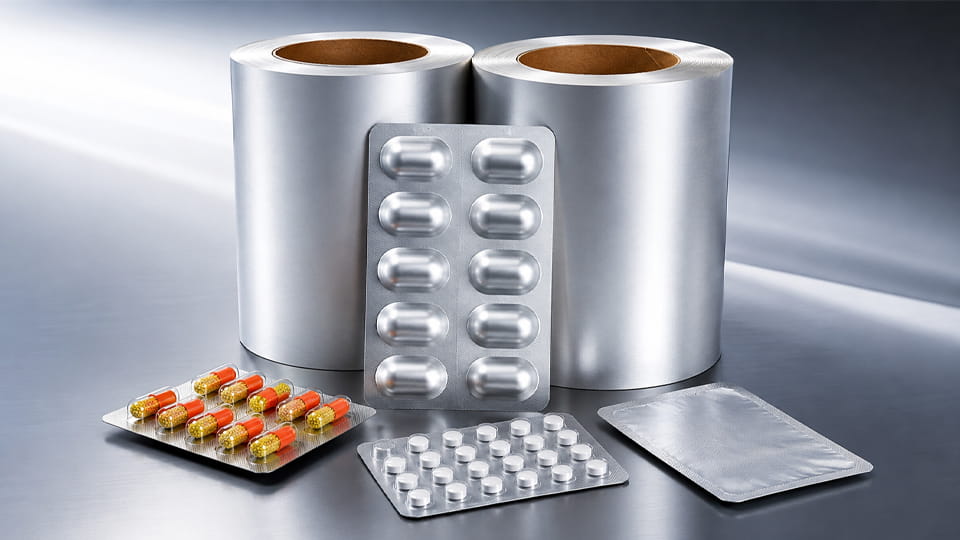
Pharmaceutical blister packaging materials, including aluminum foil rolls and blister packs with capsules and tablets.

أخيراً, test the materials on a trial machine if possible. Even if they worked on pilot, يؤكد with actual machine hardware that the film forms correctly (no thinning or tearing) and the foil seals fully at your target parameters. Document the forming temperature and seal parameters that give defect-free pockets. يتذكر: material choice locks in some limits (على سبيل المثال. foil thickness vs. peelability), so pick wisely before scaling up.


Validate Blister Tooling and Cavity Design

التالي, ensure your tooling (molds and punches) suits the product and machine. A common scale-up mistake is to assume a lab-sized mold works the same on a faster line – but small misalignments or depth errors can become defects at speed.

  • هندسة التجويف:Check that each cavity’s dimensions match the product with adequate clearance. Measure tablet/capsule dimensions and compare to cavity width, length and depth. A good rule: allow a 10–20% clearance beyond the part size so the product doesn’t bind or get damaged. Also consider نسبة السحب (depth vs. base width) – extremely deep blisters (>2× width) can thin the film too much. عادة, pharmaceutical blisters stay under ~2:1. Confirm corner radii are smooth (sharp corners can tear film). If the product sits at an angle, ensure the cavity shape accommodates that (على سبيل المثال. a slight chamfer for round tablets).
  • محاذاة الأدوات:On the actual production machine, verify that the forming mold and sealing plate align perfectly every cycle. Check for any parallelism or centering issues. For rotary machines, alignment of drum stops and cams is critical; for flat machines, make sure the platens align. If using existing molds on new equipment, confirm bolt patterns and platen dimensions are compatible. Also inspect the tooling surface: worn or scratched molds can cause uneven forming and weak spots.
  • القطع والتثقيب:If your blister line punches or separates strips, validate those too. High-speed pistons or blades must be sharp and timed correctly. A sluggish cut at scale can cause jagged edges or web jams.
  • Predict Maintenance:Scale-up means more runs without idle time. Make sure the tooling material (often anodized aluminum or stainless) can handle the increased wear, or schedule planned maintenance.

إذا كنت في شك, build a prototype mold (على سبيل المثال. via CNC aluminum) and trial-run it. Any uneven walls or pop-up are signs the mold needs tweaking. يتذكر: even a well-designed tooling for a single lane might transfer stresses to the machine when multiplied. If you increase lanes (على سبيل المثال. 2→4 lanes), the frame and drive must handle the extra forming load.
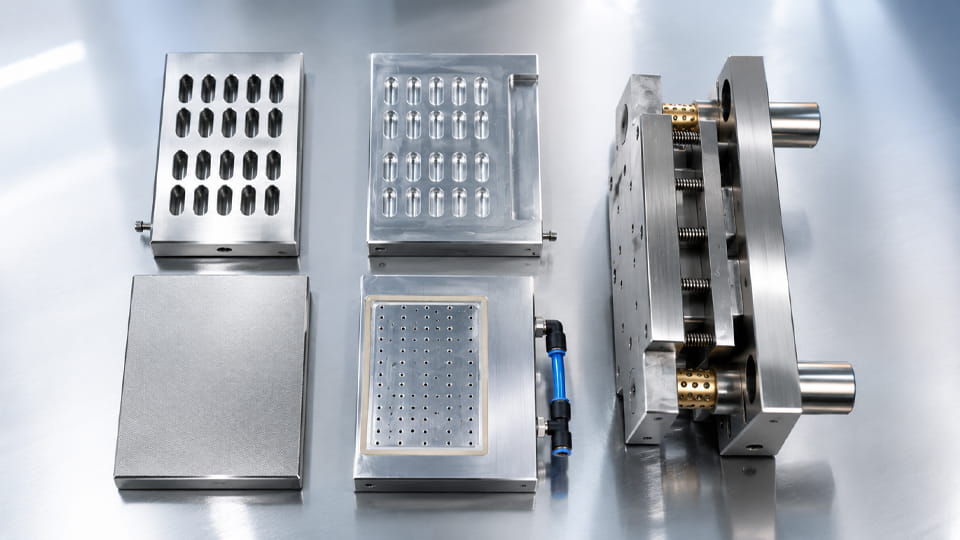
Blister packaging tooling with precision-machined cavity plates, forming molds and assembled metal mold components.

في ملخص, treat tooling validation as an engineering project. You’re essentially confirming that “laboratory-scaled” cavities will حجم – maintaining uniform film thickness and seal area – when run continuously on the production machine. This avoids surprises like thin spots or seal bridges when you hit high speed.


Establish a Robust Forming and Heat-Sealing Process Window

Scale-up success depends on nailing the right processing parameters. Think of this as defining a process window – a combination of temperature, ضغط, time and speed settings that reliably produce good packs even with normal variation.

  • Forming Conditions:Start by setting the forming (thermoforming or cold forming) parameters. For thermoforming PVC/PVC-PVDC, preheat zones typically run around 170–190 °C so the plastic is pliable. The forming station then applies vacuum or pressurized air (and sometimes mechanical assist) to draw the plastic into the mold. Typical thermoforming pressures might be in the 4–8 bar range. Ensure heaters across the web width are uniform: multi-lane machines must balance temperature so all cavities form equally. Check the cooling station too – consistent cooling helps the plastic solidify without warping. If cold forming (الألومنيوم), verify your stamp temperature (usually around 100–120 °C) and that punch force is enough for the foil thickness.
  • Heat-Sealing Parameters:هذه هي The main variables are درجة حرارة الختم, يسكن الوقت (contact time), ضغط الختم, و سرعة الآلة. A helpful way to see their interplay is this: at higher speed you have less time (يسكن) under the heat platen, so you usually need higher temperature or pressure to achieve the same seal strength.
  • Sealing Temperature:Typically calibrated per material. على سبيل المثال, a PVDC/PVC film might seal optimally at ~160–170 °C. If the foil has a higher melting point lacquer (or if you switch to thicker foil), the required temperature may rise toward 180–200 °C. Too low a temperature gives “cold welds” (الأختام الضعيفة), too high and you risk film bubbling or tearing.
  • وقت السكن (Seal Time):This is how long the platen stays down on each seal. Short dwell (fast speed) may not let enough heat penetrate, so seals are weak or incomplete. If dwell is too long, throughput drops and products can overheat. Map out a matrix of (temp vs. وقت) to find the boundary where seals go from poor to robust.
  • ضغط:Uniform pressure across the entire area is a must. Unequal pressure can leave unsealed spots. On multi-lane machines, check that springs or cylinders are evenly adjusted so all lanes get the same force.
  • سرعة الآلة:Adjust speed after the above parameters are set. The final target speed is tied to production rate, but if you attempt full speed too soon, seals will often fail. Use speed changes to probe the limits of your window.

It’s wise to use a Design of Experiments (DOE) or systematic trials here. على سبيل المثال, test at mid-range speed and see if the seal passes a strength test. إذا لم يكن كذلك, tweak temperature or time. Then try a slightly higher speed and adjust again. Record these runs. The goal is to define a range of acceptable values – a “sweet spot” where small fluctuations (±2 °C, ±50 ms, إلخ.) still yield good seals.

في الممارسة العملية, a table of parameters can help. على سبيل المثال:
  • Sealing Temperature:Check uniformity ±2 °C; ensure setpoint is stable.
  • وقت السكن:Confirm actual platen-down time matches setpoint (short ‘stop’ cycles may reduce actual dwell).
  • Sealing Pressure:Measure with test foil; adjust if peel is uneven.
  • تبريد:On fast lines, check that packs have enough time to cool before being pulled; insufficient cooling can deform packages.

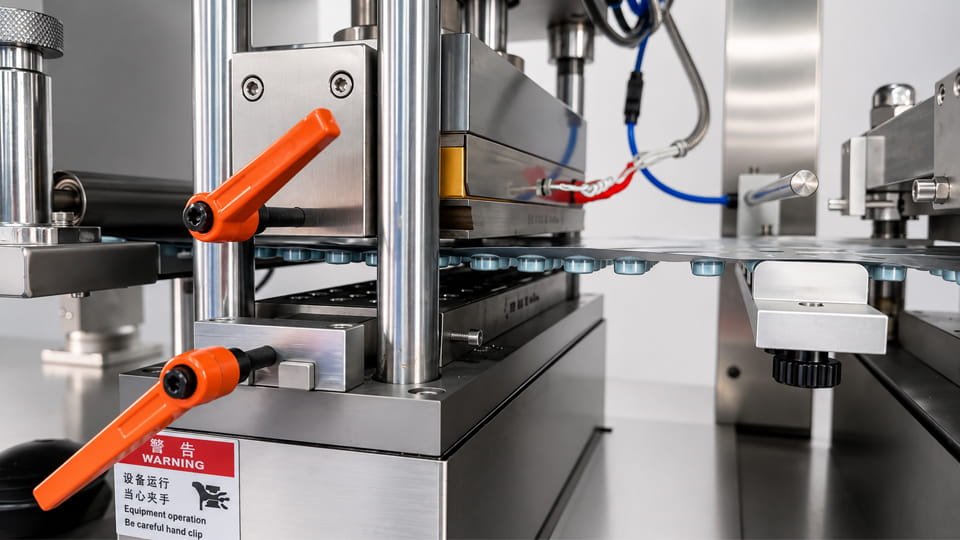
Close-up of a blister packaging machine heat sealing station, showing the sealing tooling and blister film during the heat-sealing process.

By tuning these on a smaller scale (or in pilot runs), you establish the conditions needed at full scale. FDA-style thinking applies: you’re gathering “objective information and data from laboratory-, pilot-, and/or commercial-scale studies” to ensure the process consistently meets quality attributes. Once you have a stable recipe (على سبيل المثال. 170 °C, 1.5 s, 5 bar, at 150 PPM), you can move to full-capacity trials.


Check Machine Capacity, Synchronization and Integration

It may seem obvious, لكن verify your equipment is up to the task. A blister pack machine’s nameplate might say “200 PPM”, but actual output depends on many factors.

  • Capacity vs. الإنتاجية:Calculate the actual good-output rate. على سبيل المثال, a 4-lane machine rated at 50 PPM/lane at 10 stations suggests 200 PPM nominal. But if you anticipate a 10% defect and 1 s stop/start cycles, your effective yield might only be 160–180 PPM. For a target of 1200 packs/hour, you’d need at least 7 lanes of 30 PPM. Always plan some margin.
  • التعامل مع المواد:The machine’s hoppers, tablets feeders, إلخ., must handle the throughput. Make sure your tablet press can supply enough pills per minute. إذا لم يكن كذلك, you may need a high-speed press or multiple presses. Rotary tablet press machines are often used in tandem with blisters to avoid starving the line. على نفس المنوال, ensure your feeder systems are set up for continuous feed at speed.
  • Lane Synchronization:Check that all lanes run evenly. Multi-lane machines should have equal transfer timing so that one lane doesn’t lag. Unequal lane speeds can cause gaping film between lanes or misaligned seals. If the machine is electronically controlled, verify the PLC settings; if mechanically cam-driven, inspect cam timing.
  • التكامل المصب:بعد الختم, packs usually go to inspection and then cartoning. Make sure the downstream line can accept the volume. A slow كرتون will bottle-neck a fast blister machine, causing buffers or stops. على نفس المنوال, any in-line printers or date coders must operate at full line speed.
  • Rejected Packs Handling:Plan for rejects. An often overlooked item is what happens to bad packs. Installing an automatic reject station or scrap chute avoids manual intervention and speed loss.
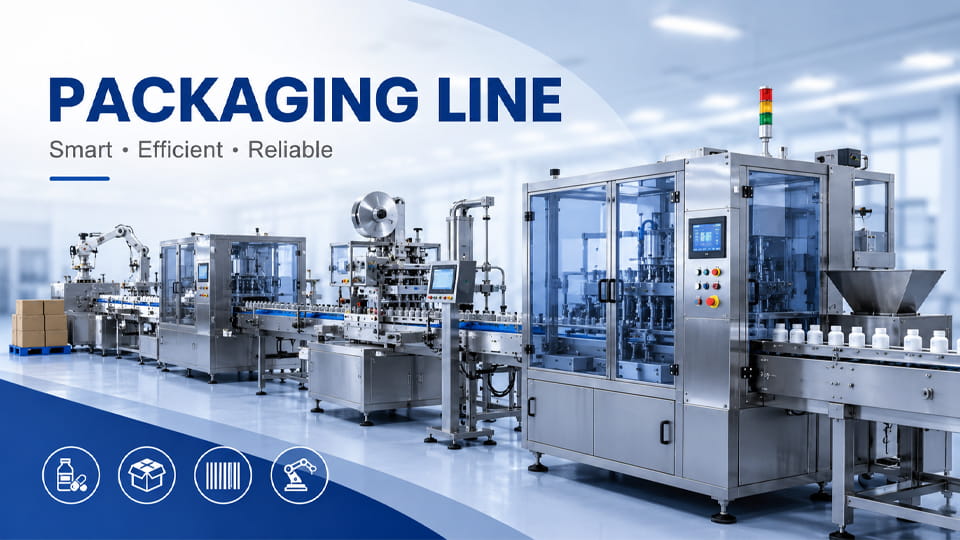
خط ماكينات تعبئة وتغليف الفقاعة ذات السرعة العالية

باختصار, match every part of the line to the blister output. This is a good place to consult the equipment manufacturer. على سبيل المثال, JinluPacking's آلات التعبئة نفطة come in various models (أعزب- to multi-lane) and can often be customized for your speed and format needs. If your needs are near the top end of a machine’s spec, discuss options like extra feed feeders, additional inspection stations, or even upgrading to a larger machine.


Execute Scale-Up Trials and Troubleshooting

With goals set and systems ready, يجري incremental production trials. Don’t jump straight from 0% ل 100% سرعة. بدلاً من, increase speed in steps, monitoring output at each stage.

  1. Initial Runs:Start at ~50% of target speed using your scale-up recipe. Inspect the first batches closely: do all cavities form? Are seals visually complete (no gaps or wrinkles)? This may reveal if initial heating balance or tooling alignment needs tweaking.
  2. Gradual Ramp-Up:If the first batch looks good, move to 75% سرعة, ثم 100%. At each step, inspect quality and measure seal strength. إذا ظهرت العيوب (على سبيل المثال. seal peeling, cavities not fully forming), adjust parameters incrementally (increase temp, يسكن, إلخ.) until fixed.
  3. Steady-State Checks:Run at full speed for an extended period (على سبيل المثال. 30–60 minutes) to see if quality holds. Watch for issues like: film stretching over time, foil starting to wrinkle, or consistency changes. Also note how often the machine stops or how many rejects occur.
  4. Start/Stop Behavior:Blister lines can behave differently when starting up vs. steady-state. Note any anomalies when restarting after a stop (على سبيل المثال. after maintenance break). Sometimes optimal settings for continuous run differ slightly from those when starting cold.
  5. توثيق كل شيء:Log the speed, parameters, and defect data for each trial. This gives you empirical confirmation of your process window. على سبيل المثال, you might note, “At 100 PPM, seal failure rose above 5% when temperature <168 °C; at 110 °C we regained full seal integrity.”

استكشاف الأخطاء وإصلاحها is key during trials. المشاكل الشائعة and quick fixes include:

  • Weak seals or pinholes:Usually fix by increasing dwell time or temperature slightly. Verify that the seal bars are heating as expected (IR cameras can spot cold spots).
  • Wrinkled or pulled film:Check forming parameters – if the film is too hot/soft or vacuum is high, it can sag. أيضًا, ensure the web tension is correct (too tight can pull film out of shape, too loose can let it billow).
  • Foil not adhering or delaminating:The foil might be misaligned or its lacquer not activating. Try adjusting pressure or time, and confirm the foil and film combination is correct.
  • Machine stalls or jams:Slow feed or heavy rejected load? If jams occur, slow down and check feeding timing. If the machine trips, diagnose mechanical issues before continuing.

حيثما كان ذلك ممكنا, apply Design of Experiments (DOE) techniques: vary two parameters at a time to find optimal combinations. Even a 2×2 matrix (على سبيل المثال. two levels of temperature and two of dwell time) can quickly show the safe operating zone. The FDA guidance highlights that you should understand and “control variation commensurate with the risk it represents”. This means if a parameter (like heat) is critical to seal integrity, you must validate its control tightly.

At the end of trials, you should be running comfortably at your target output with defect rates within spec. إذا لم يكن كذلك, revisit earlier steps (maybe tooling needs change, or a different material).


Complete Equipment Qualification and Process Validation

Before commercial release, treat the خط نفطة as you would any critical manufacturing process. Follow a qualification and validation program:

  • مؤهلات التثبيت (معدل الذكاء):Verify that the blister machine and accessories are installed per design. Document motor calibrations, heater settings, ميزات السلامة, إلخ.
  • التأهيل التشغيلي (أوكيو):Run the machine through its range of operations (each lane, سرعات, درجات الحرارة). In OQ, demonstrate that for each parameter (within the range you plan to operate) the machine does what it should. على سبيل المثال, check that set temperatures match actual plate temperatures, that the dosing system distributes tablets evenly, إلخ.
  • تأهيل الأداء (PQ):Now run actual production (at nominal speed and conditions). This is essentially the last scale-up trial but with formal testing. Use your final recipe and run multiple batches (often three consecutive lots in pharma practice). Test samples from these lots for all critical quality attributes (CQAs).

Key CQAs for blister packaging usually include:

  • سلامة الختم:Perhaps the most critical. Use methods like seal peel testing, vacuum leak decay, or dye ingress to ensure seals are hermetic. على سبيل المثال, you might submerge packs in ink after vacuuming to check for pinholes (dye penetration test).
  • Seal Strength (Peel Force):Measure the force needed to peel back the foil; it should exceed your spec (often specified by drug regulatory bodies or client requirements).
  • Cavity Dimensions:Confirm that blister depth and width match design so the product isn’t stressed or too loose.
  • مظهر:Visual check for wrinkles, أختام غير مكتملة, حطام, or foil delamination. Even cosmetic defects are inspected.
  • Moisture/Oxygen Barrier:If critical (على سبيل المثال. a clinical product), you might perform MVTR/OTR tests on the pack.

During PQ, all parameters must stay within your defined process window. The FDA guidance reminds us that a validated process should have “consistent performance… so that it will consistently produce [منتجات] meeting those attributes”.

لا تنسى السيطرة على التغيير: if any element changed during scale-up (new tooling, new material lot, different machine), evaluate whether you need re-validation. في فارما, even a new material supplier or a different machine lot number often triggers at least partial requalification.

Once PQ is complete with acceptable results, you can move to Continued Process Verification (CPV), the monitoring stage during routine production (منصة 3 of FDA validation). But that’s beyond scale-up scope. في الوقت الراهن, your goal is to ensure the line is fully qualified and capable of consistently good output.
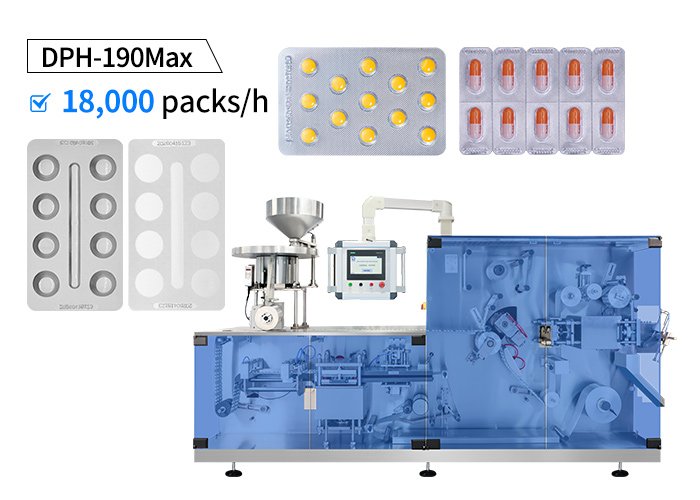
DPH-190Max High Speed Blister Packaging Machine


Blister Packaging Scale-Up Checklist

Use this quick review checklist before full production:

  • Production Targets Defined:✔ Packs/min, الممرات, دفعات, and quality targets (قوة الختم, معدل العيب) تم توثيقها.
  • Material Verification:✔ Bottom film and lidding foil types, سمك, and barrier specs are confirmed and meet drug stability needs. Supplier quality docs obtained.
  • Tooling Design Checked:✔ Cavity dimensions match product with adequate clearance. Draw depths and wall thicknesses reviewed. Tool/mold alignment on the machine has been measured and corrected.
  • Forming Process Set:✔ Pre-heat, forming pressure, and vacuum settings adjusted so cavities form fully (no thinning or sticking). Forming trials show uniform film thickness.
  • Sealing Parameters Optimized:✔ Sealing temperature, ضغط, يسكن, and speed fine-tuned with actual materials. A robust process window is established (via test runs/DOE).
  • Equipment Capability Verified:✔ Blister machine (and feeding, inspection equipment) can handle the intended throughput. Multi-lane synchronization and machine speed are tested. Capacity is calculated with expected rejects.
  • Scale-Up Trials Completed:✔ Stepwise speed-ups were done (50%→75%→100%), with in-line inspections. Settings were adjusted until good seals were maintained at full speed.
  • Validation Protocol Executed:✔ الأشعة تحت الحمراء/WH/PQ were performed. Critical Quality Attributes (سلامة الختم, cavity dimensions, إلخ.) were measured and met specifications. Final verification reports are signed off.

If all these boxes are checked, you can be confident your خط نفطة is ready for commercial runs without nasty surprises.


خاتمة

Scaling up blister packaging is a multi-step journey, not a single switch. By following this checklist – from confirming material compatibility and tooling design, through optimizing heat-seal parameters, to full validation – you’re scaling up the process as well as the production speed. That means when you dial up to commercial rates, you’re getting ثابت, high-quality blister packs and not a stream of rejects.

يتذكر: the goal is smooth production, not just maximum machinespeed. بعبارة أخرى, don’t rely on the machine’s nameplate speed alone – make sure every subsystem can actually support it. As one of our engineers likes to say, “We’re not just increasing output, we’re maintaining output quality.”

Ready to scale up? Start planning early, involve your packaging equipment supplier in the discussion, and use this guide to stay on track. Contact Jinlu Packaging’s technical team or visit our website for advice on matching the right blister machine and accessories to your product needs.


FAQs on Blister Packaging Scale-Up

What exactly is blister packaging scale-up?

Blister packaging scale-up means transitioning from lab or pilot runs to full commercial production on blister packaging lines. It involves not just running the machine faster, but ensuring materials, الأدوات, heat-seal settings, and equipment capabilities all work reliably at higher output.

Why is blister packaging scale-up challenging?

Because factors that seemed minor at small scale can cause big problems at high speed. التدفئة غير المتكافئة, slight film thickness variation, or misaligned tooling might be tolerable in a trial, but at 10× output they lead to seal failures or rejects. Scale-up requires controlling all those variables together.

Which materials are commonly used in pharmaceutical blister packaging?

The forming web is often PVC or PVC/PVDC laminate (for more moisture barrier), or high-barrier laminates like PCTFE/PVC. Lidding materials include aluminium foil (with heat-seal lacquer), aluminium/PET foils, or fully laminated Alu-Alu (احباط على شكل بارد). ولكل منها مقايضات: PVC is cheap but has moderate barrier, PVDC-coated PVC adds moisture protection, and cold-formed foil offers the highest barrier.

How do you select the right blister packaging material?

Match the material’s barrier properties and formability to your product’s needs. For a moisture-sensitive drug, a high-barrier PVC/PVDC or PCTFE film (low WVTR) with a quality sealant foil is best. Also consider processing: if your process can’t handle too thick a foil, a thinner foil or different laminate might be needed. Always test candidate materials in pilot trials.

What factors affect blister heat sealing quality?

Mainly the sealing temperature, يسكن الوقت (contact time under heat), ضغط الختم, and the machine speed. In practice these interact: a faster speed means less dwell time, so you might need higher temperature or pressure. Uneven heat distribution or incorrect dwell can cause weak seals or partial delamination. All must be optimized together.

What is the ideal heat sealing temperature for blister packaging?

It depends on the materials. على سبيل المثال, a PVC/PVDC film typically seals around 150–170 °C, whereas certain aluminium lidding foils may need 170–200 °C. The goal is a strong seal without damaging the film. Always run trials: measure seal strength or test leakage at candidate temperatures to find the “sweet spot.”

Why is tooling design important during scale-up?

Because the shape and dimensions of the blister cavities determine how the film stretches and seals. A bad cavity design can cause film thinning or misfeeds at high speed. During scale-up, even a small misalignment or incorrect draw ratio can cause tears. Ensuring the mold fits the product (with proper clearance and draft angles) and is aligned on the machine is key to consistent forming and sealing.

How do you validate a blister packaging process?

Use the standard IQ/OQ/PQ approach. أولاً, معدل الذكاء: confirm the machine is installed correctly (all components in place, معايرة). التالي, أوكيو: run the machine through its operational range, checking parameters (temps, الضغوط, سرعات). أخيراً, PQ: perform production runs at target conditions, collect samples and test all critical quality attributes (قوة الختم, نزاهة, إلخ.). This ensures your process consistently meets specifications before release.

What tests are used to check blister seal integrity?

Common tests include vacuum or pressure decay methods, and dye or bubble tests. على سبيل المثال, you might seal a pack, create vacuum, and see if it holds (no pressure rise). Or submerge packs in colored dye or pressurize them with air to spot leaks. Seal strength (peel force) testers are also used. The exact method depends on your setup, but the goal is to detect any pinholes or delamination.

When should I upgrade my blister packaging machine for production?

Upgrade or choose a new machine if your current equipment can’t meet the defined scale-up targets. Signs you need a larger machine include: inability to reach desired packs/minute, frequent jams at speed, or lack of features (متعدد الخطوط, التفتيش في الخط, أنظمة التغذية). من الناحية المثالية, assess equipment capability early – if a single-lane lab machine can’t hit needed throughput, you may need a 4- or 6-lane commercial blister machine. Manufacturers can advise which model meets your speed and format requirements.


مراجع:
1.التحقق من صحة العملية: المبادئ والممارسات العامة —— ادارة الاغذية والعقاقير
2.ملحق برنامج الرصد العالمي للاتحاد الأوروبي 15: التأهيل والتحقق من الصحة —— المفوضية الأوروبية
3.الحاويات – اختبار الأداء —— USP General Chapter 〈671〉
4.تأثير سمك طلاء الختم الحراري على جودة عبوات الفقاعة —— ساينس دايركت
5.Standard Test Method for Leak Detection in Blister Packaging by Vacuum Deflection Method by Laser Measurement —— ASTM F3169-16(2024)
6.تحسين تصميم عبوات الفقاعة للمستحضرات الصيدلانية الصلبة —— ساينس دايركت
7.Comparison of quantitative analysis techniques for the determination of heat seal lacquer layers on aluminum blister foils —— PubMed

شارك هذه المقالة:
صورة ل بيتي فو
بيتي فو

بيتي فو, مؤسس شركة Jinlupacking, يجلب 20 سنوات من الخبرة في قطاع الآلات الصيدلانية. تحت قيادته, لقد نمت Jinlu لتصبح موردًا موثوقًا به يدمج التصميم, إنتاج, والمبيعات. بيتي متحمس لمشاركة معرفته العميقة بالصناعة لمساعدة العملاء على التغلب على تعقيدات التعبئة والتغليف الدوائية, ضمان حصولهم ليس فقط على المعدات, ولكن شراكة خدمة متكاملة حقيقية مصممة خصيصًا لأهداف الإنتاج الخاصة بهم.

جدول المحتويات

أرسل استفسارك

ترك الرد

لن يتم نشر عنوان بريدك الإلكتروني. تم وضع علامة على الحقول المطلوبة *

احصل على عرض أسعار مجاني

*نحن نحترم سريتك وجميع البيانات محمية. سيتم استخدام بياناتك الشخصية ومعالجتها فقط لحل JL.