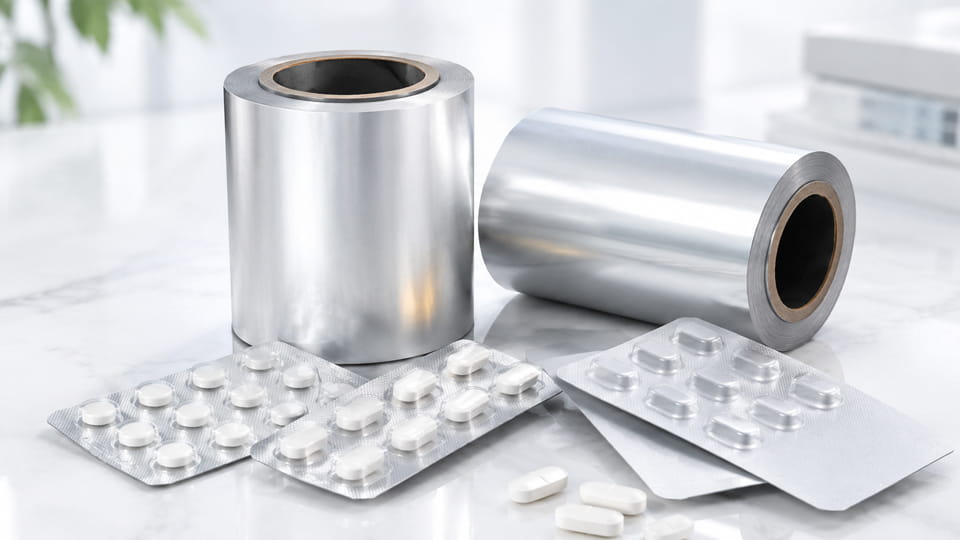

اختيار الحق آلة تعبئة الفقاعة هو قرار حاسم لمصنعي الأدوية. تختلف الأقراص والكبسولات في الحجم, شكل, والحساسية, مما يعني أن الآلات التي تقوم بتعبئتها يجب أن تختلف أيضًا. يشرح هذا الدليل الاختلافات الرئيسية بين آلات صناعة الأقراص اللوحية وآلات صناعة أقراص الكبسولة, تغطي كل شيء بدءًا من هندسة التجويف والمغذيات وحتى سرعة الإنتاج والامتثال التنظيمي. قارنا التشكيل الحراري مقابل التشكيل البارد والألواح المسطحة مقابل الأنظمة الدوارة, الخطوط العريضة لأهم العوامل التي يجب مراعاتها, وأشير إلى المخاطر الشائعة في اختيار الجهاز الخطأ. بحلول النهاية, ستفهم بالضبط ما الذي تبحث عنه — سواء كنت بحاجة إلى خط أقراص يتم تغذيته بالفرشاة أو خط كبسولات مؤتمت بالكامل مزود بوحدات تغذية توجيهية — حتى تتمكن من اتخاذ قرار شراء مستنير.
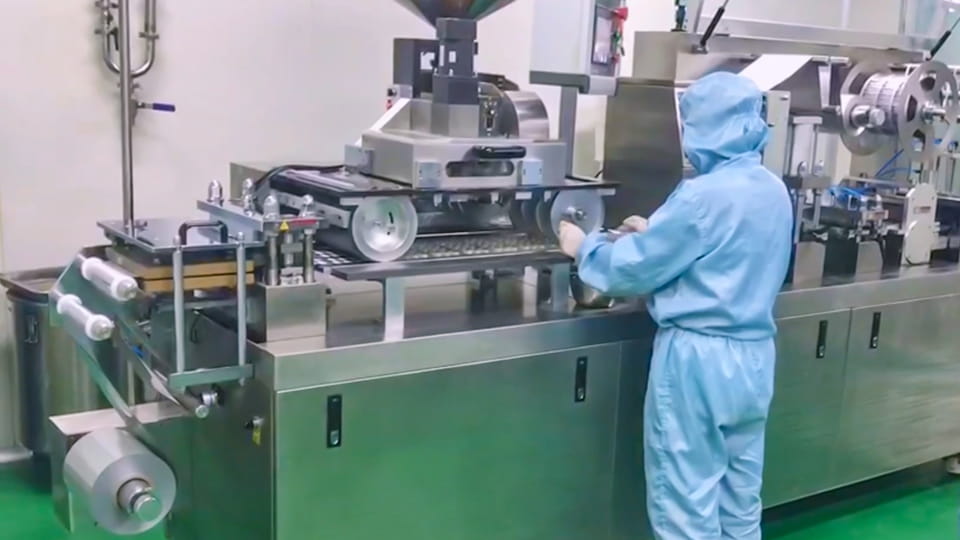
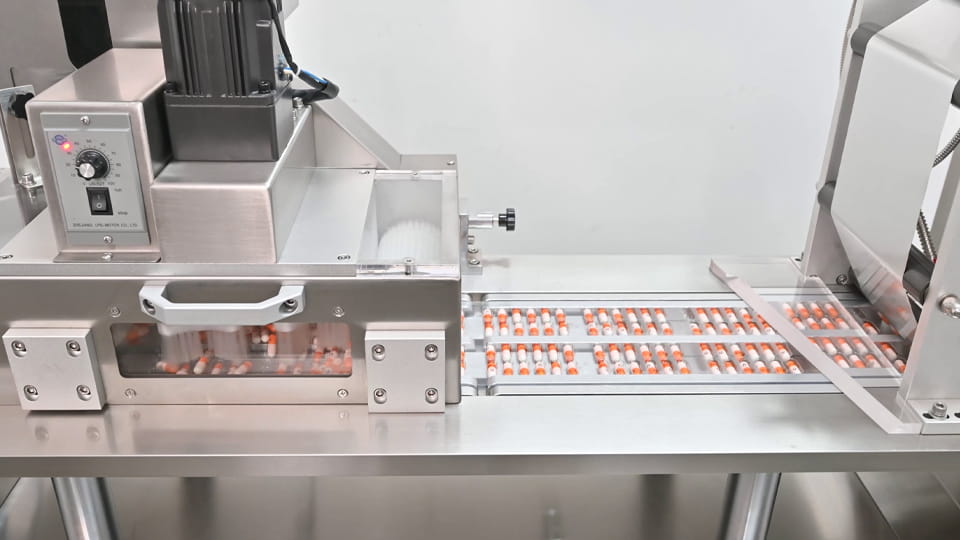
شكل: خط تعبئة فقاعات الأقراص/الكبسولات الحديث في غرفة الأبحاث GMP. تعمل آلات البثرة على أتمتة عملية التشكيل, تعبئة, ختم, وقطع فيلم PVC أو الألومنيوم لإنشاء عبوة ذات جرعة واحدة.
آلات تعبئة الفقاعة هي معدات متخصصة تشكل تجاويف فردية (بثور) من فيلم من البلاستيك أو الألومنيوم, املأهم بالمنتج, ومن ثم ختمها بالرقائق. يقومون بأربع خطوات أساسية -تشكيل, تعبئة, ختم, والقطع- لإنتاج مرتبة, الحزم الواضحة للتلاعب. هذه الآلات موجودة في كل مكان في الصيدلة: ستجد لهم أقراص التعبئة والتغليف, كبسولات, أو حتى السجائر الإلكترونية والمواد الاستهلاكية الصغيرة. تضمن آلة تعبئة الفقاعة عالية الجودة سلامة المنتج ومدة صلاحيته عن طريق إغلاق كل وحدة بدقة, مع الامتثال لمعايير GMP/FDA الصارمة.
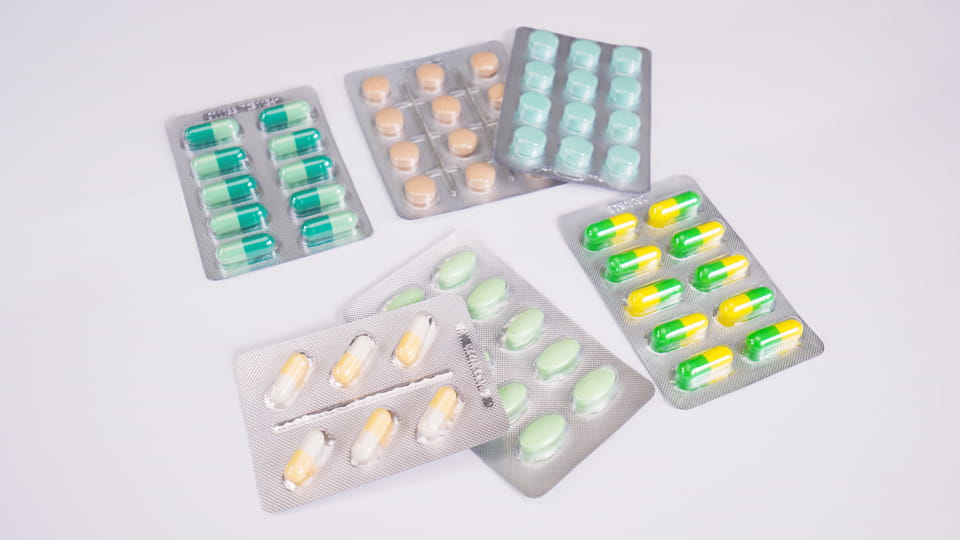
تشترك خطوط نفطة الأقراص والكبسولات في نفس البنية الأساسية, لكن التفاصيل تختلف. الجيب (تجويف) تختلف هندسة اللوح المستدير كثيرًا عن تلك التي كانت موجودة لفترة طويلة, كبسولة من قطعتين, ويجب أن يتطابق نظام التغذية/التوجيه. على سبيل المثال, يحتاج الكمبيوتر اللوحي المستدير القياسي مقاس 10 مم إلى سطح ضحل فقط, جيب دائري, بينما أ 0# (21.7 مم) كبسولة الجيلاتين الصلبة تتطلب عمقا, تجويف بيضاوي ممدود. نتيجة ل, يتضمن خط نفطة الكبسولة عادةً "وحدة تغذية توجيهية" لترتيب الكبسولات بشكل صحيح (من الرأس إلى الذيل) قبل دخولهم محطة التعبئة. يمكن أن تتعثر الكبسولات أو تنقلب, لذلك أ مغذي كبسولة غالبًا ما يستخدم لقلب كل كبسولة في وضع موحد. على النقيض من ذلك, من الأسهل تغذية الأجهزة اللوحية باستخدام أ وحدة تغذية الفرشاة أو اللوحة الاهتزازية, نظرًا لأن معظم الأقراص متماثلة ويمكن إدخالها بشكل عشوائي في جيوب دائرية.
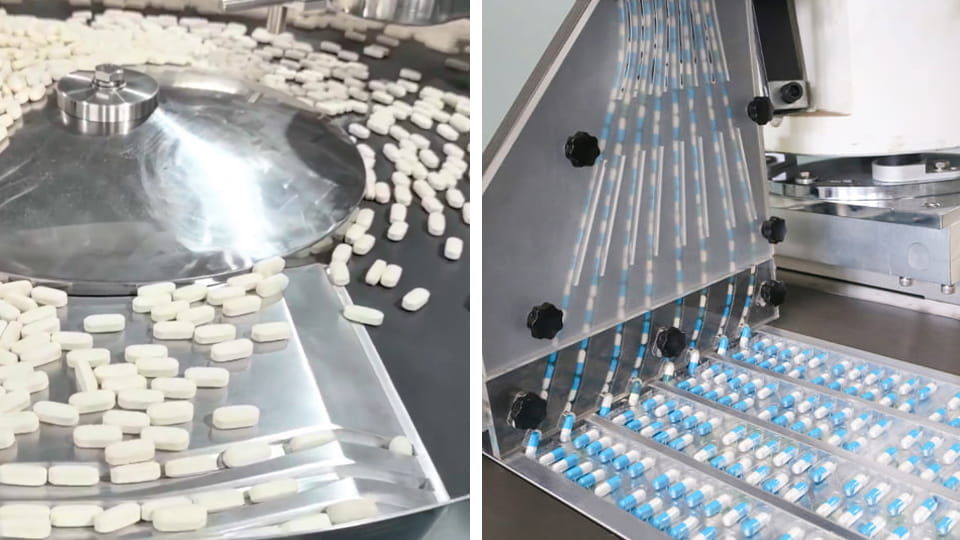
شكل: خطوط نفطة للكبسولات. تجاويف الجهاز اللوحي (دائري) مقابل تجاويف الكبسولة (بيضاوي ممدود) تملي تصميمات مختلفة للمغذيات وظروف التشكيل.
أ آلة تعبئة الفقاعة عبارة عن قطعة من المعدات الصيدلانية التي تعمل على أتمتة تعبئة جرعة الوحدة. يشكل تجاويف (بثور) في شبكة من البلاستيك أو الألومنيوم, يملأهم بالمنتج, ثم قم بإغلاقها بغطاء من ورق أو رقائق معدنية. في فارما, عادة ما يكون فيلم التشكيل PVC/PVDC أو الألومنيوم (للشكل البارد), والغطاء مصنوع من رقائق الألومنيوم. التسلسل الأساسي هو: استرخاء الفيلم ← محطة التشكيل ← محطة التعبئة/التغذية ← محطة الختم ← التثقيب/القطع.
[jl_youtube src=”https://www.youtube.com/embed/hC-yo-ToX6s”]
تنتج هذه العملية عبوات نفطة مختومة العبث واضح, صحية, وسهلة الاستخدام للمرضى. آلة تعبئة الفقاعة الجيدة تضمن جودة التشكيل والختم المتسقة, غالبًا ما يتم دمج أنظمة الرؤية لاكتشاف ورفض الجيوب الفارغة أو الوحدات غير المملوءة.
على الرغم من أن خطوط الأقراص والكبسولات تبدو متشابهة للوهلة الأولى, هُم الاختلافات الرئيسية يعني أنه لا يمكنك ببساطة تبديل المنتجات على أي جهاز دون تعديلات. الاختلافات الثلاثة الرئيسية في الأجهزة هي: شكل الجيب (هندسة الموت), المغذية / التوجه, ورفض المنطق.
إن فهم هذه الأمور بشكل خاطئ يمكن أن يدمر الإنتاج: يؤدي شكل الجيب غير الصحيح إلى فشل الختم أو ظهور بثور مشوهة, وأخطاء التغذية تؤدي إلى الخردة أو يتذكر. كما يلاحظ Jinlupacking, "هندسة الأدوات, آلية التغذية, ومنطق الرفض هما ما يحددان ما إذا كنت ستحصل عليه أم لا 98.5% الكفاءة أو 84% الكفاءة في الأسبوع الأول من الإنتاج".
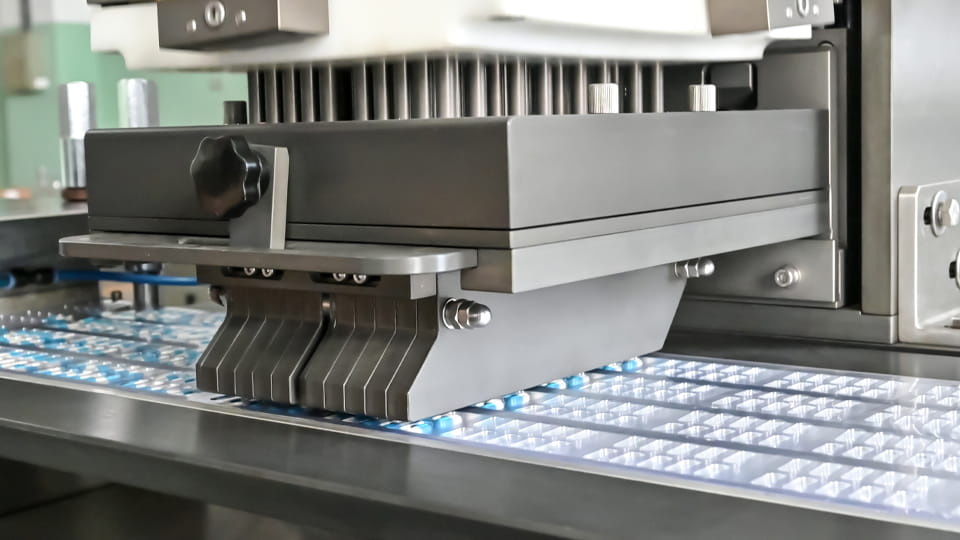
لتلخيص في إشارة سريعة, وإليك الطريقة النموذجية آلة نفطة الكمبيوتر اللوحي يقارن ب آلة نفطة الكبسولة:
| ميزة | آلة نفطة الكمبيوتر اللوحي | آلة نفطة الكبسولة |
| شكل التجويف | دائرية أو بيضاوية ضحلة (مسطحة القاع) | بيضاوي ممدود (رسم أعمق) |
| عمق التجويف النموذجي | ~4-8 ملم | ~9-14 ملم |
| مادة التشكيل | بولي كلوريد الفينيل/PVDC أو PET (للتشكيل الحراري) | في كثير من الأحيان PVC / PVDC أو الألومنيوم (للتشكيل الحراري أو البارد) |
| تشكيل درجة الحرارة | ~120-140 درجة مئوية (PVC) | ~145-165 درجة مئوية (PVC; أو لا توجد حرارة للشكل البارد Alu-Alu) |
| نظام التغذية | وحدة تغذية الفرشاة أو اللوحة الاهتزازية (غير موجه) | مغذي التوجه (شلال الجاذبية, القضبان التوجيهية, أو المداري) |
| اتجاه المنتج | عشوائي (أقراص متناظرة) | ثابت من الرأس إلى الذيل (يجب أن تواجه الكبسولات بنفس الطريقة) |
| الرؤية/رفض المنطق | كشف الأقراص الفارغة/المكسورة | كشف المفقودين, مقلوب, أو كبسولات محملة بشكل متقاطع |
| كفاءة السرعة | أعلى عادة (ملء أبسط) | أقل قليلا (بسبب خطوات التوجيه) |
| تكلفة التحول | أدنى (قوالب مسطحة بسيطة) | أعلى (قوالب معقدة لشكل الكبسولة) |
| التعامل مع المخاطر | قليل (الأجهزة اللوحية قوية) | أعلى (يمكن تقسيم الكبسولات أو غلقها بشكل منفصل) |
الوجبات الجاهزة الرئيسية: ماكينات تابلت استخدم قوالب مسطحة بسيطة ومغذيات قياسية, بينما آلات كبسولة غالبًا ما تشتمل على مزالق توجيه أو مغذيات دوارة وقوالب أعمق. العديد من الآلات الراقية (مثل نماذج جينلو) بنيت للتعامل مع كليهما, ولكنها تتطلب تغييرًا معتمدًا للأداة/القالب وفي بعض الأحيان التبديل الآلي لوحدة التغذية للقيام بذلك. إذا كانت الآلة ذات غرض مزدوج حقًا, يجب أن يدعم نظام التغذية الخاص به كلا الوضعين (على سبيل المثال. سكة توجيه قابلة للتعديل يمكن تعطيلها للأجهزة اللوحية).
عند التخطيط لخط التعبئة والتغليف الخاص بك, يعتبر تكنولوجيا التشكيل (التشكيل الحراري مقابل التشكيل البارد) و نمط الآلة (لوحة مسطحة مقابل الروتاري):
متى تستخدم أي: يختار التشكيل الحراري إذا كانت منتجاتك مقاومة للرطوبة وتحتاج إلى السرعة والرؤية (على سبيل المثال. أقراص بدون وصفة طبية, المكملات الغذائية). يختار شكل بارد (على الإطلاق) إذا كانت أدويتك حساسة للأكسجين/الرطوبة أو تتطلب مدة صلاحية طويلة جدًا. تستخدم بعض الخطوط أساليب هجينة (فيلم حراري مع غطاء Alu أو طلاء PVDC) لتحقيق التوازن بين التكلفة والحاجز.
تأتي آلات البثرة أيضًا في شكلين ميكانيكيين رئيسيين:
الذي تختار? إذا كنت تنتج العديد من وحدات SKU المختلفة أو تحتاج إلى سحب عميق (مثل ألو ألو), أ لوحة مسطحة الآلة عادة ما تكون الأفضل. إذا قمت بتشغيل دفعات كبيرة جدًا من منتج واحد (على سبيل المثال. الملايين من حزم نفطة شهريا), أ الروتاري الآلة تؤتي ثمارها في الإنتاجية. على سبيل المثال, جينلو DPP-180Pro هو نموذج ذو لوحة مسطحة (الحد الأقصى ~ 4800 لوحة / ساعة) جيدة للمرونة, بينما نموذج دوار DPH-270Max يمكن أن تصل 11,200 بثور / ساعة لإنتاج كتلة عالية السرعة.
| ميزة | آلة لوحة مسطحة | آلة دوارة |
| تشكيل الاسلوب | متقطع (لوحة يضغط كل دورة) | مستمر (طبل الدورية) |
| الأعلى. سرعة | معتدل (عشرات إلى ~ 100 قطع / دقيقة) | عالية جدا (غالباً 180+ تخفيضات / دقيقة) |
| أفضل ل | دفعات صغيرة/متوسطة; رسم عميق (على الإطلاق) حزم | عبوات Alu-PVC ذات الحجم الكبير (إنتاج متسلسل) |
| تكلفة العفن | أدنى (اللوحات المسطحة أرخص) | أعلى (قوالب اسطوانية دقيقة) |
| وقت التحول | سريع (تبادل العفن أسهل) | أبطأ (المحاذاة والاستبدال أمر معقد) |
| البصمة لكل إخراج | أكبر (هناك حاجة إلى آلات متعددة لنفس الإخراج) | أكثر إحكاما (آلة واحدة تساوي العديد من اللوحات المسطحة) |
عند اختيار خط تعبئة الفقاعة, ركز على هذه العوامل السبعة لضمان أفضل ملاءمة وتجنب الأخطاء المكلفة لاحقًا:
من خلال تقييم كل عامل بعناية, سوف تتجنب الوقوع في فخ شائع: شراء آلة أرخص تناسب احتياجات اليوم ولكنها تفشل في متطلبات الغد (على سبيل المثال, تفتقر إلى وحدة تغذية لوحدات SKU الكبسولة الجديدة أو تحتاج إلى استبدال كامل للسرعات الأعلى).
اختيار آلة نفطة أمر معقد, قرار عالي المخاطر. غالبًا ما ترتكب فرق المشتريات هذه الأخطاء:
ومن خلال التعلم من هذه الأخطاء, يمكنك إعطاء الأولوية للقيمة والأداء على المدى الطويل بدلاً من مجرد تحديد مربعات ورقة المواصفات.
إذا كنت تنتج أقراصًا في الغالب:
إذا كنت تنتج في الغالب كبسولات:
إذا قمت بالأمرين معًا:
لم يتم إنشاء جميع آلات تعبئة الفقاعة على قدم المساواة. أنت تريد موردًا يفهم الاحتياجات الصيدلانية ويقدم دعمًا قويًا. التعبئة جينلو, على سبيل المثال, يسلط الضوء:
إن اختيار الشركة المصنعة ذات السمعة الطيبة لا يقل أهمية عن مواصفات الجهاز. ابحث عن أولئك الذين ينشرون وثائق التحقق من الصحة, عرض التدريب, ولها سجل حافل من المنشآت الدوائية.
يعد اختيار آلة تعبئة الفقاعة المناسبة قرارًا استراتيجيًا. عن طريق المطابقة بعناية نوع الآلة لك منتج (أقراص مقابل كبسولات) و احتياجات الإنتاج, يمكنك تحقيق أقصى قدر من الكفاءة والجودة. تذكر أن تفكر في تصميم وحدة التغذية, تنسيق الآلة, التوافق المادي, والامتثال التنظيمي. إن تخطي هذه التفاصيل يمكن أن يكلفك وقت التوقف عن العمل وإلغاء المنتج. بدلاً من, اتبع نهج القائمة المرجعية للمشتري: تحديد الاحتياجات الخاصة بك, تحقق من كل جهاز ضدهم, وإشراك المورد الذي تثق به (مع ضمانات ودعم قوي).
اختيار الحق ماكينة تعبئة الفقاعات لا يتعلق الأمر بالمعدات فحسب، بل يتعلق أيضًا بضمان إنتاج مستقر, جودة المنتج, وعائد الاستثمار على المدى الطويل. إذا كنت تخطط لترقية خط تعبئة الأدوية الخاص بك أو لا تزال تقارن بين خيارات الأقراص مقابل الكبسولات, الآن هو الوقت المناسب لاتخاذ الإجراءات اللازمة.
👉 تحدث إلى فريقنا في Jinlu Packing اليوم
👉 احصل على حل مخصص بناءً على منتجك وقدرتك
👉 اطلب عرض أسعار أو استشارة فنية - بدون أي التزام
سنساعدك على مطابقة آلة تعبئة الفقاعة المناسبة لاحتياجات الإنتاج الحقيقية لديك - وليس فقط المواصفات المكتوبة على الورق.
ربما, ولكن ذلك يعتمد على تصميم الجهاز. يجب أن تحتوي آلة البثرة ذات التنسيق المزدوج حقًا على أدوات قابلة للتبديل (مجموعات العفن) ونظام تغذية قادر على تغذية الأقراص العشوائية وتغذية الكبسولات الموجهة. في الممارسة العملية, وهذا يعني تكلفة إضافية (أدوات العفن الخاصة ووحدة تغذية توجيه الكبسولة). إذا كان الإنتاج المختلط عرضيًا, يمكن أن تعمل آلة واحدة مزودة بمجموعات التغيير, ولكن للتبديلات المتكررة, قد تكون الآلات المخصصة أكثر عملية.
للأدوية شديدة الحساسية للرطوبة أو الحساسة للضوء, شكل بارد (على الإطلاق) يفضل استخدام العبوات الفقاعية. توفر صفائح الألمنيوم الكاملة حاجزًا غير منفذ تقريبًا, تمديد العمر الافتراضي. لاحظ أن الآلة يجب أن تدعم التشكيل على البارد (الضغط العالي, لا حرارة). إذا كانت هناك حاجة إلى السرعة والرؤية, يستخدم البعض حزمًا هجينة (تجاويف حرارية مع طلاءات من الألومنيوم أو PVDC) للحماية المتوسطة.
تشكيل حراري (بولي كلوريد الفينيل/الحيوانات الأليفة) يعمل مع معظم الأجهزة اللوحية التي ليست حساسة للغاية للرطوبة. ويقدم إنتاج سريع وواضح, حزم قابلة للتفتيش. لكن, للأقراص ذات التحبيب الرطب أو المحتوى الاسترطابي, قد تحتاج إلى فيلم مطلي بـ PVDC أو تتحول إلى الشكل البارد. أيضًا, بعض المواد (مثل الرتينوئيدات) يمكن أن تتفاعل مع PVC, لذا فإن اختبار التوافق أمر حكيم.
تستخدم خطوط الكبسولة عادةً مغذيات التوجيه. تشمل الأنواع الشائعة مغذيات السكك الحديدية, مزالق الجاذبية, أو أجهزة تحويل الكبسولة. الهدف هو إدخال رأس كل كبسولة أولاً في التجويف. تقدم شركة Jinlu وآخرون مغذيات مدارية أو قنوات اهتزازية لتحقيق ذلك. تحقق دائمًا مع المورد من أن مغذياته يمكنها التعامل مع حجم الكبسولة وشكلها.
• تحسين التغذية: ضمان على نحو سلس, تغذية خالية من المربى. إن وحدة التغذية المصممة جيدًا مع التحريك أو التوجيه المناسب تقلل من التوقفات
• السرعة مقابل الاستقرار: مطابقة سرعة التشغيل مع تفاوتات المنتج. يمكن أن يؤدي التشغيل أبطأ من السرعة القصوى إلى تقليل حالات الرفض ووقت التوقف عن العمل.
• الحد من التحول: توحيد أحجام البثرة إن أمكن. استخدم أنظمة التغيير السريع (مثل تغيير قالب Jinlu خلال 15 دقيقة).
• الصيانة الوقائية: حافظ على معايرة المعدات (درجة حرارة, ضغط) ونظيفة. يجب فحص أنظمة الرؤية وتنظيفها بانتظام.
• تدريب المشغلين: المشغلين المهرة الذين يفهمون الفروق الدقيقة (على سبيل المثال, تصحيحات التغذية, إعداد القالب) لا تقدر بثمن.
• التكامل التخطيطي: تبسيط تدفق المواد. تعمل الروابط الآلية مع مكابس الأجهزة اللوحية وآلات تعبئة الكرتون على تقليل وقت الخمول.
• مراقبة البيانات: استخدم بيانات PLC لتحديد الاتجاهات (تتجاوز درجة الحرارة, رفض المسامير) وتصحيحها في وقت مبكر.
من خلال معالجة هذه العوامل, يمكنك تحقيق أقصى قدر من الإنتاجية ووقت التشغيل على خط البثرة الخاص بك.
مراجع:
1.حزمة نفطة —— ويكيبيديا
2.دليل كامل عن آلة تغليف الفقاعة —— Pharmacy-tech.com
3.تحسين تصميم عبوات الفقاعة للمستحضرات الصيدلانية الصلبة —— ساينس دايركت
4.تغليف نفطة الأدوية, الجزء الثاني: الآلات والتجميع —— بوابة الأبحاث
5.الكشف عن عيوب عبوات الفقاعة الصيدلانية بناءً على مطابقة قالب الشكل —— بوابة الأبحاث