ก ข้อกำหนดความต้องการของผู้ใช้ (สสส) ใน การผลิตยา เป็นเอกสารพื้นฐานที่กำหนด อะไร ระบบหรือชิ้นส่วนของอุปกรณ์จะต้องบรรลุผลเพื่อให้ได้คุณภาพ, ผลงาน, และความต้องการด้านกฎระเบียบ. เจ้าของอุปกรณ์เขียนไว้ (บริษัทยา) และสรุปฟังก์ชันที่จำเป็น, ความจุ, วัสดุ, และคุณสมบัติ GMP ของอุปกรณ์. URS ช่วยให้มั่นใจได้ว่าผู้มีส่วนได้ส่วนเสียทั้งหมด (การผลิต, วิศวกรรม, ประกันคุณภาพ) เห็นด้วยกับข้อกำหนดก่อนที่จะเริ่มการจัดซื้อหรือการออกแบบ. โดยเป็นพื้นฐานสำหรับข้อเสนอของซัพพลายเออร์และกลายเป็นข้อมูลอ้างอิงตลอดการออกแบบ, การทดสอบ, และการตรวจสอบ.
ประเด็นสำคัญ
- URS กำหนดว่าอุปกรณ์ทางเภสัชกรรมจำเป็นต้องมีอะไรบ้างเพื่อให้บรรลุผล, รวมถึงจุดประสงค์การใช้งานด้วย, ความจุ, ผลงาน, คุณภาพ, ความปลอดภัย, และข้อกำหนดในการปฏิบัติงาน.
- ดี URS ทางเภสัชกรรมควรมีข้อกำหนดที่ชัดเจนและสามารถวัดผลได้ ที่สามารถตรวจสอบได้ในภายหลัง.
- สำหรับเครื่องจักรบรรจุภัณฑ์, URS อาจครอบคลุมข้อกำหนดของผลิตภัณฑ์, รูปแบบแพ็คเกจ, ความเร็วในการผลิต, วัสดุ, สาธารณูปโภค, ระบบอัตโนมัติ, ทำความสะอาด, ความปลอดภัย, และเอกสาร.
- URS ไม่เหมือนกับข้อกำหนดการออกแบบ. URS กำหนดผลลัพธ์ที่ต้องการ; ผู้ผลิตอุปกรณ์จะพัฒนาโซลูชันทางเทคนิค.
- URS สามารถให้ข้อมูลอ้างอิงสำหรับ การจัดซื้ออุปกรณ์, การประเมินซัพพลายเออร์, ดีคิว, ไขมัน/วันเสาร์, ไอคิว, โอคิว, และพีคิวเอ.
- URS ที่ชัดเจนช่วยลดความเข้าใจผิดระหว่างผู้ผลิตยาและซัพพลายเออร์อุปกรณ์ก่อนที่เครื่องจักรจะได้รับการออกแบบและสร้าง.
- สำหรับโครงการเครื่องบรรจุภัณฑ์, ก่อนหน้านี้ผู้ซื้อจะกำหนดข้อกำหนดเช่น ประเภทผลิตภัณฑ์, รูปแบบบรรจุภัณฑ์, ความเร็วเป้าหมาย, และความคาดหวังของ GMP, ยิ่งประเมินอุปกรณ์ที่เหมาะสมได้ง่ายขึ้นเท่านั้น.
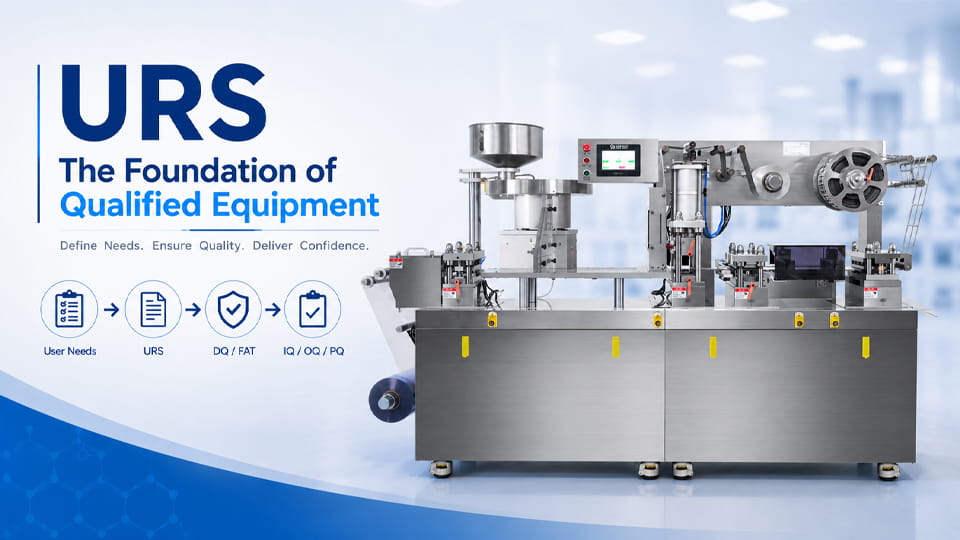
ข้อกำหนดความต้องการของผู้ใช้คืออะไร (สสส) ในฟาร์มา?
ก ข้อกำหนดความต้องการของผู้ใช้ (สสส) เป็นเอกสารทางการที่รวบรวม ความต้องการและความคาดหวังของผู้ใช้ สำหรับอุปกรณ์หรือระบบในอุตสาหกรรมยา. มันอธิบาย อะไร อุปกรณ์ต้องทำเช่น. อัตราการผลิตเป้าหมาย, รูปแบบผลิตภัณฑ์, ความแม่นยำ, และหน้าที่ด้านกฎระเบียบ – โดยไม่ต้องกำหนด ยังไง เพื่อให้บรรลุเป้าหมาย. URS ทำหน้าที่เป็นสะพานเชื่อมระหว่างวิศวกรกระบวนการหรือผู้ใช้การผลิตกับซัพพลายเออร์อุปกรณ์. โดยสื่อสารวิสัยทัศน์และข้อจำกัดของผู้ใช้เพื่อให้ซัพพลายเออร์สามารถออกแบบได้, อ้าง, และสร้างระบบเพื่อตอบสนองความต้องการเหล่านั้น.
ตัวอย่างเช่น, URS อาจระบุ:
- ที่ ตั้งใจใช้ (E.G. “บรรจุแผงยาเม็ดจำนวน 10–60 แผง”).
- เกณฑ์การปฏิบัติงาน (E.G. “≥ 100,000 แผลพุพองต่อชั่วโมง”).
- ข้อกำหนดด้านกฎระเบียบและ GMP (E.G. “การออกแบบที่ถูกสุขลักษณะ, ความสามารถในการทำความสะอาดถึง <10 ppm ตกค้าง”).
- วัสดุก่อสร้าง (E.G. “ชิ้นส่วนที่สัมผัสกับผลิตภัณฑ์ทั้งหมดทำจากสแตนเลส 316L”).
- สาธารณูปโภคและสิ่งแวดล้อม (E.G. “ทำงานในห้องคลีนรูมคลาส C, ต้องใช้ไฟ 380V, 6 บาร์น้ำ”).
โดยกำหนดข้อกำหนดไว้อย่างชัดเจนล่วงหน้า, URS กลายเป็นรากฐานที่สำคัญสำหรับขั้นตอนต่อๆ ไปทั้งหมด นั่นคือการทบทวนการออกแบบ, การประเมินซัพพลายเออร์, การทดสอบ, และการตรวจสอบ. คำแนะนำด้านกฎระเบียบ (E.G. ภาคผนวกของสหภาพยุโรป 15, อย 21 ส่วนซีเอฟอาร์ 11, GAMP5) คาดหวังอย่างชัดเจนถึงข้อกำหนดของผู้ใช้ที่เป็นเอกสารเป็นจุดเริ่มต้นสำหรับการรับรองคุณสมบัติของอุปกรณ์. ในทางปฏิบัติ, การเขียนทีมข้ามสายงานของ URS (การผลิต, ประกันคุณภาพ, การตรวจสอบ, วิศวกรรม) เพื่อให้ตรงกับสิ่งที่อุปกรณ์ต้องทำเพื่อให้ผลิตภัณฑ์ถูกต้อง.
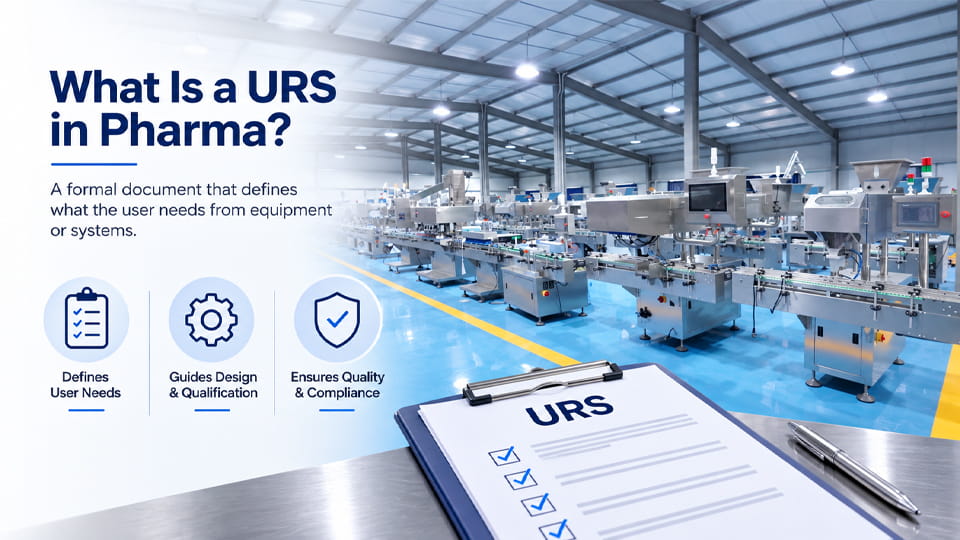
เหตุใด URS จึงมีความสำคัญในการผลิตยา?
URS ที่ได้รับการออกแบบมาอย่างดีมีความสำคัญอย่างยิ่งต่อความสำเร็จของโครงการตามมาตรฐาน GMP. สาเหตุสำคัญได้แก่:
- ความชัดเจนของข้อกำหนด: URS บันทึกความคาดหวังทั้งหมด (เอาท์พุท, คุณภาพ, ความปลอดภัย, ฯลฯ) ในที่เดียว. วิธีนี้จะหลีกเลี่ยงความสับสนและทำให้ซัพพลายเออร์ทราบแน่ชัดว่าอะไรคือสิ่งที่จำเป็น. ไม่มี URS, ข้อกำหนดอาจคลุมเครือหรือถูกมองข้าม, นำไปสู่การออกแบบใหม่ราคาแพง.
- พื้นฐานสำหรับคุณสมบัติการออกแบบ (ดีคิว): URS ทำหน้าที่เป็นพื้นฐานสำหรับคุณสมบัติการออกแบบ. ช่วยให้คุณสามารถตรวจสอบว่าการออกแบบที่เสนอนั้นตรงตามข้อกำหนดทั้งหมด. ภาคผนวก GMP ของสหภาพยุโรป 15 ระบุอย่างชัดเจนว่า “ข้อกำหนดของข้อกำหนดข้อกำหนดของผู้ใช้ควรได้รับการตรวจสอบระหว่างคุณสมบัติการออกแบบ”.
- การตรวจสอบ & การทดสอบ: ทุกกิจกรรมการรับรองจะติดตามกลับไปยัง URS. คำแนะนำของ FDA อธิบายว่าคุณสมบัติการติดตั้ง (ไอคิว) ตรวจสอบการติดตั้งอุปกรณ์ตามข้อกำหนดที่ได้รับอนุมัติ “ที่กำหนดไว้ใน URS (เช่น, วัสดุก่อสร้าง)-. คุณสมบัติการปฏิบัติงาน (โอคิว) ทดสอบว่าอุปกรณ์ทำงานตามที่ตั้งใจไว้, และคุณสมบัติการปฏิบัติงาน (PQ) ยืนยันว่าเป็นไปตามข้อกำหนดที่กำหนดไว้ใน Stage อย่างสม่ำเสมอ 1 (ยูอาร์เอส). ในระยะสั้น, ไม่ว่าจะเป็นที่ FAT, นั่ง, ไอคิว, OQ หรือ PQ, การทดสอบแต่ละครั้งจะตรวจสอบข้อกำหนด URS หนึ่งรายการขึ้นไป.
- การบริหารความเสี่ยง & การปฏิบัติตามมาตรฐาน GMP: โดยการรวมคุณลักษณะด้านคุณภาพที่สำคัญ (CQA), คุณสมบัติการออกแบบ GMP, และข้อกำหนดด้านกฎระเบียบใน URS, ทีมสามารถจัดการความเสี่ยงได้ตั้งแต่เนิ่นๆ. เช่น, การระบุเกณฑ์การออกแบบด้านสุขอนามัยล่วงหน้าจะช่วยป้องกันปัญหาการปนเปื้อนในภายหลัง. แนวทางปฏิบัติที่ดีที่สุดในอุตสาหกรรมเน้นย้ำถึงการนำ QA มาใช้, ความปลอดภัย, และความต้องการการปฏิบัติตามข้อกำหนดใน URS ดังนั้น “ระบบขั้นสุดท้ายจึงตอบสนองทั้งความต้องการทางธุรกิจและการปฏิบัติตามข้อกำหนด”.
- การสื่อสาร & การคัดเลือกซัพพลายเออร์: URS เป็นข้อมูลอ้างอิงทั่วไประหว่างบริษัทยาและ ผู้จำหน่ายอุปกรณ์. ช่วยให้ซัพพลายเออร์สามารถเตรียมข้อเสนอที่ตรงกับความต้องการของผู้ใช้โดยตรง. นอกจากนี้ยังช่วยประเมินการเสนอราคา - สามารถตรวจสอบเครื่องจักรเทียบกับ URS ได้ (ผ่าน FAT/SAT) เพื่อดูว่าอันไหนตรงตามความต้องการของคุณมากที่สุด.
- การควบคุมต้นทุนและกำหนดการ: ข้อกำหนดที่ชัดเจนหมายถึงโอกาสที่ขอบเขตจะคืบคลานหรือฟีเจอร์ที่พลาดน้อยลง. ซึ่งจะช่วยลดความเสี่ยงของความล่าช้าของโครงการและการทำงานซ้ำที่มีค่าใช้จ่ายสูง.
ตัวอย่าง – หมวดหมู่เนื้อหา URS:
| หมวดหมู่ URS |
ข้อกำหนดตัวอย่าง |
| วัตถุประสงค์การใช้งาน |
อุปกรณ์จัดการกระบวนการและผลิตภัณฑ์ใด. |
| ความจุ/ประสิทธิภาพ |
อัตราการส่งออก (เช่น, แผลพุพอง/นาที), ขนาดชุด, ความแม่นยำ. |
| ผลิตภัณฑ์ & การบรรจุหีบห่อ |
ประเภทสินค้า, ปริมาณ, ขนาดแพ็ค, วัสดุ (เช่น, พีวีซี). |
| วัสดุ (รายชื่อผู้ติดต่อ) |
ชิ้นส่วนที่สัมผัสกับผลิตภัณฑ์ทั้งหมด (เช่น, 316แอลเอสเอส, การตกแต่งพื้นผิว). |
| GMP & การทำความสะอาด |
การออกแบบที่ถูกสุขลักษณะ, ความสามารถในการทำความสะอาด (ไม่มีขาตาย), CIP ง่าย ๆ. |
| สิ่งแวดล้อม/สาธารณูปโภค |
คลาสคลีนรูม, อุณหภูมิ/ความชื้น, พลัง, อากาศ, ว่างเปล่า, ฯลฯ. |
| การควบคุม & ข้อมูล |
ความต้องการ PLC/HMI, การจัดเก็บสูตร, การบันทึกข้อมูล, การควบคุมการเข้าถึง. |
| ความปลอดภัย |
ยาม, E-หยุด, ลูกโซ่, สัญญาณเตือน, มาตรฐานความปลอดภัย. |
| เอกสาร |
คู่มือ, ภาพวาด, ใบรับรอง, เอกสารการฝึกอบรม. |
| คุณสมบัติ |
แผน FAT/SAT, และการส่งมอบ IQ/OQ/PQ ด้วยเกณฑ์ผ่าน. |
หมายเหตุการยืนยัน: รายการ URS ทุกรายการควรมีความชัดเจนและสามารถวัดผลได้. ตัวอย่างเช่น, ระบุจำนวนที่แน่นอน (E.G. “100 ขวด/นาที” หรือ “อุณหภูมิห้องสูงสุด 30°C”) เพื่อให้การทดสอบเช่น FAT/OQ สามารถตรวจสอบได้อย่างเป็นกลาง. รวมเกณฑ์การยอมรับเสมอ (E.G. “ซีลต้องทน 0.01MPa สำหรับ 5 วินาที”) ในกรณีที่เกี่ยวข้อง.
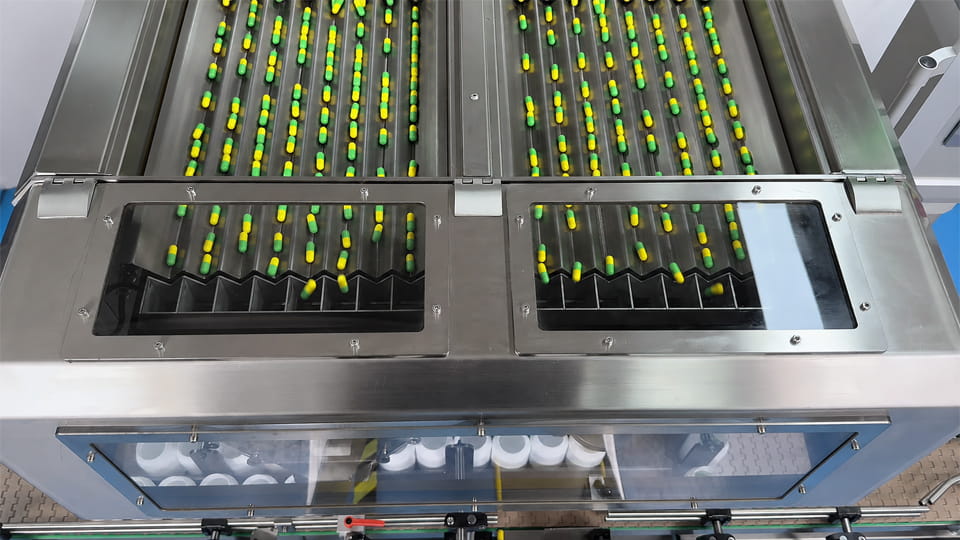
URS ทางเภสัชกรรมควรรวมอะไรบ้าง?
โดยทั่วไป URS ทางเภสัชกรรมจะครอบคลุมพื้นที่เหล่านี้:
- วัตถุประสงค์การใช้งาน & ขอบเขต: อธิบายขั้นตอนกระบวนการ (การกรอก, การปิดผนึก, การติดฉลาก, ฯลฯ), รูปแบบผลิตภัณฑ์และบรรจุภัณฑ์, และอุปกรณ์เข้ากับกระบวนการโดยรวมอย่างไร. นี่เป็นการกำหนดบริบทสำหรับทุกสิ่งทุกอย่าง.
- ความจุและปริมาณงาน: กำหนดเอาต์พุตเป้าหมาย (หน่วย/ชั่วโมง หรือขนาดแบทช์). ตัวอย่างเช่น: "หีบห่อ 50,000 บรรจุภัณฑ์แบบหน่วยขนาดต่อกะงาน 8 ชั่วโมง” รวมเงื่อนไขการเริ่มต้น/ปิดหรือช่วงการปิดระบบ.
- รายละเอียดสินค้าและบรรจุภัณฑ์: ระบุคุณลักษณะของผลิตภัณฑ์ (ขนาดแท็บเล็ต, น้ำหนัก, ความไวต่อความชื้น) และรูปแบบบรรจุภัณฑ์ (ประเภทขวด, ขนาดบัตรตุ่ม, ขนาดกล่อง). หากใช้ผลิตภัณฑ์หลายขนาดหรือหลายขนาด, รายการแต่ละรายการ.
- วัสดุก่อสร้าง: รายการวัสดุและมาตรฐานที่จำเป็น. ในด้านเภสัชกรรม, สแตนเลส (304/316ล) และโพลีเมอร์เกรด FDA เป็นเรื่องปกติสำหรับชิ้นส่วนที่สัมผัส. รวมข้อกำหนดการตกแต่งพื้นผิว (E.G. รา ≤0.8 ไมโครเมตร) และวัสดุบุผิวหรือสารเคลือบใดๆ.
- คุณสมบัติ GMP และการออกแบบ: รวมเกณฑ์การออกแบบด้านสุขอนามัย (E.G. ไม่มีขาหรือรอยแยกที่ตายแล้ว, ความสามารถในการระบายน้ำ). อ้างอิงมาตรฐานหรือแนวทางที่เกี่ยวข้อง (ภาคผนวก GMP ของสหภาพยุโรป 11, ไอเอสโอ, มาตรฐาน ASTM). สำหรับระบบคอมพิวเตอร์, บันทึกความต้องการความสมบูรณ์ถูกต้องของข้อมูล (เส้นทางการตรวจสอบ, ลายเซ็นอิเล็กทรอนิกส์ต่อ 21CFR11).
- สาธารณูปโภคและสิ่งแวดล้อม: รายละเอียดสาธารณูปโภคที่จำเป็น (พลัง: แรงดันไฟฟ้า/เฟส, ความดันอากาศอัด/การไหล, น้ำหล่อเย็น, ว่างเปล่า, ฯลฯ) และสภาพแวดล้อม (คลาสคลีนรูม, ช่วงอุณหภูมิ/ความชื้น).
- การควบคุมและข้อมูล: อธิบายความต้องการระบบอัตโนมัติ: แพลตฟอร์ม PLC/HMI, ภาษา, การจัดการสูตร, สัญญาณเตือน, และการเชื่อมต่อ (อีเธอร์เน็ต/SCADA/MES). ระบุข้อกำหนดในการจัดเก็บข้อมูลหรือการรายงาน (บันทึกแบทช์, การติดตาม OEE).
- ข้อกำหนดด้านความปลอดภัย: แสดงรายการคุณลักษณะด้านความปลอดภัย (E.G. ม่านแสง, หยุดฉุกเฉิน, ยามที่เชื่อมต่อกัน) และมาตรฐานความปลอดภัยที่เกี่ยวข้อง (CE, อล). รวมถึงข้อกำหนดด้านความปลอดภัยตามหลักสรีรศาสตร์หรือด้านความปลอดภัยของผู้ปฏิบัติงาน (การล็อก/แท็กเอาต์, โซน LOTO).
- เอกสารและบริการ: ต้องมีการจัดส่งคู่มือการใช้งาน, ภาพวาดที่สร้างขึ้น, บันทึกการสอบเทียบ, ใบรับรองวัสดุ, การสำรองข้อมูลซอฟต์แวร์, และการฝึกอบรมสำหรับผู้ปฏิบัติงาน/บุคลากรซ่อมบำรุง.
- การทดสอบและการรับรอง: ระบุไขมัน (การทดสอบการยอมรับจากโรงงาน) หลักเกณฑ์และขอบเขตของ IR/WH/PQ. ตัวอย่างเช่น: “ซัพพลายเออร์จะต้องดำเนินการ FAT ที่ไซต์ของตนเพื่อแสดงให้เห็นถึงการปฏิบัติตามจุด URS ทั้งหมด และจัดทำรายงาน FAT”
ข้อกำหนด URS สำหรับอุปกรณ์บรรจุภัณฑ์ยา
เครื่องจักรบรรจุภัณฑ์ มีข้อควรพิจารณาพิเศษบางประการเกี่ยวกับ URS. นอกเหนือจากรายการทั่วไปข้างต้นแล้ว, รวม:
- ความเร็วการบรรจุ: ระบุอัตราเป้าหมาย (E.G. 200 ขวด/นาที, 50 กล่อง/นาที, 80 แผลพุพอง/นาที). หากมีการรวมเครื่องจักร/สายการผลิตหลายเครื่องเข้าด้วยกัน, ชี้แจงปริมาณงานสำหรับแต่ละรายการ.
- กลุ่มผลิตภัณฑ์: แสดงรายการผลิตภัณฑ์ย่อยทั้งหมดที่ต้องจัดการ (แท็บเล็ตเทียบกับ. แคปซูล, เส้นผ่านศูนย์กลางขวดที่แตกต่างกัน, สไตล์หมวก, ฯลฯ). หากบรรทัดรองรับหลายรูปแบบ, รวมที่จำเป็น ครั้งการเปลี่ยนแปลง และส่วนรูปแบบใดๆ ที่จำเป็น.
- รูปแบบแพ็คเกจ: สำหรับแผลพุพอง, ระบุขนาดการ์ด, เค้าโครงช่อง, ประเภทฟอยล์ (ความหนาของพีวีซี/PVDC, อลู/พีวีดีซี). สำหรับขวด, ระบุประเภทคอนเทนเนอร์และปริมาณการเติม. สำหรับกล่อง, ระบุขนาดและประเภทการปิด. รายละเอียดเหล่านี้ช่วยให้แน่ใจว่าเครื่องได้รับการกำหนดค่าอย่างถูกต้อง.
- การจัดการวัสดุ: รายละเอียดตัวป้อนใด ๆ, ตัวคั่น, หรือตะแกรงที่จำเป็นสำหรับปริมาณของแข็ง. สำหรับผง/ของเหลว, ระบุความคลาดเคลื่อนในการจ่ายยาและความต้องการของถังเก็บ.
- วัสดุ: เช่นเคย, ชิ้นส่วนที่สัมผัสกับผลิตภัณฑ์ทั้งหมดควรเหมาะสำหรับยา (E.G. SS316L). หากเกี่ยวข้องกับผลิตภัณฑ์ที่มีฤทธิ์กัดกร่อนหรือเป็นกรด, สังเกตการเคลือบหรือวัสดุพิเศษใดๆ.
- การทำความสะอาด & การเปลี่ยนแปลง: หากคาดว่าจะมีการเปลี่ยนผลิตภัณฑ์บ่อยครั้ง, ต้องใช้ชิ้นส่วนแบบปลดเร็วหรือ CIP (การทำความสะอาดในสถานที่) คุณสมบัติ. สำหรับเส้นปลอดเชื้อ, ระบุการจำแนกประเภทห้องคลีนรูมและวิธีการฆ่าเชื้อ.
- การควบคุม: E.G. “สายดังกล่าวจะใช้ Allen-Bradley PLC พร้อมอินเทอร์เฟซ SCADA, รองรับการควบคุมสูตร” ระบุการซีเรียลไลซ์ฉลากหรือการเชื่อมต่อกับอุปกรณ์ต้นน้ำ/ปลายน้ำ.
- การรวมเข้าด้วยกัน: หากเป็นส่วนหนึ่งของเส้นที่ใหญ่กว่า, ต้องการความเข้ากันได้ (E.G. สายพานลำเลียง, การติดตามแบทช์, เครื่องสแกนบาร์โค้ด). บันทึกอินเทอร์เฟซใดๆ (ไฟฟ้า, เครื่องกล, การสื่อสาร) จำเป็น.
- สาธารณูปโภค: สายการบรรจุ มักต้องการอากาศอัด (E.G. 5 บาร์ที่ X NL/นาที) และอาจใช้สุญญากาศหรือไนโตรเจน. ให้ข้อกำหนดขั้นต่ำ.
- ความปลอดภัย: มีโอเปอเรเตอร์หลายรายอยู่รอบๆ, รวมถึงม่านแสงหรือการควบคุมด้วยสองมือที่สถานีขนถ่าย/คัดแยก. URS ควรสะท้อนถึงกฎความปลอดภัยของเว็บไซต์ของคุณ (E.G. การปฏิบัติตามมาตรฐาน CE).
ตัวอย่างเช่น, อาจมีเครื่องตุ่ม URS รวมอยู่ด้วย: “ความสามารถในการซีลความร้อนสูงถึง 200°C, รองรับฟิล์ม PVC/PVDC หนา 300µm, เครื่องป้อนตุ่มในตัวและสายพานลำเลียงแบบตัดแต่ง, 4-ติดตามรูปแบบตุ่มด้วยการเปลี่ยนแปลง <15 นาที, ชิ้นส่วนสัมผัสทั้งหมดใน SS316L, เอาท์พุต ≥80 แผล/นาทีที่ 100% ประสิทธิภาพ." ข้อมูลเฉพาะดังกล่าวช่วยให้ผู้ผลิตเครื่องจักรสามารถตอบสนองความต้องการของคุณได้.
URS เข้ากับกระบวนการรับรองได้อย่างไร?
URS เป็นจุดเริ่มต้นของวงจรการใช้งานคุณสมบัติอุปกรณ์. การไหลแบบง่ายคือ:

- URS → DQ: เมื่อ URS ได้รับการอนุมัติแล้ว, การออกแบบอุปกรณ์ (ภาพวาด, ข้อมูลจำเพาะ) ได้รับการตรวจสอบในคุณสมบัติการออกแบบเพื่อให้แน่ใจว่าเป็นไปตามข้อกำหนด URS ทั้งหมด. ในการทบทวนการออกแบบ, วิศวกรและ QA จะอธิบายผลการออกแบบโดยเปรียบเทียบกับแต่ละรายการของ URS.
- URS → FAT/SAT: การทดสอบการยอมรับของโรงงาน (อ้วน) ดำเนินการที่ไซต์ของผู้ขายเพื่อสาธิตว่าเครื่องมีคุณสมบัติตรงตาม URS ก่อนจัดส่ง. ภาคผนวก 15 ยังแนะนำให้ตรวจสอบการปฏิบัติตาม URS ที่ไซต์ของผู้ขายหากสมเหตุสมผล. หลังการติดตั้ง, การทดสอบการยอมรับไซต์ (นั่ง) ยืนยันว่าทุกอย่างยังคงใช้งานได้ (บางครั้งขั้นตอน FAT และ SAT ทับซ้อนกัน).
- URS → ไอคิว: คุณสมบัติการติดตั้งจะตรวจสอบว่าอุปกรณ์ที่ติดตั้งตรงกับข้อกำหนด URS. ตัวอย่างเช่น, คำแนะนำของ FDA ระบุว่า IQ ควรตรวจสอบว่า “ทุกด้านของสถานประกอบการ, คุณประโยชน์, หรืออุปกรณ์ที่อาจส่งผลต่อคุณภาพของผลิตภัณฑ์... ปฏิบัติตามข้อกำหนดเฉพาะที่ได้รับอนุมัติตามที่กำหนดไว้ใน URS (เช่น, วัสดุก่อสร้าง)-. ในทางปฏิบัติหมายถึงการตรวจสอบท่อ, ไฟฟ้า, และรายละเอียดโครงสร้างเทียบกับ URS.
- URS → OQ/PQ: การทดสอบคุณสมบัติการปฏิบัติงานว่าเครื่อง ดำเนินการตามที่ตั้งใจไว้. FDA บันทึก OQ ตรวจสอบอุปกรณ์ “ทำงาน[S] ตามที่ตั้งใจไว้ตลอดช่วงการทำงานที่คาดการณ์ไว้”. การรับรองประสิทธิภาพจะแสดงผลลัพธ์ที่สอดคล้องกันตามเกณฑ์ที่กำหนดโดย URS. กล่าวอีกนัยหนึ่ง, ภายใต้ OQ/PQ คุณใช้งานเครื่องจักรด้วยวัสดุจริงและยืนยันหน่วยเมตริก (ความเร็ว, ผลผลิต, อัตราข้อบกพร่อง, ฯลฯ) ตาม URS.
ในแต่ละขั้นตอน, โปรโตคอลการทดสอบจะย้อนกลับไปตามข้อกำหนด URS. หาก URS ระบุว่า “จ่ายยา 100 ml ±2%” จากนั้นการทดสอบ OQ จะวัดปริมาตรที่จ่ายเพื่อให้เป็นไปตามนั้น. URS เปลี่ยนเป้าหมายที่คลุมเครือเป็นการทดสอบตามวัตถุประสงค์.
URS เทียบกับข้อมูลจำเพาะด้านการใช้งานเทียบกับข้อกำหนดการออกแบบ
สิ่งสำคัญคือต้องทราบว่าเอกสารเหล่านี้แตกต่างกันอย่างไร:
| เอกสาร |
กำหนด (ขอบเขต) |
ผู้เขียน |
| ข้อกำหนดความต้องการของผู้ใช้ (สสส) |
สิ่งที่ผู้ใช้ต้องการให้ระบบทำ (ความต้องการด้านการทำงานและกฎระเบียบ). |
บริษัทยา (เจ้าของ) |
| ข้อกำหนดด้านการทำงาน (เอฟเอส) |
ระบบจะเป็นไปตาม URS อย่างไร (ฟังก์ชั่น, โมดูลซอฟต์แวร์, คุณสมบัติ). |
วิศวกรรม/ผู้ขาย |
| ข้อกำหนดการออกแบบ (DS) |
วิธีแก้ปัญหาโดยละเอียด (ภาพวาด, บอม, รหัส, การกำหนดค่า). |
วิศวกรรม/ผู้ขาย |
- ที่ สสส คำตอบ อะไร คำถาม: “การแสดงอะไร, ความปลอดภัย, และจำเป็นต้องมีคุณสมบัติการปฏิบัติตามข้อกำหนด?” มันปล่อยให้วิธีการแก้ปัญหาเปิดอยู่.
- ที่ ข้อมูลจำเพาะด้านการทำงาน แบ่ง URS ออกเป็นฟังก์ชันของระบบ (E.G. “ระบบควบคุมจะหยุดอัตโนมัติเมื่อมีการแจ้งเตือนและบันทึกรหัสข้อผิดพลาด”).
- ที่ ข้อมูลจำเพาะการออกแบบ ให้การออกแบบที่แท้จริง (แบบเขียนแบบ CAD, รหัสจำกัด(มหาชน), รายละเอียดผู้ขาย/ผู้ผลิต).
หลีกเลี่ยงการระบุมากเกินไปใน URS. ตัวอย่างเช่น, อย่ากำหนดยี่ห้อหรือประเภทมอเตอร์ของ PLC เฉพาะเจาะจง เว้นแต่จะจำเป็นจริงๆ. URS ควรมุ่งเน้นไปที่ความต้องการ, ไม่ใช่รายละเอียดการออกแบบ. ตามที่ผู้เชี่ยวชาญในอุตสาหกรรมระบุไว้, การรวมรายละเอียดทางเทคนิคที่มากเกินไปใน URS อาจจำกัดโซลูชันที่ยืดหยุ่นได้. รายละเอียดเหล่านั้นอยู่ในข้อกำหนดด้านฟังก์ชัน/การออกแบบแทน.
ใครเป็นผู้รับผิดชอบในการจัดเตรียม URS?
โดยทั่วไป, ที่ ผู้ใช้ยา (ผู้ซื้อ) รับผิดชอบ URS. ทีมงานข้ามสายงานมักจะร่างมัน:
- วิศวกรการผลิต/กระบวนการ: กำหนดวัตถุประสงค์การใช้งาน, ปริมาณงาน, และบูรณาการกระบวนการ.
- การประกันคุณภาพ/การตรวจสอบความถูกต้อง: ระบุข้อกำหนด GMP, ความต้องการความสมบูรณ์ถูกต้องของข้อมูล, และหลักเกณฑ์การกำกับดูแล.
- การบำรุงรักษา/วิศวกรรม: ระบุสาธารณูปโภค, อะไหล่, การเข้าถึงการบำรุงรักษา, และพื้นที่ติดตั้ง.
- กฎระเบียบ/ประกันคุณภาพ: ตรวจสอบภาคผนวกหรือแนวปฏิบัติ (ภาคผนวก 15, ภาคผนวก 1 สำหรับการฆ่าเชื้อ, ฯลฯ) ได้รับการแก้ไขแล้ว.
- การจัดซื้อจัดจ้าง: ประสานงานรูปแบบเอกสารและอาจชี้แจงประเด็นทางเทคนิค.
ผู้จำหน่ายอุปกรณ์อาจให้ข้อมูล (สิ่งที่เป็นไปได้, ประสิทธิภาพโดยทั่วไป, ฯลฯ), แต่ URS สุดท้ายต้องมาจากผู้ใช้. เกี่ยวข้องกับผู้มีส่วนได้เสียทั้งหมดตั้งแต่เนิ่นๆ (การผลิต, ประกันคุณภาพ, วิศวกรรม, การตรวจสอบ) เป็นแนวทางปฏิบัติที่ดีที่สุด. ตัวอย่างเช่น, QA อาจเป็นไปตามข้อกำหนดด้านสุขอนามัย, และกระบวนการอาจระบุขนาดฟีด. URS ควรบูรณาการมุมมองเหล่านี้เพื่อให้สะท้อนความต้องการของคุณอย่างแท้จริง.
วิธีเขียน URS ทางเภสัชกรรมที่ดี
ทำตามขั้นตอนเหล่านี้เพื่อสร้างความชัดเจน, URS ที่ทดสอบได้:
- กำหนดวัตถุประสงค์การใช้งาน: เริ่มต้นด้วยคำอธิบายและวัตถุประสงค์ของระบบโดยย่อ (E.G. “URS สำหรับเครื่องบรรจุของเหลวในกลุ่มผลิตภัณฑ์ ABC”). นี่จะเป็นการวางเวที.
- แสดงรายการกฎข้อบังคับ/มาตรฐานที่ใช้บังคับ: รวมคำแนะนำที่เกี่ยวข้อง (ภาคผนวก GMP ของสหภาพยุโรป 15/11, 21 ส่วนซีเอฟอาร์ 11, กีฬา 5, ฯลฯ) จึงไม่พลาดความต้องการด้านการปฏิบัติตามข้อกำหนด.
- มีความเฉพาะเจาะจงและสามารถวัดผลได้: ข้อกำหนดของรัฐที่มีค่าหรือการทดสอบที่แน่นอน. แทนที่จะเป็น “ความเร็วสูง”, ระบุ “ขั้นต่ำ 500 ขวด/ชม.ที่ 80% เติม". ข้อกำหนดแต่ละข้อควรตรวจสอบได้อย่างเป็นกลาง.
- รายละเอียดความต้องการผลิตภัณฑ์และกระบวนการ: อธิบายตัวเลือกสินค้า, คุณสมบัติของวัสดุ, สภาพแวดล้อม. ตัวอย่างเช่น: “เส้นผ่านศูนย์กลางแท็บเล็ต 6–10 มม; ทำงานในอุณหภูมิ 20–25°C, 40–60% RH”
- ระบุวัสดุและเกณฑ์การออกแบบ: กำหนดวัสดุสัมผัสให้ชัดเจน (E.G. SS316L), เสร็จสิ้น (รา), ชั้นเรียนความสะอาด, ฯลฯ. ซึ่งช่วยให้การตรวจสอบ IQ ยืนยันข้อกำหนด "ตามที่สร้างขึ้น" ได้.
- รวมข้อกำหนดด้านสาธารณูปโภคและพื้นที่: แหล่งจ่ายไฟเอกสาร, ความดันอากาศ/การไหล, คุณภาพน้ำ, น้ำหนัก, และข้อกำหนดพิเศษของรากฐานหรือห้อง.
- อธิบายการควบคุมและการจัดการข้อมูล: ระบุการตั้งค่าระบบควบคุม (ยี่ห้อ บมจ, ภาษา HMI), นับสูตร, การบันทึกสัญญาณเตือนภัย/เหตุการณ์ (เส้นทางการตรวจสอบสำหรับ CFR 21Part 11), ฯลฯ. หากสายต้องบูรณาการกับ MES, สังเกตมัน.
- โครงร่างคุณลักษณะด้านความปลอดภัย: รายการอินเทอร์ล็อคนิรภัยที่จำเป็น, เฝ้า, หยุดฉุกเฉิน, และการปฏิบัติตามมาตรฐานความปลอดภัย (CE, อล). อย่ามองข้ามความปลอดภัยของผู้ปฏิบัติงาน (E.G. แสงสว่าง, บันได, การล็อก/แท็กเอาต์).
- แผนสำหรับ FAT/SAT: ระบุว่าเครื่องจะผ่าน FAT และ SAT, และเกณฑ์การยอมรับใดจะถูกทดสอบ (E.G. “คะแนน URS ทั้งหมดจะรวมอยู่ในโปรโตคอล FAT พร้อมผลลัพธ์ที่วัดได้”).
- ทบทวนและแก้ไข: ตรวจสอบให้แน่ใจว่าข้อกำหนดทั้งหมดมีความชัดเจน, ไม่คลุมเครือ, และติดตามได้. กำหนดรหัสเฉพาะหากมีประโยชน์สำหรับการติดตาม. เกี่ยวข้องกับ QA/การตรวจสอบความถูกต้องเพื่อตรวจสอบว่าไม่มีอะไรสำคัญขาดหายไป.
แนวทางปฏิบัติที่ดีที่สุดที่สำคัญ: ดึงดูดผู้ใช้จากทุกกลุ่ม, ใช้ภาษาที่เรียบง่าย, และหลีกเลี่ยงเงื่อนไขที่คลุมเครือ. URS ที่ดีจะใช้รายการสัญลักษณ์แสดงหัวข้อย่อยหรือตาราง, และแต่ละรายการมีเกณฑ์ในการทดสอบ. ดังที่แหล่งอุตสาหกรรมแห่งหนึ่งกล่าวไว้: ข้อกำหนดแต่ละข้อควร "เฉพาะเจาะจงและทดสอบได้". ทางนี้, คุณสามารถเชื่อมโยงแต่ละขั้นตอน FAT/IQ/OQ กลับไปยังรายการ URS ได้โดยตรง.
ข้อผิดพลาดทั่วไปเมื่อเขียน URS
- คลุมเครือเกินไป: ข้อกำหนดเช่น "ใช้งานง่าย" หรือ "ความเร็วสูง" โดยไม่มีตัวเลขนั้นไม่สามารถทดสอบได้. ระบุปริมาณหรือระบุเกณฑ์การยอมรับเสมอ.
- ภาษาที่เน้นการออกแบบ: การเขียน “PLC ต้องเป็น Siemens” หรือ “ใช้มอเตอร์สามตัว” ถือเป็นการก้าวข้าม URS. ให้ความสำคัญกับความต้องการ (อะไร, ไม่ใช่วิธีการ).
- ไม่มีวิธีการยืนยัน: หากคุณไม่สามารถพูดวิธีทดสอบได้, มันต้องการคำชี้แจง. ตัวอย่างเช่น, “ต้องปิดผนึกอย่างถูกต้อง” ควรมีข้อกำหนดการทดสอบการรั่วด้วย.
- มองข้ามความสมบูรณ์ของ GMP/ข้อมูล: ลืมพูดถึงการเตือนภัย, การสำรองข้อมูล, หรือส่วนหนึ่ง 11 การปฏิบัติตามกฎระเบียบอาจทำให้เกิดปัญหาการตรวจสอบได้.
- ละเลยยูทิลิตี้/สิ่งแวดล้อม: การละเว้นทั่วไปคือความกดอากาศ, ขั้นตอนพลังงาน, ชั้นเรียนห้อง, หรือแม้กระทั่งน้ำหนักรวม (โหลดพื้น).
- ข้ามการทำความสะอาด/เปลี่ยนเครื่อง: ในด้านเภสัชกรรม, CIP และการเปลี่ยนแปลงอย่างรวดเร็วมักมีความสำคัญ. การละเว้นอาจนำไปสู่การออกแบบใหม่ในภายหลัง.
- ไม่เกี่ยวข้องกับผู้มีส่วนได้เสียทั้งหมด: หากไม่มีการควบคุมคุณภาพหรือการผลิต, ความต้องการ (E.G. ความสามารถในการทำความสะอาด, ความต้องการของผู้ปฏิบัติงาน) อาจจะพลาด.
- ความคาดหวังที่ไม่สมจริง: ปริมาณงานที่เกินคาดหรือการประเมินอุณหภูมิต่ำเกินไปอาจส่งผลย้อนกลับได้. หมายเลขฐานจากข้อมูลกระบวนการจริง.
- ไม่มีการควบคุมเวอร์ชัน: การปฏิบัติต่อ URS เป็นแบบร่างที่แก้ไขได้อาจทำให้ทีมสับสนได้. เมื่อได้ข้อสรุปแล้ว, ควรเป็นเอกสารควบคุม.
URS ที่กว้างเกินไปหรือมีรายละเอียดมากเกินไปอาจทำให้เกิดปัญหาได้. ตั้งเป้าให้ชัดเจน, ความต้องการของผู้ใช้ที่ชัดเจน.
ตัวอย่าง URS ของเครื่องบรรจุภัณฑ์ยา
ด้านล่างนี้คือตัวอย่างแบบง่ายของรายการ URS สำหรับ a เครื่องบรรจุหีบห่อ. (มูลค่าที่แท้จริงจะมาจากผลิตภัณฑ์และเป้าหมายเฉพาะของคุณ)
| ความต้องการ |
ตัวอย่าง (เครื่องบรรจุตุ่ม) |
| ประเภทเครื่องจักร |
เครื่องบรรจุตุ่มแบบหมุนอัตโนมัติ |
| สินค้า |
แท็บเล็ต (6–10 มม. เส้นผ่านศูนย์กลาง) และแคปซูล (8–12 มม. เส้นผ่านศูนย์กลาง) |
| วัสดุตุ่ม |
ฟิล์มพีวีซี/PVDC 300 μm, หรือฟอยล์ Alu/PVdC 20/30 μm |
| จำนวนแทร็ก |
4-เครื่องติดตาม (สำหรับรอบตุ่ม) |
| ความเร็วเอาต์พุต |
≥ 80 เต็มไปด้วยแผลพุพองต่อนาที |
| การปิดผนึก |
ซีลความร้อนด้วยเครื่องมือบน/ล่าง; อุณหภูมิการซีล 170–200°C; แรงซีล 3kN |
| การเปลี่ยนแปลง |
การเปลี่ยนแปลงรูปแบบใน < 30 นาทีระหว่างผลิตภัณฑ์ |
| การก่อสร้าง |
สแตนเลส SS316L สำหรับชิ้นส่วนที่สัมผัสกับผลิตภัณฑ์, รา ≤ 0.8 μm |
| ระบบควบคุม |
อัลเลน-แบรดลีย์ บมจ. จำนวน 10 คน″ HMI; จัดเก็บสูตรได้นานถึง 20 รูปแบบ |
| สาธารณูปโภค |
400 VAC, 5 บาร์อัดอากาศ (100 NL/นาที), 50 กำลังไฟฟ้าเฮิรตซ์ |
| ความปลอดภัย |
การ์ดและ E-stop ที่ได้มาตรฐาน CE; ประตูทางเข้าที่เชื่อมต่อกัน |
| เอกสาร |
คู่มือการใช้งาน, แผนภาพการเดินสายไฟ, โปรโตคอล FAT/IQ/OQ, เอกสารการสอบเทียบ |
| การสนับสนุนคุณสมบัติ |
FAT ที่ไซต์ของผู้ขายครอบคลุมจุด URS ทั้งหมด; ซัพพลายเออร์จัดเตรียมเอกสาร IQ/OQ/PQ |
บันทึก: นี่เป็นตัวอย่างที่ชัดเจน. URS จริงของคุณจะรวมค่าที่เกี่ยวข้องกับขนาดผลิตภัณฑ์ของคุณ, เกรดคลีนรูม, ข้อกำหนดด้านกฎระเบียบ, และแผนการตรวจสอบ.
 เครื่องบรรจุภัณฑ์พุพองเหลว DPP-270Pro
รายการตรวจสอบ URS สำหรับการจัดหาอุปกรณ์
ก่อนที่จะสรุป URS, ให้แน่ใจว่าคุณได้ครอบคลุม:
- วัตถุประสงค์การใช้งาน / ขั้นตอนกระบวนการ
- ประเภทสินค้าและรูปแบบบรรจุภัณฑ์
- กำลังการผลิตและช่วงการดำเนินงาน
- วัสดุก่อสร้างและการตกแต่งพื้นผิว
- คุณสมบัติการออกแบบ GMP/ถูกสุขลักษณะ
- ข้อกำหนดด้านการทำความสะอาดและ CIP
- สาธารณูปโภคและสภาพแวดล้อม
- การควบคุมและความสมบูรณ์ของข้อมูล (HMI, สกาด้า, ชิ้นส่วน CFR21 11)
- ข้อกำหนดด้านความปลอดภัยและการเฝ้าระวัง
- เอกสาร (คู่มือ, ภาพวาด, ใบรับรอง)
- FAT/SAT และการส่งมอบวุฒิการศึกษา
- การซ่อมบำรุง, อะไหล่, และความต้องการการฝึกอบรม
- การอ้างอิงด้านกฎระเบียบ (E.G. ภาคผนวก 15, ภาคผนวก 1)
รายการตรวจสอบที่สมบูรณ์จะช่วยตรวจจับชิ้นส่วนที่ขาดหายไปก่อนที่ซัพพลายเออร์จะเข้าร่วมประมูลโครงการ.
บทสรุป
ก ข้อกำหนดความต้องการของผู้ใช้ (สสส) เป็นจุดเริ่มต้นสำหรับโครงการอุปกรณ์ยาใดๆ. โดยจะกำหนดความต้องการของผู้ใช้และกลายเป็นรากฐานสำหรับการออกแบบและตรวจสอบอุปกรณ์ที่เป็นไปตามข้อกำหนด. โดยการสะกดคำออกมา อะไร อุปกรณ์ต้องทำ-ชัดเจน, เกณฑ์ที่วัดได้ – URS เป็นแนวทางในการจัดซื้อจัดจ้าง, ข้อเสนอของซัพพลายเออร์, และการทดสอบคุณสมบัติ.
สำหรับสายการบรรจุยา, URS ที่แข็งแกร่งช่วยให้คุณมั่นใจได้ เครื่องบรรจุตุ่ม, เคาน์เตอร์แท็บเล็ต, กล่องกระดาษ, และเครื่องบรรจุขวดให้ผลผลิตที่ต้องการและตรงตามมาตรฐานการออกแบบ GMP. เมื่อการผลิตของคุณ, ประกันคุณภาพ, และทีมวิศวกรร่วมมือกันใน URS, คุณลดความเข้าใจผิดและกำหนดเส้นทางสู่ FAT อย่างราบรื่น, ไอคิว, โอคิว, และพีคิวเอ.
หากคุณกำลังเตรียม URS สำหรับเครื่องจักรบรรจุภัณฑ์หรือสายการผลิต, จดจำ: กำหนดสิ่งที่คุณต้องการ, ทำให้มันวัดผลได้, และเชื่อมโยงกับข้อกำหนด GMP. Jinlu Packing เชี่ยวชาญใน เครื่องจักรบรรจุภัณฑ์ยา – ตั้งแต่การบรรจุตุ่มและการบรรจุแคปซูลไปจนถึงการบรรจุหีบห่อและการบรรจุขวด. มี URS ที่ชัดเจนอยู่ในมือ, เราสามารถปรับข้อเสนออุปกรณ์และการสนับสนุนการตรวจสอบให้ตรงตามความต้องการของคุณได้.
ติดต่อ Jinlu บรรจุ สำหรับความช่วยเหลือจากผู้เชี่ยวชาญในการระบุและรับรองคุณสมบัติเครื่องบรรจุภัณฑ์ยาเครื่องต่อไปของคุณ. ทีมงานที่มีประสบการณ์ของเราสามารถช่วยแปล URS ของคุณให้เป็นไปตามข้อกำหนดได้, โซลูชั่นประสิทธิภาพสูง.
คำถามที่พบบ่อยเกี่ยวกับข้อกำหนดความต้องการของผู้ใช้ (สสส) ในฟาร์มา
ข้อกำหนดความต้องการของผู้ใช้คืออะไร (สสส) ในด้านเภสัชกรรม?
URS เป็นเอกสารลายลักษณ์อักษรที่ให้รายละเอียดความคาดหวังของผู้ใช้เกี่ยวกับเครื่องจักรหรือระบบก่อนที่จะออกแบบหรือซื้อ. มันแสดงรายการประสิทธิภาพ, ฟังก์ชั่น, และความต้องการด้านการปฏิบัติตามข้อกำหนดที่อุปกรณ์ต้องปฏิบัติตาม. กล่าวอีกนัยหนึ่ง, โดยจะแจ้งให้ซัพพลายเออร์ทราบอย่างชัดเจนถึงสิ่งที่กระบวนการต้องการ.
เหตุใด URS จึงมีความสำคัญในอุตสาหกรรมยา?
URS รับประกันว่าอุปกรณ์ได้รับการพัฒนาตามมาตรฐาน GMP, ความปลอดภัย, และข้อกำหนดด้านความสมบูรณ์ถูกต้องของข้อมูล. โดยจะให้ความชัดเจนในสิ่งที่จำเป็นเพื่อให้นักออกแบบสามารถสร้างความสอดคล้องได้, ระบบคุณภาพสูง. ไม่มี URS ที่ชัดเจน, อุปกรณ์อาจพลาดข้อกำหนดที่สำคัญ, นำไปสู่การปรับปรุงที่มีค่าใช้จ่ายสูงหรือการไม่ปฏิบัติตามกฎระเบียบ.
โดยทั่วไปแล้วใครเป็นผู้เขียน URS?
โดยปกติแล้วคนที่ดำเนินการตามกระบวนการ (ผู้เชี่ยวชาญด้านการผลิตหรือผลิตภัณฑ์) ร่าง URS, ด้วยข้อมูลจากวิศวกรรม, ประกันคุณภาพ, และทีมงานตรวจสอบ. เพื่อให้มั่นใจว่าครอบคลุมทุกมุมมอง. การตรวจสอบและการอนุมัติขั้นสุดท้ายควรเกี่ยวข้องกับ QA เพื่อยืนยันว่าเป็นไปตามข้อกำหนดด้านกฎระเบียบ.
เมื่อใดควรสร้าง URS?
ควรเตรียม URS ก่อนซื้อหรือสร้างอุปกรณ์ - ทันทีหลังจากตัดสินใจว่าจำเป็นต้องมีระบบใหม่, และก่อนการออกแบบโดยละเอียดหรือการคัดเลือกผู้จำหน่าย.
สิ่งที่ควรรวมอยู่ใน URS?
โดยทั่วไปส่วนสำคัญของ pharma URS จะครอบคลุมขอบเขตของโครงการ, ข้อกำหนดด้านการทำงาน (มันทำอะไร), ข้อกำหนดด้านประสิทธิภาพ (มันทำได้ดีแค่ไหน), ความต้องการการปฏิบัติตามกฎระเบียบ, ความสมบูรณ์ของข้อมูล, และเกณฑ์การยอมรับ. อาจรวมถึงหัวข้อเรื่องความปลอดภัยด้วย, การซ่อมบำรุง, เอกสารประกอบ, การฝึกอบรม, ฯลฯ.
อะไรคือความแตกต่างระหว่าง URS และ Spec ความต้องการด้านฟังก์ชัน (FRS)?
URS กำหนดสิ่งที่ผู้ใช้ต้องการ (ความต้องการทางธุรกิจ, ฟังก์ชั่นระดับสูง). ส.ส.ท (หรือสเปกการทำงาน) มาทีหลังและอธิบายว่าระบบจะดำเนินการอย่างไร. คิดว่า URS เป็น "เราต้องการเอาต์พุต X และความแม่นยำ Y", ในขณะที่ FRS จะให้รายละเอียดเกี่ยวกับโซลูชันทางเทคนิคหรือขั้นตอนการทำงานเพื่อให้บรรลุเป้าหมายดังกล่าว. โดยทั่วไป, อย่าทำซ้ำข้อกำหนดคุณสมบัติการทำงานใน URS.
URS เชื่อมโยงกับการตรวจสอบอย่างไร (IR/WH/PQ)?
URS เป็นพื้นฐานสำหรับการทดสอบการตรวจสอบความถูกต้องทั้งหมด. กิจกรรมการรับรองแต่ละรายการจะย้อนกลับไปตามข้อกำหนดใน URS. เช่น, หาก URS ต้องการ 10,000 ขวด/ชั่วโมง, PQ (คุณสมบัติการปฏิบัติงาน) จะทดสอบผลลัพธ์นั้น. ภาคผนวก 15 ระบุไว้อย่างชัดเจนว่าข้อกำหนด URS ควรได้รับการตรวจสอบระหว่าง DQ และใช้เป็นข้อมูลอ้างอิงตลอดทั้ง IQ/OQ/PQ.
ผู้ขายสามารถเขียน URS ให้เราได้หรือไม่?
ในขณะที่ผู้ขายสามารถชี้แจงได้ว่าพวกเขาจะปฏิบัติตามข้อกำหนดอย่างไร, URS ควรยังคงเป็นของผู้ใช้. โดยจะต้องสะท้อนถึงกระบวนการเฉพาะของคุณและลำดับความสำคัญของ GMP, ไม่ใช่แค่สิ่งที่ซัพพลายเออร์เคยสร้างมาก่อน. คุณอาจได้รับข้อมูลจากผู้จำหน่ายเกี่ยวกับความเป็นไปได้ทางเทคนิค, แต่ URS สุดท้ายควรได้รับการตรวจสอบโดยทีมของคุณ (การประกันคุณภาพ/การตรวจสอบความถูกต้อง) เพื่อหลีกเลี่ยงอคติ.
URS ถูกกำหนดโดยหน่วยงานกำกับดูแล?
ใช่. หลักเกณฑ์ GMP (ภาคผนวกของสหภาพยุโรป 15, อย 21 ซีเอฟอาร์, ฯลฯ) จำเป็นต้องมีเอกสารข้อกำหนดสำหรับอุปกรณ์. ภาคผนวก 15 เรียกร้องให้มี URS หรือข้อมูลจำเพาะที่คล้ายกันอย่างชัดเจนเมื่อเริ่มการรับรอง. ในทำนองเดียวกัน, ส่วนของอย 11 และ GAMP5 เน้นย้ำถึงข้อกำหนดที่มีเอกสารชัดเจน. ในระหว่างการตรวจสอบ, หน่วยงานกำกับดูแลคาดว่าจะเห็น URS หรือข้อมูลจำเพาะสำหรับเครื่องจักรที่สำคัญแต่ละเครื่อง.
จะเกิดอะไรขึ้นถ้าเราข้าม URS?
การข้ามหรือเขียน URS ที่ไม่ดีมักนำไปสู่ช่องว่างในการออกแบบและปัญหาการปฏิบัติตามกฎระเบียบ. คุณอาจพบเครื่องจักรที่ไม่ตรงตามความต้องการในการผลิตหรือขาดคุณสมบัติ GMP ที่สำคัญ. Pharmaguideline เตือนว่า URS ที่คลุมเครือทำให้เกิด “ค่าใช้จ่ายส่วนเกินที่เกี่ยวข้องกับการออกแบบใหม่และการรับรองอุปกรณ์เนื่องจากขาดความชัดเจน”. เริ่มต้นด้วย URS ที่ดีเสมอ ซึ่งเป็นเส้นทางที่มีประสิทธิภาพที่สุดในการปฏิบัติตามข้อกำหนด, ระบบออนสเปก.
อ้างอิง:
1. ภาคผนวก GMP ของสหภาพยุโรป 15 —— แก้ไขคุณสมบัติร่างและการตรวจสอบความถูกต้อง
2.คือ —— คู่มือพื้นฐานฉบับที่ 5: การว่าจ้าง & คุณสมบัติรุ่นที่ 2
3.ขีดเขียน —— ตัวอย่าง URS ของเครื่องบรรจุตุ่ม
4.คู่มือ ISPE Baseline®: การว่าจ้างและการรับรอง (ฉบับที่สอง)