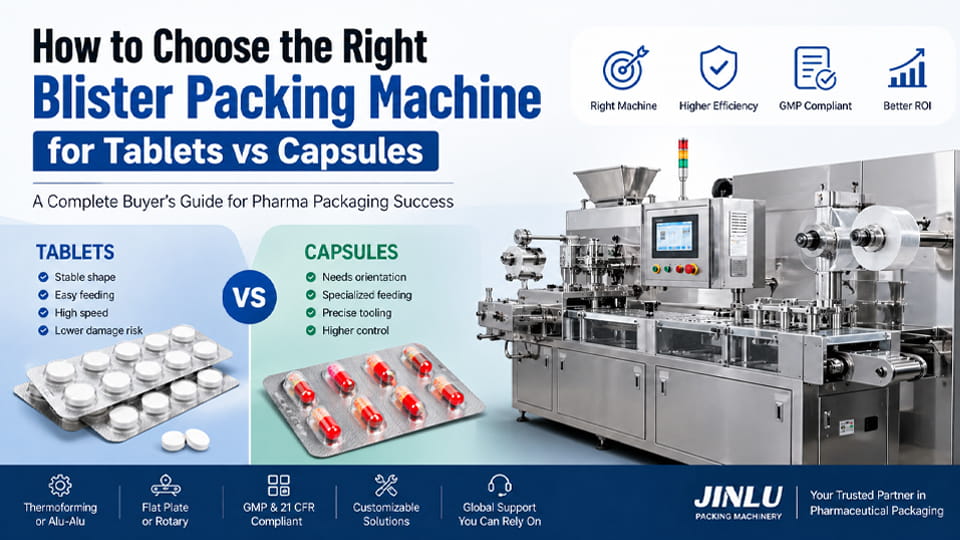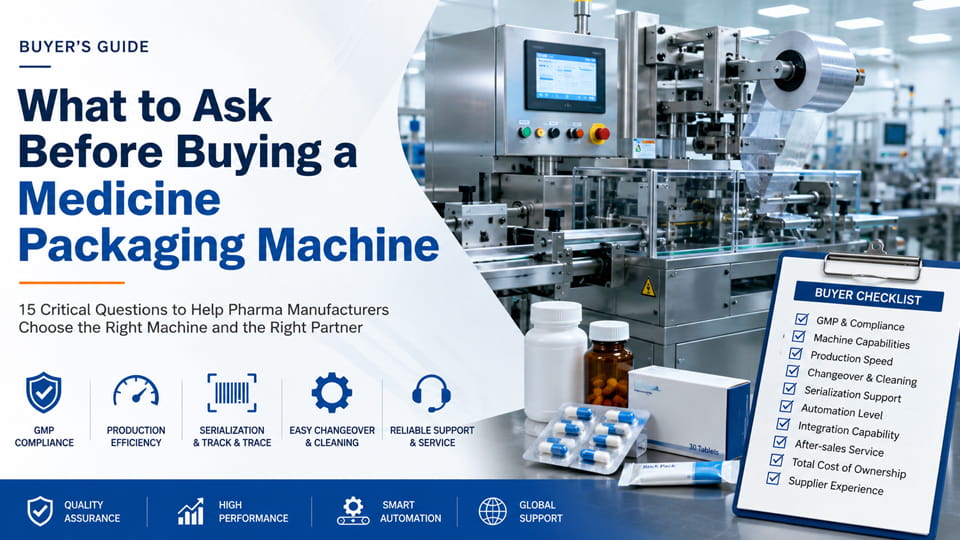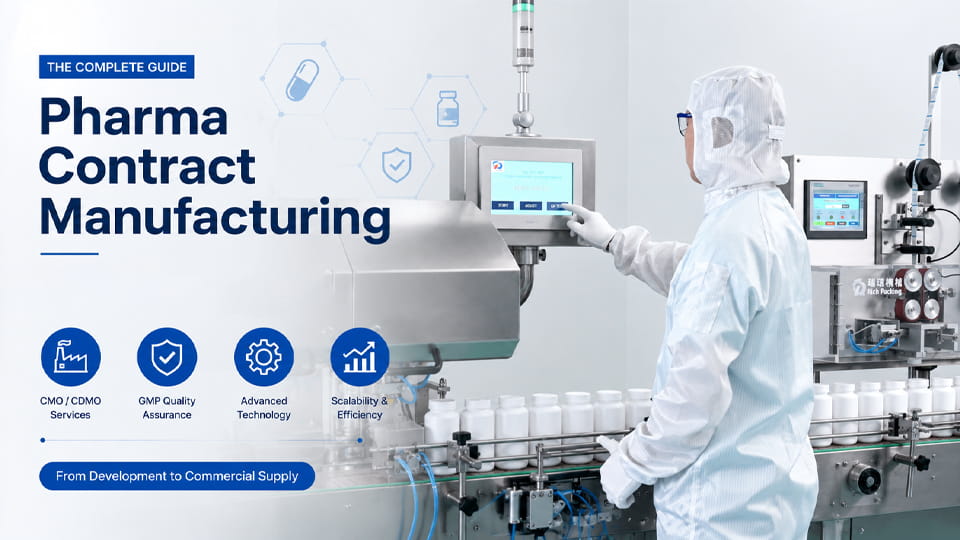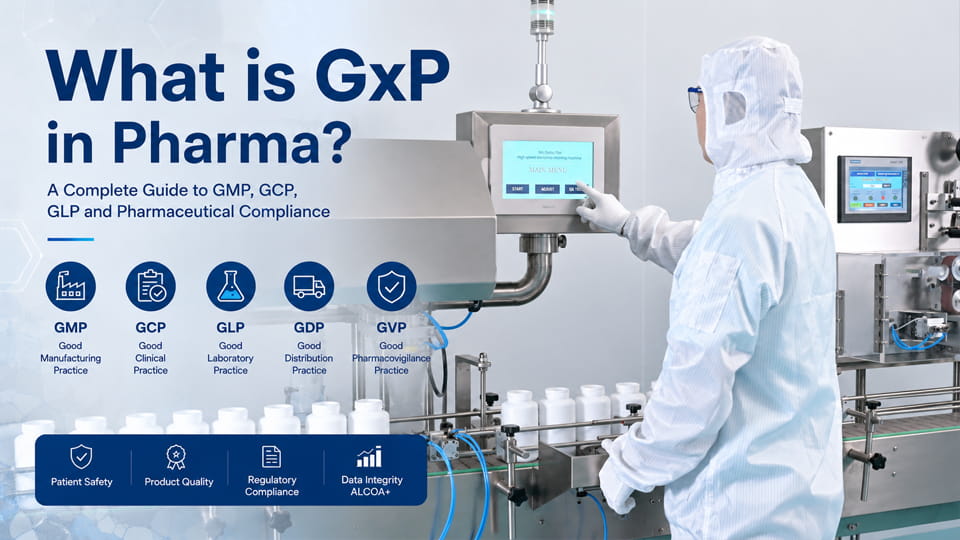

อุปกรณ์บรรจุภัณฑ์ยา ต้องเป็นไปตามมาตรฐานคุณภาพและความปลอดภัยที่เข้มงวด. ความล้มเหลวของซัพพลายเออร์อาจนำไปสู่ การเรียกคืนผลิตภัณฑ์ หรือการดำเนินการด้านกฎระเบียบ. คุณสมบัติซัพพลายเออร์ เป็นกระบวนการบริหารความเสี่ยงที่ให้ “ความมั่นใจว่าซัพพลายเออร์…สามารถจัดหาคุณภาพที่สม่ำเสมอตามข้อกำหนดด้านกฎระเบียบ”. ในความเป็นจริง, หลักเกณฑ์ EU GMP ระบุไว้อย่างชัดเจนว่าการเลือกและการรักษาซัพพลายเออร์วัสดุบรรจุภัณฑ์ต้องได้รับความเอาใจใส่ "คล้ายกับที่มอบให้กับวัสดุเริ่มต้น". ความรอบคอบไม่เพียงแต่การเปรียบเทียบต้นทุนเท่านั้น แต่ยังเป็นสิ่งสำคัญ. การตรวจสอบซัพพลายเออร์ล่วงหน้าทำให้มั่นใจได้ว่าเครื่องจักรตรงตามมาตรฐาน cGMP (เกรดวัสดุ, ความสะอาด, การสนับสนุนการตรวจสอบ) และผู้ขายสามารถสนับสนุนโครงการของคุณได้อย่างสม่ำเสมอ.
ปัจจัยสำคัญ ได้แก่ การปฏิบัติตามกฎระเบียบ (อย, GMP ของสหภาพยุโรป), การออกแบบและสร้างคุณภาพ (E.G. 316การผลิตสแตนเลส L), ระบบคุณภาพของซัพพลายเออร์ (ไอเอสโอ 9001/13485, กระบวนการ CAPA), เอกสารประกอบ (โปรโตคอลการตรวจสอบ), ความจุ, บริการ, และมูลค่าระยะยาว. คู่มือนี้จะแจกแจงรายละเอียดแต่ละขั้นตอน:
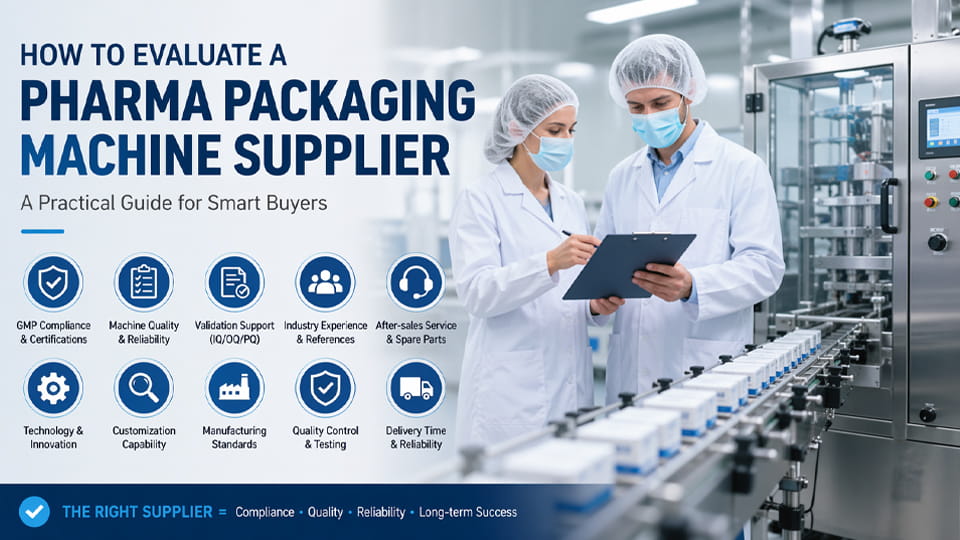
เพื่อเลือกความน่าเชื่อถือ ผู้จำหน่ายเครื่องบรรจุภัณฑ์ยา, ทำตามขั้นตอนเหล่านี้:
ร่างโครงร่างความต้องการกระบวนการของคุณอย่างชัดเจน (เอาท์พุท, ประเภทบรรจุภัณฑ์, รูปแบบ) และเกณฑ์คุณภาพ (สุขอนามัย GMP, ความเข้ากันได้ของห้องสะอาด). ระบุตัวเลือกพิเศษใดๆ (E.G. การออกแบบปลอดเชื้อ, การติดตั้งคลีนรูม, วัสดุเกรดยา). การมีข้อกำหนดที่ชัดเจนทำให้คุณสามารถเปรียบเทียบผู้ขายแบบแอปเปิลต่อแอปเปิลได้. พิจารณาขอบเขตของโครงการ: เต็มบรรทัดหรือแต่ละเครื่อง, กึ่งกับ. อัตโนมัติเต็มรูปแบบ, วัสดุพิเศษ (316ล สแตนเลส, พลาสติกที่ได้รับการรับรองจาก FDA), และข้อกำหนดด้านประสิทธิภาพใดๆ (ความเร็ว, ความแม่นยำ). เกี่ยวข้องกับ QA ของคุณ, ทีมวิศวกรรมและการผลิตจะตอบสนองทุกความต้องการล่วงหน้า. ซัพพลายเออร์มักจะถามถึงข้อกำหนดของผู้ใช้ในข้อเสนอของตน, ดังนั้นเอกสารข้อมูลจำเพาะที่เป็นลายลักษณ์อักษรหรือแพ็คเก็ตคำขอใบเสนอราคาจึงเป็นสิ่งจำเป็น.
การปฏิบัติตามกฎระเบียบไม่สามารถต่อรองได้. ตรวจสอบให้แน่ใจว่าอุปกรณ์และเอกสารของซัพพลายเออร์เป็นไปตาม cGMP (อย) หรือมาตรฐาน EU-GMP. ตัวอย่างเช่น, ระเบียบระบบคุณภาพของ FDA (21 ซีเอฟอาร์ 820) และไอเอสโอ 11607 (สำหรับบรรจุภัณฑ์ปลอดเชื้อ) กำหนดให้กระบวนการบรรจุภัณฑ์ได้รับการตรวจสอบภายใต้โปรโตคอล IQ/OQ/PQ. ขอใบรับรองความสอดคล้อง (เครื่องหมาย CE, อย 510(เค) หากเกี่ยวข้อง), และตรวจสอบว่ากระบวนการของซัพพลายเออร์สอดคล้องกับมาตรฐานเช่น ISO หรือไม่ 13485 หรือไอเอสโอ 9001. การรับรอง GMP ของซัพพลายเออร์หรือประวัติผลงานที่แข็งแกร่งในด้านเภสัชกรรมแสดงให้เห็นถึงความมุ่งมั่นในการปฏิบัติตามข้อกำหนด. ตรวจสอบว่าการออกแบบเครื่องจักรเป็นไปตามหลักการ GMP (E.G. ไม่มีช่องว่าง, พื้นผิวที่ทำความสะอาดง่าย, เสร็จสิ้นการสุขาภิบาล). ตามคำแนะนำของอุตสาหกรรม, เครื่องจักรเภสัชกรรม ควรใช้สแตนเลส 316L ที่มีการขัดเงาและการทู่ที่เหมาะสมเพื่อต้านทานการกัดกร่อนและทำความสะอาดได้ง่าย – ผู้ตรวจสอบรายละเอียดคาดหวัง. (หากซัพพลายเออร์ใช้วัสดุที่ถูกกว่า, นั่นเป็นธงสีแดง) ยืนยันการตรวจสอบย้อนกลับวัสดุและกระบวนการจัดทำเอกสารด้วย: ชิ้นส่วนและรอยเชื่อมทั้งหมดควรได้รับการจัดทำเป็นเอกสารตามคำแนะนำของ ASME BPE หรือ FDA.
ตรวจสอบโครงสร้างเครื่องจักรอย่างละเอียด. มีคุณภาพสูง อุปกรณ์บรรจุภัณฑ์ยา จะมีดีไซน์ที่ลงตัว, กรอบที่แข็งแกร่ง, เจ้าหน้าที่สุขาภิบาล, และส่วนประกอบแบบโมดูลาร์. มองหาคุณสมบัติเช่น: แอคทูเอเตอร์ที่ขับเคลื่อนด้วยเซอร์โว (เพื่อความแม่นยำ), ลูกโซ่ความปลอดภัยที่ผ่านการตรวจสอบแล้ว, และน้ำมันหล่อลื่นเกรดอาหาร/ยา (ได้รับการอนุมัติจาก NSF หรือ FDA). ตรวจสอบว่าส่วนสัมผัสมีคุณภาพสูง (316แอล สเตนเลส, ขัดด้วยไฟฟ้าหรือพาสซีฟ). ประเมินวิศวกรรมของพวกเขา: เป็นรอยเชื่อมที่เรียบเนียน? ตะเข็บและเซ็นเซอร์อยู่ในแนวเดียวกันหรือไม่? เปรียบเทียบเครื่องจักรของผู้จำหน่ายหลายรายเพื่อระบุข้อบกพร่องที่ชัดเจน (ส่วนประกอบหลวม, สายพานลำเลียงที่ไม่ตรงแนว, จุดสนิม). บริษัทหลายแห่งระบุคุณลักษณะ GMP ไว้ในโบรชัวร์; ตรวจสอบทางกายภาพหากเป็นไปได้. ในขั้นตอนนี้, การตรวจสอบโดยบุคคลที่สามหรือการดำเนินการโรงงานเป็นพยาน (วิดีโอสาธิต) สามารถช่วยประเมินคุณภาพงานสร้างได้.
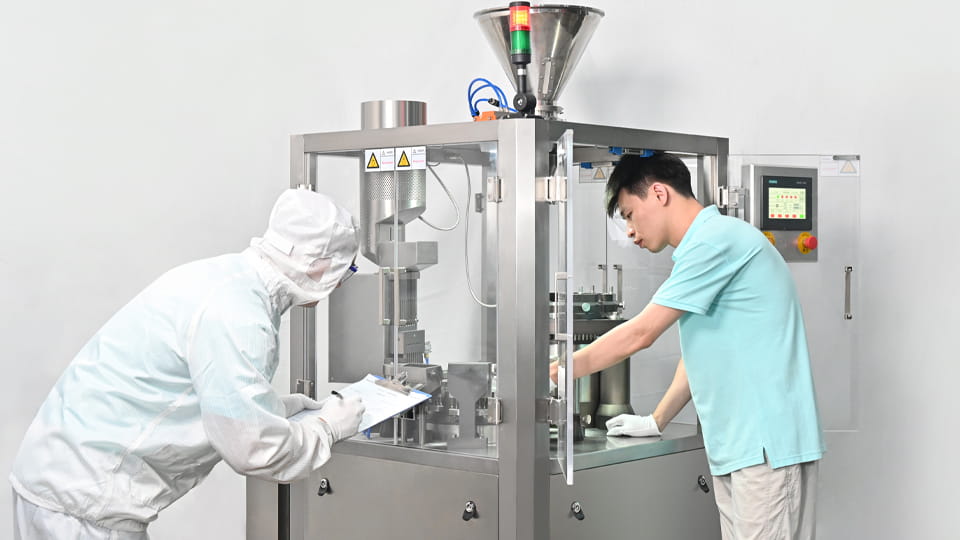
ภาพ: การตรวจสอบการควบคุมคุณภาพบนเครื่องจักรผลิตยา.
ซัพพลายเออร์ที่มีชื่อเสียงจะมีเอกสารระบบการจัดการคุณภาพ (ระบบบริหารคุณภาพ). ต้องการผู้ขายที่มี ISO 9001 การรับรอง; หากให้บริการทางการแพทย์/เภสัชกรรม, ไอเอสโอ 13485 เป็นโบนัส. สำหรับไอเอสโอ 13485:2016, ผู้ผลิตจะต้องคัดเลือกและประเมินซัพพลายเออร์อย่างรอบคอบเพื่อให้เป็นไปตามมาตรฐานด้านกฎระเบียบและคุณภาพที่เข้มงวด. ตรวจสอบว่าซัพพลายเออร์รักษา “รายชื่อซัพพลายเออร์ที่ผ่านการรับรอง” และดำเนินการตรวจสอบซัพพลายเออร์เป็นประจำหรือไม่. ขอดูคู่มือคุณภาพหรือโครงร่างขั้นตอน. ซัพพลายเออร์ควรมี CAPA ที่แข็งแกร่ง (การดำเนินการแก้ไขและป้องกัน) กระบวนการ. ตัวอย่างเช่น, หากผู้ขายบันทึกปัญหา, ตรวจสอบสาเหตุที่แท้จริงและดำเนินการแก้ไข, ที่บ่งบอกถึง QMS ที่เป็นผู้ใหญ่. ข้อแนะนำทางอุตสาหกรรมระบุว่าหากเกิดปัญหาด้านประสิทธิภาพ, ผู้ผลิต "คาดว่าจะดำเนินการแก้ไขที่เหมาะสม,” แม้จะถึงขั้นเปลี่ยนซัพพลายเออร์ก็ตาม. ถามซัพพลายเออร์ว่าพวกเขาจัดการกับความไม่สอดคล้องหรือความล้มเหลวในภาคสนามอย่างไร: พวกเขามีการควบคุมการเปลี่ยนแปลงภายในและการลงทะเบียน CAPA หรือไม่? กระบวนการที่บันทึกไว้สำหรับการควบคุมชิ้นส่วนอะไหล่และการตรวจสอบย้อนกลับก็มีความสำคัญเช่นกัน. หากซัพพลายเออร์ไม่มี QMS อย่างเป็นทางการหรือหลีกเลี่ยงคำถามด้านคุณภาพ, ถือว่าเป็นข้อกังวลร้ายแรง.
มองหาซัพพลายเออร์ที่มีประสบการณ์ด้านบรรจุภัณฑ์ยาที่ได้รับการพิสูจน์แล้ว. ถามว่าพวกเขาผลิตเครื่องจักรผลิตยามานานแค่ไหนและยกตัวอย่าง (โดยไม่ละเมิดการรักษาความลับ). กรณีศึกษาหรือรายชื่อลูกค้าสามารถเปิดเผยความเชี่ยวชาญได้ (ดูโลโก้ “ลูกค้าของเรา” ของบริษัทยาที่มีชื่อเสียง). ประเมินกลุ่มผลิตภัณฑ์ของตน: ผู้ผลิตที่เน้นเรื่องยา (พุพอง, ซอง, เส้นขวด) มีแนวโน้มที่จะเข้าใจความต้องการของคุณมากกว่าผู้จำหน่ายบรรจุภัณฑ์ทั่วไป. ขอข้อมูลอ้างอิงหรืออย่างน้อยคำรับรองจากลูกค้าล่าสุด, โดยเฉพาะในภูมิภาคหรืออุตสาหกรรมของคุณ. สอบถามโครงการที่ผ่านมา: พวกเขามีคุณสมบัติตรงตามข้อกำหนดหรือไม่? มีเอกสารยืนยันครบถ้วน? ปัญหาการงอกของฟันได้รับการแก้ไขได้เร็วแค่ไหน? ความเต็มใจของซัพพลายเออร์ที่จะแบ่งปันความสำเร็จ (และบทเรียนที่ได้รับ) แสดงให้เห็นถึงความโปร่งใส.
อุปกรณ์ยาใดๆ จะต้องจัดส่งพร้อมเอกสารประกอบที่ละเอียดสำหรับทีมตรวจสอบของคุณ. ยืนยันซัพพลายเออร์จัดให้ครบถ้วน โปรโตคอล IQ/OQ/PQ, คู่มือการใช้งาน, และใบรับรองการสอบเทียบ. คุณสมบัติการติดตั้ง (ไอคิว) ตรวจสอบให้แน่ใจว่าเครื่องถูกสร้างและติดตั้งตามข้อกำหนด; คุณสมบัติการปฏิบัติงาน (โอคิว) ทดสอบพารามิเตอร์การทำงาน; คุณสมบัติการปฏิบัติงาน (PQ) ตรวจสอบคุณภาพผลผลิต. ตามคำแนะนำของอย, “ไอคิว, โอคิว, โปรโตคอล PQ เป็นวิธีการในการแสดงให้เห็นว่าอุปกรณ์...จะให้การประกันคุณภาพในระดับสูง”. ตรวจสอบให้แน่ใจว่าผู้จัดจำหน่ายจะสนับสนุนขั้นตอนเหล่านี้. มีเทมเพลตสำหรับ IQ/OQ/PQ หรือไม่? พวกเขาจะได้เห็นการทดสอบการเดินเครื่องหรือไม่? ซัพพลายเออร์ที่ดีมักจะช่วยเหลือในการร่างระเบียบการหรือแม้กระทั่งทำการทดสอบนอกสถานที่. ตรวจสอบเอกสารเช่น BOM ด้วย (รายการวัสดุ), แผนภาพการเดินสายไฟ, และใบรับรองวัสดุ (สำหรับสแตนเลส, ไดรฟ์, ฯลฯ) มีให้. เอกสารทั้งหมดควรสามารถตรวจสอบย้อนกลับได้ – หากจะให้ดีควรอยู่ในรูปแบบดิจิทัล – และอัปเดตอยู่เสมอ (โดยเฉพาะอย่างยิ่งหากมีการแก้ไขการออกแบบระหว่างการผลิต). โดยไม่มีเอกสารที่เป็นของแข็ง, ทีมตรวจสอบของคุณไม่สามารถอนุมัติเครื่องอย่างเป็นทางการได้.
ความจุมีความสำคัญ. สอบถามเกี่ยวกับความสามารถในการผลิตของซัพพลายเออร์และงานในมือในปัจจุบัน. พวกเขาสามารถทำตามไทม์ไลน์ของคุณโดยไม่ตัดมุมได้หรือไม่? ใหญ่, โรงงานที่มีงานยุ่งอาจมีเวลารอคอยสินค้านานหรือผลักดันคำสั่งซื้อเร่งด่วน. ผู้จำหน่ายที่เชื่อถือได้จะเสนอกำหนดการส่งมอบตามความเป็นจริง (ให้เวลาในการใช้เครื่องมือ, การทดสอบและการจัดส่ง). ตรวจสอบเงินทุนหมุนเวียนหรือวิธีปฏิบัติเกี่ยวกับสต็อกสินค้าฝากขาย: พวกเขามีชิ้นส่วนที่สำคัญพร้อมที่จะลดระยะเวลาตอบสนองหรือไม่? ซัพพลายเออร์บางรายเก็บสต็อกรุ่นมาตรฐานไว้เพื่อการจัดส่งที่รวดเร็ว. การแลกเปลี่ยน: ระยะเวลารอคอยสินค้าที่นานขึ้นเล็กน้อยอาจยอมรับได้เพื่อให้ได้คุณภาพที่สูงขึ้น. เพียงให้แน่ใจว่าคุณเข้าใจว่าอะไรเป็นตัวขับเคลื่อนต้นทุน เป็นต้น, การจัดส่งไปต่างประเทศ vs. การขนส่งทางอากาศเร่งด่วน. ยืนยันแผนประกันการจัดส่งและโลจิสติกส์ด้วย: ใครเป็นคนจัดการเรื่องศุลกากร, มีการตรวจสอบสินค้าก่อนจัดส่งหรือไม่?
บริการ สามารถสร้างหรือทำลายการดำเนินงานได้. ซัพพลายเออร์ที่ดีจะมีการฝึกอบรม, อะไหล่, และการสนับสนุนอย่างทันท่วงทีหลังการซื้อ. ชี้แจงเงื่อนไขการรับประกัน (ระยะเวลา, ความคุ้มครอง) – JinLuPacking, ตัวอย่างเช่น, เสนอการรับประกัน 3 ปี เครื่องเขียนกล่อง. ถามว่าพวกเขาจัดการกับความล้มเหลวอย่างไร: มีการสนับสนุนในพื้นที่หรือบริการนอกสถานที่หรือไม่? 24/7 สายด่วน? มีอะไหล่สำรองไว้ตามภูมิภาค? พิจารณาข้อตกลงระดับการให้บริการ (SLA). อีกด้วย, สอบถามเกี่ยวกับการอัพเดตซอฟต์แวร์หรือระบบควบคุม: ตัวเลือกใหม่หรือการปรับปรุงจะเข้ากันได้แบบย้อนหลังหรือไม่? การมีการทดสอบการใช้งานและการฝึกอบรมนอกสถานที่จะพิจารณาเป็นพิเศษ. เครือข่ายการบริการของผู้ขาย (ผู้จัดจำหน่ายหรือสำนักงาน) เป็นสิ่งสำคัญสำหรับลูกค้าทั่วโลก. ในที่สุด, เลือกซัพพลายเออร์ที่มีส่วนร่วมหลังการส่งมอบ - ซัพพลายเออร์ที่จะตอบสนองต่อปัญหาภาคสนามอย่างรวดเร็วและป้องกันปัญหาในอนาคตในเชิงรุก.
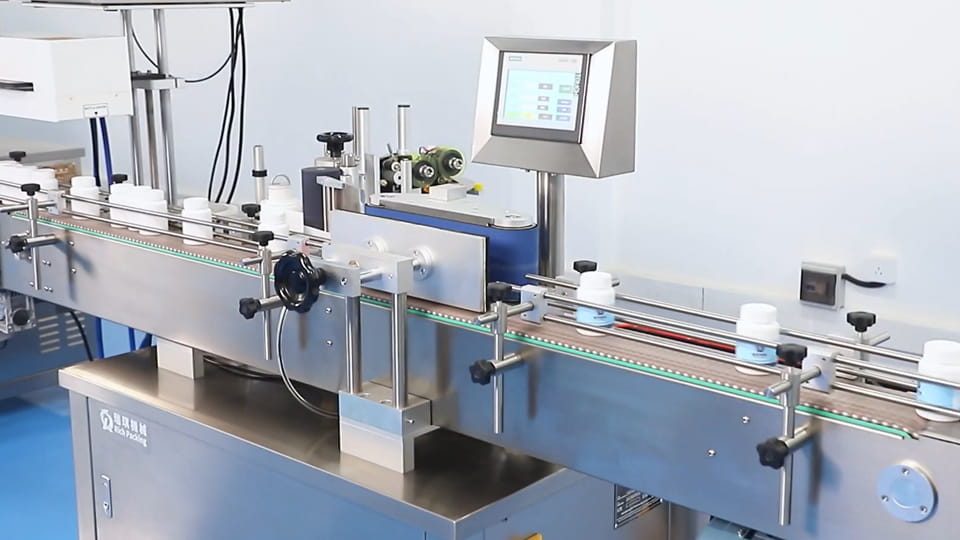
ภาพ: ระบบสายพานลำเลียงในโรงงานผลิตที่สะอาด.
เห็นก็เชื่อ. ตรวจสอบโรงงานของซัพพลายเออร์หรือจัดทัวร์เสมือนจริง. จุดตรวจสอบที่สำคัญ: ความสะอาด (โดยเฉพาะพื้นที่วิกฤติ), เค้าโครง (การไหลแบบลอจิคัล, การแยกการผลิต/การประกอบ), และแนวปฏิบัติด้านเอกสาร (มี SOP ให้เห็น?). ตรวจสอบว่าห้องปฏิบัติการสอบเทียบและแท่นทดสอบอยู่ในสถานที่หรือไม่. ประเมินการควบคุมสินค้าคงคลังและแนวปฏิบัติด้านสุขภาพ/ความปลอดภัย. สอบถามเกี่ยวกับการฝึกอบรมพนักงานและการลาออก; พนักงานที่มีประสบการณ์ถือเป็นสัญญาณที่ดี. ถ้าเป็นไปได้, นำรายการตรวจสอบและตรวจสอบเครื่องจักรเครื่องใดเครื่องหนึ่งของตนทางออนไลน์. พวกเขาปฏิบัติตามการตรวจสอบคุณภาพของตนเองหรือไม่? ตรวจสอบใบรับรองใดๆ ด้วย (ใบรับรอง ISO, อย 510(เค), CE, ฯลฯ) บนจอแสดงผล. การตรวจสอบสร้างความไว้วางใจ: ซัพพลายเออร์ที่ยินดีต้อนรับการเยี่ยมชมของคุณจะแสดงความมั่นใจในกระบวนการของพวกเขา. อย่าลืมเตรียมคำถามไว้ล่วงหน้าและจดบันทึกหรือถ่ายรูป (โดยได้รับอนุญาต). การตรวจสอบควรยืนยันการเลือกของคุณหรือเปิดเผยปัญหาที่ต้องแก้ไขก่อนดำเนินการต่อ.
ในที่สุด, เปรียบเทียบข้อเสนอแบบองค์รวม. การเสนอราคาต่ำสุดไม่ได้ดีที่สุดเสมอไป ให้พิจารณาต้นทุนและความคุ้มค่าในระยะยาว. คำนวณต้นทุนรวมในการเป็นเจ้าของ (TCO): ราคาเริ่มต้น + การติดตั้ง + คุณสมบัติ + ความเสี่ยงจากการหยุดทำงาน + อะไหล่ + ประสิทธิภาพการใช้พลังงาน + การซ่อมบำรุง + การฝึกอบรม. เครื่องจักรที่มีความแม่นยำและความน่าเชื่อถือที่ดีกว่าอาจลดการคัดแยกและประหยัดเงินในการทำงานซ้ำ. พิจารณาถึงคุณประโยชน์ต่างๆ เช่น การประหยัดพลังงานจากไดรฟ์สมัยใหม่หรือรอบเวลาที่รวดเร็วขึ้น. พิจารณาการจัดหาเงินทุนด้วย: ผู้ขายบางรายเสนอการจัดหาเงินทุนหรือการเช่าซื้อซึ่งอาจช่วยลดกระแสเงินสดได้. หากคุณมีหลายคำพูด, ชั่งน้ำหนักแต่ละด้านอย่างเป็นระบบ. ใช้รายการตรวจสอบการประเมินซัพพลายเออร์ (ด้านล่าง) เป็นแนวทาง. จากนั้นจึงตัดสินใจอย่างมีข้อมูล.
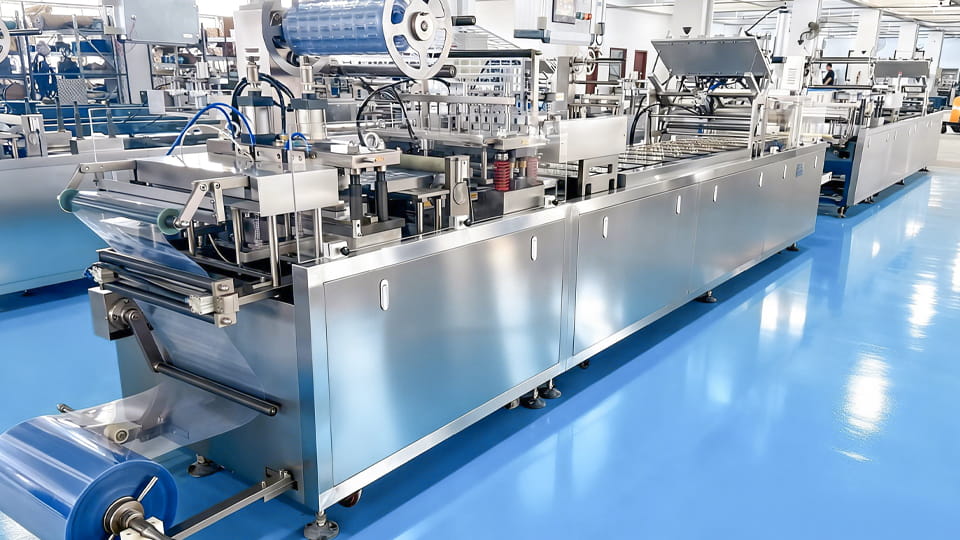
ภาพ: การตรวจสอบคุณภาพขั้นสุดท้ายในสายการบรรจุพุพอง.
โดยการหลีกเลี่ยงข้อผิดพลาดเหล่านี้และปฏิบัติตามกระบวนการที่มีโครงสร้างของเรา, คุณจะเลือกซัพพลายเออร์ที่ส่งมอบอุปกรณ์ที่เชื่อถือได้และความอุ่นใจ.
ใช้รายการตรวจสอบนี้เพื่อให้คะแนนและเปรียบเทียบซัพพลายเออร์ที่มีศักยภาพ. (▶️ ดาวน์โหลดรายการตรวจสอบ PDF เพื่อการอ้างอิงที่ง่าย)
| เกณฑ์การประเมิน | คำถามสำคัญ |
| กฎระเบียบ & การปฏิบัติตามมาตรฐาน GMP | ซัพพลายเออร์มีคุณสมบัติตรงตามมาตรฐาน FDA/EU GMP หรือไม่? เป็นเครื่องจักรที่สร้างด้วยสแตนเลส 316L & การเคลือบที่จำเป็น (ไฟฟ้า / ทู่)? มีใบรับรองที่เกี่ยวข้อง (CE, CE, อย 510(เค) ฯลฯ) ในสถานที่? |
| ระบบการจัดการคุณภาพ (ระบบบริหารคุณภาพ) | ซัพพลายเออร์มี ISO หรือไม่ 9001 (หรือไอเอสโอ 13485) การรับรอง? มีเอกสาร CAPA และกระบวนการบริหารความเสี่ยงหรือไม่? พวกเขาควบคุมความไม่สอดคล้องกันอย่างไร (E.G. การดำเนินการแก้ไข)? |
| ประสบการณ์ & อ้างอิง | บรรจุภัณฑ์ยามีอายุกี่ปี? พวกเขาสามารถแบ่งปันกรณีศึกษาที่ไม่เปิดเผยตัวตนหรือข้อมูลอ้างอิงของลูกค้าได้หรือไม่? พวกเขาได้ส่งมอบสายการบรรจุภัณฑ์ที่คล้ายกันหรือไม่ (พุพอง, ผู้บรรจุกล่อง, ฯลฯ)? |
| การออกแบบเครื่องจักร & สร้างคุณภาพ | เป็นวัสดุและสารเคลือบเกรดยา? (E.G. รอยเชื่อมเรียบ, การออกแบบสุขาภิบาล). มีการตรวจสอบความคลาดเคลื่อนและประสิทธิภาพการทำงาน? มีระบบความปลอดภัย (ยาม, ลูกโซ่) แข็งแกร่ง? |
| การตรวจสอบ & เอกสาร | ผู้จำหน่ายจะจัดเตรียมโปรโตคอล IQ/OQ/PQ และการสนับสนุนการตรวจสอบที่สมบูรณ์หรือไม่ (คำแนะนำจากผู้เชี่ยวชาญ, การทดสอบ)? เป็นคู่มือ, ใบรับรองการสอบเทียบ, และภาพวาดที่มีให้? |
| ความจุของโรงงาน & เวลานำ | พวกเขาสามารถตอบสนองกำหนดการของคุณได้หรือไม่? พวกเขามีศักยภาพหรือไม่ (พนักงานที่มีทักษะ, ทรัพยากรการประดิษฐ์)? ระยะเวลารอคอยสินค้าที่เสนอคืออะไรและสามารถรับประกันได้? พวกเขากำหนดระยะเวลาการส่งมอบอย่างไร? |
| การสนับสนุนหลังการขาย & การฝึกอบรม | มีการรับประกันอะไรบ้าง? มีการสนับสนุนอะไหล่ในพื้นที่? พวกเขาให้การสนับสนุนการเริ่มต้นและการฝึกอบรมผู้ปฏิบัติงานหรือไม่? เป็นการสนับสนุนด้านเทคนิค (สายด่วน, ในสถานที่) พร้อมใช้งาน? |
| ต้นทุนรวม & ค่า | เกินกว่าราคาต่อหน่วย, ค่าใช้จ่ายระยะยาวคืออะไร? (การใช้พลังงาน, การซ่อมบำรุง, อะไหล่). ข้อเสนอนี้รวมอุปกรณ์เสริมที่จำเป็นทั้งหมดหรือไม่? พิจารณาการปรับปรุงประสิทธิภาพและผลผลิต. |
การเลือกสิ่งที่ถูกต้อง ผู้จำหน่ายเครื่องบรรจุภัณฑ์ยา เป็นเรื่องเกี่ยวกับผู้คนและกระบวนการมากพอๆ กับเกี่ยวกับฮาร์ดแวร์. การประเมินอย่างละเอียด ตั้งแต่การปฏิบัติตามกฎระเบียบไปจนถึงหลังการขาย ช่วยให้มั่นใจได้ว่าคุณจะได้เป็นพันธมิตรกับซัพพลายเออร์ที่สามารถเติบโตไปพร้อมกับธุรกิจของคุณได้. ตามที่ผู้เชี่ยวชาญในอุตสาหกรรมระบุไว้, “คุณสมบัติของซัพพลายเออร์…ควรระบุและลดความเสี่ยงที่เกี่ยวข้อง”. ปฏิบัติตามคำแนะนำ 10 ขั้นตอนและรายการตรวจสอบเพื่อลดความเสี่ยงในการลงทุนของคุณ.
พร้อมที่จะก้าวไปข้างหน้า? ขอใบเสนอราคา จากทีมงานของเรา หรือ ดาวน์โหลดรายการตรวจสอบ ข้างต้นเพื่อเตรียมการประเมินของคุณ. เราพร้อมช่วยคุณค้นหาพันธมิตรด้านอุปกรณ์ที่สมบูรณ์แบบ.
ผู้จำหน่ายเครื่องบรรจุภัณฑ์ยาคือบริษัทที่ออกแบบ, ผลิต, และส่งมอบอุปกรณ์ที่ใช้ในการบรรจุผลิตภัณฑ์ยา เช่น ยาเม็ด, แคปซูล, ของเหลว, หรือผง. ซัพพลายเออร์ที่เชื่อถือได้ไม่เพียงแต่จะต้องจัดหาเครื่องจักรเท่านั้น แต่ยังต้องปฏิบัติตามกฎระเบียบ GMP ด้วย, การสนับสนุนการตรวจสอบ (IR/WH/PQ), และบริการด้านเทคนิคระยะยาว.
การประเมินซัพพลายเออร์มีความสำคัญเนื่องจากบรรจุภัณฑ์ส่งผลโดยตรงต่อความปลอดภัยของผลิตภัณฑ์, ความแม่นยำในการติดฉลาก, และการปฏิบัติตามกฎระเบียบ. ผลการศึกษาพบว่าปัญหาที่เกี่ยวข้องกับซัพพลายเออร์มีส่วนทำให้เกิดผลการตรวจสอบ GMP เป็นจำนวนมาก, การทำให้คุณสมบัติของซัพพลายเออร์เป็นส่วนสำคัญของการประกันคุณภาพ.
ปัจจัยสำคัญ ได้แก่ การรับรอง GMP (องค์การอาหารและยา/สหภาพยุโรป), การใช้วัสดุเกรดยา (E.G. 316แอล สแตนเลส), และเอกสารที่แข็งแกร่ง. มองหาการปฏิบัติตามมาตรฐานเช่น ISO 9001/13485 และอย 21 ส่วนซีเอฟอาร์ 820. ตรวจสอบว่าเครื่องจักรมีผิวเคลือบเรียบและพื้นผิวทั้งหมดที่สัมผัสกับผลิตภัณฑ์ทำความสะอาดและตรวจสอบได้.
ไอคิว, OQ และ PQ เป็นขั้นตอนการตรวจสอบความถูกต้องที่พิสูจน์ว่ามีการติดตั้งเครื่องจักรอย่างถูกต้อง, ดำเนินการตามที่ตั้งใจไว้, และดำเนินการอย่างสม่ำเสมอ. สิ่งเหล่านี้มีความสำคัญอย่างยิ่งในเภสัชภัณฑ์เพื่อให้แน่ใจว่าผลผลิตมีคุณภาพ. ในความเป็นจริง, กฎข้อบังคับของ อย. และ ISO 11607 ทำให้การตรวจสอบความถูกต้องของบรรจุภัณฑ์ผ่าน IQ/OQ/PQ เป็นข้อกำหนด.
สอบถามรายละเอียดเงื่อนไขการรับประกัน, เวลาตอบสนอง, และเครือข่ายการบริการ. ซัพพลายเออร์เสนอการทดสอบการใช้งานและการฝึกอบรมนอกสถานที่หรือไม่? ตรวจสอบว่ามีอะไหล่สำรองไว้ในประเทศหรือไม่. ตรวจสอบออนไลน์หรือความคิดเห็นของลูกค้า: ซัพพลายเออร์ที่ให้บริการยามักจะเน้น 24/7 การสนับสนุนและศูนย์บริการระดับโลก (ตัวอย่างเช่น, JinLuPacking โฆษณาบริการนอกสถานที่และการสนับสนุนด้านวิศวกรรมทั่วโลก).
ตรวจสอบขั้นตอนการผลิต, ความสะอาด, การฝึกอบรมพนักงาน, และเอกสาร. ตรวจสอบว่าบันทึกคุณภาพและบันทึกการสอบเทียบยังคงอยู่หรือไม่. ประเมินว่าพวกเขาจัดการเรื่องความปลอดภัยและสุขอนามัยอย่างไร. การตรวจสอบที่ดียังช่วยยืนยันสิ่งที่สัญญาไว้ด้วย (คุณสมบัติการออกแบบ, วัสดุ) ถูกสร้างขึ้นจริงๆ. เพื่อการควบคุมความเสี่ยง, การตรวจสอบอย่างสม่ำเสมอแนะนำโดย ISO 13485 และหลักเกณฑ์ GMP.
ไม่ใช่สำหรับโครงการยา. การเสนอราคาที่ต่ำอาจช่วยประหยัดเงินล่วงหน้า แต่อาจเสี่ยงต่อปัญหาด้านคุณภาพและการหยุดทำงานในภายหลัง. พิจารณาต้นทุนรวมในการเป็นเจ้าของ: ประสิทธิภาพของเครื่องจักร, ความน่าเชื่อถือ, อะไหล่, และการปฏิบัติตามกฎระเบียบล้วนมีต้นทุนแอบแฝง. ซึ่งมีราคาสูงกว่าเล็กน้อย, ซัพพลายเออร์ที่ได้รับการพิสูจน์แล้วมักให้คุณค่าในระยะยาวที่ดีกว่า. ใช้รายการตรวจสอบด้านบนเพื่อสร้างสมดุลระหว่างต้นทุนกับปัจจัยสำคัญ เช่น คุณภาพและการปฏิบัติตามข้อกำหนด.
อ้างอิง:
1.คำถามที่ 7A คำแนะนำวิธีปฏิบัติที่ดีในการผลิตสำหรับส่วนผสมออกฤทธิ์ทางเภสัชกรรม --เรา. สำนักงานคณะกรรมการอาหารและยา
2.คุณสมบัติซัพพลายเออร์ในฟาร์มา: คู่มือการตรวจสอบที่มุ่งเน้น GMP, การประเมินความเสี่ยง, และการอนุมัติซัพพลายเออร์ใน 2026 ——pharmuni.com
3.ข้อกำหนด GMP สำหรับการรับรองซัพพลายเออร์ ——gmp-compliance.org
4.ภาพรวมของการตรวจสอบความถูกต้องของบรรจุภัณฑ์สำหรับผลิตภัณฑ์ยา ——ispe.org