การเลือกสิ่งที่ถูกต้อง เครื่องบรรจุยา เป็นสิ่งสำคัญในการรับรองความปลอดภัยของผลิตภัณฑ์, การปฏิบัติตามกฎระเบียบ, และการผลิตที่มีประสิทธิภาพ. ตลาดบรรจุภัณฑ์ยาทั่วโลกกำลังเฟื่องฟู – มีโครงการคาดการณ์ว่าจะเกินคาด $160 พันล้านโดย 2026. ในเวลาเดียวกัน, หน่วยงานกำกับดูแลต้องการการควบคุมคุณภาพที่เข้มงวด: E.G. CGMP ของ FDA (21 ชิ้นส่วน CFR 210–211) กำหนดข้อกำหนดที่เข้มงวดในการผลิต, กำลังประมวลผล, และบรรจุยา. ในทางปฏิบัติ, เกือบ ครึ่งหนึ่งของ การเรียกคืนยา เกี่ยวข้องกับข้อผิดพลาดในบรรจุภัณฑ์หรือการติดฉลาก, เน้นเดิมพัน. ในคู่มือนี้, เราจะอธิบายข้อควรพิจารณาที่สำคัญทั้งหมด – รูปแบบผลิตภัณฑ์, ความจุ, การปฏิบัติตาม, ระบบอัตโนมัติ, การสนับสนุนผู้ขาย, และอื่นๆ อีกมากมาย คุณจึงสามารถเลือกอุปกรณ์บรรจุภัณฑ์ยาที่เหมาะกับความต้องการของคุณได้อย่างมั่นใจ. เราครอบคลุมประเภทเครื่อง (เครื่องพุพอง, ฟิลเลอร์แคปซูล, กล่องกระดาษ, ฯลฯ), เปรียบเทียบระบบอัตโนมัติและกึ่งอัตโนมัติ, และรวมถึงคำแนะนำจากผู้เชี่ยวชาญ, ตารางเปรียบเทียบ, ผังงานของขั้นตอนการคัดเลือก, คำถามที่พบบ่อย, และข้อแนะนำที่นำไปปฏิบัติได้.
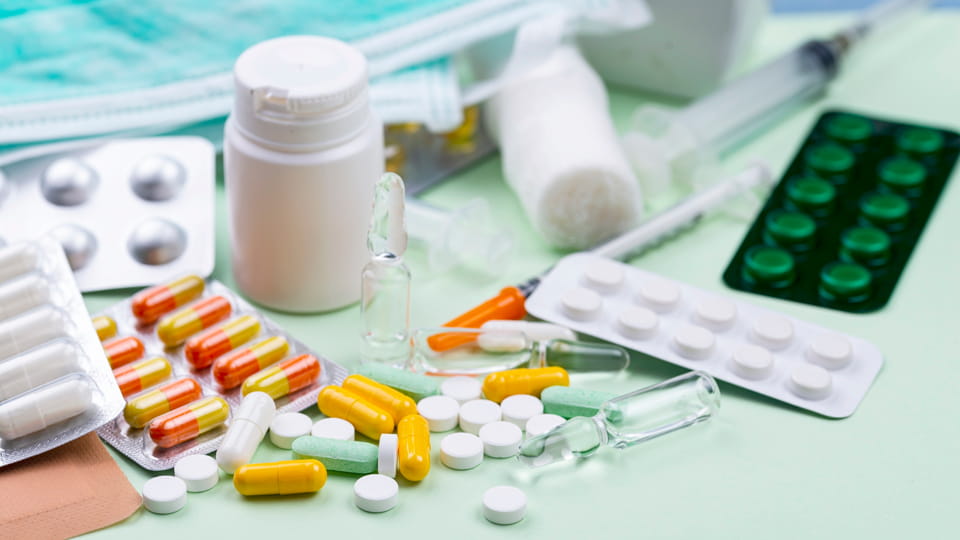
เหตุใดการเลือกเครื่องจักรที่เหมาะสมจึงมีความสำคัญ
บรรจุภัณฑ์ยา มีความสำคัญมากกว่าบรรจุภัณฑ์สำหรับผู้บริโภคทั่วไปมาก. มัน ปกป้องคุณภาพยา, ช่วยให้มั่นใจได้ถึงความแม่นยำของปริมาณ, และรักษาความปลอดภัยของผู้ป่วย. ตัวอย่างเช่น, แนวทางของ WHO เน้นย้ำว่าบรรจุภัณฑ์ต้องป้องกันยาจากความชื้น, แสงสว่าง, ออกซิเจน, และผลเสียอื่นๆ ตลอดอายุการเก็บรักษา. เช่นเดียวกัน, กฎ CGMP ของ FDA กำหนดว่า “วิธีการ, สิ่งอำนวยความสะดวก, และการควบคุม” ในการแปรรูปและการบรรจุต้องรับประกันความปลอดภัยของยาและส่วนผสมที่ถูกต้อง. ในแง่การปฏิบัติ, บรรจุภัณฑ์ที่ไม่ดีอาจนำไปสู่ การปนเปื้อน, การติดฉลากไม่ถูกต้อง, ข้อผิดพลาดเกี่ยวกับขนาดยา, หรืออุปกรณ์ทำงานผิดปกติ – แม้กระทั่งการบาดเจ็บของผู้ป่วย. อย่างแท้จริง, การวิเคราะห์ข้อมูลการเรียกคืนบ่งชี้ ขึ้นไป 50% การเรียกคืนยาเกิดจากความผิดพลาดในบรรจุภัณฑ์หรือการติดฉลาก. นั่นหมายถึงการกำกับดูแลที่ดูเหมือนเล็กน้อย (บาร์โค้ดผิด, พุพองเสียหาย, แท็บเล็ตที่นับผิด) อาจทำให้เกิดการเรียกคืนหรือคำเตือนด้านกฎระเบียบซึ่งมีค่าใช้จ่ายสูง.
เกินความปลอดภัย, เครื่องจักรที่เหมาะสมจะช่วยเพิ่มผลผลิตและลดต้นทุน. กลุ่มผลิตภัณฑ์ยาสมัยใหม่ผสมผสานการเติม, การปิดผนึก, การนับและการติดฉลากในระบบอัตโนมัติความเร็วสูง. การเลือกอุปกรณ์ที่ตรงกับความต้องการผลผลิตและระดับระบบอัตโนมัติสามารถปรับปรุงปริมาณงานและลดแรงงานได้อย่างมาก. ในทางกลับกัน, การเลือกที่ไม่ถูกต้องอาจทำให้เกิดกระดาษติดบ่อยครั้ง, การเติมที่ไม่สอดคล้องกัน, และการหยุดทำงาน – ส่งผลเสียต่อประสิทธิภาพ. และเนื่องจากโรงงานผลิตยามักจะเปิดดำเนินการ 24/7, การบำรุงรักษาที่ไม่ได้กำหนดไว้อาจเป็นหายนะได้. ด้วยเหตุผลเหล่านี้, ผู้เชี่ยวชาญในอุตสาหกรรมเน้นย้ำถึงการเลือกที่สมดุล: “การเลือกอุปกรณ์บรรจุภัณฑ์ยาจำเป็นต้องมีการประเมินความสามารถในการปฏิบัติตามมาตรฐาน GMP อย่างรอบคอบ, ความพร้อมในการตรวจสอบ, และความน่าเชื่อถือในการปฏิบัติงานในระยะยาว”. โดยสรุป, เครื่องที่เหมาะสมช่วยให้มั่นใจได้ คุณภาพและการปฏิบัติตามข้อกำหนด (หลีกเลี่ยงข้อบกพร่อง/การเรียกคืน) ขณะเพิ่มประสิทธิภาพ กำลังการผลิตและต้นทุน.
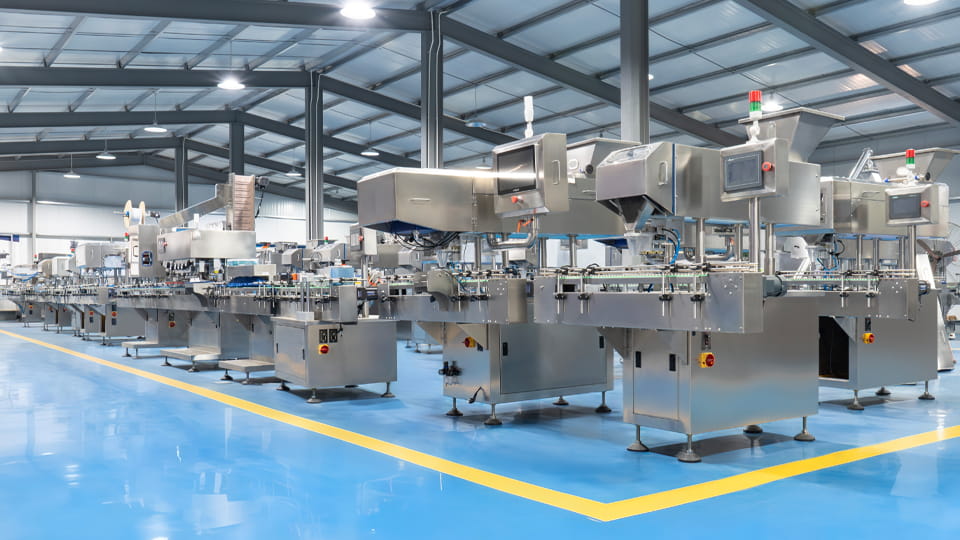
ประเภทของเครื่องบรรจุภัณฑ์ยา
“บรรจุภัณฑ์ยา” ครอบคลุมผลิตภัณฑ์และรูปแบบต่างๆ มากมาย. เครื่องตกใส่ บรรจุภัณฑ์หลัก (ชั้นแรกที่สัมผัสกับยา) และ บรรจุภัณฑ์ทุติยภูมิ/ตติยภูมิ (กล่องด้านนอก, การรวมกลุ่ม, พาเลท). เครื่องทั่วไปได้แก่:
- เครื่องบรรจุและตวง: สำหรับ ของเหลว, ครีม, หรือผง ในขวด/ขวด/ซอง. ตัวอย่าง: ฟิลเลอร์ของเหลว, เครื่องบรรจุผง, ฟิลเลอร์น้ำเชื่อม. หากสินค้าของคุณเป็น ยาเหลว, เลือกเครื่องที่ออกแบบมาสำหรับของเหลว (ฟิลเลอร์ peristaltic หรือลูกสูบ). สำหรับ ผง/เม็ด (E.G. เม็ดยาจำนวนมากถูกบรรจุถุง), ฟิลเลอร์ปริมาตรหรือสว่านเหมาะอย่างยิ่ง.
- อุปกรณ์แคปซูล/แท็บเล็ต: สำหรับ แคปซูลหรือแท็บเล็ต, เครื่องจักรที่สำคัญได้แก่ เครื่องเติมแคปซูล, แท็บเล็ตกด, และ เครื่องนับ/บรรจุ. ฟิลเลอร์แคปซูลสมัยใหม่สามารถจัดวางได้โดยอัตโนมัติ, การแยก, การกรอก, และการล็อคแคปซูล. เครื่องอัดยาเม็ดอัดผงเป็นยาเม็ด. เครื่องนับ (เคาน์เตอร์แสง) ป้อนและนับปริมาณของแข็งลงในขวดหรือถุง. ตามบันทึกของ JinLuPacking, ใน ปริมาณของแข็ง เส้น “ทุกอย่างเริ่มต้นด้วยการนับที่แม่นยำ” – เซ็นเซอร์หลายช่องความเร็วสูงช่วยให้มั่นใจว่าแต่ละขวด/ซองมีการนับที่ถูกต้องทุกประการ.
- เครื่องบรรจุหีบห่อ: สำหรับยาเม็ด/แคปซูลในบรรจุภัณฑ์พลาสติก. ถาดเทอร์โมฟอร์มเหล่านี้ใช้ปิดผนึกยาด้วยกระดาษฟอยล์. เครื่องตุ่ม มาเป็น จานแบน (จัดทำดัชนี) หรือ หมุนอย่างต่อเนื่อง ประเภท, ด้วยรูปแบบต่างๆ (ฟอยล์แบบ PVC หรือแบบเย็น). เหมาะอย่างยิ่งสำหรับบรรจุภัณฑ์แบบหน่วยปริมาณ.
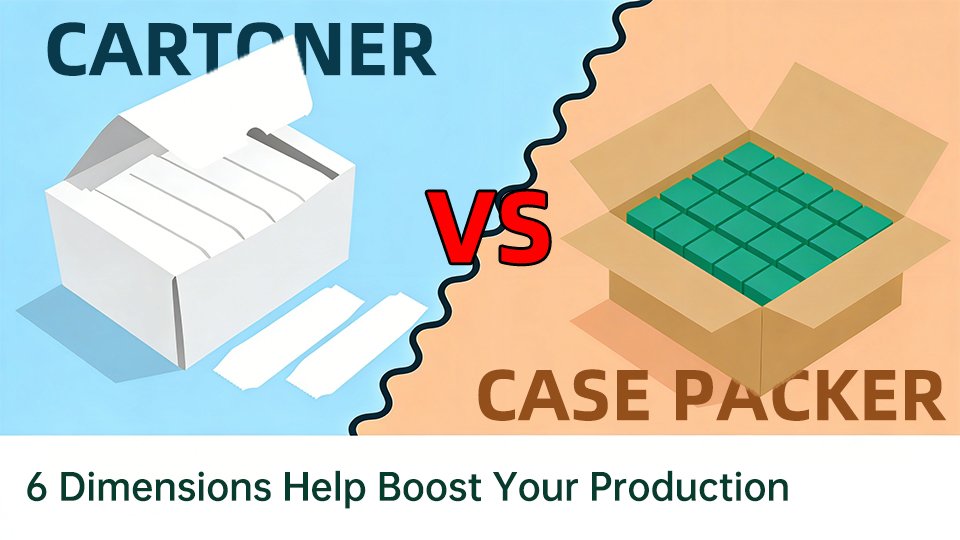
- เครื่องบรรจุกล่อง/ชกมวย: การบรรจุรอง. ผู้บรรจุกล่อง พับและปิดผนึกกล่อง, มักใส่ถุงหรือขวดพร้อมใบปลิวของผู้ป่วย. พวกเขาสามารถเป็นได้ แนวนอน (โหลดด้านข้าง) หรือ แนวตั้ง (โหลดด้านบน) Cartoners ทำการตั้งกล่องโดยอัตโนมัติ, กำลังโหลดเนื้อหา, และการปิดผนึก – ลดการใช้แรงงานคนและรับประกันการปิดกล่องที่สม่ำเสมอ (สำคัญต่อการตรวจสอบย้อนกลับของ GMP). เครื่องบรรจุกล่องสมัยใหม่ใช้การออกแบบที่ถูกสุขอนามัยที่ทำจากสแตนเลสสตีลและซีลป้องกันการงัดแงะเพื่อให้เป็นไปตามกฎระเบียบที่เข้มงวด.
- ผู้ติดฉลากและผู้ตรวจสอบ: เครื่องติดฉลาก ติดฉลากที่พิมพ์ไว้ล่วงหน้าบนขวด/กล่องที่มีรหัสชุดงาน, วันหมดอายุ, และบาร์โค้ด. ระบบตรวจสอบ (วิสัยทัศน์ของกล้อง, เครื่องตรวจจับโลหะ, เอ็กซ์เรย์) ตรวจสอบความถูกต้องในการเติม, อนุภาคต่างประเทศ, การมีฉลาก, และความสามารถในการอ่านโค้ด. เพื่อการปฏิบัติตาม, มองหาอุปกรณ์ที่รองรับการทำให้เป็นอนุกรม (บาร์โค้ดที่ติดตามได้) และการปฏิเสธข้อผิดพลาด.
- สายการบรรจุภัณฑ์แบบรวม: ในทางปฏิบัติ, พืชยามักใช้ เส้นที่สมบูรณ์ รวมเครื่องข้างต้น. ตัวอย่างเช่น, สายการผลิตแบบแท็บเล็ตต่อกล่องอาจรวมถึงการกดแท็บเล็ต, เครื่องแทรกสารดูดซับ, เคาน์เตอร์แคปซูล, เครื่องถอดรหัสขวด, หน่วยเติม, เครื่องปิดฝา, เครื่องปิดผนึกเหนี่ยวนำ, การติดฉลาก, ผู้บรรจุกล่อง, และสายพานลำเลียงตรวจสอบขั้นสุดท้าย. ระบบ end-to-end เหล่านี้สามารถประกอบล่วงหน้าและตรวจสอบได้เป็นสายการผลิต, ซึ่งทำให้คุณสมบัติและรอยเท้าง่ายขึ้น. .
ในระยะสั้น, เลือกเครื่องที่ตรงกับรูปแบบยาและรูปแบบบรรจุภัณฑ์ของคุณ. ดังมีไกด์ท่านหนึ่งแนะนำ, “เครื่องบรรจุภัณฑ์พุพองเหมาะอย่างยิ่งสำหรับแท็บเล็ต, ในขณะที่ระบบเติมแบบฟอร์มแนวนอนจะใช้สำหรับการบรรจุถุงที่มีปริมาณงานสูง”. ทำความเข้าใจกับผลิตภัณฑ์ของคุณ (แท็บเล็ต, แคปซูล, ของเหลว, ผง) และแพ็คเกจที่ต้องการ (พุพอง, ขวด, ซอง, กระเป๋าที่ทำไว้ล่วงหน้า, ฯลฯ) คือขั้นตอนแรกในการเลือกเครื่อง.
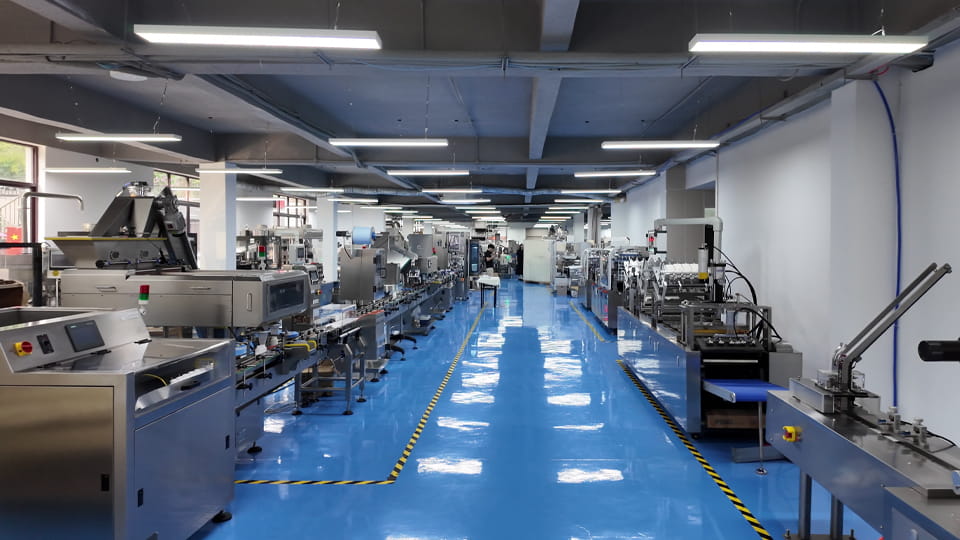
ปัจจัยสำคัญที่ต้องพิจารณา
เมื่อประเมินเครื่องจักรหรือผู้จำหน่ายเฉพาะราย, คำนึงถึงปัจจัยสำคัญเหล่านี้:
- ผลิตภัณฑ์ & ความเข้ากันได้ของรูปแบบบรรจุภัณฑ์: ตรวจสอบให้แน่ใจว่าอุปกรณ์สามารถรองรับรูปแบบผลิตภัณฑ์และคอนเทนเนอร์ที่แน่นอนของคุณได้. รูปแบบการให้ยาและชนิดภาชนะ วัตถุ: แท็บเล็ต, แคปซูล, ของเหลว, ผงทั้งหมดมีความต้องการในการจัดการที่แตกต่างกัน. ตัวอย่างเช่น, ของแข็งที่นับได้ใช้ระบบการนับหรือตุ่ม, ในขณะที่ของเหลวต้องใช้ตัวเติมของเหลวพร้อมเครื่องซีลที่แน่นหนา. ตรวจสอบด้วย ขนาดและรูปทรง: เครื่องจักรบางเครื่องสามารถรองรับน้ำหนักบรรจุหรือขนาดภาชนะได้หลายขนาด, คนอื่นทุ่มเท. ความยืดหยุ่นเป็นสิ่งสำคัญหากคุณวางแผน SKU หลายรายการ. คำอธิบายเครื่องมักจะระบุรูปแบบที่เข้ากันได้; ตรวจสอบด้วยการทดลองผลิตภัณฑ์ตัวอย่างหากเป็นไปได้.
- ความเร็วในการผลิต & ความจุ: จับคู่ปริมาณงานของเครื่องจักรกับความต้องการในปัจจุบันและอนาคตของคุณ. เครื่องจักรมี "ความเร็วที่กำหนด" (E.G. ขวด/นาที หรือ ตุ่ม/นาที) และผลลัพธ์ในทางปฏิบัติ (โดยคำนึงถึงการเปลี่ยนแปลง). เกินข้อกำหนด (ความเร็วสูงมาก) เปลืองเงินและพื้นที่; ต่ำกว่ามาตรฐานทำให้เกิดปัญหาคอขวด. ผู้ผลิตหลายราย (เหมือนจินหลู) ความเร็วคำพูด: E.G. เส้นแคปซูลบางเส้นสามารถทำได้หลายแสนแคปซูลต่อชั่วโมง, เครื่องนับ >99.98% แม่นยำที่ ~6,000 ขวด/ชม, และกล่องบรรจุจนถึง 450 กล่อง/นาที. พิจารณาไม่เพียงแค่ผลผลิตในปัจจุบัน แต่รวมถึงการเติบโตด้วย JinLuPacking แนะนำให้เลือกกำลังการผลิต “ที่เหมาะกับความต้องการในปัจจุบันของคุณ ในขณะเดียวกันก็ปล่อยให้มีที่ว่างสำหรับการเติบโต”. มองหาเครื่องจักรแบบโมดูลาร์หรือตัวเลือกแบบหลายเลน หากคุณคาดว่าปริมาณจะเพิ่มขึ้น.
- ความแม่นยำ & การควบคุมคุณภาพ: ความแม่นยำสูงไม่สามารถต่อรองได้ในยา. อุปกรณ์การบรรจุและการนับต้องมั่นใจ ไม่มียาพิเศษหรือหายไป, ปริมาณที่ถูกต้อง, และบรรจุภัณฑ์ที่ปิดสนิทอย่างเชื่อถือได้. บรรทัดยอดนิยมมุ่งเป้าไปที่ "ไม่มีชิ้นส่วนพิเศษหนึ่งชิ้นและขาดหายไปหนึ่งชิ้น" ในทุกคอนเทนเนอร์. ประเมินแต่ละเครื่อง ข้อมูลจำเพาะความแม่นยำ: E.G. ฟิลเลอร์นับอาจเรียกร้อง 99.98% ความแม่นยำ. เราขอแนะนำเซ็นเซอร์ออปติคัลแบบหลายช่องสัญญาณหรือการจ่ายสารที่ขับเคลื่อนด้วยเซอร์โวเพื่อให้ได้พิกัดความเผื่อที่แคบ. ตรวจสอบคุณสมบัติคุณภาพในตัวด้วย: E.G. ระบบการมองเห็นเพื่อตรวจสอบการนับ, การตรวจจับการรั่วไหล, เครื่องตรวจสอบน้ำหนักบนสายพาน. เครื่องควรบูรณาการ การควบคุมในกระบวนการ เพื่อจับข้อผิดพลาด (แบทช์ปฏิเสธ, การแจ้งเตือน) เพื่อให้มั่นใจในคุณภาพที่สม่ำเสมอ.
- GMP & การปฏิบัติตามกฎระเบียบ: เครื่องจักรทางเภสัชกรรมต้องเป็นไปตามมาตรฐานด้านสุขอนามัยและเอกสารประกอบที่เข้มงวด. มองหา การออกแบบที่สอดคล้องกับ cGMP: ชิ้นส่วนที่สัมผัสกับผลิตภัณฑ์ทั้งหมดอยู่ใน สแตนเลส (SUS316L) หรือวัสดุเกรดยาอื่นๆ, พื้นผิวเรียบ (ไม่มีขาตายหรือรอยแยก), และถอดประกอบทำความสะอาดง่าย. พื้นผิวควรต้านทานการกัดกร่อน/การปนเปื้อน. เครื่องควรมี เจ้าหน้าที่รักษาความปลอดภัย, แผงควบคุมที่ปิดสนิท, และการเปลี่ยนแปลงโดยไม่ต้องใช้เครื่องมือหากเป็นไปได้. สิ่งสำคัญเท่าเทียมกันคือการปฏิบัติตามข้อกำหนดของซอฟต์แวร์: กลุ่มผลิตภัณฑ์ยาสมัยใหม่มักอยู่ภายใต้ FDA 21 ส่วนซีเอฟอาร์ 11 (บันทึกอิเล็กทรอนิกส์) และภาคผนวก EU GMP 11 (ระบบคอมพิวเตอร์). เราแนะนำให้ตรวจสอบให้แน่ใจว่าอุปกรณ์รองรับ บันทึกอิเล็กทรอนิกส์, เส้นทางการตรวจสอบ, และการเข้าถึงตามบทบาท, และมาพร้อมกับแพ็คเกจการตรวจสอบที่ครอบคลุม (เอกสารการออกแบบ, โปรโตคอล FAT/SAT, เทมเพลต IQ/OQ/PQ). ในระยะสั้น, ตัวเครื่องต้องเป็น พร้อมการตรวจสอบ. จัดลำดับความสำคัญของเครื่องจักรที่มีเครื่องหมาย CE หรือใบรับรองท้องถิ่นอื่นๆ หากส่งออก. โปรดจำไว้ว่าหลักเกณฑ์ด้านบรรจุภัณฑ์ (WHO, อย, สหภาพยุโรป) เน้นย้ำถึงการรักษาความสมบูรณ์ของผลิตภัณฑ์ด้วยความสะอาด, กระบวนการตรวจสอบแล้ว.
- ความยืดหยุ่น & เวลาที่เปลี่ยนแปลง: สายการผลิตยามักจะมีผลิตภัณฑ์หลายอย่าง. ค้นหาเครื่องจักรด้วย ความสามารถในการเปลี่ยนแปลงอย่างรวดเร็ว. คุณลักษณะต่างๆ อาจรวมถึงหัวแบบปรับได้ที่ขับเคลื่อนด้วยเซอร์โว, หน่วยความจำ “สูตร” สำหรับการตั้งค่า, และการเปลี่ยนแม่พิมพ์หรือไกด์โดยไม่ต้องใช้เครื่องมือ. JinLuPacking เน้นว่า “ไม่ต้องใช้เครื่องมือ, การเปลี่ยนแปลงอย่างรวดเร็วด้วยการจัดเก็บสูตรอาหาร” เพื่อจัดการ SKU หลายรายการ. เครื่องที่สามารถสลับรูปแบบได้ภายในไม่กี่นาที (VS. ชั่วโมง) คุ้มค่าโดยการลดเวลาหยุดทำงานและเพิ่ม OEE. เครื่องจักรกึ่งอัตโนมัตินั้นปรับง่ายกว่าแต่ต้องใช้คนควบคุม; เครื่องจักรอัตโนมัติเต็มรูปแบบมักจะเปลี่ยนเครื่องมือได้เร็วกว่าหากได้รับการออกแบบมาอย่างดี. พิจารณาความยืดหยุ่นของเค้าโครงด้วย - ฟีดแนวตั้งและแนวนอน, เลน, ฯลฯ, เพื่อรองรับรูปทรงของบรรจุภัณฑ์ที่แตกต่างกัน.
- ระดับอัตโนมัติ: ตัดสินใจระหว่าง กึ่งอัตโนมัติ (ขั้นตอนแบบแมนนวลบางอย่าง) และ อัตโนมัติเต็มรูปแบบ ระบบ. สายการบรรจุอัตโนมัติช่วยลดแรงงานและข้อผิดพลาดของมนุษย์, บรรลุความสม่ำเสมอ 24/7 ปริมาณงาน. ตัวอย่างเช่น, เครื่องบรรจุกล่องอัตโนมัติตั้งตรง, โหลดและปิดผนึกกล่องโดยมีการป้อนข้อมูลจากผู้ปฏิบัติงานน้อยที่สุด, ในขณะที่ผู้บรรจุกล่องกึ่งอัตโนมัติจำเป็นต้องโหลดกล่องด้วยตนเอง. สายการผลิตนับ/บรรจุอัตโนมัติเต็มรูปแบบผสานรวมเครื่องป้อนแบบสั่นและแขนหยิบและวางสำหรับแท็บเล็ต, กำจัดการนับแบบแมนนวล. การแลกเปลี่ยน: เครื่องจักรอัตโนมัติมีราคาสูงกว่าและมีความซับซ้อนในการติดตั้ง. เครื่องจักรกึ่งอัตโนมัติมีราคาถูกกว่า แต่ช่วยผูกมัดคนงานและทำงานด้วยความเร็วที่ต่ำกว่า. เราเปรียบเทียบไว้ในตารางด้านล่าง:
| คุณสมบัติ |
เครื่องอัตโนมัติ |
เครื่องกึ่งอัตโนมัติ |
| ปริมาณงาน |
สูงมาก (อย่างต่อเนื่อง, 24/7) |
ปานกลาง (เป็นกลุ่มหรือไม่สม่ำเสมอ) |
| ความต้องการแรงงาน |
ต่ำ (มีลูกเรือตัวน้อยคอยติดตาม) |
สูงกว่า (ผู้ปฏิบัติงานในการให้อาหาร/การจัดการ) |
| ความยืดหยุ่น |
ปานกลาง (รูปแบบเฉพาะ; เร็วขึ้นตามระดับเสียง) |
สูง (การจัดการด้วยตนเองช่วยให้มีรูปแบบที่หลากหลาย) |
| เวลาที่เปลี่ยนแปลง |
สามารถอีกต่อไป (การตั้งค่าที่ซับซ้อน) |
มักจะสั้นกว่า (กลไกที่ง่ายกว่า) |
| ต้นทุนเริ่มต้น |
สูงกว่า (การควบคุมที่ซับซ้อน & วิทยาการหุ่นยนต์) |
ต่ำกว่า |
| การซ่อมบำรุง |
ซับซ้อน (ต้องใช้ช่างเทคนิคที่ได้รับการฝึกอบรม) |
เรียบง่ายกว่า (ชิ้นส่วนที่ผู้ใช้บริการได้) |
ในระยะสั้น, ใช้เครื่องอัตโนมัติสำหรับ ปริมาณสูง, การผลิตที่มั่นคง. หากการรันแบทช์ของคุณน้อยหรือไม่บ่อยนัก, กึ่งอัตโนมัติอาจเพียงพอกับงบประมาณ. (ตัวอย่างเช่น, เครื่องตุ่มกึ่งอัตโนมัติอาจมีเฉพาะตุ่มปิดผนึกด้วยความร้อนเท่านั้นในขณะที่ผู้ปฏิบัติงานโหลดยาด้วยมือ) ไม่ว่าคุณจะเลือกระดับไหน, ตรวจสอบให้แน่ใจว่าการควบคุมมีความทันสมัย (บมจ./HMI, ลูกโซ่ความปลอดภัย) และอินเทอร์เฟซผู้ใช้นั้นใช้งานง่าย.
- สุขอนามัย & ความสามารถในการทำความสะอาด: เครื่องผลิตยาต้องมี ทำความสะอาดง่ายและฆ่าเชื้อ เพื่อป้องกันการปนเปื้อนข้าม. ตรวจสอบว่าส่วนสัมผัสทั้งหมดสามารถเข้าถึงได้เพื่อการชะล้าง, และไม่มีผงหรือของเหลวดักมุม. มีการใช้เครื่องจักรยาหลายเครื่อง ชิ้นส่วนปลดเร็วโดยไม่ต้องใช้เครื่องมือ สำหรับการทำความสะอาด. พิจารณาว่าเครื่องรองรับหรือไม่ ซีไอพี (ทำความสะอาดในสถานที่) หรือรอบการทำความสะอาดแบบเช็ดลง. การออกแบบควรอนุญาตให้ ซักแห้ง (ตัวอย่างเช่น, ชิ้นส่วนที่เปลี่ยนได้เพื่อให้มีผง). ประเมินตัวกรองและการระบายอากาศด้วยหากมีผงเกี่ยวข้อง. ระเบียบวิธีการทำความสะอาดที่เข้มงวดเป็นสิ่งจำเป็นในสภาพแวดล้อมของยา, ดังนั้นควรวางแผนกิจวัตรการบำรุงรักษารายวัน/รายสัปดาห์. (สำหรับปลาย: อ่านคำแนะนำของ HMC – สายการผลิตยาจำเป็นต้องมี “ระเบียบปฏิบัติการทำความสะอาดที่เข้มงวดเพื่อกำจัดสารตกค้างและป้องกันการปนเปื้อนข้ามระหว่างชุดการผลิต”)
- ความสมบูรณ์ถูกต้องของข้อมูล & การตรวจสอบย้อนกลับ: เครื่องจักรควรอำนวยความสะดวกในการตรวจสอบย้อนกลับทั้งชุด. คุณสมบัติที่ต้องมองหา ได้แก่ บาร์โค้ดแบบอนุกรม (สำหรับแพ็คแบบหน่วยโดส), การบันทึกข้อมูล ของพารามิเตอร์กระบวนการ, และบูรณาการกับระบบ MES/ERP ของโรงงาน. เครื่องจักรระดับสูงมอบเส้นทางการตรวจสอบสำหรับพารามิเตอร์ที่สำคัญทั้งหมด (อุณหภูมิ, น้ำหนัก, นับ). สำหรับการทำให้เป็นอนุกรม (เป็นที่ต้องการของตลาดหลายแห่ง เช่น DSCSA ในสหรัฐอเมริกาหรือ FMD ในสหภาพยุโรป), ตรวจสอบให้แน่ใจว่าสายการผลิตสามารถรองรับการตรวจสอบการมองเห็นของโค้ด 1D/2D ได้, ปฏิเสธรหัสที่ไม่ดี, และรวบรวมข้อมูลพ่อแม่ลูก (เช่น, การเชื่อมโยงบรรจุภัณฑ์พลาสติกแต่ละชิ้นเข้ากับกล่องของพวกเขา). โดยพื้นฐานแล้ว, อุปกรณ์ควรช่วยให้คุณปฏิบัติตามคำสั่งติดตามของ FDA และ EU. เครื่องจักรสมัยใหม่มักมี OEE (ประสิทธิผลของอุปกรณ์โดยรวม) แดชบอร์ดการตรวจสอบเช่นกัน.
- ต้นทุนการเป็นเจ้าของทั้งหมด (TCO): มองให้ไกลกว่าราคาสติ๊กเกอร์. พิจารณา การใช้พลังงาน (องค์ประกอบความร้อน, ปั๊มสุญญากาศ, มอเตอร์), ต้นทุนสิ้นเปลือง (ฟิล์ม, ฟอยล์, ผง, อะไหล่เช่นซีล), และ ข้อกำหนดการบริการ. เครื่องจักรราคาถูกมากอาจมีเวลาหยุดทำงานสูงหรือใช้ชิ้นส่วนที่ไม่ได้มาตรฐาน. ในทางกลับกัน, เครื่องจักรที่มีคุณภาพอาจใช้พลังงานมากขึ้นแต่ทำให้เกิดของเสียน้อยลง. ปัจจัยได้แก่: แรงงานบำรุงรักษา (บ่อยแค่ไหนและยากแค่ไหนในการบำรุงรักษา), เวลานำชิ้นส่วนอะไหล่ (ที่สำคัญสำหรับเครื่องจักรนำเข้า), และการเงิน/ROI. ดังที่บล็อก Jinlu บันทึกเกี่ยวกับเครื่องตุ่ม, “เครื่องจักรคุณภาพสูงอาจมีต้นทุนล่วงหน้าสูงกว่า แต่สามารถลดของเสียและการหยุดทำงานได้”. โดยสรุป, คำนวณ ต้นทุนวงจรชีวิต: ราคาซื้อ + ต้นทุนการดำเนินงาน + การซ่อมบำรุง. ซัพพลายเออร์มักจะจัดหาเครื่องมือหรือเครื่องคิดเลข TCO ให้กับสิ่งนี้.
- ประสบการณ์ซัพพลายเออร์ & สนับสนุน: ในที่สุด, เลือกผู้ผลิตที่มีชื่อเสียงและมีประสบการณ์ด้านเภสัชกรรม. อุปกรณ์บรรจุภัณฑ์เป็นการลงทุนระยะยาว; คุณต้องการหุ้นส่วน, ไม่ใช่แค่ผู้ขาย. ตรวจสอบประวัติของซัพพลายเออร์: พวกเขามีโรงงานอ้างอิงในภูมิภาค/อุตสาหกรรมของคุณหรือไม่? เครื่องจักรของพวกเขาได้รับการตรวจสอบสำหรับลูกค้ายาหรือไม่? จัดลำดับความสำคัญของซัพพลายเออร์ที่แสดงให้เห็นถึงความเชี่ยวชาญด้าน GMP, การสนับสนุนการตรวจสอบที่ครอบคลุม, และประวัติที่ได้รับการพิสูจน์แล้วในอุตสาหกรรมที่ได้รับการควบคุม. ประเมินบริการหลังการขายด้วย: พวกเขาให้การสนับสนุนการว่าจ้างหรือไม่ (ไขมัน/วันเสาร์/IQ/OQ), สินค้าคงคลังอะไหล่, การวินิจฉัยระยะไกล, และการฝึกอบรม? ซัพพลายเออร์ที่ดีจะช่วยเพิ่มประสิทธิภาพเค้าโครงของคุณ, ช่วยเหลือในการตรวจสอบตามกฎระเบียบ, และจัดการกับเหตุฉุกเฉิน. หลีกเลี่ยงผู้ขายที่บินข้ามคืน – มองหาใบรับรองอุตสาหกรรม (ไอเอสโอ, CE), การรับประกัน, และเครือข่ายระดับโลก.
ด้านล่างนี้คือก ผังงานสรุปกระบวนการคัดเลือก:

อัตโนมัติกับ. บรรจุภัณฑ์กึ่งอัตโนมัติ: การเปรียบเทียบ
เมื่อกำหนดขอบเขตตัวเลือก, ช่วยในการเปรียบเทียบสายการผลิตแบบอัตโนมัติเต็มรูปแบบกับทางเลือกแบบกึ่งอัตโนมัติ. เส้นอัตโนมัติรวมการให้อาหาร, การขึ้นรูป, การกรอก, และปิดผนึกในกระบวนการต่อเนื่องขั้นตอนเดียว, ในขณะที่สายกึ่งอัตโนมัติจำเป็นต้องมีการแทรกแซงด้วยตนเอง (E.G. ขวดหรือกล่องบรรจุด้วยมือ). โดยทั่วไปแล้ว:
- อัตโนมัติ ระบบที่นำเสนอ ปริมาณงานที่สูงมาก (มักจำเป็นสำหรับ >100 กล่อง/นาที, หรือแคปซูลชุดใหญ่). พวกเขาดำเนินการด้วย แรงงานขั้นต่ำ (1–2 ผู้ปฏิบัติงานเพื่อตรวจสอบ), ซึ่งช่วยลดข้อผิดพลาดของมนุษย์. โดยทั่วไปแล้วพวกเขายังรวบรวมบันทึกข้อมูลทั้งหมดโดยอัตโนมัติ. ข้อเสียคือ ต้นทุนเงินทุนที่สูงขึ้น และความซับซ้อน. พวกเขาต้องการช่างเทคนิคที่ได้รับการฝึกอบรมเพื่อบำรุงรักษา.
- กึ่งอัตโนมัติ เครื่องจักรอยู่ ต้นทุนที่ต่ำกว่า และง่ายกว่า. พวกเขาอาจต้องการคนงานป้อนผลิตภัณฑ์หรือกล่อง, ทำให้เหมาะสมกับ วิ่งขนาดเล็กถึงขนาดกลาง. การเปลี่ยนแปลงมักจะเร็วกว่า (แกนการเคลื่อนที่น้อยลง), และการฝึกฝนก็ง่ายขึ้น. อย่างไรก็ตาม, ขั้นตอนแบบแมนนวลจะเพิ่มต้นทุนแรงงานและความแปรปรวน. เส้นกึ่งอัตโนมัติไม่ค่อยมีความเร็วเท่ากับอัตโนมัติเต็มรูปแบบ.
นี่คือการเปรียบเทียบคุณลักษณะหลักโดยย่อ:
| คุณสมบัติ |
สายอัตโนมัติ |
เส้นกึ่งอัตโนมัติ |
| ปริมาณงาน |
สูงมาก (100+ หน่วย/นาที) |
ปานกลาง (ขึ้นอยู่กับความเร็วของผู้ปฏิบัติงาน) |
| แรงงาน |
ต่ำ (1–2 คน, ส่วนใหญ่จะดู) |
สูงกว่า (ผู้ปฏิบัติงานหลายรายป้อนชิ้นส่วน) |
| ความยืดหยุ่น |
ปานกลาง (ปรับให้เหมาะสมสำหรับรูปแบบเฉพาะ) |
สูง (ผู้ปฏิบัติงานสามารถปรับตัวได้ทันที) |
| การเปลี่ยนแปลง |
อาจต้องใช้วิศวกรรม (ชิ้นส่วน/เครื่องมือเพิ่มเติม) |
มักจะเร็วกว่า (เปลี่ยนอะไหล่ให้น้อยลง) |
| ต้นทุนเริ่มต้น |
สูง (PLC, วิทยาการหุ่นยนต์, เซ็นเซอร์) |
ต่ำกว่า (แอคชูเอเตอร์และสายพานลำเลียงขั้นพื้นฐาน) |
| การซ่อมบำรุง |
เข้มข้น (ทักษะด้านเทคนิคเฉพาะทาง) |
ง่ายขึ้น (การบำรุงรักษาเครื่องจักรกลทั่วไป) |
ในทางปฏิบัติ, สายยาหลายสายรวมทั้งสองอย่างเข้าด้วยกัน: E.G. สถานีเติมน้ำมันอัตโนมัติป้อนเข้าเครื่องบรรจุกล่องกึ่งอัตโนมัติ, หรือในทางกลับกัน. กุญแจสำคัญคือเพื่อให้ตรงกับ ระดับอัตโนมัติที่เหมาะสมกับปริมาณของคุณ. หากคุณวางแผนที่จะขยายขนาดหรือ 24/7 วิ่ง, ระบบอัตโนมัติเต็มรูปแบบมักจะให้ผลตอบแทนที่ดี. สำหรับชุดนำร่องหรือข้อจำกัดด้านงบประมาณ, เครื่องตั้งโต๊ะแบบกึ่งอัตโนมัติหรือแบบตั้งโต๊ะก็อาจเพียงพอแล้ว.
ข้อผิดพลาดทั่วไปที่ควรหลีกเลี่ยง
- ละเลยการปฏิบัติตาม: อย่าละเลยคุณสมบัติ GMP เพื่อประหยัดต้นทุน. เครื่องจักรที่ไม่ปฏิบัติตามข้อกำหนดจะทำให้เกิดความล้มเหลวในการตรวจสอบหรือการเรียกคืน.
- การซื้อตัวเลือกที่ "ถูกที่สุด": การเสนอราคาที่ต่ำมากอาจขาดความแม่นยำหรือการสนับสนุน. พิจารณา ROI ระยะยาว, ไม่ใช่แค่ราคาล่วงหน้า.
- ละเลยความต้องการในอนาคต: อย่าซื้อเพื่อ แค่วันนี้ เอาท์พุท; เหลือพื้นที่สำหรับการเติบโตหรือผลิตภัณฑ์ใหม่.
- ข้ามการทดสอบการยอมรับจากโรงงาน: ทดสอบเครื่องกับตัวอย่างของคุณจากโรงงานเสมอ (อ้วน) ก่อนจัดส่ง. เช่นเดียวกัน, ดำเนินการยอมรับไซต์ (นั่ง) กับทีมงานของคุณเพื่อให้แน่ใจว่าเป็นไปตามข้อกำหนด.
- มองเห็นสาธารณูปโภคต่างๆ & การรวมเข้าด้วยกัน: ตรวจสอบข้อกำหนดสิ่งอำนวยความสะดวก (พลัง, อากาศ, น้ำ) และตรวจสอบให้แน่ใจว่าเครื่องนั้นเหมาะกับแผนผังชั้นของคุณ. ตรวจสอบให้แน่ใจว่าสามารถทำงานร่วมกับสายพานลำเลียงหรือระบบควบคุมที่มีอยู่ได้อย่างราบรื่น.
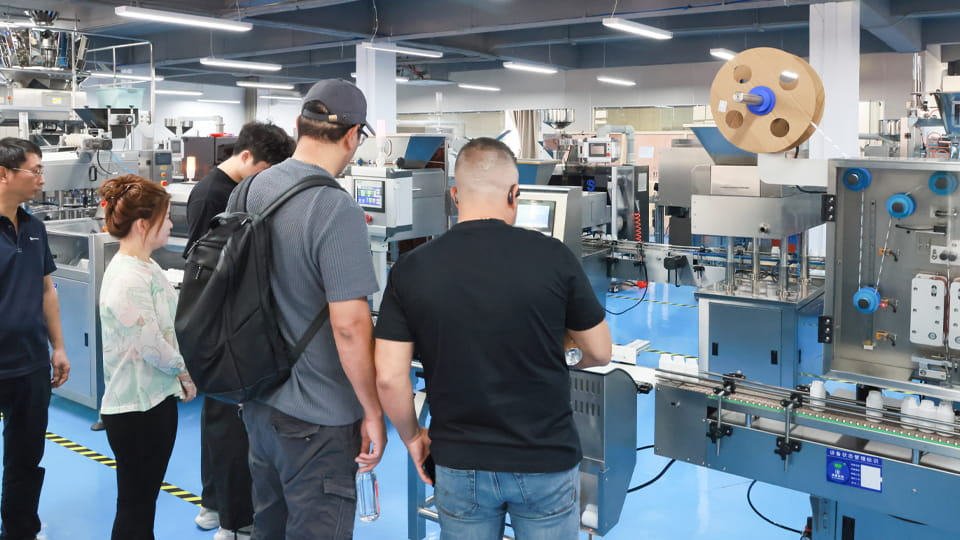
วิธีการเลือกซัพพลายเออร์ที่เหมาะสม
การเป็นพันธมิตรกับผู้ผลิตอุปกรณ์ที่เหมาะสมมีความสำคัญพอๆ กับการเลือกเครื่องจักร. มองหา:
- ความเชี่ยวชาญในอุตสาหกรรม: ซัพพลายเออร์ที่เชี่ยวชาญด้าน อุปกรณ์ยา จะเป็นข้อมูลล่าสุดเกี่ยวกับมาตรฐาน FDA/EMA/WHO และโปรโตคอลการตรวจสอบ. พวกเขาสามารถให้คำแนะนำเกี่ยวกับรูปแบบและการควบคุมคุณภาพได้. ตามคำแนะนำฉบับหนึ่งกล่าวไว้, “เครื่องที่คุณเลือกต้องตรงกับรูปแบบยาของคุณ, รูปแบบบรรจุภัณฑ์, ข้อกำหนดด้านกฎระเบียบ, และกำลังการผลิต”, ดังนั้นประสบการณ์จึงเป็นสิ่งสำคัญ.
- การสนับสนุนการตรวจสอบ: ตรวจสอบให้แน่ใจว่าผู้ขายจัดเตรียมเอกสารที่ครบถ้วน: แผนการทดสอบการยอมรับของโรงงาน/ไซต์, โปรโตคอล IQ/OQ/PQ, การประเมินความเสี่ยง, และแพ็คเกจการตรวจสอบซอฟต์แวร์. ตามหลักการแล้วพวกเขาจะช่วยเหลือในการดำเนินการ SAT ด้วย.
- บริการหลังการขาย: ตรวจสอบเงื่อนไขการรับประกันและวิธีที่บริษัทจัดการกับอะไหล่และบริการ. พวกเขามีสำนักงานในพื้นที่หรือตัวแทนจำหน่ายหรือไม่? มีการสนับสนุนระยะไกลหรือไม่? ผู้จำหน่ายที่สามารถจัดส่งชิ้นส่วนหรือส่งช่างเทคนิคได้อย่างรวดเร็วจะช่วยลดเวลาหยุดทำงานให้เหลือน้อยที่สุด.
- ชื่อเสียง & อ้างอิง: ขอข้อมูลอ้างอิงหรือกรณีศึกษาเกี่ยวกับการติดตั้งที่คล้ายกัน. การเลือกบริษัทที่มีการสนับสนุนด้านเทคนิคที่แข็งแกร่ง, ทีมบริการระดับโลก, โครงการยาที่ได้รับการตรวจสอบแล้ว, และความน่าเชื่อถือของเครื่องจักรที่ได้รับการพิสูจน์แล้ว.
- ความสามารถในการปรับแต่ง: การผลิตของคุณอาจมีความต้องการเฉพาะ (วัสดุพิเศษ, ข้อมูลจำเพาะของห้องคลีนรูม, ฯลฯ). ซัพพลายเออร์ที่ดีจะปรับแต่งเครื่องจักร (E.G. ห้องพิเศษ, เพิ่มระบบอัตโนมัติ, ภาษาส่วนต่อประสานกับผู้ใช้) ตามความต้องการของคุณ. พวกเขา, ตัวอย่างเช่น, นำเสนอสายการผลิตแบบครบวงจรที่ปรับแต่งให้เหมาะกับพื้นที่และความต้องการของกระบวนการ.
โดยการตรวจสอบซัพพลายเออร์อย่างรอบคอบในประเด็นเหล่านี้, คุณลดความเสี่ยงของโครงการ. จดจำ: “พันธมิตรด้านอุปกรณ์ที่เหมาะสมจะเป็นส่วนเสริมของทีมคุณภาพและวิศวกรของคุณ”.
ผังงานการคัดเลือก
เพื่อความชัดเจน, นี่เป็นเรื่องง่ายๆ ผังงานของขั้นตอนการคัดเลือก:

ขั้นตอนต่อไป
การเลือกเครื่องจักรที่เหมาะสมเป็นกระบวนการที่ซับซ้อนแต่ก็คุ้มค่า. เราแนะนำให้เขียนแบบละเอียด ข้อกำหนดความต้องการของผู้ใช้ (สสส) สำหรับทีมของคุณ, แสดงรายการคุณสมบัติที่ต้องมีทั้งหมดข้างต้น. จากนั้นขอใบเสนอราคาและเอกสารข้อมูลทางเทคนิคจากซัพพลายเออร์ที่มีชื่อเสียง. ก่อนซื้อ, ขอ การทดสอบการยอมรับจากโรงงาน และ, ถ้าเป็นไปได้, การทดลองไซต์กับผลิตภัณฑ์จริงของคุณ.
ที่ เครื่องจักรบรรจุภัณฑ์ JinLu, เราเชี่ยวชาญในสายการบรรจุยาแบบ end-to-end. ผลิตภัณฑ์ของเรา (ฟิลเลอร์แคปซูล, เครื่องบรรจุตุ่ม, เครื่องนับ, กล่องกระดาษ, ฯลฯ) ได้รับการออกแบบมาเพื่อการปฏิบัติตามมาตรฐาน GMP และความแม่นยำ. เราขอแนะนำให้คุณสำรวจหน้าผลิตภัณฑ์ของเรา (ดู ลิงค์ภายใน ด้านล่าง) และติดต่อวิศวกรของเราเพื่อขอโซลูชันที่ปรับแต่งตามความต้องการ. ไม่ว่าคุณจะต้องการสายการบรรจุกล่องอัตโนมัติหรือไม่, เครื่องตุ่มกึ่งอัตโนมัติ, หรือสายขวดแบบครบวงจร, เราสามารถแนะนำคุณตลอดกระบวนการคัดเลือกและการตรวจสอบได้.
คำถามที่พบบ่อยเกี่ยวกับเครื่องบรรจุภัณฑ์ยา
“เครื่องบรรจุยา” คืออะไรกันแน่?
เป็นอุปกรณ์อัตโนมัติที่ใช้ในอุตสาหกรรมยาเพื่อบรรจุยา. ซึ่งอาจรวมถึงเครื่องจักรสำหรับบรรจุของเหลวลงในขวด, นับเม็ดยาเป็นขวด, เม็ดยาพองอยู่ในถาด, บรรจุสินค้าลงในกล่อง, และอื่น ๆ. โดยพื้นฐานแล้ว, เครื่องจักรใดๆที่ช่วยบรรจุ, ฉลาก, ผนึก, หรือมัดรวมเป็นส่วนหนึ่งของอุปกรณ์บรรจุภัณฑ์ยา.
เหตุใดมาตรฐาน GMP จึงมีความสำคัญสำหรับเครื่องจักรเหล่านี้?
แนวปฏิบัติที่ดีในการผลิต (GMP) มาตรฐาน (อย.21CFR, GMP ของสหภาพยุโรป, คำแนะนำของใคร) ตรวจสอบให้แน่ใจว่าผลิตภัณฑ์ของคุณมีคุณภาพสูงอย่างสม่ำเสมอ. เครื่องจักรที่เป็นไปตามข้อกำหนดมีการออกแบบที่ถูกสุขลักษณะ (สแตนเลส316L, พื้นผิวที่ทำความสะอาดได้), การควบคุมที่ได้รับการตรวจสอบแล้ว (แม่นยำ, การดำเนินงานที่ติดตามได้), และเอกสารประกอบที่ถูกต้อง. อุปกรณ์ที่ไม่เป็นไปตามข้อกำหนดอาจเสี่ยงต่อการปนเปื้อนหรือข้อผิดพลาดในการผลิตซึ่งอาจนำไปสู่การเรียกคืนหรือการอ้างอิงตามกฎระเบียบ.
เครื่องพวกนี้ราคาเท่าไหร่ครับ?
ค่าใช้จ่ายจะแตกต่างกันไปตามประเภทและความซับซ้อนของเครื่อง. เครื่องนับเม็ดยาแบบตั้งโต๊ะกึ่งอัตโนมัติธรรมดาอาจมีราคาไม่กี่พันเหรียญสหรัฐ, ในขณะที่สายตุ่มอัตโนมัติความเร็วสูงหรือสายขวดแบบรวมอาจมีราคาหลายหมื่นหรือหลายแสน. พิจารณาต้นทุนรวมในการเป็นเจ้าของเสมอ (ดูด้านบน). วิธีที่ดีที่สุดคือขอใบเสนอราคาจากผู้ขายหลายรายเมื่อคุณได้กำหนดความต้องการของคุณแล้ว.
เครื่องบรรจุภัณฑ์ใดดีที่สุดสำหรับแท็บเล็ต?
ขึ้นอยู่กับรูปแบบของคุณ. สำหรับการนับเม็ดยาลงในขวดหรือถุง, เครื่องนับ/บรรจุอัตโนมัติเหมาะอย่างยิ่ง. สำหรับบรรจุภัณฑ์แบบหน่วยขนาด, เครื่องตุ่มเป็นเรื่องปกติ. สำหรับบรรจุเป็นขวดจำนวนมาก, สายการบรรจุและปิดฝาขวดอัตโนมัติ (พร้อมเคาน์เตอร์แท็บเล็ตต้นน้ำ) ถูกนำมาใช้. บางบริษัทยังใช้เครื่องแพ็คแบบแท่งหรือแบบซองสำหรับบรรจุภัณฑ์ยาเม็ดแต่ละขนาด. ประเมินข้อดี/ข้อเสียของแต่ละรูปแบบ (ค่าใช้จ่าย, การป้องกัน, การตั้งค่าของผู้ใช้) ก่อนจะเลือกเครื่อง.
ผลิตภัณฑ์ของฉันไวต่อความชื้น. ฉันควรพิจารณาอะไรบ้าง?
สำหรับยาเม็ดหรือแคปซูลที่ไวต่อความชื้น, คุณอาจต้องการรูปแบบเย็น (อลู-อลู) เครื่องตุ่มหรือระบบดูดความชื้นแบบพิเศษ. ตรวจสอบให้แน่ใจว่าซีลของเครื่องเป็นเกรดยา, และพิจารณาตัวเลือกการอบแห้งแบบผสมผสานหรือการเฉื่อยไนโตรเจน. วัสดุบรรจุภัณฑ์นั่นเอง (ฟอยล์เทียบกับ. ฟิล์มพีวีซี) มีความสำคัญเท่าเทียมกัน.
ฉันสามารถใช้เครื่องหนึ่งเครื่องกับผลิตภัณฑ์หลายรายการได้หรือไม่?
หลายเครื่องสามารถปรับได้บ้าง, แต่การสลับระหว่างผลิตภัณฑ์ที่แตกต่างกันอย่างมากอาจเป็นเรื่องท้าทาย. เลือกอุปกรณ์ที่มีสูตร/การตั้งค่าสำหรับรูปแบบต่างๆ. ไม่ต้องใช้เครื่องมือ, เครื่องมือที่เปลี่ยนแปลงอย่างรวดเร็วทำให้สามารถจัดการ SKU หลายรายการในเครื่องเดียวกันได้. อย่างไรก็ตาม, หากคุณคาดหวังสินค้าที่หลากหลาย, เครื่องจักรแบบโมดูลาร์หรือสายการผลิตเฉพาะหลายสายอาจมีประสิทธิภาพมากกว่า.
อ้างอิง:
1.แนวปฏิบัติเกี่ยวกับบรรจุภัณฑ์สำหรับผลิตภัณฑ์ยา(ภาคผนวก 9) - WHO.
2.คำถามและคำตอบเกี่ยวกับข้อกำหนดหลักปฏิบัติที่ดีในการผลิตในปัจจุบัน | อุปกรณ์ - เรา. สำนักงานคณะกรรมการอาหารและยา.
3.บรรจุภัณฑ์ GMP ใน 2026: ความต้องการ, แนวทาง, การควบคุม, และบรรจุภัณฑ์หลักและรอง – parmuni.com.
4.กฎระเบียบและมาตรฐานบรรจุภัณฑ์ระดับโลก – GMP นาวิเกเตอร์.