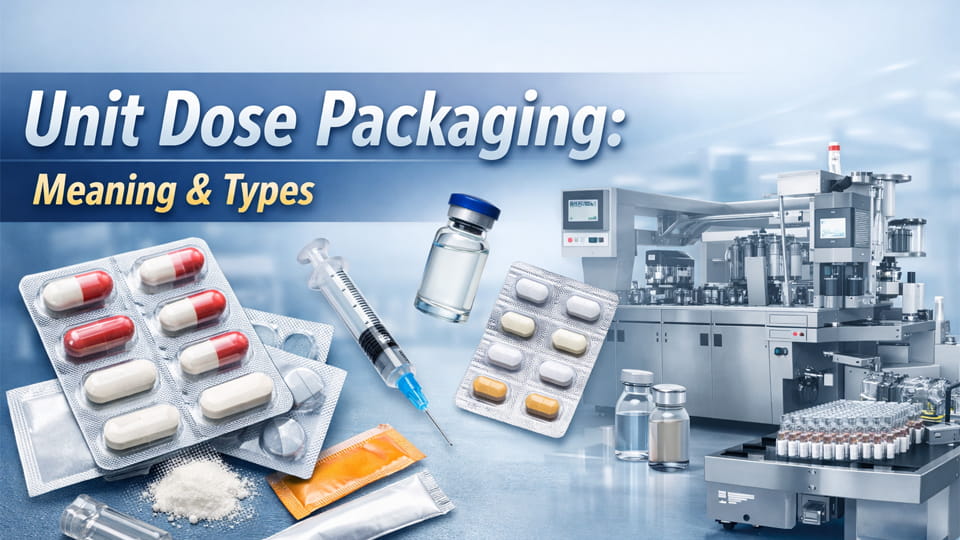
บรรจุภัณฑ์แคปซูลหมายถึงวิธีการบรรจุยาแคปซูล (เปลือกแข็งหรือซอฟเจล) ปิดล้อมไว้เพื่อจำหน่ายและใช้งาน. มันรวมถึง บรรจุภัณฑ์หลัก (ภาชนะที่สัมผัสกับแคปซูลทันที, E.G. โพรงพุพองหรือขวด) และ บรรจุภัณฑ์รอง (กล่องด้านนอก, กล่อง, และฉลากที่ช่วยปกป้องและระบุผลิตภัณฑ์เพิ่มเติม). บรรจุภัณฑ์แคปซูลที่ดีต้องป้องกันตัวยาจากความชื้น, แสงสว่าง, และการปนเปื้อน, รับประกันความมั่นคงตลอดอายุการเก็บรักษา, และเป็นไปตามข้อกำหนดด้านกฎระเบียบ. ตัวอย่างเช่น, ใครตั้งข้อสังเกตว่า “ส่วนประกอบบรรจุภัณฑ์ล้อมรอบผลิตภัณฑ์ตั้งแต่การผลิตจนถึงการใช้งาน,- และต้องตอบสนองหน้าที่เช่นการปกป้อง, ความมั่นคง, และการระบุตัวตน. กฎระเบียบ GMP ของ FDA (21 ซีเอฟอาร์ 211) ต้องมีขั้นตอนที่เป็นลายลักษณ์อักษรสำหรับการตรวจสอบและทดสอบวัสดุบรรจุภัณฑ์เมื่อได้รับ, และควบคุมการติดฉลากและการควบคุมการงัดแงะอย่างปลอดภัย. ในทางปฏิบัติ, เราต้องตรงกับ ผลิตภัณฑ์แคปซูล (แบบฟอร์มการให้ยา, ความไว, ปริมาณ, ฯลฯ) ให้มีรูปแบบบรรจุภัณฑ์และวัสดุที่เหมาะสม.
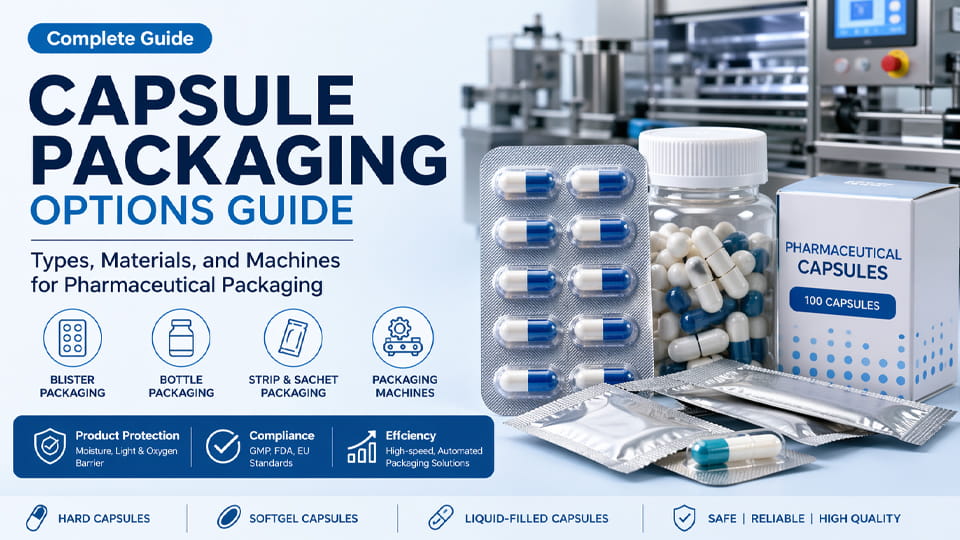
บรรจุภัณฑ์หลักของยาแคปซูล – เป็นสิ่งสำคัญสำหรับ การปกป้องผลิตภัณฑ์, การปฏิบัติตาม, และความปลอดภัยของผู้ป่วย: ช่วยให้แคปซูลแห้ง, ไม่ปนเปื้อน, และติดป้ายไว้อย่างชัดเจน. เช่น, เป็นที่รู้กันว่าบรรจุภัณฑ์พลาสติกและขวดสีเหลืองอำพันเหมาะสำหรับยาที่ไวต่อความชื้น. บรรจุภัณฑ์ที่เหมาะสมยังสนับสนุนการปฏิบัติตามข้อกำหนดของผู้ป่วยอีกด้วย (การให้ยาตุ่มแบบหน่วยขนาด, ขวดที่ทนต่อเด็ก, การติดฉลากที่ชัดเจน) และความต้องการด้านห่วงโซ่อุปทาน (การทำให้เป็นอนุกรม, โลจิสติกส์). ด้านล่างเราจะตรวจสอบแต่ละตัวเลือกโดยละเอียด.
ประเภทของบรรจุภัณฑ์แคปซูล
บรรจุภัณฑ์พุพองสำหรับแคปซูล
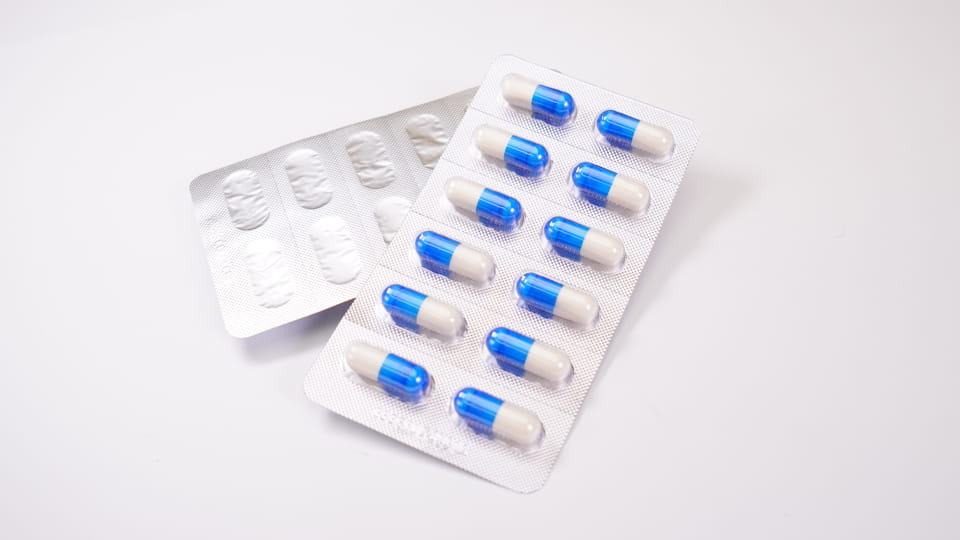
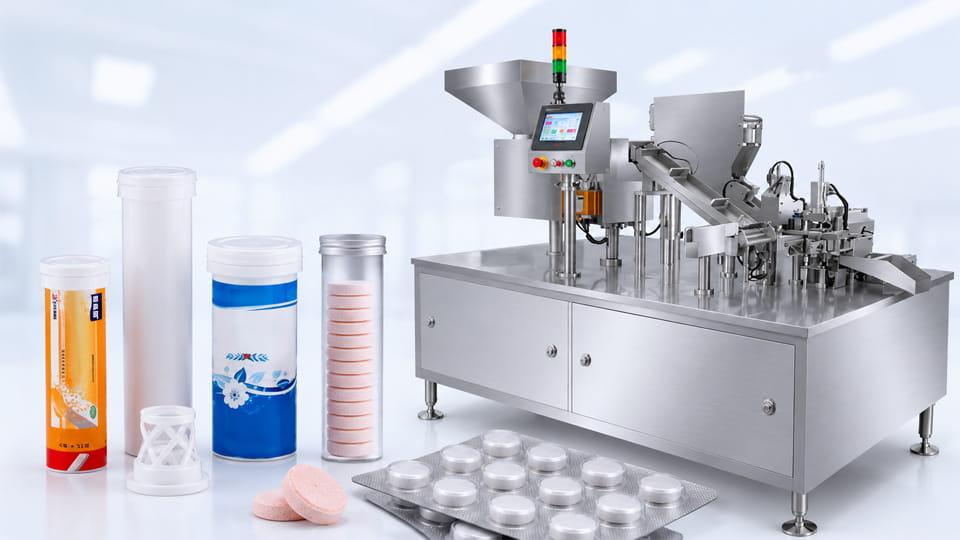
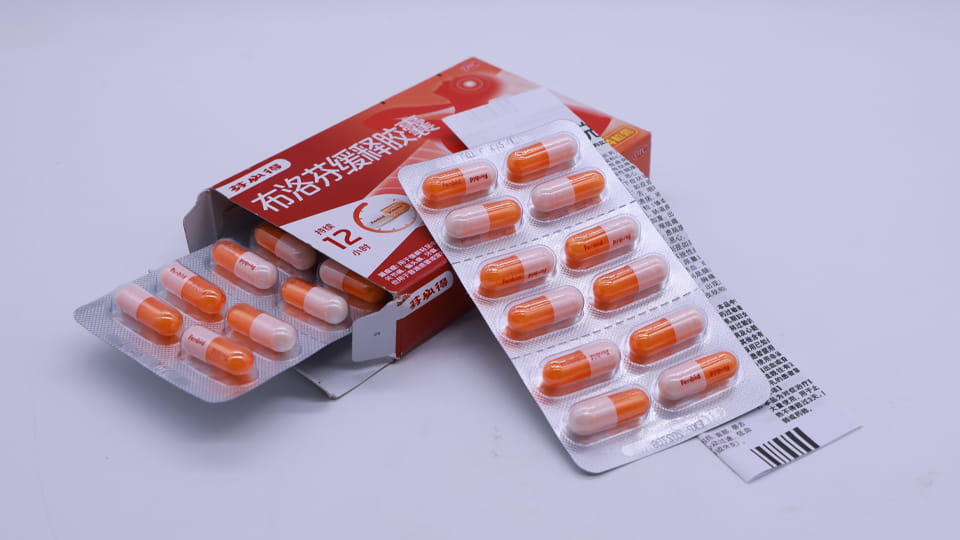
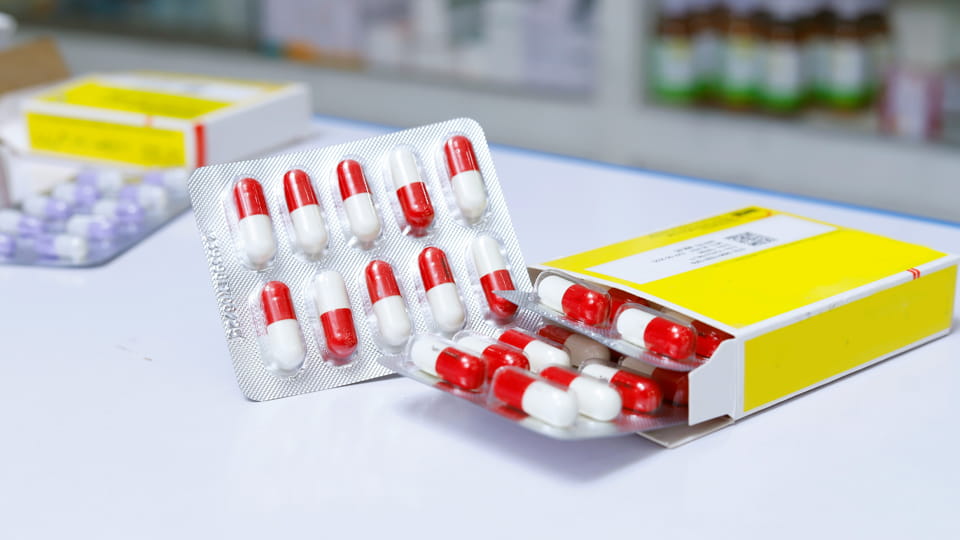
แพ็คแผลพุพอง ประกอบด้วยโพรงพลาสติกที่ขึ้นรูปไว้ล่วงหน้า (“แผลพุพอง”) ที่บรรจุแคปซูลแต่ละอัน, ปิดผนึกด้วยการสนับสนุน (ฟอยล์หรือพลาสติก). นี้ บรรจุภัณฑ์หลัก ข้อเสนอ การป้องกันแบบหน่วยปริมาณ. แผลพุพองให้ อุปสรรคที่ดีเยี่ยม คุณสมบัติ: พวกเขาสามารถทำด้วย วัสดุเช่น PVC/PVDC หรือฟอยล์ (อลู-พีวีซี, อลู-อลู) เพื่อป้องกันความชื้น, ออกซิเจนและแสง. ตัวอย่างเช่น, เครื่องตุ่ม DPP-180Pro ของ Jinlu สามารถสร้างและปิดผนึกได้สูงสุด 4,800 แผลพุพองต่อชั่วโมง ในลามิเนต Alu-PVC หรือ Alu-Alu. คุณสมบัติที่สำคัญของบรรจุภัณฑ์พุพองแบบแคปซูล ได้แก่:
- การป้องกัน: แต่ละช่องถูกปิดผนึกอย่างแน่นหนา, ป้องกันแคปซูลจากความชื้น, ออกซิเจนและแสง. ดังบันทึกการศึกษาฉบับหนึ่ง, แผลพุพอง “ให้การปกป้องความชื้นและแสงที่เหนือกว่า” (ดีกว่าขวด). ฟอยล์กั้นสูง (E.G. อลู-อลู) ยืดอายุการเก็บรักษาสำหรับแคปซูลดูดความชื้นหรือไวต่อออกซิเจน.
- หลักฐานงัดห่าน: ตุ่มพองแสดงให้เห็นอย่างชัดเจนว่าได้เอายาออกหรือซีลแตกหรือไม่. สิ่งนี้ทำให้มั่นใจในความสมบูรณ์ของผลิตภัณฑ์และความปลอดภัยของผู้ป่วย.
- ความสะดวก: แผลพุพองแบบหน่วยขนาดให้ผู้ป่วยรับประทานครั้งละหนึ่งแคปซูล, ลดข้อผิดพลาดในการใช้ยาและของเสีย. มีประโยชน์อย่างยิ่งสำหรับตารางการให้ยาที่สั้นหรือการกำหนดสูตรสำหรับเด็ก.
- การปรับแต่ง: บรรจุภัณฑ์พลาสติกสามารถทำได้ในรูปทรงและขนาดช่องต่างๆ เพื่อให้พอดีกับขนาดแคปซูลที่แตกต่างกัน. เครื่องจักรที่ทันสมัย (เช่น เครื่องเทอร์โมฟอร์มหรือเครื่องช่วยเสียบปลั๊ก) ปรับให้เข้ากับขนาดแคปซูลได้อย่างง่ายดาย.
- ประสิทธิภาพพื้นที่: แผลพุพองมีขนาดกะทัดรัดและวางซ้อนกันได้. ลดพื้นที่ว่างให้เหลือน้อยที่สุดเมื่อเทียบกับขวด, ประหยัดค่าขนส่งและพื้นที่ชั้นวาง.

รูป:Jinlu JL-180Pro เครื่องบรรจุภัณฑ์พุพองขึ้นรูปตุ่มแคปซูล (อลู-พีวีซี), 4,800 ฟันผุ/ชั่วโมง.
เครื่องตุ่มของ Jinlu (E.G. ดีพีพี-180โปร) สามารถสร้างฟันผุได้โดยอัตโนมัติ, ฟีดแคปซูล, ผนึก, แผ่นตัด, และแม้กระทั่งพิมพ์รหัสล็อต. โดยทั่วไปแล้วจะวิ่งด้วยความเร็วปานกลางถึงสูง (หลายพันฟันผุต่อชั่วโมง), เหมาะสำหรับการผลิตจำนวนมาก. พุพองรูปแบบต่างๆ (อลู-พีวีซี กับ อลู-อลู) ถูกเลือกตามผลิตภัณฑ์: อลู-อลู (ฟอยล์ฟอยล์) เสนออุปสรรคสูงสุด (ดีที่สุดสำหรับยาที่ไวต่อความชื้นมาก), ในขณะที่ PVC/PVDC นั้นเป็นเรื่องปกติสำหรับแคปซูลมาตรฐาน. บรรจุภัณฑ์พุพองยังช่วยให้การนับและการตรวจสอบง่ายขึ้นอีกด้วย: สายการผลิตส่วนใหญ่จะรวมการตรวจสอบด้วยกล้องหรือเครื่องนับแท็บเล็ตเพื่อตรวจสอบการบรรจุแคปซูลได้อย่างง่ายดาย.
ขวด (ขวด/ขวดแคปซูล) การบรรจุหีบห่อ
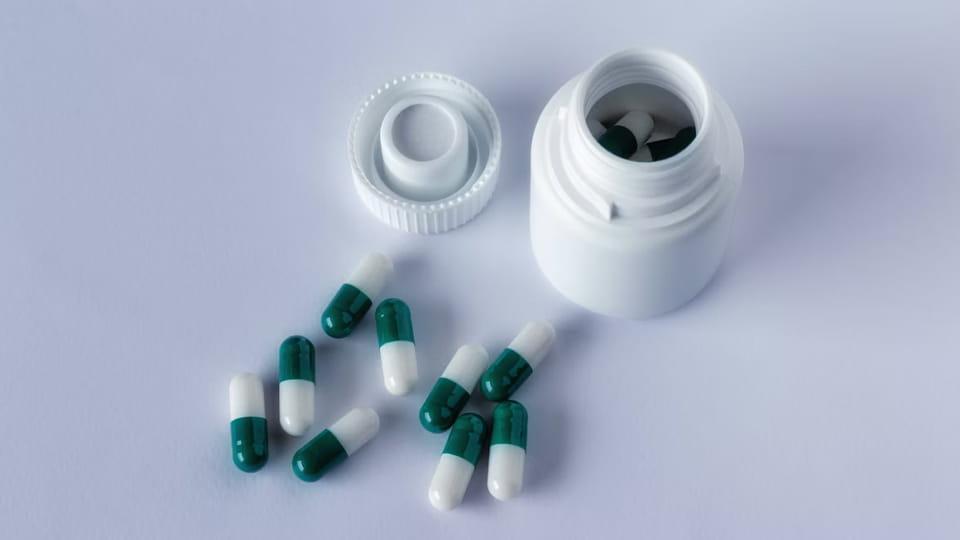
ขวดเป็นภาชนะบรรจุหลายขนาดแบบคลาสสิก. แคปซูลบรรจุลงในขวด (พลาสติกหรือแก้ว) ซึ่งต่อยอดแล้ว. รูปแบบนี้เป็นที่รู้จักกันดีในเรื่องวิตามิน, อาหารเสริม, และยาตามใบสั่งแพทย์มากมาย. คุณสมบัติที่สำคัญ:
- ความเก่งกาจ: ขวดสามารถบรรจุปริมาณมากได้ (50–1,000+ แคปซูล) และผลิตภัณฑ์ที่หลากหลาย (แท็บเล็ต, แคปซูล, ผง, แม้แต่ของเหลว). มักทำจากพลาสติก HDPE หรือ PET, หรือแก้ว (สำหรับความเฉื่อยทางเคมีที่รุนแรง).
- บรรจุภัณฑ์จำนวนมาก: สำหรับแคปซูลที่ตั้งใจจะรับประทานซ้ำๆ (วิตามินทุกวัน, การบำบัดระยะยาว), ขวดก็สะดวก. ผู้ป่วยสามารถจ่ายยาได้หลายครั้ง.
- ประสิทธิภาพต้นทุน: เส้นบรรจุขวดค่อนข้างง่าย. เครื่องจักรจะนับหรือชั่งน้ำหนักปริมาณได้เร็วขึ้น (E.G. JL-16H ของ Jinlu สามารถเติมได้สูงสุด 100 ขวด/นาที). ต้นทุนวัสดุต่อหน่วยมักจะต่ำกว่าตุ่ม, โดยเฉพาะอย่างยิ่งในวงกว้าง.
- การจัดการที่ง่าย: ผู้บริโภครู้วิธีเปิดขวด. ผู้สูงอายุอาจเปิดขวดได้ง่ายกว่า (โดยเฉพาะอย่างยิ่งเมื่อมีฝาปิดที่เปิดง่ายหรือป้องกันเด็ก) กว่าการลอกแผลพุพอง.
- บรรจุภัณฑ์ทุติยภูมิ: ขวดอนุญาตให้รวมสิ่งของเสริมเช่น แพ็คเก็ตสารดูดความชื้น (เพื่อการควบคุมความชื้น) หรือ ฝ้าย. นอกจากนี้ยังรองรับฉลากผลิตภัณฑ์แบบเต็มรอบตัวขวดอีกด้วย, และสามารถบรรจุเป็นกล่องได้.

รูป: สายการบรรจุขวดแคปซูล/แท็บเล็ต Jinlu JL-16H (100 ขวด/นาที) พร้อมตัวถอดรหัส, ฟิลเลอร์, แคปเปอร์, และผู้ติดฉลาก.
สายการบรรจุขวดแบบแคปซูลรวมเครื่องจักรหลายเครื่องเข้าด้วยกัน: อัน เครื่องถอดรหัสขวด (หรือถังป้อนอาหาร), อัน เครื่องนับ-บรรจุ (ที่หยอด X แคปซูลลงในแต่ละขวด), อัน เครื่องปิดฝา/ปิดฝา (ใช้และขันฝาปิดให้แน่น), และก เครื่องติดฉลาก. ตัวอย่างเช่น, กลุ่มผลิตภัณฑ์ JL-16H ของ Jinlu สามารถรองรับแคปซูลขนาด 3–40 มม, บรรลุ ~ 100 ขวด/นาทีด้วย >99.8% ความแม่นยำในการนับ. สามารถบรรจุขวดจำนวนมากได้อย่างรวดเร็ว. เพื่อให้เป็นไปตามกฎระเบียบ, สายขวดมักจะมีสถานีสำหรับใส่สารดูดความชื้น (E.G. แพ็คซิลิกา) และสถานีซีลที่ป้องกันการงัดแงะ. หมวกป้องกันเด็กเป็นคุณสมบัติทั่วไปอีกประการหนึ่งของยาสำหรับเด็ก.
ในการเลือกบรรจุภัณฑ์แบบขวด, พิจารณาปริมาณและความเสถียรของผลิตภัณฑ์: สินค้าที่มีปริมาณมาก (E.G. วิตามินทุกวัน) ขวดสูท, ในขณะที่แคปซูลที่มีปริมาณน้อยหรือมีความไวสูงอาจชอบตุ่มพอง. ขวดโน๊ตโดยทั่วไปมีให้ ป้องกันความชื้น/ออกซิเจนโดยธรรมชาติน้อยกว่าแผลพุพองที่มีอุปสรรคสูง. แก้วอำพันหรือภาชนะทึบแสงสามารถเพิ่มการป้องกันแสงได้, และซีลด้านใน (อลูมิเนียมฟอยล์สมุทร) สามารถปรับปรุงสิ่งกีดขวางได้.
ซอง & สติ๊กแพ็ค (ถุงขนาดเดียว)
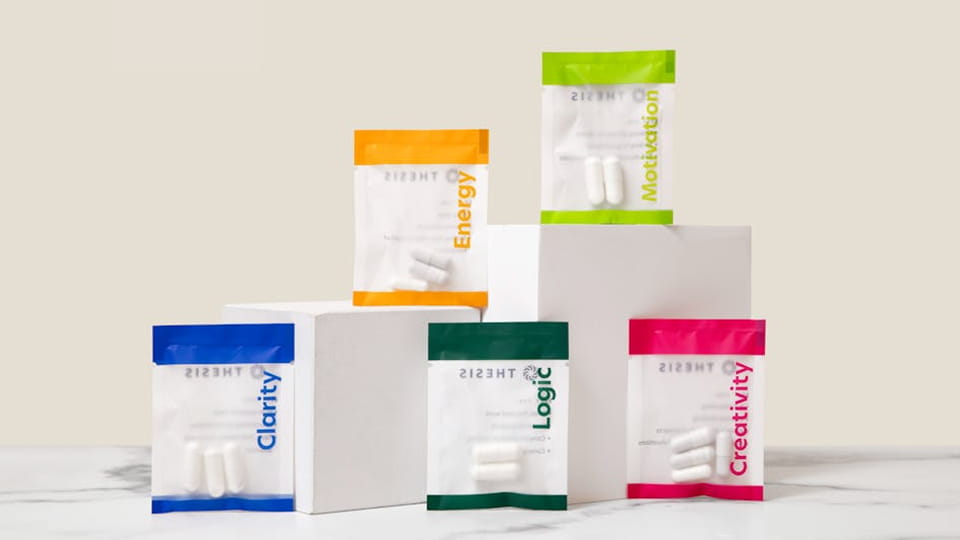
ซอง (และแพ็คติด) เป็น แพ็กเก็ตที่ยืดหยุ่น ที่บรรจุผงหนึ่งโดส, เม็ดหรือของเหลว. แม้ว่าจะไม่ธรรมดาสำหรับแคปซูลก็ตาม, มีความเกี่ยวข้องกับรูปแบบยาที่เกี่ยวข้อง (E.G. แคปซูลโภชนาการที่แตกเป็นผง, หรือตัวเติมแป้งนั่นเอง). อย่างไรก็ตาม, ซองและแพ็คสติ๊ก สมควรได้รับการกล่าวถึงในคู่มือบรรจุภัณฑ์แคปซูล:
- ซอง มักเป็นซองแบนหรือทรงหมอนปิดผนึก 3 หรือ 4 ด้านข้าง. มักใช้สำหรับผงขนาดเดียว (E.G. เม็ดฟู่) หรือแคปซูลขนาดเล็กมาก (ร้านขายยาบางแห่งจะจ่ายยาแคปซูลในซองเพื่อใช้ในการใช้ยาในเด็ก). เครื่องซีลปิดแบบฟอร์มสมัยใหม่สามารถบรรจุซองด้วยปริมาณที่น้อยมาก. ข้อดี ได้แก่ การพกพา (เหมาะกับกระเป๋า), ความสะดวก, และการจ่ายยาที่แม่นยำ (ไม่มีของเสียบางส่วน). ซองยังให้การปิดผนึกที่ดี: ซีลสุญญากาศช่วยยืดอายุการเก็บรักษาและป้องกันการปนเปื้อน. ยาหลายชนิด (ผง, เจล, ขี้ผึ้ง, ยาเม็ดครั้งเดียว) ใช้ซอง; ตัวอย่างเช่น, สารละลายทดแทนการให้น้ำฉุกเฉินแบบฉีดได้หรือผงยาปฏิชีวนะแบบใช้ครั้งเดียว.
- สติ๊กแพ็ค มีความยาว, ซองแคบ (มักผนึกไว้ตามตะเข็บยาวหนึ่งเส้นบวกกับตะเข็บปลาย). นิยมนำมาเป็นอาหารเสริมชนิดผง (E.G. ผสมเครื่องดื่มทันที) และสามารถใช้เป็นผงแคปซูลได้. โดยทั่วไปแพ็คแบบแท่งจะใช้วัสดุน้อยกว่าแบบซองและปริมาณงานของเครื่องจักรสูงกว่า (30–เร็วขึ้น 50%). เหมาะอย่างยิ่งสำหรับแป้งที่ไหลอย่างอิสระเนื่องจากมีช่องเปิดที่เรียวยาว.

ทั้งแบบซองและแบบซองผลิตโดย แบบฟอร์มกรอกแนวตั้ง (Vffs) หรือเครื่อง FFS แนวนอน. ซีรี่ส์ JL-VP ของ Jinlu, เช่น, เป็นเครื่อง FFS แบบแท่ง/ซองแบบหลายเลน (40 กระเป๋า/นาที/เลน, ความแม่นยำ ±0.02g) สำหรับผง, เม็ด, ของเหลวหรือเจล. หากแคปซูลเองต้องบรรจุเป็นซอง, เราจะเปิดซองเพื่อรับขนาดยา แต่โดยทั่วไปจะมากกว่านั้น, แคปซูลบรรจุในตุ่มหรือขวดเหมือนเดิม, ในขณะที่ซอง/ซองแบบแท่งจะจัดการกับสิ่งที่เป็นผง.
หมายเหตุข้อบังคับ: อนุญาตให้ใช้ซองและแพ็คแท่งสำหรับยาที่เป็นของแข็งและกึ่งแข็ง (ตามคำจำกัดความของ WHO). จะถือเป็นบรรจุภัณฑ์หลักหากมีผลิตภัณฑ์โดยตรง. เหมือนแผลพุพอง, ซองสามารถออกแบบให้ทนทานต่อเด็กหรือมีรอยบากฉีกขาด.
แถบบรรจุภัณฑ์
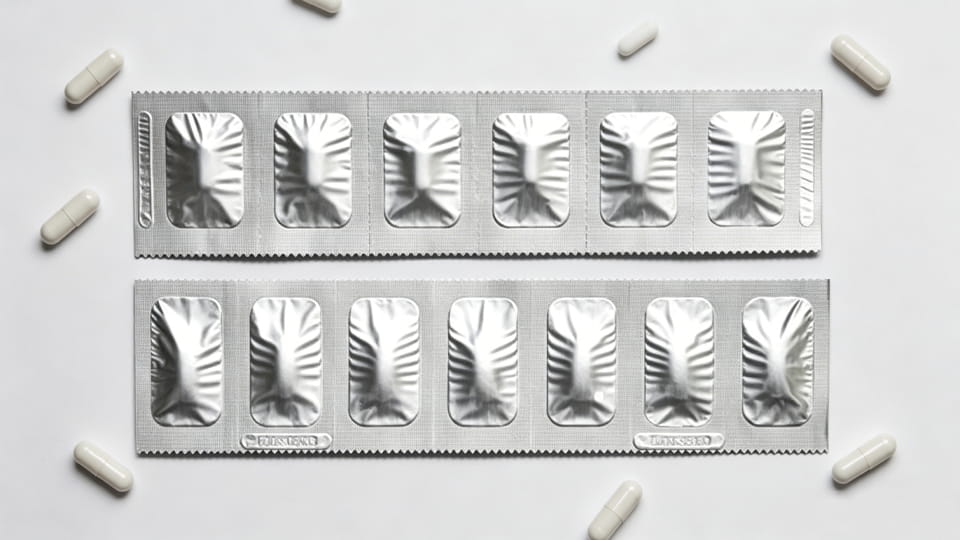
แพ็คแถบ (เรียกอีกอย่างว่าแถบฟอยล์หรือ "แถบปริมาณ") เป็นอีกรูปแบบหนึ่งของชุดปฐมภูมิแบบหน่วยขนาด. โดยทั่วไปแล้วแถบจะเป็นโครงข่ายวัสดุแคบๆ (มักเป็นอลูมิเนียมหรือลามิเนตหลายชั้น) พับและปิดผนึก, มีรูพรุนระหว่างโดส. ไม่เหมือนแผลพุพอง, บรรจุภัณฑ์แบบสตริปจะไม่ทำให้เกิดโพรงลึกแทน, แคปซูลถูกประกบอยู่ระหว่างฟิล์มสองชั้น. Strip Pack มีการใช้กันอย่างแพร่หลายในเอเชียและสำหรับผลิตภัณฑ์ที่ต้องการการป้องกันความชื้นสูงแต่ตุ่มพองมีขนาดใหญ่เกินไป. ประเด็นสำคัญ:
- สิ่งกีดขวางที่ยอดเยี่ยม: Strip Pack มักใช้อลูมิเนียมฟอยล์ซึ่งไม่สามารถซึมผ่านความชื้นและออกซิเจนได้. ทำให้เหมาะสำหรับแคปซูลที่ไวต่อความชื้นหรือยาสำหรับเด็กที่ต้องการอายุการเก็บรักษาที่ยาวนาน. WHO ยังกำหนดว่าบรรจุภัณฑ์แบบแถบเหมาะสำหรับ “ปริมาณเดี่ยว… ของการเตรียมที่เป็นของแข็งหรือกึ่งของแข็ง”.
- กะทัดรัด & หน่วย-ปริมาณ: เหมือนแผลพุพอง, แถบแพ็คอนุญาตให้ใช้ครั้งละหนึ่งโดส. มันเบาและแบนกว่าแผลพุพอง, ประหยัดพื้นที่.
- อุปกรณ์: ดึงเครื่องบรรจุออกจากกล่องและปิดผนึกฟอยล์รอบๆ แคปซูลแต่ละอัน. Jinlu มีเครื่องบรรจุแถบด้วยเช่นกัน. ตัวอย่างเช่น, Rich Packing กระดาษโน๊ตแบบแถบใช้การเคลือบอะลูมิเนียมหรือพลาสติก และสามารถบรรจุได้หลายขนาด.
 รูป:เครื่องบรรจุหีบห่อ
จากมุมมองของการคัดเลือก, แถบแพ็คใช้พื้นที่ตรงกลางระหว่างขวด (เป็นกลุ่ม) และพุพอง (ความแข็งแกร่ง). พวกเขามักจะถูกเลือกเมื่อ กั้นความชื้นได้สูงมาก เป็นสิ่งจำเป็นแต่อยู่ในความบาง, ฟอร์มน้ำหนักเบา. (บันทึก: แถบแพ็คอาจไม่แสดงหลักฐานการงัดแงะได้ชัดเจนเท่ากับตุ่มพอง เว้นแต่ว่ามีการใช้ซีลเพิ่มเติม)
บรรจุภัณฑ์ทุติยภูมิ & การติดฉลาก
หลังจากเลือกแพ็กหลักแล้ว, แคปซูลมักจะถูกวางไว้ใน บรรจุภัณฑ์รอง เช่น กล่องกระดาษหรือ หดห่อ กรณี. กล่องต่างๆ ให้การปกป้องเป็นพิเศษในระหว่างการขนส่ง, อนุญาตให้ติดฉลากเพิ่มเติม (ข้อมูลยา, การสร้างแบรนด์, ซีลป้องกันการงัดแงะ), และช่วยจัดระเบียบสินค้าหลายแพ็ค. ข้อควรพิจารณาที่สำคัญสำหรับบรรจุภัณฑ์รอง:
- กล่อง & ส่วนแทรก: กล่องทางการแพทย์ต้องมีส่วนแทรกผลิตภัณฑ์ (แผ่นพับพร้อมคำแนะนำในการใช้ยา, หมายเลขแบทช์, หมดอายุ, ข้อมูลผู้ผลิต, ฯลฯ). พวกนี้มักจะเป็นแผ่นพับกระดาษที่สอดเข้าไปในกล่อง.
- ซีลป้องกันการงัดแงะ: บรรจุภัณฑ์รองมักมีซีลป้องกันการงัดแงะ (E.G. เทปรักษาความปลอดภัย, วงหด) เพื่อแสดงว่ากล่องถูกเปิดแล้ว.
- การทำให้เป็นอนุกรม/ติดตาม & ติดตาม: ในตลาดหลายแห่ง (สหรัฐอเมริกา DSCSA, สหภาพยุโรป เอฟเอ็มดี), แต่ละแพ็คเกจจะต้องมีรหัสซีเรียลที่ไม่ซ้ำกัน (บาร์โค้ด/คิวอาร์) สำหรับการต่อต้านการปลอมแปลง. โซลูชันบรรจุภัณฑ์ที่มีประสิทธิภาพประกอบด้วยเครื่องพิมพ์ฉลากหรือเครื่องเข้ารหัสอิงค์เจ็ทเพื่อพิมพ์หมายเลขล็อต/แบทช์ และโค้ด 2D บนกล่อง.
- คุณสมบัติป้องกันเด็กและความปลอดภัย: สำหรับยาบางชนิด, กฎระเบียบ (E.G. 21 ซีเอฟอาร์ 211) อาณัติบรรจุภัณฑ์ที่ทนต่อเด็ก. ซึ่งอาจรวมถึงแผ่นฟิล์มพองที่เด็กเปิดยาก, หรือฝาพิเศษบนขวด. กล่องรองอาจมีตัวล็อคหรือต้องเปิดสองขั้นตอนหากจำเป็น.
- ความเสถียรและการปฏิบัติตามข้อกำหนด: ระบบหลัก+รองที่รวมกันจะต้องทำให้ผลิตภัณฑ์มีความเสถียรภายใต้สภาวะการจัดเก็บที่มีป้ายกำกับ. ตัวอย่างเช่น, การศึกษาความคงตัวของ ICH จำเป็นต้องมีการทดสอบรูปแบบขนาดยาบรรจุสุดท้ายอย่างชัดเจน.
โดยสรุป, บรรจุภัณฑ์รองห่อหุ้มผลิตภัณฑ์เพื่อจำหน่ายขั้นสุดท้าย และรับประกันว่ามีคุณสมบัติการติดฉลากและการปฏิบัติตามข้อกำหนดทั้งหมด. การออกแบบที่ดีช่วยเพิ่มภาพลักษณ์ของแบรนด์และความสะดวกสบายของผู้ใช้ (กล่องที่เปิดง่าย, การติดฉลากที่ชัดเจน).
วัสดุสำหรับบรรจุภัณฑ์แคปซูล
การเลือกวัสดุบรรจุภัณฑ์ที่เหมาะสมถือเป็นสิ่งสำคัญในการปกป้องแคปซูล. วัสดุจะต้องเข้ากันได้กับยา, ตอบสนองความต้องการอุปสรรค, และปฏิบัติตามกฎระเบียบ (ไอเอสโอ 15378 GMP สำหรับวัสดุบรรจุภัณฑ์, ฯลฯ). วัสดุทั่วไปได้แก่:
- ฟิล์มพุพอง:
- พีวีซี (โพลีไวนิลคลอไรด์): ต้นทุนต่ำ, พลาสติกใสมักใช้ทำแผลพุพอง. พีวีซีสามารถซึมผ่านความชื้นได้ (ไม่ได้รับการปกป้อง) เว้นแต่จะเคลือบ.
- พีวีซี/พีวีดีซี: พีวีซีเคลือบด้วย PVDC (โพลีไวนิลิดีนคลอไรด์) ช่วยลดการซึมผ่านของความชื้นได้อย่างมาก (ตุ่ม Alu-PVC ทั่วไปใช้แผงกั้น PVDC).
- อลู-พีวีซี หรือ อลู-อลู: อลูมิเนียมฟอยล์เคลือบ PVC หรือ PET. Alu-PVC ช่วยป้องกันความชื้น/ออกซิเจนได้ดี (ทั่วไป), ในขณะที่อลู-อลู (ฟอยล์ฟอยล์) ให้ สูงสุด สิ่งกีดขวาง (ใช้สำหรับแคปซูลที่ดูดความชื้นสูงหรือไวต่อแสง).
- โพรพิลีน (พีพี): ออกมาเป็นทางเลือกที่ยั่งยืน. แผลพุพองพีพี (วัสดุเดี่ยว) สามารถรีไซเคิลได้อย่างเต็มที่, เช่นเดียวกับซับใน PharmaGuard ของ Südpack, และยังคงทำงานได้ดีในไลน์อัตโนมัติ.
- วัสดุขวด:
- เอชดีพีอี (เอทิลีนความหนาแน่นสูง): พลาสติกทั่วไปสำหรับขวดยา; ค่อนข้างเฉื่อยและคุ้มค่า.
- สัตว์เลี้ยง (โพลีเอทิลีนเทเรฟทาเลต): ให้ความชัดเจนและความแข็งแกร่งที่ดีขึ้น; สิ่งกีดขวางที่ดีเทียบกับก๊าซ. มักใช้สำหรับโภชนเภสัช/อาหารเสริม.
- กระจก (ประเภทที่ 1 บอโรซิลิเกต): ใช้สำหรับผลิตภัณฑ์ที่ไวต่อความชื้นหรือทางหลอดเลือด; แก้วเป็นเกราะป้องกันความชื้นและความเฉื่อยของสารเคมีได้ดีเยี่ยม. กระจกสีเหลืองอำพันยังป้องกันแสงยูวีอีกด้วย.
- หนังเรื่องอื่นๆ: สำหรับซองและแพ็คแบบแท่ง, ฟิล์มลามิเนตหลายชั้น (E.G. PET/ไป/PE) ใช้ในการควบคุมความชื้นและการปิดผนึก.
โดยทั่วไป, เลือกสิ่งกีดขวางสูงสุดที่เหมาะสมกับแคปซูลของคุณ. ตัวอย่างเช่น, แคปซูลเจลาตินที่ไวต่อความชื้นอาจรับประกันตุ่ม Alu-Alu หรือขวดแก้วสีเหลืองอำพันที่มีสารดูดความชื้น. ในทางตรงกันข้าม, แคปซูลที่ไม่ไวต่อความรู้สึกอาจใช้ตุ่ม PVC มาตรฐานหรือขวด HDPE. พิจารณาอายุการเก็บรักษาด้วย: ผลิตภัณฑ์ระยะยาวจำเป็นต้องมีอุปสรรคที่แข็งแกร่งมากขึ้น.
หมายเหตุด้านความปลอดภัย/การรีไซเคิล: แนวโน้มที่ยั่งยืนสนับสนุนบรรจุภัณฑ์แบบวัสดุเดียว (E.G. แผลพุพองพีพี, ขวด PET รีไซเคิลได้). การทดสอบวัสดุสำหรับสารสกัด, ความเข้ากันได้, และเป็นไปตามข้อจำกัดของ FDA/EU (E.G. USP <661> สำหรับพลาสติไซเซอร์) เป็นส่วนหนึ่งของการปฏิบัติตามข้อกำหนดด้านบรรจุภัณฑ์.
ประเภทแคปซูลและผลกระทบของบรรจุภัณฑ์
แคปซูลมีหลายประเภทและการกำหนดสูตรก็กำหนดความต้องการบรรจุภัณฑ์:
- แคปซูลเจลาตินแข็ง: เปลือกหอยสองชิ้นที่พบมากที่สุด. ประกอบด้วยผง/เม็ดแห้ง. เปลือกเจลาตินจะกักเก็บความชื้นไว้เล็กน้อย และจะเปราะหากแห้งเกินไป, หรือนุ่มถ้าเปียกเกินไป. โดยทั่วไป, แคปซูลเจลาตินแข็ง จำเป็นต้อง ปานกลาง การควบคุมความชื้น. สภาพการจัดเก็บที่อ้างถึงกันอย่างแพร่หลายคือ 15–25°C และความชื้นสัมพัทธ์ 35–65%. บรรจุภัณฑ์ควรรักษาสภาพแวดล้อมนี้ไว้: ตัวอย่างเช่น, บรรจุภัณฑ์พลาสติกที่มีไลเนอร์ PVDC หรือ Alu-Alu, หรือขวดที่มีสารดูดความชื้น, ช่วยให้แคปซูลคงตัว.
- HPMC (มังสวิรัติ) แคปซูล: ผลิตจากเซลลูโลสจากพืช, เปลือกเหล่านี้มักจะมีความชื้นโดยธรรมชาติต่ำกว่าเจลาตินและทนได้สูงถึง ~70% RH. มักใช้กับ API ที่ไวต่อความชื้น. อย่างไรก็ตาม, สม่ำเสมอ แคปซูล HPMC จำเป็นต้องมีบรรจุภัณฑ์กั้นสำหรับการบรรจุที่ดูดความชื้นสูงหรือไวต่อแสง. ในทางปฏิบัติ, แคปซูล HPMC + ตุ่ม PVC มักจะเพียงพอแล้ว, แต่มีสิ่งกีดขวางสูงยังเพิ่มความปลอดภัย.
- แคปซูลซอฟเจล (เติมของเหลว): ซอฟท์เจล มีเจลาติน (หรือเจลาตินดัดแปลง) เปลือกที่เต็มไปด้วยน้ำมันหรือของเหลวอื่นๆ. พวกเขามีน้ำที่สำคัญ (บ่อยครั้ง ~5–10%) ในเปลือกและอาจสูญเสียความชื้นหรือออกซิไดซ์ได้. ซอฟเจลมีความไวต่อความชื้นมาก: โดยทั่วไปแล้วพวกเขาจะต้องใช้ขวดแก้วสีเหลืองอำพัน (ด้วยสารดูดความชื้น) หรือบรรจุภัณฑ์พุพองที่มีอุปสรรคสูงเพื่อป้องกันการสูญเสียน้ำและรักษาประสิทธิภาพ. เนื่องจากเปลือกซอฟเจลไวต่ออุณหภูมิ/ความชื้นในระหว่างการผลิต, บางครั้งจำเป็นต้องใช้โซ่เย็นและบรรจุภัณฑ์แบบพิเศษ.
- แคปซูลแบบลำไส้เล็ก / ดัดแปลง: สิ่งเหล่านี้มีสารเคลือบพิเศษเพื่อชะลอการหลั่งในทางเดินอาหาร. การเคลือบเพิ่มความไวอีกชั้นหนึ่ง (อาจมีความไวต่อค่า pH หรือเปราะบางมากขึ้น). แคปซูลดังกล่าวควรเก็บไว้ในที่แห้ง และโดยทั่วไปจะบรรจุในตุ่มหรือขวดเช่นเดียวกับแคปซูลอื่นๆ. การเคลือบต้องการสภาวะที่สอดคล้องกัน; ดังนั้นบรรจุภัณฑ์ที่รับประกันการควบคุมอุณหภูมิ/ความชื้นในระหว่างการกระจายจึงมีความสำคัญ.
ในระยะสั้น, ที่ วัสดุเปลือกแคปซูลและชนิดเติม จะส่งผลต่อการเลือกบรรจุภัณฑ์. สูตรที่ไวต่อความชื้นสูงมักจะชอบสิ่งกีดขวางที่แคบที่สุดเสมอ (ตุ่มอลู-อลู, ซองฟอยล์, หรือขวดปิดผนึกด้วยสารดูดความชื้น). สูตรที่ละเอียดอ่อนน้อยกว่าจะมีตัวเลือกมากขึ้น. ทดสอบความเสถียรของตัวเครื่องเสมอ แคปซูลบรรจุสุดท้าย (ICH Q1A ต้องการความเสถียรในคอนเทนเนอร์ที่นำเสนอ).
การเลือกบรรจุภัณฑ์ที่เหมาะสม (ผังการตัดสินใจ)
การเลือกบรรจุภัณฑ์แคปซูลที่เหมาะสมที่สุดเกี่ยวข้องกับการประเมินปัจจัยหลายประการ: แบบฟอร์มการให้ยา, การปฏิบัติตามผู้ป่วย, ความไวของผลิตภัณฑ์, อายุการเก็บรักษา, ข้อกำหนดด้านกฎระเบียบ, และค่าใช้จ่าย. ด้านล่างนี้เป็นกรอบการตัดสินใจแบบง่าย:
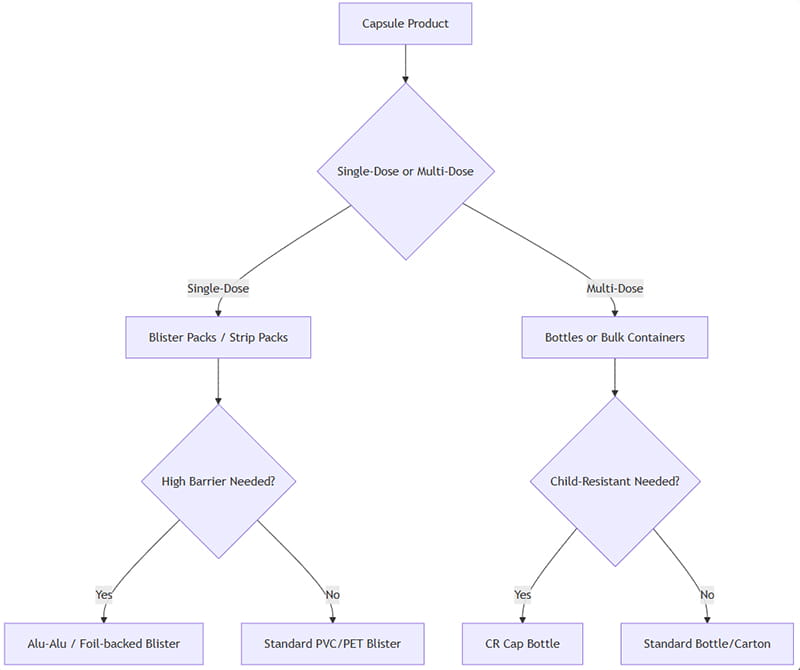
วิธีการสมัครนี้: หากแคปซูลมีจุดประสงค์ให้เป็นหน่วยเดียว (E.G. ยาที่แน่นหรือบัตรตุ่มขายปลีก), ควรใช้ตุ่ม/แถบ. สำหรับหลายโดส (E.G. อาหารเสริมหรือยาที่มีการใช้งานสูง), ขวดมีประสิทธิภาพมากขึ้น. หากการป้องกันความชื้น/แสงเป็นสิ่งสำคัญ, เลือกตัวเลือกที่มีอุปสรรคสูง (อลู-อลู, ขวดอำพัน). หากจำเป็นต้องมีความปลอดภัยของเด็ก, ใช้ฝาปิดขวดที่ป้องกันเด็กหรือการออกแบบบรรจุภัณฑ์พลาสติกที่ป้องกันการงัดแงะ.
เกณฑ์อื่นๆ จากอุตสาหกรรม ได้แก่:
- รูปแบบการให้ยา: เม็ด/แคปซูล → ตุ่ม, ขวด, หรือเปลื้องผ้า; ผง → ซอง/ซองแท่ง.
- ความไวต่อผลิตภัณฑ์: สำหรับยาที่ไวต่อความชื้น, ใช้ตุ่ม Alu-Alu หรือถุงฟอยล์. สำหรับไวต่อแสง, ใช้ขวดสีเหลืองอำพันหรือฟิล์มทึบแสง.
- การปฏิบัติตามข้อกำหนดของผู้ป่วย: รูปแบบหน่วย-ขนาดยา (ตุ่ม/แถบ) ช่วยเหลือยึดมั่น. ขวดเปิดง่ายช่วยผู้สูงอายุ.
- กฎระเบียบ: รวมหลักฐานการงัดแงะและปฏิบัติตามแนวทางบรรจุภัณฑ์ของ FDA/EMA.
- อายุการเก็บรักษา: อายุการเก็บรักษาที่นานขึ้นต้องใช้วัสดุที่มีอุปสรรคสูงกว่า (อลู-อลู, ฟิล์มหลายชั้น).
- ขนาดการผลิต: เครื่องตุ่มมีความเร็วสูง (ปริมาณปานกลาง), สายการผลิตขวดมีความเป็นเลิศในกระบวนการผลิตจำนวนมาก, เครื่องซองรองรับอัตราสายที่ยืดหยุ่น.
- ค่าใช้จ่าย: ยอดวัสดุเทียบกับต้นทุนเครื่องจักร. ตัวอย่างเช่น, ขวดอาจมีแรงงานต่อหน่วยต่ำกว่าแต่ต้นทุนพลาสติกสูงขึ้น; แพ็คแบบแท่งใช้ฟิล์มน้อยมากต่อโดส.
ในที่สุด, การทดสอบนำร่อง (การศึกษาความมั่นคง, การศึกษาผู้บริโภค) และการวิเคราะห์ต้นทุนทั้งหมดจะเป็นแนวทางในการตัดสินใจขั้นสุดท้าย. ผังงานด้านบนเป็นจุดเริ่มต้นสำหรับสถานการณ์ทั่วไป.
อุปกรณ์บรรจุภัณฑ์แคปซูล
แคปซูลบรรจุภัณฑ์ต้องใช้เครื่องจักรเฉพาะทาง. หลังจากเติมแคปซูลแล้ว (ด้วยฟิลเลอร์แบบแคปซูล), สิ่งเหล่านี้จะถูกถ่ายโอนไปยังสายการบรรจุ:
- เครื่องตุ่ม: เราสังเกตเห็นของ Jinlu แล้ว ดีพีพี-180โปร, เครื่องตุ่มเทอร์โมฟอร์มความเร็วสูง. มันเกิดฟันผุ (ฟิล์มพีวีซีหรือ PET), ฟีดแคปซูล (หรือแท็บเล็ต), และปิดผนึกด้วยกระดาษฟอยล์, ทั้งหมดโดยอัตโนมัติ. Jinlu นำเสนอเครื่องจักร (E.G. ดีพีพี-180, DPP-270Max) มากถึง 4,800–11,200 ฟันผุ/ชั่วโมง. เครื่องบรรจุภัณฑ์พลาสติกจะจับคู่กับเครื่องป้อนแบบนับเพื่อหยอดหนึ่งแคปซูลต่อกระเป๋า, และมักจะมีเครื่องเจาะเพื่อแยกตุ่มออกเป็นการ์ด. โมดูลเพิ่มเติม (การพิมพ์/การตรวจสอบ) ตรวจสอบให้แน่ใจว่าแต่ละตุ่มสามารถอ่านได้และถูกต้อง.
- การนับ & เส้นเติม (เส้นขวด): สิ่งเหล่านี้จะเปลี่ยนแคปซูลที่หลวมให้เป็นขวด. มีเส้นธรรมดา: เครื่องถอดรหัสขวด (จัดระเบียบขวดเปล่า), เครื่องนับแท็บเล็ต/แคปซูล (ชามสั่นสะเทือนหรือระบบออพติคอลที่นับและวางหมายเลขที่กำหนดลงในแต่ละขวด), เครื่องปิดฝา/ปิดผนึก, และสถานีติดฉลาก. Jinlu JL-16H เส้น, ตัวอย่างเช่น, แย่งชิงขวด, นับแคปซูลได้ 3–40 มม, ใช้ตัวพิมพ์ใหญ่, และติดฉลากได้ถึง 100 ขวด/นาทีด้วย 99.98% ความแม่นยำ. สำหรับปริมาณมาก (บรรจุเป็นกลุ่ม) การดำเนินงาน, สายการผลิตโมดูลาร์ที่มีหัวนับหรือตัวเติมสว่านหลายตัวสามารถเข้าถึงความเร็วที่สูงกว่าได้. อาจเพิ่มเครื่องซีลแบบเหนี่ยวนำหรือแบบหดตัวสำหรับการปิดฝาฟอยล์.
- เครื่องแพ็คซอง/สติ๊ก: เหล่านี้คือ แบบฟอร์มกรอกประทับตรา (เอฟเอฟเอส) เครื่องจักร. Jinlu เจแอล-รองประธาน series เป็นระบบ VFFS แบบหลายช่องทางที่สามารถผลิตซองหรือแพ็คแบบแท่งได้ 30–40 ซองต่อนาทีต่อเลน. จ่ายผงหรือของเหลวได้อย่างแม่นยำ (สกรูสว่านสำหรับผง, ปั๊มสำหรับของเหลว) และแมวน้ำ 3- หรือซอง 4 ด้าน หรือซองสติ๊ก 3 ด้าน. เครื่องจักรมีตัวควบคุม PLC สำหรับความยาวถุง, ตัวป้อนเซอร์โวเพื่อความแม่นยำ (±0.02ก), และการปิดผนึกด้วยความร้อนแบบสุญญากาศ. เครื่องจักรดังกล่าวเหมาะอย่างยิ่งสำหรับผลิตภัณฑ์แบบจ่ายครั้งเดียว, แม้ว่าตัวแคปซูลจะไม่ค่อยมี "บรรจุซอง" เหมือนเดิมก็ตาม.
- เครื่องบรรจุแถบ: แถบแพ็คผลิตด้วยเครื่องจักรพิเศษที่ใช้ฟอยล์หรือฟิล์มปิดผนึกด้วยความร้อน. สิ่งเหล่านี้มักมีลักษณะคล้ายกับเครื่องพ่นพลาสติก แต่ใช้ฟิล์มแบน. (ถ้า Jinlu เสนอคนแพ็คของ, บูรณาการคล้ายกับเครื่องซอง)
- เครื่องบรรจุภัณฑ์ทุติยภูมิ: เครื่องแพ็คกล่อง สามารถสร้างกล่องได้, ใส่ตุ่มหรือขวดและแผ่นพับ, และปิดกล่อง. ผู้บรรจุกล่องยามักจะจัดการกับแผงฟอยล์หรือถุงแคปซูล. ผู้บรรจุหีบห่อ (สำหรับกรณีภายนอก) และเครื่องจัดเรียงพาเลทช่วยเติมเต็มสายการผลิตสำหรับการผลิตจำนวนมาก.
การปฏิบัติตามข้อกำหนดของอุปกรณ์: เครื่องบรรจุภัณฑ์สำหรับยาทั้งหมดต้องเป็นไปตามการออกแบบ GMP (สแตนเลส, พื้นผิวที่ทำความสะอาดได้, ประสิทธิภาพที่ผ่านการตรวจสอบแล้ว). เครื่องจักรของ Jinlu ได้รับการรับรอง CE/cGMP, มักจะมีการป้องกันที่กำหนดค่าได้และระบบคัดแยกยาที่ไม่ตรงตามข้อกำหนด. บูรณาการเป็นสิ่งสำคัญ: ตัวอย่างเช่น, เครื่องตุ่มสามารถป้อนลงในกล่องบรรจุโดยตรงซึ่งตั้งกล่องและบรรจุบัตรตุ่มแต่ละใบ. ระบบที่ครอบคลุม (ตั้งแต่การบรรจุจนถึงกล่องสุดท้าย) ช่วยให้บรรจุภัณฑ์แคปซูลเป็นแบบอัตโนมัติตั้งแต่ต้นจนจบ.
ข้อพิจารณาด้านกฎระเบียบและการปฏิบัติตามข้อกำหนด
บรรจุภัณฑ์แคปซูลสำหรับยาต้องปฏิบัติตามกฎระเบียบที่เข้มงวด. ประเด็นสำคัญได้แก่:
- ข้อกำหนด GMP: อย 21 ซีเอฟอาร์ 211 ส่วนย่อย G ต้องมีขั้นตอนที่เป็นลายลักษณ์อักษรสำหรับการรับและการทดสอบ ทั้งหมด วัสดุบรรจุภัณฑ์ก่อนการใช้งาน. นี่หมายถึงแผลพุพอง, ขวด, ฉลาก, กล่อง ฯลฯ. ต้องเป็นไปตามข้อกำหนด (ไม่มีข้อบกพร่อง). กำหนดให้มีการจัดเก็บวัสดุบรรจุภัณฑ์แยกตามผลิตภัณฑ์เพื่อป้องกันการปะปนกัน. ภาคผนวก GMP ของ WHO 9 ในทำนองเดียวกันรายละเอียดการควบคุมบรรจุภัณฑ์. แนวทางปฏิบัติที่ดีในการผลิตจำเป็นต้องมีการตรวจสอบย้อนกลับ (หมายเลขล็อตบนบรรจุภัณฑ์) และการจัดการที่สะอาด.
- ความเสถียรและแนวทาง ICH: ฉัน Q1A(R2) กำหนดว่าต้องทำการศึกษาความเสถียรของผลิตภัณฑ์ในขั้นตอนสุดท้าย ระบบปิดภาชนะ. ในทางปฏิบัติ, ซึ่งหมายความว่าคุณต้องบรรจุชุดทดสอบแคปซูลให้ตรงตามที่วางแผนไว้ (ฟอยล์ตุ่มเดียวกัน, ขวดชนิดเดียวกัน) และเปิดเผยเงื่อนไขความเสถียรแบบเรียลไทม์/ไทม์. การเปลี่ยนแปลงบรรจุภัณฑ์อาจต้องมีการทดสอบความเสถียรใหม่.
- การทำให้เป็นอนุกรม & การตรวจสอบย้อนกลับ: ในตลาดหลายแห่ง, ตัวระบุที่ไม่ซ้ำ (บาร์โค้ด/โค้ด 2D) บนบรรจุภัณฑ์รอง (และบางครั้งก็เป็นแผลพุพองหลัก) จะต้องติดตามยาผ่านห่วงโซ่อุปทาน. บรรทัดต้องมีเครื่องพิมพ์หรืออุปกรณ์สำหรับรหัสเหล่านี้. การออกแบบบรรจุภัณฑ์มักมีหลักฐานการงัดแงะด้วย (ตามกฎหมายของสหรัฐอเมริกา/สหภาพยุโรป).
- บรรจุภัณฑ์ที่เป็นมิตรกับเด็กและเป็นมิตรกับผู้สูงอายุ: สารควบคุมหรือยาบางชนิดต้องใช้คุณสมบัติป้องกันเด็ก. ซึ่งมักหมายถึงฝาปิดแบบพิเศษบนขวด (E.G. ผลักดันและเปิด) หรือตุ่มลอกยาก. อย่างไรก็ตาม, การเข้าถึงของผู้ป่วยจะต้องได้รับการพิจารณาด้วย (เปิดง่ายสำหรับผู้สูงอายุ). ให้คำปรึกษาเกี่ยวกับพระราชบัญญัติบรรจุภัณฑ์ป้องกันสารพิษ (เรา) หรือจำเป็นต้องมีกฎเกณฑ์ระดับภูมิภาคที่คล้ายคลึงกัน.
- มาตรฐานไอเอสโอ: ซัพพลายเออร์บรรจุภัณฑ์หลักควรปฏิบัติตาม ISO 15378 (GMP สำหรับวัสดุบรรจุภัณฑ์หลัก) เพื่อให้มั่นใจในคุณภาพ. แม้ว่าจะไม่ได้กล่าวถึงโดยตรงที่นี่, ซึ่งเป็นมาตรฐานที่เป็นที่ยอมรับกันทั่วไปสำหรับผู้ผลิตบรรจุภัณฑ์. ตัวเครื่องจักรควรเป็นไปตามมาตรฐานเครื่องจักรทางเภสัชกรรม (CE, อล, ฯลฯ) และ 21 ส่วนซีเอฟอาร์ 11 หากมีการบันทึกข้อมูล.
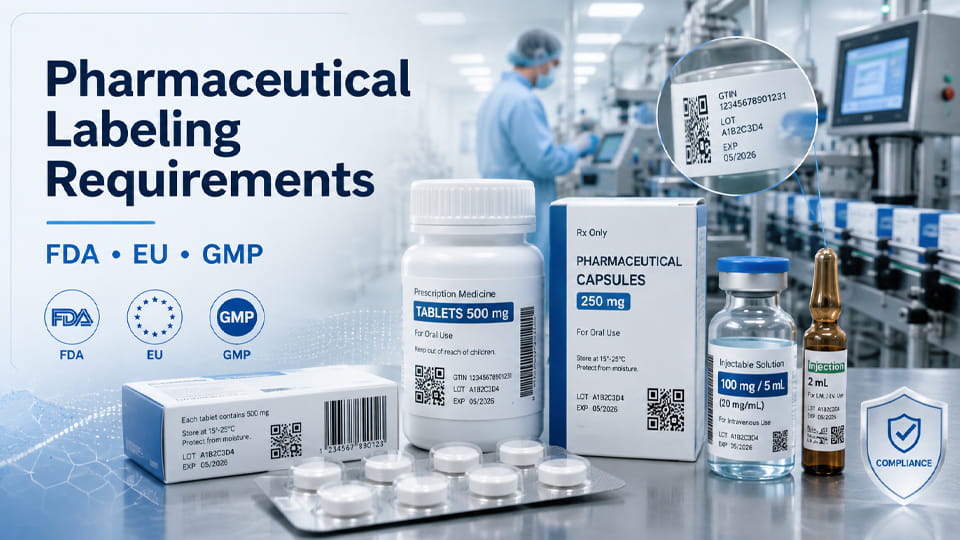
- กฎระเบียบการติดฉลาก: แคปซูลต้องมีป้ายกำกับชื่อผลิตภัณฑ์, ปริมาณ, วันหมดอายุ, ผู้ผลิต, ฯลฯ. สิ่งนี้ขยายไปถึงกล่องและแผลพุพอง (บางครั้งแต่ละส่วนของตุ่มพองก็มีข้อมูลที่พิมพ์ออกมา). FDA และ EMA มีข้อกำหนดเฉพาะเกี่ยวกับข้อมูลที่ต้องปรากฏบนฉลากหลักและรอง.
โดยรวม, ประชุมอย, หลักเกณฑ์ของ EMA และ WHO ถือเป็นสิ่งสำคัญ. ผู้บรรจุหีบห่อจำนวนมากทำงานร่วมกับซัพพลายเออร์ที่ได้รับการควบคุม (เหมือนจินลู่) ที่สามารถจัดหาเครื่องจักรและเอกสารที่ผ่านการตรวจสอบแล้ว (IR/WH/PQ).
บทสรุป
การเลือกบรรจุภัณฑ์แคปซูลที่เหมาะสมจำเป็นต้องมีการป้องกันความสมดุล, การใช้งาน, และค่าใช้จ่าย. แพ็คแผลพุพอง, ขวด, ซอง, และแถบต่างๆ ต่างก็มีที่ของมัน บรรจุภัณฑ์ยา. ปัจจัยต่างๆ เช่น ความไวต่อความชื้น, แบบฟอร์มปริมาณ, และความต้องการของผู้ป่วยเป็นแนวทางในการตัดสินใจ. ข้าง, ต้องปฏิบัติตามกฎระเบียบที่เข้มงวดและข้อกำหนด GMP.
ที่ จินลู่บรรจุ, เราเชี่ยวชาญในโซลูชันบรรจุภัณฑ์ยาแบบครบวงจร. อุปกรณ์ของเรา – จาก เครื่องตุ่มความเร็วสูง ถึง การนับอัตโนมัติเต็มรูปแบบ & สายการบรรจุขวด – ช่วยให้คุณบรรจุแคปซูลได้อย่างมีประสิทธิภาพและเป็นไปตามข้อกำหนด. เรายังสนับสนุนทางเลือกที่ยั่งยืนอีกด้วย (E.G. เครื่องจักรที่ใช้ฟิล์มรีไซเคิลใหม่) และให้บริการแบบครบวงจร (การปรับแต่ง, การตรวจสอบ). ทีมของเราสามารถช่วยคุณประเมินระบบบรรจุภัณฑ์แคปซูลที่ดีที่สุดสำหรับผลิตภัณฑ์ของคุณได้.
พร้อมเพิ่มประสิทธิภาพบรรจุภัณฑ์แคปซูลของคุณ? ติดต่อ Jinlu Packing วันนี้ สำหรับคำแนะนำและคำพูดจากผู้เชี่ยวชาญ. โซลูชันของเราได้รับการสนับสนุนจากมาตรฐานคุณภาพระดับโลกและมากกว่านั้น 3,000 ลูกค้าพึงพอใจทั่วโลก. มาบรรจุแคปซูลของคุณเพื่อความสำเร็จกันเถอะ!
คำถามที่พบบ่อยเกี่ยวกับบรรจุภัณฑ์แคปซูล
บรรจุภัณฑ์แคปซูลคืออะไร?
บรรจุภัณฑ์แคปซูลหมายถึงกระบวนการปิดแคปซูลยาในวัสดุป้องกันเพื่อรักษาเสถียรภาพ, ความปลอดภัย, และการปฏิบัติตาม. รูปแบบทั่วไปได้แก่ บรรจุภัณฑ์พลาสติก, ขวด, และบรรจุภัณฑ์แบบแถบ.
ในการปฏิบัติงานด้านเภสัชกรรม, บรรจุภัณฑ์ไม่ได้เป็นเพียงบรรจุภัณฑ์เท่านั้น แต่ยังช่วยปกป้องแคปซูลจากความชื้นอีกด้วย, ออกซิเจน, และการปนเปื้อน, ซึ่งส่งผลโดยตรงต่อคุณภาพยาและอายุการเก็บรักษา.
บรรจุภัณฑ์ยาแคปซูลชนิดใดดีที่สุด?
ไม่มีตัวเลือกที่ "ดีที่สุด" เพียงอย่างเดียว ขึ้นอยู่กับผลิตภัณฑ์และตลาดของคุณ.
• บรรจุภัณฑ์พลาสติก → เหมาะสำหรับยาที่ไวต่อความชื้นหรือยาที่มีมูลค่าสูง
• บรรจุภัณฑ์แบบขวด → เหมาะสำหรับการจัดเก็บจำนวนมากและอาหารเสริม
• บรรจุภัณฑ์แบบลอกออก → พบได้ทั่วไปในตลาดที่คำนึงถึงต้นทุน
มักนิยมใช้บรรจุภัณฑ์พุพองเนื่องจากให้การปกป้องต่อปริมาณและแยกสิ่งแวดล้อมได้ดีกว่า.
ฉันควรใช้วัสดุใดในการปกป้องผลิตภัณฑ์แคปซูลของฉัน?
ใช้วัสดุที่ปิดกั้นภัยคุกคามที่สำคัญ (ความชื้น, ออกซิเจน, แสงสว่าง). ตัวอย่างเช่น, แผลพุพองฟอยล์ Alu-Alu หรือขวดแก้วสีเหลืองอำพันเป็นอุปสรรคที่ดีเยี่ยมสำหรับแคปซูลที่ไวต่อความชื้น. ตุ่ม PVC หรือ PET ที่เคลือบด้วย PVDC เป็นเรื่องปกติและราคาถูกกว่าสำหรับผลิตภัณฑ์ที่มีเสถียรภาพ. ขวด HDPE เป็นขวดมาตรฐาน แต่อาจต้องมีถุงดูดความชื้นหากแคปซูลบอบบาง. ประเมินอัตราการส่งผ่านไอน้ำ (วว) ของภาพยนตร์. ในการผลิตที่คำนึงถึงความยั่งยืน, พิจารณาวัสดุเดี่ยวที่สามารถรีไซเคิลได้ (E.G. แผลพุพองพีพี). ทดสอบความเข้ากันได้ของบรรจุภัณฑ์ผ่านการศึกษาความเสถียรเสมอ.
บรรจุภัณฑ์แบบแคปซูลช่วยปกป้องความคงตัวของยาได้อย่างไร?
แคปซูลไวต่อปัจจัยด้านสิ่งแวดล้อม เช่น ความชื้น, ออกซิเจน, และแสงสว่าง.
บรรจุภัณฑ์ที่เหมาะสม:
• ป้องกันการดูดซึมความชื้น
• ลดการเกิดออกซิเดชัน
• คงความเสถียรทางเคมี
บรรจุภัณฑ์พุพอง, โดยเฉพาะ, สร้างสภาพแวดล้อมขนาดเล็กที่ปิดสนิทสำหรับแต่ละแคปซูล, ยืดอายุการเก็บรักษาได้อย่างมาก.
ฉันต้องใช้เครื่องบรรจุภัณฑ์ใดสำหรับแคปซูล?
มันขึ้นอยู่กับรูปแบบ. สำหรับแผลพุพอง, คุณต้องมีเครื่องขึ้นรูป/ปิดผนึกตุ่ม (มีแม่พิมพ์แบบโพรงเพื่อให้พอดีกับแคปซูลของคุณ) และอาจเป็นกล่องใส่กล่องด้วย. สำหรับขวด, คุณต้องมีสายการบรรจุขวด / สูงสุดที่กำหนด (ผู้ถอดรหัส, เคาน์เตอร์ฟิลเลอร์, แคปเปอร์, ผู้ติดฉลาก). สำหรับแพ็คแบบแท่ง, ใช้เครื่องซีลซองแบบฟอร์มเติมแนวตั้ง. Jinlu เสนอสิ่งเหล่านี้ทั้งหมด: E.G. แผลพุพองซีรีส์ DPP ของเรา, เส้นนับ JL-16H, และเครื่องบรรจุซอง JL-VP. การเลือกเครื่องจักรที่เหมาะสมเกี่ยวข้องกับความจุ, ขนาดแคปซูล, และการบูรณาการที่จำเป็น (ระบบการมองเห็น, สถานีปฏิเสธ, ฯลฯ).
ฉันจะตัดสินใจเลือกระหว่างบรรจุภัณฑ์พลาสติกและขวดสำหรับแคปซูลได้อย่างไร?
พิจารณาปัจจัยต่างๆ เช่น ปริมาณ (เดี่ยวกับ. หลายรายการ), ความต้องการความมั่นคง, และการใช้งานของผู้ป่วย. เพื่อความสะดวกในการรับประทานเพียงครั้งเดียวและการปกป้องในระดับสูง (โดยเฉพาะอย่างยิ่งสำหรับแคปซูลที่ไวต่อความชื้น/แสง), มักนิยมใช้แผลพุพอง. ด้วยเหตุผลปริมาณมากหรือทางเศรษฐกิจ, มักจะเลือกขวด. อีกด้วย, หากต้องการคุณสมบัติที่เป็นมิตรกับเด็กหรือผู้สูงอายุ, ขวดอาจเสนอทางเลือกเพิ่มเติม. ตามกฎแล้ว, จับคู่คุณสมบัติของแคปซูลกับบรรจุภัณฑ์: E.G. แคปซูลดูดความชื้นได้มาก → ตุ่ม Alu-Alu; อาหารเสริมที่มีความต้องการสูง → ขวด.
อ้างอิง:
1.ภาคผนวก 9 แนวปฏิบัติเกี่ยวกับบรรจุภัณฑ์สำหรับผลิตภัณฑ์ยา -- WHO
2.ข้อกำหนดทางเทคนิคสำหรับยาและผลิตภัณฑ์เพื่อสุขภาพ -- องค์การอนามัยโลก
3.วัสดุบรรจุภัณฑ์ยาและความปลอดภัยของยา: มินิรีวิว —— เอ็มดีพีไอ
4.บรรจุภัณฑ์และส่วนแทรกร้านขายยา —— หอสมุดแพทยศาสตร์แห่งชาติ
5.การทบทวนลักษณะเฉพาะและการรีไซเคิลของบรรจุภัณฑ์ยา —— ไซแอนซ์ไดเร็ค