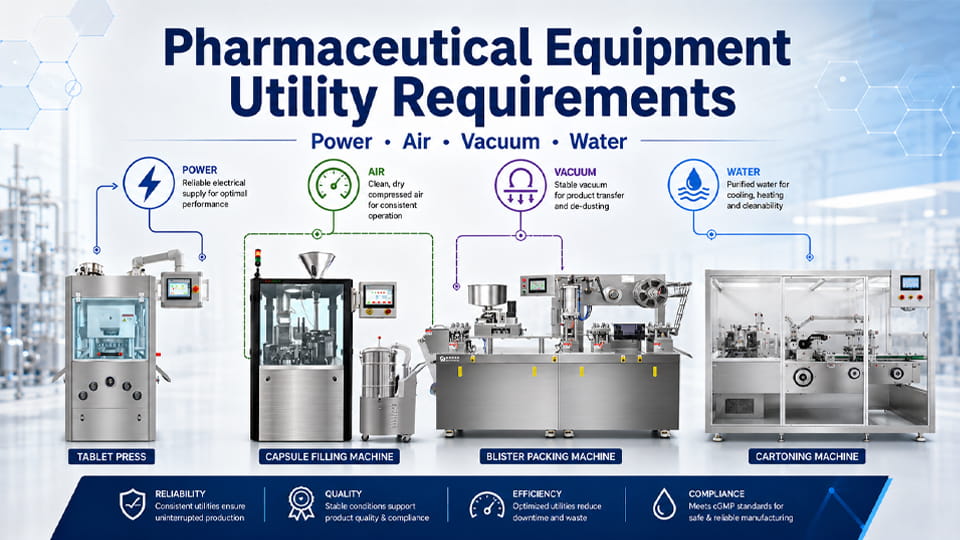

การเลือกสิ่งที่ถูกต้อง เครื่องบรรจุตุ่ม ถือเป็นการตัดสินใจที่สำคัญสำหรับผู้ผลิตยา. แท็บเล็ตและแคปซูลมีขนาดแตกต่างกัน, รูปร่าง, และความไว, ซึ่งหมายความว่าเครื่องที่บรรจุหีบห่อจะต้องแตกต่างกันด้วย. คู่มือนี้จะอธิบายความแตกต่างที่สำคัญระหว่างเครื่องทำพุพองแบบเม็ดและเครื่องทำพุพองแบบแคปซูล, ครอบคลุมทุกอย่างตั้งแต่รูปทรงของโพรงและเครื่องป้อนไปจนถึงความเร็วในการผลิตและการปฏิบัติตามกฎระเบียบ. เราเปรียบเทียบการขึ้นรูปด้วยความร้อนกับการขึ้นรูปเย็น และระบบแผ่นแบนเทียบกับระบบโรตารี, สรุปปัจจัยสำคัญที่ต้องพิจารณา, และชี้ให้เห็นข้อผิดพลาดทั่วไปในการเลือกเครื่องผิด. โดยในตอนท้าย, คุณจะเข้าใจได้อย่างแน่ชัดว่าต้องมองหาอะไร ไม่ว่าคุณจะต้องการสายแท็บเล็ตที่ป้อนด้วยแปรงหรือสายแคปซูลอัตโนมัติเต็มรูปแบบพร้อมตัวป้อนการวางแนว เพื่อให้คุณสามารถตัดสินใจซื้อได้อย่างมีข้อมูล.
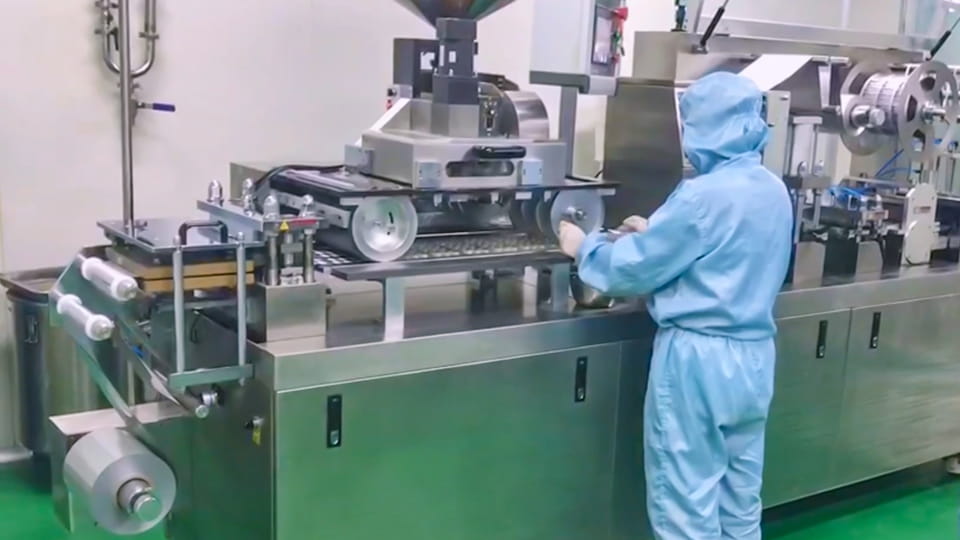
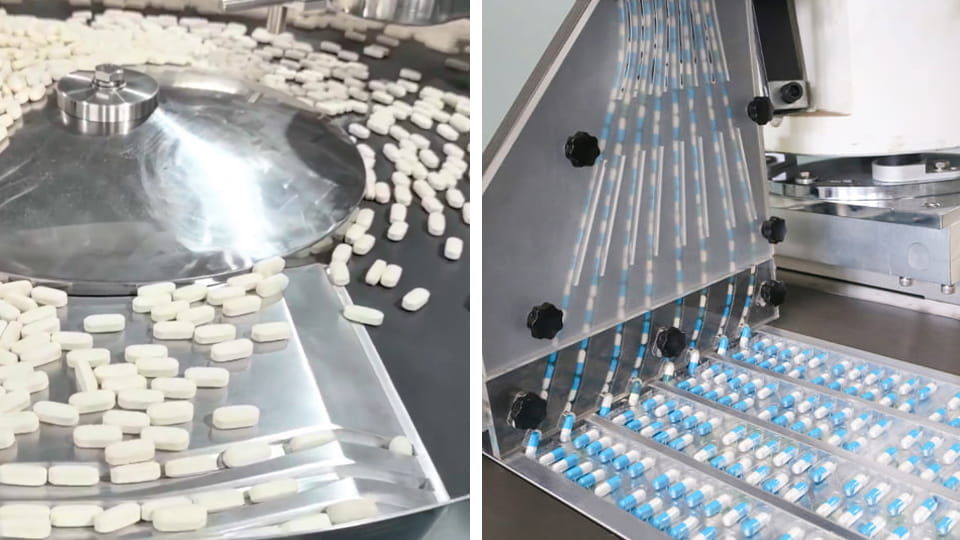
รูป: สายการบรรจุตุ่มแท็บเล็ต/แคปซูลที่ทันสมัยในห้องปลอดเชื้อ GMP. เครื่อง Blister ทำการขึ้นรูปโดยอัตโนมัติ, การกรอก, การปิดผนึก, และการตัดฟิล์มพีวีซีหรืออลูมิเนียมเพื่อสร้างบรรจุภัณฑ์แบบหน่วยขนาด.
เครื่องบรรจุภัณฑ์พุพองเป็นอุปกรณ์พิเศษที่สร้างช่องแต่ละช่อง (แผลพุพอง) จากฟิล์มพลาสติกหรืออลูมิเนียม, เติมผลิตภัณฑ์ด้วย, แล้วปิดผนึกด้วยกระดาษฟอยล์. พวกเขาดำเนินการสี่ขั้นตอนหลัก—การขึ้นรูป, การกรอก, การปิดผนึก, และการตัด- เพื่อความเป็นระเบียบเรียบร้อย, แพ็คเกจที่ป้องกันการงัดแงะ. เครื่องจักรเหล่านี้มีอยู่ทั่วไปในร้านขายยา: คุณจะพบพวกมันบรรจุยาเม็ด, แคปซูล, หรือแม้แต่บุหรี่ไฟฟ้าและสินค้าอุปโภคบริโภคขนาดเล็ก. เครื่องบรรจุตุ่มคุณภาพสูงช่วยให้มั่นใจในความปลอดภัยของผลิตภัณฑ์และอายุการเก็บรักษาโดยการปิดผนึกแต่ละหน่วยอย่างแม่นยำ, พร้อมปฏิบัติตามมาตรฐาน GMP/FDA ที่เข้มงวด.
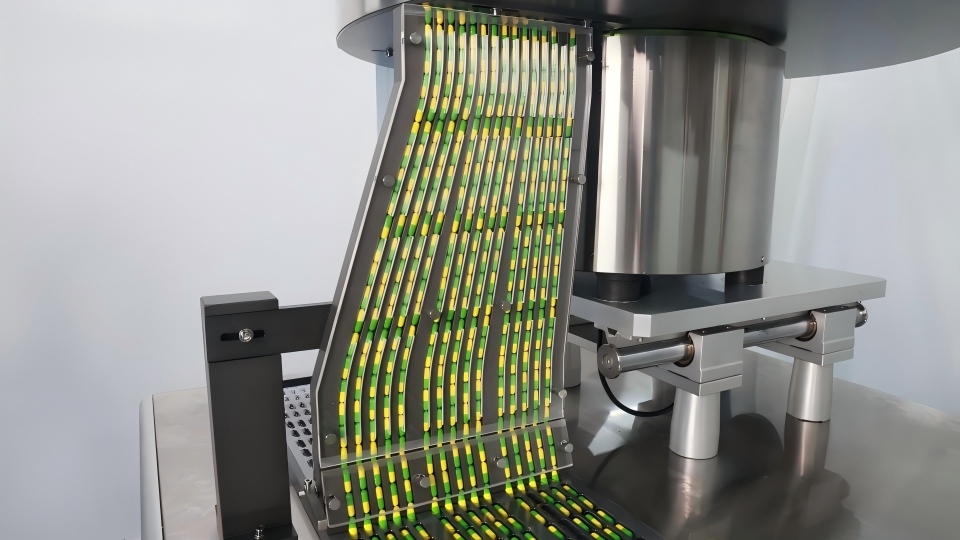
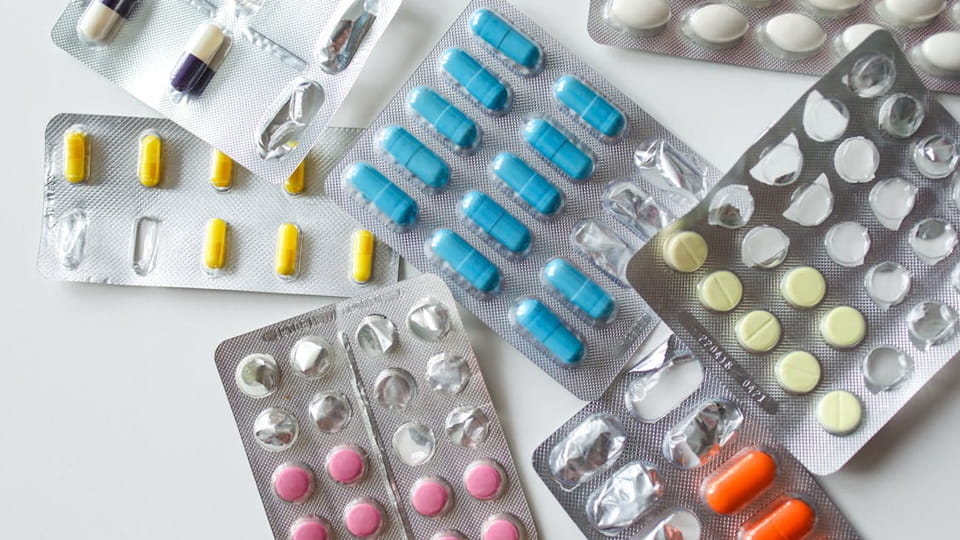
เส้นตุ่มแท็บเล็ตและแคปซูลมีสถาปัตยกรรมพื้นฐานที่เหมือนกัน, แต่รายละเอียดต่างกัน. กระเป๋า (โพรง) รูปทรงของแท็บเล็ตทรงกลมนั้นแตกต่างอย่างมากจากรูปทรงในระยะยาว, แคปซูลสองชิ้น, และระบบการป้อน/ทิศทางต้องตรงกัน. ตัวอย่างเช่น, แท็บเล็ตทรงกลมมาตรฐานขนาด 10 มม. ต้องการเพียงพื้นที่ตื้นเท่านั้น, กระเป๋าทรงกลม, ในขณะที่ก 0# (21.7 มม) แคปซูลเจลาตินแข็งต้องใช้ความลึก, ช่องรูปไข่ยาว. เป็นผลให้, เส้นตุ่มแคปซูลมักจะมี "เครื่องป้อนทิศทาง" เพื่อจัดเรียงแคปซูลอย่างถูกต้อง (หัวจรดหาง) ก่อนเข้าปั๊มน้ำมัน. แคปซูลสามารถหมุนหรือพลิกกลับได้, ดังนั้นก เครื่องป้อนแบบหมุนแคปซูล มักใช้พลิกแต่ละแคปซูลให้อยู่ในตำแหน่งที่สม่ำเสมอ. ในทางตรงกันข้าม, แท็บเล็ตจะป้อนได้ง่ายกว่าด้วย เครื่องป้อนแปรงหรือแผ่นสั่นสะเทือน, เนื่องจากแท็บเล็ตส่วนใหญ่มีความสมมาตรและสามารถป้อนแบบสุ่มลงในช่องทรงกลมได้.
รูป: เส้นตุ่มสำหรับแคปซูล. ฟันผุของแท็บเล็ต (วงกลม) เทียบกับฟันผุแบบแคปซูล (วงรียาว) กำหนดการออกแบบตัวป้อนและเงื่อนไขการขึ้นรูปที่แตกต่างกัน.
ก เครื่องบรรจุตุ่ม คือชิ้นส่วนของอุปกรณ์ทางเภสัชกรรมที่ทำการบรรจุแบบต่อหน่วยขนาดโดยอัตโนมัติ. มันเกิดฟันผุ (แผลพุพอง) ในเว็บพลาสติกหรืออลูมิเนียม, เติมผลิตภัณฑ์ด้วย, จากนั้นปิดผนึกด้วยกระดาษฟอยล์หรือแผ่นรองหลังกระดาษ. ในด้านเภสัชกรรม, โดยทั่วไปแล้วฟิล์มที่ขึ้นรูปจะเป็น PVC/PVDC หรืออลูมิเนียม (สำหรับรูปแบบเย็น), และฝาเป็นอลูมิเนียมฟอยล์. ลำดับพื้นฐานคือ: คลี่คลายฟิล์ม → สถานีขึ้นรูป → สถานีเติม/ป้อน → สถานีปิดผนึก → เจาะ/ตัด.
[jl_youtube src=”https://www.youtube.com/embed/hC-yo-ToX6s”]
กระบวนการนี้ทำให้ได้บรรจุภัณฑ์พุพองที่ปิดสนิทนั่นคือ หลักฐานการงัดแงะ, สุขอนามัย, และง่ายต่อผู้ป่วยในการใช้งาน. เครื่องบรรจุตุ่มที่ดีช่วยให้มั่นใจได้ถึงคุณภาพการขึ้นรูปและการปิดผนึกที่สม่ำเสมอ, มักจะรวมระบบการมองเห็นเพื่อตรวจจับและคัดแยกกระเป๋าเปล่าหรืออุปกรณ์ที่บรรจุผิด.
แม้ว่าเส้นแท็บเล็ตและแคปซูลจะดูคล้ายกันตั้งแต่แรกเห็น, ของพวกเขา ความแตกต่างที่สำคัญ หมายความว่าคุณไม่สามารถเปลี่ยนผลิตภัณฑ์บนเครื่องใดๆ โดยไม่มีการปรับเปลี่ยนใดๆ ได้. ความแตกต่างของฮาร์ดแวร์หลักสามประการคือ: รูปร่างกระเป๋า (เรขาคณิตตาย), ตัวป้อน/การวางแนว, และปฏิเสธตรรกะ.
การทำผิดสิ่งเหล่านี้สามารถทำลายการผลิตได้: รูปร่างกระเป๋าที่ไม่ถูกต้องทำให้เกิดความล้มเหลวในการปิดผนึกหรือตุ่มพองผิดรูป, และข้อผิดพลาดในการป้อนทำให้เกิดเศษหรือ จำ. ตามบันทึกของ Jinlupacking, ” เรขาคณิตของเครื่องมือ, กลไกการให้อาหาร, และตรรกะในการปฏิเสธคือสิ่งที่กำหนดว่าคุณจะได้รับหรือไม่ 98.5% ประสิทธิภาพหรือ 84% ประสิทธิภาพในสัปดาห์แรกของการผลิต”.
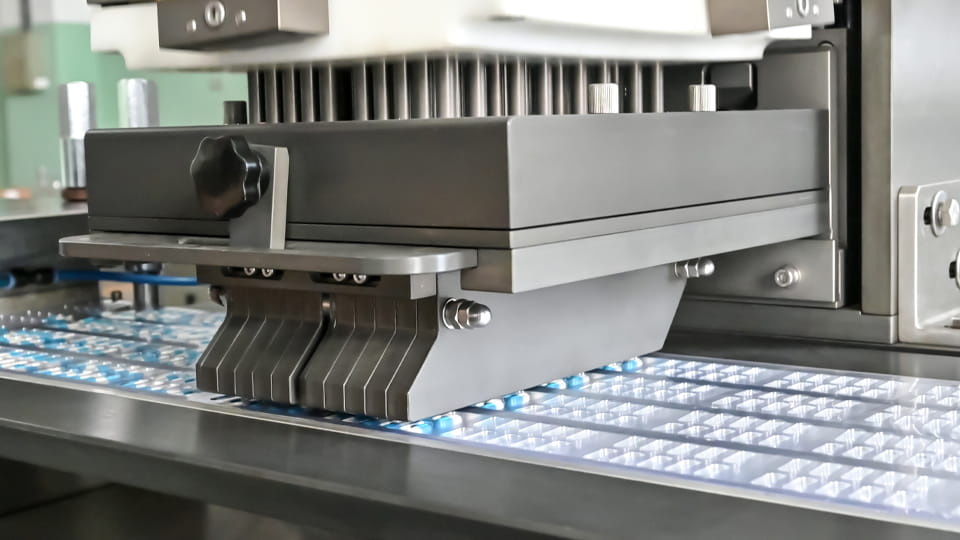
เพื่อสรุปในการอ้างอิงอย่างรวดเร็ว, นี่เป็นวิธีทั่วไป เครื่องตุ่มแท็บเล็ต เปรียบเทียบกับก เครื่องตุ่มแคปซูล:
| คุณสมบัติ | เครื่องอัดเม็ดยา | เครื่องตุ่มแคปซูล |
| รูปร่างโพรง | ทรงกลมหรือวงรีตื้น (ก้นแบน) | รูปไข่ยาว (วาดลึกยิ่งขึ้น) |
| ความลึกของช่องทั่วไป | ~4–8 มม | ~9–14 มม |
| วัสดุขึ้นรูป | พีวีซี/PVDC หรือ PET (สำหรับการเทอร์โมฟอร์ม) | มักเป็น PVC/PVDC หรืออะลูมิเนียม (สำหรับการเทอร์โมฟอร์มหรือแบบเย็น) |
| อุณหภูมิการขึ้นรูป | ~120–140 องศาเซลเซียส (พีวีซี) | ~145–165 องศาเซลเซียส (พีวีซี; หรือไม่มีความร้อนสำหรับอลู-อลูแบบเย็น) |
| ระบบการให้อาหาร | แปรงป้อนหรือแผ่นสั่นสะเทือน (ไม่มุ่งเน้น) | เครื่องป้อนปฐมนิเทศ (รางแรงโน้มถ่วง, รางนำทาง, หรือวงโคจร) |
| การวางแนวผลิตภัณฑ์ | สุ่ม (แท็บเล็ตสมมาตร) | แก้ไขหัวจรดท้ายแล้ว (แคปซูลก็ต้องหันหน้าไปทางเดียวกัน) |
| วิสัยทัศน์/ตรรกะการปฏิเสธ | ตรวจจับเม็ดยาเปล่า/หัก | ตรวจพบว่าขาด, ฤvertedษี, หรือแคปซูลบรรจุข้าม |
| ประสิทธิภาพความเร็ว | โดยทั่วไปจะสูงกว่า (เติมง่ายกว่า) | ต่ำกว่าเล็กน้อย (เนื่องจากขั้นตอนการปฐมนิเทศ) |
| ต้นทุนการเปลี่ยนแปลง | ต่ำกว่า (แม่พิมพ์แบนเรียบง่าย) | สูงกว่า (แม่พิมพ์ที่ซับซ้อนสำหรับรูปร่างแคปซูล) |
| การจัดการความเสี่ยง | ต่ำ (แท็บเล็ตมีความแข็งแกร่ง) | สูงกว่า (แคปซูลสามารถแยกหรือแยกฝาได้) |
ประเด็นสำคัญ: เครื่องแท็บเล็ต ใช้แม่พิมพ์แบนธรรมดาและเครื่องป้อนมาตรฐาน, ในขณะที่ เครื่องแคปซูล มักจะเพิ่มรางวางแนวหรือตัวป้อนแบบหมุนและแม่พิมพ์ที่ลึกกว่า. เครื่องจักรระดับไฮเอนด์มากมาย (เหมือนนางแบบของ Jinlu) ถูกสร้างขึ้นเพื่อรองรับทั้งสองอย่าง, แต่ต้องมีการเปลี่ยนเครื่องมือ/แม่พิมพ์ที่ผ่านการตรวจสอบแล้ว และบางครั้งก็ต้องสลับตัวป้อนอัตโนมัติเพื่อทำเช่นนั้น. ถ้าเป็นเครื่องอเนกประสงค์จริงๆ, ระบบป้อนจะต้องรองรับทั้งสองโหมด (E.G. รางนำทางแบบปรับได้ที่สามารถปิดการใช้งานสำหรับแท็บเล็ต).
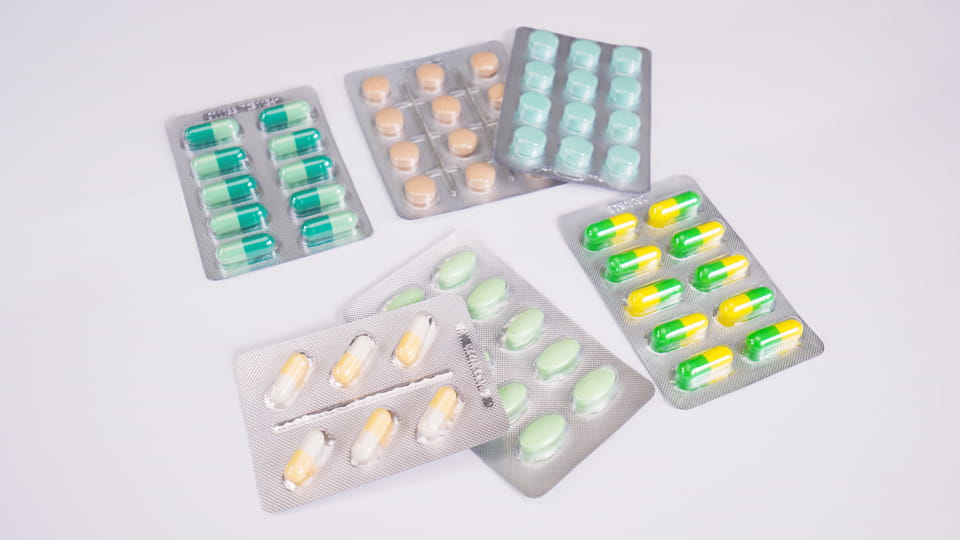
เมื่อวางแผนสายการบรรจุภัณฑ์ของคุณ, พิจารณา เทคโนโลยีการขึ้นรูป (การขึ้นรูปด้วยความร้อนและการขึ้นรูปเย็น) และ สไตล์เครื่อง (จานแบนกับแบบหมุน):
เมื่อใดควรใช้อันไหน: เลือก การขึ้นรูปด้วยความร้อน หากผลิตภัณฑ์ของคุณมีความเสถียรต่อความชื้น และคุณต้องการความเร็วและการมองเห็น (E.G. แท็บเล็ต OTC, อาหารเสริม). เลือก แบบเย็น (อลู-อลู) หากยาของคุณไวต่อออกซิเจน/ความชื้น หรือต้องการอายุการเก็บรักษาที่ยาวนานมาก. บางบรรทัดใช้วิธีการแบบผสมผสาน (ฟิล์มเทอร์โมฟอร์มพร้อมฝา Alu หรือเคลือบ PVDC) เพื่อความสมดุลระหว่างต้นทุนและอุปสรรค.
เครื่องบรรจุภัณฑ์พลาสติกยังมาในสองรูปแบบทางกลหลัก:
ว่าจะเลือกแบบไหน? หากคุณผลิต SKU ที่แตกต่างกันจำนวนมากหรือต้องการการวาดแบบลึก (เหมือนอลูอลู), อัน จานแบน เครื่องมักจะดีที่สุด. หากคุณเรียกใช้ผลิตภัณฑ์หนึ่งชุดจำนวนมาก (E.G. หลายล้านแพ็คต่อเดือน), อัน หมุน เครื่องจ่ายออกไปตามปริมาณงาน. ตัวอย่างเช่น, Jinlu DPP-180Pro เป็นรุ่นจานแบน (สูงสุด ~4,800 จาน/ชม) ดีสำหรับความยืดหยุ่น, ในขณะที่ รุ่นโรตารี DPH-270Max สามารถตีได้ 11,200 แผลพุพอง/ชม. สำหรับผลผลิตมวลความเร็วสูง.
| คุณสมบัติ | เครื่องจานแบน | เครื่องโรตารี่ |
| รูปแบบการขึ้นรูป | ไม่ต่อเนื่อง (แผ่นกดแต่ละรอบ) | ต่อเนื่อง (กลองหมุน) |
| สูงสุด. ความเร็ว | ปานกลาง (สิบถึง ~100 ครั้ง/นาที) | สูงมาก (บ่อยครั้ง 180+ ตัด/นาที) |
| ดีที่สุดสำหรับ | ชุดเล็ก/กลาง; วาดลึก (อลู-อลู) แพ็ค | แพ็ค Alu-PVC ปริมาณมาก (การผลิตจำนวนมาก) |
| ต้นทุนแม่พิมพ์ | ต่ำกว่า (จานแบนมีราคาถูกกว่า) | สูงกว่า (แม่พิมพ์ทรงกระบอกที่มีความแม่นยำ) |
| เวลาที่เปลี่ยนแปลง | เร็ว (การแลกเปลี่ยนแม่พิมพ์นั้นง่ายกว่า) | ช้าลง (การจัดตำแหน่งและการเปลี่ยนมีความซับซ้อน) |
| รอยเท้าต่อเอาท์พุท | ใหญ่กว่า (ต้องใช้เครื่องหลายเครื่องเพื่อให้ได้เอาต์พุตเดียวกัน) | กะทัดรัดยิ่งขึ้น (เครื่องหนึ่งเท่ากับจานแบนหลายใบ) |
เมื่อเลือกสายบรรจุภัณฑ์พุพอง, มุ่งเน้นไปที่ปัจจัยทั้งเจ็ดนี้เพื่อให้แน่ใจว่าเหมาะสมที่สุดและหลีกเลี่ยงข้อผิดพลาดที่มีค่าใช้จ่ายสูงในภายหลัง:
โดยการประเมินแต่ละปัจจัยอย่างรอบคอบ, คุณจะหลีกเลี่ยงกับดักทั่วไป: ซื้อเครื่องจักรราคาถูกกว่าที่เหมาะกับความต้องการในปัจจุบันแต่ไม่เป็นไปตามข้อกำหนดของวันพรุ่งนี้ (ตัวอย่างเช่น, ขาดตัวป้อนสำหรับ SKU แคปซูลใหม่หรือจำเป็นต้องเปลี่ยนใหม่ทั้งหมดเพื่อความเร็วที่สูงขึ้น).
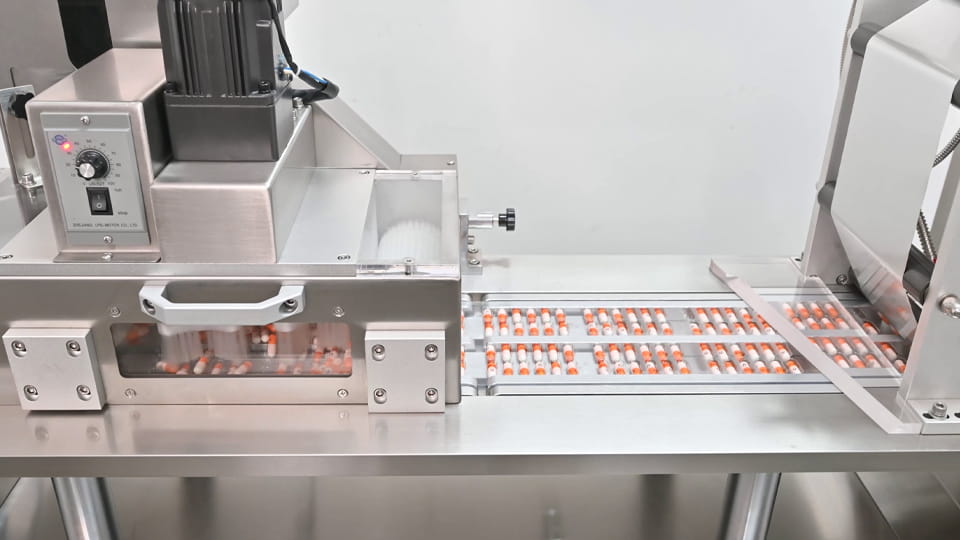
การเลือกเครื่องตุ่มมีความซับซ้อน, การตัดสินใจที่มีเดิมพันสูง. ทีมจัดซื้อมักทำข้อผิดพลาดเหล่านี้:
โดยการเรียนรู้จากความผิดพลาดเหล่านี้, คุณสามารถจัดลำดับความสำคัญของมูลค่าและประสิทธิภาพในระยะยาวได้ แทนที่จะทำเครื่องหมายในช่องข้อมูลจำเพาะ.
หากคุณผลิตแท็บเล็ตเป็นส่วนใหญ่:
หากคุณผลิตแคปซูลเป็นส่วนใหญ่:
ถ้าคุณทำทั้งสองอย่าง:
เครื่องบรรจุตุ่มไม่ได้ถูกสร้างขึ้นมาเท่ากันทั้งหมด. คุณต้องการซัพพลายเออร์ที่เข้าใจความต้องการด้านเภสัชกรรมและให้การสนับสนุนที่แข็งแกร่ง. จินลู่บรรจุ, เช่น, ไฮไลท์:
การเลือกผู้ผลิตที่มีชื่อเสียงมีความสำคัญพอๆ กับข้อมูลจำเพาะของเครื่องจักร. มองหาผู้ที่เผยแพร่เอกสารการตรวจสอบ, เสนอการฝึกอบรม, และมีประวัติการติดตั้งยา.
การเลือกเครื่องบรรจุตุ่มที่เหมาะสมคือการตัดสินใจเชิงกลยุทธ์. โดยการจับคู่อย่างระมัดระวัง ประเภทเครื่อง ของคุณ ผลิตภัณฑ์ (แท็บเล็ตเทียบกับแคปซูล) และ ความต้องการการผลิต, คุณสามารถเพิ่มประสิทธิภาพและคุณภาพได้สูงสุด. อย่าลืมพิจารณาการออกแบบตัวป้อน, รูปแบบเครื่อง, ความเข้ากันได้ของวัสดุ, และการปฏิบัติตามกฎระเบียบ. การข้ามรายละเอียดเหล่านี้อาจทำให้คุณต้องเสียเวลาหยุดทำงานและเป็นเศษซากของผลิตภัณฑ์. แทน, ปฏิบัติตามแนวทางรายการตรวจสอบของผู้ซื้อ: กำหนดความต้องการของคุณ, ตรวจสอบแต่ละเครื่องกับพวกเขา, และว่าจ้างซัพพลายเออร์ที่คุณไว้วางใจ (พร้อมการรับประกันและการสนับสนุนที่มั่นคง).
การเลือกสิ่งที่ถูกต้อง เครื่องบรรจุตุ่ม ไม่ใช่แค่เรื่องอุปกรณ์เท่านั้น แต่ยังเกี่ยวกับการรับประกันการผลิตที่มั่นคงอีกด้วย, คุณภาพของผลิตภัณฑ์, และ ROI ระยะยาว หากคุณกำลังวางแผนที่จะอัปเกรดสายบรรจุภัณฑ์ยาของคุณหรือยังคงเปรียบเทียบตัวเลือกระหว่างแท็บเล็ตและแคปซูล, ตอนนี้เป็นเวลาที่เหมาะสมในการดำเนินการ.
👉 พูดคุยกับทีมงานของเราที่ Jinlu Packing วันนี้
👉 รับโซลูชันที่ปรับแต่งตามผลิตภัณฑ์และกำลังการผลิตของคุณ
👉 ขอใบเสนอราคาหรือคำปรึกษาด้านเทคนิค — ไม่มีข้อผูกมัด
เราจะช่วยคุณจับคู่เครื่องบรรจุภัณฑ์พุพองที่เหมาะสมกับความต้องการในการผลิตจริงของคุณ ไม่ใช่แค่ข้อมูลจำเพาะบนกระดาษ.
อาจจะ, แต่ขึ้นอยู่กับดีไซน์ของเครื่องด้วย. เครื่องตุ่มสองรูปแบบอย่างแท้จริงต้องมีเครื่องมือที่เปลี่ยนได้ (ชุดแม่พิมพ์) และระบบการให้อาหารที่สามารถป้อนทั้งแบบเม็ดแบบสุ่มและแบบแคปซูล. ในทางปฏิบัติ, นี่หมายถึงค่าใช้จ่ายเพิ่มเติม (เครื่องมือแม่พิมพ์พิเศษและเครื่องป้อนการวางแนวแคปซูล). หากมีการผลิตแบบผสมเป็นครั้งคราว, เครื่องเดียวที่มีชุดเปลี่ยนสามารถทำงานได้, แต่สำหรับการสับเปลี่ยนบ่อยครั้ง, เครื่องจักรเฉพาะอาจใช้งานได้จริงมากกว่า.
สำหรับยาที่ไวต่อความชื้นสูงหรือไวต่อแสง, แบบเย็น (อลู-อลู) ควรใช้แพ็คตุ่ม. ลามิเนตอะลูมิเนียมทั้งชิ้นเป็นอุปสรรคที่เกือบซึมผ่านไม่ได้, ยืดอายุการเก็บรักษา. โปรดทราบว่าเครื่องจะต้องรองรับการขึ้นรูปเย็น (แรงดันสูง, ไม่มีความร้อน). หากต้องการความเร็วและการมองเห็น, บางคนใช้แพ็คไฮบริด (ช่องเทอร์โมฟอร์มพร้อมอะลูมิเนียมหรือเคลือบ PVDC) เพื่อการป้องกันระดับกลาง.
การขึ้นรูปด้วยความร้อน (พีวีซี/พีอีที) ใช้งานได้กับแท็บเล็ตส่วนใหญ่ที่ไม่ไวต่อความชื้นมากนัก. ให้การผลิตที่รวดเร็วและชัดเจน, แพ็คที่ตรวจสอบได้. อย่างไรก็ตาม, สำหรับแท็บเล็ตที่มีเม็ดเปียกหรือสารดูดความชื้น, คุณอาจต้องใช้ฟิล์มเคลือบ PVDC หรือเปลี่ยนเป็นรูปแบบเย็น. อีกด้วย, วัสดุบางอย่าง (เหมือนเรตินอยด์) สามารถโต้ตอบกับพีวีซีได้, ดังนั้นการทดสอบความเข้ากันได้จึงเป็นเรื่องที่ชาญฉลาด.
โดยทั่วไปแล้วเส้นแคปซูลจะใช้ตัวป้อนการวางแนว. ประเภททั่วไป ได้แก่ ตัวป้อนรางนำ, รางแรงโน้มถ่วง, หรืออุปกรณ์หมุนแคปซูล. เป้าหมายคือการนำเสนอหัวแคปซูลแต่ละอันเข้าไปในโพรงก่อน. Jinlu และบริษัทอื่นๆ เสนอเครื่องป้อนแบบวงโคจรหรือช่องสั่นเพื่อให้บรรลุเป้าหมายนี้. ตรวจสอบกับซัพพลายเออร์เสมอว่าเครื่องป้อนสามารถรองรับขนาดและรูปร่างของแคปซูลของคุณได้.
• เพิ่มประสิทธิภาพการให้อาหาร: รับรองว่าเรียบเนียน, การให้อาหารแบบไม่ติดขัด. เครื่องป้อนที่ออกแบบมาอย่างดีพร้อมการกวนหรือการวางแนวที่เหมาะสมช่วยลดการหยุดทำงาน
• ความเร็วเทียบกับความเสถียร: จับคู่ความเร็วการทำงานกับเกณฑ์ความคลาดเคลื่อนของผลิตภัณฑ์. การทำงานช้ากว่าความเร็วสูงสุดสามารถลดการปฏิเสธและการหยุดทำงานได้.
• การลดการเปลี่ยนแปลง: กำหนดขนาดพุพองให้เป็นมาตรฐานหากเป็นไปได้. ใช้ระบบการเปลี่ยนแปลงอย่างรวดเร็ว (เช่นการเปลี่ยนแม่พิมพ์ 15 นาทีของ Jinlu).
• การบำรุงรักษาเชิงป้องกัน: เก็บอุปกรณ์ที่ปรับเทียบไว้ (อุณหภูมิ, ความดัน) และสะอาด. วิชันซิสเต็มควรได้รับการตรวจสอบและทำความสะอาดอย่างสม่ำเสมอ.
• การฝึกอบรมผู้ปฏิบัติงาน: ผู้ปฏิบัติงานที่มีทักษะซึ่งเข้าใจถึงความแตกต่าง (เช่น, การแก้ไขการให้อาหาร, การตั้งค่าแม่พิมพ์) เป็นสิ่งล้ำค่า.
• บูรณาการเค้าโครง: ปรับปรุงการไหลของวัสดุ. การเชื่อมโยงอัตโนมัติกับเครื่องอัดแท็บเล็ตและกล่องบรรจุช่วยลดเวลาไม่ได้ใช้งาน.
• การตรวจสอบข้อมูล: ใช้ข้อมูล PLC เพื่อระบุแนวโน้ม (เกินอุณหภูมิ, ปฏิเสธเดือย) และแก้ไขให้ถูกต้องแต่เนิ่นๆ.
โดยจัดการกับปัจจัยเหล่านี้, คุณสามารถเพิ่มผลผลิตและเวลาทำงานบนสายการผลิตพุพองของคุณให้สูงสุด.
อ้างอิง:
1.แพ็คตุ่ม —— วิกิพีเดีย
2.คู่มือฉบับสมบูรณ์เกี่ยวกับเครื่องบรรจุภัณฑ์พลาสติก —— ยา-tech.com
3.การเพิ่มประสิทธิภาพการออกแบบบรรจุภัณฑ์พุพองสำหรับยารูปแบบแข็ง —— ไซแอนซ์ไดเร็ค
4.บรรจุภัณฑ์พุพองยา, ส่วนที่ 2: เครื่องจักรและการประกอบ —— รีเสิร์ชเกท
5.การตรวจจับข้อบกพร่องของบรรจุภัณฑ์พุพองยาตามการจับคู่เทมเพลตรูปร่าง —— รีเสิร์ชเกท