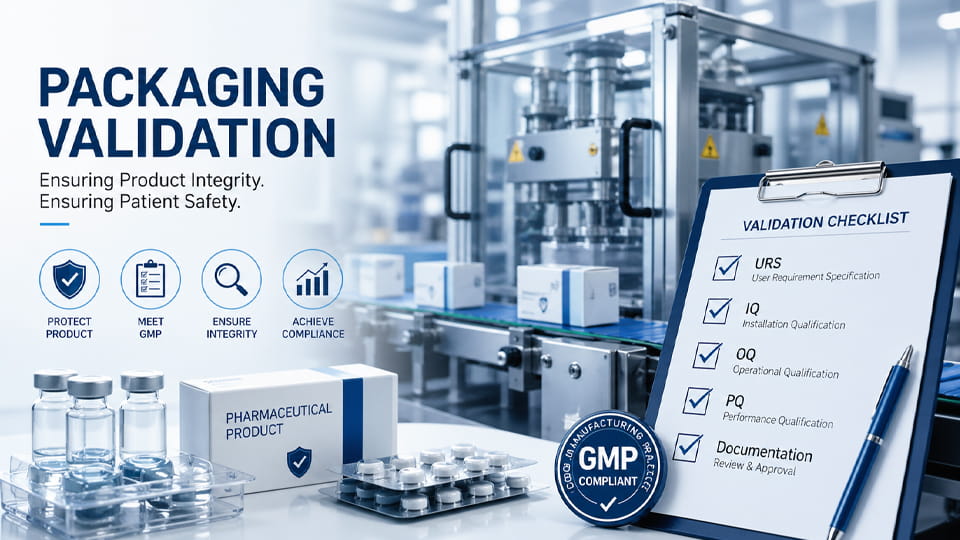
ในอุตสาหกรรมยา, การตรวจสอบบรรจุภัณฑ์ เป็นส่วนย่อยที่สำคัญของ การตรวจสอบกระบวนการ มุ่งเน้นที่การสร้างความมั่นใจว่าอุปกรณ์และกระบวนการบรรจุภัณฑ์จะปกป้องคุณภาพผลิตภัณฑ์ยาอย่างสม่ำเสมอ. มันเกี่ยวข้องกับโปรแกรมการรับรองที่บันทึกไว้ (การติดตั้ง, การดำเนินงาน, ผลงาน) และการทดสอบ (E.G. ความสมบูรณ์ของการปิดภาชนะ, ความมั่นคง, ขนส่ง) เพื่อพิสูจน์ว่าระบบบรรจุภัณฑ์ทำงานได้ตามที่ตั้งใจไว้ภายใต้เงื่อนไข GMP. การตรวจสอบความถูกต้องของบรรจุภัณฑ์ที่มีประสิทธิภาพจะช่วยปกป้องความปลอดภัยของผู้ป่วย (โดยป้องกันการปนเปื้อน, การย่อยสลายหรือการปะปนกัน) และรับประกันการปฏิบัติตามกฎระเบียบ (อย, EMA, WHO, ฉัน, ไอเอสโอ). คู่มือนี้จะอธิบาย คำนิยาม, ขั้นตอน, การทดสอบ, มาตรฐาน, และ แนวทางปฏิบัติที่ดีที่สุด สำหรับการตรวจสอบบรรจุภัณฑ์ยา, และแสดงวิธีการใช้อุปกรณ์อัตโนมัติ (ชอบ เครื่องจักรของ Jinlu Packing) ได้รับการออกแบบมาเพื่อตอบสนองความต้องการที่เข้มงวดเหล่านี้.
คำจำกัดความของการตรวจสอบความถูกต้องของบรรจุภัณฑ์
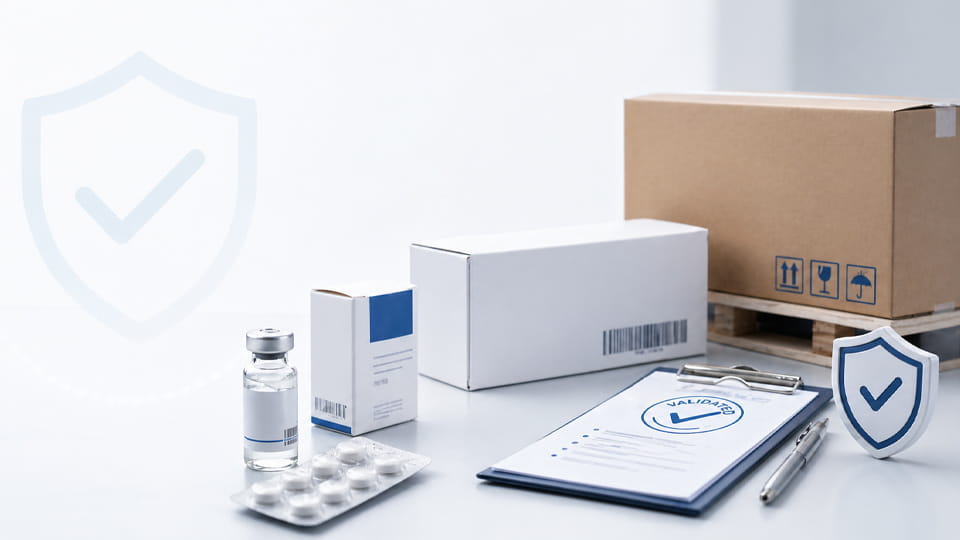
การตรวจสอบความถูกต้องของบรรจุภัณฑ์ในวิธีทางเภสัชกรรม แสดงให้เห็นด้วยหลักฐานที่เป็นเอกสาร ว่ากระบวนการบรรจุภัณฑ์ (อุปกรณ์และวัสดุ) ผลิตบรรจุภัณฑ์ที่ปกป้องผลิตภัณฑ์ยาได้อย่างน่าเชื่อถือ. ในทางปฏิบัติ, ใช้แนวคิดการตรวจสอบที่เข้มงวดแบบเดียวกับที่ใช้ในการผลิต (IR/WH/PQ) ถึง หลัก, รอง, และบรรจุภัณฑ์ระดับอุดมศึกษา การดำเนินงาน. ตามคำแนะนำ GMP ของ WHO, “กระบวนการและอุปกรณ์บรรจุภัณฑ์จำเป็นต้องมีการตรวจสอบ/รับรองในลักษณะเดียวกับส่วนอื่นๆ ของการแปรรูปภายในโรงงานผลิตยา”. กล่าวอีกนัยหนึ่ง, การตรวจสอบบรรจุภัณฑ์ช่วยให้มั่นใจได้ว่า ระบบปิดภาชนะ, การติดฉลาก, และสายการบรรจุภัณฑ์ เป็นไปตามข้อกำหนดด้านคุณภาพและข้อกำหนดด้านกฎระเบียบอย่างสม่ำเสมอ. เป้าหมายคือการรักษาความแรงของยา, ความบริสุทธิ์และความมั่นคงผ่านบรรจุภัณฑ์, การกระจายสินค้าและอายุการเก็บรักษา, พร้อมทั้งป้องกันการปะปนกัน, ของปลอม, หรือความเสียหาย.
สิ่งที่ส่งมอบโดยทั่วไปในการตรวจสอบความถูกต้องของบรรจุภัณฑ์ ได้แก่ ข้อกำหนดความต้องการของผู้ใช้ (สสส) (การออกแบบ & เกณฑ์คุณภาพ), โปรโตคอลการรับรองการติดตั้ง/การปฏิบัติงาน/ประสิทธิภาพ, และบันทึกการทดสอบ. กระบวนการตรวจสอบครอบคลุมถึง:
- บรรจุภัณฑ์เบื้องต้น (ภาชนะหรือสิ่งกีดขวางที่สัมผัสกับยาโดยตรง, E.G. ขวด, ฟันผุ, ซอง)
- บรรจุภัณฑ์รอง (E.G. กล่อง, ฉลาก, เม็ดมีด, การทำให้เป็นอนุกรมที่จัดกลุ่มแพ็คเกจหลัก)
- บรรจุภัณฑ์ระดับตติยภูมิ (ตู้คอนเทนเนอร์ขนส่งสินค้าจำนวนมาก, พาเลท, บรรจุภัณฑ์แบบโซ่เย็นเพื่อการขนส่ง)
แต่ละระดับจะต้องปกป้องผลิตภัณฑ์. ตัวอย่างเช่น, TGA ของออสเตรเลียกำหนด “บรรจุภัณฑ์หลัก” (ภาชนะที่คลุมสินค้าทันที) และแยกแยะ บรรจุภัณฑ์รอง เป็นกล่องด้านนอกหรือกระดาษห่อ. ในที่สุด, การตรวจสอบความถูกต้องของบรรจุภัณฑ์เชื่อมโยงกับ GMP - ทำให้มั่นใจได้ ภาชนะบรรจุและฝาปิดไม่ทำให้ตัวยาเปลี่ยนแปลง และ “ให้การป้องกันปัจจัยภายนอกอย่างเพียงพอ” ระหว่างการเก็บรักษาและการใช้งาน.
เหตุใดการตรวจสอบความถูกต้องของบรรจุภัณฑ์จึงมีความสำคัญในยา
บรรจุภัณฑ์ยาคือการปกป้องคุณภาพยาขั้นสุดท้าย. การตรวจสอบความถูกต้องของกระบวนการบรรจุภัณฑ์มีความสำคัญเนื่องจาก:
- รับประกันความปลอดภัยและความสมบูรณ์ของผลิตภัณฑ์: บรรจุภัณฑ์ที่ได้รับการตรวจสอบอย่างถูกต้องป้องกันการปนเปื้อน, ความชื้นเข้า, หรือการสัมผัสกับออกซิเจนที่อาจทำให้สารออกฤทธิ์เสื่อมคุณภาพ. ตัวอย่างเช่น, การรั่วไหลหรือความล้มเหลวของซีลอาจทำให้จุลินทรีย์หรือก๊าซเข้าไปได้, ทำลายความเป็นหมันหรือความแรง.
- การปฏิบัติตามกฎระเบียบ: หน่วยงาน (อย, แม่/ฉัน, WHO) ต้องมีบรรจุภัณฑ์ที่ผ่านการรับรอง. เรา. อย 21 ซีเอฟอาร์ 211.94 ห้ามการปิดที่เปลี่ยนแปลงคุณภาพยาและมอบอำนาจให้ปิด “ให้การป้องกันปัจจัยภายนอกที่คาดการณ์ได้อย่างเพียงพอ”. ภาคผนวก GMP ของสหภาพยุโรป 1 ในทำนองเดียวกันยืนยันว่า “ควรปิดภาชนะบรรจุด้วยวิธีการตรวจสอบที่เหมาะสม” (กับ 100% การทดสอบความสมบูรณ์สำหรับผลิตภัณฑ์ที่ปิดด้วยฟิวชัน). WHO ระบุอย่างชัดเจนว่าระบบบรรจุภัณฑ์ต้องมีคุณสมบัติเช่นเดียวกับกระบวนการ GMP อื่นๆ. การไม่ปฏิบัติตามอาจหมายถึง เรียกคืน, การปฏิเสธการนำเข้าหรือการอ้างอิงการตรวจสอบ.
- ยืดอายุการเก็บรักษา: วัสดุบรรจุภัณฑ์และซีลที่ผ่านการตรวจสอบภายใต้สภาวะความเสถียรช่วยระบุอายุการเก็บรักษาที่แม่นยำ. คำแนะนำ ICH Q1A ระบุว่ามีการศึกษาความเสถียรใน “ระบบปิดภาชนะ” ที่นำเสนอสำหรับผลิตภัณฑ์. หากบรรจุภัณฑ์ล้มเหลว, ข้อมูลความเสถียรไม่ถูกต้อง.
- การออกหมายเลขกำกับและการต่อต้านการปลอมแปลง: บรรจุภัณฑ์ยาสมัยใหม่มักมีการกำกับหมายเลขกำกับ, ซีลป้องกันการงัดแงะ, และคุณสมบัติต่อต้านการปลอมแปลง. กำลังตรวจสอบคุณสมบัติเหล่านี้ (E.G. ความสามารถในการสแกนบาร์โค้ด, ความสมบูรณ์ของเทปป้องกันการงัดแงะ) ช่วยรักษาความปลอดภัยของห่วงโซ่อุปทาน. ข้อผิดพลาดในการติดฉลากหรือการออกหมายเลขซีเรียลอาจขัดขวางการปล่อยผลิตภัณฑ์.
- คุณภาพและประสิทธิภาพด้านต้นทุน: เส้นที่ผ่านการตรวจสอบอย่างมีประสิทธิภาพช่วยลดข้อบกพร่อง (กรอกผิด, ข้อผิดพลาดของฉลาก, กล่องบด) และเศษเหล็ก. การตรวจสอบอัตโนมัติ (วิชันซิสเต็มสำหรับการตรวจสอบซีล/ฉลาก) มักเป็นส่วนหนึ่งของการควบคุมที่ได้รับการตรวจสอบแล้ว. โดยรวม, กระบวนการบรรจุภัณฑ์ที่ผ่านการตรวจสอบแล้วช่วยลดความเสี่ยงของผู้ป่วยและรับประกันการจัดหาที่มีประสิทธิภาพสม่ำเสมอ, ยาแท้.
ตัวขับเคลื่อนหลักสำหรับการตรวจสอบ
- ความปลอดภัยของผู้ป่วย: บรรจุภัณฑ์ที่ไม่เหมาะสมอาจเป็นอันตรายต่อผู้ป่วยได้ (E.G. หัวฉีดที่ปนเปื้อน). เอกสารการตรวจสอบความถูกต้องของอุปสรรคด้านความปลอดภัย.
- การลดความเสี่ยงด้านกฎระเบียบ: กระบวนการที่ไม่ผ่านการตรวจสอบมีความเสี่ยงสูงในการเรียกคืนหรือการลงโทษ. หน่วยงานกำกับดูแลคาดหวังข้อมูลคุณสมบัติสำหรับสายการผลิตทุกสาย.
- การกระจายสินค้าทั่วโลก: เป็นไปตามมาตรฐานสากล (อย./EMA/องค์การอนามัยโลก) ต้องมีบรรจุภัณฑ์ที่ผ่านการตรวจสอบแล้วในตลาดต่างๆ.
- ความต่อเนื่องทางธุรกิจ: ความล้มเหลวของบรรจุภัณฑ์ในการกระจายของเสียและเวลา. การตรวจสอบช่วยให้มั่นใจ “ถูกต้องครั้งแรก” การดำเนินงานภายใต้ GMP.
- ความพร้อมในการตรวจสอบ: การตรวจสอบโดยหน่วยงานด้านคุณภาพหรือหน่วยงานกำกับดูแลลูกค้าจะตรวจสอบบันทึกการตรวจสอบความถูกต้องของบรรจุภัณฑ์และคุณสมบัติของอุปกรณ์ ซึ่งเป็นส่วนหนึ่งของการตรวจสอบ GMP.
ขอบเขตของการตรวจสอบความถูกต้องของบรรจุภัณฑ์ยา
การตรวจสอบความถูกต้องของบรรจุภัณฑ์จะเน้นไปที่ขั้นตอนการบรรจุภัณฑ์ทั้งหมด. โดยทั่วไป, เราแยกแยะได้:
- การตรวจสอบความถูกต้องของบรรจุภัณฑ์หลัก: มุ่งเน้นไปที่การปิดภาชนะ (ขวด, หลอดบรรจุ, ฟันผุ, ขวด). การทดสอบรวมถึงความสมบูรณ์ของซีล, ความเข้ากันได้ของวัสดุ (สารสกัด/สารชะล้าง) และประสิทธิภาพการปิดภาชนะ. สำหรับผลิตภัณฑ์ปลอดเชื้อ, การทดสอบความสมบูรณ์ของการปิดภาชนะ (ซีซีไอที) เป็นสิ่งจำเป็นเพื่อให้แน่ใจว่ามีการบำรุงรักษาความเป็นหมัน.
- การตรวจสอบความถูกต้องของบรรจุภัณฑ์รอง: ครอบคลุมชุดชั้นนอกทันที (กล่อง, ฉลาก, แผ่นพับ, สารดูดความชื้น). ซึ่งรวมถึงการตรวจสอบความชัดเจน/ความถูกต้องของฉลาก, การทดสอบการตกของกล่อง, และการทดสอบแรงอัดของกล่อง (เพื่อการขนส่ง). การตรวจสอบฉลากช่วยให้มั่นใจว่ามีการใช้ข้อมูลผู้ป่วยที่ถูกต้องอย่างสม่ำเสมอ.
- การตรวจสอบบรรจุภัณฑ์ระดับตติยภูมิ: เกี่ยวข้องกับบรรจุภัณฑ์จำนวนมาก/การขนส่ง. ที่นี่, การทดสอบประสิทธิภาพ เช่น การสั่นสะเทือน, หยด, และการปั่นจักรยานด้วยความร้อน (โซ่เย็น) จำลองความเครียดในการขนส่งเพื่อตรวจสอบว่าพาเลทและกล่องจัดส่งรักษาความสมบูรณ์ของผลิตภัณฑ์และการติดฉลากในระหว่างการกระจายสินค้า. โปรโตคอลมาตรฐาน เช่น ASTM D4169 (การจำลองการขนส่ง) มักใช้.
แต่ละระดับต้องมีการประเมินความเสี่ยงและการทดสอบที่เหมาะสม: ตัวอย่างเช่น, หลัก บรรจุภัณฑ์อาจเกี่ยวข้องกับ USP <1207>-การทดสอบความสมบูรณ์ของสไตล์, ในขณะที่ รอง การทดสอบบรรจุภัณฑ์อาจรวมถึงความแข็งแรงของกล่องและการยึดเกาะของฉลาก, และ ระดับอุดมศึกษา บรรจุภัณฑ์ใช้โปรโตคอลการทดสอบ ISTA/ASTM. ทั้งหมดจะต้องได้รับการบันทึกไว้ในแผนการตรวจสอบ.
ขั้นตอนสำคัญในกระบวนการตรวจสอบบรรจุภัณฑ์
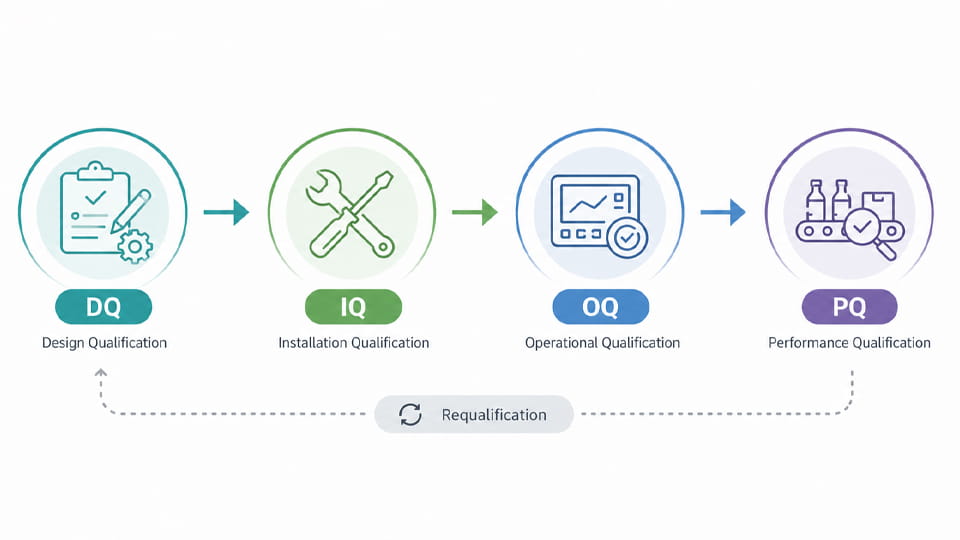
โดยทั่วไปการตรวจสอบความถูกต้องของบรรจุภัณฑ์จะเป็นไปตามวงจรชีวิตคุณสมบัติของอุปกรณ์/กระบวนการ, มักอธิบายว่า DQ/IQ/OQ/PQ. ขั้นตอนเหล่านี้ช่วยให้แน่ใจว่าสายการบรรจุภัณฑ์ใหม่หรือที่ได้รับการปรับเปลี่ยนตรงตามข้อกำหนดในแต่ละขั้นตอน.
- คุณสมบัติการออกแบบ (ดีคิว): ช่วงเริ่มต้นที่มีการประเมินการออกแบบเทียบกับ URS (ข้อกำหนดความต้องการของผู้ใช้) และหลักเกณฑ์ GMP. ทุกด้านของการออกแบบ (ฟังก์ชั่นเครื่อง, วัสดุ, ความสามารถในการทำความสะอาด, ความเข้ากันได้กับผลิตภัณฑ์/วัสดุบรรจุภัณฑ์) ได้รับการตรวจสอบแล้ว. เอกสารประกอบด้วย URS และข้อกำหนดการออกแบบ (ข้อกำหนดการออกแบบฟังก์ชั่น FDS, ข้อมูลจำเพาะการออกแบบฮาร์ดแวร์/ซอฟต์แวร์). มักมีการประเมินความเสี่ยง (E.G. ดีเอฟเอ็มอีเอ) เสร็จสิ้นเพื่อคาดการณ์โหมดความล้มเหลวของบรรจุภัณฑ์.
- คุณสมบัติการติดตั้ง (ไอคิว): ตรวจสอบว่าเครื่องจักร/ไลน์ได้รับการติดตั้งอย่างถูกต้องตามข้อกำหนดของผู้จำหน่าย. IQ รวมถึงรายการตรวจสอบเพื่อยืนยันตำแหน่งที่ถูกต้อง, สาธารณูปโภค (พลัง, อากาศ, น้ำ), สภาพแวดล้อม, และการประกอบที่ถูกต้อง. ส่วนประกอบทั้งหมดมีอยู่และไม่เสียหาย. มีการตรวจสอบการสอบเทียบอุปกรณ์วัด. การส่งมอบ: โปรโตคอลและรายงาน IQ, ใบรับรองการสอบเทียบ.
- คุณสมบัติการปฏิบัติงาน (โอคิว): ตรวจสอบว่าเครื่องทำงานตามที่ตั้งใจไว้ภายใต้เงื่อนไขที่ระบุทั้งหมด. พารามิเตอร์ที่สำคัญ (ช่วงความเร็ว, อุณหภูมิ, ความกดดัน, ระดับสุญญากาศ, แรงบิด, ฯลฯ) ถูกท้าทายที่การตั้งค่าต่ำสุด/สูงสุดหรือกรณีที่แย่ที่สุด. การทดสอบใน OQ อาจรวมถึงการปิดผนึกด้วยความเร็วสูงมาก, ฟังก์ชั่นเซ็นเซอร์/สัญญาณเตือน, การเปลี่ยนแปลงความเร็วของสายพานลำเลียง, ความแม่นยำของผู้ติดฉลาก, ความแม่นยำในการเติมปั๊ม. โปรโตคอล OQ จะบันทึกว่าการทดสอบการทำงานแต่ละรายการตรงตามเกณฑ์การยอมรับ.
- คุณสมบัติการปฏิบัติงาน (PQ): แสดงให้เห็นว่าภายใต้สภาวะการผลิตปกติ, สายการผลิตจะผลิตข้อกำหนดด้านคุณภาพที่ตรงตามข้อกำหนดของผลิตภัณฑ์อย่างสม่ำเสมอ. PQ ดำเนินการตามปริมาณ/ชุดการผลิตจริง. ซึ่งรวมถึงการรันรายการตามเวลาหรือปริมาณที่กำหนด และการสุ่มตัวอย่างเอาต์พุต. กิจกรรมทั่วไป: ใช้กล่องตุ่มหลายกล่อง, ขวดหรือ ซอง และดำเนินการทดสอบ QC กับตัวอย่าง (เช่น, ความสมบูรณ์ของการปิดภาชนะ (ซีซีไอที), การตรวจสอบน้ำหนัก, การตรวจสอบข้อบกพร่องทางสายตา, ความแข็งแรงของซีล). PQ แสดงให้เห็นว่าสายการผลิตสามารถทำงานได้อย่างต่อเนื่องโดยยังคงรักษาคุณภาพของผลิตภัณฑ์ไว้.
ตารางด้านล่างสรุประยะ DQ–IQ–OQ–PQ:
| เวที |
วัตถุประสงค์ |
เอกสารสำคัญ |
ตัวอย่างกิจกรรม/แบบทดสอบ |
| คุณสมบัติการออกแบบ (ดีคิว) |
ตรวจสอบว่าการออกแบบระบบบรรจุภัณฑ์ตรงตาม URS/GMP |
สสส (ข้อมูลจำเพาะความต้องการ), ข้อกำหนดการออกแบบ (FDS/HDS/SDS), การประเมินความเสี่ยง |
ทบทวนการออกแบบ, การตรวจสอบความเข้ากันได้ของวัสดุ, ดีเอฟเอ็มอีเอ |
| คุณสมบัติการติดตั้ง (ไอคิว) |
ยืนยันการติดตั้งอุปกรณ์ที่เหมาะสม |
โปรโตคอล IQ/รายการตรวจสอบ, บันทึกการติดตั้ง, ใบรับรองการสอบเทียบ |
ตรวจสอบสาธารณูปโภค, การประกอบอุปกรณ์, การสอบเทียบ |
| คุณสมบัติการปฏิบัติงาน (โอคิว) |
ตรวจสอบการทำงานของอุปกรณ์ภายในขีดจำกัดที่กำหนด |
โปรโตคอล OQ, แผนการทดสอบการทำงาน, จิบ |
พารามิเตอร์การทดสอบ (ความเร็ว, อุณหภูมิ, ความดัน); การตรวจสอบตราประทับ |
| คุณสมบัติการปฏิบัติงาน (PQ) |
รับประกันคุณภาพที่สม่ำเสมอในระหว่างดำเนินการผลิต |
โปรโตคอล PQ, บันทึกแบทช์, เกณฑ์การปล่อย |
ดำเนินการผลิต; การทดสอบตัวอย่าง (ซีซีไอที, เติมน้ำหนัก, การตรวจสอบด้วยสายตา) |

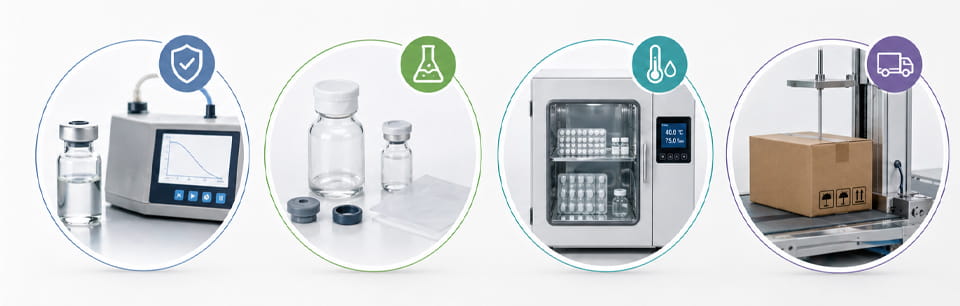
ดังแผนภาพที่แสดง, การตรวจสอบความถูกต้องของบรรจุภัณฑ์เป็นกระบวนการวงจรชีวิตตั้งแต่การออกแบบจนถึงประสิทธิภาพ. โปรดทราบว่า การคัดเลือกใหม่ อาจจำเป็นหลังจากการเปลี่ยนแปลงครั้งใหญ่หรือเป็นระยะๆ.
การทดสอบที่สำคัญในการตรวจสอบความถูกต้องของบรรจุภัณฑ์
โดยทั่วไปจะมีการทดสอบเฉพาะทางหลายอย่างในระหว่างการตรวจสอบความถูกต้องของบรรจุภัณฑ์:
การทดสอบความสมบูรณ์ของการปิดคอนเทนเนอร์ (ซีซีไอที)
CCIT เป็นสิ่งจำเป็นสำหรับผลิตภัณฑ์ที่ปลอดเชื้อและแม้แต่ที่ไม่ผ่านการฆ่าเชื้อ. จะประเมินว่าระบบปิดตู้คอนเทนเนอร์ (E.G. ขวด+จุก+ฝา, หลอดบรรจุ, ประทับตราตุ่ม) ก่อให้เกิดอุปสรรคที่สมบูรณ์แบบ. วิธีการรวมถึงการสลายตัวแบบสุญญากาศ, ความดันสลายตัว, สีย้อมเข้า, หรือความท้าทายของจุลินทรีย์. ดังที่แหล่งอุตสาหกรรมแห่งหนึ่งอธิบาย, “การทดสอบความสมบูรณ์ของการปิดคอนเทนเนอร์ (ซีซีไอที) เป็นการทดสอบที่ประเมินความเพียงพอของระบบปิดภาชนะเพื่อรักษาสิ่งกีดขวางที่ปลอดเชื้อจากการปนเปื้อนที่อาจเกิดขึ้น”. เอกสารกำกับดูแล (USP <1207>, อย, ภาคผนวก EMA 1) เน้นการทดสอบความสมบูรณ์ของการปิดเพื่อให้แน่ใจว่าไม่มีการรั่วไหลหรือการละเมิด. ตัวอย่างเช่น, USP <1207> ให้คำแนะนำในการเลือกวิธีทดสอบการรั่วเพื่อรับรองบรรจุภัณฑ์ที่ปิดสนิท.
การทดสอบความเข้ากันได้ของวัสดุ (สารสกัดจาก/Leachables)
วัสดุบรรจุภัณฑ์ (พลาสติก, ยาง, หมึก, กาว) จะต้องไม่ทำปฏิกิริยาในทางลบกับผลิตภัณฑ์ยา. สารสกัดและชะล้างได้ การศึกษาจำลองการติดต่อระยะยาว: สารสกัดคือสารเคมีที่ถูกขับออกจากบรรจุภัณฑ์ภายใต้สภาวะที่ไม่เอื้ออำนวย, และสารชะล้างได้คือสิ่งที่เคลื่อนย้ายเข้าสู่ผลิตภัณฑ์ได้จริงภายใต้สภาวะปกติ. การทดสอบเหล่านี้ช่วยให้มั่นใจได้ว่าบรรจุภัณฑ์ไม่ก่อให้เกิดสารพิษหรือสิ่งเจือปนที่ส่งผลต่อความเสถียร. คำแนะนำด้านเภสัชกรรมและ FDA (E.G. USP <661>, ไตรมาสที่ 3 อี) สรุปการทดสอบ E/L สำหรับระบบปิดภาชนะ. ในทางปฏิบัติ, หนึ่งตรวจสอบว่าโพลีเมอร์, การเคลือบ, และวัสดุฉลากเป็นไปตามมาตรฐานเภสัชกรรม (E.G. ประเภทกระจก USP, ข้อมูลจำเพาะของการปิดยาง ISO). WHO ตั้งข้อสังเกตว่ามาตรฐานเภสัชตำรับสำหรับการปิด (เหมือนจุกยาง) เป็น “ข้อกำหนดขั้นต่ำ” และเน้นการศึกษาเสถียรภาพเพื่อพิสูจน์ความเหมาะสม.
การทดสอบความคงตัวในบรรจุภัณฑ์
ตาม ICH Q1A, การศึกษาความมั่นคง จะต้องดำเนินการกับผลิตภัณฑ์ยาในการกำหนดค่าบรรจุภัณฑ์ขั้นสุดท้าย. ในระหว่างการตรวจสอบ, มีการประเมินผลกระทบของบรรจุภัณฑ์ต่อความเสถียร: ตัวอย่างเช่น, บรรจุภัณฑ์ขั้นสุดท้ายต้องผ่านการเร่งอายุ (อุณหภูมิสูง/ความชื้น) และสภาวะเรียลไทม์เพื่อให้แน่ใจว่าไม่มีการย่อยสลาย (E.G. ความชื้นซึมเข้าไปในถุงพุพอง, การซึมผ่านของออกซิเจนในขวด). การสอบวิเคราะห์ที่บ่งชี้ความคงตัว (สารเคมีและจุลินทรีย์) จะดำเนินการ. บรรจุภัณฑ์ที่ไม่สามารถปกป้องผลิตภัณฑ์ภายใต้ความเครียดได้จะทำให้การกล่าวอ้างเรื่องอายุการเก็บรักษาเป็นโมฆะ. ดังนั้น, การตรวจสอบรวมถึงการยืนยันว่าบรรจุภัณฑ์ที่เลือกนั้นตรงตามข้อกำหนดอายุการเก็บรักษา (สิ่งนี้ทับซ้อนกับโปรโตคอลเสถียรภาพด้านกฎระเบียบ).
การทดสอบการขนส่งและการจัดจำหน่าย
บรรจุภัณฑ์ระดับตติยภูมิ การทดสอบจำลองเงื่อนไขการจัดส่งจริง. การทดสอบมาตรฐานประกอบด้วยการทดสอบความสูงของการตกหล่น, การสั่นสะเทือน (การจำลองรถบรรทุก/ราง), การบีบอัด (ซ้อนน้ำหนัก), และการปั่นจักรยานตามอุณหภูมิ (โดยเฉพาะอย่างยิ่งสำหรับโซ่เย็น). ตัวอย่างเช่น, มาตรฐาน ASTM D4169 (สำหรับสินค้าแบบแพ็คเก็จ) หรืออาจใช้โปรโตคอล ISTA. แผนการตรวจสอบบรรจุภัณฑ์ที่มีประสิทธิภาพจะตรวจสอบว่ากล่องต่างๆ, กล่องและลังช่วยปกป้องบรรจุภัณฑ์หลักระหว่างการขนย้าย: รับรองว่าไม่มีแตกหัก, การลอกฉลาก, หรือความเสียหายจากความชื้นเกิดขึ้นภายใต้สภาวะการกระจายตัว. สำหรับโซ่เย็น, การทำแผนที่อุณหภูมิและผู้ขนส่งฉนวนที่ผ่านการตรวจสอบแล้วได้รับการทดสอบเพื่อรักษาช่วงอุณหภูมิที่ต้องการตลอดการขนส่ง.
มาตรฐานการกำกับดูแลและแนวปฏิบัติ
การตรวจสอบความถูกต้องของบรรจุภัณฑ์ยาต้องเป็นไปตามความคาดหวังด้านกฎระเบียบหลายประการ:
- กฎระเบียบ cGMP: ในสหรัฐอเมริกา, อย 21 ส่วนซีเอฟอาร์ 211 (ส่วนย่อยเจ) ควบคุมภาชนะบรรจุและการปิด. ส่วน 211.94(ก–ดี) ระบุว่าภาชนะบรรจุ/ฝาปิดไม่สามารถเปลี่ยนแปลงคุณภาพของยาได้ และต้องป้องกันการปนเปื้อนที่คาดการณ์ได้.
- GMP ของสหภาพยุโรป: แนวทางของยุโรป (ยูดราเล็กซ์ เล่ม. 4) ต้องการสิ่งนั้น “ควรปิดภาชนะบรรจุด้วยวิธีการตรวจสอบที่เหมาะสม” (ภาคผนวก 1) และกระบวนการบรรจุภัณฑ์นั้นเป็นไปตาม GMP (ภาคผนวก 15 ในการตรวจสอบ). ภาคผนวก GMP ของสหภาพยุโรป 11 มอบอำนาจการตรวจสอบระบบคอมพิวเตอร์ (รวมถึงสายการบรรจุภัณฑ์ที่มีการควบคุมแบบอิเล็กทรอนิกส์).
- ใคร GMP: ชุดรายงานทางเทคนิคของ WHO 902 (ภาคผนวก 9) ระบุอย่างชัดเจนว่าอุปกรณ์บรรจุภัณฑ์จำเป็นต้องได้รับการตรวจสอบเช่นเดียวกับขั้นตอนการประมวลผลอื่นๆ. นอกจากนี้ WHO ยังให้คำแนะนำเกี่ยวกับความสมบูรณ์ของบรรจุภัณฑ์ด้วย (คล้ายกับ EU/ICH).
- แนวทาง ICH: แม้ว่าไอซีเอช (คำถามที่ 7, คำถามที่ 8, คำถามที่ 9, คำถามที่ 10) ไม่มีเอกสารตรวจสอบบรรจุภัณฑ์เฉพาะ, พวกเขาอาณัติการบริหารความเสี่ยง (คำถามที่ 9) และคุณภาพตามการออกแบบ (ไตรมาสที่ 8/ไตรมาสที่ 10) หลักการที่ใช้บังคับ. ตัวอย่างเช่น, การประเมินความเสี่ยง (ฉัน Q9) ควรครอบคลุมคุณลักษณะของบรรจุภัณฑ์ (ประเภทการปิด, การควบคุมฉลาก) ที่ส่งผลต่อ CQA ของผลิตภัณฑ์.
- มาตรฐาน: สำหรับผลิตภัณฑ์ปลอดเชื้อ, ไอเอสโอ 11607 (สำหรับบรรจุภัณฑ์อุปกรณ์การแพทย์ที่ผ่านการฆ่าเชื้อขั้นสุดท้าย) มักใช้โดยการเปรียบเทียบ; ส่วนหนึ่ง 2 ของไอเอสโอ 11607 กำหนดข้อกำหนดในการตรวจสอบความถูกต้องสำหรับกระบวนการขึ้นรูป/ปิดผนึก, ซึ่งเกี่ยวข้องกับบรรจุภัณฑ์พุพองหรือหลอดบรรจุยาทางหลอดเลือด. เภสัชตำรับ (USP, ปริญญาเอก. ยูโร) มีบททดสอบบรรจุภัณฑ์ด้วย (E.G. USP <381> สำหรับปิดยาง, <1207> สำหรับการทดสอบการรั่วซึม).
โดยสรุป, สายการบรรจุใดๆ จะต้องเป็นไปตามเภสัชตำรับระดับชาติและมาตรฐาน GMP ระดับภูมิภาค. รายการตรวจสอบการปฏิบัติตามข้อกำหนดมักอ้างอิงถึง FDA, GMP ของสหภาพยุโรป, WHO และมาตรฐาน ISO ที่เกี่ยวข้อง, และมักจะเรียกร้องให้มีเอกสาร SOPs และแผนแม่บทการตรวจสอบที่ครอบคลุมบรรจุภัณฑ์อย่างครบถ้วน.
ความท้าทายทั่วไปในการตรวจสอบความถูกต้องของบรรจุภัณฑ์
การตรวจสอบความถูกต้องของบรรจุภัณฑ์ก่อให้เกิดความท้าทายที่ไม่เหมือนใครเมื่อเปรียบเทียบกับกระบวนการผลิต:
- ชนิดข้อมูลและการสุ่มตัวอย่าง: ความสำเร็จของสายการบรรจุมักถูกกำหนดโดย ผลลัพธ์ที่ไม่ต่อเนื่อง (E.G. ผ่าน/ไม่ผ่านเพื่อประทับตรา, น้ำตา) แทนที่จะวัดอย่างต่อเนื่อง. ดังที่ผู้เชี่ยวชาญคนหนึ่งตั้งข้อสังเกต, “ประเภทของข้อมูลที่ได้รับ…สร้างความท้าทายที่สำคัญ. ความสำเร็จหรือความล้มเหลวมักถูกกำหนดโดยข้อบกพร่อง (น้ำตา, หลุม, รอยเปื้อน, หรือซีลรั่ว)… ขาดการวัดผลนี้ (ตัวแปร) ข้อมูลมักต้องใช้ขนาดตัวอย่างที่ใหญ่มากเพื่อให้กระบวนการบรรจุภัณฑ์ได้รับการตรวจสอบทางสถิติ”. กล่าวอีกนัยหนึ่ง, คุณอาจต้องใช้ตัวอย่างจำนวนมากเพื่อแสดงความน่าเชื่อถือ.
- ความหลากหลายของเทคโนโลยี: มีเทคโนโลยีบรรจุภัณฑ์มากมาย (แผลพุพอง, กล่องกระดาษ, ผู้ติดฉลาก, ผู้บรรจุหีบห่อ, ฯลฯ) จากซัพพลายเออร์ที่แตกต่างกัน. แต่ละคนมีโปรไฟล์ความเสี่ยงที่แตกต่างกัน, ทำให้แผนการตรวจสอบความถูกต้องขนาดเดียวเป็นไปไม่ได้.
- การควบคุมการเปลี่ยนแปลง: สายการบรรจุมักใช้ผลิตภัณฑ์หลายประเภท (แท็บเล็ต, ของเหลว, ผง) และขนาดบรรจุบนอุปกรณ์เดียวกัน (โดยใช้การเปลี่ยนชิ้นส่วนหรือรูปแบบ). การเปลี่ยนแปลงแต่ละครั้งอาจต้องมีการตรวจสอบความถูกต้องอีกครั้งหรือการถ่ายคร่อมในแผนการตรวจสอบ. จัดการเรื่องนี้ (ที่ เมทริกซ์การตรวจสอบ) อาจซับซ้อนได้.
- การควบคุมสิ่งแวดล้อม: บรรจุภัณฑ์บ้าง (E.G. บรรจุภัณฑ์พุพองของยาที่ไวต่อความชื้น) ต้องควบคุมความชื้นหรือบรรยากาศเฉื่อย. การตรวจสอบการควบคุมเหล่านี้จะเพิ่มความซับซ้อน.
- บูรณาการกับกระบวนการต้นน้ำ: การตรวจสอบความถูกต้องของบรรจุภัณฑ์ขึ้นอยู่กับความสอดคล้องต้นน้ำ. หากเม็ดยามีขนาดแตกต่างกัน, การเปลี่ยนเครื่องบรรจุภัณฑ์อาจได้รับผลกระทบ (E.G. เติมแยม). การพึ่งพาซึ่งกันและกันนี้อาจทำให้การวิเคราะห์สาเหตุที่แท้จริงของความล้มเหลวของบรรจุภัณฑ์มีความซับซ้อน.
- การทำให้เป็นอนุกรม/การติดตาม: กฎระเบียบที่ทันสมัย (E.G. ดีเอสซีเอสเอ, สหภาพยุโรป เอฟเอ็มดี) จำเป็นต้องมีการซีเรียลไลซ์และการตรวจสอบย้อนกลับ. ตรวจสอบให้แน่ใจว่าสายอัตโนมัติติดตามแต่ละหน่วยอย่างเหมาะสม (และตรวจสอบการจับข้อมูลนั้น) เพิ่มคุณสมบัติอีกชั้นหนึ่ง (การตรวจสอบซอฟต์แวร์, การทดสอบเครื่องสแกนบาร์โค้ด, การตรวจสอบฐานข้อมูล).
- ความคลุมเครือด้านกฎระเบียบ: ขัดแย้งกัน, มีคำแนะนำที่ชัดเจนอย่างจำกัดจาก FDA/EMA เกี่ยวกับ "การตรวจสอบความถูกต้องของบรรจุภัณฑ์" เท่านั้น,” ดังนั้นบริษัทต่างๆ มักจะต้องตีความ GMP ทั่วไปและแนวทางการตรวจสอบกระบวนการสำหรับบรรจุภัณฑ์. สิ่งนี้อาจทำให้เกิดความไม่แน่นอนเกี่ยวกับขอบเขตที่แน่นอนหรือการทดสอบที่จำเป็น.
แม้จะมีความท้าทายเหล่านี้, หลักการพื้นฐานยังคงอยู่: ปฏิบัติต่อบรรจุภัณฑ์เหมือนกับกระบวนการสำคัญอื่นๆ, ด้วยคุณสมบัติอย่างละเอียดและการตรวจสอบ QC ที่แข็งแกร่ง. เมื่อรายงานของ ISPE สิ้นสุดลง, การตรวจสอบบรรจุภัณฑ์ “แตกต่าง(S) เพียงเล็กน้อยจากการตรวจสอบกระบวนการที่ใช้ในการผลิตยา”.
แนวทางปฏิบัติที่ดีที่สุดสำหรับการตรวจสอบความถูกต้องของบรรจุภัณฑ์ยา
เพื่อเอาชนะความท้าทายและรับประกันการตรวจสอบที่ประสบความสำเร็จ, ปฏิบัติตามแนวทางปฏิบัติที่ดีที่สุดเหล่านี้:
- การประเมินความเสี่ยงตั้งแต่เนิ่นๆ: ใช้การจัดการความเสี่ยงด้านคุณภาพ (ฉัน Q9) ตั้งแต่ขั้นตอนการออกแบบ. ระบุคุณลักษณะของบรรจุภัณฑ์ที่สำคัญ (E.G. ความเป็นหมัน, หลักฐานการงัดแงะ, ป้องกันแสง) และจัดลำดับความสำคัญของการทดสอบตามลำดับ. โหมดความล้มเหลว & การวิเคราะห์ผลกระทบ (เอฟเอ็มอีเอ) ขอแนะนำในช่วง DQ เพื่อวางแผนขอบเขตการตรวจสอบ.
- ข้อกำหนดความต้องการของผู้ใช้ (สสส): บันทึกข้อกำหนดทั้งหมดไว้ล่วงหน้าอย่างชัดเจน: กำลังการผลิต, รูปแบบแพ็ค, จุดบูรณาการ (E.G. การเชื่อมโยงเครื่องตุ่มเข้ากับเครื่องบรรจุกล่อง), สภาพแวดล้อม, ข้อกำหนดในการทำความสะอาด. URS ที่กำหนดไว้อย่างดีจะคอยตรวจสอบความถูกต้อง.
- ขั้นตอนการปฏิบัติงานมาตรฐาน (จิบ): รักษา SOP โดยละเอียดสำหรับการใช้งานอุปกรณ์, ทำความสะอาด, การเปลี่ยนแปลง, และการบำรุงรักษา. การตรวจสอบควรอ้างอิง SOP เหล่านี้เพื่อให้แน่ใจว่ามีการใช้งานที่สอดคล้องกัน.
- การตรวจสอบและการควบคุมอัตโนมัติ: รวมการตรวจสอบคุณภาพในสายการผลิต (E.G. วิชันซิสเต็มสำหรับการตรวจสอบการพิมพ์/ฉลาก, เครื่องตรวจสอบน้ำหนักบนสายพาน, เครื่องสแกนบาร์โค้ด, เครื่องตรวจจับการรั่วไหล). สิ่งเหล่านี้ไม่ได้เป็นเพียงเครื่องมือ QA แต่ยังเป็นส่วนหนึ่งของการตรวจสอบโดยการตรวจจับข้อบกพร่องแบบเรียลไทม์.
- เอกสารที่ครอบคลุม: เตรียมแผนแม่บทการตรวจสอบความถูกต้องโดยสรุปกลยุทธ์, และรับรองโปรโตคอลการรับรองทั้งหมด (IR/WH/PQ) มีเกณฑ์การยอมรับที่ชัดเจน. เก็บบันทึกรายละเอียดของการวิ่งทั้งหมด, การเบี่ยงเบน, และทดสอบซ้ำ. ใช้รายการตรวจสอบเพื่อให้แน่ใจว่าไม่มีอะไรถูกมองข้าม.
- การฝึกอบรมและบุคลากร: ผู้ปฏิบัติงานและพนักงานควบคุมคุณภาพต้องได้รับการฝึกอบรมทั้งเกี่ยวกับอุปกรณ์และขั้นตอนการตรวจสอบ. เฉพาะบุคลากรที่มีคุณสมบัติเหมาะสมเท่านั้นที่ควรทำการทดสอบการตรวจสอบความถูกต้องและบันทึกผลลัพธ์.
- ซอฟต์แวร์และบันทึกอิเล็กทรอนิกส์: สำหรับการควบคุมด้วยคอมพิวเตอร์, ปฏิบัติตามอย 21 CFR ส่วนที่ 11/ภาคผนวก GMP 11: ตรวจสอบซอฟต์แวร์, เส้นทางการตรวจสอบ, ลายเซ็นอิเล็กทรอนิกส์ (มั่นใจในความปลอดภัย, การสำรองข้อมูล). แม้แต่สายการบรรจุที่ไม่ผ่านการฆ่าเชื้อก็มักจะมี PLC/HMI ที่ต้องมีการตรวจสอบความถูกต้อง.
- การออกแบบเพื่อการตรวจสอบ: เมื่อใดก็ตามที่เป็นไปได้, เลือกเครื่องที่มีคุณสมบัติที่ทำให้การตรวจสอบง่ายขึ้น: E.G. เซอร์โวไดรฟ์พร้อมระบบควบคุมแบบดิจิตอล (เพื่อความแม่นยำ, พารามิเตอร์ที่ทำซ้ำได้), โครงสแตนเลสที่ถูกสุขลักษณะ (เพื่อทำความสะอาดง่าย), ชิ้นส่วนที่เปลี่ยนแปลงได้ง่าย (เพื่อลดความพยายามในการทำความสะอาดระหว่างรูปแบบต่างๆ), และการออกแบบโมดูลาร์ (เพื่อจำกัดจำนวนการกำหนดค่าที่ต้องมีการทดสอบ).
- การตรวจสอบอย่างต่อเนื่อง: การตรวจสอบความถูกต้องของบรรจุภัณฑ์ไม่ใช่ "ครั้งเดียวและเสร็จสิ้น" ใช้ทริกเกอร์การตรวจสอบหรือการตรวจสอบความถูกต้องใหม่เป็นระยะ (E.G. หลังจากการบำรุงรักษาครั้งใหญ่, การอัพเกรดอุปกรณ์, หรือการเลื่อนลอยของกระบวนการที่สำคัญ). ใช้การควบคุมกระบวนการทางสถิติ (สพีซี) เกี่ยวกับตัวชี้วัดที่สำคัญ (เติมการเปลี่ยนแปลงน้ำหนัก, อัตราข้อบกพร่อง) เพื่อจับกระแสตั้งแต่เนิ่นๆ.
- ความสมบูรณ์ถูกต้องของข้อมูล: ใช้หลักการ ALCOA+: ข้อมูลการตรวจสอบทั้งหมด (บันทึกการทดสอบ, รายงานการควบคุมคุณภาพ, การสอบเทียบ) จะต้องมีสาเหตุมาจาก, ชัดเจน, ร่วมสมัย, ต้นฉบับ, และแม่นยำ. ใช้สมุดบันทึกแบบผูกหรือระบบอิเล็กทรอนิกส์ที่ผ่านการตรวจสอบแล้ว.
ด้วยการฝังการคิดเชิงตรวจสอบในทุกขั้นตอน ตั้งแต่การออกแบบไปจนถึงการปฏิบัติงานในแต่ละวัน ผู้ผลิตสามารถมั่นใจได้ว่าสายการบรรจุจะส่งมอบผลิตภัณฑ์ที่ตรงตามความคาดหวังด้านคุณภาพและการปฏิบัติตามข้อกำหนด.
บทบาทของเครื่องจักรบรรจุภัณฑ์ในการตรวจสอบความถูกต้อง
การเลือกและการออกแบบอุปกรณ์บรรจุภัณฑ์มีอิทธิพลอย่างมากต่อความสำเร็จในการตรวจสอบความถูกต้อง. เครื่องจักรบรรจุภัณฑ์คุณภาพสูงได้รับการออกแบบทางวิศวกรรมเพื่อให้ตรงตามข้อกำหนด GMP และรองรับคุณสมบัติที่ง่ายดาย. ตัวอย่างเช่น, Jinlu Packing's เครื่องจักรอัตโนมัติถูกสร้างขึ้นด้วยคุณสมบัติที่ช่วยเพิ่มความคล่องตัวในการตรวจสอบ:
- ความแม่นยำและความสม่ำเสมอ: Jinlu เครื่องพุพอง, เครื่องบรรจุกล่องและเครื่องบรรจุใช้เซอร์โวมอเตอร์และกลไกที่แม่นยำเพื่อให้แน่ใจว่าแรงดันในการปิดผนึกด้วยความร้อนสม่ำเสมอ, เติมปริมาณ, และการจัดทำดัชนี. ความสามารถในการทำซ้ำนี้มีความสำคัญอย่างยิ่งต่อการผ่านการทดสอบ OQ และ PQ (E.G. อุปกรณ์ให้อาหารที่ขับเคลื่อนด้วยเซอร์โวมีให้ “ตำแหน่งที่แม่นยำ” บนเส้นตุ่มของพวกเขา).
- การออกแบบที่ถูกสุขลักษณะ: วัสดุและพื้นผิวเป็นสแตนเลสหรือพลาสติกที่เป็นไปตามมาตรฐาน FDA, ออกแบบมาเพื่อทำความสะอาดง่าย. เรียบ, พื้นผิวลาดเอียงป้องกันดักฝุ่น. สิ่งนี้สนับสนุนการปฏิบัติตามข้อกำหนด GMP และลดความยุ่งยากในการตรวจสอบการทำความสะอาด.
- การปรับตัวให้เข้ากับรูปแบบ: Jinlu นำเสนอเครื่องป้อนแบบกำหนดเองและรางนำสำหรับบรรจุภัณฑ์ประเภทต่างๆ (ดู เครื่องป้อนแบบกำหนดเอง ในหน้าสินค้า). การมีเครื่องมือที่เหมาะสมจะช่วยลดความแปรผันและความเร็วในการเปลี่ยนรูปแบบ, ซึ่งลดความต้องการในการตรวจสอบคุณสมบัติใหม่เมื่อเปลี่ยนรูปแบบ.
- การควบคุมแบบรวม: สายการผลิต Jinlu สมัยใหม่มีการควบคุม PLC/HMI ที่สามารถสร้างบันทึกแบบแบตช์อิเล็กทรอนิกส์ได้. ตัวอย่างเช่น, เครื่องบรรจุของเหลวมี AI Siemens PLC/HMI เพื่อความเรียบง่าย, การดำเนินการที่ตรวจสอบย้อนกลับได้. การควบคุมแบบดิจิทัลดังกล่าวรองรับการบันทึกข้อมูล (สอดคล้องกับ 21 CFR ส่วนที่ 11/ภาคผนวก 11) – สำคัญมากสำหรับการตรวจสอบความถูกต้องว่าเซ็ตพอยต์และการเตือนทำงานตามที่ออกแบบไว้.
- เอกสารการตรวจสอบ: Jinlu ให้เอกสารฉบับเต็ม (เอกสารข้อมูลทางเทคนิค, คู่มือ, ฯลฯ). เช่น, รายการหน้าผลิตภัณฑ์ของตน “เอกสารทางเทคนิคครบชุด” และเน้นการจัดหาเอกสารการออกแบบและการทดสอบโดยละเอียด. ซัพพลายเออร์ยินดีที่จะจัดให้มีการทดสอบการยอมรับของโรงงาน (อ้วน) โปรโตคอลหรือชุดอุปกรณ์ IOQ ช่วยลดภาระในการตรวจสอบความถูกต้องของผู้ใช้ได้อย่างมาก.
- การรับรองคุณภาพ: Jinlu พกเครื่อง CE, cGMP และการรับรองอื่นๆ, บ่งชี้ว่าพวกเขามีคุณสมบัติตรงตามมาตรฐานคุณภาพและความปลอดภัยบางประการ (ดูโลโก้ cGMP บนภาพข้อมูลจำเพาะผลิตภัณฑ์). การใช้อุปกรณ์ที่ผ่านการรับรองสามารถปรับปรุงการตรวจสอบด้านกฎระเบียบได้.
ในทางปฏิบัติ, สายการบรรจุที่ผ่านการตรวจสอบแล้วอาจรวมถึง: จินลู่ เครื่องบรรจุตุ่ม เชื่อมโยงกับก เครื่องบรรจุกล่อง และ เส้นการนับ/การเติม. อุปกรณ์แต่ละชิ้นจะต้องมีคุณสมบัติ (IR/WH/PQ). ระบบของ Jinlu ได้รับการออกแบบให้ทำงานร่วมกันได้อย่างราบรื่น (E.G. “สายการบรรจุกล่องตุ่มอัตโนมัติระดับสูง” ขึ้นไป 320 กล่อง/นาที), ลดปัญหาการบูรณาการระหว่างการตรวจสอบ. เรายังนำเสนอกรณีศึกษาอีกด้วย (E.G. สมบูรณ์ การนับและบรรจุขวด, หรือ การบรรจุกล่องอัตโนมัติ & สายการติดฉลาก) ที่สาธิตโซลูชันที่ได้รับการตรวจสอบแบบ end-to-end.
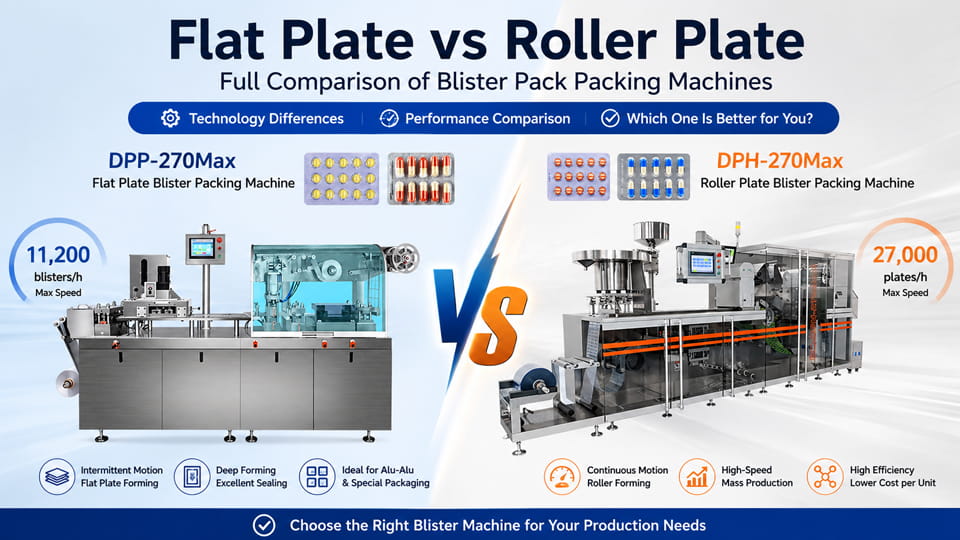
 เครื่องบรรจุหีบห่อลูกกลิ้ง DPH-270MAX
โดยร่วมมือกับ Jinlu หรือผู้ผลิตที่คล้ายคลึงกัน, บริษัทต่างๆจะได้ประโยชน์จากอุปกรณ์นั่นคือ “เป็นไปตามมาตรฐาน cGMP”, รองรับวงจรการตรวจสอบความถูกต้องเต็มรูปแบบ, และมาพร้อมกับการบริการหลังการขาย (การว่าจ้าง, การฝึกอบรม) เพื่อให้แน่ใจว่าบรรทัดยังคงได้รับการตรวจสอบความถูกต้อง.
บทสรุป
การตรวจสอบบรรจุภัณฑ์ เป็นสิ่งจำเป็นสำหรับคุณภาพและการปฏิบัติตามข้อกำหนดทางเภสัชกรรม. โดยปฏิบัติต่อการดำเนินการบรรจุภัณฑ์อย่างเข้มงวดเหมือนขั้นตอนการผลิตหลัก, บริษัทต่างๆ รับรองว่าผลิตภัณฑ์ของตนจะเข้าถึงผู้ป่วยได้อย่างปลอดภัย. กระบวนการนี้ครอบคลุมคำจำกัดความ (สสส, การประเมินความเสี่ยง), คุณสมบัติ (DQ/IQ/OQ/PQ), การทดสอบ (ซีซีไอที, ความมั่นคง, ขนส่ง), และการติดตามผลอย่างต่อเนื่อง. อยู่ภายใต้กฎระเบียบ GMP (อย, EMA, WHO) และมาตรฐานอุตสาหกรรม.
อุปกรณ์บรรจุภัณฑ์อัตโนมัติสมัยใหม่ เช่น เครื่องจักรของ Jinlu Packing มีบทบาทสำคัญในการตรวจสอบความถูกต้อง. ออกแบบมาเพื่อความแม่นยำ, สุขอนามัยและการตรวจสอบย้อนกลับทางอิเล็กทรอนิกส์, ช่วยให้ผู้ผลิตปฏิบัติตามเกณฑ์การตรวจสอบได้อย่างมีประสิทธิภาพ. เมื่อเลือกสายการบรรจุ, พิจารณาซัพพลายเออร์ที่จัดเตรียมเอกสารและการสนับสนุนการตรวจสอบที่สมบูรณ์.
ในที่สุด, การตรวจสอบบรรจุภัณฑ์อย่างละเอียดคือ “การปกป้องขั้นสุดท้ายสำหรับคุณภาพผลิตภัณฑ์และความปลอดภัยของผู้ป่วย”, สอดคล้องกับข้อกำหนดด้านกฎระเบียบและเป้าหมายทางธุรกิจ.
พร้อมตรวจสอบสายการบรรจุภัณฑ์ของคุณ? ติดต่อผู้เชี่ยวชาญของ Jinlu Packing เพื่อหารือเกี่ยวกับโซลูชันบรรจุภัณฑ์ตามมาตรฐาน GMP หรือขอใบเสนอราคา.
คำถามที่พบบ่อยเกี่ยวกับการตรวจสอบความถูกต้องของบรรจุภัณฑ์ในอุตสาหกรรมยา
อะไรคือความแตกต่างระหว่างการตรวจสอบความถูกต้องของบรรจุภัณฑ์และการตรวจสอบกระบวนการ?
การตรวจสอบกระบวนการโดยทั่วไปหมายถึงขั้นตอนการผลิตสารตัวยาหรือผลิตภัณฑ์ยาปริมาณมาก (E.G. การผสม, การทำเม็ดเล็ก, การบีบอัด). การตรวจสอบความถูกต้องของบรรจุภัณฑ์ใช้หลักการตรวจสอบความถูกต้องกับการดำเนินการบรรจุภัณฑ์โดยเฉพาะ (การปิดผนึก, การติดฉลาก, การบรรจุกล่อง, ฯลฯ). อย่างไรก็ตาม, ทั้งสองเป็นไปตามวงจรชีวิต DQ/IQ/OQ/PQ และข้อกำหนด GMP เดียวกัน. โดยพื้นฐานแล้ว, การตรวจสอบความถูกต้องของบรรจุภัณฑ์ช่วยให้มั่นใจถึงกระบวนการบรรจุภัณฑ์ (ไม่ใช่แค่กระบวนการผลิตเท่านั้น) ตรงตามข้อกำหนดด้านคุณภาพอย่างสม่ำเสมอ.
การทดสอบใดบ้างที่จำเป็นสำหรับการตรวจสอบความถูกต้องของบรรจุภัณฑ์ยา?
การทดสอบที่สำคัญได้แก่ความสมบูรณ์ของการปิดภาชนะ (ซีซีไอที) เพื่อตรวจสอบซีล, ความเข้ากันได้ของวัสดุ (การศึกษาสารสกัด/สารชะล้าง), การทดสอบความเสถียร (ยาในแพ็คเกจสุดท้ายภายใต้ความเครียด), และการทดสอบการกระจายตัว (ช็อก, การสั่นสะเทือน, อุณหภูมิสำหรับการขนส่ง). การตรวจสอบเพิ่มเติมครอบคลุมความถูกต้องของฉลาก, ระบบตรวจสอบด้วยสายตา, น้ำหนัก/การตรวจสอบน้ำหนัก, และการทดสอบเฉพาะสัญญาใดๆ (E.G. ความแข็งแรงของฟิล์มหมัน). การทดสอบทั้งหมดควรมีเกณฑ์การยอมรับที่กำหนดไว้ล่วงหน้าและได้รับการบันทึกไว้.
โดยปกติการตรวจสอบความถูกต้องของบรรจุภัณฑ์จะใช้เวลานานเท่าใด?
ไทม์ไลน์ขึ้นอยู่กับความซับซ้อน (จำนวนรูปแบบ, อุปกรณ์, เว็บไซต์). IQ/OQ/PQ บรรทัดเดียวอาจมีช่วงตั้งแต่สองสามสัปดาห์ถึงสองสามเดือน. ปัจจัย: จำนวนการทดสอบพารามิเตอร์ OQ, ขนาดตัวอย่างที่ต้องการใน PQ, และเวลาดำเนินการทดสอบ (E.G. ความเสถียรที่สภาวะเร่งจะใช้เวลาหลายสัปดาห์). การวางแผนกิจกรรมคู่ขนาน (เช่นการเตรียมระเบียบปฏิบัติในขณะที่อุปกรณ์มาถึง) สามารถประหยัดเวลาได้.
เอกสารใดบ้างที่ควบคุมการตรวจสอบบรรจุภัณฑ์?
ข้อมูลอ้างอิงหลักคือข้อบังคับ GMP: 21 ส่วนซีเอฟอาร์ 211 (องค์การอาหารและยาของสหรัฐอเมริกา), ยูดราเล็กซ์ เล่ม. 4 (GMP ของสหภาพยุโรป, ภาคผนวก 1 และ 15), และภาคผนวก WHO GMP 9. ICH Q7/Q10 ให้หลักการตรวจสอบทั่วไป, ICH Q9 ครอบคลุมการบริหารความเสี่ยงสำหรับการตัดสินใจเกี่ยวกับบรรจุภัณฑ์, และไอเอสโอ 11607-2 นำไปใช้กับการตรวจสอบกระบวนการแพ็คฆ่าเชื้อ. มาตรฐานเภสัชกรรม (USP, ปริญญาเอก. ยูโร) และแนวปฏิบัติท้องถิ่น (E.G. NMPA ของจีน, อินเดียกำหนดการม) ยังมีอิทธิพลต่อข้อกำหนดด้านบรรจุภัณฑ์ด้วย. สอดคล้องกับกฎระเบียบของตลาดเป้าหมายเสมอ.
Jinlu Packing รองรับการตรวจสอบความถูกต้องของบรรจุภัณฑ์อย่างไร?
เครื่องบรรจุภัณฑ์ของ Jinlu ถูกสร้างขึ้นสำหรับ GMP. พวกเขาจัดเตรียมเอกสารการออกแบบ (สสส, เอฟดีเอส), ใบรับรองการสอบเทียบ, และการสนับสนุน OQ/PQ. อุปกรณ์ของพวกเขา (เครื่องพุพอง, กล่องกระดาษ, เส้นเติม) มีการควบคุมเซอร์โวที่แม่นยำและการออกแบบเพื่อสุขอนามัยเพื่อให้ตรงตามข้อกำหนดการตรวจสอบ. ดังที่แสดงบนเว็บไซต์ของ Jinlu, เครื่องจักรมีโลโก้ cGMP/CE และมาพร้อมกับชุดเอกสารทางเทคนิค. Jinlu ยังให้การสนับสนุนการติดตั้งและการตรวจสอบความถูกต้อง, โซลูชันที่กำหนดเอง, และการฝึกอบรมเพื่อช่วยในการดำเนินการสายการผลิตบรรจุภัณฑ์ที่ได้รับการตรวจสอบแล้ว. สำหรับข้อมูลเพิ่มเติม, ดูหน้าเครื่องบรรจุตุ่มหรือเครื่องบรรจุกล่องของ Jinlu.
อ้างอิง:
1.คำถามที่ 7A คำแนะนำวิธีปฏิบัติที่ดีในการผลิตสำหรับส่วนผสมออกฤทธิ์ทางเภสัชกรรม -- เรา. สำนักงานคณะกรรมการอาหารและยา
2.การตรวจสอบกระบวนการ —— วิกิพีเดีย
3.ไอเอสโอ 11607- การทดสอบการตรวจสอบความถูกต้องของแพ็คเกจ —— ddtesting.com
4.〈1207〉 การประเมินความสมบูรณ์ของบรรจุภัณฑ์—ผลิตภัณฑ์ปลอดเชื้อ —— usp.org
5.การทดสอบความสมบูรณ์ของระบบภาชนะบรรจุและระบบการปิดแทนการทดสอบความเป็นหมันโดยเป็นส่วนหนึ่งของเกณฑ์วิธีความเสถียรสำหรับผลิตภัณฑ์ปลอดเชื้อ -- เรา. สำนักงานคณะกรรมการอาหารและยา