
บริษัทยาในปัจจุบันอยู่ภายใต้แรงกดดันจากทุกทิศทาง. โรงพยาบาลต้องการการจัดการยาที่ปลอดภัยยิ่งขึ้น. ตลาดค้าปลีกต้องการให้ต้นทุนบรรจุภัณฑ์ลดลง. หน่วยงานกำกับดูแลคาดหวังให้มีการตรวจสอบย้อนกลับและการออกหมายเลขกำกับที่ดีขึ้น. ในเวลาเดียวกัน, ผู้ผลิตพยายามปรับปรุงประสิทธิภาพการผลิตโดยไม่สร้างขยะบรรจุภัณฑ์ที่ไม่จำเป็น. นั่นคือเหตุผลที่การอภิปรายรอบ บรรจุภัณฑ์แบบหน่วยปริมาณ และ บรรจุภัณฑ์จำนวนมาก มีความสำคัญมากขึ้นในช่วงไม่กี่ปีที่ผ่านมา. รูปแบบหนึ่งมุ่งเน้นไปที่การป้องกันระดับขนาดยาและความปลอดภัยของผู้ป่วย, ในขณะที่อีกอันให้ความสำคัญกับความเร็ว, ความเรียบง่าย, และประสิทธิภาพด้านต้นทุน. ไม่มีตัวเลือกใดที่ดีกว่าโดยอัตโนมัติสำหรับทุกผลิตภัณฑ์. ทางเลือกที่เหมาะสมขึ้นอยู่กับประเภทยาของคุณ, เป้าหมายการผลิต, ช่องทางการจัดจำหน่าย, และความสามารถของสายการบรรจุภัณฑ์. สำหรับผู้ผลิตยา, ทีมงานจัดซื้อจัดจ้าง, และผู้จัดการฝ่ายปฏิบัติการ, การทำความเข้าใจความแตกต่างที่แท้จริงระหว่างปริมาณต่อหน่วยและบรรจุภัณฑ์จำนวนมากถือเป็นสิ่งสำคัญก่อนที่จะลงทุนในบรรจุภัณฑ์ใหม่ ระบบบรรจุภัณฑ์ยา หรืออัพเกรดที่มีอยู่ สายการบรรจุ.
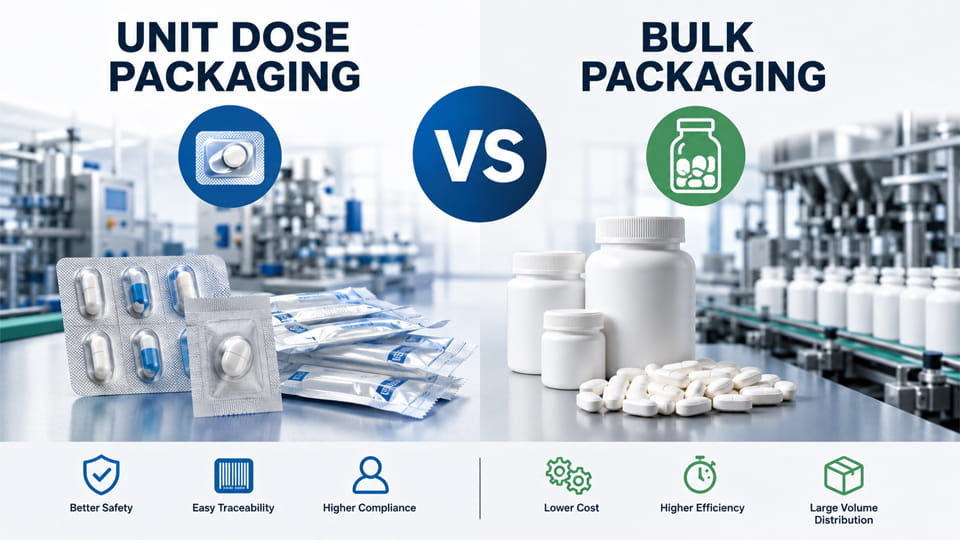
บรรจุภัณฑ์หน่วยขนาดยา (เรียกอีกอย่างว่า บรรจุภัณฑ์ขนาดเดียว) หมายความว่ายาแต่ละขนาดจะถูกปิดผนึกแยกกันในบรรจุภัณฑ์ของตัวเอง. ตัวอย่างเช่น, ยาเม็ดหนึ่งอาจอยู่ในกระเป๋าตุ่มหรือกระเป๋าของมันเอง. Jinlu Packing อธิบายว่า "บรรจุภัณฑ์ต่อขนาดยาหมายความว่ายาแต่ละขนาดจะถูกบรรจุไว้ล่วงหน้าและปิดผนึกด้วยตัวเอง". ในทางปฏิบัติ, นี่อาจเป็นบัตรตุ่มแท็บเล็ตเดียว, แพ็คแถบ (หนึ่งเม็ดต่อช่อง), เข็มฉีดยาที่บรรจุไว้ล่วงหน้า, ขวด, หรือซองที่บรรจุของเหลวหรือผงหนึ่งโดส. แต่ละแพ็คเกจมีฉลาก (ชื่อยา, ปริมาณ, การหมดอายุ) เพื่อให้พยาบาลหรือคนไข้สามารถยืนยันยาได้โดยไม่ต้องนับเม็ดยาจากขวด. ในโรงพยาบาลของสหรัฐอเมริกา, เกิน 75% ของยารับประทานจะถูกจ่ายในรูปแบบหน่วยขนาดยา.
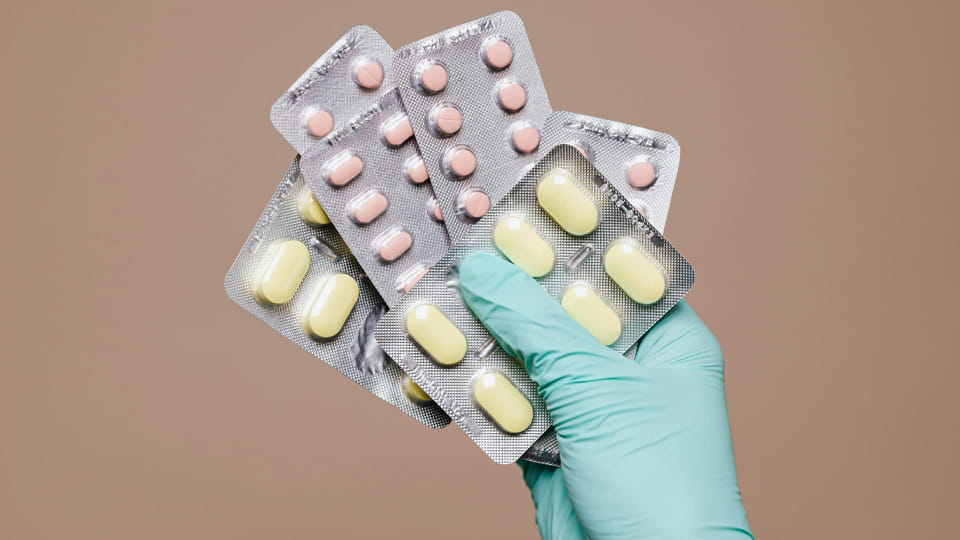
แพ็คหน่วยปริมาณเป็นเรื่องธรรมดาใน โรงพยาบาล, คลินิก, สิ่งอำนวยความสะดวกการดูแลระยะยาว, และการทดลองทางคลินิก – โดยพื้นฐานแล้ว การควบคุมปริมาณยาที่แม่นยำและการตรวจสอบย้อนกลับเป็นสิ่งสำคัญยิ่ง. ช่วยป้องกันข้อผิดพลาดในการให้ยาเนื่องจากแต่ละแพ็คเก็ตมีหนึ่งโดสและมีฉลากระบุไว้อย่างชัดเจน. กล่าวอีกนัยหนึ่ง, และบันทึกของ Jinlu, แพ็คแบบต่อหน่วยไม่จำเป็นต้องนับ – คุณ “เพียงแค่หยิบแพ็คเกจเดียวแล้วเปิดมัน”, ลดข้อผิดพลาดในการจัดการ. คำอื่นๆ ที่ใช้ได้แก่ ครั้งเดียว, หน่วยการใช้งาน, หรือ หน่วยของยา บรรจุภัณฑ์. รูปแบบทั่วไปได้แก่:
โดยสรุป, บรรจุภัณฑ์แบบหน่วยปริมาณ แยกทุกโดสเป็นรายบุคคล, การให้ความช่วยเหลือด้านความปลอดภัย, การปฏิบัติตามผู้ป่วย, และการตรวจสอบย้อนกลับ.
ในทางตรงกันข้าม, บรรจุภัณฑ์จำนวนมาก หมายถึงการบรรจุยาหลายขนาดหรือรวมกัน. รูปแบบยาจำนวนมากได้แก่ขวดยาขนาดใหญ่, ไห, หลอดหลายขนาด, และถุงหรือสิริขนาดใหญ่. ตัวอย่างเช่น, ขวดใบสั่งยา 100 เม็ดหรือขวดวิตามิน 30 แคปซูลเป็นบรรจุภัณฑ์จำนวนมาก. ภาชนะเหล่านี้ถือ มากมาย ปริมาณร่วมกัน. บรรจุภัณฑ์จำนวนมากถือเป็นบรรทัดฐานสำหรับผลิตภัณฑ์ยาสำหรับผู้บริโภค, ยาเกินเคาน์เตอร์, ผลิตภัณฑ์เสริมอาหาร, และแท็บเล็ตทั่วไปส่วนใหญ่. นอกจากนี้ยังใช้สำหรับการผลิตขั้นกลางด้วย (E.G. ซองหรือกลองจำนวนมาก).
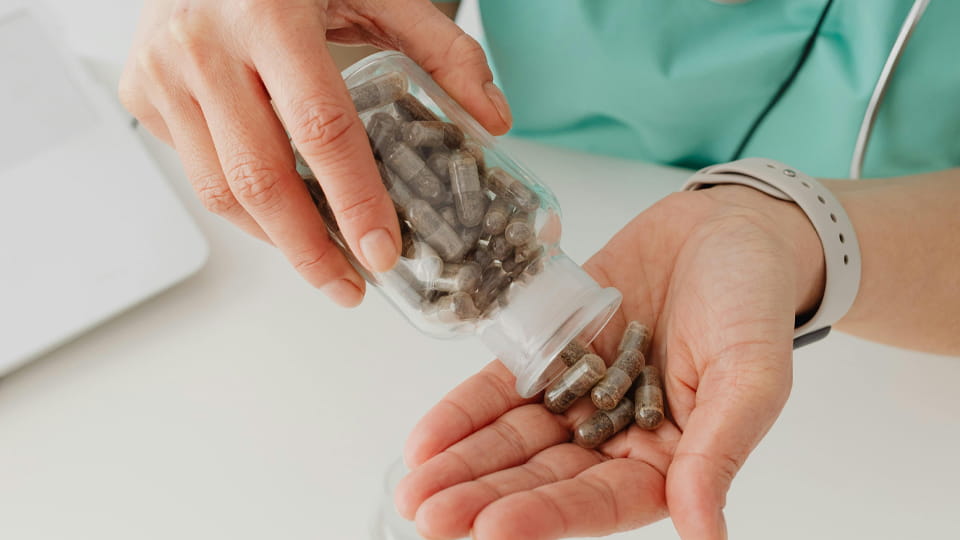
บรรจุภัณฑ์จำนวนมากมักจะคุ้มค่ากว่าต่อโดสและเหมาะกับปริมาณมาก, สินค้าโภคภัณฑ์. อุปกรณ์สำหรับสายเทกองประกอบด้วย เครื่องนับเม็ดยา/แคปซูลและเครื่องบรรจุขวด, สูงสุดที่กำหนด, การปิดผนึก, และอุปกรณ์ติดฉลาก. เช่น, สายการนับแท็บเล็ตอาจใช้เครื่องนับอัตโนมัติเพื่อเติมขวด, ผู้ปิดฝาเพื่อปิดผนึกพวกเขา, และผู้ติดฉลากให้เสร็จสิ้น. สายจำนวนมากมักจะวิ่งเร็วกว่า (นับร้อยเม็ดต่อนาที) แต่มีการควบคุมขนาดยาต่อขนาดยาน้อยกว่าระบบแบบหน่วยขนาดยา. บรรจุภัณฑ์จำนวนมากเหมาะสำหรับ ยา OTC ในตลาดมวลชน, ผลิตภัณฑ์เสริมอาหาร, ยาสามัญ, และผลิตภัณฑ์ใดๆ ที่ราคาต่อโดสมีความสำคัญและการควบคุมปริมาณยาของแต่ละบุคคลมีความสำคัญน้อยกว่า.
ตารางด้านล่างเปรียบเทียบทั้งสองแนวทางกับปัจจัยสำคัญ:
| ปัจจัย | บรรจุภัณฑ์หน่วยปริมาณ | บรรจุภัณฑ์จำนวนมาก |
| ความปลอดภัยของยา | สูง. แต่ละโดสปิดผนึก, ลดการปนเปื้อน. | ต่ำกว่า. บรรจุได้หลายขนาดในภาชนะเดียว. |
| การปฏิบัติตามผู้ป่วย | ดีกว่า. ปริมาณแต่ละขนาดมีฉลากระบุไว้อย่างชัดเจน; ง่ายต่อการตรวจสอบ. | ต่ำกว่า. ผู้ป่วยนับขนาดยาของตนเอง. |
| การตรวจสอบย้อนกลับ & การทำให้เป็นอนุกรม | ยอดเยี่ยม. ง่ายต่อการซีเรียลไลซ์/ติดตามแต่ละโดส. | จำกัด. ติดตามเฉพาะคอนเทนเนอร์เท่านั้น, ไม่ใช่แต่ละเม็ด. |
| ค่าบรรจุภัณฑ์ | สูงกว่าต่อโดส. วัสดุบรรจุภัณฑ์เพิ่มเติม & การจัดการ. | ลดลงต่อโดส. หนึ่งแพ็คเกจบรรจุได้หลายหน่วย. |
| ปริมาณการผลิต | ปานกลาง. ขั้นตอนเพิ่มเติมต่อโดส (E.G. พุพอง). | สูงกว่า. การนับ/การเติมแบบง่ายๆ ทำได้รวดเร็วยิ่งขึ้น. |
| ขยะบรรจุภัณฑ์ | มากกว่า. แพ็คครั้งเดียวจะเพิ่มการใช้วัสดุ. | น้อย. บรรจุภัณฑ์ขั้นต่ำต่อโดส (E.G. หนึ่งขวดเทียบกับ. 100 แผลพุพอง). |
| อายุการเก็บรักษา/การป้องกัน | ดีกว่า. ตุ่ม/ขวดมักมีฟิล์มกั้นสูง. | ปานกลาง. ขวดจำนวนมากปกป้องได้น้อยกว่าต่อหน่วย, แม้ว่าอายุการเก็บรักษาจะใกล้เคียงกันก็ตาม. |
| ดีที่สุดสำหรับ | โรงพยาบาล, การทดลองทางคลินิก, ยาที่มีมูลค่าสูง, สารควบคุม, ยาเฉพาะบุคคล. | ขายปลีก OTC, ยาสามัญ, วิตามิน, อาหารเสริม, สินค้าอุปโภคบริโภคปริมาณมาก. |
เป็นบันทึกย่อของ Jinlu Packing, คิดว่ามันเหมือนขวด 100 แท็บเล็ต (เป็นกลุ่ม) เทียบกับพุพองด้วยเม็ดเดียว (ปริมาณหน่วย). ขวดเทกองมีประสิทธิภาพด้านต้นทุนและความรวดเร็วอย่างชัดเจน, แต่รูปแบบหน่วยขนาดยานั้นเหนือกว่าในเรื่องความปลอดภัยและการควบคุม. ตัวอย่างเช่น, บรรจุภัณฑ์พุพองช่วยปกป้องยาแต่ละเม็ดจากความชื้นและการปลอมแปลง, ในขณะที่ขวดจำนวนมากจะทำให้แท็บเล็ตทั้งหมดอยู่ในสภาพแวดล้อมเดียวกัน.
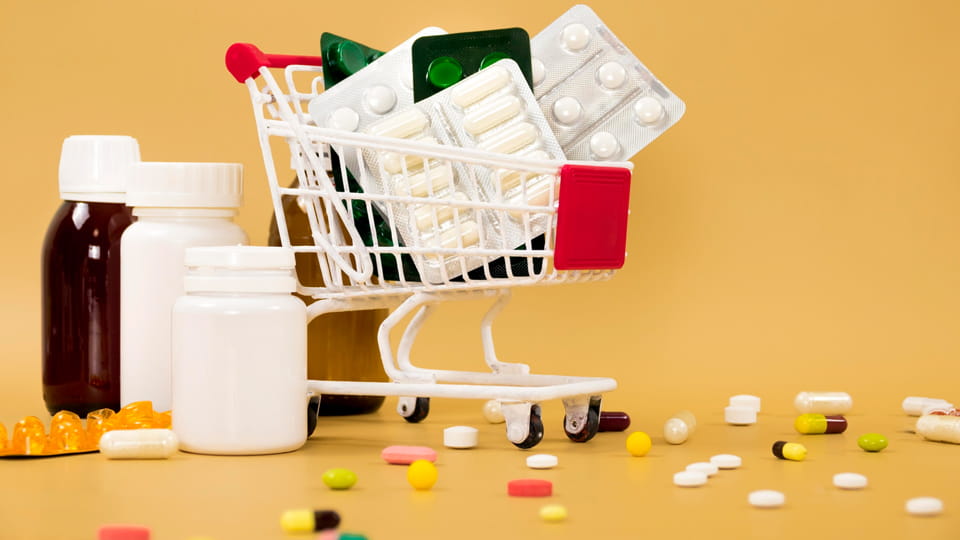
ระบบแบบหน่วยปริมาณมีคุณประโยชน์ที่สำคัญหลายประการ:
โดยสรุป, บรรจุภัณฑ์แบบหน่วยขนาด เพิ่มความปลอดภัยสูงสุด, การตรวจสอบย้อนกลับ, และการให้ยาโดยยึดผู้ป่วยเป็นศูนย์กลาง, โดยมีค่าใช้จ่ายด้านบรรจุภัณฑ์และการจัดการที่สูงขึ้น. ดังที่ Jinlu สรุป, หน่วยหน่วยขนาดยา “ได้รับการออกแบบให้บรรจุยาในปริมาณที่มุ่งหมายให้บริหารเป็นขนาดยาเดียว”, สร้างความมั่นใจว่า “ยาที่ถูกต้อง ความแรงที่ถูกต้องจะไปถึงผู้ป่วยที่ถูกต้องในเวลาที่เหมาะสม, ทุกครั้ง”.
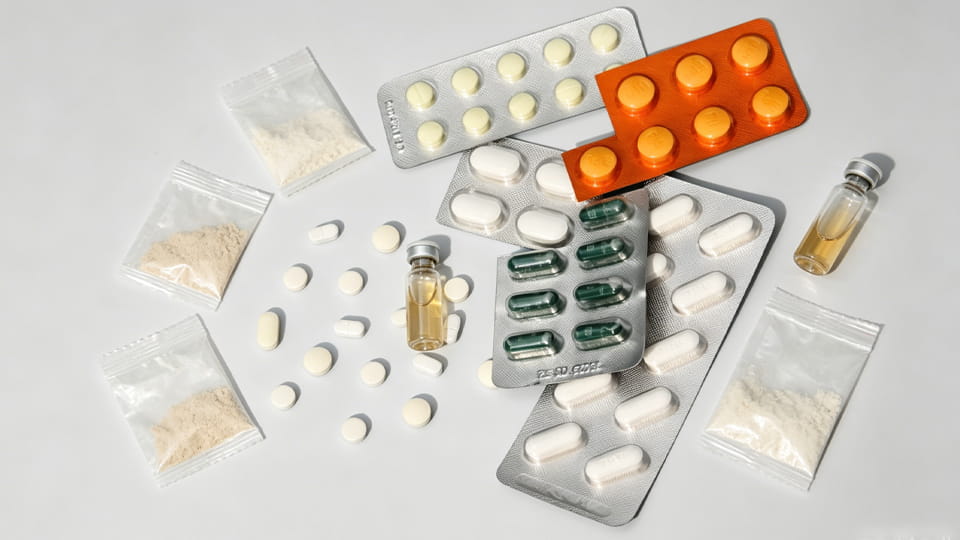
เป็นกลุ่ม (หลายขนาด) บรรจุภัณฑ์ก็มีจุดแข็งในตัวเอง:
บรรจุภัณฑ์จำนวนมาก โดดเด่นในด้านความคุ้มทุนและขนาด, ทำให้เหมาะสำหรับผลิตภัณฑ์ที่มีปริมาณมากซึ่งการประหยัดจากขนาดมีมากกว่าความจำเป็นในการควบคุมปริมาณยาแต่ละขนาด. ในความเป็นจริง, ประสบการณ์ของ Jinlu ในฐานะซัพพลายเออร์แสดงให้เห็นว่าสายการผลิตขวดเทกอง (รวมถึงการนับด้วย, สูงสุดที่กำหนด, และหน่วยการติดฉลาก) เป็นแกนหลักของสายการผลิตยาโภชนเภสัชและยาสามัญหลายสาย.
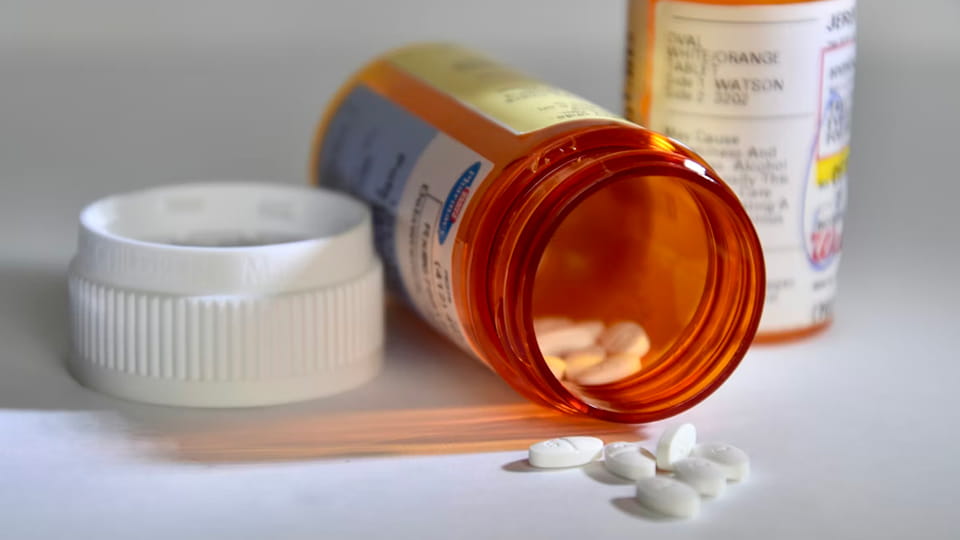
ตลาดปลายทางและกรณีการใช้งานที่แตกต่างกันมีความต้องการที่ชัดเจน. ตารางด้านล่างสรุปตัวเลือกอุตสาหกรรมทั่วไป:
| อุตสาหกรรม/กรณีการใช้งาน | บรรจุภัณฑ์ที่ต้องการ |
| โรงพยาบาล & การดูแลสุขภาพ (การดูแลแบบเฉียบพลัน) | ปริมาณหน่วย (แผลพุพอง, แถบ, เข็มฉีดยา) |
| การดูแลระยะยาว & ร้านขายยา แอลทีซี | ปริมาณหน่วย (บัตรตุ่ม, แพ็คที่เติมไว้ล่วงหน้า) |
| การทดลองทางคลินิก & วิจัย | ปริมาณหน่วย (การควบคุมปริมาณที่แม่นยำสำหรับการทดลอง) |
| ความแรงสูง / สารควบคุม | ปริมาณหน่วย (ความปลอดภัย, การให้ยา) |
| การผลิตตามสัญญา (CMOs ที่ผลิตยาในโรงพยาบาล) | ปริมาณหน่วย |
| ขายหน้าเคาน์เตอร์ (โอทีซี) ยาเสพติด | เป็นกลุ่ม (ขวด/หลอดยาเม็ด, แคปซูล) |
| โภชนเภสัช & อาหารเสริม | เป็นกลุ่ม (ขวดวิตามิน, ซอง) |
| ยาสามัญ (ตลาดมวลชน) | เป็นกลุ่ม (มุ่งเน้นต้นทุน) |
| สุขภาพผู้บริโภคเกิดใหม่ (เครื่องสำอาง, คอมโบทางโภชนาการ) | เป็นกลุ่ม |
| สัตวแพทย์ / สุขภาพสัตว์ | เป็นกลุ่ม (มักจะขายปลีกขวดหลายขนาดหรือสารเติมแต่งอาหารสัตว์) |
| ชุดฉุกเฉิน / ปฐมพยาบาล | ปริมาณหน่วย (กระเป๋าแบบใช้ครั้งเดียวสำหรับการพกพา) |
ตัวอย่างเช่น, Jinlu ตั้งข้อสังเกตว่าระบบการให้ยาแบบหน่วยปริมาณมีต้นกำเนิดในโรงพยาบาล และตอนนี้ "ขยายออกไปอย่างกว้างขวาง" ไปสู่สาขาอื่นๆ เนื่องจากข้อได้เปรียบด้านความปลอดภัย. อย่างแท้จริง, เกิน 75% ของสหรัฐอเมริกา. ยารับประทานในโรงพยาบาล เป็นหน่วยปริมาณ, สะท้อนถึงความต้องการของภาคส่วน. ในทางตรงกันข้าม, ตลาดที่ต้องเผชิญกับผู้บริโภค เช่น อาหารเสริมและยาแก้ปวดที่ไม่ต้องสั่งโดยแพทย์ มักใช้บรรจุภัณฑ์แบบเทกอง เนื่องจากพวกเขาต้องการต้นทุนต่อหน่วยที่ต่ำกว่าและมีปริมาณสูงกว่า. สภาพแวดล้อมทางคลินิกและโรงพยาบาลเอื้อต่อการควบคุมปริมาณตุ่มหรือซอง, ในขณะที่ผู้ผลิตและผู้ค้าปลีกยาสามัญให้ความสำคัญกับประสิทธิภาพของไลน์ขวด.
การเลือกระหว่างหน่วยขนาดยาและปริมาณมากมีผลกระทบต่อต้นทุนอย่างมาก. พิจารณาปัจจัยต้นทุนต่อไปนี้:
โดยสรุป, โดยทั่วไปแล้วบรรจุภัณฑ์แบบต่อหน่วยจะต้องมีต้นทุน CAPEX และต้นทุนบรรจุภัณฑ์ต่อหน่วยที่สูงขึ้น, แต่สามารถประหยัดจากข้อผิดพลาดและของเสียน้อยลง. บรรจุภัณฑ์จำนวนมากทำให้ต้นทุนวัสดุและการผลิตต่อโดสลดลง. ตัวเลือก "ดีกว่า" ขึ้นอยู่กับการวิเคราะห์ต้นทุนเหล่านี้ควบคู่ไปกับกลยุทธ์การกำหนดราคาของผลิตภัณฑ์และข้อกำหนดในการปฏิบัติตามข้อกำหนด.
สายการบรรจุแบบต่อหน่วยใช้อุปกรณ์พิเศษ. เครื่องสำคัญได้แก่:
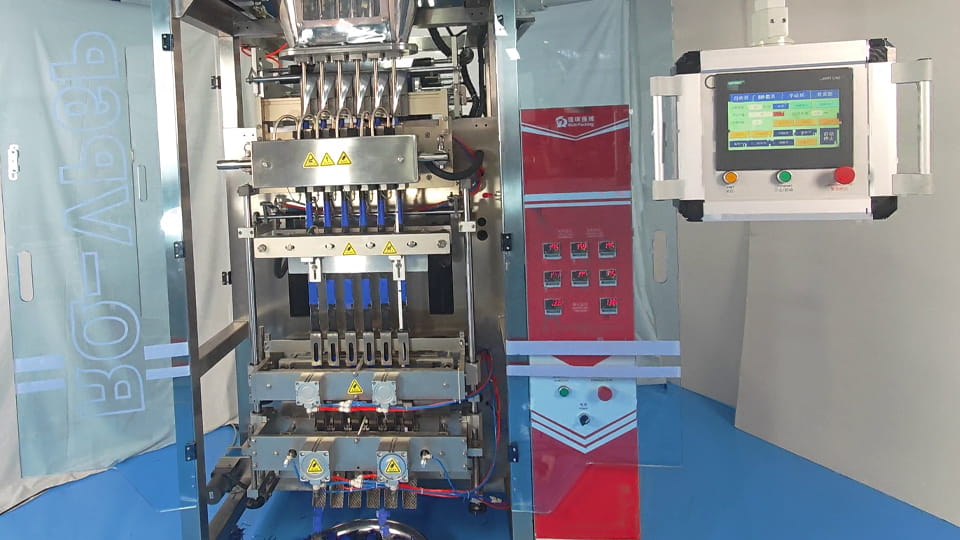
ในระยะสั้น, อัน เส้นหน่วย-ปริมาณ อาจประกอบด้วยเครื่องตุ่มหรือซอง (สำหรับบรรจุภัณฑ์เบื้องต้น), ตามด้วยกล่องบรรจุ (และสามารถเลือกเครื่องติดฉลากหรือเครื่องพิมพ์ได้). ตัวอย่างเช่น, สายยาของโรงพยาบาลทั่วไปคือ: เครื่องป้อนแท็บเล็ต → เครื่องตุ่ม → เครื่องบรรจุกล่องอัตโนมัติ → เครื่องบรรจุหีบห่อ. เครื่องจักรของ Jinlu สำหรับขั้นตอนเหล่านี้สามารถเชื่อมโยงได้ในขั้นตอนเดียว (เห็นว่า “สามารถเชื่อมต่อกับเครื่องตุ่มได้-).
[jl_youtube src=”https://www.youtube.com/embed/k0uyybgttcu”]
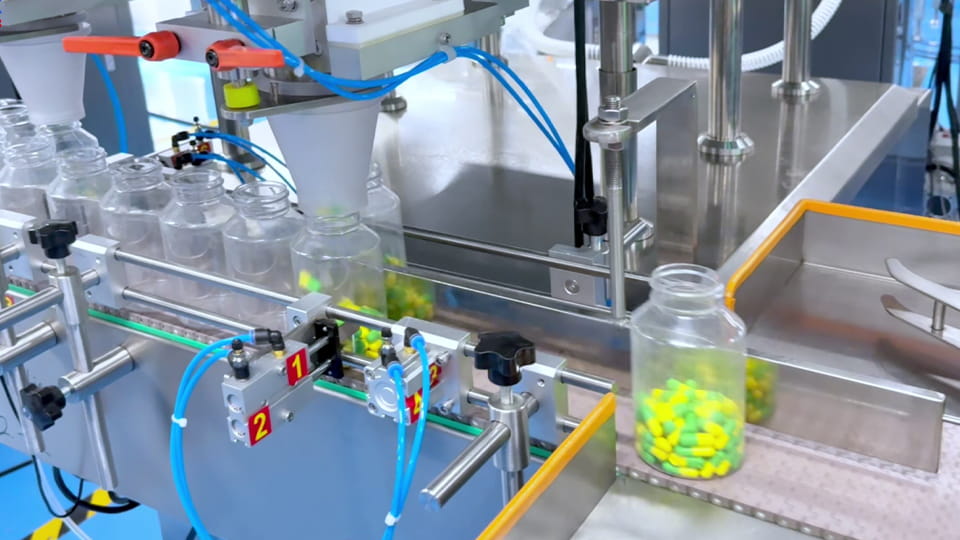
สายเทกองใช้อุปกรณ์ที่ปรับให้เหมาะสมกับความเร็วและปริมาตร:
มีผลบังคับใช้, อัน สายการบรรจุจำนวนมาก โดยทั่วไปแล้วจะดูเหมือน: Unscrambler ขวด → เครื่องบรรจุเคาน์เตอร์แท็บเล็ต → ตัวแทรกสารดูดความชื้น → Capper → (เครื่องซีลฟอยล์) → ผู้ติดฉลาก → ผู้บรรจุกล่อง. เครื่องจักรแบบโมดูลาร์เหล่านี้ยังสามารถจัดการกับผลิตภัณฑ์ที่หลากหลายได้อีกด้วย (กัมมี่, ผง, ของเหลว) ตราบเท่าที่มีการปรับการนับ/การเติมและการกำหนดสูงสุด. Jinlu's และเพจต่างๆ แสดงให้เห็นว่าบรรทัดดังกล่าวถูกรวมเข้าด้วยกันอย่างไร.
ตัวอย่างเช่น, กลุ่มผลิตภัณฑ์เยลลี่ JL-16R “จะทำให้กระบวนการขวดถอดรหัสทั้งหมดเสร็จสิ้นโดยอัตโนมัติ, การนับ…การใส่สารดูดความชื้น, สูงสุดที่กำหนด, การปิดผนึกและติดฉลากอลูมิเนียมฟอยล์” ที่ ขึ้นไป 80 ขวด/นาที. บรรทัดขั้นสูงเหล่านี้เน้นปริมาณงานและความสม่ำเสมอ, ทำให้เหมาะสำหรับบรรจุภัณฑ์ผลิตภัณฑ์จำนวนมาก.
การเลือกแนวทางที่เหมาะสมขึ้นอยู่กับหลายปัจจัย. ใช้รายการตรวจสอบและผังงานด้านล่างเป็นแนวทาง:
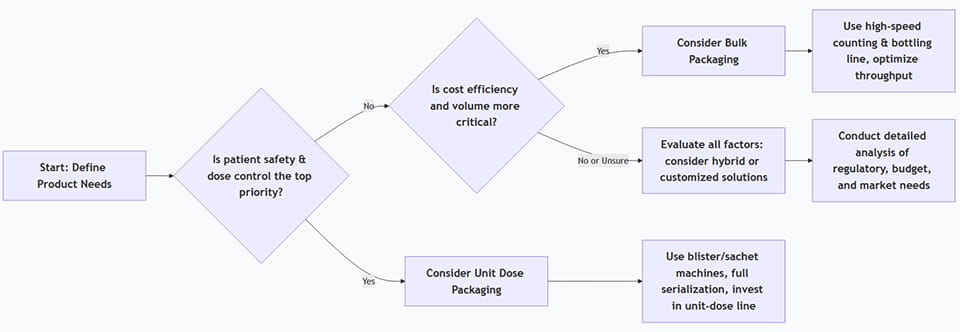
แผนภูมินี้แสดงคำแนะนำอย่างง่าย: หากความปลอดภัยทางการแพทย์/การตรวจสอบย้อนกลับมีมากกว่าต้นทุน, โน้มตัวไปทางหน่วย-ปริมาณ. หากงบประมาณและปริมาณครอบงำ, จำนวนมากน่าจะดีที่สุด. ในกรณีจริง, กลยุทธ์แบบผสม (E.G. ขวดจำนวนมากภายในกล่องต่อเนื่องกัน) ก็สามารถพิจารณาได้เช่นกัน.
ไม่มีคำตอบใดที่เหมาะกับทุกคำตอบ. ทางเลือกระหว่างปริมาณต่อหน่วยและบรรจุภัณฑ์จำนวนมากขึ้นอยู่กับความต้องการของผลิตภัณฑ์และกลยุทธ์ทางธุรกิจของคุณ. บรรจุภัณฑ์แบบต่อหน่วยให้ความปลอดภัยที่ไม่มีใครเทียบได้, การปฏิบัติตาม, และอำนวยความสะดวกให้กับโรงพยาบาล, การทดลองทางคลินิก, และยาที่มีมูลค่าสูง, แต่ต้องใช้เงินลงทุนด้านเครื่องจักรเพิ่มมากขึ้น (ตุ่มหรือซองบรรจุ, กล่องกระดาษ) และวัสดุบรรจุภัณฑ์. บรรจุภัณฑ์จำนวนมาก (ขวด, ไห, หลอด) โดดเด่นด้วยต้นทุนที่ต่ำและมีปริมาณงานสูง, เหมาะสำหรับการขายปลีกยาและอาหารเสริม, แต่ควบคุมการให้ยาของแต่ละบุคคลได้น้อยกว่า.
ในทางปฏิบัติ, หลายบริษัทใช้ ทั้งคู่ วิธีการสำหรับผลิตภัณฑ์ที่แตกต่างกัน. ตัวอย่างเช่น, ยาที่มีดัชนีการรักษาแคบอาจบรรจุในตุ่มขนาดเดียวเพื่อจำหน่ายในโรงพยาบาล, ในขณะที่เวอร์ชัน OTC ของยาชนิดเดียวกันจำหน่ายในขวดจำนวน 30 ขวด. เมื่อออกแบบแนวของคุณ, พิจารณาต้นทุนการเป็นเจ้าของทั้งหมด (อุปกรณ์ + วัสดุ + ข้อผิดพลาด) และความต้องการด้านกฎระเบียบ.
เพื่อกำหนดแนวทางที่ดีที่สุด, ทบทวนปัจจัยข้างต้น: ตลาดเป้าหมาย, แบบฟอร์มปริมาณ, ปริมาณ, กฎการปฏิบัติตาม, และงบประมาณ. ผู้เชี่ยวชาญด้านเครื่องจักรบรรจุภัณฑ์ (หรือ ทีมปรับแต่งของ Jinlu) สามารถออกแบบเส้นให้เหมาะสมได้. เช่น, Jinlu บรรจุให้ โซลูชั่นแบบครบวงจร – จากเครื่องผลิตพุพองความเร็วสูงไปจนถึงการนับเม็ดยาและสายการผลิตบรรจุขวดแบบครบวงจร เพื่อให้เหมาะกับความต้องการทั้งปริมาณต่อหน่วยและปริมาณมาก.
บรรจุภัณฑ์ต่อขนาดยาหมายความว่าแต่ละขนาดยาจะถูกปิดผนึกและติดฉลากแยกกัน, เช่น หนึ่งเม็ดต่อแผงตุ่ม หรือหนึ่งซองต่อการใช้. บรรจุภัณฑ์จำนวนมากจะจัดเก็บหลายโดสไว้ด้วยกันในขวด, คอนเทนเนอร์, หรือแพ็คเกจที่ใหญ่กว่า. บรรจุภัณฑ์แบบหน่วยปริมาณเน้นเรื่องความปลอดภัยมากขึ้น, การตรวจสอบย้อนกลับ, และการควบคุมขนาดยา, ในขณะที่บรรจุภัณฑ์จำนวนมากมักจะคุ้มค่ากว่าสำหรับการผลิตในปริมาณมาก.
ไม่มีคำตอบเดียวสำหรับผลิตภัณฑ์ยาทุกตัว. บรรจุภัณฑ์แบบหน่วยปริมาณมักจะดีกว่าสำหรับโรงพยาบาล, สภาพแวดล้อมทางคลินิก, และยาที่มีมูลค่าสูงเพราะจะช่วยเพิ่มความปลอดภัยและการติดตามยา. โดยทั่วไปแล้วบรรจุภัณฑ์จำนวนมากมักนิยมใช้สำหรับโภชนเภสัช, สินค้าโอทีซี, และการจำหน่ายปลีกขนาดใหญ่เพราะช่วยลดต้นทุนบรรจุภัณฑ์และเพิ่มความเร็วในการผลิต.
โรงพยาบาลมักใช้บรรจุภัณฑ์แบบหน่วยขนาดยา เนื่องจากมีการระบุและป้องกันแต่ละขนาดยาไว้อย่างชัดเจนจนกว่าจะได้รับการบริหาร. ซึ่งจะช่วยลดข้อผิดพลาดในการใช้ยา, รองรับระบบสแกนบาร์โค้ด, และปรับปรุงความปลอดภัยของผู้ป่วยในระหว่างการจ่ายยา.
ใช่, ในกรณีส่วนใหญ่บรรจุภัณฑ์จำนวนมากจะมีต้นทุนวัสดุบรรจุภัณฑ์ที่ต่ำกว่าและประสิทธิภาพของสายการผลิตที่สูงขึ้น. โดยปกติแล้ว สายการบรรจุขวดและระบบการนับเม็ดยาสามารถทำงานได้เร็วกว่าระบบการบรรจุแต่ละขนาดยา. อย่างไรก็ตาม, ต้นทุนทั้งหมดควรคำนึงถึงการสิ้นเปลืองยาด้วย, แรงงาน, ข้อกำหนดการปฏิบัติตาม, และการปกป้องผลิตภัณฑ์.
บรรจุภัณฑ์จำนวนมากมีการใช้กันอย่างแพร่หลายสำหรับ:
• วิตามินและอาหารเสริม
• ยาเม็ดและแคปซูลทั่วไป
• ยา OTC
• ผลิตภัณฑ์โภชนเภสัช
• เภสัชภัณฑ์ขายปลีกในปริมาณมาก
สินค้าเหล่านี้มักบรรจุด้วยเครื่องนับ, สายการบรรจุขวด, เครื่องปิดฝา, และระบบการติดฉลาก.
อุปกรณ์บรรจุภัณฑ์แบบหน่วยปริมาณทั่วไปประกอบด้วย:
• เครื่องบรรจุตุ่ม
• เครื่องบรรจุสตริป
• เครื่องบรรจุซอง
• เครื่องแพ็คสติ๊ก
• เครื่องแพ็คกล่อง
• ระบบตรวจสอบด้วยภาพ
เครื่องจักรบรรจุภัณฑ์ยาเหล่านี้ช่วยสร้างปริมาณยาที่ปิดสนิทพร้อมการปกป้องผลิตภัณฑ์และการตรวจสอบย้อนกลับได้ดียิ่งขึ้น.
ใช่. บรรจุภัณฑ์แบบหน่วยปริมาณช่วยลดความเสี่ยงของการปนเปื้อน, การให้ยาไม่ถูกต้อง, และการจัดการข้อผิดพลาดเพราะแต่ละโดสยังคงปิดผนึกไว้จนกว่าจะใช้งาน. สถานพยาบาลหลายแห่งใช้ระบบปริมาณรังสีต่อหน่วยเพื่อสนับสนุนขั้นตอนการทำงานในการจ่ายยาและกระบวนการตรวจสอบบาร์โค้ดที่ปลอดภัยยิ่งขึ้น.
ใช่. บรรจุภัณฑ์พุพองทางเภสัชกรรมเป็นหนึ่งในรูปแบบบรรจุภัณฑ์ที่ใช้กันทั่วไปมากที่สุด. แต่ละเม็ดหรือแคปซูลจะถูกเก็บไว้ในช่องแยกกัน, ซึ่งช่วยปกป้องผลิตภัณฑ์จากความชื้น, ออกซิเจน, และการปนเปื้อนในขณะเดียวกันก็ปรับปรุงการติดตามปริมาณยาด้วย.
บรรจุภัณฑ์จำนวนมากมักใช้ใน:
• การผลิตโภชนเภสัช
• การผลิตอาหารเสริม
• จำหน่ายขายปลีกยา
• สัตวแพทยศาสตร์
• การผลิตยาเม็ดและแคปซูลผลผลิตสูง
ผู้ผลิตเลือกบรรจุภัณฑ์ยาจำนวนมากเมื่อประสิทธิภาพการผลิตและต้นทุนบรรจุภัณฑ์ที่ต่ำกว่าเป็นสิ่งสำคัญอันดับแรก.
ทางเลือกที่ดีที่สุดขึ้นอยู่กับปัจจัยหลายประการ, รวมทั้ง:
• ประเภทสินค้า
• ตลาดเป้าหมาย
• ข้อกำหนดด้านกฎระเบียบ
• งบประมาณบรรจุภัณฑ์
• ปริมาณการผลิต
• ความต้องการอายุการเก็บรักษา
• ช่องทางการจัดจำหน่าย
ตัวอย่างเช่น, โรงพยาบาลและผลิตภัณฑ์ทางคลินิกมักจะได้รับประโยชน์จากบรรจุภัณฑ์แบบหน่วยขนาดยา, ในขณะที่ผลิตภัณฑ์เสริมอาหารขายปลีกและยาสามัญที่มีปริมาณสูงมักจะเหมาะสมกับระบบบรรจุภัณฑ์จำนวนมากมากกว่า.
อ้างอิง:
1. ซีพีจี ก.ล.ต 430.100 การติดฉลากหน่วยปริมาณสำหรับแบบฟอร์มการให้ยาทางปากที่เป็นของแข็งและของเหลว -- เรา. สำนักงานคณะกรรมการอาหารและยา
2.คู่มือมาตรฐานข้อมูล (เอกสาร) ประเภทแพ็คเกจ -- เรา. สำนักงานคณะกรรมการอาหารและยา
3.บรรจุภัณฑ์ยา —— วิกิพีเดีย
4.คำแนะนำเกี่ยวกับแนวทางปฏิบัติในการผลิตที่ดีและแนวทางปฏิบัติในการกระจายสินค้าที่ดี: คำถามและคำตอบ —— สำนักงานยาแห่งยุโรป
5.ไอเอสโอ 15378 การรับรอง – วัสดุบรรจุภัณฑ์หลักสำหรับมาตรฐานยา