

ข้อผิดพลาดในการใช้ยาและการไม่ปฏิบัติตามถือเป็นข้อกังวลหลักในการดูแลสุขภาพ. ขนาดยาที่จัดไม่ดีอาจทำให้พลาดหรือเพิ่มขนาดเป็นสองเท่าได้, ประสิทธิภาพการรักษาลดลง, และแม้แต่ความเสี่ยงด้านความปลอดภัย. บรรจุภัณฑ์มีบทบาทสำคัญในการช่วยให้ผู้ป่วยรับประทานยาที่ถูกต้องในเวลาที่เหมาะสม. แพ็คแผลพุพอง และ พ็อด (ผู้จัดยา) กล่อง เป็นระบบบรรจุภัณฑ์ยอดนิยมสองระบบที่ออกแบบมาเพื่อจัดระเบียบปริมาณและปรับปรุงการยึดเกาะ. ขณะที่ทั้งสองมีเป้าหมายเพื่อช่วยให้ผู้ป่วยรับประทานยาได้อย่างถูกต้อง, พวกมันทำงานในรูปแบบที่แตกต่างกันมาก. บรรจุภัณฑ์พลาสติกถูกปิดผนึก, ทำจากโรงงาน, แพ็คเก็ตขนาดเดียวมักใช้ในการจ่ายยาและการผลิตจำนวนมาก; กล่อง Dosette เป็นตัวจัดระเบียบหลายช่องที่นำกลับมาใช้ใหม่ได้ซึ่งบรรจุโดยผู้ป่วยหรือเภสัชกร. แต่ละวิธีมีข้อดีและข้อเสียในแง่ของการป้องกัน, ความสะดวก, ค่าใช้จ่าย, และการยึดมั่น.
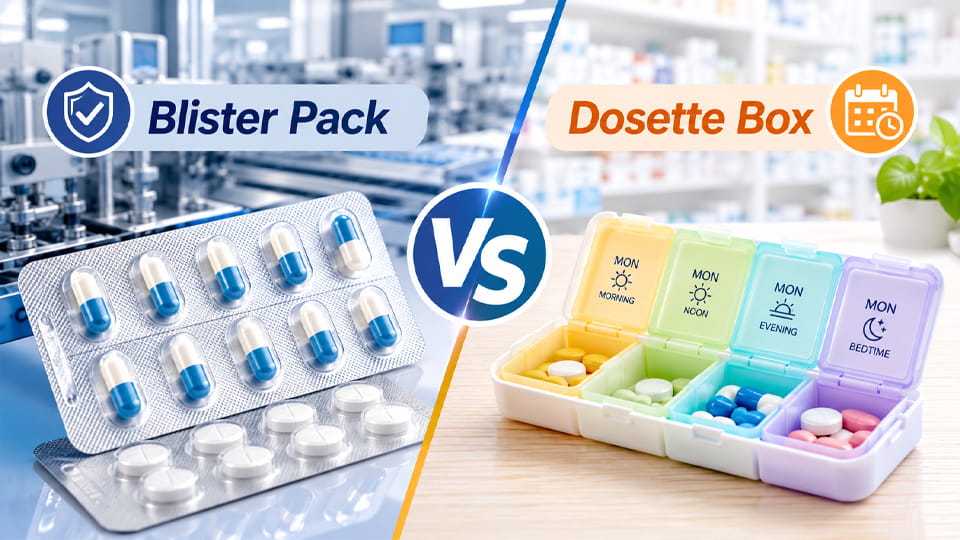
บทความนี้สำรวจ “ก้อนตุ่ม กับ กล่องโดเซตต์” ในเชิงลึก. เราจะกำหนดแต่ละรายการ, ดูว่าพวกมันถูกสร้างขึ้นมาอย่างไร, เปรียบเทียบคุณสมบัติในตารางที่ชัดเจน, และทบทวนข้อดีข้อเสีย. นอกจากนี้เรายังจะตรวจสอบหลักฐานเกี่ยวกับการรับประทานยาและความปลอดภัยของยาอีกด้วย, เป็นแนวทางเมื่อต้องเลือกตัวเลือกหนึ่งเหนือตัวเลือกอื่น, และหารือเกี่ยวกับวิธีที่ผู้ผลิตยาตัดสินใจเลือกสิ่งเหล่านี้. ในที่สุด, เราจะตอบคำถามที่พบบ่อยเกี่ยวกับบรรจุภัณฑ์ทั้งสองประเภท. โดยในตอนท้าย, คุณจะเข้าใจว่าโซลูชันบรรจุภัณฑ์แบบใดที่เหมาะกับสถานการณ์หรือความต้องการในการผลิตของคุณมากที่สุด.
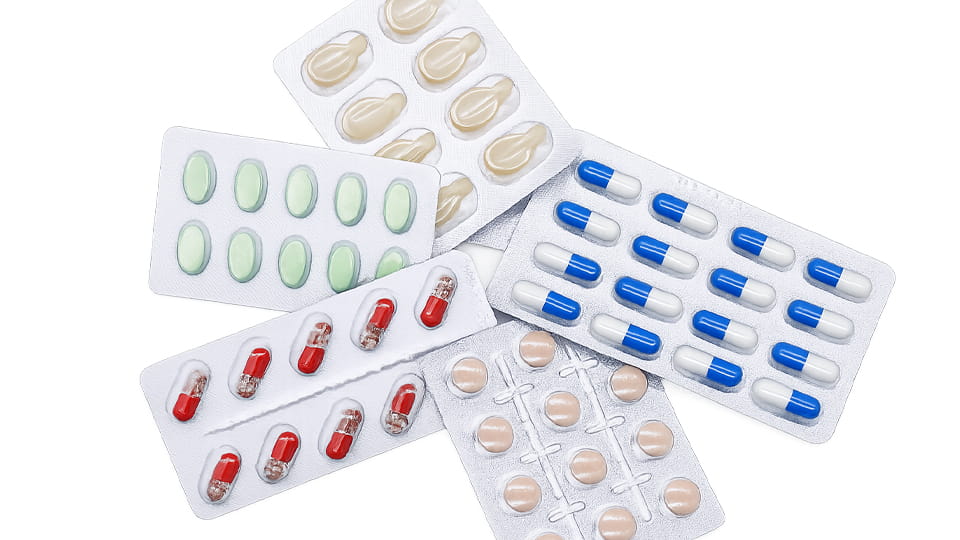
ก แพ็คแผลพุพอง เป็นการปิดผนึก, ครั้งเดียว (หน่วยปริมาณ) บรรจุภัณฑ์ที่ใช้กันทั่วไปในอุตสาหกรรมยา. ประกอบด้วยแต่ละฟันผุ (แผลพุพอง) ทำด้วยแผ่นพลาสติกเทอร์โมฟอร์ม (มักเป็นพีวีซีหรือวัสดุที่คล้ายกัน) และผนึกพวกมันด้วยแผ่นรองหลัง (กระดาษฟอยล์หรือลามิเนต). แต่ละช่องบรรจุหนึ่งโดส (แท็บเล็ต, แคปซูล, หรือแอมพูล), แยกมันออกจากสิ่งแวดล้อม. การออกแบบนี้ให้การป้องกันความชื้นในระดับสูง, ออกซิเจน, และการปนเปื้อน, ยืดอายุการเก็บรักษา.
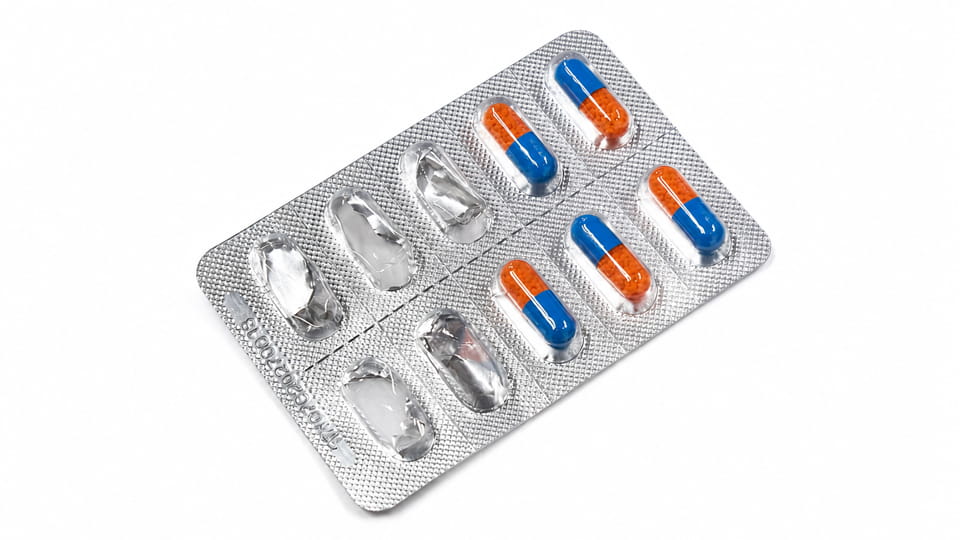
รูป: ตัวอย่างบรรจุภัณฑ์พลาสติกที่มีแต่ละแคปซูลปิดผนึกอยู่ในซองพลาสติกที่ขึ้นรูปด้วยความร้อน (ได้รับการสนับสนุนจากกระดาษฟอยล์).
บรรจุภัณฑ์พลาสติกมีขนาดเล็ก, ช่องใสที่ช่วยให้ผู้ป่วยและเภสัชกรมองเห็นรูปแบบยาด้วยสายตาขณะปิดผนึกอย่างปลอดภัย. ตุ่มพลาสติกมักจะโปร่งใส (เพื่อการมองเห็น) และแผ่นรองอาจเป็นกระดาษฟอยล์หรือกระดาษแข็งที่พิมพ์พร้อมข้อมูลปริมาณยา, วันหมดอายุ, หรือการสร้างแบรนด์. การติดฉลากนี้ช่วยให้ผู้ใช้ปฏิบัติตามตารางการใช้ยาได้.
โดยทั่วไปบรรจุภัณฑ์พลาสติกสมัยใหม่จะผลิตด้วยเครื่องจักรความเร็วสูง. หนึ่ง เครื่องบรรจุตุ่มอัตโนมัติ รูปแบบ, เติม, แมวน้ำ, และเจาะแพ็คอย่างต่อเนื่อง. ตัวอย่างเช่น, เครื่องผลิตแผ่นเรียบ DPP-270Max ของ Jinlu ก่อให้เกิดโพรง, ฝากยาหรือแคปซูลลงในแต่ละช่อง, จากนั้นจึงปิดผนึกฝาฟอยล์ด้วยความร้อน. เครื่องเหล่านี้มาบรรจบกัน มาตรฐานซีจีเอ็มพี และสามารถวิ่งได้ที่ 50+ รอบต่อนาที (หรือขึ้นไป 450 จานต่อนาทีบนรุ่น JL-DPH-270Max ความเร็วสูง). ผลที่ตามมาก็คือการงัดแงะที่เห็นได้ชัด, ถุงยาพร้อมร้านขายยา. เพราะการผลิตเป็นแบบอัตโนมัติ, บรรจุภัณฑ์พุพองเหมาะอย่างยิ่งสำหรับการผลิตจำนวนมากในการผลิตยาหรือโภชนเภสัช, บรรลุคุณภาพที่สม่ำเสมอและมีปริมาณงานสูง.
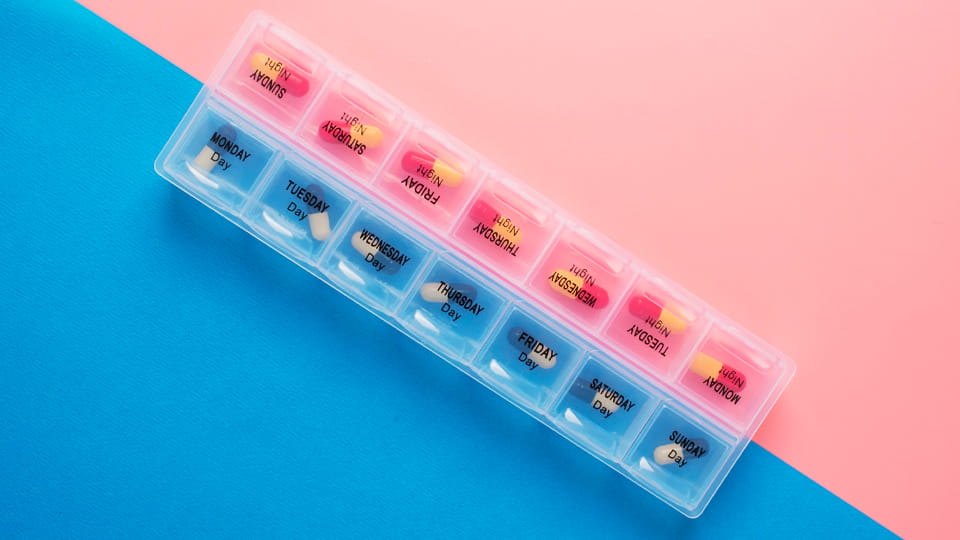
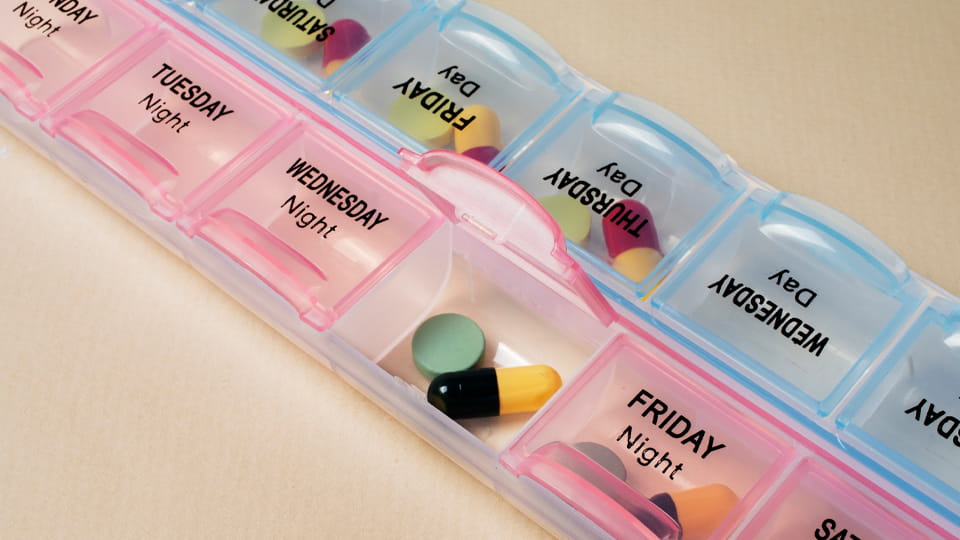
ก กล่องพ็อด (เรียกอีกอย่างว่ากล่องใส่ยาหรือกล่องใส่ยา) เป็นเรื่องง่าย, ภาชนะที่นำกลับมาใช้ใหม่ได้พร้อมช่องสำหรับปริมาณส่วนบุคคล. โดยทั่วไป, เป็นถาดพลาสติกแบ่งส่วนตามวันในสัปดาห์และ/หรือช่วงเวลาของวัน (เช้า, กลางวัน, ตอนเย็น, เวลานอน). ผู้ป่วย, ผู้ดูแล, หรือบริการตู้จ่ายยาจะเติมยาที่ต้องการในแต่ละช่องด้วยตนเองเป็นเวลาหนึ่งสัปดาห์หรือหนึ่งเดือน.
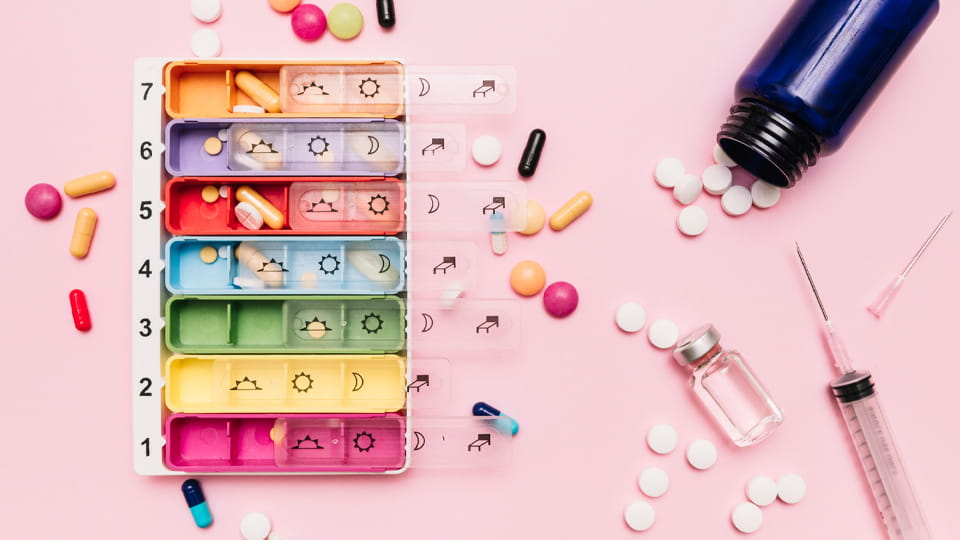
กล่องโดเซตมักทำจากพลาสติกฉีดขึ้นรูป (เช่น โพรพิลีน). มีฝาปิดแบบบานพับหรือฝาปิดแบบเลื่อนซึ่งมีป้ายกำกับสำหรับการเติมแต่ละครั้ง. โดเซตบางอันมีร่องนับเม็ดยาหรือตัวแบ่งแบบสแน็ปอิน. ไม่มีฟอยล์ปิดผนึก – แต่ละช่องใส่ยาจะเปิดจนกว่าผู้ป่วยจะเข้าถึงได้.
กล่องโดสเป็นเรื่องธรรมดามากในบ้านและในสถานดูแลเพื่อจัดระเบียบยา. มีประโยชน์อย่างยิ่งสำหรับผู้ป่วยที่ต้องจัดการยาของตนเองและชอบยาแบบธรรมดา, ระบบต้นทุนต่ำ.
| ปัจจัย | แพ็คแผลพุพอง | พ็อดบ็อกซ์ (ผู้จัดยา) |
| ประเภทบรรจุภัณฑ์ | บรรจุภัณฑ์หน่วยปริมาณที่ปิดสนิท (พลาสติก/ฟอยล์) | ถาดพลาสติกแบ่งส่วนนำมาใช้ใหม่ได้ |
| มันทำงานอย่างไร | ฟิล์มพลาสติกขึ้นรูปด้วยความร้อนเป็นโพรง, แล้วปิดผนึกด้วยความร้อนด้วยฟอยล์หรือฟิล์ม, หนึ่งโดสต่อหนึ่งซีล | ช่องที่มีป้ายกำกับตามวัน/เวลา; ผู้ใช้เติมยาในแต่ละรอบ |
| ใครเติม. | ผู้ผลิตหรือร้านขายยา (อัตโนมัติ) | อดทน, ผู้ดูแล, หรือบริการร้านขายยา (คู่มือ) |
| การนำกลับมาใช้ใหม่ได้ | ใช้ครั้งเดียว, ใช้แล้วทิ้งหลังการบริโภค | นำกลับมาใช้ใหม่ได้ (เติมอีกครั้งทุกสัปดาห์) |
| อายุการเก็บรักษา / การป้องกัน | กั้นความชื้น/แสงได้ดีเยี่ยม, อายุการเก็บรักษาที่ยาวนาน | การป้องกันที่จำกัด (ไม่มีแมวน้ำ); เนื้อหาเสื่อมเร็วขึ้น |
| หลักฐานงัดห่าน | สูง (แต่ละช่องปิดผนึก; ฟอยล์ฉีกขาดโชว์เปิด) | ไม่มี (ช่องที่เปิดอยู่สามารถยกขึ้นหรือเปิดโดยไม่ได้ตั้งใจได้) |
| การปฏิบัติตามยา | สูง (การติดฉลากหน่วย-ปริมาณ, ปริมาณแนะนำปฏิทิน) | ปานกลาง (จัดปริมาณ, แต่ความแม่นยำขึ้นอยู่กับการเติมที่ถูกต้อง) |
| ใช้งานง่าย | ง่ายมาก – ผู้ป่วยเพียงแค่ลอกออกครั้งละหนึ่งโดส | เติมครั้งเดียวง่ายๆ; แต่การเติมต้องใช้เวลาและการดูแลเอาใจใส่ |
| เหมาะสำหรับ | สูตรที่ซับซ้อน, ผู้สูงอายุหรือผู้ป่วยความจำเสื่อม, เภสัชกร | สูตรง่ายๆ, ผู้ใช้อิสระ, งบประมาณที่จำกัด |
| ความยืดหยุ่น | ต่ำ (เนื้อหาคงที่; จำเป็นต้องมีชุดใหม่หากมีการเปลี่ยนแปลงยา) | สูง (สามารถอัพเดตช่องได้ตลอดเวลา) |
| วิธีการผลิต | อัตโนมัติ (เครื่องบรรจุหีบห่อ) | คู่มือ (ไม่มีเครื่องจักรพิเศษ) |
| ค่าใช้จ่าย | โดยทั่วไปสูงขึ้น (เครื่องจักร & วัสดุ) | ต่ำกว่า (กล่องพลาสติกที่เรียบง่าย) |
| ผลกระทบต่อสิ่งแวดล้อม | ขยะพลาสติก/ฟอยล์แบบใช้ครั้งเดียวมากขึ้น | นำกลับมาใช้ใหม่ได้, เสียน้อยลง (ยกเว้นการกำจัดเป็นระยะ) |
โต๊ะ: ความแตกต่างที่สำคัญระหว่างบรรจุภัณฑ์พลาสติกและโดเซต (ผู้จัดยา) กล่องในบรรจุภัณฑ์ยา.
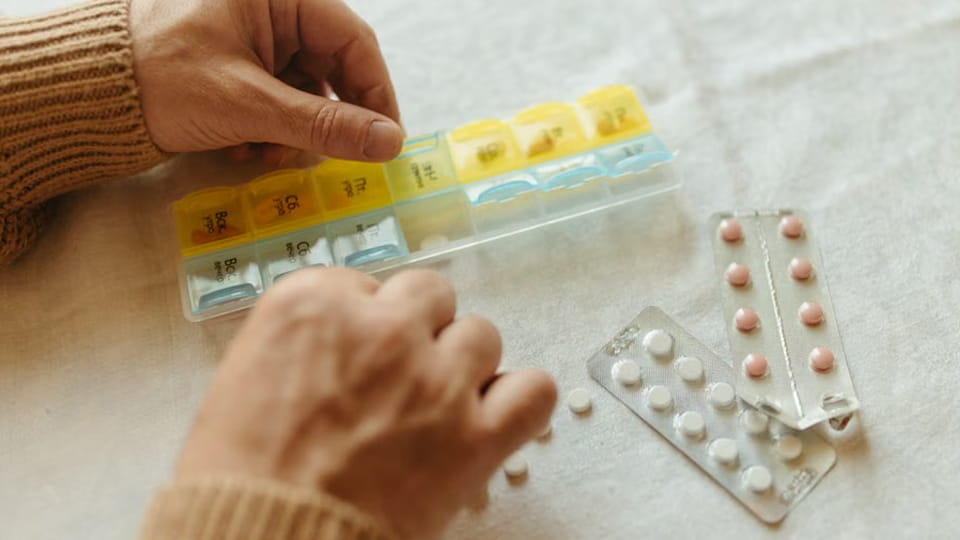
ความสม่ำเสมอในการใช้ยา (รับประทานยาอย่างถูกต้องตามที่กำหนด) เป็นสิ่งสำคัญต่อความสำเร็จในการรักษา. การแทรกแซงด้านการบรรจุ เช่น ตุ่มพองและตัวจัดระเบียบ มักใช้เพื่อปรับปรุงการยึดเกาะ. ผลการวิจัยแสดงให้เห็น แผงพุพองมักจะมีประสิทธิภาพในการเพิ่มความสม่ำเสมอในการเกาะติดมากขึ้น กว่ากล่องยาที่เต็มบ้าน. ในการทบทวนอย่างเป็นระบบครั้งหนึ่ง, การแทรกแซงโดยใช้บรรจุภัณฑ์พุพองมีขนาดผลกระทบที่ใหญ่กว่ามาก (อีเอส data 0.80) เกี่ยวกับผลลัพธ์ของการรับประทานยาเมื่อเปรียบเทียบกับผู้ที่ใช้กล่องใส่ยา (อีเอส data 0.38). ในทางคลินิก, การศึกษาด้านการดูแลผู้ป่วยเรื้อรังและจิตเวชพบว่าทุกการศึกษาที่ใช้ยาในบรรจุภัณฑ์พุพองช่วยให้อัตราการรับประทานยาดีขึ้น.
เหตุใดแผลพุพองจึงช่วยได้มากกว่า? สิ่งสำคัญคือการมีส่วนร่วมของโครงสร้างและร้านขายยา. บรรจุภัณฑ์พลาสติกมาพร้อมกับสัญญาณการจ่ายยาที่ชัดเจนและบรรจุโดยผู้เชี่ยวชาญ, ลดการหลงลืมและความสับสน. ในฐานะที่เป็นบันทึกบล็อกอุตสาหกรรมแห่งหนึ่ง, แผงตุ่มใช้ช่องที่มีป้ายกำกับเพื่อให้ผู้ป่วย “ไม่ต้องถามหรือตรวจสอบอีกครั้งว่าควรรับประทานยาอะไรเมื่อใด”. ในทางตรงกันข้าม, กล่องโดเซตจะขึ้นอยู่กับผู้ป่วยโดยปฏิบัติตามคำแนะนำอย่างถูกต้อง. หากคนไข้ลืมว่าเม็ดไหนไปอยู่ที่ไหน, ผู้จัดยาไม่มีการป้องกัน.
ที่กล่าวว่า, กล่องใส่ยายังสามารถปรับปรุงการเกาะติดได้ในกรณีที่ง่ายกว่า. สำหรับผู้ที่รับประทานยาวันละหนึ่งหรือสองเม็ด, เพียงแค่จัดเรียงตามวัน/เวลาก็ช่วยเตือนใจได้ดี. “มีประโยชน์อย่างยิ่งสำหรับผู้ป่วยสูงอายุโดยเฉพาะ, ผู้ป่วยที่อ่อนแอ, ผู้ที่มีปัญหาด้านความจำ, และผู้ดูแลครอบครัว” เพื่อรักษากิจวัตรประจำวัน. อย่างไรก็ตาม, แม้ในกรณีเหล่านั้น, ร้านขายยาบางแห่งเตือนว่าการรักษาที่ซับซ้อนหรือการเปลี่ยนแปลงบ่อยครั้งควรใช้บริการตุ่มแทน.
ในสถานการณ์การดูแลฉุกเฉิน, ถุงพุพองมีข้อได้เปรียบ: โดยจะแสดงยาและกำหนดเวลาของผู้ป่วยทั้งหมดอย่างชัดเจนในการ์ดใบเดียว. นี่อาจเป็นสิ่งสำคัญสำหรับผู้เผชิญเหตุเบื้องต้นหรือเจ้าหน้าที่โรงพยาบาล. โดยสรุป, หากความยึดมั่นถือเป็นเรื่องสำคัญ, โดยทั่วไปควรใช้บรรจุภัณฑ์พุพอง (โดยเฉพาะสำหรับ polypharmacy หรือผู้ป่วยที่มีความเสี่ยงสูง). โดเซ็ตต์ทำหน้าที่เป็นเครื่องมือสำรองที่มีต้นทุนต่ำหรือเครื่องมือระดับสองเมื่อไม่มีหรือจำเป็นต้องใช้บรรจุภัณฑ์พุพอง.
เลือก แพ็คแผลพุพอง เมื่อไร:
อุตสาหกรรมและการประยุกต์: เภสัชกรรม, อาหารเสริม, เม็ดโภชนาการ, อุปกรณ์ทางการแพทย์บางอย่าง (เช่น ผ้าอ้อมหรือแถบตรวจวินิจฉัย), และแม้แต่สิ่งของที่ไม่ใช่ยาเสพติด (แบตเตอรี่, อิเล็กทรอนิกส์) ใช้แพ็คตุ่ม. ในทุกกรณีเหล่านี้, การลงทุนในเครื่องบรรจุตุ่มอัตโนมัติให้ผลตอบแทนที่รวดเร็วและเชื่อถือได้.
ใช้ กล่องพ็อด เมื่อไร:
อย่างไรก็ตาม, แม้ในกรณีเหล่านี้, สิ่งสำคัญคือต้องแน่ใจว่าได้รับการสนับสนุนอย่างเหมาะสม. ร้านขายยามักแนะนำผู้ป่วยว่าหากระบบการปกครองมีความซับซ้อน, การเปลี่ยนไปใช้บรรจุภัณฑ์พุพองอาจปลอดภัยกว่า. โดเซ็ตต์มีประสิทธิภาพมากที่สุดสำหรับ การบำรุงรักษา กำหนดการที่เรียบง่ายอยู่แล้ว, ไม่ใช่สำหรับ การจัดระเบียบ อันที่มีความเสี่ยงสูง.
ผู้ผลิตยาและผู้บรรจุหีบห่อจะพิจารณาปัจจัยหลายประการเมื่อเลือกระหว่างบรรจุภัณฑ์พุพองหรือการจัดหาโดเซต:
โดยสรุป, บรรจุภัณฑ์พุพองยา เป็นบรรทัดฐานสำหรับขนาดใหญ่, ผลิตภัณฑ์ที่ยึดติดสูง. กล่องพ็อด ได้รับการคัดเลือกจากผู้ให้บริการด้านการดูแลสุขภาพและผู้บริโภคมากขึ้นเนื่องจากความยืดหยุ่นและต้นทุนต่ำ. ผู้ผลิตหลายรายจะเสนอผลิตภัณฑ์ที่บรรจุในบรรจุภัณฑ์พลาสติกและให้ผู้ป่วยหรือร้านขายยาถ่ายโอนยาเป็นโดเซตหากจำเป็นที่บ้าน.

ใน ก้อนตุ่มเทียบกับกล่องโดเซต อภิปราย, ตัวเลือก "ดีที่สุด" ขึ้นอยู่กับบริบท. แพ็คตุ่มชนะเพื่อการปกป้องสูง, การบรรจุแบบมืออาชีพ, และการสนับสนุนการปฏิบัติตาม – เหมาะสำหรับใบสั่งยาที่ซับซ้อนและการผลิตยาขนาดใหญ่. กล่อง Dosette ชนะด้วยต้นทุนที่ต่ำ, การนำกลับมาใช้ใหม่ได้, และความยืดหยุ่น เหมาะที่สุดสำหรับแผนการรักษาง่ายๆ ที่จัดการที่บ้าน. ระบบการรักษาพยาบาลหลายแห่งใช้การผสมผสานกันจริงๆ: ร้านขายยาจะเติมแผงตุ่มเพื่อจ่ายยา, ในขณะที่อนุญาตให้สั่งจ่ายยาซ้ำที่บ้านได้หากผู้ป่วยต้องการ.
สำหรับผู้ผลิตยาหรือร้านขายยาที่มุ่งปรับปรุงความปลอดภัยและการปฏิบัติตามข้อกำหนด, การลงทุนใน อุปกรณ์บรรจุภัณฑ์พุพองอัตโนมัติ เป็นกุญแจสำคัญ. และการเลือก jeinlu, เราเชี่ยวชาญด้าน เครื่องบรรจุภัณฑ์พุพองยา ที่ได้มาตรฐานระดับโลก. เครื่องจักรที่ทันสมัยของเรา (รุ่นจานแบนและจานลูกกลิ้ง) สามารถจัดการกับตุ่ม PVC-Al และ Alu-Alu ได้, แคปซูล, แท็บเล็ต, และอีกมากมาย, ด้วยความเร็วสูงสุด 48,000 จานต่อชั่วโมง. ด้วยการบูรณาการเครื่องตุ่ม Jinlu และเสร็จสมบูรณ์ สายการบรรจุ, ผู้ผลิตสามารถผลิตสินค้าคุณภาพสูงได้, แพ็คตุ่มที่ป้องกันการงัดแงะซึ่งช่วยเพิ่มการยึดมั่นของผู้ป่วยและความไว้วางใจในแบรนด์.
พร้อมเพิ่มประสิทธิภาพบรรจุภัณฑ์ยาของคุณ? ติดต่อ Jinlu Packing วันนี้ เพื่อหารือเกี่ยวกับเครื่องบรรจุตุ่มอัตโนมัติของเรา, ตัวเลือกการปรับแต่ง, และ โซลูชั่นแบบครบวงจร สำหรับบรรจุภัณฑ์พุพองยา. ให้เราช่วยคุณส่งมอบอย่างปลอดภัยยิ่งขึ้น, การปฏิบัติตามยาที่มีประสิทธิภาพมากขึ้นด้วยเทคโนโลยีล้ำสมัย.
ก้อนตุ่มเป็นแบบปิดผนึก, บรรจุภัณฑ์แบบใช้ครั้งเดียวทำจากพลาสติกและฟอยล์, สร้างขึ้นทางอุตสาหกรรม. ยาแต่ละเม็ดอยู่ในช่องที่ปิดสนิทของตัวเอง, มักจะมีคำแนะนำพิมพ์ไว้ด้านหลัง. กล่องโดเซตคือที่เก็บพลาสติกที่นำกลับมาใช้ใหม่ได้ โดยแบ่งเป็นช่องต่างๆ ตามวัน/เวลา. ผู้ป่วยหรือผู้ดูแลจะหยอดยาลงในแต่ละช่องด้วยตนเอง. แผลพุพองจัดทำขึ้นโดยร้านขายยาหรือเครื่องจักร และไม่สามารถนำมาใช้ซ้ำได้, ขณะที่คุณเติมโดเซตที่บ้านและใช้ซ้ำๆ.
โดยทั่วไป, ใช่. เป็นที่ทราบกันดีว่าแผงบรรจุภัณฑ์พลาสติกสามารถปรับปรุงการเกาะติดได้เนื่องจากมีการคัดแยกและติดฉลากไว้ล่วงหน้าโดยผู้เชี่ยวชาญ. แต่ละขนาดยามีเครื่องหมายชัดเจน, ดังนั้นจึงง่ายต่อการดูว่ามีอะไรเกิดขึ้นบ้าง. การวิจัยแสดงให้เห็นว่าวิธีการบรรจุยาแบบบรรจุภัณฑ์พุพองช่วยเพิ่มความยึดเกาะได้สูงกว่าเมื่อเทียบกับกล่องยาหรือขวดที่เติมยาเอง. กล่องใส่ยายังช่วยให้ผู้ป่วยบางรายสามารถจัดระเบียบได้อีกด้วย, แต่แผลพุพองจะให้การตรวจสอบความปลอดภัยเพิ่มเติม (การมีส่วนร่วมของเภสัชกร) ที่ช่วยลดข้อผิดพลาด.
เลขที่, กล่องโดเซตมาตรฐานให้การป้องกันความชื้นน้อยที่สุด. เนื่องจากเป็นเพียงช่องเปิด, ความชื้นจากอากาศสามารถไปถึงตัวยาได้. เหมาะที่สุดสำหรับยาที่มีความเสถียรในสภาพห้อง. ในทางตรงกันข้าม, ก้อนตุ่ม (โดยเฉพาะการรองด้วยกระดาษฟอยล์) ปิดผนึกยาแต่ละเม็ดให้ห่างจากอากาศและความชื้น, ยืดอายุการเก็บรักษาได้อย่างมาก.
บรรจุภัณฑ์พลาสติกมักเหมาะกับผู้สูงอายุมากกว่า, โดยเฉพาะผู้ที่รับประทานยาหลายชนิด. รูปแบบที่มีโครงสร้างและการบรรจุที่ร้านขายยาเตรียมไว้ช่วยลดความสับสน. โดเซตยังคงใช้ได้กับผู้สูงอายุที่รับประทานยาเพียงไม่กี่เม็ดและมีความคล่องตัวดี. แต่เพื่อความปลอดภัยและความสะดวก, ผู้ดูแลหลายคนชอบบรรจุภัณฑ์แบบพองสำหรับผู้สูงอายุที่มีสูตรการรักษาที่ซับซ้อน.
ผู้ผลิตนิยมใช้บรรจุภัณฑ์พลาสติกเพราะรับประกันคุณภาพและการปฏิบัติตามข้อกำหนดที่สม่ำเสมอ. เครื่องบรรจุภัณฑ์พลาสติกสามารถตอบสนองกฎระเบียบ GMP ที่เข้มงวด, และการออกแบบที่ปิดสนิทช่วยรักษาความคงตัวของยา. บรรจุภัณฑ์พลาสติกยังช่วยให้สามารถติดฉลากได้ชัดเจน, ซึ่งจำเป็นสำหรับการควบคุมและการเรียกคืนใบสั่งยา. ในที่สุด, แผลพุพองรองรับการสร้างแบรนด์และคำแนะนำในแต่ละบรรจุภัณฑ์, ขวดหรือถุงไหนไม่มี. ปัจจัยทั้งหมดนี้ทำให้บรรจุภัณฑ์พุพองเป็นมาตรฐานอุตสาหกรรมสำหรับยาหลายชนิด.
คุณต้องมีเครื่องบรรจุภัณฑ์พุพอง (เครื่องขึ้นรูป) และอุปกรณ์สนับสนุน. ซึ่งมักจะรวมถึงหน่วยเทอร์โมฟอร์มด้วย (เพื่อขึ้นรูปพลาสติกให้เป็นโพรง), สถานีจ่าย/เติม (เพื่อใส่ยาเข้าไปในฟันผุ), สถานีปิดผนึกด้วยความร้อน (เพื่อปิดผนึกด้วยกระดาษฟอยล์หรือฟิล์ม), และสถานีต่อย (เพื่อตัดตุ่มหรือแถบแต่ละส่วนออก). เส้นตุ่มอัตโนมัติที่ทันสมัย (เช่น DPP-270Max ของ Jinlu) รวมสิ่งเหล่านี้ไว้ในเครื่องต่อเนื่องเครื่องเดียว. ส่วนประกอบเพิ่มเติมอาจรวมถึงตัวนับแคปซูลที่ป้อนฟิลเลอร์, เครื่องพิมพ์รหัสวันที่, และระบบตรวจสอบการมองเห็น. ในระยะสั้น, การผลิตบรรจุภัณฑ์พลาสติกในอุตสาหกรรมต้องใช้เครื่องจักรเฉพาะทาง ไม่ใช่กระบวนการที่ต้องใช้คน.
ใช่. แผงตุ่มปฏิทินสามารถช่วยให้ผู้ป่วยติดตามได้ว่าตนได้รับประทานยาไปแล้วหรือไม่ และลดความเสี่ยงที่จะพลาดหรือรับประทานยาซ้ำ. มีการใช้กันอย่างแพร่หลายเป็นโซลูชันบรรจุภัณฑ์สำหรับการรับประทานยาทั้งในร้านขายยาปลีกและสถานพยาบาล.
แผงตุ่มใช้กันอย่างแพร่หลายสำหรับแท็บเล็ต, แคปซูล, ซอฟเจล, วิตามิน, โภชนเภสัช, ยาที่ไม่ต้องสั่งโดยแพทย์, และยาที่ต้องสั่งโดยแพทย์ที่ต้องใช้บรรจุภัณฑ์แบบหน่วยขนาดและอายุการเก็บรักษาที่ยาวนาน.
ในหลายกรณี, ใช่. บรรจุภัณฑ์พลาสติกมีหลักฐานการงัดแงะและลดโอกาสที่ยาจะปะปนกัน เนื่องจากแต่ละขนาดยาจะถูกแยกและระบุอย่างชัดเจน. กล่องโดเซ็ตต์ขึ้นอยู่กับการเติมด้วยมือ, ซึ่งสามารถเพิ่มความเป็นไปได้ของความผิดพลาดของมนุษย์ได้.
ใช่. ในสภาพแวดล้อมด้านการดูแลสุขภาพบางแห่ง, ขั้นแรกยาจะจัดส่งในบรรจุภัณฑ์พลาสติก จากนั้นจึงจัดลงในกล่องยาตามตารางของผู้ป่วยแต่ละราย. การรวมกันนี้สามารถปรับปรุงการจัดการยาโดยยังคงรักษาการจัดขนาดยาและความสะดวก.
อ้างอิง:
1.ผู้จัดยา —— วิกิพีเดีย
2.การแทรกแซงบรรจุภัณฑ์เพื่อเพิ่มความสม่ำเสมอในการรับประทานยา: การทบทวนอย่างเป็นระบบและการวิเคราะห์เมตาดาต้า —— หอสมุดแพทยศาสตร์แห่งชาติ
3.ยา: บรรจุภัณฑ์, การติดฉลากและแผ่นพับข้อมูลผู้ป่วย —— gov.uk
4.ทำความเข้าใจคำจำกัดความของบรรจุภัณฑ์สำหรับยา —— tga.gov.au
5.บรรจุภัณฑ์และส่วนแทรกร้านขายยา —— หอสมุดแพทยศาสตร์แห่งชาติ
6.การดูแลการจ่ายยา?: กล่องโดเซตและสถานะของเทคโนโลยี low‐fi ในแนวทางปฏิบัติในการดูแลผู้ป่วยระยะสุดท้ายของผู้สูงอายุ —— หอสมุดแพทยศาสตร์แห่งชาติ
7.ความเที่ยงตรงในการแทรกแซง Pillbox ในการวิจัยความสม่ำเสมอในการใช้ยา: การทบทวนอย่างเป็นระบบ —— ไซแอนซ์ไดเร็ค

หนึ่งคำตอบ
การเปรียบเทียบข้อมูลระหว่างบรรจุภัณฑ์พุพองและกล่องใส่ยา. การเลือกรูปแบบบรรจุภัณฑ์ที่เหมาะสมไม่เพียงแต่ขึ้นอยู่กับความสะดวกเท่านั้น แต่ยังขึ้นอยู่กับการปกป้องผลิตภัณฑ์ด้วย, ข้อกำหนดการปฏิบัติตาม, และประสบการณ์การใช้งาน. การเห็นข้อดีและข้อจำกัดของแต่ละตัวเลือกอธิบายอย่างชัดเจนจะเป็นประโยชน์. ขอบคุณสำหรับการแบ่งปันข้อมูลเชิงลึกของคุณ.