
GMP กับ cGMP เป็นหนึ่งในคำถามที่พบบ่อยที่สุดใน การผลิตยา—และด้วยเหตุผลที่ดี. แม้ว่าคำทั้งสองจะมีความสัมพันธ์กันอย่างใกล้ชิดก็ตาม, มันไม่เหมือนกัน. การทำความเข้าใจความแตกต่างถือเป็นสิ่งสำคัญสำหรับผู้ผลิตยา, ผู้ซื้ออุปกรณ์, ผู้จัดการฝ่ายผลิต, และทีมงานคุณภาพเพราะมาตรฐานเหล่านี้มีอิทธิพลต่อทุกขั้นตอนการผลิต, ตั้งแต่การออกแบบสิ่งอำนวยความสะดวกและการตรวจสอบกระบวนการไปจนถึงการเลือกอุปกรณ์และคุณภาพของผลิตภัณฑ์. โดยเฉพาะ, ที่ “ปัจจุบัน” ใน แนวทางปฏิบัติที่ดีในการผลิตในปัจจุบัน (CGMP) สะท้อนให้เห็นถึงความคาดหวังที่ผู้ผลิตจะนำเทคโนโลยีที่ทันสมัยมาใช้อย่างต่อเนื่อง, ระบบ, และแนวปฏิบัติที่มีคุณภาพมากกว่าการพึ่งพาวิธีการที่ล้าสมัย.
ไม่ว่าคุณจะลงทุนในสายการบรรจุขวดใหม่, การอัพเกรดสายการผลิตที่มีอยู่, หรือเตรียมการตรวจสอบตามกฎระเบียบ, ความเข้าใจ GMP กับ cGMP สามารถช่วยให้คุณตัดสินใจได้อย่างมีข้อมูลมากขึ้น. ในคู่มือนี้, เราจะอธิบายความแตกต่างที่สำคัญระหว่าง GMP และ cGMP, ร่างของพวกเขา ข้อกำหนดการปฏิบัติตาม, และแสดงให้เห็นว่าทันสมัยแค่ไหน อุปกรณ์บรรจุภัณฑ์ยา รองรับได้ปลอดภัยยิ่งขึ้น, มีประสิทธิภาพมากขึ้น, และการผลิตที่ได้มาตรฐานอย่างสมบูรณ์.
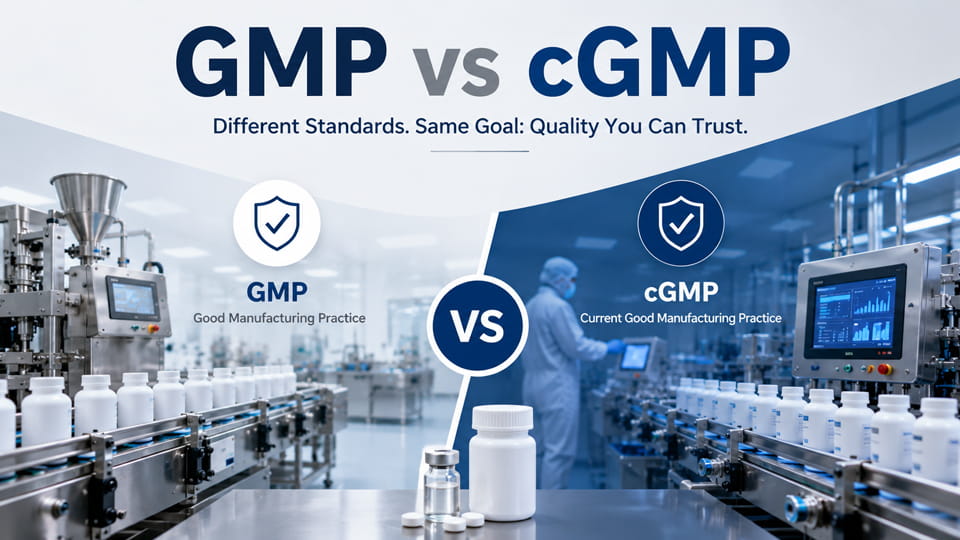
แนวปฏิบัติที่ดีในการผลิต (GMP) คือกรอบการทำงานการประกันคุณภาพระดับโลกสำหรับอุตสาหกรรมยา. WHO กำหนดให้ GMP เป็นส่วนหนึ่งของการประกันคุณภาพเพื่อให้แน่ใจว่าผลิตภัณฑ์ได้รับการผลิตและควบคุมตามมาตรฐานคุณภาพที่เหมาะสมอย่างสม่ำเสมอ. ในทำนองเดียวกัน, สำนักงานยาแห่งยุโรป (EMA) อธิบายว่า GMP เป็น ขั้นต่ำ มาตรฐานที่ผู้ผลิตยาต้องปฏิบัติตามในการผลิต. ในทางปฏิบัติ, GMP ครอบคลุมการออกแบบสิ่งอำนวยความสะดวก, อุปกรณ์, วัตถุดิบ, การฝึกอบรมบุคลากร, ขั้นตอนการเขียน, และการทดสอบ. เป้าหมายคือเพื่อให้แน่ใจว่าแต่ละชุดมีคุณภาพสูง, ให้เหมาะสมกับจุดประสงค์การใช้งาน, และตรงตามข้อกำหนดของมัน.
ในขณะที่ใคร, EMA และหน่วยงานกำกับดูแลอื่นๆ เรียกมันว่า “GMP,” คำนี้ใช้แทนกันได้กับ cGMP นอกสหรัฐอเมริกาเป็นหลัก. ในความเป็นจริง, คำแนะนำของ WHO ตั้งข้อสังเกตว่า GMP “เรียกอีกอย่างว่า ‘cGMP’ หรือ ‘GMP ปัจจุบัน’ ในบางบริบท. สำหรับผู้ผลิตต่างประเทศหลายราย, การปฏิบัติตามหลักเกณฑ์ GMP หมายถึงการได้รับผลลัพธ์ที่มีคุณภาพเช่นเดียวกับที่ FDA เน้นในภายหลังด้วย cGMP.
แนวทางปฏิบัติที่ดีในการผลิตในปัจจุบัน (CGMP) เป็นข้อกำหนดของ FDA สำหรับกฎระเบียบเหล่านี้ในประเทศสหรัฐอเมริกา. FDA กำหนดให้ cGMP เป็นระบบที่รับประกันการออกแบบที่เหมาะสม, การตรวจสอบและควบคุมกระบวนการผลิตและสิ่งอำนวยความสะดวก. เช่นเดียวกับจีเอ็มพี, cGMP มุ่งหวังเพื่อให้แน่ใจว่าผลิตภัณฑ์ยามีเอกลักษณ์, ความแข็งแกร่ง, คุณภาพและความบริสุทธิ์ที่พวกเขาอ้างสิทธิ์. ในความเป็นจริง, กฎระเบียบของ FDA ครอบคลุมทุกอย่างอย่างชัดเจนตั้งแต่ความสะอาดของสถานที่และอุปกรณ์ไปจนถึงคุณสมบัติของบุคลากรและการเก็บบันทึก (21 อะไหล่ซีเอฟอาร์ 210 และ 211).
ความแตกต่างที่สำคัญคือ “C” ใน cGMP ย่อมาจาก ปัจจุบัน. ซึ่งหมายความว่าบริษัทต่างๆ จะต้องใช้เทคโนโลยีที่ทันสมัย, อุปกรณ์และขั้นตอนต่างๆ. ตามที่อย.ตั้งข้อสังเกต, ระบบและอุปกรณ์ที่ “เหนือชั้น” 10 หรือ 20 ปีที่แล้วตอนนี้อาจขาดอยู่ภายใต้ cGMP, เพราะมาตรฐานคุณภาพและเทคโนโลยีก้าวหน้าไปตามกาลเวลา. ในระยะสั้น, cGMP มีข้อกำหนดด้านคุณภาพเดียวกันกับ GMP แต่ให้ความสำคัญกับการปรับปรุงและความทันสมัยอย่างต่อเนื่อง. การปฏิบัติตาม cGMP บังคับใช้ผ่านการตรวจสอบของ FDA, และการไม่ปฏิบัติตามมาตรฐานเหล่านี้จะทำให้ยา "มีการเจือปน" อย่างถูกกฎหมาย,” แม้ว่าจะผ่านการทดสอบในห้องปฏิบัติการแล้วก็ตาม.
ในขณะที่ GMP และ cGMP มุ่งหวังผลลัพธ์เดียวกัน (ปลอดภัย, ยาคุณภาพสูง), ความแตกต่างอยู่ที่การเน้นและการใช้งาน. ตารางด้านล่างสรุปความแตกต่างหลัก:
| ด้าน | GMP (แนวปฏิบัติที่ดีในการผลิต) | CGMP (GMP ปัจจุบัน, อย) |
| คำศัพท์เฉพาะทาง | “แนวทางปฏิบัติที่ดีในการผลิต” – ใช้โดย WHO, EMA, พิค/เอส, ฯลฯ. | “แนวปฏิบัติที่ดีในการผลิตในปัจจุบัน” – คำศัพท์ของ FDA |
| บริบทด้านกฎระเบียบ | มาตรฐานระดับโลกที่ใช้โดยหลายประเทศ (WHO, พิค/เอส, GMP ของสหภาพยุโรป) | กฎระเบียบเฉพาะของสหรัฐอเมริกา (21 ซีเอฟอาร์ 210–211) |
| จุดสนใจ | เป็นไปตามมาตรฐานคุณภาพที่กำหนดไว้อย่างสม่ำเสมอ | ตรงตามมาตรฐาน และ ทำให้เทคโนโลยี/กระบวนการต่างๆ ทันสมัยอยู่เสมอ |
| ความต้องการด้านเทคโนโลยี | โดยทั่วไปจะคงที่ (เป็นไปตามมาตรฐานพื้นฐาน) | ต้องใช้อุปกรณ์และวิธีการที่ได้รับการตรวจสอบล่าสุด |
| เอกสาร | จำเป็นต้องมี SOP และบันทึกอย่างละเอียด | เอกสารที่เข้มงวดยิ่งขึ้น (บันทึกอิเล็กทรอนิกส์, เส้นทางการตรวจสอบ) |
| การตรวจสอบ | คาดว่าจะมีการตรวจสอบกระบวนการและการทำความสะอาด | คุณสมบัติอุปกรณ์ (IR/WH/PQ) และจำเป็นต้องมีการตรวจสอบกระบวนการ |
| ระบบคุณภาพ | ระบบการจัดการคุณภาพมาตรฐาน | ปรับปรุง QMS ตามความเสี่ยง; วงจรการปรับปรุงอย่างต่อเนื่อง |
| การตรวจสอบ & อัพเดท | การตรวจสอบเป็นระยะเพื่อตรวจสอบการปฏิบัติตาม GMP | เดียวกัน, แต่ FDA คาดว่าจะมีการปรับปรุงอย่างต่อเนื่อง; สิ่งที่เป็นไปตามข้อกำหนดอาจล้าสมัย |
| ขอบเขตการกำกับดูแล | ฉัน/ฉัน: การปฏิบัติตามที่บังคับใช้โดย EMA & หน่วยงานระดับชาติ | เรา: การปฏิบัติตามที่บังคับใช้โดย FDA; การไม่ปฏิบัติตามจะนำไปสู่การดำเนินคดีทางกฎหมาย |
ในสาระสำคัญ, CGMP คือ GMP บวก ความคาดหวังที่จะก้าวให้ทันกับแนวทางปฏิบัติที่ดีที่สุดสมัยใหม่. ดังที่การวิเคราะห์อุตสาหกรรมฉบับหนึ่งอธิบายไว้, cGMP “มุ่งเน้นไปที่การปรับปรุงอย่างต่อเนื่องและหมายถึงการใช้มาตรฐานและเทคโนโลยีที่ทันสมัยที่สุดเพื่อรับประกันคุณภาพ, โดยที่ GMP ถือเป็นชุดหลักการ”. ในแง่การปฏิบัติ, cGMP ปฏิบัติตามข้อกำหนด GMP ทั้งหมด, แต่เน้นเป็นพิเศษที่บริษัทต้อง อย่างแข็งขัน กระบวนการอัปเกรดและเอกสารประกอบ.
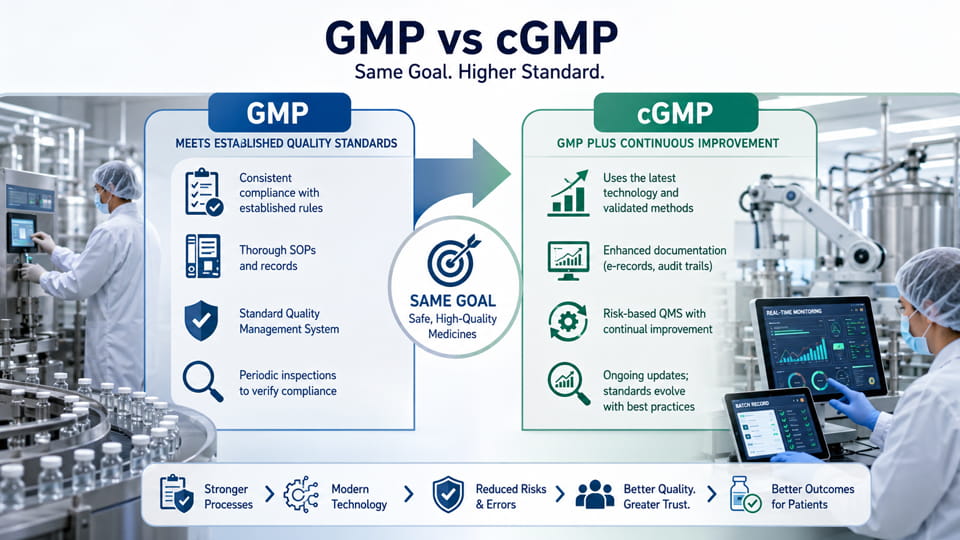
“ปัจจุบัน” ใน cGMP ไม่ใช่แค่คำศัพท์ทั่วไป: มันส่งสัญญาณว่าสิ่งอำนวยความสะดวก, เครื่องจักรและระบบคุณภาพไม่ควรล้าสมัย. ตัวอย่างเช่น, หากพบว่าวิธีการผลิตหรืออุปกรณ์ที่เก่ากว่านั้นด้อยกว่า, มาตรฐาน cGMP หมายความว่าบริษัทควรใช้โซลูชันที่ใหม่กว่า. แนวทางนี้ขับเคลื่อนนวัตกรรม: บริษัทต่างๆ ที่ใช้ cGMP ลงทุนในบันทึกแบบอิเล็กทรอนิกส์, ระบบตรวจสอบอัตโนมัติ, การตรวจสอบข้อมูลแบบเรียลไทม์และความก้าวหน้าอื่น ๆ ที่ยกระดับคุณภาพและลดข้อผิดพลาด.
ตัวอักษร “c” ใน cGMP เน้นย้ำจุดที่เรียบง่ายแต่สำคัญ: การปฏิบัติตามหมายถึงการใช้ ปัจจุบัน ความรู้และเทคโนโลยี. เรื่องนี้สำคัญเนื่องจากวิทยาศาสตร์และอุปกรณ์ด้านเภสัชกรรมมีการพัฒนาอย่างรวดเร็ว. วิธีทำความสะอาดที่ถูกต้องคืออะไร 20 เมื่อหลายปีก่อนอาจไม่เป็นไปตามมาตรฐานการปนเปื้อนในปัจจุบันอีกต่อไป, และเครื่องมือใหม่ๆ (เช่นเดียวกับระบบการจัดการคุณภาพดิจิทัล) ให้การตรวจสอบย้อนกลับได้ดีกว่าบันทึกกระดาษ.
หน่วยงานกำกับดูแลมักคาดหวังว่าผู้ผลิตจะเป็นเช่นนั้น ปรับปรุงอย่างแข็งขัน. เช่น, คำแนะนำของ FDA ระบุว่าควรสร้างและจัดวางอุปกรณ์เพื่อความสะดวกในการทำความสะอาดและป้องกันการปนเปื้อน ซึ่งหมายความว่าการออกแบบจะต้องปรับเปลี่ยนเมื่อเราเรียนรู้เพิ่มเติมเกี่ยวกับการควบคุมการปนเปื้อน. หากมีการฆ่าเชื้อหรือวัสดุที่ดีกว่า, cGMP เรียกร้องให้รวมสิ่งเหล่านี้เข้าด้วยกัน. ไฮไลท์จินลูแพคกิ้ง: “ปัจจุบัน” ใน cGMP เน้นย้ำว่าผู้ผลิตต้องใช้เทคโนโลยีและระบบที่ทันสมัย," ที่ ส่งเสริมการปรับปรุงอย่างต่อเนื่อง ในกระบวนการผลิต.
ในทางปฏิบัติ, ซึ่งหมายความว่าโรงงานจะต้องมีระบบคุณภาพที่จะทบทวนและแก้ไขกระบวนการเมื่อมีการปรับปรุงกฎระเบียบหรือมาตรฐานอุตสาหกรรม. ส่วน 21CFR ของ FDA 11 (สำหรับระบบคอมพิวเตอร์) คือตัวอย่างหนึ่ง: มันถูกเพิ่มเพื่อระบุที่อยู่บันทึกและลายเซ็นอิเล็กทรอนิกส์. ภายใต้ cGMP, บริษัทยาต้องรวมการเข้าสู่ระบบที่ไม่ซ้ำกัน, เส้นทางการตรวจสอบและคุณลักษณะด้านความปลอดภัยในอุปกรณ์และซอฟต์แวร์คอมพิวเตอร์. หากบริษัทยังคงใช้แต่กระดาษบันทึกเท่านั้น, มันจะไม่เป็นไปตามมาตรฐานปัจจุบัน.
ประเด็นสำคัญอีกประการหนึ่งคือความสมบูรณ์ของข้อมูล. ขณะนี้หน่วยงานกำกับดูแลกำลังตรวจสอบบันทึกชุดข้อมูลอิเล็กทรอนิกส์, กำหนดให้ต้องติดตามการเปลี่ยนแปลงทั้งหมดไปยังผู้ใช้ที่ได้รับอนุญาต. คู่มือการปฏิบัติตามข้อกำหนดอ้างอิงระบุไว้ว่า 21 ส่วนซีเอฟอาร์ 11 “มอบอำนาจการเข้าสู่ระบบของผู้ใช้ที่ไม่ซ้ำใคร, เส้นทางการตรวจสอบและลายเซ็นอิเล็กทรอนิกส์เพื่อรับรองความสมบูรณ์ของข้อมูล”. นั่นไม่ใช่ส่วนดั้งเดิมของ GMP เมื่อหลายสิบปีก่อน. ดังนั้น, cGMP ในปัจจุบันหมายถึงการอัปเกรดอุปกรณ์และการควบคุมเพื่อให้ทุกการดำเนินการในสายการผลิต (การเปลี่ยนแปลงการตั้งค่าเครื่อง, การแจ้งเตือนคุณภาพ) ได้รับการบันทึกและป้องกัน.
โดยสรุป, “ปัจจุบัน” ใน cGMP หมายถึง ไม่เคยหยุดนิ่งอยู่กับเกียรติยศแบบเก่า. มันผลักดันให้บริษัทต่างๆ ตรวจสอบอุปกรณ์ใหม่อย่างสม่ำเสมอ, ฝึกอบรมพนักงานใหม่ด้วยวิธีที่ดีกว่า, และยอมรับแนวทางปฏิบัติด้านคุณภาพล่าสุด. ส่งผลให้มีการปรับปรุงความปลอดภัยของผลิตภัณฑ์และการปฏิบัติตามข้อกำหนดอย่างต่อเนื่อง. Qualityze ตั้งข้อสังเกตว่าเหตุผลสำคัญที่ cGMP มีความสำคัญก็คือ “ส่งเสริมการปรับปรุงอย่างต่อเนื่อง” – ตรวจสอบให้แน่ใจว่าบริษัทต่างๆ ใช้เทคโนโลยีใหม่ล่าสุดอยู่เสมอเพื่อรับประกันคุณภาพ.
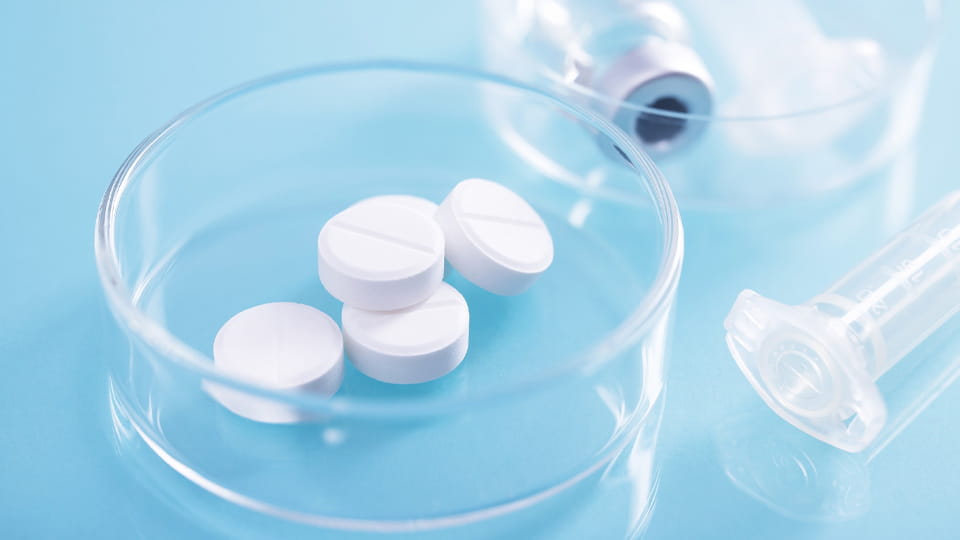
ไม่ว่าจะเรียกว่า GMP หรือ cGMP, ข้อกำหนดหลักบางประการถือเป็นสากลในการผลิตยาและบรรจุภัณฑ์. องค์ประกอบทั่วไปเหล่านี้จำเป็นสำหรับการปฏิบัติตามข้อกำหนดภายใต้ FDA, กฎของ WHO หรือ EMA:
หน่วยงานกำกับดูแลเช่น WHO ระบุว่า GMP กำหนด “มาตรการและกิจกรรมคุณภาพสำหรับทั้งการผลิตและการควบคุมยา,” และมั่นใจได้ทุกอย่างตั้งแต่ “กระบวนการ [สิ่งมีชีวิต] กำหนดไว้อย่างชัดเจน, ตรวจสอบและทบทวน” ต่อบุคลากรและสถานที่ว่า “เหมาะสมสำหรับการผลิต”. ในทางปฏิบัติ, ซึ่งครอบคลุมทุกสิ่งที่ระบุไว้ข้างต้น.
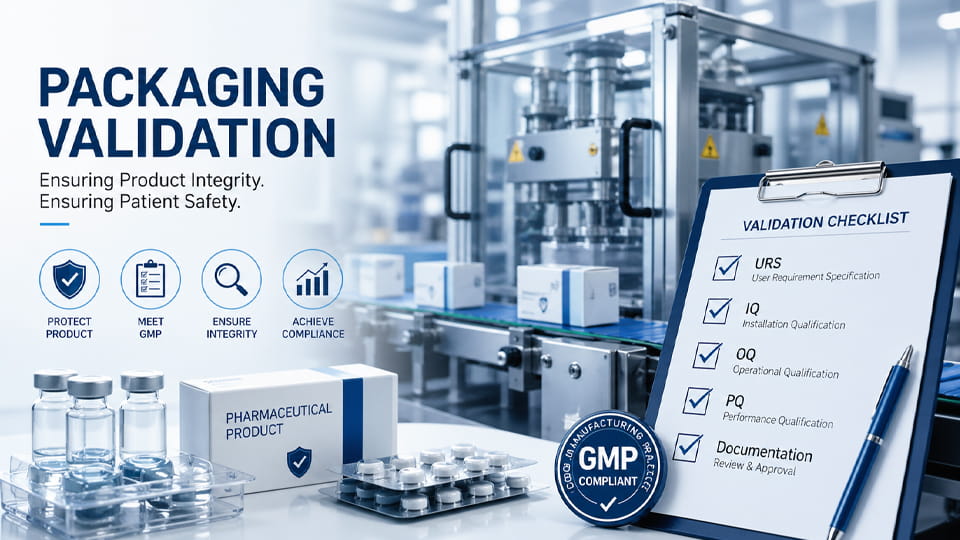
ในพื้นที่บรรจุภัณฑ์, มาตรฐานมักจะแปลเป็นกฎการออกแบบเฉพาะ (เช่น บันทึกคู่มือการปฏิบัติตามกฎระเบียบของ Jinlu). เช่น, เครื่องจักรในสาย GMP ต้องเป็น ทำความสะอาดง่าย (สแตนเลสเรียบ, ไม่มีรอยแตกหรือขาตาย) และตรวจสอบได้ครบถ้วน. เอกสารประกอบ เช่น คุณสมบัติการติดตั้ง (ไอคิว), คุณสมบัติการปฏิบัติงาน (โอคิว), และคุณสมบัติการปฏิบัติงาน (PQ) จำเป็นก่อนและระหว่างการผลิต. หากไม่มีการควบคุมเหล่านี้, การตรวจสอบจะแจ้งว่าไม่ปฏิบัติตาม.
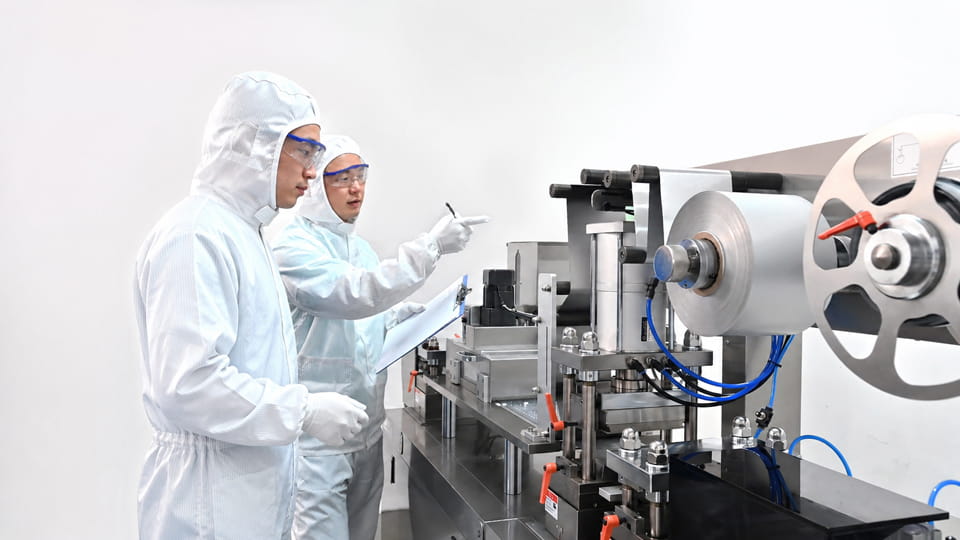
มาตรฐานที่คุณต้องปฏิบัติตามนั้นขึ้นอยู่กับตลาดของคุณ:
ตัวอย่างเช่น, FDA แนะนำอย่างชัดเจนว่าสถานที่จำหน่ายทั่วโลกปฏิบัติตาม GMP ในปัจจุบัน. เช่นเดียวกัน, EMA ระบุว่า “ผู้ผลิตยาใดๆ ที่มุ่งหมายสำหรับตลาดสหภาพยุโรปจะต้องปฏิบัติตาม EU GMP ไม่ว่าพวกเขาจะอยู่ที่ใดก็ตาม”. ในทางปฏิบัติ, บริษัทยาชั้นนำสร้างสิ่งอำนวยความสะดวกเพื่อให้เป็นไปตามมาตรฐาน FDA cGMP เป็นพื้นฐาน จากนั้นจึงปรับให้เข้ากับการเปลี่ยนแปลงในท้องถิ่น (เช่น ภาษาการติดฉลากหรือเอกสาร).
ในที่สุด, ทางเลือกไม่ใช่อย่างใดอย่างหนึ่ง/หรือ: เภสัชภัณฑ์สมัยใหม่คาดว่าจะเป็นไปตามทั้งตัวอักษรและจิตวิญญาณของ GMP. ไม่ว่าคุณจะเรียกมันว่า GMP หรือ cGMP, การปฏิบัติภาคพื้นดิน – ห้องสะอาด, อุปกรณ์ที่ผ่านการตรวจสอบแล้ว, QC ที่เข้มงวด, และบันทึกอย่างละเอียด ทั้งหมดนี้เป็นส่วนหนึ่งของวัฒนธรรมคุณภาพเดียวกัน.
เมื่อไร การเลือกเครื่องจักรบรรจุภัณฑ์ยา, ผู้ซื้อควรมองหาคุณสมบัติที่รองรับหลักการ GMP/cGMP โดยเฉพาะ:
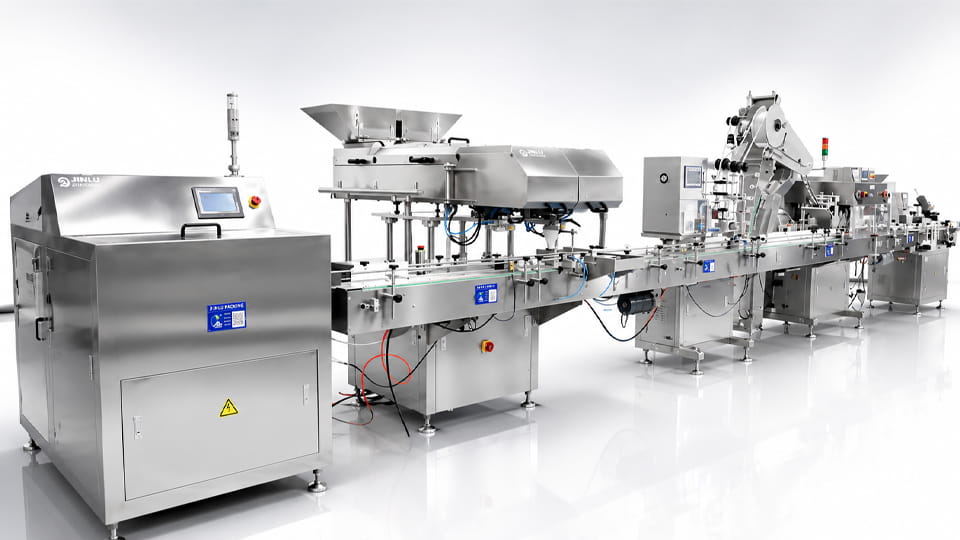
รูป: สายการบรรจุขวดยาสมัยใหม่ผสมผสานการถอดแยกชิ้นส่วน, การกรอก, สูงสุดที่กำหนด, การปิดผนึกและการติดฉลากด้วยการตรวจสอบในตัว. เครื่องจักรเหล่านี้ใช้โครงสร้างสเตนเลสสตีลและเซ็นเซอร์เพื่อการควบคุมคุณภาพ.
โดยมั่นใจคุณสมบัติเหล่านี้, ผู้จัดการฝ่ายจัดซื้อสามารถมั่นใจได้ว่าสายการบรรจุภัณฑ์ของตนจะสนับสนุนการผลิตที่เป็นไปตามข้อกำหนด. บันทึก Jinlu ดั้งเดิม, เครื่องจักรของเราสร้างขึ้นด้วยวัสดุที่ดีที่สุดและโครงสร้างที่ซับซ้อนตามมาตรฐาน CE และ GMP, และเครื่องบรรจุถุงของเราตรงตามข้อกำหนดการผลิตของ cGMP.
การปฏิบัติตาม GMP และโดยเฉพาะอย่างยิ่ง cGMP นำมาซึ่งประโยชน์ที่สำคัญ:
โดยสรุป, การปฏิบัติตาม GMP/cGMP ไม่ใช่แค่ภาระด้านกฎระเบียบเท่านั้น แต่ยังช่วยปกป้องผู้ป่วยด้วย, สร้างความไว้วางใจ, และมั่นใจในธุรกิจที่เชื่อถือได้. นอกจากนี้ยังช่วยให้บริษัทได้เปรียบด้วยการปรับปรุงประสิทธิภาพและช่วยให้สามารถกระจายสินค้าไปทั่วโลกได้.
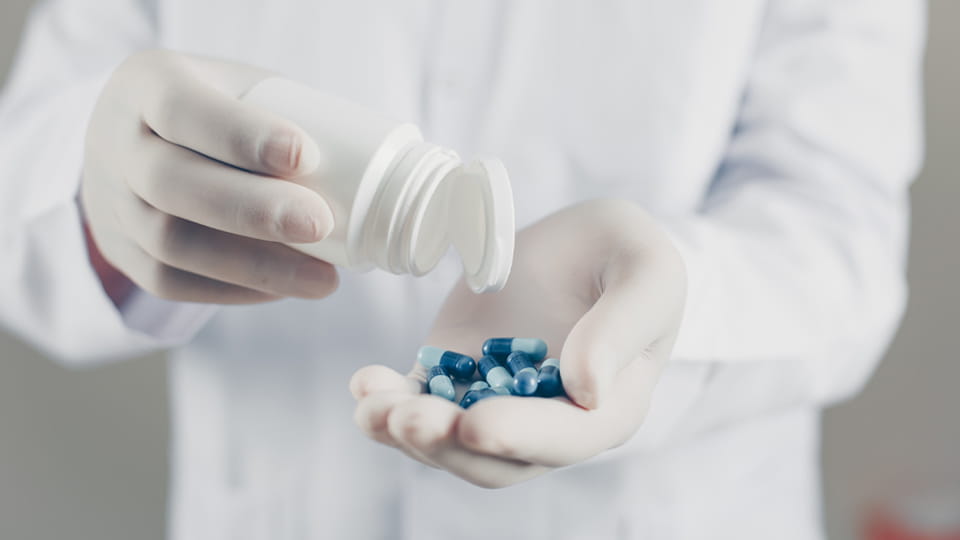
GMP และ cGMP เป็นรากฐานสำคัญของคุณภาพยา, ทำให้มั่นใจได้ว่าผลิตภัณฑ์ทุกชิ้นได้รับการผลิตอย่างปลอดภัยและสม่ำเสมอ. โดยสรุป, GMP จัดให้มีกรอบการทำงานที่สำคัญด้านสุขอนามัย, เอกสารและการตรวจสอบ, ในขณะที่ CGMP เพิ่มความต้องการการปรับปรุงอย่างต่อเนื่องและเทคโนโลยีที่ทันสมัย. สำหรับอุปกรณ์บรรจุภัณฑ์, นี่หมายถึงการลงทุนในระบบอัตโนมัติ, เครื่องจักรที่ผ่านการตรวจสอบที่ทำจากวัสดุสุขาภิบาล.
และการเลือก jeinlu, เราสร้างเครื่องจักรของเราโดยคำนึงถึงมาตรฐานเหล่านี้. โดยการเลือกอุปกรณ์ที่สอดคล้องกับ cGMP ของ Jinlu เช่นเดียวกับของเรา เครื่องเติมแคปซูลอัตโนมัติ, เครื่องอัดแท็บเล็ต, เครื่องบรรจุภัณฑ์พลาสติก, เครื่องบรรจุกล่อง และ เครื่องนับ – คุณสามารถสร้างการตรวจสอบความถูกต้องได้อย่างสมบูรณ์, สายการผลิตพร้อมการตรวจสอบ. เครื่องจักรแต่ละเครื่องมาพร้อมกับเอกสารและการออกแบบที่ถูกสุขลักษณะที่จำเป็นสำหรับการตรวจสอบ GMP และ FDA.
พร้อมให้คุณมั่นใจว่าการผลิตของคุณตรงตามความต้องการ (ค)มาตรฐานจีเอ็มพี? ติดต่อผู้เชี่ยวชาญของ Jinlu วันนี้ เพื่อหารือเกี่ยวกับข้อกำหนดในสายการบรรจุภัณฑ์ของคุณหรือขอใบเสนอราคา. ทีมงานของเราจะช่วยปรับแต่งแพ็คเกจอุปกรณ์ที่เหมาะสมเพื่อให้ผลิตภัณฑ์ของคุณเป็นไปตามข้อกำหนด, ปลอดภัยและมีคุณภาพสูง.
GMP หมายถึงข้อกำหนดพื้นฐาน "แนวปฏิบัติที่ดีในการผลิต" สำหรับการผลิตยา. cGMP ย่อมาจาก “GMP ปัจจุบัน”,” หมายถึง ข้อกำหนดเหล่านั้นบวกกับความคาดหวังในการปรับปรุงอย่างต่อเนื่อง. ใน cGMP, ผู้ผลิตต้องใช้อุปกรณ์ที่ทันสมัย, วิธีการและระบบคุณภาพ. กล่าวอีกนัยหนึ่ง, cGMP เสริมว่ากระบวนการต่างๆ ได้รับการตรวจสอบและปรับปรุงให้ทันสมัยอยู่เสมอ.
“c” ย่อมาจาก “ปัจจุบัน”,” โดยเน้นย้ำว่าบริษัทจะต้องปฏิบัติตามกฎระเบียบและมาตรฐานล่าสุดอยู่เสมอ. ช่วยให้มั่นใจได้ว่าผู้ผลิตจะไม่พึ่งพาแนวทางปฏิบัติที่ล้าสมัย. ดังที่ไซไลฟ์อธิบาย, cGMP หมายถึงการใช้ระบบและเทคโนโลยีที่ทันสมัยเพื่อตอบสนองความคาดหวังด้านกฎระเบียบในปัจจุบัน, แทนที่จะเป็นวิธีการแบบเก่าที่อาจไม่เพียงพออีกต่อไป.
ใช่. สหรัฐอเมริกา. กฎระเบียบขององค์การอาหารและยา (21 อะไหล่ซีเอฟอาร์ 210 และ 211) เขียนเป็น cGMP. ตามกฎหมาย, ผลิตภัณฑ์ยาใด ๆ สำหรับสหรัฐอเมริกา. ตลาดจะต้องผลิตภายใต้แนวทางปฏิบัติที่ดีในการผลิตในปัจจุบัน. การไม่ปฏิบัติตามอาจนำไปสู่จดหมายเตือนหรือการปิดระบบ.
หากมีการใช้แนวทางปฏิบัติ GMP ที่ล้าสมัยเท่านั้น, บริษัทมีความเสี่ยงที่จะล้มเหลวในการตรวจสอบ. หน่วยงานกำกับดูแลคาดหวังหลักฐานของเทคโนโลยีในปัจจุบันและการตรวจสอบ. ภายใต้ cGMP, เพียงการปฏิบัติตามหลักเกณฑ์เก่าๆ เท่านั้นยังไม่พอ. ตัวอย่างเช่น, สามารถใช้บันทึกกระดาษแทนบันทึกอิเล็กทรอนิกส์ที่ผ่านการตรวจสอบแล้วได้. ในทางปฏิบัติ, การปฏิบัติตามข้อกำหนด cGMP หมายความว่าแม้ว่ากระบวนการจะมีประวัติ GMP ก็ตาม, จะต้องได้รับการตรวจสอบโดยคำนึงถึงมาตรฐานในปัจจุบัน.
ตลาดยาส่วนใหญ่ทั่วโลกมีข้อกำหนดที่คล้ายกับ GMP. เกิน 100 ประเทศต่างๆ ได้นำมาตรฐาน GMP ของ WHO มาใช้เป็นกฎหมายภายในประเทศ. คำศัพท์แตกต่างกันไป (บางคนบอกว่า GMP, cGMP บางส่วน, บางส่วนเป็นเพียง "GMP"), แต่หน่วยงานกำกับดูแลหลักเกือบทั้งหมด (อย, EMA, WHO) ต้องการระบบคุณภาพเทียบเท่า cGMP.
WHO มักเรียกง่ายๆ ว่า “GMP”,” แต่ให้นิยามไว้กว้างๆ. ในเอกสารของ WHO, “จีเอ็มพี (เรียกอีกอย่างว่า cGMP หรือ 'GMP ปัจจุบัน')” อธิบายการประกันคุณภาพเพื่อให้แน่ใจว่าผลิตภัณฑ์ได้รับการผลิตตามมาตรฐานคุณภาพอย่างสม่ำเสมอ. ดังนั้น, WHO ใช้คำนี้แทนกันได้. แนวคิดของการเป็น "ปัจจุบัน" รวมอยู่ในแนวทาง GMP สมัยใหม่ทั้งหมด, แม้ว่า WHO จะไม่ได้ใช้ “c” เสมอไป
อย่างแน่นอน. การออกแบบอุปกรณ์มีความสำคัญอย่างยิ่งต่อการปฏิบัติตามมาตรฐาน GMP. เช่น, เครื่องจักรจะต้องทำความสะอาดง่าย (สแตนเลส, ไม่มีรอยแยกที่ซ่อนอยู่) และควรรองรับระบบอัตโนมัติและการเก็บข้อมูล. อุปกรณ์ที่ออกแบบมาไม่ดีอาจทำให้เกิดการปนเปื้อนหรือปะปนกันได้. ในทางกลับกัน, อุปกรณ์ที่เหมาะสม (เหมือนเครื่องจักรของ Jinlu) สร้างขึ้นด้วยคุณสมบัติ GMP เพื่อให้มั่นใจในการปฏิบัติตามข้อกำหนด.
การตรวจสอบความถูกต้องของอุปกรณ์คือการจัดทำเอกสารว่าเครื่องจักรทำงานตามที่ตั้งใจไว้. ไอคิว (คุณสมบัติการติดตั้ง) ตรวจสอบว่าเครื่องได้รับการตั้งค่าอย่างถูกต้องตามการออกแบบ. โอคิว (คุณสมบัติการปฏิบัติงาน) ทดสอบว่าแต่ละฟังก์ชันทำงานภายใต้สภาวะที่แตกต่างกัน. PQ (คุณสมบัติการปฏิบัติงาน) พิสูจน์ว่าอุปกรณ์บรรลุผลตามที่ต้องการในระหว่างการผลิตจริงอย่างต่อเนื่อง. ข้อกำหนดเหล่านี้เป็นข้อกำหนดมาตรฐาน GMP เพื่อแสดงว่าอุปกรณ์เหมาะสำหรับการใช้งาน.
เครื่องจักรที่ได้มาตรฐานจะควบคุมคุณภาพและบันทึกข้อมูลโดยอัตโนมัติ. ตัวอย่างเช่น, ตัวเติมแคปซูลอัตโนมัติจะชั่งน้ำหนักปริมาณยาได้อย่างแม่นยำและคัดแยกแคปซูลที่ไม่ดี, ขจัดข้อผิดพลาดของมนุษย์และการปนเปื้อน. ระบบข้อมูลแบบรวมจะบันทึกข้อมูลแบทช์โดยอัตโนมัติพร้อมเส้นทางการตรวจสอบ, เป็นไปตามกฎความสมบูรณ์ถูกต้องของข้อมูล. โดยการเลือกอุปกรณ์ที่มีคุณสมบัติเหล่านี้, บริษัททำให้การปฏิบัติตาม cGMP เป็นไปได้มากขึ้น.
เครื่องจักรของ Jinlu ได้รับการออกแบบมาเพื่อการผลิตยาโดยคำนึงถึงความต้องการ GMP อย่างเต็มที่. มีเทมเพลตและการสนับสนุน IQ/OQ/PQ ที่สมบูรณ์, โครงสร้างสแตนเลสคุณภาพสูง, และระบบอัตโนมัติขั้นสูง (เช่น ระบบการมองเห็นแบบบูรณาการ และการออกแบบด้านสุขอนามัย) เพื่อช่วยให้แน่ใจว่าสายงานของคุณยังคงปฏิบัติตามข้อกำหนด. บริการของพวกเขารวมถึงการทดสอบ FAT/SAT นอกสถานที่และการสนับสนุนด้านเอกสารเพื่อปรับปรุงกระบวนการรับรองของคุณ.
อ้างอิง:
1.ถาม&A เกี่ยวกับข้อกำหนด CGMP -- เรา. สำนักงานคณะกรรมการอาหารและยา
2.หลักเกณฑ์ด้านคุณภาพ: การผลิต —— สำนักงานยาแห่งยุโรป
3.แนวทางปฏิบัติที่ดีในการผลิตในปัจจุบัน (ซีจีเอ็มพี) กฎระเบียบ -- เรา. สำนักงานคณะกรรมการอาหารและยา
4.แนวทางปฏิบัติที่ดีในการผลิต -- WHO
5.ตส 986 – ภาคผนวก 2: แนวปฏิบัติที่ดีในการผลิตผลิตภัณฑ์ยาของ WHO: หลักการสำคัญ -- WHO
6.ยูดราเล็กซ์ – ปริมาณ 4 – แนวปฏิบัติที่ดีในการผลิต (GMP) หลักเกณฑ์ —— คณะกรรมาธิการยุโรป
7.หลักเกณฑ์ GMP —— ispe.org