
บรรจุภัณฑ์ยา ต้อง ป้องกันการปนเปื้อนและตรวจสอบย้อนกลับได้, ตามมาตรฐานสากลที่เข้มงวด. แนวทางปฏิบัติที่ดีในการผลิต (GMP) ต้องมีการออกแบบอุปกรณ์ที่ถูกสุขลักษณะ, วัสดุที่ไม่ทำปฏิกิริยา, และมีคุณสมบัติครบถ้วน (IR/WH/PQ) ของเครื่องจักร. กฎระเบียบที่สำคัญได้แก่ อย 21 อะไหล่ซีเอฟอาร์ 210/211, ซึ่งกำหนดให้อุปกรณ์ที่ทำความสะอาดได้และบันทึกการบำรุงรักษา, GMP ของสหภาพยุโรป (ยูดราเล็กซ์ เล่ม 4) (ส่วนที่ 1 Ch.3 และภาคผนวก 1) สำหรับบรรจุภัณฑ์ปลอดเชื้อ, และ ไอเอสโอ 15378, มาตรฐาน QMS สำหรับวัสดุบรรจุภัณฑ์ขั้นต้น. ข้อกำหนดที่สำคัญครอบคลุม ความเข้ากันได้ของวัสดุ, การทำความสะอาด/CIP ที่ผ่านการตรวจสอบแล้ว, การทำให้เป็นอนุกรม, และ ความสมบูรณ์ของข้อมูล (21 CFR ส่วนที่ 11/ภาคผนวกของสหภาพยุโรป 11). คู่มือนี้จะอธิบายมาตรฐานเหล่านี้และ วิธีการเลือกเครื่องบรรจุภัณฑ์ที่ได้มาตรฐาน GMP (พุพอง, การบรรจุขวด, การบรรจุกล่อง, การติดฉลาก, ฯลฯ) เพื่อความปลอดภัย, ผลิตภัณฑ์ยาที่ตรวจสอบย้อนกลับได้.
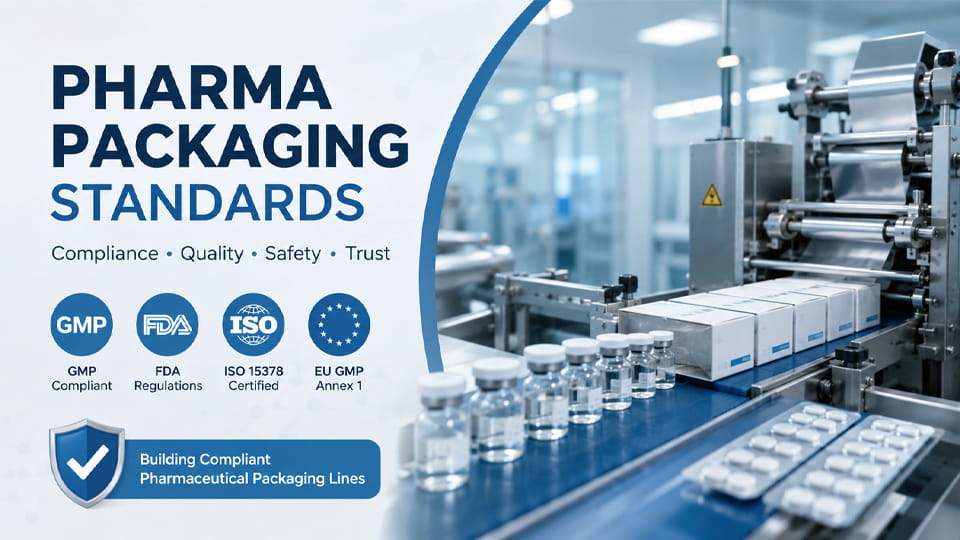
บรรจุภัณฑ์ยามีความสำคัญพอๆ กับตัวยานั่นเอง ปกป้องเอกลักษณ์ของผลิตภัณฑ์, ความแรงและความปลอดเชื้อ. WHO ตั้งข้อสังเกตว่าบรรจุภัณฑ์จะต้องป้องกันยาจากสารเคมีที่ไม่พึงประสงค์, การปนเปื้อนทางชีวภาพหรือทางกายภาพและ, สำหรับผลิตภัณฑ์ปลอดเชื้อ, “ต้องรักษาความเป็นหมัน”. ในทางปฏิบัติ, นี่หมายถึงทุกก้อนตุ่ม, ขวดหรือบรรจุภัณฑ์ที่บรรจุกล่องจะต้องผลิตและติดฉลากอย่างถูกต้องภายใต้ GMP เพื่อป้องกันการปะปนหรือการปนเปื้อน. หน่วยงานกำกับดูแลระดับโลก (อย, EMA, WHO) กำหนดให้กระบวนการและอุปกรณ์บรรจุภัณฑ์ได้รับการตรวจสอบและควบคุมเช่นเดียวกับการผลิตยา. ในระยะสั้น, มาตรฐานบรรจุภัณฑ์ยา มีอยู่เพื่อความปลอดภัยของผู้ป่วยโดยการเก็บรักษายาให้ถูกต้อง, บริสุทธิ์และตรวจสอบได้ตลอดการจำหน่าย.

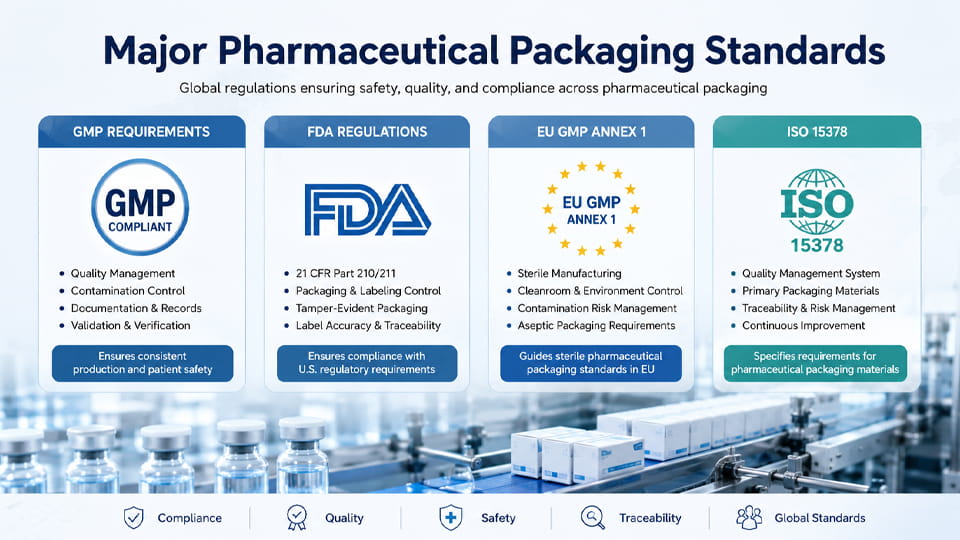
GMP เป็นกรอบการทำงานหลักสำหรับคุณภาพยา. สำหรับบรรจุภัณฑ์, คำสั่ง GMP การออกแบบที่ถูกสุขลักษณะและการควบคุมที่เข้มงวด เพื่อป้องกันการปนเปื้อนและการปะปนกัน. อุปกรณ์จะต้องได้รับการออกแบบมาให้เป็น “ทำความสะอาดง่ายและทั่วถึง”, ตามที่หน่วยงานกำกับดูแลระบุไว้. ตัวอย่างเช่น, คำแนะนำของ FDA ระบุว่าอุปกรณ์ดังกล่าว “ควรสร้างและวางตำแหน่งเพื่อความสะดวกในการทำความสะอาด...ป้องกันการปนเปื้อน”. แนวทางของ WHO/PIC/S เน้นย้ำการตรวจสอบอุปกรณ์และกระบวนการด้วยการออกแบบที่ถูกสุขลักษณะในทำนองเดียวกัน. ในสาระสำคัญ, GMP สำหรับบรรจุภัณฑ์ กำหนดให้มี: สแตนเลสที่ทำความสะอาดได้ (มักจะเป็น SUS316L) อุปกรณ์, ระเบียบปฏิบัติการทำความสะอาดที่จัดทำเป็นเอกสาร, คุณสมบัติครบถ้วน (IR/WH/PQ) และบันทึกการติดฉลากที่ถูกต้อง. แนวทางปฏิบัติเหล่านี้ปกป้องเอกลักษณ์และคุณภาพของผลิตภัณฑ์ในแต่ละขั้นตอนการบรรจุภัณฑ์.
ในประเทศสหรัฐอเมริกา, อย 21 อะไหล่ซีเอฟอาร์ 210 และ 211 ครอบคลุมการผลิตและบรรจุภัณฑ์ยา. ส่วนหนึ่ง 211 (ส่วนย่อย D/E) รวมถึงกฎเฉพาะเกี่ยวกับการออกแบบอุปกรณ์, การทำความสะอาดและการสอบเทียบ. เช่น, อุปกรณ์ทั้งหมดต้องทำงานตามข้อกำหนดและทำความสะอาดตามขั้นตอนที่เป็นลายลักษณ์อักษร. ส่วนหนึ่ง 211 ยังต้องมีการระบุและติดฉลากส่วนประกอบเพื่อป้องกันการปะปนกัน, และการรักษาบันทึกแบทช์ให้สมบูรณ์ระหว่างการบรรจุ. ที่สำคัญ., 21 ส่วนซีเอฟอาร์ 11 ใช้กับการควบคุมด้วยคอมพิวเตอร์ สายการบรรจุ: มันกำหนดให้ผู้ใช้เข้าสู่ระบบไม่ซ้ำกัน, เส้นทางการตรวจสอบและลายเซ็นอิเล็กทรอนิกส์เพื่อรับรองความสมบูรณ์ของข้อมูล. ในทางปฏิบัติ, ซึ่งหมายความว่าเครื่องบรรจุภัณฑ์สมัยใหม่จะต้องเข้ารหัสข้อมูลแบทช์, จำกัดการเข้าถึงของผู้ใช้, และบันทึกทุกการเปลี่ยนแปลง, เป็นไปตามกฎของ FDA.
คู่มือ GMP ของสหภาพยุโรป (ยูดราเล็กซ์ เล่ม 4) สอดคล้องกับหลักการของ FDA สำหรับอุปกรณ์. ส่วนที่ 1 บทที่ 3 (อาคารสถานที่และอุปกรณ์) กำหนดให้ต้องมีอุปกรณ์ดังกล่าว “ทำความสะอาดง่าย” ด้วยส่วนสัมผัสที่ไม่เกิดปฏิกิริยา. ภาคผนวก 15 (สหภาพยุโรป) มอบอำนาจให้มีคุณสมบัติครบถ้วน (IR/WH/PQ) ของเครื่องจักรทั้งหมด. สำหรับระบบคอมพิวเตอร์, ภาคผนวกของสหภาพยุโรป 11 (ไม่แสดงที่นี่) ในทำนองเดียวกันต้องการการตรวจสอบและเส้นทางการตรวจสอบที่ปลอดภัย, เหมือนส่วนของอย 11. การอัปเดตที่สำคัญคือ ภาคผนวก GMP ของสหภาพยุโรป 1 (ผลิตภัณฑ์ปลอดเชื้อ), บังคับใช้อย่างเต็มที่จาก 2024. ภาคผนวก 1 ยกระดับมาตรฐานบรรจุภัณฑ์ปลอดเชื้อ: จำเป็นต้องมีเอกสารกลยุทธ์การควบคุมการปนเปื้อน (ซีซีเอส) และมาตรฐานห้องคลีนรูมคุณภาพสูง (ไอเอสโอ 5/7 เกรด), ตลอดจนเทคโนโลยีอุปสรรค (ไอโซเลเตอร์/RABS) และวิธีการฆ่าเชื้อที่ผ่านการรับรอง. ความสมบูรณ์ของการปิดภาชนะ (ซีซีไอ) เน้นการทดสอบและการควบคุมสารสกัด/สารชะล้างด้วย ลดความเสี่ยงในการปนเปื้อน. สายการผลิตผลิตภัณฑ์ฉีดฆ่าเชื้อในสหภาพยุโรปหรือส่งออกทั้งหมดต้องเป็นไปตามเกณฑ์เหล่านี้.
ไอเอสโอ 15378 เป็นมาตรฐานสากลสำหรับ วัสดุบรรจุภัณฑ์หลักของผลิตภัณฑ์ยา. ระบุระบบการจัดการคุณภาพ (ระบบบริหารคุณภาพ) สอดคล้องกับมาตรฐาน ISO 9001, โดยอ้างอิงถึง GMP. กล่าวอีกนัยหนึ่ง, ไอเอสโอ 15378 มุ่งเน้นไปที่การออกแบบ, ผลิตและจำหน่ายส่วนประกอบบรรจุภัณฑ์ยา (ฟอยล์ตุ่ม, ขวด, ขวด, ฯลฯ), ตรวจสอบให้แน่ใจว่าเป็นไปตามข้อกำหนดของลูกค้าและกฎระเบียบอย่างสม่ำเสมอ. ในขณะที่ไอเอสโอ 15378 มุ่งเป้าไปที่ซัพพลายเออร์วัสดุมากกว่าผู้ผลิตอุปกรณ์, ผู้ผลิตเครื่องจักรจะต้องรองรับวัสดุที่ได้มาตรฐาน (E.G. พลาสติกหรือลามิเนตที่ผ่านการรับรอง) และจัดเตรียมเอกสาร (ใบรับรองการตรวจสอบย้อนกลับของวัสดุ) เพื่อให้บรรจุภัณฑ์หลักขั้นสุดท้ายได้รับการรับรองมาตรฐาน ISO-15378. การบรรลุมาตรฐาน ISO 15378 การรับรองแสดงให้เห็นถึงความมุ่งมั่นต่อวัสดุบรรจุภัณฑ์คุณภาพ GMP ในการผลิตของคุณ.
เครื่องบรรจุภัณฑ์ยาต้องเป็นไปตามเกณฑ์ทางเทคนิคที่เข้มงวดเพื่อให้เป็นไปตามมาตรฐานข้างต้น. ตารางด้านล่างสรุปข้อกำหนดที่สำคัญ:
| ความต้องการ | ประเด็นสำคัญ |
| การออกแบบที่ถูกสุขลักษณะ | อุปกรณ์เป็นสแตนเลส (E.G. 316ล), รอยเชื่อมเรียบ, พื้นผิวลาดเอียง. เฟรมเท้าแขน (ไดรฟ์แบบแยกส่วน) เพื่อกำจัดพื้นที่ที่ซ่อนอยู่, ทำให้สามารถทำความสะอาดได้. |
| ความเข้ากันได้ของวัสดุ | ชิ้นส่วนทั้งหมดที่สัมผัสผลิตภัณฑ์จะต้องไม่เกิดปฏิกิริยา/ไม่ดูดซับ (316แอลเอสเอส, ไฟเบอร์, พลาสติกเกรดยา) ดังนั้นจึงไม่สามารถชะล้างหรือผูกมัดสารออกฤทธิ์ได้. ใช้สารหล่อลื่นและซีลเกรดอาหารและ (ไฟเบอร์, อีพีดีเอ็ม) ทนต่อสารทำความสะอาด. |
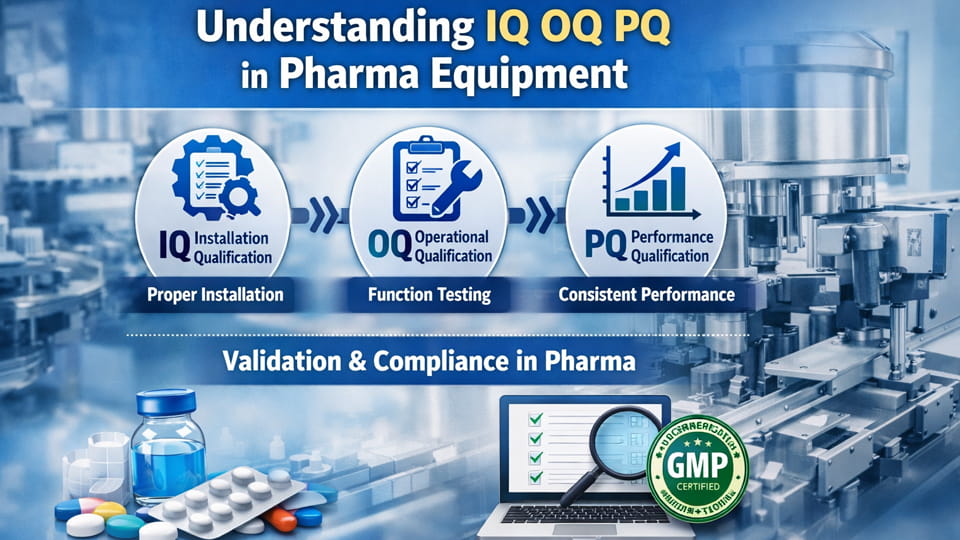
| การตรวจสอบอุปกรณ์ | เต็ม IR/WH/PQ สำหรับแต่ละเครื่อง: เอกสารคุณสมบัติการติดตั้ง, การทดสอบการทำงาน, และการทดสอบประสิทธิภาพระหว่างชุดจำลองหรือชุดจริง. เครื่องใหม่หรือเครื่องดัดแปลงแต่ละเครื่องจะต้องผ่านการรับรองก่อนใช้งาน. |
| การทำความสะอาด & การฆ่าเชื้อ | ขั้นตอนการทำความสะอาด/CIP ที่ได้รับการตรวจสอบสำหรับการเปลี่ยนผลิตภัณฑ์ทุกครั้ง. จะต้องเขียน SOPs ในการทำความสะอาด, ดำเนินการและตรวจสอบความถูกต้องเป็นระยะ. เฉพาะบริเวณที่สัมผัสกับผลิตภัณฑ์เท่านั้นที่จำเป็นต้องมีการสุ่มตัวอย่างเพื่อการตรวจสอบความถูกต้อง. |
| การซ่อมบำรุง & การสอบเทียบ | การบำรุงรักษาเชิงป้องกันตามกำหนดเวลาเพื่อเปลี่ยนชิ้นส่วนที่สึกหรอ. ขั้นตอนการสอบเทียบ (E.G. สำหรับตาชั่ง, เมตรการไหล) พร้อมบันทึก (สำหรับอย 21 ซีเอฟอาร์ 211.68) มั่นใจในความถูกต้อง. การตรวจสอบเซ็นเซอร์และแอคชูเอเตอร์เป็นประจำตาม SOP. |
| ระบบอัตโนมัติ & ความปลอดภัย | คุณสมบัติการป้องกันข้อผิดพลาด เช่น การตรวจสอบด้วยภาพ, การสแกนบาร์โค้ดและประตูคัดแยกอัตโนมัติช่วยลดข้อผิดพลาดของมนุษย์. ลูกโซ่ (E.G. เซ็นเซอร์ประตู) หยุดเครื่องเมื่อกระดาษติด. สำหรับการติดฉลากเส้น, กล้องตรวจสอบการใช้ฉลากที่ถูกต้อง. |
| ความสมบูรณ์ถูกต้องของข้อมูล | การควบคุมต้องเป็นไปตามอย 21 CFR ส่วนที่ 11/ภาคผนวกของสหภาพยุโรป 11: บัญชีผู้ใช้ที่ปลอดภัย, เส้นทางการตรวจสอบที่ไม่สามารถเปลี่ยนแปลงได้, และการลงนามทางอิเล็กทรอนิกส์ในบันทึก. การรวม MES/ERP สำหรับการเก็บถาวรบันทึกเป็นชุด. บันทึกการตั้งค่าและการเบี่ยงเบนแบบดิจิทัล. |
| การทำให้เป็นอนุกรม & การตรวจสอบย้อนกลับ | อุปกรณ์ต้องรองรับการพิมพ์หรือการแกะสลักตัวระบุที่ไม่ซ้ำกัน (E.G. 2รหัส D DataMatrix) ในแต่ละแพ็คเกจหลัก. การบูรณาการกับระบบการติดตามและติดตามทำให้แน่ใจได้ว่าแต่ละรหัสเชื่อมโยงกับแบทช์/ล็อต. บรรทัดต้องอนุญาตการย้อนกลับและการเรียกคืนด้วยรหัส. |
เช่น, หลังจากติดตั้งใหม่ เส้นตุ่ม หรือ ฟิลเลอร์ขวด, GMP กำหนดให้มีการทดสอบ IQ/OQ/PQ ที่จัดทำเป็นเอกสารเพื่อพิสูจน์แต่ละฟังก์ชัน (เติมปริมาตร, คุณภาพการปิดผนึก, ปฏิเสธ) ตรงตามข้อกำหนด. ในทำนองเดียวกัน, หลังจากทุกชุด, ต้องทำความสะอาดเครื่องตามขั้นตอนที่ผ่านการตรวจสอบแล้ว. หน่วยงานกำกับดูแลเรียกร้องให้มีกระบวนการทำความสะอาดเหล่านี้ “จัดทำเป็นเอกสาร, ตรวจสอบแล้ว, และตรวจทานใหม่เป็นระยะๆ”. การทำความสะอาดแบบอัตโนมัติในสถานที่ (ซีไอพี) ระบบสำหรับตัวเติมของเหลวหรือการทำความสะอาดโดยใช้ตัวทำละลายสำหรับของแข็งเป็นเรื่องปกติ. พื้นผิวที่สำคัญ (กรวย, หัวฉีด, แมวน้ำ) ได้รับการทดสอบหรือวัดด้วยสำลี (E.G. คาร์บอนอินทรีย์ทั้งหมด) เพื่อยืนยันว่าไม่มีสารตกค้าง. ในระยะสั้น, คุณต้องสามารถแสดงผ่านเอกสารประกอบว่าการดำเนินการเติม/แพ็คทุกครั้งใช้คุณสมบัติที่ผ่านการรับรอง, เครื่องสุขภัณฑ์.
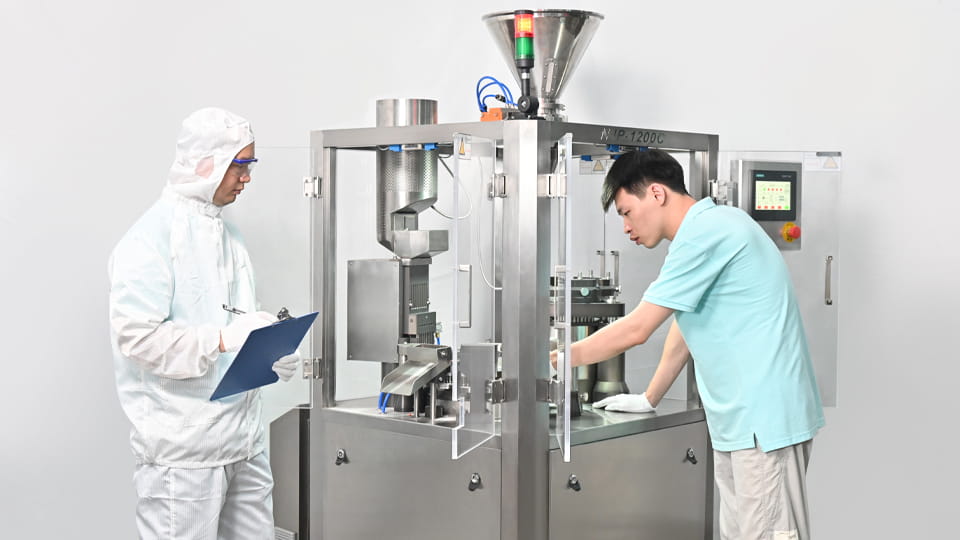
สายการผลิตยา ใช้เครื่องจักรเฉพาะทางที่หลากหลาย. คุณสมบัติหลักที่เกี่ยวข้องกับ GMP ของอุปกรณ์ทั่วไป ได้แก่:
ควรเลือกเครื่องจักรแต่ละเครื่องโดยคำนึงถึงการออกแบบ GMP (พื้นผิวสแตนเลสเรียบ, ซีไอพี, อากาศ HEPA หากจำเป็น). สำหรับตัวอย่างโดยละเอียด, ดูหน้าผลิตภัณฑ์ของ Jinlu Packing, ซึ่งเน้นคุณลักษณะการปฏิบัติตามข้อกำหนด เช่น โครงคานยื่นออกมาและการรับรอง CE/GMP.
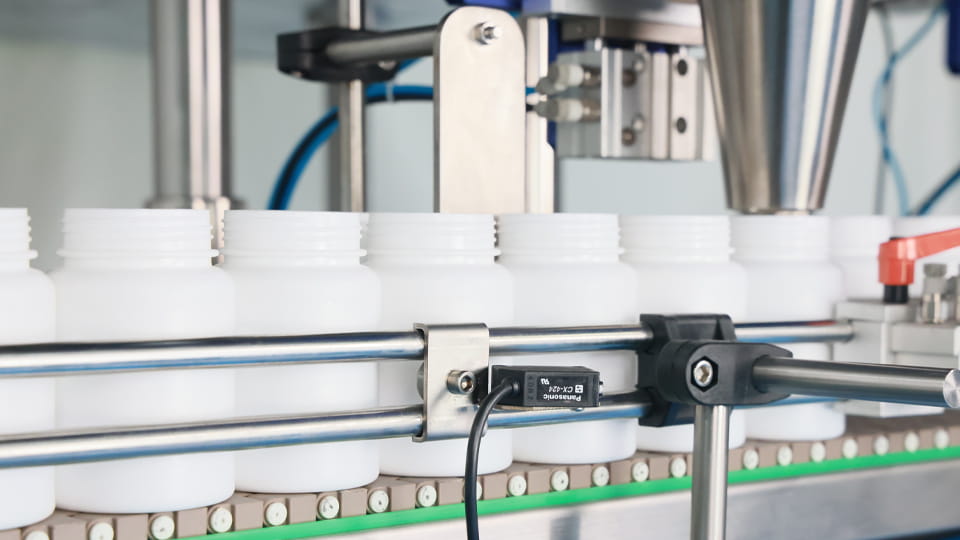
การปฏิบัติตามมาตรฐานบรรจุภัณฑ์ยาถือเป็นความท้าทาย: ข้อกำหนดด้านกฎระเบียบแตกต่างกันไปตามตลาด, และยาใหม่แต่ละชนิดอาจต้องใช้ข้อกำหนดบรรจุภัณฑ์ที่แตกต่างกัน (E.G. การปิดป้องกันเด็ก, การเคลือบเฉพาะ). การตรวจสอบความถูกต้องและเอกสารประกอบช่วยเพิ่มเวลาและต้นทุน ทุกขนาดบรรจุภัณฑ์ใหม่หรือการเปลี่ยนแปลงผลิตภัณฑ์สามารถกระตุ้นให้มีการตรวจสอบความถูกต้องอีกครั้งได้. กฎการทำให้เป็นอนุกรม (DSCSA ในสหรัฐอเมริกา, FMD ในสหภาพยุโรป, ฯลฯ) มีความซับซ้อนและมีการพัฒนา, ต้องมีการอัปเดตซอฟต์แวร์เป็นประจำและการฝึกอบรมพนักงาน. ข้อกำหนดของห้องคลีนรูม (สำหรับผลิตภัณฑ์ปลอดเชื้อ) ยังเพิ่มต้นทุนสิ่งอำนวยความสะดวกอีกด้วย. ในที่สุด, การติดตามและพิสูจน์การปฏิบัติตามข้อกำหนด (ผ่านบันทึกแบทช์และเส้นทางการตรวจสอบ) หมายถึงซอฟต์แวร์ที่มีประสิทธิภาพและการเก็บบันทึก. การเอาชนะความท้าทายเหล่านี้ต้องอาศัยความร่วมมืออย่างใกล้ชิดระหว่างฝ่ายวิศวกรรม, ฝ่ายประกันคุณภาพและซัพพลายเออร์, และเลือกปรับตัวได้, อุปกรณ์ที่รองรับอย่างดี.
เมื่อเลือกเครื่องจักรสำหรับก สายการบรรจุยา, ปฏิบัติตามรายการตรวจสอบ GMP:
อนาคตของบรรจุภัณฑ์ยามีความเป็นดิจิทัลมากขึ้นและ ที่ยั่งยืน. การทำให้เป็นอนุกรมและการติดตาม & ติดตาม จะขยายไปทั่วโลก, อาจใช้ประโยชน์จาก blockchain เพื่อรักษาความปลอดภัยของห่วงโซ่อุปทาน. บรรจุภัณฑ์อัจฉริยะ (แท็กอาร์เอฟไอดี, เซ็นเซอร์เอ็นเอฟซี) อาจเริ่มตรวจสอบสภาพการจัดเก็บหรือเหตุการณ์การงัดแงะ. อุปกรณ์มีแนวโน้มไปทาง อุตสาหกรรม 4.0 – สอดคล้องกับเซ็นเซอร์ IIoT และระบบการมองเห็นที่ขับเคลื่อนด้วย AI ซึ่งทำนายข้อผิดพลาดหรือนับเม็ดยาได้อย่างน่าเชื่อถือมากขึ้น. หุ่นยนต์สำหรับบรรจุภัณฑ์ขั้นสุดท้าย (การจัดการกรณี, การจัดวางบนพาเลท) และอุปสรรคปลอดเชื้อขั้นสูง (E.G. ระบบปลอดเชื้อแบบปิด) กำลังเติบโตเช่นกัน. ในด้านวัสดุ, มีการผลักดันให้มีส่วนประกอบบรรจุภัณฑ์ที่สามารถรีไซเคิลหรือย่อยสลายได้ทางชีวภาพ, ดังนั้นเครื่องจักรจึงต้องจัดการกับฟิล์มชนิดใหม่. โดยรวม, ระบบอัตโนมัติ, การเชื่อมต่อข้อมูลและความปลอดภัยด้านสิ่งแวดล้อมเป็นแนวโน้มสำคัญในการกำหนดบรรจุภัณฑ์ยายุคใหม่.
การปฏิบัติตามมาตรฐานบรรจุภัณฑ์ยาคือ ไม่สามารถต่อรองได้ สำหรับผู้ผลิตยา. ด้วยการทำความเข้าใจ GMP, ข้อกำหนดของ FDA และ ISO และการเลือกเครื่องจักรที่สร้างขึ้นให้ตรงตามความต้องการ คุณจะรักษาคุณภาพของผลิตภัณฑ์และความปลอดภัยของผู้ป่วยได้. การปฏิบัติตามข้อกำหนดจำเป็นต้องมีการออกแบบที่เข้มงวด (พื้นผิวเรียบ 316L, CIP/ตำรวจทำความสะอาด), การตรวจสอบความถูกต้องเต็มรูปแบบ (IR/WH/PQ) และเอกสารต่อเนื่อง (บันทึกการบำรุงรักษาและการตรวจสอบ). ด้วยกฎระเบียบเช่น FDA 21 CFR และภาคผนวกของสหภาพยุโรป 1, สายการผลิตยาไม่มีทางลัด.
สำหรับ โซลูชั่นอุปกรณ์บรรจุภัณฑ์, ทำงานร่วมกับซัพพลายเออร์ที่มีประสบการณ์. จินลู่บรรจุ, ตัวอย่างเช่น, เชี่ยวชาญในเครื่องบรรจุภัณฑ์พลาสติกที่ได้มาตรฐาน GMP, สายการบรรจุของเหลว, การบรรจุกล่องและอื่น ๆ. เครื่องจักรของเรามีการออกแบบคานยื่นออกมา, วัสดุเกรด FDA และรองรับการออกหมายเลขกำกับตั้งแต่แกะกล่อง. ติดต่อ Jinlu บรรจุ วันนี้เพื่อให้แน่ใจว่าสายการผลิตบรรจุภัณฑ์ถัดไปของคุณตรงตามมาตรฐาน GMP ระดับโลกพร้อมการสนับสนุนการตรวจสอบเต็มรูปแบบ.
มาตรฐานบรรจุภัณฑ์ยาเป็นข้อกำหนดตามกฎหมายที่ทำให้แน่ใจว่าบรรจุภัณฑ์ยาไม่ปนเปื้อนหรือปะปนกับผลิตภัณฑ์. ซึ่งรวมถึงหลักเกณฑ์ GMP จากหน่วยงานต่างๆ เช่น FDA และ EMA, ซึ่งกำหนดให้มีการออกแบบอุปกรณ์ด้านสุขอนามัย, การตรวจสอบการทำความสะอาดและเอกสารประกอบอย่างละเอียด. มาตรฐานเช่น ISO 15378 มุ่งเน้นไปที่การจัดการคุณภาพของวัสดุบรรจุภัณฑ์ด้วยตนเอง. พวกเขาร่วมกันทำให้แน่ใจว่าบรรจุภัณฑ์จะปกป้องคุณภาพของยาและมีข้อมูลที่ถูกต้อง.
อย 21 ส่วนซีเอฟอาร์ 211 ครอบคลุมถึงการดำเนินการบรรจุภัณฑ์. ต้องมีการบำรุงรักษาอุปกรณ์นั้น, ทำความสะอาดและสอบเทียบแล้วจึงไม่กระทบต่อเอกลักษณ์หรือความบริสุทธิ์ของยา. ตัวอย่างเช่น, คำแนะนำของ FDA ระบุว่าอุปกรณ์ “ควรถูกสร้างขึ้นเพื่อความสะดวกในการทำความสะอาด” และเตือนว่าวัสดุจะต้องไม่ทำปฏิกิริยากับยา. ระบบคอมพิวเตอร์ออนไลน์ก็ต้องปฏิบัติตามด้วย 21 ส่วนซีเอฟอาร์ 11 (บันทึกอิเล็กทรอนิกส์และเส้นทางการตรวจสอบ).
ไอเอสโอ 15378 เป็นมาตรฐาน ISO สำหรับวัสดุบรรจุภัณฑ์ปฐมภูมิของเภสัชภัณฑ์โดยเฉพาะ. มันเพิ่ม ISO 9001 ด้วยข้อกำหนด GMP, ตรวจสอบให้แน่ใจว่าซัพพลายเออร์วัสดุบรรจุภัณฑ์มี QMS ที่ตรงตามมาตรฐานลูกค้าและกฎหมายอย่างสม่ำเสมอ. แม้ว่าจะไม่ได้ควบคุมอุปกรณ์โดยตรงก็ตาม, การใช้วัสดุที่ได้รับการรับรองมาตรฐาน ISO 15378 บนเครื่องจักร GMP ช่วยให้เป็นไปตามความคาดหวังด้านกฎระเบียบและความต้องการของลูกค้าในด้านคุณภาพ.
ภาคผนวก 1 ของ EU GMP Guide ครอบคลุมผลิตภัณฑ์ยาปลอดเชื้อ. กำหนดกฎเกณฑ์ที่เข้มงวดสำหรับการผลิตปลอดเชื้อ, รวมถึงการบรรจุยาฉีดด้วย. ประเด็นสำคัญ ได้แก่ การใช้กลยุทธ์การควบคุมการปนเปื้อน (ซีซีเอส), โดยใช้ห้องคลีนรูมจำแนก (ไอเอสโอ 5/7), เทคโนโลยีตัวแยกหรือสิ่งกีดขวาง, และการตรวจสอบขั้นตอนการฆ่าเชื้อ/การฆ่าเชื้อ. ภาคผนวก 1 การปฏิบัติตามข้อกำหนดทำให้มั่นใจได้ว่าแม้ในระหว่างการบรรจุภัณฑ์, ยาฆ่าเชื้อยังคงปราศจากจุลินทรีย์และอนุภาค ซึ่งมีความสำคัญอย่างยิ่งต่อความปลอดภัยของผู้ป่วย.
อันดับแรก, ตรวจสอบการออกแบบและวัสดุ: ควรใช้สแตนเลส 316L กับชิ้นส่วนที่สัมผัสกับผลิตภัณฑ์ทั้งหมด และไม่มีรอยแยกที่ซ่อนอยู่. ตรวจสอบให้แน่ใจว่าผู้ขายจัดเตรียมเอกสาร IQ/OQ/PQ ที่สมบูรณ์. มองหาคุณสมบัติต่างๆ เช่น ความสามารถของ CIP หรือการทำความสะอาดแบบถอดออกอย่างง่ายดาย. ยืนยันว่ามีความสามารถในการบันทึกแบทช์ทางอิเล็กทรอนิกส์ (21 ส่วนซีเอฟอาร์ 11) และการสนับสนุนการทำให้เป็นอนุกรม (2การเข้ารหัสแบบดี). ในที่สุด, ตรวจสอบเครื่องหมายรับรองใด ๆ (CE, GMP) และขอข้อมูลอ้างอิงหรือรายงานการตรวจสอบ. เครื่อง GMP อย่างแท้จริงจะมาพร้อมกับการสนับสนุนการตรวจสอบและเอกสารการปฏิบัติตามข้อกำหนดฉบับสมบูรณ์.
กฎหมายการทำให้เป็นอนุกรม (E.G. พระราชบัญญัติความมั่นคงในห่วงโซ่อุปทานยาของสหรัฐอเมริกา, คำสั่งยาปลอมของสหภาพยุโรป) กำหนดรหัสที่ไม่ซ้ำกันในแต่ละบรรจุภัณฑ์เพื่อติดตามผ่านห่วงโซ่อุปทาน. อุปกรณ์บรรจุภัณฑ์ต้องพิมพ์หรือสลักรหัสเหล่านี้ (โดยทั่วไปแล้วบาร์โค้ด 2D) บนตุ่มหรือขวดทุกอัน. สิ่งนี้ทำให้มั่นใจได้ว่าสามารถตรวจพบของปลอมได้และสามารถเรียกคืนแบทช์ได้อย่างรวดเร็วหากจำเป็น. ในทางปฏิบัติ, การออกหมายเลขซีเรียลถูกรวมเข้ากับสายการบรรจุภัณฑ์ผ่านตัวเข้ารหัสและกล้องตรวจสอบ, ด้วยซอฟต์แวร์ที่เชื่อมโยงแต่ละโค้ดเข้ากับบันทึกแบบแบตช์เพื่อให้สามารถตรวจสอบย้อนกลับได้อย่างสมบูรณ์.
เครื่องบรรจุกล่อง GMP ควรจะมีความราบรื่น, พื้นผิวที่ถูกสุขลักษณะและการป้อนกล่องแบบปิดเพื่อลดฝุ่น. โดยจะต้องผสานรวมเครื่องสแกนฉลากและรหัสเพื่อตรวจสอบรหัสแบทช์และเนื้อหาในแต่ละกล่อง. ตรวจสอบว่าเครื่องสามารถดำเนินการ Line Clearance ได้ (การเททิ้ง/การตรวจสอบระหว่างผลิตภัณฑ์) ตามแนวทางขององค์การอาหารและยา, และช่วยให้ทำความสะอาดอุปกรณ์ติดกาวสำหรับกล่องได้ง่าย. ตัวอย่างเช่น, เครื่องบรรจุกล่องจำนวนมากมีอุปกรณ์จับยึดกล่องแบบสุญญากาศและระบบวิชันซิสเต็มเพื่อจับกล่องที่ติดหรือส่วนที่ขาดหายไป, ปฏิบัติตามกฎการป้องกันการมิกซ์อัพใน 21 ซีเอฟอาร์ 211.
อ้างอิง:
1.21 ส่วนซีเอฟอาร์ 211 – แนวทางปฏิบัติที่ดีในการผลิตยาสำเร็จรูปในปัจจุบัน —— สถาบันข้อมูลทางกฎหมาย
2.ไอเอสโอ 15378:2017 วัสดุบรรจุภัณฑ์เบื้องต้นสำหรับผลิตภัณฑ์ยา —— iso.org
3.ภาคผนวก GMP ของสหภาพยุโรป 1: การผลิตผลิตภัณฑ์ยาปลอดเชื้อ —— gmp-compliance.org
4.พระราชบัญญัติความมั่นคงในห่วงโซ่อุปทานยา (ดีเอสซีเอสเอ) --เรา. สำนักงานคณะกรรมการอาหารและยา