
ในการผลิตยา, เวลาการเปลี่ยนแปลง หมายถึงการหยุดทำงานเมื่อสายการผลิตหยุดเพื่อเปลี่ยนจากผลิตภัณฑ์เดียว (หรือแบทช์) ไปที่อื่น. ตัวอย่างเช่น, สายแท็บเล็ตที่เปลี่ยนจากผลิตภัณฑ์ A เป็นผลิตภัณฑ์ B อาจต้องมีการทำความสะอาด, การเปลี่ยนแปลงแม่พิมพ์/เครื่องมือ, และการสอบเทียบก่อนสามารถดำเนินการผลิตต่อได้. ตามคำนิยาม, เวลาเปลี่ยนคือ “ระยะเวลารวมที่ผ่านไประหว่างการผลิตผลิตภัณฑ์ที่ดีครั้งสุดท้ายของรอบก่อนกับผลิตภัณฑ์ที่ดีแรกของรอบถัดไป”. ทุกนาทีที่ใช้ในการเปลี่ยนแปลงจะสูญเสียเวลาในการผลิต (เลยขาดทุนกำไรไป). ในความเป็นจริง, สายการบรรจุอาจมีการเปลี่ยนแปลง 5–15 ครั้งต่อกะ, ดังนั้นการประหยัดเวลาเพียงไม่กี่นาทีในแต่ละครั้งก็สามารถประหยัดเวลาในการผลิตได้หลายพันนาทีต่อปี.
โดยทั่วไปการเปลี่ยนแปลงจะมีสี่ขั้นตอน: ปิดเครื่อง, การล้างข้อมูล, การตั้งค่า, และ การเริ่มต้น. การปิดเครื่องจะหยุดสาย, การทำความสะอาดช่วยขจัดสิ่งตกค้าง (เพื่อป้องกันการปนเปื้อน), การตั้งค่าจะติดตั้งรูปแบบใหม่ (เครื่องมือ, คำแนะนำ, สูตรอาหาร), และสตาร์ทอัพปรับแต่งไลน์จนได้สเปคคุณภาพ. ในด้านเภสัชกรรม, การทำความสะอาดและการตรวจสอบอย่างเข้มงวดทำให้การเปลี่ยนแปลงใช้เวลานานเป็นพิเศษ. โดยเฉลี่ยแล้ว, ประมาณ 20–30% เวลาในสถานพยาบาลสามารถนำไปใช้ในกิจกรรมการเปลี่ยนแปลงได้. กล่าวอีกนัยหนึ่ง, เกือบหนึ่งในสามของวันอาจหายไปเพื่อทำความสะอาดและตั้งค่า, โดยเฉพาะในโรงงานที่มีผลิตภัณฑ์หลายชนิดซึ่ง “อาจใช้เวลาทั้งวันในการทำความสะอาดสายการผลิตครั้งใหญ่”.

ทำไมมันถึงสำคัญ: การเปลี่ยนแปลงที่ยาวนานทำให้เจ็บปวด ประสิทธิภาพการผลิตและต้นทุน. เวลาหยุดทำงานเพิ่มเติมแต่ละนาทีจะลดประสิทธิภาพของอุปกรณ์โดยรวม (อีอี) และปริมาณงาน. ตัวอย่างเช่น, จากการศึกษาพบว่าโรงงานที่ทำ 10 การเปลี่ยนแปลงในแต่ละวันทำให้สิ้นเปลือง 8,000 นาทีต่อปีหากการเปลี่ยนแปลงแต่ละครั้งใช้เวลาเพิ่มเพียง 3-5 นาที. นั่นคือหลายร้อยชั่วโมง (และหลายพันดอลลาร์) หายไปทุกปี. โดยการลดเวลาในการเปลี่ยน, พืชได้รับมากขึ้น มูลค่าเพิ่ม รันไทม์. นอกจากนี้ยังอนุญาตให้มีขนาดแบทช์น้อยลงและกำหนดเวลาที่ยืดหยุ่นมากขึ้น ซึ่งเป็นประโยชน์อย่างยิ่งเมื่อความต้องการทางเภสัชกรรมเปลี่ยนแปลงอย่างรวดเร็ว. ในระยะสั้น, การลดเวลาในการเปลี่ยนหมายถึงการผลิตต่อกะที่มากขึ้น, แรงงานที่ไม่ได้ใช้งานน้อยลง, และตอบสนองความต้องการของตลาดได้ดีขึ้น.
การผลิตยา เผชิญกับอุปสรรคพิเศษ. แตกต่างจากอุตสาหกรรมอุปโภคบริโภคมากมาย, ยาต้องการคุณภาพและมาตรฐานความบริสุทธิ์สูงสุด. ก่อนเปลี่ยนสินค้า, การทำความสะอาดและการตรวจสอบอย่างละเอียด จำเป็นเพื่อหลีกเลี่ยงการปนเปื้อนข้าม. ซึ่งอาจเกี่ยวข้องกับหลายขั้นตอน ทำความสะอาดในสถานที่ (ซีไอพี) รอบที่ใช้เวลา 30–60 นาที (หรือมากกว่านั้นสำหรับผลิตภัณฑ์ที่มีความหนืดมากหรือมีศักยภาพสูง). หลังจากทำความสะอาดแล้ว, ระบบคุณภาพมักต้องการการพิสูจน์ว่าอุปกรณ์ปลอดเชื้อและปราศจากยาเดิม. ค่าใช้จ่ายด้านกฎระเบียบทั้งหมดนี้จะช่วยยืดเวลาการหยุดทำงานตามธรรมชาติ.
นอกจากนี้, สายการผลิตยามักจะดำเนินการ สินค้าหลากหลาย – โมเลกุลที่แตกต่างกัน, สูตร, และ รูปแบบบรรจุภัณฑ์. การสลับระหว่างแท็บเล็ตขนาดต่างๆ, หรือจากแท็บเล็ตไปจนถึงแคปซูล, อาจหมายถึงการสลับตายทางกายภาพ, แม่พิมพ์หรือตัวป้อนบนเครื่องจักร. การปรับแต่ละครั้งจะเพิ่มนาที. ดังแหล่งบันทึกแห่งหนึ่ง, “โดยทั่วไปแล้ว, โรงงานที่ผลิตผลิตภัณฑ์ที่หลากหลายอาจมีเวลาเปลี่ยนนานขึ้น... เนื่องจากการสลับระหว่างผลิตภัณฑ์เกี่ยวข้องกับการปรับการตั้งค่าและการเปลี่ยนเครื่องมือ”. ในสินค้าอุปโภคบริโภคที่เคลื่อนไหวอย่างรวดเร็ว, สายการผลิตอาจเรียกใช้ผลิตภัณฑ์ได้เพียงผลิตภัณฑ์เดียวต่อวัน. ในด้านเภสัชกรรม, ไลน์อาจเปลี่ยนสินค้าหลายครั้งในหนึ่งสัปดาห์, หรือแม้กระทั่งต่อกะ, ขยายผลกระทบจากการเปลี่ยนแปลง.
ในที่สุด, ทักษะของผู้ปฏิบัติงานและการประสานงาน. วิธีการที่ไม่สอดคล้องกันในกะต่างๆ อาจทำให้การแลกเปลี่ยนผลิตภัณฑ์ที่เหมือนกันใช้เวลาต่างกันอย่างมาก. โดยไม่มีขั้นตอนที่ได้มาตรฐานและทีมงานที่ผ่านการฝึกอบรมมาอย่างดี, ทีมหนึ่งอาจทำการเปลี่ยนแปลงใน 15 นาทีในขณะที่อีกคนหนึ่งใช้เวลา 30, นำมาซึ่งความไร้ประสิทธิภาพต่อไป.
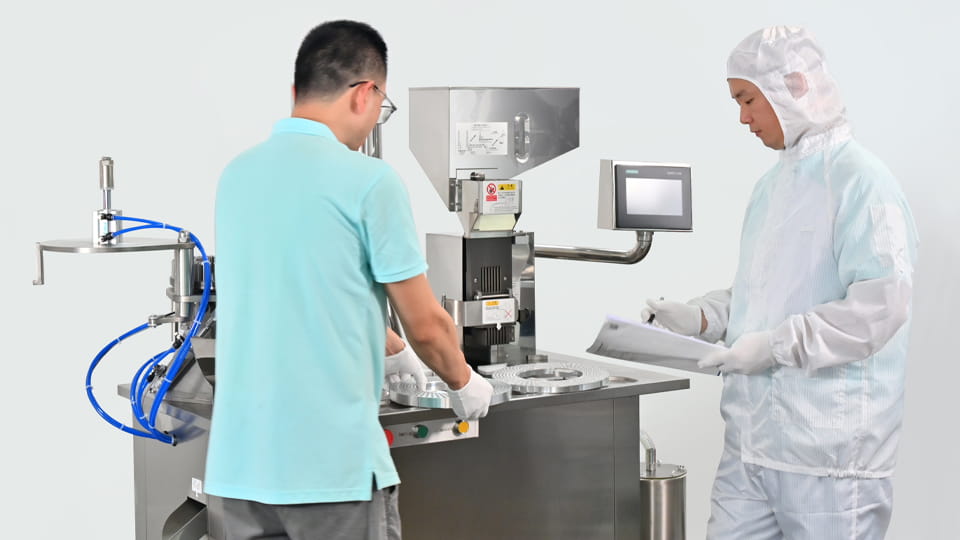
วิธีที่พิสูจน์แล้วในการจัดการกับเวลาแห่งการเปลี่ยนแปลงคือ ช่างตีเหล็ก (การแลกเปลี่ยน Dies นาทีเดียว) ระเบียบวิธีจากการผลิตแบบลีน. เป้าหมายของ SMED คือการลดเวลาในการเปลี่ยนให้เป็นเลขหลักเดียว (นาที) โดยการย้ายงานให้ได้มากที่สุด ข้างนอก ของการหยุดทำงาน. ในทางปฏิบัติ, นี่หมายถึงการเตรียมและจัดเตรียมงานล่วงหน้า, ขั้นตอนการสร้างมาตรฐาน, และปรับปรุงการแลกเปลี่ยนจริง. ตัวอย่างเช่น, หลักการของ SMED ได้แก่:
โดยการนำกลยุทธ์ Lean/SMED เหล่านี้ไปใช้อย่างจริงจัง, สิ่งอำนวยความสะดวกหลายแห่งได้ลดการเปลี่ยนแปลงจากชั่วโมงเหลือเป็นนาที. เช่น, การออกแบบสายการผลิตบรรจุภัณฑ์ยาของ JinLu ใหม่ (ใช้ชิ้นส่วนที่เผยแพร่อย่างรวดเร็วและทีมที่ซิงโครไนซ์) บรรลุระยะเวลาการเปลี่ยนเครื่องที่ "เกือบเป็นศูนย์". Shoplogix รายงานว่าผู้ทำแพ็กเกจที่ดีที่สุดในระดับเดียวกันเฉลี่ยประมาณ 17 นาทีต่อการเปลี่ยนแปลงเมื่อเทียบกับ 50 นาทีสำหรับผู้ล้าหลัง – ช่องว่างที่วิธีแบบลีนสามารถช่วยปิดได้.
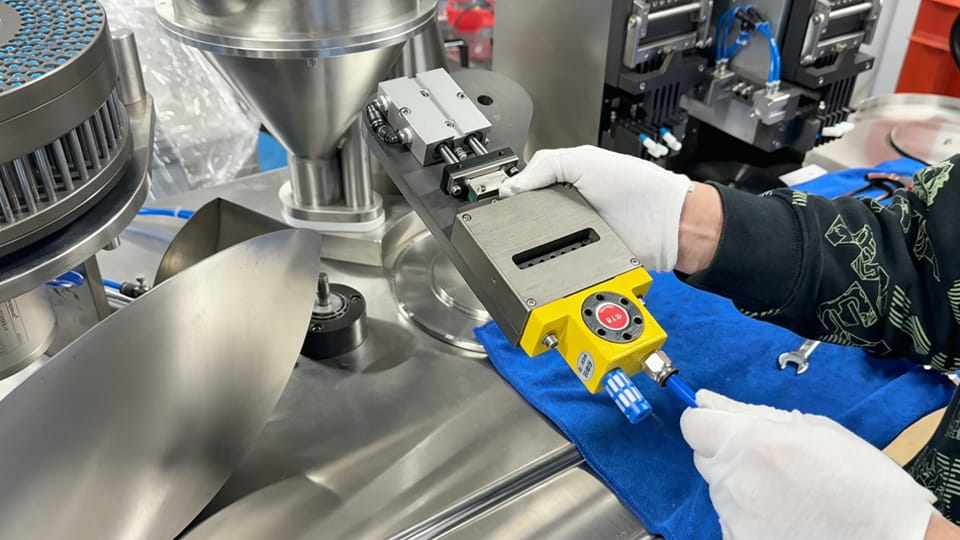
ขึ้นอยู่กับประสบการณ์ในอุตสาหกรรม, นี่คือ เคล็ดลับที่เป็นรูปธรรม ที่วิศวกรฝ่ายจัดซื้อและผู้ปฏิบัติงานในสายงานสามารถนำไปใช้ได้:
เรียกรวมกัน, กลยุทธ์เหล่านี้เปลี่ยนการเปลี่ยนแปลงจากการชะลอตัวที่น่าหวาดกลัวให้กลายเป็นความรวดเร็ว, เหตุการณ์ที่เกือบจะเป็นกิจวัตร. ตัวอย่างเช่น, ผู้ผลิตกึ่งแข็งรายหนึ่งได้ลดเวลาการเปลี่ยนแปลงลง 56 นาทีลงไปที่ 10 นาที (หนึ่ง 82% การลดน้อยลง) โดยเปลี่ยนจากภาชนะเหล็กหนัก (ซึ่งจำเป็นต้องทำความสะอาด) ไปจนถึงถุงของเหลวแบบใช้ครั้งเดียวที่ขจัดการทำความสะอาดโดยสิ้นเชิง. แม้ว่าจะเป็นกรณีที่รุนแรงก็ตาม, มันเน้นย้ำความคิด: หากการทำความสะอาดคืออุปสรรคที่ใหญ่ที่สุดของคุณ, ค้นหาวิธีกำจัดหรือทำให้ง่ายขึ้น. แม้แต่ในอุปกรณ์แบบดั้งเดิม, ทุกนาทีที่คุณประหยัดได้ ไม่ว่าจะผ่านการเผยแพร่อย่างรวดเร็วก็ตาม, งานคู่ขนาน, หรือการเตรียมการ – เพิ่มเวลาการผลิต.
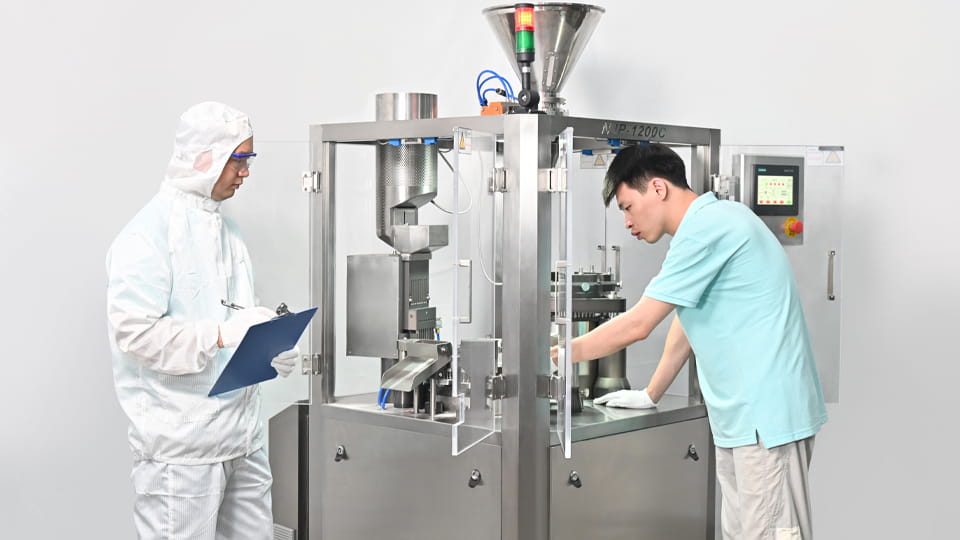
ทันสมัย เครื่องบรรจุภัณฑ์ยา รวมคุณสมบัติต่างๆ มากขึ้นเพื่อลดเวลาการเปลี่ยนแปลง. เช่น:
ในทุกกรณี, เมื่อคุณกำลังประเมิน เครื่องจักรบรรจุภัณฑ์ (ไม่ว่าจะเป็นพุพอง, แคปซูล, อุปกรณ์บรรจุขวดหรือบรรจุกล่อง), ถามเกี่ยวกับ คุณสมบัติการเปลี่ยนแปลง. เอกสารข้อมูลจำเพาะของเครื่องมักจะระบุ "เวลาในการเปลี่ยนรูปแบบ" หรือ "การออกแบบที่ออกอย่างรวดเร็ว" หากมี. โดยทั่วไปผู้ขายจะกล่าวว่าหนึ่งใน “ข้อได้เปรียบหลัก” ของการออกแบบของพวกเขาคือการหยุดทำงานที่สั้นลงระหว่างชุดงาน. การรวมคุณลักษณะระดับเครื่องจักรเหล่านี้เข้ากับแนวปฏิบัติด้านกระบวนการที่ดี (ตามที่ระบุไว้ข้างต้น) ทำให้เกิดการลดลงโดยรวมสูงสุด.
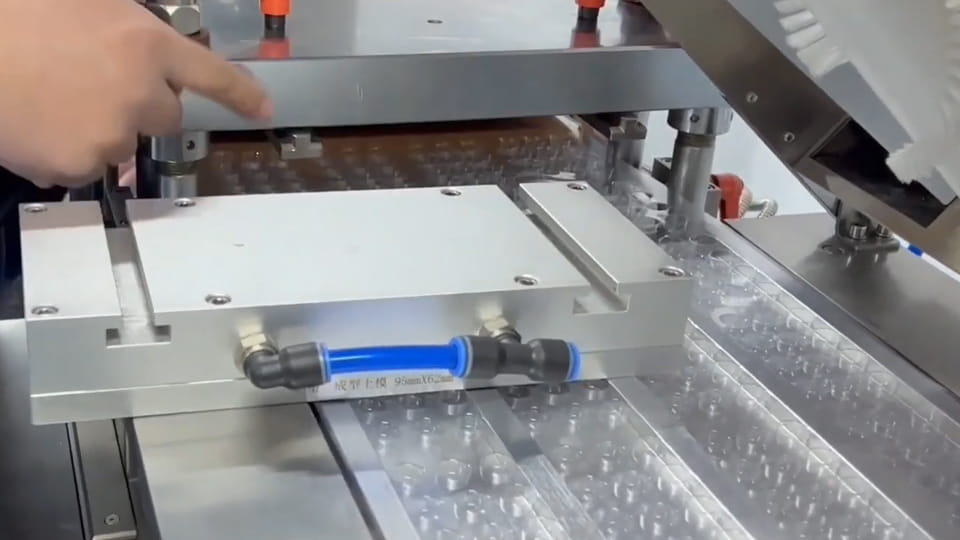
การลดเวลาการเปลี่ยนแปลงเป็นมากกว่าการลดเวลาหยุดทำงานเท่านั้น แต่ยังส่งผลกระทบตลอดทั้งการปฏิบัติงาน. การเปลี่ยนแปลงที่สั้นลงโดยตรง เพิ่มปริมาณงาน: ใช้เวลาดำเนินการตามกำหนดการมากขึ้นในการผลิตผลิตภัณฑ์. มันยัง ปรับปรุงคุณภาพและความสม่ำเสมอ: มีเอกสารอย่างดี, การเปลี่ยนแปลงบ่อยครั้งช่วยรักษาความสะอาดและการสอบเทียบ, ลดโอกาสเกิดข้อบกพร่องเนื่องจากการทำความสะอาดแบบเร่งด่วนหรือขั้นตอนที่ถูกลืม. ชุดเล็กลง, เปิดใช้งานโดยการเปลี่ยนแปลงอย่างรวดเร็ว, หมายถึงสินค้าคงคลังส่วนเกินน้อยลงและผลิตภัณฑ์ที่สดใหม่มากขึ้น, ซึ่งมีความสำคัญในเภสัชภัณฑ์ด้วยเหตุผลเรื่องการหมดอายุและการตรวจสอบย้อนกลับ.
ในความเป็นจริง, แนวทางการเปลี่ยนแปลงที่ขับเคลื่อนด้วยข้อมูลสามารถเปิดเผยผลประโยชน์ที่ซ่อนอยู่ได้. โดย กำหนดเวลาในแต่ละเฟส (ปิดเครื่อง, ทำความสะอาด, การตั้งค่า, การเริ่มต้น) และเปรียบเทียบกับเป้าหมาย, ทีมสามารถเห็นได้อย่างแม่นยำว่าเวลาหายไปตรงไหน. สิ่งอำนวยความสะดวกมากมายพบว่าเพิ่งตั้งเป้าหมาย (ตัวอย่างเช่น, การเปลี่ยนแปลงทั้งหมด 30 นาที) และการติดตามเวลาจริงจะกระตุ้นให้เกิดการปรับปรุงแบบลีน. ดังคำกล่าวที่ว่า, “ถ้าคุณไม่สามารถวัดมันได้, คุณไม่สามารถปรับปรุงมันได้”
ในที่สุด, การเปลี่ยนแปลงที่รวดเร็วทำให้พืชมีมากขึ้น ตอบสนองต่อลูกค้า. หากความต้องการยาชนิดใดชนิดหนึ่งพุ่งสูงขึ้นหรือก จำ บังคับสวิตช์สายอย่างรวดเร็ว, พืชที่มีการเปลี่ยนแปลงอย่างรวดเร็วสามารถปรับตัวได้ในไม่กี่ชั่วโมงแทนที่จะเป็นวัน. ความคล่องตัวนี้สามารถเป็นข้อได้เปรียบทางการแข่งขันได้, ทำให้มีขนาดล็อตที่เล็กลง, ผลิตภัณฑ์ที่กำหนดเอง, และใช้อุปกรณ์ราคาแพงได้ดีขึ้น. ในระยะยาว, ความพยายามในการลงทุนเพื่อลดเวลาการเปลี่ยนแปลงจะได้รับการตอบแทนโดย OEE ที่สูงขึ้น, ต้นทุนต่อหน่วยที่ต่ำกว่า, และลูกค้ามีความสุขมากขึ้น.
โดยสรุป, เวลาการเปลี่ยนแปลง ในการผลิตยาถือเป็นการหยุดทำงานที่สำคัญซึ่งทุกการดำเนินการบรรจุภัณฑ์ต้องจัดการ. โดยการทำความเข้าใจขั้นตอนที่เกี่ยวข้องและปัจจัยที่ทำให้การเปลี่ยนแปลงยาใช้เวลานาน (การทำความสะอาดอย่างเข้มงวด, การเปลี่ยนแปลงรูปแบบบ่อยครั้ง, การตรวจสอบตามกฎระเบียบ), ผู้ผลิตสามารถกำหนดเป้าหมายการปรับปรุงได้. การใช้กลยุทธ์แบบ Lean/SMED – การเตรียมส่วนต่างๆ ข้างหน้า, ขั้นตอนการกำหนดมาตรฐาน, ใช้การออกแบบแบบปลดเร็วและแบบโมดูลาร์, ผู้ดำเนินการฝึกอบรม, และการใช้ประโยชน์จากระบบอัตโนมัติ ซึ่งสามารถลดระยะเวลาการเปลี่ยนแปลงลงได้อย่างมาก. เครื่องบรรจุภัณฑ์พุพองที่ทันสมัย, แคปซูลบรรจุและเส้นนับมักจะมาพร้อมกับคุณสมบัติการเปลี่ยนแปลงอย่างรวดเร็วในตัว; การเลือกอุปกรณ์ที่เหมาะสมและการใช้งานอย่างชาญฉลาดเป็นส่วนหนึ่งของโซลูชัน.
ไม่ว่าคุณจะเป็นผู้จัดการฝ่ายผลิต, วิศวกรบรรจุภัณฑ์, หรือผู้เชี่ยวชาญด้านการจัดซื้อจัดจ้างของบริษัทยา, การมุ่งเน้นไปที่เวลาการเปลี่ยนแปลงสามารถจ่ายเงินปันผลจำนวนมากได้. ตัดเพียงไม่กี่นาที การปิดการสลับรูปแบบแต่ละครั้งจะเพิ่มเวลาทำงานพิเศษหลายชั่วโมงทุกสัปดาห์. และดังที่คนในวงการอุตสาหกรรมได้แสดงให้เห็นแล้ว, ในกรณีที่ดีที่สุด การเปลี่ยนแปลงที่เคยใช้เวลาหลายชั่วโมงสามารถลดลงเหลือเพียงไม่กี่นาทีได้. โดยปฏิบัติตามคำแนะนำข้างต้น, การดำเนินงานของคุณสามารถเข้าใกล้เป้าหมายนั้นมากขึ้น ทำให้สายงานดำเนินไปอย่างราบรื่น, สินค้าไหล, และต้นทุนลดลง.
เวลาที่เปลี่ยนแปลงหมายถึงช่วงเวลาระหว่างการผลิตสินค้าที่ดีชิ้นสุดท้ายของชุดหนึ่งและผลิตภัณฑ์ที่ดีชิ้นแรกของชุดถัดไป. รวมถึงการทำความสะอาด, การปรับอุปกรณ์, การเปลี่ยนวัสดุ, และขั้นตอนการตรวจสอบ.
เวลาที่เปลี่ยนแปลงส่งผลโดยตรงต่อความพร้อมของอุปกรณ์, ประสิทธิภาพการผลิต, และค่าใช้จ่าย. การเปลี่ยนแปลงที่นานขึ้นหมายถึงเวลาหยุดทำงานมากขึ้นและผลผลิตลดลง, ในขณะที่แบบที่สั้นกว่าจะปรับปรุงความยืดหยุ่นและการตอบสนองต่อความต้องการของตลาด.
สาเหตุที่พบบ่อย ได้แก่:
• ขั้นตอนการทำความสะอาดและการตรวจสอบด้วยตนเอง
• ขาดกระบวนการที่ได้มาตรฐาน
• ความซับซ้อนของอุปกรณ์
• การฝึกอบรมผู้ปฏิบัติงานไม่ดี
• การจัดการวัสดุที่ไม่มีประสิทธิภาพ
ปัจจัยเหล่านี้จะเพิ่มเวลาหยุดทำงานและลดประสิทธิผลโดยรวมของอุปกรณ์ (อีอี).
ช่างตีเหล็ก (การแลกเปลี่ยน Dies นาทีเดียว) เป็นวิธีการผลิตแบบลีนที่ออกแบบมาเพื่อลดเวลาการเปลี่ยนเหลือเป็นนาทีหลักเดียวโดยปรับกระบวนการตั้งค่าให้เหมาะสมและลดเวลาหยุดทำงานของเครื่องจักรให้เหลือน้อยที่สุด.
SMED ทำงานโดย:
• การแยกงานภายในและภายนอก
• ดำเนินการจัดเตรียมในขณะที่เครื่องจักรยังทำงานอยู่
• ขั้นตอนการกำหนดมาตรฐาน
• ขจัดขั้นตอนที่ไม่จำเป็น
วิธีการนี้สามารถลดการหยุดทำงานและปรับปรุงประสิทธิภาพได้อย่างมาก.
• กิจกรรมภายใน: งานที่ต้องการให้เครื่องหยุด (เช่น, การเปลี่ยนเครื่องมือ)
• กิจกรรมภายนอก: งานที่สามารถทำได้ในขณะที่เครื่องกำลังทำงาน (เช่น, เตรียมวัสดุ)
การลดงานภายในเป็นกุญแจสำคัญในการเปลี่ยนแปลงที่รวดเร็วยิ่งขึ้น.
ประโยชน์ที่สำคัญรวมถึง:
• เพิ่มกำลังการผลิต
• ลดต้นทุนการดำเนินงาน
• ขนาดชุดงานเล็กลง
• ลดสินค้าคงคลัง
• ปรับปรุงคุณภาพผลิตภัณฑ์
• ความยืดหยุ่นในการผลิตมากขึ้น
เวลาในการเปลี่ยนเป็นสิ่งสำคัญในอุปกรณ์เช่น:
• เครื่องบรรจุภัณฑ์พลาสติก
• เครื่องบรรจุแคปซูล
• การนับ & สายการบรรจุขวด
เครื่องเหล่านี้จำเป็นต้องเปลี่ยนรูปแบบและทำความสะอาดบ่อยครั้ง, ทำให้การเพิ่มประสิทธิภาพเป็นสิ่งสำคัญ.
ระบบอัตโนมัติช่วยปรับปรุงประสิทธิภาพการเปลี่ยนแปลงโดย:
• ขั้นตอนการกำหนดมาตรฐาน
• ลดข้อผิดพลาดของมนุษย์
• เปิดใช้งานการปรับเปลี่ยนที่รวดเร็วยิ่งขึ้น
• ให้การตรวจสอบและการวิเคราะห์ข้อมูลแบบเรียลไทม์
เครื่องมือดิจิทัลและระบบ MES สามารถเพิ่มประสิทธิภาพและความสม่ำเสมอได้มากขึ้น.
อ้างอิง:
1.การมีส่วนร่วมของเครื่องมือการผลิตแบบลีนเพื่อลดเวลาการเปลี่ยนแปลงในอุตสาหกรรมยา. โครงการ SMED – ไซแอนซ์ไดเร็กต์.
2.การลดเวลาการเปลี่ยนแปลงผ่านการบูรณาการแนวทางปฏิบัติแบบลีน: กรณีศึกษาจากภาคเภสัชกรรม – รีเสิร์ชเกต.
3.การลดเวลาและเพิ่มผลผลิตของการนำ SMED ไปใช้: กรณีของบริษัทยา – ieccmexicoreview.com.
4.การเพิ่มประสิทธิภาพการดำเนินการตั้งค่าผ่านการประยุกต์ใช้เทคนิค SMED. เดอะแซมบอน เอส.พี.เอ. กรณี – วิทยานิพนธ์.unipd.it.