ในการผลิต, อัน สายการบรรจุ (หรือ สายการผลิตบรรจุภัณฑ์) เป็นชุดเครื่องจักรที่เชื่อมต่อกันเพื่อเตรียมผลิตภัณฑ์สำเร็จรูปเพื่อจำหน่าย, พื้นที่จัดเก็บ, และการขาย. ในโรงงานเภสัชกรรม, สายการบรรจุช่วยปกป้องยาและรับรองการปฏิบัติตามข้อกำหนด. คู่มือนี้จะอธิบายไลน์การบรรจุทีละขั้นตอน, อธิบายเครื่องจักรที่สำคัญ (ผู้ถอดรหัส, เคาน์เตอร์, ฟิลเลอร์, หมวกแก๊ป, ผู้ติดฉลาก, แผลพุพอง, กล่องกระดาษ, ผู้บรรจุหีบห่อ, เครื่องจัดเรียงพาเลท), และครอบคลุมประเภทของเส้น (ปริมาณของแข็ง, ของเหลว, พุพอง, ซอง, สิ้นสุดบรรทัด). นอกจากนี้เรายังจะเปรียบเทียบการบรรจุแบบแมนนวลกับแบบอัตโนมัติด้วย, หารือเกี่ยวกับประโยชน์ของระบบอัตโนมัติ, การใช้งานในอุตสาหกรรม, เคล็ดลับการเลือก, และตอบคำถามที่พบบ่อย. ด้วยการทำความเข้าใจสายการบรรจุภัณฑ์, ผู้จัดการฝ่ายจัดซื้อและฝ่ายผลิตสามารถเลือกข้อมูลสำหรับความเร็วสูงได้, เป็นไปตามข้อกำหนด, และโซลูชั่นบรรจุภัณฑ์ที่คุ้มค่า.
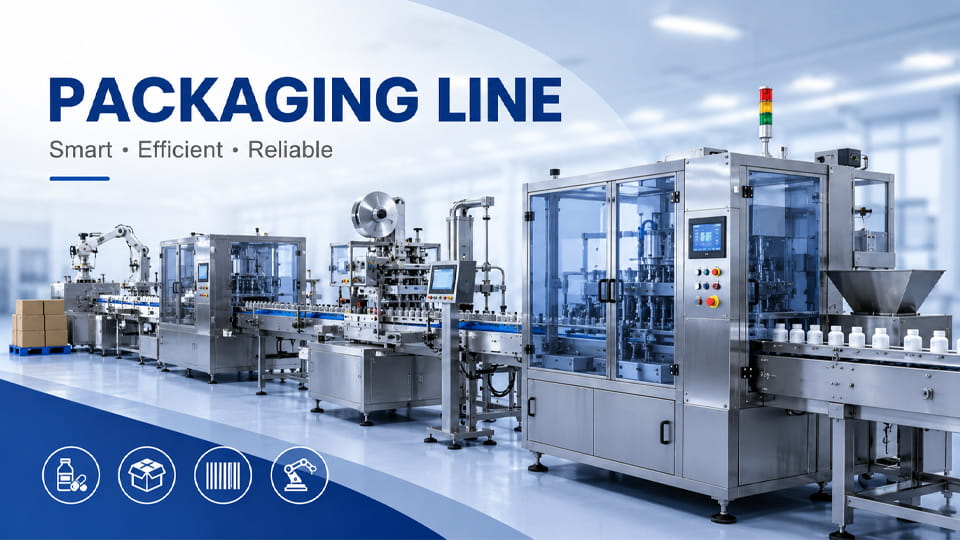
คำนิยาม: สายการบรรจุคืออะไร?
ก สายการบรรจุ เป็นระบบประสานงานของอุปกรณ์ที่บรรจุผลิตภัณฑ์โดยอัตโนมัติหรือกึ่งอัตโนมัติ. โดยทั่วไปจะมีสายพานลำเลียงด้วย, ฟิลเลอร์, เครื่องปิดผนึก, ผู้ติดฉลาก, และเครื่องปลายทางที่จัดเรียงตามลำดับ. ด้วยกัน, พวกเขาโหลดผลิตภัณฑ์ (เหมือนแท็บเล็ต, แคปซูล, ขวด, ซอง, ฯลฯ), เพิ่มปริมาณหรือปริมาณ, ใช้การปิด (หมวกหรือซีล), แนบป้ายกำกับ, จัดกลุ่มรายการลงในกล่อง, และซ้อนกันเพื่อจัดส่ง.
ตัวอย่างเช่น, “สายการบรรจุคือชุดอุปกรณ์บรรจุภัณฑ์ที่เตรียมผลิตภัณฑ์เพื่อจำหน่าย, พื้นที่จัดเก็บ, และการขาย. อุปกรณ์สามารถเป็นแบบแมนนวลได้, กึ่งอัตโนมัติ, หรืออัตโนมัติเต็มรูปแบบ” ในอุตสาหกรรมยาและผู้บริโภค, บรรทัดเหล่านี้ช่วยให้แน่ใจว่าผลิตภัณฑ์ถูกเติม, ปิดผนึก, ติดป้ายกำกับ, และติดตามภายใต้การควบคุมคุณภาพอย่างเข้มงวด.
สายการบรรจุภัณฑ์ที่ทันสมัยมักจะ ระบบอัตโนมัติแบบบูรณาการ: คอนโทรลเลอร์ลอจิกที่ตั้งโปรแกรมได้ (PLC) และหุ่นยนต์จะประสานเครื่องจักรหลายเครื่องเข้าด้วยกัน, รับประกันการไหลที่ราบรื่นและการตรวจสอบแบบเรียลไทม์. นี่เป็นสิ่งสำคัญในเภสัชกรรม, โดยที่ อย. และ กฎระเบียบ GMP ต้องการการควบคุมปริมาณการบรรจุที่แม่นยำ, ความแม่นยำของฉลาก, และความสมบูรณ์ของบรรจุภัณฑ์.
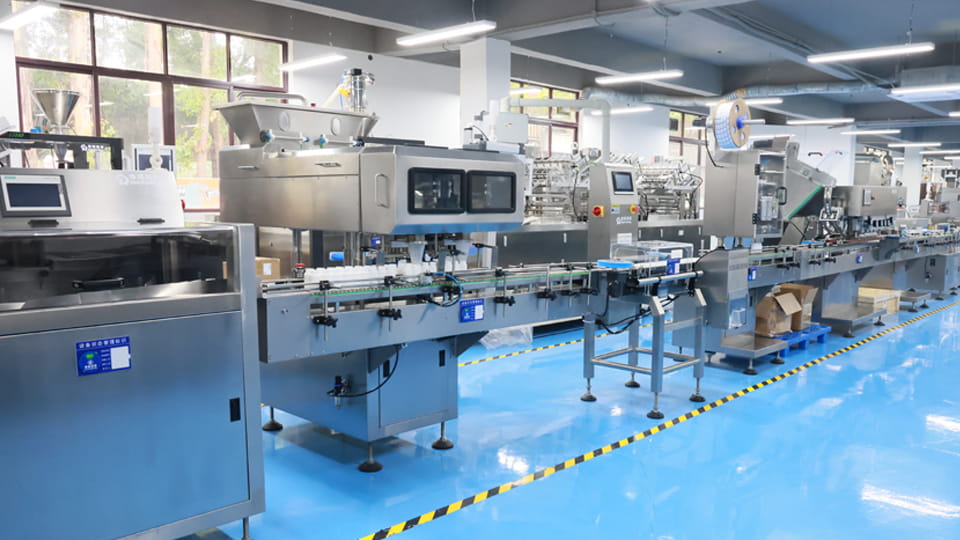
สายการบรรจุทำงานอย่างไร? (ขั้นตอนการทำงานทีละขั้นตอน)
สายการบรรจุดังต่อไปนี้ ขั้นตอนการทำงานทีละขั้นตอน, เหมือนกับสายการผลิตบรรจุภัณฑ์:
- การป้อนผลิตภัณฑ์/การถอดชิ้นส่วน: รายการ (ขวด, แท็บเล็ต, ขวด) ถูกป้อนเข้าสู่เส้น. สำหรับขวด, อัน เครื่องถอดรหัสขวด กำหนดทิศทางและส่งขวดไปยังสายพานลำเลียง. เม็ดยาหรือแคปซูลอาจมาถึงผ่านทางกรวยหรือกระบวนการต้นทาง. ซึ่งมาแทนที่การโหลดแบบแมนนวลและรับประกันการไหลที่สม่ำเสมอ.
- การนับ/การให้ยา: แบบอัตโนมัติ เคาน์เตอร์/ปริมาณ วัดปริมาณที่ถูกต้อง. ในแนวเม็ดยา, เครื่องนับเม็ดยาหรือแคปซูลนับและจ่ายเม็ดยาลงในขวดหรือโพรงตุ่มได้อย่างแม่นยำ. สำหรับของเหลว, เครื่องบรรจุจะจ่ายน้ำเชื่อมหรือสารละลายในปริมาณที่แน่นอน. เป้าหมายก็เท่าเทียมกัน, ปริมาณที่แม่นยำในแต่ละแพ็คเกจ. ตัวอย่างเช่น, เคาน์เตอร์แคปซูลสามารถทำได้ >99.8% ความแม่นยำ, ลดข้อผิดพลาดของมนุษย์.
- การปิดผนึก/สูงสุดที่กำหนด: เมื่อเติมแล้ว, ภาชนะถูกปิดผนึก. เครื่องปิดฝาจะหยิบและขันฝาขวดให้แน่น. เครื่องแคปเปอร์สมัยใหม่ใช้การคัดแยกและป้อนฝาอัตโนมัติ, ตำแหน่งขวดที่แม่นยำ, และสามารถปฏิเสธตัวพิมพ์ใหญ่ที่ไม่ตรงแนวได้. เครื่องซีลด้วยความร้อนหรือแบบเหนี่ยวนำจะใช้แผ่นฟอยล์หรือซีลพลาสติก. ขั้นตอนนี้ป้องกันการรั่วไหลและการปนเปื้อน.
- การตรวจสอบ/การตรวจสอบคุณภาพ: บรรทัดรวมถึงการตรวจสอบเช่น เครื่องตรวจสอบน้ำหนักบนสายพาน (เพื่อตรวจสอบน้ำหนักบรรจุภัณฑ์) และ ระบบการมองเห็น (เพื่อตรวจสอบระดับการเติม, การมีฉลาก, หรือการวางแนวแคปซูล). แพ็คเกจไม่ตรงตามข้อกำหนด (น้ำหนักผิด, ไม่มีป้ายกำกับ, ผิด, ตุ่มแตก, ฯลฯ) ถูกปฏิเสธโดยอัตโนมัติ.
- การติดฉลาก: เครื่องติดฉลาก ใช้ข้อมูลผลิตภัณฑ์, บาร์โค้ด, หรือข้อมูลแบทช์/หมดอายุ. เครื่องติดฉลากที่แม่นยำช่วยให้วางตำแหน่งได้อย่างแม่นยำ. ในเภสัชกรรม, การติดฉลากต้องเป็นไปตามมาตรฐานการกำกับดูแลเพื่อความชัดเจนและเนื้อหา. (เช่น, ส่วน CGMP ของ FDA 211 ต้องมีขั้นตอนการติดฉลากที่ถูกต้อง) บางบรรทัดใช้เครื่องพิมพ์เพื่อเพิ่มรหัสซีเรียลไลซ์ทันทีเพื่อให้สามารถตรวจสอบย้อนกลับได้.
- การบรรจุหีบห่อ / กล่อง: ผลิตภัณฑ์ที่บรรจุและติดฉลากจะถูกจัดกลุ่มเป็นกล่องหรือกล่อง. ก เครื่องบรรจุกล่อง สร้างกล่องกระดาษแข็ง, แทรกผลิตภัณฑ์ (ขวด, แผลพุพอง, ซอง, ฯลฯ), และปิดกล่อง. แล้วก เครื่องบรรจุหีบห่อ บรรจุกล่องลงกล่องลูกฟูกหรือถาดเพื่อจัดส่ง.
- การจัดวางบนพาเลท: ในที่สุด, เครื่องจัดเรียงพาเลทจะจัดเรียงกล่องต่างๆ บนพาเลทในรูปแบบที่มั่นคง, มักใช้ฟิล์มหดหรือสายรัดเพื่อยึดสิ่งของ. การดำเนินการนี้จะทำให้กระบวนการสิ้นสุดสายการผลิตเสร็จสมบูรณ์ เพื่อให้ผลิตภัณฑ์พร้อมสำหรับคลังสินค้าหรือการกระจายสินค้า.
ต่อไปนี้เป็นผังงานอย่างง่ายของเวิร์กโฟลว์นี้:
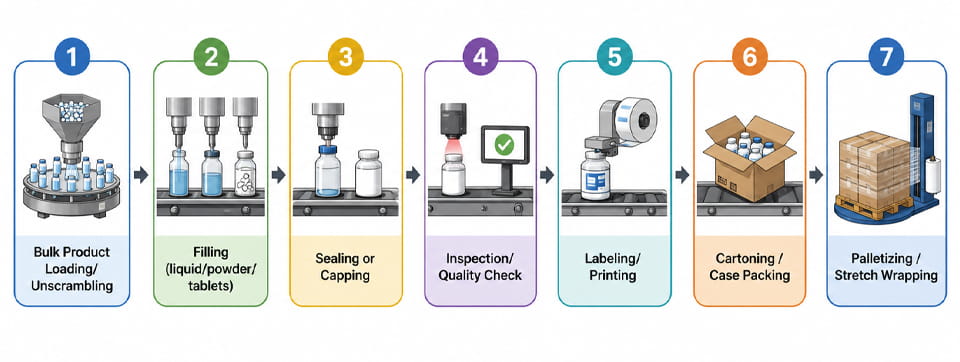
ตลอดกระแสนี้, สายพานลำเลียง (มักจะกำหนดเวลาหรือขับเคลื่อนด้วยเซอร์โว) ย้ายแพ็คเกจระหว่างสถานี. ควบคุมความเร็วของเครื่องและการบัฟเฟอร์เพื่อให้แต่ละขั้นตอนสามารถติดตามได้. แม้ว่าการตั้งค่าที่แน่นอนจะแตกต่างกันไป, ลำดับทั่วไปนี้ (ฟีด → เติม → ซีล → ฉลาก → แพ็ค) ครอบคลุมสายการบรรจุภัณฑ์ส่วนใหญ่.
[jl_youtube src=”https://www.youtube.com/embed/DZ7YIDhgknY”]
ส่วนประกอบหลักของสายการบรรจุ
สายการบรรจุอาจมีเครื่องจักรหลายสิบเครื่อง. ส่วนประกอบสำคัญมักประกอบด้วย:
- เครื่องถอดรหัสขวด (ตะวันออก): เครื่องนี้จะคัดแยกและจัดเรียงขวดเปล่าและป้อนลงบนสายพานลำเลียง. มันมาแทนที่การเรียงลำดับด้วยตนเองที่น่าเบื่อ. “เครื่องคัดแยกขวดเป็นเครื่องจักรที่คัดแยก (ถอดรหัส) และป้อนขวดเข้าระบบสายพานลำเลียงของสายการผลิต”. รองรับรูปทรงขวดต่างๆ (กลม, สี่เหลี่ยม, วงรี) และสามารถวิ่งด้วยความเร็วสูงได้. ดำเนินการขั้นตอนนี้โดยอัตโนมัติ ลดต้นทุนแรงงาน และหลีกเลี่ยงข้อผิดพลาดของมนุษย์.
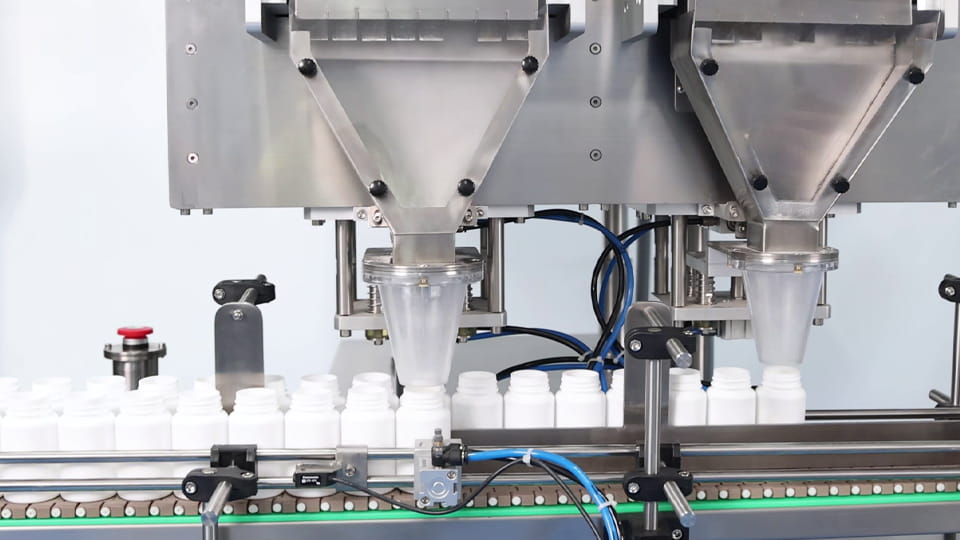
- เครื่องนับ/บรรจุ: สำหรับผลิตภัณฑ์ที่มีปริมาณของแข็ง (แท็บเล็ต, แคปซูล, กัมมี่), อัน เครื่องนับ จ่ายจำนวนที่แน่นอนลงในแต่ละขวดหรือช่องตุ่มได้อย่างแม่นยำ. สำหรับของเหลว, อัน เครื่องบรรจุของเหลว (ตัวเติมปริมาตรหรือแรงดัน) จ่ายปริมาณที่กำหนด. เครื่องจักรเหล่านี้สามารถรองรับน้ำเชื่อมได้, สารแขวนลอย, ขี้ผึ้ง, และอีกมากมาย. โดยการจ่ายยาอัตโนมัติ, แต่ละยูนิตเต็มอย่างต่อเนื่อง, สร้างความมั่นใจในการปฏิบัติตามและลดของเสีย.
- ตัวอย่าง: “เครื่องนับแคปซูล…สามารถนับแคปซูลได้อย่างแม่นยำ, แท็บเล็ต, แคปซูลอ่อน, ยาเม็ด, …แล้วใส่ลงในขวดหรือภาชนะอื่นๆ”, พร้อมการตรวจจับข้อบกพร่องในตัว. เครื่องนับจำนวนมากรวมช่องสั่นและเซ็นเซอร์ออปติคัลเข้าด้วยกันเพื่อให้บรรลุเป้าหมาย >99.97% ความแม่นยำในการนับ.
- เครื่องตัดแต่ง: วิธีนี้จะกระชับฝาขวดหรือขวดต่างๆ. เครื่องแคปเปอร์สมัยใหม่จะจัดเรียงและป้อนแคปโดยอัตโนมัติ, วางขวด, และขันให้แน่นหรือปิดฝาให้แน่น. ตัวอย่างเช่น, เครื่องปิดฝาของ Jinlu “ปรับให้เข้ากับประเภทขวดและฝาที่หลากหลาย, พร้อมการเรียงลำดับฝาอัตโนมัติ & การให้อาหาร, ตำแหน่งขวดที่แม่นยำ, หมวกกระชับ, และการปฏิเสธข้อบกพร่อง”. การกำหนดขนาดที่เหมาะสมเป็นสิ่งสำคัญ: ช่วยปกป้องคุณภาพของผลิตภัณฑ์และเป็นไปตามกฎระเบียบด้านความปลอดภัย.
- เครื่องติดฉลาก: ติดฉลากหรือพิมพ์ลงบนบรรจุภัณฑ์โดยตรง. เครื่องติดฉลากความเร็วสูงเหล่านี้ใช้เซ็นเซอร์เพื่อตรวจจับแต่ละบรรจุภัณฑ์และห่อกระดาษหรือฉลากพลาสติกรอบๆ. ในเภสัชกรรม, ฉลากจะมีหมายเลขล็อตและรหัสซีเรียลไลซ์. ผู้ติดฉลากขั้นสูงสามารถพิมพ์และตรวจสอบรหัส 2D DataMatrix ได้ทันทีเพื่อให้เป็นไปตามกฎระเบียบด้านการตรวจสอบย้อนกลับ.
- เครื่องบรรจุตุ่ม: แบบฟอร์มแพ็คตุ่ม (กระเป๋าพลาสติก/ฟอยล์) สำหรับยาเม็ดหรือแคปซูล. โดยทั่วไปแล้วเครื่องเทอร์โมฟอร์มจะมีสถานีขึ้นรูปด้วย, สถานีให้อาหาร (ซึ่งสอดเม็ดยาเข้าไปในฟันผุ), สถานีปิดผนึก (การใช้ความร้อนหรือการปิดผนึกฟอยล์ด้วยอัลตราโซนิก), และแท่นตัดแยกตุ่ม. ตัวอย่างเช่น, เครื่องตุ่มของ Jinlu “จัดการกระบวนการบรรจุทั้งหมดได้ในครั้งเดียว” สำหรับแท็บเล็ต, แคปซูล, และลูกอม, กำลังขึ้นรูป, การให้อาหาร, การปิดผนึก, และการตัดในการดำเนินการต่อเนื่องเพียงครั้งเดียว.
- เครื่องบรรจุกล่อง: แพ็คสินค้าลงกล่อง. กล่องกระดาษมีหลากหลายสไตล์ (แนวนอน, แนวตั้ง, ล้อมรอบ) แต่โดยทั่วไปจะตั้งกล่องแบน, โหลดสินค้า (บัตรตุ่ม, ขวด, ซอง, ฯลฯ), และปิดกล่องต่างๆ. สามารถรองรับความเร็วสูงได้ (E.G. 15,000 กล่อง/ชั่วโมง). ผู้บรรจุกล่องมักจะได้รับการป้อนผลิตภัณฑ์จากเครื่องจักรรุ่นก่อนๆ (เช่น พุพองแบบอินไลน์หรือฟิลเลอร์ขวด).
- เคสแพ็คเกอร์: โหลดกลุ่มกล่องหรือผลิตภัณฑ์ลงในกล่องหรือถาดขนาดใหญ่. มันเป็น สิ้นสุดบรรทัด เครื่องพับและปิดผนึกกล่องกระดาษลูกฟูก. เครื่องบรรจุหีบห่อสามารถเป็นเครื่องบรรจุแบบฝาบนได้ (วางสิ่งของต่างๆ ลงในกล่องเปิดด้านบน) หรือการสร้างรถตักด้านข้าง. พวกเขารับประกันว่าผลิตภัณฑ์ได้รับการบรรจุอย่างปลอดภัยเพื่อการขนส่ง.
- เครื่องจัดเรียงพาเลท: ซ้อนกล่องที่บรรจุไว้บนพาเลทเป็นชั้นๆ ตามรูปแบบที่ตั้งโปรแกรมไว้. อาจเป็นแบบหุ่นยนต์หรือโครงสำหรับตั้งสิ่งของ. เครื่องจัดเรียงพาเลทจะเพิ่มความเร็วในการโหลดพาเลทและลดความเสี่ยงต่อการบาดเจ็บจากการจัดเรียงแบบแมนนวล.
ส่วนประกอบของเส้นทั่วไปอื่นๆ ได้แก่ เครื่องตรวจจับโลหะ (เพื่อปฏิเสธผลิตภัณฑ์ที่ปนเปื้อน), เครื่องตรวจสอบน้ำหนักบนสายพาน (เพื่อการปฏิบัติตามน้ำหนัก), เครื่องลดความชื้น/ห้องเย็น สำหรับผลิตภัณฑ์ที่ละเอียดอ่อน, และ Vffs (แบบฟอร์มกรอกแนวตั้ง) เครื่องจักรสำหรับ แพ็คที่มีความยืดหยุ่น หรือกระเป๋า.
การบรรจุแบบแมนนวลและแบบอัตโนมัติ (ตารางเปรียบเทียบ)
| คุณสมบัติ |
บรรจุภัณฑ์ด้วยตนเอง |
สายการบรรจุอัตโนมัติ |
| ความเร็ว/ปริมาณงาน |
ช้าลง, ถูกจำกัดด้วยความเร็วของคนงาน |
ความเร็วสูง, อย่างต่อเนื่อง 24/7 การดำเนินการ |
| ความต้องการแรงงาน |
สูง (ผู้ปฏิบัติงานจำนวนมากสำหรับแต่ละงาน) |
ต่ำ (การกำกับดูแลการปฏิบัติงานเป็นส่วนใหญ่) |
| ความแม่นยำ & ความสม่ำเสมอ |
ตัวแปร; ข้อผิดพลาดของมนุษย์ (นับผิด, การรั่วไหล) |
สอดคล้องกันมาก; การบรรจุ/การนับที่แม่นยำ (บ่อยครั้ง >99.9% ความแม่นยำ) |
| การควบคุมคุณภาพ |
การตรวจสอบด้วยตนเอง (เชื่อถือได้น้อยลง) |
การตรวจสอบแบบบูรณาการ (น้ำหนัก, ระบบการมองเห็น) |
| การตรวจสอบย้อนกลับ |
บันทึกกระดาษ, มีแนวโน้มที่จะเกิดข้อผิดพลาด |
การติดตามแบบดิจิทัล (บาร์โค้ด/ซีเรียลไลซ์ในทุกหน่วย) |
| เวลาหยุดทำงาน |
มักเกิดจากความเมื่อยล้า/กะหรือข้อผิดพลาด |
การบำรุงรักษาตามกำหนดเวลาเท่านั้น; การแจ้งเตือนแบบคาดการณ์ล่วงหน้าช่วยลดเวลาหยุดทำงานที่ไม่คาดคิด |
| ความยืดหยุ่น |
เปลี่ยนงานได้อย่างง่ายดายตามต้องการ |
การเปลี่ยนแปลงจำเป็นต้องตั้งโปรแกรมใหม่/ปรับแต่งเครื่องมือใหม่ |
| การลงทุน |
ลดต้นทุนเริ่มต้น, ค่าแรงต่อเนื่องที่สูงขึ้น |
ต้นทุนเงินทุนที่สูงขึ้น, ต้นทุนการดำเนินงานที่ต่ำกว่า |
| ความปลอดภัย & สุขอนามัย |
การจัดการมากขึ้น (ความเสี่ยงในการปนเปื้อนที่สูงขึ้น) |
การติดต่อกับมนุษย์น้อยลง (ปลอดภัยกว่าสำหรับผลิตภัณฑ์ปลอดเชื้อ) |
| ความยืดหยุ่น |
จำกัด (เพิ่มแรงงานเพื่อเพิ่มผลผลิต) |
ปรับขนาดได้โดยการเพิ่มโมดูลหรือบรรทัด |
โต๊ะ: การบรรจุด้วยมือต้องใช้แรงงานคนและให้ความยืดหยุ่นแต่ช้ากว่าและสม่ำเสมอน้อยกว่า. เส้นอัตโนมัติช่วยเพิ่มความเร็ว, ความสม่ำเสมอ, และการตรวจสอบย้อนกลับ, แต่ต้องใช้เงินลงทุนเริ่มแรกมากขึ้น.
โดยรวม, ระบบอัตโนมัติ จ่ายออกไป โดยการเพิ่มผลผลิต, ปรับปรุงการควบคุมคุณภาพ, และรับรองการปฏิบัติตาม. ในด้านเภสัชกรรม, บรรจุภัณฑ์อัตโนมัติช่วยลดการสัมผัสและการปนเปื้อนของผู้ปฏิบัติงานให้เหลือน้อยที่สุด (สำคัญในสภาพแวดล้อมปลอดเชื้อ) และช่วยปฏิบัติตามกฎระเบียบที่เข้มงวด เช่น ข้อกำหนดการออกหมายเลขกำกับ.
ประเภทของสายการบรรจุภัณฑ์
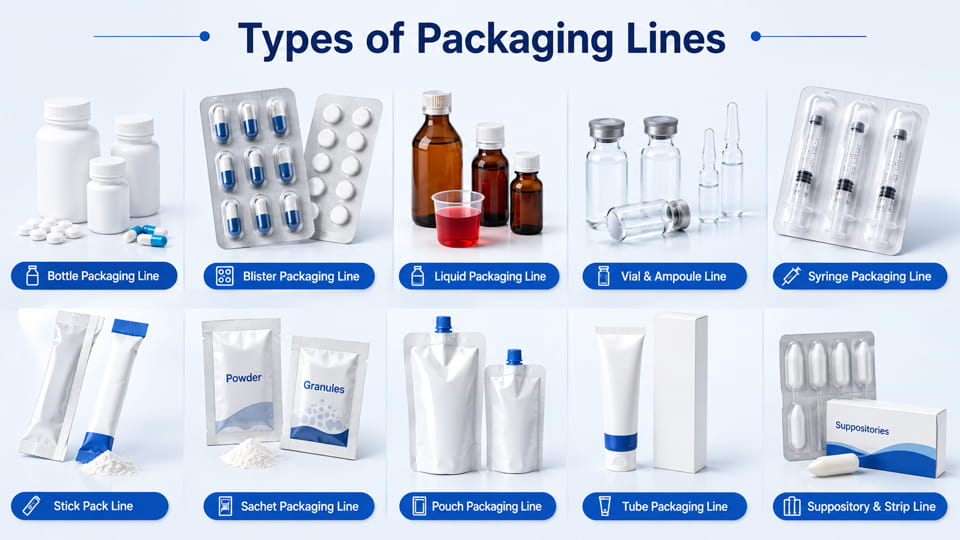
สายการบรรจุได้รับการปรับแต่งให้เหมาะกับประเภทผลิตภัณฑ์และรูปแบบบรรจุภัณฑ์. ประเภททั่วไป ได้แก่:
- ปริมาณของแข็ง (แท็บเล็ต/แคปซูล) เส้น: เส้นเหล่านี้ใช้กับยาเม็ดหรือแคปซูล. ส่วนประกอบทั่วไป: ผู้ถอดรหัส (ถ้าเป็นขวด), เครื่องนับ, ฟิลเลอร์ขวด, หรือ เครื่องตุ่ม, เม็ดมีดดูดความชื้น, เครื่องปิดฝา/เครื่องซีลแบบเหนี่ยวนำ, ผู้ติดฉลาก, ผู้บรรจุกล่อง, และ เครื่องบรรจุหีบห่อ. เส้นทึบอาจมีเลนขนานหลายเลนเพื่อเพิ่มปริมาณงาน.
- สายการบรรจุของเหลว: ออกแบบมาสำหรับน้ำเชื่อม, สารแขวนลอย, ฉีด, หรือน้ำมัน. อุปกรณ์ประกอบด้วย เครื่องซักผ้าขวด (สำหรับขวดที่ปลอดเชื้อ), ฟิลเลอร์ของเหลว (มักเป็นสารตัวเติมปลอดเชื้อสำหรับผลิตภัณฑ์ปลอดเชื้อ), เครื่องปิดฝา (ฝาเกลียวหรือฝาจีบ), และ ผู้ติดฉลาก. สำหรับยาฉีดฆ่าเชื้อ, เส้นเหล่านี้ทำงานภายในห้องปลอดเชื้อ (คลาสไอเอสโอ 5). ไลน์ของเหลวบางไลน์รวมการทำแห้งแบบเยือกแข็งเข้าด้วยกัน (การทำแห้งแบบแห้ง) หลังจากกรอก.
- สายการบรรจุภัณฑ์พุพอง: สำหรับการขึ้นรูปบรรจุภัณฑ์พุพองที่ขึ้นรูปด้วยความร้อนโดยเฉพาะ. เส้นตุ่มประกอบด้วย เครื่องเทอร์โมฟอร์มเมอร์แบบพุพอง, เครื่องป้อนผลิตภัณฑ์ (การจ่ายยาเม็ดเป็นแผลพุพอง), เครื่องปิดผนึกแผ่นหรือฟอยล์, และก สถานีตัดหรือเจาะ. บรรทัดเหล่านี้จะแสดงการ์ดพุพอง. ตามที่ระบุไว้, เครื่องตุ่มที่ทันสมัยรองรับการขึ้นรูป, การให้อาหาร, การปิดผนึก, และตัดได้ในขั้นตอนเดียว. เป็นเรื่องธรรมดาในร้านขายยา, โภชนเภสัช, และแม้กระทั่งขนม. “เครื่องบรรจุตุ่ม DPP-180Pro ของเราเหมาะสำหรับบรรจุภัณฑ์พุพองอะลูพลาสติกและอะลูอะลู, มีเอาท์พุตสูงถึง 4,800 ตุ่ม/ชั่วโมง”, แสดงให้เห็นเส้นพุพองความเร็วสูง.
- เส้นแพ็คซอง/สติ๊ก: สำหรับผงแพ็คเก็ตแบบเสิร์ฟเดี่ยว, เม็ด, ของเหลว, หรือเจล. สิ่งเหล่านี้มักจะใช้ Vffs (แบบฟอร์มกรอกแนวตั้ง) เครื่องที่สร้างถุงฟิล์ม, เติมผลิตภัณฑ์, และแมวน้ำ. Jinlu ติดเครื่องซอง (ซีรี่ส์ JL-VP) นำเสนอบรรจุภัณฑ์แบบหลายช่องทางสำหรับผง, เม็ด, ฯลฯ, ด้วยความแม่นยำ ±0.02g. เส้นซองเป็นที่นิยมในร้านขายยา (E.G. ปริมาณยาผง), อาหาร (เครื่องเทศ, เครื่องดื่มผสม), และเครื่องสำอาง (ครีม).
- ระบบปลายสาย: เหล่านี้รวมถึง เครื่องบรรจุกล่อง (การจัดกลุ่มผลิตภัณฑ์ลงในกล่องขนาดใหญ่), เครื่องปิดผนึกกรณี, เครื่องจัดเรียงพาเลท, และ เครื่องพันฟิล์มยืดอัตโนมัติ. ตัวอย่างเช่น, หลังจากบรรจุขวดยาลงกล่องแล้ว, เครื่องบรรจุกล่องอัตโนมัติสามารถมัดรวมเข้าด้วยกัน และเครื่องจัดเรียงพาเลทแบบหุ่นยนต์จะซ้อนกล่องไว้บนพาเลท. ระบบเหล่านี้ทำให้สายการผลิตสมบูรณ์โดยการเตรียมสินค้าบรรจุภัณฑ์สำหรับการขนส่งในคลังสินค้า.
แต่ละบรรทัดมีการปรับแต่ง. ก เส้นขวดขนาดแข็ง ดูแตกต่างจากก สายขวดของเหลว หรือก สายขนมของว่าง. ผู้ขายออกแบบลำดับของเครื่องจักรให้ตรงกับรูปแบบผลิตภัณฑ์, วัสดุบรรจุภัณฑ์ (ขวด, กระเป๋า, พุพอง, กล่องกระดาษ), ความเร็ว, และพื้นที่.
ประโยชน์ของสายการบรรจุอัตโนมัติ
การทำให้สายการบรรจุของคุณเป็นแบบอัตโนมัติให้ประโยชน์มากมาย:
- ผลผลิตที่สูงขึ้น: เครื่องจักรทำงาน 24/7 ด้วยความเร็วสูง. สายการผลิตแบบอัตโนมัติเต็มรูปแบบสามารถบรรจุปริมาณการปฏิบัติงานแบบแมนนวลได้หลายเท่า, ตอบสนองความต้องการที่เพิ่มขึ้นโดยไม่ต้องเพิ่มพนักงาน.
- การออมแรงงาน: สายการผลิตอัตโนมัติต้องการผู้ปฏิบัติงานน้อยลง. เป็นบันทึกบล็อกหนึ่ง, “หนึ่งในพื้นที่ที่ง่ายที่สุดในการทำให้เป็นอัตโนมัติคือสายการบรรจุ”. สิ่งนี้ทำให้พนักงานมีอิสระสำหรับงานที่มีมูลค่าสูงกว่า.
- ความสม่ำเสมอ & คุณภาพ: เครื่องจักรทำงานซ้ำๆ กัน. ไม่เหมือนมนุษย์, หุ่นยนต์ไม่เบื่อ. สิ่งนี้นำไปสู่การเติมที่สม่ำเสมอ, แรงบิด, และห่อทุกครั้ง, ลดข้อบกพร่องและการเรียกคืน.
- ลดของเสีย & ข้อผิดพลาด: การบรรจุและการนับที่แม่นยำช่วยลดการแจกแจงผลิตภัณฑ์. ข้อผิดพลาด เช่น การนับผิดหรือตัวพิมพ์ใหญ่ที่อยู่นอกศูนย์กลางจะลดลงอย่างมาก. ในด้านเภสัชกรรม, นี่หมายถึงความล้มเหลวของแบตช์น้อยลง.
- ความปลอดภัยที่ได้รับการปรับปรุง: การจัดการบรรจุภัณฑ์ที่หนักและวัสดุปลอดเชื้อโดยใช้คนน้อยลงจะช่วยลดการบาดเจ็บของพนักงานและความเสี่ยงในการปนเปื้อน. ในพื้นที่ปลอดเชื้อ, ตอนนี้หุ่นยนต์แบบ “หมดไฟ” จัดการกับการเติมเพื่อปรับปรุงความเป็นหมัน.
- การติดตามที่ดีขึ้น & การปฏิบัติตาม: เส้นอัตโนมัติสามารถรวมการพิมพ์และการสแกนแบบอนุกรมได้อย่างง่ายดาย. เครื่องบรรจุภัณฑ์ในปัจจุบันมักทำหน้าที่เป็น ฮับข้อมูล, การสร้างและการตรวจสอบ ID ที่ไม่ซ้ำกันในทุกหน่วย. ซึ่งเป็นไปตามกฎระเบียบเช่น US DSCSA และ EU FMD, ซึ่งต้องมีการตรวจสอบย้อนกลับในระดับหน่วย. (โดย 2026, “เครื่องบรรจุภัณฑ์ยาทุกเครื่องกำลังกลายเป็นศูนย์กลางข้อมูล” สำหรับการออกหมายเลขกำกับ)
- ทรัพยากรที่ปรับให้เหมาะสม: เครื่องจักรใช้วัสดุ (ฉลาก, ฟิล์ม, ฟิล์ม) มีประสิทธิภาพมากขึ้น. ตัวอย่างเช่น, ความตึงของการพันด้วยการยืดที่สม่ำเสมอบนพาเลทจะช่วยลดการใช้ฟิล์ม.
- ความยืดหยุ่น: เส้นอัตโนมัติสามารถอัพเกรดหรือขยายได้. เช่น, การเพิ่มเลนคู่ขนานหรือบรรทัดที่สองจะเพิ่มปริมาณงานเป็นสองเท่าได้อย่างง่ายดาย. เส้นสมัยใหม่หลายเส้นเป็นแบบแยกส่วน.
- โซลูชั่นแบบครบวงจรแบบครบวงจร: ผู้ขายเช่นข้อเสนอของ Jinlu เส้นแบบครบวงจร – ระบบบูรณาการเต็มรูปแบบที่ปรับให้เหมาะกับแผนผังโรงงาน, ความจุ, และการปฏิบัติตาม. Jinlu ตั้งข้อสังเกตว่าเราพัฒนา "สายการบรรจุหีบห่อที่เหมาะกับความต้องการของโรงงานของคุณ, พื้นที่สิ่งอำนวยความสะดวก, กำลังการผลิต, และข้อเรียกร้องอื่นๆ”. ซึ่งหมายความว่าคุณจะได้รับความสมบูรณ์, ทดสอบสายแทนที่จะประกอบเครื่องจักรเข้าด้วยกัน.
ในทางตรงกันข้าม, สายการผลิตแบบแมนนวลหรือการตั้งค่ากึ่งอัตโนมัติต้องอาศัยพนักงานจำนวนมากและช้ากว่า, ซึ่งมีความเสี่ยงเมื่อความต้องการพุ่งสูงขึ้นหรือค่าแรงเพิ่มขึ้น. โดยรวม, ระบบอัตโนมัติช่วยเพิ่มประสิทธิภาพและ ROI, แม้ว่าเงินลงทุนเริ่มแรกจะสูงกว่าก็ตาม.
การใช้งานในอุตสาหกรรม
สายการบรรจุภัณฑ์ถูกนำมาใช้ในหลายอุตสาหกรรม:
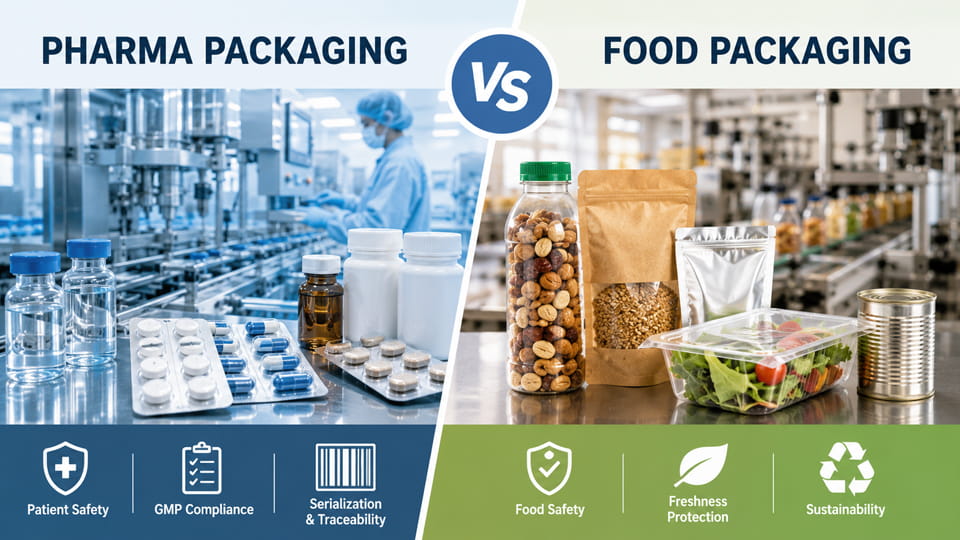
- เภสัชกรรม & โภชนเภสัช: ทุกโรงงานมีไลน์บรรจุภัณฑ์สำหรับแท็บเล็ต, แคปซูล, น้ำเชื่อม, การฉีดยา, ขี้ผึ้ง, ฯลฯ. ในด้านเภสัชกรรม, เข้มงวด GMP กฎระเบียบ (21 ซีเอฟอาร์ 211 ในสหรัฐอเมริกา) ครอบคลุมการควบคุมบรรจุภัณฑ์. สายการบรรจุต้องรับรองเอกลักษณ์ของยา, ความแข็งแกร่ง, ความบริสุทธิ์, และคุณภาพ. ตัวอย่างเช่น, ส่วนผสมทางเภสัชกรรมที่ใช้งานอยู่ (API) จะต้องเก็บไว้ให้ปราศจากการปนเปื้อนข้าม.
- อาหาร & เครื่องดื่ม: เส้นบรรจุขวดเครื่องดื่ม (น้ำ, โซดา, น้ำผลไม้), ซอส, เครื่องเทศ (แพ็คติด), ของว่าง, ลูกกวาด, นม, และอีกมากมาย. ใช้หลักการเดียวกัน: ความเร็วสูง, สุขอนามัย, และความแม่นยำของฉลาก.
- เครื่องสำอาง & การดูแลส่วนบุคคล: ครีม, โลชั่น, แชมพู, และน้ำหอมก็บรรจุขวด, ต่อยอด, และติดฉลากบนสายการบรรจุ. เครื่องถอดรหัส, ฟิลเลอร์, เครื่องปิดผนึก, และผู้ติดฉลากรับรองว่าผลิตภัณฑ์เป็นไปตามมาตรฐานการสร้างแบรนด์และความปลอดภัย.
- เคมี & ผลิตภัณฑ์ในครัวเรือน: สารทำความสะอาด, ผงซักฟอก, น้ำมัน, และสารเคมีอื่นๆ ใช้สายการบรรจุ (มักจะมีอุปกรณ์การจัดการและทำความสะอาดวัสดุพิเศษ).
- พิเศษ (เทคโนโลยีชีวภาพ, การวินิจฉัย, ฯลฯ): ผลิตภัณฑ์เทคโนโลยีชีวภาพปลอดเชื้อ (วัคซีน, ชีววิทยา) ถูกบรรจุในสายการบรรจุสูง; ส่วนประกอบอุปกรณ์การแพทย์ยังใช้เครื่องบรรจุที่ทันสมัย. เครื่องถอดรหัสบันทึก Jinlupacking เป็นที่นิยมในด้านเภสัชกรรม, เทคโนโลยีชีวภาพ, อาหาร/เครื่องดื่ม, เครื่องสำอาง, และอุตสาหกรรมเคมี.
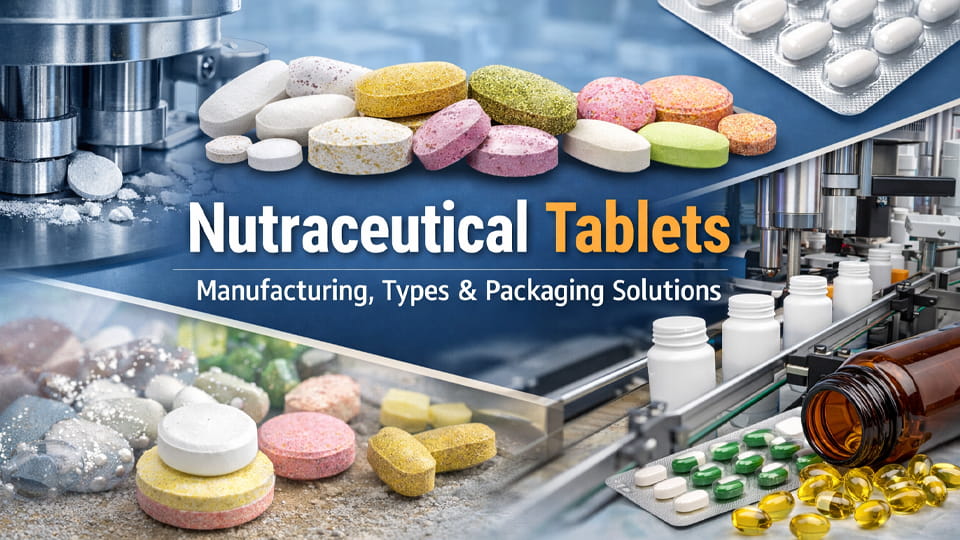
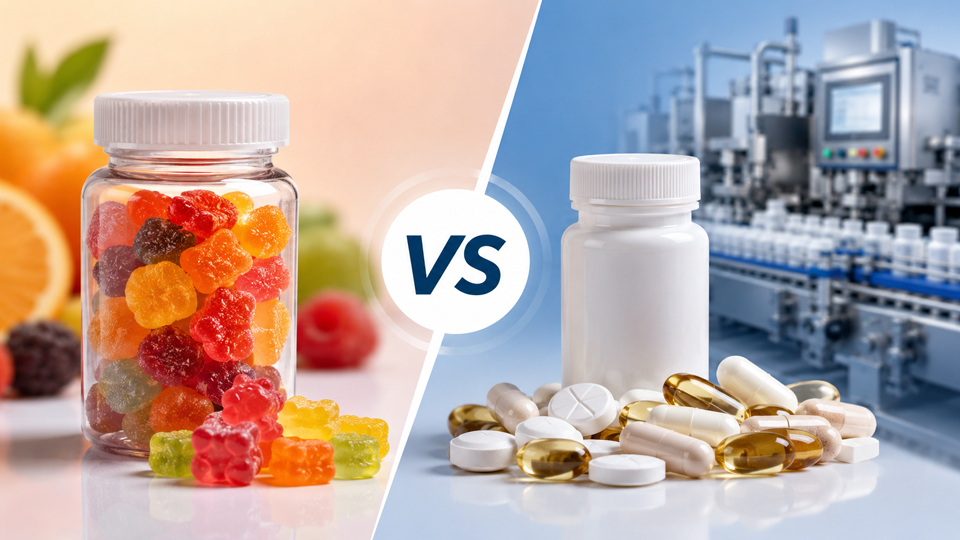
- โภชนเภสัช & อาหารเสริม: วิตามินและอาหารเสริม (แท็บเล็ต, กัมมี่, ผง) มักจะแชร์อุปกรณ์กับเภสัช, มุ่งเน้นไปที่การให้ยาและบรรจุภัณฑ์ที่สวยงาม.
ในระยะสั้น, อุตสาหกรรมใด ๆ ที่ต้องการปริมาณมาก, บรรจุภัณฑ์ที่สม่ำเสมอจะได้รับประโยชน์. การเลือกสายการผลิตขึ้นอยู่กับรูปแบบผลิตภัณฑ์: เช่น, แท็บเล็ตเทียบกับ. น้ำเชื่อมเทียบกับ. ผงเครื่องดื่มผสม.
วิธีการเลือกสายการบรรจุที่เหมาะสม
การเลือกสายการบรรจุที่เหมาะสมถือเป็นสิ่งสำคัญ. ปัจจัยสำคัญที่ต้องพิจารณา:
- ลักษณะผลิตภัณฑ์: คุณกำลังบรรจุภัณฑ์อะไร? (แท็บเล็ต, แคปซูล, ของเหลว, แปะ, ผง, ฯลฯ) สิ่งนี้จะกำหนดว่าคุณต้องการเครื่องใด (E.G. เคาน์เตอร์แคปซูลเทียบกับ. vs ฟิลเลอร์เหลว. เครื่องซีลซอง).
- รูปแบบบรรจุภัณฑ์: ขวด, ขวด, บัตรตุ่ม, กระเป๋า, กล่อง? แต่ละรูปแบบต้องใช้อุปกรณ์พิเศษ.
- ความเร็ว & ปริมาณ: ปริมาณงานที่ต้องการ (E.G. ขวด/ชั่วโมง) ควรตรงกับความจุของสาย. เกิน- หรือความเร็วที่ต่ำกว่าที่กำหนดอาจทำให้เสียเงินหรือสร้างปัญหาคอขวดได้.
- พื้นที่และเค้าโครง: รอยเท้าของสายการผลิตจะต้องพอดีกับโรงงานของคุณ. ระบบสายพานลำเลียงและโซนความปลอดภัยจำเป็นต้องตรวจสอบแผนผังชั้น. Jinlu เน้นย้ำว่าเราออกแบบลายเส้นโดยรอบ พื้นที่สิ่งอำนวยความสะดวก.
- ระดับอัตโนมัติ: ตัดสินใจเลือกระบบอัตโนมัติเต็มรูปแบบเทียบกับ. กึ่ง. ระบบอัตโนมัติเต็มรูปแบบเหมาะอย่างยิ่งสำหรับ 24/7 เส้นปริมาณสูง, แต่โรงงานขนาดเล็กอาจเริ่มระบบกึ่งอัตโนมัติ (ขั้นตอนแบบแมนนวลบางอย่าง) เพื่อประหยัดค่าใช้จ่าย.
- การปฏิบัติตามกฎระเบียบ: ตรวจสอบให้แน่ใจว่าเครื่องจักรตรงตามมาตรฐาน GMP/CE/ISO (E.G. cGMP สำหรับเภสัชกรรม, 21 ซีเอฟอาร์ 211 สำหรับบรรจุยา). มองหาซัพพลายเออร์ที่มีใบรับรองและประสบการณ์ที่เกี่ยวข้อง.
- ความยืดหยุ่น & การเปลี่ยนแปลง: หากคุณบรรจุผลิตภัณฑ์หลายรายการ, ความสะดวกของ การเปลี่ยนแปลง เป็นสิ่งสำคัญ. เครื่องบางเครื่องสามารถเปลี่ยนขนาดได้อย่างรวดเร็ว (ตัวป้อนแบบปรับได้, ชิ้นส่วนโมดูลาร์).
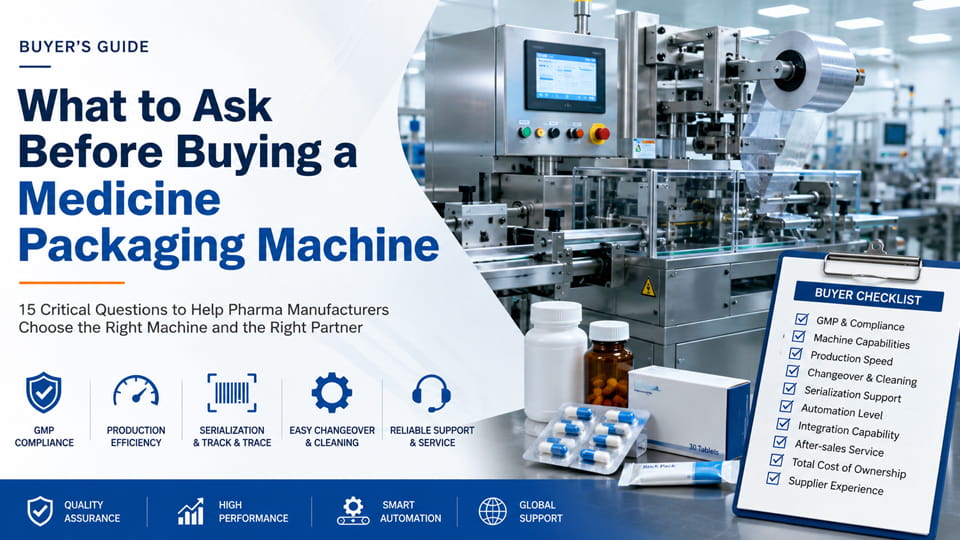
- งบประมาณ & TCO: พิจารณาไม่เพียงแค่ราคาซื้อ แต่รวมถึงต้นทุนการเป็นเจ้าของทั้งหมดด้วย (TCO). เครื่องจักรที่ถูกกว่าอาจมีเวลาหยุดทำงานมากขึ้นหรือต้องใช้ผู้ปฏิบัติงานที่มีทักษะ. ประเมินการรับประกัน, สนับสนุน, ค่าบำรุงรักษา.
- ความเชี่ยวชาญของซัพพลายเออร์: ทำงานร่วมกับผู้ขายที่มีประสบการณ์. พวกเขา, ตัวอย่างเช่น, นำเสนอโซลูชั่นแบบครบวงจรและ 24/7 การสนับสนุนด้านเทคนิค. ตรวจสอบการอ้างอิงและข้อตกลงการบริการ.
- ความยืดหยุ่น & ความต้องการในอนาคต: เลือกบรรทัดที่สามารถขยายหรืออัปเกรดได้ (E.G. เพิ่มเลน, รวมการทำให้เป็นอนุกรม) เมื่อธุรกิจของคุณเติบโตขึ้น.
- ข้อกำหนดในการบูรณาการ: สายการผลิตสมัยใหม่มักจำเป็นต้องเชื่อมโยงกับระบบ MES/ERP ของโรงงานหรือฐานข้อมูลซีเรียลไลซ์. ตรวจสอบระบบควบคุม (PLC, HMI) เข้ากันได้กับโครงสร้างพื้นฐานด้านไอทีของคุณ.
ในทางปฏิบัติ, การเลือกสายการบรรจุมักกระทำโดยทีมงานข้ามสายงาน (วิศวกรรม, ประกันคุณภาพ, การดำเนินงาน). ปรึกษากับผู้เชี่ยวชาญด้านเครื่องจักรหรือดำเนินการ การทดสอบการยอมรับของโรงงาน (อ้วน) สามารถตรวจสอบประสิทธิภาพของสายการผลิตก่อนซื้อได้.
บทสรุป
โดยสรุป, อัน สายการบรรจุ เป็นสิ่งที่ซับซ้อน, ระบบบูรณาการของเครื่องจักรที่นำผลิตภัณฑ์จากเทกองไปสู่สินค้าบรรจุหีบห่อพร้อมจัดส่ง. ในอุตสาหกรรมยา, สายการบรรจุภัณฑ์จัดการกับแท็บเล็ต, แคปซูล, ของเหลว, ขวด, ครีม, และอื่นๆ อีกมากมาย — ทั้งหมดอยู่ภายใต้การควบคุม GMP ที่เข้มงวด. โดยปรับขั้นตอนการให้อาหารอัตโนมัติ, การกรอก, สูงสุดที่กำหนด, การติดฉลาก, การบรรจุกล่อง, และการจัดวางบนพาเลท, ผู้ผลิตบรรลุความเร็วที่สูงขึ้น, ลดต้นทุนค่าแรง, คุณภาพที่ดีขึ้น, และสามารถตรวจสอบย้อนกลับได้ครบถ้วน.
การเลือกสายการบรรจุที่เหมาะสมจะต้องสอดคล้องกับประเภทผลิตภัณฑ์ของคุณ, ข้อกำหนดความเร็ว, และความต้องการการปฏิบัติตามข้อกำหนดกับอุปกรณ์ที่เหมาะสม. ซัพพลายเออร์ชั้นนำ (เช่น Jinlupacking) นำเสนอโซลูชั่นแบบครบวงจร, ปรับแต่งแต่ละสายการผลิตให้เข้ากับแผนผังโรงงานและมาตรฐานด้านกฎระเบียบ. มองไปข้างหน้า, คุณสมบัติโรงงานอัจฉริยะ (การเชื่อมต่อไอโอที, วิสัยทัศน์ของเอไอ, การบำรุงรักษาเชิงคาดการณ์) และความยั่งยืนจะขับเคลื่อนสายการบรรจุไปสู่ประสิทธิภาพและความปลอดภัยที่ดียิ่งขึ้น.
ไม่ว่าคุณจะต้องการสายการผลิตนับเม็ดยาความเร็วสูงหรือไม่, สายการผลิตบรรจุภัณฑ์พุพองและการบรรจุหีบห่อแบบครบวงจร, หรือโซลูชันบรรจุภัณฑ์ยาแบบครบวงจรที่ปรับแต่งตามความต้องการ, คุณยังสามารถ ติดต่อทีมงานของเรา เพื่อค้นหาโซลูชั่นที่เหมาะสมสำหรับความต้องการในการผลิตของคุณ. ที่มีมากกว่า 30 ประสบการณ์หลายปีในอุตสาหกรรม, การสนับสนุนด้านวิศวกรรมที่กำหนดเอง, บริการตอบสนองที่รวดเร็ว, และประสบการณ์การติดตั้งระดับโลก, Jinlu Packing ช่วยให้ผู้ผลิตยาและโภชนเภสัชปรับปรุงประสิทธิภาพและลดการหยุดทำงานด้วยอุปกรณ์สายการบรรจุที่เชื่อถือได้.
คำถามที่พบบ่อยเกี่ยวกับสายการบรรจุ
สายการบรรจุภัณฑ์คืออะไร?
สายการบรรจุคือลำดับที่เชื่อมต่อกันของเครื่องจักรที่ใช้ในการบรรจุผลิตภัณฑ์เพื่อการจัดเก็บและการขาย. โดยทั่วไปจะมีเครื่องจักรสำหรับป้อนผลิตภัณฑ์ด้วย, การเติมหรือการให้ยา, การปิดผนึก/สูงสุดที่กำหนด, กำลังตรวจสอบ, การติดฉลาก, การบรรจุกล่อง, และการจัดวางบนพาเลท. ในด้านเภสัชกรรม, สายการบรรจุอาจเริ่มต้นด้วยเครื่องแยกขวดและสิ้นสุดด้วยเครื่องจัดเรียงพาเลท. แต่ละเครื่องจะดำเนินการหนึ่งขั้นตอนโดยอัตโนมัติ, ดังนั้นทั้งระบบจึงเปลี่ยนผลิตภัณฑ์ที่หลวม (เช่น ยาเม็ดหรือของเหลวจำนวนมาก) เข้าไปเรียบร้อยแล้ว, ชนิดบรรจุกล่อง, และสินค้าวางบนพาเลทพร้อมส่ง.
เครื่องจักรใดบ้างที่รวมอยู่ในสายการบรรจุยา?
เครื่องหลักได้แก่: เครื่องถอดรหัส (จัดเรียงขวด/แคปซูลลงบนเส้น); เคาน์เตอร์/ฟิลเลอร์ (ปริมาณยาเม็ดหรือของเหลวอย่างแม่นยำ); เครื่องแคปเปอร์/เครื่องซีล (ขันฝาปิดหรือฝาฟอยล์ปิดผนึกให้แน่น); ผู้ติดฉลาก (ติดฉลากผลิตภัณฑ์); ผู้บรรจุกล่อง (บรรจุสิ่งของลงในกล่อง); และเครื่องบรรจุหีบห่อ/พาเลท (จัดกลุ่มกล่องเป็นกล่องและซ้อนกันบนพาเลท). อุปกรณ์อื่นๆ อาจรวมถึงเครื่องตรวจจับโลหะด้วย, เครื่องตรวจสอบน้ำหนักบนสายพาน, และระบบตรวจสอบด้วยภาพเพื่อให้มั่นใจในคุณภาพ. รายการสินค้าที่แน่นอนขึ้นอยู่กับรูปแบบผลิตภัณฑ์ (แท็บเล็ต vs ของเหลว vs ตุ่ม vs ซอง).
การทำให้สายการบรรจุแบบอัตโนมัติช่วยปรับปรุงประสิทธิภาพได้อย่างไร?
ระบบอัตโนมัติช่วยเพิ่มผลผลิตได้อย่างมาก. เครื่องจักรทำงานเร็วกว่ามนุษย์และสามารถทำงานได้อย่างต่อเนื่อง. นอกจากนี้ยังลดข้อผิดพลาดอีกด้วย: เครื่องนับและตัวเติมอัตโนมัติทำให้แต่ละหน่วยมีคุณสมบัติตรงตามข้อกำหนดที่แน่นอน. ระบบอัตโนมัติช่วยลดการใช้แรงงานคนและความเหนื่อยล้าซ้ำๆ, ปรับปรุงความปลอดภัยและความสม่ำเสมอ. ตัวอย่างเช่น, หุ่นยนต์สามารถซ้อนกล่องได้อย่างแม่นยำหลังจากนั้น 8 ชั่วโมง ณ จุดเริ่มต้น, และระบบการมองเห็นจะตรวจจับข้อบกพร่องได้ทันที. โดยรวม, สายการผลิตแบบอัตโนมัติจะบรรจุผลิตภัณฑ์ได้มากขึ้นโดยมีคนน้อยลงและมีข้อผิดพลาดน้อยลง, ให้ผลตอบแทนการลงทุนที่รวดเร็ว.
สายการบรรจุแบบครบวงจรคืออะไร?
สายการผลิตบรรจุภัณฑ์แบบครบวงจรเสร็จสมบูรณ์แล้ว, ระบบพร้อมใช้งานที่จัดส่งโดยซัพพลายเออร์รายเดียว. แทนที่จะซื้อเครื่องจักรทีละน้อย, คุณจะได้รับโซลูชันแบบครบวงจรที่ออกแบบมาเพื่อความต้องการของคุณ. รวมถึงอุปกรณ์, การติดตั้ง, บูรณาการ, และการตรวจสอบ. ผู้ให้บริการแบบครบวงจร (เช่น Jinlupacking) ออกแบบลำดับของเครื่องจักรแบบกำหนดเอง, รับรองว่าพวกเขาทำงานร่วมกันและตอบสนองความสามารถของคุณ, ช่องว่าง, และข้อกำหนดการปฏิบัติตาม. สิ่งนี้จะช่วยเพิ่มความคล่องตัวในการจัดการโครงการและช่วยให้การเริ่มต้นทำงานราบรื่น.
ฉันจะเลือกสายการบรรจุที่เหมาะสมสำหรับผลิตภัณฑ์ของฉันได้อย่างไร?
พิจารณาปัจจัยเหล่านี้: ประเภทผลิตภัณฑ์ (ของแข็งกับของเหลวกับผง), รูปแบบแพ็คเกจ (ขวด, กระเป๋า, พุพอง, ฯลฯ), ความเร็วที่ต้องการ (หน่วยต่อนาที/ชั่วโมง), พื้นที่ชั้น, งบประมาณ, และความต้องการด้านกฎระเบียบ. สำหรับเภสัชภัณฑ์, การปฏิบัติตาม GMP เป็นสิ่งสำคัญ. พูดคุยถึงความต้องการของคุณกับวิศวกรบรรจุภัณฑ์. พวกเขาจะเสนอเค้าโครงไลน์และเครื่องจักรที่ตรงกับเป้าหมายปริมาณและคุณภาพของคุณ. นอกจากนี้ยังควรวางแผนสำหรับการเติบโตในอนาคตด้วย: เลือกสายโมดูลาร์ที่สามารถขยายขนาดหรือกำหนดค่าใหม่ได้.
สายการบรรจุสนับสนุนการปฏิบัติตามกฎระเบียบในเภสัชภัณฑ์อย่างไร?
สายการบรรจุสนับสนุนการปฏิบัติตามกฎระเบียบโดยการควบคุมและจัดทำเอกสารแต่ละขั้นตอน. เครื่องจักรสามารถใช้หมายเลขล็อตและวันหมดอายุได้โดยอัตโนมัติ, และระบบสแกนซีเรียลไลซ์จะบันทึกรหัสของแต่ละหน่วย. การบรรจุและปิดฝาอัตโนมัติช่วยให้มั่นใจได้ถึงความสม่ำเสมอของปริมาณยา (สำหรับอย 21 ซีเอฟอาร์ 211). ติดตามได้เต็มรูปแบบ (กำหนดโดย DSCSA และ EU FMD) สามารถทำได้โดยการกำหนด ID ที่ไม่ซ้ำกันให้กับทุกแพ็คเกจและเก็บบันทึกทางอิเล็กทรอนิกส์. ในสาระสำคัญ, สายการบรรจุที่ทันสมัยได้รับการออกแบบเพื่อให้ตรงตามมาตรฐาน GMP และการออกหมายเลขกำกับตั้งแต่แกะกล่อง.
สายการบรรจุภัณฑ์จะจัดการกับการออกหมายเลขกำกับและการตรวจสอบย้อนกลับได้อย่างไร?
สายการผลิตในปัจจุบันรวมเอาเครื่องพิมพ์บาร์โค้ด/โค้ด 2D และเครื่องอ่านเข้าด้วยกัน. สำหรับเภสัชภัณฑ์, แต่ละหน่วยที่ขายได้จะได้รับรหัส DataMatrix ที่ไม่ซ้ำกัน. วิชันซิสเต็มไลน์จะอ่านโค้ดทันทีหลังการพิมพ์. หากรหัสไม่สามารถอ่านหรือทำซ้ำได้, หน่วยนั้นจะถูกดีดออกโดยอัตโนมัติ. ข้อมูล (หมายเลขซีเรียล, การประทับเวลา, ข้อมูลสาย) ถูกส่งไปยังฐานข้อมูลการตรวจสอบย้อนกลับ. สิ่งนี้ทำให้มั่นใจได้ถึงห่วงโซ่การดูแลเต็มรูปแบบ. ปัจจุบันเครื่องบรรจุภัณฑ์จำนวนมากมาพร้อมกับโมดูลการออกหมายเลขกำกับในตัวเพื่อให้สอดคล้องกับกฎระเบียบสากล.
อะไรคือข้อดีหลักของการอัพเกรดจากสายการบรรจุแบบแมนนวลไปเป็นสายการบรรจุแบบอัตโนมัติ?
การอัพเกรดนำมาซึ่งปริมาณงานและความสม่ำเสมอที่สูงขึ้น, ตามที่กล่าวไว้ข้างต้น. นอกจากนี้ยังปรับปรุงความปลอดภัยในสถานที่ทำงานและลดต้นทุนแรงงานในระยะยาว. เส้นอัตโนมัติสามารถวิ่งได้ตลอด 24 ชั่วโมง, ช่วยให้สามารถออกสู่ตลาดได้อย่างรวดเร็ว. นอกจากนี้, ข้อมูลแบบเรียลไทม์จากอุปกรณ์อัจฉริยะช่วยให้ผู้จัดการเข้าใจถึงประสิทธิภาพการผลิต (E.G. ตัวชี้วัด OEE). ข้อดีเหล่านี้มักจะพิสูจน์ให้เห็นถึงการลงทุน, โดยเฉพาะอย่างยิ่งในอุตสาหกรรมที่ได้รับการควบคุมซึ่งคุณภาพไม่สามารถลดลงได้.
อ้างอิง:
1.การพัฒนาเภสัชภัณฑ์ Q8(R2) -- ฉัน
2.ยูดราเล็กซ์ – ปริมาณ 4 – แนวปฏิบัติที่ดีในการผลิต (GMP) หลักเกณฑ์ —— ภาคผนวก GMP ของสหภาพยุโรป 15
3.ส่วนที่ 211 แนวทางปฏิบัติที่ดีในการผลิตยาสำเร็จรูปในปัจจุบัน —— ecfr.gov
4.คู่มือมาตรฐานสำหรับข้อกำหนด, ออกแบบ, และการตรวจสอบระบบและอุปกรณ์การผลิตยาและชีวเภสัชภัณฑ์ —— มาตรฐาน ASTM