×

บริการออนไลน์

💌 วอทส์แอพพ์: +86 1801179332
💡
  • บ้าน
  • บล็อก
  • เครื่องกำจัดฝุ่นแท็บเล็ตปรับปรุงคุณภาพแท็บเล็ตยาและประสิทธิภาพการผลิตได้อย่างไร

เครื่องกำจัดฝุ่นแท็บเล็ตปรับปรุงคุณภาพแท็บเล็ตยาและประสิทธิภาพการผลิตได้อย่างไร

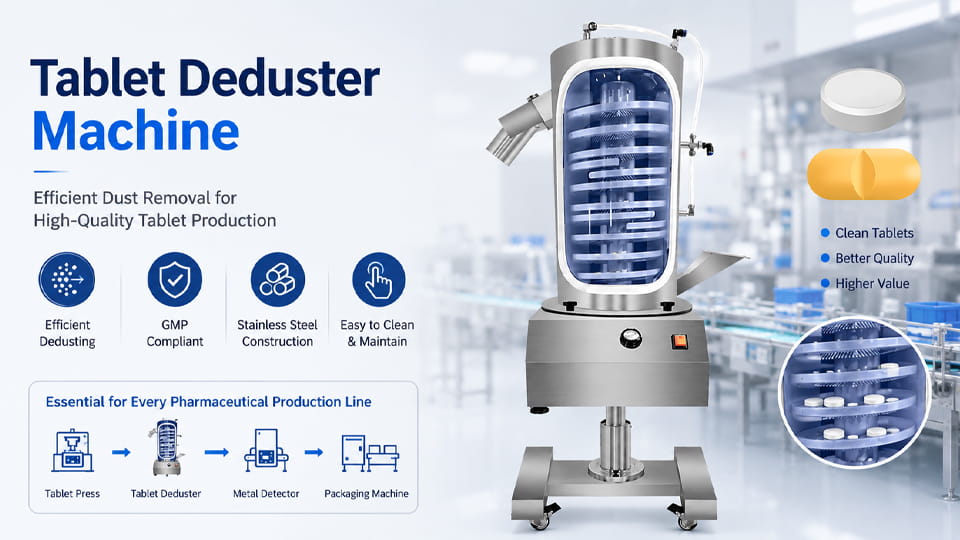
Tablet deduster machines are essential in pharmaceutical production lines to remove excess powder and debris from tablets immediately after compression. By mechanically agitating and conveying tablets through perforated trays with vacuum extraction, dedusters strip off surface dust, improving tablet appearance and preventing contamination. This ensures better product quality, compliance with FDA/EMA GMP standards, and smoother downstream processing (E.G. coating or blister sealing). Modern dedusters (often made of SUS304/316L สแตนเลส) may integrate เครื่องตรวจจับโลหะ for dual dust- and impurity-control. This guide explains how tablet dedusters work, their main types, ประโยชน์, และเกณฑ์การคัดเลือก, with a focus on Jinlu Packing’s pharmaceutical-grade solutions.

เครื่องกำจัดฝุ่นแท็บเล็ต


What Is a Tablet Deduster Machine?

A tablet deduster is a post-press cleaning device in solid dosage manufacturing. It is typically installed between the กดแท็บเล็ต และอุปกรณ์ปลายน้ำ (coating or packaging machines). The deduster’s job is to separate off any loose dust, เศษ, or sub‑standard tablets before packaging. ในทางปฏิบัติ, tablets fall from the press into the deduster’s feed hopper. ข้างใน, they pass over vibrating perforated trays or screens. The vibration (or a gentle helical conveyor) agitates the tablets, shaking dust and small particles free from all surfaces. พร้อมกัน, a vacuum or air jet system draws the dislodged powder out of the chamber for collection. The end result is clean, dust-free tablets that continue down the line.

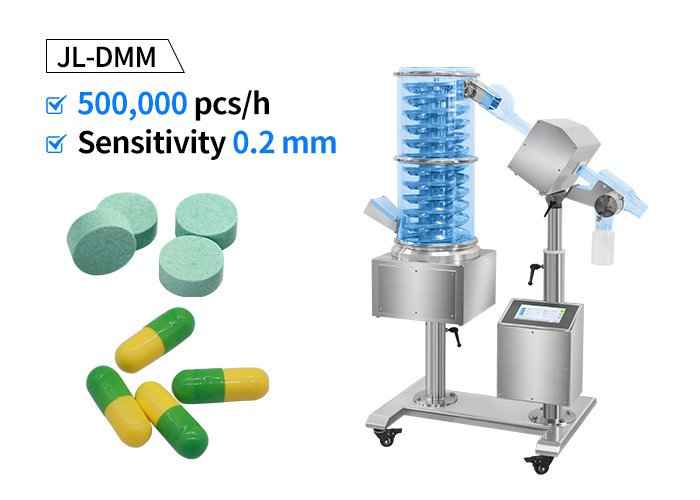
Tablet dedusters are built to strict pharmaceutical standards: สแตนเลสเกรดอาหาร (typically SUS304 or SUS316L) construction ensures no contamination. They often feature easy‑release trays and covers for cleaning (CIP/WIP design) and user-friendly controls. บางรุ่น, เหมือนของจินลู่ เครื่องกำจัดแท็บเล็ตพร้อมเครื่องตรวจจับโลหะ, integrate a metal scanner in the same module. This combined machine not only removes dust but also rejects any tablet containing metal debris, providing two layers of quality control in one compact unit.

เครื่องกำจัดแท็บเล็ตพร้อมเครื่องตรวจจับโลหะ

รูป: ก tablet deduster machine (with integrated metal detector) removes excess powder from tablets after pressing.


How Does a Tablet Deduster Machine Work?

The dedusting process generally involves four stages:

  • Feeding Stage: Tablets are fed into the deduster from the tablet press through a hopper or chute. (Some systems use screw feeders or gravity chutes to ensure a steady flow.) The goal is to spread tablets evenly into the unit’s vibratory conveyor.
  • Vibration & Conveying: Inside the deduster, tablets move along a perforated path (often a spiral or inclined tray) while being gently vibrated. This agitation helps shake loose fine powder. ในหลายแบบ (including Jinlu’s), the tablets climb a helical perforated column and naturally spin as they rise. This top‑spinning motion ensures all tablet surfaces contact the mesh, maximizing dust removal. Vibrating or screw-driven movement also sorts out broken, ไม่สม่ำเสมอ, or lightweight tablets, preventing them from continuing downstream.
  • Dust Separation & การสกัด: As dust is dislodged by the vibration and rotation, a vacuum extraction system immediately captures it. High-quality dedusters have built-in HEPA filters or exhaust fans that suck the loose powder out of the chamber. The dust is collected in a sealed container or filter bag, keeping it out of the production area. This ensures the process is clean and that no new particulates enter the stream.
  • Tablet Discharge: After passing through the vibratory screens, the cleaned tablets exit the machine via a discharge chute or conveyor to the next process (การเคลือบ, inspection or packaging). Thanks to the dedusting step, the downstream operations receive uniformly clean tablets that improve coating adhesion, packaging seal quality, and visual inspection accuracy. By this point, tablets are essentially dust-free and ready for final handling.

ด้วยกัน, these steps maintain tablet integrity while achieving thorough cleaning. Modern machines often log operating parameters (ความเร็ว, vacuum pressure, fault data) to meet FDA 21 CFR Part 11 ข้อกำหนดสำหรับบันทึกอิเล็กทรอนิกส์.

[jl_youtube src=”https://www.youtube.com/embed/U1KbW9XeHK8″]


Main Types of Tablet Deduster Machines

Tablet dedusters are commonly classified based on their conveying structure and dust removal method. ในการผลิตยา, the three main types are horizontal dedusters, vertical dedusters, and brush-type dedusters.

Horizontal Tablet Deduster

Horizontal tablet dedusters use a vibrating perforated plate or tube to move tablets forward while separating dust and fine particles. The loosened powder falls through the perforated surface and is removed by a vacuum system.

These machines have a simple structure, ต้นทุนต่ำ, and easy operation, making them suitable for small-scale production or traditional tablet manufacturing lines. อย่างไรก็ตาม, they usually offer shorter residence time and lower dedusting efficiency, especially in high-speed production environments. Their larger floor space requirement also limits integration with modern automated packaging lines.

Vertical Tablet Deduster

Vertical tablet dedusters are the most widely used type in modern pharmaceutical production. They use controlled vibration to move tablets through a spiral pathway while continuously removing dust and burrs.

Compared with horizontal machines, vertical dedusters provide longer conveying paths, better dust removal performance, smaller footprints, and easier integration with metal detectors, เครื่องบรรจุหีบห่อ, and bottle filling lines.Vertical tablet dedusters are generally divided into two subtypes:

  • Downward Conveying Vertical Deduster: In downward conveying systems, tablets move downward through vertically arranged perforated trays or channels with the assistance of gravity. The operating principle is similar to that of horizontal dedusters, but the vertical structure allows for a more compact installation layout.These machines can provide stable dedusting performance for certain production applications, but their conveying flexibility and downstream integration capability are relatively limited. Compared with upward conveying systems, the tablet residence time is shorter, which may reduce dedusting efficiency in high-speed pharmaceutical production environments.As a result, downward conveying dedusters are less commonly used in newer automated pharmaceutical facilities.
  • Upward Conveying (Uphill) แท็บเล็ต deduster: Upward conveying tablet dedusters — also called uphill tablet dedusters — are currently the most widely used type in modern pharmaceutical production lines.These systems use controlled vibration to move tablets upward along a spiral perforated pathway. During the conveying process, tablets gently tumble and rub against each other, helping loosen fine powder and edge burrs from the tablet surface. ในเวลาเดียวกัน, a vacuum extraction system continuously removes separated dust from the machine chamber.One major advantage of upward conveying systems is their ability to lift tablets directly to downstream equipment. This makes them ideal for integration with tablet metal detectors, tablet inspection machines, เครื่องบรรจุพุพอง, bottle filling systems, และ เครื่องนับ. Compared with traditional horizontal systems, upward vertical dedusters offer longer conveying paths, higher dust removal efficiency, smaller floor space requirements, and better compatibility with high-speed continuous production lines. ด้วยเหตุผลเหล่านี้, they are widely considered the standard configuration in modern GMP pharmaceutical manufacturing.

    deduster แท็บเล็ต JL-SPJ-200D
    deduster แท็บเล็ต JL-SPJ-200D

Brush-Type Tablet Deduster

Brush-type dedusters use rotating brushes to clean and polish tablets during conveying. They are suitable for fragile, coated, or delicate tablets that require gentle handling and improved surface finishing.

Although brush-type systems can improve tablet appearance, they require more maintenance and cleaning due to brush wear. ด้วยเหตุนี้, they are mainly used in specialized applications rather than standard high-speed production lines.

วันนี้, upward conveying vertical tablet dedusters remain the preferred choice for most pharmaceutical manufacturers because of their high efficiency, การออกแบบขนาดกะทัดรัด, and easy production line integration.


Key Benefits of Using a Tablet Deduster

  • Improved Tablet Appearance and Quality: Removing surface dust makes tablets look clean, มันเงา, and free of powder residue. In blister packs, this gives a professional finish and avoids printing or label smudging. By eliminating loose particles, dedusters ensure each tablet leaves the machine in uniform condition.
  • Reduced Contamination Risk: Dust and fine particles can compromise seals or flake off later, contaminating other products or the environment. Dedusters capture up to >99% of this material before packaging. This protects downstream processes (like coating or capsule filling) and avoids microbial or particulate contamination in the final product.
  • การปฏิบัติตามกฎระเบียบ: เภสัชกรรม GMP guidelines (อย 21 ซีเอฟอาร์, EU Annex I, ฯลฯ) require control of cross-contamination and documented cleaning. Dedusters with clean design and traceable operation help meet these standards. Many units include quick-release parts for CIP/WIP cleaning, minimizing manual intervention and making validation easier.
  • Higher Production Efficiency: Automating the dedusting step speeds up production. Instead of manual sifting or cleaning between the press and packaging, the deduster continuously feeds tablets at high speed (often up to hundreds of thousands per hour). This keeps up with modern high-capacity presses and prevents the deduster from becoming a bottleneck. By eliminating manual handling, it also frees staff to focus on other tasks.
  • Consistent Quality Control: Clean tablets are easier to inspect. Automated visual or weight-inspection systems work more reliably on dust-free tablets. If the deduster is integrated with metal detection, you gain dual QC – only tablets meeting all specs (no dust, no metal) proceed. ดังที่แหล่งอุตสาหกรรมแห่งหนึ่งบันทึกไว้, dedusting “ensures each tablet is free from debris, contributing to consistent product quality”.

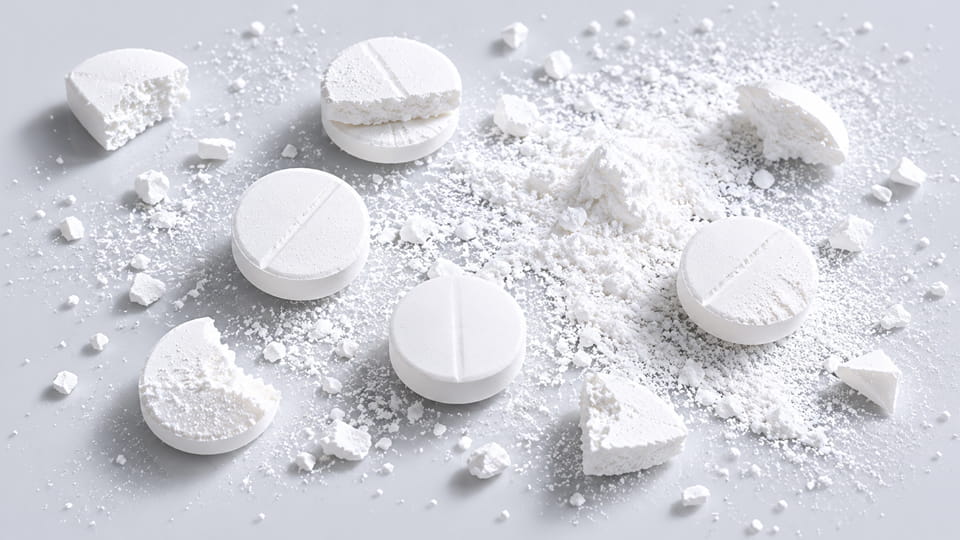
clean white tablets by tablet Deduster machine


Why Tablet Dedusters Are Essential in Pharmaceutical Manufacturing

Tablet dedusters are a ต้องมี for any modern solid-dosage production line because they directly support product quality, safety and compliance. Removing dust after compression is non-negotiable for GMP. ดังที่คู่มือฉบับหนึ่งอธิบาย, even a trace of powder can ruin downstream processes – dedusting “prevents contamination in packaging operations, ensures proper blister sealing, and maintains product appearance”. หน่วยงานกำกับดูแล (อย, EMA, CGMP) expect that equipment like tablet dedusters have hygienic design, and that dust is contained or captured. ตัวอย่างเช่น, dedusters built to FDA standards use validated cleaning protocols (WIP/CIP) and secure seals so potent or toxic drug dust never escapes.

นอกจากนี้, dedusters keep up with the demands of high-speed presses. Jinlu notes current models handle up to 100,000 เม็ดต่อชั่วโมง so they easily match even the fastest rotary press. This prevents a production slowdown; the deduster will not become a throughput bottleneck. ในความเป็นจริง, by combining dust removal and metal detection (when applicable), these machines save line footprint and reduce the risk of secondary contamination between devices.

ในที่สุด, clean tablets improve yield and reduce waste. If dust is left on tablets, they may stick together, misweigh, or trigger defects in coating or blistering. Dedusting dramatically lowers reject rates and customer complaints. By enforcing a final “clean tablet” QC step, manufacturers maintain consistent tablet potency and patient safety.


Tablet Deduster vs. Tablet Polisher: ความแตกต่างคืออะไร?

คุณสมบัติ แท็บเล็ต deduster Tablet Polisher
Main Function Remove loose dust and fine particles from tablets. Polish or buff tablet surfaces for shine (often via rotating brushes or cloth).
การใช้งานทั่วไป Installed immediately after tablet press, pre-coating/packaging. Ensures dust-free tablets. Used after dedusting (or alone) as a finishing step for cosmetic polishing.
Mechanism Vibrating tray or spiral screen + vacuum extraction. Rotating abrasive brushes or belts gently scrub the tablet surface (with minimal vacuum).
คอลเล็กชัน Integral vacuum or suction captures removed powder. จำกัด; primarily pushes excess dust into the polishing drum. Less effective at complete dust capture.
Impact on Tablets Cleans tablets without altering shape; rejects broken tablets. Smooths edges and adds glossy finish; may round off corners slightly. Mainly aesthetic improvement.
การรวมเข้าด้วยกัน Inline with production line (often height-adjustable to press). CIP/WIP options available. Often a standalone or downstream unit; not always GMP-ready out of the box.
ประโยชน์ Meets GMP cleaning requirements, maintains weight accuracy. Enhances visual appeal; removes minor surface markings.

โต๊ะ: Comparison of tablet dedusters and polishers. Dedusters are primarily for dust removal and quality control, ในทางตรงกันข้าม เครื่องขัด focus on appearance. เป็นผลให้, dedusters usually include dust extraction systems, while polishers do not.


How to Choose the Right Tablet Deduster Machine

Selecting an optimal deduster depends on your process needs. พิจารณา:

  • กำลังการผลิต: Match the deduster’s throughput to your tablet press output. Typical dedusters handle from 100,000 ถึง 500,000 เม็ดต่อชั่วโมง (small batch to large‑scale lines). Undersized dedusters will back up the line; oversized units may cost more than needed.
  • Tablet Characteristics: Ensure the deduster accommodates your tablet size, รูปร่าง, and friability range. Adjustable screw feeders or interchangeable screens can help handle capsules, small round tablets, or large shapes. Verify breakage rates – quality dedusters (E.G. with SUS316L screens) should keep tablet damage below 0.1% under full load.
  • Construction and Compliance: สำหรับเภสัชภัณฑ์, use machines made of pharma-grade stainless steel (304 or 316L). Look for designs without crevices: quick-release sieve trays and transparent covers ease inspection. Ensure seals, gaskets and connections meet GMP or containment requirements. If you process potent APIs or high-potency OTCs, พิจารณาก Wash-in-Place (WIP) or Clean-in-Place (ซีไอพี) deduster. WIP/CIP models are dust-tight and can be safely cleaned in-line, protecting operators and meeting SMεPAC containment guidelines.
  • Dust Extraction and Filtration: Choose a deduster with sufficient vacuum capacity and filtration for your dust load. HEPA filters are ideal for preventing airborne fines. For highly toxic materials, verify that exhaust is filtered or ducted out.
  • Control Features: Modern dedusters have PLC/HMI controls for speed adjustment and monitoring. Ensure the unit can integrate with your line control system. Some dedusters support IoT/SCADA links for real-time performance data. Also look for electronic data logging (21 ส่วนซีเอฟอาร์ 11 การปฏิบัติตาม) on critical events if needed.
  • Integration and Footprint: Consider the machine’s layout. แนวตั้ง (upward) dedusters save floor space and often match press-to-conveyor heights. Check inlet/outlet heights: adjustable supports are useful. If you need simultaneous metal detection, a combined deduster-detector saves space.
  • การบำรุงรักษาและการทำความสะอาด: Prefer quick-disassemble designs. Jinlu’s dedusters, เช่น, feature a quick-release sieve and cover for easy cleaning. Ask about spare parts availability and service support. Evaluate the machine’s energy usage and noise levels (vibration can be loud on some models).
  • การรับรอง & สนับสนุน: Ensure the supplier provides CE/cGMP/FDA compliance documentation. Jinlu’s workshops are 6S-certified and produce equipment with CE, rohs, อีเอ็มซี, แอลวีดี, and cGMP compliance. Good vendors offer installation, คุณสมบัติ (IR/WH/PQ) สนับสนุน, และการฝึกอบรม.

By weighing these factors—throughput, tablet specs, การก่อสร้าง, and service—you can pick a deduster that keeps your tablets clean, ปลอดภัย, and your line running efficiently.


Common Applications of Tablet Deduster Machines

Tablet dedusters are used across any industry making compressed tablets:

  • ยาเม็ด: The primary application is in drug manufacturing. ปล่อยทันที, sustained- or controlled-release, เคี้ยวได้, and supplements all benefit. Dedusters ensure that every round, วงรี, or odd-shaped pill exits the press dust-free, as required in final QC processes.
  • Nutraceuticals and Supplements: วิตามิน, ยาสมุนไพร, and nutraceutical preparations (E.G. effervescent antacids) often use the same dedusters. Their powdery coatings (or herbal granulations) also demand dust removal before packaging.
  • Food and Candy Tablets: Certain lozenges, breath mints, or confectionery tablets undergo dedusting to improve appearance and shelf life.
  • Industrial/Chemical Tablets: Even outside food/pharma, tabletized products (like cleaning tablets, เม็ดผงซักฟอก, water treatment pellets) may be dedusted to ensure consistent weight and purity.

ในทุกกรณี, the deduster design is similar. ตัวอย่างเช่น, Jinlu’s machines handle 3–25 mm tablets of various shapes, making them versatile for any ปริมาณของแข็ง เส้น. Whether it’s a life-saving drug or a vitamin complex, a deduster keeps the tablets intact and contamination-free.

Common Applications of Tablet Deduster Machines


Why Choose Jinlu Packing Tablet Deduster Machines

Jinlu Packing is a trusted manufacturer of pharmaceutical packaging machinery, and our tablet dedusters reflect decades of experience. Key reasons to choose Jinlu include:

  • Certified Quality: Our dedusters are built in a 6S production workshop and comply with all major standards (CE, rohs, อีเอ็มซี, แอลวีดี, และ cGMP). We use food-grade stainless steel (304/316ล) and all materials in contact with tablets meet FDA/EMA requirements.
  • ประสิทธิภาพสูง: Jinlu’s dedusters achieve high throughput (up to 100,000–500,000 tablets/hour) while maintaining very low breakage rates. ตัวอย่างเช่น, แบบอย่าง JL-DMD (with metal detector) processes 500k tablets/h and detects iron down to 0.2 mm. Such specs meet the needs of high-speed rotary presses.
  • Advanced Features: Our machines come with PLC HMI controls for easy operation. The designs include quick-release screens and transparent covers for rapid CIP/CIP inspection. We also support optional IoT connectivity for monitoring. For dedusters with metal detection, Jinlu’s patented top-spinning design and optimized coil layout give industry-leading sensitivity.
  • One-Stop Line Solutions: Jinlu offers not just dedusters but full สายการบรรจุ: แท็บเล็ตกด, ฟิลเลอร์แคปซูล, เครื่องนับ, เครื่องบรรจุตุ่ม, and metal detectors. ของเรา เครื่องกำจัดแท็บเล็ตพร้อมเครื่องตรวจจับโลหะ integrates seamlessly with Jinlu tablet presses and blister machines for a turnkey solution.
  • การสนับสนุนทั่วโลก: We have served thousands of customers worldwide (including major pharma companies) and provide installation, การตรวจสอบ (IR/WH/PQ), และบริการหลังการขาย. With Jinlu, you get three years’ warranty and access to our technical staff and parts supply.

For more details, see our Tablet Deduster with Metal Detector product page, or contact us for a custom quote and line layout. Our experts can recommend the ideal dedusting system (with or without metal detection) to meet your quality and budget requirements.


บทสรุป

A tablet deduster is a vital investment for any solid-dose manufacturer. By ensuring that tablets leave the press surface free of debris, dedusters protect product quality and patient safety while boosting production efficiency. They help meet strict regulatory standards and reduce costly rejects or recalls. With a proper deduster (especially one integrated with a metal detector), your tablets will be cleaner, your line will run smoother, and your final product will be of higher quality.

If you’re looking to upgrade your line, จินลู่บรรจุ offers a full range of dedusting and tablet-handling equipment. ติดต่อ Jinlu บรรจุ today for a quotation or consultation – our experts can help configure the ideal Tablet Deduster (with or without metal detection) for your pharmaceutical line. Ensure your production meets the highest standards of quality and efficiency with Jinlu’s proven dedusting solutions.


FAQs on Tablet Deduster Machine

What is a tablet deduster used for?

A deduster removes excess powder and fines from tablets immediately after compression. This cleaning step prevents dust from contaminating the next stages (like coating or blistering) and ensures each tablet has a pristine finish. Removing dust also improves sealing in blister packs and prevents particulate loose-fill in bottles.

Can a tablet deduster connect directly to a tablet press?

ใช่. Tablet dedusters are designed to sit inline with the press. They are typically placed right after the press’s discharge chute. Many models have adjustable height bases or matching connectors so they attach directly. This inline setup allows tablets to flow directly from the press into the deduster without manual transfer, which streamlines production.

What is the difference between a tablet deduster and a metal detector?

A tablet deduster cleans tablets of dust and fragments, while a metal detector scans for and rejects metal-contaminated tablets. Jinlu’s combined deduster/metal detector machine actually does both in one unit. In that hybrid, the deduster’s sieve system first removes dust and rejects broken tablets, then the metal detector downstream checks the cleaned tablets for metal particles.

How often should a tablet deduster be cleaned?

Dedusters should be cleaned regularly per GMP. โดยทั่วไป, the dust collection tray or filters are emptied daily. Internal parts (screens, ถาด, and hoppers) should be wiped or vacuumed at least weekly. Many companies do a full disassembly and wash (WIP/CIP) monthly or between major product changeovers. Manufacturers often recommend brushing out the perforations and inspecting the vacuum filter every day. Annual maintenance checks and parts replacement (E.G. vibration motors, แมวน้ำ) help keep efficiency high.

Are tablet deduster machines GMP compliant?

ใช่, proper dedusters are designed for GMP. They use pharma-grade materials (E.G. SUS316L) and hygienic design principles. A compliant deduster will have smooth, weld-free interiors and quick-disconnect parts for easy cleaning. Automated cleaning (WIP/CIP) is available on high-end models to minimize manual cleaning. All operational steps (E.G. speed settings, บันทึกการทำความสะอาด) can be documented to satisfy audits. Jinlu’s dedusters, ตัวอย่างเช่น, meet FDA/EMA quality regulations and support 21 CFR Part 11 data logging when paired with a metal detector.

Why is tablet dedusting important in pharmaceutical manufacturing?

Tablet dedusting is important because leftover powder can affect coating quality, blister sealing, การบรรจุขวด, and product appearance. It also helps reduce contamination risks and keeps downstream packaging equipment cleaner and more stable during production.

Can Tablet Dedusters handle fragile or irregular-shaped tablets?

ใช่. Modern tablet deduster machines usually include adjustable vibration settings that allow operators to process coated tablets, เม็ดฟู่, เม็ดเคี้ยว, and irregular shapes without damaging the product surface.

What industries use Tablet Deduster machines besides pharmaceuticals?

Besides pharmaceutical manufacturing, tablet dedusters are also widely used in nutraceutical, อาหาร, ลูกกวาด, and chemical industries for products such as vitamin tablets, เม็ดขนม, เม็ดผงซักฟอก, และอาหารเสริมสมุนไพร.


อ้างอิง:
1.Guide To Selecting Tablet Dedusters In Pharma Manufacturing Operations —— pharmaceuticalonline.com
2.Sticking and Picking in Pharmaceutical Tablet Compression: An IQ Consortium Review – วิทยาศาสตร์โดยตรง —— ไซแอนซ์ไดเร็ค
3.Addressing Dust Accumulation in Tablet Manufacturing —— pharmtech.com
4.Pharma Technology Inc.: Dust-Tight Deduster —— Healthcare Packaging

แบ่งปันบทความนี้:
รูปภาพของ เพตตี้ ฟู
เพตตี้ ฟู

เพตตี้ ฟู, ผู้ก่อตั้ง Jinlupacking, นำมาซึ่ง 30 ความเชี่ยวชาญหลายปีในภาคส่วนเครื่องจักรยา. ภายใต้การนำของเขา, Jinlu เติบโตเป็นซัพพลายเออร์ที่เชื่อถือได้โดยผสมผสานการออกแบบ, การผลิต, และการขาย. Petty มีความกระตือรือร้นในการแบ่งปันความรู้เชิงลึกในอุตสาหกรรมของเขา เพื่อช่วยลูกค้าจัดการกับความซับซ้อนของบรรจุภัณฑ์ยา, รับรองว่าพวกเขาจะได้รับไม่ใช่แค่อุปกรณ์เท่านั้น, แต่เป็นพันธมิตรด้านบริการแบบครบวงจรที่แท้จริงซึ่งปรับให้เหมาะกับเป้าหมายการผลิต.

สารบัญ

ส่งคำถามของคุณ

ทิ้งคำตอบไว้

ที่อยู่อีเมลของคุณจะไม่ถูกเผยแพร่. ช่องที่ต้องกรอกถูกทำเครื่องหมายไว้ *

รับใบเสนอราคาฟรี

*เราเคารพการรักษาความลับของคุณและข้อมูลทั้งหมดได้รับการคุ้มครอง. ข้อมูลส่วนบุคคลของคุณจะถูกนำมาใช้และประมวลผลสำหรับโซลูชัน JL เท่านั้น.