
บรรจุภัณฑ์ที่เหมาะสมมีความสำคัญในการปกป้องผลิตภัณฑ์และผู้บริโภค. บรรจุภัณฑ์ยา (เรียกอีกอย่างว่าบรรจุภัณฑ์ยา) รวมถึงภาชนะทั้งหมด, วัสดุ, และอุปกรณ์ที่ใช้ปิดล้อมและป้องกันยา. ช่วยให้มั่นใจได้ว่ายายังคงปลอดภัย, มีเสถียรภาพและไม่มีการปนเปื้อนตั้งแต่การผลิตจนถึงการจัดส่ง. Good Manufacturing Practice ของ FDA ในปัจจุบัน (CGMP) กฎกำหนดให้กระบวนการและอุปกรณ์บรรจุภัณฑ์ยาต้องเป็นไปตามการควบคุมคุณภาพที่เข้มงวด. ในทางตรงกันข้าม, บรรจุภัณฑ์อาหาร ปกป้องอาหารจากการเน่าเสียและการปนเปื้อน, ให้ข้อมูลโภชนาการและส่วนผสม, และช่วยกระจายและสร้างแบรนด์. บรรจุภัณฑ์อาหารต้องเป็นไปตามกฎระเบียบด้านความปลอดภัยของอาหาร (E.G. การรับรองการสัมผัสอาหารของ FDA) และดำเนินโครงการความปลอดภัยของอาหารเช่น HACCP เพื่อป้องกันอันตราย. ในระยะสั้น, ทั้งสองระบบมุ่งหวังที่จะรักษาผลิตภัณฑ์ให้ปลอดภัยและติดฉลากอย่างถูกต้อง, แต่บรรจุภัณฑ์ยาอยู่ภายใต้กฎการฆ่าเชื้อและตรวจสอบย้อนกลับที่เข้มงวดมากขึ้น, ในขณะที่บรรจุภัณฑ์อาหารเน้นประสิทธิภาพของอุปสรรค, ความสะดวก, และข้อมูลผู้บริโภค.
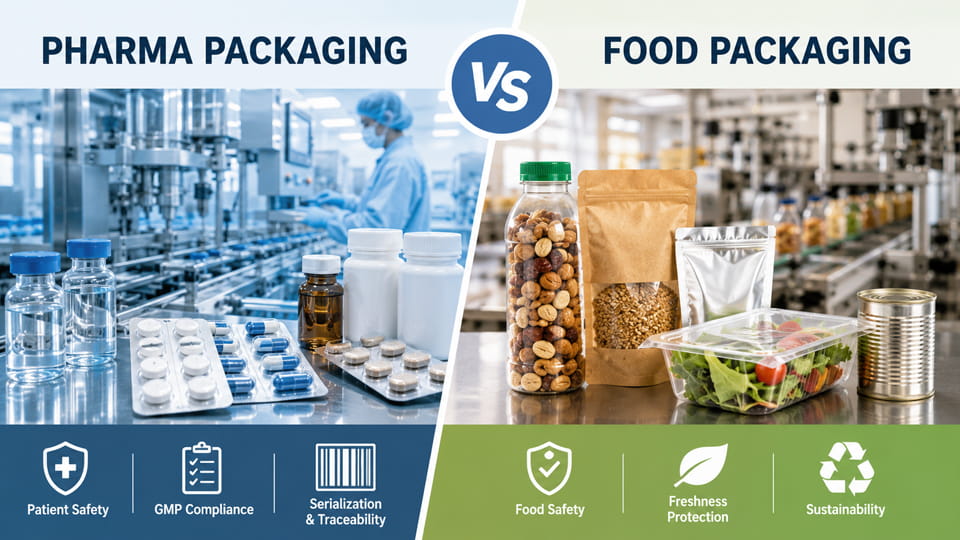
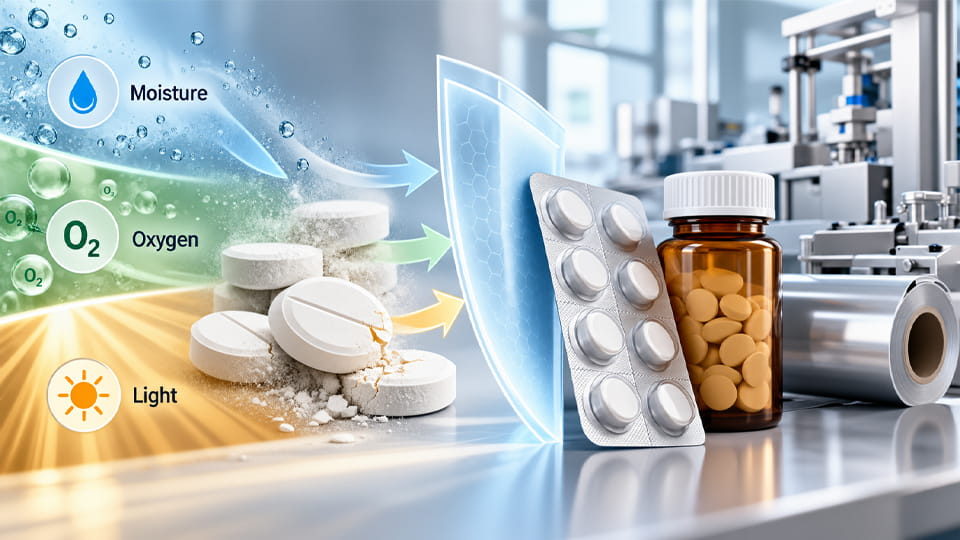
บรรจุภัณฑ์ยาประกอบด้วย หลัก, รอง, และระดับอุดมศึกษา ชั้นบรรจุภัณฑ์. บรรจุภัณฑ์เบื้องต้น เป็นการสัมผัสโดยตรงกับตัวยา (E.G. แผลพุพอง, ขวด, ขวด, หลอดบรรจุ) และเป็นปราการแรกในการกักเก็บความชื้น, แสงสว่าง, และออกซิเจน. ตัวอย่างเช่น, ขวดแก้วสีเหลืองอำพันแข็งป้องกันแท็บเล็ตที่ไวต่อแสง, ในขณะที่อลูมิเนียม-พลาสติก แพ็คแผลพุพอง ปิดผนึกสุญญากาศแต่ละครั้งเพื่อรักษาประสิทธิภาพ. บรรจุภัณฑ์รอง จัดกลุ่มหน่วยหลัก (E.G. ใส่ตุ่มหรือขวดลงในกล่องพิมพ์) และเพิ่มพื้นที่การติดฉลาก, คำแนะนำ, และซีลป้องกันการงัดแงะ. กล่องยังกันกระแทกผลิตภัณฑ์ระหว่างการขนส่ง. บรรจุภัณฑ์ระดับตติยภูมิ เกี่ยวข้องกับตู้คอนเทนเนอร์ขนส่งสินค้าจำนวนมาก (กล่อง, ลัง, พาเลท) ใช้สำหรับคลังสินค้าและการขนส่ง. แต่ละระดับบรรจุภัณฑ์มีหน้าที่: รูปแบบหลักคือภาชนะบรรจุยา, รองให้ข้อมูลและการป้องกันในระดับปานกลาง, และระดับอุดมศึกษาจัดการด้านโลจิสติกส์จำนวนมาก.
Jinlupacking ตั้งข้อสังเกตว่าบรรจุภัณฑ์ยาจะต้องเก็บยาไว้ มั่นคงและปลอดเชื้อ, มักจะเข้า ทนต่อเด็กหรือป้องกันการงัดแงะ รูปแบบ, ขณะถ่ายทอดปริมาณและข้อมูลความปลอดภัย.
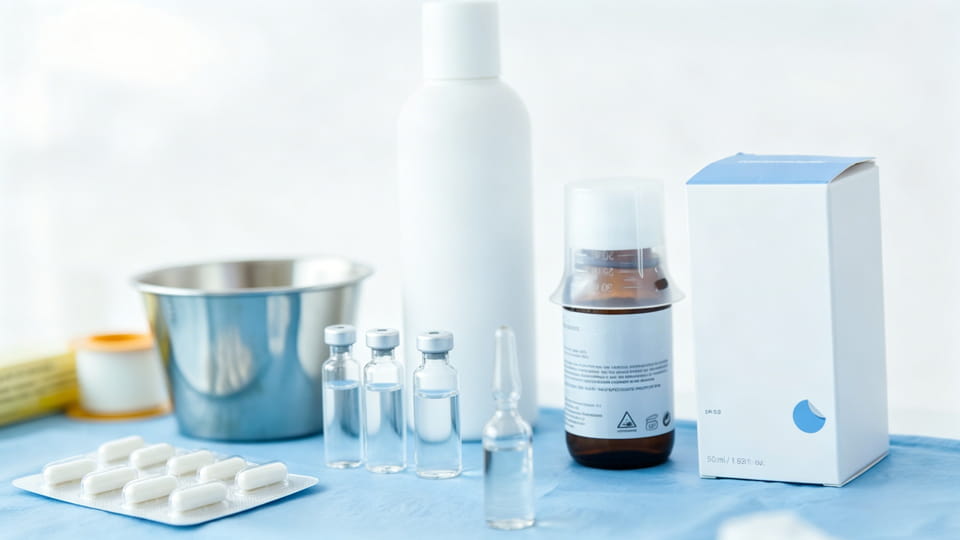
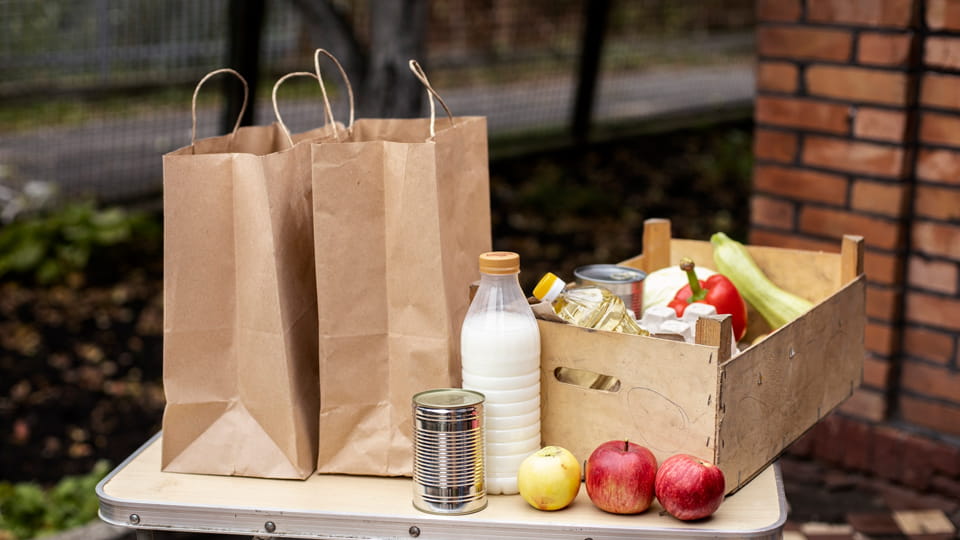
บรรจุภัณฑ์อาหารทำหน้าที่ ปกป้อง, อนุรักษ์, และแจ้งให้ทราบ. หน้าที่หลักคือรักษาความสดของอาหาร, ป้องกันการปนเปื้อนหรือการเน่าเสีย (โดยความชื้น, ออกซิเจน, จุลินทรีย์), และจัดให้มีการติดฉลากและการสร้างตราสินค้าด้านโภชนาการ/ส่วนผสม. รูปแบบบรรจุภัณฑ์อาหารทั่วไป ได้แก่ ขวดและขวดโหล, กระเป๋าที่มีความยืดหยุ่น, กล่อง, กระป๋อง, ถาด, และภาพยนตร์. ตัวอย่างเช่น, ซอสมะเขือเทศ สามารถมาในขวดบีบ PET ที่ปิดซ้ำได้หรือซองฟอยล์แบบเสิร์ฟเดี่ยว. อาหารขบเคี้ยวมักใช้ถุงหรือถุงพลาสติก/ฟอยล์หลายชั้นที่สร้างสมดุลระหว่างต้นทุนกับความชื้น/ออกซิเจนที่เพียงพอ.
แม้ว่าทั้งสองอุตสาหกรรมจะพยายามป้องกันการปนเปื้อนก็ตาม, บรรจุภัณฑ์อาหารมักให้ความสำคัญเป็นอันดับแรก ความสะดวกและต้นทุนของผู้บริโภค. เช่น, ถุงใส่อาหารใช้ฟิล์มธรรมดาๆ และมีเป้าหมายเพื่อให้ปิดซ้ำได้หรือมีการออกแบบให้มีน้ำหนักเบา, ในขณะที่เภสัชภัณฑ์อาจใช้วัสดุที่มีน้ำหนักมากกว่าเพื่อการป้องกันและความทนทานสูงสุด.
ไม่ว่าจะเป็นสินค้าประเภทใดก็ตาม, บรรจุภัณฑ์ที่มีประสิทธิภาพต้อง:
ตัวอย่างเช่น, Jinlu จดบันทึกวัสดุบรรจุภัณฑ์ยา (กระจก, พลาสติก, ฟอยล์) ถูกเลือกเนื่องจากคุณสมบัติในการป้องกัน, ภายใต้มาตรฐานการไม่เป็นพิษและการต้านทานการงัดแงะที่เข้มงวด. บรรจุภัณฑ์อาหารยังมีจุดมุ่งหมายเพื่อการปกป้องอีกด้วย (E.G. ฟิล์มพลาสติกสำหรับมันฝรั่งทอด) แต่สร้างความสมดุลระหว่างต้นทุนและความน่าดึงดูดทางการตลาด.
| คุณสมบัติ | บรรจุภัณฑ์ยา | บรรจุภัณฑ์อาหาร |
| เป้าหมายหลัก | ปกป้องประสิทธิภาพยาและความปลอดเชื้อ; ป้องกันการปนเปื้อนหรือปะปนกัน. ตรวจสอบให้แน่ใจว่าปริมาณยาถูกต้อง (การสอบเทียบการนับ/ปริมาณ). | คงความสดใหม่, ป้องกันการเน่าเสีย, จัดให้มีการแบ่งส่วน; ป้องกันการปนเปื้อนของจุลินทรีย์/เชื้อโรค. ตรวจสอบข้อมูลโภชนาการ/สารก่อภูมิแพ้ที่ถูกต้อง. |
| มาตรฐานการกำกับดูแล | การปฏิบัติตาม GMP ที่เข้มงวด (อย 21 ซีเอฟอาร์ 210/211, EU GMP EudraLex เล่ม 4, ไอเอสโอ 15378). กระบวนการบรรจุภัณฑ์ทั้งหมดได้รับการตรวจสอบและจัดทำเป็นเอกสาร. | ควบคุมโดยหน่วยงานด้านความปลอดภัยของอาหาร: การรับรองการสัมผัสอาหารของ FDA, HACCP (โปรแกรมข้อกำหนดเบื้องต้นสำหรับเงื่อนไขด้านสุขอนามัย), และมาตรฐานเช่น BRCGS/ISO 22000. ฉลากได้รับการอนุมัติล่วงหน้าตามคู่มือการติดฉลากอาหารของ FDA. |
| การตรวจสอบย้อนกลับ | สูง: หมายเลขแบทช์/ล็อตในทุกแพ็คเกจ, การทำให้เป็นอนุกรม (บาร์โค้ดที่ไม่ซ้ำใคร) สำหรับสายเลือดยา (E.G. DSCSA ในสหรัฐอเมริกา). ช่วยให้สามารถตรวจสอบย้อนกลับ/เรียกคืนได้เต็มรูปแบบ. | ปานกลาง: รหัสแบทช์หรือวันที่สำหรับการเรียกคืน; ไม่จำเป็นในทุกหน่วยในภูมิภาคส่วนใหญ่ (ยกเว้นรหัสจำนวนมาก). การทำให้เป็นอนุกรมมีจำกัด (ไม่ค่อยมีตามกฎหมาย). |
| งี่เง่า | ปกติแล้วใช่: ซีลรักษาความปลอดภัย, ฟอยล์พองที่แตกอย่างชัดเจนหากเปิดออก, หมวกพิเศษ (หลักฐานเด็กหรือยาเสพติด). | มักจะใช่สำหรับอาหารบางอย่าง (E.G. กระป๋อง, ฝาโยเกิร์ต), แต่บรรจุภัณฑ์อาหารจำนวนมากมีตราประทับพื้นฐาน. คุณสมบัติบ่งชี้การงัดแงะ (ซีลความร้อน) ทั่วไปบนขวดและฝา. |
| ห้องพักสะอาด / สุขอนามัย | วิกฤต: อุปกรณ์มักอยู่ในสภาพแวดล้อมที่มีการควบคุม (ห้องสะอาด) เพื่อหลีกเลี่ยงอนุภาค/จุลินทรีย์. สแตนเลส (SUS316L) พื้นผิว, แผ่นกรอง HEPA. | จำเป็นต้องมีการออกแบบที่ถูกสุขลักษณะ, แต่ปกติจะเป็นเกรดอาหารทั่วไป (ไม่มีสนิม, ล้างออกง่าย) มากกว่าห้องสะอาดระดับ 100,000. การออกแบบที่ถูกสุขลักษณะเพื่อป้องกันการปนเปื้อนของสารก่อภูมิแพ้หรือจุลินทรีย์. |
| การตรวจสอบความถูกต้อง/ประกันคุณภาพ | คุณสมบัติอุปกรณ์บังคับและการตรวจสอบความถูกต้องของกระบวนการ (IR/WH/PQ) ตามกฎของ FDA/EU. กระบวนการบรรจุภัณฑ์ได้รับการตรวจสอบเพื่อความปลอดเชื้อและความสม่ำเสมอ. | การตรวจสอบความถูกต้องในแง่ของ HACCP: ควบคุมจุดวิกฤติ. อุปกรณ์ได้รับการทำความสะอาด/ตรวจสอบ, แต่การตรวจสอบอย่างเป็นทางการ (ไอคิว/โอคิว) ไม่ได้มาตรฐาน. QA มุ่งเน้นไปที่จุลชีววิทยาและสารก่อภูมิแพ้. |
| วัสดุ | เกรดยา: E.G. แก้วประเภท I, พลาสติกทางการแพทย์, ฝาปิดอลูมิเนียมฟอยล์, จุกยาง, แผลพุพองพิเศษ. ผ่านการทดสอบสำหรับสารสกัด/สารชะล้าง (เพื่อให้แน่ใจว่าไม่มีการอพยพที่เป็นอันตราย). | เกรดอาหาร: วิชาพลศึกษา, สัตว์เลี้ยง, พีพี, อลูมิเนียมฟอยล์, กระดาษแข็ง. ต้องได้รับการอนุมัติจาก FDA สำหรับการสัมผัสอาหาร. ข้อกำหนดความบริสุทธิ์ต่ำกว่ายา; การมุ่งเน้นด้านกฎระเบียบเกี่ยวกับขีดจำกัดการย้ายถิ่นและสารก่อภูมิแพ้. |
| การติดฉลาก | ป้ายกำกับโดยละเอียด: ชื่อยา, ความแข็งแกร่ง, ปริมาณ, คำเตือน, ชุด/ล็อต, หมดอายุ, คำแนะนำ. กฎระเบียบกำหนดให้ต้องมีการติดฉลากและการตรวจสอบที่แม่นยำ (E.G. รหัส กสทช). มักจะพิมพ์เล็ก. | แผงข้อมูลโภชนาการ, วัตถุดิบ (ลดลงตามน้ำหนัก), น้ำหนักสุทธิ, ประกาศเกี่ยวกับสารก่อภูมิแพ้, แบรนด์/การตลาด. ต้องเจอกับเอฟดี&ข้อกำหนดของพระราชบัญญัติ C (ไม่มีการอนุมัติฉลากล่วงหน้าจาก FDA แต่มีหลักเกณฑ์ด้านรูปแบบที่เข้มงวด). |
| เรียกคืนความเสี่ยง | เดิมพันที่สูงมาก: การปนเปื้อนใดๆ อาจก่อให้เกิดอันตรายต่อผู้ป่วยได้. การเรียกคืนมีค่าใช้จ่ายสูงและมีการควบคุมอย่างเข้มงวด ( FDA กำหนดให้มีการแจ้งการเรียกคืนแบบอนุกรม). มักจะดึงทั้งชุด. | ความเสี่ยงที่สำคัญ (เหตุการณ์ด้านความปลอดภัยของอาหาร), แต่โดยทั่วไปแล้วผลกระทบจะแคบกว่า. เรียกคืนการมุ่งเน้นไปที่ล็อตเฉพาะ; ขยะบรรจุภัณฑ์สามารถยอมรับได้มากขึ้น. |
| มาตรฐานอุปกรณ์ | อุปกรณ์จะต้องได้รับการออกแบบ cGMP: ทำความสะอาดง่าย/ฆ่าเชื้อ, พื้นผิวสแตนเลส, ลดโซนที่ตายแล้วให้เหลือน้อยที่สุด. โดยทั่วไปภายใต้ CIP (ทำความสะอาดในสถานที่). เช่น. เครื่องตุ่มพร้อมระบบสุญญากาศ, เส้นบรรจุปลอดเชื้อ. | การออกแบบสุขาภิบาล: สแตนเลส, ไม่มีกับดักแบคทีเรีย. ตัวเลือก CIP หรือแบบล้างลง. เช่น. เส้น VFFS, อดีต, ฟิลเลอร์ที่ได้มาตรฐานด้านสุขอนามัยของ USDA/FDA. การออกแบบมุ่งเน้นไปที่การป้องกันการเน่าเสีย. |
การเปรียบเทียบเหล่านี้เน้นย้ำว่า บรรจุภัณฑ์ยา มีการควบคุมและควบคุมมากกว่ามาก. ตัวอย่างเช่น, แนวทาง cGMP ของ FDA กำหนดให้สายการบรรจุยาต้องใช้กระบวนการและวัสดุที่ผ่านการตรวจสอบแล้วว่าปลอดภัย. ในทางตรงกันข้าม, บรรจุภัณฑ์อาหาร ปฏิบัติตามการควบคุมด้านสุขอนามัยและความปลอดภัยในวงกว้าง (โปรแกรมข้อกำหนดเบื้องต้น HACCP) แทนที่จะใช้การตรวจสอบแบทช์แบบเภสัชภัณฑ์.
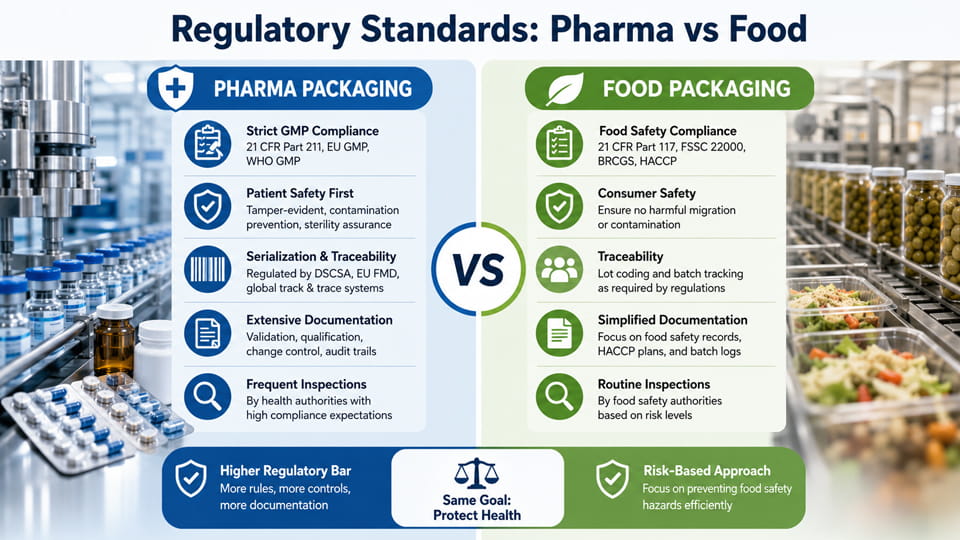
บรรจุภัณฑ์ยาอยู่ภายใต้การควบคุมของ กฎระเบียบ GMP ทางเภสัชกรรม. ในสหรัฐอเมริกา, ชื่อ 21 ชุดชิ้นส่วน CFR 210–211 แนวทางปฏิบัติที่ดีในการผลิตในปัจจุบัน (CGMP) ข้อกำหนดสำหรับ "การบรรจุ" ยา (บรรจุภัณฑ์). นี่หมายถึงวิธีการ, การควบคุม, สิ่งอำนวยความสะดวก, และอุปกรณ์ที่ใช้ในการบรรจุยาต้องมั่นใจในความปลอดภัยของผลิตภัณฑ์และความแข็งแรงของฉลาก. ยุโรปใช้ GMP ของสหภาพยุโรป (ยูดราเล็กซ์ เล่ม. 4) ด้วยกฎเกณฑ์ที่คล้ายกัน. นอกจากนี้, ไอเอสโอ 15378:2017 เป็นมาตรฐานสากลที่ใช้ ISO 9001 หลักการ QMS ของวัสดุบรรจุภัณฑ์เบื้องต้นสำหรับผลิตภัณฑ์ยา. ไอเอสโอ 15378 ระบุการควบคุมการปนเปื้อนอย่างชัดเจน, การลดความเสี่ยง, และการปฏิบัติตามกฎระเบียบในการผลิตวัสดุบรรจุภัณฑ์.
โดยการเปรียบเทียบ, บรรจุภัณฑ์อาหารต้องเป็นไปตามข้อกำหนดความปลอดภัยของอาหาร. FDA กำหนดให้วัสดุสัมผัสอาหารทั้งหมดได้รับการอนุมัติล่วงหน้า (ผ่านการแจ้งการสัมผัสอาหารหรือ GRAS). อุปกรณ์บรรจุภัณฑ์ในโรงงานอาหารเป็นไปตามหลักการสุขาภิบาลและการป้องกันการปนเปื้อนตามมาตรฐาน HACCP และ Good Manufacturing Practices ของ FDA. แผน HACCP ปฏิบัติต่ออุปกรณ์และวัสดุบรรจุภัณฑ์ภายใต้ โปรแกรมข้อกำหนดเบื้องต้น - ตัวอย่างเช่น, สิ่งอำนวยความสะดวกและอุปกรณ์ต้องเป็นไปตามขั้นตอนการออกแบบและทำความสะอาดที่ถูกสุขลักษณะ. มาตรฐานชอบ วัสดุบรรจุภัณฑ์ BRCGS หรือ ไอเอสโอ 22000 (การจัดการความปลอดภัยของอาหาร) ยังใช้. ไม่เหมือนยาเสพติด, ฉลากอาหารและบรรจุภัณฑ์ไม่จำเป็นต้องได้รับการอนุมัติล่วงหน้าจากเจ้าหน้าที่, แต่ต้องปฏิบัติตามกฎหมายว่าด้วยการติดฉลาก (วัตถุดิบ, โภชนาการ, ฯลฯ) เมื่อออกสู่ตลาด.
โดยสรุป, บรรจุภัณฑ์ยาถูกผูกพันโดย กำหนด กฎระเบียบ (แนวทางเฉพาะ, การตรวจสอบใบรับรอง), ในขณะที่บรรจุภัณฑ์อาหารอยู่ภายใต้การควบคุมของ ป้องกัน ระบบความปลอดภัย (HACCP, มาตรฐาน GFSI) และการอนุมัติวัสดุที่สัมผัสกับอาหาร. ความแตกต่างนี้ทำให้เกิดการเลือกใช้วัสดุและอุปกรณ์มากมาย (ดูตารางด้านบน).
การบรรจุหีบห่อ วัสดุ แตกต่าง: ภาชนะบรรจุยามักใช้ความบริสุทธิ์สูง, วัสดุพิมพ์เฉื่อย. บรรจุภัณฑ์หลักของยาทั่วไปประกอบด้วย แก้วพิมพ์ I ขวด (สำหรับการฉีด), พลาสติกเกรดยา (เอชดีพีอี, พีพี, PETG), และลามิเนตหลายชั้น (ตุ่มฟอยล์ PVDC/Alu). สิ่งเหล่านี้ได้รับการคัดเลือกเพื่อหลีกเลี่ยงการชะล้างที่อาจทำปฏิกิริยากับยาได้. อย่างแท้จริง, สารสกัดและชะล้างได้ (สารเคมีที่ไหลออกจากพลาสติก/ฟอยล์) เป็นปัญหาสำคัญในวงการเภสัชกรรม. ผู้ผลิตยาต้องทดสอบบรรจุภัณฑ์เพื่อให้แน่ใจว่าการปิดภาชนะบรรจุมีความสมบูรณ์ (ซีซีไอ) และความสามารถในการชะล้างใด ๆ ยังคงอยู่ต่ำกว่าเกณฑ์ความเป็นพิษ. คำแนะนำของ FDA แนะนำให้ทำการทดสอบ CCI ที่เข้มงวด (E.G. การแช่สีย้อม, ความดันสลายตัว) สำหรับแพ็คเกจทางหลอดเลือดที่ปลอดเชื้อเพื่อให้แน่ใจว่ามีการป้องกันที่ปิดผนึก.
วัสดุบรรจุภัณฑ์อาหาร (เอทิลีน, โพรพิลีน, สัตว์เลี้ยง, กระดาษแข็งเคลือบ, อลูมิเนียม, ฯลฯ) ได้รับการทดสอบการโยกย้ายด้วย (มักอยู่ภายใต้กฎระเบียบเช่น EC ของสหภาพยุโรป 1935/2004). อย่างไรก็ตาม, โดยทั่วไปเกณฑ์สำหรับการทดสอบความปลอดภัยจะต่ำกว่าในยา. สำหรับอาหาร, FDA กำกับดูแล "บัญชีรายการสารสัมผัสอาหาร" - เช่น. โพลีเมอร์และหมึกทั้งหมดต้องได้รับการอนุมัติจาก FDA. โดยทั่วไปบรรจุภัณฑ์อาหารจะไม่ผ่านการทดสอบ CCI, เนื่องจากไม่จำเป็นต้องผ่านการฆ่าเชื้อ; แทน, อาจผ่านการทดสอบความท้าทายของจุลินทรีย์สำหรับอายุการเก็บรักษาหรือการทดสอบการย้ายถิ่นของสารเติมแต่ง.
ในทางปฏิบัติ: บรรจุภัณฑ์ยา ต้องการการควบคุมสารสกัด/สารชะล้างที่เข้มงวดมากขึ้น. ไอเอสโอ 15378 รวมถึงการลดความเสี่ยงต่อการปนเปื้อนของกระจกอย่างชัดเจน, พลาสติก, ยาง, และวัสดุอะลูมิเนียมที่ใช้ในบรรจุภัณฑ์ยา. บรรจุภัณฑ์อาหาร มุ่งเน้นไปที่คุณสมบัติของอุปสรรคและการปฏิบัติตามกฎระเบียบการสัมผัสอาหาร, แต่ช่วยให้มีวัสดุที่หลากหลายมากขึ้น (และแม้กระทั่งเนื้อหารีไซเคิล) เนื่องจากความเสี่ยงในการกลืนกินลดลงและมีการควบคุมสารพิษในระดับการสัมผัสที่ปลอดภัย. ตัวอย่างเช่น, ขวดน้ำ (สัตว์เลี้ยง) เป็นเรื่องธรรมดา, ในขณะที่ยามักไม่ค่อยบรรจุขวดในพลาสติกที่ไม่ใช่ยา.
เครื่องจักรเองก็สะท้อนถึงข้อกำหนดเหล่านี้. อุปกรณ์บรรจุภัณฑ์ยา จะต้องได้รับการออกแบบสำหรับ GMP: สแตนเลส (มักจะ 316L), พื้นผิวเรียบ, เพลาขับที่ปิดสนิท, รอยแยกน้อยที่สุด, และทำความสะอาดง่าย. มักจะมีความสามารถ CIP และติดตั้งตัวกรอง HEPA สำหรับพื้นที่ปลอดเชื้อ. เครื่องจ่ายยาทั่วไป ได้แก่:
ในทางตรงกันข้าม, เครื่องบรรจุภัณฑ์อาหาร ได้รับการปรับให้เหมาะสมกับปริมาณและความสะอาด: มักจะมีปริมาณงานมากขึ้น (กระเป๋าในไม่กี่วินาที) และสร้างขึ้นเพื่อการสุขาภิบาลอย่างรวดเร็ว (CIP หรือความสามารถในการชะล้าง). อุปกรณ์บรรจุภัณฑ์อาหารทั่วไปประกอบด้วย:
ตัวอย่างเช่น, เครื่องบรรจุถุงสำเร็จรูปของ Jinlu มีความหลากหลายสำหรับกัมมี่, ผงหรือของเหลว, และได้รับการรับรองมาตรฐาน GMP, CE, การปฏิบัติตามข้อกำหนดขององค์การอาหารและยา. ในทางตรงกันข้าม, กลุ่มผลิตภัณฑ์อาหารว่างทั่วไปอาจใช้ VFFS หลายช่องทางพร้อมส่วนประกอบเกรดอาหาร.
ด้านล่างนี้เป็นแผนผังลำดับงานอย่างง่ายเพื่อแสดงให้เห็นว่าผู้ผลิตอาจเลือกเครื่องจักรบรรจุภัณฑ์ตามประเภทผลิตภัณฑ์และข้อกำหนดได้อย่างไร:
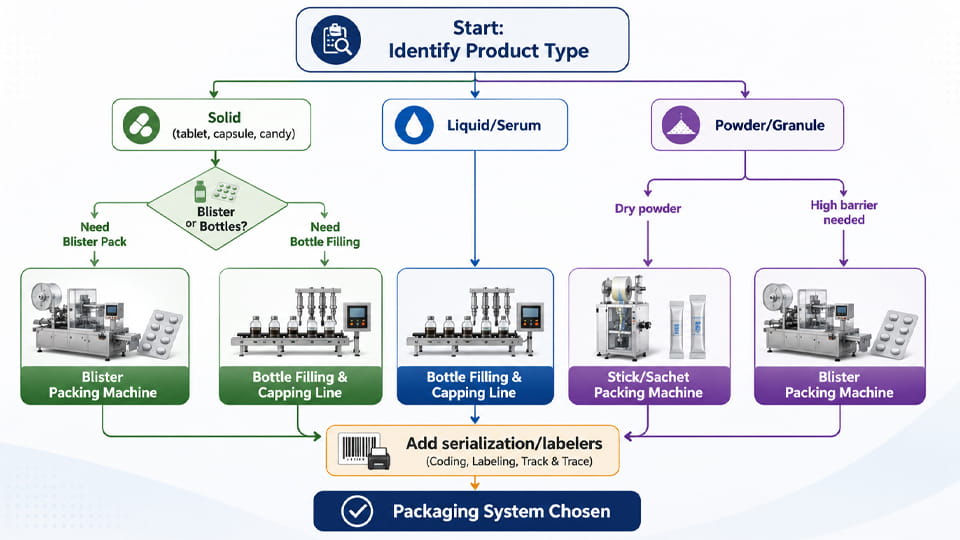
กระแสนี้เน้น: เลือกบรรจุภัณฑ์ รูปแบบ (ตุ่ม VS ขวด VS กระเป๋า, ฯลฯ) ขึ้นอยู่กับรูปแบบผลิตภัณฑ์และความต้องการความมั่นคง, จากนั้นเลือกสายเครื่องจักรที่เกี่ยวข้อง. ตัวอย่างเช่น, แท็บเล็ตที่ไวต่ออุณหภูมิอาจกระตุ้นให้เกิดการใช้งาน แผลพุพองแบบเย็น แทนที่จะเป็นขวด (เพื่อให้แน่ใจว่ามีสิ่งกีดขวางออกซิเจน/ความชื้น).
ใน ออกแบบ, เครื่องจักรยามักจะมีระบบอัตโนมัติมากขึ้นในการทำความสะอาดและตรวจสอบย้อนกลับ. เช่น, สารตัวเติมสำหรับการฉีดจะทำงานภายใต้ฝาครอบไหลแบบราบเรียบ, ในขณะที่สายพานลำเลียงอาหารอาจเปิดอยู่ในห้องเย็น. ทั้งสองต้องเป็นไปตามมาตรฐานด้านสุขอนามัย, แต่ ความเข้มงวด และการตรวจสอบก็แตกต่างกัน.
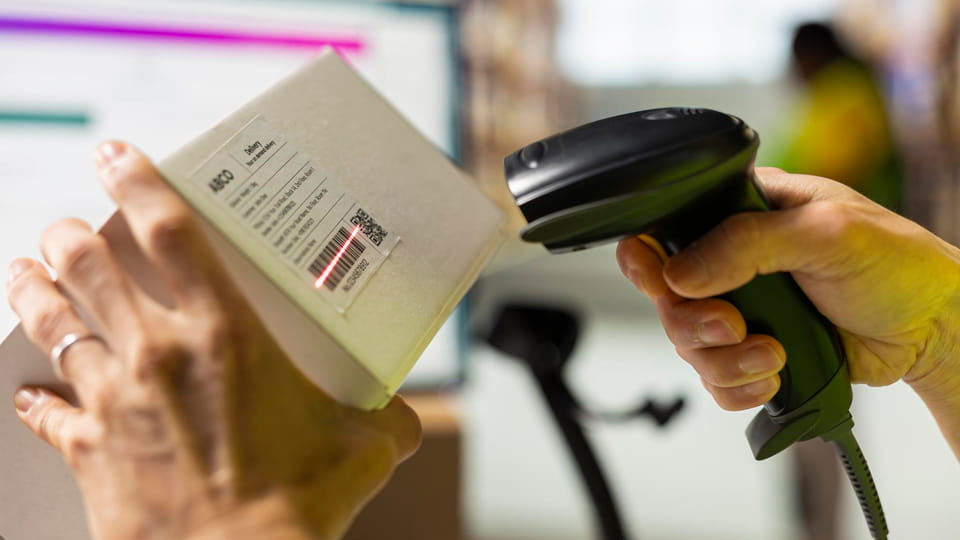
บรรจุภัณฑ์ยาต้องการการติดฉลากและการติดตามที่แม่นยำอย่างยิ่ง. โดยทั่วไปแล้วแต่ละแพ็คเกจยาจะแสดงชื่อผลิตภัณฑ์ที่แน่นอน, ความแข็งแกร่ง, หมายเลขล็อต, วันหมดอายุ, และบางครั้งรหัสซีเรียลที่ไม่ซ้ำกันสำหรับการติดตามและติดตาม (E.G. ภายใต้สหรัฐอเมริกา. กฎหมาย DSCSA). คำแนะนำของ FDA ได้กำหนดให้มีการออกหมายเลขซีเรียลสำหรับยาหลายชนิด, ต้องใช้บาร์โค้ดที่ไม่ซ้ำกันบนแพ็คเกจหน่วย. เพื่อให้แน่ใจว่าสามารถตรวจสอบชุดงานที่เรียกคืนไปยังแต่ละรายการได้. ในทางตรงกันข้าม, ฉลากบรรจุภัณฑ์อาหารต้องมีรายการส่วนผสม, แผงโภชนาการ, และน้ำหนักสุทธิตามกฎของ อย, แต่โดยทั่วไปแล้วไม่จำเป็นต้องทำให้เป็นอนุกรมของแต่ละหน่วย (ยกเว้นอาหารเสริมหรือตลาดบางแห่ง).
หลักฐานการงัดแงะยังแข็งแกร่งกว่าสำหรับยาด้วย แต่ละตุ่มหรือขวดมักมีตราประทับที่ถูกทำลายเมื่อเปิด. Jinlu ตั้งข้อสังเกตว่าบาร์โค้ดที่ต่อเนื่องกันและซีลป้องกันการปลอมแปลงในแต่ละหน่วยเป็นมาตรฐานในยาสำหรับการต่อต้านการปลอมแปลง. ในอาหาร, ใช้แถบและซีลที่ป้องกันการงัดแงะ (E.G. วงแหวนนิรภัยบนขวดโซดา, ซีลเหนี่ยวนำบนฝาปิด), แต่อาหารเสิร์ฟเดี่ยวอาจอาศัยการปิดผนึกที่ยังอยู่ในสภาพสมบูรณ์เท่านั้น (เหมือนซองซีลความร้อน) โดยมีการจัดลำดับแบบเป็นทางการน้อยกว่า.
ระบบตรวจสอบย้อนกลับในยาเป็นแบบดิจิทัลมากขึ้น (บันทึกชุดอิเล็กทรอนิกส์, เอกสาร GMP). การตรวจสอบย้อนกลับของอาหารมุ่งเน้นไปที่ล็อตและแหล่งที่มา (คิดแบบ “จากฟาร์มถึงทางแยก” เพื่อความปลอดภัย) แต่มักจะละเอียดน้อยกว่าในระดับผู้บริโภค. โดยสรุป, บรรจุภัณฑ์ยาลงทุนอย่างมากในเทคโนโลยีการออกหมายเลขกำกับในสายการผลิต (การพิมพ์และการสแกนบาร์โค้ด), ในขณะที่ไลน์อาหารเน้นความรวดเร็วในการติดฉลากและรับรองข้อมูลที่จำเป็นทั้งหมด (E.G. ไอคอนสารก่อภูมิแพ้, ข้อมูลโภชนาการ) ถูกพิมพ์อย่างถูกต้อง.
ทั้งสองอุตสาหกรรมกำลังมุ่งสู่บรรจุภัณฑ์ที่เป็นมิตรกับสิ่งแวดล้อมมากขึ้น, แต่ไดรเวอร์และวิธีแก้ปัญหาต่างกัน. ในเภสัชกรรม, มีการผลักดันให้ลดของเสียและใช้วัสดุรีไซเคิล/ย่อยสลายได้ทางชีวภาพหากเป็นไปได้. ตัวอย่างเช่น, ผู้ผลิตกำลังสำรวจ วัสดุโมโน ฟิล์มพุพองและกระดาษแข็งรีไซเคิลสำหรับบรรจุภัณฑ์รอง. แนวโน้มหนึ่งคือการแทนที่ส่วนแทรกกระดาษที่พิมพ์ด้วยข้อมูลดิจิทัลเพื่อประหยัดกระดาษ. อย่างไรก็ตาม, การเปลี่ยนแปลงใดๆ จะต้องเป็นไปตามข้อกำหนดด้านความมั่นคง, ดังนั้นนวัตกรรมจึงมักเริ่มต้นในชั้นทุติยภูมิหรือตติยภูมิ.
ในอาหาร, ความยั่งยืนมักหมายถึงบรรจุภัณฑ์ที่มีน้ำหนักเบา, วัสดุที่ย่อยสลายได้, และลดการใช้พลาสติกแบบใช้ครั้งเดียวทิ้ง. หลายภูมิภาคกำลังออกกฎหมายต่อต้านสินค้าที่ไม่สามารถรีไซเคิลได้บางประเภท. สะดุดตา, ซองเครื่องปรุงรส (ถุงฟอยล์/ทิชชู่) กำลังถูกยุติในบางตลาดโดย 2030 เพื่อสนับสนุนทางเลือกแบบรีฟิลหรือรีไซเคิลได้. แบรนด์อาหารรายใหญ่ต่างมองหาฟิล์มวัสดุชนิดเดียวที่สามารถรีไซเคิลได้. ทั้งสองอุตสาหกรรมให้ความสำคัญกับการลดปริมาณการปล่อยก๊าซคาร์บอนไดออกไซด์, แต่บริษัทยาจะต้องรักษาสมดุลระหว่างเป้าหมายเชิงนิเวศน์กับความต้องการสูงสุดในการปกป้องผลิตภัณฑ์.
(พวกเขา): “ความยั่งยืนถือเป็นแนวโน้มสำคัญ: บริษัทต่างๆ กำลังออกแบบบรรจุภัณฑ์ด้วยวัสดุรีไซเคิลหรือย่อยสลายได้ และลดบรรจุภัณฑ์ส่วนเกิน. เช่น, ปัจจุบันกล่องกระดาษมักใช้วัสดุรีไซเคิล, และเลือกใช้ฟิล์มชนิดวัสดุเดียวเพื่อการรีไซเคิลที่ง่ายขึ้น”
(คู่มือซอสมะเขือเทศ): “แบรนด์ที่ใส่ใจสิ่งแวดล้อมต้องการสินค้าที่เบากว่า, ตัวเลือกรีไซเคิลได้. ในความเป็นจริง, บางภูมิภาคถึงกับเลิกใช้ถุงใส่เครื่องปรุงแบบใช้ครั้งเดียวด้วยซ้ำ 2030, ผลักดันผู้ผลิตไปสู่ กระเป๋าที่ยั่งยืนหรือโซลูชั่นแบบรีฟิล.-
แนวโน้มเหล่านี้หมายความว่าอุปกรณ์อาจปรับตัวได้เช่นกัน: เครื่องจักรที่สามารถจัดการพลาสติกรีไซเคิลได้, หรือเส้นที่ออกแบบมาเพื่อการเปลี่ยนวัสดุที่ง่ายขึ้นกำลังมีคุณค่า.

เมื่อเลือกอุปกรณ์สำหรับบรรจุภัณฑ์ยาหรืออาหาร, พิจารณาปัจจัยต่อไปนี้:
ในทางปฏิบัติ, ทำงานร่วมกับผู้ผลิต (ชอบ จินลู่บรรจุ) เพื่อวิเคราะห์ปัจจัยเหล่านี้. ตัวอย่างเช่น, ทีมวิศวกรของ Jinlu สามารถแนะนำได้ บรรจุขวดแบบบูรณาการ & สายการบรรจุหีบห่อ สำหรับอาหารเสริมตัวใหม่, หรือก โซลูชันการบรรจุถุงแบบโมดูลาร์ สำหรับน้ำเชื่อมสูตรพิเศษ.
Jinlu Packing เชี่ยวชาญด้านโซลูชั่นบรรจุภัณฑ์แบบครบวงจรสำหรับยา และ อาหาร/ผลิตภัณฑ์เสริมอาหาร. เครื่องจักรของเราได้รับการออกแบบให้ตรงตามมาตรฐาน GMP ที่เข้มงวด (CE, อย, การรับรองมาตรฐาน ISO) ในขณะเดียวกันก็ให้ความยืดหยุ่น. ข้อดีที่สำคัญ ได้แก่:
กับ 30+ ปีในเครื่องจักรบรรจุภัณฑ์ยา, Jinlu ได้รับความไว้วางใจจากผู้นำอุตสาหกรรมในการส่งมอบอุปกรณ์ดังกล่าว ได้อย่างปลอดภัย และ อย่างมีประสิทธิภาพ บรรจุยาและอาหารเหมือนกัน. ติดต่อเราเพื่อหารือเกี่ยวกับเครื่องจักรของเรา (ชอบ เครื่องบรรจุตุ่ม, เครื่องนับ, เครื่องบรรจุกล่อง, บรรจุซอง, หรือ ฟิลเลอร์กระเป๋าสำเร็จรูป) สามารถบรรลุเป้าหมายการผลิตของคุณได้.
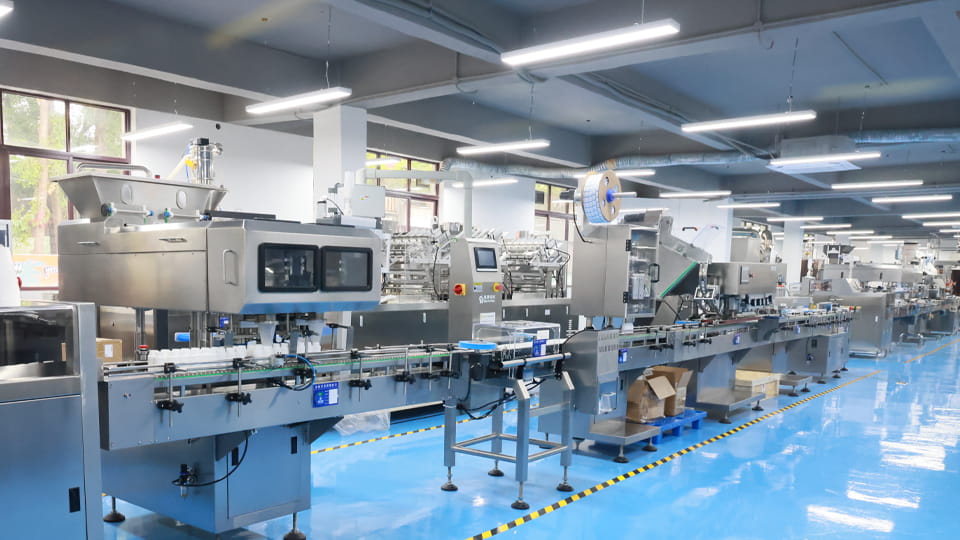
สรุปแล้ว, บรรจุภัณฑ์ยากับบรรจุภัณฑ์อาหาร มีลำดับความสำคัญที่แตกต่างกัน แม้ว่าทั้งสองมีเป้าหมายเพื่อปกป้องผลิตภัณฑ์ก็ตาม. บรรจุภัณฑ์ยาอยู่ภายใต้กฎระเบียบ GMP ที่เข้มงวด และเน้นย้ำถึงความเป็นหมัน, การตรวจสอบย้อนกลับ, และความสมบูรณ์ของอุปสรรค. บรรจุภัณฑ์อาหารเน้นความปลอดภัยของอาหาร (ป้องกันการเน่าเสีย/อันตราย) และการปฏิบัติจริง (ค่าใช้จ่าย, ความสะดวก) ภายใต้ HACCP และกฎการสัมผัสอาหาร. การเลือกวัสดุ, การออกแบบเครื่องจักร, และการติดฉลากสะท้อนถึงลำดับความสำคัญเหล่านี้: สายเภสัชกรรม มักจะทำงานในสภาพแวดล้อมที่มีการควบคุมพร้อมการทำให้เป็นอนุกรม, ในขณะที่ เส้นอาหาร วิ่งด้วยความเร็วสูงด้วยการออกแบบที่ถูกสุขลักษณะ.
ด้วยการเข้าใจความแตกต่างเหล่านี้, วิศวกรบรรจุภัณฑ์และผู้ซื้อสามารถเลือกโซลูชันที่เหมาะสมได้. ตัวอย่างเช่น, ผู้ผลิตยาอาจเลือกผลิตภัณฑ์บรรจุภัณฑ์พลาสติกที่มีอุปสรรคสูงพร้อมการออกหมายเลขกำกับแบบบูรณาการเพื่อให้เป็นไปตามกฎของ FDA และ EU. ผู้ผลิตอาหารว่างอาจเลือก VFFS แบบหลายช่องทางเพื่อประสิทธิภาพ, ตรวจสอบให้แน่ใจว่าภาพยนตร์ได้รับการอนุมัติจาก FDA. ทั้งสองสามารถค้นหาเทคโนโลยีที่เหมาะสมได้: Jinlu Packing นำเสนอเครื่องจักรที่สร้างขึ้นสำหรับทั้งสองโลก, จากแผลพุพองตามมาตรฐาน GMP ไปจนถึง ระบบกระเป๋าที่ยืดหยุ่น. ในที่สุด, การตอบสนองความต้องการด้านความปลอดภัยและคุณภาพของผลิตภัณฑ์ขั้นสุดท้าย—ในขณะที่ปฏิบัติตามกฎเกณฑ์ของแต่ละอุตสาหกรรม—คือเป้าหมายหลักสำหรับระบบบรรจุภัณฑ์ใดๆ.
บรรจุภัณฑ์ยาให้ความสำคัญกับความปลอดเชื้อที่เข้มงวดและการปฏิบัติตามกฎระเบียบ. มักเกี่ยวข้องกับอุปสรรคที่สูงกว่า, วัสดุเกรดทางการแพทย์และคุณสมบัติป้องกันการงัดแงะเพื่อปกป้องยาภายใต้กฎ cGMP. บรรจุภัณฑ์อาหารให้ความสำคัญกับความสดและปลอดภัย (ป้องกันการเน่าเสีย/อันตราย) ภายใต้ HACCP และระเบียบข้อบังคับเกี่ยวกับการสัมผัสอาหาร, มักใช้วัสดุที่เบากว่าหรือรีไซเคิลได้.
พระราชบัญญัติความมั่นคงในห่วงโซ่อุปทานยา (ดีเอสซีเอสเอ) และกฎหมายที่คล้ายกันกำหนดให้มีหมายเลขซีเรียลที่ไม่ซ้ำกันบนบรรจุภัณฑ์ยาแต่ละชิ้นเพื่อให้สามารถติดตามผ่านห่วงโซ่อุปทานได้. ซึ่งจะช่วยป้องกันยาปลอมและช่วยให้เรียกคืนได้อย่างแม่นยำ. ข้อกำหนดดังกล่าวไม่มีอยู่ในอาหารส่วนใหญ่, ดังนั้นการติดตามแบบซีเรียลไลซ์โดยทั่วไปจึงไม่ดำเนินการในระดับหน่วยในบรรจุภัณฑ์อาหาร.
เครื่องบาง (เช่น เครื่องบรรจุตุ่มหรือฟิลเลอร์แบบถุง) สามารถใช้ในทั้งสองอุตสาหกรรมได้หากทำความสะอาดและตรวจสอบอย่างเหมาะสม. ตัวอย่างเช่น, เครื่องตุ่มของ Jinlu บรรจุทั้งเม็ดและส่วนอาหาร (แยม, ของว่าง) โดยการเปลี่ยนวัสดุและการตั้งค่า. อย่างไรก็ตาม, อุปกรณ์จะต้องได้รับการฆ่าเชื้ออย่างทั่วถึงระหว่างการใช้งานและอาจต้องมีการอัพเกรด (เช่น ตัวกรอง HEPA เพิ่มเติมหรือเอกสาร GMP) เพื่อให้เป็นไปตามมาตรฐานทางเภสัชกรรม.
ในสหรัฐอเมริกา, ส่วนประกอบบรรจุภัณฑ์อาหารทั้งหมดต้องเป็นสารสัมผัสอาหารที่ได้รับอนุมัติจาก FDA (เอฟซีเอส) ก่อนทำการตลาด. นี่หมายถึงพลาสติกใด ๆ, การเคลือบ, หมึก, หรือกาวที่สัมผัสกับอาหารต้องอยู่ในบัญชีอย.หรือแจ้ง. ฉลากและบรรจุภัณฑ์ต้องเป็นไปตามกฎการติดฉลากอาหารของ FDA (รายการส่วนผสม, ข้อมูลโภชนาการ). ผู้ผลิตอาหารใช้ HACCP และ GMP เพื่อรับรองกระบวนการบรรจุภัณฑ์ที่ปลอดภัย.
เลือกตามความต้องการของผลิตภัณฑ์และการผลิต. เครื่องแพ็คถุงแบบสำเร็จรูปใช้การพิมพ์ล่วงหน้า, ถุงผนึกได้และเหมาะสำหรับผลิตภัณฑ์พิเศษหรือผลิตภัณฑ์ที่มีอุปสรรคสูง (E.G. วิตามิน, น้ำผลไม้) ด้วยการเปลี่ยนแปลงอย่างรวดเร็ว. เครื่องจักร VFFS ขึ้นรูปถุงได้ทันทีจากม้วนฟิล์มและมีความเป็นเลิศในความเร็วสูง, การผลิตผลิตภัณฑ์มาตรฐานในปริมาณมาก (ของว่าง, ผง) ด้วยต้นทุนวัสดุที่ต่ำกว่า. ประเมินรูปแบบกระเป๋าของคุณ, ความต้องการปริมาณงาน, และข้อกำหนดด้านความยืดหยุ่นในการตัดสินใจ.
อ้างอิง:
1.แนวทางปฏิบัติที่ดีในการผลิตในปัจจุบัน (ซีจีเอ็มพี) กฎระเบียบ | อย -- เรา. สำนักงานคณะกรรมการอาหารและยา
2.21 ส่วนซีเอฟอาร์ 211 – ส่วนย่อย G – การควบคุมบรรจุภัณฑ์และการติดฉลาก —— สถาบันข้อมูลทางกฎหมาย
3.การบรรจุหีบห่อ & สารสัมผัสอาหาร (เอฟซีเอส) -- เรา. สำนักงานคณะกรรมการอาหารและยา
4.แนวทางปฏิบัติด้านการผลิตและการจัดจำหน่ายที่ดี —— คณะกรรมาธิการยุโรป
5.แนวทางปฏิบัติที่ดีในการผลิตในปัจจุบัน (CGMP) สำหรับอาหารและผลิตภัณฑ์เสริมอาหาร -- เรา. สำนักงานคณะกรรมการอาหารและยา