ในอุตสาหกรรมยาในปัจจุบัน, บริษัทหลายแห่งกำลังจ้างบริษัทผลิตยาจากภายนอกให้กับผู้ผลิตตามสัญญาเฉพาะทาง. รับจ้างผลิตยาครอบคลุมทุกอย่างตั้งแต่ API การพัฒนาการผลิตและการกำหนดสูตรไปจนถึงบรรจุภัณฑ์ขั้นสุดท้าย - มักให้บริการโดยองค์กรพัฒนาตามสัญญาและการผลิต (CDMO) หรือองค์กรการผลิตตามสัญญา (ซีเอ็มโอ). คู่มือนี้จะอธิบายว่าการผลิตตามสัญญายาหมายถึงอะไร, เดินผ่านกระบวนการทั่วไป (ตั้งแต่การพัฒนาไปจนถึงผลิตภัณฑ์สำเร็จรูป), เปรียบเทียบ CMO และ CDMO, และสรุปประโยชน์และความท้าทายของการเอาท์ซอร์ส. นอกจากนี้เรายังเน้นขั้นสูง อุปกรณ์การผลิตและบรรจุภัณฑ์ (ฟิลเลอร์แคปซูล, แท็บเล็ตกด, เครื่องพุพอง, ฯลฯ) ที่ CDMO สมัยใหม่ใช้.
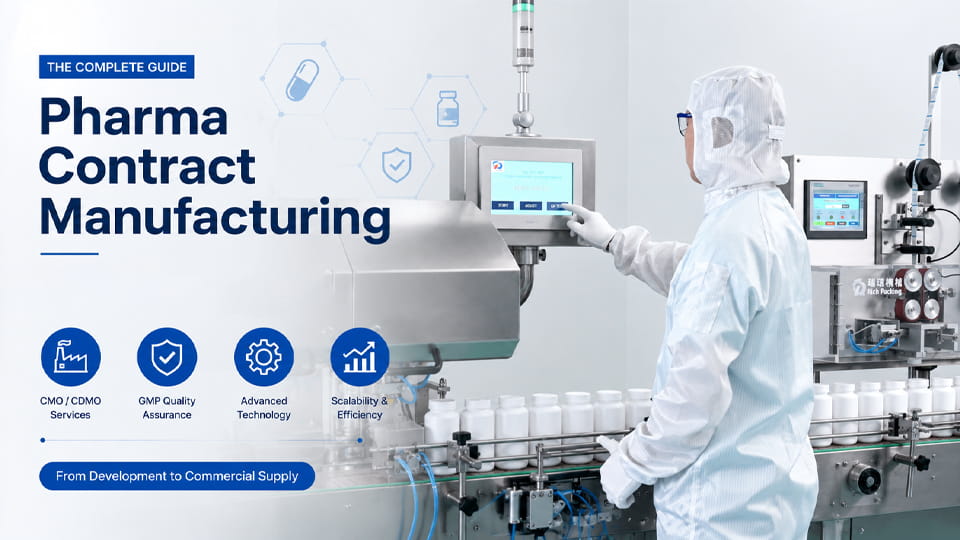
รับจ้างผลิตยา (เรียกอีกอย่างว่าการจ้างบุคคลภายนอกด้านเภสัชกรรม) คือการที่บริษัทยาว่าจ้างบริษัทบุคคลที่สามให้ผลิตผลิตภัณฑ์ยาของตน. บุคคลที่สามเหล่านี้ – เรียกว่า องค์กรการผลิตตามสัญญา (ซีเอ็มโอ) – อาจผลิตเพียงยาเชิงพาณิชย์หรือบางครั้งก็ให้การสนับสนุนการพัฒนา. ในทางปฏิบัติ, สัญญาการผลิตยาสามารถครอบคลุมได้:
- API (ส่วนผสมทางเภสัชกรรมที่ใช้งานอยู่): การสังเคราะห์สารประกอบยาออกฤทธิ์.
- สูตร & FDF (แบบฟอร์มการให้ยาสำเร็จรูป): ผสมส่วนผสมลงในแท็บเล็ต, แคปซูล, ของเหลว, หรือแบบฉีด.
- การผลิตยา: การบีบอัดแท็บเล็ต, เติมแคปซูล, การบรรจุเม็ด, ฯลฯ.
- การบรรจุหีบห่อ & การติดฉลาก: การบรรจุแผลพุพอง, การบรรจุขวด, การใส่สารดูดความชื้น, การบรรจุกล่อง, การทำให้เป็นอนุกรม, ฯลฯ.
- การผลิตทางคลินิก/เชิงพาณิชย์: ตั้งแต่ชุดทดลองขนาดเล็กไปจนถึงการดำเนินการเชิงพาณิชย์ขนาดใหญ่.
ที่สำคัญ., ระยะ ซีดีเอ็มโอ (องค์การพัฒนาตามสัญญาและการผลิต) ได้กลายเป็นเรื่องธรรมดามากขึ้น. CDMO ไม่เพียงแต่ผลิตยาเท่านั้น, แต่ยังจัดการการพัฒนาและการขยายขนาดภายใต้หลังคาเดียวกัน. กล่าวอีกนัยหนึ่ง, ซีเอ็มโอ = “เพียงการผลิต," ในทางตรงกันข้าม ซีดีเอ็มโอ = “การพัฒนา บวก การผลิต." CDMO อาจช่วยในการออกแบบการกำหนดสูตร, ชุดนักบิน, และการยื่นตามกฎระเบียบ, จากนั้นจึงปรับขนาดกระบวนการจนเต็มการผลิตอย่างราบรื่น, ลดการส่งมอบและความล่าช้า.
CMO ช่วยให้ผู้สนับสนุนผลิตสารยาและผลิตภัณฑ์ยาที่เป็นนวัตกรรมใหม่ (จัดหาสิ่งอำนวยความสะดวกและกำลังการผลิต). ในทางตรงกันข้าม, CDMO ให้บริการโซลูชั่นการพัฒนาและการผลิตยาแบบครบวงจร, การรวมอาร์&ความเชี่ยวชาญ D พร้อมความสามารถในการผลิต. ในทางปฏิบัติ, บริษัทยาหลายแห่งชอบโมเดล CDMO มากขึ้นเรื่อยๆ สำหรับความร่วมมือแบบครบวงจร ตั้งแต่การพัฒนาระยะแรกไปจนถึงการออกหมายเลขซีเรียลขั้นสุดท้าย เพื่อลดความเสี่ยงระหว่างการเปลี่ยนผ่าน.
กระบวนการผลิตตามสัญญายา
โดยทั่วไปแล้ว โปรแกรมการผลิตตามสัญญาจะเป็นไปตามวงจรการพัฒนายาจากห้องปฏิบัติการสู่ตลาด. ขั้นตอนสำคัญมีระบุไว้ในผังงานด้านล่าง, แล้วจึงบรรยายสั้นๆ:
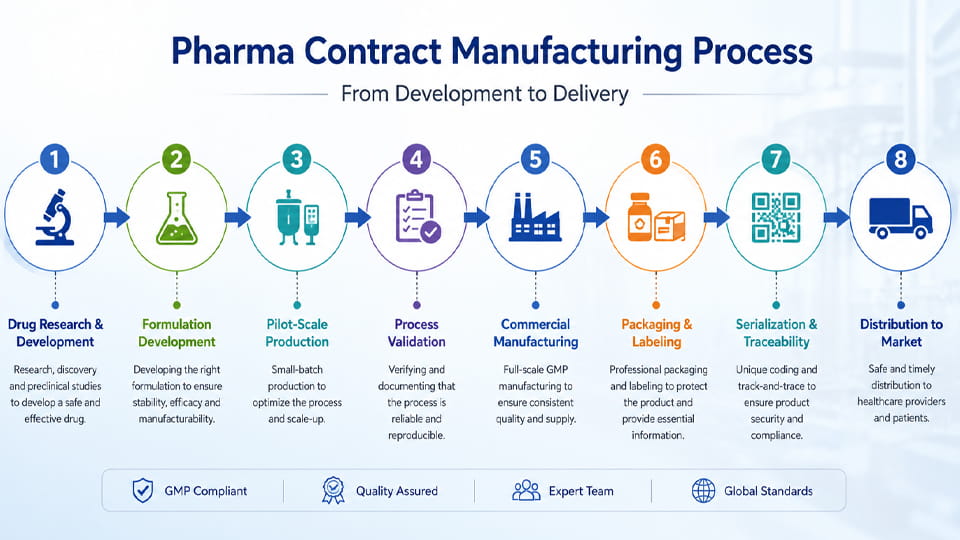
- การวิจัยยา & การพัฒนา: ในช่วงต้นร&ดี, นักวิทยาศาสตร์ระบุโมเลกุลที่อาจเป็นไปได้. สำหรับบริษัทขนาดเล็กหรือเทคโนโลยีชีวภาพ, CDMO อาจร่วมมือกันในการออกแบบการกำหนดสูตรหรือกระบวนการ (E.G. การเพิ่มประสิทธิภาพสูตรยาเม็ดหรือแคปซูล).
- การพัฒนาสูตร: CDMO ทำงานร่วมกับผู้สนับสนุนเพื่อสรุปสูตรยา (แท็บเล็ต, แคปซูล, ผง, ของเหลว, ฯลฯ) และพัฒนาวิธีการผลิต. ขั้นตอนนี้รวมถึงงานในห้องปฏิบัติการและการศึกษาการกำหนดสูตรล่วงหน้าเพื่อให้มั่นใจถึงความเสถียรและประสิทธิภาพของรูปแบบขนาดยา.
- การผลิตระดับนำร่อง: เมื่อกำหนดสูตรแล้ว, CDMO จะผลิตชุดนำร่องขนาดเล็ก (มักจะ 10^3–10^5 หน่วย) ภายใต้เงื่อนไข GMP. ชุดเหล่านี้ใช้สำหรับการทดลองทางคลินิกหรือการส่งตามกฎระเบียบ. กระบวนการนี้ได้รับการขยายขนาดเป็นขั้นตอน.
- การตรวจสอบกระบวนการ: ก่อนดำเนินการเชิงพาณิชย์เต็มรูปแบบ, CDMO จะตรวจสอบกระบวนการ (พิสูจน์ได้ว่าสามารถผลิตยาได้มาตรฐานคุณภาพสม่ำเสมอ). รวมถึงคุณสมบัติของอุปกรณ์อย่างครบถ้วน, สายการบรรจุ, การทดสอบเชิงวิเคราะห์, และเอกสาร.
- การผลิตเชิงพาณิชย์: พร้อมการตรวจสอบความถูกต้องเสร็จสมบูรณ์, CDMO ย้ายไปสู่การผลิตขนาดใหญ่ภายใต้ cGMP. ซึ่งอาจเกี่ยวข้องกับการเรียกใช้หลายกะ, บันทึกแบทช์, และประชุมตรวจสอบตามกฎระเบียบ. โรงงานแห่งนี้ผลิตส่วนผสมออกฤทธิ์และรูปแบบขนาดยาสุดท้ายในปริมาณที่ตกลงกันไว้.
- การบรรจุหีบห่อ & การติดฉลาก: จากนั้นจึงบรรจุแบบฟอร์มขนาดยาที่เสร็จแล้ว – ตัวอย่างเช่น, แท็บเล็ตอาจเข้าไปในแผลพุพองหรือขวด, ของเหลวถูกเติมและปิดฝา – และติดฉลาก. สายการบรรจุ CDMO สมัยใหม่มักมีตัวบรรจุแคปซูลอัตโนมัติ, เคาน์เตอร์แท็บเล็ต, ฟิลเลอร์ขวด/ฝาขวด, เครื่องปิดผนึกแบบเหนี่ยวนำ, เครื่องพิมพ์ฉลาก, และกล่องบรรจุที่ทำงานตามลำดับ.
- การทำให้เป็นอนุกรม & การตรวจสอบย้อนกลับ: เพื่อให้สอดคล้องกับกฎระเบียบสากล, บรรจุภัณฑ์ประกอบด้วยการซีเรียลไลซ์ (บาร์โค้ด/รหัส QR ที่ไม่ซ้ำใคร) และคุณสมบัติการติดตามและติดตาม. ช่วยให้มั่นใจได้ว่าทุกหน่วยสามารถตรวจสอบได้ตั้งแต่การผลิตจนถึงการขาย.
- การกระจาย: ในที่สุด, ยาบรรจุหีบห่อจะถูกจัดเก็บและจัดส่งให้กับลูกค้าหรือผู้จัดจำหน่ายทั่วโลก. CDMO อาจจัดการคลังสินค้าและโลจิสติกส์ตามเงื่อนไขสัญญา.
ในแต่ละขั้นตอน, CDMO ให้การจัดการโครงการ, การกำกับดูแลคุณภาพ, และการสนับสนุนด้านกฎระเบียบเพื่อให้แน่ใจว่าบรรลุเหตุการณ์สำคัญ. โดยการเอาท์ซอร์สตามขั้นตอนเหล่านี้, ผู้สนับสนุนยาหลีกเลี่ยงการสร้างอาร์ที่ซ้ำซ้อน&D และโครงสร้างพื้นฐานการผลิต.
CMO กับ CDMO: ความแตกต่างคืออะไร?
ด้านล่างนี้คือการเปรียบเทียบโดยย่อของ CMO แบบดั้งเดิม (องค์การผลิตตามสัญญา) และซีดีเอ็มโอ:
| ด้าน |
ซีเอ็มโอ (องค์การผลิตตามสัญญา) |
ซีดีเอ็มโอ (สัญญาพัฒนา. & ผู้ผลิต. องค์กร) |
| ขอบเขตการบริการ |
การผลิตและบรรจุภัณฑ์บางครั้ง. |
จบ-to-end: ร&ดี, สูตร, และการผลิต. |
| ร&การมีส่วนร่วม |
น้อยที่สุด; ถือว่ามีการจัดเตรียมสูตรไว้. |
ใช้งานอยู่ในสูตร, ขยายขนาด, และการถ่ายทอดเทคโนโลยี. |
| ขั้นตอนการผลิต |
โดยปกติแล้วจะเป็นการผลิตเชิงพาณิชย์หรือทางคลินิก. |
ครอบคลุมตั้งแต่ระดับคลินิกระยะแรกไปจนถึงระดับเชิงพาณิชย์. |
| แฮนด์ออฟผู้ขาย |
อาจต้องมีพันธมิตรการพัฒนาแยกต่างหาก. |
พันธมิตรรายหนึ่งลดการแฮนด์ออฟและความล่าช้า. |
| กรณีการใช้งานทั่วไป |
ความสามารถพิเศษสำหรับยาที่รู้จัก (ยาชื่อสามัญ). |
การพัฒนายาใหม่หรือโครงการที่ซับซ้อน. |
| มูลค่าเพิ่ม |
สิ่งอำนวยความสะดวก & ขยายขนาด, ประหยัดต้นทุน. |
การสนับสนุนด้านกฎระเบียบ, การพัฒนาเชิงวิเคราะห์, วงจรชีวิตเต็มรูปแบบ. |
ตารางนี้เน้นย้ำว่า CMO มุ่งเน้นไปที่การผลิตเป็นหลัก, ในทางตรงกันข้าม CDMO นำเสนอบริการด้านการพัฒนาและการผลิตแบบครบวงจร. กล่าวอีกนัยหนึ่ง, หากคุณมีสูตรยาที่สรุปผลแล้วและเพียงต้องการกำลังการผลิต, CMO อาจจะเพียงพอแล้ว. แต่ถ้าคุณต้องการความช่วยเหลือ พัฒนาสูตรยาใหม่, กระบวนการปรับขนาด, และกฎข้อบังคับในการเดินเรือ, CDMO คือพันธมิตรที่คุณเลือก.
ประเภทของผลิตภัณฑ์ยาที่สามารถรับจ้างผลิตได้
CDMO สมัยใหม่สามารถผลิตผลิตภัณฑ์ยาได้แทบทุกประเภท. นี่คือตัวอย่างทั่วไป, พร้อมด้วยอุปกรณ์สำคัญที่ใช้:
- แท็บเล็ต: ยาเม็ดปากแข็งทำโดยการอัดผงหรือเม็ดใน แท็บเล็ตหมุน. เครื่องกดแท็บเล็ตความเร็วสูงสามารถบีบอัดเม็ดยาได้หลายแสนเม็ดต่อชั่วโมง. เครื่องโรตารีอิเล็กทรอนิกส์ สามารถรองรับแท็บเล็ตรูปทรงมาตรฐานและรูปทรงพิเศษได้. โดยปกติแล้วการกดแท็บเล็ตจะตามมา เม็ดเปียกหรือแห้ง ขั้นตอนที่ทำที่ CDMO. (แท็บเล็ตสามารถพองหรือบรรจุขวดได้)
- แคปซูล: แคปซูลแข็งจะเต็มไปด้วยผงหรือเม็ดโดยใช้ เครื่องบรรจุแคปซูล. เครื่องบรรจุแคปซูลของ Jinlu มีตั้งแต่เครื่องบรรจุกึ่งอัตโนมัติ (สำหรับชุดเล็ก) ไปจนถึงเครื่องจำนวนหลายพันแคปซูล/ชั่วโมงแบบอัตโนมัติเต็มรูปแบบ. แคปซูลก็สามารถเป็นได้ ซอฟเจล หรือ แคปซูลเหลว. การผลิตแคปซูลเป็นเรื่องปกติในอาหารเสริมและยาที่ไม่ต้องสั่งโดยแพทย์.
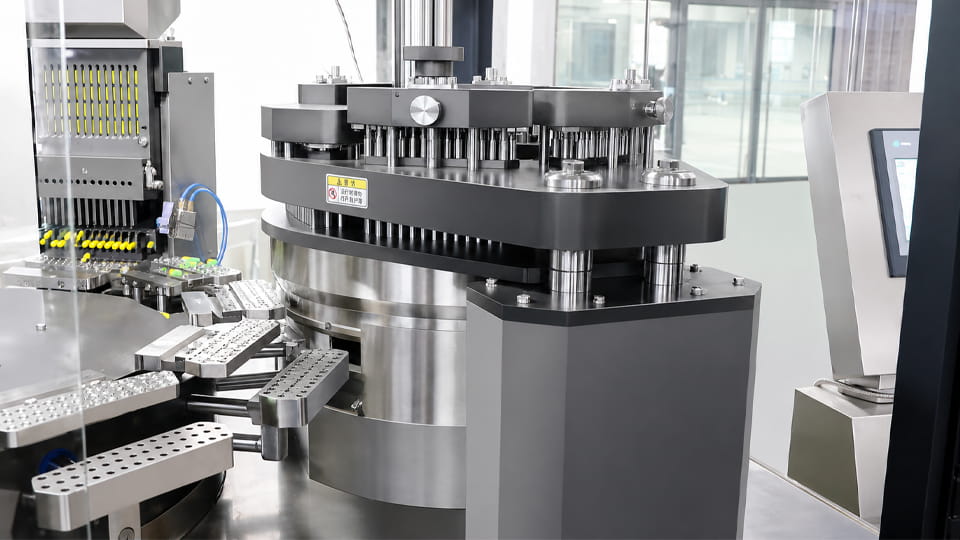
รูป: สายการบรรจุแคปซูลอัตโนมัติในโรงงานผลิตตามสัญญา. เครื่องเหล่านี้เติมผงหรือเม็ดลงในแคปซูลเปลือกแข็ง, สามารถผลิตแคปซูลได้หลายหมื่นแคปซูลต่อชั่วโมง.
- ผง & เม็ด: ผงหรือเม็ดจำนวนมาก (E.G. สำหรับซองหรือบรรจุภัณฑ์จำนวนมาก) อาจจัดการโดยปริมาตรหรือสว่าน เครื่องบรรจุ, และบรรจุเป็นถุงหรือขวด. CDMO มักใช้เครื่องป้อนแบบสั่น, ระบบลดน้ำหนัก, หรือสารตัวเติมชนิดผงพิเศษเพื่อการจ่ายที่แม่นยำ. (ตัวอย่างเช่น, เครื่องแพ็คสติ๊ก [ดูด้านล่าง] มักจะรวมเครื่องป้อนผงแบบปริมาตรเข้าด้วยกัน)
- ซอง & สติ๊กแพ็ค: ซองขนาดเดียวเป็นเรื่องปกติสำหรับสูตรผงหรือของเหลว (เช่น ผงหรือของเหลวสำหรับการทดลองทางคลินิก). แนวตั้ง-กรอก-ประทับตรา (Vffs) เครื่องจักรเช่นเครื่องบรรจุซองจะขึ้นรูปโดยอัตโนมัติ, เติม, และแพ็คแท่งซีลและถุงเล็ก ๆ. เครื่องจักรเหล่านี้สามารถบรรจุผงได้, เม็ด, ของเหลวหรือเจลในแพ็คเก็ตที่ปิดสนิท.
- ขวด (ของเหลว, แท็บเล็ต): น้ำเชื่อมหรือสารแขวนลอยเหลวถูกเติมลงในขวดโดยใช้ความเร็วสูง สายการบรรจุขวด, ซึ่งรวมถึงการล้าง, การกรอก, สูงสุดที่กำหนด, และการปิดผนึกแบบเหนี่ยวนำ. เม็ดยาและแคปซูลสามารถนับและใส่ลงในขวดได้. บรรทัดเหล่านี้มักประกอบด้วยอัตโนมัติ เคาน์เตอร์แท็บเล็ต/แคปซูล เพื่อเติมขวด. (เครื่องนับแคปซูล/แท็บเล็ตของ Jinlu สามารถเติมขวดได้ที่ความเร็ว 50–100 bpm) เมื่อเติมและต่อยอดแล้ว, หนึ่ง เครื่องปิดผนึกเหนี่ยวนำ ใช้ฟอยล์ปิดผนึกใต้ฝาปิดเพื่อเป็นหลักฐานการงัดแงะ.
- แพ็คแผลพุพอง: แท็บเล็ตและแคปซูลจำนวนมากบรรจุในบัตรตุ่ม (โพรง PVC/Alu). อัตโนมัติ เครื่องบรรจุพุพอง (E.G. เครื่องบรรจุตุ่มของ JL) สร้างกระเป๋าตุ่ม, กรอกหน่วยขนาดยา, และซีลความร้อนด้วยฟอยล์หรือพีวีซี. เครื่องผลิตบรรจุภัณฑ์พลาสติกสามารถทำงานได้ 4,000–12,000 ตุ่มต่อชั่วโมงสำหรับผลิตภัณฑ์ที่มีปริมาณมาก.
- กล่อง: หลังจากพองหรือเติมขวดแล้ว, สินค้าจะถูกใส่ลงในกล่อง. ก เครื่องบรรจุกล่อง พับและทากาวกล่องกระดาษแข็งรอบๆ ผลิตภัณฑ์ (ขวด, บัตรตุ่ม, ซอง). เครื่องบรรจุกล่องของ Jinlu สามารถรองรับได้ถึง ~15,600 กล่องต่อชั่วโมง และสามารถทำงานร่วมกับการติดฉลากขั้นปลายได้.
- ถุง/ขวดปิดผนึก: สินค้าบางชนิด (ครีม, เจล, สารแขวนลอย) เข้าไปในหลอด, ไห, หรือกระเป๋าแบบพิเศษ. มีเส้นเติมและปิดฝาสำหรับหลอดและขวดโหล. (ตัวอย่างเช่น, เครื่องปิดฝาแบบเหนี่ยวนำหรือเครื่องปิดฝา) Jinlu ยังจัดหาอุปกรณ์ บรรจุถุงสำเร็จรูป เส้นและ เครื่องบรรจุกล่องอัตโนมัติ สำหรับแพ็คหลายแพ็ค.
ในระยะสั้น, รูปแบบการให้ยาขั้นสุดท้ายใดๆ – ยาเม็ด, แคปซูล, ผง, ของเหลว, แพ็คแผลพุพอง, ขวด – สามารถผลิตได้โดย CDMO ที่มีความสามารถ.
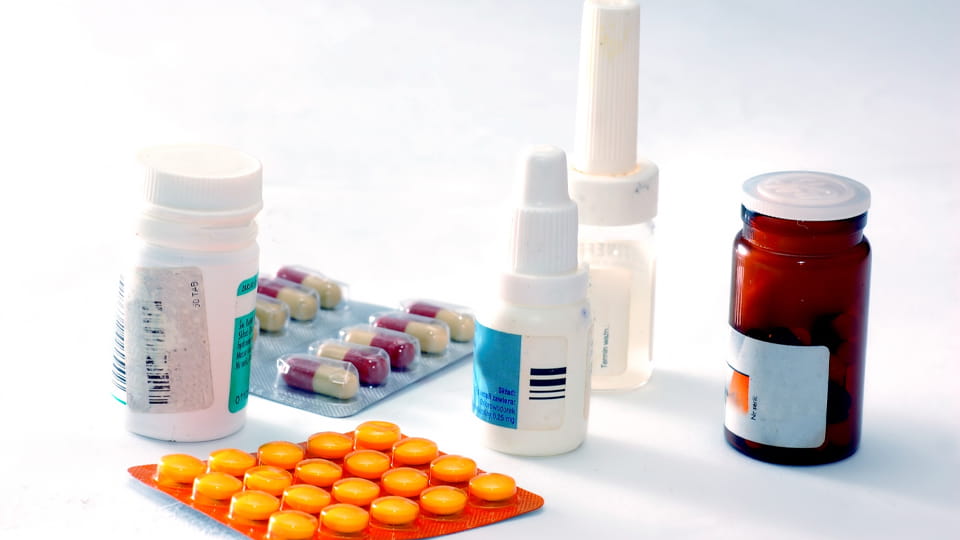
ประโยชน์และความท้าทายของการผลิตตามสัญญาผลิตยา
เช่นเดียวกับการตัดสินใจทางธุรกิจใดๆ, รับจ้างผลิตยา ให้ข้อดีที่ชัดเจน, แต่มันก็มาพร้อมกับความรับผิดชอบด้วย. การทำความเข้าใจทั้งสองฝ่ายช่วยให้บริษัทยาตัดสินใจได้ว่าการจ้างบุคคลภายนอกเป็นกลยุทธ์ที่เหมาะสมหรือไม่.
ประโยชน์
- ต้นทุนการลงทุนที่ต่ำกว่า – การสร้างและตรวจสอบโรงงานผลิตยา GMP ต้องใช้เงินทุนจำนวนมาก. การผลิตตามสัญญาช่วยให้บริษัทต่างๆ สามารถเริ่มการผลิตได้โดยไม่ต้องลงทุนในโครงสร้างพื้นฐานที่มีราคาแพง.
- เวลาออกสู่ตลาดเร็วขึ้น – CDMO ที่มีประสบการณ์มีสิ่งอำนวยความสะดวกที่ผ่านการรับรองแล้ว, พนักงานที่ผ่านการฝึกอบรม, และสายการผลิตที่ได้รับการตรวจสอบแล้ว, ช่วยให้ผลิตภัณฑ์ย้ายจากการพัฒนาไปสู่เชิงพาณิชย์ได้รวดเร็วยิ่งขึ้น.
- เข้าถึงความเชี่ยวชาญเฉพาะทาง – ผู้ผลิตตามสัญญามักมีประสบการณ์กับนักวิทยาศาสตร์ด้านการกำหนดสูตร, ทีมงานคุณภาพ, และผู้เชี่ยวชาญด้านกฎระเบียบที่เข้าใจ อย, EMA, และ ข้อกำหนด GMP.
- กำลังการผลิตที่ยืดหยุ่น – ไม่ว่าจะเป็นการผลิตชุดนำร่องหรือปริมาณเชิงพาณิชย์, การจ้างบุคคลภายนอกให้ความยืดหยุ่นในการเพิ่มหรือลดการผลิตตามความต้องการของตลาดที่เปลี่ยนแปลง.
- อุปกรณ์การผลิตขั้นสูง – CDMO สมัยใหม่ลงทุนในเครื่องบรรจุแคปซูลความเร็วสูง, แท็บเล็ตกด, เครื่องบรรจุหีบห่อ, สายการบรรจุขวด, และระบบตรวจสอบอัตโนมัติที่ผู้ผลิตรายย่อยหลายรายไม่สามารถตัดสินใจซื้อเองได้.
ความท้าทาย
ในขณะที่การเอาท์ซอร์สให้ประโยชน์มากมาย, บริษัทต่างๆ ควรตระหนักถึงความท้าทายที่อาจเกิดขึ้นหลายประการ:
- การรักษาคุณภาพของผลิตภัณฑ์ให้สม่ำเสมอในผลิตภัณฑ์ต่างๆ ชุดการผลิต.
- การปกป้องสูตรที่เป็นความลับและทรัพย์สินทางปัญญา.
- ประสานงานการสื่อสารระหว่างบริษัทยาและพันธมิตรการผลิต.
- การตรวจสอบให้แน่ใจว่า CDMO ยังคงเป็นไปตามข้อกำหนดด้านกฎระเบียบและ GMP.
- การจัดการความเสี่ยงในห่วงโซ่อุปทานที่อาจส่งผลต่อกำหนดการผลิต.
โชคดี, ความท้าทายเหล่านี้ส่วนใหญ่สามารถลดลงได้โดยการเลือกพันธมิตรการผลิตตามสัญญาด้านเภสัชกรรมที่มีประสบการณ์พร้อมระบบการจัดการคุณภาพที่แข็งแกร่ง, การสื่อสารที่โปร่งใส, และการปฏิบัติตามกฎระเบียบที่ได้รับการพิสูจน์แล้ว. อย่างละเอียดถี่ถ้วน กระบวนการตรวจสอบคุณสมบัติของซัพพลายเออร์และการตรวจสอบอย่างสม่ำเสมอ ยังช่วยสร้างความสำเร็จในการเป็นหุ้นส่วนระยะยาว.
วิธีเลือกพันธมิตรการผลิตตามสัญญายาที่เหมาะสม
การเลือก CDMO/CMO ถือเป็นการตัดสินใจที่สำคัญ. นี่คือเกณฑ์สำคัญ, แสดงด้วยเลนส์ความต้องการผลิตภัณฑ์ยา:
- คุณภาพ & การปฏิบัติตามกฎระเบียบ: ประการแรกและสำคัญที่สุด, พันธมิตรจะต้องมีระบบคุณภาพที่แข็งแกร่งและบันทึกด้านกฎระเบียบที่สะอาด. มองหา อย, EMA, หรือใบรับรอง GMP ของ WHO, การรับรองคุณภาพ ISO, และมีประวัติผ่านการตรวจสอบ. คุณสามารถตรวจสอบฐานข้อมูลการตรวจสอบของ FDA เพื่อตรวจสอบจดหมายเตือนหรือ GMP 483 ได้ที่ไซต์ของตน. บริษัทควรมีความโปร่งใสเกี่ยวกับห้องปฏิบัติการควบคุมคุณภาพและกระบวนการตรวจสอบ.
- ประสบการณ์ที่เกี่ยวข้อง: ตรวจสอบให้แน่ใจว่า CDMO มีประสบการณ์เกี่ยวกับผลิตภัณฑ์ประเภทของคุณ. ตัวอย่างเช่น, ถ้าคุณทำแท็บเล็ต, พวกเขามีไลน์กดแท็บเล็ตสมัยใหม่ไหม? หากคุณมีวิชาชีววิทยา, พวกเขามีสิ่งอำนวยความสะดวกที่ปลอดเชื้อหรือใช้ครั้งเดียวหรือไม่? พันธมิตรที่มีประสบการณ์ในด้านการรักษาของคุณ (ยาปฏิชีวนะเทียบกับ. ฮอร์โมนเทียบกับ. ชีววิทยา) จะคาดการณ์ความท้าทายได้ดีขึ้น. สอบถามกรณีศึกษาที่คล้ายกันหรือลูกค้าที่พวกเขาเคยร่วมงานด้วย.
- ความสามารถในการผลิต & ความจุ: พวกเขามีอุปกรณ์และขนาดความจุที่เหมาะสมหรือไม่? มองหาเครื่องจักรที่ทันสมัย (E.G. เครื่องเติมแคปซูลอัตโนมัติ, การกดแท็บเล็ตหลายการบีบอัด, เส้นตุ่มและขวด) เพื่อให้แน่ใจว่าสามารถตอบสนองความต้องการด้านปริมาณของคุณได้. ยืนยันด้วยว่าพวกเขามีแผนกำลังการผลิตสำรองหรือแผนการขยายที่จะเติบโตไปพร้อมกับโครงการของคุณ. สิ่งอำนวยความสะดวกที่เต็มเปี่ยมอาจไม่ให้ความสำคัญกับโครงการของคุณ.
- การสนับสนุนด้านเทคนิค & บริการด้านการพัฒนา: หากคุณต้องการร&ดีช่วยด้วย, เลือกซีดีเอ็มโอ (ไม่ใช่แค่ซีเอ็มโอ) ด้วยสูตรผสมที่แข็งแกร่งและห้องปฏิบัติการวิเคราะห์. ตรวจสอบว่ามีบริการที่ครอบคลุมหรือไม่ (การพัฒนาวิธีการวิเคราะห์, การทดสอบความเสถียร, การออกแบบบรรจุภัณฑ์). ทำให้การโอนราบรื่นขึ้นและช่วยในการยื่นเรื่องตามกฎระเบียบ. พันธมิตรที่ยินดีร่วมพัฒนาและแก้ไขปัญหาจะมีคุณค่ามากกว่ามาก.
- คุณภาพของการสื่อสาร & บริการ: การจัดการโครงการที่ดีเป็นสิ่งสำคัญ. CDMO ควรมอบหมายทีมงานเฉพาะด้าน, ให้การปรับปรุงเป็นประจำ, และตอบสนอง. การประชุมด้วยตนเองหรือการประชุมเสมือนจริงควรเป็นเรื่องง่าย - สถานที่เป็นสิ่งสำคัญ. (ดังที่บทความอุตสาหกรรมฉบับหนึ่งระบุไว้, การมีเพื่อนร่วมเดินทางอยู่ใกล้ๆ จะช่วยลดความล่าช้าในการเดินทางและปรับปรุงการประสานงานได้. อย่างไรก็ตาม, CDMO ระดับโลกจำนวนมากให้บริการลูกค้าต่างประเทศอย่างมีประสิทธิภาพ) ตรวจสอบให้แน่ใจว่าวัฒนธรรมและภาษาตรงกับความต้องการของคุณ.
- ความมั่นคงทางการเงิน & ชื่อเสียง: พันธมิตรที่เชื่อถือได้ต้องการการเงินที่มั่นคง. บริษัทต่างๆ ต้องการความสัมพันธ์ระยะยาว, เพื่อตรวจสอบขนาดและความมั่นคงของบริษัท. CDMO เริ่มต้นอาจมีความเสี่ยงเว้นแต่จะได้รับการสนับสนุนอย่างดี. ตรวจสอบข้อมูลอ้างอิงจากลูกค้ายารายอื่นๆ หรือค้นหาบทวิจารณ์ของอุตสาหกรรม.
- การคุ้มครองทรัพย์สินทางปัญญา: ถามเกี่ยวกับนโยบายความปลอดภัย IP ของพวกเขา. พวกเขาจัดเก็บข้อมูลของคุณอย่างไร, จัดการสมุดบันทึกสำหรับห้องปฏิบัติการ, และบริหารจัดการการเข้าถึงบุคลากร? CDMO ที่น่าเชื่อถือจะมีข้อตกลงการรักษาความลับที่เข้มงวด.
- ราคา & ข้อตกลง: แน่นอน, เรื่องต้นทุน. ขอใบเสนอราคาที่โปร่งใส. ระวังการเสนอราคาที่ต่ำผิดปกติ เพราะอาจถูกตัดมุมได้. หารือเรื่องระยะเวลารอคอยด้วย, เปลี่ยนความยืดหยุ่นในการสั่งซื้อ, และบทลงโทษในสัญญา. พันธมิตรที่ดีย่อมมีความเป็นธรรมและชัดเจน.
โดยสรุป: ตรวจสอบคุณภาพของพวกเขา, ทดสอบความรู้ของพวกเขา, และตรวจสอบให้แน่ใจว่ามีชุดอุปกรณ์และความจุที่เหมาะสมสำหรับโครงการของคุณ. ความโปร่งใสและความไว้วางใจเป็นสิ่งสำคัญ. ดำเนินการเยี่ยมชมสถานที่หากเป็นไปได้. ตามที่คู่มืออุตสาหกรรมฉบับหนึ่งแนะนำ, การตรวจสอบบันทึก FDA GMP ของ CMO ถือเป็นการดำเนินการที่ชาญฉลาด. โดยการเปรียบเทียบผู้จำหน่ายหลายรายตามเกณฑ์เหล่านี้, คุณสามารถเลือกพันธมิตรที่จะเป็นส่วนเสริมของทีมของคุณได้.
อุปกรณ์ทางเภสัชกรรมที่ใช้ในการผลิตตามสัญญา
อุปกรณ์ขั้นสูงเป็นหัวใจสำคัญของสายการผลิตของ CDMO. ต่อไปนี้คือเครื่องจักรหลักบางส่วนที่คุณมักพบในโรงงานของผู้ผลิตตามสัญญา:
ด้วยการรวมเครื่องจักรเหล่านี้เข้ากับผู้ปฏิบัติงานที่มีทักษะและ SOP, CDMO สามารถดำเนินการผลิตแบบหลายขั้นตอนที่ซับซ้อนได้. ตัวอย่างเช่น, กลุ่มผลิตภัณฑ์แคปซูลอาจเริ่มต้นด้วยตัวบรรจุแคปซูล, ย้ายไปที่เคาน์เตอร์แคปซูล (เพื่อเติมขวด), จากนั้นเครื่องปิดผนึกแบบเหนี่ยวนำ, และปิดท้ายด้วยเครื่องติดฉลากและเครื่องบรรจุกล่อง - ทั้งหมดทำงานภายใต้การควบคุมแบบซิงโครไนซ์. ในทำนองเดียวกัน, สายแท็บเล็ตอาจเปลี่ยนจากการกด → เครื่องบรรจุตุ่ม → เครื่องติดฉลาก → เครื่องบรรจุกล่อง. อุปกรณ์ขั้นสูงช่วยเพิ่มปริมาณงานและรักษาคุณภาพที่สม่ำเสมอ.
ในทางปฏิบัติ, CDMO ชั้นนำลงทุนใน อุปกรณ์ล้ำสมัย. เช่น, Jinlu Packing นำเสนอโซลูชั่นแบบครบวงจร: เครื่องบรรจุแคปซูลความเร็วสูงและเครื่องอัดยาเม็ดได้รับการออกแบบมาเพื่อ การปฏิบัติตาม cGMP. เครื่องบรรจุตุ่มมีคุณสมบัติเช่น อลูมิเนียมอลูมิเนียม (อลู-อลู) และพีวีซี การปิดผนึกด้วยความร้อนเพื่อความยืดหยุ่น. การลงทุนในอุปกรณ์บรรจุภัณฑ์และการแปรรูปอัตโนมัติดังกล่าวทำให้มั่นใจได้ว่า CDMO สามารถจัดหาคำสั่งซื้อจำนวนมากได้อย่างน่าเชื่อถือ.
เหตุใด CDMO สมัยใหม่จึงต้องการอุปกรณ์บรรจุภัณฑ์ขั้นสูง
เมื่อผู้ผลิตตามสัญญาขยายขนาดเพื่อรองรับตลาดยาทั่วโลก, อุปกรณ์บรรจุภัณฑ์อัตโนมัติขั้นสูง กลายเป็นสิ่งจำเป็น. นี่คือเหตุผล:
- ความเร็ว & ปริมาณงาน: อุปกรณ์ความเร็วสูง (ฟิลเลอร์หลายเลน, เครื่องโรตารี่, เส้นตุ่ม) ช่วยให้สามารถทำงานได้หลายพันถึงล้านโดสต่อวัน. สำหรับซีดีเอ็มโอ, เครื่องจักรที่เร็วขึ้นหมายถึงความสามารถในการจัดการสัญญาที่มากขึ้นและปริมาณที่มากขึ้น. เส้นอัตโนมัติสามารถทำงานได้ 24/7 โดยมีเวลาหยุดทำงานน้อยที่สุด.
- ความสม่ำเสมอ & ความแม่นยำ: เครื่องจักรอัตโนมัติทำให้แต่ละหน่วยเหมือนกัน. ตัวอย่างเช่น, ฟิลเลอร์แคปซูลสมัยใหม่มีกลไกการเติมที่แม่นยำ (ตามที่ปรากฏในการออกแบบที่ได้รับการจดสิทธิบัตรของ JL) ที่ทำให้ความแปรผันของปริมาณรังสีต่ำ. การกดแท็บเล็ตที่แม่นยำและระบบตรวจสอบการมองเห็นช่วยให้ได้รับน้ำหนักปริมาณที่สม่ำเสมอ, ซึ่งเป็นสิ่งสำคัญสำหรับประสิทธิภาพและการผ่าน QC.
- การปฏิบัติตามกฎระเบียบ: กฎระเบียบ GMP จำเป็นต้องมีการควบคุมและความสะอาดเป็นเอกสาร. อุปกรณ์รุ่นใหม่ถูกสร้างขึ้นด้วยการออกแบบที่ถูกสุขลักษณะ (สแตนเลสทั้งหมด, พื้นผิวที่ทำความสะอาดง่าย, กระบวนการที่แนบมา). เช่น, เส้นขวดที่มีการบรรจุและฝาปิดแบบปิดเป็นไปตามมาตรฐานด้านสุขอนามัยที่เข้มงวด. เครื่องจักรขั้นสูงยังรองรับการทำให้เป็นอนุกรมและการบันทึกข้อมูลอัตโนมัติอีกด้วย, ซึ่งช่วยให้ CDMO ปฏิบัติตามกฎระเบียบด้านการติดตามและติดตาม.
- การออมแรงงาน: สายการผลิตแบบอัตโนมัติช่วยลดการใช้แรงงานคนและข้อผิดพลาดของมนุษย์ได้อย่างมาก. แทนการนับด้วยมือหรือการนับด้วยมือ, ฟีดเครื่องจักร, เติม, ผนึก, และติดป้ายกำกับโดยอัตโนมัติ. ซึ่งไม่เพียงแต่ช่วยลดต้นทุนค่าแรงเท่านั้น แต่ยังช่วยลดความเสี่ยงในการปนเปื้อนและปัญหาด้านหลักสรีรศาสตร์อีกด้วย.
- ความยืดหยุ่น & การรวมเข้าด้วยกัน: สายผลิตภัณฑ์ CDMO สมัยใหม่เป็นแบบโมดูลาร์. ตัวอย่างเช่น, สถานีเติมแคปซูลสามารถเชื่อมโยงกับเคาน์เตอร์แคปซูลและต่อเข้ากับเครื่องบรรจุขวดบนสายพานลำเลียงเดียวกัน, ก่อตัวเป็นเส้นต่อเนื่อง. วิธีการบูรณาการนี้ช่วยให้สามารถเปลี่ยนแปลงผลิตภัณฑ์ต่างๆ ได้ง่ายขึ้น. บริษัทอย่าง Jinlu Packing นำเสนอโซลูชั่นแบบครบวงจร (E.G. ตั้งแต่ต้นจนจบ สายการบรรจุขวด ด้วย unscrambler →ฟิลเลอร์→ capper →เครื่องปิดผนึก→ labeler → cartoner) ดังนั้น CDMO จึงสามารถอัปเกรดเวิร์กโฟลว์ทั้งหมดได้.
- การตรวจสอบคุณภาพ: อุปกรณ์ขั้นสูงมักประกอบด้วยเซ็นเซอร์และกล้องในสายการผลิต. ตัวอย่างเช่น, หลังจากปิดผนึกถุงพุพองแล้ว, กล้องออพติคัลสามารถตรวจสอบแต่ละช่องเพื่อหาเม็ดยาหรือรูที่หายไป. หากตรวจพบปัญหา, ตุ่มนั้นสามารถถูกปฏิเสธได้โดยอัตโนมัติ. QA ในตัวดังกล่าวช่วยปรับปรุงความปลอดภัยของผลิตภัณฑ์ขั้นสุดท้ายได้อย่างมาก.
ในระยะสั้น, เครื่องจักรบรรจุภัณฑ์ที่ล้ำสมัยไม่ใช่สิ่งฟุ่มเฟือย แต่เป็นความจำเป็นสำหรับ CDMO. ช่วยเพิ่มประสิทธิภาพของอุปกรณ์โดยรวม (อีอี) และมั่นใจในความเร็วสูง, คุณภาพสูง, และการควบคุมด้านกฎระเบียบที่เข้มงวดต่อความต้องการการผลิตยาสมัยใหม่. โดยลงทุนในเครื่องจักรอย่าง เครื่องเติมแคปซูลอัตโนมัติ, เครื่องบรรจุตุ่ม, เครื่องอัดยาเม็ดแบบหมุน, และสายการบรรจุขวด, CDMO สามารถรับประกันคุณภาพของผลิตภัณฑ์และความน่าเชื่อถือในการจัดหาได้ดีขึ้น. สิ่งนี้จะเป็นประโยชน์โดยตรงต่อลูกค้าด้านเภสัชภัณฑ์โดยให้ผลผลิตที่สอดคล้องกับมาตรฐาน GMP และสามารถตรวจสอบย้อนกลับได้.
บทสรุป
รับจ้างผลิตยา (ไม่ว่าจะผ่านทาง CMO หรือ CDMO) ได้กลายเป็นแบบอย่างที่สำคัญของอุตสาหกรรม. การจ้างบุคคลภายนอกในการผลิตยาและบรรจุภัณฑ์ช่วยให้บริษัทต่างๆ สามารถประหยัดเงินได้, ใช้ประโยชน์จากทักษะเฉพาะทาง, และได้รับยาใหม่ๆ ให้คนไข้เร็วขึ้น. พันธมิตร CDMO ที่ดีจะจัดการทุกอย่างตั้งแต่การพัฒนาและการตรวจสอบไปจนถึงการผลิตและการบรรจุในปริมาณมาก, ทั้งหมดภายใต้เงื่อนไข cGMP.
ในขณะที่การเอาท์ซอร์สนำมาซึ่งความท้าทาย (เช่นการกำกับดูแลและการปกป้องทรัพย์สินทางปัญญา), ผลประโยชน์ – ประหยัดต้นทุน, ความเร็ว, และความสามารถในการปรับขนาด - มีความสำคัญ. เมื่อตลาดเติบโตขึ้น (คาดว่าจะเกินแสนล้านภายใน 2030), บริษัทยาจำนวนมากขึ้นจะเลือก CDMO. CDMO เหล่านั้น, ในทางกลับกัน, พึ่งพา ทันสมัย, อุปกรณ์อัตโนมัติ (เครื่องจักรแคปซูลและแท็บเล็ต, เส้นตุ่มและขวด, ฯลฯ) เพื่อตอบสนองความต้องการ.
พร้อมที่จะปรับปรุงการผลิตยาของคุณ? ติดต่อ Jinlu บรรจุ เพื่อขอคำปรึกษา. เรานำเสนอโซลูชั่นบรรจุภัณฑ์แบบครบวงจร ตั้งแต่เครื่องบรรจุแคปซูลและเครื่องอัดยาเม็ดความเร็วสูง ไปจนถึงสายการบรรจุตุ่มและขวดขั้นสูง ซึ่งออกแบบมาสำหรับการผลิตตามสัญญาตามมาตรฐาน GMP. ทีมงานของเราสามารถช่วยแนะนำอุปกรณ์ที่เหมาะสมเพื่อเพิ่มประสิทธิภาพการผลิตยาและกระบวนการบรรจุภัณฑ์ของคุณได้. ติดต่อวันนี้เพื่อเรียนรู้ว่าเราสามารถรองรับความต้องการ CDMO/CDO ของคุณได้อย่างไร!
คำถามที่พบบ่อยเกี่ยวกับการผลิตตามสัญญายา
การผลิตตามสัญญายาคืออะไร?
การผลิตตามสัญญาด้านยาคือการที่บริษัทยาว่าจ้างการผลิตยาจากภายนอกให้กับผู้ผลิตที่เป็นบุคคลที่สาม (CMO หรือ CDMO). ผู้ผลิตตามสัญญาจะจัดการงานต่างๆ เช่น การสังเคราะห์ API, สูตร, การผลิตยาเม็ด/แคปซูล, บรรจุภัณฑ์, และการติดฉลากภายใต้เงื่อนไข GMP. ซึ่งช่วยให้บริษัทยาสามารถใช้ประโยชน์จากความเชี่ยวชาญภายนอกและหลีกเลี่ยงการสร้างโรงงานของตนเองได้.
CMO และ CDMO แตกต่างกันอย่างไร?
ซีเอ็มโอ (องค์การผลิตตามสัญญา) เน้นการผลิตและบรรจุภัณฑ์ยาตามสูตรที่มีอยู่. ซีดีเอ็มโอ (องค์การพัฒนาตามสัญญาและการผลิต) ให้บริการทั้งด้านการพัฒนาและการผลิต. กล่าวอีกนัยหนึ่ง, CMO มักจะเริ่มต้นหลังจากการกำหนดสูตรเสร็จสิ้น, ในขณะที่ CDMO สามารถทำงานได้ตั้งแต่การพัฒนาสูตรตั้งแต่เนิ่นๆ จนถึงการผลิตเชิงพาณิชย์.
เหตุใดบริษัทยาจึงจ้างบุคคลภายนอกในการผลิต?
บริษัทจ้างบุคคลภายนอกเพื่อประหยัดต้นทุนและเวลา. การสร้างโรงงาน GMP มีราคาแพงมาก, ดังนั้นการเอาท์ซอร์สจึงหลีกเลี่ยงค่าใช้จ่ายด้านทุนนั้น. CDMO มีอุปกรณ์และความเชี่ยวชาญอยู่แล้ว, ซึ่งช่วยเร่งการเปิดตัวผลิตภัณฑ์. การจ้างบุคคลภายนอกยังให้ความยืดหยุ่นในการเพิ่มหรือลดขนาดการผลิตตามความต้องการ, และการเข้าถึงความรู้เฉพาะทางในด้านต่างๆ เช่น การกำหนดสูตร, การวิเคราะห์, และการปฏิบัติตามกฎระเบียบ.
บริการผลิตตามสัญญาเป็นไปตามมาตรฐาน GMP?
ใช่. ผู้ผลิตตามสัญญาด้านเภสัชกรรมที่มีชื่อเสียงดำเนินงานภายใต้ cGMP (แนวทางปฏิบัติที่ดีในการผลิตในปัจจุบัน) มาตรฐานที่บังคับใช้โดยหน่วยงานเช่นอย, EMA, หรือใคร. ก่อนจะมาเป็นหุ้นส่วน, คุณควรตรวจสอบใบรับรองและประวัติการตรวจสอบของพวกเขา. ประวัติดีมีการตรวจสอบอย (ไม่มีการละเมิดที่สำคัญ) เป็นสิ่งจำเป็น. การทำงานร่วมกับ CMO ที่ได้รับการรับรอง GMP ช่วยให้มั่นใจได้ว่าผลิตภัณฑ์ของคุณผลิตและบรรจุตามกฎระเบียบด้านคุณภาพที่เข้มงวด.
อุปกรณ์ใดบ้างที่ใช้กันทั่วไปในการผลิตยาตามสัญญา?
โรงงานผลิตยาสมัยใหม่มักใช้อุปกรณ์การผลิตแบบอัตโนมัติขั้นสูง, รวมทั้ง:
• เครื่องบรรจุแคปซูล
• เครื่องอัดยาเม็ดแบบหมุน
• ระบบผสมผง
• เครื่องบรรจุตุ่ม
• เส้นบรรจุและนับขวด
• เครื่องแพ็คกล่อง
• ระบบตรวจสอบด้วยภาพ
• อุปกรณ์การออกหมายเลขกำกับและการตรวจสอบย้อนกลับ
ระบบอัตโนมัติช่วยปรับปรุงประสิทธิภาพการผลิต, ความสม่ำเสมอของผลิตภัณฑ์, และการปฏิบัติตามกฎระเบียบ.
ต้นทุนการผลิตตามสัญญายาเท่าไร?
ต้นทุนการผลิตตามสัญญาด้านเภสัชกรรมขึ้นอยู่กับหลายปัจจัย, รวมถึงการกำหนดสูตรผลิตภัณฑ์, ขนาดชุด, แบบฟอร์มการให้ยา, ข้อกำหนดด้านบรรจุภัณฑ์, การทดสอบตามกฎระเบียบ, การตรวจสอบ, และปริมาณการผลิต. โดยทั่วไปการผลิตเชิงพาณิชย์จำนวนมากจะมีต้นทุนต่อหน่วยที่ต่ำกว่าเนื่องจากการประหยัดจากขนาด, ในขณะที่ชุดนำร่องขนาดเล็กมักจะมีต้นทุนการผลิตต่อหน่วยสูงกว่า.
เหตุใดอุปกรณ์บรรจุภัณฑ์ยาขั้นสูงจึงมีความสำคัญสำหรับผู้ผลิตตามสัญญา?
อุปกรณ์บรรจุภัณฑ์อัตโนมัติช่วยเพิ่มผลผลิต, ลดข้อผิดพลาดของมนุษย์, รองรับการตรวจสอบย้อนกลับของผลิตภัณฑ์, และช่วยให้ผู้ผลิตปฏิบัติตามอย, EMA, และข้อกำหนด GMP. เทคโนโลยีเช่นเครื่องบรรจุภัณฑ์พุพอง, สายการบรรจุขวด, ระบบการทำให้เป็นอนุกรม, และอุปกรณ์ตรวจสอบอัตโนมัติยังเพิ่มประสิทธิภาพของอุปกรณ์โดยรวมอีกด้วย (อีอี) และรับประกันคุณภาพบรรจุภัณฑ์ที่สม่ำเสมอ, ทำให้เป็นการลงทุนที่จำเป็นสำหรับ CDMO และ CMO สมัยใหม่.
ผลิตภัณฑ์ยาใดบ้างที่สามารถผลิตได้โดยการผลิตตามสัญญา?
ผู้ผลิตตามสัญญาด้านเภสัชกรรมสามารถผลิตรูปแบบขนาดยาได้หลากหลาย, รวมทั้ง:
• แท็บเล็ต
• แคปซูลแข็ง
• ซอฟท์เจล
• ผงและเม็ด
• ยาน้ำ
• ยาฉีดปลอดเชื้อ
• ซองและซองแบบแท่ง
• บรรจุภัณฑ์พลาสติก
• ผลิตภัณฑ์ยาและโภชนเภสัชบรรจุขวด
กลุ่มผลิตภัณฑ์ที่มีอยู่ขึ้นอยู่กับสิ่งอำนวยความสะดวกของผู้ผลิต, การรับรอง, และความสามารถในการผลิต.
อ้างอิง:
1.ข้อตกลงการผลิตตามสัญญาสำหรับยา: คำแนะนำข้อตกลงคุณภาพสำหรับอุตสาหกรรม —— เรา. สำนักงานคณะกรรมการอาหารและยา
2.Q13 การผลิตสารยาและผลิตภัณฑ์ยาอย่างต่อเนื่อง —— เรา. สำนักงานคณะกรรมการอาหารและยา
3.รับจ้างผลิต / องค์กรการผลิตตามสัญญา —— วิกิพีเดีย
4.CDMO มีบทบาทสำคัญในระบบนิเวศชีวเภสัชภัณฑ์ —— หอสมุดแห่งชาติแพทยศาสตร์
5.การจ้างบุคคลภายนอกและการผลิตตามสัญญาในอุตสาหกรรมยา —— รีเสิร์ชเกท
6.คำถามที่ 7A คำแนะนำวิธีปฏิบัติที่ดีในการผลิตสำหรับส่วนผสมออกฤทธิ์ทางเภสัชกรรม —— เรา. สำนักงานคณะกรรมการอาหารและยา